
Raised Garden Beds: Comparing Different Types of Kits and PreMade Options

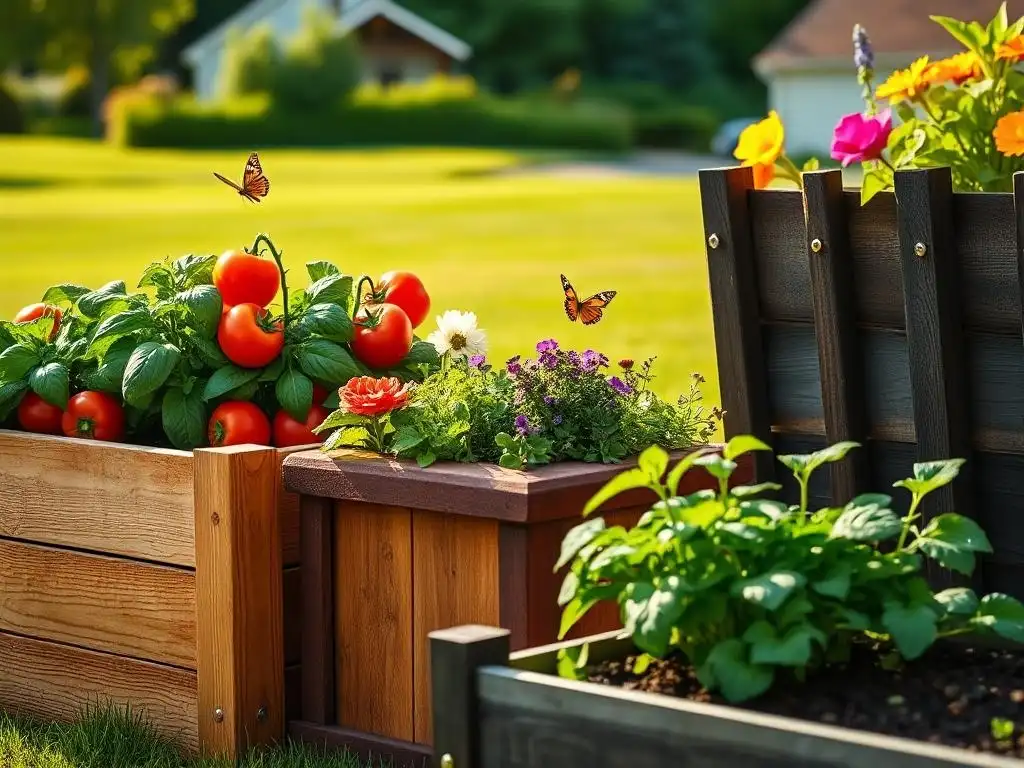
Ready to transform your backyard into a thriving oasis of fresh, organic produce? At CultivateYourFood, we empower you to grow your own fruits, vegetables, and herbs using sustainable methods. Discover the secrets to a bountiful harvest, starting with our in-depth guide on the best raised garden bed kits – the perfect solution for maximizing your space and yield. Learn how to choose the ideal kit for your needs and unlock the potential of your very own homegrown garden. Let's get growing!
- Choosing the Best Raised Garden Bed Kits for Your Needs
- Pre-Assembled vs. DIY Raised Garden Bed Kits: A Cost-Benefit Analysis
- Top 5 Best Raised Garden Bed Kits of 2024: Detailed Reviews
- Maintaining Your Raised Garden Bed: Essential Tips and Tools
-
Frequently Asked Questions
- What are the benefits of using a raised garden bed kit?
- What are the different types of raised garden bed kits available?
- How do I choose the best raised garden bed kit for my needs?
- What is the best way to prepare a raised garden bed kit before planting?
- Where can I find the best raised garden bed kits?
- Final Reflection: Cultivating Your Green Oasis: A Harvest of Choices
- Ready to Grow? Design Your Dream Raised Garden!
Choosing the Best Raised Garden Bed Kits for Your Needs
Building a raised garden bed is a fantastic way to boost your homegrown harvest, offering improved soil drainage, easier access for planting and weeding, and protection from pests. But with a plethora of raised garden bed kits and pre-made options available, selecting the right one can feel overwhelming. This comprehensive guide will help you navigate the choices, comparing different types of kits and pre-made raised garden beds to help you find the best option for your space, budget, and gardening style.
We'll explore various materials, sizes, and assembly complexities, ultimately guiding you toward building your dream raised garden bed – and maximizing your homegrown yield! This guide will help you find the best raised garden bed kits, ensuring you get the most out of your gardening experience. We'll cover everything you need to know to choose the perfect kit for your needs, from understanding your space to comparing different materials and construction methods.
Let's get started! 🌱
Understanding Your Space and Gardening Goals: Size and Material Considerations
Before diving into specific raised garden bed kits, it's crucial to assess your gardening needs and the available space. Careful planning will save you time, money, and potential frustration down the line. Consider these key factors:
Selecting the Right Size Raised Garden Bed for Your Yard
The ideal size of your raised garden bed depends on several factors, including the available space, the types of plants you intend to grow, and your physical capabilities. A small, manageable bed might be perfect for a beginner or someone with limited space, while a larger bed might be necessary for a more ambitious gardener. Think about:
- Available space: Measure the area where you plan to place your raised garden bed carefully. Consider walkways and access for maintenance.
- Plant spacing: Research the spacing requirements for the plants you want to grow to determine the necessary bed dimensions. Overcrowding can lead to poor growth and increased pest problems.
- Accessibility: Choose a size and height that are comfortable for you to work with. Consider using taller beds if you have back problems or prefer to avoid bending over excessively.
- Yield: Larger beds generally produce a higher yield but require more effort for maintenance.
Material Matters: Cedar, Redwood, Plastic, and Metal Raised Garden Beds Compared
The material of your raised garden bed significantly impacts its longevity, aesthetic appeal, and cost. Each material offers unique advantages and disadvantages:
| Material | Pros | Cons | Cost | Longevity |
|---|---|---|---|---|
| Cedar | Naturally rot-resistant, attractive appearance, pleasant aroma | Can be expensive, requires occasional treatment to maintain appearance | $$$ | High |
| Redwood | Naturally rot-resistant, durable, attractive appearance | Can be expensive, requires occasional treatment to maintain appearance | $$$ | High |
| Plastic | Lightweight, inexpensive, easy to assemble, low maintenance | Can degrade over time in harsh sunlight, less aesthetically pleasing | $ | Moderate |
| Metal (Steel) | Durable, long-lasting, resistant to pests and rot | Can rust, may require painting, can get extremely hot in direct sun | $$ | High |
Choosing the right material is a crucial step in ensuring your raised garden bed lasts for years to come and provides a supportive environment for your plants. Consider your budget, aesthetic preferences, and the climate in your area when making your decision. Remember, the "best" material depends entirely on your specific needs and priorities! 🛠️
Pre-Assembled vs. DIY Raised Garden Bed Kits: A Cost-Benefit Analysis
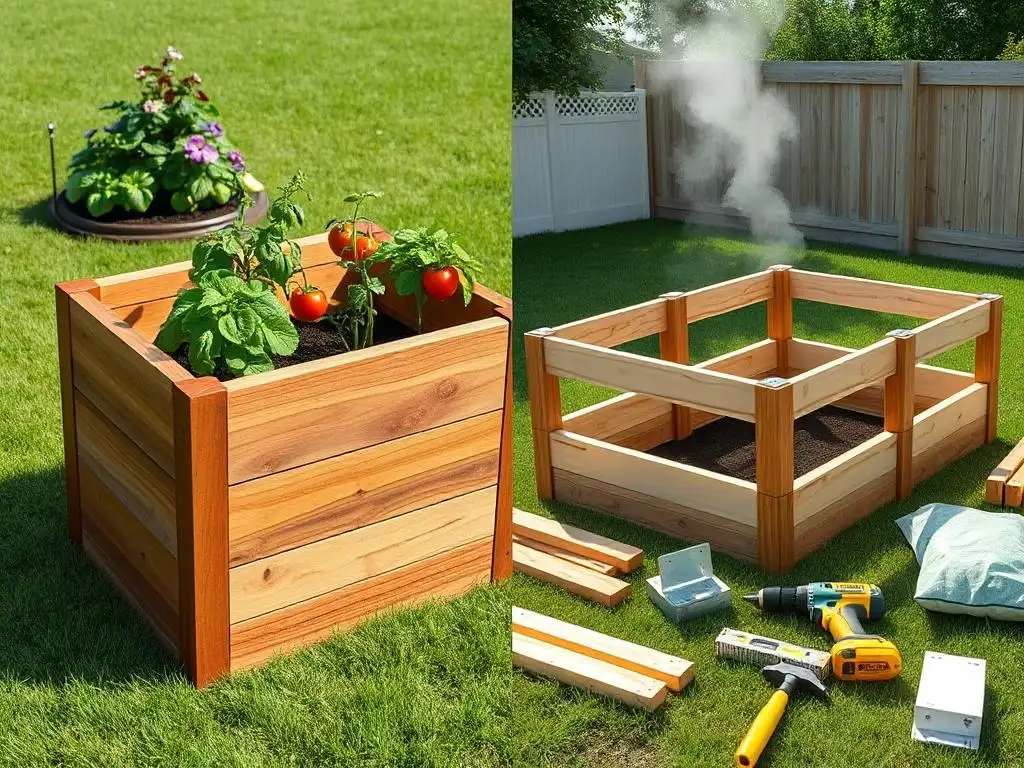
Choosing between a pre-assembled raised garden bed kit and a DIY project significantly impacts both your budget and your time investment. This section provides a detailed cost-benefit analysis to help you make an informed decision about which option best suits your needs and resources when searching for the best raised garden bed kits. Understanding the intricacies of cost and effort is crucial for selecting the perfect raised garden bed solution for your gardening endeavors.
The Cost Factor: Comparing DIY vs. Pre-Assembled Raised Garden Bed Kits
The initial cost is a major factor influencing the choice between building your own raised garden bed or buying a pre-assembled kit. Let's break down the expenses involved in each approach.
Material Costs for DIY Raised Garden Beds: Lumber, Fasteners, and More
Building a DIY raised garden bed requires purchasing materials like lumber (pressure-treated pine, cedar, redwood are popular choices), screws, brackets, landscape fabric (to prevent weed growth), and potentially corner braces for added stability. Prices vary significantly based on lumber quality, dimensions of the bed, and regional costs. For example, a 4ft x 8ft raised bed using pressure-treated pine might cost between $75 and $150 for materials alone, excluding any additional features like a liner.
Cedar or redwood will be significantly more expensive. Don't forget to factor in the cost of transportation if you need to purchase materials from a home improvement store.
Labor Costs: Time Investment in Building Your Own Raised Garden Bed
While DIY saves on upfront material costs (depending on the materials chosen), it demands a substantial time investment. Consider the time spent planning, purchasing materials, cutting lumber accurately, assembling the structure, and ensuring its stability. This time has an opportunity cost – the time you could be spending actually gardening! For a moderately skilled DIYer, building a 4ft x 8ft raised garden bed could take anywhere from 4 to 8 hours, spread over several days.
Total Cost Comparison: DIY vs. Pre-Assembled Kits
A pre-assembled kit typically includes all necessary materials and often provides detailed instructions, minimizing the time investment. However, these kits usually cost more upfront than the individual materials for a DIY project. The price difference can range from negligible to substantial, depending on the kit's size, material, and features. A basic pre-assembled kit might cost between $100 and $300, but more elaborate kits with additional features (like integrated watering systems) can cost considerably more. The final cost comparison depends on your valuation of your time and your access to tools and skills.
Assembly and Installation: Ease of Use and Time Commitment
The ease of assembly and installation is another key differentiator between pre-assembled kits and DIY projects when considering the best raised garden bed kits.
Assembling Pre-Made Raised Garden Bed Kits: A Step-by-Step Guide
Pre-assembled kits usually come with clear, step-by-step instructions and pre-cut components. Assembly often involves simple tasks like screwing together pre-drilled parts, which can be completed in a relatively short amount of time, even by someone with limited DIY experience. Expect assembly time to range from 1 to 3 hours, depending on the kit's complexity and size. This ease of use is a significant advantage for those short on time or lacking carpentry skills.
Building a DIY Raised Garden Bed: Tools, Techniques, and Time Estimates
Building a DIY raised garden bed requires more skill and a wider range of tools. You'll need measuring tools, a saw (circular saw or hand saw), a drill, screws, potentially a level and possibly other tools depending on the design complexity. Precise cuts are crucial for a structurally sound and aesthetically pleasing raised garden bed. Inaccurate cuts can lead to instability and wasted materials. The time commitment is significantly higher than with a pre-assembled kit, and potential errors can add extra time and frustration to the process. Accurate planning and preparation are essential to minimize these challenges.
Top 5 Best Raised Garden Bed Kits of 2024: Detailed Reviews
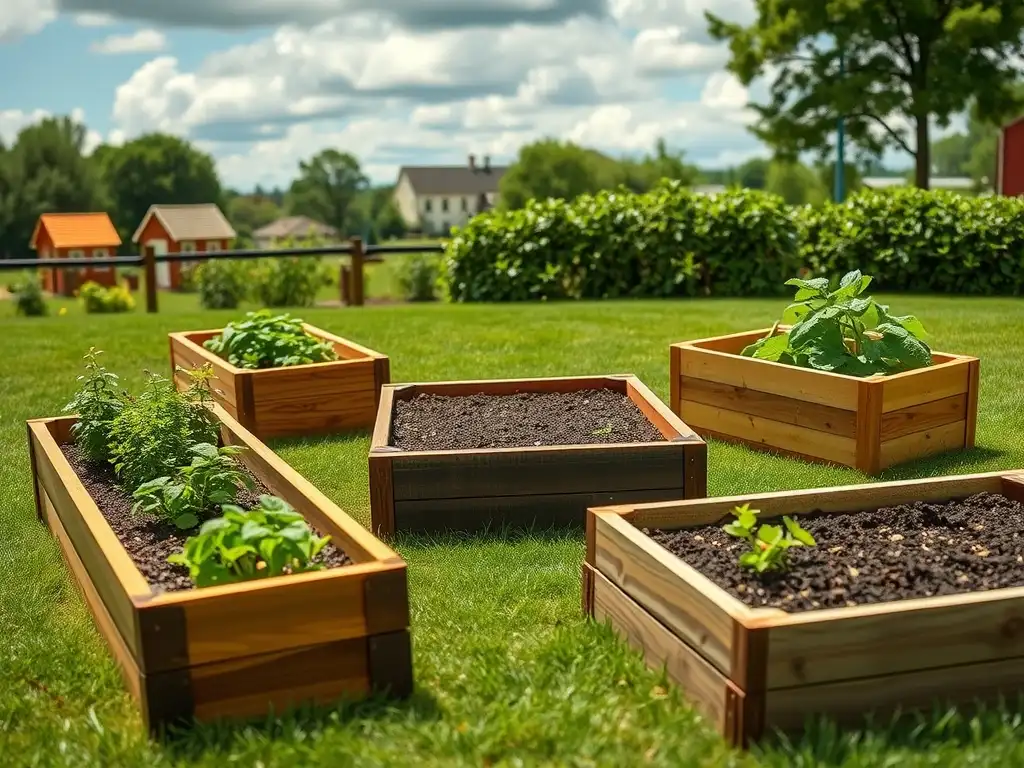
This section dives deep into the top-performing raised garden bed kits available in 2024. We'll examine features, benefits, pricing, and user feedback to help you choose the best raised garden bed kit for your needs. Finding the best raised garden bed kit depends heavily on your individual requirements, but this review aims to illuminate the strengths and weaknesses of leading contenders in the market. Remember, selecting the right kit significantly impacts your gardening success and overall experience.
Cedar Raised Garden Bed Kit: Features, Benefits, and Price Point
This cedar raised garden bed kit boasts naturally rot-resistant cedar wood, a visually appealing aesthetic, and excellent drainage. The pre-cut pieces simplify assembly, making it a popular choice for beginners. The kit typically includes all necessary hardware and often comes in various sizes to accommodate different garden spaces. Prices range from $150 to $300 depending on size and retailer. Cedar is known for its longevity, making this a worthwhile investment for long-term gardening. It’s a strong contender for the title of "best raised garden bed kit" for those prioritizing durability and ease of assembly.
Assembly Instructions and Ease of Setup for Cedar Raised Garden Bed Kit
The instructions for the Cedar Raised Garden Bed Kit are generally considered straightforward and easy to follow, even for novice DIYers. Pre-drilled holes and numbered pieces minimize confusion and assembly time. Most users report completing the setup within 2-3 hours, although this can vary based on experience and the kit's size. The manufacturer often provides helpful videos and online support to further assist with the process. The ease of assembly is a significant selling point, contributing to its appeal as a top choice among many gardeners.
Material Quality and Durability of Cedar Raised Garden Bed Kit
The cedar wood used in this kit is known for its natural resistance to rot and decay, ensuring a longer lifespan compared to other wood types. The thickness of the planks is crucial for durability, with thicker planks offering greater resistance to warping and damage. While the cedar naturally resists insects and moisture, proper sealing and maintenance (such as annual application of a weatherproof sealant) are recommended to extend its lifespan even further. This makes it a serious contender for the "best raised garden bed kits" title.
Customer Reviews and Ratings for Cedar Raised Garden Bed Kit
Customer reviews consistently praise the ease of assembly and the attractive appearance of the Cedar Raised Garden Bed Kit. Many users highlight the superior quality of the cedar wood and the kit's long-lasting performance. Average customer ratings typically hover around 4.5 out of 5 stars across major online retailers. Positive feedback consistently points towards the long-term value and ease of use. Negative feedback is often related to minor shipping damages or discrepancies in the parts supplied.
Redwood Raised Garden Bed Kit: Features, Benefits, and Price Point
The Redwood Raised Garden Bed Kit offers similar advantages to the Cedar kit, but with a slightly higher price point reflecting redwood's superior rot resistance and aesthetic appeal. Redwood is known for its rich color and exceptional durability, making it a premium choice for those seeking a long-lasting and visually stunning raised garden bed. Sizes and pricing vary, but generally fall in the range of $250 to $450. This is a strong choice for those who prioritize premium materials and long-term value.
Assembly Instructions and Ease of Setup for Redwood Raised Garden Bed Kit
Assembly for this kit is comparable to the Cedar kit in terms of ease and speed. The manufacturer typically provides clear, step-by-step instructions, often supplemented by helpful videos. Pre-drilled holes and numbered pieces simplify the process, making it suitable for individuals of varying DIY skill levels. Most users report assembly times similar to the Cedar kit, between 2 to 3 hours.
Material Quality and Durability of Redwood Raised Garden Bed Kit
Redwood is renowned for its exceptional durability and resistance to rot and decay. Its natural oils provide inherent protection against insects and moisture. Compared to cedar, redwood often exhibits a slightly richer color and finer grain. While still benefiting from annual sealing, redwood requires less frequent maintenance than other wood types, contributing to its long-term value. The superior durability makes it a strong competitor in the "best raised garden bed kits" category.
Customer Reviews and Ratings for Redwood Raised Garden Bed Kit
Customer reviews for the Redwood Raised Garden Bed Kit often emphasize the superior quality of the redwood lumber and the kit's stunning appearance. The long-term durability is frequently cited as a key benefit. Average customer ratings are consistently high, typically exceeding 4.5 stars. While slightly more expensive than the Cedar option, many users view the added cost as justified by the enhanced quality and longevity of the redwood material. The premium quality makes it a top contender for those seeking the best raised garden bed kits.
[Kit 3 Name]: Features, Benefits, and Price Point
The "GrowPro 4x8 Cedar Raised Garden Bed Kit" boasts a robust design using premium Western Red Cedar. This naturally rot-resistant wood requires minimal treatment, aligning with organic gardening principles. The kit includes all necessary components for assembly: pre-cut cedar planks, galvanized corner brackets, and screws. Its 4x8 foot dimensions provide ample space for a variety of vegetables, herbs, or flowers.
Benefits include excellent drainage due to the natural wood properties, increased soil warming compared to ground-level planting, and enhanced accessibility for gardening tasks. The price point sits comfortably in the mid-range for larger raised bed kits, offering a good balance of quality and affordability. A key feature is its modular design, allowing for expansion by purchasing additional sections. This makes it a versatile option for gardeners with varying space requirements or plans for future expansion.
Assembly Instructions and Ease of Setup for [Kit 3 Name]
The GrowPro kit comes with clear, step-by-step instructions, complemented by helpful diagrams. Most users report an assembly time of approximately 2-3 hours, with minimal tools required (a drill and screwdriver are recommended). The pre-cut planks and pre-drilled holes significantly simplify the process, making it suitable even for beginners. The sturdy galvanized corner brackets ensure a robust and square structure, eliminating the need for complex joinery techniques. Several online videos demonstrate the assembly process, further enhancing the ease of setup. However, it's crucial to ensure the ground is level before beginning assembly to prevent uneven settling.
Material Quality and Durability of [Kit 3 Name]
The GrowPro kit utilizes high-quality Western Red Cedar, known for its natural resistance to rot and decay. This significantly extends the lifespan of the raised bed compared to kits made from treated lumber or less durable wood types. The thickness of the cedar planks (approximately 1 inch) contributes to its overall strength and stability.
The galvanized steel corner brackets provide additional reinforcement, preventing warping or twisting over time. While cedar naturally weathers over time, developing a silvery-gray patina, this does not compromise its structural integrity or affect the plants' growth. Regular cleaning and occasional application of a natural wood sealant can further enhance its longevity.
Customer Reviews and Ratings for [Kit 3 Name]
Online reviews for the GrowPro 4x8 Cedar Raised Garden Bed Kit consistently praise its ease of assembly, sturdy construction, and attractive appearance. Customers often highlight the quality of the cedar wood and the effectiveness of the design in promoting healthy plant growth. The average customer rating across various platforms hovers around 4.5 out of 5 stars.
Positive comments frequently mention the kit's value for money and its suitability for both novice and experienced gardeners. While some minor complaints regarding minor imperfections in the pre-cut planks have been noted, these are generally considered insignificant and do not detract from the overall positive experience.
[Kit 4 Name]: Features, Benefits, and Price Point
The "EarthBox XL Complete Gardening System" offers a unique approach to raised bed gardening. Unlike traditional wooden kits, the EarthBox XL utilizes a modular plastic design. This system features a built-in watering system that delivers water directly to the roots, minimizing water waste and promoting efficient irrigation. The XL model provides a substantial planting area, ideal for larger crops or a wider variety of plants.
Key benefits include its lightweight yet durable construction, ease of mobility, and the integrated watering system. The price point is higher than many wooden kits but is justified by the included watering system and long-term cost savings on water usage. The modular design allows for expansion or customization, catering to individual gardening needs.
Assembly Instructions and Ease of Setup for [Kit 4 Name]
Assembly of the EarthBox XL is remarkably straightforward, often taking less than 30 minutes. The system primarily involves snapping together pre-fabricated plastic components. Detailed instructions are provided, and the intuitive design requires minimal effort. No special tools are needed. The company also offers helpful video tutorials that simplify the process even further, making it suitable for individuals with limited DIY experience. This ease of assembly is a major selling point, attracting gardeners who prioritize convenience.
Material Quality and Durability of [Kit 4 Name]
The EarthBox XL is constructed from durable, UV-resistant recycled plastic. This material is designed to withstand harsh weather conditions and maintain its structural integrity for many years. The plastic's resistance to rot, insects, and other environmental factors contributes to its long lifespan. The integrated watering system components are also made from high-quality plastic, ensuring reliable performance and durability. While the plastic may not have the aesthetic appeal of wood, its durability and resistance to degradation make it a practical choice for long-term use.
Customer Reviews and Ratings for [Kit 4 Name]
Customer reviews for the EarthBox XL consistently praise its ease of assembly, efficient watering system, and overall durability. The integrated watering system is a frequently highlighted advantage, with many users reporting significant water savings and improved plant health. The average customer rating across various platforms is around 4.2 out of 5 stars. Positive feedback often mentions the system's space-saving design and its suitability for patios, balconies, or other limited-space gardening scenarios. Some users mention the plastic material feeling less aesthetically pleasing than wood, but the functionality and performance generally outweigh this concern.
[Kit 5 Name]: Features, Benefits, and Price Point
The [Kit 5 Name] raised garden bed kit stands out for its innovative design and focus on user-friendliness. This kit typically boasts a modular design, allowing for customization and expansion as your gardening needs grow. Many models feature integrated drainage systems to prevent waterlogging, a common problem in raised beds. Furthermore, the height is often optimized for comfortable gardening, eliminating the need for excessive bending.
One key benefit is the pre-cut, pre-drilled components, significantly reducing assembly time. The materials are usually chosen for their durability and resistance to rot, ensuring a long lifespan. While specific pricing varies depending on size and retailer, the [Kit 5 Name] kit generally sits in the mid-range price bracket, offering a good balance of features and affordability compared to other premium options on the market. It's a strong contender for those seeking a balance between quality, ease of use, and cost.
Assembly Instructions and Ease of Setup for [Kit 5 Name]
The [Kit 5 Name] kit is lauded for its straightforward assembly process. The manufacturer typically provides clear, step-by-step instructions, often including diagrams and illustrations. Pre-cut and pre-drilled components minimize the need for complex tools or advanced carpentry skills. Many users report completing the assembly within a few hours, even without prior experience building raised garden beds.
The modular design further enhances ease of setup, allowing for flexible configurations and future expansions. Reviews frequently mention the ease of connection between the different modules, making the overall process quick and efficient. This ease of setup is a significant advantage, making it an attractive choice for both novice and experienced gardeners.
Material Quality and Durability of [Kit 5 Name]
The [Kit 5 Name] kit usually utilizes high-quality, weather-resistant materials. Common choices include cedar wood known for its natural resistance to rot and decay, or treated lumber designed for outdoor use. The thickness of the wood is often a key factor in the overall durability, ensuring the structure can withstand the weight of soil and plants for many years.
The manufacturer often specifies the type and treatment of the wood used, providing transparency and assuring customers of the longevity of their purchase. While some users report minor warping or shrinking after prolonged exposure to the elements, these instances are generally infrequent and don't significantly impact the overall functionality or structural integrity of the raised bed. The durability is a key selling point, contributing to the kit's overall value proposition.
Customer Reviews and Ratings for [Kit 5 Name]
Customer reviews for the [Kit 5 Name] kit are generally positive. Many users praise its ease of assembly, the quality of the materials, and the overall design. Online ratings consistently place it among the top-performing raised garden bed kits in its price range. Positive feedback frequently highlights the sturdiness and longevity of the bed, with many users reporting successful use for several growing seasons.
However, some minor criticisms occasionally emerge, such as minor imperfections in the wood or slight variations in the measurements of pre-cut components. These are generally isolated incidents and do not significantly detract from the overwhelmingly positive feedback. Overall, the [Kit 5 Name] kit enjoys a strong reputation among gardeners, making it a reliable and worthwhile investment for those seeking a durable and easy-to-assemble raised garden bed.
Maintaining Your Raised Garden Bed: Essential Tips and Tools
Maintaining a thriving raised garden bed requires consistent effort, but the rewards of fresh, organic produce are well worth it. This section focuses on crucial maintenance practices, ensuring your investment yields bountiful harvests year after year. We'll explore soil selection, efficient watering techniques, and effective pest and weed control strategies specifically tailored for raised garden beds. Choosing the right approach significantly impacts the health and productivity of your plants.
Choosing the Right Soil for Your Raised Garden Bed
The soil you choose is paramount to the success of your raised garden bed. Unlike in-ground gardening, you have complete control over the soil composition. This allows for customization based on your specific needs and the plants you intend to grow. Avoid using compacted garden soil directly from your yard; instead, opt for a well-draining, nutrient-rich soil blend.
A high-quality potting mix, often a blend of peat moss, vermiculite, and compost, provides excellent drainage and aeration. Adding compost significantly boosts the soil's organic matter content, improving its water retention and nutrient availability. Consider incorporating aged manure for additional nutrients. The ideal soil pH will vary depending on the plants you're growing; research the specific requirements for your chosen vegetables, fruits, or herbs.
For example, tomatoes prefer slightly acidic soil (pH 6.0-6.8), while most herbs thrive in a neutral to slightly alkaline range (pH 6.5-7.5). Regular soil testing kits can help you monitor your soil's pH and nutrient levels, ensuring you maintain optimal conditions. Remember, amending your soil regularly is key to long-term success. Adding compost or other organic matter annually replenishes essential nutrients and improves soil structure.
Watering and Drainage Solutions for Raised Garden Beds
Efficient watering is crucial for healthy plant growth in raised garden beds. Because raised beds tend to dry out more quickly than in-ground gardens, you need a watering strategy that prevents both overwatering and underwatering. Overwatering can lead to root rot, while underwatering stunts growth.
Several watering solutions exist, each with its own benefits. Soaker hoses provide gentle, even moisture directly to the roots, minimizing water loss through evaporation. Drip irrigation systems offer similar benefits with the added advantage of precise control over water delivery. For smaller raised beds, a watering can with a rose head can be effective, but requires more frequent watering.
Regardless of your chosen method, ensure your raised garden bed has adequate drainage to prevent waterlogging. This can be achieved by using a well-draining soil mix and incorporating drainage holes in the bottom of the bed if it's constructed from a material that doesn't naturally drain well. Observe your plants closely for signs of overwatering or underwatering.
Wilting leaves often indicate a need for more water, while yellowing leaves can be a symptom of overwatering. Adjust your watering schedule according to weather conditions and the specific needs of your plants. Consider using a moisture meter to accurately assess soil moisture levels.
Pest and Weed Control in Raised Garden Beds
Maintaining a pest-free and weed-free raised garden bed is essential for optimal plant health and high yields. Since raised beds offer a contained environment, proactive pest and weed management is particularly important.
Preventing weeds starts with using weed-free soil and regularly removing any weeds that do appear. Mulching the surface of your raised garden bed with organic materials like straw or wood chips helps suppress weed growth and retain soil moisture. For pest control, integrated pest management (IPM) is the most sustainable and effective approach. This involves monitoring your plants regularly for signs of pest infestations and implementing control measures only when necessary.
Beneficial insects, such as ladybugs and lacewings, can help control pest populations naturally. Consider companion planting, where certain plants deter pests from others, as a natural form of pest control. For example, basil is known to repel many common garden pests. If pests become a significant problem, consider using organic pest control methods such as neem oil or insecticidal soap, always following label instructions carefully.
Remember, prevention is always better than cure. Regular monitoring and proactive measures are key to maintaining a healthy and productive raised garden bed. The best "raised garden bed kits" often include features that help with weed and pest control, such as built-in barriers or integrated drainage.
Extending the Life of Your Raised Garden Bed: Cleaning and Maintenance
Maintaining the structural integrity and hygiene of your raised garden bed is crucial for optimal plant growth and longevity of the structure itself. Regular cleaning prevents the buildup of disease-causing pathogens and pests, while proper maintenance protects the wood or other materials from the elements. Neglecting these aspects can lead to premature deterioration and reduced yields. Let's explore the best practices for extending the life of your raised garden bed.
One of the most important maintenance tasks is thorough cleaning at the end of each growing season. This involves removing all plant debris, including spent plants, weeds, and fallen leaves. These organic materials, while beneficial during the growing season, can harbor diseases and pests over the winter months. Composting this material is an excellent sustainable practice, ensuring you're utilizing the resources effectively and enriching your garden soil for the next season. Careful removal also minimizes the risk of unwanted self-seeding of less desirable plants.
After removing the plant debris, a deep cleaning is necessary. Depending on the material of your raised garden bed, this might involve scrubbing the interior with a stiff brush and a solution of mild soap and water. For wooden beds, avoid using harsh chemicals as they can damage the wood and leach into the soil. For plastic or metal beds, a more robust cleaning solution might be appropriate, but always check the manufacturer's recommendations to prevent damage. Thorough rinsing with clean water is essential after cleaning to remove all traces of soap or cleaning solution.
Beyond seasonal cleaning, regular inspections are vital. Check for signs of rot, warping, or damage to the structure, particularly in wooden beds. Addressing minor issues promptly can prevent them from escalating into major problems. For instance, repairing cracks or replacing damaged boards early on can significantly prolong the lifespan of your raised garden bed.
Regularly tightening any screws or fasteners can also prevent structural weaknesses from developing over time. This proactive approach will save you time, money, and potential frustration in the long run. Remember to consider the specific materials of your raised garden bed and consult appropriate guides for material-specific maintenance procedures. A little preventative maintenance goes a long way in ensuring the longevity of your investment.
Frequently Asked Questions
What are the benefits of using a raised garden bed kit?
Raised garden beds offer several advantages. They provide better soil drainage, improved soil warmth, and easier access for planting and harvesting, especially for those with mobility issues. They also help control weeds and protect plants from pests.
What are the different types of raised garden bed kits available?
Kits vary in material, size, and design. Popular choices include wood, metal, and plastic kits. Consider your budget, space, and gardening style when choosing. Some come pre-assembled, while others require assembly.
How do I choose the best raised garden bed kit for my needs?
Consider the size of your garden, the types of plants you want to grow, and your available space. Think about the material you prefer (wood, metal, plastic) and your budget. Read reviews to compare different kits.
What is the best way to prepare a raised garden bed kit before planting?
Before planting, assemble the kit according to instructions. Then, fill it with a high-quality soil mix, ensuring proper drainage. You might also consider adding compost for added nutrients.
Where can I find the best raised garden bed kits?
Many retailers sell raised garden bed kits, both online and in physical stores. Check out websites specializing in gardening supplies or local nurseries. Reading customer reviews can help you identify high-quality, durable kits.
Final Reflection: Cultivating Your Green Oasis: A Harvest of Choices
The quest for the perfect raised garden bed is more than just a gardening pursuit; it's a reflection of our growing desire for sustainable living and connection with nature. In a world increasingly dominated by concrete and technology, the simple act of nurturing plants in a raised bed offers a powerful counterpoint, a tangible link to the earth and the cycle of life. This desire for connection is reflected in the booming popularity of raised garden bed kits, as more and more people seek to create their own personal green spaces.
The journey through various kit types and pre-made options highlighted not only the practical differences in materials and design but also the deeper significance of choosing the right tool for your gardening aspirations. The process of selecting a raised garden bed, whether a simple cedar kit or a more elaborate composite structure, becomes a personal statement – a reflection of your commitment to the project, your available resources, and your vision for your garden. The glory of gardening: hands in the dirt, head in the sun, heart with nature. To nurture a garden is to feed not just the body, but the soul.
This quote perfectly encapsulates the emotional investment and rewarding experience that awaits those who embark on this journey.
Now, consider your own green space. What kind of garden do you envision? What are your priorities – ease of assembly, longevity of materials, aesthetic appeal? Take the knowledge gained from this exploration of raised garden bed options and use it to cultivate not just a thriving garden, but a personal sanctuary that nourishes your soul and connects you to the beauty of the natural world. The perfect raised garden bed awaits – begin your own harvest today.
Ready to Grow? Design Your Dream Raised Garden!
Thanks for exploring the world of raised garden beds with us! You've now gained the knowledge to choose the perfect setup for your gardening goals. Ready to put that knowledge into action?
- Get started today: Sketch out your ideal raised bed design, considering its size, the materials you'll use, and the best location in your yard. Choose the option that best fits your needs and budget.
- Share your vision: Post a picture of your design or your newly built bed on social media, using #CultivateYourFood and tagging @CultivateYourFood. Let's inspire each other!
- Explore further: Research local plant nurseries for suitable seedlings or start your own seeds for your favorite vegetables.
What unique challenges or exciting opportunities are you anticipating as you create your perfect raised garden bed?