
Raised Garden Beds for Flowers: Adding Beauty to Your Garden

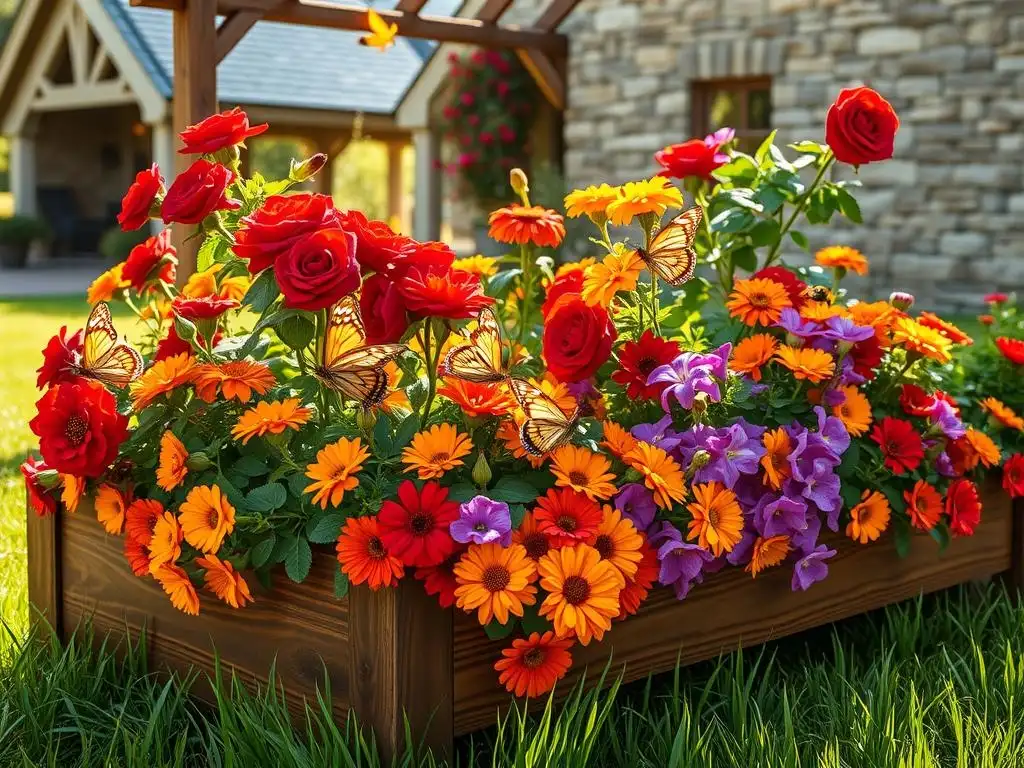
Welcome to CultivateYourFood, your guide to a thriving, sustainable garden! Ready to transform your outdoor space into a vibrant oasis? We're diving deep into the world of raised bed gardening, and today we're exploring the beauty and practicality of raised beds flower garden ideas. Discover how to create stunning floral displays while embracing organic and eco-friendly practices. Let's cultivate something extraordinary together – explore the possibilities and unlock the secrets to a flourishing garden!
-
Planning Your Raised Bed Flower Garden
- Choosing the Perfect Location for Your Raised Flower Beds: Sunlight, Soil & Drainage
- Designing Your Raised Bed Flower Garden Layout: Maximize Space and Aesthetics
- Selecting the Right Size and Shape for Raised Flower Beds: Considerations for Different Flower Types
- Essential Materials for Building Raised Flower Beds: Wood, Metal, and Plastic Options
- Building Your Raised Bed Flower Garden
-
Choosing Plants for Your Raised Bed Flower Garden
- Selecting Flower Varieties for Raised Beds: Sun-Loving, Shade-Tolerant, and Drought-Resistant Options
- Creating a Stunning Color Scheme for Your Raised Flower Bed Garden: Harmonious Combinations and Contrasts
- Companion Planting in Raised Flower Beds: Beneficial Plant Combinations for Thriving Flowers
- Incorporating Herbs into Your Raised Flower Bed Garden: Fragrant and Functional Companions
-
Maintaining Your Raised Bed Flower Garden
- Watering Your Raised Flower Beds Efficiently: Tips for Optimal Moisture Levels
- Fertilizing Your Raised Flower Beds: Organic and Sustainable Options for Flower Growth
- Pest and Disease Control in Raised Flower Beds: Natural Methods for Healthy Plants
- Mulching Your Raised Flower Beds: Protecting Soil and Suppressing Weeds
-
Harvesting and Enjoying Your Raised Bed Flower Garden
- Deadheading and Pruning Your Flowers: Promoting Continuous Bloom
- Cutting Flowers from Your Raised Beds: Tips for Long-Lasting Arrangements
- Extending the Blooming Season in Your Raised Flower Bed Garden: Succession Planting Strategies
- Creative Uses for Flowers Harvested from Your Raised Bed Garden: Beyond Bouquets
- Recommended Products for Raised Bed Flower Gardening
-
Frequently Asked Questions
- What are the benefits of using raised beds for a flower garden?
- What materials are best for building raised flower beds?
- How big should my raised flower beds be for optimal growth?
- What kind of soil is best for raised flower beds?
- What are some creative design ideas for raised flower beds in my garden?
- Final Reflection: Cultivating Beauty, One Raised Bed at a Time
- Unleash Your Inner Gardener: Bloom Where You're Planted!
Planning Your Raised Bed Flower Garden
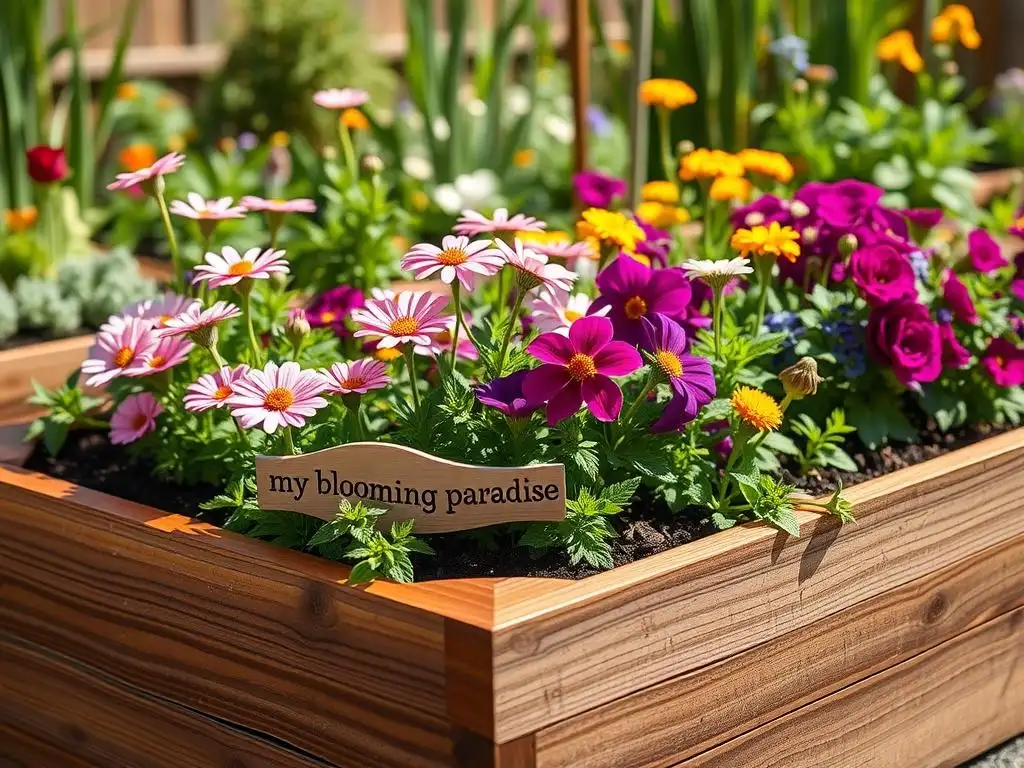
Creating a stunning and thriving flower garden doesn't require acres of land. Raised garden beds offer a fantastic solution for maximizing space, improving soil drainage, and adding a touch of elegance to even the smallest backyard or patio. This guide will walk you through the planning stages of establishing a beautiful raised bed flower garden, focusing on sustainable and organic practices to nurture your blooms.
We'll explore optimal location selection, design considerations, and material choices to ensure your raised bed flower garden becomes a vibrant centerpiece for years to come. This detailed approach will provide you with the knowledge and confidence to cultivate a truly spectacular display of color and fragrance, all while practicing environmentally conscious gardening techniques. This article will help you find the best "raised beds flower garden ideas" for your space and needs.
Choosing the Perfect Location for Your Raised Flower Beds: Sunlight, Soil & Drainage
Selecting the right location is paramount for successful flower cultivation. Consider these key factors:
- Sunlight: Most flowering plants thrive in at least 6-8 hours of direct sunlight daily. Observe your yard throughout the day to identify areas receiving ample sun. Note the sun's path – morning sun is often gentler than the harsh afternoon rays. Consider the seasonal changes; your sunny spot in summer might be shaded in winter.
- Soil Quality: While raised beds allow for improved soil control, starting with good soil is crucial. Analyze the existing soil in your chosen location. Is it well-drained, or does it tend to retain water? Poor drainage can lead to root rot. You may need to amend your soil with compost or other organic matter to improve its structure and fertility.
- Drainage: Excellent drainage is essential to prevent waterlogging, which can damage plant roots. Ensure your chosen location doesn't accumulate water after rainfall. A slight slope can aid drainage, and you might want to consider adding a layer of gravel at the bottom of your raised bed for extra drainage. Observe the area after a heavy rain to assess its drainage capabilities.
Designing Your Raised Bed Flower Garden Layout: Maximize Space and Aesthetics
Designing your raised bed flower garden involves more than just planting flowers; it's about creating a visually appealing and functional space. Consider these aspects:
- Space Optimization: The dimensions of your raised beds will depend on the available space and the types of flowers you plan to grow. Taller plants should be placed at the back of the bed to avoid shading smaller plants. Consider a layered approach, with taller plants at the rear and shorter plants in the front for optimal sunlight exposure. Sketching your design beforehand can help visualize the final arrangement.
- Aesthetics and Color Schemes: Think about the overall aesthetic you want to achieve. Will you opt for a vibrant mix of colors, or a more monochromatic scheme? Consider contrasting colors and textures to create visual interest. Remember to choose flowers with varying bloom times to ensure continuous color throughout the growing season. For example, combine early bloomers like tulips with late bloomers like dahlias for extended beauty. Consider adding some architectural elements like trellises or decorative stones to enhance the visual appeal.
- Accessibility and Maintenance: Design your raised beds with easy access for planting, watering, and weeding in mind. Ensure there is enough space to move comfortably around the beds. Choose plants that are relatively low-maintenance, or that are suited to your gardening experience and time commitments. Planning for easy maintenance from the start will save you time and effort in the long run.
Selecting the Right Size and Shape for Raised Flower Beds: Considerations for Different Flower Types
Choosing the right size and shape for your raised flower beds is crucial for the success of your garden. The dimensions you select will directly impact factors like sunlight penetration, water drainage, accessibility for maintenance, and the overall aesthetic appeal. Consider the mature size of your chosen plants – a sprawling rose bush will require significantly more space than a delicate pansy.
For example, tall, sun-loving flowers like sunflowers or hollyhocks benefit from a longer, narrower bed oriented east-west to maximize sun exposure throughout the day. Conversely, shade-loving plants such as impatiens or ferns might thrive in a shorter, wider bed positioned to receive dappled shade. Think about the visual impact as well. A circular bed can add a soft, whimsical touch, while a rectangular bed can create a more formal and structured look.
Experiment with different shapes and sizes to find what best complements your garden's design and the specific needs of your flowers. Remember to account for walkways between beds for easy access during planting, weeding, and harvesting. A bed that's too cramped will make these tasks more difficult and potentially damage your plants. Careful planning ensures a flourishing and visually stunning raised flower bed garden.
Essential Materials for Building Raised Flower Beds: Wood, Metal, and Plastic Options
The material you choose for your raised flower beds significantly impacts their longevity, aesthetic appeal, and overall cost. Each material offers unique advantages and disadvantages.
Wood: Wood is a popular choice due to its natural aesthetic and relative ease of construction. Cedar and redwood are particularly well-suited for outdoor use due to their natural resistance to rot and decay. However, even these durable woods require occasional treatment to extend their lifespan. Pressure-treated lumber is a more affordable option, but it's crucial to ensure it's a type that's safe for planting, as some treatments can leach harmful chemicals into the soil.
Metal: Metal raised beds, typically made of galvanized steel or aluminum, offer exceptional durability and longevity. They are resistant to rot and insect damage, requiring minimal maintenance. However, metal can heat up significantly in direct sunlight, potentially damaging plants' roots. Furthermore, metal beds can be more expensive than wood and may require specialized tools for assembly.
Plastic: Plastic raised beds provide a budget-friendly and lightweight option. They are easy to assemble and relatively maintenance-free. However, plastic beds are not as aesthetically pleasing as wood or metal and may not be as durable, potentially requiring replacement sooner. Additionally, some plastics may not be environmentally friendly, so research the type of plastic used before purchasing. The choice ultimately depends on your budget, aesthetic preferences, and the long-term commitment you're willing to make.
Choosing the Right Wood for Raised Flower Beds: Cedar, Redwood, and Treated Lumber
Selecting the appropriate wood for your raised flower beds is a crucial decision that impacts the longevity and health of your plants. Three common options—cedar, redwood, and treated lumber—each present distinct advantages and drawbacks.
Cedar: Known for its natural resistance to rot and insects, cedar is a premium choice for raised beds. Its aromatic oils deter pests, and it requires minimal maintenance. However, cedar is typically more expensive than other options. Its beautiful natural color and grain add a touch of elegance to any garden design. Expect a longer lifespan with cedar, reducing the need for frequent replacements.
Redwood: Similar to cedar, redwood possesses natural resistance to decay and insects. It's also relatively durable and weather-resistant. While slightly less expensive than cedar, redwood is still a more premium option compared to treated lumber. Its rich reddish-brown hue adds warmth and visual appeal to the garden. Like cedar, redwood offers excellent longevity, minimizing the need for frequent replacements.
Treated Lumber: Pressure-treated lumber is a significantly more affordable option than cedar or redwood. However, it's crucial to select lumber treated with copper azole preservatives, as these are considered safe for planting. Avoid lumber treated with chromated copper arsenate (CCA), which contains arsenic and is harmful to plants and the environment.
While treated lumber offers a budget-friendly solution, it may not last as long as cedar or redwood, requiring more frequent replacement. Always check the manufacturer's information to ensure the treated lumber is safe for use in a vegetable or flower garden. The choice depends on your budget and the desired lifespan of your raised beds.
Building Your Raised Bed Flower Garden
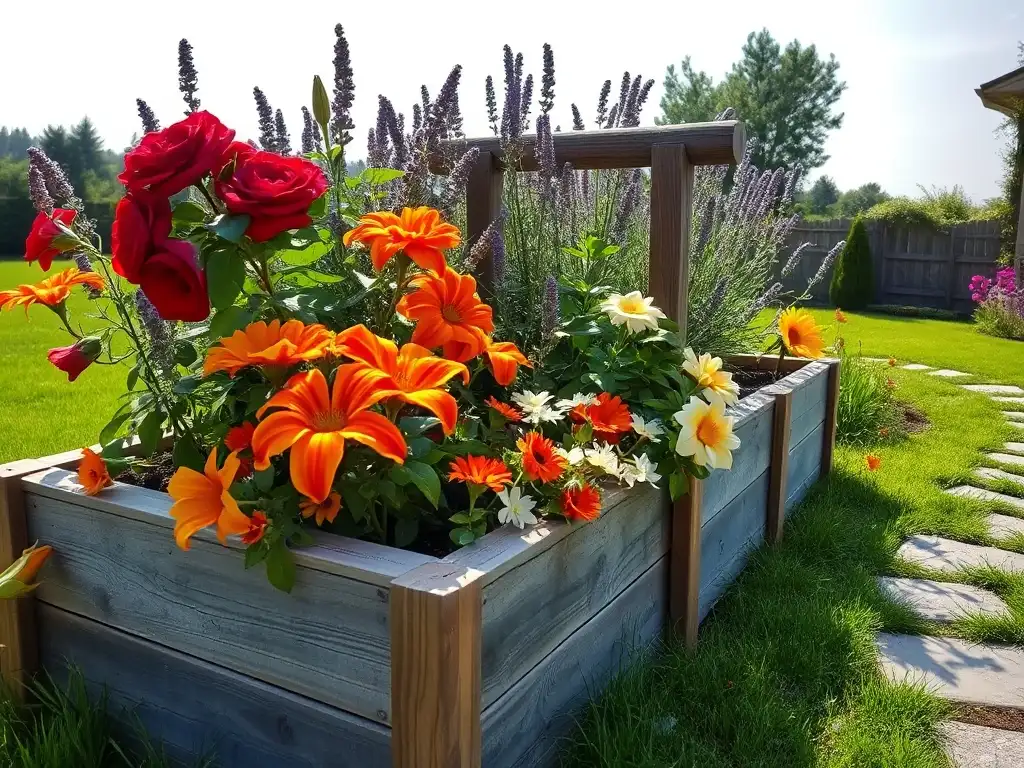
This section delves into the practical aspects of constructing raised beds specifically designed for a vibrant flower garden. We'll explore various materials and provide step-by-step instructions, ensuring you create a beautiful and functional space for your blooms. Remember, choosing the right materials for your raised bed is crucial for its longevity and the health of your plants. Consider factors like durability, cost, and aesthetic appeal when making your selection. The beauty of a raised bed flower garden lies not only in the flowers themselves, but also in the careful construction and design of the bed itself.
Step-by-Step Guide to Building a Wooden Raised Bed for Flowers
Building a wooden raised bed offers a classic, aesthetically pleasing, and relatively inexpensive option. This guide uses pressure-treated lumber, ensuring durability and resistance to rot. Always wear appropriate safety gear, including gloves and safety glasses, when working with wood.
Materials:
- Pressure-treated lumber (4x4 posts for corners, 2x6 planks for sides)
- Galvanized screws (3-inch)
- Post-hole digger or auger
- Level
- Measuring tape
- Saw (circular saw recommended)
- Drill with appropriate drill bit
- Landscaping fabric (optional, for weed control)
Steps:
- Planning & Measurement: Determine the desired dimensions of your raised bed. Consider the space available and the types of flowers you plan to plant. A good starting point is a 4ft x 8ft bed, which provides ample space for a variety of flowers.
- Cutting the Lumber: Cut the lumber to the appropriate lengths according to your chosen dimensions. Ensure all cuts are square and precise for a stable structure.
- Assembling the Frame: Position the 4x4 corner posts and secure them using the 2x6 planks. Pre-drill holes to prevent splitting the wood before driving in the screws. Use a level to ensure the frame is perfectly square and level.
- Adding Landscaping Fabric (Optional): If using landscaping fabric, staple it to the inside of the frame before adding soil. This helps prevent weeds from growing into your flower bed.
- Filling the Bed: Fill the raised bed with a high-quality potting mix suitable for flowers. Avoid using garden soil directly, as it may contain compacted soil and weeds.
- Finishing Touches: Once filled, you can add decorative elements such as edging or mulch to enhance the aesthetic appeal of your raised bed flower garden. Consider adding a layer of compost to enrich the soil further.
Assembling a Metal Raised Bed for Flowers
Metal raised beds, often made from galvanized steel or aluminum, offer a modern aesthetic and require minimal maintenance. They are generally more expensive than wooden beds but are highly durable and weather-resistant. The ease of assembly is a significant advantage.
Materials:
- Metal raised bed kit (choose a size appropriate for your space and flower selection)
- Assembly tools (usually included in the kit)
- Gloves
- Level
Steps:
- Review Instructions: Carefully read the manufacturer's instructions before beginning assembly. Each kit will have specific assembly steps.
- Prepare the Area: Level the ground where you intend to place the raised bed. This ensures stability and prevents the bed from settling unevenly.
- Assemble the Frame: Follow the manufacturer's instructions to assemble the metal frame. This often involves connecting various panels and securing them with bolts or other fasteners. Use a level to check for squareness throughout the assembly process.
- Fill the Bed: Once assembled, fill the metal raised bed with a suitable potting mix for flowers. Ensure the mix is well-draining to prevent root rot.
Installing a Plastic Raised Bed System
Plastic raised beds provide a lightweight, affordable, and easy-to-assemble option. They come in various sizes and shapes, offering flexibility in design. Though not as durable as wood or metal, they are a great choice for beginners or those seeking a low-maintenance solution. Remember to check the plastic's UV resistance to ensure it withstands sun exposure.
Materials:
- Plastic raised bed kit (choose a size and style that suits your needs)
- Assembly tools (usually included in the kit)
- Potting mix suitable for flowers
- Gloves
Steps:
- Site Selection: Choose a location with adequate sunlight (at least 6 hours per day) and good drainage. Level the ground before installation.
- Assembly: Follow the manufacturer's instructions for assembly. Most plastic raised beds are relatively simple to assemble, often involving interlocking panels or a simple snap-together design.
- Filling the Bed: Fill the plastic raised bed with a high-quality potting mix designed for flowers. Ensure proper drainage to prevent waterlogging. Adding a layer of compost will improve soil fertility.
- Planting: Once filled, you can begin planting your chosen flowers. Consider spacing and plant height when arranging your flowers for optimal growth and visual appeal. Remember to water regularly, especially during dry periods. Enjoy your beautiful, easy-to-maintain raised bed flower garden!
Adding Drainage to Your Raised Flower Beds: Preventing Waterlogging and Root Rot
Waterlogged soil is a significant threat to the health of your flowering plants. Poor drainage leads to root rot, a devastating fungal disease that can quickly kill your plants. Preventing this requires careful consideration during the construction phase of your raised bed. The key is to ensure water can readily escape the confines of the bed.
One effective method is to incorporate a layer of gravel or broken pottery shards at the bottom of your raised bed before adding soil. This creates a drainage layer, allowing excess water to seep through the base. The thickness of this layer depends on the size of your bed and the soil type; for smaller beds, a few inches might suffice, while larger beds may benefit from a deeper layer, perhaps 4-6 inches.
Remember that this layer should be relatively uniform across the base of the bed to ensure consistent drainage. Using coarser materials, like larger gravel pieces rather than fine gravel, will facilitate better water flow.
Beyond the base layer, the choice of soil itself plays a crucial role. Avoid using heavy clay soils which retain water excessively. Opt for well-draining soil mixes, possibly incorporating materials like perlite or vermiculite to enhance aeration and drainage. These materials improve the soil structure, preventing compaction and promoting better water movement. A good soil mix ensures water doesn't just sit on top but permeates the soil and drains effectively.
For raised beds built with wooden frames, consider adding drainage holes in the bottom. These holes allow water to escape directly, preventing the build-up of moisture within the bed. The size and number of holes will depend on the size and construction of your bed. Too few holes may be ineffective, while too many could compromise the structural integrity of the bed. A balanced approach is key. You can also line the bottom of the wooden frame with landscape fabric to help contain the soil while still allowing drainage through the holes.
Finally, consider the location of your raised bed. Avoid placing it in areas prone to waterlogging or where the ground is naturally poorly drained. Selecting a well-drained spot from the outset minimizes the need for extensive drainage solutions within the bed itself. Proper site selection is a crucial, often overlooked, aspect of raised bed gardening. Observe the natural drainage patterns in your garden before finalizing the location of your flower bed. A slight slope away from the bed can also aid in water runoff.
Choosing Plants for Your Raised Bed Flower Garden
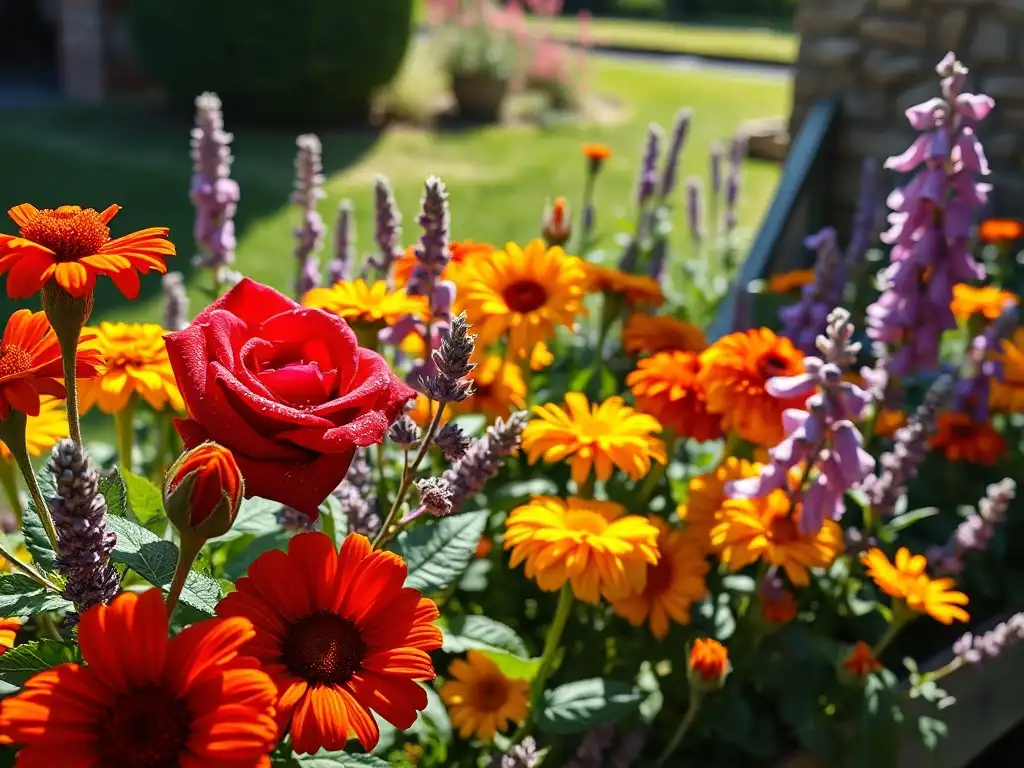
Selecting the right plants is crucial for a thriving and beautiful raised bed flower garden. Consider your climate, the amount of sunlight your bed receives, and the overall aesthetic you're aiming for. Careful planning ensures a vibrant display throughout the growing season. This section focuses on helping you choose the perfect plants for your "raised beds flower garden ideas," maximizing their potential within the confines of your raised bed.
Selecting Flower Varieties for Raised Beds: Sun-Loving, Shade-Tolerant, and Drought-Resistant Options
Choosing the right flower varieties is paramount for a successful raised bed flower garden. Consider your garden's conditions – sunlight exposure and water availability – to select plants that will thrive. Here's a breakdown of options categorized by their needs:
Sun-Loving Options: Many vibrant flowers flourish in full sun (6-8 hours daily). These include:
- Zinnias: These cheerful annuals come in a dazzling array of colors and are remarkably low-maintenance. They are excellent for attracting pollinators.
- Sunflowers: These iconic blooms bring height and drama to any raised bed. Choose dwarf varieties for smaller spaces.
- Marigolds: Known for their bright colors and pest-repelling properties, marigolds are a fantastic addition to any raised bed flower garden. They're also relatively drought-tolerant.
Shade-Tolerant Options: If your raised bed receives less sunlight, choose shade-loving flowers like:
- Hostas: These provide lush foliage in a variety of colors and textures, and some varieties produce beautiful flowers.
- Impatiens: These reliable annuals offer a wide range of colors and tolerate partial shade well.
- Astilbe: These plants boast feathery plumes of flowers in shades of pink, red, and white, thriving in moist, shady conditions.
Drought-Resistant Options: For areas with limited watering capabilities, consider these drought-tolerant options:
- Lavender: This fragrant herb also produces beautiful purple flowers and requires minimal watering once established.
- Sedum: These succulents come in various shapes, sizes, and colors, offering a unique texture and requiring little water.
- Coneflowers: These daisy-like flowers are known for their resilience and ability to tolerate dry conditions.
Remember to check the specific sunlight and water requirements of each plant variety before planting to ensure its success in your raised bed. Proper plant selection is key to realizing your "raised beds flower garden ideas."
Creating a Stunning Color Scheme for Your Raised Flower Bed Garden: Harmonious Combinations and Contrasts
The color palette of your raised bed flower garden significantly impacts its overall aesthetic appeal. Strategic color choices can create a harmonious and eye-catching display. Consider these approaches:
- Monochromatic Schemes: Using various shades of a single color (e.g., different shades of purple) creates a sense of unity and sophistication.
- Analogous Schemes: Combining colors that are adjacent on the color wheel (e.g., blue, blue-green, green) results in a calm and natural look.
- Complementary Schemes: Using colors opposite each other on the color wheel (e.g., red and green, blue and orange) creates a vibrant and striking contrast.
- Triadic Schemes: Combining three colors evenly spaced on the color wheel (e.g., red, yellow, blue) offers a balanced and visually interesting arrangement.
Think about the mood you want to evoke. Warm colors (reds, oranges, yellows) create a cheerful and energetic atmosphere, while cool colors (blues, greens, purples) offer a calming and serene effect. Don't be afraid to experiment and find a color scheme that resonates with your personal style and complements your existing garden design. This careful consideration of color will elevate your "raised beds flower garden ideas" from good to great.
Companion Planting in Raised Flower Beds: Beneficial Plant Combinations for Thriving Flowers
Companion planting involves strategically placing different plants together to enhance their growth and health. Certain plant combinations can deter pests, attract beneficial insects, or improve soil conditions. Here are some beneficial pairings for your raised flower beds:
| Flower | Companion Plant | Benefits |
|---|---|---|
| Roses | Chamomile | Repels aphids and other pests |
| Marigolds | Tomatoes | Deters nematodes and other soilborne pests |
| Lavender | Cabbage/Brassicas | Repels cabbage moths and other insects |
| Nasturtiums | Many vegetables | Deters pests and improves soil fertility |
| Basil | Many flowers | Improves flower growth and repels insects |
Remember that the specific benefits of companion planting can vary depending on the plants involved and the environmental conditions. Researching specific plant combinations for your chosen flowers will optimize the results. Implementing companion planting is an effective way to naturally improve the health and beauty of your raised bed flower garden, significantly enhancing your "raised beds flower garden ideas." This sustainable approach minimizes the need for chemical pesticides and fertilizers, aligning perfectly with the ethos of organic gardening.
Incorporating Herbs into Your Raised Flower Bed Garden: Fragrant and Functional Companions
Incorporating herbs into your raised flower bed garden offers a multitude of benefits beyond just their pleasant aromas. Many herbs possess pest-repelling properties, acting as natural deterrents to common garden pests. For example, planting basil amongst your roses can help keep aphids at bay, while rosemary and lavender are known to repel moths and other insects that may damage delicate blooms.
This natural pest control minimizes the need for harmful chemical pesticides, aligning perfectly with sustainable gardening practices. Furthermore, the diverse foliage textures and colors of herbs add visual interest to your flower bed, creating a more dynamic and engaging landscape. Consider planting varieties with contrasting leaf shapes and colors to maximize the aesthetic impact.
The selection of herbs is crucial for success. Choose herbs that thrive in similar conditions to your chosen flowers. For instance, if your flower bed receives ample sunlight, opt for sun-loving herbs like thyme, oregano, and lavender. Conversely, herbs such as mint and chives prefer slightly shadier conditions. Consider the mature size of the herbs to avoid overcrowding your flower bed. Some herbs, such as mint, are vigorous growers and may need to be contained to prevent them from overwhelming other plants. Planting them in individual containers sunk into the raised bed can be a solution.
Beyond pest control and aesthetic enhancement, many herbs offer additional benefits. For example, the flowers of some herbs, such as chives and borage, attract beneficial pollinators like bees and butterflies to your garden, contributing to a healthy ecosystem. Moreover, many herbs are edible, allowing you to harvest fresh ingredients directly from your raised flower bed for culinary use. This adds another layer of functionality to your garden, connecting beauty with practicality.
Remember to research the specific needs of each herb you choose to ensure their successful integration into your raised flower bed design. Proper spacing, watering, and fertilization are key to optimizing their growth and maximizing their contributions to your flourishing flower garden. Careful planning and consideration of these factors will ensure that your herb choices enhance, rather than detract from, the overall beauty and health of your raised bed flower garden.
Maintaining Your Raised Bed Flower Garden
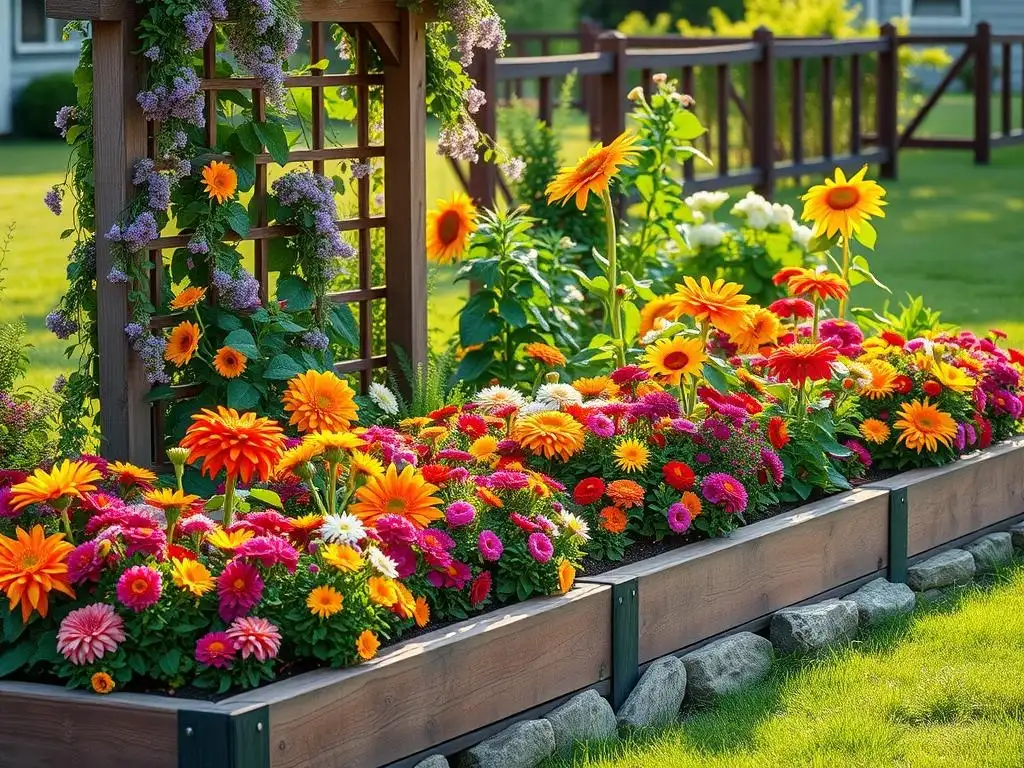
This section focuses on the ongoing care required to keep your raised bed flower garden thriving. Proper maintenance ensures vibrant blooms and a healthy growing environment, maximizing the beauty and longevity of your floral display. We'll explore efficient watering techniques, sustainable fertilization strategies, and natural pest and disease control methods, all crucial aspects of maintaining a flourishing raised bed flower garden. Remember, consistent care is key to achieving the stunning raised beds flower garden ideas you envision.
Watering Your Raised Flower Beds Efficiently: Tips for Optimal Moisture Levels
Efficient watering is paramount for healthy flower growth in raised beds. Because raised beds tend to dry out faster than in-ground gardens, careful attention to moisture levels is crucial. Overwatering can lead to root rot, while underwatering results in wilting and stunted growth. The ideal watering strategy balances providing sufficient moisture without saturating the soil.
Several factors influence watering needs, including:
- Climate: Hot, dry climates require more frequent watering than cooler, more humid regions.
- Soil type: Sandy soil drains quickly, needing more frequent watering than clay soil, which retains moisture longer.
- Plant type: Different flowers have varying water requirements. Research the specific needs of your chosen plants.
- Pot size: Smaller pots require more frequent watering than larger ones.
Here are some practical tips for efficient watering:
- Water deeply and less frequently: Encourage deep root growth by watering thoroughly, allowing the soil to dry slightly between waterings. Avoid shallow, frequent watering, which only wets the surface.
- Use a soaker hose or drip irrigation: These methods deliver water directly to the roots, minimizing evaporation and runoff. This is far more efficient than using a sprinkler, which can waste significant amounts of water.
- Water in the morning: This allows plants to absorb water before the heat of the day causes excessive evaporation.
- Mulch: Applying a layer of organic mulch, such as straw or shredded leaves, helps retain soil moisture and suppress weeds. This reduces the frequency of watering.
- Monitor soil moisture: Regularly check the soil moisture with your finger. If the top inch or two feels dry, it's time to water.
By implementing these techniques, you can ensure your raised bed flowers receive the optimal amount of water, leading to vigorous growth and abundant blooms. Remember, consistent monitoring and adjustment are key to perfecting your watering routine.
Fertilizing Your Raised Flower Beds: Organic and Sustainable Options for Flower Growth
Nutrient-rich soil is essential for healthy flower growth. Raised beds, while offering many advantages, often require more frequent fertilization than in-ground gardens due to their limited soil volume and potential for nutrient depletion. Choosing organic and sustainable fertilizers supports both plant health and environmental sustainability.
Here's a breakdown of effective organic fertilization strategies:
- Compost: Adding compost to your raised beds provides a slow-release source of essential nutrients, improving soil structure and water retention. Aim for a 2-4 inch layer of well-rotted compost before planting.
- Worm Castings: These are a rich source of nutrients and beneficial microorganisms. Mix them into your soil or use them as a top dressing.
- Bone Meal: A good source of phosphorus, essential for flower development and bloom production.
- Blood Meal: Provides nitrogen, crucial for leafy green growth.
- Seaweed Extract: A natural liquid fertilizer rich in micronutrients that promotes healthy plant growth.
Remember to follow the package instructions carefully when using any fertilizer. Over-fertilizing can harm your plants, while under-fertilizing can lead to stunted growth. Regular soil testing can help determine your soil's nutrient levels and guide your fertilization plan. Consider using a slow-release fertilizer to provide a consistent supply of nutrients throughout the growing season.
Pest and Disease Control in Raised Flower Beds: Natural Methods for Healthy Plants
Maintaining a healthy raised bed flower garden requires proactive pest and disease control. While raised beds offer some protection from soilborne diseases, it's still crucial to implement preventative measures and address any issues promptly. Prioritizing natural methods minimizes environmental impact and protects beneficial insects.
Here are some effective natural pest and disease control strategies:
- Beneficial Insects: Introduce ladybugs, lacewings, and other beneficial insects to your garden to control pests like aphids and mealybugs.
- Companion Planting: Plant herbs and flowers that repel pests. Marigolds, for example, are known to deter nematodes.
- Neem Oil: A natural insecticide effective against a wide range of pests.
- Diatomaceous Earth: A non-toxic powder that dehydrates and kills many insects.
- Proper Watering: Avoid overhead watering, which can spread diseases. Water at the base of the plants to keep foliage dry.
- Good Sanitation: Remove and dispose of diseased plants promptly to prevent the spread of disease. Regularly clean your tools to prevent the spread of pathogens.
By implementing these natural pest and disease control methods, you can maintain a healthy and thriving raised bed flower garden while minimizing the use of harmful chemicals. Regular monitoring and early intervention are key to preventing significant problems. Remember, a healthy plant is less susceptible to pests and diseases. Prevention is always the best approach!
Mulching Your Raised Flower Beds: Protecting Soil and Suppressing Weeds
Mulching is a crucial aspect of maintaining healthy and vibrant raised flower beds. It offers a multitude of benefits, significantly impacting both the aesthetics and the health of your plants. By applying a layer of mulch, you create a protective barrier that safeguards the soil from the harsh elements, retains moisture, and suppresses weed growth – all essential components of a thriving raised bed flower garden. This translates directly to less time spent weeding and watering, freeing you up to enjoy the beauty of your blooms.
The type of mulch you choose will depend on your personal preference and the overall aesthetic of your garden. Organic mulches, such as wood chips, shredded bark, straw, or composted leaves, are excellent choices. They decompose over time, enriching the soil with valuable nutrients. In contrast, inorganic mulches, like gravel or landscape fabric, offer a longer-lasting solution and require less frequent replenishment. However, they don't provide the same soil-enriching benefits. Remember to avoid using mulch that contains weed seeds, as this could counteract your efforts to keep your beds weed-free.
Applying mulch is a straightforward process. Begin by clearing any existing weeds or debris from the surface of your raised bed. Then, spread a layer of mulch approximately 2-4 inches deep.
Ensure the mulch is evenly distributed, avoiding piling it up too thickly around the base of your plants, which could lead to rot or hinder air circulation. Reapply mulch as needed throughout the growing season, particularly after periods of heavy rain or wind, to maintain its effectiveness. Regularly replenishing the mulch layer also helps to maintain soil moisture and suppress weeds effectively.
Consider the color of your mulch; darker mulches absorb more heat, which might be beneficial in cooler climates, while lighter mulches reflect more heat, which can be helpful in warmer regions. Careful consideration of these factors ensures optimal conditions for your flowering plants. Finally, remember that proper mulch management is an ongoing process, requiring periodic checks and adjustments to maintain its effectiveness and ensure the health of your beautiful raised flower beds.
Harvesting and Enjoying Your Raised Bed Flower Garden
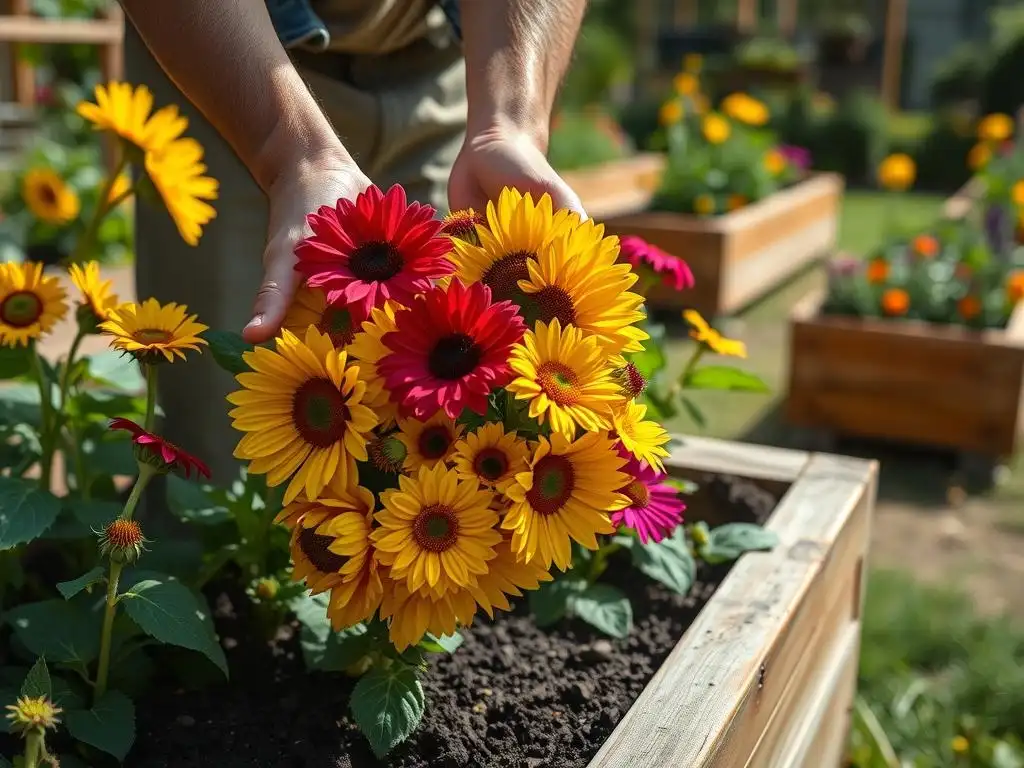
This section focuses on maximizing the beauty and longevity of your raised bed flower garden, moving beyond simply planting and caring for your blooms. We'll explore techniques to prolong the flowering season and enjoy your harvest of beautiful blooms, whether in your garden or as stunning arrangements in your home. Remember, even a small raised bed flower garden can provide immense satisfaction and vibrant color.
Deadheading and Pruning Your Flowers: Promoting Continuous Bloom
Deadheading, the removal of spent blooms, is crucial for encouraging continuous flowering in many plant varieties. By removing faded flowers, you prevent the plant from diverting energy into seed production. This redirected energy promotes the development of new buds, resulting in a longer and more abundant blooming period. Think of it as a "reset" button for your plants.
For example, annuals like zinnias and petunias benefit greatly from regular deadheading. Simply pinch or snip off the spent flower head, cutting back to the first set of leaves below the bloom. This prevents seed formation and encourages more flowers. Perennials like coneflowers may require a slightly different approach. You'll often remove the entire spent flower stalk, cutting back to a strong leaf node.
Different plants have different needs. Some, like roses, might require more extensive pruning to remove dead or diseased canes, encouraging strong, healthy growth and abundant blooms. Research the specific pruning requirements for the particular plants in your raised bed flower garden to maximize their flowering potential.
Regular deadheading and appropriate pruning are key elements in maintaining a vibrant and flourishing raised bed flower garden throughout the season. Don't be afraid to experiment and learn what works best for your specific plants and environment. A little consistent effort can make a huge difference in the overall beauty and lifespan of your blooms.
Cutting Flowers from Your Raised Beds: Tips for Long-Lasting Arrangements
Cutting flowers from your raised beds is a rewarding way to bring the beauty of your garden indoors. However, proper techniques ensure your arrangements last longer and your plants remain healthy. The best time to cut flowers is early in the morning or late in the evening when temperatures are cooler and the plants are fully hydrated.
Use sharp, clean pruning shears or scissors to make clean cuts, avoiding crushing or bruising the stems. Cut the stems at an angle to increase water absorption. Immediately place the cut flowers in a bucket of lukewarm water with a flower food solution. This helps prevent wilting and prolongs the life of your arrangement.
The type of flower and its stage of bloom will also influence how long it will last in a vase. For instance, fully opened blooms will generally have a shorter vase life compared to slightly less mature flowers. Experiment with different combinations and techniques to find what works best for your raised bed flowers. Remember, responsible harvesting promotes healthy growth and ensures you can continue enjoying your raised bed flower garden's beauty for weeks to come. Careful cutting and proper aftercare will help you create stunning arrangements that will brighten your home.
Extending the Blooming Season in Your Raised Flower Bed Garden: Succession Planting Strategies
Succession planting is a clever gardening technique that involves planting new flowers at intervals throughout the growing season to ensure continuous blooms. This is particularly effective in raised beds where you have more control over the soil and growing conditions. By staggering planting times, you can create waves of color and extend the beauty of your raised bed flower garden from spring to fall.
For example, you could plant early-blooming annuals like pansies in spring, followed by summer bloomers such as petunias and zinnias. As the summer bloomers fade, you can plant late-season flowers like asters and mums to keep the color going well into autumn. This strategy maximizes the use of your space and minimizes gaps in the blooming cycle.
Careful planning and consideration of the specific needs of each plant are essential for successful succession planting. Ensure you choose plants that are compatible with your climate and soil conditions. Consider the mature size of each plant to avoid overcrowding in your raised beds.
This strategy requires some upfront planning, but the reward is a continuously blooming raised bed flower garden that provides vibrant color throughout the growing season. A well-planned succession planting strategy will provide a stunning display of color from spring right through to the first frosts. Consider creating a planting schedule to ensure a continuous display of beauty in your raised bed flower garden.
Creative Uses for Flowers Harvested from Your Raised Bed Garden: Beyond Bouquets
The vibrant blooms from your raised bed flower garden offer so much more than just the pleasure of viewing them in situ. Harvesting your flowers opens up a world of creative possibilities, extending their beauty and fragrance far beyond a simple bouquet. Let's explore some exciting and unexpected ways to utilize your homegrown bounty.
One popular and increasingly popular method is creating natural dyes for fabrics. Many flowers, such as marigolds, calendula, and even some varieties of roses, contain pigments that can be used to create stunning, earth-friendly colors. The process involves simmering the flower petals in water with a mordant (a substance that helps the dye bind to the fabric) to extract the color.
Experiment with different flowers and mordants to achieve a wide array of hues, from soft pastels to deep, rich tones. This is a fantastic sustainable alternative to commercially produced dyes. Remember to always test your dye on a scrap of fabric first to ensure you achieve the desired color and to avoid any unexpected reactions.
Beyond dyeing fabrics, consider incorporating your harvested flowers into culinary creations. Edible flowers, like pansies, nasturtiums, and violas, add a touch of elegance and subtle flavor to salads, cakes, and other dishes. Their delicate flavors and vibrant colors can elevate even the simplest recipes. However, it is crucial to ensure that any flowers used for culinary purposes are organically grown and free from pesticides, as they will be consumed directly. Always research the edibility of a flower before using it in food.
Preserving the beauty of your flowers for longer periods is also a rewarding endeavor. Pressing flowers between sheets of absorbent paper creates delicate keepsakes that can be used in crafting, scrapbooking, or simply framing for display. Alternatively, consider drying flowers using a desiccant, like silica gel, which helps retain their color and shape more effectively. These preserved flowers can then be incorporated into potpourri, adding a fragrant touch to your home. The subtle fragrance of lavender and roses, for example, can create a relaxing atmosphere.
Finally, don't underestimate the simple joy of gifting your homegrown flowers. A small posy of freshly picked blooms is a thoughtful and personal gift that shows care and effort. Consider presenting them in small, reusable containers or creating miniature bouquets tied with natural twine for an eco-friendly touch. This sustainable and thoughtful gesture offers a unique and personal connection, unlike store-bought flowers. The recipient will appreciate the effort and the beauty of your homegrown creation. The possibilities are truly endless, allowing you to fully appreciate the fruits (or rather, flowers!) of your labor.
Recommended Products for Raised Bed Flower Gardening
Choosing the right products can significantly impact the success and beauty of your raised bed flower garden. This section focuses on key items to consider, ensuring both functionality and a thriving floral display. We'll explore pre-made kits, organic fertilizers, and essential gardening tools, helping you create the perfect environment for your blooms. Remember, selecting high-quality materials and tools contributes to a more sustainable and efficient gardening experience, aligning with the CultivateYourFood ethos of organic and eco-friendly practices.
Top Picks for Raised Bed Kits
Investing in a pre-assembled raised bed kit can save considerable time and effort. However, the market offers a wide range of options, and choosing the right one depends on your specific needs and garden size. Consider these factors when selecting a kit:
- Material: Cedar, redwood, and treated pine are popular choices, each offering varying degrees of durability and resistance to rot. Cedar, for instance, naturally repels insects and is known for its longevity. Untreated pine, while more affordable, requires more frequent maintenance.
- Size and Dimensions: Kits come in various sizes, from compact options ideal for small balconies to larger structures suitable for extensive flower gardens. Carefully measure your available space before making a purchase.
- Assembly: Some kits require minimal assembly, while others may necessitate more hands-on work. Consider your DIY skills and available time when making your selection.
Here's a comparison of three popular kit types:
| Kit Type | Material | Assembly Difficulty | Price Range | Pros | Cons |
|---|---|---|---|---|---|
| Pre-Assembled Cedar | Cedar | Very Easy | $$$ | Durable, long-lasting, naturally insect-resistant | Most expensive |
| Modular Pine Kit | Treated Pine | Easy | $$ | Customizable, expandable, relatively affordable | Requires treatment to prevent rot; may not be as durable |
| DIY Kit (Untreated) | Untreated Pine | Moderate to Difficult | $ | Most affordable, allows for customization, great for learning | Requires significant assembly and ongoing maintenance |
Remember to always check reviews before purchasing any raised bed kit to gauge the experiences of other gardeners.
Best Organic Fertilizers for Flowers
Healthy soil is crucial for vibrant flowers. Organic fertilizers provide essential nutrients without harmful chemicals, promoting sustainable growth and reducing the environmental impact of your garden. Several types of organic fertilizers cater to specific flower needs.
- Compost: A staple in organic gardening, compost provides a balanced blend of nutrients and improves soil structure, promoting excellent drainage and aeration. Creating your own compost is an environmentally friendly practice, reducing waste and enriching your soil naturally.
- Worm Castings: These are the excrement of earthworms, highly rich in nutrients and beneficial microorganisms. They improve soil fertility and enhance plant growth. Worm castings are a fantastic addition to your raised bed soil mix.
- Bone Meal: A slow-releasing phosphorus source, bone meal is particularly beneficial for flowering plants, supporting abundant blooms. It improves root development and strengthens the overall plant structure.
- Blood Meal: Another slow-releasing fertilizer, blood meal is rich in nitrogen, essential for lush foliage and vibrant colors. It is best incorporated into the soil before planting.
Choosing the right fertilizer depends on your soil's existing nutrient levels and the specific needs of your chosen flowers. A soil test can help determine which nutrients are lacking and guide your fertilizer selection. Always follow package instructions for application rates to avoid over-fertilizing.
Essential Gardening Tools for Raised Flower Beds
Having the right tools simplifies the process of planting, maintaining, and harvesting your flowers. Here’s a list of essential tools to consider for your raised flower bed garden:
- Trowel: A small, handheld tool perfect for digging small holes, transplanting seedlings, and weeding.
- Hand Rake: Useful for leveling the soil, removing debris, and preparing the bed for planting.
- Watering Can: Choose a watering can with a rose head for gentle and even watering, avoiding soil erosion.
- Gardening Gloves: Protect your hands from thorns, dirt, and potential irritants.
- Pruning Shears: Essential for deadheading spent blooms and maintaining the overall shape and health of your plants.
- Soil Thermometer: Helps monitor soil temperature, ensuring optimal conditions for seed germination and plant growth. This is especially helpful in cooler climates.
Investing in quality, ergonomic tools will make gardening more enjoyable and efficient. Remember to clean and store your tools properly after each use to extend their lifespan. A well-maintained set of gardening tools is a valuable asset for any enthusiastic gardener. 💐
Frequently Asked Questions
What are the benefits of using raised beds for a flower garden?
Raised beds offer several advantages. They provide improved drainage and better soil control, allowing you to create the perfect growing environment for your flowers. This leads to healthier plants and easier maintenance.
What materials are best for building raised flower beds?
Many materials work well, including untreated wood, stone, and even recycled materials. Consider factors like durability, cost, and the overall aesthetic you want to achieve for your garden.
How big should my raised flower beds be for optimal growth?
The ideal size depends on your space and the types of flowers you're planting. Aim for a width that allows you to easily reach the center from either side (around 4 feet is ideal), and adjust the length according to your needs. Depth should be at least 12 inches.
What kind of soil is best for raised flower beds?
Use a well-draining soil mix rich in organic matter. A blend of topsoil, compost, and peat moss is a great starting point. Amend the soil as needed based on your specific flower's requirements.
What are some creative design ideas for raised flower beds in my garden?
Get creative! Consider different shapes and sizes, layered plantings, or integrating decorative elements like stones or small sculptures. Think about how the raised beds can complement the existing landscape of your garden. You can even use them to create unique pathways or focal points.
Final Reflection: Cultivating Beauty, One Raised Bed at a Time
The vibrant tapestry of flowers blooming in raised garden beds isn't just a pleasing aesthetic; it's a testament to the power of mindful design and the enduring human connection to nature. In a world increasingly dominated by concrete and technology, the simple act of cultivating a raised flower bed offers a tangible link to the earth, a space for creativity, and a source of profound joy. The ease of maintenance and the enhanced control over soil conditions, as discussed throughout this article, make raised beds an accessible and rewarding option for gardeners of all skill levels.
The beauty of a raised flower bed extends far beyond its visual appeal; it's a microcosm of the larger ecosystem, a vibrant testament to the interconnectedness of life. A garden is a friend you can always count on.
This sentiment, though simple, encapsulates the enduring comfort and solace that gardening, and specifically the creation of a beautiful raised flower bed, can provide. It's a space for quiet contemplation, a source of pride in one's accomplishments, and a constant reminder of the cyclical nature of growth and renewal. The impact of these personal gardens, multiplied across communities, creates a ripple effect of beauty and connection to the natural world.
Now, consider your own space. Imagine the vibrant colors, the intoxicating fragrances, and the sheer satisfaction of nurturing life from seed to bloom. What kind of raised flower bed will you create? Will it be a riot of color, a calming palette of pastels, or a carefully curated collection of fragrant herbs and blooms? The possibilities are as limitless as your imagination. Take the inspiration from this article, gather your tools, and begin cultivating your own personal haven of beauty. The journey is as rewarding as the destination.
Unleash Your Inner Gardener: Bloom Where You're Planted!
Thank you for exploring the world of raised garden beds for flowers! You now have the knowledge to create stunning floral displays. Ready to transform your vision into reality?
- Get started! Begin planning your raised bed design today. Consider the size, location, and types of flowers you'd like to grow. Sketch a design, or use online tools to visualize your dream flower garden.
- Share your ideas! Tell us about the flowers you're considering – we love hearing from our community!
- Expand your knowledge: Learn about companion planting to maximize your blooms and attract beneficial insects.
What flowers are you most excited to grow in your raised bed this season?