
How to Secure a Trellis: Ensuring Stability in Windy Conditions


Unleash your inner green thumb and transform your backyard into a thriving oasis! At CultivateYourFood, we empower you to grow your own fruits, vegetables, and herbs organically. But what happens when Mother Nature throws a curveball? Learn how to conquer even the strongest winds with our expert guide on securing your trellis, ensuring a bountiful harvest no matter the weather. Discover the secrets to building resilient garden structures and prepare for a season of unparalleled success. Let's get growing!
- Understanding Trellis Instability in Windy Conditions
- Securing Your Trellis: Practical Steps for Enhanced Stability
- Advanced Trellis Stabilization Techniques
- Maintaining Your Trellis for Long-Term Stability
- Recommended Products for Trellis Stabilization
- Case Studies: Successful Trellis Stabilization Projects
- Frequently Asked Questions
- Final Reflection: Anchoring Our Lives Against the Winds of Change
- Secure Your Harvest: Strengthen Your Trellis Today!
Understanding Trellis Instability in Windy Conditions
Building a beautiful and productive garden often involves the use of trellises to support climbing plants like tomatoes, beans, and cucumbers. However, the seemingly simple structure of a trellis can become a significant challenge when faced with strong winds. This article will guide you through securing your trellis, ensuring its stability even in the most challenging windy conditions.
We'll explore vulnerable trellis designs, analyze wind exposure, and discuss common causes of trellis failure, ultimately equipping you with the knowledge to build a robust and wind-resistant support system for your thriving garden. Successfully securing your trellis is crucial not only for the longevity of your structure but also for the health and productivity of your plants, preventing damage from swaying and potential uprooting.
This is especially important for heavier fruiting plants which can put extra stress on the trellis during windy periods. Let's delve into the specifics of ensuring your trellis stands strong against the elements.
Identifying Vulnerable Trellis Designs: Weak Points and Materials
Many commercially available trellises, while aesthetically pleasing, may lack the structural integrity necessary to withstand strong winds. Understanding the weak points in various designs is crucial for selecting or building a robust support system. For example, trellises constructed from lightweight materials like thin bamboo or flimsy wire are inherently more susceptible to damage. Similarly, designs with large, unsupported spans between posts or those with inadequate bracing are prone to bending or collapsing under wind pressure.
Consider these points when assessing your trellis's vulnerability:
- Material Strength: Sturdy materials like cedar, redwood, or pressure-treated lumber offer significantly greater resistance to wind compared to softer woods or plastic. Metal trellises, particularly those made of galvanized steel or powder-coated aluminum, also provide excellent durability.
- Joint Strength: Weak joints are common points of failure. Ensure all joints are securely fastened using appropriate hardware, such as galvanized screws or bolts, rather than relying solely on nails.
- Base Stability: The base of the trellis must be firmly anchored to the ground. This can be achieved through ground anchors, concrete footings, or deep planting of posts.
- Design Complexity: Overly elaborate or complex designs can create more points of potential failure. Simpler, more robust designs often prove more wind-resistant.
A poorly constructed trellis, regardless of material, will likely fail under sustained high winds. Therefore, careful consideration of materials and construction techniques is paramount.
Assessing Wind Exposure: Site Analysis for Trellis Placement
Before even constructing your trellis, a thorough site analysis is crucial to mitigate wind-related risks. The location you choose significantly impacts the amount of wind pressure your trellis will endure.
Consider these factors:
- Prevailing Winds: Identify the direction from which winds most frequently blow in your area. Placing your trellis perpendicular to the prevailing wind will minimize the direct force exerted on the structure.
- Shelterbelts: Utilize natural or artificial windbreaks, such as existing trees or hedges, to reduce wind speed around your trellis.
- Elevated Locations: Trellises placed on elevated areas or exposed hilltops are more vulnerable to high winds than those located in sheltered positions.
- Ground Conditions: Ensure the ground is firm and stable to provide a secure base for your trellis. Loose or uneven ground can compromise the stability of even the strongest structure. Consider using ground anchors or concrete footings for added stability, especially in loose soil.
Common Causes of Trellis Failure in High Winds: Poor Installation and Material Selection
Many trellis failures stem from poor installation practices and the selection of inappropriate materials. Let's explore some common culprits:
- Inadequate Anchoring: Insufficiently anchored trellises are easily uprooted or blown over. Proper anchoring is critical to secure the base and prevent movement.
- Weak Joints and Connections: Loose or poorly constructed joints create weak points where the structure is more likely to fail under stress. Use quality hardware and appropriate joining techniques for maximum strength.
- Lightweight Materials: Choosing lightweight materials that are insufficiently strong for the expected wind loads will lead to failure. Opt for durable, weather-resistant materials.
- Lack of Bracing: Adequate bracing is essential to strengthen the trellis and prevent bending or swaying. Diagonal bracing significantly improves stability.
- Overloading: Planting heavy vines without adequate support can put excessive strain on the trellis, exacerbating the effects of wind. Ensure the trellis is appropriately sized and designed for the plants you intend to grow.
Ignoring these factors can lead to costly repairs or complete replacement of the trellis. Prioritizing proper installation and material selection will ensure the long-term success and stability of your garden support system.
Securing Your Trellis: Practical Steps for Enhanced Stability
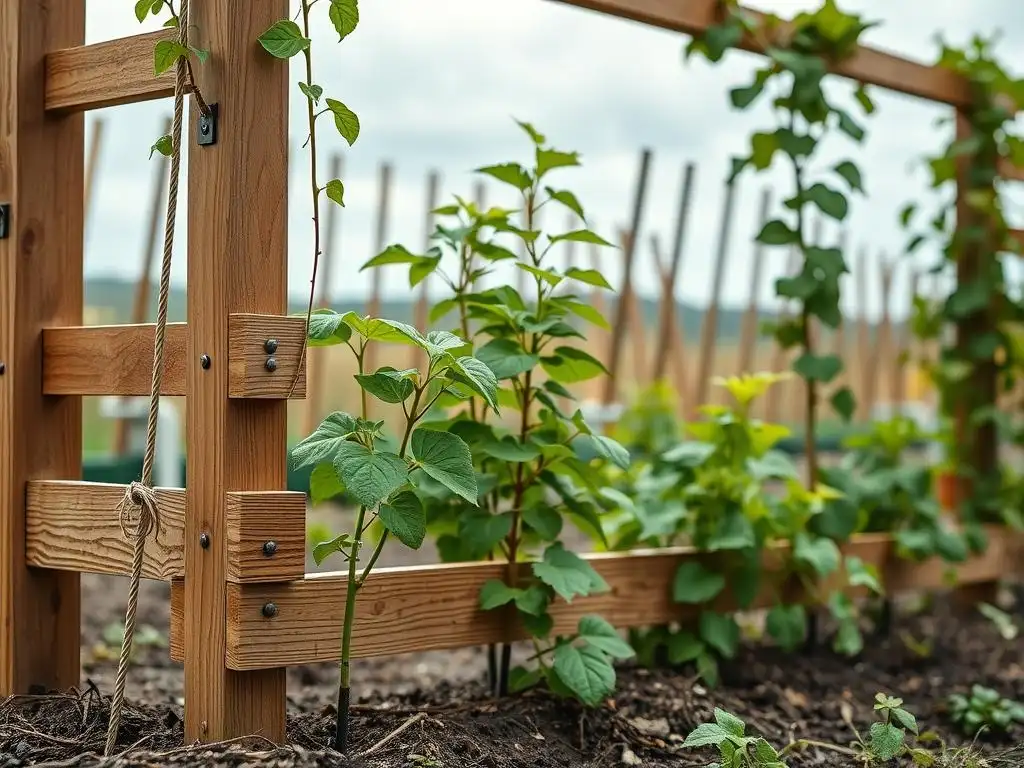
This section details practical steps to ensure your trellis remains stable even in strong winds. We'll explore material selection, installation techniques, and anchoring methods crucial for withstanding windy conditions. Proper securing is essential to protect your plants and prevent damage to your trellis, maximizing your harvest and the longevity of your garden structure. Remember, a secure trellis is a happy trellis!
Choosing the Right Trellis for Windy Areas: Robust Materials and Construction
The key to a wind-resistant trellis lies in selecting the right materials and design. Lightweight trellises are susceptible to damage in strong winds, so choosing robust materials is paramount. Let's delve into some options:
Comparing Trellis Materials: Cedar vs. Redwood vs. Metal
| Material | Pros | Cons | Wind Resistance | Cost | Maintenance |
|---|---|---|---|---|---|
| Cedar | Naturally rot-resistant, aesthetically pleasing | Can be more expensive than other options, prone to warping in extreme conditions | Good | $$$ | Moderate |
| Redwood | Durable, naturally resistant to insects and decay | Expensive, can be heavy | Excellent | Low | |
| Metal (Steel) | Strong, durable, long-lasting | Can rust if not properly treated, can be more expensive, can get very hot in the sun | Excellent | $ |
Low to Moderate |
Choosing the right material is only half the battle. The construction of the trellis itself significantly impacts its ability to withstand wind. A well-built trellis with strong joints and bracing will fare much better than a flimsy one, regardless of the material. Look for trellises with thicker framing and reinforced joints.
Analyzing Trellis Designs: A vs. B vs. C Trellis Configurations for Wind Resistance
Different trellis designs offer varying degrees of wind resistance. For example:
- A-frame Trellis: The triangular shape provides inherent stability and distributes wind load effectively. This design is generally excellent for windy conditions.
- B-frame Trellis (Flat Panel): These are more susceptible to wind damage unless adequately anchored. Reinforcement and sturdy anchoring are crucial.
- C-frame Trellis (Arbor-style): Similar to B-frame trellises, these require robust anchoring and may need additional bracing in high-wind areas.
Consider the shape and size of your trellis in relation to the potential wind exposure in your garden. A smaller, more compact trellis is less likely to be affected by wind than a large, expansive one.
Proper Trellis Installation Techniques: Anchoring and Grounding
The strength of your trellis is only as good as its foundation. Proper installation, including robust anchoring and grounding, is critical for stability in windy conditions. Neglecting this step can lead to a toppled trellis and damaged plants.
Using Concrete Footings for Maximum Stability: A Step-by-Step Guide
Concrete footings provide the most secure anchoring for trellises, especially in areas prone to strong winds. Here's a step-by-step guide:
- Dig holes: Dig holes at least 12-18 inches deep and wide enough to accommodate your concrete footings.
- Place rebar: Add rebar for extra strength.
- Mix concrete: Mix the concrete according to the manufacturer's instructions.
- Pour concrete: Pour the concrete into the holes, ensuring it fully surrounds the base of your trellis posts.
- Level and cure: Allow the concrete to cure completely before attaching the trellis.
This method offers superior stability, minimizing the risk of the trellis being uprooted by strong winds.
Employing Ground Anchors and Stakes: Heavy-Duty Stakes and Anchors
For less permanent installations or where concrete footings aren't feasible, heavy-duty ground anchors and stakes provide a viable alternative. Ensure you use anchors and stakes designed for outdoor use and capable of withstanding significant wind loads. Consider multiple anchoring points for increased stability, especially for larger trellises. Driving the stakes deep into the ground is crucial for effective anchoring.
You might need to use a post hole digger or a heavy mallet to ensure proper depth. Remember to check local building codes for regulations regarding anchoring garden structures. For extra security, consider using wire or straps to connect the trellis to the anchors.
Reinforcing Existing Trellises for Increased Wind Resistance
Existing trellises, especially older ones, might need reinforcement to withstand strong winds. Assessing the current structure is the first crucial step. Look for any signs of weakness, such as loose joints, rotting wood, or damaged supports. Addressing these issues before further reinforcement is vital for long-term stability.
For wooden trellises, tightening loose screws or bolts and replacing any rotten wood with durable, pressure-treated lumber is essential. You might need to add extra bracing to weak points using strong wooden dowels or metal brackets. This proactive approach significantly increases the trellis's ability to resist wind forces. Remember to use weather-resistant screws and bolts to prevent future loosening.
Regular inspection, especially after heavy storms, is a key part of trellis maintenance and helps prevent catastrophic failure. A well-maintained trellis is less likely to succumb to wind damage, ensuring the safety of your plants and the longevity of your garden structure. Consider applying a protective sealant to the wood to further enhance its durability and resistance to the elements.
Adding Support Cables and Bracing: Techniques and Materials
Adding support cables is a highly effective way to increase a trellis's wind resistance. This technique works particularly well for taller trellises or those supporting heavy climbing plants. Stainless steel cables are ideal due to their strength and resistance to corrosion. You can attach these cables to sturdy anchors in the ground, such as heavy-duty stakes driven deep into the earth, or even to existing fence posts if your trellis is positioned near one.
The cables should be taut but not overly tight to avoid damaging the trellis structure. Using turnbuckles allows for easy adjustment of cable tension. For bracing, consider using strong wooden or metal supports strategically placed to reinforce weak points. These supports can be attached using screws, bolts, or even strong zip ties, depending on the materials involved.
Proper spacing of the cables and bracing is crucial for optimal wind resistance. Think of it as creating a robust framework that distributes the wind load effectively, preventing stress concentration in specific areas. The choice of materials should prioritize strength and longevity, ensuring the system can withstand the rigors of windy conditions for years to come. Remember to regularly inspect the cables and bracing for signs of wear and tear.
Using Trellis Straps and Ties for Added Security
Trellis straps and ties provide a simple yet effective method for securing plants to the trellis and reinforcing the overall structure. These straps, often made of durable materials like nylon or polypropylene, can be used to tie individual plants securely to the trellis, preventing them from being blown around in the wind. This not only protects the plants but also reduces the strain on the trellis itself. In addition to securing plants, strategically placed straps can also reinforce the trellis structure, particularly at junctions and points of potential weakness.
By tightly binding different parts of the trellis together, you create a more integrated and resilient unit better able to withstand wind forces. Choosing heavy-duty straps with strong buckles or fasteners is crucial for ensuring a secure connection. Consider using multiple straps at key points for extra security.
Remember to check the straps regularly for any signs of wear or damage, replacing them as needed to maintain the integrity of your wind protection system. This combination of plant support and structural reinforcement significantly enhances the trellis's stability and longevity, especially in areas prone to strong winds. The relatively low cost and ease of installation make trellis straps and ties a practical and effective solution for bolstering your trellis against windy conditions.
Advanced Trellis Stabilization Techniques
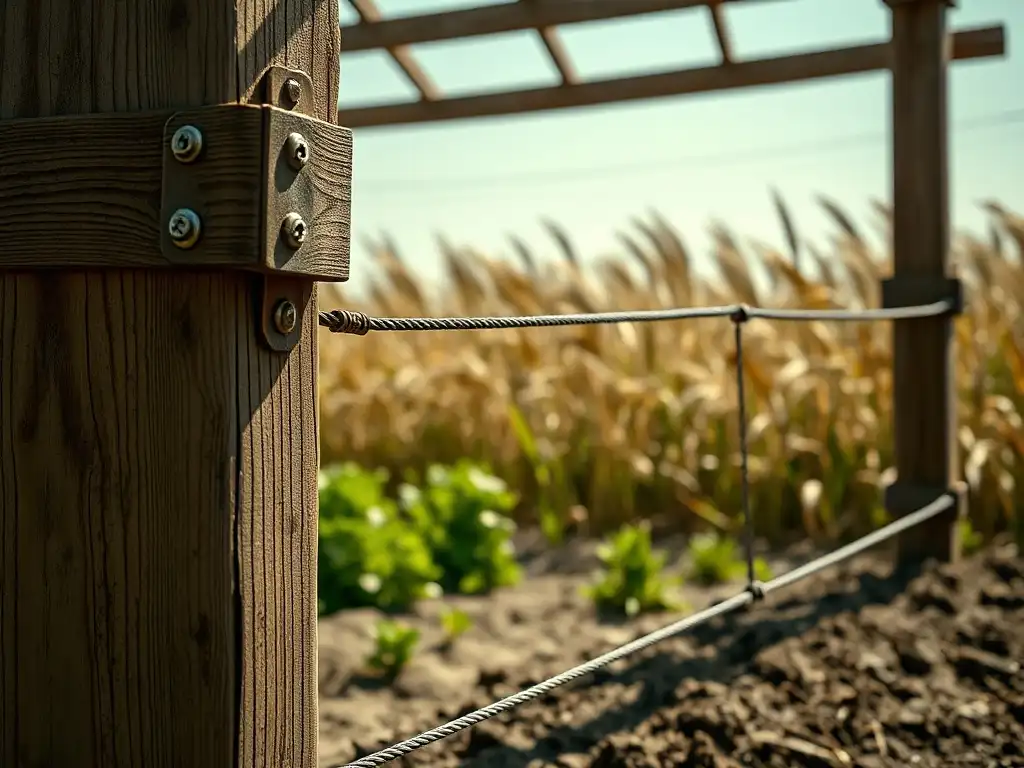
This section delves into sophisticated methods for securing your trellis against strong winds, building upon basic anchoring techniques. We'll explore strategies to minimize wind impact and reinforce your trellis's structural integrity, ensuring your climbing plants thrive even in challenging weather conditions. Successfully securing a trellis in windy conditions requires a multi-pronged approach, combining preventative measures with robust reinforcement.
Windbreak Strategies: Protecting Your Trellis from Strong Winds
Windbreaks significantly reduce the force of wind impacting your trellis, acting as a natural buffer. Effective windbreak planning is crucial for long-term trellis stability and plant health. Consider these key aspects when implementing a windbreak strategy to secure your trellis in windy conditions.
Planting Windbreak Shrubs and Trees: Optimal Species Selection for Your Region
Strategic planting of windbreak shrubs and trees creates a living barrier that gradually reduces wind speed. Choosing the right species is paramount. Consider your region's climate, soil type, and available space. Evergreen shrubs and trees offer year-round protection, while deciduous varieties provide shelter during the growing season and allow sunlight penetration in winter. Densely planted species are more effective windbreaks. Examples include:
- For colder climates: Arborvitae, Spruce, Juniper
- For warmer climates: Leyland Cypress, Bamboo (certain species), Oleander
Careful planning of the windbreak's location is crucial. Ideally, plant the windbreak uphill from your trellis to maximize its effectiveness. The distance between the windbreak and your trellis should be considered, allowing enough space for air circulation to prevent fungal diseases.
Utilizing Physical Windbreaks: Screens and Barriers
In addition to or in lieu of planting, physical windbreaks offer immediate protection. These can range from simple fabric screens to more substantial structures.
- Fabric windbreaks: These are lightweight, relatively inexpensive, and easy to install. Look for durable fabrics rated for outdoor use, that can withstand strong winds. Remember to secure the fabric to posts or stakes firmly.
- Solid barriers: Solid barriers, such as wooden fences or strategically placed pallets, provide the most effective wind protection. The downside is that they can block sunlight and restrict air circulation. Careful placement is essential.
Remember to choose windbreak materials that complement your garden's aesthetic and are environmentally friendly. The goal is to create a protective environment without compromising the health and beauty of your garden.
Using Guy Wires and Tensioning Systems for Maximum Support
Guy wires provide additional support by anchoring the trellis to sturdy points in the ground, significantly enhancing its ability to withstand strong winds. This reinforcement is crucial for tall or large trellises.
Installing Guy Wires: Proper Angle and Attachment Points
The angle and attachment points of guy wires are critical for optimal support. Guy wires should be attached to the top and middle sections of the trellis for maximum stability. Ideally, use three or more guy wires spaced evenly around the trellis, anchored to strong points in the ground such as heavy stakes or concrete footings. The angle of the guy wires should be as close to 45 degrees as possible to distribute the load effectively. Use sturdy wire or rope designed to withstand significant tension.
Adjustable Guy Wire Tensioners: Features and Benefits
Adjustable tensioners allow you to fine-tune the tension on your guy wires, ensuring optimal support throughout the year. These are particularly useful in areas with variable wind conditions. Features to look for include:
- Ease of adjustment: A simple, reliable mechanism for adjusting tension.
- Durability: Materials that can withstand exposure to the elements.
- Corrosion resistance: Especially important in humid or coastal areas.
By using adjustable tensioners, you can easily increase tension during periods of high winds and reduce it when the weather is calmer, maximizing the longevity of your trellis and preventing damage to the structure. This proactive approach to securing your trellis in windy conditions ensures the health and growth of your climbing plants.
Maintaining Your Trellis for Long-Term Stability
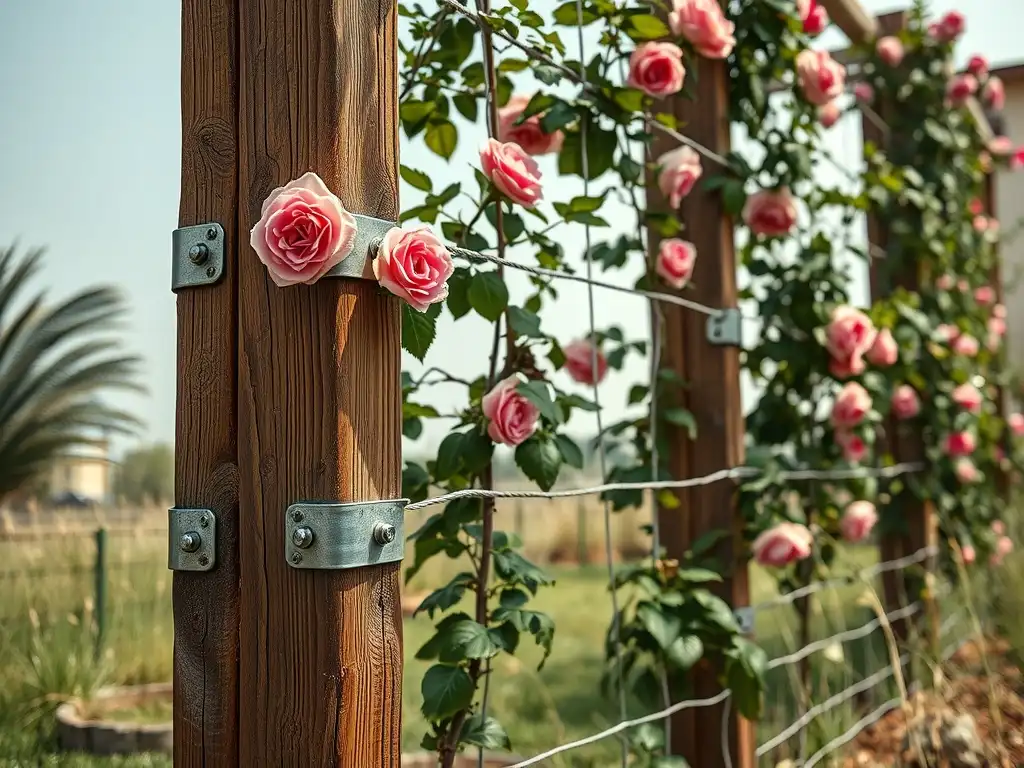
This section focuses on proactive measures to ensure your trellis remains secure and functional, even in challenging windy conditions. A well-maintained trellis is a resilient trellis, offering years of support for your climbing plants. Neglecting maintenance, however, can lead to instability and potential damage to both the trellis and your precious crops. We'll explore key strategies to keep your trellis standing strong, season after season.
Regular Inspection and Maintenance: Identifying and Addressing Potential Issues
Regular inspections are crucial for identifying and addressing minor issues before they escalate into major problems. Aim to inspect your trellis at least monthly, more frequently during periods of high winds or heavy rainfall. Pay close attention to the following:
- Loose Connections: Check all bolts, screws, and wires for looseness. Tighten any that are loose using the appropriate tools. If you notice stripped threads, consider replacing the fastener entirely. A loose connection is a breeding ground for instability, especially in windy conditions.
- Wood Rot or Damage: Inspect wooden trellises for signs of rot, decay, or insect infestation. Address any damaged areas promptly by replacing the affected wood or applying a wood preservative. Ignoring rot can compromise the structural integrity of the entire trellis.
- Rust and Corrosion: Metal trellises are susceptible to rust and corrosion, particularly in damp environments. Regularly clean your metal trellis and apply a rust-preventative coating as needed. This will extend the lifespan of your trellis and prevent structural weakening.
- Sagging or Bending: If you notice any sagging or bending in the trellis structure, this indicates a potential weakness. Reinforce the affected area by adding extra supports or bracing. This proactive step prevents collapse during high winds.
Consider keeping a simple logbook to record your inspection dates, any issues identified, and the actions taken to resolve them. This will help you track the overall health of your trellis and anticipate future maintenance needs. This practice is especially beneficial for securing your trellis in windy conditions over the long term.
Repairing Damaged Trellises: Replacing Broken Components and Reinforcing Weak Points
Even with regular maintenance, damage can occur. Knowing how to repair your trellis is essential for its longevity. Repair strategies vary depending on the type of damage and the material of your trellis.
| Damage Type | Repair Strategy | Material Considerations |
|---|---|---|
| Broken Wood Supports | Replace with new, similarly sized and treated wood. Use strong wood glue and screws. | Choose pressure-treated lumber for increased durability. |
| Loose or Broken Wires | Replace the wire sections. Ensure secure attachment to the trellis frame. | Use galvanized wire or other weather-resistant options. |
| Bent Metal Supports | Straighten if possible. If severely bent, replace the damaged section. | Consider welding for permanent repairs (if skilled). |
| Rotting Wood Sections | Cut out the affected area and replace with new, treated wood. | Use appropriate wood filler to create a smooth surface. |
Remember to always use appropriate safety gear, such as gloves and safety glasses, when repairing your trellis. A well-executed repair can significantly extend the life of your trellis and ensure its continued stability, even when facing strong winds.
Seasonal Adjustments: Preparing Your Trellis for Harsh Weather Conditions
Seasonal changes, especially the arrival of harsh weather, demand proactive adjustments to secure your trellis in windy conditions. Preparing your trellis for extreme weather conditions is crucial for its survival.
- Winter Preparation: In regions with heavy snowfall or ice, consider removing climbing plants from the trellis to reduce the weight and stress on the structure during winter storms. Also, consider adding extra bracing or supports to withstand the weight of accumulated snow. You might also wrap the trellis with burlap to protect it from harsh elements.
- Summer Preparation: During summer storms, the weight of lush plants can add significant stress to the trellis. Regularly check for signs of strain and adjust supports as needed. Strong winds can easily uproot plants, so ensure that plants are securely tied to the trellis.
- Hurricane Season: In areas prone to hurricanes, securing your trellis is paramount. Consider anchoring the trellis more firmly to the ground using stakes or other reinforcement methods. Removing climbing plants might be necessary to minimize damage.
By implementing these seasonal adjustments, you significantly reduce the risk of damage to your trellis and ensure its continued stability throughout the year. Remember, a little preventative care goes a long way in protecting your investment and ensuring a bountiful harvest. 🌱
Recommended Products for Trellis Stabilization
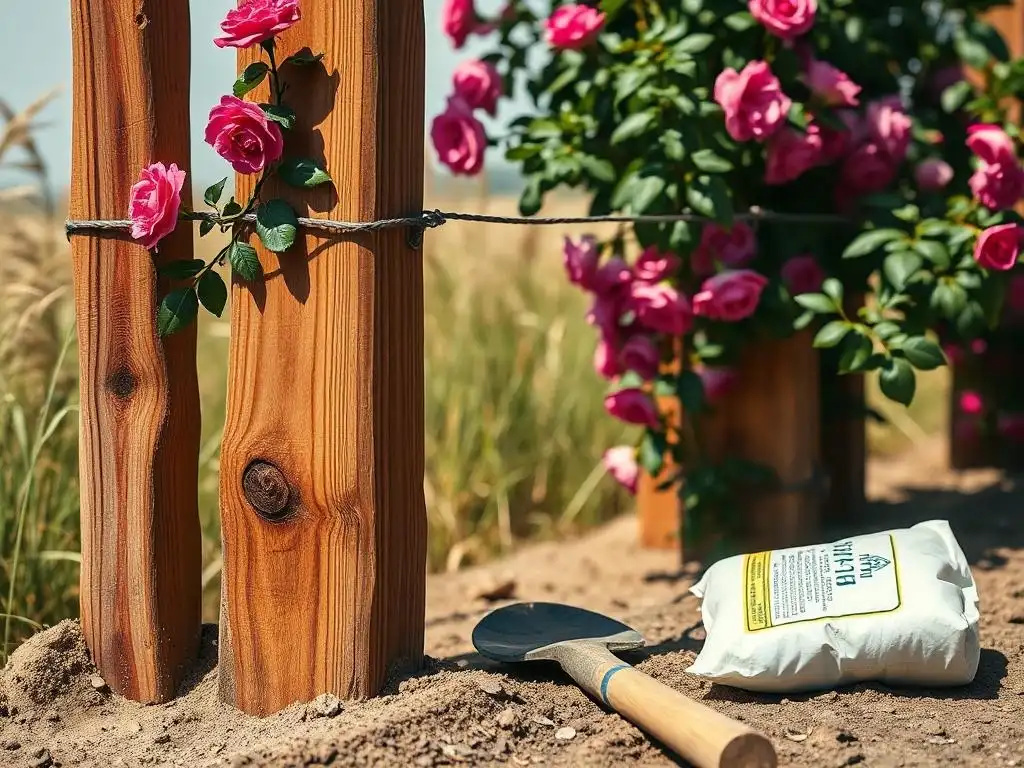
This section explores specific products designed to enhance trellis stability, particularly in challenging windy conditions. Choosing the right materials and techniques is crucial for protecting your plants and ensuring a successful growing season. We'll examine several options, highlighting their features and benefits to help you make an informed decision for securing your trellis in windy conditions.
Heavy-Duty Trellis Anchors: Features and Benefits
Heavy-duty trellis anchors are essential for securing your trellis to the ground, particularly in areas prone to strong winds. These anchors differ significantly in materials and design, impacting their effectiveness and longevity. Look for anchors made from galvanized steel or other corrosion-resistant materials to ensure they withstand the elements. The design should provide maximum grip in the soil, even in loose or sandy conditions.
Several key features distinguish high-quality anchors:
- Material: Galvanized steel is a top choice due to its resistance to rust and decay. Some anchors utilize powder-coated finishes for added protection. Avoid cheaper options made from untreated metal, which will corrode quickly.
- Design: Consider the anchor's shape and size. Auger-style anchors are excellent for easy installation and secure grip in various soil types. U-shaped anchors are suitable for firmer ground, offering strong resistance to lateral forces. The overall size should be proportional to the size and weight of your trellis.
- Installation: Ease of installation is important. Auger anchors can be driven into the ground using a simple hand-cranked auger or even a power drill. U-shaped anchors may require some digging to ensure proper placement and secure embedding.
Consider these factors when choosing heavy-duty trellis anchors to secure your trellis in windy conditions: The size and weight of your trellis, the soil type in your garden, and the typical wind speeds in your area. A larger, heavier trellis will naturally require more substantial anchors to maintain stability. Choosing the right anchor significantly reduces the risk of your trellis toppling over during strong winds.
Trellis Ties and Straps: Material and Durability Comparison
In addition to ground anchors, trellis ties and straps provide crucial support to the trellis structure itself, preventing swaying and damage from wind. The choice of material significantly impacts the tie's durability and longevity.
Here's a comparison of common materials:
| Material | Durability | UV Resistance | Flexibility | Cost |
|---|---|---|---|---|
| Plastic coated wire | Moderate | Moderate | Moderate | Low |
| Heavy-duty nylon | High | High | High | Moderate |
| Stainless steel | Very High | Excellent | Low | High |
Nylon straps offer a good balance of strength, flexibility, and UV resistance. They are less likely to damage the trellis structure than stiff metal ties. Stainless steel ties are the most durable but can be more expensive and less flexible. The choice depends on your trellis material and the intensity of the expected wind exposure. Regular inspection and replacement of worn-out ties are crucial for maintaining trellis stability and preventing damage. For securing a trellis in windy conditions, prioritizing durability and UV resistance is essential.
Windbreak Fabric: Effectiveness and Installation Tips
Windbreak fabric offers an additional layer of protection against strong winds, reducing stress on the trellis and plants. This fabric creates a barrier that deflects wind, minimizing the force impacting the trellis. The effectiveness of windbreak fabric depends on several factors:
- Fabric Density: A denser fabric offers better wind protection but can also reduce airflow around the plants.
- Height and Placement: The fabric should be tall enough to effectively deflect the wind, usually extending several feet above the trellis. Proper placement is crucial to minimize wind impact.
- Anchoring: Secure the fabric to prevent it from flapping in the wind, causing further stress on the trellis. Use sturdy stakes or clips to keep it firmly in place.
Installing windbreak fabric around your trellis is a multi-step process:
- Measure and Cut: Measure the area requiring protection and cut the fabric accordingly.
- Attach to Trellis: Secure the fabric to the trellis using clips or ties.
- Anchor to Ground: Stake the fabric securely to the ground around the trellis.
- Overlap Sections: Overlap sections of fabric to ensure complete coverage.
Consider using windbreak fabric in combination with strong anchors and ties for optimal protection against strong winds. This layered approach offers the best chance of securing your trellis in windy conditions and protecting your valuable plants.
Case Studies: Successful Trellis Stabilization Projects
This section details real-world examples of securing trellises against strong winds, demonstrating practical applications of the techniques discussed earlier in the article. These case studies highlight the importance of proper planning and material selection for ensuring long-term trellis stability, even in challenging environments. Understanding these successes can help you adapt these strategies to your own gardening projects and achieve similar results in securing your own trellis in windy conditions.
Securing a Tomato Trellis in a High-Wind Zone
A homeowner in a coastal region with consistently high winds needed a solution for their indeterminate tomato plants. Their previous attempts using simple stakes had resulted in broken plants and significant crop loss. To address this, they opted for a robust A-frame trellis constructed from pressure-treated lumber. This provided a much wider base for greater stability.
Instead of directly burying the posts, they used concrete footings, extending the posts approximately 2 feet below ground level. This anchoring method significantly increased resistance to uprooting. Furthermore, they reinforced the A-frame structure with galvanized wire bracing, creating a rigid, triangle-shaped support system. This design is inherently stronger than a simple square or rectangular frame.
The tomato plants were tied to the trellis using soft twine, allowing for growth while preventing excessive swaying in the wind. Regular inspection and minor adjustments to the twine ensured the plants remained securely supported throughout the growing season. The result? A bountiful tomato harvest despite the challenging windy conditions. The homeowner reported a significant increase in yield compared to previous years, demonstrating the effectiveness of this approach to securing a trellis in windy conditions.
Reinforcing an Existing Trellis to Withstand Hurricane-Force Winds
An existing trellis, supporting a mature grapevine, needed reinforcement to withstand potential hurricane-force winds. The original trellis, constructed from thin wooden slats, was showing signs of wear and tear and was deemed insufficient for the anticipated high winds. The solution involved a multi-pronged approach focusing on strengthening the existing structure and improving its anchorage.
First, additional support posts were added to the existing structure, increasing the number of anchor points. These additional posts were deeply set in concrete footings for maximum stability, mimicking the approach used in the tomato trellis example. Secondly, heavy-duty galvanized wire was used to create a strong latticework across the existing slats, effectively reinforcing the entire structure. This created a much more rigid and wind-resistant framework.
Finally, guy wires were strategically attached to the trellis, anchoring it to sturdy ground stakes driven deeply into the earth. These guy wires provided additional support, preventing the trellis from swaying or bending excessively under strong winds. The homeowner meticulously planned the placement of these guy wires to ensure even distribution of stress across the structure. This proactive approach successfully secured the trellis and protected the mature grapevine from hurricane-force winds, preventing significant damage or loss. The use of guy wires proved especially crucial in withstanding the powerful gusts.
The success of these projects underscores the importance of choosing appropriate materials, employing robust anchoring techniques, and considering the specific wind conditions of your location when designing and securing your trellis. Remember, a well-planned and appropriately reinforced trellis is key to a successful and productive growing season, even in windy environments.
Frequently Asked Questions
What are the best trellis materials for windy areas?
Strong materials are crucial. Consider sturdy wood, metal, or heavy-duty plastic trellises. Avoid lightweight materials that will easily blow over.
How deep should I bury the trellis supports?
For maximum stability, bury your trellis supports at least 12-18 inches deep. This provides a strong anchor against strong winds. Add concrete for extra security.
What techniques can I use to secure the trellis itself?
Use strong ties to fasten the trellis to the supports. Consider guy wires or stakes for additional support, especially in exposed areas.
Are there specific trellis designs better suited for windy locations?
Yes, low-profile designs are less susceptible to wind damage. Consider a sturdy A-frame or a trellis that is close to the ground.
How can I protect my plants from wind damage during strong gusts?
Consider using windbreaks like shrubs or temporary screens. You can also carefully tie your climbing plants to the trellis for extra support during severe weather.
Final Reflection: Anchoring Our Lives Against the Winds of Change
The ability to secure a trellis against strong winds is more than just a gardening skill; it's a metaphor for navigating life's challenges. A sturdy trellis, properly anchored, stands firm even in the face of adversity, a testament to preparedness and foresight. This principle, explored throughout this article, holds true not just for our gardens, but for our lives as well.
The impact of understanding structural stability extends far beyond the realm of horticulture. It speaks to the importance of building strong foundations in all aspects of our lives – from our relationships and careers to our personal well-being. The resilience we cultivate in one area often spills over into others. As the ancient proverb states: The oak sleeps in the acorn; the bird waits in the egg; and in the highest vision of the soul a waking angel stirs. Dreams are the seedlings of realities.
This speaks to the power of preparation and the potential for growth even in the face of seemingly insurmountable obstacles. We must, like the well-secured trellis, be prepared to weather the storms.
Consider the lessons learned here. Think about the areas in your own life that could benefit from a more robust foundation. What "trellis" needs strengthening? What seemingly small details, like properly anchoring wires or choosing the right post depth, can make a significant difference in your overall stability and resilience? Take the time to assess your own "structural integrity," and commit to building a life that stands tall, even when the winds of change blow fiercely.
Secure Your Harvest: Strengthen Your Trellis Today!
Thank you for learning how to protect your precious plants from strong winds! You now have the knowledge to build a truly resilient support system. Ready to put it into practice?
- Prioritize the most vulnerable trellises: Begin by carefully inspecting your garden and identifying the trellises that need the most attention. Focus your efforts on reinforcing these first.
- Add extra support for vulnerable plants: Consider adding extra stakes or guy wires to particularly vulnerable trellises. A little extra effort now will prevent major problems later.
- Share your experiences: Tell us about your trellis reinforcement projects in the comments below – let's build a supportive gardening community!
What creative support solutions have you discovered to protect your plants from wind damage?