
Trellis Ideas for Flowering Vines: Creating Stunning Vertical Displays

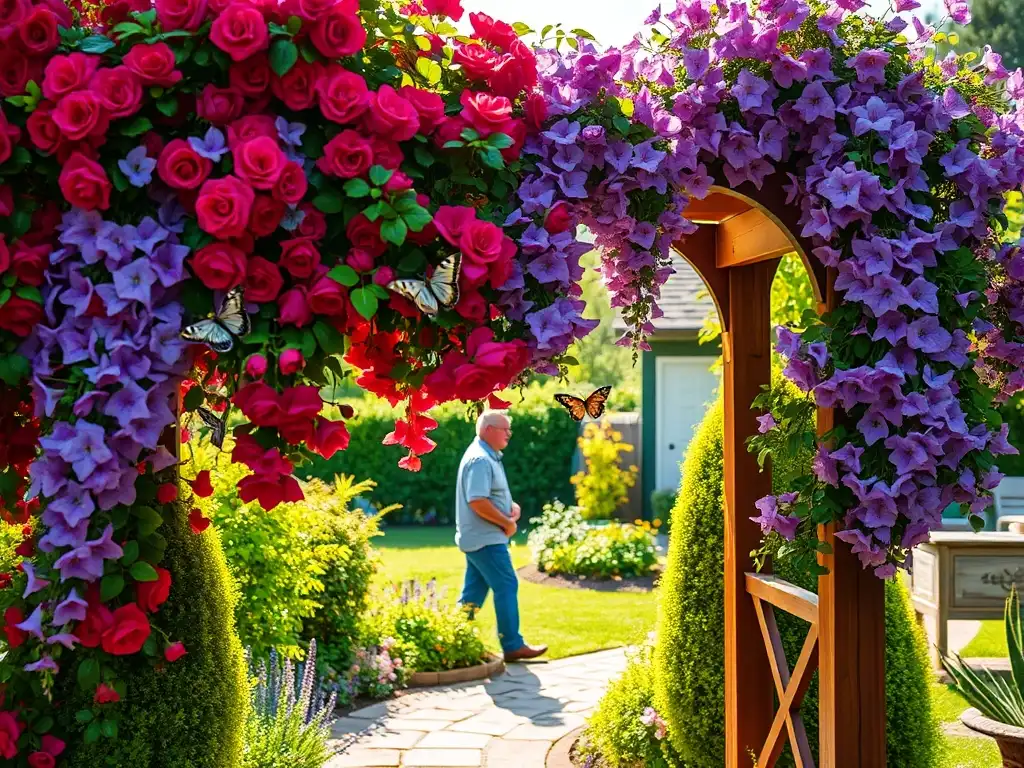
Ready to transform your outdoor space into a vibrant, flourishing paradise? At CultivateYourFood, we empower you to grow your own food organically and sustainably. This season, discover the artistry of vertical gardening with our stunning collection of DIY flowering vine trellis ideas. Learn how to create breathtaking displays that are both beautiful and bountiful – the secrets to success await within!
- Planning Your DIY Flowering Vine Trellis: Essential Considerations
- DIY Flowering Vine Trellis Ideas: Step-by-Step Tutorials
- Maintaining Your Flowering Vine Trellis: Long-Term Care and Upkeep
- Advanced Trellis Designs for Flowering Vines: Expanding Your Vertical Garden
- Where to Buy Supplies for Your DIY Flowering Vine Trellis Project
- Inspiring Examples of Flowering Vine Trellises: Gallery and Ideas
- Frequently Asked Questions
- Final Reflection: Weaving Beauty: The Enduring Allure of Vertical Gardens
- Unleash Your Inner Gardener: Craft a Blooming Trellis Masterpiece
Planning Your DIY Flowering Vine Trellis: Essential Considerations
Creating a stunning vertical display with flowering vines requires careful planning. This guide provides practical, DIY-friendly trellis ideas, focusing on sustainable and organic gardening practices. We'll explore the essential considerations for designing and building your own trellis, from choosing the perfect location and vine to selecting the right materials and construction techniques. Whether you're a seasoned gardener or a beginner, these tips will help you create a beautiful and functional trellis that enhances your garden and supports the healthy growth of your flowering vines.
This article will help you confidently tackle your next DIY project, resulting in a thriving, vibrant, and aesthetically pleasing vertical garden. Let's get started on building your dream flowering vine trellis! 🎉
Choosing the Right Location for Optimal Sunlight and Support
The success of your flowering vine trellis hinges on choosing the right location. Consider these factors:
- Sunlight: Most flowering vines thrive in at least six hours of direct sunlight per day. Observe your garden throughout the day to identify areas that receive ample sunlight. Note the sun's path and potential shading from trees or buildings. Insufficient sunlight can lead to weak growth and fewer blooms. ☀️
- Support Structures: Your trellis needs sturdy support, especially for heavier vines. Consider proximity to walls, fences, or other existing structures that can provide additional anchoring points. Avoid locations prone to strong winds, which can damage your trellis and vines. 🌬️
- Accessibility: Choose a location that allows easy access for watering, pruning, and harvesting. A trellis that's difficult to reach will hinder your ability to care for your vines effectively. Think about your workflow and how easily you can maintain the trellis. 👩🌾
- Aesthetics: Consider the overall design of your garden. Where will the trellis best complement your existing landscaping? Visualize the mature vine and how it will look in its surroundings. A well-placed trellis can significantly enhance the visual appeal of your garden. ✨
Selecting the Perfect Flowering Vine for Your Trellis
The beauty of your trellis will be greatly enhanced by selecting the right flowering vine. Consider these factors when making your choice:
- Growth Habit: Different vines have different growth habits. Some are vigorous growers, while others are more compact. Choose a vine that's appropriate for the size and design of your trellis. A fast-growing vine may require more frequent pruning. 🌱
- Flowering Period: Select vines with a flowering period that aligns with your preferences. Some vines bloom continuously throughout the growing season, while others have a shorter bloom time. Consider the overall aesthetic impact you want to achieve. 🌸
- Hardiness: Choose vines that are hardy in your climate zone. Research the specific needs of your chosen vine to ensure it can thrive in your garden conditions. Consider factors like temperature tolerance and water requirements. 🌡️
- Color and Fragrance: Consider the color and fragrance of the flowers. Select vines that complement the overall color scheme of your garden and provide a pleasant scent. There's a wide variety of colors and fragrances to choose from! 🌺
Material Selection for Your DIY Trellis
The materials you choose will significantly impact the durability and aesthetics of your trellis. Here are some popular and sustainable options:
| Material | Pros | Cons | Sustainability Considerations |
|---|---|---|---|
| Redwood | Durable, naturally resistant to decay | Expensive | Choose sustainably harvested redwood. |
| Cedar | Aromatic, naturally resistant to decay | Expensive | Choose sustainably harvested cedar. |
| Bamboo | Lightweight, strong, sustainable | Can be less durable than wood in wet climates | Source bamboo from responsibly managed forests. |
| Reclaimed Wood | Eco-friendly, unique character | May require more preparation | Gives new life to old materials. |
| Metal (Steel/Iron) | Strong, long-lasting | Can rust, requires maintenance | Consider recycled or powder-coated options. |
Remember to always prioritize sustainably sourced materials whenever possible. Your choice of materials will influence both the lifespan and environmental impact of your trellis. Choose wisely! ♻️
DIY Flowering Vine Trellis Ideas: Step-by-Step Tutorials
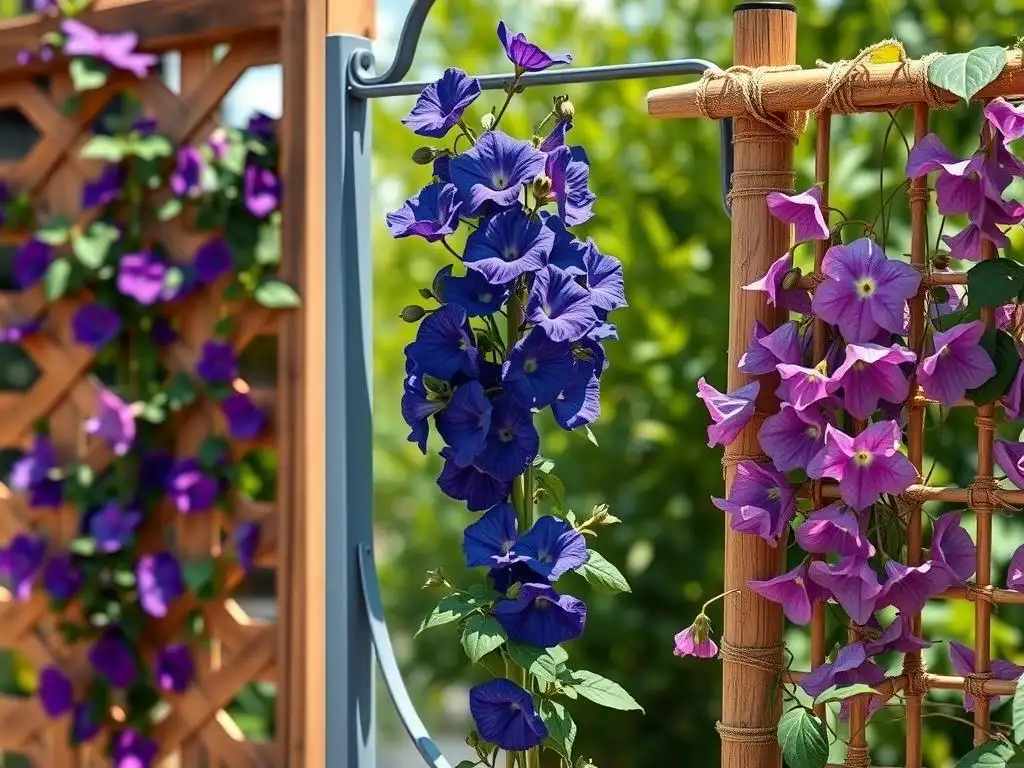
This section provides detailed, practical instructions for constructing attractive and functional trellises perfect for supporting your flowering vines. We'll explore two distinct DIY trellis projects, focusing on sustainable and eco-friendly materials and methods. These projects are ideal for enhancing your garden's aesthetic appeal while providing robust support for climbing plants like roses, clematis, and honeysuckle. Remember, choosing the right trellis design for your flowering vines is crucial for their healthy growth and abundant blooms.
Building a Simple Wooden Trellis for Climbing Roses
This project details the construction of a straightforward, yet elegant, wooden trellis ideally suited for climbing roses. Using readily available materials and simple tools, you can create a beautiful and functional support system for your beloved blooms. This design prioritizes ease of construction, making it perfect for beginners.
Sourcing Sustainable Lumber for Your Eco-Friendly Trellis
Sustainability is key! Opt for responsibly sourced lumber whenever possible. Look for certifications like the Forest Stewardship Council (FSC) label, which guarantees the wood comes from forests managed according to strict environmental and social standards. Consider using reclaimed wood – old pallets, fence posts, or even repurposed beams can add a unique rustic charm to your trellis.
Choosing cedar or redwood provides natural rot resistance, extending the life of your trellis and reducing the need for frequent replacements. Remember to carefully inspect your lumber for any signs of insect infestation or rot before beginning construction. Prioritizing sustainable lumber contributes to environmentally responsible gardening practices, reducing your carbon footprint and supporting ethical forestry.
Step-by-Step Construction Guide with Images and Video Links
(Note: Image and video links would be inserted here in the actual article.)
- Cut the lumber: Measure and cut your lumber to the desired dimensions. For a basic trellis, you'll need vertical supports and horizontal crosspieces. Consider the height and width of your climbing roses when determining the size.
- Assemble the frame: Use screws or strong wood glue to assemble the vertical supports and horizontal crosspieces, creating a sturdy rectangular frame. Pre-drilling pilot holes will prevent the wood from splitting.
- Add cross bracing: For added stability, incorporate diagonal cross bracing between the vertical supports. This will prevent the trellis from sagging under the weight of the climbing roses.
- Attach the trellis to the ground or wall: Securely fasten the trellis to the ground using stakes or anchors, or attach it directly to a wall or fence using appropriate fasteners.
- Sand and finish: Once assembled, sand all surfaces smooth to prevent splinters. Apply a weather-resistant stain or sealant to protect the wood from the elements and enhance its longevity.
Securing Your Climbing Roses to the Trellis: Techniques and Tips
Properly securing your climbing roses is crucial for their healthy growth and abundant blooms. Avoid tightly binding the stems, which can restrict growth and damage the plant. Instead, use soft ties such as garden twine or strips of old pantyhose to gently guide the stems along the trellis. Regularly check the ties and loosen them as the roses grow to prevent constriction.
Training your roses early and consistently will ensure they develop a strong and aesthetically pleasing structure on your trellis. Consider using different tying techniques depending on the age and growth habit of your roses. For example, young shoots may need more frequent support than established canes.
Creating a Rustic Trellis from Reclaimed Wood and Metal
This project showcases the beauty of upcycling and repurposing materials to create a unique and visually stunning trellis. Combining reclaimed wood and metal offers a robust structure with a distinctive rustic appeal, perfect for a variety of flowering vines. This project requires slightly more advanced DIY skills.
Sourcing Reclaimed Materials: Tips and Resources
Finding reclaimed wood and metal can be a rewarding experience! Check local salvage yards, demolition sites (with permission, of course! ), and even your own backyard for potential materials. Old pallets, fence posts, and discarded metal pieces can all be repurposed. Remember to clean and prepare your reclaimed materials thoroughly before use. Remove any loose nails, splinters, or rust. This stage is crucial for ensuring the safety and longevity of your trellis. Consider the overall aesthetic you're aiming for when selecting your materials. The combination of textures and colors can significantly impact the final look of your trellis.
Combining Wood and Metal for Strength and Aesthetic Appeal
The combination of wood and metal provides both strength and visual interest. The wood provides a natural, organic element, while the metal offers structural support and a contrasting texture. Consider using metal brackets or hooks to secure the wooden components to the metal frame. Welding or bolting the metal elements together will create a sturdy and durable structure.
Plan your design carefully, considering the weight of the vines and the overall stability of the trellis. A well-designed combination of wood and metal will provide a strong and aesthetically pleasing support system for your flowering vines. Remember to prioritize safety when working with metal; wear appropriate protective gear.
Finishing Touches: Staining and Sealing Your Rustic Trellis
Once your rustic trellis is assembled, apply a suitable finish to protect the wood and metal components from the elements. A weather-resistant stain will enhance the natural beauty of the wood while protecting it from rot and decay. For the metal components, consider using a rust-resistant paint or sealant to prevent corrosion and maintain the aesthetic appeal of your trellis.
Allow adequate drying time between coats to ensure proper adhesion and durability. A well-finished trellis will not only enhance the visual appeal of your garden but also extend its lifespan, allowing you to enjoy its beauty for years to come. Consider using environmentally friendly stains and sealants to minimize the impact on the environment.
Building a Modern Metal Trellis
Creating a modern metal trellis offers a sleek and durable solution for supporting your flowering vines. The clean lines and customizable designs make them a visually appealing addition to any garden, perfectly complementing contemporary or minimalist landscaping styles. Metal trellises are also remarkably strong, capable of supporting even heavy, fast-growing vines like clematis or wisteria.
Their longevity, with proper maintenance, surpasses that of many wooden alternatives, making them a worthwhile investment for your garden's long-term aesthetic and functionality. Furthermore, the versatility of metal allows for intricate designs and unique shapes that can be tailored to your specific needs and space constraints. This approach contrasts with the more rustic feel often associated with wooden trellises, offering a distinct modern aesthetic.
Choosing the Right Metal for Durability and Weather Resistance
The longevity and appearance of your metal trellis depend heavily on the metal you choose. Steel is a popular choice due to its strength and affordability. However, it's crucial to select galvanized steel or steel with a powder-coated finish to prevent rust and corrosion, ensuring years of outdoor use.
Aluminum is another excellent option, offering superior resistance to rust and corrosion without the need for additional coatings. While slightly more expensive than steel, its lightweight nature makes it easier to handle and install, especially for larger trellises. Consider the climate in your region when making your selection; in areas with high humidity or frequent rainfall, aluminum’s inherent corrosion resistance makes it a better choice.
Wrought iron, with its ornate detailing, offers a more traditional, albeit heavier, aesthetic, but requires regular maintenance to prevent rust. Therefore, carefully weighing the pros and cons of each metal type based on your budget, aesthetic preferences, and local climate is essential for a successful DIY project.
Designing a Modern Geometric Trellis: Plans and Inspiration
Designing your own modern geometric trellis allows for complete personalization. Start by sketching out your desired shape and size on paper. Simple geometric shapes like squares, rectangles, and triangles are easy to construct and provide a clean, modern look. Consider incorporating repeating patterns or varying the size of the squares to add visual interest.
For inspiration, browse online resources and gardening magazines for contemporary trellis designs. Pay attention to the spacing between the metal bars; adequate spacing is essential for proper air circulation and sunlight penetration to prevent fungal growth and ensure healthy vine growth. Remember to account for the mature size of your chosen flowering vines when determining the overall dimensions of your trellis. A well-planned design not only enhances the aesthetic appeal but also optimizes the functionality of your trellis, ensuring your vines thrive.
Installing Your Metal Trellis: Tools and Techniques
Installing your metal trellis involves several steps, requiring careful planning and execution. You will need basic tools such as a measuring tape, level, post hole digger (or auger for larger projects), concrete mix, and a drill with appropriate drill bits for your chosen metal. Before installation, prepare the ground by marking the location of your trellis and digging holes deep enough to securely anchor the posts.
Ensure the posts are plumb (perfectly vertical) using a level, and firmly set them in concrete to provide a stable base. Once the concrete has set, assemble the trellis framework according to your design, using appropriate fasteners. For larger or more complex designs, consider using welding for stronger, more permanent connections.
Always wear appropriate safety gear, including safety glasses and gloves, throughout the installation process. Proper installation ensures the stability and longevity of your trellis, providing robust support for your flowering vines for years to come. Remember to check local building codes and regulations before beginning your installation.
Maintaining Your Flowering Vine Trellis: Long-Term Care and Upkeep
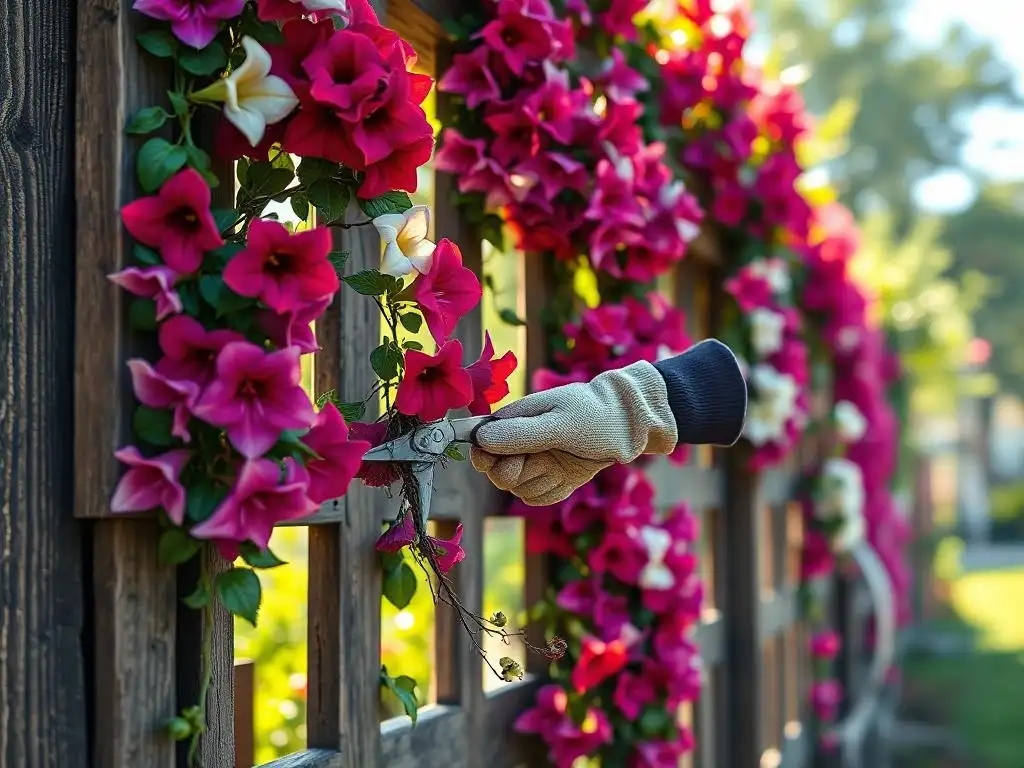
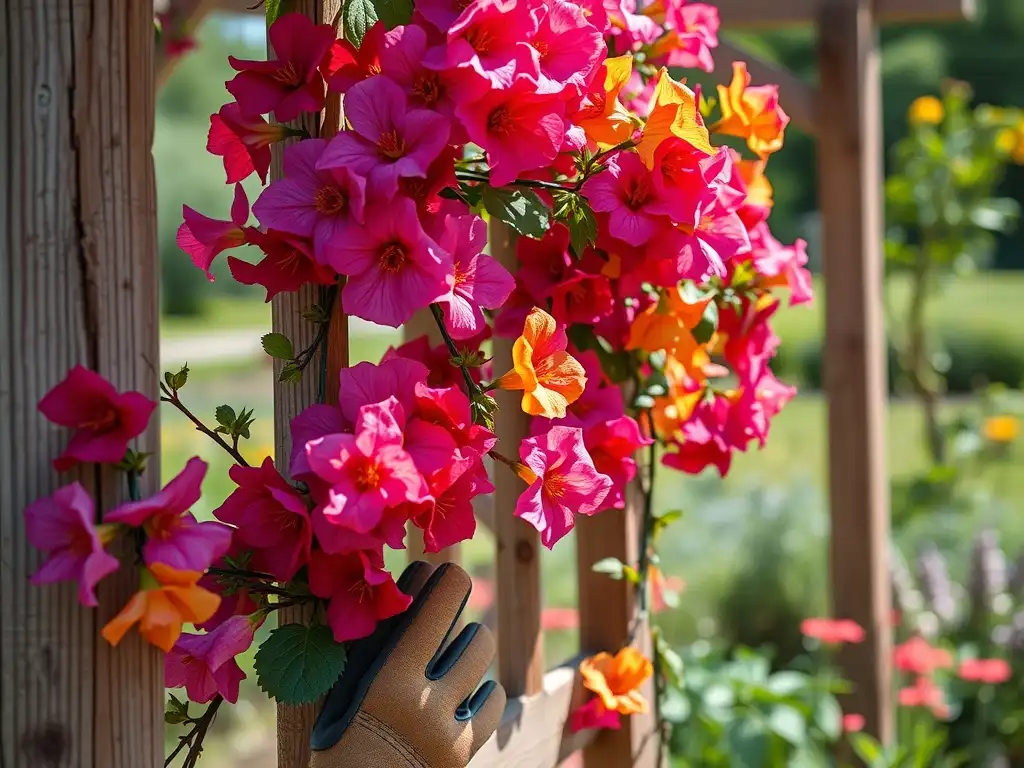
Creating a stunning vertical display with flowering vines requires more than just initial construction; ongoing maintenance is crucial for the longevity and aesthetic appeal of your DIY flowering vine trellis. Neglecting upkeep can lead to structural damage, reduced flowering, and even the demise of your beloved vines. This section details the essential steps to ensure your trellis remains a vibrant and functional part of your garden for years to come. Proper maintenance will also maximize the life of your trellis structure, saving you time and money in the long run. Let's delve into the key aspects of long-term care.
Regular Inspection and Repair of Your Trellis Structure
Regular inspection is paramount. Aim for at least a monthly check, increasing frequency during harsh weather conditions (strong winds, heavy rain, snow). Look for:
- Loose or damaged supports: Tighten any loose bolts or screws. Replace broken or severely weakened components promptly. Using high-quality materials during construction is vital here. For example, using galvanized steel instead of regular steel dramatically reduces the risk of rust and early wear.
- Signs of rot or decay: Wood is susceptible to rot, especially in humid environments. Address any signs immediately with appropriate wood treatments or replacements. Consider pressure-treated lumber for increased durability.
- Sagging or instability: If the trellis is sagging or showing signs of instability, it might need additional support. You may need to add extra stakes or bracing to reinforce the structure.
- Rust or corrosion: For metal trellises, regularly inspect for rust. Clean and treat rust spots as soon as possible to prevent further damage. A wire brush and rust-resistant paint can be effective.
Remember to document your trellis construction. A simple sketch showing measurements and materials used will be invaluable for future repairs. This detailed record will expedite the repair process and ensure consistency. Consider taking photos of your trellis during construction for even better reference.
Pruning and Training Your Flowering Vines for Optimal Growth
Pruning and training your flowering vines are not just about aesthetics; they are essential for their health and the longevity of your trellis. Untamed growth can overwhelm the structure, leading to instability and reduced flowering.
- Regular pruning: Prune your vines regularly to remove dead, damaged, or diseased stems. This encourages healthy new growth and prevents the spread of disease. The specific pruning techniques will vary depending on the type of vine. Research the specific needs of your chosen vine for optimal results.
- Training techniques: Guide the vines along the trellis using soft ties or clips. This prevents tangling and ensures even distribution of weight across the structure. Avoid using wire or materials that can cut into the stems.
- Thinning: Thin out overcrowded areas to improve air circulation and sunlight penetration, reducing the risk of fungal diseases. This also promotes stronger growth and more abundant blooms.
- Seasonal pruning: Consider seasonal pruning, adjusting your approach based on the flowering cycle of your specific vine. Heavy pruning might be necessary after the flowering season to maintain the trellis's structural integrity.
By implementing a regular pruning and training schedule, you'll not only enhance the beauty of your flowering vine display but also significantly extend the lifespan of your DIY flowering vine trellis.
Protecting Your Trellis from Pests and Diseases: Organic Solutions
Protecting your trellis and vines from pests and diseases is crucial for their long-term health and the overall success of your vertical garden. Organic solutions are preferred for their environmental friendliness and safety.
- Regular inspection: Regularly inspect your vines for signs of pests or diseases. Early detection is key to effective management. Look for unusual spots, discoloration, wilting, or insects.
- Organic pest control: Employ organic pest control methods, such as insecticidal soap, neem oil, or diatomaceous earth. These are effective against many common garden pests and are less harmful to beneficial insects and pollinators.
- Disease prevention: Ensure good air circulation around the vines by properly spacing them and pruning to avoid overcrowding. This reduces the risk of fungal diseases.
- Healthy soil: Maintain healthy soil through composting and organic fertilization. Strong, healthy vines are more resistant to pests and diseases.
- Beneficial insects: Encourage beneficial insects, such as ladybugs and lacewings, which prey on many common garden pests. Providing habitat for these insects can significantly reduce pest infestations.
By adopting these organic methods, you can create a thriving and pest-free flowering vine display without resorting to harmful chemicals. Remember that prevention is key – a healthy, well-maintained trellis and vigorous vines are less susceptible to problems. This holistic approach ensures the long-term success of your DIY flowering vine trellis project.
Advanced Trellis Designs for Flowering Vines: Expanding Your Vertical Garden
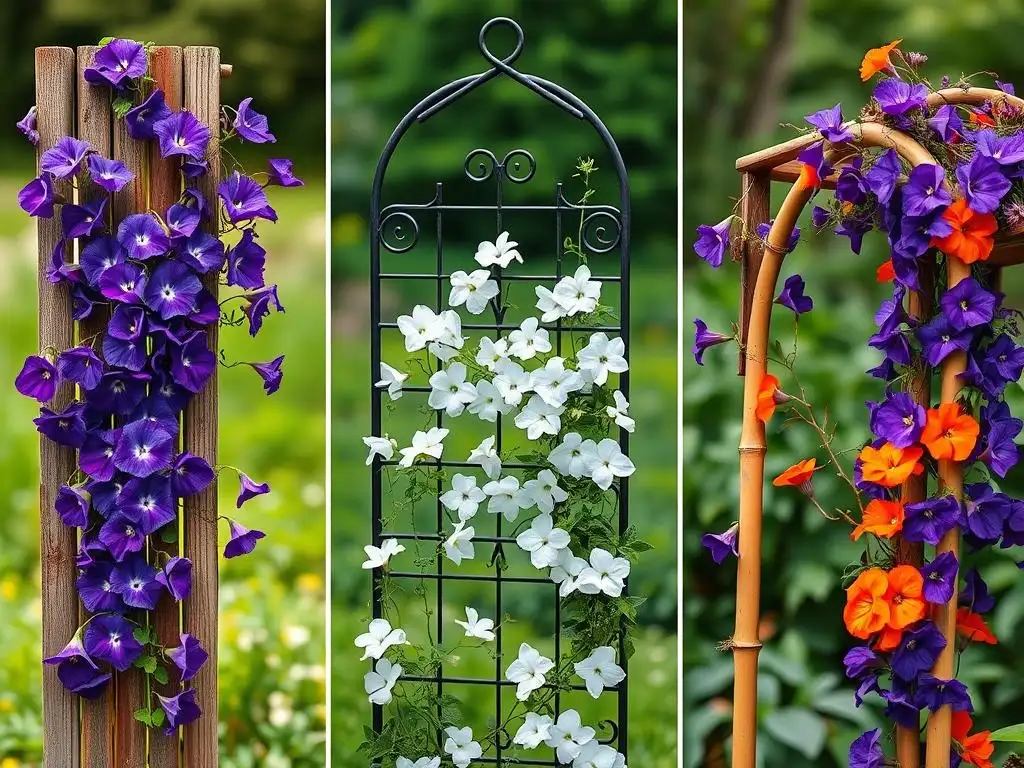
This section explores more complex and visually stunning trellis designs beyond the basics, perfect for ambitious gardeners looking to maximize their vertical space and create breathtaking floral displays. We'll delve into the construction and plant selection for two advanced trellis types: the arbor trellis and the multi-level trellis system. These DIY flowering vine trellis ideas offer substantial rewards for the effort invested, transforming your garden into a vibrant, three-dimensional masterpiece.
Creating an Arbor Trellis for Shade and Beauty: A Step-by-Step Guide
Arbor trellises offer a unique blend of functionality and aesthetic appeal. They provide shade, a beautiful focal point, and a stunning backdrop for climbing flowering vines. Constructing one requires careful planning and execution, but the result is well worth the effort.
Choosing the Right Plants for an Arbor Trellis
Selecting the right plants is crucial for a thriving arbor trellis. Consider the size and growth habit of your chosen vines. Fast-growing varieties like Clematis or Passionflower can quickly cover a large area, while slower-growing options like Honeysuckle offer a more delicate, nuanced display. Think about the mature size of the plant to ensure it won't overwhelm the structure.
For a truly stunning display, consider incorporating a variety of flowering vines with different bloom times and colors to ensure a continuous cascade of blossoms throughout the growing season. Remember to choose plants appropriate for your climate and soil conditions. Researching the specific sunlight and water requirements of your chosen vines is essential for success. A well-planned plant selection will guarantee a flourishing and visually captivating arbor.
Building an Arbor Trellis
Building an arbor trellis involves several steps. First, you need to design the structure, considering the dimensions and desired style. Sketching out your design beforehand is highly recommended. Next, gather your materials.
Common materials include pressure-treated lumber, strong metal pipes, or even sturdy branches from sustainably harvested trees. The choice of material will depend on your budget and aesthetic preferences. After gathering your materials, carefully measure and cut the lumber or pipes according to your design. Then, assemble the frame, ensuring all joints are secure and sturdy.
Finally, attach the latticework or cross-supports to create the climbing surface for your vines. Remember to treat any wooden components with a weather-resistant sealant to extend their lifespan. Regular maintenance, such as checking for loose bolts or damaged sections, will ensure the longevity and stability of your beautiful arbor trellis. A well-constructed arbor will provide years of enjoyment and a stunning focal point in your garden.
Building a Multi-Level Trellis System for Maximum Flower Display
Multi-level trellises are ideal for maximizing vertical space and creating a dramatic, layered effect with flowering vines. They allow for a greater variety of plants and offer a more complex and visually interesting display than a single-level trellis. The design and construction require more planning and precision, but the result is a stunning and functional addition to any garden.
Designing a Multi-Level Trellis to Maximize Space
Designing a multi-level trellis necessitates careful consideration of space and plant selection. Begin by measuring the available space and determining the number of levels that can comfortably fit. Consider the height of your tallest vines and ensure adequate spacing between levels to prevent overcrowding. Sketch your design, including dimensions and the placement of each level. This will help you visualize the final product and ensure that all components are appropriately sized.
Consider incorporating different shapes and sizes of trellises within the multi-level system to add visual interest. For example, you could combine rectangular sections with arched or curved elements. A well-designed multi-level trellis will not only be visually appealing but also highly functional, maximizing space and supporting a diverse array of climbing plants. Careful planning is key to a successful multi-level trellis.
Choosing the Right Vines for a Multi-Level Trellis
The selection of vines for a multi-level trellis is crucial for achieving a harmonious and visually stunning display. Consider the growth habits and mature sizes of different vine varieties. You can layer vines of varying heights and growth rates to create a dynamic and textured effect.
For example, you could place shorter, bushier vines on lower levels and taller, more vigorous climbers on upper levels. Pay attention to the bloom times and colors of your chosen vines to ensure a continuous display of flowers throughout the growing season. Consider incorporating a mix of textures and leaf shapes to add visual interest.
A well-chosen selection of vines will ensure your multi-level trellis is not only functional but also a vibrant and captivating feature of your garden. Remember to research the specific needs of each plant to ensure their success within the multi-level system. Careful vine selection will enhance the visual appeal and longevity of your DIY flowering vine trellis.
Where to Buy Supplies for Your DIY Flowering Vine Trellis Project
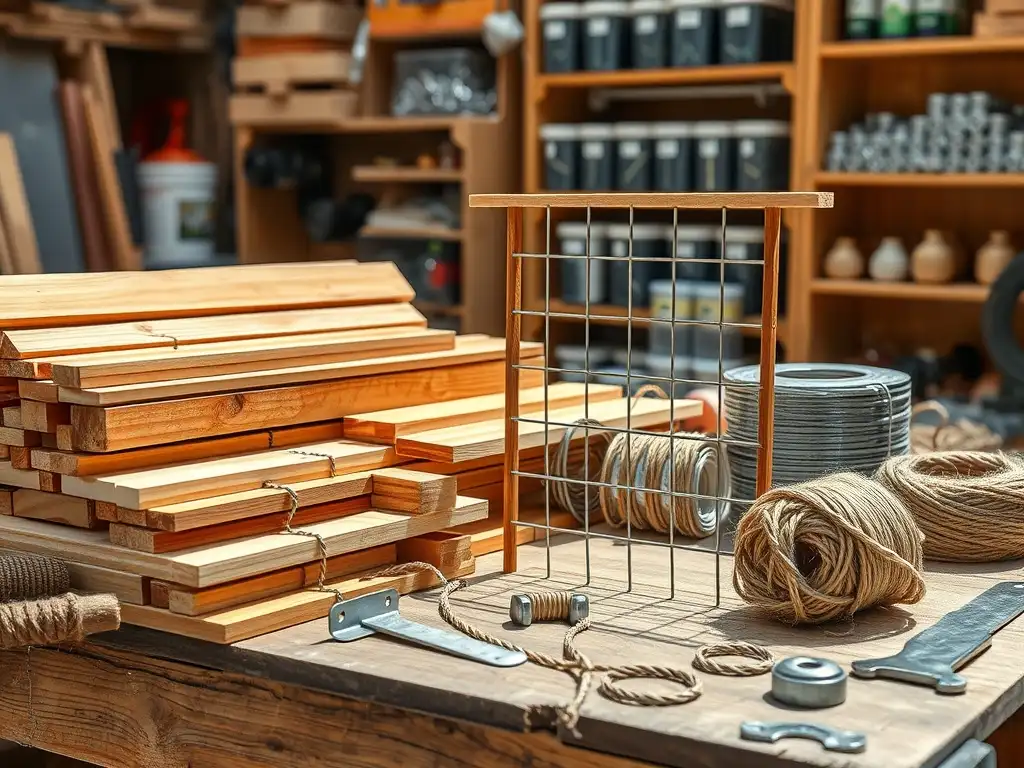
Finding the right materials is crucial for building a sturdy and aesthetically pleasing trellis for your flowering vines. Choosing your supplier carefully can impact not only the quality of your trellis but also its environmental footprint. This section explores different sourcing options for your DIY flowering vine trellis ideas, focusing on quality, sustainability, and convenience. Remember, the sturdiness of your trellis directly impacts the health and growth of your climbing plants. A poorly constructed trellis can lead to damaged vines and a less visually appealing display.
Local Lumber Supplier - High-Quality Lumber and Hardware for Trellises
Local lumber suppliers are an excellent resource for high-quality wood for your trellis project. They often carry a wider variety of wood types than big-box stores, allowing you to select species best suited for outdoor use and durability. For example, cedar is naturally resistant to rot and insects, making it an ideal choice for a long-lasting trellis. Pressure-treated lumber is another option, offering protection against decay, but it's important to choose a treatment that's safe for plants.
Beyond lumber, local suppliers usually stock a comprehensive range of fasteners, including screws, nails, and wire, ensuring you have everything you need in one place. They can also provide expert advice on selecting the right wood type and quantity based on your trellis design. Consider the dimensions of your trellis and the weight it will need to support when determining the thickness and type of wood required.
Don't hesitate to ask for assistance; knowledgeable staff can guide you through choosing the appropriate materials for a successful project. This personalized service can significantly improve the outcome of your DIY flowering vine trellis ideas.
The advantage of buying locally also extends beyond product selection. Supporting local businesses contributes to the economic vitality of your community. You'll likely find more personalized service and potentially even have the option of sourcing reclaimed or sustainably harvested lumber, further enhancing the eco-friendly aspects of your project.
Sustainable Building Supply - Sustainable and Eco-Friendly Trellis Materials
For those prioritizing sustainability, a dedicated sustainable building supply store offers a range of eco-friendly materials for your trellis. These stores often stock reclaimed wood, bamboo, or recycled metal, providing alternatives to newly harvested lumber. Reclaimed wood, in particular, adds character and charm to your trellis while minimizing environmental impact. Bamboo is a rapidly renewable resource known for its strength and flexibility, making it a suitable choice for trellis construction. Recycled metal, such as repurposed steel or aluminum, offers durability and a modern aesthetic.
These stores often carry a selection of environmentally friendly finishes and preservatives, allowing you to protect your trellis without using harsh chemicals that could harm your plants or the environment. Look for water-based stains or sealants that are low in VOCs (volatile organic compounds). Remember to always check the product labels for certifications and eco-friendly claims to ensure authenticity.
Choosing sustainable materials significantly reduces the carbon footprint of your DIY flowering vine trellis ideas, aligning with environmentally conscious gardening practices. The added benefit of using unique materials can create a truly one-of-a-kind trellis that reflects your commitment to sustainable living.
Local Hardware Store - Locally Sourced Materials for Your Project
Your local hardware store provides a convenient option for sourcing materials for your trellis. While their selection might not be as extensive as a lumber yard or specialty store, they usually carry basic lumber, screws, wire, and other essentials. This option is particularly convenient if you need supplies quickly or are working on a smaller project. They may even offer pre-cut lumber, simplifying the construction process. However, remember to check the quality of the wood carefully. Not all hardware stores carry high-quality, outdoor-grade lumber.
While convenience is a key advantage, consider that the selection of sustainable or reclaimed materials might be limited. If sustainability is a priority, you might need to supplement your purchases from the hardware store with materials sourced elsewhere. Nevertheless, for a straightforward trellis design using readily available materials, your local hardware store can be a practical and efficient choice for your DIY flowering vine trellis ideas.
The ease of access and often competitive pricing can make it a suitable option for smaller projects or those with limited transportation options. Remember to check for sales and discounts to maximize your budget.
Inspiring Examples of Flowering Vine Trellises: Gallery and Ideas
This section showcases a variety of DIY flowering vine trellis ideas, providing inspiration for your own garden projects. We'll explore different designs, materials, and vine choices to help you create the perfect vertical display. Remember, the beauty of a trellis lies not only in its structure but also in the vibrant blooms it supports. Let's delve into some stunning examples that highlight the versatility of trellises and the captivating charm of flowering vines.
Showcase of Stunning Trellis Designs Featuring Different Vines
Creating a stunning vertical display involves careful consideration of both the trellis structure and the climbing plants you choose. The right combination can transform a mundane space into an eye-catching focal point. Let's look at a few examples:
- Example 1: The Classic Wooden Arch Trellis with Clematis: A simple, yet elegant, wooden arch trellis provides the perfect support for a clematis vine. The arch's graceful curve complements the clematis's cascading blooms, creating a romantic and inviting entrance to a garden path or seating area. The rich, deep purple of the clematis flowers contrasts beautifully against the natural wood tone of the trellis, offering a visually appealing contrast. This design is a classic example of a DIY flowering vine trellis idea that's easy to replicate.
- Example 2: A Modern Metal Trellis with Passionflower: A sleek, geometric metal trellis provides a contemporary contrast to the vibrant, exotic blooms of a passionflower vine. The intricate details of the passionflower's blooms are emphasized by the clean lines of the metal framework. This combination offers a modern and sophisticated aesthetic, perfect for a minimalist or contemporary garden setting. The use of powder-coated metal ensures durability and weather resistance, making it a low-maintenance option.
- Example 3: A Rustic Bamboo Trellis with Honeysuckle: A rustic bamboo trellis, crafted from natural, untreated bamboo poles, creates a charming and organic backdrop for a fragrant honeysuckle vine. The natural texture and warm tones of the bamboo complement the delicate flowers and sweet scent of the honeysuckle. This DIY flowering vine trellis idea perfectly embodies a cottage garden aesthetic. The sustainable nature of bamboo also aligns with environmentally conscious gardening practices.
This is just a small sampling of the possibilities. The key is to select a trellis design and vine type that complements your existing garden style and the available space. Consider factors such as sunlight exposure, soil conditions, and the mature size of the vine when making your choices. Remember to prioritize durability and stability in your trellis construction to ensure the longevity of your vertical display.
Inspiration for Different Garden Styles: Modern, Rustic, Cottagecore
The style of your trellis should complement the overall aesthetic of your garden. Here are some ideas tailored to popular garden styles:
- Modern Garden: For a modern garden, opt for clean lines and geometric shapes. Metal trellises in sleek, minimalist designs are ideal. Consider using climbing plants with strong, architectural forms, such as climbing hydrangeas or star jasmine. The use of dark-colored metal against the vibrant green of the foliage can create a striking contrast. Consider incorporating built-in lighting for an added evening effect.
- Rustic Garden: A rustic garden calls for natural materials and organic shapes. Wooden trellises crafted from reclaimed wood or untreated bamboo poles create a charming and inviting atmosphere. Choose flowering vines that evoke a sense of natural beauty, such as roses, honeysuckle, or climbing roses. The use of weathered wood or bamboo adds texture and character, enhancing the overall rustic appeal.
- Cottagecore Garden: A cottagecore garden embraces a whimsical and romantic aesthetic. Consider a trellis made from intertwined branches or a painted wooden lattice. Choose flowering vines with abundant blooms and a delicate appearance, such as sweet peas or morning glories. The use of pastel colors in the trellis paint or in the choice of flowering vines can enhance the overall romantic feel. Adding charming details like small birdhouses or decorative elements can further elevate the cottagecore aesthetic.
Remember, the possibilities are endless! Experiment with different materials, designs, and vines to create a unique and stunning vertical display that reflects your personal style and enhances the beauty of your garden. Don't be afraid to get creative and personalize your DIY flowering vine trellis ideas. The most important thing is to have fun and enjoy the process of creating something beautiful for your outdoor space.
Frequently Asked Questions
What are the benefits of using a trellis for flowering vines?
Using a trellis offers several advantages. It provides vertical support, preventing your vines from sprawling on the ground and becoming damaged or tangled. This also improves air circulation and sunlight penetration, leading to healthier plants and more abundant blooms.
What materials can I use to build a DIY trellis?
Many readily available materials work well! Consider using reclaimed wood, bamboo, metal, or even strong twigs. The best choice depends on your budget, aesthetic preferences, and the size and weight of your vines.
How do I choose the right trellis design for my flowering vines?
The ideal design depends on the size and growth habit of your vines, as well as the available space. Consider factors like height, width, and the overall style of your garden. Simple designs are often best for beginners.
What are some creative DIY flowering vine trellis ideas?
Get creative! You can build arbors, obelisks, or even trellises shaped like animals or geometric patterns. Repurposed items like old ladders or window frames can also be transformed into unique trellises.
How do I attach my flowering vines to the trellis?
Gently guide the new growth of your vines around the trellis structure. You can use soft twine or clips to secure them initially. As the vines mature, they will usually cling to the trellis naturally.
Final Reflection: Weaving Beauty: The Enduring Allure of Vertical Gardens
The art of crafting a trellis for flowering vines isn't merely about aesthetics; it's about cultivating a connection with nature, transforming ordinary spaces into vibrant, living canvases. In a world increasingly dominated by concrete and steel, the simple act of nurturing climbing plants, guided by a thoughtfully designed trellis, offers a powerful antidote to the sterile uniformity of modern life. This connection to the natural world, to the cycle of growth and bloom, is more vital than ever.
The enduring appeal of vertical gardens, as explored throughout this article, lies in their ability to bring the beauty of nature into our immediate surroundings. They offer a tangible reminder of the power of growth and the rewards of patience. The glory of gardening: hands in the dirt, head in the sun, heart with nature. To nurture a garden is to feed not just the body, but the soul.
This quote perfectly encapsulates the profound and often overlooked emotional benefits of engaging in such a creative and nurturing endeavor. From simple DIY projects to more elaborate designs, the impact extends beyond the visual, enriching our lives in unexpected ways.
Now, consider your own space. What unused corner, barren wall, or neglected area could be transformed into a vibrant tapestry of life? Imagine the satisfaction of watching your chosen vines climb and bloom, a testament to your creativity and care. Don't just read about these trellis ideas – create them. Let the beauty of flowering vines, guided by your own handcrafted trellis, bring a touch of nature's magic into your world. The journey of creating your own vertical garden awaits; begin today.
Unleash Your Inner Gardener: Craft a Blooming Trellis Masterpiece
Thanks for exploring the world of flowering vine trellises with us! We hope you've gained valuable insights and inspiration for creating stunning vertical displays in your garden. Now it's time to put your knowledge into practice.
Here's how to get started:
- Design and build your trellis: Start by sketching your ideal design, considering the size, materials, and the specific vines you'll be using. Think about incorporating unique elements like arched pathways or decorative latticework to create a truly personalized structure.
- Choose the perfect vines: Research different flowering vine varieties that thrive in your climate and complement your garden's aesthetic. Don't be afraid to experiment with different colors and textures to achieve a visually stunning result.
- Share your creation: Show us your progress! Share photos of your trellis on social media using #CultivateYourFoodTrellis and inspire others with your beautiful work.
Ready to transform your outdoor space into a vibrant, blossoming haven? What unique design element will you incorporate to make your trellis truly special?