
Beyond the Basics: Where to Buy Unique Fruit Tree Saplings

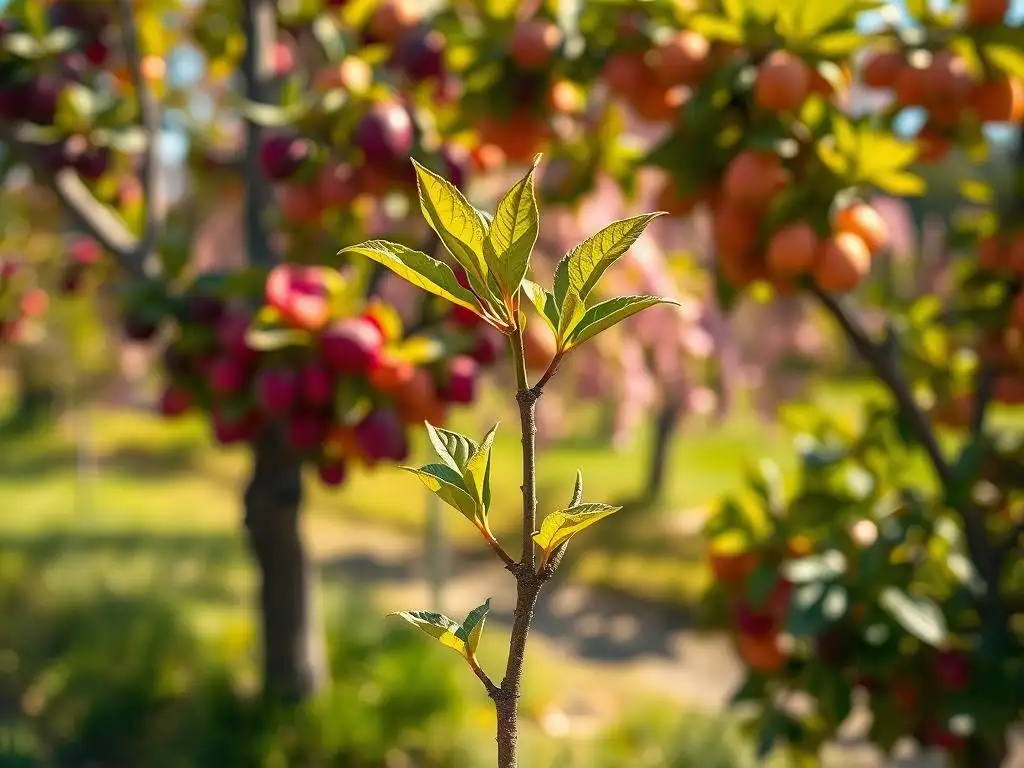
Ready to transform your backyard into a vibrant orchard bursting with rare and delicious fruits? At CultivateYourFood, we're passionate about sustainable, organic gardening, and we're here to guide you every step of the way. Discover a world beyond the ordinary with our expert advice on everything from planting to pest control. Intrigued by the prospect of growing your own unique harvest? Then delve into our comprehensive guide on where to Buy rare fruit tree saplings and begin your journey towards a bountiful, homegrown paradise.
- Finding Rare and Heirloom Fruit Tree Saplings Online
- Sourcing Local and Sustainable Fruit Tree Saplings
- Choosing the Right Fruit Tree Sapling for Your Needs
- Understanding the Cost and Value of Rare Fruit Tree Saplings
- Caring for Your New Fruit Tree Saplings: A Quick Guide
- Resources for Further Learning About Fruit Tree Cultivation
- Frequently Asked Questions
- Final Reflection: Cultivating a Legacy, One Sapling at a Time
- Unleash Your Inner Orchard: Grow Your Dream Fruit Trees Today!
Finding Rare and Heirloom Fruit Tree Saplings Online
Cultivating a unique and productive home orchard goes beyond the common apple and pear trees. The allure of growing rare and heirloom fruit varieties, with their intriguing flavors and historical significance, is captivating home gardeners. This guide focuses on where to buy rare fruit tree saplings online, providing a comparative analysis of top retailers to help you choose the perfect saplings for your garden.
We'll explore factors such as price, selection, shipping reliability, and customer service, empowering you to make informed decisions and successfully cultivate these exceptional fruit trees. This is crucial for those seeking to expand their gardening experience beyond the typical options and add a touch of the extraordinary to their landscape. The quest to Buy rare fruit tree saplings just got a whole lot easier!
Top Online Retailers for Unique Fruit Tree Saplings: A Comparative Analysis
Finding the right source for rare fruit tree saplings can be a journey in itself. Not all nurseries carry the same selection, and factors like shipping and customer service can significantly impact your experience. This section compares some of the leading online retailers, highlighting their strengths and weaknesses to help you decide where to invest in your unique orchard. Remember, the best option will depend on your specific needs and preferences, considering factors like your budget, the type of trees you're looking for, and your geographic location. Let's delve into the specifics!
Comparing Raintree Nursery vs. Fedco Trees: Price, Selection, and Shipping
The table below summarizes the key differences:
| Feature | Raintree Nursery | Fedco Trees |
|---|---|---|
| Price | Generally Higher | Generally Lower |
| Selection | Very Wide, Many Rare Varieties | Good Selection, Fewer Rare Varieties |
| Shipping | Reliable, but Delivery Times Vary | Efficient, Cost-Effective |
| Sustainability | Strong focus on quality and variety | Strong focus on cooperative model and sustainability |
One Green World: Specializing in Dwarf Fruit Trees and Unique Varieties
One Green World stands out for its specialization in dwarf fruit trees. This is a significant advantage for gardeners with limited space. They offer a curated selection of unique and rare varieties, particularly focusing on apples, pears, and stone fruits. Their website provides detailed descriptions of each variety, including mature size, fruit characteristics, and growing requirements. While their selection might be smaller than some larger nurseries, the focus on quality and specific niche varieties makes them a valuable resource for those seeking compact, productive trees. Their customer service is also often praised for its responsiveness and helpfulness.
Stark Bro's Nurseries & Orchards: Sourcing Heirloom Apple and Pear Saplings
Stark Bro's, a long-established nursery, is a reliable source for heirloom apple and pear saplings. While they may not specialize exclusively in rare varieties, their extensive catalog includes a considerable number of heirloom options alongside more common cultivars. Their reputation for quality and reliable shipping makes them a safe bet for gardeners seeking dependable sources for classic and heritage fruit trees. They often offer detailed information on the history and characteristics of their heirloom varieties, adding a layer of historical context to your gardening project. Their pricing tends to be competitive, especially when purchasing in bulk.
Sourcing Local and Sustainable Fruit Tree Saplings
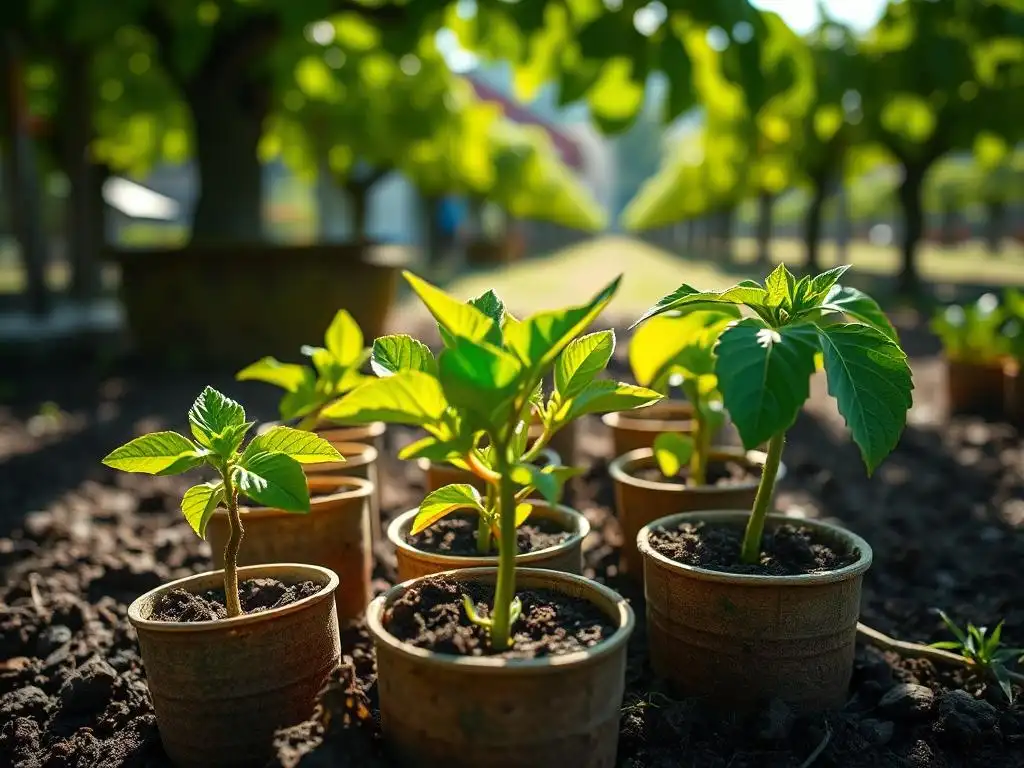
This section focuses on the crucial aspect of finding and buying rare fruit tree saplings from local and sustainable sources. Prioritizing local nurseries not only ensures the saplings are well-suited to your specific climate and soil conditions but also supports sustainable agriculture and your local economy. Buying locally reduces the carbon footprint associated with transportation and often provides access to varieties unavailable through large online retailers. This approach aligns perfectly with the CultivateYourFood ethos of organic and sustainable gardening practices.
Local Nurseries Specializing in Rare Fruit Trees: A Regional Guide
Locating a local nursery offering rare fruit tree saplings often requires some research. Large chain garden centers may carry common varieties, but finding truly unique specimens demands a more targeted approach. Below, we begin to explore a regional breakdown, highlighting the importance of local sourcing and the benefits it brings to your gardening journey. Note that this is not an exhaustive list, and further research based on your specific geographic location is highly recommended. The availability of specific varieties will also fluctuate depending on the season and the nursery's stock.
Finding Unique Fruit Trees in the Pacific Northwest: A Case Study
The Pacific Northwest, with its unique climate and soil conditions, presents both challenges and opportunities for cultivating rare fruit trees. Nurseries in this region often specialize in varieties adapted to the cooler, wetter climate. For instance, you might find nurseries specializing in varieties of crabapples, Asian pears, or hardy citrus trees that can withstand the region's winters.
Many smaller, family-run nurseries in rural areas often cultivate unique heirloom varieties passed down through generations, offering a wealth of genetic diversity and often a deeper understanding of the specific needs of these plants. These nurseries often participate in local farmers' markets, providing opportunities for direct interaction and expert advice.
Successfully growing these unique varieties requires understanding the specific needs of each tree. For instance, certain Asian pear cultivars may require specific pollination partners, while others may need extra protection during harsh winters. Thorough research into the specific requirements of your chosen variety is paramount to ensure its success.
Supporting Local Businesses and Sustainable Agriculture Practices
Choosing local nurseries directly impacts the sustainability of your gardening practices. Local nurseries are more likely to employ sustainable growing practices, reducing reliance on harmful pesticides and fertilizers. They often prioritize soil health and biodiversity, contributing to a healthier environment. Moreover, supporting local businesses strengthens your community and fosters a more resilient local food system.
Purchasing rare fruit tree saplings from these nurseries helps preserve heirloom varieties and supports the continuation of traditional horticultural knowledge. It's a win-win situation for both your garden and your community! Consider this when making your purchasing decisions, and remember to ask nurseries about their growing practices to ensure they align with your values.
This section emphasizes the importance of buying rare fruit tree saplings from local sources. The benefits extend beyond simply acquiring unique plants; it strengthens local economies, supports sustainable agriculture, and contributes to environmental preservation. Remember to conduct thorough research to find local nurseries that specialize in rare fruit trees and align with your gardening philosophy. Happy planting! 🌳
Choosing the Right Fruit Tree Sapling for Your Needs
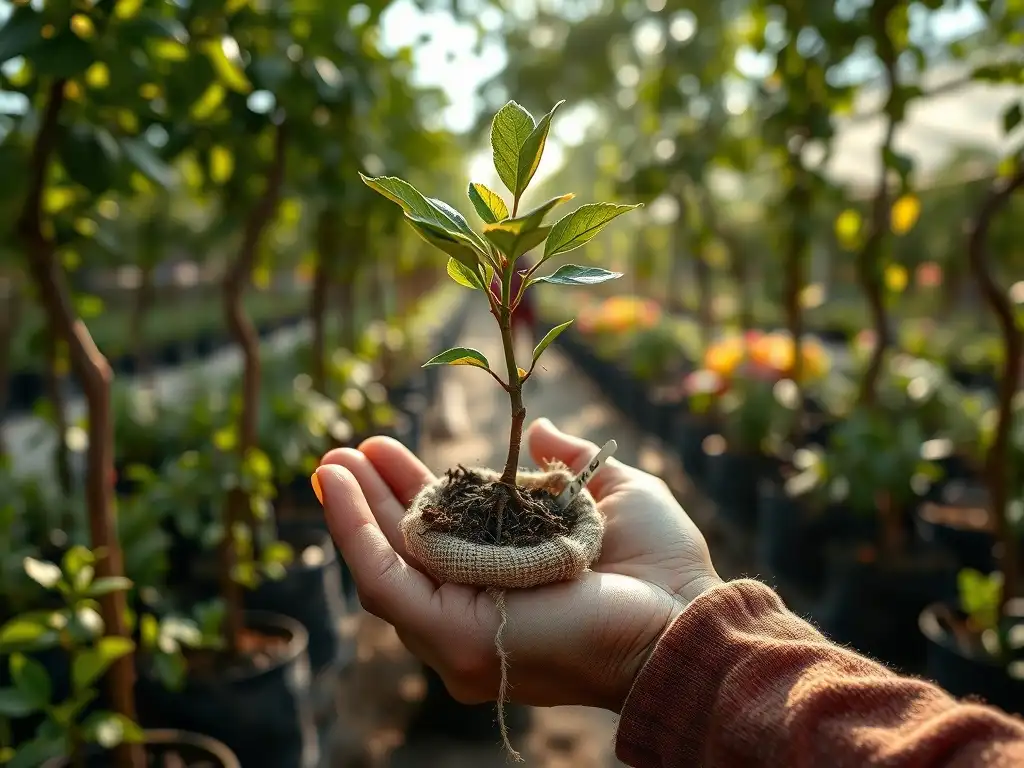
This section focuses on helping you select the perfect rare fruit tree sapling, ensuring its success in your garden. Buying rare fruit tree saplings is an exciting endeavor, but careful planning is crucial for a bountiful harvest. We'll explore key factors to consider before making your purchase, ensuring your chosen sapling thrives.
Selecting the Best Fruit Tree Variety for Your Climate and Soil
Choosing the right fruit tree variety is paramount to success. Ignoring climate and soil conditions often leads to disappointment. Rare fruit trees, in particular, can be more sensitive than their common counterparts.
Understanding Hardiness Zones and Their Impact on Fruit Tree Growth
Hardiness zones, based on average minimum winter temperatures, are essential for selecting appropriate fruit trees. A tree unsuitable for your zone will likely struggle or even die during cold snaps. Before buying any rare fruit tree sapling, check the USDA Plant Hardiness Zone map to determine your area's zone. For example, a tropical mango tree will not survive a harsh winter in Zone 5, while a hardy crabapple might flourish. Knowing your zone significantly increases your chances of successfully growing rare fruit trees. Research the hardiness requirements of your desired variety meticulously.
Matching Soil Type to Fruit Tree Needs: Essential Considerations
Soil type significantly impacts a fruit tree's health and productivity. Sandy soil drains quickly, requiring more frequent watering, while clay soil retains water, potentially leading to root rot. Different fruit trees have varying soil preferences. Some thrive in acidic conditions, while others prefer alkaline soil.
Before purchasing rare fruit tree saplings, test your soil pH. A simple soil test kit can provide valuable insights into your soil's composition and help you choose a compatible variety. Understanding your soil’s drainage capabilities and pH level is crucial when selecting rare fruit tree saplings. For instance, blueberries need acidic soil (pH 4.5-5.5), while most stone fruits prefer slightly alkaline to neutral soil (pH 6.0-7.0).
Considering Tree Size and Growth Habit for Your Garden Space
The mature size of your fruit tree is a critical consideration, especially for smaller gardens. Rare fruit trees come in various sizes, from dwarf varieties to large, spreading trees. Careful planning prevents overcrowding and ensures adequate sunlight for each tree.
Dwarf Fruit Trees vs. Standard-Sized Trees: A Detailed Comparison
Dwarf fruit trees are excellent choices for small gardens, producing fruit on a smaller scale. They typically reach only a fraction of the height of standard-sized trees, often maturing at around 6-8 feet tall. Standard-sized trees, on the other hand, can grow significantly larger, potentially reaching heights of 20-30 feet or more. The choice depends on your available space and personal preferences.
Dwarf trees offer convenience in harvesting and maintenance, while standard-sized trees can offer a more dramatic landscape presence. Consider the long-term growth potential of each type before making your purchase. Many rare varieties are now available in dwarf forms, making them accessible to even the smallest urban gardens.
Columnar Fruit Trees: Space-Saving Solutions for Small Gardens
Columnar fruit trees are exceptionally space-saving. These trees grow vertically, with a narrow, column-like shape. They're ideal for small gardens, patios, or even large containers. Their compact size makes harvesting and pruning easier.
While the yield might be slightly less than standard-sized trees, the space efficiency is a significant advantage. The availability of columnar varieties for rare fruits is increasing, providing more options for gardeners with limited space. Remember to check the mature height and width of even columnar varieties, as they can still require a few feet of space. Think about the long-term growth and consider the impact on sunlight for other plants.
Understanding the Cost and Value of Rare Fruit Tree Saplings
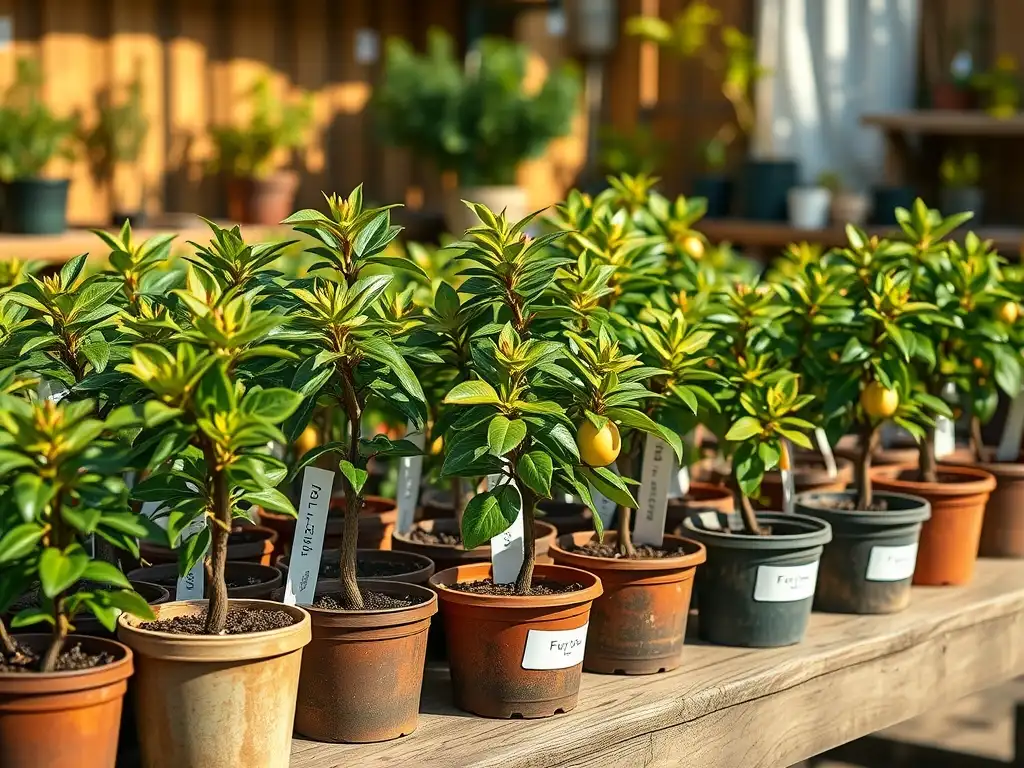
Purchasing rare fruit tree saplings is an investment, not just an expense. The cost reflects not only the plant itself but also the effort, expertise, and often the scarcity involved in its propagation and availability. Understanding this cost-value relationship is crucial for making informed decisions and ensuring a successful orchard. This section explores the factors influencing the price of these unique saplings, helping you navigate the market with confidence and find the best value for your money. Knowing where to buy rare fruit tree saplings is only half the battle; understanding the pricing is just as vital.
Factors Affecting the Price of Unique Fruit Tree Saplings
Several key factors contribute to the price variation seen among rare fruit tree saplings. These factors interact in complex ways, sometimes resulting in surprisingly high prices for certain varieties. Let's delve into some of the most significant influences:
Rarity and Demand: How it Influences Pricing
The most obvious factor impacting price is simple economics: supply and demand. Extremely rare varieties, perhaps only propagated by a handful of nurseries, command significantly higher prices due to limited availability. This is especially true for heirloom varieties that have been preserved through generations, often with limited commercial propagation.
Consider the case of the 'Pineapple Guava' – its unique flavor profile and relative scarcity often translate to a premium price compared to more common guava varieties. Conversely, saplings of more widely available rare fruits, like certain types of Asian pears, might have a more moderate price tag, though still higher than common varieties. The market for buy rare fruit tree saplings is dynamic, with prices fluctuating based on current availability and consumer interest.
| Fruit Variety | Rarity Level | Estimated Price Range | Demand Level |
|---|---|---|---|
| 'Pineapple Guava' | Very Rare | $50 - $150+ | High |
| 'Black Sapote' | Rare | $30 - $80 | Medium-High |
| 'Dwarf Pomegranate' | Moderately Rare | $20 - $50 | Medium |
| 'Jujube' (certain cultivars) | Less Rare | $15 - $35 | Medium |
This table illustrates how rarity and demand interact to influence pricing. Note that these are estimates and actual prices can vary based on the specific nursery, size of the sapling, and other factors.
Organic vs. Conventionally Grown Saplings: A Cost Comparison
The growing methods used also significantly impact the price. Organically grown saplings, cultivated without synthetic pesticides or fertilizers, typically command a higher price than conventionally grown ones. This is because organic practices often require more labor-intensive methods and may result in lower yields.
The commitment to sustainability and environmental responsibility is reflected in the cost. Consumers willing to pay more for organically grown saplings are supporting environmentally friendly practices and ensuring that their trees are healthy and free from harmful chemicals. This is crucial for those seeking to cultivate fruit in a sustainable and organic manner, aligning with the ethos of CultivateYourFood.
The difference in price can vary, but expect to pay a premium for organically certified saplings. The long-term health of your tree and the quality of the fruit it produces often justify this added expense. Choosing where to buy rare fruit tree saplings with a focus on organic practices is a commitment to both quality and sustainability.
Caring for Your New Fruit Tree Saplings: A Quick Guide
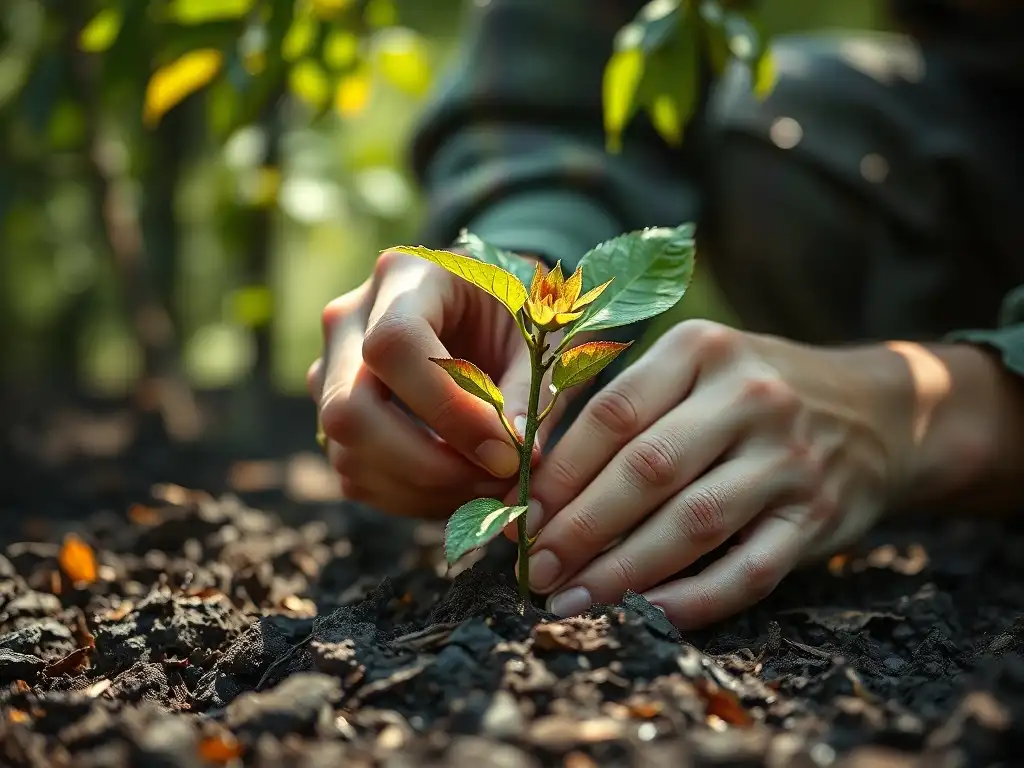
Acquiring rare fruit tree saplings is only half the battle; nurturing them to maturity requires dedication and the right know-how. This section provides essential guidance on planting and ongoing care, ensuring your unique additions to the garden thrive and eventually bear fruit. Remember, even the most unusual fruit trees need the basics to flourish. Successfully buying rare fruit tree saplings is only the first step!
Planting and Aftercare Tips for Healthy Growth
Planting your rare fruit tree sapling correctly is crucial for its long-term health and productivity. The process isn't drastically different from planting common varieties, but paying close attention to detail is paramount, especially when dealing with potentially more delicate specimens.
The ideal time for planting varies depending on your climate and the specific tree species. Generally, spring or fall, when temperatures are moderate, is best. Before planting, thoroughly inspect the roots. Gently untangle any circling roots, which can restrict growth. Dig a hole twice as wide and as deep as the root ball.
Amend the soil with compost to improve drainage and fertility. This is especially important for rare varieties that might have specific soil requirements. Remember to check the soil pH – some rare fruits are picky about acidity levels. After carefully placing the sapling in the hole, backfill with the amended soil, ensuring no air pockets remain. Water thoroughly after planting.
Regular watering is key, especially during the first growing season. Aim for consistent moisture, avoiding both waterlogging and drought. Mulching around the base of the tree helps retain moisture and suppress weeds. Use organic mulch like wood chips or straw. Avoid piling mulch directly against the trunk, as this can promote rot.
Over the first few years, regular fertilization is beneficial, particularly using an organic fruit tree fertilizer that provides essential nutrients. Follow the package instructions carefully, avoiding over-fertilization, which can damage the roots. Pruning is also essential for shaping the tree and encouraging fruit production. Learn about the specific pruning techniques recommended for your rare fruit tree variety – some require more delicate handling than others.
Remember, patience is key. Some rare fruit trees might take longer to mature and bear fruit than their more common counterparts. Consistent care and attention to detail will greatly increase your chances of success. Proper planting and aftercare are crucial steps in the journey of buying rare fruit tree saplings.
Protecting Your Saplings from Pests and Diseases
Rare fruit trees, due to their unique genetic makeup, may be more susceptible to certain pests and diseases than common varieties. Proactive pest and disease management is essential to ensure the health and longevity of your investment. Regular inspection is paramount; early detection is crucial for effective treatment.
Essential Steps for Successful Fruit Tree Transplantation
Transplanting, while sometimes necessary, can stress a young fruit tree. Minimize stress by transplanting during the dormant season (late fall or early spring) when the tree is less active. Choose a new location with similar soil conditions and sun exposure to the original planting site. Dig a hole significantly larger than the root ball to allow for ample root spread.
Gently remove the tree from its original location, taking care not to damage the roots. Place the tree in the new hole, ensuring the root collar (where the trunk meets the roots) is level with the ground. Backfill with soil, water thoroughly, and mulch around the base. Monitor the tree closely for signs of stress, such as wilting or leaf drop, and provide supplemental watering as needed.
Protecting Your Saplings from Pests and Diseases
Prevention is always better than cure. Start by choosing healthy saplings from reputable sources. Maintain good sanitation in your orchard, removing fallen leaves and fruit to reduce disease spores and pest habitats. Consider using organic pest control methods such as beneficial insects or neem oil. For diseases, organic fungicides or appropriate cultural practices can help. Regular monitoring for signs of infestation or disease is crucial for early intervention.
Early detection allows for less aggressive and more sustainable solutions. Keep a detailed record of your observations and any treatments you apply. This helps you track the health of your trees and learn from your experiences. Remember, buying rare fruit tree saplings is an investment; protecting them is vital for a fruitful return. 🌳
This detailed guide provides a solid foundation for the successful cultivation of your rare fruit tree saplings. Remember that each variety might have unique needs, so further research based on your specific choice is always recommended. Happy gardening!
Resources for Further Learning About Fruit Tree Cultivation
This section delves into valuable resources to deepen your understanding of fruit tree cultivation, complementing your quest to buy rare fruit tree saplings. Successfully nurturing these unique trees requires knowledge beyond simply acquiring them. This section provides avenues for continuous learning and community engagement.
Recommended Books and Online Resources for Fruit Tree Enthusiasts
Expanding your knowledge base is crucial for successfully cultivating rare fruit trees. Beyond the basics of planting and watering, understanding the specific needs of your chosen variety is paramount. Fortunately, numerous resources cater to the dedicated fruit tree enthusiast.
Several excellent books offer in-depth guides to fruit tree care. These range from comprehensive manuals covering all aspects of cultivation to specialized guides focusing on specific fruit types or growing techniques. For instance, a book focused on grafting techniques would be invaluable when propagating your rare saplings. Look for books that provide detailed information on soil preparation, fertilization schedules tailored to different fruit types, and effective pest and disease management strategies. Don't forget to check reviews to ensure the book's content aligns with your needs and experience level.
Online resources are equally abundant. Websites dedicated to horticulture and organic gardening often feature articles, tutorials, and forums dedicated to fruit tree cultivation. Many universities and agricultural extension services provide free access to research papers and practical guides on various aspects of fruit tree care. These resources often contain data-driven insights into successful cultivation practices, including optimal planting times, pruning techniques, and effective irrigation strategies. Consider searching for resources focusing on specific challenges related to rare varieties, such as disease susceptibility or pollination requirements. Remember to critically evaluate online sources, prioritizing information from reputable institutions and experienced growers.
Joining Online Communities for Fruit Tree Growers: Sharing Knowledge and Experiences
The journey of cultivating rare fruit trees is often enhanced by connecting with a community of like-minded individuals. Online forums and social media groups dedicated to fruit tree growing offer a wealth of knowledge and support. These communities provide opportunities to:
- Share experiences: Learn from others' successes and failures, avoiding costly mistakes in your own cultivation efforts.
- Seek advice: Get personalized recommendations and solutions to challenges specific to your rare fruit tree varieties.
- Access specialized knowledge: Connect with experienced growers who possess in-depth knowledge about specific fruit types or cultivation techniques.
- Exchange cuttings and grafts: Potentially expand your collection of rare varieties through collaboration with other enthusiasts.
Participating in these online communities can transform your fruit tree cultivation journey from a solitary endeavor into a collaborative and enriching experience. The collective knowledge and shared experiences within these groups are invaluable assets for any serious fruit tree grower. Remember to actively contribute to the community by sharing your own experiences and insights. This reciprocal exchange of information will benefit both you and fellow enthusiasts.
This collaborative approach is essential for successfully cultivating rare and heirloom varieties, ensuring the preservation and propagation of these unique fruits for future generations. The shared knowledge and support available within these online communities make a significant contribution to successful fruit tree cultivation. Don't underestimate the power of community in your journey to grow rare and unique fruit trees!
Frequently Asked Questions
Where can I buy rare fruit tree saplings?
Several online nurseries specialize in rare and unusual fruit trees. You can also check local nurseries and arborists, or attend farmers' markets and plant sales. Look for nurseries that emphasize organic and sustainable practices.
What makes a fruit tree sapling "rare"?
"Rare" can refer to unusual varieties not commonly found in big box stores, heirloom varieties, or species from specific regions or with unique characteristics like flavor profiles or disease resistance.
How do I choose the right rare fruit tree for my climate?
Consider your local hardiness zone and the tree's specific climate requirements. Check the nursery's information for details on cold hardiness, heat tolerance, and chill hours needed for fruiting.
What is the best time to plant a rare fruit tree sapling?
The optimal planting time generally depends on your climate. Spring or fall are usually ideal, allowing the tree to establish roots before extreme weather. Check your local climate and the specific needs of your sapling.
What kind of care do rare fruit trees need?
Rare fruit trees require similar care to common fruit trees: proper watering, fertilizing, pruning, and pest and disease management. Research your specific variety for its individual needs and ensure adequate sunlight.
Final Reflection: Cultivating a Legacy, One Sapling at a Time
The quest for unique fruit tree saplings is more than just a horticultural hobby; it's a tangible connection to biodiversity and a commitment to a richer future. The increasing awareness of climate change and the fragility of our ecosystems underscores the importance of preserving and celebrating the diversity of our plant life. Choosing to cultivate rare and unusual fruit trees isn't simply about adding a splash of the exotic to your garden; it's about actively participating in the preservation of genetic diversity and contributing to a more resilient food system.
The journey of discovering and nurturing these extraordinary saplings has been a deeply rewarding one, highlighting the interconnectedness of our actions with the wider world. It's a reminder that even small choices, like selecting a particular variety of fruit tree, can have a ripple effect. The best time to plant a tree was 20 years ago. The second best time is today.
This simple proverb perfectly encapsulates the urgency and enduring value of our efforts to cultivate a more diverse and sustainable landscape. The impact extends beyond our own gardens, influencing local ecosystems and potentially contributing to the development of hardier, more climate-resilient fruit varieties for future generations.
Now, consider your own garden, your own space. What unique fruit tree sapling will you choose to nurture? What story will you help write in the ongoing narrative of agricultural diversity? Take the time to research, to select, and to plant. Let your garden become a testament to your commitment to a richer, more flavorful, and more sustainable future. The journey begins with a single sapling, but its impact extends far beyond the boundaries of your backyard.
Unleash Your Inner Orchard: Grow Your Dream Fruit Trees Today!
Thank you for exploring the wonderful world of unique fruit tree saplings with us! We hope you've found some inspiring varieties to add to your garden. Now it's time to put your inspiration into action.
- Get started: Begin your online order today! Many of the featured nurseries offer secure online ordering and fast shipping, allowing you to start immediately.
- Share your excitement: Tell your friends and family about your exciting new gardening project; you might even inspire them to start their own orchard.
- Join our community: Share pictures of your saplings as they grow on our CultivateYourFood forum – we'd love to see your progress!
Now, which exciting fruit tree will you choose to cultivate first, and how will you share the delicious results?