
How to Choose the Right Organic Fertilizer for Different Plant Stages

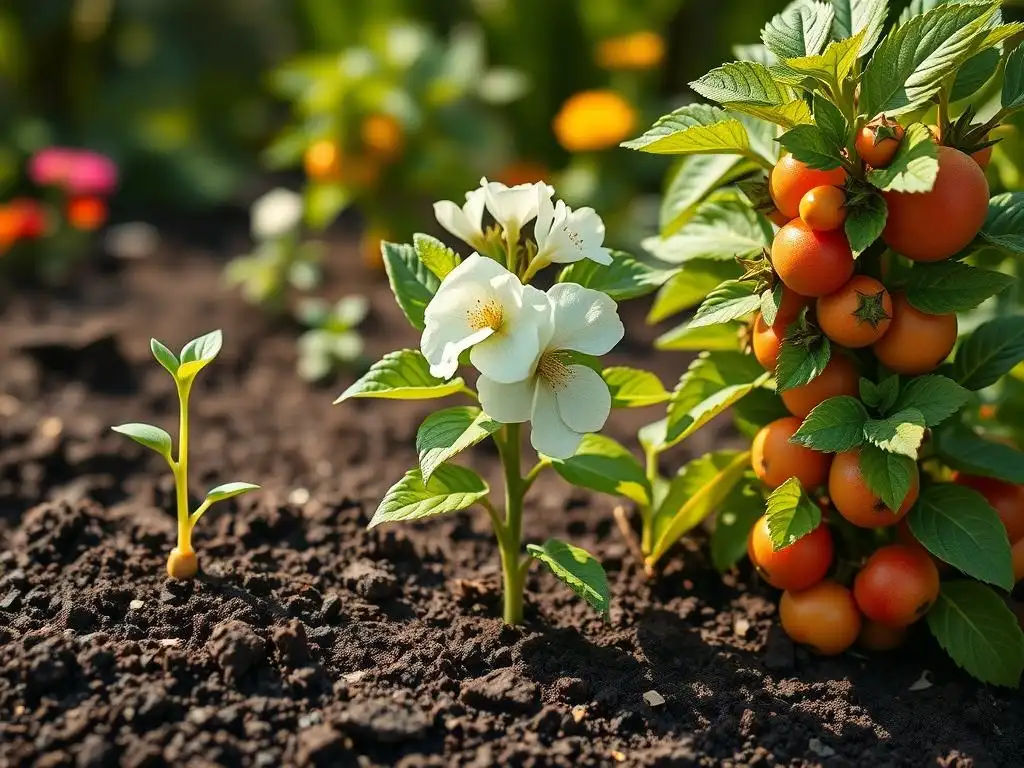
Ready to unlock the secrets to a thriving, organic garden? At CultivateYourFood, we believe everyone can grow their own delicious fruits, vegetables, and herbs. But knowing when to use which fertilizer is key. Discover the surprising truth about choosing the best organic fertilizer plant stages and watch your garden flourish! Let's dive into the essential guide to selecting the perfect fertilizer for every stage of your plant's life cycle.
- Understanding Plant Nutrient Needs at Each Stage
- Types of Organic Fertilizers for Optimal Plant Growth
- Choosing the Right Organic Fertilizer Based on Plant Type
- Organic Fertilizer Application Techniques for Maximum Effectiveness
- Troubleshooting Common Organic Fertilizer Issues
- Where to Buy High-Quality Organic Fertilizers
-
Frequently Asked Questions
- What is the best organic fertilizer for seedlings?
- Which organic fertilizer is best for the vegetative growth stage?
- What type of organic fertilizer is best for flowering plants?
- What organic fertilizer should I use for fruiting plants?
- How often should I fertilize my plants with organic fertilizers?
- Final Reflection: Nurturing Growth: The Ongoing Journey of Organic Gardening
- Unlock Your Garden's Full Potential: Nurture Your Plants to Thrive!
Understanding Plant Nutrient Needs at Each Stage
Choosing the right organic fertilizer is crucial for maximizing the health and yield of your fruits, vegetables, and herbs. Plants have different nutritional needs at various stages of their life cycle. Providing the appropriate nutrients at each stage ensures vigorous growth, abundant blooms, and bountiful harvests, all while adhering to sustainable and organic gardening practices. This guide will delve into the specific nutrient requirements of your plants at key growth phases, helping you select the best organic fertilizer to support their development and achieve optimal results in your home garden.
Understanding these needs is key to mastering the art of organic gardening and reaping the rewards of healthy, thriving plants. Ignoring these varying needs can lead to stunted growth, reduced yields, and ultimately, disappointed gardeners. Let's explore how to best nourish your plants throughout their journey, from tiny seedlings to mature fruiting plants.
Seedling Stage: Nourishing Young Plants
The seedling stage is a critical period for plant development. Young plants are establishing their root systems and building the foundation for future growth. During this vulnerable phase, they require a fertilizer that is gentle yet provides essential nutrients for healthy development. A balanced organic fertilizer with a slightly higher nitrogen content is ideal.
Nitrogen is crucial for robust leaf growth and the development of a strong root system. Avoid fertilizers that are too strong, as they can burn delicate seedlings. Consider using a diluted liquid fertilizer or a slow-release granular option to ensure a consistent supply of nutrients without overwhelming the young plants. For example, a compost tea, rich in readily available nutrients, can provide a gentle boost.
Over-fertilizing at this stage can actually hinder growth, so less is more. Observe your seedlings carefully; if they appear yellow or stunted despite proper watering, you may need to adjust your fertilization strategy. Remember, a healthy start is crucial for a bountiful harvest!
Vegetative Growth Stage: Boosting Leafy Growth
Once seedlings have established themselves, they enter the vegetative growth stage. This is characterized by rapid leaf and stem growth. During this phase, plants need a balanced fertilizer with a moderate to high nitrogen content to support the production of lush foliage. This nitrogen fuels the development of chlorophyll, the pigment responsible for photosynthesis, and allows the plant to efficiently convert sunlight into energy for growth.
However, it's important to ensure that phosphorus and potassium are also present in sufficient amounts. Phosphorus plays a vital role in root development and energy transfer, while potassium strengthens cell walls and contributes to overall plant health. Compost, well-rotted manure, and fish emulsion are all excellent sources of nutrients that can support this stage of growth.
Aim for a balanced NPK ratio (Nitrogen, Phosphorus, Potassium) to promote even development across all plant parts. Monitoring leaf color can be a useful indicator of nutrient levels. Dark green, healthy leaves signify adequate nutrition, while yellowing or pale leaves could indicate a nutrient deficiency.
Flowering and Fruiting Stage: Enhancing Blooms and Yields
As plants transition into the flowering and fruiting stage, their nutrient requirements shift. While nitrogen remains important, the emphasis shifts to phosphorus and potassium. Phosphorus is crucial for flower and fruit development, while potassium aids in fruit set and overall fruit quality. A fertilizer with a higher phosphorus and potassium content is ideal for this stage. Examples of organic fertilizers suitable for this stage include bone meal (high in phosphorus), kelp meal (rich in potassium and micronutrients), and bat guano (a balanced source of nutrients). During this crucial period, consistent watering and proper fertilization are essential for maximizing yields. Avoid over-fertilizing, as this can lead to excessive vegetative growth at the expense of flower and fruit production. Careful observation of your plants and adjustments to your fertilization strategy based on their needs will lead to abundant harvests of flavorful fruits and vegetables. Remember, a healthy plant is a productive plant!
Maturity Stage: Maintaining Plant Health
The maturity stage, the period when your plants are producing fruits, vegetables, or flowers, demands a slightly different fertilization strategy than earlier growth phases. At this point, the focus shifts from vigorous vegetative growth to sustaining fruit/flower development and overall plant health. Over-fertilizing can be detrimental here, potentially leading to excessive leafy growth at the expense of fruit production. Instead, opt for fertilizers with a balanced NPK ratio, or even slightly lower in nitrogen (N). The emphasis should be on phosphorus (P) and potassium (K), which are crucial for fruit development, root strength, and disease resistance.
Think of it this way: during the vegetative stage, your plant is building its foundation. During the maturity stage, it's building its harvest. Therefore, the nutrient needs change. A high nitrogen fertilizer at this stage might cause lush foliage, but it won't necessarily translate to bigger or better fruits.
A good approach is to use a fertilizer that's specifically formulated for fruiting plants or flowering plants, depending on what you're growing. These fertilizers often contain micronutrients essential for healthy fruit development and disease resistance. These micronutrients, while needed in smaller quantities than NPK, play a significant role in overall plant health and yield. For instance, a deficiency in boron can lead to poor fruit set in tomatoes, while a lack of iron can cause chlorosis (yellowing of leaves).
It's also important to note that the frequency of fertilization during the maturity stage should be reduced compared to the vegetative stage. Over-fertilizing can lead to nutrient burn, which can damage your plants and affect the quality of your harvest. Instead of frequent applications of strong fertilizer, consider using smaller amounts more frequently, or switching to a gentler, more easily absorbed fertilizer like compost tea.
Regular soil testing can help you determine the precise nutrient levels in your soil and guide your fertilization decisions, ensuring your plants receive the optimal balance of nutrients without excess. Remember, healthy soil is the foundation for healthy plants, and a balanced approach to fertilization during maturity is key to a bountiful harvest. 🍎🥕🍅
Types of Organic Fertilizers for Optimal Plant Growth
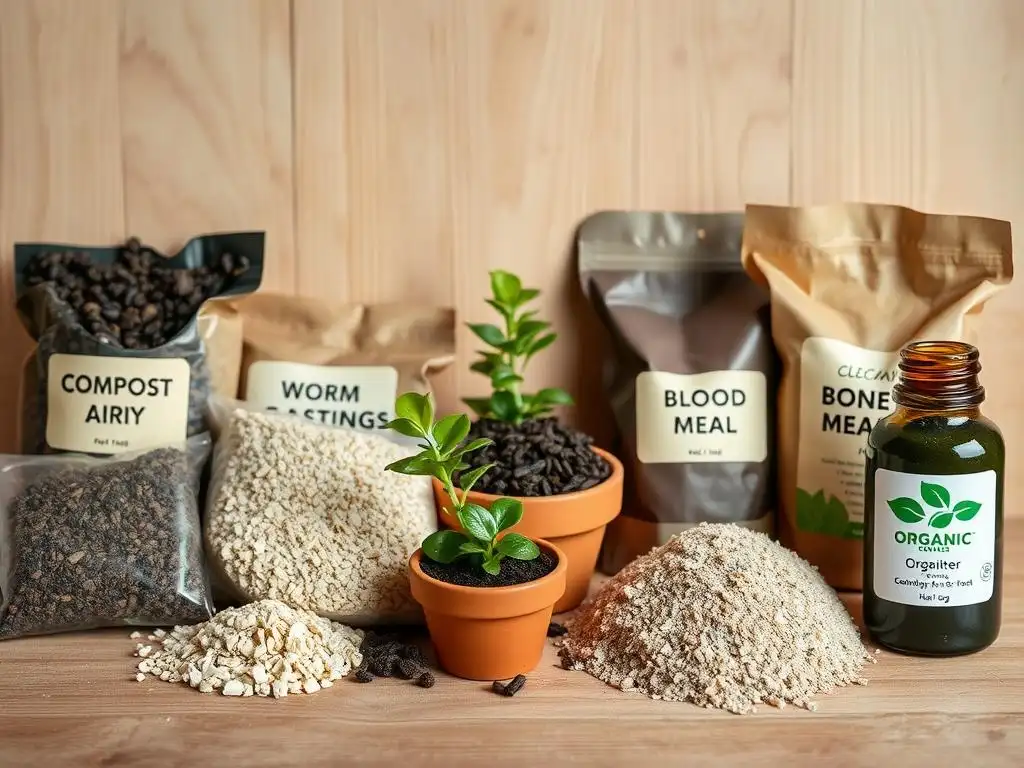
Choosing the best organic fertilizer for your plants depends heavily on their stage of growth. Understanding the nutritional needs at each stage—seedling, vegetative, flowering, and fruiting—is crucial for maximizing yields and ensuring healthy plants. This section delves into the properties of several popular organic fertilizers and how they best support different plant life cycles.
Finding the right balance of nutrients is key to achieving optimal growth, and selecting the appropriate organic fertilizer is a critical step in this process. This guide will help you select the best organic fertilizer for each plant stage, maximizing your harvest and promoting healthy plant growth.
Compost: The Foundation of Organic Gardening
Compost, the natural byproduct of decomposing organic matter, forms the bedrock of successful organic gardening. It's a fantastic all-around fertilizer, rich in essential macronutrients like nitrogen (N), phosphorus (P), and potassium (K), and also provides a plethora of micronutrients. The exact NPK ratio varies depending on the compost's ingredients and decomposition stage, but generally, it offers a balanced nutritional profile suitable for most plant stages.
Compost's benefits extend beyond simple fertilization. Its excellent water retention capabilities improve soil structure, promoting better aeration and root development. This is particularly beneficial during the seedling stage, providing a stable and moist environment for young roots to establish themselves. Furthermore, compost introduces beneficial microbes into the soil, enhancing its overall health and resilience against disease.
For seedlings, a compost-rich potting mix provides a gentle start, ensuring healthy root growth. During the vegetative stage, incorporating compost into the soil improves nutrient availability and water retention, supporting vigorous growth. Even during flowering and fruiting, compost continues to contribute to overall plant health and yield. However, for plants with high nutrient demands during flowering (like tomatoes), supplemental feeding with other fertilizers might be necessary.
Worm Castings: A Nutrient-Rich Soil Amendment
Worm castings, also known as vermicompost, represent a highly concentrated and readily available form of organic fertilizer. Produced by earthworms processing organic matter, worm castings boast an exceptionally high concentration of nutrients, making them a potent soil amendment. Their NPK ratio is generally higher than compost, offering a stronger boost to plant growth. They also contain beneficial microorganisms and enzymes, contributing to improved soil health and nutrient uptake.
Worm castings are particularly useful during the vegetative growth phase, providing a significant nutrient boost for rapid leaf and stem development. Their fine texture allows for easy incorporation into the soil, making them suitable for both container gardening and in-ground planting. The readily available nutrients in worm castings ensure quick uptake by plants, resulting in visible improvements in growth rate and overall plant vigor.
While effective across all plant stages, their concentrated nature means they should be used judiciously to avoid over-fertilization. Consider using worm castings as a top-dressing or incorporating them into the soil at a lower concentration than compost.
Bat Guano: A Powerful Natural Fertilizer
Bat guano, the excrement of bats, is a naturally occurring fertilizer known for its high phosphorus (P) content. This makes it an excellent choice for promoting vigorous flowering and fruiting in plants. Phosphorus is crucial for root development, flowering, and fruit production. Bat guano can significantly enhance the yield and quality of fruits and vegetables. However, it's important to note that bat guano's high nutrient concentration requires careful application to avoid burning plants.
While beneficial for all plant stages, bat guano's high phosphorus content makes it particularly valuable during the flowering and fruiting stages. This is when plants require a significant phosphorus boost to support flower development and fruit set. Its application should be more targeted during these periods. During the seedling and vegetative stages, compost or worm castings might be preferable, as the high phosphorus in bat guano may not be as crucial at these early growth phases.
Always follow the manufacturer's instructions for application rates to avoid over-fertilizing and potentially harming your plants. Proper application is key to maximizing the benefits of this powerful natural fertilizer while mitigating any potential risks. Remember that choosing the best organic fertilizer depends on the specific needs of your plants at each stage of their lifecycle.
Seaweed Extract: A Natural Plant Growth Stimulant
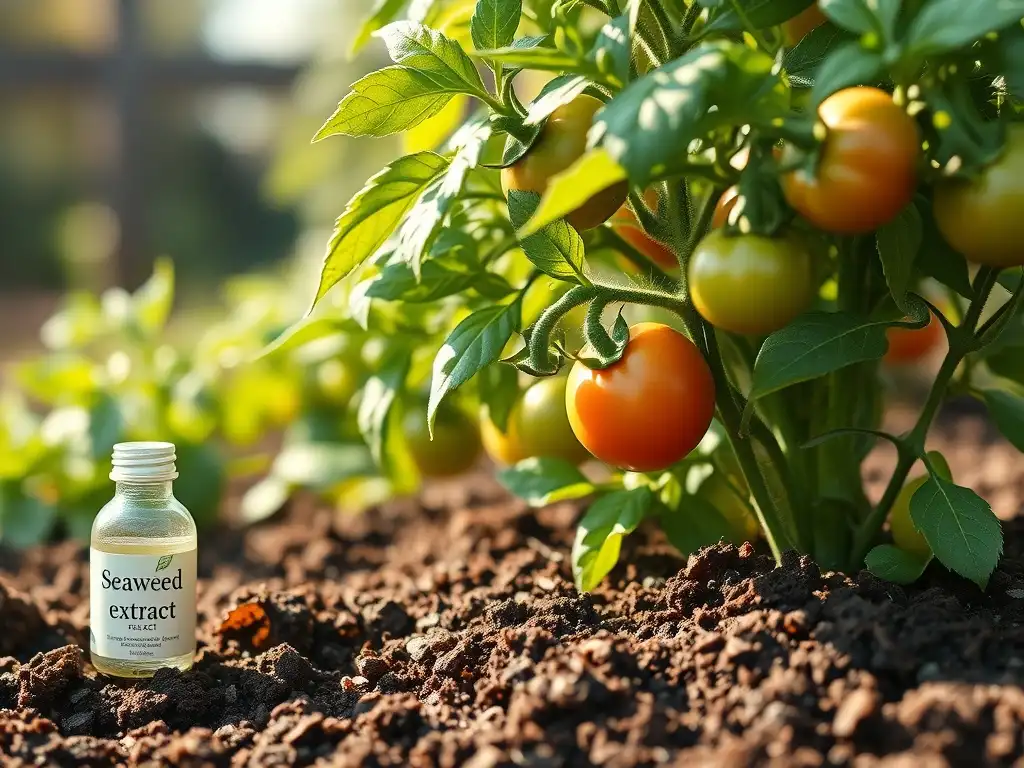
Seaweed extract, derived from various species of seaweed, is a fantastic all-natural fertilizer brimming with vital micronutrients. It's not just a nutrient source; it acts as a biostimulant, enhancing plant health and resilience in several ways. The complex blend of cytokinins, auxins, and gibberellins found in seaweed extract directly influences plant growth hormones. This leads to improved root development, resulting in more efficient nutrient and water uptake. Plants fertilized with seaweed extract often exhibit increased vigor and a strengthened immune system, making them more resistant to diseases and pests.
The benefits extend beyond just growth; seaweed extract can also improve the quality and yield of fruits and vegetables. For instance, studies have shown increased fruit size and sweetness in tomatoes and improved flavor profiles in leafy greens. The application is straightforward; it can be sprayed on foliage as a foliar feed or incorporated into the soil. However, remember to dilute it according to the manufacturer's instructions, as over-application can be detrimental.
Different seaweed extracts may also vary in concentration and nutrient profiles, so choosing a high-quality product is crucial for optimal results. Consider factors like the seaweed species used and the extraction method for the best results in your garden. Seaweed extract is a truly versatile and effective organic fertilizer, beneficial throughout the entire plant life cycle, making it a worthy addition to any organic gardener's arsenal. It's particularly beneficial during the seedling and flowering stages, providing a boost when plants need it most.
Bone Meal: A slow-release phosphorus source
Bone meal, a natural byproduct of the meat processing industry, is a prized organic fertilizer known for its rich phosphorus content. Phosphorus is crucial for root development, flowering, and fruiting, making bone meal a valuable asset for gardeners aiming for robust and productive plants. Unlike fast-releasing fertilizers, bone meal provides a slow and steady release of phosphorus, minimizing the risk of nutrient burn and ensuring a consistent supply throughout the growing season. This slow-release mechanism is particularly advantageous for plants with long growing seasons, such as tomatoes, peppers, and root vegetables. The phosphorus in bone meal is readily available to plants, but the rate of release depends on several factors, including soil conditions and temperature.
Warmer temperatures generally accelerate the decomposition process and nutrient release. It's important to note that bone meal is primarily a phosphorus source; it doesn't offer significant amounts of nitrogen or potassium. Therefore, it's often used in conjunction with other organic fertilizers to provide a balanced nutrient profile. Application is usually done during soil preparation, incorporating it directly into the soil before planting. The amount applied depends on the soil's phosphorus levels and the plant's requirements; a soil test can be invaluable in determining the appropriate application rate.
While bone meal is an excellent source of phosphorus, it’s crucial to avoid over-application, as excessive phosphorus can negatively impact plant health and soil microbial activity. Remember to follow recommended application rates on the packaging for best results and to maintain a healthy soil ecosystem. Bone meal is a reliable and sustainable option for boosting phosphorus levels in your garden, contributing to healthy growth and abundant harvests. It's particularly effective during the early stages of plant growth and when promoting flower and fruit production.
Choosing the Right Organic Fertilizer Based on Plant Type
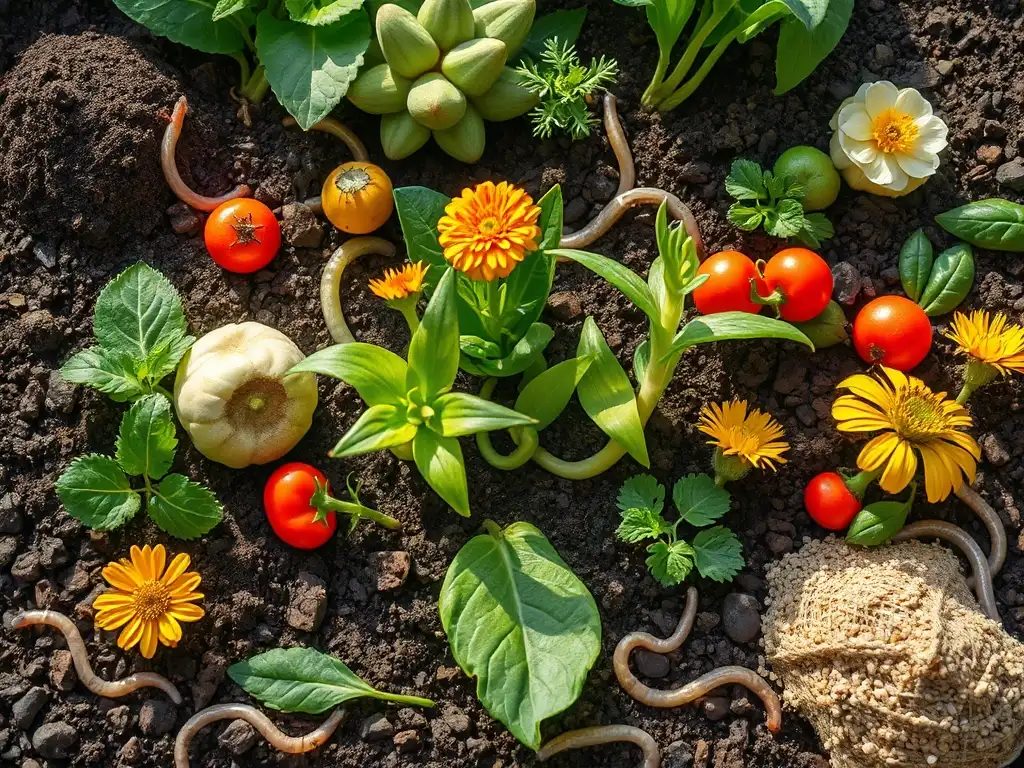
Choosing the right organic fertilizer is crucial for optimal plant growth, but the "best" option varies significantly depending on the plant type and its stage of development. Different plants have different nutrient requirements at different growth phases. Understanding these needs is key to maximizing yield and promoting healthy, vibrant plants.
This section will explore the best organic fertilizer choices for various plant types, focusing on vegetables and fruits. Finding the perfect balance of nutrients is essential for achieving the best results with your organic gardening efforts. Remember, consistent soil testing can help you fine-tune your fertilization strategy and ensure your plants receive the precise nutrients they need.
Best Organic Fertilizer for Vegetables: Meeting the Nutrient Demands of Different Vegetables
Vegetables are diverse, and their nutrient needs vary greatly depending on their growth habits and the specific nutrients required for optimal fruit or vegetable production. Some vegetables are heavy feeders, requiring substantial nutrient input, while others have more modest requirements. Understanding these differences allows for targeted fertilization, avoiding nutrient deficiencies and maximizing yields. Using the right organic fertilizer for your vegetables ensures healthy growth and a bountiful harvest.
Feeding Tomatoes
Tomatoes are heavy feeders, especially during fruiting. They require a balanced fertilizer high in phosphorus (P) for robust root development and flowering, and potassium (K) for fruit production and disease resistance. A good option is a granular organic fertilizer with a high P and K ratio, such as a blend of bone meal (phosphorus source) and kelp meal (potassium source). Applying this fertilizer at planting and again during the flowering and fruiting stages is recommended.
Regular monitoring for signs of nutrient deficiency, like yellowing leaves, is crucial for timely intervention. Over-fertilizing can lead to excessive vegetative growth at the expense of fruit production. Aim for a slow-release fertilizer to provide a consistent supply of nutrients throughout the growing season.
Nutrient needs for Leafy Greens
Leafy greens, like lettuce, spinach, and kale, require a fertilizer richer in nitrogen (N) to support abundant leaf growth. Organic options include composted manure, which provides a balanced supply of essential nutrients, including nitrogen. You can also use blood meal, a high-nitrogen organic fertilizer, but use it cautiously, as it can burn plants if applied excessively.
For leafy greens, consistent application of a diluted liquid fertilizer every few weeks, rather than large doses, is usually beneficial. Avoid fertilizers high in phosphorus and potassium, as these are less crucial for leafy green growth and could even hinder it if applied in large amounts.
Best Organic Fertilizer for Fruits: Supporting Fruit Development and Ripening
Fruit trees and berry plants have unique nutrient requirements throughout their life cycle, particularly during flowering and fruiting. Choosing the right organic fertilizer can significantly impact the size, quality, and quantity of your harvest. Understanding the specific needs of your fruit plants is vital for successful organic fruit production. Remember to consider the specific needs of your plants based on their variety and growth stage.
Fertilizing Berry Plants
Berry plants, such as strawberries, raspberries, and blueberries, benefit from a balanced organic fertilizer with a moderate amount of nitrogen, phosphorus, and potassium. Compost tea, a liquid fertilizer made from composted organic matter, is an excellent choice for supplying nutrients in a gentle and readily available form. Avoid over-fertilizing, as this can lead to excessive vegetative growth at the expense of fruit production. Applying a slow-release fertilizer in early spring before new growth begins is a good strategy. Mulching around the plants also helps retain moisture and suppress weeds, promoting healthy berry production.
Optimizing Citrus Fruit Production
Citrus trees, like lemons, oranges, and grapefruits, are heavy feeders that need a consistent supply of nutrients throughout the growing season. A balanced organic fertilizer high in micronutrients, such as a citrus-specific blend, is recommended. These blends often contain ingredients like fish emulsion, which is rich in nitrogen and other essential nutrients. Regular soil testing can help determine the specific nutrient needs of your citrus trees and guide your fertilizer application.
Avoid over-fertilizing, as this can lead to leaf burn and reduced fruit production. Proper irrigation and soil drainage are also crucial for optimal citrus growth and fruit development. The application of fertilizer should be adjusted depending on the age and size of the tree. Young trees will have different needs than mature, established trees.
Best Organic Fertilizer for Herbs: Enhancing Flavor and Aroma
Herbs, with their delicate flavors and aromas, require a carefully balanced nutritional approach. Over-fertilizing can lead to lush growth but diminished taste, while under-fertilizing results in stunted plants with weak flavor profiles. The best organic fertilizers for herbs generally lean towards those that are lower in nitrogen and higher in phosphorus and potassium.
Nitrogen, while essential for leafy growth, can promote excessive foliage at the expense of essential oils responsible for the herb's characteristic aroma and taste. Phosphorus supports robust root development, crucial for nutrient uptake, while potassium enhances the overall health and resilience of the plant, contributing to better flavor.
Choosing the right fertilizer for your herbs also depends on the specific type of herb. Some, like basil, are heavy feeders, needing more frequent applications during their peak growing season. Others, like mint, are more adaptable and require less frequent fertilization.
Compost tea, a liquid fertilizer rich in beneficial microbes, is an excellent option for many herbs because it provides a slow-release of nutrients without overwhelming the delicate root systems. Worm castings, another excellent choice, are rich in micronutrients and improve soil structure, contributing to better water retention and aeration – both key factors in optimal herb growth. Avoid fertilizers high in synthetic chemicals, as these can negatively impact the flavor and potentially the safety of your homegrown herbs.
Boosting Basil Growth
Basil, a beloved culinary herb, thrives on consistent, yet moderate, fertilization. A balanced organic fertilizer with a slightly higher phosphorus content works well to promote strong root development and abundant leaf production. Avoid nitrogen-heavy fertilizers, as they can lead to leggy growth and a less intense flavor. Consider using a liquid fertilizer like compost tea every 2-3 weeks during the growing season.
This frequent, low-dose approach provides the basil with the nutrients it needs without shocking the plant. Observe your basil plants closely; if they show signs of nutrient deficiency (yellowing leaves, stunted growth), you may need to adjust your fertilization schedule or supplement with a side dressing of worm castings. Remember consistent watering is crucial, as dry soil can hinder nutrient uptake, even with the best fertilizer.
Nourishing Mint
Mint, known for its vigorous growth, is relatively less demanding than basil when it comes to fertilization. While it benefits from nutrient-rich soil, over-fertilizing can lead to excessive vegetative growth at the expense of essential oil production. A well-amended soil, rich in organic matter from compost or aged manure, is usually sufficient to meet mint's nutritional needs. If you choose to use a fertilizer, opt for a balanced organic blend with moderate nitrogen, phosphorus, and potassium.
Avoid frequent applications; a single application in early spring or a slow-release granular fertilizer can suffice for the entire growing season. Focus on providing mint with ample moisture and well-drained soil, as these factors significantly impact its growth and flavor more than excessive fertilization. Proper spacing between mint plants is also important to prevent overcrowding and ensure good air circulation.
Organic Fertilizer Application Techniques for Maximum Effectiveness
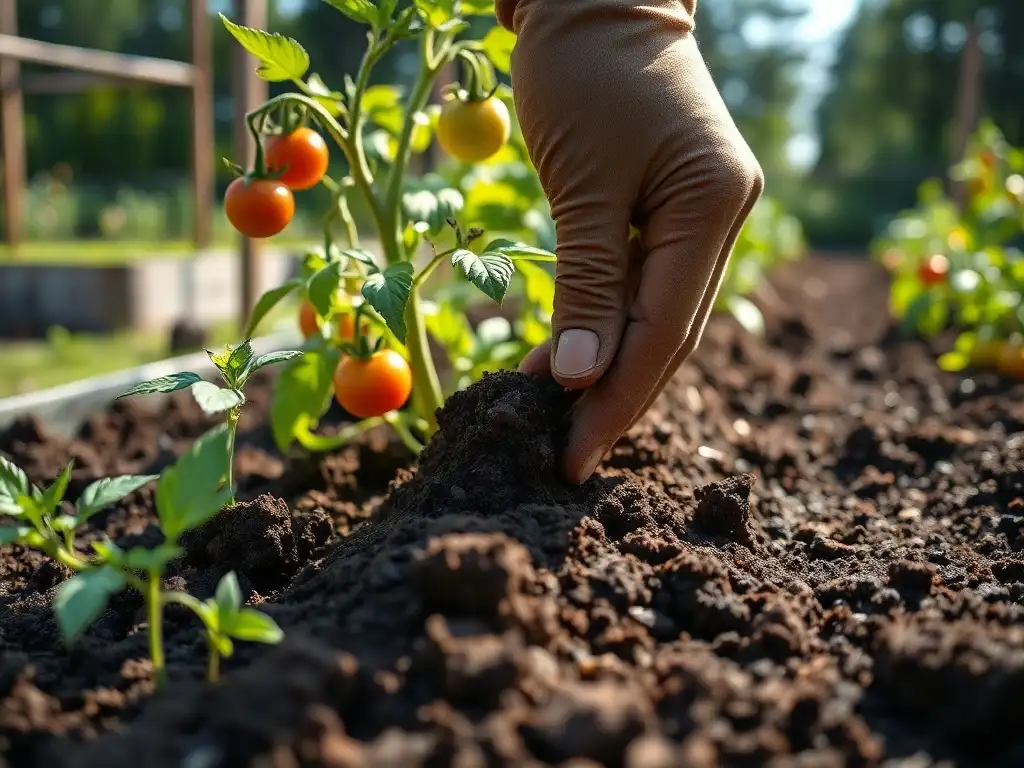
Choosing the best organic fertilizer is only half the battle. Proper application techniques are crucial for maximizing nutrient uptake and promoting healthy plant growth. Different fertilizer types require different application methods, and understanding these nuances is key to achieving optimal results in your garden. This section will detail effective application techniques for granular and liquid organic fertilizers, also comparing two common methods: side-dressing and top-dressing. Remember, always follow the instructions on your specific fertilizer packaging for precise measurements and application rates.
How to Apply Granular Organic Fertilizers
Granular organic fertilizers, such as bone meal, blood meal, or composted manure, offer a slow-release source of nutrients. This controlled release minimizes nutrient runoff and provides a sustained feeding period for your plants. Application is generally straightforward but requires careful consideration of soil conditions and plant needs.
The most common method is pre-planting incorporation. Before planting seedlings or seeds, spread the granular fertilizer evenly over the soil surface. Then, gently till or work the fertilizer into the top few inches of soil, ensuring it's well mixed but not overly concentrated in any one area. This ensures the nutrients are readily available to the roots as they develop.
For established plants, side-dressing (discussed in more detail below) is often preferred. However, a light top-dressing can also be beneficial. This involves spreading a thin layer of fertilizer around the base of the plant, taking care not to let it directly contact the stems or leaves. After applying, lightly water the area to help the fertilizer dissolve and reach the roots.
Remember that over-fertilizing can be detrimental. Always follow the manufacturer's recommendations for application rates, considering factors like soil type, plant type, and growth stage. Over-application can lead to nutrient burn, which can damage or even kill your plants. Always err on the side of caution, especially with granular fertilizers that provide a prolonged release of nutrients.
How to Use Liquid Organic Fertilizers
Liquid organic fertilizers, such as fish emulsion, seaweed extract, or compost tea, offer a readily available source of nutrients that plants can quickly absorb. Their ease of application makes them a popular choice for both new and experienced gardeners. However, their rapid uptake also means that they require more frequent applications compared to granular fertilizers.
The most common application method is diluting the fertilizer with water. Always follow the manufacturer's instructions for the appropriate dilution ratio. Too strong a concentration can lead to nutrient burn. Once diluted, you can apply the liquid fertilizer using various methods:
- Watering can: This is ideal for smaller plants and containers. Simply pour the diluted fertilizer directly onto the soil, ensuring even coverage.
- Spray bottle: A spray bottle is useful for foliar feeding, which involves spraying the diluted fertilizer directly onto the leaves. This can be particularly beneficial during periods of rapid growth.
- Drip irrigation system: For larger gardens, integrating liquid fertilizer into a drip irrigation system provides a consistent and efficient application method. This minimizes waste and ensures even distribution.
Regular application is key when using liquid fertilizers. The frequency will depend on factors such as the fertilizer type, plant type, and environmental conditions. Observe your plants closely for signs of nutrient deficiency or excess. Adjust your application schedule as needed.
Side-dressing vs. Top-dressing
Both side-dressing and top-dressing are techniques used to apply fertilizer to established plants. However, they differ in their application method and effectiveness.
Side-dressing involves applying fertilizer to the soil alongside the plant rows, a few inches away from the stems. This method is particularly effective for plants with extensive root systems, as it provides nutrients directly to the actively growing roots. It's ideal for crops like corn, tomatoes, and peppers. It minimizes the risk of burning the plant's stems or foliage.
Top-dressing, on the other hand, involves applying fertilizer directly to the soil surface around the base of the plant. This method is simpler and quicker than side-dressing, making it suitable for smaller gardens or when dealing with a large number of plants. However, top-dressing is less effective for plants with deep root systems, as the nutrients may not reach the roots efficiently. It's best used for shallow-rooted plants and as a supplemental feeding.
The choice between side-dressing and top-dressing depends on several factors, including the type of plant, the type of fertilizer, and the gardener's preference. Experimentation and observation of your plants' response to different application methods will help you determine the most effective approach for your specific gardening needs. Choosing the right method is crucial for optimizing nutrient uptake and ensuring healthy, thriving plants. 🌱
Foliar Feeding
Foliar feeding, the application of liquid fertilizer directly onto the leaves of plants, offers a rapid way to deliver essential nutrients. This method is particularly effective during periods of rapid growth or when plants show signs of nutrient deficiency. Unlike soil application, foliar feeding bypasses the soil and delivers nutrients directly to the plant's foliage, resulting in quicker uptake and visible results. This is especially beneficial for micronutrients like iron and manganese, which can be less mobile in the soil and therefore slower to reach the plant's roots.
The effectiveness of foliar feeding hinges on several factors. Firstly, the choice of fertilizer is crucial. A water-soluble fertilizer formulated for foliar application is essential to prevent leaf burn. These fertilizers typically have a lower salt concentration than those designed for soil application. Secondly, the timing of application is vital.
Early morning or late evening application is ideal to minimize water evaporation and maximize nutrient absorption. Direct sunlight can scorch leaves treated with fertilizer, negating the benefits. Finally, the concentration of the fertilizer solution must be carefully controlled. Too concentrated a solution can damage the leaves, while too weak a solution will not provide sufficient nutrients. Always follow the manufacturer's instructions meticulously.
A successful foliar feeding program requires careful observation of the plants. Look for signs of nutrient deficiency, such as yellowing leaves (chlorosis) or stunted growth. These are indicators that a foliar feed might be beneficial.
However, foliar feeding shouldn't replace a well-balanced soil fertilization program. It should be considered a supplementary method to address specific nutrient needs or to provide a quick boost during critical growth stages. Remember that while foliar feeding offers a fast track to nutrient delivery, the long-term health of the plant still depends on healthy soil and a comprehensive fertilization strategy.
Regular monitoring and adjustment of your foliar feeding schedule, based on your plants' needs and response, will lead to optimal results. For example, young seedlings might benefit from a more frequent but less concentrated foliar feed, while mature plants may require less frequent, but possibly stronger, applications. The best organic fertilizer plant stages will vary depending on the type of plant and its growth cycle.
Troubleshooting Common Organic Fertilizer Issues
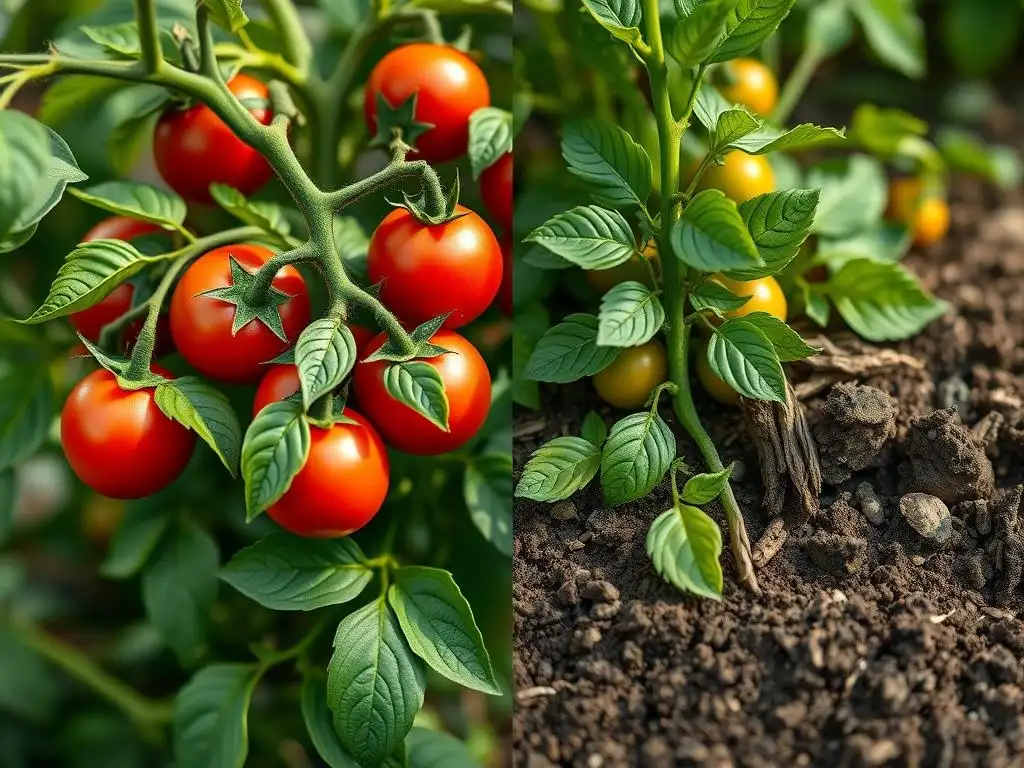
Organic fertilizers, while beneficial for plant health and soil sustainability, can sometimes present challenges. Understanding these potential issues and how to address them is crucial for successful gardening. This section focuses on identifying and resolving common problems associated with the use of organic fertilizers, helping you optimize your plant's growth and yield. The best organic fertilizer plant stages are those where the right nutrients are provided at the right time.
Identifying Nutrient Deficiencies
Nutrient deficiencies manifest in various ways depending on the lacking nutrient. Recognizing these symptoms is the first step to correcting the imbalance. For example, a nitrogen deficiency often presents as yellowing leaves, starting with the older, lower leaves. This is because plants tend to remobilize nitrogen from older leaves to support newer growth. Phosphorus deficiency, on the other hand, can lead to stunted growth and dark green or purplish leaves. Potassium deficiency might show up as browning leaf edges and tips.
Here's a simplified table to help you identify common deficiencies:
| Nutrient | Deficiency Symptoms | Solution |
|---|---|---|
| Nitrogen (N) | Yellowing leaves, stunted growth | Apply a nitrogen-rich organic fertilizer |
| Phosphorus (P) | Stunted growth, dark green or purplish leaves | Use a phosphorus-rich fertilizer, improve drainage |
| Potassium (K) | Browning leaf edges and tips, weak stems | Supplement with potassium-rich organic matter |
| Magnesium (Mg) | Yellowing between leaf veins (chlorosis) | Apply Epsom salts (magnesium sulfate) |
| Iron (Fe) | Yellowing between leaf veins (chlorosis), especially in new growth | Use a chelated iron supplement, adjust soil pH |
Remember, accurate diagnosis requires careful observation and might necessitate a soil test to confirm suspected deficiencies. A soil test provides invaluable data about the existing nutrient levels in your soil, guiding you to make informed decisions about fertilization. Don't rely solely on visual cues; a soil test offers a more precise assessment.
Over-fertilizing
While under-fertilizing can hinder growth, over-fertilizing can be equally detrimental. Too much fertilizer, especially nitrogen, can lead to lush, leafy growth at the expense of flowering and fruiting. This "vegetative growth" is often weak and susceptible to diseases. The excess salts from fertilizers can also burn plant roots, leading to wilting and even plant death. Over-fertilization manifests in different ways, depending on the specific nutrient and the plant species. Some signs include leaf burn (brown or crispy edges and tips), wilting, and stunted growth despite seemingly adequate fertilization.
To avoid over-fertilization:
- Follow package instructions carefully: Organic fertilizers often have recommended application rates. Start with a lower amount than recommended, especially if you're unsure about your soil's nutrient levels.
- Conduct a soil test: This will tell you the current nutrient levels and help you determine the appropriate amount of fertilizer needed.
- Use slow-release fertilizers: These release nutrients gradually, reducing the risk of burning or over-fertilization. This controlled release mimics natural nutrient cycling.
- Water thoroughly after fertilizing: This helps to prevent salt buildup around plant roots.
Choosing the Right Fertilizer for your Soil Type
The best organic fertilizer for your plants also depends heavily on your soil type. Sandy soils drain quickly, leading to nutrient leaching. Clay soils, conversely, can retain too much water, hindering root development and nutrient uptake. Understanding your soil's characteristics is key to selecting the appropriate fertilizer.
- Sandy Soils: These soils benefit from fertilizers that are high in organic matter to improve water retention and provide slow-release nutrients. Compost, well-rotted manure, and peat moss are excellent choices.
- Clay Soils: These soils benefit from fertilizers that improve drainage and aeration. Adding materials like compost, perlite, or vermiculite can help to improve soil structure and nutrient availability. Avoid fertilizers high in nitrogen, as this can exacerbate water retention issues.
- Loamy Soils: Loamy soils are generally well-balanced, but still benefit from regular additions of organic matter to maintain fertility and improve soil structure. Compost is an ideal choice for loamy soils.
Remember, regular soil testing is the most reliable way to determine the specific nutrient needs of your soil and guide your fertilizer choices. By understanding your soil and following best practices, you can ensure your plants receive the optimal nutrition for healthy growth and abundant harvests. Choosing the right organic fertilizer for different plant stages is essential for success.
Where to Buy High-Quality Organic Fertilizers
Choosing the right organic fertilizer is only half the battle; sourcing it from a reputable supplier is just as crucial. The quality of your fertilizer directly impacts the health and yield of your plants, so selecting a trusted source is paramount. Here's where you can find high-quality organic fertilizers:
Reputable Online Retailers
Many online retailers specialize in providing organic gardening supplies, offering a wide selection of fertilizers catering to various plant needs and stages. These platforms often provide detailed product descriptions, customer reviews, and convenient delivery services. Look for retailers with a strong commitment to sustainability and transparency, clearly specifying the ingredients and sourcing of their products. Some key factors to consider when choosing an online retailer include:
- Product certifications: Check for certifications like OMRI (Organic Materials Review Institute) which ensures the product meets strict organic standards.
- Customer reviews: Read reviews to gauge the quality of the products and the retailer's customer service.
- Shipping and handling: Consider shipping costs and delivery times, especially for bulk orders.
- Return policy: A clear and fair return policy is essential in case of any issues with your order.
It's important to note that while online shopping offers convenience, it's crucial to verify the retailer's legitimacy and reputation before making a purchase.
Local Garden Centers
Supporting local businesses offers numerous advantages when sourcing organic fertilizers. Local garden centers often carry a curated selection of fertilizers tailored to your specific region's climate and soil conditions. They can provide personalized advice based on your gardening experience and the types of plants you're growing. Moreover, purchasing locally reduces your carbon footprint associated with transportation.
When visiting a local garden center, don't hesitate to ask questions about the fertilizers they stock. Inquire about their sourcing practices, the ingredients, and the suitability for different plant stages. Their expertise can be invaluable in selecting the best fertilizer for your needs. This personal interaction is a significant advantage over online shopping, allowing for a more informed decision.
DIY Compost Guide
Creating your own compost is an excellent way to obtain a high-quality, sustainable fertilizer tailored to your plants' specific needs. Composting reduces waste, enriches your soil, and significantly cuts down on the need for commercially produced fertilizers. It's an eco-friendly and cost-effective method to provide your plants with the nutrients they require throughout their life cycle.
Here's a basic guide to get you started:
- Gather your materials: This includes brown materials (like dried leaves, twigs, and shredded paper) and green materials (like grass clippings, fruit and vegetable scraps, and coffee grounds). The ideal ratio is roughly 2:1 brown to green.
- Choose a composting method: You can use a compost bin, a simple pile, or even a compost tumbler.
- Layer your materials: Alternate layers of brown and green materials, ensuring proper aeration.
- Maintain moisture: Keep the compost consistently moist, but not soggy. Water regularly, especially during dry periods.
- Turn regularly: Turning the compost helps to aerate it and speed up the decomposition process.
- Monitor temperature: The compost pile should heat up during the decomposition process. This indicates that the composting process is working effectively.
- Harvest your compost: Once the compost is dark brown, crumbly, and has a pleasant earthy smell, it's ready to use. This can take several months, depending on the method and conditions.
Creating your own compost is a rewarding experience, offering a natural and sustainable way to nourish your plants at every stage of growth, helping you achieve the best organic fertilizer for plant stages. Remember, consistent monitoring and maintenance are key to successful composting.
Frequently Asked Questions
What is the best organic fertilizer for seedlings?
A balanced fertilizer with a slightly higher nitrogen content (e.g., 5-5-5 or similar) is ideal for seedlings. This promotes healthy leaf growth and strong root development. Avoid high-phosphorus fertilizers at this stage.
Which organic fertilizer is best for the vegetative growth stage?
During vegetative growth, plants need a good amount of nitrogen to support lush foliage. Look for fertilizers higher in nitrogen, such as compost tea or a well-rotted manure. Consistent feeding is key.
What type of organic fertilizer is best for flowering plants?
Once plants start to flower, they require more phosphorus to support bloom production. Choose an organic fertilizer higher in phosphorus (e.g., bone meal or bat guano). Reduce nitrogen slightly at this stage.
What organic fertilizer should I use for fruiting plants?
Fruiting plants need potassium for fruit development and overall plant health. Consider fertilizers rich in potassium, such as seaweed extract or wood ash. Maintain a balance of nitrogen and phosphorus as well.
How often should I fertilize my plants with organic fertilizers?
The frequency depends on the specific fertilizer and plant needs. Follow the product instructions carefully. Generally, less frequent applications of stronger organic fertilizers are preferred over more frequent applications of weaker ones.
Final Reflection: Nurturing Growth: The Ongoing Journey of Organic Gardening
The choices we make in nurturing our plants directly reflect the health and vibrancy of our ecosystems. Understanding the specific nutritional needs of plants at different stages of their life cycle is not merely a gardening technique; it's a crucial step towards building a sustainable and thriving environment. This knowledge empowers us to cultivate healthier plants, richer harvests, and a more responsible approach to agriculture.
The impact of organic fertilization extends far beyond the individual garden; it's a ripple effect influencing soil health, biodiversity, and the overall resilience of our food systems. The land is our mother, and we must treat her with respect.
This simple truth underscores the importance of choosing the right organic fertilizer, not just for immediate results, but for the long-term health of the planet. My own journey into organic gardening has been a testament to this – witnessing firsthand the transformative power of mindful fertilization has deepened my appreciation for the interconnectedness of nature.
Now, consider your own garden, whether it's a sprawling vegetable patch or a single potted herb. What steps can you take today to ensure your plants receive the precise nourishment they need at each stage of growth? Embrace the opportunity to learn, experiment, and cultivate a deeper connection with the natural world. By making informed choices about organic fertilization, you're not just growing plants; you're cultivating a healthier future for generations to come.
Unlock Your Garden's Full Potential: Nurture Your Plants to Thrive!
Thank you for learning about choosing the right organic fertilizer! You now have the knowledge to help your plants flourish. Ready to put this knowledge into action?
- Craft a personalized fertilizer plan: Consider each plant's specific needs based on its growth stage, and create a detailed feeding schedule tailored to it. This is key to maximizing growth!
- Share your gardening success: Let other gardening enthusiasts know what you've learned! Share this article on your favorite social media platforms and join the conversation in the comments below.
- Explore organic fertilizer options: Visit your local nursery or shop online to discover new brands or types of fertilizer that might better suit your needs.
What innovative organic gardening techniques will you try next to boost your plants' health?