
Choosing DiseaseResistant Seeds: A Proactive Approach to Garden Health

Ready to unlock the secrets to a thriving, disease-free garden? At CultivateYourFood, we empower you to grow your own delicious fruits, vegetables, and herbs using sustainable methods. This journey begins with understanding the importance of selecting the right seeds, and that's precisely why we've put together a comprehensive guide on Disease Resistant Vegetable Seeds. Discover how choosing the right seeds can dramatically improve your harvest and minimize the need for harsh chemicals. Let's cultivate a healthier, more rewarding gardening experience together!
- Understanding the Importance of Disease-Resistant Vegetable Seeds
- Identifying Disease-Resistant Vegetable Seeds: A Buyer's Guide
- Selecting the Right Disease-Resistant Seeds for Your Garden
- Beyond Seeds: Complementary Practices for Healthy Plants
- Case Study: Successful Disease Resistance in Action
- Conclusion: Investing in Disease-Resistant Seeds for a Thriving Garden
- Frequently Asked Questions
- Final Reflection: Cultivating Resilience, One Seed at a Time
- Unleash Your Garden's Resilience: Grow Healthier, Stronger Plants
Understanding the Importance of Disease-Resistant Vegetable Seeds
Cultivating a thriving and productive garden relies heavily on selecting the right seeds. While factors like soil quality and proper watering techniques are crucial, choosing disease-resistant vegetable seeds is a proactive strategy that significantly impacts your garden's overall health and success. This approach minimizes the risk of devastating crop losses due to common plant diseases, saving you time, resources, and ultimately, money.
This article will delve into the key benefits of choosing disease-resistant varieties, exploring the economic advantages and identifying common garden diseases to help you make informed decisions when selecting your seeds. By prioritizing disease resistance, you're investing in a healthier, more resilient, and ultimately more rewarding gardening experience. This is a crucial step in building a sustainable and organic garden, aligning perfectly with the CultivateYourFood philosophy of homegrown goodness.
Why Choose Disease-Resistant Varieties? Saving Time and Resources
Investing in disease-resistant vegetable seeds translates to significant time and resource savings throughout the growing season. Imagine the time spent battling fungal infections, insect infestations, or viral diseases – time that could be better spent tending to your healthy plants and enjoying the fruits (and vegetables!) of your labor. Disease-resistant varieties require less intervention in the form of chemical treatments, saving you money on pesticides and fungicides.
Furthermore, the reduced risk of disease outbreaks minimizes the need for constant monitoring and potential replanting, freeing up valuable time and energy. This proactive approach prioritizes prevention over cure, leading to a more efficient and less stressful gardening experience. A healthy plant is a productive plant, and disease-resistant seeds are the foundation for that productivity.
The Economic Benefits of Disease-Resistant Seeds: Reduced Losses and Increased Yields
The economic advantages of choosing disease-resistant seeds extend beyond simply saving on pesticides. Reduced losses due to disease translate directly into increased yields. A healthy plant produces more fruit, vegetables, or herbs, resulting in a larger harvest. This increased yield directly impacts your bottom line, whether you're growing for personal consumption or selling your produce.
Consider the cost of replacing lost crops due to disease – the cost of seeds, soil amendments, and the lost potential income. By choosing disease-resistant varieties, you minimize these risks, ensuring a more profitable and sustainable gardening operation. The long-term financial benefits significantly outweigh the initial cost of purchasing these specialized seeds. It's a smart investment in the health and profitability of your garden.
Common Garden Diseases Affecting Vegetable Crops: Identifying Threats
Understanding the common diseases that affect your chosen vegetables is essential for making informed seed selections. Some prevalent diseases include:
- Fungal diseases: These can manifest as leaf spots, wilting, or root rot and often thrive in humid conditions. Examples include powdery mildew (affecting many plants), blight (affecting tomatoes and potatoes), and fusarium wilt (affecting many vegetables).
- Viral diseases: These are often spread by insects and can cause stunted growth, mosaic patterns on leaves, and reduced yields. Examples include mosaic viruses affecting various crops.
- Bacterial diseases: These can cause wilting, leaf spots, and soft rots. Examples include bacterial leaf spot and bacterial wilt.
Knowing which diseases are common in your region and which varieties exhibit resistance to these specific pathogens is crucial for successful gardening. Careful consideration of these factors will significantly improve your chances of a healthy and bountiful harvest. Choosing disease-resistant seeds is a vital step in mitigating these threats and ensuring the success of your garden. 💑
Identifying Disease-Resistant Vegetable Seeds: A Buyer's Guide
This section delves into the practical aspects of selecting disease-resistant vegetable seeds, empowering you to make informed choices for a thriving, healthy garden. Choosing the right seeds is a crucial first step in organic and sustainable gardening, minimizing the need for chemical interventions later in the growing season. We'll explore how to navigate seed packaging, understand crucial terminology, and locate reliable suppliers of high-quality, disease-resistant vegetable seeds.
Deciphering Seed Packaging: Understanding Labels and Certifications
Seed packets often contain a wealth of information, but knowing what to look for is key. Don't just focus on the picture! Carefully examine the descriptions for clues about disease resistance. Look for phrases like "disease resistant," "disease tolerant," or specific mentions of resistance to common diseases affecting that particular vegetable. For example, a tomato seed packet might state resistance to Fusarium wilt or early blight.
Manufacturers are increasingly transparent about their breeding practices. Some certifications, while not universally standardized, can indicate a higher likelihood of disease resistance. Look for labels that might suggest organic growing methods, as these often prioritize naturally disease-resistant varieties. However, remember that certification alone doesn't guarantee complete disease immunity; environmental factors also play a significant role.
Here's a table summarizing common indicators you might find:
| Indicator | Description | Reliability |
|---|---|---|
| "Disease Resistant" | Indicates the variety has been bred to withstand specific diseases. | High |
| "Disease Tolerant" | Suggests the variety can withstand some disease pressure but may not be completely immune. | Medium |
| Specific Disease Name (e.g., Fusarium wilt resistant) | Clearly states resistance to a particular disease. | High |
| Organic Certification | Indicates the seeds were produced using organic methods, often prioritizing naturally resistant varieties. | Medium |
| Heirloom Designation | While not always indicative of disease resistance, heirlooms often possess natural resilience. | Low |
Remember that even disease-resistant varieties can succumb to disease under stressful conditions, such as poor soil drainage or overcrowding. Proper gardening practices remain essential!
Key Terms to Look For: Disease Resistance Indicators
Understanding the terminology used on seed packets is crucial for selecting the right disease-resistant vegetable seeds. While "disease-resistant" is straightforward, other terms require clarification. "Disease-tolerant" implies a lesser degree of resistance; the plant might show some symptoms but still produce a reasonable yield. Specific disease names, such as "Verticillium wilt resistant," provide the most precise information. Always prioritize seed packets clearly stating resistance to diseases prevalent in your region.
It's also helpful to understand the difference between resistance and immunity. Resistance means the plant is less susceptible to a particular disease, while immunity implies complete protection, which is rare in naturally occurring varieties. Therefore, even with disease-resistant vegetable seeds, preventative measures like crop rotation and proper sanitation are still recommended.
Furthermore, consider the specific challenges your local climate presents. Some diseases are more prevalent in certain regions or during specific seasons. Researching common diseases for your area will help you narrow your seed selection. For instance, in humid climates, choosing seeds resistant to fungal diseases is particularly important.
Resources for Finding Disease-Resistant Seeds: Online Retailers & Local Suppliers
Finding reliable sources for disease-resistant vegetable seeds is vital. Many online retailers specialize in organic and heirloom seeds, often providing detailed descriptions of each variety's disease resistance. These online platforms often offer search filters to refine your search based on specific disease resistance traits, making the selection process easier. Always check customer reviews to gauge the quality and reliability of the supplier.
Local nurseries and garden centers are another excellent resource. Their staff can provide personalized recommendations based on your region's climate and common diseases. They often carry locally adapted varieties that have shown natural resistance to prevalent diseases in your area. Building relationships with local suppliers can provide valuable insight and support throughout your growing season. Don't hesitate to ask questions; knowledgeable staff can be invaluable assets. Remember to support local businesses whenever possible! This supports sustainable agriculture and provides you with access to locally sourced, potentially more resilient, disease resistant vegetable seeds.
Selecting the Right Disease-Resistant Seeds for Your Garden
This section delves into the practical aspects of choosing disease-resistant seeds, empowering you to cultivate a thriving and healthy garden. Selecting the right seeds is a crucial first step in preventing common garden diseases and ensuring a bountiful harvest. Understanding your specific growing conditions and matching them with appropriate seed varieties is key to success.
We will explore various factors to consider when making your selections, ensuring you are equipped to make informed decisions that promote the long-term health of your plants. This proactive approach to disease prevention will save you time, effort, and potential crop loss in the long run. Remember, healthy plants produce better yields – and disease-resistant "Disease resistant vegetable seeds" are the foundation of that health.
Choosing Seeds Based on Your Climate and Growing Zone: Adaptability is Key
Understanding your climate and USDA Plant Hardiness Zone is paramount when selecting disease-resistant seeds. Seeds adapted to your specific growing conditions are far more likely to thrive and resist diseases. For instance, a tomato variety bred for a hot, humid climate will likely struggle and become more susceptible to diseases in a cooler, drier region. Conversely, a variety bred for a cooler climate might not produce as well in intense heat. Consult resources like the USDA Plant Hardiness Zone Map to determine your zone and look for seeds explicitly labeled as suitable for your area.
Consider these factors when making your selection:
- Average Temperatures: Extreme temperatures, both hot and cold, can weaken plants and make them vulnerable to diseases.
- Rainfall: Excessive rainfall can lead to fungal diseases, while drought conditions can stress plants and reduce their resilience.
- Sunlight: Insufficient sunlight can also weaken plants, increasing susceptibility to disease.
- Specific Regional Pests and Diseases: Some regions are prone to specific diseases or pest infestations. Choose varieties known to be resistant to these prevalent issues.
Choosing seeds that are adapted to your climate significantly increases your chances of success. Investing a little time in this crucial step is invaluable in the long run. Think of it as preventative medicine for your garden! 🌱
Matching Seeds to Your Soil Type: Nutrient Needs and Soil Health
Soil health plays a critical role in plant disease resistance. Healthy soil provides the nutrients and microbial support plants need to thrive, building their natural defenses against pathogens. Before selecting your seeds, conduct a soil test to determine its pH, nutrient levels, and overall composition. This information will guide you towards varieties that are well-suited to your soil's properties. For example, some plants prefer slightly acidic soil, while others thrive in alkaline conditions. Ignoring these preferences can lead to nutrient deficiencies, weakening your plants and making them more susceptible to diseases.
Here's a simplified table illustrating soil type and plant needs:
| Soil Type | Ideal pH Range | Example Plants with Disease Resistance |
|---|---|---|
| Sandy Soil | 6.0 - 7.0 | Certain varieties of carrots, radishes, beans |
| Clay Soil | 6.0 - 7.5 | Kale, collard greens |
| Silty Soil | 6.5 - 7.5 | Peas, lettuce |
| Loamy Soil (Ideal) | 6.0 - 7.0 | Wide range of vegetables |
Remember, amending your soil with compost and other organic matter can improve its structure and nutrient content, further enhancing disease resistance in your plants.
Popular Disease-Resistant Vegetable Varieties: Tomatoes, Cucumbers, Peppers, and More
Many vegetable varieties are now bred for disease resistance. Here are some examples to get you started:
- Tomatoes: Look for varieties resistant to late blight ( Phytophthora infestans ), early blight ( Alternaria solani ), and fusarium wilt ( Fusarium oxysporum f. sp. lycopersici ). Examples include 'Celebrity', 'Roma VF', and 'Stupice'.
- Cucumbers: Choose varieties resistant to powdery mildew ( Podosphaera xanthii ) and downy mildew ( Pseudoperonospora cubensis ). 'Spacemaster' and 'Bush Champion' are often cited for their resistance.
- Peppers: Resistance to bacterial spot ( Xanthomonas campestris pv. vesicatoria ) and other fungal diseases is crucial. 'California Wonder' and 'Ace' are known for their resilience.
- Other Vegetables: Many other vegetables have disease-resistant cultivars. Research specific disease pressures in your area and select accordingly. For example, certain broccoli and cauliflower varieties exhibit resistance to various fungal diseases.
Remember, while disease-resistant varieties offer a significant advantage, proper garden hygiene, including crop rotation, proper watering, and good air circulation, is still crucial for optimal plant health. Even the most resistant varieties can succumb to diseases under unfavorable conditions. Selecting disease-resistant "Disease resistant vegetable seeds" is a powerful tool in your sustainable gardening arsenal.
Beyond Seeds: Complementary Practices for Healthy Plants
Even the most robust disease-resistant vegetable seeds won't thrive without proper care and attention. Selecting disease-resistant varieties is a crucial first step, but it's only part of a broader strategy for cultivating a healthy and productive garden. Think of it as building a strong foundation – disease-resistant seeds are the foundation, but the structure needs support to truly flourish. This section explores complementary practices that, when combined with the right seed selection, significantly reduce disease pressure and promote vigorous plant growth. These practices are essential for maximizing your harvest and minimizing the need for chemical interventions.
Implementing Integrated Pest Management (IPM): A Holistic Approach
Integrated Pest Management (IPM) is a cornerstone of sustainable gardening. It's a proactive, holistic approach that emphasizes prevention and monitoring before resorting to chemical controls. The goal is to keep pest populations below damaging levels using a combination of methods. For example, regularly inspecting your plants for signs of pests like aphids, spider mites, or whiteflies is crucial for early detection. Early intervention can often prevent a minor infestation from escalating into a major problem, impacting your disease-resistant vegetable seeds' growth.
This approach involves several key strategies:
- Physical Controls: This includes techniques like handpicking pests, using sticky traps, or installing physical barriers to prevent pests from reaching your plants. Consider using row covers to protect seedlings from pests and even some fungal diseases.
- Biological Controls: Introducing beneficial insects like ladybugs, lacewings, or parasitic wasps can help control pest populations naturally. These beneficial insects prey on many common garden pests, minimizing the need for pesticides.
- Cultural Controls: Proper planting techniques, crop rotation, and maintaining a healthy soil environment can also deter pests. Choosing the right planting time, spacing, and companion planting are all integral parts of this strategy.
- Chemical Controls (Used as a Last Resort): If other methods fail, and the pest infestation is severe, you might consider using a targeted pesticide. However, always opt for the least toxic option and follow label instructions meticulously. Remember, even with disease-resistant vegetable seeds, chemical intervention is a last resort, not a first line of defense.
Successfully implementing IPM requires careful observation, consistent monitoring, and a willingness to adapt your strategies as needed. It's an ongoing process, not a one-time fix.
The Role of Soil Health: Nutrient-Rich Soil for Disease Resistance
Healthy soil is the foundation of a healthy garden. Nutrient-rich soil provides plants with the essential building blocks they need to develop strong immune systems and resist diseases. This is particularly crucial for your disease-resistant vegetable seeds. While these seeds offer inherent resistance, they'll still benefit from optimal growing conditions.
Several factors contribute to soil health:
- Organic Matter: Adding compost, aged manure, or other organic materials improves soil structure, water retention, and nutrient availability. Organic matter acts like a sponge, helping to regulate soil moisture and providing a slow-release source of nutrients.
- Soil Testing: Regular soil testing helps determine nutrient deficiencies and pH levels. This allows for targeted amendments, ensuring your plants receive the precise nutrients they require for optimal growth and disease resistance. Without knowing your soil's composition, you're essentially gardening blind.
- Diversity of Soil Life: A healthy soil ecosystem teems with beneficial microorganisms, such as bacteria and fungi, that enhance nutrient cycling and disease suppression. Avoid practices that disrupt this delicate balance, such as excessive tillage.
- Mulching: Applying a layer of mulch helps retain soil moisture, suppress weeds, and regulate soil temperature. This creates a more stable and favorable environment for plant growth and disease resistance.
Investing in soil health is an investment in the long-term health and productivity of your garden. It's a proactive approach that pays dividends year after year, even with the most robust disease-resistant vegetable seeds.
Proper Watering Techniques: Preventing Fungal Diseases
Improper watering can create conditions that favor the development of fungal diseases. Fungal pathogens thrive in moist environments, so managing watering effectively is essential for preventing these diseases, even with disease-resistant vegetable seeds. Overwatering is a common culprit, leading to soggy soil and increased susceptibility to fungal infections.
Here's how to optimize your watering practices:
- Water Deeply but Infrequently: Encourage deep root growth by watering deeply and less often. This allows roots to search for moisture deeper in the soil, making plants more drought-tolerant and less susceptible to fungal diseases. Shallow, frequent watering encourages shallow root systems, making plants more vulnerable to stress and disease.
- Water at the Base of Plants: Avoid wetting the foliage, as this can create conditions favorable for fungal spores to germinate and spread. Water directly at the base of the plant, keeping the leaves dry.
- Use Drip Irrigation or Soaker Hoses: These methods deliver water directly to the roots, minimizing water loss through evaporation and reducing the risk of foliar diseases. They are more efficient and environmentally friendly than overhead watering.
- Monitor Soil Moisture: Regularly check soil moisture levels before watering. Use your finger to test the soil a few inches below the surface; only water when the soil feels dry.
By implementing these watering techniques, you significantly reduce the risk of fungal diseases, even when using disease-resistant vegetable seeds, maximizing your chances of a bountiful harvest.
Rotation of Crop Rotation: Breaking Disease Cycles
Crop rotation is a cornerstone of sustainable gardening and a powerful tool in preventing disease buildup in your soil. By rotating the types of plants you grow in a particular area each year, you disrupt the life cycle of many soilborne pathogens. These pathogens, often fungi or bacteria, thrive when the same host plants are repeatedly grown in the same location. Continuous planting of susceptible crops allows these pathogens to build up in the soil, leading to increasingly severe infections in subsequent years.
For example, if you plant tomatoes in the same spot year after year, you risk a build-up of Fusarium wilt, a devastating fungal disease that can decimate your tomato crop. Rotating tomatoes with plants from a different family, such as legumes (beans, peas) or brassicas (broccoli, cabbage), significantly reduces the risk of this disease. Legumes, in particular, are beneficial as they often improve soil health, further mitigating disease risk. The key is to choose plant families that are not susceptible to the same diseases as the previous year's crops.
Effective crop rotation requires planning. A simple three-year rotation can be very effective. Consider a system where you divide your garden into three sections. In year one, you might plant tomatoes, peppers, and eggplants (all in the nightshade family) in section A.
Year two, you could plant legumes in section A, brassicas in section B (where the nightshades were in year one), and root vegetables in section C. In year three, you'd shift the planting plan again, ensuring that no plant family occupies the same section for consecutive years. This strategy helps to prevent the build-up of specific pathogens associated with each plant family. Careful record-keeping is crucial for successful long-term rotation. A simple garden journal can help you track your planting history and plan future rotations effectively.
Remember to consider the specific diseases prevalent in your region when designing your rotation plan. Local agricultural extension offices can provide valuable information tailored to your area. By carefully planning and implementing a crop rotation strategy, you can significantly reduce the incidence of many common plant diseases and contribute to a healthier, more sustainable garden.
Case Study: Successful Disease Resistance in Action
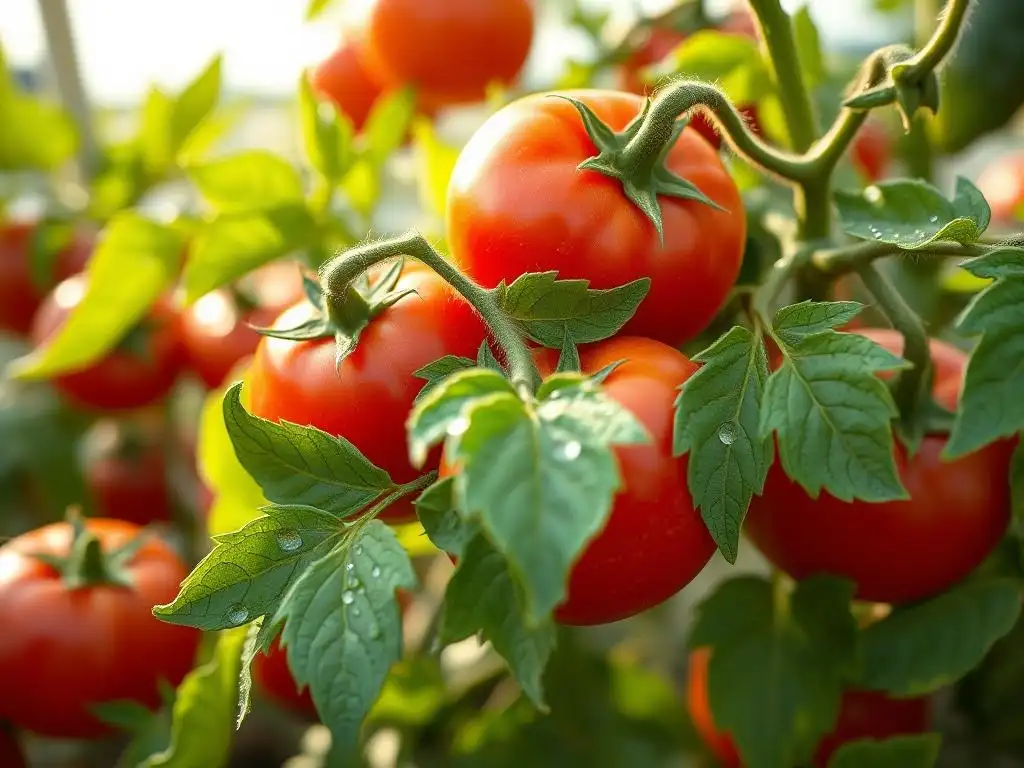
This section examines a real-world example showcasing the tangible benefits of selecting disease-resistant vegetable seeds. Understanding how disease resistance translates into practical, on-the-ground success is crucial for home gardeners aiming to minimize losses and maximize yields using sustainable practices. We'll analyze a specific instance to highlight the impact of proactive seed selection.
A Real-World Example: Disease Management Success Story
A small-scale organic farm in Sonoma County, California, specializing in heirloom tomatoes, faced a recurring problem with late blight, a devastating fungal disease. Prior to 2020, their annual losses due to late blight averaged 30% of their tomato crop. This resulted in significant financial strain and considerable labor spent on trying to manage the infection.
To combat this, they implemented a comprehensive strategy in 2021, which included a shift to disease-resistant tomato varieties. They carefully researched and selected seeds specifically bred for resistance to late blight, such as the 'Stupice' and 'San Marzano' varieties known for their resilience. Additionally, they maintained strict sanitation practices, including crop rotation and removal of infected plants immediately.
The results were striking. In 2021, their late blight losses dropped to a mere 5% of their total harvest. This represented a 25% reduction in losses compared to the previous year. Moreover, the improved plant health reduced the need for fungicides, aligning perfectly with their organic farming principles.
The increased yield not only boosted their profits but also enhanced the overall quality of their tomatoes. This success underscores the powerful impact of selecting disease-resistant vegetable seeds as part of a holistic disease management strategy. The cost of disease-resistant seeds was easily offset by the significant reduction in crop loss and the decreased need for chemical interventions.
Lessons Learned: Key Takeaways from Successful Disease Management
The Sonoma County farm's experience offers several valuable lessons for home gardeners seeking to cultivate healthy and productive vegetable gardens:
- Proactive Seed Selection is Key: Choosing disease-resistant varieties from reputable seed suppliers is the cornerstone of effective disease management. Investing in high-quality disease-resistant vegetable seeds is a cost-effective preventative measure.
- Integrated Pest Management (IPM): Disease resistance is most effective when combined with other IPM techniques. This includes crop rotation, proper spacing to improve air circulation, and prompt removal of infected plants to prevent the spread of disease.
- Thorough Research is Essential: Understanding the specific diseases prevalent in your region is crucial for selecting appropriate disease-resistant varieties. Local agricultural extension offices can provide invaluable information on common diseases and suitable seed choices.
- Long-Term Sustainability: By reducing reliance on chemical interventions, selecting disease-resistant seeds contributes to a more sustainable and environmentally friendly gardening practice. This aligns with the principles of organic gardening and minimizes the impact on the environment.
- Economic Benefits: The reduced crop losses and decreased need for pesticides translate into significant economic benefits, making the initial investment in disease-resistant seeds a worthwhile endeavor.
The successful implementation of disease resistance strategies, as demonstrated by this case study, showcases the significant impact of proactive seed selection on overall garden health and productivity. By carefully considering these lessons, home gardeners can significantly improve their chances of a bountiful and healthy harvest, minimizing the risk of disease and maximizing the rewards of their efforts. Remember, selecting the right disease resistant vegetable seeds is a crucial step towards achieving a thriving, sustainable garden.
Conclusion: Investing in Disease-Resistant Seeds for a Thriving Garden
Choosing disease-resistant vegetable seeds is a cornerstone of successful and sustainable gardening. It's a proactive strategy that minimizes the need for chemical interventions, contributing to a healthier garden ecosystem and ultimately, a more bountiful harvest. By selecting seeds bred for resistance to common diseases prevalent in your region, you're investing in long-term garden health and significantly reducing the time and effort spent battling plant ailments.
This approach allows you to focus your energy on nurturing healthy growth rather than fighting off diseases. The initial cost of purchasing disease-resistant seeds is easily offset by the savings in pesticides, fungicides, and the time saved in managing sick plants. Remember, a healthy plant is a productive plant.
The payoff is a more resilient and rewarding gardening experience. Think of it as an insurance policy for your garden, protecting your investment and ensuring a successful growing season. This proactive approach shifts your focus from reactive problem-solving to preventative care, leading to a more enjoyable and fruitful gardening journey.
Long-Term Benefits: Healthier Plants, Higher Yields, and Reduced Stress
The benefits of using disease-resistant vegetable seeds extend far beyond a single growing season. Investing in these seeds translates to healthier plants capable of withstanding various environmental stressors. This increased resilience leads to higher yields, as plants aren't diverting energy to fight off diseases. You'll harvest more fruits, vegetables, and herbs, maximizing your garden's productivity.
Furthermore, the reduced need for chemical treatments contributes to a healthier environment for beneficial insects and pollinators, fostering a thriving ecosystem in your garden. The absence of disease also significantly reduces stress for the gardener. Instead of constantly monitoring plants for signs of illness and applying treatments, you can focus on other aspects of garden maintenance, like watering, fertilizing, and pest control.
This translates to a more enjoyable and less stressful gardening experience, allowing you to reap the rewards of your labor with greater ease and satisfaction. Consider the long-term impact: healthier soil, healthier plants, and a healthier you! The peace of mind knowing your plants are equipped to defend themselves against common diseases is invaluable.
Resources for Further Learning: Books, Articles, and Online Communities
To deepen your understanding of disease-resistant vegetable seeds and sustainable gardening practices, several resources are available. Numerous books delve into the specifics of seed selection, disease management, and organic gardening techniques. Many articles, both online and in print publications, offer in-depth information on specific diseases and their resistant varieties. For example, you might research articles focusing on "Fusarium wilt resistance in tomatoes" or "Downy mildew resistance in cucumbers".
Engaging with online communities dedicated to gardening can provide invaluable support and insights. These communities often share experiences, tips, and recommendations for disease management, creating a collaborative learning environment. Participating in these forums allows you to connect with other gardeners, learn from their successes and challenges, and gain a deeper understanding of the nuances of cultivating disease-resistant plants.
Remember to always verify information from multiple reputable sources before making significant changes to your gardening practices. Continuous learning is essential for optimizing your gardening success and ensuring a thriving and healthy garden year after year. The pursuit of knowledge is an integral part of the rewarding journey of sustainable food cultivation.
Frequently Asked Questions
What are disease-resistant vegetable seeds?
Disease-resistant seeds are seeds bred to be less susceptible to common diseases affecting specific vegetables. This reduces the need for chemical treatments and improves the chances of a healthy harvest. They offer a proactive approach to gardening.
How do I identify disease-resistant seeds?
Look for seed packets clearly labeled with disease resistance markers, often using abbreviations like "VFN" or "HR". Check the seed company's website for detailed information on the specific diseases each variety resists. You can also consult gardening resources for further assistance.
Are disease-resistant seeds more expensive than conventional seeds?
Sometimes, yes. The breeding process for disease resistance can increase production costs. However, the long-term savings from reduced crop loss often outweigh the initial higher price. Consider the value of a healthy, bountiful harvest.
Do disease-resistant seeds guarantee a disease-free garden?
No, they don't offer a complete guarantee. Favorable growing conditions are crucial, and other factors like pest infestations can still affect plant health. Disease-resistant seeds significantly reduce the risk, but don't eliminate it entirely.
Where can I find disease-resistant vegetable seeds?
Many reputable online seed companies and local garden centers offer disease-resistant varieties. CultivateYourFood.com also provides helpful resources to guide you in choosing the best seeds for your garden needs and location. Look for seeds labeled with specific disease resistance traits.
Final Reflection: Cultivating Resilience, One Seed at a Time
The choice of disease-resistant seeds isn't merely a gardening technique; it's a proactive strategy for ensuring food security and environmental sustainability in a world facing increasing climate change challenges. The implications of selecting resilient plant varieties extend far beyond the individual garden, impacting local ecosystems and global food production systems. We've explored the benefits of choosing disease-resistant seeds, from reduced pesticide use to increased yields, and the crucial role they play in building a more resilient and sustainable food future.
The shift towards disease-resistant seeds reflects a broader societal awakening to the interconnectedness of our food systems and the environment. We are increasingly aware of the fragility of our current agricultural practices and the urgent need for more sustainable alternatives. This conscious choice, this act of planting a seed with inherent resilience, mirrors a larger human aspiration to overcome challenges and build a more secure future. The best time to plant a tree was 20 years ago. The second best time is today.
This sentiment perfectly encapsulates the urgency and importance of adopting disease-resistant seeds now, for the benefit of future generations.
Consider your own garden, your own role in this larger narrative. What seeds will you choose to plant this year? Will you prioritize resilience, opting for varieties that can withstand the challenges of a changing climate and minimize the need for harmful interventions? This isn't just about growing vegetables; it's about cultivating a more sustainable and resilient future, one seed, one garden, one community at a time. Embrace the power of proactive choice and plant the seeds of a healthier tomorrow.
Unleash Your Garden's Resilience: Grow Healthier, Stronger Plants
Thanks for exploring the world of disease-resistant seeds with us! You've gained valuable knowledge to cultivate a thriving, healthy garden. Ready to put this knowledge into action?
- Choose disease-resistant varieties: Start planning your next planting season by carefully selecting seed varieties bred for resistance to common diseases in your region. This is the most effective way to create a healthier garden.
- Share your knowledge: Tell your gardening friends and family about the benefits of using disease-resistant seeds – let's work together to build a more resilient gardening community!
- Expand your knowledge: Learn more about organic pest control methods to further strengthen your garden's natural defenses.
What exciting disease-resistant plants will you grow next season?