
Choosing Seeds for Succession Planting: Enjoying Continuous Harvests

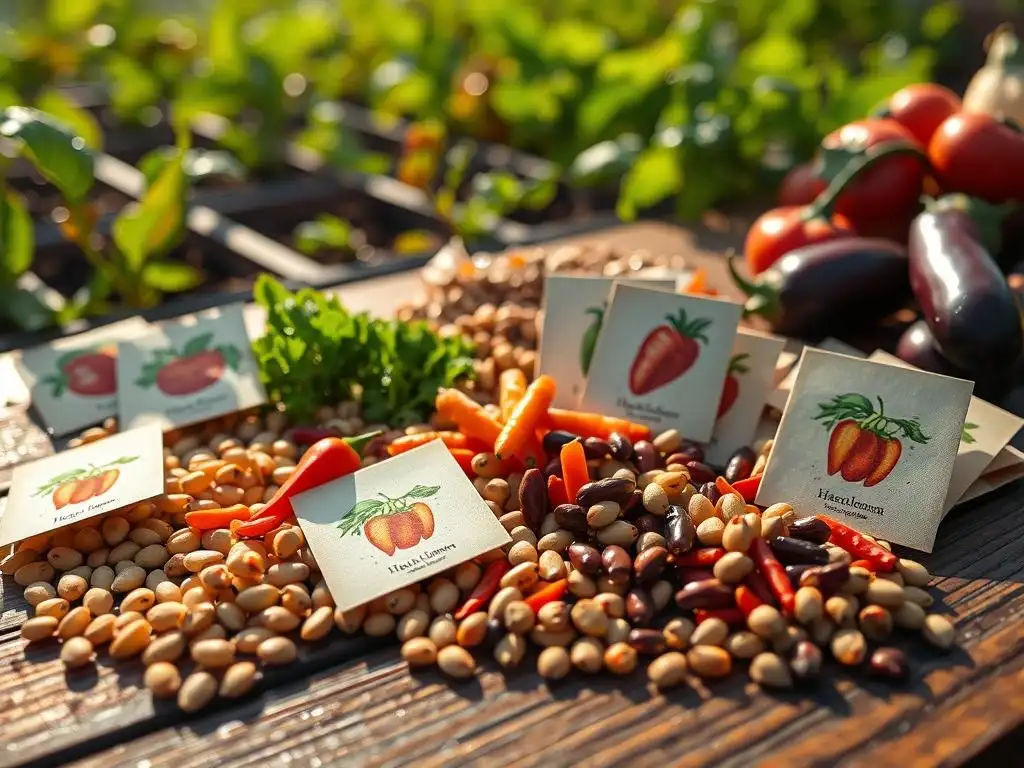
Welcome to CultivateYourFood, your guide to a thriving, sustainable home garden! Are you ready to enjoy fresh, organic produce all season long? Then dive into our Succession Planting Seed Guide, your key to unlocking continuous harvests of fruits, vegetables, and herbs. Discover the secrets to planning and executing a successful succession planting strategy and transform your garden into a year-round bounty. Let's cultivate your food, together!
- Understanding Succession Planting for Continuous Harvesting
-
Selecting the Right Seeds for Succession Planting
- Choosing Seeds Based on Growing Season Length: Matching Varieties to Your Climate
- Seed Starting Indoors vs. Direct Sowing: A Comparative Analysis
- Understanding Seed Germination Rates and Viability: Tips for Success
- High-Performing Vegetable Seeds for Succession Planting
- High-Performing Herb Seeds for Succession Planting
- Creating a Succession Planting Schedule: A Practical Approach
- Sourcing High-Quality Seeds for Your Garden
-
Troubleshooting Common Succession Planting Challenges
- Dealing with Pests and Diseases in Succession Planting: Organic Solutions
- Managing Soil Fertility for Continuous Harvesting: Composting and Soil Amendments
- Adjusting Your Planting Schedule Based on Weather Conditions: Flexibility is Key
- Optimizing Water Management for Succession Planting: Consistent Moisture is Crucial
- Maximizing Your Harvest with Succession Planting Techniques
- Resources for Successful Succession Planting
- Frequently Asked Questions
- Final Reflection: The Enduring Harvest of Succession Planting
- Unleash the Power of Continuous Harvest!
Understanding Succession Planting for Continuous Harvesting
Succession planting, a cornerstone of sustainable gardening, is the practice of planting crops in stages throughout the growing season. Instead of planting an entire crop all at once, you plant smaller batches at regular intervals. This strategy ensures a continuous harvest of fresh produce, maximizing your yield and extending the enjoyment of your homegrown bounty.
This guide will delve into the crucial aspect of choosing the right seeds for successful succession planting, transforming your garden from a seasonal burst of flavor into a year-round cornucopia. We'll explore the benefits, planning strategies, and seed selection considerations to help you master this vital gardening technique and achieve bountiful harvests throughout the year. This comprehensive guide, designed to function as your ultimate Succession planting seed guide, will equip you with the knowledge and confidence to plan and execute a successful succession planting strategy.
What is Succession Planting and Why It Matters
Succession planting is more than just planting seeds repeatedly; it's a carefully orchestrated plan to optimize your garden's productivity. Imagine having fresh tomatoes ripening throughout the summer, or a continuous supply of lettuce for salads. This is the power of succession planting. Instead of a single, large planting that yields a massive harvest all at once (and then nothing), succession planting involves planting smaller batches of the same crop at two-to-four week intervals.
This ensures a consistent supply of produce, preventing glutting and maximizing your garden space. Furthermore, it allows you to extend your harvest season significantly, even beyond the typical growing period for certain vegetables. For example, instead of just one large planting of beans, you might plant a batch every few weeks, ensuring a continuous harvest from early summer until the first frost.
Think of it like this: a relay race, where each batch of seedlings takes over from the previous one, ensuring a continuous flow of ripe vegetables. 🥕🍅🌶️
Benefits of Succession Planting: Extended Harvest Season & Increased Yields
The advantages of succession planting are numerous and compelling for any home gardener aiming for maximum yield and a longer harvest season. Here are some key benefits:
- Extended Harvest Season: The most obvious benefit is the ability to enjoy your favorite crops for a much longer period. Instead of a short burst of abundance, you'll have a continuous supply of fresh produce throughout the growing season.
- Increased Yields: By staggering plantings, you can optimize your garden space, preventing overcrowding and maximizing the sunlight and nutrients available to each plant, ultimately leading to a larger overall harvest.
- Reduced Pest and Disease Problems: Staggered planting can help mitigate pest and disease outbreaks. A concentrated planting is more vulnerable to widespread infestation, whereas smaller, spaced-out plantings limit the impact of any one outbreak.
- Improved Soil Health: Succession planting allows you to avoid depleting the soil of specific nutrients, as different crops have different nutrient needs. Rotating crops helps maintain soil fertility and prevents nutrient depletion.
- Flexibility and Adaptability: Succession planting allows you to adapt to changing weather conditions or unexpected issues, such as pest infestations. If one batch fails, you have other batches coming along to ensure a harvest.
Planning Your Succession Planting Calendar: A Step-by-Step Guide
Creating a successful succession planting calendar requires careful planning and consideration of several factors. Here's a step-by-step guide to help you plan your own:
- Choose Your Crops: Select vegetables and herbs that are suited to your climate and growing season. Consider their maturity time and planting intervals.
- Determine Your Planting Dates: Refer to seed packets or gardening guides for information on days to maturity for your chosen crops. Work backward from your desired harvest date to determine your planting dates for each batch.
- Create a Planting Schedule: Use a calendar or spreadsheet to track your planting schedule. Note down the crop, planting date, and expected harvest date for each batch. Consider using a visual calendar to easily see the succession of your plantings.
- Prepare Your Garden Beds: Ensure your garden beds are well-prepared with rich, fertile soil. Amend the soil as needed to provide optimal growing conditions for your chosen crops.
- Monitor Your Plants: Regularly monitor your plants for signs of pests, diseases, or nutrient deficiencies. Take appropriate action as needed to ensure healthy growth and abundant harvests.
This detailed approach, combined with careful seed selection (which will be covered in the following sections), will lead to a thriving and productive garden. Remember, practice makes perfect; don't be afraid to experiment and adjust your plan as you gain experience. Happy gardening! 🧑🌾
Selecting the Right Seeds for Succession Planting
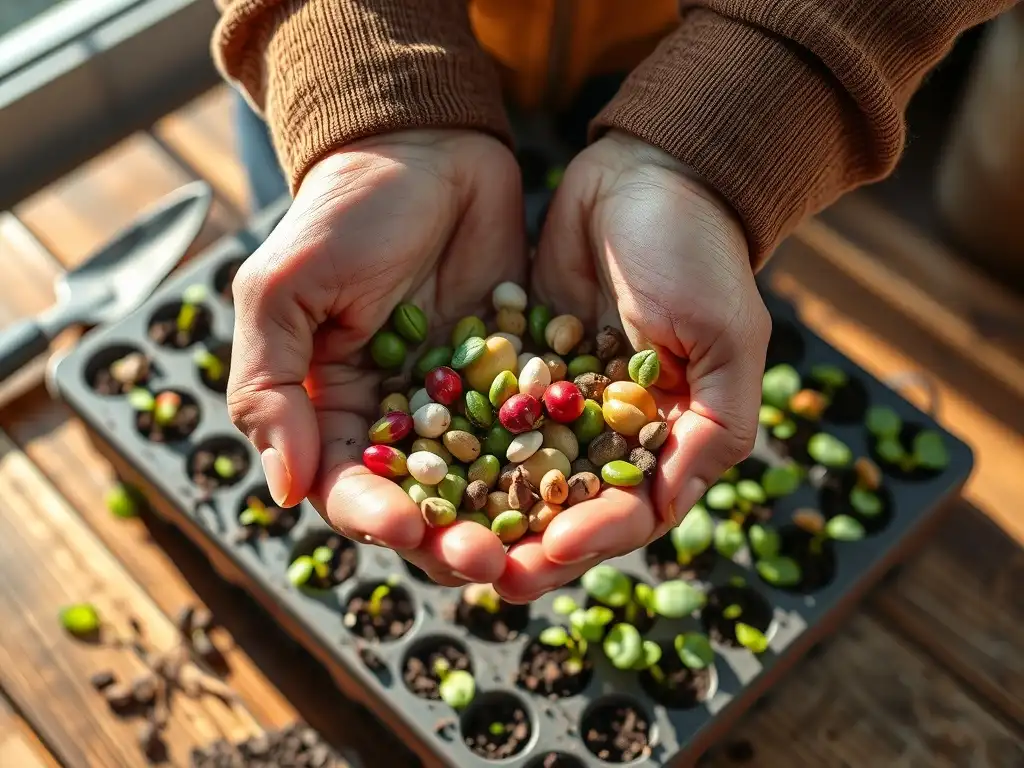
This section delves into the crucial aspect of seed selection for successful succession planting. Choosing the right seeds is paramount to enjoying a continuous harvest throughout the growing season. This involves careful consideration of several factors, detailed below. A well-planned succession planting strategy, supported by high-quality seeds, maximizes yield and minimizes wasted space in your garden. This guide will help you navigate the selection process, turning you into a succession planting expert.
Choosing Seeds Based on Growing Season Length: Matching Varieties to Your Climate
Understanding your local climate's growing season length is fundamental to successful succession planting. Different vegetables and herbs have varying maturity periods. For example, fast-maturing varieties like radishes and lettuce are ideal for early succession planting, while longer-season crops like tomatoes and peppers require a longer growing period. This necessitates careful planning to ensure that your crops reach maturity before the first frost.
To determine your growing season, consult your local agricultural extension office or use online resources that provide frost dates for your specific region. Once you know your frost-free days, you can select seeds with maturity periods that fit comfortably within that timeframe. Let's illustrate with an example:
| Crop | Days to Maturity | Planting Date (assuming 100-day growing season, and planting in early spring) | Harvest Date (approximate) |
|---|---|---|---|
| Radishes | 25 | Early Spring (March/April) | Late Spring (April/May) |
| Lettuce | 45 | Early Spring (March/April) | Early Summer (May/June) |
| Bush Beans | 55 | Late Spring (April/May) | Early Summer/Mid-Summer (June/July) |
| Tomatoes | 70-80 | Early Spring (indoors), Late Spring (outdoors) | Late Summer/Autumn (August/September) |
| Peppers | 75-90 | Early Spring (indoors), Late Spring (outdoors) | Late Summer/Autumn (August/September) |
Remember to account for variations in germination rates and potential delays caused by unforeseen weather conditions. Always choose varieties known for thriving in your specific climate zone. This careful matching ensures optimal growth and abundant harvests.
Seed Starting Indoors vs. Direct Sowing: A Comparative Analysis
The decision of whether to start seeds indoors or sow them directly outdoors depends on several factors, including the specific crop, your climate, and the available space. Both methods have their advantages and disadvantages.
Indoor Seed Starting: This method allows for an earlier harvest, as seedlings get a head start on the growing season. It's particularly beneficial for crops with long maturity periods or those sensitive to frost. However, it requires space, equipment (like seed trays and grow lights), and more effort in terms of managing humidity and temperature.
Direct Sowing: This is a simpler, more hands-off approach, eliminating the need for transplanting seedlings. It's suitable for fast-growing, hardy crops that don't mind being disturbed. However, it results in a later harvest and can be affected by unpredictable weather conditions.
Here's a table summarizing the key differences:
| Feature | Indoor Seed Starting | Direct Sowing |
|---|---|---|
| Harvest Time | Earlier | Later |
| Effort | More involved (preparation, transplanting) | Less involved |
| Space | Requires indoor space, equipment | Requires less space |
| Suitable Crops | Crops with long maturity periods, frost-sensitive crops | Fast-growing, hardy crops |
| Risk | Risk of damping-off, transplant shock | Risk of poor germination due to weather conditions |
Careful consideration of these factors will guide your choice for each crop in your succession planting plan.
Understanding Seed Germination Rates and Viability: Tips for Success
Seed germination rate and viability are crucial factors affecting the success of your succession planting. Germination rate refers to the percentage of seeds that sprout under ideal conditions, while viability indicates the seed's capacity to germinate. These factors are influenced by several elements, including seed age, storage conditions, and seed quality.
Always purchase seeds from reputable suppliers who guarantee high germination rates and offer fresh seeds. Check the seed packet for the germination rate percentage and the expiration date. Avoid using old or improperly stored seeds, as this significantly reduces the chances of successful germination.
To maximize germination success:
- Soak seeds: Soaking certain seeds (like beans and peas) before planting can improve germination rates.
- Maintain optimal temperature and moisture: Different seeds have different temperature requirements for optimal germination. Ensure proper soil moisture levels without overwatering.
- Use well-draining soil: Avoid compacted soil, which can hinder germination.
- Provide adequate light: Some seeds require light for germination, while others need darkness. Check the seed packet for specific requirements.
By carefully selecting high-quality seeds and following best practices for germination, you'll significantly improve your chances of achieving a continuous harvest through successful succession planting. This attention to detail is key to maximizing your yield and enjoying fresh produce all season long. 🌱
High-Performing Vegetable Seeds for Succession Planting
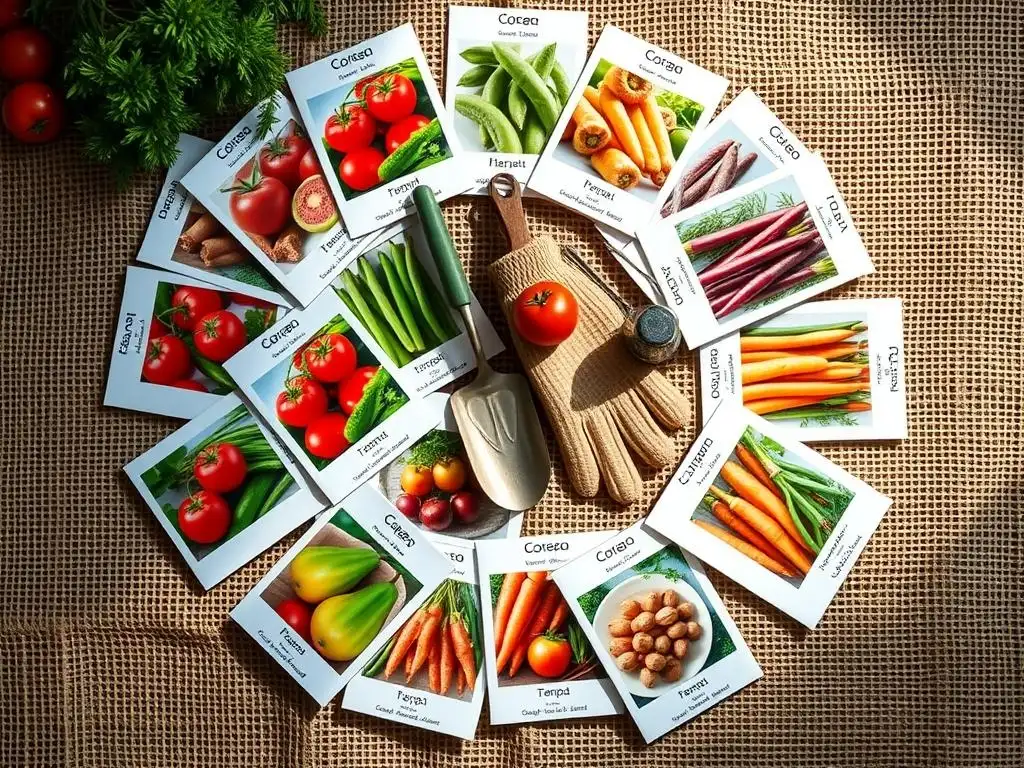
Succession planting is all about maximizing your harvest throughout the growing season. To achieve this, selecting the right vegetable seeds is crucial. Certain varieties are known for their resilience, quick growth cycles, and consistent yields, making them ideal candidates for repeated sowings. Let's explore some top performers:
Choosing fast-maturing varieties is key for succession planting. Consider lettuce varieties like 'Black Seeded Simpson' or 'Red Sails', known for their rapid growth and tolerance to various conditions. These lettuces can be sown every two to three weeks for a continuous supply of fresh leaves. Similarly, bush beans like 'Contender' or 'Blue Lake' are excellent choices due to their relatively short growing season and prolific production.
Planting these beans in succession ensures a steady stream of fresh beans throughout the summer. For a continuous harvest of delicious tomatoes, consider determinate varieties such as 'Stupice' or 'Early Girl'. While not as prolific as indeterminate varieties, their concentrated ripening period ensures a bountiful harvest in each succession planting. Remember to choose varieties suited to your climate and specific growing conditions.
For example, heat-tolerant varieties are crucial in warmer climates. Careful consideration of these factors will contribute to successful succession planting and abundant harvests. Furthermore, paying attention to seed spacing and providing adequate nutrients will optimize your yields.
High-Performing Herb Seeds for Succession Planting
Herbs, with their diverse growth habits and varying needs, require a slightly different approach to succession planting compared to vegetables. However, selecting the right seeds is equally important for continuous harvests of fresh herbs. Let's look at some top choices:
Fast-growing herbs like cilantro and dill are perfect for succession planting. These herbs bolt (flower) quickly, so continuous sowings are essential to maintain a steady supply of fresh leaves. Sow cilantro and dill every two to three weeks to enjoy a consistent harvest. Basil, another popular herb, can also benefit from succession planting.
However, unlike cilantro and dill, basil is a warm-season herb and requires consistent warmth. Choose heat-tolerant basil varieties and ensure adequate sunlight for optimal growth. Other herbs like parsley and chives are slower-growing but can still benefit from staggered plantings. These herbs can be sown once early in the season and again mid-season to extend the harvest.
Consider using succession planting with both fast- and slow-growing herbs to create a diverse and continuous supply of fresh herbs throughout the year. Remember to pay attention to the specific needs of each herb regarding sunlight, water, and soil conditions to maximize your success with succession planting. Proper spacing and regular thinning will also ensure healthy growth and prevent overcrowding. The key to successful herb succession planting is understanding the unique needs of each variety and adapting your planting schedule accordingly.
Creating a Succession Planting Schedule: A Practical Approach
Succession planting, a cornerstone of sustainable gardening, maximizes your harvest by planting crops in stages throughout the growing season. This avoids a glut of produce all at once and ensures a continuous supply of fresh vegetables, herbs, and fruits. Creating a successful succession planting schedule requires careful planning and consideration of several factors, including your local climate, the specific needs of each plant, and your desired harvest timeline.
This section will guide you through the process, enabling you to enjoy a bountiful and consistent yield from your garden. A well-planned succession planting strategy is crucial for maximizing your yield and minimizing waste, making it an essential element of any effective "succession planting seed guide".
Calculating Planting Intervals for Optimal Yields: A Detailed Guide
Determining the optimal planting intervals is critical for a successful succession planting strategy. This involves understanding the maturity time of each crop – the time from sowing to harvest. For example, let's consider lettuce. Many varieties mature in approximately 45-60 days. To maintain a continuous harvest, you'd plant a new batch of lettuce seeds every 2-3 weeks. This ensures that as one batch is harvested, another is ready to take its place. This calculation, however, needs adjustments based on your climate and growing conditions. Hotter climates may shorten the maturity time, while cooler climates may extend it.
To illustrate, consider this table:
| Crop | Maturity Time (Days) | Planting Interval (Days) | Notes |
|---|---|---|---|
| Lettuce | 45-60 | 14-21 | Adjust based on variety and climate |
| Spinach | 40-50 | 14-21 | Similar to lettuce, adjust as needed |
| Radishes | 25-30 | 7-10 | Fast-growing, frequent planting needed |
| Bush Beans | 50-60 | 21-28 | Plant in succession for continuous harvest |
| Tomatoes | 60-80+ | Varies greatly, depending on variety and climate | Consider staggered planting over several weeks |
Remember to always consult seed packets for specific maturity times and adjust your planting schedule accordingly. Accurate calculation is essential to your success and forms a significant part of any comprehensive "succession planting seed guide". Careful planning will ensure a continuous supply of fresh produce throughout the growing season.
Staggering Planting Dates for Continuous Harvest of Leafy Greens
Leafy greens, such as lettuce, spinach, kale, and arugula, are ideal candidates for succession planting. Their relatively short growing season allows for multiple harvests throughout the year. To achieve continuous harvests, stagger planting dates by 1-3 weeks, depending on the specific variety and your climate. This ensures a steady supply of fresh leaves without overwhelming your garden space.
For instance, you might plant a batch of lettuce every two weeks, ensuring a constant flow of tender leaves for salads and other dishes. Consider using different varieties with varying maturity times to further extend your harvest. Experiment with different planting methods, such as direct sowing and transplanting seedlings, to optimize your yields and minimize effort. Planning for different varieties also contributes to a more resilient garden, reducing the risk of crop failure due to pests or diseases.
Planning for Continuous Harvest of Root Vegetables and Fruits
Root vegetables and fruits require a longer planning horizon compared to leafy greens. For root vegetables like carrots, beets, and radishes, succession planting is crucial for maintaining a consistent supply. While the planting intervals might be more extended (e.g., 3-4 weeks for carrots), it's important to account for their longer maturation time.
With fruits, the approach varies greatly depending on the species. For example, bush beans require succession planting every 2-3 weeks to ensure a constant supply of pods, whereas tomatoes, peppers, and other fruiting plants often benefit from a staggered planting plan over a longer period, spaced out over several weeks or even months, for a longer harvest season.
Careful planning, accounting for the specific needs of each fruit or vegetable, and a detailed "succession planting seed guide" are crucial for success in this area. Consider using trellises or other support systems for climbing plants to maximize space and yield.
Using a Succession Planting Chart or Spreadsheet for Organization
Effective succession planting relies heavily on organization. A well-structured chart or spreadsheet is invaluable for tracking planting dates, anticipated harvest times, and crop rotations. This helps prevent overcrowding and ensures a continuous supply of fresh produce throughout the growing season. Consider these key elements for your chart or spreadsheet:
- Column 1: Crop Name: List each vegetable, fruit, or herb you plan to plant in succession. Be specific; for example, instead of "tomatoes," specify "Early Girl tomatoes," "Brandywine tomatoes," etc., as different varieties have varying maturity times.
- Column 2: Planting Date(s): Include the date(s) you intend to sow seeds or transplant seedlings. For succession planting, you'll have multiple planting dates for the same crop, staggered to extend the harvest period. Consider using a color-coded system to visually distinguish different planting rounds. For example, use green for the first planting, yellow for the second, and red for the third.
- Column 3: Days to Maturity: This crucial information is found on seed packets or plant tags. It indicates the time from planting to harvest. Accurately recording this ensures you can predict harvest dates.
- Column 4: Harvest Date(s): Based on the planting date and days to maturity, calculate your expected harvest dates. This allows you to anticipate when you'll have peak yields and plan accordingly for preserving or consuming your bounty.
- Column 5: Notes: Use this column to record any additional observations, such as germination rates, growth rates, pest issues, or any adjustments made to the planting schedule. This information is invaluable for future planning and refining your succession planting technique.
For example, a section of your spreadsheet might look like this:
| Crop Name | Planting Date(s) | Days to Maturity | Harvest Date(s) | Notes |
|---|---|---|---|---|
| Lettuce 'Black Seeded Simpson' | 4/15, 5/15, 6/15 | 45 | 5/30, 6/30, 7/30 | Thinned seedlings on 5/1 and 6/1 |
| Bush Beans 'Blue Lake' | 5/1, 5/21, 6/10 | 55 | 6/26, 7/16, 7/30 | Excellent germination rate. |
| Zucchini 'Costata' | 5/25, 6/15, 7/5 | 60 | 7/25, 8/15, 8/25 | Some squash vine borers; applied neem oil. |
Using a visual aid like a chart or spreadsheet not only improves organization but also allows you to visualize the entire planting and harvesting timeline, making it easier to adjust your plan as needed and ensuring a steady supply of fresh, homegrown produce throughout the growing season. This is especially crucial for succession planting, where precise timing is key to maximizing yields and enjoying a continuous harvest. Don't underestimate the power of a well-maintained planting schedule in your journey to successful succession planting!
Sourcing High-Quality Seeds for Your Garden
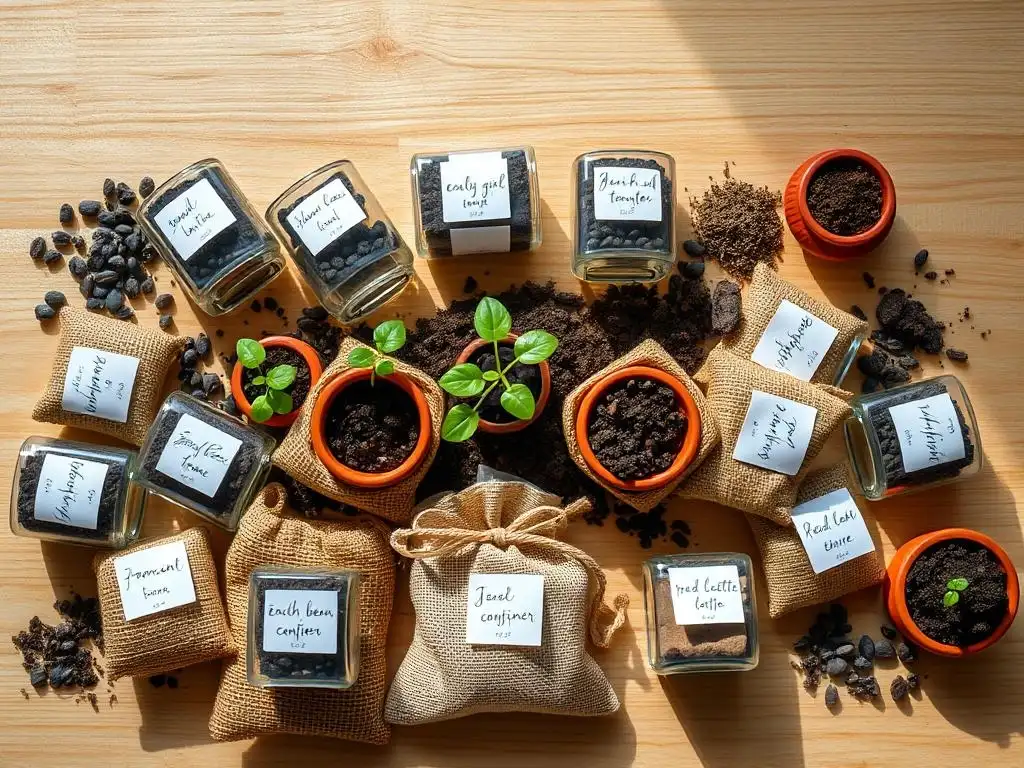
This section delves into the crucial first step of succession planting: securing high-quality seeds. The success of your continuous harvests hinges on the viability and genetic strength of your starting material. A succession planting seed guide wouldn't be complete without addressing this fundamental aspect. Poor quality seeds can lead to stunted growth, reduced yields, and susceptibility to diseases, undermining the entire purpose of your succession planting efforts.
Choosing Reputable Seed Suppliers
Selecting a reputable seed supplier is paramount. Avoid bargain basement options that might offer low prices but compromise on seed quality and germination rates. Look for suppliers with a long-standing reputation, positive customer reviews, and a commitment to providing accurate and detailed seed information. Consider the following factors when evaluating potential suppliers:
- Germination Rate Guarantee: Reputable suppliers often guarantee a minimum germination rate. This indicates their confidence in the quality of their seeds. A higher germination rate translates directly to more successful plants and a more bountiful harvest. Look for guarantees exceeding 85%.
- Seed Purity: Ensure the supplier provides information on seed purity, indicating the percentage of the seed packet containing the desired variety, free from weed seeds or other unwanted plant material. Higher purity equates to less weeding and a more efficient growing process.
- Seed Source and Handling: Learn about the supplier's sourcing practices. Do they source seeds locally? Are their seeds treated with chemicals? Understanding the origin and handling of the seeds can help you make informed choices that align with your organic gardening goals.
- Customer Service and Support: A responsive and helpful customer service team is a valuable asset. A good supplier will be readily available to answer your questions and address any concerns you may have.
Consider compiling a list of potential suppliers, comparing their offerings and guarantees before making a purchase. This proactive approach significantly improves your chances of success with your succession planting.
Organic vs. Non-Organic Seeds: Understanding the Differences and Benefits
The choice between organic and non-organic seeds significantly impacts your garden's overall health and the quality of your produce. A key consideration in your succession planting seed guide should be the environmental and health implications of your choices.
Organic seeds are produced without the use of synthetic pesticides, herbicides, or genetically modified organisms (GMOs). Choosing organic seeds supports sustainable agriculture and reduces your exposure to potentially harmful chemicals. The benefits extend beyond the environmental impact:
- Healthier Plants: Organic seeds often result in healthier, more resilient plants, less prone to diseases and pests. This resilience is crucial for maintaining continuous harvests in a succession planting system.
- Nutrient-Rich Produce: Many believe that organically grown produce contains higher levels of essential nutrients. While scientific evidence is still debated, the absence of harmful chemicals is a definite advantage.
- Taste and Flavor: Some gardeners report that organically grown produce has a superior taste and flavor compared to conventionally grown counterparts.
Non-organic seeds, on the other hand, may have been treated with chemicals to enhance germination or protect against diseases. While this can lead to higher germination rates initially, long-term effects on soil health and overall ecosystem balance should be considered.
Heirloom vs. Hybrid Seeds: Choosing the Right Variety for Your Needs
Heirloom and hybrid seeds represent distinct approaches to seed breeding. Understanding the differences is essential for making informed decisions within your succession planting seed guide.
Heirloom seeds are open-pollinated varieties that have been passed down through generations. They are known for their unique characteristics, adaptability, and ability to reproduce true to type.
| Feature | Heirloom Seeds | Hybrid Seeds |
|---|---|---|
| Breeding | Open-pollinated | Cross-pollinated |
| Genetic Stability | High, produces seeds true to parent plant | Low, seeds may not resemble parent plant |
| Adaptability | Often highly adaptable to local climates | May be less adaptable |
| Disease Resistance | Can vary, sometimes lower than hybrids | Often bred for specific disease resistance |
| Yield | Can vary, sometimes lower than hybrids | Often bred for high yields |
Hybrid seeds are the result of cross-pollination between two distinct parent plants. They are often bred for specific traits such as high yield, disease resistance, or uniformity. However, seeds saved from hybrid plants will typically not produce plants identical to the parent.
The best choice – heirloom or hybrid – depends on your individual gardening goals and priorities. Heirlooms offer genetic diversity and adaptability, while hybrids often provide higher yields and disease resistance. For succession planting, a combination of both might be beneficial, leveraging the strengths of each type. Consider your climate, pest pressures, and desired harvest timeline when making your selection.
Seed Saving for Future Succession Planting: A Guide to Saving Your Own Seeds
Saving your own seeds for succession planting offers several advantages. It's a cost-effective way to maintain a continuous harvest, allows you to select for traits you prefer in your plants (like disease resistance or flavor), and contributes to biodiversity by preserving heirloom varieties. However, it's crucial to understand that not all plants produce seeds true to type—meaning the offspring might not perfectly mirror the parent plant.
This is particularly true for hybrid varieties, which are often specifically bred not to reproduce reliably from seed. Open-pollinated varieties, on the other hand, are much better suited for seed saving and will generally produce offspring similar to the parent plant.
Successfully saving seeds requires careful attention to detail throughout the growing season. First, select healthy, vigorous plants that represent the qualities you wish to perpetuate. These plants should show minimal signs of disease or pest damage. Ideally, you should select several plants to increase the genetic diversity of your saved seeds.
Next, allow the fruits or seed pods to fully mature on the plant. Premature harvesting can result in seeds that are not viable. The optimal time for harvesting varies depending on the plant species; some seeds will be ready to harvest when the pods turn brown and dry, while others might require specific cues like the opening of seed pods. Always refer to specific guidelines for each plant type.
Once harvested, seeds need proper cleaning and drying. This process involves removing any remaining fruit pulp or debris and then allowing the seeds to dry thoroughly in a cool, dry, and well-ventilated area. Proper drying prevents mold and ensures seed viability. Store your seeds in airtight containers in a cool, dark, and dry place.
Label each container clearly with the plant variety and the harvest date. Proper storage is crucial for maintaining seed viability over time; seeds stored under ideal conditions can retain viability for several years, though this varies considerably depending on the species. Regularly check your seed storage for signs of damage or infestation.
Remember that seed saving is a learning process. Don't be discouraged if your first attempts aren't perfect. With practice and patience, you'll become proficient at saving your own seeds, ensuring a continuous supply for your succession planting efforts and contributing to the preservation of plant diversity. Consider joining a local seed saving group or online community to share knowledge and experiences with other gardeners.
This collaborative approach can accelerate your learning curve and help you avoid common pitfalls. The rewards of saving your own seeds are plentiful—from cost savings to improved plant quality and the satisfaction of contributing to a more resilient and diverse food system. 🌱
Troubleshooting Common Succession Planting Challenges
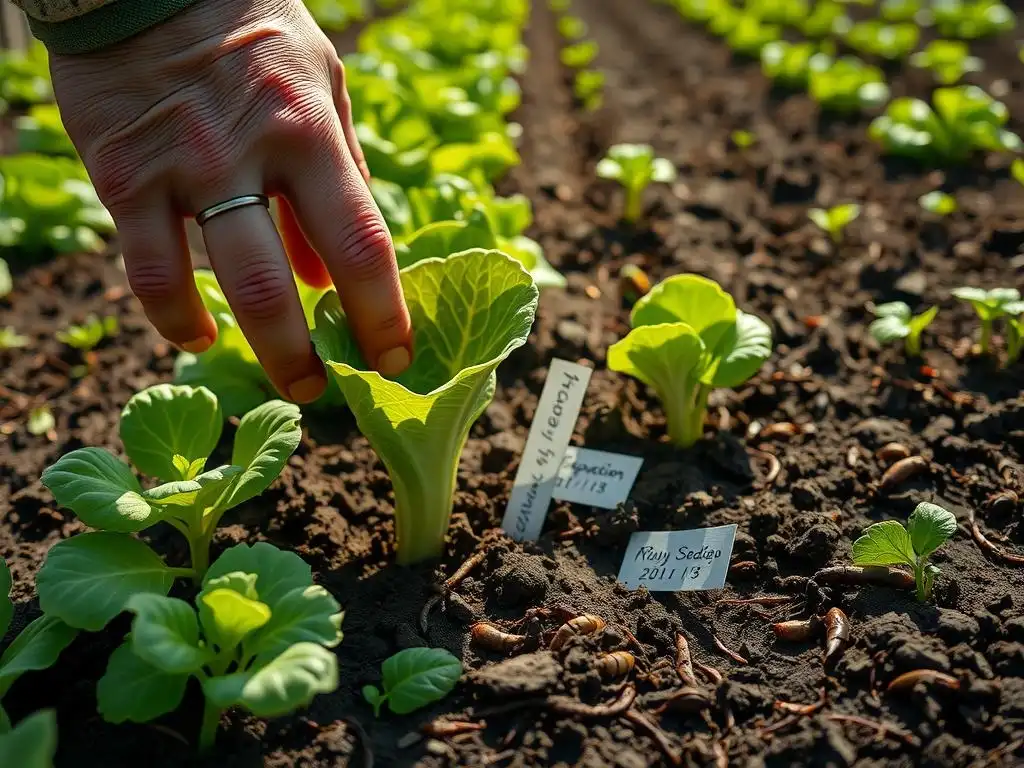
Succession planting, while rewarding, presents unique challenges. This section focuses on addressing common issues and providing practical solutions to ensure a successful and bountiful harvest throughout the growing season. Mastering these techniques will elevate your gardening skills and help you achieve the continuous harvests you desire, maximizing your "succession planting seed guide" knowledge.
Dealing with Pests and Diseases in Succession Planting: Organic Solutions
Continuous cropping increases the risk of pest and disease buildup. However, organic methods can effectively mitigate these issues. Rotating crops is crucial; avoid planting the same family of plants in the same location consecutively. For example, if you planted tomatoes one season, avoid planting peppers or eggplants in that same spot the following succession planting cycle. This minimizes the build-up of soilborne pathogens and pests specific to those plant families.
Another effective strategy is companion planting. Certain plants repel pests or attract beneficial insects. For instance, basil planted near tomatoes can deter tomato hornworms, while marigolds can repel nematodes. Research companion planting combinations suitable for your chosen crops to leverage this natural pest control method.
Regular monitoring is key. Early detection of pests or diseases allows for prompt intervention, preventing widespread damage. Employ organic pest control methods like insecticidal soap, neem oil, or diatomaceous earth. These are readily available and effective against many common garden pests while being gentler on beneficial insects and the environment. Remember to always follow the instructions on the product label carefully.
Managing Soil Fertility for Continuous Harvesting: Composting and Soil Amendments
Succession planting demands consistent soil fertility. Continuous harvesting depletes soil nutrients, so replenishing them is vital. Composting is a cornerstone of sustainable gardening and a crucial component of any effective "succession planting seed guide." By composting kitchen scraps, yard waste, and other organic materials, you create a nutrient-rich amendment that improves soil structure, water retention, and microbial activity.
Beyond composting, consider soil amendments tailored to your specific crops' needs. Soil tests can help determine nutrient deficiencies. Amendments like aged manure, bone meal, or rock phosphate can provide essential nutrients. For instance, if your soil is lacking in nitrogen (crucial for leafy greens), adding composted manure can greatly benefit successive plantings of lettuce or spinach. The key is to build healthy soil that can sustain continuous harvests without relying on synthetic fertilizers. This approach aligns perfectly with organic and sustainable gardening practices.
Adjusting Your Planting Schedule Based on Weather Conditions: Flexibility is Key
Weather variability is a significant factor influencing succession planting success. A rigid planting schedule is often unrealistic. Flexibility is paramount. Monitor weather forecasts closely, particularly for periods of extreme heat, cold, drought, or excessive rainfall. Adjust your planting schedule accordingly. For instance, if a heatwave is predicted, delay planting heat-sensitive crops like lettuce until cooler temperatures return. Conversely, if an early frost is anticipated, consider planting frost-tolerant varieties or implementing protective measures like row covers.
Consider microclimates within your garden. Certain areas might receive more sun or be better sheltered from wind. This knowledge allows you to strategically plant different crops based on their specific needs and the prevailing weather conditions. A well-thought-out succession planting schedule, combined with careful observation and adaptability, will significantly increase your chances of a successful and continuous harvest. This adaptability is a crucial element of a comprehensive "succession planting seed guide."
Optimizing Water Management for Succession Planting: Consistent Moisture is Crucial
Maintaining consistent soil moisture is paramount for successful succession planting. Fluctuations in watering can stress young seedlings and hinder the growth of established plants, leading to uneven harvests and reduced yields. Overwatering, particularly in poorly drained soil, can lead to root rot, a devastating problem for young plants just beginning to establish themselves. Conversely, underwatering causes wilting, stunted growth, and reduced fruit or vegetable production. The ideal watering technique depends on several factors, including soil type, climate, and the specific plants being grown.
For example, sandy soils drain quickly, requiring more frequent watering than clay soils, which retain moisture longer. In hot, dry climates, more frequent watering is necessary, while cooler, humid areas may require less. Consider using a moisture meter to check soil moisture levels before watering, especially for plants with specific water requirements. This prevents both overwatering and underwatering, ensuring consistent moisture for optimal plant growth.
Drip irrigation or soaker hoses are excellent choices for succession planting, as they deliver water directly to the roots, minimizing water waste and reducing the risk of fungal diseases that thrive in consistently wet foliage. Mulching around plants helps retain soil moisture, reducing the frequency of watering and suppressing weed growth, another important aspect of successful succession planting. Remember to adjust your watering schedule based on weather conditions; increased rainfall may necessitate reducing watering frequency, while prolonged periods of heat and sunshine will require more frequent irrigation.
Careful observation of your plants is key; drooping leaves often indicate a need for water, while overly lush growth may suggest overwatering. By paying close attention to your plants' needs and adapting your watering strategy accordingly, you can ensure consistent moisture and achieve a bountiful harvest from your succession planting efforts. This precise control over watering is a critical element in maximizing the success of your succession planting strategy, ensuring a continuous supply of fresh produce throughout the growing season.
Maximizing Your Harvest with Succession Planting Techniques
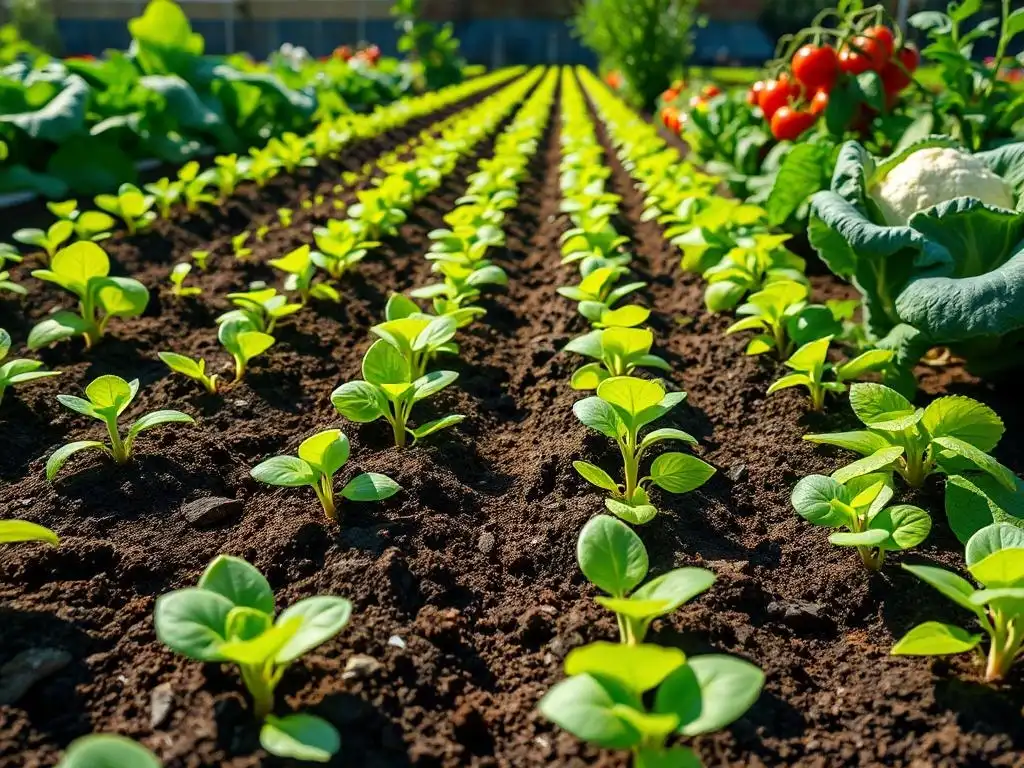
Succession planting, a cornerstone of sustainable gardening, allows for continuous harvests throughout the growing season. By strategically planting crops at intervals, you can enjoy fresh produce consistently, maximizing your yield and minimizing waste. This section delves into specific techniques to optimize your succession planting efforts and achieve bountiful harvests. A well-planned succession planting schedule, coupled with careful seed selection, is key to a successful and productive garden. This "Succession planting seed guide" will help you master this technique.
Intercropping and Companion Planting for Enhanced Growth
Intercropping and companion planting are powerful tools within the context of succession planting. Intercropping involves planting different crops in the same space simultaneously, while companion planting focuses on pairing specific plants to benefit each other. For example, planting fast-growing lettuce between rows of slower-growing tomatoes utilizes space efficiently and provides ground cover to suppress weeds. Similarly, basil planted near tomatoes is said to repel certain pests and improve tomato flavor. Careful planning is crucial; understanding the growth habits and maturity times of each plant is essential to avoid competition for resources.
Here's a table illustrating some successful intercropping combinations:
| Main Crop | Intercrop | Benefits |
|---|---|---|
| Tomatoes | Lettuce, Basil | Shade for lettuce, pest control, space use |
| Carrots | Radishes | Radishes mature quickly, leaving space for carrots |
| Beans | Corn | Beans fix nitrogen, corn provides support |
| Broccoli | Spinach | Spinach matures quickly, uses space efficiently |
Remember to consider the spacing needs of each plant to ensure optimal growth for all. Proper spacing is crucial for healthy plants and a successful harvest. Overcrowding can lead to disease and reduced yields, undermining the benefits of succession planting.
Using Row Covers and Other Protective Measures to Extend the Season
Extending the growing season is a crucial aspect of maximizing your harvest through succession planting. Row covers, also known as floating row covers, act as a mini-greenhouse, protecting seedlings from frost, pests, and harsh weather conditions. They allow sunlight and water to penetrate while providing a barrier against the elements. This allows you to start seeds earlier in the spring and extend the season later into the fall, significantly increasing your harvest window. Using row covers effectively extends the period suitable for succession planting, giving you more opportunities to plant and harvest.
Other protective measures include using cold frames or greenhouses for even more protection, particularly in colder climates. These structures create a more controlled environment, allowing you to grow heat-loving plants earlier and extend the growing season further. Understanding the microclimate of your garden and employing appropriate protective measures can significantly impact the success of your succession planting strategy. Careful consideration of these factors is crucial for a successful and productive garden.
Harvesting Techniques for Optimal Yield and Quality: Tips and Tricks
Harvesting at the optimal time is crucial for maximizing yield and quality. For example, harvesting lettuce before it bolts (goes to seed) ensures tender leaves. Similarly, harvesting beans regularly encourages continuous production. Regular harvesting prevents over-ripening and reduces the risk of pest infestation. Different crops require different harvesting techniques; some are best harvested at a specific stage of maturity, while others can be harvested over a longer period.
Here are some key considerations:
- Regular Harvesting: Frequent harvesting, even if it means smaller yields per harvest, often stimulates the plant to produce more.
- Proper Tools: Using sharp tools prevents damage to the plants.
- Timing: Harvesting at the right time maximizes flavor and nutrient content. This varies depending on the specific crop.
- Storage: Proper storage extends the shelf life of your harvest.
By employing these techniques, you can significantly improve the quality and quantity of your harvest, making succession planting a truly rewarding gardening experience. This "Succession planting seed guide" will help you achieve a continuous and abundant harvest throughout the growing season. Remember to research the specific needs of each plant you choose to include in your succession planting plan.
Resources for Successful Succession Planting
This section delves into the valuable resources available to support your journey into the rewarding world of succession planting. From expert-written guides to thriving online communities, we'll equip you with the tools to maximize your harvests and enjoy fresh produce all season long. Mastering succession planting requires careful planning and consistent effort, and these resources will prove invaluable in your endeavor. Remember, a well-informed gardener is a successful gardener!
Recommended Books on Seed Starting and Succession Planting
Choosing the right seeds is only half the battle. Understanding the nuances of seed starting and the intricacies of succession planting schedules is crucial for success. Here are a few highly recommended books that offer comprehensive guidance and valuable insights:
- "Seed to Seed: The Gardener's Guide to Saving Vegetable Seeds" by Suzanne Ashworth: This book is a bible for seed savers, providing detailed instructions on how to collect, clean, and store seeds from your own garden. This is particularly relevant for succession planting as it allows you to continue the cycle year after year, selecting for varieties that thrive in your specific climate and soil conditions. It's a fantastic resource for building your own seed bank tailored to your succession planting needs.
- "The Vegetable Gardener's Bible" by Edward C. Smith: While not exclusively focused on succession planting, this comprehensive guide offers extensive information on vegetable cultivation, including detailed planting schedules and advice on extending the harvest season – essential knowledge for any serious succession planter. The book covers various aspects of vegetable gardening, making it a valuable companion throughout the growing season.
- "Square Foot Gardening" by Mel Bartholomew: This book promotes a highly efficient and space-saving gardening method that is particularly well-suited for succession planting. By maximizing space utilization, you can plant more crops and achieve a greater density of planting, leading to more frequent harvests. The book's emphasis on optimizing space is a key advantage for gardeners with limited areas.
Online Resources and Communities for Gardeners
The digital age offers a wealth of information for gardeners. Online forums, blogs, and websites provide a platform for sharing experiences, asking questions, and learning from fellow gardening enthusiasts. Connecting with other gardeners is invaluable, particularly when tackling the complexities of succession planting.
- Online Forums: Numerous online gardening forums provide a space for gardeners to connect and share their knowledge and experiences. These forums are often categorized by plant type or region, allowing you to find experts specifically focused on your local climate and the plants you're growing. Participating actively in these communities can provide answers to specific questions and offer valuable insights from experienced succession planters. You can often find advice on seed selection, planting schedules, and troubleshooting common problems.
- Gardening Blogs and Websites: Many reputable websites and blogs dedicated to gardening offer detailed articles and tutorials on succession planting. These resources often provide practical tips and tricks, based on real-world experience, helping you navigate the challenges and reap the rewards of this technique. Look for blogs with a focus on sustainable and organic gardening practices, aligning with the ethos of
CultivateYourFood. - Social Media Groups: Social media platforms like Facebook and Instagram host numerous gardening groups where you can connect with other gardeners, share photos of your progress, and ask questions. These groups often foster a vibrant community, providing a supportive network for gardeners of all experience levels. The visual aspect of these platforms can also be particularly helpful in identifying plant diseases or pests, ensuring a healthy harvest.
Remember, consistent learning and community engagement are key ingredients for successful succession planting. Utilize these resources to enhance your gardening skills and enjoy a continuous bounty of fresh, homegrown produce throughout the growing season. 🌱
Frequently Asked Questions
What is succession planting?
Succession planting is a gardening technique where you plant crops in stages throughout the growing season. This ensures a continuous harvest of your favorite fruits, vegetables, and herbs, rather than a single large harvest all at once. It's all about timing and planning.
Why is a succession planting seed guide helpful?
A succession planting seed guide provides a schedule and list of suitable seeds for your region and climate. This helps you plan when to sow which crops to maintain a consistent supply of fresh produce. It streamlines the planning process and maximizes your yield.
What factors should I consider when choosing seeds for succession planting?
Consider your local climate and growing season, the maturity time of each crop, and the space available in your garden. You'll also need to think about your personal preferences and what you want to harvest throughout the year.
How often should I plant seeds in succession?
The frequency depends on the specific crop's growth cycle and your desired harvest frequency. Some crops, like lettuce, can be planted every two to three weeks for a continuous supply. Others, like tomatoes, require more spacing between plantings. Check your seed packet instructions for guidance.
Are there specific seeds particularly well-suited for succession planting?
Yes! Fast-growing crops like lettuce, radishes, and spinach are excellent choices for succession planting. Other good options include herbs like basil and cilantro, which can be planted multiple times throughout the growing season. Consult a succession planting seed guide for a comprehensive list.
Final Reflection: The Enduring Harvest of Succession Planting
The practice of succession planting isn't merely a gardening technique; it's a philosophy of abundance, ensuring a continuous flow of fresh, homegrown produce throughout the growing season. This approach, once considered the domain of experienced gardeners, is now more vital than ever, as concerns about food security and sustainable living grow. We are witnessing a renewed interest in self-sufficiency, and understanding the principles of succession planting is a crucial step towards achieving it.
The impact of succession planting extends far beyond the immediate harvest; it cultivates a deeper connection with the natural world and fosters a sense of mindful stewardship. It teaches patience, observation, and a profound appreciation for the cyclical nature of life. The glory of gardening: hands in the dirt, head in the sun, heart with nature. To nurture a garden is to feed not just the body, but the soul.
This quote perfectly encapsulates the holistic benefits of this practice, extending beyond the simple act of growing food. It's about nurturing a relationship with the earth and reaping the rewards of a more sustainable lifestyle.
Now, consider your own garden, or even a single pot on your balcony. What seeds will you choose to sow next? Embrace the challenge of succession planting; plan your harvests, experiment with different varieties, and savor the continuous bounty that awaits. Let the rhythm of planting, growing, and harvesting become a source of joy and self-reliance, connecting you to the earth and enriching your life in ways you may never have imagined. The harvest is not just about the food; it's about the journey, the learning, and the enduring satisfaction of nurturing life itself.
Unleash the Power of Continuous Harvest!
Thank you for exploring the world of succession planting! You've learned how to enjoy fresh produce all season long. Ready to put this knowledge into action?
- Start your succession planting journey today! Choose a few vegetables to begin with—perhaps tomatoes, zucchini, and lettuce—plan their planting schedule, and get those seeds in the ground (or started indoors).
- Share your experience! Tell us which vegetables you selected and why. Let's build a thriving community of succession gardeners.
- Explore different companion planting options to maximize your yield and improve the health of your plants.
What delicious, continuous harvest are you most excited to grow this year?