
Heavy Metal Soil Testing: Protecting Your Family and Garden from Contamination

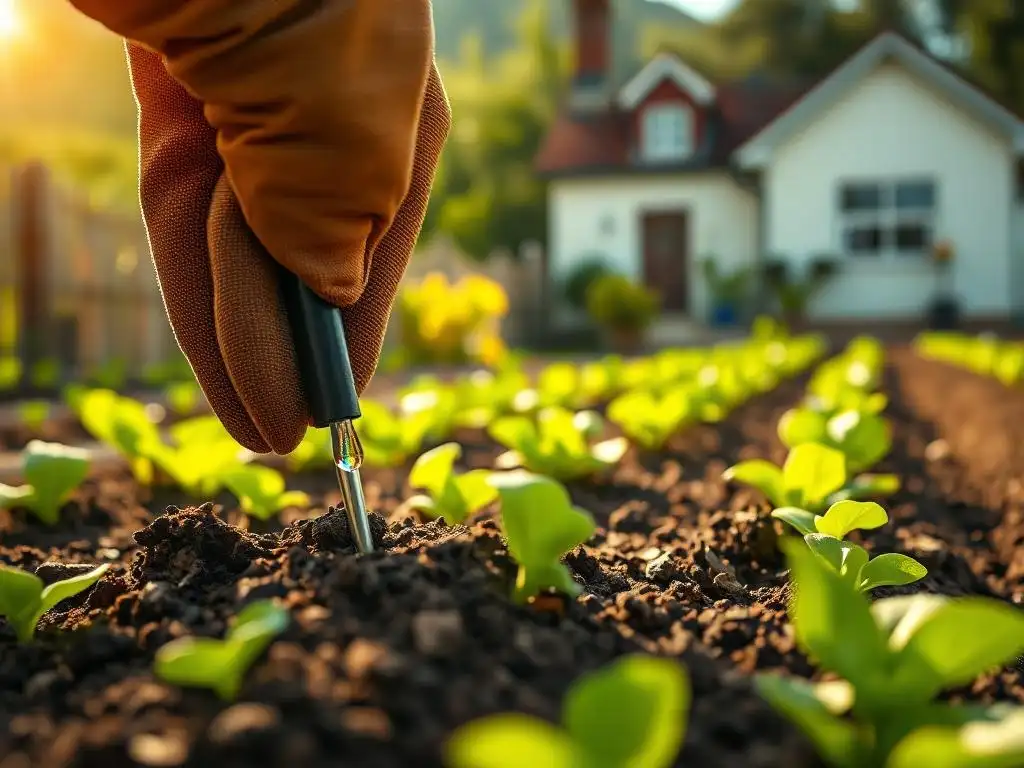
Welcome to CultivateYourFood, your guide to growing a thriving and healthy garden using sustainable methods. Are you concerned about hidden dangers lurking beneath the surface of your soil? Learn how heavy metal soil testing can safeguard your family and ensure the fruits of your labor are truly clean and safe to eat. Discover the simple steps to protect your home garden and cultivate abundant, nutritious produce – let's get started!
- Understanding Heavy Metal Contamination in Your Home Garden
- Testing Your Soil for Heavy Metals: A Comprehensive Guide
- Decontaminating Your Soil: Effective Strategies for Heavy Metal Remediation
- Protecting Your Family and Garden from Future Contamination
- The Best Soil Testing Kits and Services for Heavy Metal Detection in 2024
- FAQs about Heavy Metal Soil Testing for Home Gardens
-
Frequently Asked Questions
- What is a heavy metal soil test and why is it important for my home garden?
- How can heavy metals get into my garden soil?
- What are the symptoms of heavy metal contamination in my garden plants?
- How can I perform a heavy metal soil test at home?
- What should I do if my soil test reveals heavy metal contamination?
- Final Reflection: Cultivating a Healthy Future, One Soil Test at a Time
- Take Charge: Protect Your Garden's Health Today!
Understanding Heavy Metal Contamination in Your Home Garden
Heavy metal contamination in soil poses a significant threat to the health of your family and the vitality of your home garden. This is a critical concern for those dedicated to organic and sustainable growing practices, as heavy metals can accumulate in the soil over time, impacting plant health and potentially entering the food chain. This article will guide you through understanding the sources of heavy metal contamination, recognizing the associated risks, and learning how to protect your garden and family using reliable heavy metal soil testing methods.
Choosing the right soil test is crucial for detecting these invisible threats and ensuring the safety and productivity of your homegrown produce. Understanding the results of a heavy metal soil test is vital for taking appropriate remediation steps and safeguarding your garden's ecosystem.
This detailed guide will equip you with the knowledge necessary to make informed decisions about your soil health and the safety of your food. Let's delve into the specifics of identifying and mitigating heavy metal contamination in your home garden.
Identifying Sources of Heavy Metal Contamination in Soil
Heavy metals, unlike organic pollutants, don't break down naturally. Once in the soil, they persist, accumulating over time and posing long-term risks. Several factors contribute to heavy metal contamination, and understanding these sources is the first step towards effective mitigation.
Lead Paint Chips and Industrial Runoff near your garden
Lead, a particularly dangerous heavy metal, can leach into the soil from old lead-based paint chips, especially common in older homes. Similarly, industrial runoff from nearby factories or manufacturing plants can introduce various heavy metals, such as cadmium, arsenic, and mercury, into the soil through contaminated water or airborne particulate matter. The proximity of your garden to these sources significantly increases the risk of contamination.
Regular visual inspections of your garden's surroundings and awareness of nearby industrial activity are essential. For example, a nearby factory that historically used lead in its processes might have contaminated the surrounding soil, even if the factory is no longer operational.
Historical Land Use and Previous Industrial Activities
The history of your land plays a crucial role. Previous industrial activities, even decades ago, can leave a lasting legacy of heavy metal contamination. Old mines, smelters, or even gas stations can leave behind significant levels of heavy metals in the soil. Before purchasing or developing a garden plot, researching the historical land use is crucial. Local government archives and historical land records can provide valuable insights into potential contamination risks. Failing to investigate this aspect can lead to unknowingly cultivating contaminated soil.
Contaminated Water Sources: Irrigation and Runoff
Irrigation water can be a significant vector for heavy metal contamination. If your water source is contaminated with heavy metals, either from natural geological sources or industrial pollution, irrigation will introduce these contaminants directly into your garden soil. Similarly, runoff from roads treated with de-icing salts containing heavy metals can carry these pollutants into your garden. Testing your irrigation water for heavy metal content is as important as testing your soil. Understanding the source of your irrigation water is a crucial step in preventing heavy metal contamination.
Recognizing the Dangers of Heavy Metal Soil Contamination
The presence of heavy metals in your garden soil presents multiple dangers, impacting both the environment and your family's health.
Health Risks Associated with Heavy Metal Ingestion (e.g., Lead, Arsenic, Cadmium)
Heavy metals are non-biodegradable and accumulate in the food chain. Consuming produce grown in contaminated soil can lead to heavy metal ingestion, resulting in various health problems. Lead, for instance, can cause developmental problems in children, while arsenic is linked to various cancers. Cadmium can damage the kidneys and bones.
The severity of the health risks depends on the concentration of heavy metals, the frequency of consumption, and the individual's susceptibility. Regular heavy metal soil testing is crucial to prevent potential health issues. The long-term effects of heavy metal exposure can be devastating, highlighting the importance of proactive soil management.
Impact on Plant Growth and Yield: Nutrient Uptake and Toxicity
Heavy metals interfere with plant nutrient uptake, leading to stunted growth and reduced yields. They can also cause chlorosis (yellowing of leaves) and other visible symptoms of toxicity. Even if the heavy metal concentration is not high enough to directly pose a health risk to humans, it can still significantly impact the productivity of your garden. This reduction in yield directly translates to economic losses for home gardeners. Understanding the impact on plant health is crucial for maintaining a productive and healthy garden.
Environmental Concerns: Soil Degradation and Water Pollution
Heavy metal contamination degrades soil health, impacting its overall structure and fertility. It can also leach into groundwater, contaminating water sources and harming aquatic ecosystems. The long-term environmental consequences of heavy metal contamination extend beyond the immediate garden area, highlighting the importance of responsible soil management and remediation efforts. Protecting the environment is crucial for sustainable gardening practices. The interconnectedness of soil, water, and plant health underscores the need for comprehensive soil testing and remediation.
Testing Your Soil for Heavy Metals: A Comprehensive Guide
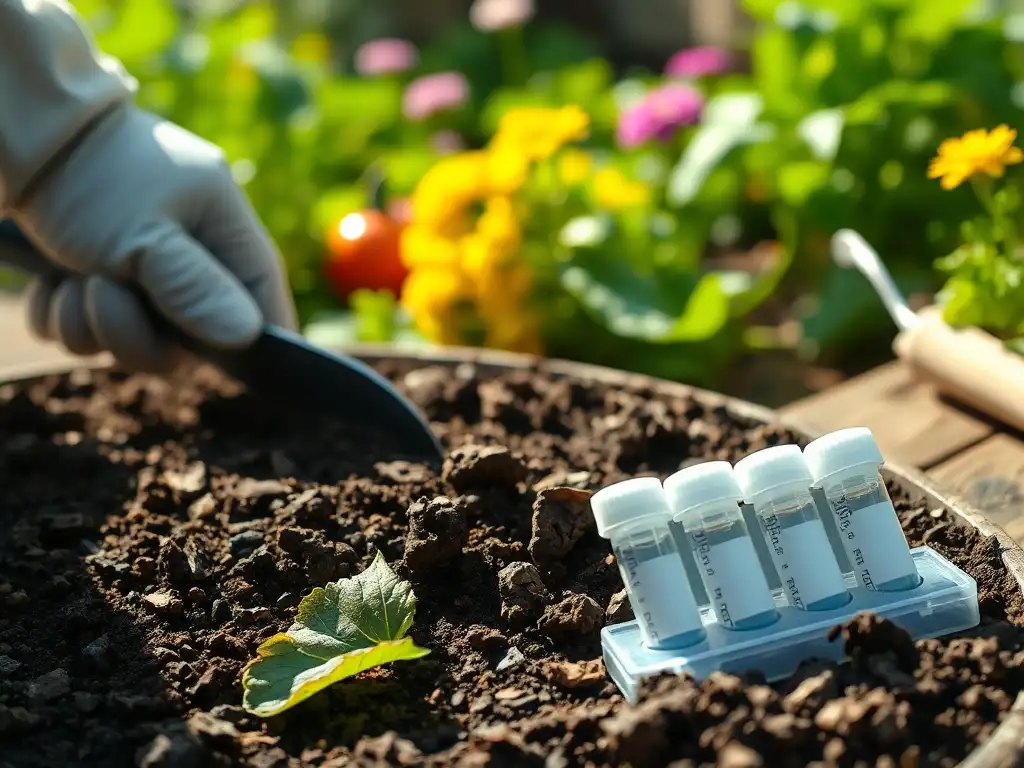
Heavy metal contamination in soil poses a significant threat to the health of your plants and, ultimately, your family. A heavy metal soil test home garden approach is crucial for ensuring the safety and productivity of your growing space. This section explores the methods available for testing your soil for heavy metals, highlighting the advantages and disadvantages of each. Understanding the results is just as important as conducting the test itself, allowing you to take appropriate action to remediate any contamination.
The presence of heavy metals like lead (Pb), cadmium (Cd), arsenic (As), and mercury (Hg) can severely impact plant growth, leading to reduced yields and potentially toxic produce. Ignoring this crucial step can have long-term consequences for both your garden and your well-being. Let's dive into the available testing options.
DIY Heavy Metal Soil Testing Kits: Pros and Cons
Do-it-yourself heavy metal soil testing kits offer a convenient and relatively inexpensive way to assess heavy metal levels in your soil. These kits typically involve collecting a soil sample, following the instructions provided, and interpreting the results. However, it's crucial to understand their limitations.
Interpreting Results from DIY Heavy Metal Soil Tests: What to Look For
DIY kits often use colorimetric methods or simple chemical reactions to indicate the presence of heavy metals. While these can give a general idea of contamination, they lack the precision and accuracy of professional laboratory tests. Results are usually presented as a visual comparison to a color chart, indicating low, medium, or high levels of contamination.
It's vital to understand that these are estimations. A "low" reading doesn't necessarily mean your soil is completely free of heavy metals; it simply suggests the levels are below the kit's detection threshold. Conversely, a "high" reading warrants further investigation with a professional lab test for precise quantification and identification of specific heavy metals.
Pay close attention to the kit's instructions and any provided reference materials to accurately interpret your results. Consider repeating the test with multiple samples from different areas of your garden for a more comprehensive assessment. Remember, a positive result from a DIY kit should prompt you to seek professional soil testing for confirmation and detailed analysis.
Professional Soil Testing Labs: Accuracy and Reliability
Professional soil testing laboratories provide a far more accurate and detailed analysis of heavy metal content compared to DIY kits. These labs employ sophisticated techniques like atomic absorption spectroscopy (AAS) or inductively coupled plasma mass spectrometry (ICP-MS) to precisely measure the concentration of various heavy metals in your soil sample. This level of precision is essential for making informed decisions about remediation strategies. The cost is higher than DIY kits, but the accuracy and comprehensive information provided justifies the investment, particularly if you suspect significant contamination or plan to grow food for consumption.
Sending Soil Samples to a Certified Lab: Understanding Professional Lab Reports: Interpreting Data and Recommendations
When sending samples to a certified lab, follow their instructions carefully regarding sample collection, packaging, and labeling. This ensures the integrity of your sample and the accuracy of the results. Lab reports typically include a detailed breakdown of heavy metal concentrations (e.g., ppm or mg/kg) for various elements, along with a comparison to established safety thresholds for your intended use (e.g., vegetable gardening).
The report may also include recommendations for remediation, such as soil amendment strategies or phytoremediation techniques. Understanding these recommendations is crucial for effectively addressing any heavy metal contamination and ensuring the safety of your garden and family. Don't hesitate to contact the lab if you have any questions about the report or its implications.
A professional's guidance will help you make informed decisions about the best course of action. Remember, proactive soil testing is key to ensuring a healthy and productive home garden free from harmful heavy metals.
Choosing the Right Heavy Metal Soil Test for Your Needs: Home Garden vs. Large-Scale Farming
Choosing the appropriate heavy metal soil test hinges significantly on the scale of your operation. A home gardener's needs differ vastly from those of a large-scale farmer. Home gardens, typically smaller and focused on personal consumption, require a different level of detail and testing frequency than commercial farms supplying a wider market.
For the home gardener focused on a "heavy metal soil test home garden" approach, a simpler, less expensive test focusing on a few key heavy metals like lead (Pb), cadmium (Cd), and arsenic (As) is usually sufficient. These are the most common heavy metals found in garden soil that pose significant risks to human health through the consumption of homegrown produce. A comprehensive test covering a wider range of metals might be unnecessarily complex and costly.
The goal is to identify potential contamination levels, not necessarily pinpoint every trace element present. Many at-home test kits cater specifically to this need, offering straightforward results easily interpreted by the average gardener. These kits often provide clear recommendations on remediation strategies if contamination is detected.
Large-scale farming, however, demands a far more rigorous and extensive approach. Commercial farms need to test for a much wider range of heavy metals, including those that might not directly impact human health but could affect crop yields or soil health in the long term. The sheer volume of land involved requires multiple testing points to obtain a representative sample.
Furthermore, regulatory requirements often dictate the type and frequency of testing needed, along with specific reporting standards. These farms typically utilize professional soil testing laboratories equipped to handle large sample volumes and provide detailed analytical reports. The cost per test might be higher, but the comprehensive data obtained is crucial for compliance and informed decision-making related to crop production and environmental responsibility.
The level of detail provided in these reports allows for targeted remediation efforts, optimizing resource allocation and ensuring the safety and quality of produce. This difference in scale necessitates a significantly different approach to testing, highlighting the importance of choosing a test tailored to the specific needs and resources of the operation.
Decontaminating Your Soil: Effective Strategies for Heavy Metal Remediation
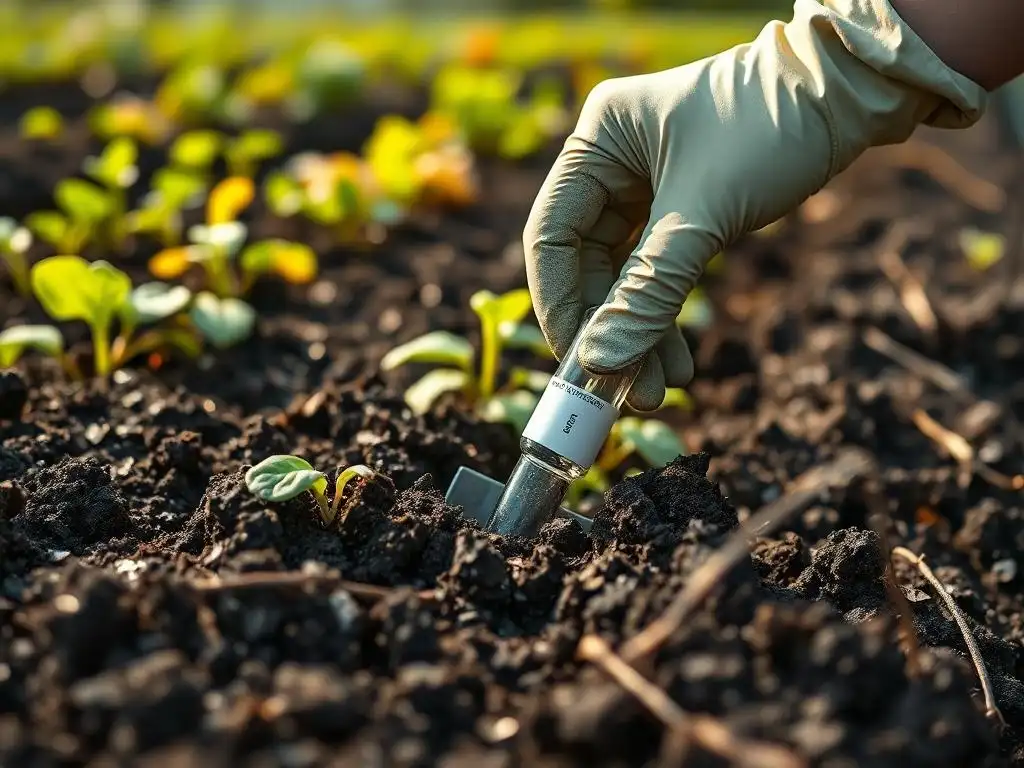
Heavy metal contamination in your home garden is a serious concern, impacting plant health and potentially posing risks to your family's well-being. A positive result from your heavy metal soil test home garden kit necessitates immediate action. Fortunately, several remediation strategies can help reduce heavy metal levels and improve soil quality.
These methods are not always mutually exclusive; a combined approach often yields the best results. Remember that the most effective strategy will depend on the specific heavy metals present, their concentration, and your garden's characteristics. Always prioritize safety when handling potentially contaminated soil and follow instructions carefully for any remediation products you use.
Phytoremediation: Using Plants to Absorb Heavy Metals
Phytoremediation leverages the natural ability of certain plants, known as hyperaccumulators, to absorb and concentrate heavy metals from the soil. These plants effectively act as natural filters, drawing the metals from the soil into their tissues. This method is environmentally friendly and can be a cost-effective approach for relatively low levels of contamination. Suitable hyperaccumulators vary depending on the specific heavy metal; some plants are effective at absorbing lead, while others excel at removing cadmium or arsenic. Careful selection of the appropriate plant species is crucial for successful phytoremediation.
Effectiveness and Limitations of Phytoremediation
The effectiveness of phytoremediation depends on several factors, including the plant species chosen, the concentration of heavy metals, soil characteristics (pH, texture), and climate conditions. While it's a sustainable method, it's generally slow, requiring several growing seasons to achieve significant reductions in heavy metal levels. Furthermore, phytoremediation may not be suitable for high levels of contamination, and the harvested plants must be disposed of carefully to prevent the release of the absorbed metals back into the environment.
This often involves incineration or safe landfill disposal – procedures that require additional resources and planning. Careful monitoring of soil heavy metal levels is essential to assess the remediation's progress and determine if supplemental techniques are needed.
Soil Amendment Techniques: Improving Soil Structure and Reducing Metal Bioavailability
Modifying soil properties can significantly reduce the bioavailability of heavy metals, meaning less is available for plant uptake. This is achieved by enhancing soil structure and creating conditions that limit metal solubility.
Composting and Organic Matter Addition: Benefits and Implementation
Adding organic matter, such as compost, significantly improves soil structure, aeration, and water retention. The organic matter binds to heavy metal ions, reducing their mobility and bioavailability. This process is particularly effective when combined with other remediation techniques.
Aim for a consistent addition of compost over several years to gradually improve soil health and reduce heavy metal uptake by plants. Regular soil testing is crucial to monitor the effectiveness of this approach. For example, a garden with consistently high levels of lead might see a decrease in plant-available lead after the introduction of a robust composting program, but this needs to be verified with repeated testing.
Using Chelating Agents: Binding Heavy Metals for Removal
Chelating agents are specialized chemicals that bind to heavy metals, forming stable complexes that are less readily available for plant uptake. These agents can be applied to the soil to immobilize heavy metals, making them less harmful. However, the selection and application of chelating agents require careful consideration, as some agents can be harmful to beneficial soil microorganisms or plants if not used correctly.
Professional guidance is often recommended when employing chelating agents in heavy metal remediation, as improper use can lead to unexpected consequences. The choice of chelating agent will depend on the specific heavy metal(s) present and must be carefully selected to ensure effectiveness and minimize environmental impact. Always follow manufacturer instructions meticulously when using chelating agents.
Remember, a proactive approach to soil health is key. Regular *heavy metal soil test home garden* analysis, coupled with appropriate remediation strategies, will safeguard your family and ensure a thriving, productive garden.
Soil Replacement: A Last Resort for Severely Contaminated Soil
Soil replacement is a drastic measure, employed only when heavy metal contamination reaches dangerously high levels and other remediation techniques prove insufficient. It involves completely removing the contaminated topsoil and replacing it with clean, uncontaminated soil. This is a labor-intensive and costly process, requiring significant effort and resources. The depth of soil removal depends on the extent of contamination; a shallow layer might suffice for surface contamination, while deeply rooted contamination necessitates digging much deeper.
This process is best suited for smaller garden areas, as replacing soil across a large area becomes economically and physically impractical. Before undertaking soil replacement, it's crucial to conduct thorough soil testing to determine the exact extent of contamination and the volume of soil needing replacement. Furthermore, proper disposal of the contaminated soil is vital to prevent environmental pollution. This often involves contacting local waste management authorities to arrange for safe and compliant disposal at a designated hazardous waste facility.
Failing to do so could lead to legal ramifications and further environmental harm. The process can also disrupt existing beneficial soil microorganisms and organic matter, potentially delaying the establishment of a healthy garden ecosystem. Therefore, introducing beneficial microbes and enriching the new soil with compost is crucial for restoring soil health after replacement.
Choosing Suitable Replacement Soil: Considerations for Your Garden
Selecting the right replacement soil is paramount for the success of your remediation efforts and the long-term health of your garden. The ideal replacement soil should be free from heavy metal contamination, possess optimal drainage and aeration properties, and provide the necessary nutrients for plant growth. Consider the specific needs of the plants you intend to cultivate. For instance, plants requiring well-drained soil might benefit from a soil mix with a higher sand content, while those thriving in moisture-retentive conditions might necessitate a higher clay content.
Prioritize organically certified soils whenever possible to avoid introducing additional chemicals or contaminants. Furthermore, the pH level of the replacement soil should be appropriate for your chosen plants. Testing the pH before and after replacement is strongly recommended to ensure the suitability of the new soil. Remember to also consider the cost; high-quality soil can be expensive, particularly in large quantities.
Balancing cost-effectiveness with soil quality is key to making an informed decision. Sourcing locally produced soil can reduce transportation costs and support local businesses, while also minimizing the environmental impact associated with long-distance shipping. Finally, factor in the ease of handling and application. Choosing a soil that’s easy to spread and work with will significantly simplify the replacement process.
Protecting Your Family and Garden from Future Contamination
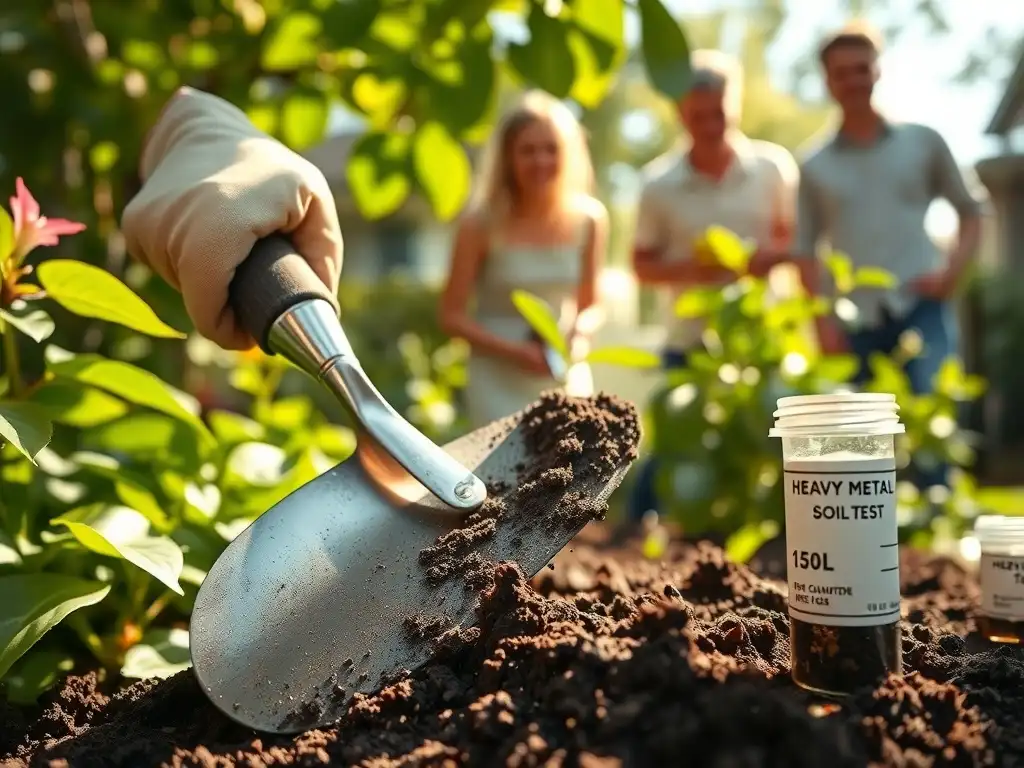
Protecting your family and your homegrown produce from heavy metal contamination requires a proactive and multifaceted approach. Simply testing your soil isn't enough; you need to implement strategies to prevent future contamination and minimize exposure. This involves careful consideration of several key areas, from your water source to your gardening techniques. Regular monitoring and informed choices are crucial for ensuring the long-term health and safety of your garden and your family. This section focuses on preventative measures to maintain a safe and healthy growing environment, complementing the results of your initial heavy metal soil test home garden analysis.
Preventing Heavy Metal Contamination: Best Practices for Sustainable Gardening
Sustainable and organic gardening practices are your best defense against heavy metal accumulation in your soil. Conventional farming methods, often relying on synthetic fertilizers and pesticides, can inadvertently introduce heavy metals into the soil. By contrast, organic approaches prioritize soil health and minimize the use of potentially harmful chemicals.
This includes:
- Composting: Properly managed composting breaks down organic matter, enriching the soil with essential nutrients and improving its structure. However, be mindful of what you compost; avoid adding materials that may contain heavy metals, such as treated lumber or certain types of industrial waste.
- Cover Cropping: Planting cover crops helps improve soil structure, prevent erosion, and suppress weeds. Certain cover crops, like legumes, can also fix nitrogen in the soil, reducing the need for synthetic fertilizers.
- Crop Rotation: Rotating your crops annually helps to prevent the depletion of specific nutrients and reduces the build-up of soilborne pests and diseases. This can indirectly help manage heavy metal uptake by plants.
- Mulching: Organic mulches, such as wood chips or straw, help to retain soil moisture, suppress weeds, and regulate soil temperature. They also act as a barrier, reducing the risk of heavy metal contamination from airborne sources.
Choosing Safe Gardening Practices: Organic Gardening and Sustainable Farming
Embracing organic gardening methods significantly reduces the risk of heavy metal contamination. This philosophy prioritizes soil health, biodiversity, and the responsible use of resources. By avoiding synthetic fertilizers and pesticides, you drastically minimize the introduction of potentially harmful chemicals into your soil. Furthermore, focusing on building healthy soil through composting and cover cropping enhances the soil's ability to naturally filter and bind heavy metals. The long-term benefits extend beyond heavy metal reduction, leading to healthier plants, richer harvests, and a more sustainable ecosystem within your garden.
Safe Water Sources for Irrigation: Avoiding Contaminated Water
The water you use to irrigate your garden can be a significant source of heavy metal contamination. Avoid using water from sources that may be contaminated, such as runoff from roads or industrial areas. If you're using well water, have it tested regularly for heavy metals. Rainwater harvesting is an excellent sustainable alternative, providing a naturally clean and free source of irrigation water. Always check your local regulations regarding water usage for your garden.
Selecting Heavy Metal-Resistant Plant Varieties
Certain plant species exhibit a higher tolerance to heavy metals than others. Researching and choosing varieties known for their ability to thrive in potentially contaminated soil can help minimize the uptake of heavy metals into your edible plants. While no plant is completely immune, selecting resistant varieties can significantly reduce the risk of heavy metal accumulation in your harvest. More specific information on heavy metal-resistant plants is pending.
Regular Soil Testing: Monitoring Heavy Metal Levels Over Time
Regular soil testing is not just a one-time event; it's an ongoing process. Repeated testing allows you to monitor changes in heavy metal levels over time, providing valuable insights into the effectiveness of your preventative measures. This data-driven approach enables you to adjust your practices as needed, ensuring the long-term health and safety of your garden. Consistent monitoring is key to maintaining a safe and productive growing environment.
Consider testing annually, or more frequently if you suspect contamination. Remember to utilize a reputable soil testing laboratory specializing in heavy metal analysis for accurate and reliable results. This proactive approach ensures the safety of your family and the continued success of your home garden.
The Best Soil Testing Kits and Services for Heavy Metal Detection in 2024
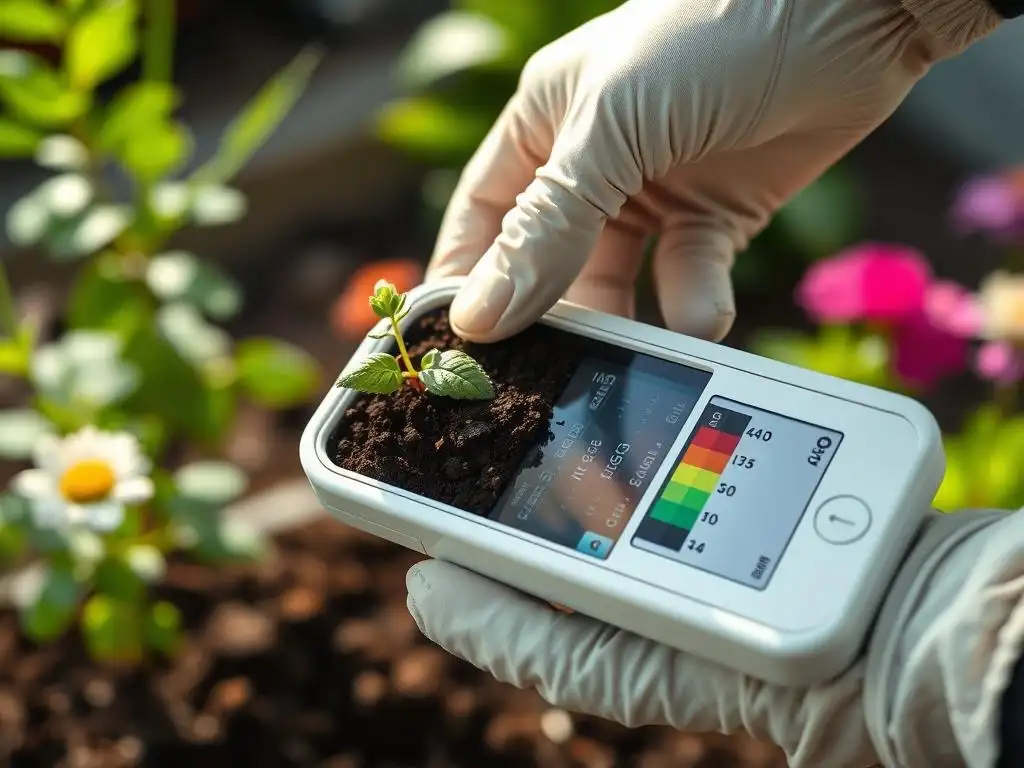
This section focuses on identifying reliable methods for detecting heavy metal contamination in your home garden soil. Knowing your soil's composition is crucial for growing healthy, safe produce. Heavy metal contamination can pose serious health risks if ingested through contaminated fruits, vegetables, or herbs. Therefore, choosing the right testing method is paramount for protecting your family and ensuring a bountiful, safe harvest. This information is especially important for those searching for "heavy metal soil test home garden" solutions.
Top 3 Heavy Metal Soil Testing Kits for Home Gardeners
Choosing a home soil testing kit for heavy metal detection requires careful consideration. Accuracy, ease of use, and the range of heavy metals tested are key factors. While no home kit can offer the comprehensive analysis of a professional lab, these kits provide a valuable first step for assessing potential contamination.
Here are three top contenders for 2024, keeping in mind that specific product availability and features may change:
| Kit Name | Pros | Cons | Metals Typically Tested | Price Range (USD) |
|---|---|---|---|---|
| [Kit Name 1 - Placeholder] | Easy-to-follow instructions, quick results, affordable. | May not detect all heavy metals, limited sensitivity. | Lead (Pb), Cadmium (Cd), Arsenic (As) | $20 - $40 |
| [Kit Name 2 - Placeholder] | Broad range of heavy metals detected, relatively accurate results. | More complex testing procedure, higher cost. | Lead (Pb), Cadmium (Cd), Arsenic (As), Mercury (Hg), Chromium (Cr) | $50 - $80 |
| [Kit Name 3 - Placeholder] | User-friendly interface, detailed instructions, good customer support. | Less comprehensive than some lab tests; may require multiple tests. | Lead (Pb), Cadmium (Cd) | $30 - $60 |
Important Note: Results from home kits should be considered preliminary. For definitive results and comprehensive heavy metal profiling, professional laboratory testing is recommended. Always follow the kit's instructions carefully for accurate results. Remember, even seemingly minor levels of heavy metal contamination can accumulate over time, impacting plant health and food safety.
Leading Professional Soil Testing Labs for Heavy Metal Analysis
Professional soil testing labs offer the most accurate and comprehensive heavy metal analysis. They utilize sophisticated equipment and techniques to detect a wider range of heavy metals at much lower concentrations than home kits. This is crucial for identifying even low levels of contamination that could still pose a health risk. The process typically involves sending a soil sample to the lab for analysis.
When selecting a professional lab, consider the following:
- Accreditation: Look for labs accredited by relevant organizations, ensuring adherence to quality standards and reliable results.
- Range of Metals Tested: Choose a lab that tests for the specific heavy metals you're concerned about (e.g., lead, cadmium, arsenic, mercury).
- Turnaround Time: Inquire about the lab's typical turnaround time for results.
- Cost: Prices vary depending on the number of metals tested and the complexity of the analysis.
Finding a reputable lab might require some research. Look for recommendations from local agricultural extension offices or experienced gardeners in your area. Professional testing, while more expensive than home kits, provides the peace of mind necessary to ensure the safety of your homegrown produce. It’s a valuable investment in the health of your family and garden. This is especially important when considering the long-term implications of growing food in potentially contaminated soil. 🌱
FAQs about Heavy Metal Soil Testing for Home Gardens
This section addresses frequently asked questions regarding heavy metal soil testing specifically for home gardens. Understanding heavy metal contamination is crucial for ensuring the safety of your produce and protecting your family's health. Regular testing is a key component of sustainable and organic gardening practices.
What are the most common heavy metals found in home gardens?
Several heavy metals can contaminate home garden soil, posing risks to plant health and human consumption. The most common culprits include:
- Lead (Pb): Often found in older paints, gasoline, and industrial emissions, lead can persist in the soil for extended periods. Lead contamination is particularly concerning near roads or older buildings.
- Arsenic (As): This metalloid can originate from pesticides, treated lumber, and industrial pollution. Arsenic can accumulate in the soil and be absorbed by plants.
- Cadmium (Cd): Frequently associated with fertilizers, sewage sludge, and industrial waste, cadmium is highly toxic and readily absorbed by plant roots.
- Mercury (Hg): While less common in garden soil, mercury can enter through atmospheric deposition from industrial sources or the improper disposal of mercury-containing products.
- Copper (Cu): While copper is an essential micronutrient for plants, excessive amounts can be toxic. Over-application of copper-based fungicides is a common cause of copper buildup.
The levels of these heavy metals vary widely depending on location, soil type, and historical land use. For example, gardens located near busy roads or industrial areas are at a significantly higher risk of lead and cadmium contamination than those in more rural settings. Older homes may also contribute to higher lead levels in surrounding soil. Understanding your garden's history and surrounding environment is crucial in assessing the potential for heavy metal contamination.
How often should I test my soil for heavy metals?
The frequency of heavy metal soil testing depends on several factors, including your garden's history, location, and the types of plants you grow. There's no single universally applicable answer, but here's a guideline:
- New Gardens or Gardens with Unknown History: Testing should be done before planting to establish a baseline. This is especially important if the garden's history is unknown or if the land has been previously used for industrial purposes.
- Gardens Near Potential Sources of Contamination: Regular testing (every 1-3 years) is recommended for gardens located near busy roads, industrial areas, or former industrial sites. This proactive approach helps monitor contamination levels and allows for timely intervention.
- Gardens with Existing Contamination: If heavy metal contamination is detected, more frequent testing (annually or even semi-annually) may be necessary to track the effectiveness of remediation efforts.
- Organic Gardens: Organic gardeners should prioritize regular testing as they are often more sensitive to soil health issues and aim to avoid any harmful substances.
Remember, consistent monitoring is key. Even if your initial test results are within acceptable limits, regular testing helps identify emerging problems before they escalate. This proactive approach ensures the long-term health of your garden and the safety of your food.
What are the legal limits for heavy metals in garden soil?
Legal limits for heavy metals in garden soil vary significantly depending on location and governing regulations. These limits are often set by local, state, or national environmental agencies. There's no single international standard. Furthermore, the legal limits often differ based on the specific heavy metal and the intended use of the land. For example, limits for residential gardens might be less stringent than those for agricultural land used for commercial food production.
To determine the applicable legal limits for your area, you should consult your local environmental protection agency or agricultural extension office. They can provide guidance on the specific regulations and acceptable levels of heavy metals in garden soil within your jurisdiction. It is crucial to understand these limits to ensure compliance and protect your family from potential health risks.
Remember that even if your soil falls within legal limits, exceeding recommended levels can still pose health risks, especially with long-term exposure. Therefore, aiming for levels below legal limits is a best practice. Always prioritize the health and safety of your family and the environment.
What should I do if I find high levels of heavy metals in my soil?
Discovering elevated heavy metal levels in your home garden soil can be alarming, but it's crucial to act responsibly and effectively. The first step is not to panic. Many factors influence heavy metal accumulation, including proximity to industrial areas, historical land use, and even the type of parent material from which your soil formed. A single test might not be entirely conclusive; consider repeating the test using a different reputable lab or kit to ensure accuracy. This helps rule out any potential errors in the initial testing process. Remember, soil testing kits may vary in their accuracy and sensitivity.
Once you've confirmed elevated heavy metal levels, the next step involves determining the severity of the contamination. Different metals pose varying risks, and the concentration is key. For example, a slightly elevated lead level might require a different approach than a significantly high level of arsenic. Consult with your local agricultural extension office or a soil scientist. They can provide tailored advice based on your specific results and local regulations. They can also help interpret the results in the context of your specific plants and your family's potential exposure. This expert guidance is invaluable in developing a remediation plan.
Remediation strategies vary greatly depending on the type and level of contamination. For less severe contamination, you might consider soil amendments like compost, which can help bind heavy metals and reduce their bioavailability to plants. Phytoremediation, using specific plants known to absorb heavy metals, is another option. These plants can then be safely harvested and disposed of, reducing the metal concentration in the soil. However, this is a long-term process and requires careful consideration of the plants' suitability and potential risks.
In cases of severe contamination, more drastic measures may be necessary. This could include removing the contaminated soil entirely and replacing it with clean topsoil. This is a labor-intensive process, but it's often the most effective way to ensure the safety of your garden and family. Proper disposal of the contaminated soil is crucial, as it needs to be handled according to local environmental regulations to prevent further contamination.
You'll likely need to contact your local waste management authorities for guidance on safe disposal procedures. They can inform you of the appropriate disposal sites and methods. Remember, improper disposal could lead to environmental harm.
Finally, regardless of the remediation strategy chosen, regular monitoring is essential. Conduct follow-up soil tests after implementing any remediation measures to track their effectiveness and ensure the heavy metal levels remain within safe limits for your garden and family. This ongoing monitoring provides valuable data to assess the long-term success of your remediation efforts and make necessary adjustments along the way. Regular testing allows for proactive management and protects your investment in a healthy and productive garden. 🌱
Frequently Asked Questions
What is a heavy metal soil test and why is it important for my home garden?
A heavy metal soil test analyzes your soil for the presence of toxic metals like lead, arsenic, and cadmium. It's crucial because these metals can contaminate your crops, posing a health risk to you and your family if ingested. Protecting your family's health is paramount.
How can heavy metals get into my garden soil?
Heavy metals can enter your soil through various sources, including industrial pollution, contaminated water, lead-based paint, and the use of certain fertilizers or pesticides. Understanding these sources can help you mitigate future contamination.
What are the symptoms of heavy metal contamination in my garden plants?
Visible symptoms can be subtle and vary depending on the metal and plant. However, stunted growth, chlorosis (yellowing of leaves), and necrosis (tissue death) can indicate a problem. A soil test is the best way to confirm contamination.
How can I perform a heavy metal soil test at home?
While some DIY kits exist, they may not be as accurate as professional lab tests. For reliable results, consider sending a soil sample to a reputable soil testing laboratory. They offer comprehensive analyses and tailored recommendations.
What should I do if my soil test reveals heavy metal contamination?
If heavy metal contamination is detected, you'll need to take remediation steps. These might involve removing contaminated soil, using phytoremediation (plants that absorb heavy metals), or amending the soil with specific materials to reduce metal bioavailability. Consult with a soil specialist for personalized advice.
Final Reflection: Cultivating a Healthy Future, One Soil Test at a Time
The alarming prevalence of heavy metal contamination in home gardens demands immediate attention; the health of our families and the environment hinges on our proactive response. Ignoring this silent threat is not an option; our gardens, intended as havens of nourishment and beauty, can become unwitting sources of toxicity if left unchecked. Understanding the risks and taking control through regular testing is crucial for safeguarding our well-being.
The impact of heavy metal contamination extends far beyond the immediate consequences of consuming contaminated produce. It represents a broader societal challenge, highlighting the interconnectedness of industrial practices, environmental stewardship, and public health. The earth provides enough to satisfy every man's needs but not every man's greed.
- Mahatma Gandhi. This quote underscores the responsibility we bear in ensuring sustainable practices that prevent further contamination and protect future generations from the legacy of past negligence. The knowledge gained from understanding heavy metal soil testing empowers us to make informed decisions, fostering a deeper connection with the land that sustains us.
You now possess the knowledge to take charge of your garden's health and, by extension, your family's well-being. Don't let the potential for heavy metal contamination remain a hidden threat. Take the initiative: order a soil test today, learn about remediation options if necessary, and become an active participant in creating a healthier, safer environment for yourself and those you love. The future of our gardens, and our health, depends on it.
Take Charge: Protect Your Garden's Health Today!
Thanks for learning about heavy metal soil testing and protecting your family's health. You've gained valuable knowledge about potential soil contaminants and their impact. Now it's time to put that knowledge into action!
- Prioritize a soil test: A comprehensive soil analysis from a reputable laboratory is crucial for assessing your soil's health and identifying any heavy metal contamination. This is the first step to a healthier garden.
- Share your findings: Discuss your test results with a local agricultural extension agent or experienced gardener. Online forums dedicated to sustainable gardening can also provide valuable insights and support in making informed decisions about your soil.
- Explore natural remediation: Research and implement environmentally-friendly methods to improve your soil health. This might involve using natural soil amendments to reduce heavy metal concentrations.
Ready to transform your garden into a safe and thriving haven for your family? What's your next step towards a healthier growing environment?