
Identifying HighQuality Seeds: What to Look For Before You Buy

Ready to transform your backyard into a thriving oasis of flavor? At CultivateYourFood, we empower you to grow your own delicious and healthy fruits, vegetables, and herbs using sustainable methods. But with so many options available, choosing the right seeds is crucial. Discover the secrets to a bountiful harvest by exploring our guide on the Best organic seeds to buy, and unlock the potential of your own homegrown garden. Let's get growing!
- Understanding the Importance of High-Quality Organic Seeds for Your Garden
- Key Factors to Consider When Choosing the Best Organic Seeds to Buy
- Sourcing High-Quality Organic Seeds: Where to Buy the Best
- Identifying High-Quality Organic Seeds: Visual Inspection and Packaging
- Common Mistakes to Avoid When Buying Organic Seeds
- Choosing the Best Organic Seeds to Buy for Specific Crops
- Maximizing Your Success with High-Quality Organic Seeds
- Conclusion: Investing in the Best Organic Seeds for a Bountiful Harvest
- Frequently Asked Questions
- Final Reflection: Sowing the Seeds of a Bountiful Future
- Unleash Your Inner Gardener: Sow the Seeds of Success!
Understanding the Importance of High-Quality Organic Seeds for Your Garden
Choosing the right seeds is the cornerstone of a thriving, organic home garden. This isn't just about getting plants to grow; it's about nurturing healthy, vibrant produce that's bursting with flavor and packed with nutrients. Selecting high-quality organic seeds ensures a strong foundation for your gardening efforts, influencing everything from germination rates and plant vigor to the final yield and overall health of your crops.
This guide will help you navigate the world of seed selection, empowering you to make informed choices that maximize your harvest and minimize potential problems down the line. We'll explore what constitutes a superior seed, helping you discover the best organic seeds to buy and cultivate a bountiful, sustainable garden. Ultimately, investing in quality seeds translates to a more rewarding and successful gardening experience, leading to healthier plants and a more abundant harvest.
Why Choosing the Best Organic Seeds Matters for Successful Gardening
The journey to a successful harvest begins long before you even put a shovel in the ground. The quality of your seeds directly impacts the health and productivity of your plants. Organic seeds, grown without synthetic pesticides or fertilizers, contribute to a healthier ecosystem in your garden. They are less likely to carry diseases or pests, reducing the need for harmful chemical interventions. Furthermore, organic seeds often exhibit greater genetic diversity, leading to more resilient plants better adapted to various growing conditions.
This resilience translates to higher yields, even in challenging environments. Consider the difference: a robust, disease-resistant plant grown from a high-quality organic seed versus a weaker, more susceptible plant from a lower-quality seed. The difference in time, effort, and ultimately, yield, can be substantial. Choosing the best organic seeds to buy is an investment in the long-term health and success of your garden. 🌱
The Impact of Seed Quality on Yield and Plant Health
High-quality seeds germinate faster and more reliably than lower-quality seeds. This early advantage translates to a head start for your plants, allowing them to establish strong root systems and begin photosynthesizing sooner. A strong start means healthier plants, better able to withstand stress from pests, diseases, and environmental fluctuations. The impact on yield is significant. High-quality seeds produce plants with more robust fruiting or flowering capabilities, resulting in a larger and higher-quality harvest.
Conversely, poor-quality seeds might result in stunted growth, reduced yield, or even complete crop failure. Think of it like this: a strong foundation leads to a strong structure. Similarly, a high-quality seed leads to a strong, healthy plant capable of producing a bountiful harvest. The data clearly shows a correlation between seed quality and yield – investing in premium seeds directly increases your chances of a successful and abundant harvest. 📊
Saving Money Long-Term with Superior Seed Selection
While premium organic seeds might have a slightly higher upfront cost, the long-term savings are undeniable. The increased germination rate and plant vigor reduce the need for replanting, saving you both time and money. Healthier plants are less susceptible to diseases and pests, minimizing the need for expensive treatments or replacements. A larger, higher-quality harvest means more produce for your table, reducing reliance on purchased food.
This translates to substantial savings over the entire growing season. Therefore, while the initial investment might seem higher, the return on investment in terms of time, resources, and ultimately, the abundance of your harvest, makes choosing the best organic seeds to buy a fiscally sound decision. 💰
Key Factors to Consider When Choosing the Best Organic Seeds to Buy
This section delves into the crucial aspects to assess when selecting high-quality organic seeds for your home garden. Choosing the right seeds is paramount for a successful harvest, ensuring healthy plants and abundant yields. Remember, investing in superior seeds translates directly into a more bountiful and rewarding gardening experience. Let's explore the key factors that determine the quality and viability of your organic seeds.
Germination Rate: A Critical Indicator of Seed Quality
The germination rate represents the percentage of seeds within a packet that successfully sprout under ideal conditions. A high germination rate is a cornerstone of seed quality. Look for seed packets that clearly state their germination rate – ideally, it should be above 85%. Lower rates suggest potential issues with seed viability or storage.
Consider this example: Two seed packets of heirloom tomatoes are offered. Packet A boasts a 92% germination rate, while Packet B only guarantees 70%. Choosing Packet A significantly increases your chances of a successful planting, minimizing wasted time, effort, and resources. Always prioritize seeds with a demonstrably high germination rate, especially when planting limited quantities or dealing with less common varieties. Furthermore, understanding the conditions under which the germination rate was tested can provide additional insight. Was it tested under optimal laboratory conditions or in a more realistic environment? The latter offers a more accurate prediction of your success.
Seed Purity and Avoiding Cross-Pollination Issues
Seed purity is another essential factor. Organic certification ensures the seeds are free from genetically modified organisms (GMOs) and have been grown without the use of harmful pesticides or herbicides. However, it's also crucial to consider the purity in terms of varietal integrity. Cross-pollination can occur when different varieties of the same plant species are grown close together, leading to hybrid seeds in the next generation. This can result in unpredictable plant characteristics and potentially reduce yield or alter the desired traits of your chosen variety.
To mitigate cross-pollination risks, consider the following:
- Spatial separation: Maintain adequate distance between different varieties, especially for open-pollinated plants. The required distance varies depending on the plant species; detailed information can often be found on the seed packet or through online resources.
- Timing: Plant different varieties at staggered times to minimize the overlap of their flowering periods.
- Isolation: If you're aiming for exceptionally pure seed saving, consider isolating specific plants by using physical barriers or planting them in separate areas entirely.
Understanding these risks and taking preventative measures ensures the integrity of your seeds and the consistency of your future harvests. Choosing reputable seed suppliers known for their strict quality control practices further reduces the likelihood of encountering cross-pollination issues.
Seed Viability and its Relation to Storage and Handling
Seed viability refers to a seed's capacity to germinate and grow into a healthy plant. Several factors influence seed viability, with storage and handling being paramount. Improper storage can lead to decreased germination rates and reduced vigor.
Here's a table summarizing optimal storage conditions for seeds:
| Seed Type | Optimal Storage Temperature (°C) | Optimal Storage Humidity (%) | Expected Viability (Years) |
|---|---|---|---|
| Leafy Greens | 4-5 | 30-40 | 1-2 |
| Root Vegetables | 4-5 | 30-40 | 2-3 |
| Tomatoes | 4-5 | 30-40 | 3-5 |
| Peppers | 4-5 | 30-40 | 3-5 |
| Herbs (most) | 4-5 | 30-40 | 2-3 |
Proper handling is equally important. Avoid exposing seeds to excessive heat, moisture, or direct sunlight. Store seeds in airtight containers in a cool, dry, and dark place. Always check the "best before" or "expiration" date on the seed packet and prioritize using seeds within their recommended timeframe for optimal germination rates. Remember, even with proper storage, seed viability gradually declines over time. Regularly rotating your seed stock ensures you're always working with the freshest, most viable seeds. 🌱
Choosing Seeds Suitable for Your Climate and Growing Zone
Selecting seeds appropriate for your specific climate and growing zone is paramount for successful cultivation. Ignoring this crucial step can lead to disappointing yields, or even complete crop failure. Different plants have varying tolerances for temperature, sunlight, and humidity. For example, tomatoes thrive in warm, sunny conditions, while lettuce prefers cooler temperatures and partial shade. Planting heat-loving tomatoes in a short growing season with frequent frosts is a recipe for disaster. Similarly, attempting to grow tropical fruits like mangoes in a cold climate will likely be unsuccessful.
To determine your growing zone, you can use online resources or refer to gardening guides specific to your region. These resources typically provide maps outlining different zones based on average minimum winter temperatures. Understanding your zone allows you to choose seeds that are specifically adapted to your local conditions, increasing your chances of a bountiful harvest.
Look for seed packets that clearly indicate the recommended growing zones. Many reputable seed companies provide detailed information on their websites about the suitability of their seeds for different climates. This information may include details about the plant's cold hardiness, heat tolerance, and preferred sunlight exposure.
Beyond growing zones, consider your microclimate. Even within a single growing zone, variations in sunlight, wind exposure, and soil drainage can significantly impact plant growth. A north-facing garden will receive less sunlight than a south-facing one. A consistently windy location might require windbreaks to protect delicate plants.
Understanding these microclimatic factors will allow you to select seeds that will thrive in the specific conditions of your garden. For example, if you have a particularly shady area, you might choose leafy greens that tolerate low light conditions, while sun-loving herbs might be better suited to a more exposed part of your garden. Careful consideration of these factors is key to achieving optimal results when growing your own organic produce. Remember, choosing the right seeds is the foundation of a successful harvest.
Sourcing High-Quality Organic Seeds: Where to Buy the Best
Finding the best organic seeds to buy is crucial for a successful and bountiful harvest. Your choice of seed supplier significantly impacts the quality, germination rate, and overall health of your plants. This section explores the best avenues for sourcing high-quality organic seeds, ensuring you get the most out of your gardening efforts. Remember, investing in superior seeds is an investment in a healthier and more productive garden.
Reputable Seed Companies Offering the Best Organic Seeds
Several established seed companies are renowned for their commitment to providing high-quality, certified organic seeds. These companies often employ rigorous testing and quality control measures, guaranteeing high germination rates and disease resistance. Look for companies with a long history of organic seed production and positive customer reviews. Consider factors such as seed variety selection, packaging, and clear labeling indicating organic certification (like USDA Organic). A reputable company will also provide detailed information about each seed variety, including growing instructions, planting times, and expected yields.
Choosing a reputable company reduces the risk of purchasing seeds that are mislabeled, low in germination rate, or sourced unsustainably. It's also important to check for certifications beyond "organic," such as those focusing on non-GMO seeds or specific regional adaptation. For example, some companies specialize in heirloom varieties, offering seeds that have been passed down through generations, preserving genetic diversity. This contributes to resilient and flavorful crops. Careful selection of your seed supplier is a cornerstone of successful organic gardening.
Local Seed Suppliers and the Benefits of Supporting Local Businesses
Supporting local seed suppliers offers numerous advantages beyond simply obtaining high-quality organic seeds. These businesses often source seeds specifically adapted to your region's climate and soil conditions, increasing the chances of successful germination and growth. Buying local also promotes sustainable agricultural practices within your community and fosters a connection with fellow gardeners. You can often find unique heirloom varieties and get personalized advice from knowledgeable staff. Moreover, purchasing from local suppliers reduces transportation emissions, contributing to a more environmentally friendly gardening experience.
Think of the potential benefits: increased access to locally adapted varieties, reduced environmental impact, and the chance to build relationships with your local agricultural community. This collaborative approach can lead to valuable knowledge exchange and a stronger sense of community among gardeners. Consider visiting farmers' markets or local nurseries to discover the hidden gems your local seed suppliers might offer. You might even find unique varieties that aren't available from larger companies.
Online Seed Retailers: Finding Reliable Sources for Organic Seeds
While local sources are ideal, the convenience and vast selection offered by online seed retailers can be appealing. However, it's crucial to carefully vet any online retailer before making a purchase. Look for retailers with a strong reputation, positive customer reviews, and clear information about their sourcing and certification processes. Check for secure payment options and transparent shipping policies. Be wary of overly low prices, which can indicate lower quality or mislabeled seeds. Many reputable online seed companies offer a wide variety of organic seeds, often exceeding the selection available locally.
The convenience of online shopping allows access to a wider range of varieties, but it's vital to be discerning. Read reviews carefully, paying attention to comments on germination rates and seed quality. Look for companies that clearly state their organic certification and provide detailed product information. Remember, a reliable online retailer will stand behind the quality of their products and offer excellent customer service. Checking multiple sources and comparing prices before making a purchase will help to ensure you find the best organic seeds to buy at a fair price.
Seed Saving: Preserving Your Favorite Varieties for Future Use
Saving seeds from your best-performing plants is a rewarding aspect of organic gardening, offering cost savings and the chance to cultivate unique heirloom varieties. This practice ensures the continuation of desirable traits like disease resistance, flavor profiles, and adaptability to your specific climate. However, successful seed saving requires careful attention to detail and understanding the specific needs of each plant.
For instance, saving seeds from open-pollinated varieties is straightforward. These plants naturally cross-pollinate, meaning the seeds will generally produce plants true to type. However, it's crucial to isolate them from other similar plants to avoid unwanted cross-pollination. For example, if you're saving seeds from your prized zucchini, ensure it's sufficiently distant from other zucchini varieties to prevent hybrid offspring. A good rule of thumb is to maintain a distance of at least a quarter-mile between different varieties.
Conversely, hybrid seeds, often labeled F1 hybrids, are the product of cross-breeding two distinct parent plants. While F1 hybrids often exhibit superior qualities like high yields or disease resistance, their seeds rarely produce plants with the same characteristics. Saving seeds from F1 hybrids is generally not recommended for maintaining the desired traits. Instead, you should purchase new hybrid seeds each season to ensure you get the intended results.
The process itself varies based on the plant. Some seeds, like those from tomatoes or peppers, are readily accessible within the fruit. Others, like those from sunflowers, require more careful harvesting and drying. Thorough drying is crucial to prevent mold and ensure longevity.
Proper storage in a cool, dry, and dark environment, ideally in airtight containers with desiccant packets, is also essential for seed viability. Understanding the unique needs of each plant species is key to successful seed saving. For example, beans should be fully dried before removing them from the pods, while many flower seeds require careful extraction and cleaning. Proper techniques will ensure that the seeds you save are viable for the next planting season.
Many online resources and gardening books offer detailed guides on seed saving for specific plants. Careful observation and attention to detail are crucial for successful seed saving, allowing you to cultivate your favorite varieties year after year. This practice not only reduces your reliance on commercially produced seeds but also connects you more deeply with the life cycle of your plants.
Identifying High-Quality Organic Seeds: Visual Inspection and Packaging
This section delves into the practical aspects of selecting the best organic seeds to buy, focusing on what you should look for both in the seeds themselves and their packaging. Remember, choosing high-quality seeds is crucial for a successful and bountiful harvest. Investing time in careful selection will significantly improve your chances of growing healthy, vibrant plants.
Checking Seed Appearance: Size, Shape, and Color Consistency
Before even considering the packaging, a visual inspection of the seeds themselves is paramount. High-quality seeds typically exhibit uniformity in size, shape, and color. Look for seeds that are plump and firm, free from blemishes, cracks, or discoloration. Shriveled or oddly shaped seeds often indicate poor viability or damage during processing.
For example, when buying lettuce seeds, you should expect small, uniformly dark brown or black seeds. Significant variations in size or the presence of lighter-colored seeds could signal lower germination rates. Similarly, with tomato seeds, look for uniformly sized, yellowish-brown seeds. Avoid batches with a significant number of smaller or discolored seeds.
Consider this table comparing ideal seed characteristics across different types:
| Vegetable Type | Ideal Seed Appearance | Indicators of Poor Quality |
|---|---|---|
| Lettuce | Small, uniform, dark brown/black | Varying sizes, lighter colors, blemishes |
| Tomato | Uniformly sized, yellowish-brown | Small, shriveled, discolored seeds |
| Cucumber | Small, creamy white, oval | Irregular shapes, discoloration, shriveling |
| Beans | Uniformly sized, smooth, characteristic color | Damaged, broken, discolored, or misshapen |
The presence of debris or other foreign material within the seed packet is another red flag. Cleanliness indicates careful handling and processing, suggesting higher-quality seeds. A high percentage of viable seeds directly translates to more plants and a better yield. Remember, a quick visual assessment can save you time and resources in the long run.
Evaluating Seed Packaging: Information to Look For
The seed packaging itself provides valuable information about the seeds’ origin, quality, and handling. Don't just look at the pretty pictures; scrutinize the details. Reputable seed companies provide detailed information, including:
- Seed variety: The specific cultivar name is essential for knowing what to expect in terms of plant characteristics, growth habit, and yield.
- Germination rate: A high germination rate (e.g., 85% or higher) indicates that a large percentage of the seeds will sprout. Look for this information clearly stated on the packaging.
- Planting instructions: Clear and concise instructions on planting depth, spacing, and other crucial details are vital, especially for beginners.
- Date of packaging: Seeds have a shelf life; older seeds may have reduced germination rates. Choose seeds with a recent packaging date.
- Storage instructions: Proper storage is crucial for maintaining seed viability. The packaging should include recommendations for storing the seeds to preserve their quality.
Missing or vague information on the package should raise concerns about the quality and reliability of the seeds. Always opt for packaging that provides comprehensive and accurate details. This attention to detail shows that the company values the quality of its product and customer satisfaction. A well-informed choice leads to better gardening results.
Understanding Seed Certifications: Organic, Non-GMO, and Heirloom Labels
Choosing the best organic seeds to buy often involves understanding the various certifications and labels. These labels provide assurance about the seed's origin and growing practices.
- Organic Certification: This label indicates that the seeds were produced according to strict organic farming standards, meaning they were grown without synthetic pesticides, herbicides, or fertilizers. Look for certifications from reputable organizations to ensure authenticity. This is paramount if you're aiming for truly organic produce.
- Non-GMO (Non-Genetically Modified): This label guarantees that the seeds are not genetically modified. This is a crucial factor for many gardeners who prefer to avoid genetically engineered crops.
- Heirloom Seeds: Heirloom seeds are open-pollinated varieties that have been passed down through generations. They often exhibit unique characteristics and are well-suited to specific climates and growing conditions. These seeds can be a great choice for preserving biodiversity and unique flavors.
Understanding these certifications is crucial for making informed choices aligned with your gardening philosophy and preferences. These labels provide valuable insights into the seeds' origin and growing practices, allowing you to choose the best fit for your needs. Choosing certified organic seeds contributes to sustainable agriculture and ensures the highest quality for your homegrown produce. 🌱
Common Mistakes to Avoid When Buying Organic Seeds
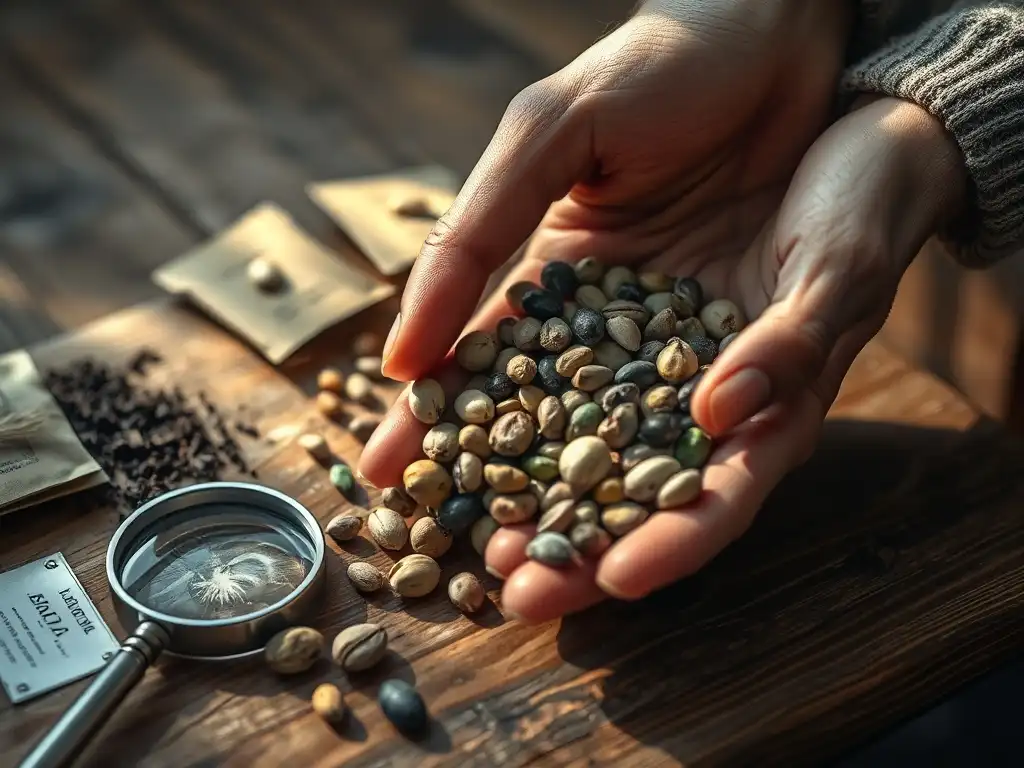
Selecting the best organic seeds to buy requires careful consideration. Many novice gardeners, eager to start their homegrown harvest, fall prey to common pitfalls that can significantly impact their yield. Avoiding these mistakes ensures a successful and rewarding gardening experience.
Falling for Misleading Marketing Claims
The world of organic seeds is brimming with alluring marketing promises. Terms like "super-yielding," "disease-resistant," and "extra-large" are frequently used, but often lack concrete evidence. Don't be swayed solely by flashy packaging or exaggerated claims. Instead, focus on verifiable information. Look for seed packets that provide specific data, such as:
- Germination rate: A high germination rate (typically above 85%) indicates that a significant percentage of the seeds will sprout. Lower rates might mean more seeds are needed, increasing costs and potentially wasting resources.
- Seed viability: This refers to the seed's capacity to germinate and grow into a healthy plant. Look for information on how long the seeds remain viable after packaging. Older seeds often have lower viability.
- Variety description: A detailed description of the plant variety, including its growth habit, maturity time, and specific characteristics, is crucial. This helps you choose seeds suitable for your climate and gardening goals. Avoid vague or overly general descriptions.
For example, a seed packet boasting "giant tomatoes" might not deliver on its promise if it doesn't specify the average fruit size or provide any data to support the claim. Always look for specific measurements and details. The best organic seeds to buy are backed by concrete evidence, not just marketing hype. Remember, a reputable company will clearly state the variety's characteristics and provide data to support their claims.
Ignoring Germination Rates and Seed Viability Information
One of the most crucial aspects often overlooked when buying organic seeds is the germination rate and seed viability. These two factors directly influence your success rate. A low germination rate means you'll need to plant more seeds to achieve your desired number of plants, which can be costly and wasteful. Similarly, low seed viability means even if the seeds germinate, they might not grow into healthy plants.
Consider this example: Two seed packets of the same variety offer different germination rates—one at 80% and the other at 95%. While the difference may seem small, it can significantly impact your results. If you need 100 plants, you'll need to plant approximately 125 seeds with the 80% germination rate packet, but only around 105 with the 95% packet. This translates to a considerable difference in seed cost and effort.
Always prioritize seed packets with high germination rates (ideally above 90%) and clearly stated viability information. This is a key indicator of the quality and freshness of the seeds. Don't hesitate to compare germination rates across different brands and varieties before making your purchase. 🌱
Purchasing Seeds from Unreliable Sources
The source of your seeds is paramount to their quality and your gardening success. Buying from unreliable sources can lead to poor germination rates, low viability, and even the risk of receiving seeds that are not what they claim to be. The best organic seeds to buy are sourced from reputable suppliers who adhere to strict quality control measures.
Here's what to look for when choosing a supplier:
- Certifications: Look for certifications like USDA Organic, which verifies that the seeds were produced according to organic standards.
- Customer reviews: Check online reviews to gauge the experiences of other gardeners. Positive reviews about germination rates and plant health are a good sign.
- Company reputation: Research the company's history and reputation in the gardening community. A long-standing company with a strong track record is more likely to provide high-quality seeds.
- Seed origin information: Reputable companies will provide details about the seed's origin, variety, and growing conditions. This transparency builds trust and ensures you know exactly what you're buying.
Avoid purchasing seeds from unknown online sellers or individuals who lack verifiable information about their products. Prioritizing reliable sources guarantees you're investing in high-quality seeds that will increase your chances of a bountiful harvest. Investing in quality seeds from a trusted source is an investment in your garden's success. 🍅
Choosing the Best Organic Seeds to Buy for Specific Crops
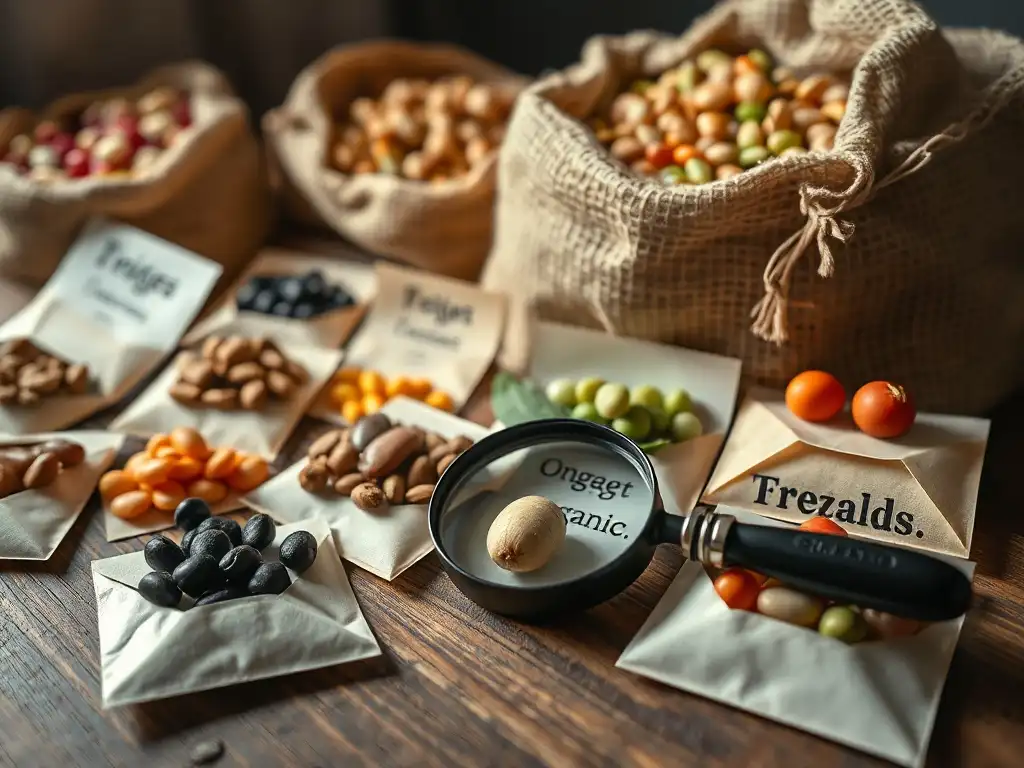
Selecting the best organic seeds isn't just about finding a pretty packet; it's about understanding your needs and choosing seeds specifically suited to your climate, growing conditions, and desired outcome. This involves considering factors beyond just the "organic" label. Many factors contribute to a successful harvest, and seed quality plays a crucial role. Let's dive into choosing the best organic seeds for popular crops.
Selecting High-Quality Tomato Seeds for Abundant Harvests
Tomato seeds, the foundation of juicy, flavorful harvests, demand careful selection. Look for reputable seed companies that clearly state their organic certification process. The USDA Organic seal is a good indicator, but also research the specific company's practices. Consider the variety: heirloom tomatoes often offer unique flavors but may have lower yields than hybrid varieties. Hybrids, while sometimes less flavorful, typically provide more consistent fruit production.
Consider the following when selecting tomato seeds:
- Days to Maturity: Choose varieties that match your growing season. Short-season tomatoes are ideal for cooler climates with shorter summers.
- Disease Resistance: Look for varieties resistant to common tomato diseases like blight and fusarium wilt. This will significantly reduce the need for chemical interventions, aligning perfectly with sustainable gardening practices.
- Seed Germination Rate: A high germination rate ensures more seedlings, leading to a larger and more bountiful harvest. Reputable companies often provide this information on their packaging.
- Plant Size: Consider the space you have available. Compact or determinate varieties are suitable for smaller gardens, while indeterminate varieties can grow quite large.
Here's a table comparing two popular organic tomato varieties:
| Feature | Brand X Heirloom Tomato | Brand Y Hybrid Tomato |
|---|---|---|
| Days to Maturity | 75 days | 60 days |
| Disease Resistance | Moderate | High |
| Plant Size | Indeterminate | Determinate |
| Average Yield | Medium | High |
Remember, even with the best seeds, proper care, including consistent watering and fertilization, is crucial for a successful tomato crop. 🍅
Finding the Best Organic Lettuce Seeds for Crisp, Flavorful Greens
Lettuce, a staple in many salads and dishes, thrives with high-quality organic seeds. When choosing lettuce seeds, consider leaf type (loose-leaf, butterhead, romaine, etc. ), color, and maturity time. Loose-leaf varieties are often quicker to mature and easier to harvest. Butterhead and romaine lettuces offer different textures and flavors.
Key factors to consider when buying organic lettuce seeds include:
- Bolting Resistance: Bolting (premature flowering) can make lettuce bitter and undesirable. Choose varieties known for bolting resistance, especially for warmer climates.
- Seed Starting Method: Some lettuce varieties are better suited for direct sowing, while others perform better when started indoors. Check the seed packet for recommendations.
- Spacing: Proper spacing is essential for optimal growth and to prevent overcrowding. The seed packet will usually provide recommended spacing guidelines.
Choosing the right variety for your climate is paramount. For example, heat-tolerant varieties are essential for hotter climates to avoid bolting. Experiment with different varieties to find your favorites! 🥬
Choosing Superior Herb Seeds for Culinary and Medicinal Uses
Organic herb seeds offer a pathway to fresh, flavorful herbs for cooking and medicinal uses. The selection process involves identifying the specific herbs you need, considering their growth habits, and looking for high-quality, organically certified seeds.
When selecting organic herb seeds, pay attention to:
- Growth Habit: Some herbs are annuals (live for one season), while others are perennials (live for multiple seasons). Choose accordingly based on your gardening goals.
- Light Requirements: Different herbs have different sun requirements. Choose varieties suited to your garden's light conditions.
- Spacing: Proper spacing is essential for air circulation and to prevent diseases.
Here's a quick checklist to ensure you're buying the best organic herb seeds:
- [ ] Check the germination rate.
- [ ] Verify the organic certification.
- [ ] Consider the herb's mature size.
- [ ] Read reviews from other gardeners.
🌿 Growing your own herbs is incredibly rewarding, offering a fresh and flavorful addition to your cooking, and potentially providing medicinal benefits. Remember to choose seeds that align with your specific needs and growing conditions.
The Best Organic Seeds for Growing Vegetables in Containers
Growing vegetables in containers offers a fantastic way to cultivate your own food, even if you have limited space. Choosing the right organic seeds is crucial for success. Certain vegetables thrive in containers, while others struggle. Consider the size of your container and the mature size of the plant when making your selection. Smaller containers are best suited for compact varieties.
For instance, cherry tomatoes are an excellent choice for container gardening. Their compact growth habit and prolific yields make them ideal for smaller spaces. Look for varieties specifically bred for containers, as these will generally be more manageable. Similarly, bush beans, particularly compact varieties like 'Contender' or 'Blue Lake 290', are a great option. These beans don't require extensive vining space and produce a bountiful harvest.
Leafy greens like lettuce and spinach are also well-suited to container gardening. Choose varieties that are quick-maturing and don't require a lot of space. Loose-leaf lettuces are generally easier to manage than head lettuces in containers. Consider smaller varieties or those specifically labeled as suitable for containers. Remember to account for the spacing needs of these plants, even in containers, to prevent overcrowding and ensure optimal growth.
Root vegetables can be a bit more challenging in containers, as they need sufficient depth for proper root development. However, smaller varieties of carrots, radishes, and beets can be successfully grown in larger containers. Choose varieties explicitly designed for containers or those with shorter maturity times. Ensure your containers are deep enough to accommodate the root system of your chosen vegetables and maintain adequate soil moisture. Proper soil drainage is also critical to prevent root rot.
Finally, peppers and eggplants, while space-consuming, can also be grown successfully in large containers. Choose compact varieties and ensure the containers are adequately sized and well-draining. These plants require ample sunlight and regular fertilization to produce a good harvest. Regular monitoring for pests and diseases is also essential for success in container gardening. Remember to select organic seeds from reputable suppliers to ensure the quality and purity of your seeds. Happy gardening!
Maximizing Your Success with High-Quality Organic Seeds
This section focuses on maximizing the potential of your investment in high-quality organic seeds. Choosing the best organic seeds to buy is only half the battle; proper handling and care are crucial for successful germination and healthy plant growth. We'll explore key techniques to ensure your seeds thrive and yield an abundant harvest.
Proper Seed Starting Techniques for Optimal Germination
Successful germination begins long before you see a sprout. The initial steps are critical for establishing strong, healthy seedlings. Let's delve into the specifics:
First, seed viability is paramount. Even the best organic seeds have a limited lifespan. Check the seed packet for the expiration date; using older seeds significantly reduces your chances of success. Always store seeds in a cool, dark, and dry place to maintain their viability.
Next, consider the seed starting medium. A well-draining, sterile mix is crucial. Avoid using garden soil directly, as it may contain pathogens or pests that can harm your delicate seedlings. A commercial seed-starting mix is ideal, offering the right balance of nutrients and aeration.
Finally, moisture control is key. Keep the seed-starting mix consistently moist but not soggy. Overwatering can lead to root rot, while underwatering can hinder germination. Gentle watering from below, using a tray filled with water, is often preferred to avoid disturbing the seeds. You should also consider using a humidity dome or covering the seed tray with plastic wrap to maintain optimal humidity levels.
Here's a helpful table summarizing the key steps:
| Step | Description | Importance |
|---|---|---|
| Check Seed Expiration Date | Ensure seeds are within their viability period. | Prevents wasted effort and resources due to low germination rates. |
| Use Sterile Seed Starting Mix | Provides a pathogen-free environment for optimal germination. | Minimizes the risk of damping-off and other seedling diseases. |
| Maintain Consistent Moisture | Keep the mix moist but not waterlogged. | Crucial for seed hydration and successful germination. |
| Use Bottom Watering (Optional) | Reduces the risk of disturbing seeds and promotes even moisture distribution. | Encourages healthy root development. |
Remember, patience is key! Germination times vary greatly depending on the species. Don't be discouraged if you don't see immediate results.
Soil Preparation and its Impact on Seed Germination and Growth
The soil you use significantly impacts seed germination and subsequent plant growth. Using high-quality soil amended with organic matter is essential for providing the nutrients and structure your plants need to thrive.
Before planting, thoroughly test your soil's pH. Most plants prefer a slightly acidic to neutral pH (6.0-7.0). Adjust the pH accordingly using lime (to raise pH) or sulfur (to lower pH) if needed. This step is often overlooked, but it's crucial for nutrient availability and overall plant health. Soil testing kits are readily available and relatively inexpensive.
Next, focus on soil structure. Well-structured soil allows for proper aeration, water drainage, and root penetration. Adding organic matter like compost, aged manure, or leaf mold improves soil structure and adds essential nutrients. The amount of organic matter needed depends on your soil's existing composition; a soil test can help determine the appropriate amount.
Furthermore, consider the soil's nutrient content. A balanced supply of essential nutrients (nitrogen, phosphorus, and potassium) is critical for healthy growth. A soil test will reveal any deficiencies, allowing you to amend the soil with appropriate fertilizers. Always opt for organic fertilizers to maintain the integrity of your organic gardening practices.
Post-Germination Care for Healthy Seedlings
Once your seeds germinate, consistent care is essential for nurturing healthy seedlings. This involves providing adequate light, water, and nutrients.
Adequate light is crucial for seedling development. Seedlings need at least 6-8 hours of sunlight per day. Supplemental lighting, such as grow lights, might be necessary, especially during the shorter days of winter or if you're growing indoors.
Proper watering is crucial. Water seedlings regularly, keeping the soil consistently moist but not waterlogged. Avoid overhead watering, which can lead to fungal diseases. Bottom watering is generally preferred, as it encourages deeper root growth.
Finally, providing the right nutrients supports strong growth. Once seedlings develop their first true leaves, start feeding them with a diluted organic fertilizer. Follow the manufacturer's instructions carefully, as over-fertilizing can harm young plants. Regularly monitor your seedlings for signs of nutrient deficiencies and adjust your fertilization accordingly. Observe your plants carefully; yellowing leaves, for instance, might indicate a nitrogen deficiency.
By following these post-germination care guidelines, you'll significantly increase your chances of cultivating strong, healthy plants from your high-quality organic seeds, leading to a bountiful and delicious harvest. 🌱
Conclusion: Investing in the Best Organic Seeds for a Bountiful Harvest
Selecting the best organic seeds to buy is a crucial first step towards a successful and rewarding gardening experience. Investing in high-quality seeds isn't just about ensuring a healthy plant; it's about building a foundation for a thriving ecosystem in your garden. By carefully considering factors like germination rates, seed viability, and the reputation of the seed supplier, you significantly increase your chances of a bountiful harvest. Remember, choosing organic seeds also contributes to a healthier planet by supporting sustainable agricultural practices and reducing the environmental impact of your gardening efforts.
The initial cost of premium seeds is often offset by the higher yields, healthier plants, and reduced need for chemical interventions later in the growing season. Think of it as an investment in your time, your garden, and your future harvests. The satisfaction of nurturing a plant from a high-quality seed to a fruitful harvest is unparalleled.
The Long-Term Benefits of Choosing Quality Organic Seeds
The benefits of choosing quality organic seeds extend far beyond the initial planting. High-quality seeds, especially those certified organic, generally exhibit superior germination rates. This means more seeds successfully sprout, leading to a higher percentage of seedlings and ultimately, a more abundant yield.
Data from independent studies show that organic seeds, when compared to their conventionally-produced counterparts, often demonstrate increased resistance to diseases and pests. This inherent resilience translates to healthier plants requiring less intervention, thereby reducing the need for pesticides and herbicides. This not only benefits the environment but also ensures healthier, tastier produce for your table.
Moreover, choosing organically-grown seeds supports sustainable farming practices, reducing the reliance on synthetic fertilizers and promoting biodiversity. This commitment to organic cultivation helps maintain the health of the soil, contributing to long-term soil fertility and overall garden productivity. Consider the difference: a poor-quality seed might result in a meager yield of small, less flavorful fruits or vegetables, while a high-quality organic seed can produce a robust plant with a plentiful harvest of superior quality produce.
Resources for Further Learning About Seed Selection and Organic Gardening
Furthering your knowledge on seed selection and organic gardening practices will significantly enhance your gardening success. Numerous resources are available to help you deepen your understanding and refine your techniques. Consider exploring reputable online forums and communities dedicated to organic gardening. These platforms often offer valuable advice and insights from experienced gardeners, allowing you to learn from collective wisdom and share your own experiences.
Many universities and agricultural extension services provide educational materials and workshops on organic gardening techniques, including seed selection and soil management. These resources often provide detailed information based on research and local expertise. Furthermore, numerous books and publications are available, covering various aspects of organic gardening, from seed starting to pest control. Look for books written by experts in the field, focusing on practical advice and proven methods.
Investing time in learning about these resources will empower you to make informed decisions, leading to a more sustainable and rewarding gardening journey. Remember, continuous learning is key to becoming a successful and knowledgeable organic gardener. The more you learn, the better equipped you'll be to cultivate a thriving and productive garden year after year.
Frequently Asked Questions
Where can I find the best organic seeds to buy?
Many reputable online retailers and local nurseries offer high-quality organic seeds. Look for companies with a strong commitment to sustainable and organic practices. Reading reviews can also help you identify reliable sources.
What characteristics indicate high-quality organic seeds?
High-quality organic seeds are typically uniform in size and shape, have a high germination rate, and are free from disease and pests. Look for seeds that are clearly labeled with the organic certification.
How can I ensure the seeds I buy are truly organic?
Check for official organic certifications on the packaging. Look for labels from reputable certifying bodies, verifying that the seeds were grown using organic farming methods and meet specific standards.
What's the difference between heirloom and hybrid organic seeds?
Heirloom seeds are open-pollinated, meaning they can be saved and replanted, producing similar plants. Hybrid seeds are created by cross-breeding different varieties, often resulting in plants with desirable traits like increased yield or disease resistance, but they typically don't breed true.
When is the best time to buy organic seeds?
The best time to buy seeds depends on your climate and what you're planting. However, it's generally a good idea to purchase seeds early in the growing season to ensure availability and give yourself ample time to plan your garden.
Final Reflection: Sowing the Seeds of a Bountiful Future
The quest for high-quality organic seeds is not merely a gardening pursuit; it's a vital step towards a more sustainable and resilient food system. Access to reliable, viable seeds is fundamental to food security, both on a personal and global scale. The choices we make as consumers directly impact the future of agriculture and the health of our planet.
The journey into understanding seed quality has profoundly impacted my own gardening practices, shifting my focus from simply growing food to actively participating in the preservation of biodiversity. The seeds we plant today determine the harvest of tomorrow.
This simple truth underscores the responsibility we bear in selecting seeds that are not only productive but also contribute to a healthier ecosystem. The impact extends beyond our individual gardens; it influences the broader agricultural landscape and the very fabric of our food supply.
Now, consider your own garden—or even your plate. What seeds are you choosing to nurture? I encourage you to take the knowledge gained here and apply it to your next planting. Research your sources, examine the seeds carefully, and make conscious choices that support both your personal harvest and a more sustainable future for all. Let's cultivate a world where healthy, organic food is accessible to everyone, starting with the seeds we sow.
Unleash Your Inner Gardener: Sow the Seeds of Success!
Thank you for learning about selecting high-quality seeds! You now have the knowledge to cultivate a thriving garden. Ready to put your expertise to the test?
- Prioritize your seed selection: Begin your next planting project by carefully considering the characteristics of different seeds, such as their growth habits and environmental needs. Choose varieties that will thrive in your specific garden conditions and climate.
- Share your knowledge: Spread the word! Tell your friends and family about your newfound gardening expertise and inspire them to grow their own amazing gardens.
- Expand your knowledge: Explore our other articles on successful gardening techniques for even more tips and advice!
What seed variety are you most excited to plant this season, and why?