
Participating in Seed Swaps: A Community Approach to Heirloom Varieties

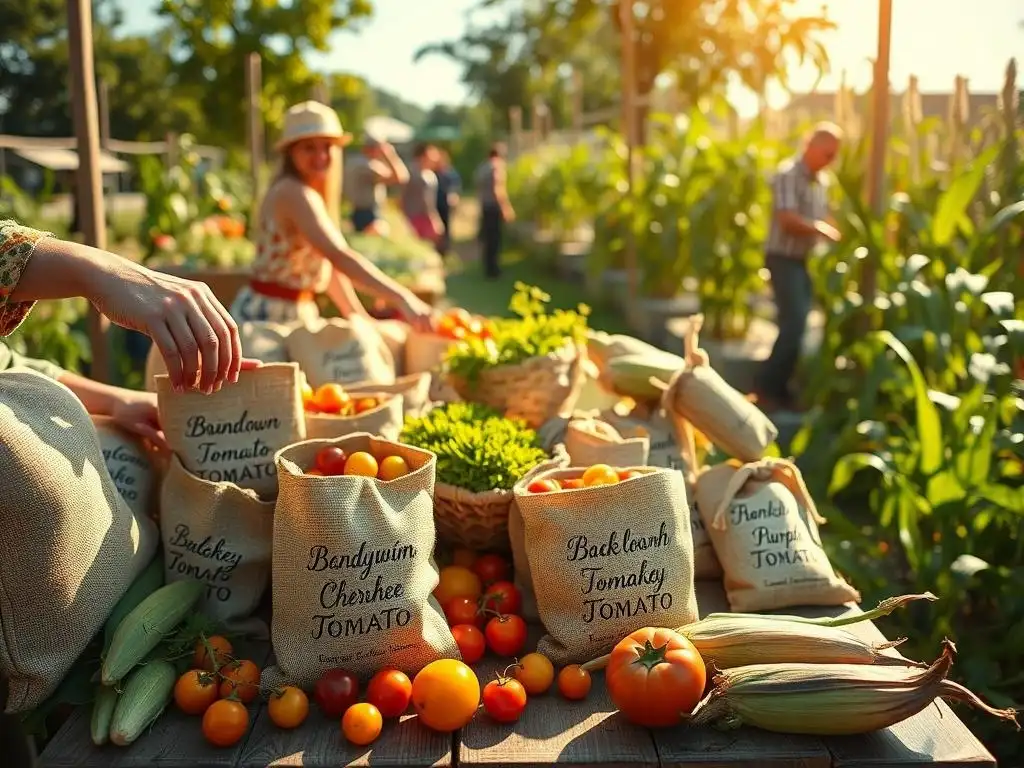
Welcome to CultivateYourFood, your guide to growing a thriving, sustainable garden! Are you ready to discover the incredible benefits of connecting with fellow gardeners and preserving biodiversity? Then dive into our latest article on Heirloom seeds swap benefits, exploring the rewarding world of seed swaps and how they can enrich your gardening experience. Uncover the secrets to cultivating vibrant, healthy plants while building a strong community – your journey to a bountiful harvest starts now!
- Understanding the Benefits of Heirloom Seed Swaps
- Finding and Participating in Local Seed Swaps
- Preparing for a Seed Swap: Organizing Your Seeds
- Successful Seed Swapping: Maximizing Your Heirloom Collection
- Beyond the Swap: Growing and Maintaining Your Heirloom Collection
- The Long-Term Value of Heirloom Seed Swaps: Supporting Sustainable Agriculture
- Resources for Heirloom Seed Enthusiasts
- Frequently Asked Questions
- Final Reflection: Cultivating Community Through Heirloom Seeds
- Unleash Your Inner Gardener: Grow Your Own Heirloom Legacy!
Understanding the Benefits of Heirloom Seed Swaps
Participating in seed swaps offers a unique and rewarding way to cultivate your garden while contributing to the preservation of biodiversity and building a strong community of fellow gardening enthusiasts. This practice, centered around exchanging heirloom seeds—seeds passed down through generations, maintaining unique genetic traits—provides a wealth of benefits beyond simply acquiring new plant varieties. This article delves into the advantages of heirloom seed swaps, exploring how this community-driven approach fosters biodiversity, provides access to rare varieties, and cultivates a supportive network of gardeners sharing their knowledge and experience.
By understanding these benefits, you can begin to appreciate the profound impact of participating in a seed swap and its contribution to sustainable and organic gardening practices. The advantages extend far beyond simply obtaining seeds; they encompass the preservation of agricultural heritage and the cultivation of a thriving gardening community. Let's explore the multifaceted rewards of this enriching practice.
The Advantages of Exchanging Heirloom Seeds: Preserving Biodiversity
The preservation of biodiversity is paramount for a healthy and resilient ecosystem, and heirloom seed swaps play a crucial role in this effort. Commercial agriculture often prioritizes uniformity and high yields, leading to a decline in the diversity of plant varieties. Heirloom seeds, however, represent a treasure trove of genetic diversity, carrying with them unique characteristics adapted to specific climates and conditions.
By exchanging these seeds, we actively participate in maintaining this invaluable genetic pool. Each seed exchanged represents a small step towards safeguarding the future of our food supply and protecting the planet's biodiversity. Consider the impact: a single seed swap can introduce dozens of unique varieties into circulation, increasing the overall genetic diversity within a community's gardens.
This diversity is crucial for resilience against pests and diseases, as diverse populations are less susceptible to widespread devastation. The benefits extend beyond just the plants themselves; the entire ecosystem benefits from a wider variety of plant life.
Furthermore, many heirloom varieties possess superior nutritional value and flavor compared to their commercially produced counterparts. Their unique genetic makeup often results in plants better adapted to local conditions, requiring less water and fewer chemical inputs. This makes heirloom seed swapping a vital component of sustainable and organic gardening practices. The long-term benefits of preserving this genetic diversity far outweigh the initial effort involved in participating in a seed swap.
Accessing Rare and Unique Heirloom Varieties Through Seed Swapping
One of the most compelling reasons to participate in seed swaps is the access they provide to rare and unique heirloom varieties. These seeds are often difficult or impossible to find through traditional retail channels. Seed swaps become a vital source for gardeners seeking to cultivate unusual or hard-to-find plants, expanding the diversity of their gardens and adding a unique character to their harvests.
Imagine discovering a vibrant, heirloom tomato variety with a flavor profile unlike anything you've ever tasted, or cultivating a rare herb with medicinal properties. These unique finds are often the highlight of a seed swap, fostering a sense of discovery and excitement among participants.
The sheer variety available through seed swaps is astonishing. From unusual peppers with striking colors and intense flavors to delicate, fragrant flowers with historical significance, the possibilities are virtually limitless. This access to genetic diversity allows gardeners to experiment with new varieties, enhancing their understanding of plant genetics and cultivation techniques. The thrill of the hunt, the excitement of uncovering a rare treasure, and the satisfaction of successfully cultivating a unique heirloom plant all contribute to the rewarding experience of participating in a seed swap.
Building a Community Around Heirloom Gardening: Sharing Knowledge and Experience
Beyond the practical benefits of acquiring seeds, seed swaps foster a vibrant community centered around the shared passion for heirloom gardening. These events provide opportunities for gardeners of all skill levels to connect, share knowledge, and learn from one another. The exchange of seeds is often accompanied by an exchange of invaluable gardening tips, tricks, and stories. Experienced gardeners can mentor newcomers, passing down generations of wisdom and experience. This collaborative environment creates a supportive and encouraging atmosphere, where everyone feels empowered to grow and learn.
The social aspect of seed swaps is just as important as the seed exchange itself. It's a chance to build friendships, share experiences, and celebrate the joys of gardening. The camaraderie and shared passion create a strong sense of community, fostering collaboration and mutual support.
This community aspect is vital for sustaining the practice of heirloom seed saving and sharing, ensuring that these valuable genetic resources continue to thrive for generations to come. The collective knowledge and experience within a seed swap community are invaluable resources that contribute significantly to the success of individual gardeners and the overall preservation of heirloom varieties. The network of support and shared passion creates a truly enriching experience.
Cost-Effective Gardening: Saving Money on Heirloom Seeds
Participating in heirloom seed swaps offers significant financial advantages for gardeners passionate about cultivating unique and flavorful varieties. Heirloom seeds, often sold at premium prices by specialty nurseries or online retailers, can quickly add up, especially when building a diverse garden. Seed swaps, however, provide a cost-effective alternative, allowing you to acquire a wide range of heirloom seeds without breaking the bank.
Instead of purchasing individual seed packets at potentially high prices, you can contribute a few packets of seeds you've saved from your own harvest and receive a diverse collection in return. This reciprocal exchange dramatically reduces the overall cost of establishing and maintaining your heirloom garden. The savings become even more pronounced as your seed collection grows, and you become a more active participant in the swap.
You'll find yourself less reliant on purchasing seeds, cultivating a more sustainable and budget-friendly gardening practice in the long run. Consider the cumulative savings over several years; the initial investment of time and a few seed packets can yield substantial long-term cost benefits. This translates to more money available for other gardening essentials like soil amendments, tools, and trellises, maximizing your gardening budget.
The financial benefits extend beyond just the cost of the seeds themselves. Heirloom seeds often produce plants with higher yields compared to commercially produced hybrids, meaning you’ll potentially harvest more fruits, vegetables, or herbs per plant. This increase in yield further enhances the cost-effectiveness of using heirloom seeds obtained through swaps, providing a greater return on your initial investment of time and effort.
Moreover, the knowledge sharing aspect of seed swaps often leads to valuable tips and advice on successful cultivation, further minimizing losses due to gardening mistakes and optimizing your harvest. The community aspect fosters a collaborative environment, where experienced gardeners can mentor newer ones, resulting in improved yields and overall cost savings. This peer-to-peer learning is priceless and significantly contributes to the long-term financial benefits of participating in seed swaps.
Finding and Participating in Local Seed Swaps
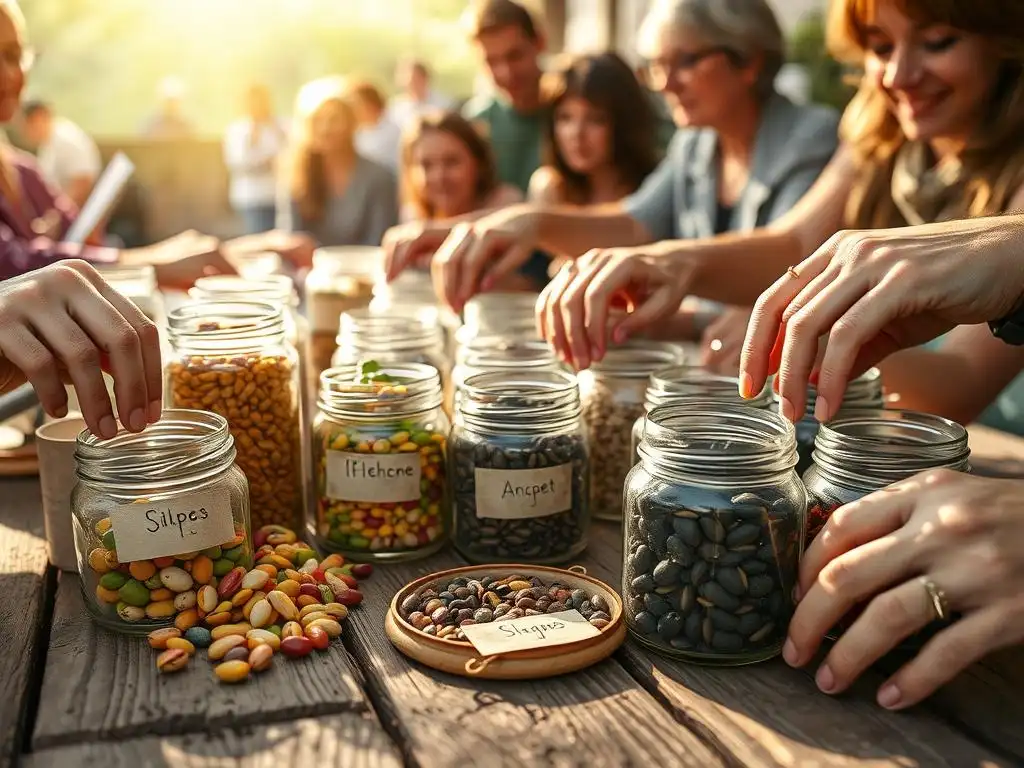
Participating in seed swaps offers numerous advantages for gardeners seeking heirloom varieties. The benefits extend beyond simply acquiring seeds; it's about building community, conserving biodiversity, and accessing unique plant genetics. This section focuses on how to locate and effectively participate in these valuable events, maximizing your "Heirloom seeds swap benefits".
Locating Seed Swap Events Near You: Online Resources and Local Groups
Finding local seed swaps requires a multifaceted approach. Leveraging online resources is crucial for identifying events in your area. Many dedicated websites and online directories list seed swaps, often categorized geographically. Searching for "seed swap [your city/region]" will yield promising results. Beyond broad searches, consider these strategies:
- Specialized Online Directories: Some websites are specifically designed to connect gardeners with seed swaps and other local events. These directories frequently include details like dates, times, locations, and any specific requirements for participation.
- Local Gardening Organizations: Many local gardening clubs, societies, and non-profit organizations regularly host or publicize seed swaps. Checking their websites or contacting them directly is a highly effective way to discover local events. These groups often have strong ties within the community, making them valuable sources of information.
- Social Media: Facebook groups dedicated to gardening in your area are excellent resources. Search for groups like "[Your City/Region] Gardening," "[Your City/Region] Seed Swap," or similar keywords. Many groups actively post about upcoming seed swaps, providing details and opportunities for interaction with other participants.
Connecting with Local Gardening Communities: Facebook Groups, Forums, and Community Centers
Building connections within your local gardening community is essential not only for finding seed swaps but also for enriching your gardening experience. Engaging with others provides access to valuable knowledge, advice, and support.
- Facebook Groups: As mentioned, Facebook groups are incredibly helpful for connecting with local gardeners. They offer a platform to ask questions, share tips, and learn about events like seed swaps. Actively participating in discussions and sharing your own experiences will strengthen your connections and increase your chances of discovering local seed swaps. Remember to be respectful and contribute positively to the group’s discussions.
- Online Forums: Many online gardening forums exist, providing a broader reach than local Facebook groups. These forums often have dedicated sections for regional discussions, where you can inquire about seed swaps and connect with gardeners in your area. Some forums even have dedicated threads for seed exchanges or offer classifieds sections for seed swaps.
- Community Centers and Libraries: Local community centers and libraries frequently host or advertise community events, including seed swaps. Checking their bulletin boards, websites, or contacting them directly may uncover hidden gems of local gardening communities and seed swap opportunities. They often provide a central hub for community activities.
Attending Your First Seed Swap: Tips and Etiquette for Successful Participation
Attending your first seed swap can be exciting, but knowing the etiquette ensures a positive experience for everyone. Preparation is key to maximizing your "Heirloom seeds swap benefits".
- Prepare Your Seeds: If you plan to contribute, organize your seeds neatly, clearly labeling each packet with the plant's name, variety, and any pertinent growing information (e.g., germination rate, planting instructions). This demonstrates consideration and respect for fellow participants. Use waterproof labels to avoid damage.
- Bring Containers: Bring enough containers – small envelopes or bags – to take home your newly acquired seeds. This avoids the need to rely on potentially inadequate supplies provided by the organizers. Consider bringing different sizes to accommodate the variety of seeds you might collect.
- Be Respectful and Patient: Seed swaps are generally informal gatherings, but respect for others is crucial. Be patient while browsing the available seeds and engage in polite conversation with other participants. Remember that sharing knowledge and building community is a core aspect of the seed swap experience.
- Contribute Even if You Have Limited Seeds: Even if you have only a few seeds to offer, your participation is valued. The act of sharing contributes to the overall success of the seed swap and strengthens the community. Consider bringing other gardening-related items to trade, such as cuttings, tools, or gardening books.
By following these guidelines, you'll not only successfully find and participate in local seed swaps but also cultivate meaningful connections within your gardening community, fostering a deeper appreciation for heirloom varieties and sustainable gardening practices.
Local Seed Swap Event Calendar
Finding a local seed swap can sometimes feel like searching for a needle in a haystack. Luckily, many communities are actively promoting these events, and several resources can help you locate them. A dedicated calendar specifically for seed swaps would be incredibly useful, providing dates, locations, and possibly even details about the types of seeds being exchanged. Unfortunately, a universally accessible, comprehensive online calendar dedicated solely to seed swaps isn't currently a readily available resource. However, several strategies can help you find local events.
Firstly, consider checking local community calendars. Many towns and cities maintain online calendars listing community events, including farmers' markets, workshops, and festivals. Seed swaps often coincide with these events, so scanning these calendars for relevant keywords ("seed swap," "heirloom seeds," "seed exchange") can be very effective. Remember to check calendars for specific neighborhoods or districts within your city, as smaller, hyperlocal events may not be listed on broader city-wide calendars.
Secondly, leverage the power of social media. Facebook groups dedicated to gardening, local farming, or community events are excellent places to find information about seed swaps. Search for groups related to your area and post a query asking about upcoming seed swaps. You'll likely receive helpful responses from other gardening enthusiasts. Similarly, exploring local gardening forums or online bulletin boards could uncover details about seed swap events in your region.
Thirdly, reach out directly to local organizations. Contact your local agricultural extension office, community gardens, farmers' markets, or even nurseries. These organizations often have connections to local gardening communities and may be aware of upcoming seed swaps or have even organized them in the past. A phone call or email inquiry can often yield valuable information.
Finally, don't underestimate the power of word-of-mouth. Talking to fellow gardeners, attending local gardening workshops, or visiting nurseries can put you in contact with people who might know about upcoming seed swaps. The heirloom seeds swap benefits are amplified by the community aspect, and actively engaging in local networks is key to discovering these events.
Preparing for a Seed Swap: Organizing Your Seeds
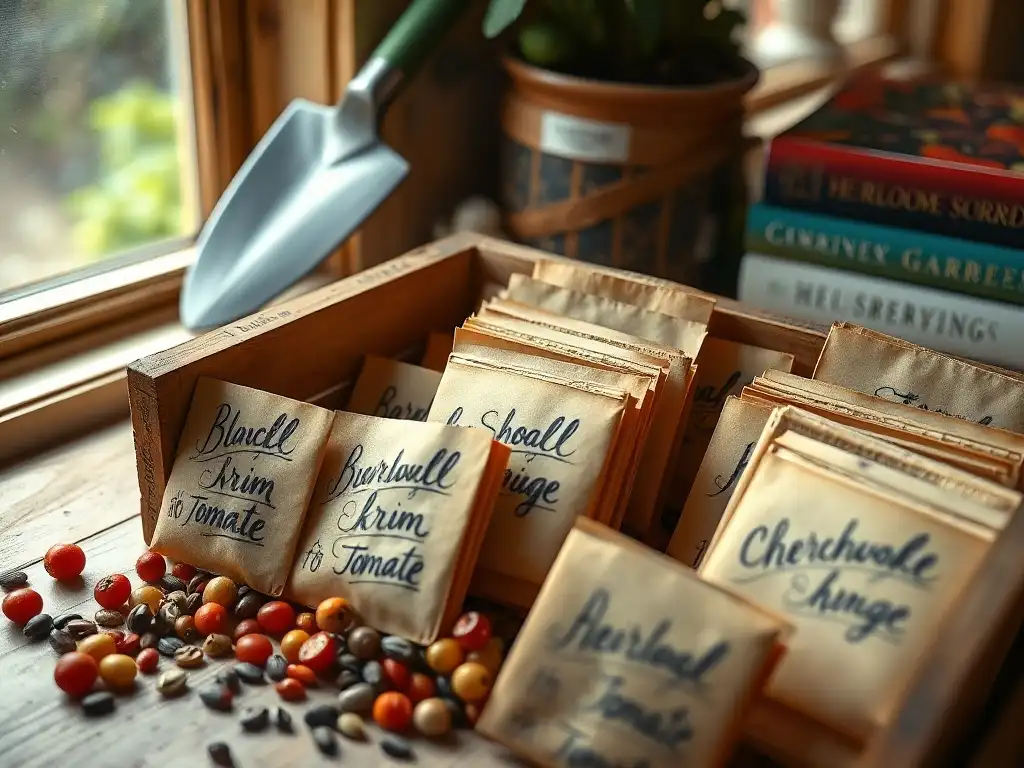
Participating in a seed swap offers numerous advantages, including access to diverse heirloom varieties and the opportunity to connect with fellow gardening enthusiasts. However, to maximize your experience and contribute positively to the community, careful preparation is key. This section focuses on organizing your seeds for a successful and enjoyable seed swap, ensuring you're ready to share your bounty and receive new varieties in return.
Proper preparation directly impacts the success rate of the seeds being exchanged, contributing to the overall health and vitality of the heirloom seed lineage. This is a crucial aspect of the "Heirloom seeds swap benefits."
Cleaning and Drying Your Heirloom Seeds for Swapping
Before you even think about packaging, the seeds themselves need attention. Proper cleaning and drying are critical steps to ensure the viability of your heirloom seeds and prevent the spread of diseases. Begin by gently removing any remaining plant material from the seeds. This might involve winnowing (separating lighter chaff from heavier seeds using the wind), hand-picking, or rinsing (depending on the seed type). Thoroughly inspect each seed for any signs of damage, disease, or insect infestation. Discard any seeds that show signs of damage; these won't germinate and could contaminate healthy seeds.
After cleaning, the drying process is equally important. Spread the seeds in a single layer on a clean, dry surface, such as a paper towel or mesh screen, in a well-ventilated area. Avoid direct sunlight, which can damage the seeds. Allow them to dry completely for at least 7-10 days, or longer depending on the humidity. Properly dried seeds will have a crisp texture and will not clump together.
Regularly check the seeds during this period to ensure they're drying evenly and to prevent mold growth. The moisture content is crucial for long-term seed storage and successful germination – a key benefit of participating in a well-organized seed swap. Think of it as an investment in the future of your garden and the preservation of heirloom varieties. Remember, the success of your seed swap hinges on the quality of the seeds you provide.
Packaging Your Seeds for Exchange: Labeling and Presentation
Once your seeds are clean and dry, it's time to package them for the swap. Clear, concise labeling is crucial. Each package should include the following information:
- Seed Name: Use the full botanical name if possible, alongside the common name. For example, Solanum lycopersicum 'Brandywine'.
- Variety: Specify any unique characteristics of the variety (e.g., size, color, flavor).
- Year Harvested: This helps participants understand the age of the seeds and their potential viability.
- Growing Instructions (optional but recommended): Include brief instructions on planting, spacing, and any special requirements. This is especially helpful for less common varieties.
- Your Contact Information (optional): Some swappers like to include contact details in case participants have questions after the swap.
Use small, resealable bags or envelopes to package the seeds. Avoid using plastic bags unless they are clearly marked as food-safe and recyclable. Consider using recycled paper or biodegradable alternatives. Neat and attractive packaging enhances the overall experience of the seed swap and shows respect for the community and the heirloom seeds themselves. A well-presented package contributes significantly to the positive perception of the "Heirloom seeds swap benefits." Consider adding a small, hand-written note about your experience growing the variety. This personal touch can create a stronger sense of community.
Creating Detailed Seed Catalogs for Easy Sharing and Identification
A seed catalog is a valuable tool for both you and other participants. It allows you to easily organize and share information about your seeds, making the exchange process smoother and more efficient. This catalog can be a simple list or a more elaborate document, depending on your preference and the number of varieties you're offering. The catalog should include all the information listed above for each seed variety.
You can create your catalog digitally (using a spreadsheet or word-processing software) or on paper. A digital catalog allows for easy sharing and updating, while a printed catalog can be a more tactile and personal experience for the swap. Consider including pictures of the mature plants or the seeds themselves to help participants visualize the variety.
Such detailed catalogs are a great way to educate others about the unique characteristics of heirloom varieties and contribute to the overall success and enjoyment of the seed swap, further showcasing the "Heirloom seeds swap benefits." A well-organized catalog significantly enhances the seed swap experience, making it easier for everyone to find the varieties they're looking for. This careful planning contributes to a more successful and enjoyable event for all participants.
Successful Seed Swapping: Maximizing Your Heirloom Collection
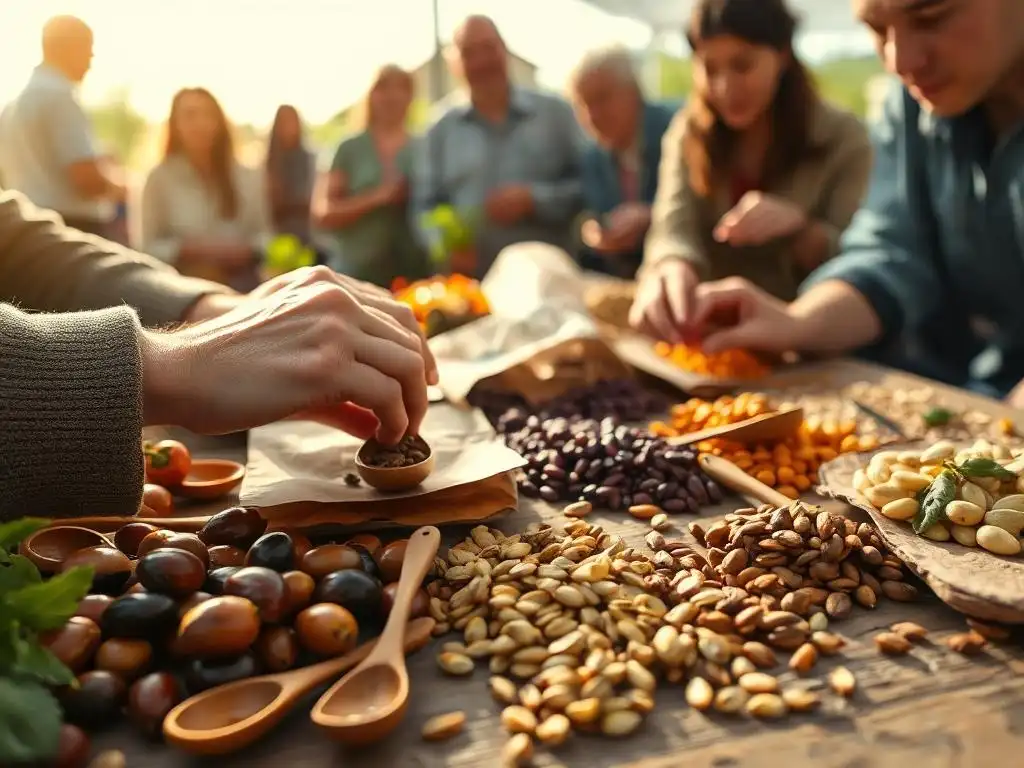
Participating in heirloom seed swaps offers a fantastic opportunity to expand your gardening horizons and connect with fellow gardening enthusiasts. However, the success of your seed swapping endeavors hinges on strategic planning and execution. This section delves into practical strategies to maximize your heirloom collection through effective participation in seed swaps. Understanding these techniques will help you cultivate a thriving and diverse garden using the best heirloom seeds.
Swapping Strategies for Expanding Your Heirloom Garden
One of the primary benefits of heirloom seeds swap is the potential to acquire rare and unique varieties that might be difficult or impossible to find commercially. To optimize your seed swap participation, consider the following:
- Inventory your existing seeds: Before attending a swap, carefully inventory your existing seed collection. Identify varieties you have in abundance and those you'd be willing to trade. Prioritize seeds that are high-quality, recently harvested, and properly stored. This careful preparation will allow you to make informed decisions during the swap.
- Research desired varieties: Research heirloom varieties you'd like to add to your collection. This research should go beyond simple aesthetics; consider factors like growing conditions, disease resistance, and maturity times to ensure compatibility with your garden space and climate. Knowing what you want will make the process of choosing seeds more efficient.
- Prioritize seed quality: The quality of the seeds you receive is crucial. Look for seeds that are plump, firm, and free from damage. Ask questions about the seeds' history, including growing conditions and any known issues with the variety. Don't be afraid to politely inquire about germination rates.
- Offer a variety of seeds: A diverse offering increases your chances of successful trades. This means offering a range of heirloom varieties, not just one or two. The more choices you provide, the more attractive your offer becomes to other participants.
- Be prepared to barter: Seed swaps are often informal bartering systems. Be prepared to negotiate and compromise. This might involve trading multiple packets of common seeds for a single packet of a rare variety.
Negotiating and Trading Seeds Effectively: Tips for Beginners
Seed swaps are a social event, but a little preparation can greatly improve your experience and the quality of seeds you acquire.
- Start small: If you're new to seed swapping, start with a small collection of seeds to trade. This reduces the pressure and allows you to learn the ropes without feeling overwhelmed. It also allows you to focus on acquiring a few specific, high-quality varieties.
- Be polite and respectful: Remember, seed swaps are community events. Be polite and respectful to all participants, even if you don't get every seed you want. Building relationships with other gardeners can lead to future opportunities for seed exchanges.
- Clearly label your seeds: Clearly labeled seed packets are essential. Include the variety name, year harvested, and any relevant information about the plant's characteristics (e.g., growth habit, yield). This transparency builds trust and helps other participants make informed decisions.
- Understand seed viability: Be aware of seed viability rates. Some seeds have shorter lifespans than others. Be honest about the approximate germination rate of the seeds you offer. This honesty fosters trust and ensures fair trades.
- Practice active listening: Pay attention to what other participants are offering and looking for. This will allow you to identify potential trading opportunities and build connections.
Documenting Your Seed Swaps: Tracking Varieties and Sources
Keeping accurate records of your seed swaps is essential for maintaining the integrity of your heirloom collection and understanding the history of your plants.
| Seed Variety | Source | Year Acquired | Notes |
|---|---|---|---|
| Cherokee Purple Tomato | Community Swap | 2024 | Excellent flavor, prolific producer |
| Black Krim Tomato | Community Swap | 2024 | Slightly acidic, good for sauces |
| Brandywine Tomato | Community Swap | 2024 | Large, pink fruit, heirloom classic |
Consider creating a detailed spreadsheet or using a gardening journal to track the following information for each seed variety obtained through swaps:
- Variety Name: The precise name of the heirloom seed variety.
- Source: The name or location of the seed swap where you acquired the seeds.
- Year Acquired: The year you received the seeds.
- Notes: Any additional information, such as germination rates, plant characteristics, or growing conditions.
This meticulous record-keeping is crucial for evaluating the performance of various heirloom varieties in your garden and for maintaining the lineage of your seeds over time. It also allows you to share valuable information with other gardeners, contributing to the ongoing preservation of heirloom varieties. This practice is an important aspect of the heirloom seeds swap benefits.
Beyond the Swap: Growing and Maintaining Your Heirloom Collection
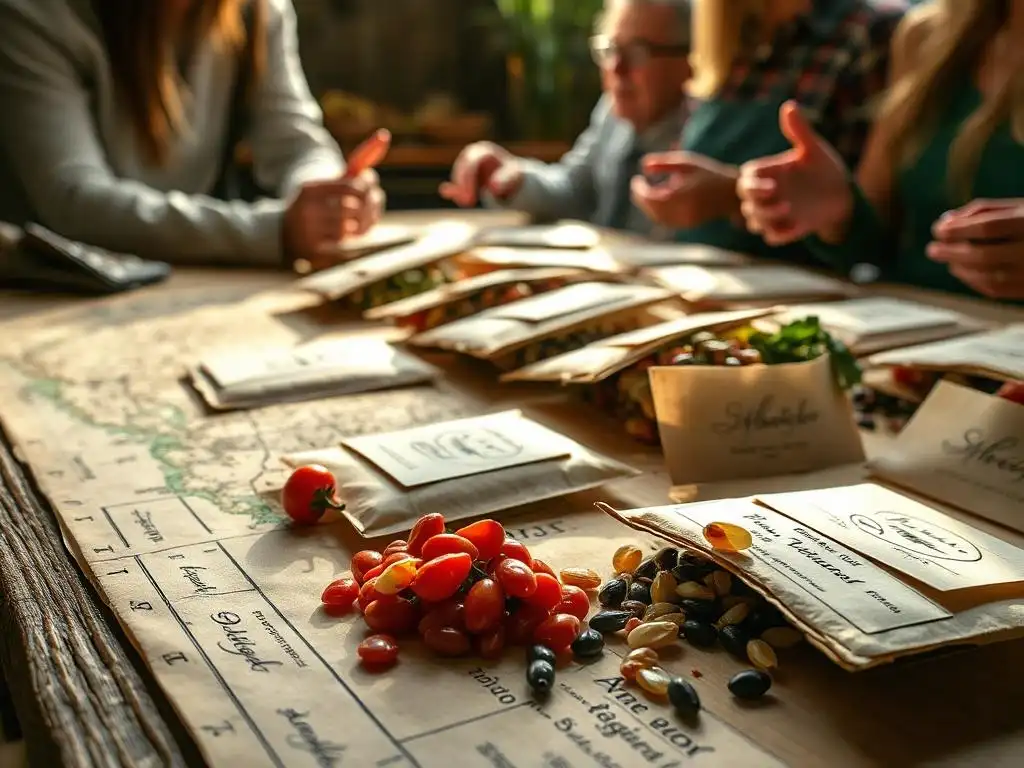
Participating in heirloom seeds swaps offers fantastic access to diverse plant varieties, but the true benefit lies in successfully cultivating and preserving these unique treasures. This section delves into the crucial steps involved in nurturing your newly acquired heirloom seeds and plants, ensuring their health and longevity within your garden. Understanding these practices will maximize the "Heirloom seeds swap benefits" and allow you to contribute to the vibrant community of heirloom preservation.
Sowing and Growing Heirloom Seeds Successfully
Successfully germinating and growing heirloom seeds often requires a slightly different approach than with commercially produced hybrid seeds. Heirlooms, due to their unique genetic makeup, may exhibit varying germination rates and growth patterns. Patience and careful observation are key.
First, understanding your seed's specific needs is paramount. Some heirlooms require stratification (a period of cold, moist storage) to break dormancy, while others thrive with direct sowing. Seed packets, if available, or online resources dedicated to specific heirloom varieties will provide this vital information.
Secondly, soil quality plays a crucial role. Heirlooms generally appreciate rich, well-draining soil amended with compost. Compost provides essential nutrients and improves soil structure, creating an ideal environment for healthy root development. Consider a soil test to determine nutrient levels and adjust accordingly.
Finally, consistent watering and appropriate sunlight are essential. Overwatering can lead to fungal diseases, while underwatering stunts growth. Research the light requirements of your chosen heirloom varieties – some prefer full sun, others partial shade. Consistent monitoring and adjustment based on weather conditions will greatly improve your success rate. Remember, even with careful planning, germination rates can vary. Don't be discouraged by a few failures; the rewards of a successful heirloom harvest are well worth the effort!
Protecting Your Heirloom Plants From Pests and Diseases: Organic Solutions
Protecting your precious heirloom plants from pests and diseases is crucial for a successful harvest. Given the emphasis on sustainable and organic practices on CultivateYourFood, we'll focus on environmentally friendly solutions.
One effective strategy is companion planting. Certain plants repel pests or attract beneficial insects. For example, planting marigolds alongside tomatoes can deter tomato hornworms. Research companion plant combinations that are effective against common garden pests affecting your specific heirloom varieties.
Another key element is maintaining good garden hygiene. Regularly remove weeds, which can harbor pests and diseases. Proper spacing between plants promotes good air circulation, reducing the risk of fungal infections. Clean up fallen leaves and debris to prevent overwintering pests.
Finally, organic pest control methods are essential. This includes using insecticidal soaps, neem oil, or diatomaceous earth to control infestations. Always follow label instructions carefully and consider the impact on beneficial insects. Early detection and intervention are critical in preventing widespread damage. A proactive approach, combining preventative measures with organic treatments, will significantly improve the chances of a healthy and bountiful harvest.
Saving Seeds From Your Harvest: Continuing the Cycle
Saving seeds from your heirloom harvest is a rewarding way to continue the cycle and ensure the preservation of these valuable varieties. This practice contributes directly to the long-term success of heirloom seed swaps and strengthens the community's commitment to biodiversity.
The process varies depending on the plant type, but generally involves selecting the healthiest and most representative fruits or seeds from your harvest. Allow the seeds to fully mature on the plant before harvesting. Proper drying and cleaning are crucial to prevent spoilage and maintain seed viability.
For example, tomatoes require their fruits to fully ripen on the vine before extracting seeds. Then, the seeds need to be fermented for a short period and thoroughly dried before storage. Other plants, like beans, have a simpler process: allow the pods to dry fully on the plant, then remove and store the seeds.
Proper storage is critical for seed longevity. Store seeds in a cool, dry, and dark place in airtight containers. Label each container clearly with the variety name and harvest year. Regularly check your stored seeds for signs of spoilage or infestation. By carefully following these steps, you can ensure the continued success of your heirloom garden and contribute to the preservation of these unique and valuable plant varieties for future generations. This practice directly supports the long-term benefits of heirloom seeds swaps, ensuring a rich and diverse supply of seeds for years to come.
The Long-Term Value of Heirloom Seed Swaps: Supporting Sustainable Agriculture
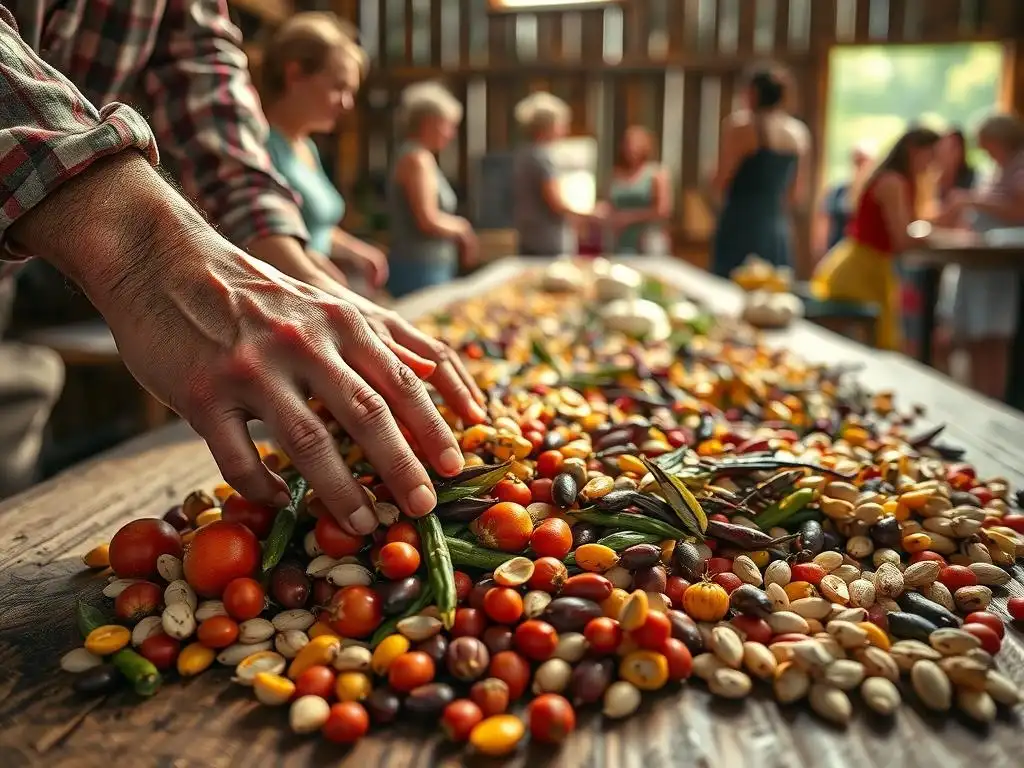
Participating in heirloom seed swaps offers significant long-term benefits that extend beyond the immediate acquisition of unique plant varieties. It actively contributes to the sustainability of our food systems and promotes environmentally responsible gardening practices. By engaging in these swaps, we're not just exchanging seeds; we're investing in a more resilient and diverse agricultural future. This section will explore the profound impact of seed swaps on sustainable agriculture.
Preserving Genetic Diversity Through Community Seed Saving
Heirloom varieties, often passed down through generations, possess a rich genetic diversity that's crucial for adapting to changing environmental conditions. Industrial agriculture, with its focus on a limited number of high-yield varieties, has significantly narrowed this genetic pool, making crops more vulnerable to diseases and pests. Seed swaps actively combat this trend.
Each seed shared represents a unique genetic contribution, helping to preserve the vast genetic heritage of our edible plants. This preservation is vital for the long-term health and resilience of our food systems. For example, consider the difference between a single, commercially produced tomato variety and the dozens of heirloom tomato varieties, each with unique flavor profiles, disease resistance, and growing requirements.
The preservation of these heirloom varieties allows for a much wider range of options for gardeners and farmers, ensuring greater resilience against unforeseen challenges. The collective effort of seed savers and swappers significantly increases the chances of preserving rare and valuable genetic material that might otherwise be lost.
Building Resilience in Your Garden: Adapting to Climate Change with Heirloom Varieties
Climate change poses significant threats to agriculture, with shifting weather patterns and increased pest infestations. Heirloom varieties, often adapted to local climates over many years, exhibit greater resilience to these changes. They may possess inherent resistance to specific diseases or pests prevalent in your region, reducing the need for chemical pesticides. Furthermore, some heirloom varieties thrive in less-than-ideal conditions, making them ideal for drought-prone areas or regions with unpredictable weather.
By participating in seed swaps, you gain access to these climate-resilient varieties, enhancing the adaptability and sustainability of your garden. This is crucial for food security, especially in the face of increasingly unpredictable weather patterns. Imagine a community where gardeners are sharing drought-tolerant bean varieties, heat-resistant peppers, and disease-resistant squash – this collective resilience is a powerful response to the challenges of climate change.
Seed swaps are more than just exchanges of seeds; they're powerful community-building events that foster a deeper connection with nature and promote environmental stewardship. The act of sharing seeds cultivates a sense of community and collaboration among gardeners, creating networks of knowledge and support. Participants learn from each other, sharing valuable insights on cultivation techniques, pest control, and seed saving practices.
This collaborative learning fosters a more sustainable and environmentally conscious approach to gardening. Moreover, seed swaps reduce the environmental impact associated with mass-produced seeds, minimizing packaging waste and the carbon footprint of transportation. The social interaction inherent in seed swaps promotes a sense of shared responsibility for the environment and strengthens local food systems.
The joy of sharing and receiving seeds, combined with the knowledge exchange, creates a positive feedback loop that promotes sustainable gardening practices within the community. The collective action of many individuals participating in these swaps has a significant cumulative environmental benefit.
This detailed exploration of "Heirloom seeds swap benefits" highlights the multifaceted advantages of participating in seed swaps, emphasizing their contribution to sustainable agriculture, climate resilience, and community building. The preservation of genetic diversity, adaptation to climate change, and promotion of environmental stewardship are all key aspects of a thriving and sustainable food system. 🌱
Supporting Local Food Systems Through Heirloom Gardening
Participating in heirloom seed swaps significantly contributes to strengthening local food systems. By exchanging seeds within your community, you're fostering a localized network of gardeners who are actively cultivating diverse, regionally adapted plant varieties. This reduces reliance on large-scale, often monoculture-based, commercial agriculture, which can be detrimental to biodiversity and soil health. Heirloom varieties, often better suited to specific climates and soil types, thrive in local gardens, leading to increased yields of flavorful produce tailored to the region's unique conditions.
This localized production minimizes transportation distances, reducing the carbon footprint associated with food distribution and ultimately enhancing the sustainability of your food supply. The increased availability of fresh, locally grown produce also strengthens community ties and builds resilience against disruptions in the global food supply chain. Moreover, heirloom seed swaps encourage a direct connection between the consumer and the source of their food, promoting transparency and fostering a greater appreciation for the agricultural processes involved.
This intimate relationship with the food production cycle is a crucial element of a robust and sustainable local food system. The cumulative effect of many individuals participating in these swaps creates a significant positive impact on the local food landscape, enhancing food security and promoting ecological balance. The knowledge shared during these exchanges also contributes to the preservation of traditional farming practices and the development of resilient agricultural communities.
Resources for Heirloom Seed Enthusiasts
Participating in heirloom seed swaps is a fantastic way to expand your gardening horizons and connect with fellow gardening enthusiasts. But finding reliable sources for heirloom seeds beyond the swap itself is crucial for building a diverse and thriving garden. This section explores where you can find these unique and valuable seeds, focusing on both online and offline resources.
The benefits of accessing a wide variety of heirloom seeds are numerous, contributing significantly to the overall success and enjoyment of your gardening endeavors. The preservation of heirloom seed varieties is a vital part of maintaining biodiversity and supporting sustainable agricultural practices.
Online Resources for Heirloom Seeds and Seed Saving
The internet offers a wealth of resources for those seeking heirloom seeds. Many dedicated online retailers specialize in supplying a wide array of heirloom varieties, often with detailed descriptions and growing guides. These resources often go beyond simply selling seeds; they frequently provide valuable information about seed saving techniques, historical background on specific varieties, and even community forums where gardeners can share their experiences and tips. This fosters a sense of community and shared knowledge, enhancing the overall heirloom gardening experience.
The quality of seeds varies between suppliers, so it’s important to research thoroughly before purchasing. Look for vendors with positive customer reviews and a reputation for providing high-quality, viable seeds. Consider factors like germination rates, seed packaging, and the vendor's commitment to sustainable and organic practices. Some online platforms also offer seed-saving guides and tutorials, empowering gardeners to preserve their favorite heirloom varieties year after year. This is a crucial aspect of the heirloom seed movement, ensuring the continuation of these unique plant varieties for future generations. It’s a rewarding process, both environmentally and personally.
Some online resources even specialize in rare or unusual heirloom varieties, offering a unique opportunity to cultivate plants not readily found elsewhere. This contributes greatly to the preservation of genetic diversity within heirloom varieties, a crucial aspect of maintaining resilient and adaptable crops in the face of changing environmental conditions. The benefits extend beyond the individual gardener to the broader agricultural community and the environment as a whole.
Books on Heirloom Gardening and Seed Saving
Beyond online resources, numerous books offer invaluable insights into the world of heirloom seeds and gardening. These books often contain detailed information on seed selection, saving, and storage, along with practical advice on growing specific heirloom varieties. They can be an excellent complement to online resources, providing a more in-depth and comprehensive understanding of heirloom gardening practices. Many books delve into the history and cultural significance of heirloom varieties, adding a richer dimension to the gardening experience.
The benefits of consulting books extend beyond practical advice. They offer a historical perspective on heirloom varieties, highlighting their cultural significance and the role they've played in various communities throughout history. This cultural context adds depth and meaning to the gardening process, transforming it from a simple activity into a connection with the past and a legacy for the future.
Many authors also include detailed guides on seed starting, transplanting, and pest control specifically tailored to heirloom varieties. This targeted information is invaluable for maximizing success rates and ensuring a bountiful harvest. The depth of knowledge provided by these books often surpasses that found in online resources, making them an essential tool for serious heirloom gardeners.
Choosing books with high ratings and reviews from experienced gardeners can ensure you're investing in a reliable and informative resource. The investment in these books pays off handsomely in terms of knowledge gained and gardening success. This contributes to the overall success rate of your heirloom gardening endeavors, ensuring a more fruitful and rewarding experience.
Frequently Asked Questions
What are the benefits of participating in an heirloom seed swap?
Participating in a seed swap offers numerous benefits! You gain access to a wide variety of heirloom seeds you might not find commercially, saving money and supporting biodiversity. It's also a great way to connect with other gardeners.
Are there any risks associated with swapping heirloom seeds?
While generally safe, there's a slight risk of unintentionally spreading diseases or pests. Careful seed cleaning and selection from trusted sources minimizes this risk. Always practice good sanitation.
How do I prepare seeds for an heirloom seed swap?
Proper seed preparation is key. Thoroughly clean and dry your seeds before packaging. Clearly label each variety with the name, year harvested, and any relevant information about the plant. Use airtight containers.
What are the best types of seeds to swap?
The best seeds to swap are open-pollinated heirloom varieties. These seeds reliably produce plants true to type, unlike hybrids. Choose seeds from healthy, vigorous plants.
Where can I find local heirloom seed swaps near me?
Check online forums, local gardening groups, farmers' markets, and community centers for information on heirloom seed swaps in your area. Many organizations and gardening clubs host these events.
Final Reflection: Cultivating Community Through Heirloom Seeds
The resurgence of interest in heirloom seeds represents more than just a gardening trend; it's a powerful movement towards food sovereignty, community building, and ecological resilience. The benefits extend far beyond the vibrant colors and unique flavors of these unique varieties; they represent a conscious choice to reconnect with our food systems and build a more sustainable future.
Participating in seed swaps has profoundly impacted my own understanding of food production and community engagement. The simple act of sharing seeds fosters a sense of connection and shared responsibility, reminding us that our food systems are interconnected. The seeds we plant today are the harvest of tomorrow,
a phrase often heard amongst seed savers, perfectly encapsulates the long-term vision and commitment inherent in this practice. This shared understanding transcends geographical boundaries and fosters a sense of collective stewardship over our agricultural heritage.
Now, consider your own role in this growing movement. Will you join a local seed swap, contribute your own saved seeds, or simply learn more about the incredible diversity of heirloom varieties available? The act of planting an heirloom seed is more than just gardening; it's an act of participation in a vibrant, interconnected community, a commitment to biodiversity, and a step towards a more sustainable and flavorful future. Let's cultivate this legacy together.
Unleash Your Inner Gardener: Grow Your Own Heirloom Legacy!
Thank you for exploring the wonderful world of seed swaps and heirloom varieties! We hope you've gained a new appreciation for the vibrant community and biodiversity they support. Now it's time to put your knowledge into action.
- Join a local seed swap! Find a group near you, or even consider starting one. This is a fantastic way to participate and share your gardening passion with others.
- Share your favorite heirloom seeds with friends and family—help expand the legacy! Even a small act of generosity significantly contributes to the wider community of gardeners.
- Document your gardening journey. Keep a journal of your successes and challenges—your experience will be invaluable to other gardeners.
Ready to cultivate your own heirloom garden and become part of a thriving seed-sharing community? Which heirloom variety are you most excited to grow or share?