
Soil Testing for Sandy Soil: Techniques for Water Retention and Nutrient Availability

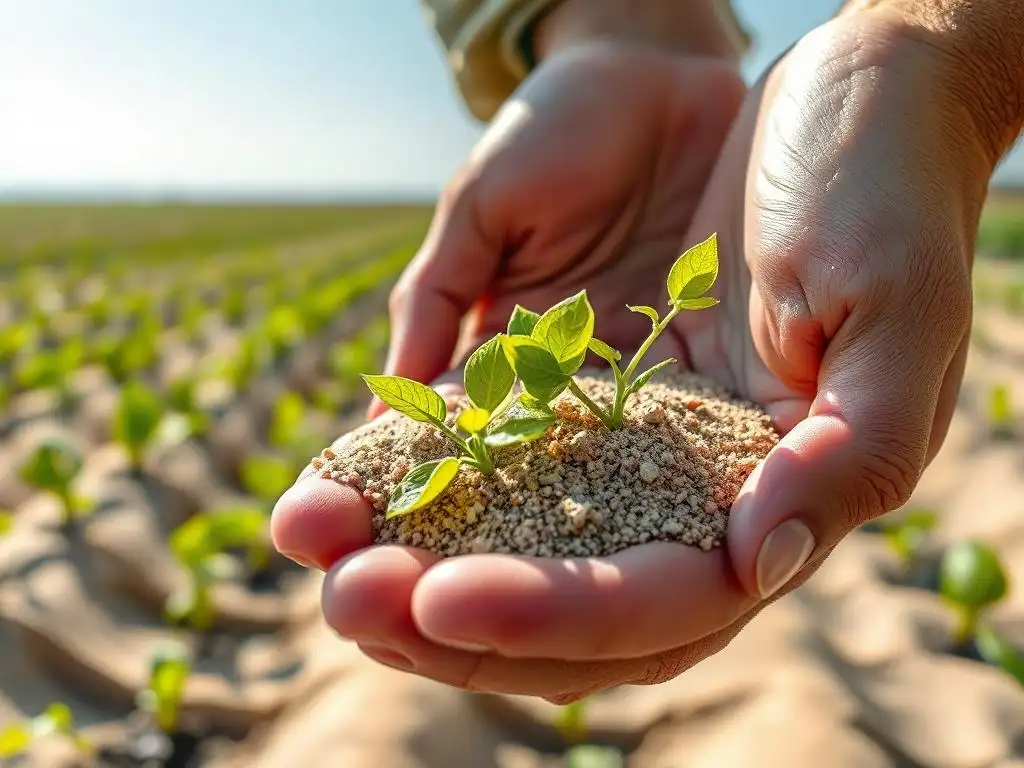
Welcome to CultivateYourFood, your guide to nurturing a thriving garden using sustainable methods! Are you struggling with sandy soil that drains too quickly? Learn how to dramatically improve sandy soil water retention and unlock the full potential of your homegrown fruits, vegetables, and herbs. Discover practical techniques and valuable resources in our comprehensive guide to soil testing and sustainable gardening – your journey to a bountiful harvest starts here!
- Understanding the Challenges of Sandy Soil
- Essential Soil Tests for Sandy Soil Improvement
- Enhancing Water Retention in Sandy Soil
- Improving Nutrient Availability in Sandy Soil
- Choosing the Right Soil Testing Kit for Sandy Soil
- Maintaining Healthy Sandy Soil: Long-Term Strategies
- Case Studies: Successful Sandy Soil Improvement Projects
- Frequently Asked Questions
- Final Reflection: Cultivating a Future for Sandy Soils
- Unlock Your Sandy Soil's Potential: Grow a Thriving Garden!
Understanding the Challenges of Sandy Soil
Sandy soil, while often easy to work with, presents unique challenges for home gardeners aiming for thriving fruit, vegetable, and herb patches. Its loose, granular structure, characterized by large particles with significant spaces between them, leads to several critical issues that directly impact plant health and yield. This article focuses on improving sandy soil water retention, a key factor in overcoming these limitations and achieving a successful organic garden.
We'll explore practical soil testing techniques, understand the underlying causes of poor water retention and nutrient deficiencies, and delve into effective solutions to cultivate a flourishing garden even in sandy conditions. Mastering these techniques will significantly enhance your ability to cultivate healthy plants, improve your harvest, and ultimately, improve your sandy soil's water retention capabilities, leading to a more sustainable and productive garden.
Poor Water Retention in Sandy Soils: Causes and Consequences
Sandy soil's poor water retention stems from its large particle size and high porosity. Water drains rapidly through the gaps between sand grains, leaving plant roots thirsty and susceptible to drought stress. This rapid drainage is exacerbated by the soil's low water-holding capacity, meaning it cannot retain sufficient moisture for optimal plant growth. The consequences are significant:
- Wilting and Stunted Growth: Plants deprived of adequate moisture wilt, exhibit stunted growth, and produce smaller yields.
- Reduced Nutrient Uptake: Water acts as a solvent, carrying essential nutrients to plant roots. Poor water retention limits nutrient availability, leading to deficiencies.
- Increased Irrigation Needs: Frequent watering is necessary to compensate for rapid drainage, potentially increasing water consumption and costs. This can also lead to soil erosion if not carefully managed.
- Susceptibility to Pests and Diseases: Stressed plants are more vulnerable to pests and diseases, further compromising the health and productivity of your garden.
Understanding these consequences highlights the crucial need for effective strategies to improve sandy soil water retention. Soil testing plays a vital role in this process, providing valuable insights into the soil's properties and informing appropriate management practices.
Nutrient Leaching in Sandy Soil: Identifying Deficiencies
The rapid drainage characteristic of sandy soil also contributes to nutrient leaching. Essential nutrients, dissolved in water, are easily washed away before plants can absorb them. This leads to nutrient deficiencies, further hindering plant growth and impacting the overall health of your garden. Identifying these deficiencies is crucial for successful cultivation.
Soil testing kits, or professional soil analysis services, can reveal the levels of various essential nutrients, such as nitrogen (N), phosphorus (P), and potassium (K), as well as micronutrients like iron, zinc, and manganese. A detailed analysis will highlight any deficiencies, enabling you to implement targeted fertilization strategies. For example, a test might reveal a significant lack of phosphorus, indicating the need for phosphorus-rich organic amendments such as bone meal or rock phosphate.
Regular testing is recommended, especially after periods of heavy rainfall, to monitor nutrient levels and adjust your fertilization accordingly. This proactive approach ensures your plants receive the necessary nutrients for optimal growth and yield.
Impact of Sandy Soil on Plant Growth: Common Problems and Solutions
Sandy soil's poor water retention and nutrient leaching directly impact plant growth, leading to a range of problems. These include:
- Uneven Growth: Plants may exhibit uneven growth, with some areas thriving while others struggle due to inconsistent moisture and nutrient availability.
- Reduced Yield: Lower nutrient and water availability translates to smaller yields and potentially lower quality produce.
- Increased Susceptibility to Diseases: Stressed plants are more vulnerable to diseases, impacting both yield and overall garden health.
Fortunately, numerous solutions exist to mitigate these challenges. These include:
- Adding Organic Matter: Incorporating organic matter such as compost, aged manure, or leaf mold improves soil structure, increasing water retention and nutrient-holding capacity.
- Mulching: Applying a layer of mulch helps retain soil moisture, suppress weeds, and regulate soil temperature.
- Cover Cropping: Planting cover crops such as clover or rye improves soil structure, adds organic matter, and prevents erosion.
- Water Management Techniques: Implementing efficient irrigation practices, such as drip irrigation or soaker hoses, ensures targeted water delivery, minimizing water waste and improving moisture retention.
- Strategic Planting: Selecting drought-tolerant plant varieties can further reduce the impact of poor water retention.
By understanding the challenges posed by sandy soil and implementing these practical solutions, you can transform your sandy garden into a thriving oasis of healthy, productive plants. Remember that consistent soil testing and monitoring are key to long-term success.
Essential Soil Tests for Sandy Soil Improvement
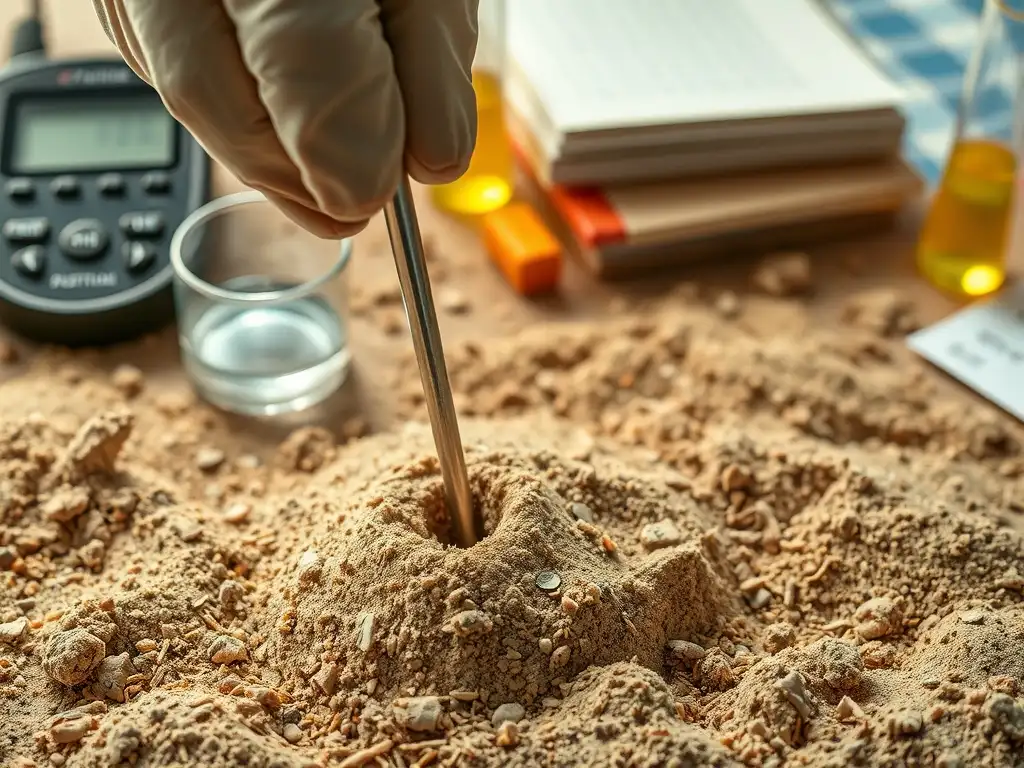
Sandy soil, while well-draining, presents unique challenges for home gardeners aiming to improve sandy soil water retention. Its low water-holding capacity and often poor nutrient retention necessitate careful monitoring and amendment. Understanding your soil's specific characteristics is crucial before implementing any improvement strategy.
This section outlines the essential soil tests needed to effectively address the limitations of sandy soil and cultivate a thriving garden. These tests provide crucial data points for tailoring your soil improvement plan, ensuring optimal water retention and nutrient availability for your plants. The key is to focus on improving the soil's structure and organic matter content, which directly impacts water retention and nutrient uptake.
DIY Soil Testing for Sandy Soil: Simple Home Tests and Interpretations
Several simple at-home tests can offer preliminary insights into your sandy soil's composition. These tests won't provide the precise data of a professional lab analysis, but they can give you a good starting point and highlight areas needing further investigation.
One basic test involves assessing soil texture. Take a handful of dry soil, add water gradually, and knead it. Sandy soil will feel gritty and will not hold its shape when formed into a ball. This confirms the need for amendments to improve its structure and water retention.
Another simple test focuses on drainage. Dig a small hole and fill it with water. Observe how quickly the water drains away. Rapid drainage is characteristic of sandy soil and indicates poor water retention. This highlights the need for strategies to increase the soil's ability to hold moisture.
Finally, a simple visual inspection can reveal clues about organic matter content. Darker soil generally indicates higher organic matter levels, while light-colored sandy soil suggests a deficiency. Low organic matter contributes to poor water retention and nutrient availability, indicating the need for compost and other organic amendments. Remember, these DIY tests are a starting point; professional testing provides a more comprehensive understanding.
Professional Soil Testing Services: Benefits and Considerations
While DIY tests provide a basic understanding, professional soil testing services offer a much more detailed analysis. These services analyze various soil properties, including pH levels, nutrient content (macro and micronutrients such as nitrogen, phosphorus, potassium, and others), organic matter content, and even potential contaminants. This comprehensive data allows for a precisely tailored approach to soil improvement.
The benefits of professional testing are significant. Accurate data minimizes guesswork, leading to more effective and efficient soil amendment strategies. You'll avoid wasting resources on unnecessary amendments and can target specific deficiencies, maximizing your efforts and improving the chances of a successful harvest. The detailed reports often include recommendations tailored to your specific soil type, further streamlining the improvement process.
However, professional soil testing has considerations. The cost can be a factor, and turnaround times may vary. Therefore, carefully weigh the benefits against the cost and timeframe to determine if it's the right choice for your needs. For large-scale gardening projects or high-value crops, the precision and detailed information provided often justify the investment.
Analyzing Your Soil Test Results: Understanding pH Levels, Nutrient Content, and Organic Matter
Understanding your soil test results is crucial for effective soil improvement. The report will typically outline several key parameters:
- pH Level: Sandy soils often have a slightly acidic to neutral pH. However, extremes in pH can affect nutrient availability. The report will indicate whether your soil is acidic, neutral, or alkaline, guiding you towards appropriate amendments to adjust the pH to the optimal range for your chosen plants. Optimal pH generally varies depending on the plant type.
- Nutrient Content: The report details the levels of essential macronutrients (nitrogen, phosphorus, potassium) and micronutrients. Low levels indicate a need for fertilization, while excessively high levels might necessitate amendment to reduce nutrient runoff and prevent potential plant damage. Understanding these levels allows for targeted fertilization, maximizing nutrient uptake and plant growth.
- Organic Matter Content: Low organic matter content is a common characteristic of sandy soil and is a key factor impacting water retention. The test results will reveal the percentage of organic matter present, guiding you in determining the amount of compost, manure, or other organic amendments needed to improve soil structure and water-holding capacity. This is crucial for improving sandy soil water retention.
By carefully analyzing these parameters and following the recommendations provided in the soil test report, you can develop a targeted plan to improve your sandy soil's water retention, nutrient availability, and overall health, leading to a more productive and sustainable garden. Remember to consider retesting periodically to monitor the effectiveness of your soil improvement strategies.
Enhancing Water Retention in Sandy Soil
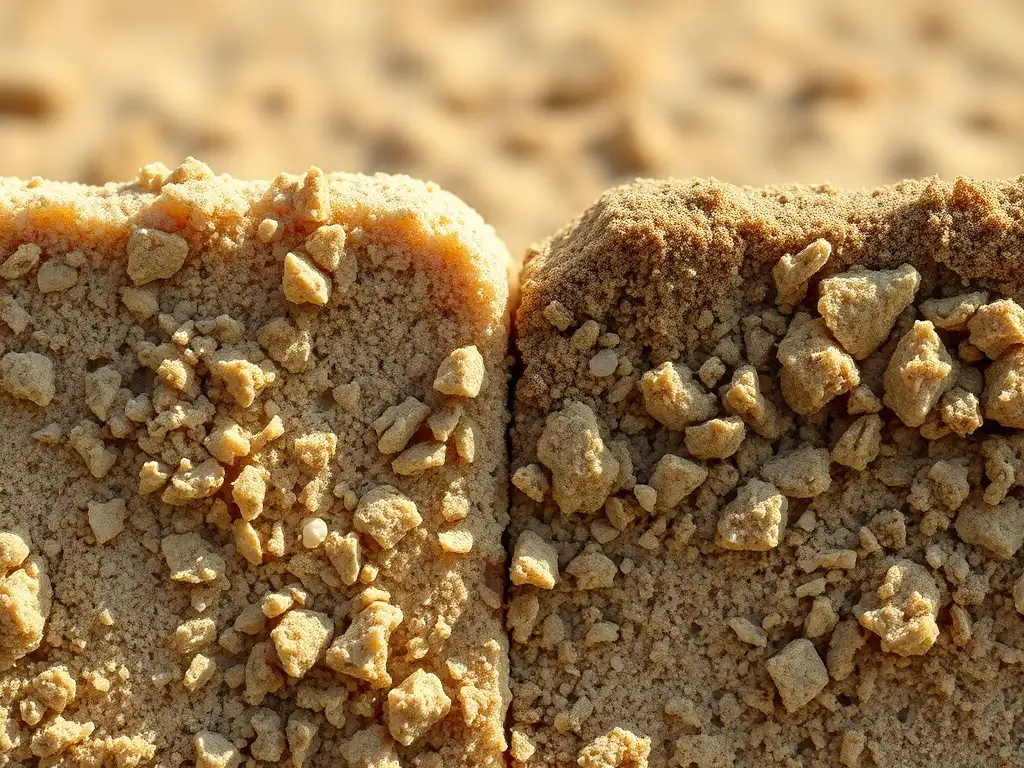
Sandy soil, while well-draining, presents a significant challenge for gardeners aiming to cultivate thriving plants. Its inherent low water retention capacity necessitates strategic interventions to improve moisture levels and nutrient availability. This section explores practical techniques to address this issue, focusing on methods that align with sustainable and organic gardening practices. Successful cultivation in sandy soil hinges on understanding its limitations and implementing solutions that enhance its ability to hold water and nutrients. Improving sandy soil water retention is achievable through diligent effort and the right techniques.
Adding Organic Matter: Compost, Peat Moss, and other Amendments
Improving the water retention capacity of sandy soil begins with amending it with organic matter. Organic matter acts like a sponge, increasing the soil's ability to absorb and hold water. Several excellent amendments are available, each with its own advantages and disadvantages.
Composting at Home: A Guide to Creating Nutrient-Rich Compost for Sandy Soil
Home composting offers a sustainable and cost-effective way to improve sandy soil. By breaking down organic waste – kitchen scraps, yard clippings, and even shredded paper – you create a nutrient-rich compost teeming with beneficial microorganisms. This compost significantly improves soil structure, aeration, and water retention. A well-maintained compost pile should reach temperatures high enough to kill off weed seeds and pathogens.
The resulting compost is dark, crumbly, and smells earthy. The process, however, requires patience and attention to maintaining the correct moisture and carbon-to-nitrogen ratio. A good rule of thumb is to aim for a 30:1 ratio of brown (carbon-rich) materials to green (nitrogen-rich) materials. Regular turning of the pile is crucial for proper decomposition.
Using Peat Moss Effectively: Benefits and Drawbacks for Water Retention
Peat moss is a widely used soil amendment known for its excellent water-holding capacity. It's especially beneficial in sandy soils, increasing their ability to retain moisture and nutrients. However, it's crucial to consider the environmental impact of peat moss harvesting, as it's a non-renewable resource.
Sustainable alternatives, such as coir (coconut fiber), are becoming increasingly popular and offer similar benefits with a smaller environmental footprint. When using peat moss, mix it thoroughly with the sandy soil to avoid creating pockets of concentrated peat which can become waterlogged. Start with small amounts and monitor the soil's moisture levels to avoid over-amendment.
Vermicomposting for Sandy Soil: Utilizing Worm Castings to Improve Soil Structure
Vermicomposting, or worm composting, is another effective method for improving sandy soil. Worm castings, the excrement of composting worms, are exceptionally rich in nutrients and beneficial microorganisms. They enhance soil structure, aeration, and water retention. The worms themselves also help to break down organic matter, further improving soil health.
Vermicomposting requires less space than traditional composting and produces a high-quality amendment ideal for sandy soils. Remember to maintain the correct moisture and temperature levels within your worm bin for optimal worm activity and castings production. Adding worm castings directly to the planting holes can provide a localized boost of nutrients and improve water retention around individual plants.
Mulching Techniques for Sandy Soil: Protecting Soil Moisture and Suppressing Weeds
Mulching plays a crucial role in improving water retention in sandy soils. A layer of mulch acts as a barrier, reducing evaporation and maintaining soil moisture. Organic mulches, such as straw, shredded leaves, or wood chips, also contribute organic matter to the soil over time, further enhancing its water-holding capacity.
The type of mulch you choose will depend on the specific plants you are growing and the aesthetic you desire. Proper mulching will also suppress weed growth, reducing competition for water and nutrients. Ensure that the mulch layer is thick enough to be effective (generally 2-4 inches) but not so thick that it hinders air circulation or plant growth.
Avoid using plastic mulches as they prevent the soil from absorbing water and can negatively impact soil health. Regularly replenish the mulch layer as it decomposes to maintain its effectiveness. Remember that proper mulching is a key component in a comprehensive strategy to improve sandy soil water retention.
Water Management Strategies for Sandy Soil: Efficient Irrigation Techniques
Sandy soil's low water retention capacity necessitates strategic irrigation to prevent drought stress and ensure optimal plant growth. Simply watering less frequently won't suffice; the key lies in efficient application methods that minimize water loss. Drip irrigation, for instance, delivers water directly to the plant's roots, reducing evaporation and runoff significantly.
This targeted approach is far more effective than overhead sprinkler systems, which can lose a substantial portion of water to evaporation, especially in hot, sunny conditions. Furthermore, drip irrigation systems can be easily automated, allowing for precise control over watering schedules based on weather conditions and plant needs. This minimizes water waste and ensures consistent moisture levels.
Another effective technique is soaker hoses. These porous hoses release water slowly and evenly along their length, providing a gradual and consistent supply of moisture to the root zone. Soaker hoses are particularly beneficial in smaller gardens or for individual plants, offering a simple yet effective method to improve water retention. While they may not offer the same level of precision as drip irrigation, their ease of use and affordability make them a popular choice for many home gardeners striving to improve sandy soil water retention.
Mulching plays a crucial role in water management for sandy soils. Organic mulches, such as wood chips, straw, or shredded leaves, create a protective barrier on the soil surface, reducing evaporation and suppressing weeds. The mulch helps to maintain a cooler, moister soil environment, minimizing the frequency of watering needed.
The choice of mulch depends on factors such as aesthetic preferences and available resources, but the overall benefit to water retention remains consistent across various mulch types. Remember to apply a sufficient layer of mulch (generally 2-4 inches) to achieve optimal results. Proper mulching significantly contributes to improving sandy soil water retention and reducing overall water consumption.
Beyond the techniques themselves, monitoring soil moisture levels is crucial. Regularly checking soil moisture using a moisture meter or by simply digging a few inches into the soil can help determine when watering is necessary. Overwatering can be just as detrimental as underwatering, leading to root rot and other plant problems.
Therefore, understanding the specific needs of your plants and adapting your watering schedule accordingly is paramount. This proactive approach to water management will help you optimize water use and promote healthy plant growth, effectively addressing the challenges posed by sandy soil. Careful observation and adjustment are key to mastering efficient irrigation in sandy soil environments.
Improving Nutrient Availability in Sandy Soil
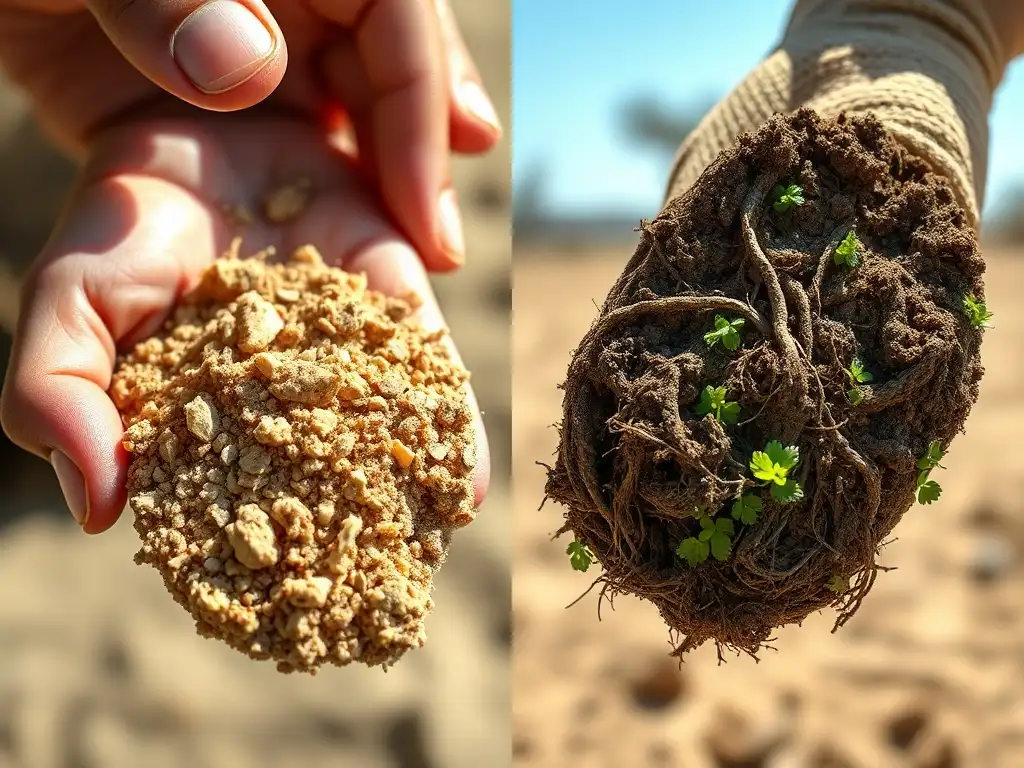
Sandy soil, while well-draining, presents a unique challenge for gardeners: its low water retention capacity often leads to nutrient leaching. This section focuses on practical strategies to improve nutrient availability in sandy soils, ensuring your plants receive the essential nutrients they need to thrive. Successfully improving sandy soil water retention is key to this process. We will explore various methods, prioritizing sustainable and organic approaches aligned with the CultivateYourFood ethos.
Slow-Release Fertilizers for Sandy Soil: Advantages and Applications
Slow-release fertilizers offer a significant advantage in sandy soils. Unlike fast-release fertilizers, which can be quickly leached away with irrigation or rainfall, slow-release options gradually release nutrients over time. This controlled release minimizes nutrient loss and ensures a consistent supply for plant uptake. This is crucial for improving sandy soil water retention because it reduces the need for frequent watering and fertilization, which can further leach nutrients.
Several types of slow-release fertilizers exist, each with its own characteristics. For example, coated fertilizers have nutrients encased in a protective coating that dissolves slowly. Organic slow-release options, such as composted manure or bone meal, break down naturally over time, releasing nutrients gradually.
Consider the following when choosing a slow-release fertilizer for your sandy soil:
- Nutrient composition: Select a fertilizer with a balanced NPK (Nitrogen, Phosphorus, Potassium) ratio suited to your specific plants' needs. A soil test can help determine the precise nutrient deficiencies.
- Release rate: Choose a release rate appropriate for your plants' growth cycle. Faster-releasing options may be suitable for fast-growing vegetables, while slower-releasing options are better for longer-season crops.
- Application method: Follow the manufacturer's instructions carefully for application rates and methods. Incorporating the fertilizer into the soil before planting is generally recommended for sandy soils.
Organic Fertilizers for Sandy Soil: Enhancing Nutrient Availability Naturally
Organic fertilizers are an excellent choice for improving nutrient availability in sandy soils while adhering to sustainable gardening practices. These fertilizers enhance soil structure, improve water retention, and provide a slow and steady release of nutrients. They also promote beneficial microbial activity, further enhancing soil health.
Examples of effective organic fertilizers for sandy soil include:
- Compost: Rich in organic matter, compost improves soil structure, water retention, and nutrient content. Adding a generous layer of compost before planting significantly improves the soil's ability to hold onto both water and nutrients.
- Worm castings: These are the excrement of earthworms and are exceptionally rich in nutrients and beneficial microbes. They improve soil aeration and water retention.
- Manure (well-composted): Aged manure provides a wealth of nutrients and organic matter, improving soil structure and water-holding capacity. Ensure it's well-composted to avoid burning your plants.
The benefits of using organic fertilizers extend beyond simply providing nutrients. They contribute to a healthier soil ecosystem, fostering beneficial microorganisms that help break down organic matter and make nutrients available to plants. This holistic approach is crucial for long-term soil health and sustainability.
Cover Cropping for Sandy Soil: Improving Soil Structure and Fertility
Cover cropping is a powerful technique to improve sandy soil structure and fertility. Cover crops are plants grown specifically to improve soil health, not for harvest. They help to improve water retention by adding organic matter, preventing erosion, and suppressing weeds. The roots of cover crops help bind the soil particles together, improving soil structure and reducing compaction.
Choosing the right cover crop is crucial for sandy soil. Consider these factors:
- Root system: Deep-rooted cover crops, such as rye or vetch, are particularly beneficial for sandy soils as they help to improve soil structure and water infiltration.
- Growth habit: Fast-growing cover crops can quickly build up organic matter, while slower-growing options can provide longer-term soil improvement.
- Nitrogen fixation: Legumes, such as clover or alfalfa, fix nitrogen from the air, enriching the soil with this essential nutrient. This is particularly beneficial in sandy soils where nitrogen can be easily leached.
After the cover crop has grown, it can be tilled into the soil to add organic matter, or it can be chopped and left on the surface as mulch. This added organic matter helps improve water retention and nutrient availability, providing a significant boost to your plants’ health. The incorporation of cover cropping into your gardening routine is a significant step towards improving sandy soil water retention and overall soil health. This sustainable practice contributes to a more resilient and productive garden.
Using Soil Amendments to Increase Nutrient Retention: Examples and Applications
Sandy soils, while well-draining, are notorious for their poor nutrient and water retention capabilities. This is because sand particles are large and leave significant spaces between them. These large pore spaces allow water and nutrients to drain quickly, leaving plants thirsty and nutrient-deficient. To improve nutrient availability in sandy soil, we must focus on increasing the soil's organic matter content and improving its structure. This is where soil amendments come in.
Soil amendments are materials added to the soil to improve its physical, chemical, and biological properties. For sandy soils, the primary goal is to increase water retention and nutrient holding capacity. Effective amendments typically include organic materials that enhance soil structure and provide slow-release nutrients.
One of the most effective amendments is compost. Compost is a rich source of organic matter, improving soil structure by binding sand particles together, creating smaller pore spaces that better retain water and nutrients. Adding compost also introduces beneficial microorganisms that further enhance nutrient cycling and availability.
A typical application rate might be 2-4 inches of well-rotted compost spread evenly over the garden bed and tilled into the top 6-8 inches of soil. The exact amount will depend on the initial soil condition and the type of compost used. For instance, a mature, dark compost will be more effective than a newly made, light-colored compost.
Another excellent amendment is well-aged manure. Similar to compost, manure adds organic matter and improves soil structure. However, it also provides a direct source of essential nutrients like nitrogen, phosphorus, and potassium. Remember to use well-aged manure to avoid burning plants with high salt concentrations. Applying aged manure at a rate of about 2-3 inches before planting and then mixing it thoroughly into the soil provides a slow-release nutrient source. Different types of manure offer varying nutrient compositions; for example, chicken manure is much richer in nitrogen compared to cow manure.
Other effective amendments include peat moss, which improves water retention by increasing the soil's water-holding capacity. However, peat moss is a non-renewable resource, so consider alternatives like coir (coconut fiber), a sustainable and readily available option that offers similar benefits. Both peat moss and coir are particularly useful for improving the soil's ability to retain moisture, a crucial aspect of improving sandy soil water retention. They provide a sponge-like structure that holds water near the plant roots.
Finally, the use of cover crops is a beneficial strategy that improves soil health over the long term. Cover crops such as legumes (e.g., clover, alfalfa) add nitrogen to the soil through biological fixation. Growing and tilling these crops into the soil increases organic matter and enhances nutrient cycling. This is a sustainable and environmentally friendly method to improve nutrient retention without the need for synthetic fertilizers. The specific choice of cover crop depends on your climate and growing season.
By strategically using a combination of these amendments, you can significantly improve the nutrient retention capacity of your sandy soil, leading to healthier, more vigorous plants. Remember to conduct regular soil tests to monitor the nutrient levels and adjust your amendment strategy accordingly. The key to success is a holistic approach that focuses on improving soil structure and organic matter content over time. This will greatly contribute to your ability to improve sandy soil water retention.
Choosing the Right Soil Testing Kit for Sandy Soil
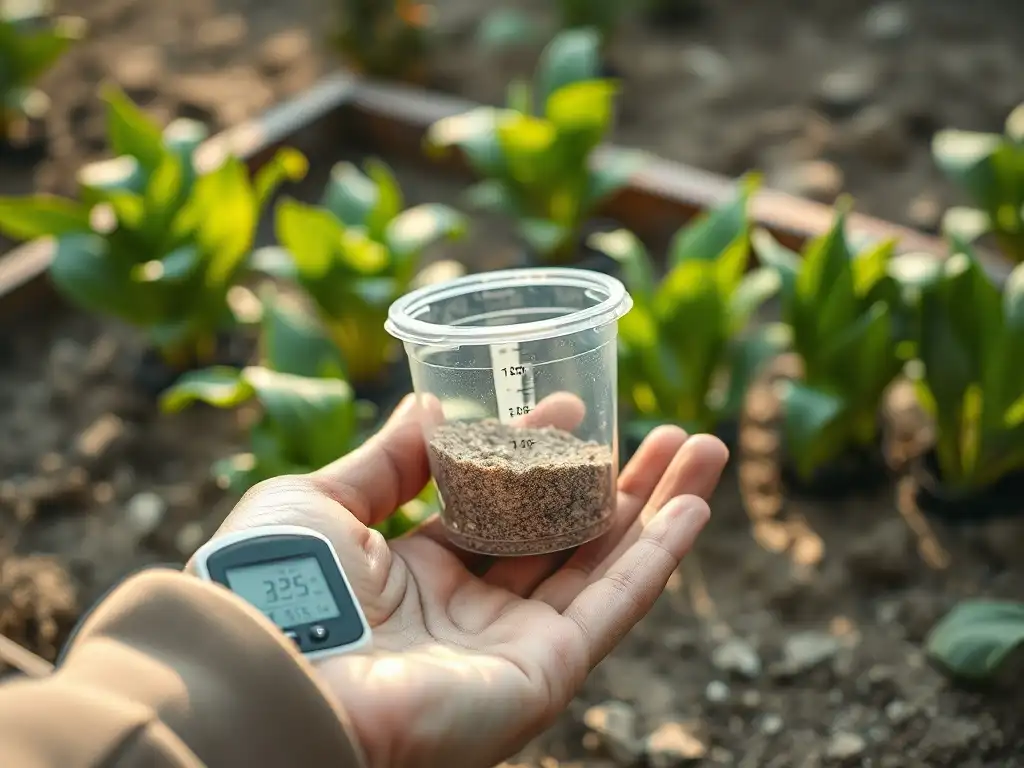
Sandy soil presents unique challenges for home gardeners. Its loose structure leads to poor water retention and nutrient availability, crucial factors impacting plant health and yield. Therefore, selecting the right soil testing kit is paramount to understanding your sandy soil's composition and implementing effective improvement strategies to improve sandy soil water retention.
Not all kits are created equal; some are better suited for analyzing the specific needs of sandy soils than others. This section will guide you through the process of choosing a kit that accurately assesses your soil's characteristics and helps you develop a tailored plan for improved water retention and nutrient uptake. Remember, accurately assessing your soil's deficiencies is the first step towards cultivating a thriving garden, even in sandy conditions.
Best Soil Test Kits for Sandy Soil: A Comparative Analysis
Choosing the right soil test kit for sandy soil requires careful consideration of several factors. A comprehensive kit should not only measure pH but also provide insights into essential nutrient levels like nitrogen (N), phosphorus (P), and potassium (K), often referred to as NPK. Sandy soil is particularly prone to nutrient leaching, so accurate NPK readings are vital for effective fertilization. Furthermore, the kit should be easy to use, provide clear instructions, and offer accurate results – crucial for reliable diagnosis and effective remediation.
Features and Benefits of Specific Soil Test Kits for Sandy Soil Analysis
Let's analyze some hypothetical examples. Imagine three soil testing kits: Kit A, Kit B, and Kit C.
| Kit Name | pH Measurement | NPK Measurement | Organic Matter Test | Ease of Use | Price Range |
|---|---|---|---|---|---|
| Kit A | Yes | Yes | No | Easy | $20 - $30 |
| Kit B | Yes | Yes | Yes | Moderate | $40 - $60 |
| Kit C | Yes | Yes (limited) | No | Easy | $15 - $25 |
Kit A provides a good balance of features and affordability. It accurately measures pH and NPK levels, essential for sandy soil analysis. However, the lack of organic matter testing might limit its comprehensive assessment. Kit B offers a more thorough analysis, including organic matter testing, vital for understanding soil structure and water retention.
However, it comes at a higher price. Kit C, while budget-friendly, offers limited NPK testing, potentially hindering the accuracy of nutrient deficiency diagnosis. The choice depends on your budget and the level of detail required. For improving sandy soil water retention, understanding organic matter content is highly beneficial.
Features and Benefits of Specific Soil Test Kits for Sandy Soil Analysis (Continued)
Beyond the basic NPK and pH, some advanced kits may analyze micronutrients like iron, zinc, and manganese, which can be deficient in sandy soils. These micronutrients play a critical role in plant growth and overall health. Consider whether the added cost of a more comprehensive test justifies the extra information provided. For example, a deficiency in iron could manifest as chlorosis (yellowing) in plants, a common issue in sandy soils with poor drainage.
A kit revealing such deficiencies allows for targeted corrective measures. Remember, the goal is to improve sandy soil water retention and nutrient availability, and a comprehensive test helps achieve that. Consider also the method of testing – some use liquid reagents, others employ test strips. Choose a method comfortable for you and ensures accuracy.
Factors to Consider When Choosing a Soil Testing Kit
Several factors influence the selection of a suitable soil testing kit for sandy soil. Budget is a primary concern; however, it shouldn't compromise the accuracy and comprehensiveness of the test. The ease of use is also important; a complex kit might discourage regular testing. The testing method (e.g., liquid reagent vs. test strips) should also be considered based on personal preference and available resources.
The turnaround time for results, if sending samples to a lab, is another crucial factor. Finally, ensure the kit is specifically designed to measure parameters relevant to sandy soil, such as organic matter content, which directly impacts water retention and nutrient availability. A comprehensive kit offering all of these features will provide the most accurate data to help you improve sandy soil water retention and build a thriving garden.
Interpreting Results and Taking Action: A Step-by-Step Guide
Interpreting the results of your sandy soil test is crucial for improving its water retention and nutrient availability. Most kits provide a detailed report indicating the levels of essential nutrients like nitrogen (N), phosphorus (P), and potassium (K), often expressed as parts per million (ppm) or as percentages. They also typically assess soil pH, a measure of acidity or alkalinity, which significantly impacts nutrient uptake. Low pH (acidic soil) can hinder nutrient availability, while high pH (alkaline soil) can lock up certain nutrients. Understanding these parameters is the first step towards effective soil amendment.
For example, a low potassium reading might suggest a need for potassium-rich fertilizers like wood ash or potash. Similarly, a low pH reading might require the addition of lime to raise the pH to a more optimal range for your plants. Conversely, overly high levels of certain nutrients might indicate a need for soil dilution through the addition of organic matter, which also improves water retention. Remember that sandy soils tend to be low in organic matter, contributing to their poor water retention.
Once you understand your soil's deficiencies and excesses, creating a tailored plan is essential. This involves selecting appropriate amendments to address the specific issues identified by your soil test. For sandy soils, focusing on increasing organic matter is paramount. This can be achieved through the addition of compost, aged manure, or other organic materials.
These materials not only improve water retention but also enhance nutrient availability and improve soil structure, creating a more hospitable environment for your plants' roots. The amount of amendment you'll need will depend on the severity of the deficiencies identified in your test results. Usually, a gradual approach is recommended, allowing for observation and adjustment as needed.
The process of soil improvement is iterative. After implementing your amendment plan, it's crucial to retest your soil after a few months, perhaps after a growing season, to monitor the effectiveness of your actions. This allows you to refine your approach and make any necessary adjustments to ensure your sandy soil is optimally prepared for healthy plant growth. Consistent monitoring and adjustments are key to achieving long-term improvements in sandy soil water retention and overall soil health.
Remember to document your findings, including the initial test results, amendments added, and subsequent test results, for future reference and to track your progress. This creates a valuable record of your soil's journey towards optimal health. This data will also be invaluable should you encounter similar issues in the future.
Maintaining Healthy Sandy Soil: Long-Term Strategies
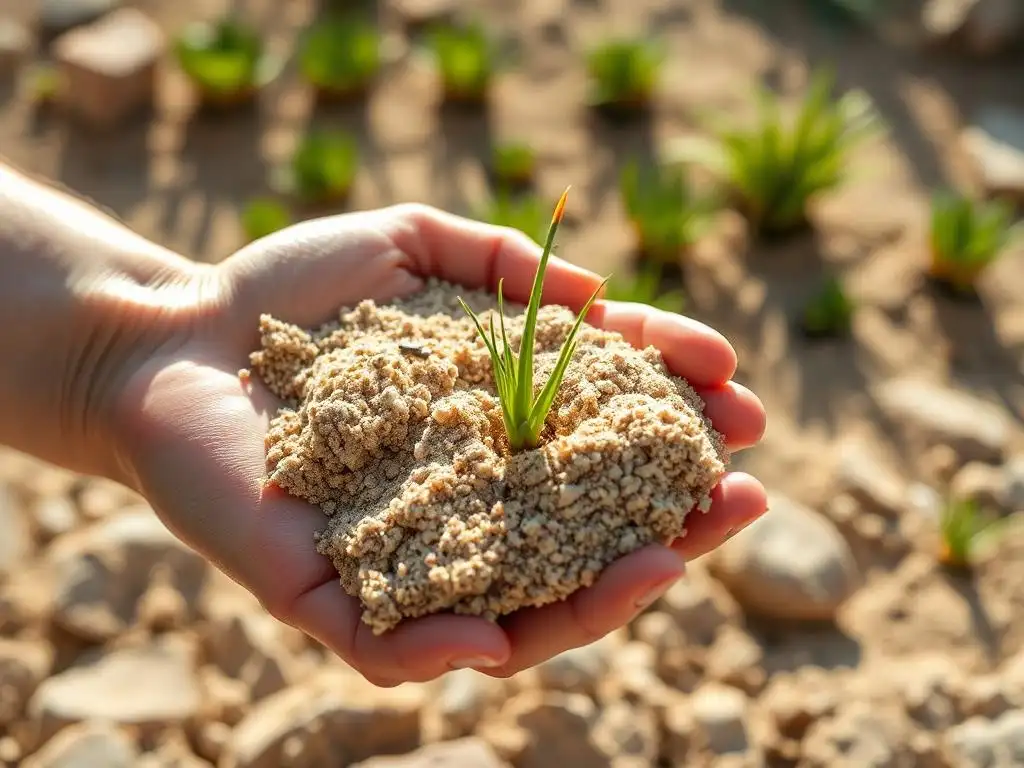
Sandy soil, while well-draining, presents unique challenges for home gardeners aiming to improve sandy soil water retention and cultivate thriving plants. Its low water retention capacity and tendency to leach nutrients requires a proactive and ongoing management strategy. This section outlines long-term approaches to maintain healthy, productive sandy soil, focusing on sustainable practices that benefit both your plants and the environment.
Regular Soil Testing: Monitoring Soil Health and Nutrient Levels Over Time
Regular soil testing is crucial for understanding the ongoing needs of your sandy soil. Unlike heavier clay soils, sandy soils require more frequent monitoring because nutrients are easily leached away with irrigation or rainfall. Ideally, you should conduct soil tests at least twice a year – once in spring before planting and again in late summer or fall after the main growing season. This allows you to track changes in nutrient levels and pH, adapting your soil management strategies accordingly.
The frequency of testing might need adjustment depending on several factors:
- Intensity of cultivation: More intensive gardening, involving frequent planting and harvesting, will deplete nutrients faster, demanding more frequent testing.
- Rainfall patterns: Areas with high rainfall will experience greater nutrient leaching, necessitating more frequent monitoring to avoid deficiencies.
- Type of plants: Nutrient-hungry plants, such as tomatoes or leafy greens, will require more frequent soil testing to ensure they receive adequate nutrition.
Analyzing the results of your soil tests will help you understand the current state of your soil and identify potential deficiencies or imbalances. This information will inform your choices regarding fertilization, amendment additions, and overall soil management practices. Remember to use a soil testing kit specifically designed for the needs of sandy soils to obtain reliable and accurate results. This will help you accurately address nutrient deficiencies and optimize your soil's capacity for water retention.
Sustainable Practices for Sandy Soil Management: Protecting Soil Health in the Long Run
Sustainable soil management practices are key to improving and maintaining the health of sandy soil over the long term. These practices focus on building soil structure, improving water retention, and enhancing nutrient availability without relying on harmful chemicals.
Here are some key sustainable practices:
- Organic Matter Addition: The cornerstone of improving sandy soil is increasing its organic matter content. This can be achieved through regular additions of compost, aged manure, leaf mold, or other organic materials. Organic matter improves soil structure, increases water-holding capacity, and provides a slow-release source of nutrients. Aim for a consistent addition of organic matter throughout the year.
- Cover Cropping: Planting cover crops like clover, rye, or vetch during fallow periods helps prevent soil erosion, improves soil structure, and adds organic matter. These plants also fix nitrogen in the soil, reducing the need for synthetic fertilizers.
- Mulching: Applying a layer of mulch, such as straw, wood chips, or shredded leaves, helps retain soil moisture, suppress weeds, and regulate soil temperature. Mulch also contributes organic matter to the soil over time.
- No-Till Gardening: Avoiding tilling helps maintain soil structure and protect beneficial soil organisms. Tillers can disrupt the delicate structure of sandy soil, leading to further water loss and nutrient leaching.
Troubleshooting Common Issues: Addressing Problems and Maintaining Healthy Plants
Even with diligent soil management, you may encounter challenges with sandy soil. Early identification and prompt action are crucial for maintaining healthy plants.
Here are some common issues and their solutions:
| Issue | Description | Solution |
|---|---|---|
| Nutrient Deficiency | Plants exhibit yellowing leaves, stunted growth, or other signs of nutrient lack. | Amend soil with compost and/or appropriate fertilizers based on soil test results. |
| Waterlogging | Despite sandy soil's drainage, poor drainage can occur if the soil is compacted. | Improve drainage by adding organic matter and avoiding compaction. |
| Erosion | Loss of topsoil due to wind or water. | Implement cover cropping, mulching, and windbreaks to prevent erosion. |
| Weed Infestation | Weeds compete with plants for water and nutrients. | Practice careful weeding, mulching, and consider using organic weed control methods. |
| Pest Problems | Insects or diseases can affect plant health. | Implement integrated pest management strategies, focusing on preventative measures. |
By implementing these long-term strategies, you can effectively improve sandy soil water retention, enhancing nutrient availability and creating a thriving environment for your plants. Regular monitoring through soil testing will allow you to adapt your approach and address any emerging challenges, ensuring the sustained health and productivity of your sandy soil garden. Remember that patience and consistent effort are essential to achieving long-term success in cultivating healthy sandy soil.
Case Studies: Successful Sandy Soil Improvement Projects
This section showcases real-world examples of how gardeners have successfully improved water retention and nutrient availability in sandy soil. These case studies highlight various techniques and demonstrate the tangible results achievable through diligent soil amendment and management. Learning from these successes can inspire and guide your own sandy soil improvement journey. Remember, improving sandy soil water retention is a process, not a quick fix, requiring consistent effort and observation.
Successful Sandy Soil Improvement Project 1: Transforming a Sandy Garden
One homeowner, let's call her Sarah, inherited a neglected garden plot characterized by extremely sandy soil. Water drained away almost instantly after watering, leaving plants constantly stressed. Her initial soil test revealed low organic matter, poor water holding capacity, and limited nutrient retention. Sarah embarked on a multi-year project to rejuvenate her sandy soil, focusing on improving its structure and fertility.
Her approach involved several key steps:
- Adding Organic Matter: She began by incorporating copious amounts of compost, aged manure, and leaf mold. This significantly increased the soil's organic matter content, improving its structure and water retention capabilities. She applied approximately 5 cubic feet of compost per 100 square feet of garden space annually for the first three years.
- Cover Cropping: Sarah planted cover crops like clover and rye during the off-season. These plants helped prevent erosion, added organic matter to the soil as they decomposed, and improved its overall structure. The cover crops were tilled into the soil before planting her main crops.
- Mulching: A thick layer of organic mulch (shredded leaves, wood chips) was applied to the garden beds. This helped retain moisture, suppress weeds, and further improve the soil's structure over time. She maintained a 3-4 inch layer of mulch throughout the growing season.
- Regular Soil Testing: Sarah conducted regular soil tests (at least annually) to monitor the changes in her soil's properties. This allowed her to adjust her approach as needed, ensuring the ongoing improvement of her garden soil.
The results were remarkable. After three years of consistent effort, Sarah's sandy soil retained significantly more water, leading to healthier, more vigorous plants. Her vegetable yields increased dramatically, and the overall health of her garden improved considerably. The transformation illustrated the power of patience and consistent application of soil improvement techniques. Her improved soil now boasts better nutrient availability, leading to thriving plants.
Successful Sandy Soil Improvement Project 2: Restoring a Sandy Lawn
A homeowner, let's call him John, faced a different challenge: a sandy lawn that struggled to stay green, especially during dry periods. The grass was thin, patchy, and prone to drought stress. John's initial assessment confirmed the low organic matter and poor water retention characteristic of sandy soils. His strategy focused on improving the soil's ability to hold moisture and provide essential nutrients for healthy grass growth.
His approach included:
- Topdressing: John applied a layer of topsoil blended with compost to his lawn. This added organic matter and improved the soil's texture, enhancing water infiltration and retention. He applied approximately ½ inch of the mixture every six months.
- Aerification: To improve water and air penetration, John aerated his lawn regularly using a core aerator. This process created small holes in the soil, allowing water and nutrients to reach the grass roots more effectively. He aerated the lawn twice a year, in spring and fall.
- Over-seeding: He over-seeded his lawn with a drought-tolerant grass variety suited to sandy soils. This helped to establish a denser, more resilient turf that could better withstand dry conditions.
- Smart Watering: John adopted a deep, infrequent watering strategy, encouraging deeper root growth and improving the lawn's drought tolerance. He avoided frequent, shallow watering, which only wets the surface and encourages shallow root systems.
After two years of implementing these practices, John's sandy lawn showed significant improvement. The grass was thicker, greener, and more resistant to drought. The improved water retention reduced the frequency of watering required, resulting in both water and cost savings. His success story emphasizes the importance of a holistic approach to sandy soil improvement, combining soil amendments with appropriate lawn care practices. The improved soil structure resulted in a healthier, more sustainable lawn.
Frequently Asked Questions
What is the biggest challenge with sandy soil?
Sandy soil's biggest challenge is its poor water retention. Water drains too quickly, leaving plants thirsty and nutrients leaching away. Amendments are key to improving this.
How can I improve water retention in my sandy soil?
Adding organic matter like compost, peat moss, or well-rotted manure significantly improves water retention. This increases the soil's ability to hold moisture and nutrients. Mulching also helps.
What are the best soil amendments for sandy soil?
Compost is excellent, adding both organic matter and nutrients. Other good choices include peat moss, coco coir, and well-rotted manure. The goal is to increase the soil's structure and water-holding capacity.
How often should I test my sandy soil?
Testing at least once a year, ideally in spring before planting, is recommended. This allows you to monitor nutrient levels and adjust your soil amendments accordingly for optimal plant growth. Regular testing ensures healthy plants.
Besides water retention, what other issues does sandy soil present?
Sandy soil often lacks essential nutrients because they drain away easily. It also has poor structure, making it difficult for roots to penetrate and establish themselves. Addressing both these issues is crucial for success.
Final Reflection: Cultivating a Future for Sandy Soils
The quest for improved water retention in sandy soils is not merely a horticultural pursuit; it's a crucial step towards sustainable agriculture and environmental stewardship. Our planet's precious water resources are under increasing pressure, and understanding how to optimize water use in even the most challenging soil types is paramount for a secure food future. The techniques explored in this article – from organic amendments to innovative water management strategies – represent vital tools in this ongoing effort.
The impact of sandy soil limitations extends far beyond the individual gardener; it shapes entire agricultural landscapes and influences the livelihoods of countless communities. The struggle to cultivate fertile land in arid and semi-arid regions is a stark reminder of the interconnectedness of soil health, water availability, and human well-being. The land is what gives us our identity; it is what we are connected to, what we are made of.
This quote underscores the profound relationship between humanity and the soil beneath our feet, highlighting the urgency of addressing challenges like poor water retention in sandy soils.
Consider the implications of the information presented here. You now possess the knowledge to transform your own sandy soil, enhancing its capacity to nurture life. But more than that, you have the power to share this knowledge, to inspire others to adopt sustainable practices, and to contribute to a future where our relationship with the earth is one of respect, understanding, and responsible stewardship. Let us cultivate not only healthier soils, but also a healthier planet, one improved sandy soil at a time.
Unlock Your Sandy Soil's Potential: Grow a Thriving Garden!
Thank you for learning how to improve your sandy soil! You now have the knowledge to transform your garden from parched to productive. Let's put that knowledge to work.
- Start your soil test today! Testing your soil is the crucial first step towards a healthier garden. The results will provide the precise data you need to make targeted improvements.
- Share your sandy soil success story (or questions!) in the comments below. Let's build a community of gardeners working together to overcome this common challenge.
- Consider implementing some of the water-retention techniques discussed in this article—even small changes can make a significant difference!
Ready to see your plants thrive? What's the first step you'll take to improve your sandy soil's water retention?