
Troubleshooting Common Organic Fertilizer Problems: A Guide for Beginners

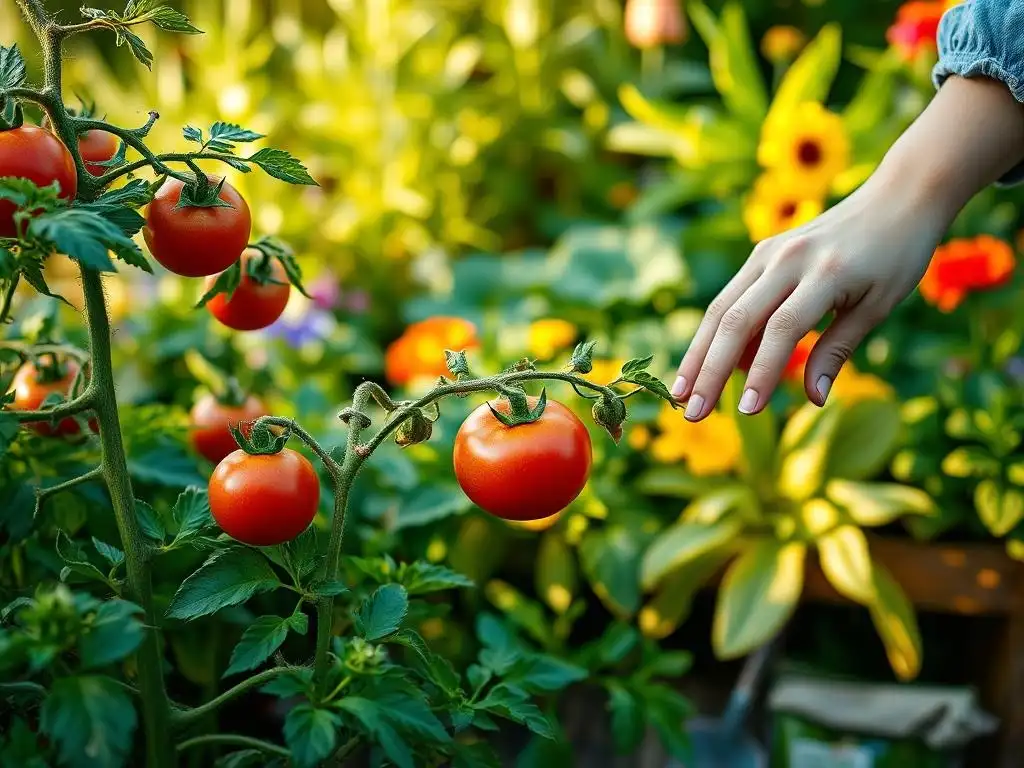
Ready to unlock the secrets to a thriving, organic garden? At CultivateYourFood, we're passionate about helping you grow your own delicious fruits, vegetables, and herbs. But even the most dedicated gardeners encounter challenges. That's why we've created this comprehensive guide to Organic Fertilizer Problems Solutions, addressing common issues and offering practical, sustainable solutions. Discover how to overcome obstacles and reap a bountiful harvest – let's get growing!
- Understanding Organic Fertilizer Issues: Identifying Problems Early
- Common Organic Fertilizer Problems and Their Solutions
- Choosing the Right Organic Fertilizer for Your Needs
- Preventing Future Organic Fertilizer Problems
- Resources for Further Learning about Organic Fertilizers
-
Frequently Asked Questions
- What are some common problems with organic fertilizers?
- How can I prevent burning my plants with organic fertilizers?
- My plants aren't growing as quickly as expected, even after using organic fertilizer. What should I do?
- Are there any pests attracted to organic fertilizers?
- My organic fertilizer smells bad. Is this normal?
- Final Reflection: Cultivating Success: Nurturing Your Organic Garden
- Unlock Your Garden's Potential: Take Action Now!
Understanding Organic Fertilizer Issues: Identifying Problems Early
Cultivating a thriving organic garden relies heavily on proper fertilization. While organic fertilizers offer numerous benefits – enriching soil structure, promoting beneficial microbial activity, and providing sustained nutrient release – they also present unique challenges. This guide addresses common organic fertilizer problems, equipping beginner gardeners with the knowledge to identify, diagnose, and solve issues effectively, ensuring a bountiful harvest.
We'll explore nutrient deficiencies, the pitfalls of over-fertilizing, and strategies for correcting imbalances, all while keeping your organic gardening practices sustainable and successful. Mastering these techniques will transform you from a novice gardener into a confident cultivator, capable of nurturing healthy and productive plants using organic methods. Let's delve into the specifics of troubleshooting organic fertilizer problems and achieving optimal plant health.
Nutrient Deficiencies in Organic Gardening: Recognizing the Signs
Nutrient deficiencies are a common hurdle in organic gardening, often stemming from an imbalance in the soil's nutrient profile or inadequate fertilizer application. Recognizing these deficiencies early is crucial for timely intervention and preventing significant yield losses. Different nutrients manifest in distinct symptoms, which we will explore in detail. Remember, accurate diagnosis is key to selecting the right corrective action.
Identifying Nitrogen Deficiency in Vegetables
Nitrogen (N) is vital for robust vegetative growth. Nitrogen deficiency often presents as stunted growth, pale green or yellow leaves (chlorosis), especially on older leaves, and a general weakening of the plant. Legumes, known for their nitrogen-fixing capabilities, may still exhibit these symptoms if the soil lacks other essential nutrients or if the nitrogen-fixing bacteria are not thriving. Addressing this involves applying nitrogen-rich organic fertilizers like composted manure or blood meal, ensuring proper soil aeration, and incorporating cover crops to enhance nitrogen fixation.
Phosphorus Deficiency Symptoms
Phosphorus (P) is essential for root development, flowering, and fruiting. Phosphorus deficiency may manifest as stunted root growth, dark green or purplish leaves, delayed flowering, and poor fruit development. The lower leaves may exhibit a purplish hue due to the plant's attempt to utilize anthocyanins. To remedy this, use bone meal, rock phosphate, or composted poultry manure, which are rich in phosphorus.
Potassium Deficiency in Plants
Potassium (K) plays a vital role in plant health, affecting water regulation, disease resistance, and overall vigor. Potassium deficiency often leads to leaf scorching (brown, crispy edges or tips), wilting, and reduced fruit size. The symptoms typically begin on older leaves, progressing to younger ones if the deficiency is severe. Consider applying potassium-rich fertilizers like wood ash (use cautiously, checking pH) or greensand.
Diagnosing Micronutrient Deficiencies in Organic Soil
Micronutrients, such as iron (Fe), zinc (Zn), manganese (Mn), boron (B), copper (Cu), molybdenum (Mo), and chlorine (Cl), are needed in smaller amounts but are crucial for various metabolic processes. Micronutrient deficiencies can cause a range of symptoms, often manifesting as interveinal chlorosis (yellowing between leaf veins), stunted growth, and discoloration. Diagnosing specific micronutrient deficiencies can be challenging and often requires soil testing to identify the precise deficiency. Addressing these deficiencies may involve using chelated micronutrient fertilizers or amending the soil with appropriate organic materials. Remember that soil pH plays a significant role in micronutrient availability.
Over-Fertilizing with Organic Matter: The Dangers of Too Much of a Good Thing
While organic fertilizers are generally considered safe, excessive application can lead to several problems. The adage "too much of a good thing" certainly applies here. Over-fertilizing can harm plants and disrupt the delicate soil ecosystem.
Burning Plants with Excessive Organic Fertilizer
Applying too much concentrated organic fertilizer, especially fresh manure, can "burn" plant roots, damaging them and hindering nutrient uptake. The high salt concentration in fresh manure can also cause osmotic stress, preventing plants from absorbing water effectively. This leads to wilting, leaf scorching, and even plant death. Always use well-composted organic matter, and follow recommended application rates.
Salt Buildup from Organic Fertilizers
Even well-composted organic fertilizers contain salts that can accumulate in the soil over time, especially with excessive application or poor drainage. Salt buildup reduces water availability to plant roots, leading to symptoms similar to drought stress, such as wilting and leaf scorch. Regular soil testing and appropriate irrigation practices are crucial to prevent salt buildup.
Correcting Over-Fertilization
Correcting over-fertilization involves flushing the soil with copious amounts of water to leach out excess salts. Improving soil drainage is crucial to prevent future salt accumulation. In severe cases, you may need to remove some of the topsoil and replace it with fresh, well-amended soil. Avoid fertilizing for a period to allow the soil to recover its balance. Regular soil testing is vital for monitoring salt levels and nutrient balances.
Common Organic Fertilizer Problems and Their Solutions
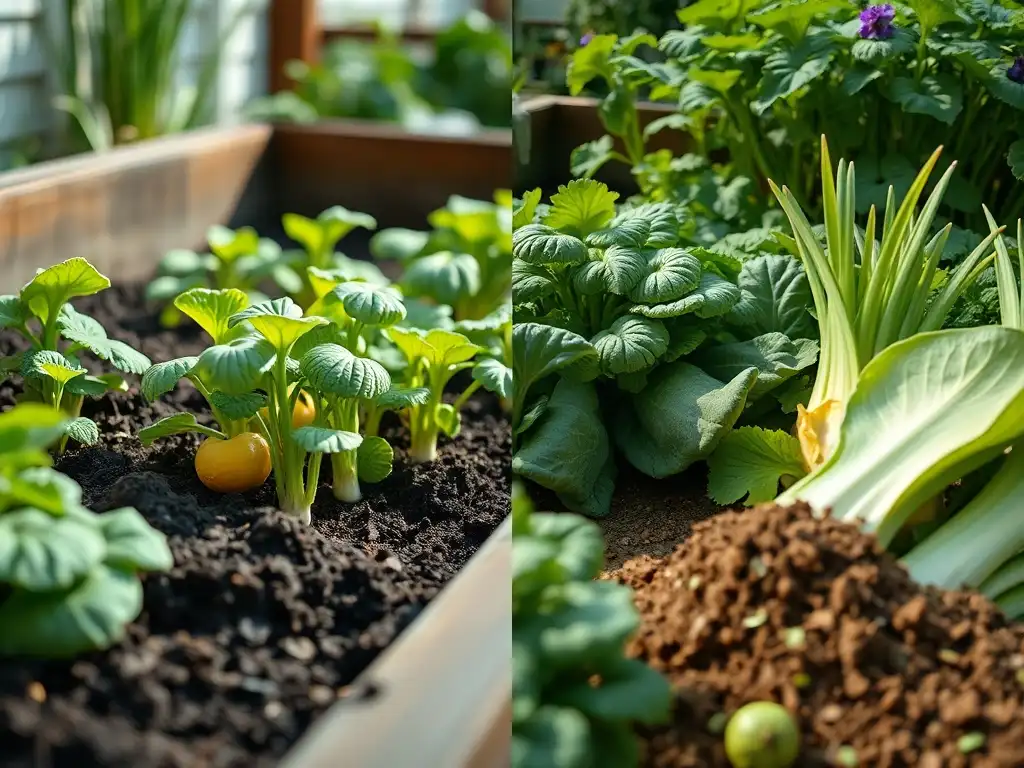
This section delves into specific issues encountered when using organic fertilizers, providing practical solutions for achieving optimal plant growth and yield. We'll explore problems related to slow-release fertilizers, pest and disease issues, and nutrient imbalances, offering actionable advice for both novice and experienced organic gardeners. Remember, patience and observation are key to successful organic gardening.
Dealing with Slow-Release Fertilizer Issues: Patience and Proper Application
Slow-release organic fertilizers, while beneficial for sustained nutrient delivery, can sometimes present challenges. Understanding their characteristics and application is crucial for avoiding problems.
Choosing the Right Slow-Release Fertilizer
Selecting the appropriate slow-release fertilizer is the first step to success. Different fertilizers have varying nutrient compositions and release rates. For example, composted manure releases nutrients gradually over several months, while some pelletized fertilizers offer a more controlled release over a shorter period. Consider your plant's specific nutrient needs and the length of its growing season when making your choice. Analyzing your soil beforehand can also guide your fertilizer selection, ensuring you address any deficiencies effectively. A soil test can reveal whether you need a fertilizer rich in nitrogen, phosphorus, or potassium, or a balanced blend.
Understanding the Release Rates of Different Organic Fertilizers
The release rate of an organic fertilizer is determined by several factors, including its composition, particle size, and environmental conditions. For instance, finely ground bone meal will release phosphorus more quickly than coarser bone meal. Similarly, warmer soil temperatures generally accelerate the decomposition and nutrient release process. Understanding these dynamics is crucial for timing fertilizer applications effectively. Over-application of a slow-release fertilizer can lead to nutrient burn, while under-application might result in nutrient deficiency. Careful planning and observation are vital.
Optimizing Slow-Release Fertilizer for Different Plants
Different plants have different nutrient requirements and growth cycles. A slow-release fertilizer suitable for a long-season vegetable like tomatoes might be inappropriate for a fast-growing leafy green like lettuce. For instance, tomatoes benefit from a steady supply of nutrients throughout their long growing season, while lettuce needs a quicker nutrient boost for rapid growth. Adjusting the application rate and type of slow-release fertilizer based on the specific plant needs ensures optimal results. Consider using a granular fertilizer for larger plants and a liquid fertilizer for smaller, faster-growing plants.
While organic fertilizers promote healthy plant growth, they can sometimes inadvertently attract pests or create conditions conducive to disease. Proactive measures are essential for preventing and managing these issues.
Attracting Pests with Certain Organic Fertilizers
Some organic fertilizers, particularly those rich in nitrogen, might attract certain pests. For instance, an excess of nitrogen can lead to lush, succulent growth that's more appealing to aphids and other sap-sucking insects. Maintaining a balanced nutrient profile, avoiding over-fertilization, and practicing crop rotation can help mitigate this risk. Regular monitoring for pests and early intervention with organic pest control methods are crucial.
Preventing Disease with Proper Soil Hygiene and Fertilizer Management
Poor soil hygiene can contribute to the spread of plant diseases. Using properly composted organic fertilizers, ensuring good soil drainage, and practicing crop rotation are vital steps in disease prevention. Over-fertilizing can also weaken plants, making them more susceptible to diseases. A balanced approach to fertilization, combined with good sanitation practices, is crucial for maintaining healthy plants.
Using Beneficial Nematodes to Combat Pests
Beneficial nematodes are microscopic worms that can effectively control certain soilborne pests. These nematodes are a natural and environmentally friendly way to manage pests like grubs and other soil insects. They can be incorporated into the soil along with your organic fertilizer as part of an integrated pest management strategy. However, it's important to choose nematodes specific to the target pest and follow application instructions carefully. This requires research into which nematodes are effective against the specific pests affecting your plants. Using beneficial nematodes is a proactive approach to pest management in organic gardening.
Troubleshooting Compost Tea Problems: Achieving the Right Balance
Compost tea, a fantastic organic fertilizer, can sometimes present challenges. Successfully brewing and using compost tea requires attention to detail and understanding of potential pitfalls. Improper brewing can lead to ineffective or even harmful applications to your plants. Let's delve into some common issues and their solutions.
Over-Concentrated Compost Tea
An over-concentrated compost tea is a common mistake among beginners. This occurs when the ratio of compost to water is too high, resulting in a brew that's overly rich in nutrients. The symptoms in your plants might include leaf burn, characterized by brown or scorched leaf edges and tips. You might also observe stunted growth or wilting, as the plant struggles to absorb the excessive nutrients. The soil itself might become overly saturated with salts, hindering water absorption.
To avoid this, always carefully follow the instructions on your chosen compost tea recipe. Start with a weaker brew and gradually increase the concentration if needed. Using a proper aeration system during brewing is crucial, as it helps to prevent the buildup of harmful anaerobic bacteria which can contribute to nutrient imbalances. Remember, it's always easier to add more compost tea than to dilute an already strong brew. If you've already created an over-concentrated batch, dilute it with additional water before applying it to your plants.
Under-Fermented Compost Tea
Conversely, under-fermented compost tea lacks the beneficial microorganisms crucial for plant health. This is often due to insufficient aeration during the brewing process or using a compost that's not fully decomposed. The resulting tea will be less effective, providing minimal nutrient benefits to your plants. You might notice slow growth, yellowing leaves indicating nutrient deficiencies (chlorosis), and increased susceptibility to pests and diseases. The soil might also lack the beneficial microbes that help with nutrient cycling and disease suppression.
To solve this, ensure your compost is fully decomposed before brewing. This usually means the compost is dark brown or black and crumbles easily. Using a well-aerated brewing system, such as one with an air pump and airstones, is essential for promoting the growth of beneficial aerobic bacteria. Consider extending the brewing time, but carefully monitor for signs of over-fermentation. A properly fermented compost tea should have a pleasant earthy aroma, not a foul odor.
Avoiding Contamination in Compost Tea
Contamination is a serious concern when making compost tea. Unwanted bacteria, fungi, or molds can easily proliferate in a nutrient-rich environment, rendering the tea ineffective or even harmful to your plants. Signs of contamination might include foul odors (other than the pleasant earthy smell), unusual colors (like slimy films or unusual discoloration), and the presence of mold or other visible contaminants. Using contaminated compost tea can introduce pathogens to your plants, leading to disease and poor growth.
Preventing contamination begins with using clean equipment and high-quality, well-decomposed compost. Sterilize your brewing container and tools before use. Ensure the water source is clean and free of contaminants. Maintain proper aeration throughout the brewing process to inhibit the growth of anaerobic organisms. Regularly inspect the tea for any signs of contamination during brewing. Discard any tea that shows signs of spoilage. The use of a filter during application can also help remove any larger contaminants. Proper hygiene and careful attention to detail are paramount in avoiding contamination and ensuring a safe and effective compost tea for your plants.
Choosing the Right Organic Fertilizer for Your Needs
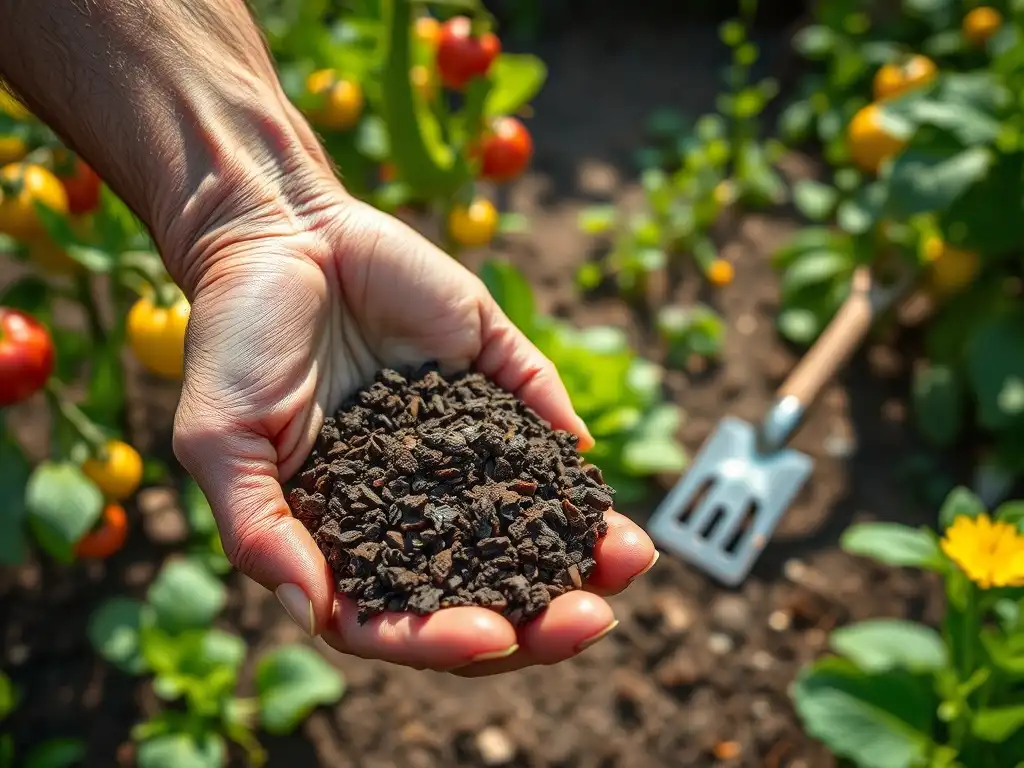
Organic fertilizer problems often stem from using the wrong type of fertilizer for your specific plants. Understanding your plant's needs is crucial for success. Choosing the right organic fertilizer is key to avoiding common issues like nutrient deficiencies, nutrient burn, or even pest infestations indirectly caused by improper fertilization. Let's explore how to select the optimal organic fertilizer to prevent these "organic fertilizer problems solutions" nightmares.
Selecting Organic Fertilizers Based on Plant Type: Tailoring Your Approach
Different plants have different nutritional requirements. A one-size-fits-all approach to organic fertilization rarely works effectively and can lead to problems. Understanding these differences is critical to achieving optimal plant health and yields.
Organic Fertilizers for Vegetables
Vegetables are heavy feeders, requiring ample nitrogen for leafy growth and phosphorus and potassium for fruit and flower production. Compost tea, a liquid fertilizer made from brewed compost, is an excellent choice for providing a balanced nutrient profile. For faster growth, consider supplementing with a balanced granular organic fertilizer, ensuring it's specifically formulated for vegetables. Avoid over-fertilizing, which can lead to lush foliage at the expense of fruit production. Monitor your plants carefully for signs of nutrient deficiencies or excess. Remember, prevention is key in solving organic fertilizer problems.
Organic Fertilizers for Fruit Trees
Fruit trees have long-term nutrient needs. Mature trees benefit from slow-release fertilizers like composted manure or bone meal, providing a sustained supply of nutrients throughout the growing season. Young trees may need a more balanced fertilizer with higher nitrogen content to promote vigorous growth. Always apply fertilizers according to the package directions, taking into account the size and age of your tree. Proper application is a vital part of avoiding common organic fertilizer problems. Applying too much fertilizer near the trunk can damage the tree's roots.
Organic Fertilizers for Herbs and Flowers
Herbs and flowers generally require less fertilizer than vegetables or fruit trees. Over-fertilizing can lead to leggy growth and reduced flowering. A light application of compost or worm castings is often sufficient. For specific nutrient needs, consider using specialized organic fertilizers formulated for herbs or flowers. Observe your plants closely; their appearance will indicate if adjustments to your fertilization strategy are needed. Knowing when to adjust is a crucial aspect of finding organic fertilizer problems solutions.
Understanding the Different Types of Organic Fertilizers: Compost, Worm Castings, and More
Many different organic fertilizers offer unique benefits. Selecting the right one for your needs and understanding their properties is key to avoiding common organic fertilizer problems. Let's explore some popular choices.
Using Compost as a Soil Amendment
Compost is a versatile and valuable soil amendment that improves soil structure, drainage, and water retention. It provides a slow-release source of nutrients, reducing the risk of nutrient burn. The nutrient content of compost varies depending on the source materials, so it's essential to understand what went into your compost pile. Adding compost to your garden beds before planting is a great way to ensure a healthy growing environment. Regularly adding compost will improve soil health over time, significantly reducing the risk of future organic fertilizer problems.
Worm Castings for Improved Soil Health
Worm castings, also known as vermicompost, are the excrement of earthworms. They are exceptionally rich in nutrients and beneficial microbes. They're an excellent choice for improving soil structure and aeration, leading to healthier root systems. Worm castings are a gentler fertilizer than many others, making them ideal for sensitive plants. They can be mixed into the soil or applied as a top-dressing. Worm castings are a sustainable and highly effective solution for many organic fertilizer problems.
Utilizing Bone Meal and Blood Meal for Nutrient Boost
Bone meal is a slow-release phosphorus fertilizer, ideal for promoting root development and flower/fruit production. Blood meal is a high-nitrogen fertilizer that promotes leafy green growth. Both are excellent supplements to compost and other fertilizers, providing targeted nutrient boosts when needed. However, they should be used sparingly as they can sometimes attract pests if not incorporated properly into the soil. Careful application is crucial to preventing organic fertilizer problems associated with these potent fertilizers.
Seaweed Extract for Enhanced Plant Growth
Seaweed extract is a liquid fertilizer rich in micronutrients and growth hormones. It improves plant resilience to stress, enhances nutrient uptake, and promotes healthy growth. It can be used as a foliar spray or soil drench. Seaweed extract is a valuable tool for boosting plant health and yields, acting as a preventative measure against many potential organic fertilizer problems. It's a particularly useful supplement in situations where nutrient deficiencies are suspected.
Preventing Future Organic Fertilizer Problems
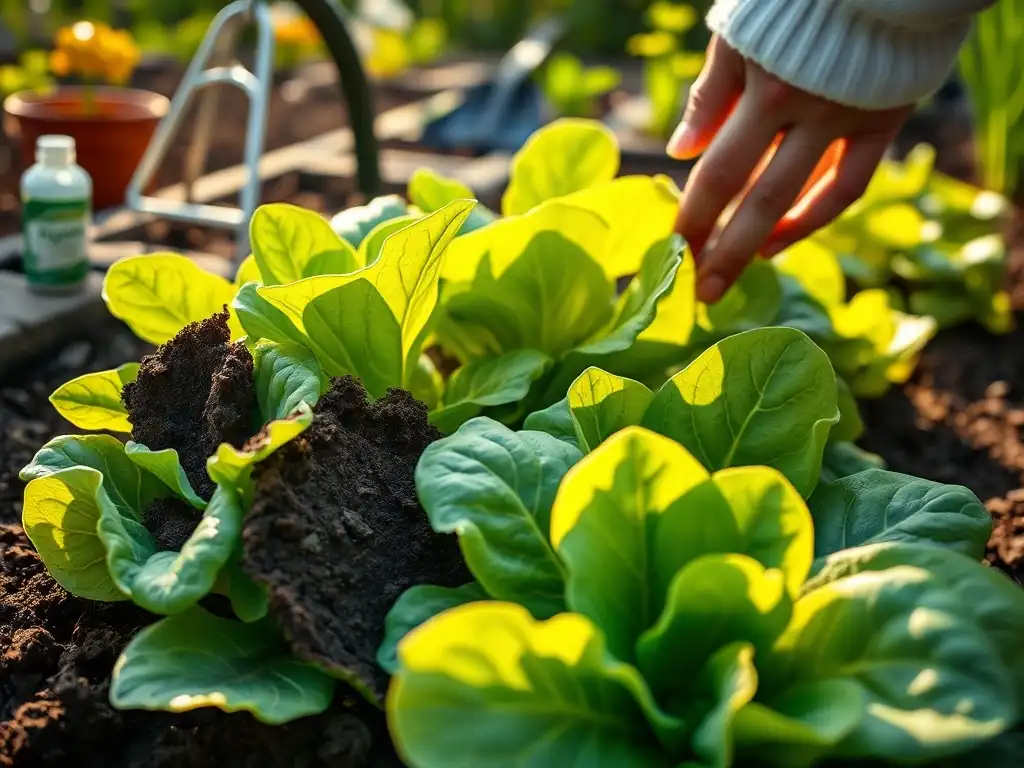
Organic gardening relies heavily on healthy soil, and understanding how to prevent problems with your organic fertilizer is crucial for success. Ignoring potential issues can lead to nutrient deficiencies, stunted growth, and even crop failure. This section focuses on proactive measures to ensure your plants thrive with the right organic fertilization. Effective organic fertilizer problems solutions often begin with prevention.
Regular Soil Testing: Monitoring Nutrient Levels and pH
Regular soil testing is the cornerstone of preventing organic fertilizer problems. It allows you to understand the current state of your soil's health, identify deficiencies, and adjust your fertilization strategy accordingly. Ignoring this critical step can lead to over-fertilizing or under-fertilizing, both detrimental to plant health.
Importance of Regular Soil Testing for Organic Gardening
In conventional gardening, synthetic fertilizers often mask underlying soil problems. However, organic gardening emphasizes soil health as the foundation of plant growth. Regular testing reveals nutrient imbalances (nitrogen, phosphorus, potassium, etc. ), toxic levels of certain elements, and pH issues that hinder nutrient uptake. This information is vital for tailoring your organic fertilizer application to your specific soil's needs. For example, a soil test might reveal a lack of readily available phosphorus, necessitating the addition of a phosphorus-rich organic fertilizer like bone meal. Conversely, excessive nitrogen could indicate a need to reduce nitrogen-rich compost applications.
Interpreting Soil Test Results
Soil test reports usually provide information on various parameters, including:
| Parameter | Description | Optimal Range (May vary slightly depending on the plant) |
|---|---|---|
| pH | Measures soil acidity or alkalinity. | 6.0 - 7.0 (slightly acidic to neutral) |
| Nitrogen (N) | Essential for leaf growth. | Varies depending on the plant and growth stage |
| Phosphorus (P) | Crucial for root development and flowering. | Varies depending on the plant and growth stage |
| Potassium (K) | Important for overall plant health and disease resistance. | Varies depending on the plant and growth stage |
| Organic Matter (%) | Indicates the amount of decaying organic material in the soil. | > 5% is generally ideal |
| Cation Exchange Capacity (CEC) | Measures soil's ability to hold onto nutrients. | Higher CEC generally better |
Understanding these values is key to choosing the right organic fertilizer blend and amending your soil appropriately. Many soil testing labs provide detailed explanations of their results, assisting gardeners in interpreting the data.
Adjusting Soil pH for Optimal Nutrient Uptake
Soil pH significantly impacts nutrient availability. Most plants thrive in a slightly acidic to neutral pH range (6.0-7.0). If your soil test reveals an excessively acidic (low pH) or alkaline (high pH) condition, amending the soil is necessary. For acidic soil, adding lime gradually increases the pH. For alkaline soil, applying elemental sulfur lowers the pH. Remember to retest after making adjustments to confirm the desired pH level has been reached. This iterative process ensures the accurate delivery of nutrients to your plants.
Proper Soil Preparation: Creating a Healthy Growing Environment
Preparing the soil before planting is another crucial step in preventing organic fertilizer problems. Healthy soil structure is essential for optimal nutrient uptake, water retention, and root development.
Improving Soil Drainage and Aeration
Poor drainage and compacted soil restrict root growth and oxygen availability, leading to nutrient deficiencies and plant stress. Before planting, amend heavy clay soils with organic matter like compost or well-rotted manure to improve drainage and aeration. This improves the soil structure, allowing for better water infiltration and oxygen circulation around plant roots. This is particularly important for crops that require well-drained soil.
Adding Organic Matter to Improve Soil Structure
Incorporating organic matter, such as compost, aged manure, leaf mold, or cover crops, is fundamental to building healthy soil. Organic matter improves soil structure by increasing its water-holding capacity, enhancing nutrient retention, and fostering beneficial microbial activity. This rich environment provides plants with readily available nutrients, reducing the need for excessive fertilizer applications and minimizing the risk of nutrient imbalances.
The addition of organic matter also helps to buffer the soil against extreme pH fluctuations. The benefits extend beyond immediate nutrient availability; it's a long-term investment in soil health. A soil rich in organic matter is more resilient to environmental stresses and less prone to fertilizer-related issues.
Consistent Watering Practices: Maintaining Soil Moisture
Importance of Consistent Watering
Consistent watering is paramount when using organic fertilizers. Organic fertilizers, unlike their synthetic counterparts, release nutrients gradually through microbial decomposition. This process requires adequate soil moisture. Insufficient water restricts microbial activity, hindering nutrient release and ultimately depriving your plants of essential nourishment.
The result? Stunted growth, yellowing leaves, and reduced yields. Conversely, overwatering can lead to waterlogged soil, creating anaerobic conditions that suffocate beneficial microbes and prevent nutrient uptake. Finding the Goldilocks zone—not too much, not too little—is key to maximizing the effectiveness of your organic fertilizer and ensuring healthy plant growth.
Think of it like this: the microbes are the workers in your soil, breaking down the fertilizer and making it available to your plants. They need the right environment to thrive, and consistent moisture is a cornerstone of that environment. Neglecting proper watering can lead to a significant reduction in the effectiveness of your carefully chosen organic fertilizer, rendering it almost useless.
Watering Techniques for Different Plant Types
Different plants have different water requirements. Understanding these nuances is crucial for successful organic gardening. For instance, leafy greens like lettuce generally prefer consistently moist soil, requiring more frequent watering than drought-tolerant herbs like rosemary. Similarly, deeply rooted vegetables like carrots need less frequent but deeper watering to encourage root development, while shallow-rooted plants like radishes may need more frequent, shallower watering to prevent drying out.
Observe your plants carefully. The signs of underwatering—wilting leaves, dry soil—are clear indicators that you need to adjust your watering schedule. Conversely, signs of overwatering—yellowing lower leaves, soggy soil—indicate that you need to reduce watering frequency and perhaps improve soil drainage. Consider using a moisture meter to gauge soil moisture levels objectively, especially when dealing with plants that have less obvious visual indicators of water stress.
Adapting your watering technique to each plant's specific needs will significantly enhance the benefits of your organic fertilizer, promoting vigorous growth and robust yields. Remember that consistent monitoring and adjustment are essential for optimal results. Don't be afraid to experiment and find the sweet spot for your specific plants and soil conditions. The payoff will be healthier plants and a more successful organic garden.
Resources for Further Learning about Organic Fertilizers
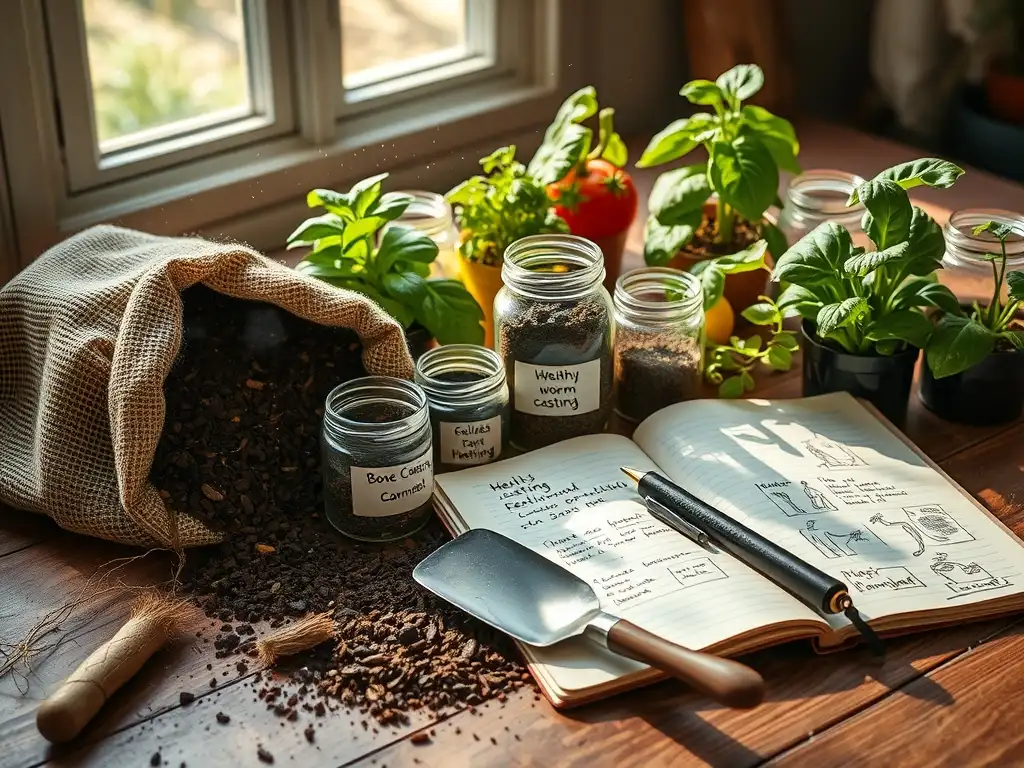
This section provides valuable resources to expand your knowledge on organic fertilizers and troubleshoot any issues you might encounter. Understanding the nuances of organic fertilization is key to successful and sustainable gardening, and these resources offer a wealth of information beyond the scope of this article. Addressing common organic fertilizer problems effectively requires ongoing learning and a commitment to continuous improvement in your gardening practices. Remember, successful organic gardening is a journey, not a destination!
Online Resources for Organic Gardening
The internet is a treasure trove of information on organic gardening. Many websites and online communities offer detailed guides, forums for troubleshooting, and expert advice. Look for reputable sources, such as university extension programs or established organic gardening organizations. These sources often provide research-based information on organic fertilizer application, nutrient deficiencies, and solutions to common problems. For example, you can often find comprehensive guides on topics like:
- Nutrient Deficiencies in Plants: Learn to identify visual cues in your plants that indicate specific nutrient deficiencies, helping you tailor your fertilizer application accordingly. This often involves understanding the role of macronutrients (nitrogen, phosphorus, potassium) and micronutrients (iron, zinc, manganese, etc.) in plant growth.
- Composting Techniques: Effective composting is crucial for creating nutrient-rich organic fertilizer. Online resources can guide you through various composting methods, from simple backyard bins to advanced vermicomposting systems.
- Organic Pest Control: Understanding how to manage pests organically is critical, as pest problems can impact your plants' nutrient uptake and overall health. Online resources provide information on using beneficial insects, companion planting, and other organic pest control strategies.
- Soil Testing: Soil testing is essential to understand your soil's nutrient levels and pH before applying any fertilizer. Many online resources offer guidance on how to collect soil samples and interpret test results.
Remember to critically evaluate the information you find online, ensuring it comes from credible sources and aligns with best practices for organic gardening. Look for data-driven insights and avoid unsubstantiated claims.
Books on Organic Gardening and Soil Management
While online resources are readily available, books offer a more in-depth and structured approach to learning about organic gardening and soil management. Many excellent books delve into the intricacies of organic fertilizers, soil health, and sustainable gardening practices. Consider exploring books focused on:
- Specific plant types: If you're focusing on a particular type of fruit, vegetable, or herb, a specialized book might provide very relevant information about its nutrient needs and common fertilizer problems.
- Regional gardening: Climate and soil conditions vary greatly, so a book tailored to your region will provide more relevant advice on organic fertilization practices.
- Soil science: A strong understanding of soil science will significantly improve your ability to diagnose and solve organic fertilizer problems. Books on soil science can provide a detailed understanding of soil composition, nutrient cycling, and the impact of different fertilizer types on soil health.
Here's a sample of topics you might find covered in these books:
| Topic | Description |
|---|---|
| Organic Fertilizer Types | Detailed explanations of different organic fertilizers (compost, manure, seaweed, etc. ), their composition, and benefits. |
| Soil Testing and Analysis | Comprehensive guidance on soil testing methods, interpreting results, and adjusting fertilizer applications. |
| Nutrient Cycling in Soil | In-depth explanation of nutrient cycles, the role of microorganisms, and how to maintain soil fertility. |
| Troubleshooting Nutrient Deficiencies | Detailed descriptions of visual symptoms of nutrient deficiencies and corresponding solutions. |
This structured approach to learning will enhance your problem-solving skills and contribute to a healthier, more sustainable garden.
Local Gardening Clubs and Workshops
Connecting with your local gardening community is invaluable. Local gardening clubs and workshops offer opportunities to learn from experienced gardeners, share experiences, and receive personalized advice. These face-to-face interactions can provide practical solutions to specific organic fertilizer problems you encounter. They often feature:
- Expert-led workshops: These workshops often cover specific topics related to organic gardening, including fertilizer application, soil management, and pest control. This hands-on learning can be extremely beneficial.
- Community forums: Networking with fellow gardeners provides a supportive environment where you can share experiences and learn from others' successes and mistakes.
- Practical demonstrations: Many clubs and workshops offer demonstrations on various organic gardening techniques, including composting, preparing organic fertilizer, and applying it to your plants.
- Access to local resources: Local gardening clubs often have connections to local nurseries, suppliers of organic fertilizers, and other resources that can help you address specific issues.
Participating in these local initiatives can significantly enhance your understanding of organic fertilizer management and provide a supportive network for troubleshooting any problems you encounter along the way. It's a great way to learn from others and contribute to a thriving community of organic gardeners. Don't underestimate the value of this hands-on, collaborative approach to learning!
Frequently Asked Questions
What are some common problems with organic fertilizers?
Organic fertilizers can sometimes be slow-releasing, leading to slower plant growth than expected. Other issues include uneven nutrient distribution, potential for burning plants if over-applied, and attracting pests if not properly composted.
How can I prevent burning my plants with organic fertilizers?
Always follow the package instructions carefully, and consider starting with a lower application rate than recommended. Water thoroughly after applying the fertilizer to help distribute the nutrients evenly and prevent burning.
My plants aren't growing as quickly as expected, even after using organic fertilizer. What should I do?
Ensure your fertilizer is appropriately balanced for your plants' needs. Soil testing can identify nutrient deficiencies. Consider supplementing with other organic amendments like compost to improve soil structure and nutrient availability. Patience is key, as organic fertilizers are often slower-acting.
Are there any pests attracted to organic fertilizers?
Yes, some uncomposted organic materials can attract pests. Ensure your fertilizer is fully composted to minimize this risk. Proper soil hygiene and integrated pest management practices are crucial.
My organic fertilizer smells bad. Is this normal?
A slightly earthy smell is common, but a strong, foul odor could indicate improper composting or spoilage. Ensure your fertilizer is stored in a well-ventilated area and check for signs of mold or rot. If the smell is strong and unpleasant, dispose of it properly.
Final Reflection: Cultivating Success: Nurturing Your Organic Garden
The transition to organic gardening, while rewarding, often presents unexpected challenges. Successfully navigating these hurdles requires not only knowledge but also a willingness to adapt and learn from setbacks. This guide aimed to equip beginners with the tools to troubleshoot common organic fertilizer problems, ensuring a bountiful and healthy harvest.
The journey of organic gardening is a testament to the interconnectedness of nature and the profound impact our choices have on the environment. It's a journey of constant learning, where every wilted leaf or stunted plant offers a valuable lesson. The glory of gardening: hands in the dirt, head in the sun, heart with nature. To nurture a garden is to feed not just the body, but the soul.
This quote perfectly encapsulates the holistic experience of organic gardening, highlighting its benefits beyond simply producing food. The challenges we face, like nutrient deficiencies or pest infestations, are opportunities to deepen our understanding of ecological balance and sustainable practices.
Now, consider your own garden, whether it's a sprawling vegetable patch or a single potted herb. What lessons have you learned from your own successes and failures? Take the knowledge gained from this guide and apply it to your own gardening journey. Embrace the challenges, learn from your mistakes, and celebrate the triumphs. Remember, the path to a thriving organic garden is paved with patience, observation, and a deep respect for the natural world. The rewards – both in the abundance of your harvest and the enrichment of your soul – are immeasurable.
Unlock Your Garden's Potential: Take Action Now!
Thank you for learning about the rewards—and occasional challenges—of organic fertilizing. You now possess the knowledge to cultivate healthier, happier plants. Ready to put your new skills to the test?
- Get started today! Apply what you've learned to address a specific fertilizing problem you've been facing, using one of the solutions we've discussed.
- Share your experiences—successes and questions alike—with the CultivateYourFood community in the comments below. Let's learn from each other!
- Consider keeping a detailed garden journal to track your fertilizer applications and observe how your plants respond. This practice will enable continuous improvement.
What exciting changes are you hoping to see in your garden this season?