
Understanding Seed Hardening Off: Preparing Seedlings for the Outdoors

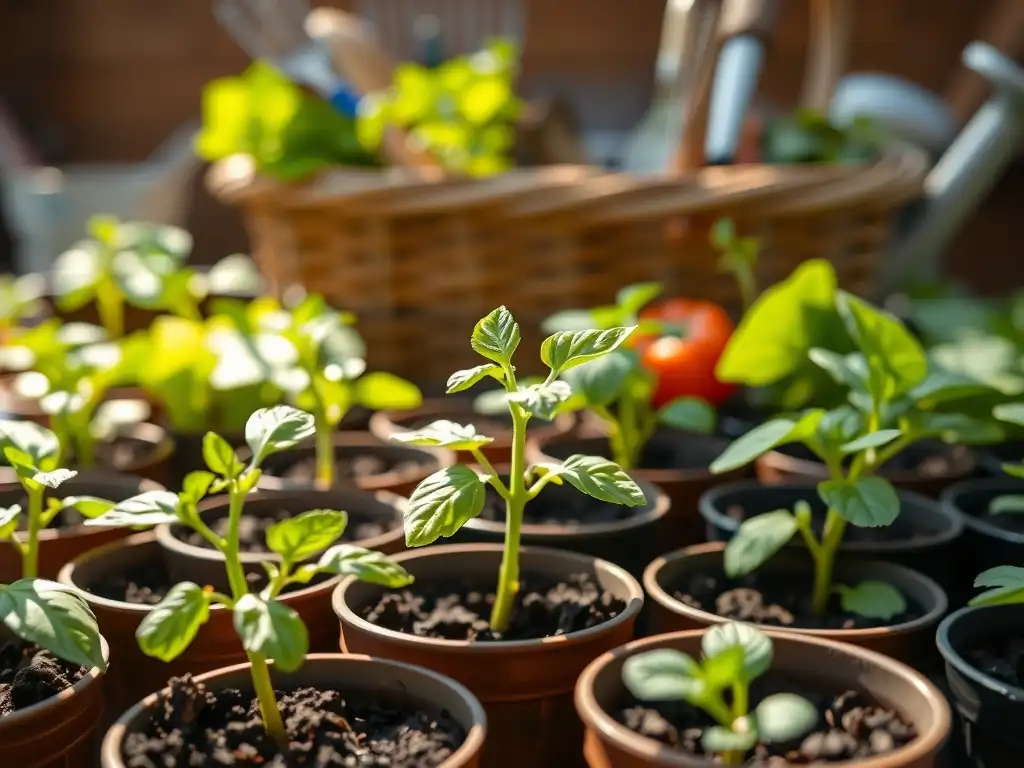
Ready to unlock the secrets to a thriving home garden bursting with flavor? At CultivateYourFood, we empower you to grow your own fruits, vegetables, and herbs using sustainable methods. But before you transplant those precious seedlings, discover the crucial process of seed hardening off. Learn how this simple technique dramatically increases your chances of success and prepares your plants for a bountiful harvest. Let's dive into the details and ensure your seedlings flourish!
What is Seed Hardening Off and Why is it Crucial?
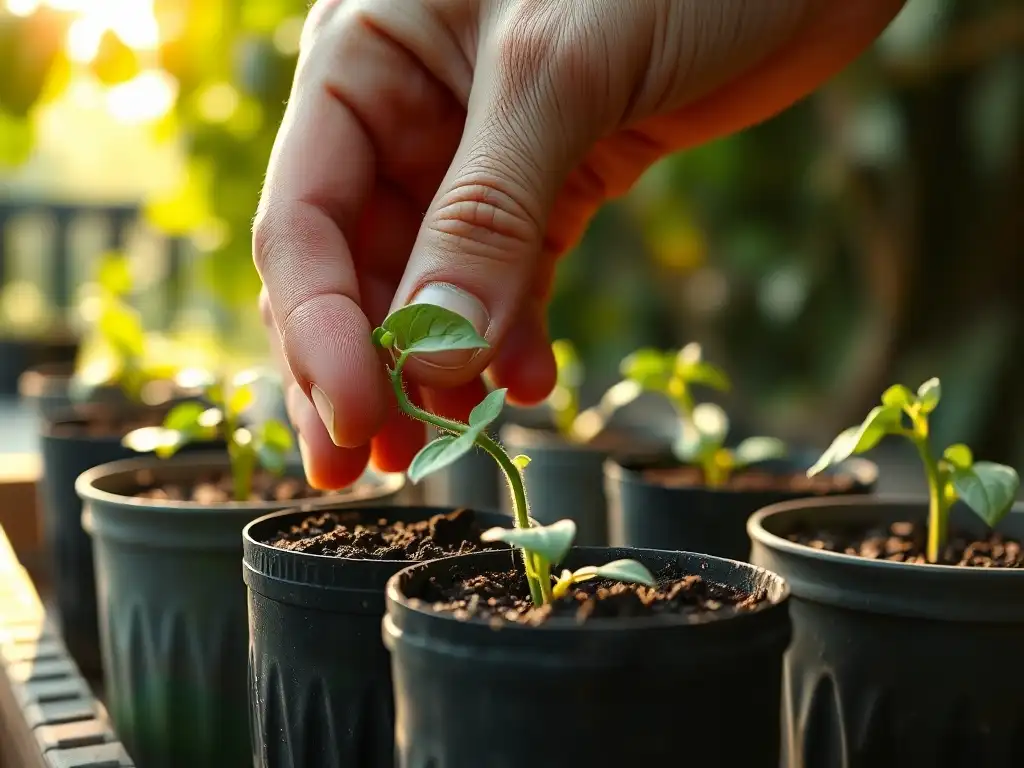
Seed hardening off is a critical step in the cultivation process, often overlooked by beginner gardeners, yet crucial for the successful transition of delicate seedlings from the controlled environment of a greenhouse or indoor setup to the unpredictable conditions of the outdoors. This process gradually acclimates young plants to the harsher realities of fluctuating temperatures, stronger winds, and increased sunlight intensity, ultimately boosting their resilience and survival rate once planted in your garden. Failing to harden off seedlings can lead to transplant shock, stunted growth, and even plant death, significantly impacting your yield. This guide will delve into the intricacies of seed hardening off, providing you with practical techniques and valuable insights to ensure your seedlings thrive in their new outdoor home. We'll cover everything from the timing of the process to specific techniques for different types of plants, emphasizing sustainable and organic practices in line with the CultivateYourFood ethos.
Understanding the Process of Seed Hardening Off
Seed hardening off isn't a single event but a gradual process that prepares seedlings for the stresses of outdoor life. It involves slowly increasing the plants' exposure to sunlight, wind, and temperature fluctuations over a period of 7-14 days. This allows them to adjust physiologically, developing stronger stems, thicker leaves, and a more robust root system. Think of it as a gentle introduction to the outside world, mimicking the natural progression of a plant's development.
The key is to avoid shocking the seedlings with sudden changes; gradual adaptation is key. During this period, you'll be monitoring your seedlings closely, adjusting the hardening-off schedule as needed based on weather conditions and the specific needs of your plant species. This careful approach significantly increases the chances of successful transplantation and a bountiful harvest.
Timing is Everything: When to Start Hardening Off
The ideal time to begin seed hardening off is typically 7-10 days before your last expected frost, allowing ample time for the seedlings to acclimatize before being planted permanently. However, this timeframe can vary depending on your climate and the specific plant species. For example, heat-loving plants like tomatoes and peppers may require a longer hardening-off period compared to more cold-tolerant varieties.
Pay close attention to weather forecasts; if a sudden cold snap is predicted, you might need to temporarily suspend the hardening-off process or provide additional protection for your seedlings. Observing your seedlings carefully and adjusting the schedule accordingly is a crucial part of this process. Remember, patience and observation are your greatest allies in successful seed hardening off.
Hardening Off Techniques: A Step-by-Step Guide
The actual techniques for hardening off can vary, but a common approach involves gradually increasing exposure to the elements. This might start with placing your seedlings outdoors in a sheltered location for a few hours each day, gradually increasing the duration and intensity of exposure over several days. For example:
| Day | Duration Outdoors | Location | Protection |
|---|---|---|---|
| 1-2 | 2-3 hours | Sheltered, shaded area | Light shade cloth |
| 3-5 | 4-6 hours | Partially sunny location | Minimal protection |
| 6-7 | Full day | Sunny location | None (weather permitting) |
| 8-14 | Full day | Planting location | None |
Remember to bring your seedlings indoors at night, especially during the initial stages, to protect them from frost or extreme temperature fluctuations. This gradual approach minimizes stress and maximizes their chances of survival. Additionally, consider using a cold frame or a similar structure to provide additional protection during the early stages of the hardening-off process.
Common Mistakes to Avoid During Seed Hardening Off
Many gardeners make common mistakes that hinder the success of seed hardening off. One frequent error is rushing the process, subjecting seedlings to harsh conditions too quickly. Another is neglecting to monitor the weather and adjust the hardening-off schedule accordingly. Sudden changes in temperature or unexpected storms can easily damage or kill unprepared seedlings.
Finally, failing to provide adequate protection during the night or in inclement weather can also lead to setbacks. By avoiding these common pitfalls and paying close attention to your seedlings, you can significantly improve their chances of thriving outdoors. Remember, slow and steady wins the race!
Frequently Asked Questions
What is seed hardening off?
Seed hardening off is a process of gradually acclimating your seedlings to outdoor conditions before transplanting them. This reduces transplant shock and increases their chances of survival. It involves slowly exposing them to sun, wind, and temperature fluctuations.
Why is seed hardening off important?
Hardening off is crucial because seedlings grown indoors are sheltered from the elements. Sudden exposure can be stressful, leading to wilting, stunted growth, or even death. Hardening off helps them adapt and thrive.
How long does the seed hardening off process take?
The hardening-off period typically lasts for 7-10 days, but can vary depending on the plant species and weather conditions. Start slowly and increase exposure gradually.
What are the signs of successful seed hardening off?
Successfully hardened-off seedlings will appear strong, healthy, and resilient. They'll show signs of vigorous growth, with dark green leaves and sturdy stems. They should withstand some wind and sun exposure without wilting.
What should I do if my seedlings show signs of stress during hardening off?
If your seedlings show signs of stress (wilting, drooping), reduce the exposure to sun and wind. You may need to gradually re-introduce them to the elements over a longer period. Provide adequate watering.
Final Reflection: Nurturing Resilience: From Seedling to Strong Plant
The delicate art of seed hardening off isn't just about preparing seedlings for the outdoors; it's about fostering resilience in the face of change. This process, often overlooked, is a microcosm of the challenges we face in life, demanding adaptation and strength to thrive. Successfully hardening off your seedlings translates directly to a bountiful harvest, a testament to the power of preparation and understanding the needs of a growing thing.
The impact of this seemingly small horticultural practice extends far beyond the garden. It mirrors the importance of gradual adaptation in all aspects of life, from personal growth to societal change. The oak sleeps in the acorn; the bird waits in the egg; and in the highest vision of the soul a waking angel stirs. Dreams are the seedlings of realities.
This quote beautifully captures the potential held within the seemingly small, and the necessity of nurturing that potential for it to flourish. The careful transition from the protected environment of the greenhouse to the unpredictable world outside mirrors our own journeys, requiring us to build strength and adaptability to overcome challenges.
Consider the lessons learned within these fragile seedlings. Think about the gradual exposure to sunlight, wind, and temperature fluctuations. Apply this principle to your own life. Embrace challenges as opportunities for growth, and remember that resilience isn't built overnight, but through a careful and considered process of adaptation. What areas of your life could benefit from a similar approach? What seeds of potential are you nurturing, and how can you best prepare them for the world outside? The journey from seedling to strong plant is a powerful metaphor for the journey of life itself.
Ready Your Seedlings for Success: Take the Next Step!
Thank you for exploring the world of seed hardening off! We hope you've gained valuable insights into preparing your seedlings for a thriving life outdoors. Now it's time to put your knowledge into practice and help those little plants grow strong.
- Start the hardening-off process today! Gradually introduce your seedlings to the outdoor environment, following a schedule appropriate for your climate and plant type. This crucial step will ensure their success.
- Share your progress! Post a picture of your thriving seedlings on social media using #CultivateYourFood and inspire others.
- Keep a record of your experience. Note the weather conditions and your seedlings' responses to each step of the hardening-off process. This will help you refine your technique for next year.
What challenges or successes do you anticipate as you harden off your seedlings this year?