
The Adventure of Harvesting: Making Gardening Fun for Kids of All Ages

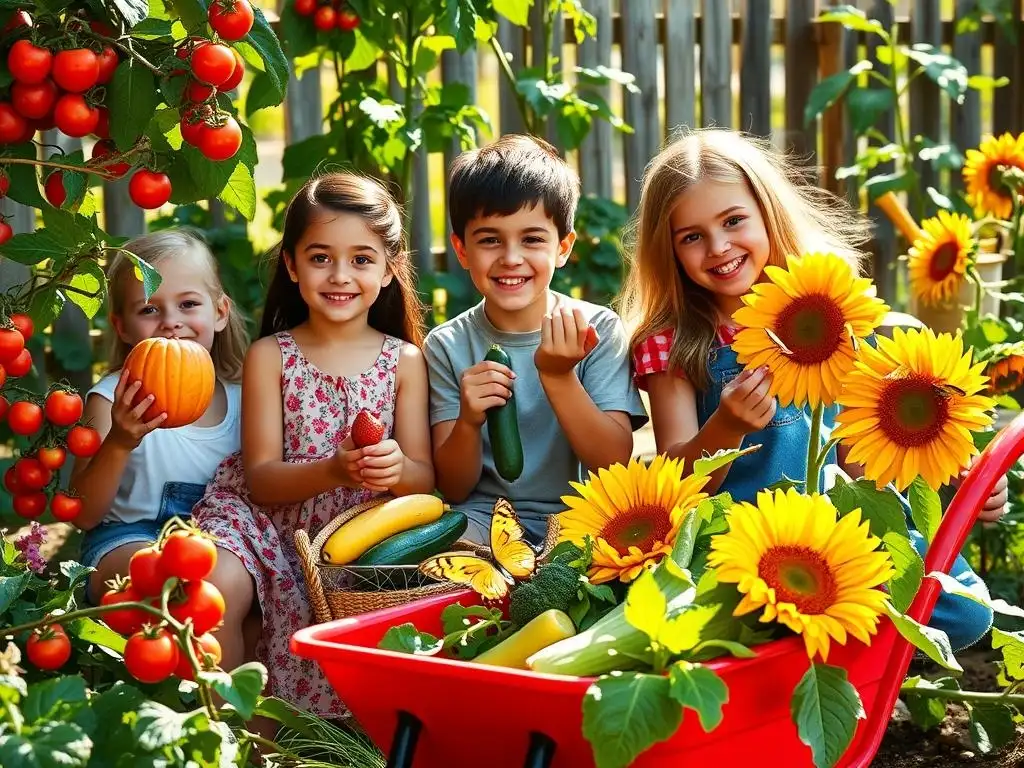
Ready to transform your backyard into a vibrant, edible paradise? At CultivateYourFood, we believe everyone deserves the joy of fresh, homegrown produce. But what if growing your own food could also be a fantastic adventure for the whole family? Discover how to turn harvesting into an exciting experience with our article on Kids gardening harvesting activities, filled with fun ideas to engage children of all ages in the rewarding process of nurturing and reaping the fruits (and vegetables!) of their labor. Let's cultivate a love of gardening, one harvest at a time!
- Engaging Kids in the Harvest: Fun Activities for Little Hands
- Harvesting Techniques for Kids: Safe and Educational Practices
- Turning the Harvest into a Celebration: Recipes and Crafts
- Extending the Fun: Harvest Festivals and Community Events
- Making Harvesting a Family Tradition: Long-Term Benefits
-
Frequently Asked Questions
- How can I make harvesting fun for young children?
- What are some age-appropriate harvesting activities for different age groups?
- What safety precautions should I take when involving kids in harvesting?
- How can I incorporate harvesting into a broader gardening lesson plan?
- What are some creative ways to use the harvested produce?
- Final Reflection: The Enduring Harvest of Joy and Learning
- Unleash Your Little Gardener's Potential!
Engaging Kids in the Harvest: Fun Activities for Little Hands
Harvesting time is more than just gathering the fruits (and vegetables!) of your labor; it's a fantastic opportunity to engage children in the gardening process and foster a lifelong appreciation for nature and healthy eating. This article explores age-appropriate activities that transform the harvest from a chore into an exciting adventure, making gardening fun for kids of all ages. We'll delve into simple tasks for toddlers, engaging games for elementary school children, and creative projects for teens, all while focusing on sustainable and organic practices.
Turning your children into enthusiastic participants in the harvesting process not only helps with the workload but also teaches valuable life skills, builds confidence, and creates lasting memories. Get ready to cultivate a love of gardening in the next generation! 🥕👨👩👧👦
Age-Appropriate Harvesting Tasks for Toddlers and Preschoolers
Toddlers and preschoolers might not be ready for complex tasks, but they can still contribute meaningfully to the harvest. The key is to make it fun and simple, focusing on sensory experiences and short bursts of activity. Here are some ideas:
- Sensory Exploration: Let them touch and smell the freshly picked produce. The textures and aromas of ripe tomatoes, crisp lettuce, or fragrant herbs are captivating for young children.
- Simple Picking: Assign them the task of picking easily accessible, low-hanging fruits like strawberries or cherry tomatoes. Provide small containers to fill, fostering a sense of accomplishment.
- Washing and Sorting: Even young children can participate in washing and sorting harvested vegetables. Supervise closely, of course, and make it a playful activity. A gentle stream of water from a hose (under supervision) can be a delightful experience.
- "Harvest Helpers" Badges: Reward their efforts with fun stickers or handmade "Harvest Helpers" badges. This positive reinforcement will encourage their participation in future harvests.
Remember to keep the tasks short and sweet, offering praise and encouragement throughout the process. Safety is paramount; always supervise young children closely near garden tools and plants.
Fun Harvesting Games for Elementary School Children
Elementary school-aged children are capable of more complex tasks and enjoy competitive games. Turn harvesting into a fun competition with these ideas:
- Harvest Race: Divide children into teams and challenge them to harvest a specific quantity of vegetables within a set time limit. This encourages teamwork and friendly competition.
- Vegetable Scavenger Hunt: Hide different vegetables around the garden and provide clues for children to find them. This combines harvesting with problem-solving skills.
- Guess the Weight: Have children guess the weight of a harvested pumpkin or watermelon. This is a fun way to incorporate math skills into the harvesting process.
- Harvest Bingo: Create bingo cards with pictures of different harvested items. As children harvest, they mark off the corresponding items on their cards. The first to get bingo wins a small prize.
These games make harvesting an engaging and memorable experience, teaching children about different vegetables while encouraging physical activity and healthy competition.
Creative Harvesting Projects for Tweens and Teens
Tweens and teens appreciate more challenging and creative projects. Capitalize on their growing independence and creativity with these ideas:
- Preserving the Harvest: Involve them in preserving the harvest through canning, pickling, or freezing. This teaches valuable life skills and connects them to the process of food preservation.
- Cooking with the Harvest: Let them experiment with recipes using the freshly harvested ingredients. This is a great way to introduce them to healthy eating habits and culinary skills.
- Creating a Harvest Display: Challenge them to create a visually appealing display of the harvested vegetables and fruits. This could involve arranging them artistically, creating a photo collage, or even building a miniature scarecrow.
- Community Involvement: Encourage them to donate a portion of the harvest to a local food bank or community garden. This fosters a sense of social responsibility and appreciation for the abundance of nature.
These projects not only engage teens but also instill a sense of pride and accomplishment, fostering their connection to the environment and the food they consume. They learn valuable skills and contribute meaningfully to the community.
Harvesting Techniques for Kids: Safe and Educational Practices
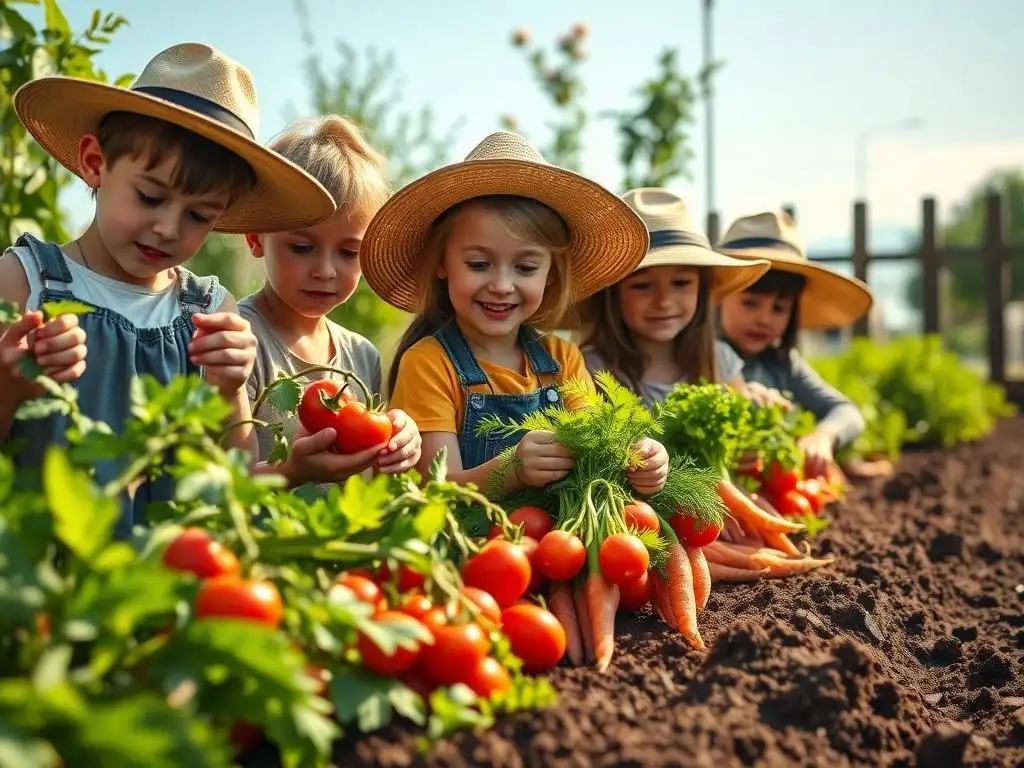
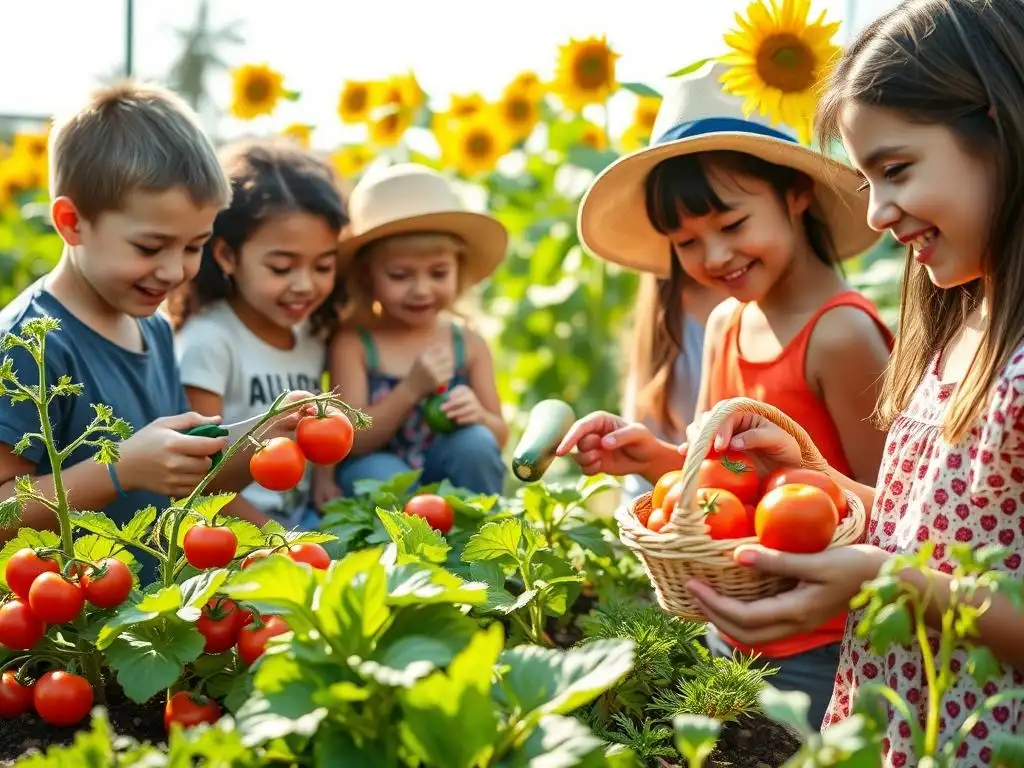
This section focuses on making the harvesting process fun and educational for children while prioritizing safety. We'll explore age-appropriate techniques and tools to ensure a positive and enriching experience for young gardeners. Engaging kids in the harvest fosters a deeper appreciation for where their food comes from, promoting healthy eating habits and environmental awareness. This is crucial for instilling a lifelong love of gardening and sustainable living. The goal is to transform harvesting from a mere chore into an exciting adventure!
Teaching Kids Safe Harvesting Methods: Avoiding Injuries
Safety is paramount when involving children in harvesting. Before starting, a thorough safety briefing is essential. Explain potential hazards, such as sharp tools and thorny plants. Always supervise children closely, especially younger ones. Here's a breakdown of key safety measures:
- Handwashing: Emphasize the importance of washing hands before and after handling plants. This prevents the spread of germs and soil-borne pathogens. Make it a fun routine by using colorful hand soap and singing a handwashing song. 🧼
- Protective Gear: Depending on the plants being harvested, consider providing age-appropriate protective gear. Gloves can protect delicate hands from thorns or pesticide residue (ensure gloves are organic and non-toxic). Eye protection might be necessary when using tools like small pruning shears.
- Tool Safety: Teach children how to handle tools correctly. Show them how to use small, child-friendly tools properly and emphasize the importance of keeping tools away from their faces and bodies. Avoid using sharp tools with very young children unless under direct and constant supervision.
- Plant Awareness: Teach children to identify poisonous plants in your garden or surrounding areas. This is a crucial lesson in plant identification and safety. Use visual aids and interactive games to make learning fun and memorable.
- Lifting Techniques: For heavier harvests, teach children proper lifting techniques to prevent back injuries. Show them how to bend their knees and lift with their legs, not their backs. Encourage them to take breaks and ask for help if needed.
Identifying Ripe Produce: Color, Size, and Texture Clues
Teaching children to identify ripe produce is a valuable skill that enhances their understanding of the gardening process. It's not just about picking the biggest or brightest; it's about understanding the subtle cues that indicate ripeness. Here are some examples:
| Produce | Ripeness Indicators | Example |
|---|---|---|
| Tomatoes | Deep red color, slightly soft to the touch | A fully red tomato yields easily to gentle pressure. |
| Strawberries | Deep red color, fragrant aroma, slightly soft | A ripe strawberry will have a sweet smell and give slightly when gently squeezed. |
| Zucchini | Firm, dark green skin, approximately 6-8 inches long | Avoid overripe zucchini which become soft and yellow. |
| Peppers | Vibrant color (depending on the variety), firm | The color varies depending on the pepper type, but firmness is key. |
The best way to teach this is through hands-on experience. Let children examine different fruits and vegetables, comparing ripe and unripe specimens. Encourage them to use their senses—sight, touch, and even smell—to determine ripeness. This sensory exploration makes learning fun and memorable.
Using the Right Tools: Child-Sized Harvesting Equipment
Providing children with age-appropriate tools empowers them and makes the harvesting process enjoyable. Avoid adult-sized tools that can be dangerous or unwieldy for small hands. Here are some suggestions:
- Small trowels and hand rakes: Perfect for gently lifting smaller plants and vegetables.
- Child-sized harvesting scissors or shears: Ensure they have blunt tips to prevent accidents.
- Small baskets or buckets: Lightweight and easy for children to carry their harvest.
- Gardening gloves: Essential for protecting delicate hands from thorns or rough plant surfaces.
Remember to prioritize safety. Always supervise children while they are using tools and ensure they understand how to use them properly. Involve them in selecting their own tools to build excitement and responsibility. The right tools can transform a potential chore into a fun and rewarding experience, encouraging continued engagement with gardening activities. This also teaches practical skills and promotes a sense of accomplishment.
Turning the Harvest into a Celebration: Recipes and Crafts
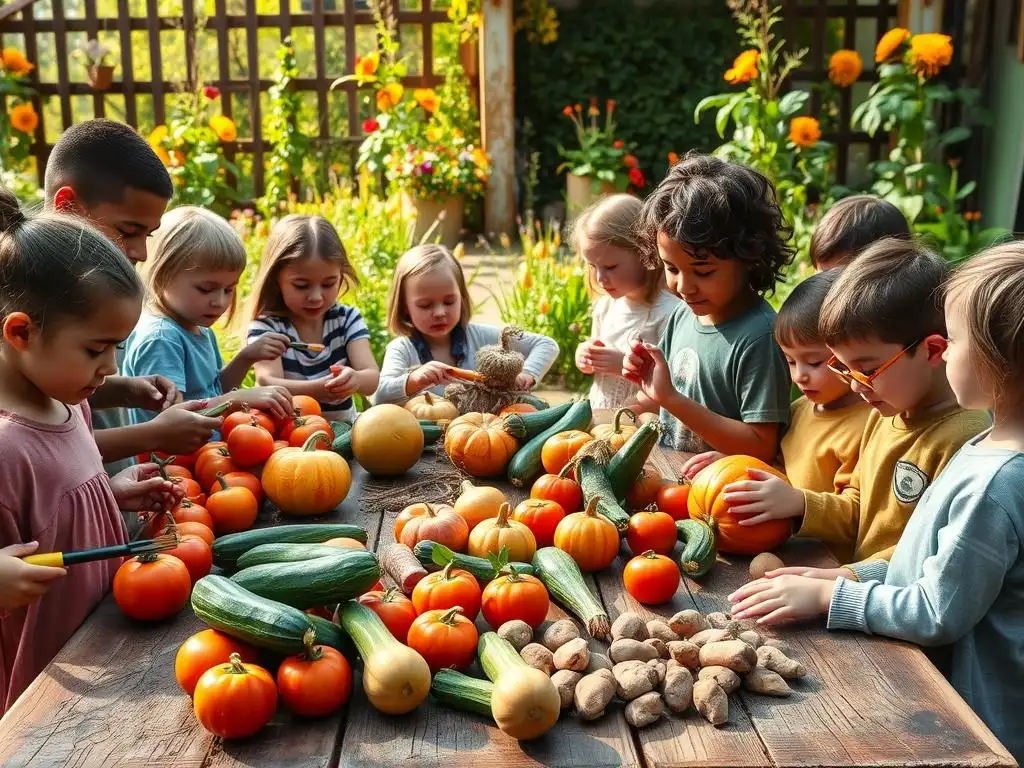
This section focuses on transforming the fruits of your kids' labor into fun, engaging activities that extend the gardening experience beyond simply picking vegetables. We'll explore kid-friendly recipes, creative crafts, and simple preservation methods – all designed to make the harvesting process even more rewarding and memorable. This is where the "Kids gardening harvesting activities" truly shine! Let's get started!
Kid-Friendly Recipes Using Freshly Harvested Produce
Involving children in the kitchen after a successful harvest is a fantastic way to reinforce their connection to their food. Simple recipes are key here, allowing kids to actively participate without feeling overwhelmed. Think of it as a culinary adventure!
Here are a few ideas to get you started:
- Fruit Salad Fiesta: This is perfect for younger children. Simply wash and chop a variety of freshly picked fruits (strawberries, blueberries, raspberries, etc. ), letting the kids choose their favorites and do the cutting (with supervision, of course!). A little honey or yogurt can add extra sweetness. This activity promotes fine motor skills and healthy eating habits. The vibrant colors make it visually appealing, too! 🍓🫐
- Veggie Sticks with Hummus: For slightly older children, preparing veggie sticks is a great way to introduce healthy snacking. Wash and cut carrots, cucumbers, and bell peppers into sticks. Let them choose their preferred dipping sauce – hummus is a nutritious and delicious option. This teaches them about different textures and flavors.🥕🥒🫑
- Simple Tomato and Basil Bruschetta: If you've grown tomatoes and basil, this recipe is a winner! Slice the tomatoes, chop the basil, and let the kids spread a little pesto or olive oil on toasted bread. They can then top it with the sliced tomatoes and basil. It's a fun way to introduce Italian flavors and appreciate the synergy of different garden ingredients.🍅🌿
Remember to emphasize safety in the kitchen. Always supervise young children while they are using knives or handling hot surfaces. Make it a collaborative effort, emphasizing teamwork and enjoyment. The goal is to create positive associations with healthy eating and the fruits (and vegetables!) of their labor.
Creative Crafts with Garden Bounty: Nature-Inspired Activities
Once the harvest is in, the creative fun can begin! Using the garden bounty to create crafts extends the learning experience and transforms everyday items into unique works of art. Here are some nature-inspired activities perfect for kids of all ages:
- Flower Pressing: This classic activity is a perfect way to preserve the beauty of your flowers. Simply place the flowers between sheets of newspaper and heavy books for a few weeks. The result is a beautiful keepsake that can be used in cards or framed. 🌸
- Leaf Rubbings: Gather colorful leaves and place them under a sheet of paper. Then, use the side of a crayon to rub over the paper, revealing the leaf's unique texture and shape. This simple activity develops fine motor skills and encourages observation of nature's details. 🍂
- Vegetable Stamping: Cut various vegetables like potatoes, carrots, and apples into interesting shapes. Dip them in paint and use them to create unique prints on paper or fabric. This is a messy but fun activity that fosters creativity and imagination. 🥔🥕🍎
These crafts not only provide a creative outlet but also teach children about the diverse textures and shapes found in nature. It's a wonderful way to combine art and gardening, creating lasting memories and beautiful creations.
Preserving the Harvest: Simple Methods for Kids to Participate
Preserving the harvest extends the enjoyment of the gardening experience far beyond the initial picking. Involving children in these processes teaches them about food preservation and the importance of reducing waste. Here are some age-appropriate methods:
- Freezing Fruits and Vegetables: Freezing is a simple and effective method for preserving many fruits and vegetables. Children can help wash, chop, and package the produce into freezer bags. This teaches them about food storage and the importance of proper labeling. 🧊
- Making Jam or Jelly (with adult supervision): While the cooking process requires adult supervision, children can participate in washing and preparing the fruit. They can also help with labeling and storing the finished product. This teaches about food processing and the transformation of raw ingredients into something new. 🍓🍇
- Drying Herbs: Drying herbs is a simple and rewarding process. Children can help gather and bundle the herbs, then hang them upside down in a well-ventilated area to dry. This teaches them about the different uses of herbs and the process of preserving their flavor.🌿
These methods are all valuable learning experiences, teaching children practical skills and a deeper appreciation for the food they grow. It's all part of the adventure of harvesting and making gardening fun for kids of all ages. Remember to always prioritize safety and adjust the tasks according to the children's age and abilities.
Extending the Fun: Harvest Festivals and Community Events
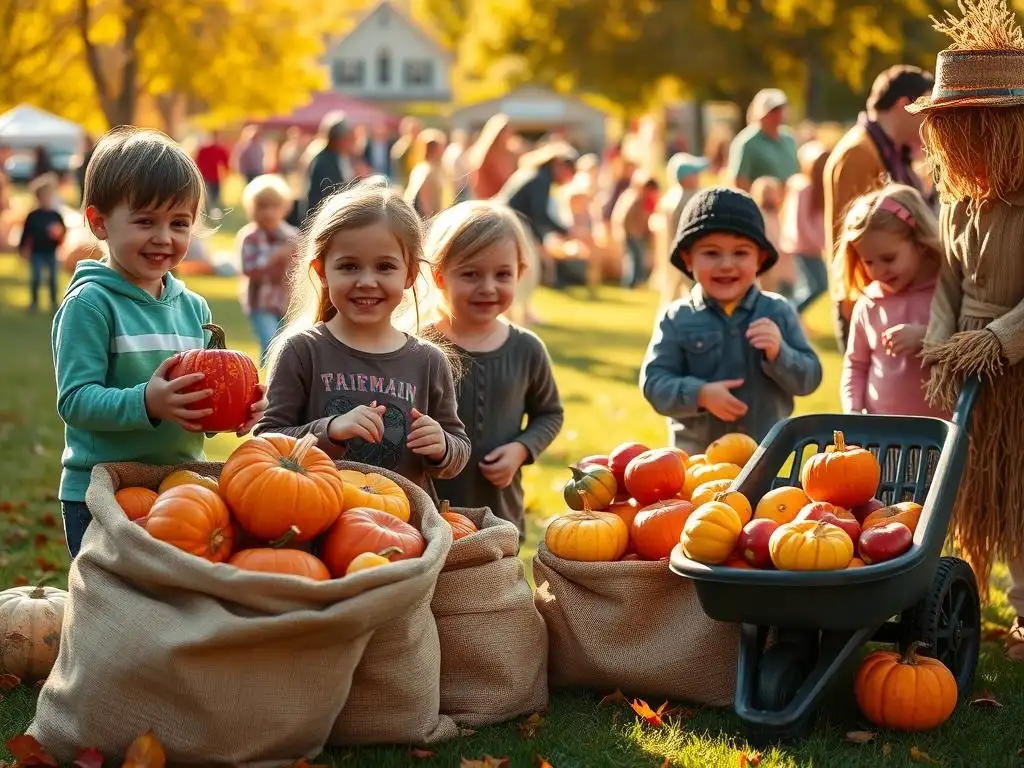
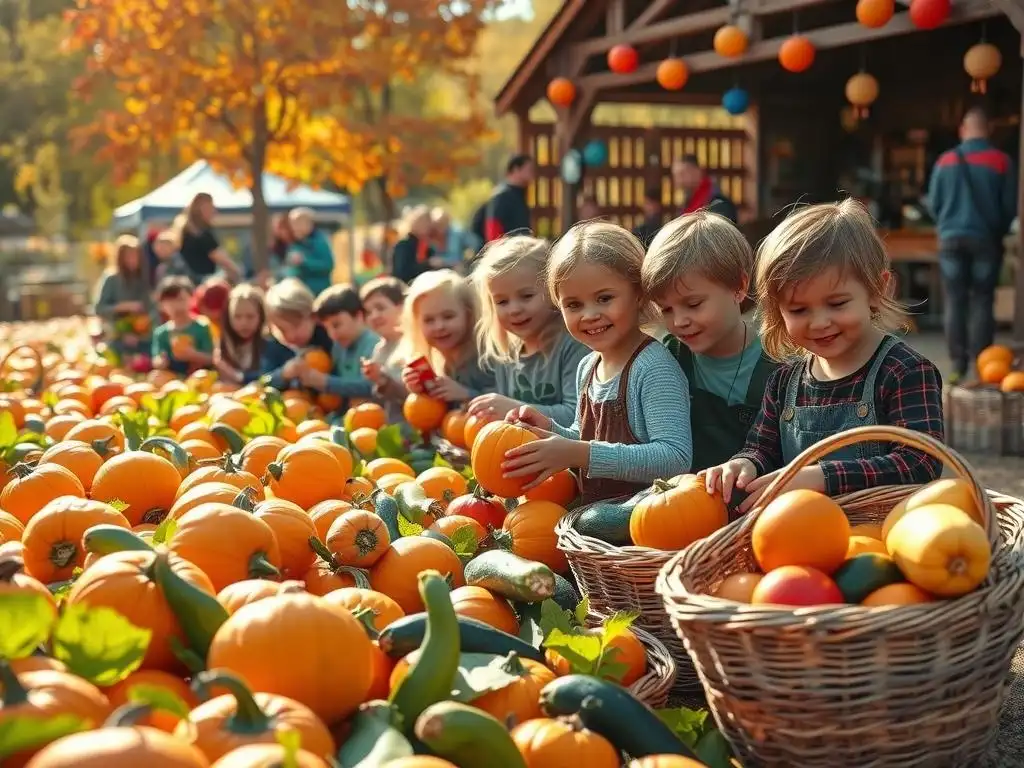
This section explores ways to extend the joy of harvesting beyond your own backyard, transforming it into enriching family experiences and opportunities for community engagement. Participating in harvest-themed events fosters a deeper appreciation for the food cycle and cultivates a sense of belonging within a larger community of like-minded individuals. These activities are invaluable for kids' development, providing hands-on learning experiences alongside socialization and fun. Let's delve into some exciting options to consider.
Local Harvest Festivals and Farmer's Markets: Family Fun
Local harvest festivals and farmer's markets offer a vibrant and engaging setting for children to connect with the fruits (and vegetables!) of their labor, or simply to experience the bounty of the season. These events often feature interactive activities tailored to kids, such as pumpkin decorating contests, apple picking, hayrides, and demonstrations on how to prepare fresh produce.
The sheer variety of sights, smells, and tastes stimulates their senses and creates lasting memories. For example, many festivals incorporate educational booths showcasing sustainable farming practices, allowing kids to learn about the origins of their food in a fun and interactive way. This type of experiential learning is far more impactful than simply reading about it in a book.
Beyond the entertainment, participating in these events also helps children understand the economic aspect of farming and food production. Observing farmers selling their produce provides a tangible link between their efforts in the garden and the economic realities of food systems. It's a fantastic opportunity to discuss concepts such as pricing, supply and demand, and the importance of supporting local businesses.
This aspect of “Kids gardening harvesting activities” often gets overlooked, but it's crucial for their overall understanding of the food chain. Remember to check your local listings for events near you – you'll likely find a plethora of options!
Community Gardening Projects: Connecting Kids with Nature
Engaging kids in community gardening projects provides a unique opportunity to expand their understanding of collaborative efforts and environmental stewardship. Community gardens are often managed by groups of neighbors or organizations, creating a collaborative atmosphere where children can learn from adults and other children while contributing to a shared space. Participating in planting, weeding, and harvesting alongside others fosters a sense of teamwork and shared responsibility. For example, many community gardens organize special events geared towards children, such as planting trees or creating butterfly gardens.
The benefits extend beyond the social and collaborative aspects. Community gardens provide a direct connection with nature, allowing kids to witness the growth process firsthand and observe the diverse ecosystem within the garden. This hands-on experience strengthens their appreciation for biodiversity and the importance of protecting natural resources.
Furthermore, many community gardens offer educational workshops and programs specifically designed for children, covering topics such as composting, pest control, and sustainable gardening techniques. These programs can significantly enhance children's understanding of sustainable practices, making them more environmentally conscious citizens. Consider exploring community gardens in your area as a valuable supplement to your home garden.
Harvesting is not only about reaping the rewards of hard work but also about sharing the bounty with others. Involving children in acts of kindness related to the harvest fosters empathy and generosity. Simple acts, such as donating excess produce to a local food bank or sharing the fruits of their labor with neighbors, can instill valuable life lessons. This reinforces the idea that gardening isn't just about personal gain but also about contributing to the well-being of the community.
For example, organizing a "harvest share" with friends and family, where everyone brings a dish made with their homegrown produce, can be a fun and rewarding experience. This not only encourages sharing but also provides an opportunity to showcase culinary creativity and celebrate the harvest together. Alternatively, consider volunteering at a soup kitchen or homeless shelter and donating your extra vegetables.
Such activities provide a tangible way for kids to understand the impact of their actions on others' lives, fostering a sense of social responsibility and compassion. These initiatives are powerful examples of how "Kids gardening harvesting activities" can extend far beyond the garden itself, creating a ripple effect of positivity within the wider community. The feeling of giving back is incredibly rewarding for both children and adults.
Making Harvesting a Family Tradition: Long-Term Benefits
Gardening with kids isn't just about planting seeds and watching them grow; it's about cultivating a lifelong appreciation for nature and healthy living. Making harvesting a family tradition offers numerous long-term benefits that extend far beyond the immediate satisfaction of a bountiful harvest. These benefits contribute significantly to a child's development and well-being, shaping their future relationship with food and the environment.
The shared experience of nurturing plants from seed to harvest fosters strong family bonds. Working together in the garden, from weeding to watering to the ultimate reward of harvesting, creates opportunities for meaningful interaction and collaboration. These shared moments build memories, strengthen communication, and teach children the importance of teamwork and shared responsibility. For instance, a younger child might be responsible for gently watering seedlings while an older child could assist with harvesting ripe tomatoes.
This collaborative approach not only makes the task easier but also provides a sense of accomplishment for everyone involved. The feeling of contributing to a shared goal, like a plentiful harvest, strengthens familial ties and creates a positive association with gardening. Consider implementing a family gardening journal where everyone can document their experiences, drawings, and reflections, further enriching the bonding experience.
Teaching Kids About Food Sustainability and Healthy Eating
Harvesting provides a powerful, hands-on lesson in food sustainability. Children learn firsthand where their food comes from, appreciating the effort and time involved in growing it. This understanding fosters a deeper respect for food and reduces food waste. Witnessing the growth cycle from seed to plate instills a sense of responsibility and connection to the environment.
For example, harvesting homegrown carrots can spark conversations about the importance of reducing our reliance on industrially produced food and the environmental impact of farming practices. By actively participating in the harvesting process, kids are more likely to try new vegetables and fruits, increasing their intake of healthy foods. This direct connection to the food source often leads to a greater appreciation for healthy eating habits.
Creating Lasting Memories Through Gardening Adventures
The entire gardening journey, culminating in the joy of harvesting, is filled with opportunities to create lasting memories. These experiences can range from the excitement of discovering the first ripe tomato to the satisfaction of sharing the harvest with friends and family. These memories are not just fleeting moments; they are building blocks of childhood experiences that shape a child's personality and worldview. Think of the stories you'll tell years later about the particularly large pumpkin you grew, or the hilarious mishap when a mischievous squirrel tried to steal the strawberries before you could harvest them!
These moments, captured in photos or family stories, become treasured heirlooms that strengthen family bonds across generations. Encourage children to document their experiences through drawing, writing, or even creating a small photo album of their gardening adventure. This will contribute to the lasting impact of these enriching activities.
Frequently Asked Questions
How can I make harvesting fun for young children?
Turn it into a game! Use small tools sized for their hands and let them search for "hidden treasures" (vegetables). Offer small rewards for participation.
What are some age-appropriate harvesting activities for different age groups?
Toddlers can help pull weeds or pick easily accessible berries. Preschoolers can harvest larger vegetables like carrots or radishes. Older children can learn about different harvesting techniques and record their findings.
What safety precautions should I take when involving kids in harvesting?
Always supervise children closely. Ensure they use age-appropriate tools and teach them to handle sharp objects carefully. Wash hands thoroughly after harvesting.
How can I incorporate harvesting into a broader gardening lesson plan?
Connect harvesting to science lessons (plant growth) and math lessons (counting, measuring). Discuss environmental responsibility and the importance of sustainable practices.
What are some creative ways to use the harvested produce?
Make homemade jams or pickles, create fun snacks like veggie sticks with hummus, or decorate cakes with harvested flowers and fruits. Involve children in the entire process from garden to table.
Final Reflection: The Enduring Harvest of Joy and Learning
The simple act of harvesting homegrown vegetables is far more than just pulling a carrot from the earth; it's a powerful lesson in patience, responsibility, and the profound connection between humans and nature. This connection, fostered in childhood through engaging gardening activities, cultivates a lifelong appreciation for the environment and healthy eating habits, impacting not only individual well-being but also the future of sustainable food systems.
The joy witnessed in a child's face as they proudly present a sun-ripened tomato or a fistful of vibrant green beans is a testament to the enduring power of hands-on learning. This experience transcends mere gardening; it's about building confidence, nurturing curiosity, and fostering a deep respect for the natural world. The best time to plant a tree was 20 years ago. The second best time is today.
This quote rings true for gardening with children – the earlier we instill this love, the richer the harvest will be, both literally and metaphorically.
Now, consider your own childhood memories. Do you recall a moment connected to nature that sparked a lifelong passion? Perhaps it was picking berries, planting a seed, or simply observing the wonders of the natural world.
I invite you to carry this spirit of discovery forward. Create those same magical moments for the children in your life, whether it's planting a tiny herb garden on a windowsill or embarking on a grand adventure in a backyard vegetable patch. Let the adventure of harvesting begin, and watch as the seeds of joy and learning blossom into a bountiful harvest for generations to come.
Unleash Your Little Gardener's Potential!
Thank you for joining us on this journey into the wonderful world of gardening with kids! We hope you've discovered some fun and engaging ways to nurture a love of nature in your children. Now, it's time to put those ideas into action!
- Start your own mini-garden: Choose easy-to-grow plants like sunflowers or radishes; the sense of accomplishment will be rewarding for both you and your child. Starting from seeds is a fantastic learning experience, allowing your child to witness the entire growth process.
- Share your gardening adventures! Post pictures of your children tending their plants on social media using #CultivateYourFoodKids – let's inspire other families to grow together!
- Explore our website for more kid-friendly gardening tips and resources – you might discover exciting new activities to try together.
What exciting garden project will you and your children begin first?