
Engaging SchoolAge Children in the Garden: Advanced Projects

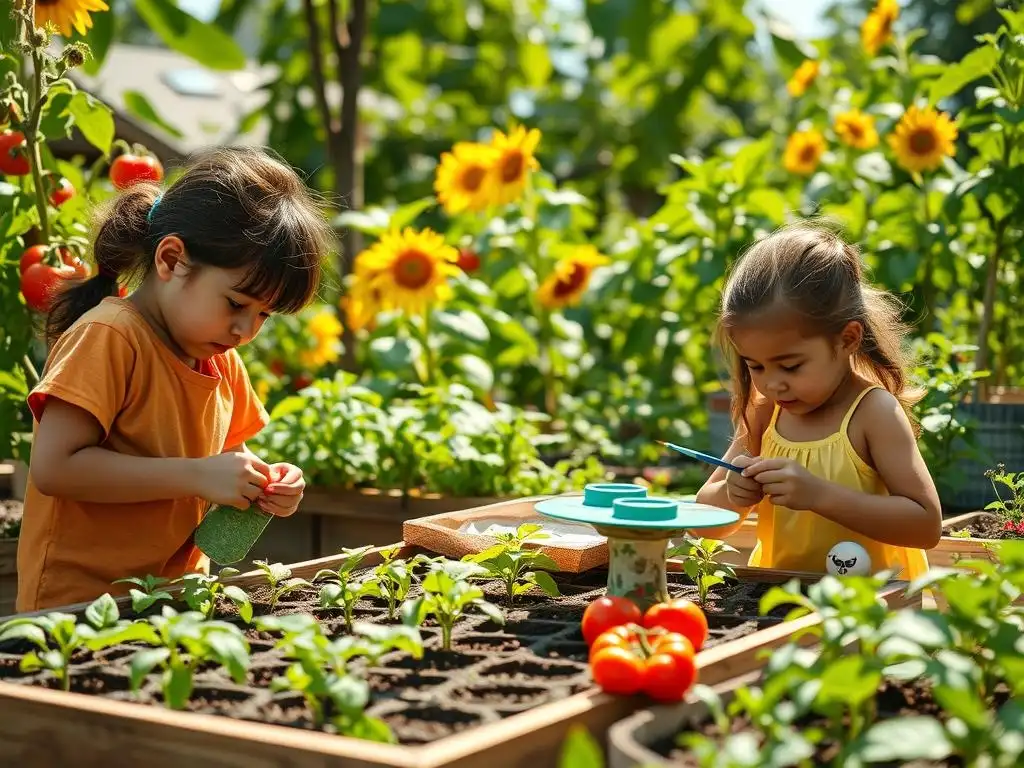
Welcome to CultivateYourFood, your guide to nurturing a thriving garden using sustainable and organic methods! Ready to take your green thumb to the next level? We're diving into the exciting world of Kids' advanced gardening projects, empowering young minds to cultivate their own food and learn valuable life skills. Discover inspiring ideas and practical advice to engage school-age children in more challenging and rewarding gardening experiences – and unlock their inner green giants! Let's get growing!
- Inspiring Kids' Advanced Gardening Projects: Beyond the Basics
- Challenging Kids' Gardening Skills: Complex Planting and Harvesting Techniques
- Enhancing Kids' Garden Projects: Creative and Educational Activities
- Advanced Kids' Gardening Projects: Long-Term Planning and Sustainability
-
Frequently Asked Questions
- What are some advanced gardening projects suitable for school-aged children?
- How can I ensure the projects are age-appropriate and safe?
- What are some ways to make advanced gardening projects engaging for kids?
- How can I incorporate sustainable and organic practices into advanced projects?
- What are the benefits of engaging kids in advanced gardening projects?
- Final Reflection: Cultivating Young Minds Through Green Thumbs
- Unleash Your Young Gardener's Potential!
Inspiring Kids' Advanced Gardening Projects: Beyond the Basics
Engaging school-age children in gardening isn't just about planting seeds and watching them grow; it's about fostering a deep understanding of the natural world and cultivating a lifelong appreciation for sustainable practices. This article delves into advanced gardening projects designed to challenge and excite young minds, building upon foundational gardening skills and introducing them to more complex concepts. We'll explore techniques beyond basic seed starting, delve into the science behind healthy plant growth, and encourage creative design elements to transform their gardens into vibrant, productive spaces.
These projects are perfect for nurturing the next generation of environmentally conscious gardeners and providing them with valuable STEM learning experiences. Get ready to inspire the budding botanists in your life with these enriching and engaging activities that go beyond the basics, all while focusing on organic and sustainable methods – perfect for kids' advanced gardening projects.
Let's cultivate a passion for gardening that will last a lifetime! 🌱
Moving Beyond Seed Starting: Advanced Propagation Techniques for Kids
Starting plants from seeds is a fantastic introduction to gardening, but advanced propagation techniques open up a whole new world of possibilities for young gardeners. These methods not only teach valuable horticultural skills but also promote a deeper understanding of plant biology. Let's explore some engaging options:
- Taking Cuttings: This technique involves taking a stem cutting from a mature plant and rooting it to create a new plant. Kids can learn about the importance of selecting healthy stems, using rooting hormone (a safe, organic option is best), and providing the right conditions for successful rooting. This is a great way to propagate herbs like rosemary and mint, or even flowering plants. The success rate can be a rewarding learning experience in itself!
- Layering: This method involves bending a stem to the ground, burying a portion of it, and waiting for roots to develop before separating it from the parent plant. This is particularly effective for plants with flexible stems. It's a hands-on experience that teaches patience and observation skills.
- Air Layering: A more advanced technique, air layering involves wounding a stem, applying rooting hormone, and wrapping it with moist sphagnum moss to encourage root development before cutting it from the parent plant. This method is perfect for showcasing the plant's remarkable ability to regenerate.
These techniques, while slightly more complex, provide a deeper understanding of plant reproduction and offer a sense of accomplishment that surpasses simply planting seeds. Remember to supervise children closely when handling sharp tools and ensure they understand the importance of gentle handling to avoid damaging the plants.
Understanding Plant Needs: Soil Science and Nutrient Management for Young Gardeners
A thriving garden relies on healthy soil and proper nutrient management. Transforming this knowledge into engaging projects for kids can be incredibly rewarding.
- Composting: Composting is an excellent way to teach children about decomposition and the importance of recycling organic matter. They can create their own compost bin using readily available materials and learn about the role of different components in the composting process. Observing the transformation of kitchen scraps and yard waste into nutrient-rich compost is a fascinating and educational experience.
- Soil Testing: Introducing children to soil testing kits allows them to understand the pH level and nutrient content of their soil. They can then learn how to adjust the soil composition to meet the specific needs of their plants, emphasizing organic amendments like compost and vermicast. This hands-on approach will instill a deep appreciation for the crucial role of healthy soil.
- Nutrient Solutions: Kids can learn about the importance of essential nutrients for plant growth (nitrogen, phosphorus, and potassium) and explore different organic fertilizers, such as seaweed extract or fish emulsion. They can create their own diluted solutions and apply them carefully to their plants, understanding the impact of proper feeding.
By involving children in these activities, they'll gain a deeper understanding of soil science and its impact on plant health, nurturing a responsible approach to gardening.
Designing Creative Garden Structures: Trellises, Raised Beds, and Vertical Gardens
Moving beyond simple rows of plants, designing creative garden structures offers a fantastic opportunity for kids to express their creativity and learn about garden design principles.
- Building Raised Beds: Constructing raised beds provides a controlled environment for planting and allows for better soil management. Children can participate in the design and construction process, learning about dimensions, materials, and the importance of drainage. This is a great opportunity for teamwork and problem-solving.
- Creating Trellises: Constructing trellises for climbing plants like beans or cucumbers teaches children about plant support and space optimization. They can use recycled materials like bamboo or wood to create unique and functional structures, adding an artistic flair to their garden.
- Vertical Gardening: Vertical gardens are space-saving solutions that add visual interest. Children can help design and build vertical gardens using repurposed containers, pallets, or other materials. This introduces them to innovative gardening techniques and promotes efficient use of space.
These projects encourage creativity, problem-solving, and a deeper understanding of garden design, making gardening a truly engaging and enriching experience for young minds. Remember to prioritize safety and ensure adult supervision when using tools.
Challenging Kids' Gardening Skills: Complex Planting and Harvesting Techniques
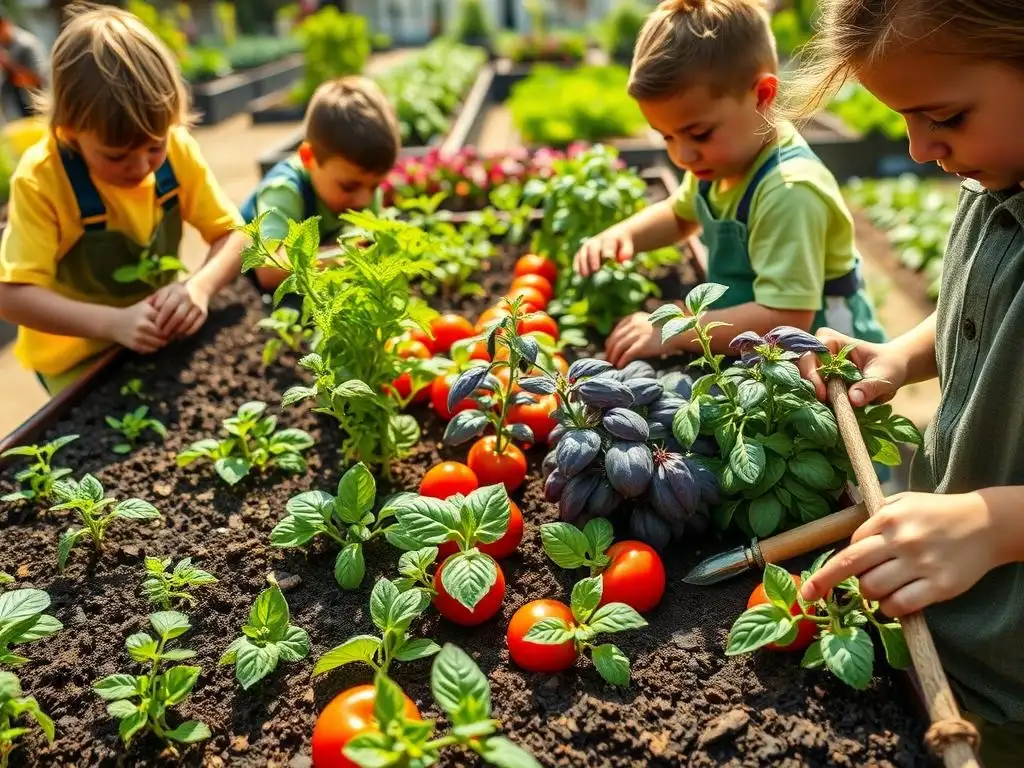
This section explores advanced gardening techniques suitable for school-age children, pushing their skills beyond basic planting and weeding. These projects foster a deeper understanding of plant biology and sustainable gardening practices, transforming them from passive observers to active participants in the food cycle. We'll focus on techniques that require patience, observation, and problem-solving, all essential life skills enhanced through gardening. The goal is to engage children in more complex tasks, building confidence and a strong connection with nature. This aligns perfectly with the growing interest in "Kids' advanced gardening projects" and provides enriching learning opportunities.
Advanced Planting Techniques: Layering, Division, and Air Layering
These techniques introduce children to the fascinating world of plant propagation. Layering involves bending a stem to the ground, burying a portion, and encouraging root development before separating it from the parent plant. This is ideal for plants like raspberries or forsythia. It’s a great way to teach kids about the importance of soil moisture and the process of root formation. A simple experiment could involve comparing the root development in different soil types (sandy vs. clay).
Division is another effective method, particularly for clump-forming plants like hostas or daylilies. Children can learn to carefully dig up the mature plant, separate the clumps, and replant them. This teaches them about plant structure and how to handle delicate roots. Counting the number of new plants produced from one parent plant can turn this into a fun math lesson.
Air layering is a more advanced technique, involving wounding a stem, wrapping it in moist moss, and covering it with plastic to encourage root growth before cutting it from the parent plant. This method is suitable for plants with thicker stems, like rubber plants or certain types of shrubs. This project emphasizes the importance of moisture control and patience, as root development may take several weeks. Documenting the process with photos or a journal can enhance the learning experience.
Mastering Harvesting Techniques: Preserving and Utilizing the Harvest
Harvesting isn't just about picking produce; it's about understanding the optimal time for harvesting to maximize flavor and nutritional value. For example, harvesting tomatoes at the right stage of ripeness is crucial for optimal taste. Children can learn to identify the signs of ripeness for various fruits and vegetables, such as color changes, firmness, and aroma.
This section extends beyond simple picking. It introduces children to methods of preserving their harvest, extending its enjoyment throughout the year. Simple methods like drying herbs, making jams (with adult supervision), or freezing berries can be engaging and educational. This fosters an appreciation for the value of their hard work and teaches them about food preservation techniques. A chart comparing the nutritional value of fresh versus preserved produce could add an interesting nutritional dimension.
Dealing with Garden Pests and Diseases: Organic Pest Control for Kids
This section addresses a crucial aspect of gardening: pest and disease management. However, it focuses on safe and environmentally friendly organic methods, suitable for children. We'll avoid harmful chemicals, emphasizing preventative measures and natural pest control solutions. Kids can learn to identify common garden pests (aphids, slugs, etc.) and understand the damage they cause.
Instead of using harsh pesticides, children can learn about beneficial insects (ladybugs, praying mantises) that naturally control pests. They can also learn how to create simple traps (like beer traps for slugs) or use natural deterrents (like neem oil or companion planting). A table comparing different organic pest control methods, their effectiveness, and ease of use for kids would be a valuable resource.
This empowers them to become responsible stewards of their garden, promoting biodiversity and ecological balance. The focus here is on teaching children how to proactively prevent and manage garden issues using sustainable and safe organic practices, a key component of “Kids' advanced gardening projects”.
Enhancing Kids' Garden Projects: Creative and Educational Activities
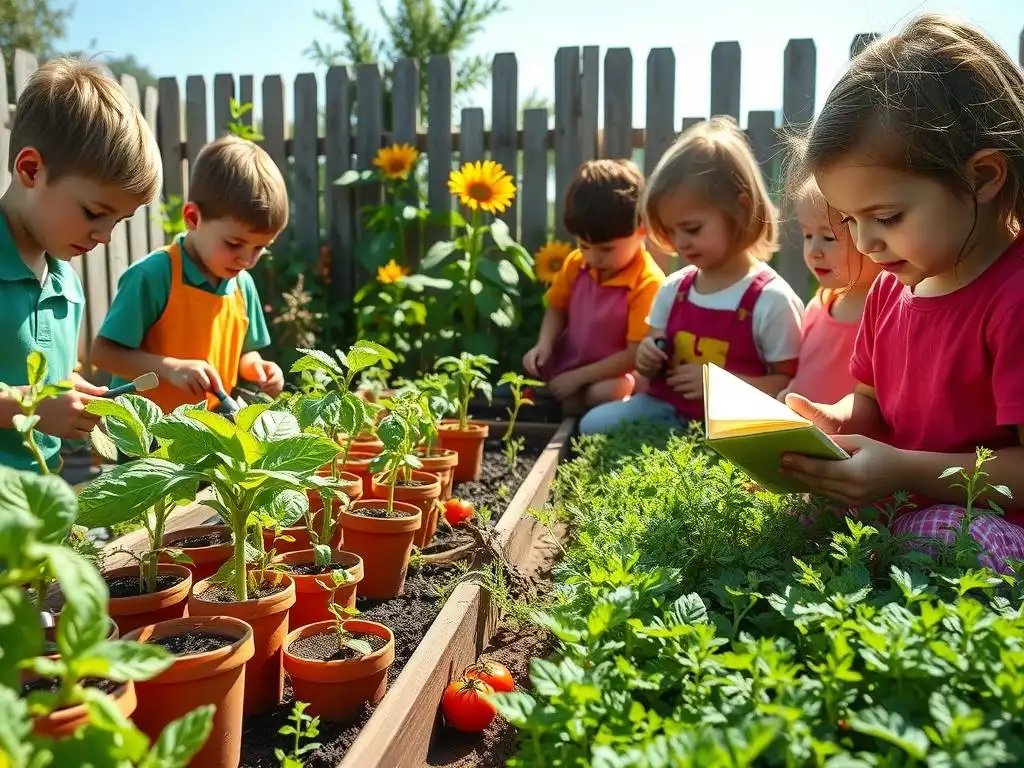
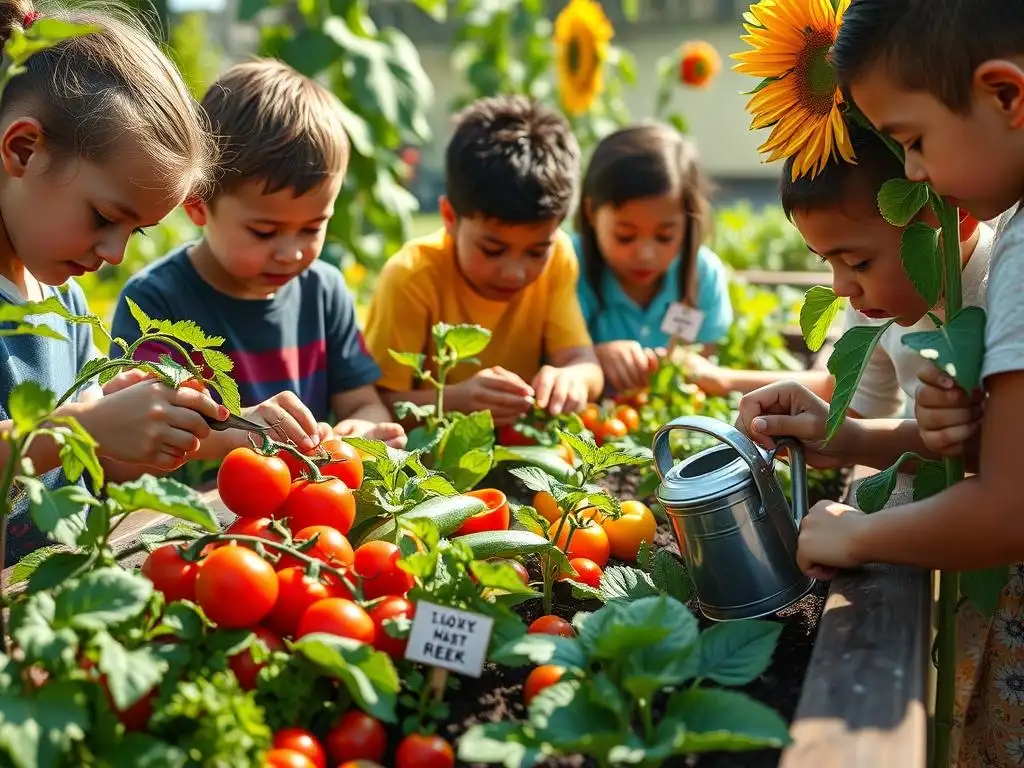
This section delves into advanced gardening projects suitable for school-aged children, fostering a deeper understanding of sustainable practices and ecological principles. These activities go beyond basic planting and watering, encouraging observation, experimentation, and a sense of responsibility towards the environment. We'll explore engaging projects that transform gardening from a simple task into a rewarding learning experience. Remember to always supervise children closely, especially when using tools or handling potentially hazardous materials.
Building a Composting System: Recycling Garden Waste and Creating Rich Soil
Composting is a fantastic way to teach kids about decomposition and the circularity of nature. It transforms garden waste – vegetable scraps, leaves, grass clippings – into nutrient-rich soil amendment, reducing landfill waste and improving garden health. Several composting methods are suitable for kids' projects:
- Worm Composting (Vermicomposting): This method uses worms to break down organic matter. A simple system can be built using a plastic bin with drainage holes, bedding material (shredded newspaper or coconut coir), and red wiggler worms. Children can observe the worms at work and learn about their role in the ecosystem. Regularly adding food scraps and monitoring moisture levels are key aspects of successful vermicomposting. The resulting worm castings are an excellent fertilizer.
- Simple Compost Bin: A basic compost bin can be constructed from readily available materials like pallets or wire mesh. Layer brown materials (dried leaves, twigs) with green materials (fruit and vegetable scraps, grass clippings) to maintain a balanced carbon-to-nitrogen ratio. Regular turning of the compost pile speeds up the decomposition process. This teaches kids about the importance of balance in nature. The finished compost can enrich their garden beds.
The process teaches children about decomposition, nutrient cycling, and the importance of reducing waste. It's a hands-on experience that connects them directly to the natural processes occurring in their gardens. Monitoring the compost's temperature and moisture levels can be incorporated into a science experiment, further enhancing the educational value. Remember to locate the compost bin in a shaded area to prevent the compost from drying out too quickly.
Creating a Pollinator Garden: Attracting Beneficial Insects and Butterflies
Creating a pollinator garden introduces children to the vital role pollinators play in the ecosystem. This project promotes biodiversity and supports the health of the entire garden. Select plants that attract a variety of pollinators, including bees, butterflies, and hummingbirds. Consider including:
- Native wildflowers: These plants are naturally adapted to the local climate and attract local pollinators.
- Herbs: Many herbs, such as lavender, mint, and borage, are attractive to pollinators.
- Sunflowers: These vibrant flowers are popular with bees and other pollinators.
- Coneflowers: These daisy-like flowers are a favorite of butterflies.
The design and layout of the pollinator garden can be a collaborative effort. Kids can participate in planting, watering, and observing the pollinators that visit. A detailed observation log can track the types of pollinators seen, the plants they visit, and the frequency of visits.
This project fosters a deeper appreciation for the interconnectedness of nature and the importance of biodiversity. It also teaches children valuable observation skills and encourages careful record-keeping, crucial skills for any budding scientist. The addition of a small water source, like a shallow dish of water with pebbles, can further enhance the pollinator garden's appeal.
Documenting Garden Progress: Keeping a Garden Journal and Photography Projects
Documenting garden progress transforms the gardening experience into a long-term project that fosters observation, record-keeping, and creative expression. A garden journal can serve as a valuable tool:
- Plant Records: Children can record planting dates, plant growth, watering schedules, and any observations about plant health. This detailed record-keeping helps develop scientific observation skills.
- Pest and Disease Monitoring: Note any signs of pests or diseases, and the methods used to address them. This teaches kids about responsible pest control and plant health.
- Harvest Records: Keep track of the quantity and quality of harvests. This reinforces the connection between effort and reward.
In addition to the journal, photography projects offer a visual record of the garden's progress. Children can take photos of plants at different stages of growth, showing the transformation from seed to mature plant. They can also photograph pollinators visiting the flowers and any interesting details in their garden. These photos can be included in the journal or used to create a presentation or slideshow.
This multi-sensory approach enhances learning and retention. The use of time-lapse photography, if accessible, can dramatically showcase plant growth and development. The combination of written observations and visual documentation ensures a comprehensive and engaging record of the children's gardening experiences.
Advanced Kids' Gardening Projects: Long-Term Planning and Sustainability
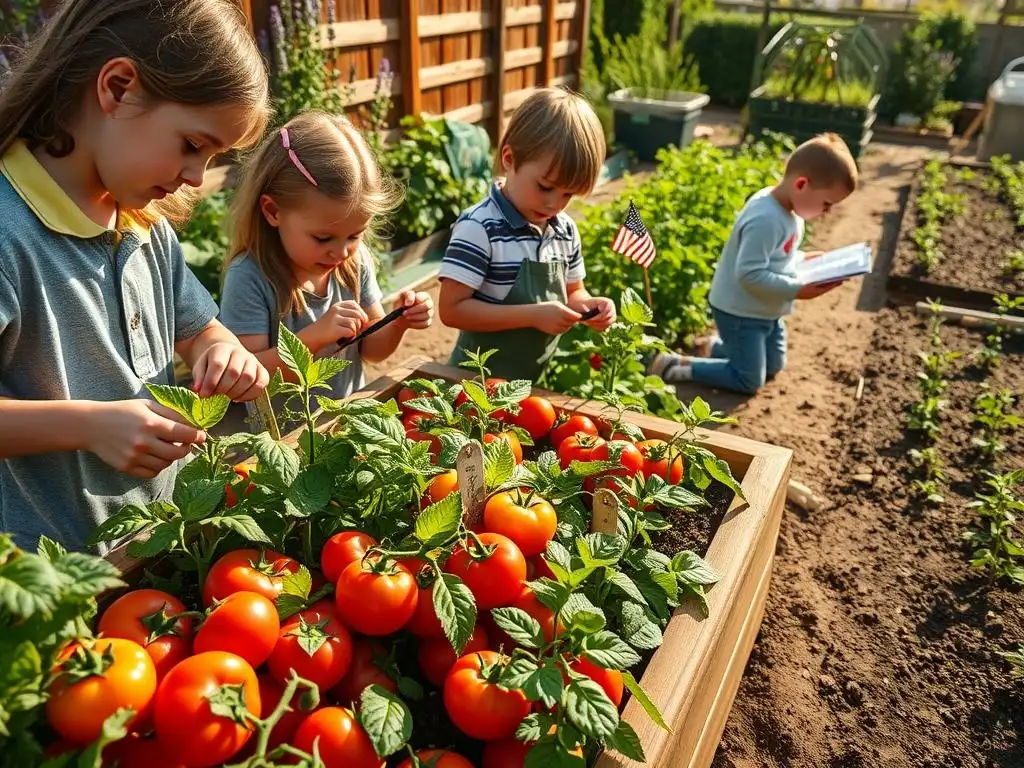
This section delves into sophisticated gardening projects suitable for school-age children, emphasizing long-term planning and sustainable practices. Moving beyond simple planting, these projects encourage a deeper understanding of the gardening cycle and environmental responsibility. We'll explore techniques that foster a connection with nature and promote responsible resource management, perfect for budding young horticulturalists interested in "Kids' advanced gardening projects."
Planning for Seasonal Changes: Succession Planting and Winter Gardening
Successfully gardening throughout the year requires understanding seasonal changes and adapting planting strategies. Succession planting is a key technique for maximizing yields and extending the harvest season. It involves planting crops in stages, ensuring a continuous supply of fresh produce. For example, you can plant fast-growing lettuce and radishes alongside slower-growing carrots and beets. As the quicker crops are harvested, the slower ones have space to mature.
This approach also introduces children to the concept of crop rotation, a crucial aspect of sustainable gardening. Rotating crops helps prevent soil depletion and reduces pest and disease problems. For instance, planting legumes (like beans or peas) one year can improve soil fertility for subsequent plantings of vegetables that are heavy feeders.
Winter gardening, while more challenging, presents opportunities for learning about cold-hardy crops and protective structures. Children can learn about frost protection techniques, such as using row covers or cloches, to extend the growing season. Kale, spinach, and certain root vegetables can thrive even in cooler temperatures with proper preparation. This teaches resilience and problem-solving skills, valuable assets in any gardening endeavor. Planning for seasonal changes transforms a simple planting activity into a year-round engagement with nature, encouraging a deeper understanding of ecological principles relevant to "Kids' advanced gardening projects".
Understanding Sustainable Gardening Practices: Water Conservation and Soil Health
Sustainable gardening practices are paramount for environmentally conscious cultivation. Water conservation is a crucial aspect, especially in drier climates. Children can learn about water-efficient irrigation techniques, such as drip irrigation or soaker hoses, which deliver water directly to plant roots, minimizing evaporation. They can also participate in creating rain barrels to collect rainwater for later use, a practical application of water recycling.
Soil health is equally important. Children can learn about composting, a natural process that transforms organic waste into nutrient-rich soil amendment. They can build a compost bin, monitor the decomposition process, and understand the role of microorganisms in enriching the soil. This hands-on experience fosters appreciation for the interconnectedness of living systems.
They'll also learn about soil testing, understanding the importance of balanced nutrients for healthy plant growth. Analyzing soil composition and adjusting accordingly teaches critical observation and problem-solving skills, crucial for successful and sustainable gardening. This deep dive into sustainable practices makes these “Kids' advanced gardening projects” both rewarding and environmentally responsible.
Developing a Year-Round Garden Plan: From Seed to Harvest and Beyond
Creating a year-round garden plan is a significant undertaking, encouraging long-term planning and observation skills. It requires children to research suitable crops for their region, considering factors such as climate, soil type, and sunlight availability. They can learn to use gardening calendars and plant databases to plan planting times, harvest periods, and crop rotations.
This long-term project involves understanding the entire lifecycle of a plant, from seed germination to harvesting and beyond. Children can participate in seed saving, learning how to collect and store seeds from their harvested crops for future plantings. This promotes resourcefulness and reduces reliance on commercially produced seeds.
They can also learn about crop preservation techniques, such as freezing, canning, or drying, extending the enjoyment of their harvest throughout the year. The year-round garden plan transforms gardening from a seasonal activity into a continuous engagement, fostering patience, responsibility, and a deep appreciation for the natural world. This holistic approach is a key component of successful “Kids' advanced gardening projects”.
Frequently Asked Questions
What are some advanced gardening projects suitable for school-aged children?
School-aged children can tackle projects like building a raised bed garden, designing and implementing an irrigation system, or experimenting with vertical gardening techniques. These projects encourage problem-solving and planning skills.
How can I ensure the projects are age-appropriate and safe?
Always supervise children closely, especially when using tools. Choose projects that match their skill level and attention span. Focus on simpler tasks initially, gradually increasing complexity.
What are some ways to make advanced gardening projects engaging for kids?
Incorporate elements of competition or teamwork, such as a friendly plant growth contest. Let them choose the plants they want to grow, and involve them in every step of the process, from planning to harvesting.
How can I incorporate sustainable and organic practices into advanced projects?
Teach children about composting, natural pest control, and water conservation. Encourage them to research and implement these methods in their projects, promoting environmentally friendly gardening habits.
What are the benefits of engaging kids in advanced gardening projects?
Advanced projects foster responsibility, problem-solving skills, and an appreciation for nature. They also provide opportunities to learn about science, math, and environmental stewardship in a hands-on way.
Final Reflection: Cultivating Young Minds Through Green Thumbs
Engaging school-age children in advanced gardening projects isn't just a fun activity; it's a crucial investment in their future and the future of our planet. The skills learned—from scientific understanding of plant life cycles to practical problem-solving and environmental stewardship—are invaluable, equipping them with knowledge and passion to tackle the challenges of tomorrow.
The impact of hands-on gardening extends far beyond the garden itself. It fosters a deeper connection with nature, promoting a sense of responsibility and appreciation for the environment that is often lost in our increasingly digital world. The glory of gardening: hands in the dirt, head in the sun, heart with nature. To nurture a garden is to feed not just the body, but the soul.
This quote perfectly encapsulates the transformative power of engaging children in advanced gardening projects, shaping not only their understanding of the natural world but also their character and emotional well-being.
Now, consider your own connection to nature. What memories do you have of planting seeds, nurturing growth, and harvesting the fruits (or vegetables!) of your labor? Take this reflection as a call to action. Encourage the young gardeners in your life to explore their potential, to embrace the challenges of advanced projects, and to discover the immense satisfaction of nurturing life. Let's cultivate a generation of environmentally conscious, resourceful, and passionate individuals, one seed at a time.
Unleash Your Young Gardener's Potential!
Thank you for exploring advanced gardening projects for school-aged children! We hope you've found inspiration to nurture their love of nature and gardening skills. Now, let's put those ideas into action!
- Design and build a unique garden feature: Encourage your child to create something special, whether it's a miniature fairy garden, a vertical herb wall, or another creative project that lets their imagination bloom. This hands-on experience is key!
- Share your child's gardening journey on social media using #CultivateYoungGrowers – inspire others and connect with a community of young gardeners.
- Encourage your child to keep a detailed garden journal, documenting their progress, observations, and the lessons they learn along the way. This will help them reflect on their experiences and track their growth as a gardener.
What exciting discoveries await your young gardener on their next adventure?