
The Future of Food: Inspiring Kids to Become Sustainable Gardeners

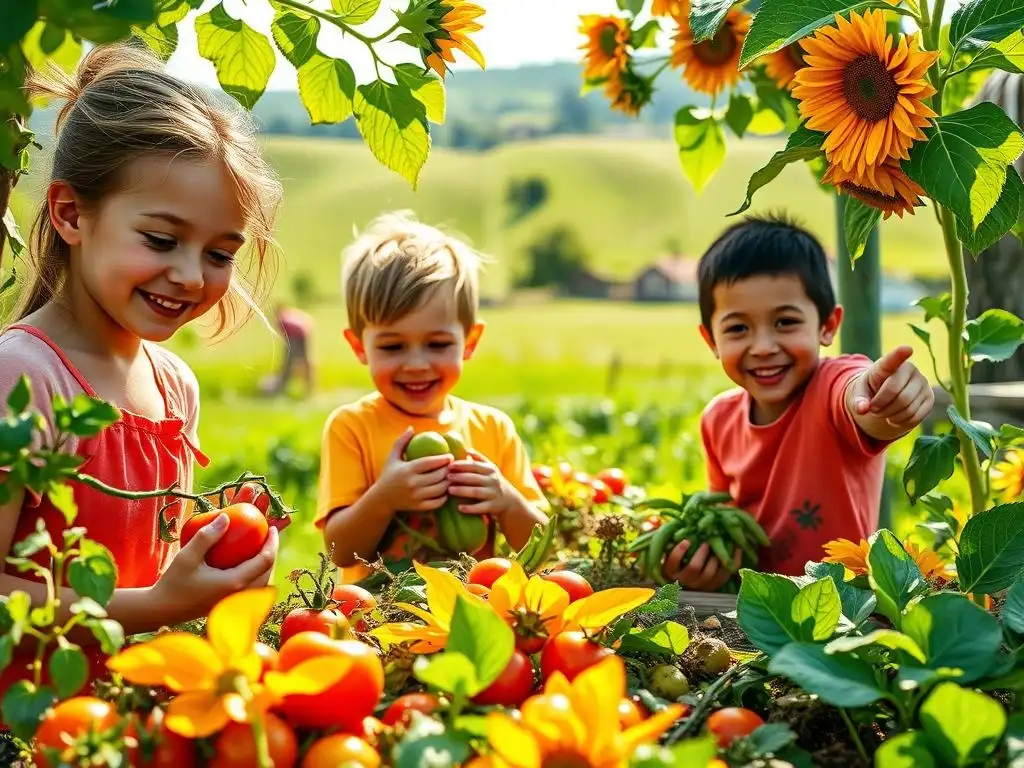
Welcome to CultivateYourFood, your guide to nurturing a thriving home garden! Are you ready to empower the next generation of sustainable food producers? Our latest article, “Kids gardening sustainable practices,” dives into practical and engaging ways to introduce children to the joys of organic gardening, fostering a lifelong appreciation for where our food comes from. Discover how even the smallest hands can make a big difference in creating a greener future, one seed at a time. Let's cultivate a passion for sustainable food together!
- Engaging Children in Sustainable Gardening Practices
- Setting Up a Kid-Friendly Sustainable Garden
- Teaching Children about Sustainable Food Production
- Involving Kids in the Entire Process: From Planting to Harvesting
- Making Gardening Fun and Educational for Kids
- Resources and Further Learning for Sustainable Kids Gardening
-
Frequently Asked Questions
- How can I get my kids involved in sustainable gardening?
- What are some sustainable practices I can teach my children in the garden?
- Are there any age-appropriate gardening tasks for young children?
- What are the benefits of teaching children about sustainable gardening?
- Where can I find more resources on sustainable gardening for kids?
- Final Reflection: Cultivating a Greener Future, One Seed at a Time
- Unleash Your Inner Gardener: Grow a Greener Future
Engaging Children in Sustainable Gardening Practices
The future of food security and environmental sustainability rests, in part, on the shoulders of the next generation. Cultivating a love for gardening and sustainable practices in children is not merely a hobby; it's an investment in a healthier planet and a more responsible approach to food production.
This article explores how to inspire kids to become enthusiastic sustainable gardeners, fostering a deep understanding of where their food comes from and the importance of environmentally conscious cultivation. We'll delve into the crucial role of early exposure, the benefits of hands-on experiences, and age-appropriate activities that can transform young minds into budding environmental stewards.
By engaging children in these practices, we empower them to become active participants in creating a more sustainable food future – a future where they understand the interconnectedness of nature, food, and their own well-being. This approach to kids gardening sustainable practices is crucial for building a more responsible and environmentally conscious society.
The Importance of Early Exposure to Sustainable Food Systems
Introducing children to sustainable food systems early on is paramount. Studies show that children who are exposed to gardening and sustainable agriculture from a young age develop a greater appreciation for nature and a stronger connection to their food. This early exposure fosters a sense of responsibility towards the environment and encourages healthy eating habits.
The impact goes beyond mere knowledge; it cultivates a deep understanding of the processes involved in food production, from seed to table. This understanding combats the disconnect many children experience between the food they consume and its origin, often leading to a more conscious and informed approach to food choices.
Consider this: children who understand the effort required to grow food are more likely to appreciate and respect the food they eat, reducing food waste and promoting healthier dietary choices. Early exposure also helps them understand the environmental impact of their choices, promoting sustainable practices throughout their lives.
Furthermore, introducing children to the concept of biodiversity and the importance of pollinators through gardening activities can have a lasting impact on their understanding of ecological balance. They learn firsthand about the interconnectedness of plants, insects, and the overall environment, cultivating a sense of responsibility towards protecting these ecosystems. This holistic approach to kids gardening sustainable practices ensures a comprehensive understanding of the importance of ecological balance and sustainability.
Connecting Kids with Nature Through Hands-on Gardening
Hands-on gardening experiences are invaluable in fostering a love for sustainable practices in children. The sensory experience of getting their hands dirty, planting seeds, nurturing seedlings, and harvesting their own produce creates a powerful connection to nature. This direct engagement transcends theoretical knowledge; it transforms learning into a tangible, rewarding experience.
For example, witnessing the growth of a plant from a tiny seed to a mature plant bearing fruit or vegetables is a powerful lesson in patience, perseverance, and the wonders of nature. The joy of harvesting their own food creates a sense of accomplishment and pride, fostering a positive association with sustainable gardening. This hands-on approach to kids gardening sustainable practices is crucial for developing a lifelong appreciation for nature and sustainable living.
Moreover, involving children in composting and other sustainable gardening practices provides practical experience in reducing waste and conserving resources. Learning how to recycle kitchen scraps into nutrient-rich compost not only teaches them about waste management but also shows them the benefits of using natural resources to enhance soil fertility. This practical application of sustainable principles reinforces their understanding of the importance of environmental stewardship. The tangible results of their efforts—healthier plants, richer soil—serve as powerful incentives to continue their involvement in sustainable gardening.
Age-Appropriate Gardening Activities for Young Children
Tailoring gardening activities to the age and developmental stage of children is crucial for maximizing engagement and fostering a lasting interest in sustainable practices. For toddlers and preschoolers, simple activities like planting large seeds (like beans or sunflowers), watering plants, and observing plant growth are ideal. They can also participate in weeding and collecting fallen leaves for composting, learning about basic care and the importance of soil health.
These simple, hands-on tasks build early skills and create positive associations with gardening. For older children, more complex tasks like building raised garden beds, planning a garden layout, and learning about different composting techniques can be introduced. Involving them in pest control using natural methods and teaching them about seed saving further enhances their understanding of sustainable practices.
The key is to make it fun and engaging. Consider incorporating storytelling, games, and creative activities into the gardening process. For instance, creating nature journals to document plant growth, drawing pictures of their favorite plants, or building miniature gardens can make learning more enjoyable and memorable.
The use of age-appropriate tools and materials is equally important to ensure safety and build confidence. By adapting the complexity of the tasks to their capabilities, we can successfully engage children of all ages in kids gardening sustainable practices, fostering a lifelong commitment to sustainability and a deep appreciation for the natural world. Remember, patience and positive reinforcement are key to creating a positive and enriching learning experience.
Setting Up a Kid-Friendly Sustainable Garden
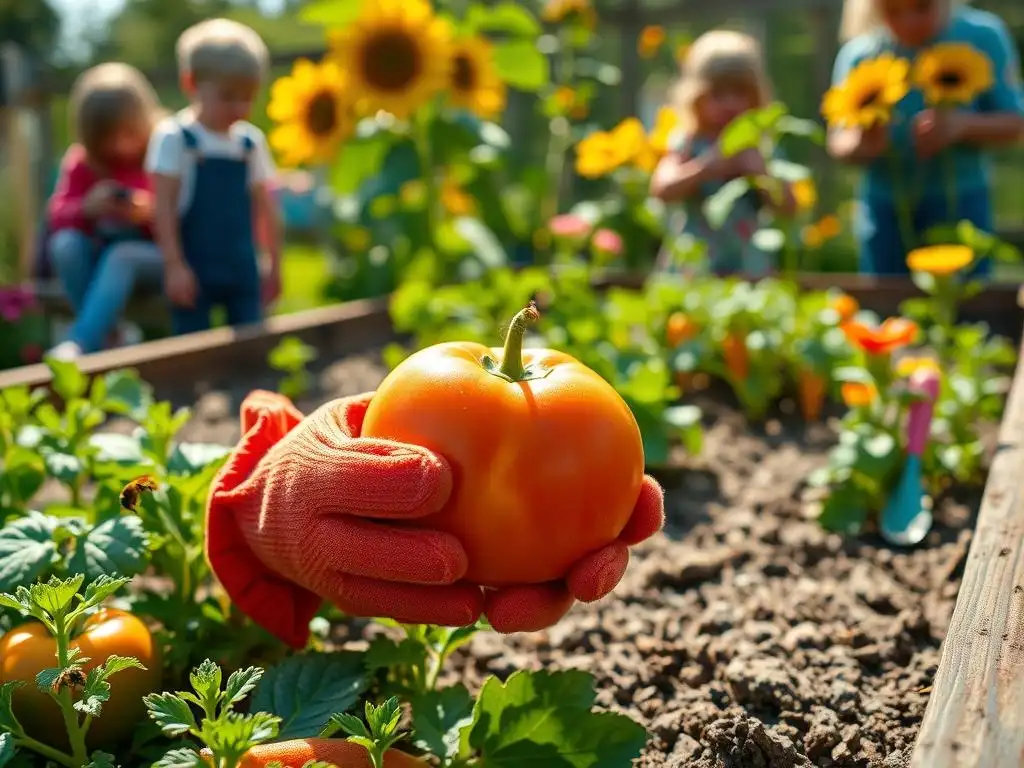
This section focuses on establishing a garden that's both productive and enjoyable for young gardeners, emphasizing sustainable practices from the outset. We'll explore plant selection, garden design, and simple, effective techniques to foster a love for gardening and environmental responsibility.
Choosing the Right Plants for Young Gardeners
Selecting the right plants is crucial for keeping kids engaged. Fast-growing and visually appealing options are ideal. Think vibrant sunflowers 🌻, plump cherry tomatoes 🍅, and easy-to-grow herbs like basil and mint 🌿. These offer quick rewards, boosting children's confidence and enthusiasm. Avoid plants with thorns or poisonous parts to ensure safety. Consider these factors when choosing plants:
- Fast Growth: Kids are more likely to stick with a project if they see quick results. Radishes, lettuce, and zucchini are excellent choices.
- Attractive Appearance: Bright colors and interesting shapes will capture their attention. Consider flowers alongside vegetables for added visual appeal.
- Easy Harvesting: Simple harvesting methods increase their sense of accomplishment. Choose plants with easily accessible fruits or leaves.
- Low Maintenance: Kids have limited attention spans, so low-maintenance plants are crucial. Choose drought-tolerant or pest-resistant varieties whenever possible.
Here's a sample planting plan, emphasizing variety and ease of growth:
| Plant | Growth Time (approx.) | Ease of Growing | Kid-Friendly Features |
|---|---|---|---|
| Radishes | 25-30 days | Easy | Quick harvest, fun shapes |
| Cherry Tomatoes | 60-75 days | Medium | Colorful, abundant yield |
| Basil | 50-60 days | Easy | Fragrant, versatile use |
| Sunflowers | 70-100 days | Easy | Tall, showy, fun to watch grow |
| Snap Peas | 55-65 days | Easy | Easy to pick, sweet taste |
Remember to research varieties suitable for your climate and growing season. Local nurseries can provide valuable guidance on plant selection tailored to your specific region.
Creating a Child-Safe and Engaging Garden Space
Designing a child-friendly garden space involves prioritizing safety and fun. The area should be easily accessible, well-lit, and free from hazards. Consider these elements:
- Raised Beds: These make gardening easier for little ones and improve drainage. They also provide better control over soil composition.
- Clear Pathways: Wide, clearly defined pathways prevent tripping and allow for easy movement around the garden.
- Child-Sized Tools: Providing age-appropriate tools empowers children and reduces the risk of injury.
- Designated Watering Station: A convenient water source simplifies watering tasks and prevents spills.
- Educational Signage: Label plants with their names and interesting facts to enhance learning. Consider adding pictures to make it even more engaging for younger children.
By creating a fun and accessible space, you'll encourage kids to participate actively in gardening activities, promoting a deeper connection with nature and sustainable practices. Remember to involve them in the design process! Their input will ensure a garden that reflects their interests and encourages their participation.
Simple and Effective Sustainable Gardening Techniques for Kids
Sustainable gardening practices should be introduced early. Here are some simple, effective techniques easily implemented by children:
- Composting: Start a simple compost bin using kitchen scraps and yard waste. Kids can learn about decomposition and the benefits of enriching the soil naturally. This is a fantastic way to teach the concept of waste reduction and resourcefulness.
- Worm Composting (Vermicomposting): A fun and educational way to recycle food scraps. Kids can observe the worms breaking down organic matter and creating nutrient-rich castings.
- Water Wisely: Teach children the importance of watering deeply but infrequently to conserve water. Encourage them to water early in the morning or late in the evening to minimize evaporation.
- Natural Pest Control: Introduce beneficial insects like ladybugs that help control pests naturally. Avoid using harmful chemical pesticides.
- Seed Saving: After harvesting, show children how to save seeds from some plants to use next year. This fosters a sense of accomplishment and sustainability.
By incorporating these sustainable practices, children learn valuable lessons about environmental stewardship and the interconnectedness of nature. These hands-on experiences will nurture their appreciation for sustainable food production and inspire them to become responsible environmental stewards. The joy of growing their own food, sustainably, will be a rewarding experience for years to come.
Teaching Children about Sustainable Food Production
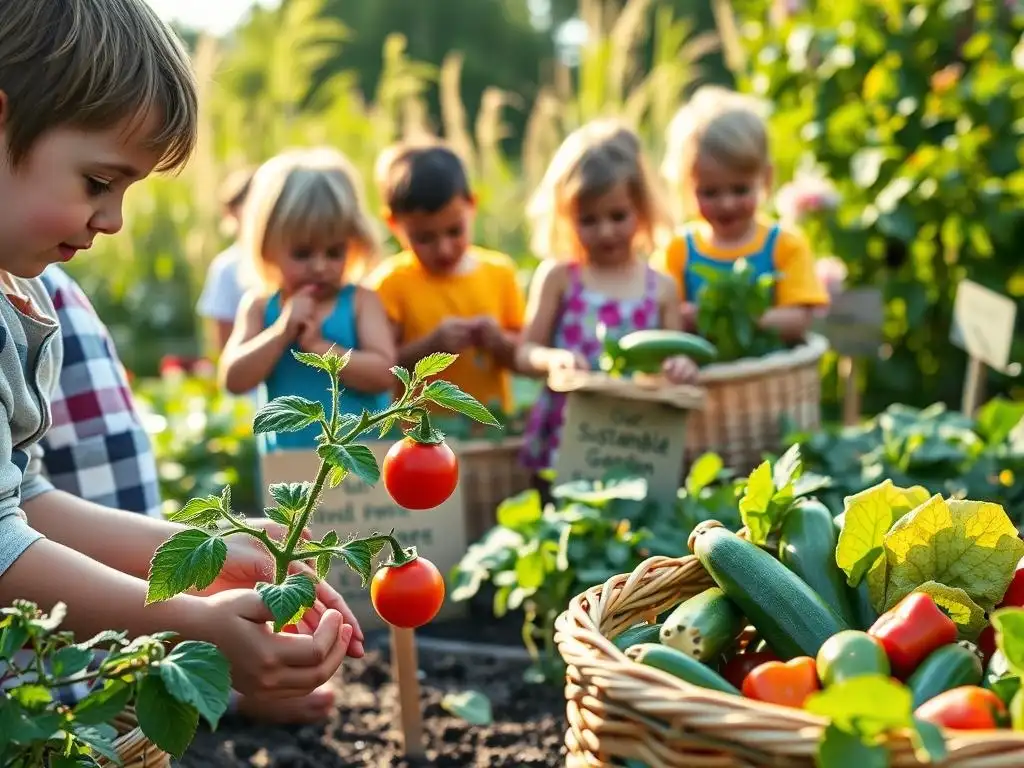
This section delves into practical methods for teaching children about sustainable food production, focusing on engaging activities and age-appropriate explanations. We'll explore how to introduce concepts like the food cycle, the benefits of organic gardening, and the importance of composting, all while fostering a love for the environment in young minds. Successfully integrating "kids gardening sustainable practices" requires a multifaceted approach, engaging their curiosity and understanding.
Understanding the Food Cycle: From Seed to Plate
Understanding where their food comes from is a crucial first step in teaching children about sustainable food production. This isn't just about knowing that apples come from apple trees; it's about understanding the entire process – from planting the seed, nurturing the plant, harvesting the crop, and finally, enjoying the fruits (or vegetables!) of their labor. This holistic understanding fosters appreciation for the effort involved and promotes responsible consumption.
We can make this engaging through hands-on activities. For example, starting with a simple bean sprout experiment visually demonstrates germination. Children can plant bean seeds in clear containers, observing the roots and shoots emerge daily. This visual demonstration makes the abstract concept of growth tangible and exciting.
Later, they can plant larger plants, like sunflowers or tomatoes, experiencing the entire life cycle firsthand. Charting the growth process – measuring plant height, counting leaves, and recording the number of fruits – adds another layer of engagement and data analysis. This process allows children to directly observe the time and care required to bring food from seed to plate, strengthening their connection to their food source and promoting mindful eating habits. This hands-on approach helps children truly grasp the concept of "kids gardening sustainable practices".
The Benefits of Organic Gardening for Kids and the Planet
Introducing organic gardening practices to children isn't just about avoiding pesticides; it's about teaching them the interconnectedness of their actions and the environment. Organic gardening provides a fantastic opportunity to discuss the benefits for both kids and the planet.
- Healthier Food: Explain that organic food is grown without harmful chemicals, resulting in healthier food for them and their families. This resonates strongly with children who are increasingly aware of health and well-being. Discuss the difference between organic and conventionally grown produce, emphasizing the absence of pesticides and herbicides in organic farming.
- Environmental Benefits: Discuss how organic gardening reduces pollution, protects biodiversity, and conserves water. Use concrete examples; for instance, explain how avoiding pesticides protects beneficial insects like bees, crucial for pollination. This connects their gardening activities to broader environmental issues, fostering a sense of responsibility towards the planet. This understanding is key for instilling long-term "kids gardening sustainable practices".
- Reduced Carbon Footprint: Explain that growing food locally reduces the transportation emissions associated with bringing food from faraway farms. Children can calculate the distance their food travels in a conventional setting versus the distance from their garden to their kitchen. This simple exercise highlights the impact of local food production on reducing carbon emissions.
Composting Basics for Young Environmentalists
Composting is an excellent way to introduce children to the circular economy and the importance of reducing waste. It's a hands-on activity that directly connects them to the natural processes of decomposition and nutrient cycling.
Transforming kitchen scraps and yard waste into nutrient-rich compost is a fascinating process for kids. Begin by clearly defining what can and cannot be composted. Creating a visual guide with pictures of acceptable and unacceptable materials can help younger children understand.
Then, guide them through the process of layering materials in a compost bin – brown materials (dried leaves, twigs) and green materials (fruit and vegetable scraps, grass clippings). Regular turning of the compost pile is crucial and can be a fun activity, allowing children to observe the changes in texture and smell as the materials decompose. This process builds their understanding of the decomposition process and its role in sustainable gardening.
The resulting compost can then be used to fertilize their garden, completing the cycle and showcasing the benefits of "kids gardening sustainable practices". The act of transforming waste into a valuable resource is a powerful lesson in sustainability. They can even create a compost calendar, marking when they add materials and when they turn the pile, tracking the composting process over time.
Involving Kids in the Entire Process: From Planting to Harvesting
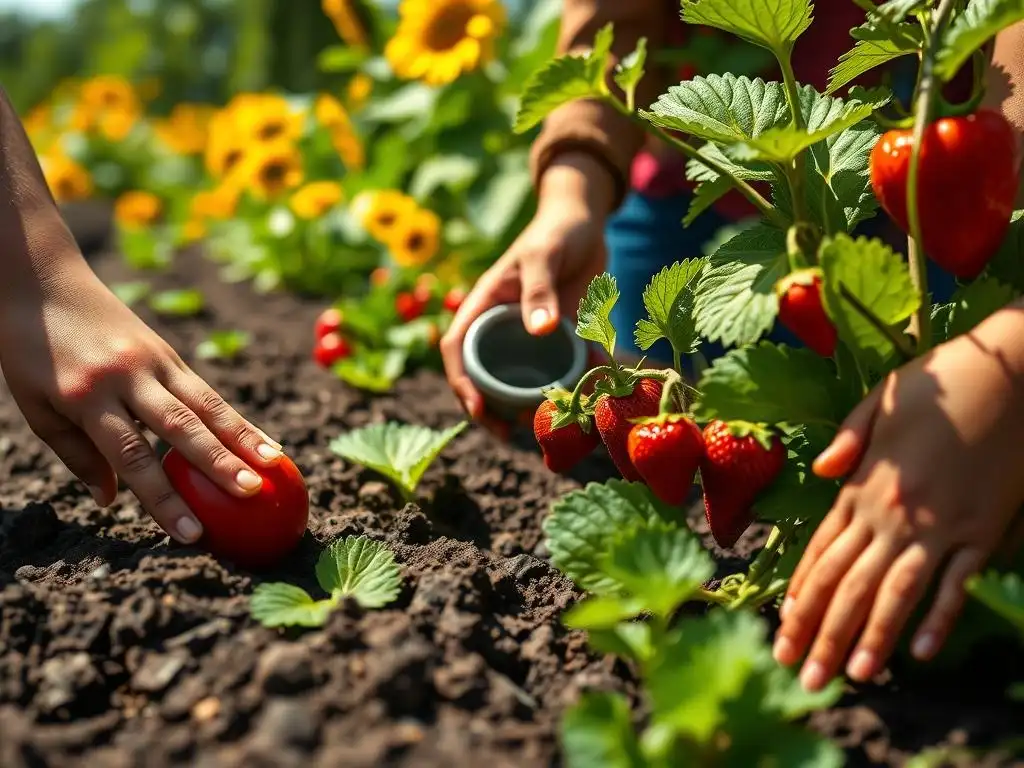
Getting children involved in every stage of the gardening process is key to fostering a genuine appreciation for sustainable food production. It's not just about planting a seed and hoping for the best; it's about nurturing a connection with nature and understanding the effort involved in bringing food from the earth to the table. This hands-on approach transforms gardening from a chore into an exciting adventure, solidifying their understanding of where their food comes from and the importance of sustainable practices.
By actively participating, kids develop a deeper respect for the environment and a sense of ownership over their garden's success, making them more likely to adopt sustainable habits in the future. This holistic approach to kids gardening sustainable practices is crucial for long-term impact.
Planting Seeds and Seedlings: A Fun and Educational Experience
Planting seeds and seedlings provides an excellent opportunity for interactive learning. Start by choosing easy-to-grow options like sunflowers, radishes, or beans—these offer quick results and boost children's enthusiasm. Before planting, engage them in preparing the soil, perhaps by gently mixing compost—a fantastic introduction to sustainable soil management.
Let them carefully place the seeds or seedlings in the ground, ensuring they understand the importance of proper spacing. This process can be transformed into a fun game, assigning each child a specific plant to care for and track its growth. You can even create a personalized chart to monitor the progress, including drawings and observations.
This hands-on experience is far more effective than simply reading about planting in a book; it connects the abstract concept of planting with a tangible, rewarding experience. The excitement of seeing a tiny seed sprout into a vibrant plant is incredibly powerful in fostering a love for gardening and understanding the principles of kids gardening sustainable practices.
Watering and Weeding: Teaching Responsibility Through Garden Care
Watering and weeding are not merely chores; they are opportunities to teach responsibility and observation skills. Involve children in checking the soil moisture regularly, teaching them to feel the soil with their fingers to determine when watering is needed. Overwatering can be as detrimental as underwatering, so this practical lesson is vital.
Explain the importance of conserving water and using methods like drip irrigation or watering cans instead of hoses to minimize water waste. Weeding provides an excellent opportunity to discuss the competitive nature of plant life and the importance of removing weeds to allow beneficial plants to thrive. Explain how weeds compete for nutrients and water, impacting the growth of the desired vegetables or herbs.
This fosters an understanding of ecological balance and the importance of sustainable practices in maintaining a healthy garden. Children can learn to differentiate between weeds and plants, developing their observation skills and appreciating the delicate balance within the ecosystem – a crucial element in kids gardening sustainable practices.
Harvesting and Enjoying the Fruits (and Vegetables!) of Their Labor
The culmination of all their efforts—harvesting—is an incredibly rewarding experience. Allow children to participate in harvesting the produce, teaching them how to gently pick ripe fruits and vegetables without damaging the plants. This is a great opportunity to discuss the different stages of plant growth and the importance of harvesting at the right time for optimal flavor and nutrition.
Finally, and most importantly, let them savor the fruits (and vegetables!) of their labor. Preparing and eating the food they have grown fosters a deep appreciation for the entire process, from seed to table.
Sharing the harvest with family and friends further enhances the sense of accomplishment and strengthens their commitment to sustainable food practices. This positive reinforcement is crucial for instilling a lifelong love for gardening and sustainable living, making kids gardening sustainable practices an impactful and enjoyable experience. The satisfaction of a homegrown meal, enjoyed as a family, solidifies the connection between their work and the delicious, healthy food on their plates.
Making Gardening Fun and Educational for Kids
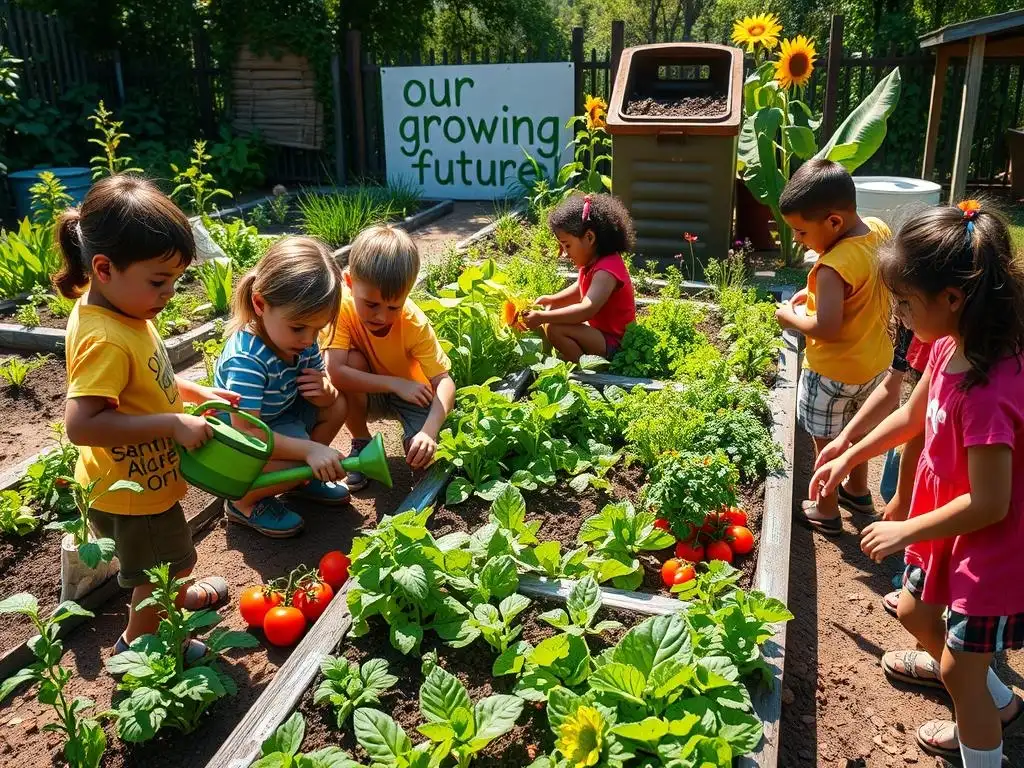
This section explores how to make gardening an enjoyable and enriching experience for children, fostering a lifelong appreciation for sustainable food production. Engaging kids requires creativity and a playful approach, transforming potentially tedious tasks into exciting adventures. Remember, the goal isn't just to teach them about gardening, but to cultivate a genuine love for the process and its rewards. This involves understanding their developmental stages and tailoring activities accordingly. The younger the child, the more hands-on and sensory the activities should be. Older children can participate in more complex tasks and learn about the scientific principles behind plant growth.
Gardening Games and Activities to Boost Engagement
Turning gardening into a game can significantly increase a child's engagement and enthusiasm. Simple games like "plant detective" (identifying different plants and their parts), "worm races" (observing earthworm movement and their role in soil health), or a "vegetable bingo" (matching pictures of vegetables to their real counterparts) can make learning fun. Consider incorporating elements of storytelling; for example, create a narrative around the life cycle of a plant, involving children in each stage – from planting the seed to harvesting the fruit.
For older children, more complex games can be introduced. A scavenger hunt to locate specific beneficial insects in the garden can teach them about the importance of biodiversity in a sustainable ecosystem. Building a miniature ecosystem in a terrarium allows children to observe the delicate balance of nature firsthand.
Competitions, such as a "best-looking pumpkin" contest or a "most prolific herb garden," can foster healthy competition and encourage care and attention. Remember to emphasize the importance of sustainable practices even within the games; for example, using recycled materials for game components or rewarding participation rather than solely focusing on winning.
Here's a table summarizing age-appropriate gardening games:
| Age Group | Game Suggestions | Sustainable Practice Focus |
|---|---|---|
| 2-4 years | Sensory play with soil, planting large seeds | Respecting nature, appreciating the earth's resources |
| 5-7 years | Plant detective, worm races, vegetable bingo | Understanding plant life cycles, biodiversity |
| 8-10 years | Scavenger hunt, building a terrarium, mini-composting | Soil health, decomposition, pest control |
| 11-13 years | Designing a garden plan, crop rotation game | Sustainable garden design, resource management |
The key is to make it interactive and rewarding. Positive reinforcement, praise, and celebrating their achievements are crucial for maintaining their enthusiasm. Remember to adapt the games to the season and the plants being grown.
Creative Projects Using Garden Produce
Incorporating art and craft activities into gardening can amplify the learning experience and allow children to express their creativity. Painting with natural dyes extracted from plants, creating vegetable stamps for printing, or making collages using leaves and flowers are engaging ways to connect with the garden's bounty. These activities not only enhance fine motor skills but also promote an appreciation for the beauty and versatility of nature's resources.
Cooking and baking with homegrown produce is another excellent way to engage children and teach them about healthy eating habits. Making homemade jams, chutneys, or pizzas using their own vegetables fosters a sense of pride and accomplishment. This hands-on experience connects the process of growing food directly to the pleasure of consuming it, strengthening their understanding of the food chain and the importance of sustainable food systems.
Involving them in the entire process, from selecting the ingredients to measuring and mixing, teaches valuable life skills alongside appreciation for the food. Documenting their culinary creations with photos or a recipe book further reinforces their achievements.
Consider creating a "garden journal" where children can record their observations, draw pictures, and write about their experiences. This provides a tangible record of their growth and learning, fostering reflection and a deeper connection to their gardening journey.
Celebrating Successes and Fostering a Love for Sustainable Gardening
Celebrating milestones is crucial for motivating children and reinforcing their positive experiences. A small harvest party, a presentation of their work to family and friends, or a simple "thank you" for their hard work can go a long way in boosting their confidence and fostering a love for sustainable gardening. This positive reinforcement will encourage them to continue their gardening journey. Highlighting the environmental benefits of their efforts—reducing their carbon footprint, saving water, and protecting biodiversity—will instill a sense of responsibility and pride in their contribution to a healthier planet.
Regularly discussing sustainable gardening practices, such as composting, water conservation, and integrated pest management, helps them understand the long-term benefits of their actions. Sharing stories of successful sustainable farms and highlighting the impact of their gardening efforts on the environment will further solidify their commitment to sustainable practices. Remember that consistent positive reinforcement and engaging activities are key to nurturing their interest and turning them into environmentally conscious gardeners.
The goal is to instill in them a deep appreciation for the natural world and a desire to protect it. This is not just about growing food; it's about cultivating a generation of responsible environmental stewards.
Resources and Further Learning for Sustainable Kids Gardening
This section provides valuable resources to deepen your understanding and engagement with sustainable kids' gardening. We'll explore recommended books and websites, local community initiatives, and national organizations dedicated to fostering a love for sustainable gardening in children. This information will empower you to continue this important journey of teaching children about the origins of their food and the importance of environmental stewardship.
Recommended Books and Websites for Kids and Parents
Finding engaging resources that cater to both children and parents is crucial for a successful learning experience. Here are some excellent options to get you started:
- Books for Kids: Many beautifully illustrated children's books explore the wonders of gardening. Look for titles focusing on the life cycle of plants, the importance of pollinators, and simple gardening techniques. Specific titles vary by region and availability, but searching for keywords like "children's gardening books," "vegetable gardening for kids," or "organic gardening for children" will yield many results. Consider age appropriateness when selecting books; younger children may benefit from simpler stories with large, clear images, while older children can handle more complex concepts and longer texts.
- Books for Parents: Parents also need resources! Look for books that offer practical advice on setting up a child-friendly garden, choosing appropriate plants for your climate, and managing common gardening challenges with sustainable solutions. Titles focusing on organic gardening techniques, pest control without harmful chemicals, and composting are highly recommended. Keywords like "sustainable gardening for beginners," "organic gardening guide," and "child-friendly gardening" will be useful in your search.
- Websites: Numerous websites offer valuable information and resources for kids' gardening. Look for websites with age-appropriate content, interactive elements, and engaging activities. Some websites offer downloadable activity sheets, printable gardening journals, and even virtual garden simulations. Many educational institutions and non-profit organizations dedicate sections of their websites to kids' gardening, providing valuable information and support.
Local Community Gardens and Educational Programs
Engaging with your local community offers invaluable opportunities for hands-on learning. Many communities have established community gardens that welcome families and children. These gardens provide a shared space for learning, collaboration, and experiencing the joys of growing food together.
- Benefits of Community Gardens: Participating in a community garden offers children a chance to connect with nature, learn about teamwork, and develop a sense of responsibility. They can actively participate in planting, weeding, watering, and harvesting, gaining firsthand experience of the entire gardening process. Furthermore, community gardens often host workshops and educational programs specifically designed for children.
- Finding Local Programs: To locate community gardens and educational programs in your area, search online using keywords such as "[your city/town] community gardens," "[your city/town] kids gardening programs," or "[your city/town] sustainable gardening workshops." Check with your local parks and recreation department, schools, and community centers. Contacting local environmental organizations or agricultural extension offices can also provide helpful leads. Remember to inquire about age-appropriateness and safety protocols before enrolling children in any program.
Organizations Promoting Sustainable Gardening for Children
Several national and international organizations dedicate their efforts to promoting sustainable gardening among children. These organizations often offer educational resources, workshops, grants, and support networks for educators and parents.
- National Organizations (Examples): [Specific organization names and brief descriptions pending – research needed to provide accurate and relevant examples based on geographical location]. Many national organizations dedicated to environmental education or sustainable agriculture include programs focused on children and youth. These organizations often develop curriculum materials, offer teacher training, and organize events to engage children in sustainable gardening practices.
- Finding Relevant Organizations: A web search using keywords like "sustainable gardening education for children," "kids gardening nonprofits," or "environmental education organizations for kids" will yield numerous results. Focus your search on organizations operating within your country or region for the most relevant information. Review their websites to understand their programs, mission, and resources to determine if they align with your needs and interests. Many organizations have detailed information about their programs and how to get involved.
Remember, engaging children in sustainable gardening practices is a rewarding journey. Utilizing these resources and actively participating in community initiatives will empower the next generation of environmentally conscious food growers. Enjoy the process!
Frequently Asked Questions
How can I get my kids involved in sustainable gardening?
Start small! Choose easy-to-grow plants like sunflowers or radishes. Let them help with simple tasks like watering and weeding, fostering a sense of ownership and accomplishment.
What are some sustainable practices I can teach my children in the garden?
Teach them about composting food scraps, water conservation, and using natural pest control methods like ladybugs instead of harmful chemicals. Make it fun and engaging!
Are there any age-appropriate gardening tasks for young children?
Absolutely! Young children can help with planting seeds, watering, and harvesting. Older children can assist with weeding, composting, and even building a small raised bed.
What are the benefits of teaching children about sustainable gardening?
It fosters a connection with nature, promotes healthy eating habits, and teaches valuable life skills like patience, responsibility, and environmental stewardship. It's a rewarding experience for the whole family!
Where can I find more resources on sustainable gardening for kids?
Check out websites like CultivateYourFood for tips and advice, or search for local community gardening programs that offer family-friendly workshops and activities. Many libraries also have excellent children's books on gardening.
Final Reflection: Cultivating a Greener Future, One Seed at a Time
The future of food security hinges on our ability to cultivate a generation of environmentally conscious eaters and growers. Ignoring the crucial role children play in shaping sustainable practices is a disservice to both them and the planet. We must actively engage young minds in the process of growing food, fostering a deep understanding of where their food comes from and the impact of their choices.
The simple act of planting a seed, nurturing a seedling, and harvesting a homegrown tomato holds immense power. It's a transformative experience that connects children to nature, teaches them about responsibility, and instills a profound appreciation for the delicate balance of our ecosystems. The best time to plant a tree was 20 years ago. The second best time is today.
This proverb perfectly encapsulates the urgency and the enduring value of introducing children to sustainable gardening practices. We cannot afford to delay in empowering the next generation to become stewards of our planet's resources.
Now, consider your own role in this vital movement. What small step can you take today to inspire a child – whether it's your own, a neighbor's, or a student in your community – to connect with the earth through gardening? Perhaps it's planting a single sunflower seed, starting a small herb garden on a windowsill, or volunteering at a local community garden.
Every action, no matter how small, contributes to a larger, more sustainable future. Let's cultivate a world where children are not just consumers of food, but active participants in creating a healthier, more vibrant planet for generations to come.
Unleash Your Inner Gardener: Grow a Greener Future
Thanks for joining us on this journey into the exciting world of sustainable gardening with kids! We hope you've found inspiration and practical tips to cultivate a love for nature and healthy eating in young minds. Now, let's put that knowledge into action!
- Start your own mini-garden: Even a small herb pot or window box is a fantastic first step. Growing a simple herb like basil or a fast-maturing vegetable like lettuce offers a rewarding experience from seed to harvest.
- Share this article with other parents or educators who could benefit from these ideas. Let's spread the word about the power of sustainable gardening!
- Connect with our online community to share experiences and learn from other passionate gardeners. We're building a supportive network to help everyone succeed.
What's one small step you'll take today to bring the wonders of gardening to the children in your life?