
Harvest Time Adventures: Turning Garden Work into Play for Kids

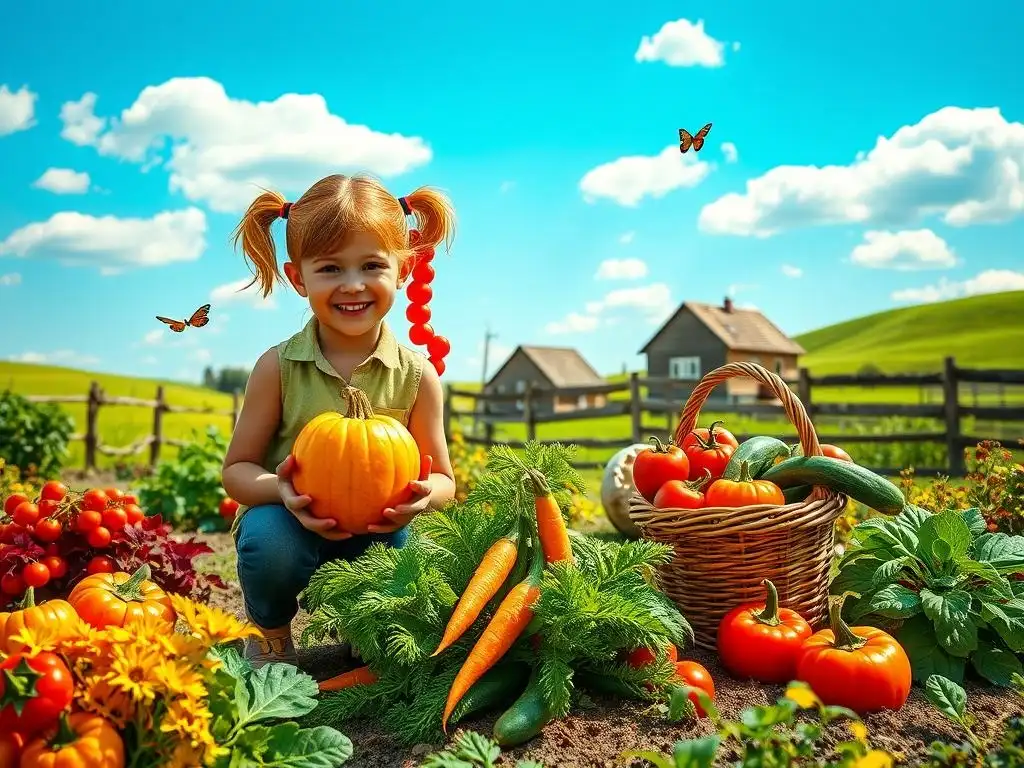
Ready to transform your backyard into a vibrant, family-friendly oasis? At CultivateYourFood, we believe everyone can experience the joy of growing their own food. This season, ditch the screens and embrace the dirt! Discover how to turn the garden harvest into an unforgettable adventure with our exciting guide on Kids gardening harvest activities. Learn creative ways to engage your little ones in the entire process, fostering a lifelong love for nature and healthy eating. Let the harvest festivities begin!
- Engaging Kids in the Harvest: Fun Activities for Little Gardeners
- Safe Harvesting Practices for Children: Essential Tips and Precautions
- From Garden to Table: Kid-Friendly Recipes and Cooking Activities
- Extending the Fun: Preserving and Storing the Harvest with Kids
- Educational Opportunities: Learning Through Harvesting
- Harvesting Activities for Different Age Groups: Tailoring Fun for All
- Frequently Asked Questions
- Final Reflection: Sowing Seeds of Joy: The Lasting Harvest of Childhood Gardening
- Unleash Your Little Gardener's Joy!
Engaging Kids in the Harvest: Fun Activities for Little Gardeners
Harvest time shouldn't just be about gathering produce; it's a fantastic opportunity to bond with your children and instill a love for gardening! This article explores creative ways to transform the often-perceived chore of harvesting into joyful playtime, encouraging your kids to actively participate in the process and appreciate the fruits (and vegetables!) of their labor.
We'll delve into fun games, creative techniques, and rewarding incentives to make harvesting a truly memorable experience for the whole family, fostering a deeper connection with nature and the food they help grow. Getting kids involved in the harvest is not only rewarding for them, but it also teaches valuable life skills, from responsibility to understanding where their food comes from – all while embracing sustainable and organic practices. This will help them develop a healthier relationship with food and the environment, making them more conscious consumers in the future.
Let's cultivate a love for gardening, one harvest at a time! 🥕
Making Harvesting a Game: Scavenger Hunts and Challenges
Turning harvesting into a game instantly boosts kids' enthusiasm! One excellent approach is organizing a fun scavenger hunt. Create a list of different fruits, vegetables, or herbs growing in your garden. Provide clues leading to each item, making the search an exciting adventure. For example, a clue could be: "I'm round and red, and perfect for making a yummy sauce.
Find me hiding amongst the green leaves!" (tomato). You can adjust the difficulty of the clues based on your children's ages. Another engaging game involves setting harvesting challenges. Who can pick the most carrots in 5 minutes?
Or who can find the biggest zucchini? These friendly competitions inject an element of playful rivalry, making the task enjoyable and rewarding. Remember to offer small prizes for the winners – perhaps an extra cookie or a special story time after the harvest. Don't forget to emphasize teamwork and participation, celebrating everyone's contributions! 🥳
Transforming Chores into Play: Creative Harvesting Techniques for Kids
Instead of simply pulling vegetables from the ground, introduce creative harvesting methods that turn the task into an artistic endeavor. For instance, let your kids use small gardening tools designed for children, allowing them to feel a sense of accomplishment and responsibility. They can carefully snip herbs with child-safe scissors, feeling the satisfying texture of the leaves. When collecting berries, let them fill small baskets, adding a touch of whimsy to the process.
Consider turning the harvested produce into a fun craft project. For example, they could create colorful veggie stamps using cut potatoes or carrots. This not only encourages creativity but also teaches them about the different textures and shapes of various fruits and vegetables. The possibilities are endless!
Remember to always supervise young children when using gardening tools to ensure their safety. This approach transforms what might initially be seen as a chore into a fun, hands-on learning experience. 🎨
Rewarding Little Helpers: Incentives and Recognition for Garden Participation
Positive reinforcement is crucial for encouraging children's continued participation in gardening activities. Implementing a reward system can significantly boost their motivation and make harvesting a positive experience. This doesn't necessarily mean expensive gifts; small gestures of appreciation can go a long way. A simple sticker chart where they earn a sticker for each harvesting session can be highly effective.
Once they collect a certain number of stickers, they can earn a small prize, such as a new gardening tool, a favorite book, or a special outing. Alternatively, you could create a points system, where points earned through harvesting can be redeemed for privileges, like extra screen time or a choice in the family dinner menu. Verbal praise and acknowledgment of their hard work are equally important. Let them know how proud you are of their efforts and how much you appreciate their help.
Celebrate their achievements, big or small, fostering a sense of accomplishment and pride in their contributions to the garden. This positive reinforcement will nurture their love for gardening and encourage their continued involvement in the harvesting process. 🌟
Safe Harvesting Practices for Children: Essential Tips and Precautions
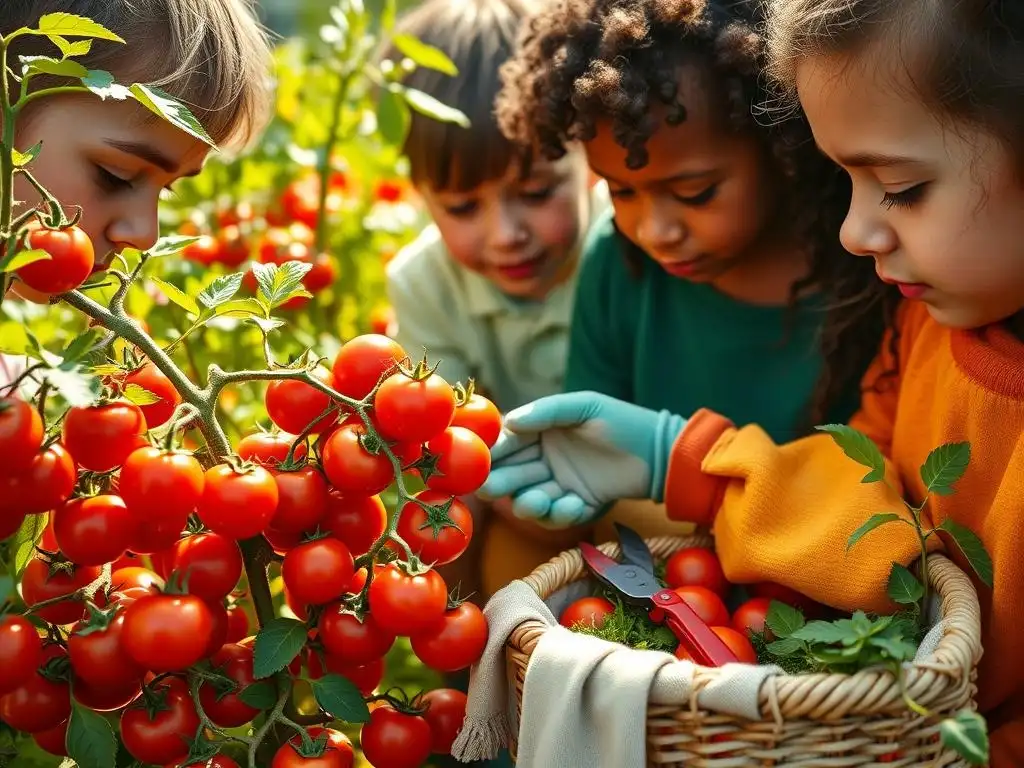
Gardening with kids is a rewarding experience, fostering a connection with nature and healthy eating habits. However, safety should always be the top priority when children participate in harvesting. This section details crucial safety measures to ensure a fun and accident-free harvest time for your little gardeners. Remember, "Kids gardening harvest activities" should prioritize safety alongside enjoyment.
Tool Safety for Young Gardeners: Age-Appropriate Tools and Supervision
Equipping young gardeners with the right tools is paramount. Avoid sharp tools like large knives or pruning shears for younger children (under 8). Instead, opt for child-sized trowels, small hand rakes, and blunt-ended harvesting scissors. Always supervise children closely while they use any tools, even seemingly harmless ones. Explain the proper way to handle each tool and emphasize the importance of putting them down when not in use.
For older children (8-12), you can gradually introduce more complex tools, but always emphasize responsible use. Consider providing safety gloves to protect their hands from thorns or splinters. Regular tool checks for sharpness or damage are essential. A damaged tool is a dangerous tool. Remember, consistent supervision and clear instructions are key to preventing accidents. Even seemingly simple tasks require a watchful eye. For example, a small child might accidentally hurt themselves while trying to use a tool intended for an adult.
We recommend creating a dedicated "kid-friendly" tool storage area, easily accessible yet secure, preventing unsupervised access to potentially hazardous equipment.
Avoiding Hazards: Identifying and Addressing Potential Risks in the Garden
The garden itself presents various potential hazards. Thorns, prickly plants, and stinging insects are common culprits. Before the harvest, inspect the garden for any dangerous elements. Remove or clearly mark areas with poisonous plants, ensuring children understand the risks associated with them. Teach children to identify common stinging insects like bees and wasps and to avoid disturbing their nests. Encourage gentle harvesting techniques to prevent accidental stings or scratches from thorns.
Consider wearing long sleeves and pants to minimize exposure to insects and thorns. Use insect repellent appropriate for children's skin. Regularly check for any hidden dangers, like broken glass or sharp objects that may have been left in the garden. A thorough inspection before each harvesting session is a proactive measure to ensure a safe environment. For younger children, consider designating a specific harvesting area with fewer hazards, gradually expanding their access to the garden as they learn about safety precautions.
First Aid Preparedness: Having a Plan for Minor Injuries
Despite careful planning, minor injuries can occur. Be prepared. Have a well-stocked first-aid kit readily accessible, containing bandages, antiseptic wipes, antibiotic ointment, and tweezers for removing splinters. Familiarize yourself with basic first-aid procedures for cuts, scrapes, and insect stings. If a child sustains a more serious injury, seek immediate medical attention.
Consider posting a list of emergency contacts near the garden area, including phone numbers for poison control and your family doctor. It's also beneficial to teach children basic first-aid principles suitable for their age, such as washing minor wounds and applying a bandage. Regularly review safety procedures and first-aid practices with your children to reinforce safe gardening habits. Remember, a proactive approach to safety ensures a positive and memorable harvesting experience for everyone involved. Prioritizing safety fosters confidence and encourages continued participation in "Kids gardening harvest activities."
From Garden to Table: Kid-Friendly Recipes and Cooking Activities
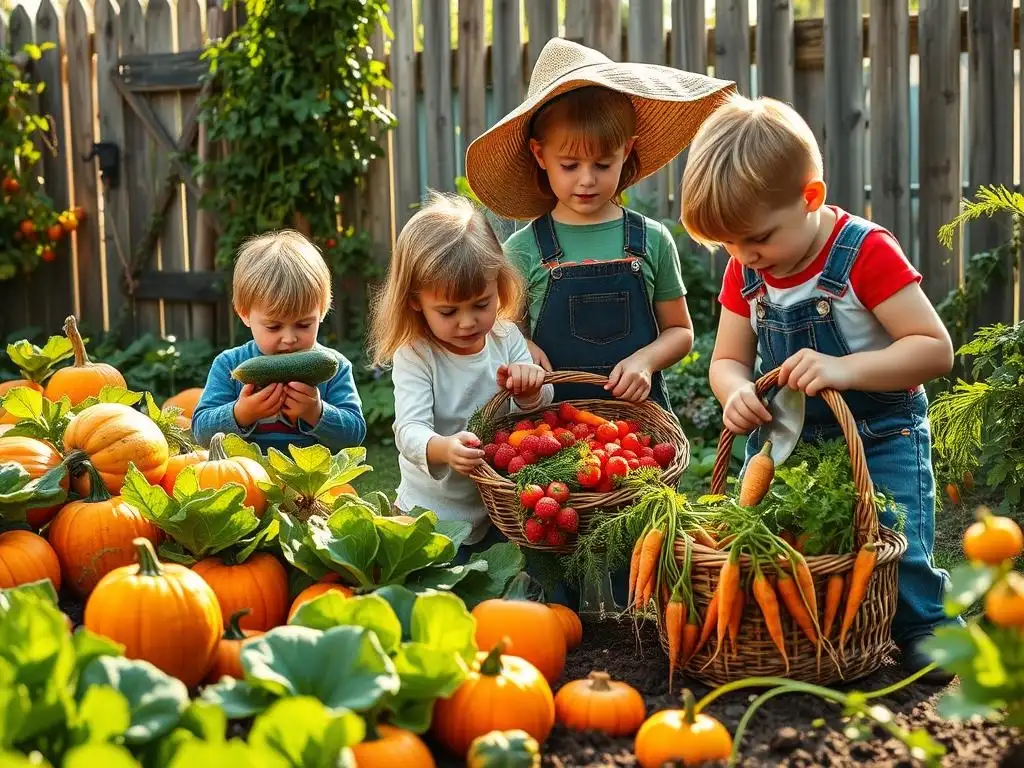
This section explores how to transform the fruits of your children's gardening labor into delicious and engaging culinary experiences. We'll cover simple recipes, age-appropriate cooking tasks, and fun food presentation techniques to make the whole process enjoyable for everyone. Remember, the goal is to foster a love for fresh produce and healthy eating habits while making lasting memories. This is crucial for successful kids gardening harvest activities.
Simple Garden-to-Table Recipes: Easy-to-Prepare Dishes with Harvested Produce
The simplest recipes often yield the best results, especially when working with children. Here are some ideas using common garden harvests, easily adaptable to different age groups and skill levels:
- Rainbow Veggie Skewers: Wash and cut cherry tomatoes, cucumber chunks, and bell pepper pieces into bite-sized portions. Let the kids thread them onto skewers, creating colorful patterns. A simple yogurt dip adds extra flavor. This is a great activity for younger children, focusing on the fun of assembling the skewers.
- Fruit Salad Fiesta: Wash and chop a variety of freshly harvested fruits like strawberries, blueberries, and raspberries. Kids can help measure and mix the ingredients, learning about different textures and tastes. A light honey-lime dressing adds a touch of sophistication. This is perfect for developing fine motor skills and color recognition.
- Mini Pizzas with Garden Veggies: Use pre-made pizza dough or English muffins as a base. Let kids spread tomato sauce (or pesto! ), add shredded mozzarella, and then top with sliced zucchini, cherry tomatoes, or other garden goodies. Baking these mini pizzas is a fun and rewarding experience, teaching about measurement and cooking times.
- Simple Tomato and Basil Salad: This classic combination highlights the fresh flavors of homegrown produce. Wash and slice tomatoes, tear basil leaves, and drizzle with olive oil and balsamic vinegar. Even the youngest children can help with washing and tearing. This emphasizes the importance of fresh, local ingredients.
Involving Kids in the Cooking Process: Age-Appropriate Tasks and Supervision
Engaging children in the cooking process is key to making the experience educational and fun. However, safety and age-appropriateness are paramount.
| Age Group | Suitable Tasks | Supervision Level | Safety Considerations |
|---|---|---|---|
| 2-4 years old | Washing vegetables, stirring simple mixtures | Close supervision | Sharp knives, hot surfaces, and choking hazards |
| 5-7 years old | Measuring ingredients, assembling simple recipes | Moderate supervision | Use child-safe knives, supervise stovetop use |
| 8-10 years old | Peeling and chopping softer vegetables (under guidance) | Moderate supervision | Teach proper knife handling techniques, supervise oven use |
| 11+ years old | Preparing more complex recipes, using the stovetop | Less supervision | Ensure understanding of safety procedures and hygiene |
Remember to always supervise children in the kitchen, especially when using sharp tools or hot appliances. Break down tasks into smaller, manageable steps to prevent frustration and maintain engagement. Make it a collaborative effort, celebrating successes along the way. This is vital for a positive experience with kids gardening harvest activities.
Fun Food Presentation: Making Meals Appealing to Children
Presentation is key to making meals appealing to children. Think beyond the standard plate; get creative!
- Funny Faces: Arrange food items on plates to create funny faces. Use sliced cucumbers for eyes, carrot sticks for noses, and bell pepper pieces for mouths. This encourages creativity and healthy eating.
- Themed Meals: Organize meals around themes, such as a "farm-to-table" feast or a "pirate's bounty." This adds an element of excitement and imagination to mealtimes.
- Colorful Arrangements: Arrange food items in colorful patterns and designs. This stimulates visual interest and makes meals more attractive to children.
- Fun Cutlery: Use fun-shaped cookie cutters to create interesting shapes from sandwiches or fruits. This makes even simple foods more exciting.
By incorporating these simple yet effective techniques, you can turn mealtimes into fun, engaging experiences that encourage children to appreciate the fruits (and vegetables!) of their gardening labor. This enhances the overall value of kids gardening harvest activities, creating positive associations with healthy food.
Extending the Fun: Preserving and Storing the Harvest with Kids
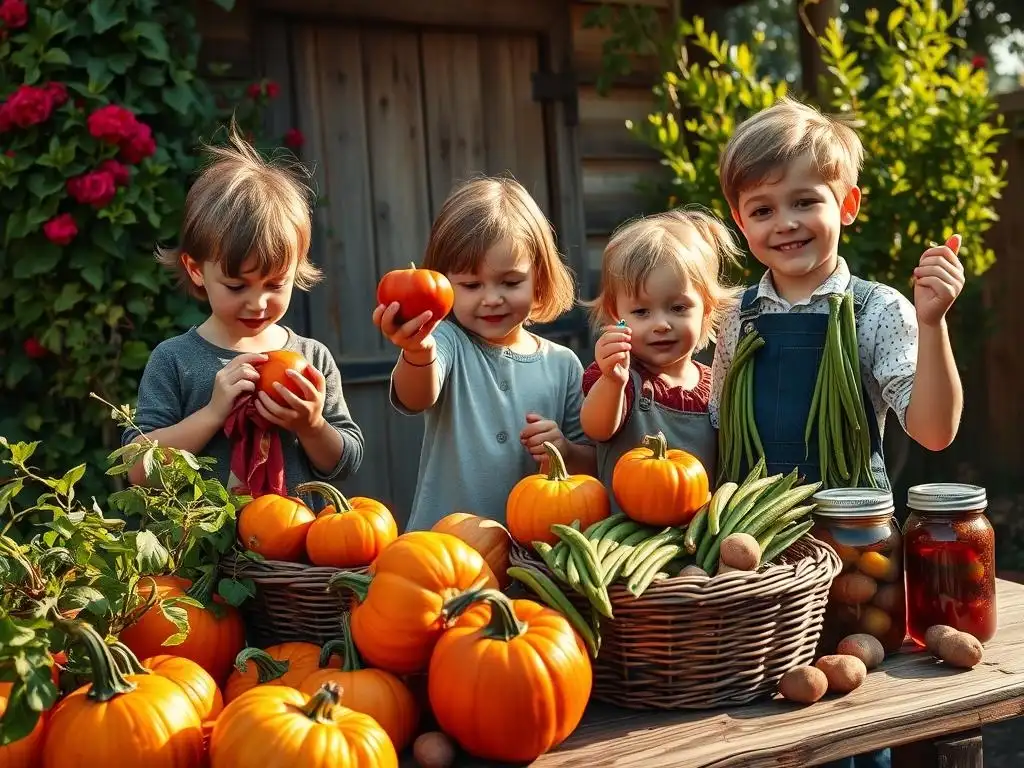
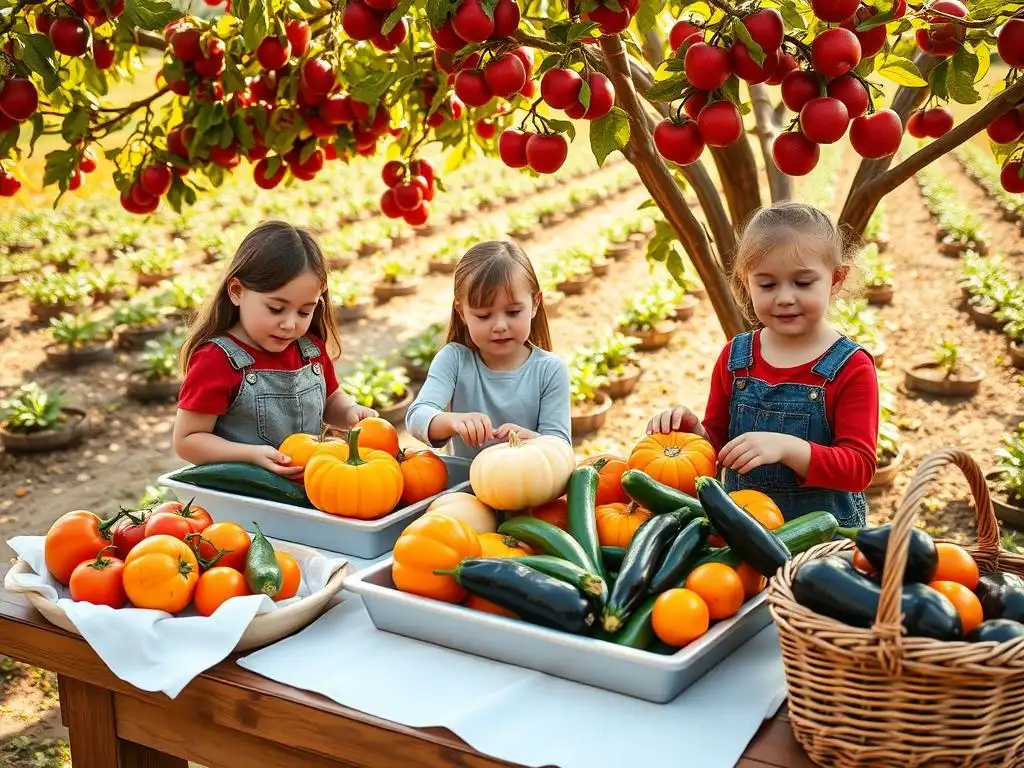
Getting kids involved in the harvesting process is only half the fun! Extending the enjoyment and educational value means incorporating them into preserving and storing the bounty of their labor. This not only teaches valuable life skills but also reinforces the connection between gardening and food sustainability. Kids gardening harvest activities extend far beyond the simple act of picking; it's about understanding the entire lifecycle of food production.
Preserving the Harvest: Simple Methods like Freezing and Drying
Preserving the harvest provides a fantastic opportunity to teach children about food preservation techniques and the importance of reducing food waste. Simple methods like freezing and drying are ideal for engaging younger children.
Freezing is a straightforward process. Explain the importance of blanching vegetables (briefly boiling them before freezing) to maintain their color and nutrients. Let them help wash, chop (age-appropriate tasks! ), and package the produce into freezer bags, labeling them clearly with the date. This is a great way to preserve extra berries, peas, or beans for later use. Consider making it a fun project by creating colorful labels together. For example, you can have them draw pictures of the harvested items on the labels.
Drying is another fascinating method. Sun-drying is a simple way to preserve herbs and certain fruits like tomatoes. However, be aware of potential insect infestations, especially in warmer climates. Dehydrators offer a more controlled environment and are safer for preserving a wider variety of produce.
Kids can help with the preparation, arranging the sliced fruits or herbs on the dehydrator trays. The resulting dried goods can be used in soups, stews, or as flavorful additions to future cooking projects. The entire process provides a hands-on understanding of how to extend the shelf life of food. We can even make it into a science experiment: compare the drying times of different fruits and vegetables.
Creative Storage Solutions: Involving Kids in Organizing and Labeling
Once the harvest is preserved, storage becomes crucial. This is an excellent opportunity to involve kids in organizing and labeling their bounty. Designate clear containers for each type of produce, and let the children help arrange them in the pantry or refrigerator. This teaches them about proper food storage and the importance of FIFO (First In, First Out) method, ensuring that older produce gets used before it spoils. This also gives them a sense of ownership and responsibility.
Consider making it a fun crafting project! Let them decorate plain storage containers with paint, stickers, or markers. They can create their own labels, writing the name of the produce and the date it was harvested. This visually appealing system will not only make it easier to find things but also make them more engaged in the process. Remember to use non-toxic materials, keeping safety a priority. The goal is to make the storage process enjoyable and educational, transforming a chore into a creative endeavor.
Extending the Season: Planning for Next Year's Garden with Kids
The post-harvest period is also the perfect time to plan for the next gardening season. Kids gardening harvest activities should extend to the planning stage. Involve children in choosing seeds and plants for the next year's garden. Look at seed catalogs together, allowing them to pick their favorites. This instills a sense of anticipation and excitement for the next growing season. Discuss the different types of vegetables, fruits, and herbs that they would like to grow, considering things like space availability and the growing season.
Create a visual representation of the garden plan together; a simple drawing or a chart will do. This activity helps them visualize the layout of the garden and understand the spatial arrangement of plants. This is a great opportunity to discuss crop rotation and companion planting, teaching them about sustainable gardening practices. Moreover, involve them in starting seeds indoors, fostering a deeper understanding of the growth process from seed to harvest. This continuous engagement ensures that the kids' gardening harvest activities are not a one-off event, but rather a year-round commitment to sustainable food production.
Educational Opportunities: Learning Through Harvesting
Harvesting isn't just about gathering the fruits of your labor; it's a fantastic opportunity to transform gardening chores into enriching learning experiences for children. Engaging kids in the harvest process fosters a deeper understanding of nature, cultivates a sense of responsibility, and builds their self-esteem. This section explores the diverse educational benefits of involving children in the harvest, providing practical tips and examples to maximize the learning potential. Let's delve into how you can turn your harvest into a valuable educational adventure, perfect for reinforcing "Kids gardening harvest activities".
Connecting with Nature: Understanding the Growth Cycle and Seasonal Changes
Harvesting provides a tangible link to the growth cycle. Children can directly observe the results of their efforts, witnessing firsthand how a tiny seed transforms into a mature plant bearing fruit or vegetables. This hands-on experience reinforces their understanding of seasonal changes and the importance of patience and nurturing.
For instance, you can plan a harvest activity around observing the different stages of a tomato plant's lifecycle. Start by showing them the small seedlings, then trace their growth over several weeks, highlighting the changes in size, leaf development, and finally, the appearance of ripe tomatoes. You can even create a simple chart together to document the growth process, using drawings or photographs.
This activity helps children grasp the concept of time and the cyclical nature of plant life, solidifying their understanding of "Kids gardening harvest activities" in a fun and engaging way. This visual learning method is far more effective than simply reading about the growth cycle in a book.
Developing Responsibility: Teaching Children about Caring for Plants
Involving children in the harvest instills a sense of responsibility and ownership. They learn that their actions directly impact the success of the garden. This understanding fosters a deeper appreciation for the effort required to cultivate food and encourages mindful consumption.
Consider assigning age-appropriate tasks during the harvest. Younger children can help gather smaller vegetables like radishes or beans, while older children can assist with harvesting larger crops like zucchini or tomatoes. Explain the importance of careful handling to avoid damaging the plants or the harvested produce. This shared responsibility strengthens the bond between the child and the garden, making them feel invested in the entire process, from planting to harvesting. Emphasize the connection between their care and the abundance of the harvest—a crucial aspect of successful "Kids gardening harvest activities".
Boosting Confidence: Celebrating Achievements and Building Self-Esteem
Harvesting is a time for celebration! The act of gathering the fruits of their labor provides children with a powerful sense of accomplishment and boosts their self-esteem. Acknowledging their contributions and celebrating their successes reinforces positive feelings toward gardening and encourages continued involvement.
After a successful harvest, consider organizing a small celebration. This could involve preparing a meal together using the freshly harvested produce, or creating a fun craft project using the vegetables or herbs. Make sure to praise their efforts and highlight their individual contributions to the harvest. Positive reinforcement is key to building confidence and nurturing a lifelong love for gardening. This approach makes "Kids gardening harvest activities" a rewarding and empowering experience for children, fostering a positive association with gardening and its outcomes. The pride they feel in their accomplishments will encourage them to participate in future gardening projects.
Harvesting Activities for Different Age Groups: Tailoring Fun for All
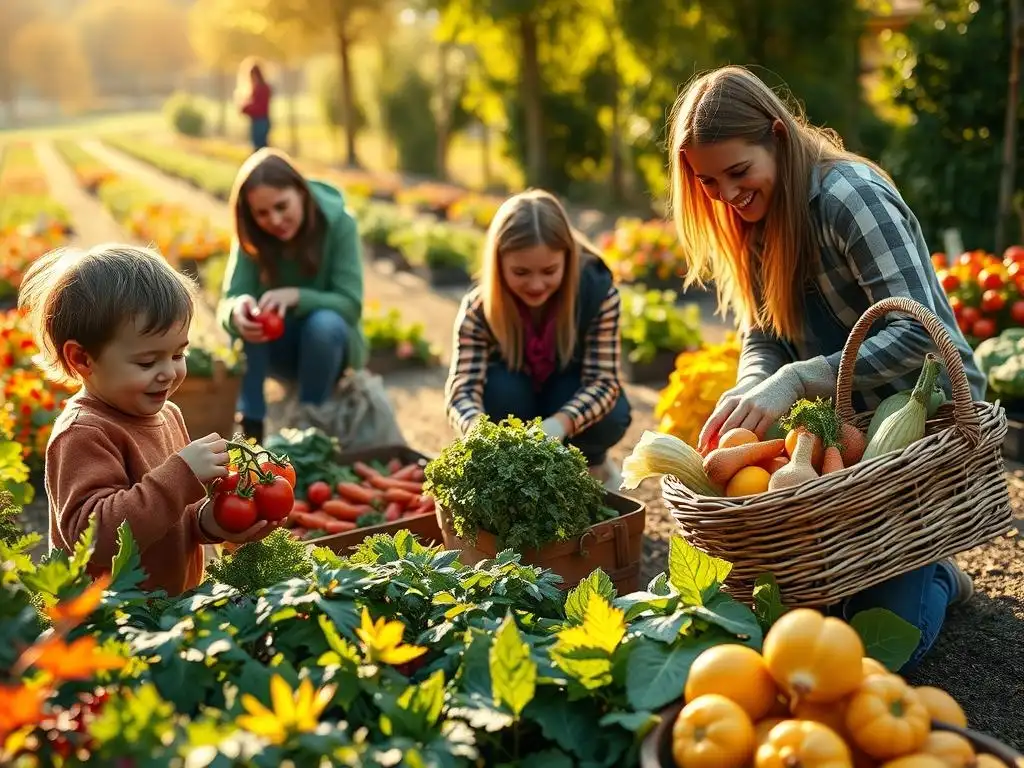
This section focuses on adapting harvesting activities to suit the developmental stages of children, ensuring engagement and learning at every age. We'll explore age-appropriate tasks, fostering a love for gardening and harvesting in young minds. Remember that safety is paramount; always supervise children closely during harvesting activities and ensure they understand basic garden safety rules. The key is to make harvesting fun, educational, and a positive experience that encourages future involvement in gardening.
Activities for Toddlers and Preschoolers: Simple Tasks and Sensory Exploration
Toddlers and preschoolers are naturally curious and enjoy sensory experiences. Harvesting activities for this age group should focus on simple tasks and sensory exploration. Instead of complex harvesting, concentrate on activities that engage their senses and build basic understanding.
- Sensory Bins: Create sensory bins filled with harvested items like soft, colorful peppers or smooth, round tomatoes. Let them explore the textures and colors. This helps develop fine motor skills and encourages tactile exploration. Adding scoops, cups, and small rakes enhances the play experience. Consider using different types of soil as well, allowing them to compare textures and feel the difference between dry and moist soil.
- "Picking" Games: Instead of harvesting entire plants, allow them to “pick” a few ripe strawberries or blueberries from easily accessible plants. Make it a game, singing songs or counting the berries picked. This builds anticipation and excitement around the harvest.
- Washing and Sorting: Involve them in washing harvested produce. This is a simple task they can manage, and it introduces the importance of cleaning food before consumption. Sorting by color or size is another easy activity that develops their cognitive skills. For instance, have them separate the red tomatoes from the green ones.
- Simple Nature Crafts: Use harvested items like leaves or flowers to create simple nature crafts. This provides a creative outlet and connects them to the natural world. For example, creating leaf rubbings or pressing flowers are wonderful options.
Activities for Elementary School Children: More Complex Tasks and Educational Games
Elementary school children are capable of more complex tasks and enjoy educational games. Harvesting activities for this age group should incorporate challenges and learning opportunities.
- Measuring and Weighing: Involve them in measuring and weighing the harvested produce. This introduces basic math concepts and helps them understand the quantity of food grown. Using kitchen scales and measuring cups transforms this task into a fun, educational game.
- Harvesting Challenges: Set up friendly competitions, like who can harvest the most ripe tomatoes or the biggest zucchini, within a defined time frame. This encourages teamwork and friendly competition while teaching them about different stages of plant growth.
- Seed Saving: Teach them about seed saving and the importance of preserving seeds for future planting. This introduces the concept of plant life cycles and the continuous nature of gardening. Show them how to carefully extract seeds from fruits or vegetables and store them appropriately for next season's planting.
- Gardening Journals: Encourage them to keep gardening journals, recording the harvesting process, quantities, and observations about plant growth. This develops their observation skills and promotes scientific thinking. They can also draw pictures of their harvested produce and note down any interesting facts they learned during the process.
Activities for Teenagers: Advanced Gardening Techniques and Leadership Roles
Teenagers are capable of taking on more responsibility and learning advanced gardening techniques. Harvesting activities for this age group should provide opportunities for leadership and skill development.
- Advanced Harvesting Techniques: Teach them about the optimal time to harvest different crops and the proper techniques for harvesting to minimize damage to the plants. This involves understanding the nuances of plant maturity and the delicate balance between maximizing yield and ensuring future growth.
- Preservation Techniques: Involve them in preserving the harvest through methods like canning, freezing, or drying. This teaches valuable life skills and emphasizes the importance of reducing food waste. This also opens a discussion about food preservation techniques used throughout history and different cultures.
- Leadership Roles: Give them leadership roles in the harvesting process, such as overseeing younger children or organizing the harvest. This fosters responsibility and builds confidence. They can also take on the role of teaching younger children about the harvesting process.
- Data Collection and Analysis: Involve them in collecting data on the harvest, such as the yield of each crop and the overall success of the garden. They can then analyze this data to identify areas for improvement in future gardening seasons. This develops analytical skills and promotes critical thinking. This data can also be used for future planning and improvements to the garden design or planting strategies.
By tailoring harvesting activities to different age groups, you can create engaging and educational experiences that nurture a lifelong love of gardening and healthy eating habits in children. Remember to adapt these suggestions to your specific garden and the interests of the children involved; the possibilities are endless!
Frequently Asked Questions
How can I make harvesting fun for my kids?
Turn harvesting into a game! Try a "scavenger hunt" for ripe vegetables or a race to see who can pick the most (clean) items. Reward them with a special treat made from their harvest.
What are some age-appropriate harvesting tasks for young children?
Young children can help with easy tasks like picking low-hanging fruits and vegetables, or collecting fallen leaves for the compost. Supervise them closely and focus on the fun!
How can I ensure my children's safety during harvesting?
Always supervise children closely. Teach them to be careful with sharp tools and to wash their hands thoroughly after handling plants and soil. Wear appropriate clothing and gardening gloves.
What are some creative ways to use the harvested produce with kids?
Involve kids in the process of preparing and cooking their harvest. Making homemade jams, pies, or simple salads together creates lasting memories and teaches valuable life skills.
How can I keep kids engaged in the garden beyond the harvest?
Plan future planting activities together, involving them in choosing seeds or seedlings. Start a compost bin and let them help maintain it. Make a garden journal to track growth and harvests.
Final Reflection: Sowing Seeds of Joy: The Lasting Harvest of Childhood Gardening
Connecting with nature through gardening isn't just a childhood pastime; it's a vital skill and source of joy that profoundly impacts our future. The simple act of planting a seed, nurturing its growth, and finally harvesting the fruits (or vegetables!) of your labor teaches invaluable lessons about patience, responsibility, and the interconnectedness of life. This understanding, cultivated in childhood, blossoms into a deeper appreciation for the environment and a healthier relationship with food throughout life.
The impact of hands-on gardening experiences extends far beyond the garden itself. It fosters a sense of wonder and accomplishment, building self-esteem and a connection to the natural world often lost in our increasingly digital society. The glory of gardening: hands in the dirt, head in the sun, heart with nature. To nurture a garden is to feed not just the body, but the soul.
This quote perfectly captures the transformative power of gardening, a power that resonates deeply within me and, I hope, with you as well. The memories created – the shared laughter, the sense of pride in a bountiful harvest – are the seeds of lifelong appreciation for the natural world.
Now, consider your own experiences with nature. What memories do you hold dear? What lessons did you learn from the earth? I invite you to create your own harvest time adventures with the children in your life. Plant a seed, not just in the ground, but in their hearts, fostering a love for gardening and a deeper understanding of where our food comes from. Let the joy of harvest time be a recurring theme, a testament to the power of connection, growth, and the enduring magic of nature.
Unleash Your Little Gardener's Joy!
Thank you for joining us on this journey to make gardening fun for your kids! We hope you've discovered some creative ways to transform chores into cherished family memories. Now, it's time to put those ideas into action.
- Plan your next family gardening adventure: Choose a new vegetable, flower, or herb to plant together – perhaps something unexpected, like vibrant radishes or towering sunflowers!
- Share your gardening successes (and funny moments!) with other parents in our community. Let's inspire each other!
- Design a creative garden journal: Capture your child's experiences, drawings, and observations from your gardening adventures – it's a unique keepsake you'll both treasure for years to come.
Ready to watch your child flourish alongside your garden? What's the most exciting plant you and your little one will cultivate together this season?