
The Plant Life Cycle: Exploring Plant Diversity with Children

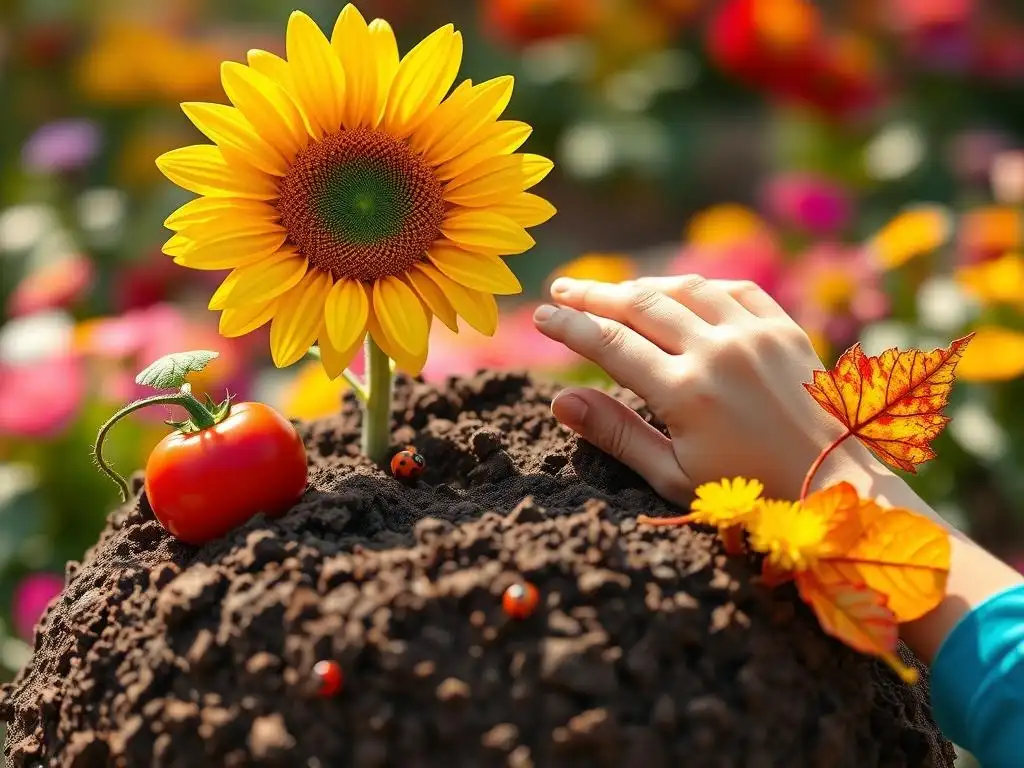
Welcome to CultivateYourFood, your guide to nurturing a thriving garden using sustainable and organic methods! Ready to unlock the wonders of nature with your little ones? We're diving deep into the fascinating world of plants with our article on Kids' plant life cycle activities, offering engaging ways to teach children about plant growth and diversity. Discover fun and educational experiences that will inspire the next generation of gardeners. Let's get growing!
- Understanding the Plant Life Cycle for Kids: A Fun Approach
- Exploring Different Plant Life Cycles: Beyond the Basics
- Fun Kids' Plant Life Cycle Activities: Engaging Learning Through Play
- Educational Resources and Further Exploration: Expanding Knowledge
- Encouraging Children's Interest in Sustainable Gardening Practices
- Assessment and Further Learning: Tracking Progress and Knowledge Retention
-
Frequently Asked Questions
- What are some fun ways to teach kids about the plant life cycle?
- How can I make learning about the plant life cycle engaging for young children?
- What are some simple plant life cycle experiments suitable for kids?
- What age group are these plant life cycle activities best suited for?
- Where can I find more resources for teaching kids about plant life cycles?
- Final Reflection: Nurturing Young Minds, One Seed at a Time
- Unleash Your Child's Inner Botanist!
Understanding the Plant Life Cycle for Kids: A Fun Approach
Cultivating a love for nature and gardening in children starts with understanding the fundamental processes of life. This article delves into the fascinating world of plant life cycles, offering engaging and educational activities designed to captivate young minds and foster a deeper appreciation for the natural world. We'll explore the various stages of plant growth, from tiny seed to bountiful harvest, using hands-on experiments and interactive learning techniques that make understanding the plant life cycle both fun and informative.
This approach aligns perfectly with sustainable and organic gardening practices, teaching children the importance of respecting and nurturing the environment from a young age. Learning about the plant life cycle is not just about memorizing stages; it's about fostering a sense of wonder and responsibility towards the planet.
Get ready to embark on a journey of discovery with your children, exploring the amazing world of plants and their incredible life cycle! This guide is packed with "Kids' plant life cycle activities" to make learning an adventure.
Introducing the Basic Stages: Seed, Sprout, Plant, Flower, Fruit/Seed
The plant life cycle is a cyclical process, beginning and ending with a seed. Let's break down the key stages:
- Seed: The journey begins with a tiny seed, containing all the necessary components for a new plant to grow. Think of it as a plant's baby sleeping bag! 😴 Different seeds have different sizes, shapes, and colors – a great opportunity to explore plant diversity with your children. You can even create a seed collection as part of your learning activity.
- Sprout: Once the seed receives the right conditions (water, sunlight, and warmth), it germinates. A small root emerges, anchoring the plant, followed by a sprout pushing upwards towards the sunlight. This is an exciting moment – witnessing the first signs of life! 🌱
- Plant: The sprout develops into a seedling, growing leaves and stems. This stage focuses on photosynthesis – the process where plants convert sunlight into energy. This is a great time to discuss the importance of sunlight and water for plant growth.
- Flower: As the plant matures, flowers bloom. These beautiful structures are vital for reproduction. Explore the diversity of flower shapes, sizes, and colors with your children. Discuss pollination – how pollen travels from one flower to another, enabling fertilization. 🌼
- Fruit/Seed: After pollination, the flower develops into fruit (or seed pods) containing seeds. These seeds are ready to start the cycle all over again! This is a perfect opportunity to harvest fruits and vegetables together, learning about the different types of fruits and how they protect the seeds inside. 🍓
Engaging Activities to Teach Kids About Seed Germination
Several engaging activities can help children understand seed germination:
- Seed Germination Experiment: Plant different types of seeds (beans, sunflowers, etc.) in clear containers to observe root and sprout development. This hands-on experience allows children to witness the process firsthand. Chart the growth over time, encouraging observation skills and data recording.
- Seed Dissection: Carefully open some seeds to examine their internal structures. Discuss the different parts and their functions. This activity enhances understanding of the seed's role in the life cycle.
- Storytelling: Create stories about a seed's journey, personifying the seed and its experiences. This adds a creative element to the learning process, making it more memorable and fun.
Hands-on Experiments: Observing Plant Growth and Development
To further engage children in understanding plant growth, consider these experiments:
- Growth Comparison: Plant the same type of seeds in different conditions (e.g., varying amounts of sunlight or water). Observe and compare the growth rates to understand the impact of environmental factors on plant development.
- Plant Journaling: Encourage children to keep a journal documenting the growth of their plants, including sketches, observations, and measurements. This promotes careful observation and record-keeping skills.
- Composting: Introduce children to the concept of composting and its role in providing nutrients for plant growth. This activity connects plant life cycle with sustainable practices and environmental responsibility. This activity teaches children about the cyclical nature of life and decomposition's role in plant nutrition. ♻️
This detailed exploration of the plant life cycle, combined with engaging hands-on activities, will undoubtedly spark a lifelong interest in nature and sustainable gardening practices in young learners. Remember to tailor the activities to the age and interests of your children, making learning an enjoyable and enriching experience for everyone involved!
Exploring Different Plant Life Cycles: Beyond the Basics
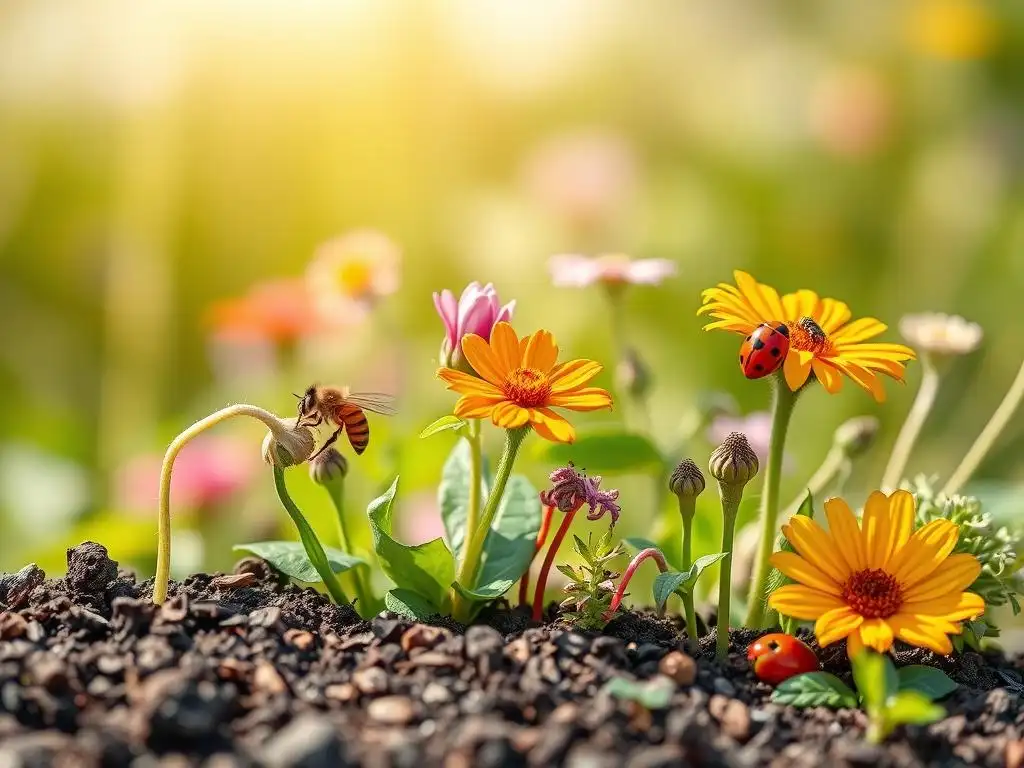
This section delves into the fascinating variations within the plant life cycle, moving beyond the simplified model often presented to children. Understanding these differences fosters a deeper appreciation for plant diversity and the remarkable adaptations plants have developed to thrive in various environments. We'll explore the timelines, growth patterns, and unique characteristics of different plant types, making learning about plant life cycles engaging and informative for kids. This exploration of diverse plant life cycles provides a richer understanding of the "Kids' plant life cycle activities" available.
The Life Cycle of Fast-Growing Plants (e.g., Radishes, Lettuce)
Fast-growing plants, like radishes and lettuce, offer a fantastic introduction to the plant life cycle for children due to their rapid growth. These plants typically complete their life cycle within weeks, providing quick gratification and reinforcing the concept of germination, growth, reproduction, and senescence.
Children can easily observe the entire process from seed to harvest in a short time frame. For example, radish seeds germinate within a few days, producing visible sprouts. Within weeks, the plant develops leaves, and the characteristic radish bulb begins to swell. Flowering occurs relatively quickly, followed by seed production, completing the cycle within approximately 4-6 weeks.
This rapid cycle provides numerous opportunities for hands-on observation and reinforces the key stages for young learners. Consider planting radishes and lettuce together to observe the subtle differences in their growth patterns within the same time frame. This creates a great comparative "Kids' plant life cycle activities" experience.
The speed of these plants’ life cycle makes them ideal for repeated plantings, allowing children to experience the cycle multiple times throughout the growing season. This repetitive experience solidifies their understanding and enhances their engagement with the concept. Furthermore, these fast-growing plants require less space, making them perfect for small gardens or even containers, ideal for "Kids' plant life cycle activities" in limited spaces.
The Life Cycle of Slow-Growing Plants (e.g., Tomatoes, Apples)
In contrast to fast-growing plants, slow-growing plants like tomatoes and apple trees offer a different perspective on the plant life cycle. These plants demonstrate the concept of perennial growth, where the plant lives for multiple years, producing fruits or vegetables over an extended period.
The life cycle of a tomato plant, for instance, begins with a seed, much like the fast-growing plants. However, it takes significantly longer to reach maturity, often several months, before producing fruit. The plant undergoes vegetative growth, developing a robust root system and extensive foliage before flowering and fruiting. Once the fruit matures and seeds are produced, the plant may continue to produce for several weeks or even months, depending on the variety and environmental conditions. Unlike the radish, this extended timeframe allows for more in-depth observation of different growth stages.
Apple trees represent an even longer-term perspective. They take several years to reach maturity and bear fruit, illustrating the concept of perennial plants vividly. This extended timeframe provides a unique opportunity to teach children about patience and the long-term commitment involved in nurturing a plant through its entire life cycle. Observing the tree's growth over multiple years allows children to witness the gradual changes and seasonal variations in the plant's development. This longer timescale can be incorporated into educational "Kids' plant life cycle activities" spanning multiple years.
Comparing and Contrasting Different Plant Life Cycles: A Comparative Activity
To enhance understanding and engagement, organize a comparative activity focusing on the differences between fast-growing and slow-growing plants. This activity will help children grasp the concept of plant diversity and the variations within the plant life cycle.
| Feature | Fast-Growing Plants (Radishes, Lettuce) | Slow-Growing Plants (Tomatoes, Apple Trees) |
|---|---|---|
| Growth Time | Weeks | Months to Years |
| Lifespan | Annual (one growing season) | Perennial (multiple growing seasons) |
| Fruiting Time | Weeks | Months to Years |
| Size | Relatively small | Relatively large |
| Care Needs | Relatively low | Relatively high |
This table provides a clear visual comparison, highlighting the key differences. Follow this up with a hands-on activity where children can directly compare the growth rates and characteristics of both types of plants. They can measure plant height, count leaves, and observe the development of flowers and fruits. Encourage them to document their observations through drawings, journaling, or photography. This hands-on, comparative approach turns learning about "Kids' plant life cycle activities" into a fun and memorable experience. The contrast between these life cycles strengthens their understanding of the wide spectrum within the plant kingdom. 🌱
Fun Kids' Plant Life Cycle Activities: Engaging Learning Through Play
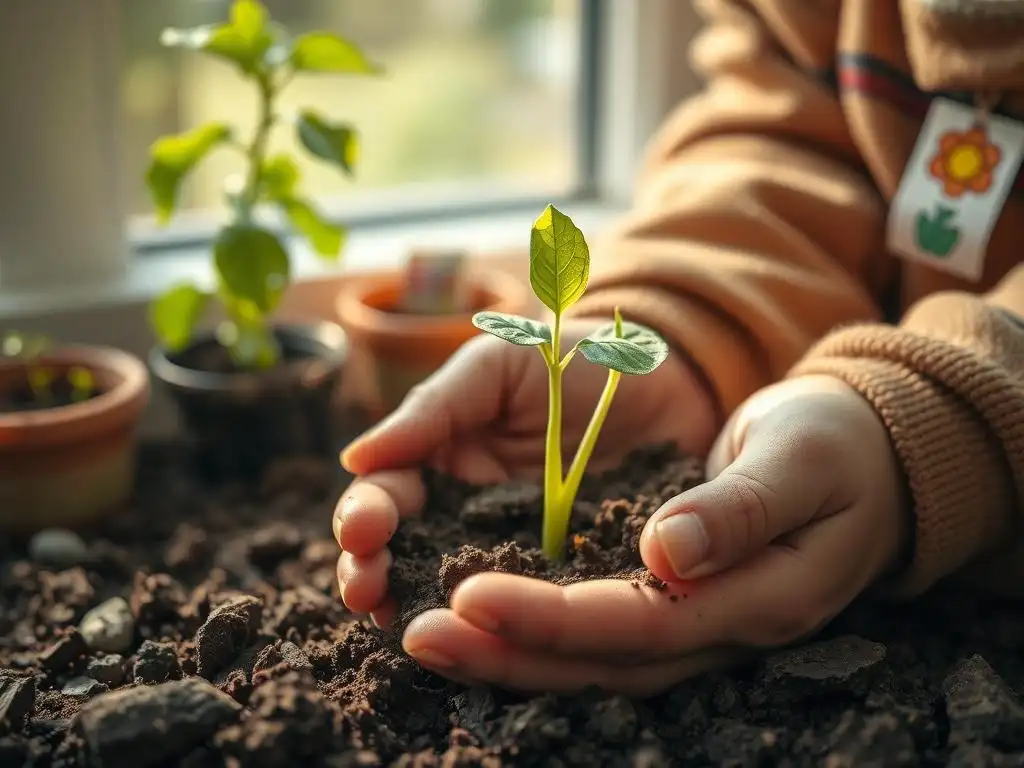
This section details engaging and educational activities to teach children about the plant life cycle, fostering a love for nature and sustainable practices. These activities are designed to be fun, hands-on, and suitable for various age groups, making learning about plant growth an enjoyable experience. We'll explore several approaches, from simple charting to creating a miniature garden, all geared toward reinforcing the concept of the plant life cycle for young learners. Keywords like "kids' plant life cycle activities," "children's gardening projects," and "educational gardening for kids" are naturally integrated throughout.
Creating a Plant Life Cycle Chart or Diorama
Creating a visual representation of the plant life cycle is a fantastic way for children to grasp the process. A chart or diorama allows for creative expression while solidifying their understanding.
For a chart, consider using large paper or a whiteboard. Each stage – seed, sprout, seedling, mature plant, flower, fruit/vegetable, and seed dispersal – can be illustrated with drawings, photographs, or even real plant specimens (pressed flowers, for example). Children can label each stage, adding details about the changes occurring at each point in the cycle. This activity encourages observation skills and artistic expression, making learning about the plant life cycle fun and memorable for kids. Consider adding small, colorful stickers or drawings to make the chart even more visually appealing.
For a diorama, a shoebox or similar container can be transformed into a miniature world showcasing the plant's journey. Children can use craft materials, soil, small plants (if available), and other elements to recreate each stage. This hands-on approach allows for deeper engagement and a more tangible understanding of the plant's growth and development. Remember to emphasize the changes in size, shape, and color at each stage, reinforcing the key concepts of the plant life cycle. The finished diorama can serve as a lasting reminder of their learning experience.
Growing Plants from Seeds: A Step-by-Step Guide for Children
Growing plants from seeds offers a direct and engaging way for children to observe the plant life cycle firsthand. This activity fosters patience, responsibility, and a deeper appreciation for nature.
Here's a simple, step-by-step guide suitable for young gardeners:
- Choose easy-to-grow seeds: Sunflower, bean, or radish seeds are excellent choices for beginners. Their rapid growth provides quick gratification and reinforces the concept of the plant life cycle effectively.
- Prepare the soil: Use a seed-starting mix or a blend of potting soil and perlite for optimal drainage. Children can help mix the soil, learning about soil composition and its importance for plant growth.
- Plant the seeds: Guide children to plant the seeds at the appropriate depth, following the instructions on the seed packet. Gentle watering is crucial to avoid disturbing the seeds.
- Provide sunlight and water: Place the pots in a sunny location and ensure consistent watering. Children can take turns watering the plants, learning about the importance of water for plant growth. This also teaches responsibility and consistency.
- Observe and document: Encourage daily observation and record the changes in a journal. Drawings, photographs, or simple notes can document the growth stages, reinforcing the learning process. This step is crucial for reinforcing the observable changes at each stage of the plant life cycle.
- Harvest and celebrate: Once the plants mature, harvest the fruits or vegetables. This celebratory act reinforces the completion of the plant life cycle and encourages a sense of accomplishment.
This hands-on experience provides a powerful learning opportunity, transforming abstract concepts into tangible realities. The entire process, from planting to harvesting, becomes a practical lesson in the plant life cycle, making it memorable and impactful for young learners.
Planting a Vegetable Garden Together: A Family Project for Learning
Planting a family vegetable garden offers a broader, more extensive exploration of the plant life cycle. It transforms learning into a shared family experience, fostering teamwork and a deeper connection with nature.
This activity goes beyond individual plant growth and introduces concepts like:
- Choosing appropriate vegetables: Consider easy-to-grow options like lettuce, tomatoes, or zucchini. Researching and selecting the vegetables together is a learning experience in itself.
- Preparing the garden bed: This involves tilling the soil, removing weeds, and potentially amending the soil with compost. Children can participate in these tasks, learning about soil preparation and its importance for healthy plant growth.
- Planting and spacing: Understanding the appropriate spacing for each vegetable is crucial for optimal growth. This teaches children about plant needs and the importance of planning.
- Ongoing care: Watering, weeding, and pest control are essential aspects of gardening. Sharing these responsibilities teaches children about consistent care and its impact on plant health.
- Harvesting and sharing: The joy of harvesting homegrown vegetables is unparalleled. Sharing the bounty with family and friends reinforces the value of sustainable practices and the rewards of collaborative effort. This also highlights the culmination of the plant life cycle and its tangible benefits.
This collaborative project transforms the learning experience into a family affair, enriching the understanding of the plant life cycle and fostering a deeper connection with nature. The shared experience strengthens family bonds while promoting sustainable practices and appreciation for the food we consume. The entire process, from planning to harvest, reinforces the concept of the plant life cycle in a practical and rewarding way.
Educational Resources and Further Exploration: Expanding Knowledge
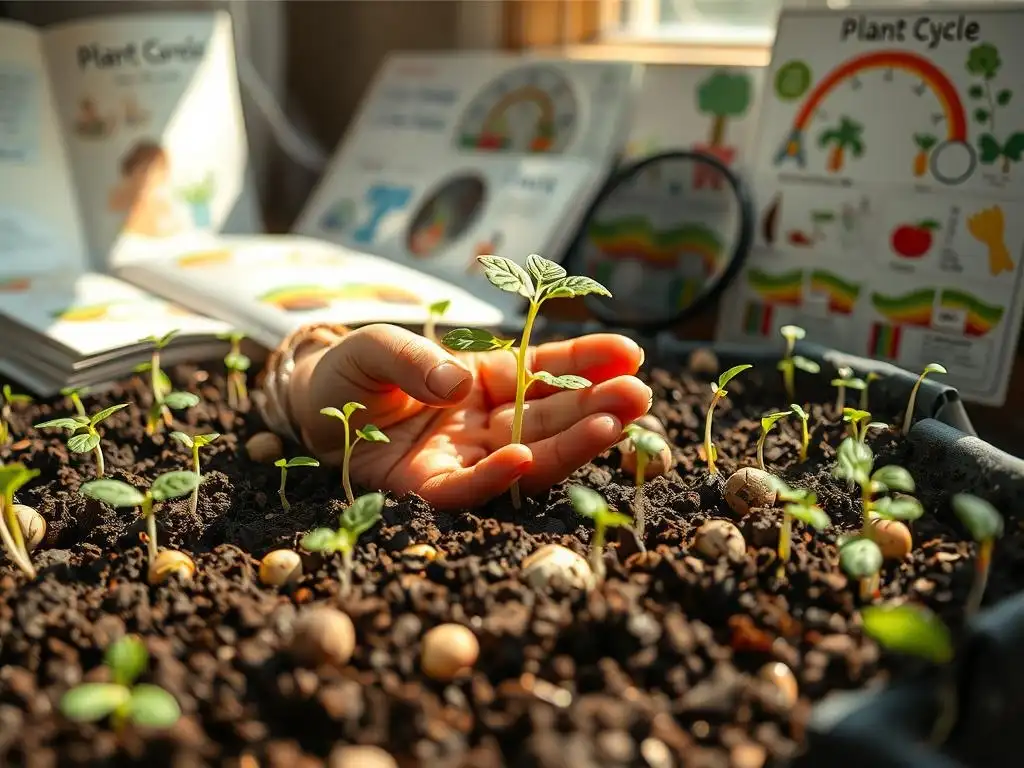
This section delves into enriching your child's understanding of plant life cycles beyond the basics. We'll explore various resources and activities to foster a deeper appreciation for the natural world and the fascinating journey of plant growth. Remember, engaging children in learning requires creativity and diverse approaches. Let's cultivate their curiosity!
Books and Websites for Learning More About Plant Life Cycles
Engaging children with age-appropriate books and websites can significantly enhance their understanding of plant life cycles. For younger children (ages 3-6), picture books with vibrant illustrations and simple text are ideal. Look for books that focus on the key stages—seed, sprout, plant, flower, fruit—using clear, concise language. Examples might include books featuring interactive elements like lift-the-flaps or simple experiments.
For older children (ages 7-12), consider books with more detailed information about different plant types, their unique life cycles, and the environmental factors influencing their growth. These could include encyclopedias, field guides, or books focusing on specific plants like sunflowers or beans. Interactive websites offering virtual plant life cycle simulations or games can also be highly effective. Search for educational websites specifically designed for kids, ensuring they are reliable and age-appropriate. Look for sites that offer activities like quizzes, labeling diagrams, or virtual gardens.
Here's a sample table comparing resource types for different age groups:
| Age Group | Resource Type | Example Characteristics | Keyword Relevance (Kids' plant life cycle activities) |
|---|---|---|---|
| 3-6 years old | Picture Books | Simple text, vibrant illustrations, interactive elements | High |
| 7-12 years old | Educational Websites | Interactive simulations, quizzes, virtual gardens | High |
| 7-12 years old | Encyclopedias/Field Guides | Detailed information, diverse plant types | Medium-High |
Remember to supervise children's online activities and ensure the websites are safe and reliable. The key is to find engaging resources that cater to their age and learning style, making the learning process fun and memorable. Supplementing these resources with hands-on activities, as detailed in the following sections, will further enhance their learning experience.
Visiting a Botanical Garden or Farm: Hands-on Learning Experiences
Direct observation is crucial for children to truly grasp the plant life cycle. Visiting a botanical garden or a local farm offers an unparalleled learning opportunity. These environments provide a hands-on experience that goes beyond books and websites.
In a botanical garden, children can observe plants in various stages of their life cycle, from tiny seedlings to mature plants producing fruits or seeds. They can witness the diversity of plant life, comparing different species and their unique characteristics. Many botanical gardens offer educational programs specifically designed for children, including guided tours and workshops focusing on plant life cycles.
A farm visit offers a different perspective. Children can see plants growing in a more practical setting, observing the processes involved in planting, cultivating, and harvesting. They can learn about sustainable farming practices and the importance of caring for plants. Participating in activities like planting seeds or harvesting vegetables provides a tangible connection to the plant life cycle. The experience of seeing, touching, and smelling the plants makes the learning process more engaging and memorable. This hands-on approach reinforces the knowledge gained from books and websites, making it more meaningful and lasting.
Incorporating Plant Life Cycle Lessons into Other Subjects
The plant life cycle is a versatile topic that can be seamlessly integrated into various school subjects, creating a holistic learning experience. Here are some examples:
- Science: The plant life cycle naturally aligns with science curricula, covering topics like photosynthesis, reproduction, and ecological interactions. Experiments on seed germination, plant growth, and the effects of different environmental factors can reinforce learning.
- Math: Measuring plant growth over time, calculating the number of seeds produced, or charting the growth rate provides practical math applications.
- Language Arts: Writing stories or poems about plants, creating plant-themed artwork, or researching and presenting information on specific plants enhances language skills.
- Art: Creating artwork inspired by plants, using natural materials like leaves and flowers, or designing posters about plant life cycles fosters creativity and artistic expression.
By connecting the plant life cycle to other subjects, children can develop a more comprehensive understanding of the topic and its relevance to their lives. This interdisciplinary approach enhances engagement and strengthens knowledge retention. The goal is to show children how the plant life cycle is not just a biological process but a concept that connects to many aspects of their world. 🌱
Encouraging Children's Interest in Sustainable Gardening Practices
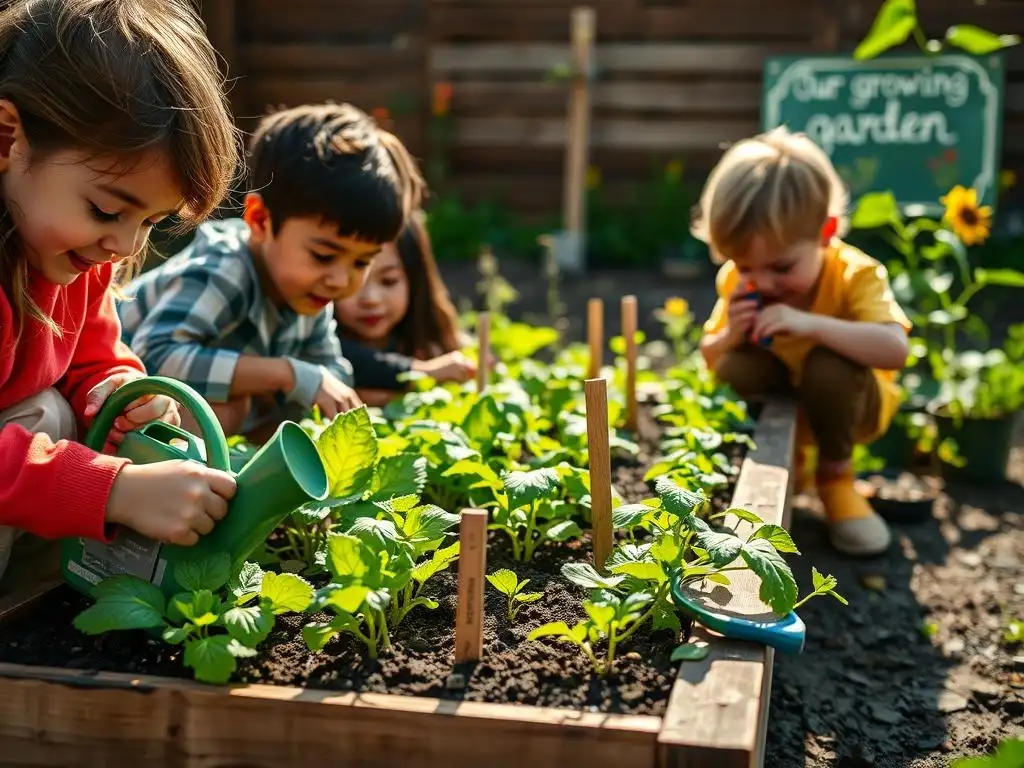
Sustainable gardening practices are not just environmentally friendly; they're also incredibly engaging for kids! By involving children in these practices, we foster a deeper understanding of where their food comes from and the importance of caring for the planet. This section explores how to effectively integrate sustainable practices into kids' plant life cycle activities.
Connecting Plant Life Cycles to Food Production
Understanding the journey from seed to plate is crucial. Kids often don't connect the vegetables on their dinner plates to the plants they see growing. To bridge this gap, consider these activities:
- Planting edible seeds: Start with fast-growing, easy-to-harvest options like radishes or lettuce. Children can participate in every step, from planting the seeds to harvesting and eating the produce. This directly links the plant life cycle to a tangible reward – a delicious, homegrown snack!
- Creating a classroom garden: Even a small container garden can be incredibly effective. Label each plant with its name and its eventual edible part (e.g., "carrot – root," "tomato – fruit"). This visual aid reinforces the connection.
- Cooking with homegrown ingredients: Involve children in preparing meals using the vegetables they've grown. This creates a memorable and delicious experience that solidifies their understanding of the plant life cycle’s role in food production. For example, after harvesting cherry tomatoes, they can help make a simple tomato salad.
This hands-on approach transforms learning about the plant life cycle from an abstract concept into a rewarding and delicious experience, making it much more engaging for young minds. The satisfaction of eating something they've grown themselves is a powerful motivator for continued interest in sustainable gardening.
Teaching Kids About the Importance of Pollinators
Pollinators, like bees and butterflies, are essential for the plant life cycle. Many kids' plant life cycle activities overlook this critical component. Here's how to highlight their importance:
- Building a pollinator-friendly garden: Plant flowers that attract pollinators, such as sunflowers, lavender, and coneflowers. Observe the pollinators visiting the flowers and discuss their role in plant reproduction. This provides a visual and interactive learning experience.
- Creating a bee hotel: Constructing a simple bee hotel provides a safe haven for solitary bees and offers a fascinating glimpse into their lives. Children can learn about the different types of bees and their importance in pollination.
- Discussing the impact of pesticides: Explain how pesticides can harm pollinators and the environment. Emphasize the importance of using organic and sustainable gardening practices to protect these vital creatures. This introduces children to the concept of responsible environmental stewardship.
By focusing on the interconnectedness of pollinators and plant life cycles, we instill in children a deep appreciation for biodiversity and the importance of protecting our ecosystems. This goes beyond simply understanding plant growth; it fosters a sense of responsibility towards the environment.
Showcasing the Beauty and Diversity of Plants Through Art and Creativity
Art is a powerful tool for engaging children with the plant life cycle. It helps them observe details, appreciate diversity, and express their understanding creatively.
- Plant-themed crafts: Create nature collages using pressed flowers and leaves. Children can paint or draw pictures of plants at different stages of their life cycle, incorporating details like roots, stems, leaves, flowers, and fruits.
- Nature journaling: Encourage children to keep a journal documenting their observations of plants in their garden or local environment. They can sketch plants, note their growth, and record any changes they observe over time. This encourages meticulous observation and appreciation for the subtle details of the plant life cycle.
- Plant-inspired sculptures: Use natural materials like twigs, leaves, and stones to create sculptures representing different aspects of the plant life cycle – from seeds sprouting to mature plants bearing fruit. This promotes creative problem-solving and a deeper connection with nature.
These activities transform learning about the plant life cycle into a fun and creative experience. By engaging multiple senses and fostering self-expression, we create lasting memories and a deeper appreciation for the wonders of the plant kingdom. These “kids' plant life cycle activities” are not merely educational; they're a celebration of nature's beauty and a pathway to lifelong engagement with sustainable practices.
Assessment and Further Learning: Tracking Progress and Knowledge Retention
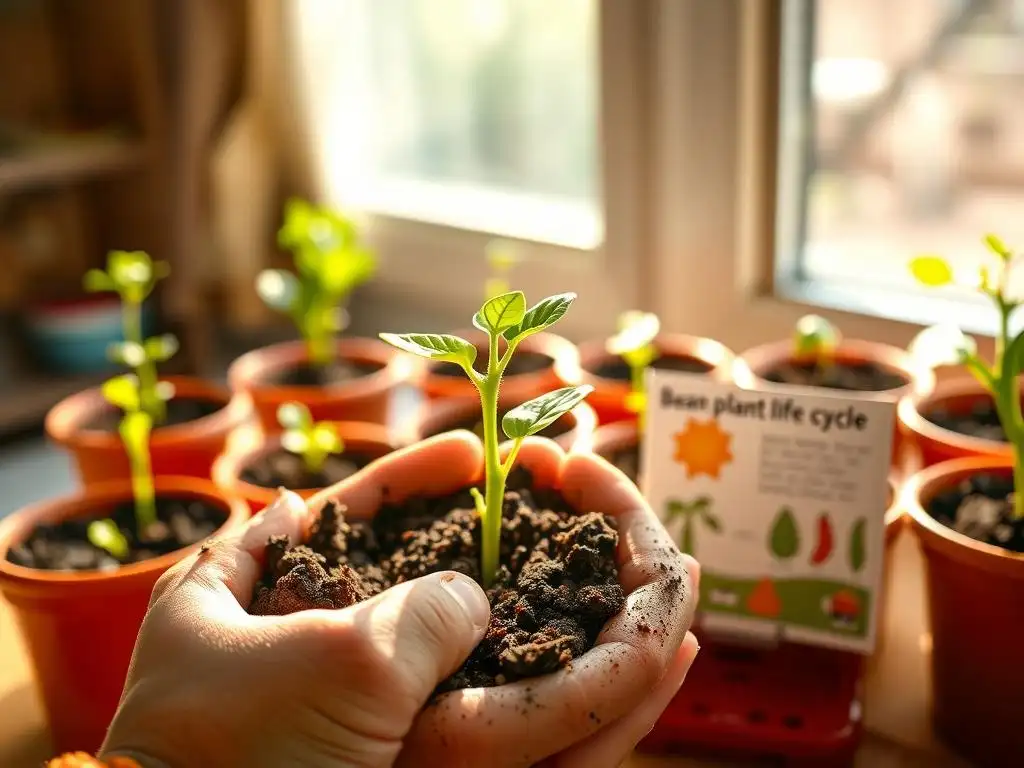
This section focuses on effective methods for assessing children's understanding of the plant life cycle and fostering continued learning and engagement. We'll explore various techniques, from fun quizzes to long-term observational projects, all designed to reinforce their knowledge and cultivate a deeper appreciation for the natural world. Remember, the goal isn't just to test knowledge, but to encourage curiosity and a lifelong love of gardening. These activities are perfect for "Kids' plant life cycle activities".
Simple Quizzes and Games to Reinforce Learning
Reinforcing learning through fun and engaging activities is crucial for young learners. Simple quizzes and games can effectively assess comprehension and solidify understanding of the plant life cycle. Consider these approaches:
- Picture Matching: Present children with pictures of different plant life cycle stages (seed, sprout, seedling, flowering plant, fruiting plant, seed dispersal) and ask them to arrange them in the correct order. This visual approach is particularly helpful for younger children.
- Fill-in-the-Blanks: Create simple fill-in-the-blank sentences related to the plant life cycle. For example: "A plant starts its life as a ______." or "Plants need ______, ______, and ______ to grow." This encourages active recall and reinforces key vocabulary.
- Plant Life Cycle Bingo: Create Bingo cards with images or words representing different stages of the plant life cycle. Call out the stages, and children mark them on their cards. The first to get Bingo wins! This adds a competitive and exciting element to the learning process.
- "What Comes Next?" Game: Show children a picture of a plant at a specific stage of its life cycle. Ask them to predict what will happen next. This encourages critical thinking and observation skills.
These games can be adapted to suit different age groups and learning styles, ensuring maximum engagement and knowledge retention. Remember to offer positive reinforcement and praise for participation, regardless of the outcome. The focus should always be on learning and having fun!
Creating a Plant Journal: Documenting Growth and Observations
Encouraging children to keep a plant journal is a fantastic way to promote long-term engagement and observation skills. This hands-on activity allows them to document their plant's growth and development, fostering a deeper understanding of the plant life cycle. The journal can include:
- Daily or weekly drawings: Children can sketch their plant at different stages, noting changes in size, shape, and color. This helps them visually track the plant's progression.
- Written observations: Encourage children to write down their observations, noting things like the emergence of leaves, the appearance of flowers, or the development of fruit. This improves their writing and observation skills.
- Measurements: Regularly measuring the plant's height and the size of its leaves provides quantifiable data, allowing children to see the plant's growth in a tangible way.
- Photographs: Taking pictures of the plant at various stages provides a visual record of its development, helping children to see the bigger picture.
- Data tables: Older children can create data tables to record their measurements and observations, developing their data analysis skills.
A well-maintained plant journal becomes a valuable resource, showcasing the child's learning journey and providing a lasting record of their plant's growth. This fosters a sense of responsibility and encourages continued observation and care. It also offers a fantastic opportunity for "Kids' plant life cycle activities" based on personal experience.
Long-term Projects: Monitoring Plant Growth Over Time
Long-term projects offer a unique opportunity to deepen children's understanding of the plant life cycle and develop their observation skills. These projects can involve planting seeds and monitoring their growth over several weeks or months. Examples include:
- Bean Plant Growth Experiment: Planting bean seeds in different conditions (e.g., different amounts of sunlight or water) allows children to observe the impact of environmental factors on plant growth. They can record their observations and compare the results, fostering scientific thinking.
- Sunflower Growth Chart: Planting sunflowers and tracking their growth throughout the summer provides a visually striking demonstration of the plant life cycle. Children can create a growth chart, recording the plant's height and the number of flower heads.
- Vegetable Garden: Planting and caring for a small vegetable garden allows children to experience the entire plant life cycle, from seed to harvest. This hands-on experience is highly rewarding and reinforces their learning in a practical way.
These long-term projects not only provide a deeper understanding of the plant life cycle but also teach patience, responsibility, and the importance of observation. They offer a unique opportunity for children to actively participate in the process of growth and development, fostering a lifelong appreciation for nature and the wonders of the plant kingdom. These projects are ideal additions to your "Kids' plant life cycle activities" program.
Frequently Asked Questions
What are some fun ways to teach kids about the plant life cycle?
You can use hands-on activities like planting seeds, observing growth, and creating a life cycle chart. Storytelling and games also help engage children and make learning enjoyable.
How can I make learning about the plant life cycle engaging for young children?
Use colorful visuals, like picture books and videos. Incorporate sensory experiences, such as touching different plant parts or smelling flowers. Make it a game with rewards or competitions.
What are some simple plant life cycle experiments suitable for kids?
Growing fast-growing plants like beans or sunflowers in clear containers allows children to directly observe root and stem development. Comparing the growth of plants in different conditions (sunlight, water) is another great experiment.
What age group are these plant life cycle activities best suited for?
These activities are adaptable to various age groups. Simpler activities, like planting seeds, are suitable for preschoolers, while older children can engage in more complex experiments and research projects.
Where can I find more resources for teaching kids about plant life cycles?
Many online resources, including CultivateYourFood, offer informative articles, videos, and printable materials. Local libraries and educational websites also provide valuable information and activities related to plant biology and gardening.
Final Reflection: Nurturing Young Minds, One Seed at a Time
Understanding the plant life cycle isn't just about memorizing stages; it's about fostering a deep connection with the natural world and cultivating a sense of responsibility towards our environment. This knowledge, crucial for understanding ecological balance and sustainable practices, becomes even more vital in a world facing climate change and biodiversity loss. The earlier children grasp these concepts, the better equipped they will be to become responsible stewards of our planet.
Witnessing the wonder in a child's eyes as they watch a tiny seed sprout into a vibrant plant is truly rewarding. It's a powerful lesson in patience, perseverance, and the interconnectedness of life. The best time to plant a tree was 20 years ago. The second best time is today.
This quote perfectly encapsulates the urgency and long-term benefits of instilling an appreciation for nature in young minds. The impact extends beyond simple botanical understanding; it fosters a sense of awe and respect for the intricate processes that sustain life on Earth.
You, the reader, now hold the power to cultivate this wonder in the young people around you. Don't just read about the plant life cycle – experience it. Plant a seed with a child, watch it grow, and share in the joy of discovery. Encourage questions, foster curiosity, and help nurture a generation that understands and cherishes the incredible world of plants. The future of our planet depends on it.
Unleash Your Child's Inner Botanist!
Thanks for exploring the fascinating world of plant life cycles with us! We hope you've gained valuable insights into nurturing a child's love for nature. Now it's time to put that knowledge into action.
- Start a mini-garden: Plant a sunflower seed or bean and watch it grow! Document the journey with photos or drawings—it's a fantastic learning experience. Children will be amazed by the transformation.
- Visit a local botanical garden or nature center: Explore the amazing diversity of plant life firsthand. It's a wonderful family outing and a great way to solidify what you've learned.
- Share your newfound knowledge: Tell friends and family about the wonders of plant life cycles—inspire them to connect with nature too!
Ready to watch a tiny seed transform into something amazing? What will your family cultivate together first?