
The Plant Life Cycle: Inspiring a Love for Nature in Children

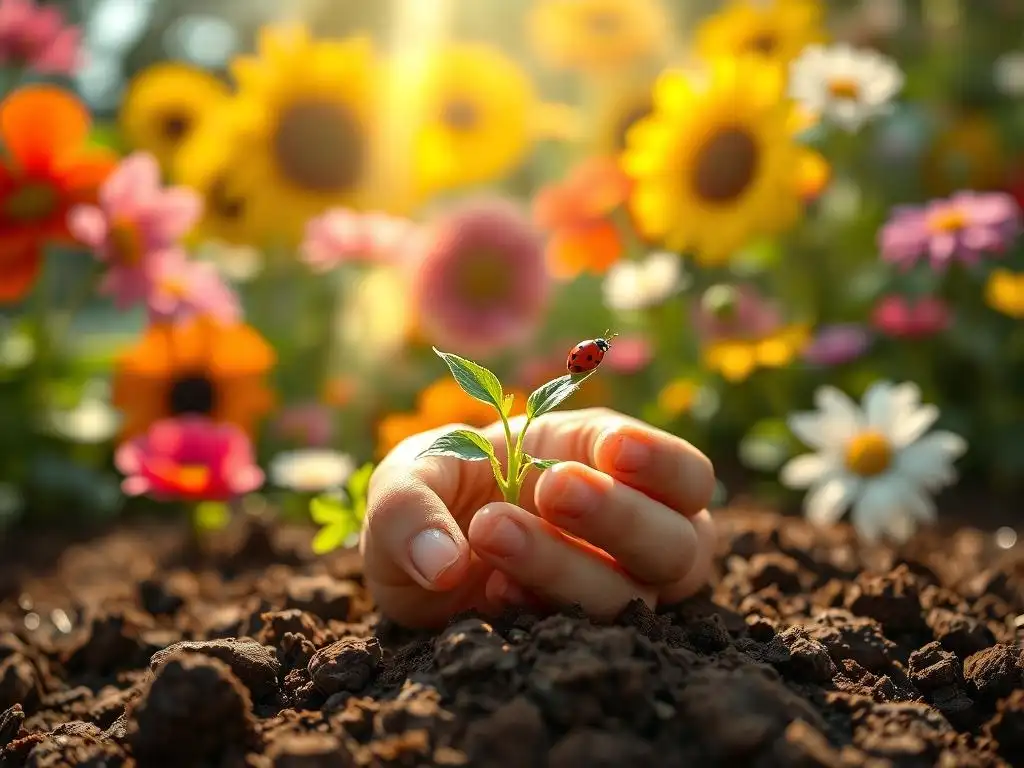
Welcome to CultivateYourFood, your guide to a greener, more fulfilling life through homegrown goodness! Are you ready to witness the magic of nature unfold right before your eyes? Discover the incredible journey of the Kids' gardening plant cycle – a fascinating process that not only yields delicious fruits and vegetables but also fosters a deep appreciation for the environment in young minds. Learn how to transform your backyard into a vibrant learning space and inspire the next generation of sustainable gardeners. Let's cultivate a love for nature, one seed at a time!
- Understanding the Plant Life Cycle for Kids: A Fun Introduction to Gardening
- Kids' Gardening Plant Cycle: Hands-On Activities for Learning
- The Flowering Stage: Blossoms and Pollination
- Fruit and Vegetable Development: From Bud to Harvest
- The Seed Cycle Continues: Collecting and Saving Seeds
- Kids' Gardening Plant Cycle: Extending the Learning
- Resources for Teaching Children About Plant Life Cycles
-
Frequently Asked Questions
- How can I explain the plant life cycle to young children?
- What are some fun activities to teach kids about the plant life cycle?
- What are the best plants for kids to grow to learn about the plant cycle?
- How can I make learning about the plant cycle engaging for children?
- What are some resources to help me teach my kids about the plant cycle?
- Final Reflection: Cultivating a Greener Future, One Seed at a Time
- Unleash Your Child's Green Thumb!
Understanding the Plant Life Cycle for Kids: A Fun Introduction to Gardening
Gardening with children is a rewarding experience that extends far beyond simply growing food. It's an opportunity to nurture a love for nature, foster responsibility, and teach valuable life lessons. This article focuses on the plant life cycle, a fascinating journey that transforms a tiny seed into a vibrant, fruitful plant.
We'll explore this process in a way that's engaging and easily understandable for children, making learning about plant growth an enjoyable adventure. Understanding the plant life cycle is key to successful gardening, and by involving children in this process, we inspire a deeper appreciation for the natural world and the food we consume.
This approach is crucial for instilling sustainable practices from a young age, encouraging future generations to embrace organic and environmentally friendly gardening techniques. Let's delve into the magical world of plant growth and discover how we can cultivate a love for nature in our children through the simple act of gardening.
Introducing the Magic of Seeds: Germination and Sprouting
The journey begins with a tiny seed – a miniature package containing all the instructions needed to create a new plant! Think of it as a sleeping giant, waiting for the right conditions to wake up. This process, called germination, is incredibly exciting to observe. To start, you need a seed, water, and a suitable environment.
Place the seed in moist soil, providing warmth and gentle sunlight. Soon, you'll see a tiny root emerge, anchoring the plant and searching for water. Then, a sprout will appear, pushing its way towards the sunlight – the plant's first step towards becoming a fully grown specimen. This incredible transformation is a wonderful opportunity to teach children about patience and the rewards of careful observation.
Children can keep a journal, documenting the changes they see each day, drawing pictures, and recording measurements of the growing sprout. This hands-on experience brings the plant life cycle to life, making learning fun and interactive. We can even create a simple chart to illustrate the different stages of germination, using emojis to represent each step! 🌱➡️ 🌱⬆️➡️ 🌱🌿
From Seed to Sprout: Observing the Early Stages of Plant Growth
Once the sprout emerges, the real fun begins! The young plant, now a seedling, needs consistent care to thrive. This stage is characterized by rapid growth, with new leaves appearing and the root system expanding. Children can be involved in watering, ensuring the soil remains moist but not waterlogged.
They can also gently loosen the soil around the seedling to allow for better air circulation and root development. Observing the daily changes in the seedling is a powerful learning experience. We can use a magnifying glass to examine the delicate leaves and the intricate network of veins.
This close-up view helps children appreciate the complexity and beauty of even the smallest plant. This stage is also an ideal time to introduce the concept of photosynthesis – how plants use sunlight, water, and carbon dioxide to create their own food. A simple experiment, such as comparing the growth of a plant in sunlight versus one in shade, can demonstrate this vital process.
The Importance of Sunlight, Water, and Soil for Young Plants
The healthy growth of our young plant depends on three essential elements: sunlight, water, and soil. Sunlight provides the energy for photosynthesis, the process by which plants produce their food. Water is crucial for transporting nutrients throughout the plant and maintaining its structure. Finally, the soil provides essential nutrients and anchors the plant's roots.
We can create a simple experiment to illustrate the importance of each element. Plant three identical seedlings in separate containers. Provide one with adequate sunlight, water, and soil; deprive the second of sunlight; the third of water; and the fourth of fertile soil. Observe the growth of each plant over time, and discuss the results with the children, highlighting the critical role each element plays in plant growth.
This hands-on approach makes abstract concepts tangible and memorable, fostering a deeper understanding of the plant life cycle and the importance of sustainable gardening practices. This helps them understand the interconnectedness of nature and the vital role each component plays in supporting life. This understanding will help them become more responsible and aware gardeners in the future. ☀️💧🌱
Kids' Gardening Plant Cycle: Hands-On Activities for Learning
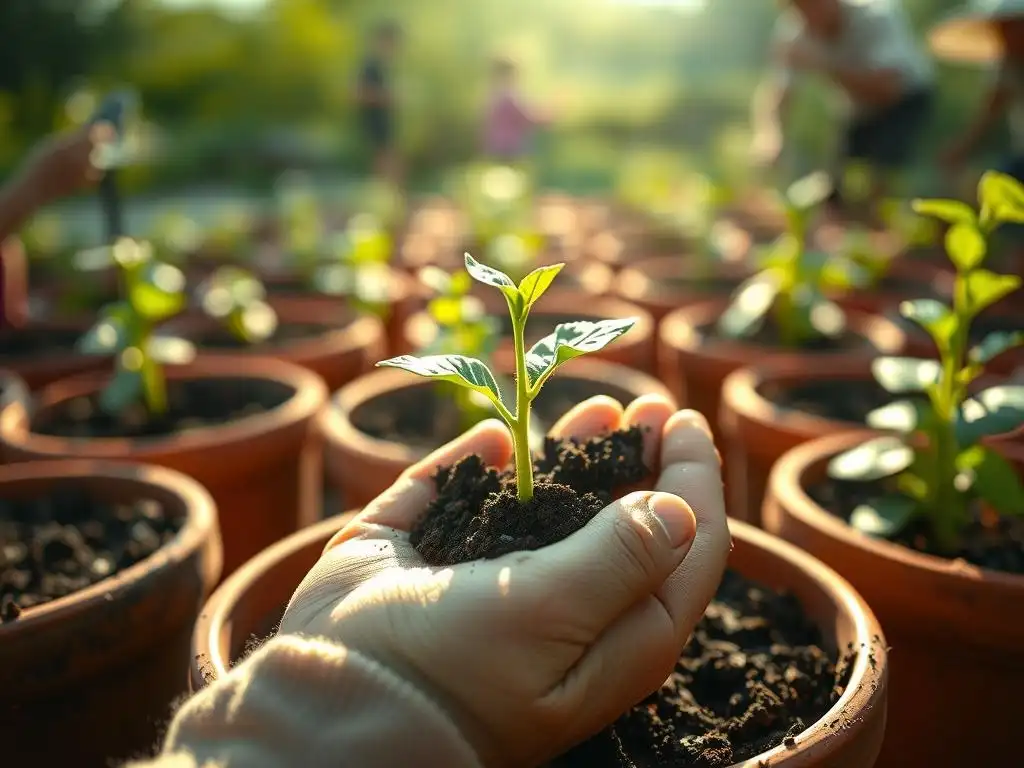
This section focuses on practical activities to engage children in understanding the plant life cycle, fostering a love for nature and gardening. We'll explore simple, hands-on projects that make learning fun and memorable, solidifying their understanding of the "kids' gardening plant cycle."
Planting Seeds: A Step-by-Step Guide for Young Gardeners
Planting seeds is a fantastic starting point for introducing children to the plant life cycle. The process is simple yet rewarding, offering immediate engagement and visible results. Here's a step-by-step guide tailored for young gardeners:
- Choosing the Right Seeds: Start with easy-to-grow seeds like sunflowers, beans, or radishes. These fast-growing plants provide quick gratification, keeping children motivated. Consider the climate and available space when making your selection. Fast-growing varieties are ideal for short attention spans! 🌻
- Preparing the Soil: Use a seed-starting mix or a combination of potting soil and compost. Ensure the soil is loose and well-draining. Children can help mix the soil, experiencing the texture and understanding its importance. This tactile experience is crucial for their learning.
- Planting the Seeds: Have children gently place the seeds in small pots or directly into the garden bed, following the instructions on the seed packet regarding depth and spacing. This teaches them about appropriate spacing and the importance of following instructions.
- Watering Gently: Show children how to water the seeds carefully, avoiding overwatering which can lead to rotting. A gentle spray bottle is ideal for this task. They'll learn the delicate balance needed for successful plant growth.💧
- Labeling and Observation: Encourage children to label their pots with the plant's name and the planting date. This introduces record-keeping and observation skills. Daily observation is key to understanding the changes that occur throughout the plant cycle.
Caring for Seedlings: Watering, Weeding, and Providing Support
Once the seeds germinate, the seedlings require regular care. This phase reinforces the concept of responsibility and the continuous nurturing needed for plant growth. Regular care is essential for a successful "kids' gardening plant cycle."
- Watering: Consistent watering is crucial, especially during dry periods. Teach children to check the soil moisture by touching it; if it feels dry, it's time to water. Overwatering can be just as harmful as underwatering.
- Weeding: Introduce the concept of weeds and their competition with seedlings for resources. Children can participate in carefully removing weeds, learning to distinguish between plants and weeds. This helps them understand the ecosystem of the garden. 🌿
- Providing Support: Some plants, like climbing beans, require support. Children can help build simple structures, like small trellises, to help the plants grow upwards. This demonstrates the importance of providing appropriate support for different plant types.
- Pest Control (Organic Methods): Introduce the concept of pests and organic pest control methods, such as hand-picking insects or using natural repellents like neem oil (under adult supervision). This teaches children about protecting plants from harm using sustainable practices.
Observing Growth: Keeping a Plant Journal and Recording Changes
Encouraging observation is key to understanding the plant life cycle. Maintaining a plant journal allows children to document their observations, fostering a deeper connection with the plants and their growth. This is a crucial part of the "kids' gardening plant cycle" learning process.
| Date | Observation | Notes |
|---|---|---|
| March 15th | Planted sunflower seeds. | Soil moist, seeds planted 1cm deep. |
| March 22nd | First sprouts visible! | Two seeds germinated. |
| April 5th | Seedlings have two sets of leaves. | Plants growing steadily, soil consistently moist. |
| April 12th | Seedlings are 5cm tall. | Added small trellis for support. |
| April 20th | First flower buds appearing! | Exciting progress! |
| May 1st | Sunflower is blooming! | Beautiful yellow flower! |
This journal can be enhanced with drawings, pictures, and even measurements of the plant's height and the number of leaves. The process of recording observations strengthens their understanding of the continuous growth and changes involved in the plant life cycle. This detailed record-keeping elevates the learning experience beyond simple observation. It transforms it into a comprehensive understanding of the kids' gardening plant cycle.
The Flowering Stage: Blossoms and Pollination
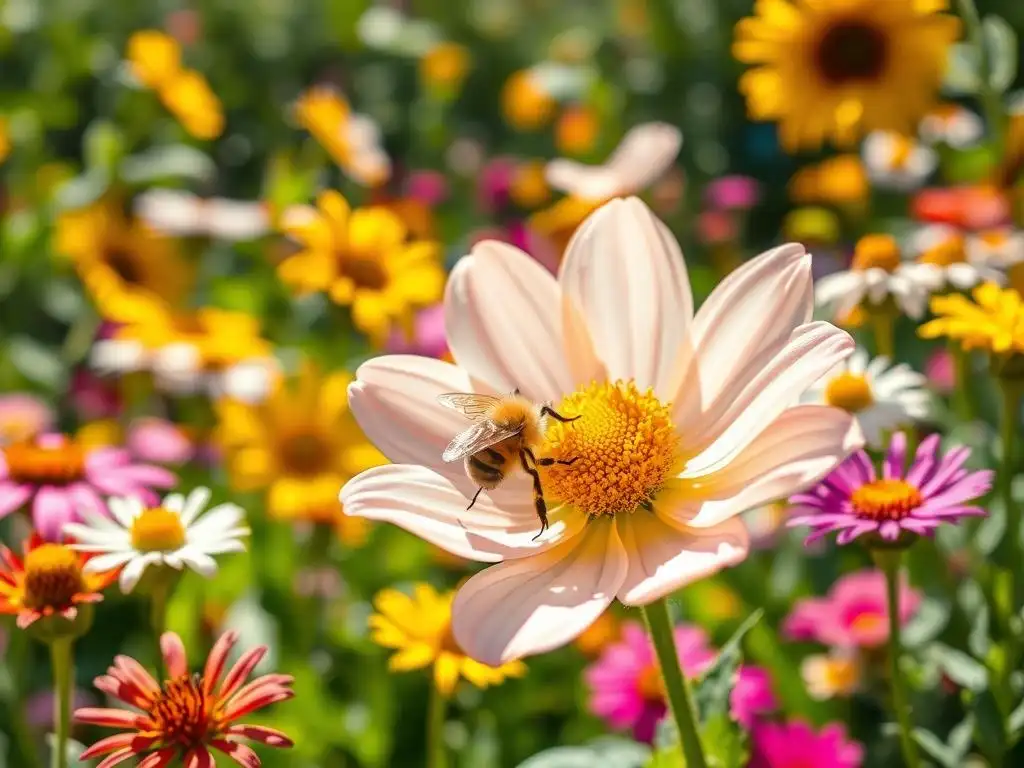
This stage marks a significant transition in the plant's life cycle. After the vegetative growth phase, the plant dedicates its energy to reproduction. The appearance of flowers is a visually stunning testament to this shift, captivating children and adults alike. Understanding the intricacies of the flowering stage provides a fascinating insight into the plant's reproductive strategy and its interaction with the environment.
The vibrant colors, delicate petals, and enticing fragrances of flowers aren't merely aesthetic; they are crucial components of the plant's survival and propagation. The size and shape of the flower, as well as its color and scent, often attract specific pollinators, ensuring the plant's continued existence. For instance, brightly colored flowers often attract bees and butterflies, while flowers with a strong scent might lure moths or bats.
This intricate dance between plant and pollinator is a beautiful example of the interdependence of life in nature, a concept that resonates deeply with young minds. Observing this process firsthand in a home garden provides a powerful, hands-on learning experience for kids. We'll delve deeper into the specifics of pollination and the role of various pollinators in the following sections.
Understanding Pollination: How Plants Reproduce
Pollination is the crucial process where pollen, containing the plant's male genetic material, is transferred from the stamen (the male reproductive organ) to the pistil (the female reproductive organ) of a flower. This transfer can occur within the same flower (self-pollination) or between different flowers of the same species (cross-pollination). Successful pollination leads to fertilization, initiating the formation of seeds and fruits.
This process is fundamental to the continuation of the plant's species. Consider the humble sunflower 🌻 – its large, showy flower head is actually composed of many tiny individual flowers, each capable of producing a seed. Understanding this process helps children grasp the basic principles of reproduction in plants, laying a foundation for understanding broader biological concepts.
The success rate of pollination varies greatly depending on factors such as weather conditions, pollinator availability, and the plant's own characteristics. For example, a lack of rain can negatively impact the activity of bees, reducing pollination success. This provides a good opportunity to discuss environmental factors and their impact on plant life.
The Role of Insects and Other Pollinators
Insects, particularly bees 🐝, are the most well-known pollinators. Their fuzzy bodies collect pollen as they move from flower to flower, unintentionally transferring it between plants. However, many other creatures play vital roles in pollination, including butterflies 🦋, moths 🌙, birds 🐦, bats 🦇, and even some small mammals. Each pollinator has its own unique method and preference.
Bees, for instance, are attracted to brightly colored flowers with a sweet scent, while moths are often drawn to white or pale-colored flowers that bloom at night. The diversity of pollinators highlights the complexity and interconnectedness of ecosystems. Children can actively participate in supporting pollinators by planting a variety of flowers that bloom at different times of the year, providing a continuous food source for these beneficial creatures.
Creating a pollinator-friendly garden is a rewarding project that combines learning with environmental stewardship, fostering a deeper appreciation for the natural world. Teaching kids about the importance of pollinators also emphasizes the crucial role they play in food production, highlighting the connection between plants, animals, and human sustenance. Consider creating a chart with your children showing different pollinators and the types of flowers they favor – this visual aid can strengthen their understanding and increase engagement.
Fruit and Vegetable Development: From Bud to Harvest
This section delves into the fascinating journey of fruit and vegetable development, a key component of understanding the plant life cycle for kids. We'll explore the transformation from the initial bud to the ripe, ready-to-eat produce, highlighting the key stages to engage young minds. Understanding this process fosters a deeper appreciation for where our food comes from and encourages sustainable practices.
The Amazing Transformation: From Flower to Fruit/Vegetable
The transition from flower to fruit or vegetable is a magical process, perfect for captivating children's curiosity. Let's trace this incredible journey using the example of a tomato plant. It all begins with pollination – the transfer of pollen from the stamen (male part) to the pistil (female part) of the flower. This can be facilitated by bees 🐝, butterflies 🦋, or even the wind! Once pollinated, the flower's ovary begins to swell, eventually developing into the tomato fruit we know and love.
This process isn't unique to tomatoes; it's fundamental to many fruits and vegetables. Consider a zucchini: The vibrant yellow flower transforms into the long, green vegetable we enjoy in summer salads. Similarly, the delicate blossoms of peppers give way to the colorful fruits we use in countless dishes. Show children pictures or even better, take them to the garden to observe these transformations firsthand. This hands-on experience is invaluable in solidifying their understanding.
Here's a simple table summarizing the process for a few common plants:
| Plant | Flower Type | Fruit/Vegetable Type | Key Transformation Observation |
|---|---|---|---|
| Tomato | Yellow, star-shaped | Red, round fruit | Ovary swelling after pollination |
| Zucchini | Yellow, open | Long, green fruit | Rapid growth after pollination |
| Pepper | White, bell-shaped | Colorful fruit | Gradual color change as it ripens |
Using these examples, you can easily tailor the explanation to the specific plants you are growing with the children. Remember to emphasize the role of pollination and the amazing ability of plants to create food.
Harvesting Time: Gathering the Rewards of Your Labor
Harvesting is more than just picking; it's a celebration of the plant's life cycle and the children's hard work. This stage is crucial for reinforcing the understanding of the entire process. Timing is everything, and teaching children how to determine ripeness is an essential skill.
For instance, tomatoes are ready for harvest when they are firm, deeply colored, and easily detach from the vine. Zucchini should be harvested when they are young and tender, before they become too large and tough. Different fruits and vegetables have different indicators of ripeness, making it a great opportunity to teach observation skills.
Here's a checklist for harvesting success:
- [ ] Check for signs of ripeness (color, firmness, size).
- [ ] Use sharp, clean tools to avoid damaging the plant.
- [ ] Harvest in the morning or evening for optimal freshness.
- [ ] Handle the produce gently to prevent bruising.
- [ ] Immediately store harvested produce appropriately to maintain quality.
This rewarding experience completes the cycle, demonstrating the tangible results of nurturing plants. It’s a perfect opportunity to discuss the importance of respecting nature and appreciating the effort that goes into producing our food. Encourage children to share their harvest with family and friends, extending the learning experience beyond the garden. The joy of harvesting, combined with the knowledge gained throughout the process, will undoubtedly inspire a lifelong love for gardening and nature in these young minds.
The Seed Cycle Continues: Collecting and Saving Seeds
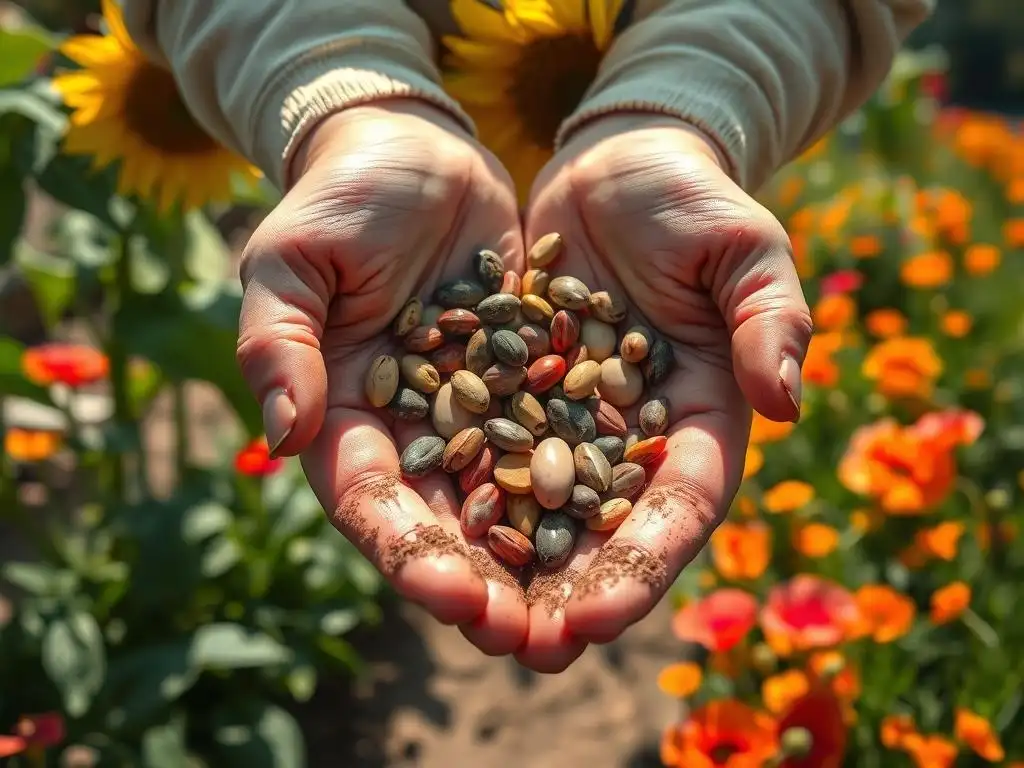
This section delves into the fascinating world of seed collection and saving, a crucial step in understanding the complete plant life cycle and a rewarding activity for kids. Saving seeds not only reduces reliance on commercially produced seeds but also allows you to cultivate specific plant varieties year after year, ensuring the continuation of your favorite heirloom tomatoes or vibrant sunflowers. It's a fantastic way to connect children with the cyclical nature of gardening and the wonder of plant reproduction.
Understanding Seed Dispersal: How Plants Spread Their Seeds
Before we even begin collecting, it's vital to understand how plants naturally disperse their seeds. This process, crucial for the survival of plant species, is a captivating lesson for young minds. Many plants rely on wind dispersal – think of dandelions with their fluffy seed heads, easily carried by the breeze.
Others utilize water; coconuts, for example, float across oceans, carrying their seeds to new shores. Animals play a significant role too; birds consume berries and later disperse the seeds through their droppings, while ants carry seeds underground, effectively planting them. Observing these natural processes firsthand – perhaps noticing how burrs cling to your clothes or watching birds scatter seeds – makes learning about seed dispersal an engaging and memorable experience for children.
We can categorize seed dispersal methods as follows:
| Method | Description | Example Plants |
|---|---|---|
| Wind Dispersal | Seeds are lightweight and carried by the wind. | Dandelions, Maple trees |
| Water Dispersal | Seeds are carried by water currents. | Coconuts, Water Lilies |
| Animal Dispersal | Seeds are spread by animals through consumption or attachment. | Berries, Burdock |
| Mechanical Dispersal | Seeds are forcefully ejected from the plant. | Touch-me-nots, Violets |
Understanding these diverse strategies fosters a deeper appreciation for the ingenuity of nature and the interconnectedness of the ecosystem. It's a great opportunity to incorporate some hands-on activities, like creating a wind tunnel to test seed dispersal or observing how different seeds react to water.
Preparing Seeds for Next Year's Garden: Saving and Storing
Once you've harvested mature seeds, the process of saving and storing them correctly is key to their viability. This involves carefully cleaning and drying the seeds before storing them in a cool, dry, and dark place. A simple paper envelope or a labeled airtight container is sufficient for many seeds. Proper storage dramatically increases the chances of successful germination the following year. Remember to label each container clearly with the plant's name and the date of collection. This careful organization is an excellent way to teach children about record-keeping and the importance of detailed information.
Here's a step-by-step guide for kids on seed saving:
- Harvesting: Wait until the fruits or seed pods are fully ripe and dry. This is often indicated by a change in color or texture.
- Cleaning: Gently remove the seeds from the fruit or pod. Remove any excess pulp or debris.
- Drying: Spread the seeds on a paper towel in a warm, dry place for several days to a week, or until they are completely dry. This prevents mold and rot.
- Storing: Place the dried seeds in labeled paper envelopes or airtight containers and store them in a cool, dark, and dry place.
Remember to involve the children in every step! This hands-on experience teaches them responsibility, patience, and the satisfaction of contributing to the next gardening season. The anticipation of planting their saved seeds the following spring adds another layer of excitement and connection to the natural world. Saving seeds is a sustainable practice that reinforces the cyclical nature of plant life and empowers children to participate actively in the process. It’s a fantastic way to encourage a lifelong love for gardening and the environment! 🌱
Kids' Gardening Plant Cycle: Extending the Learning
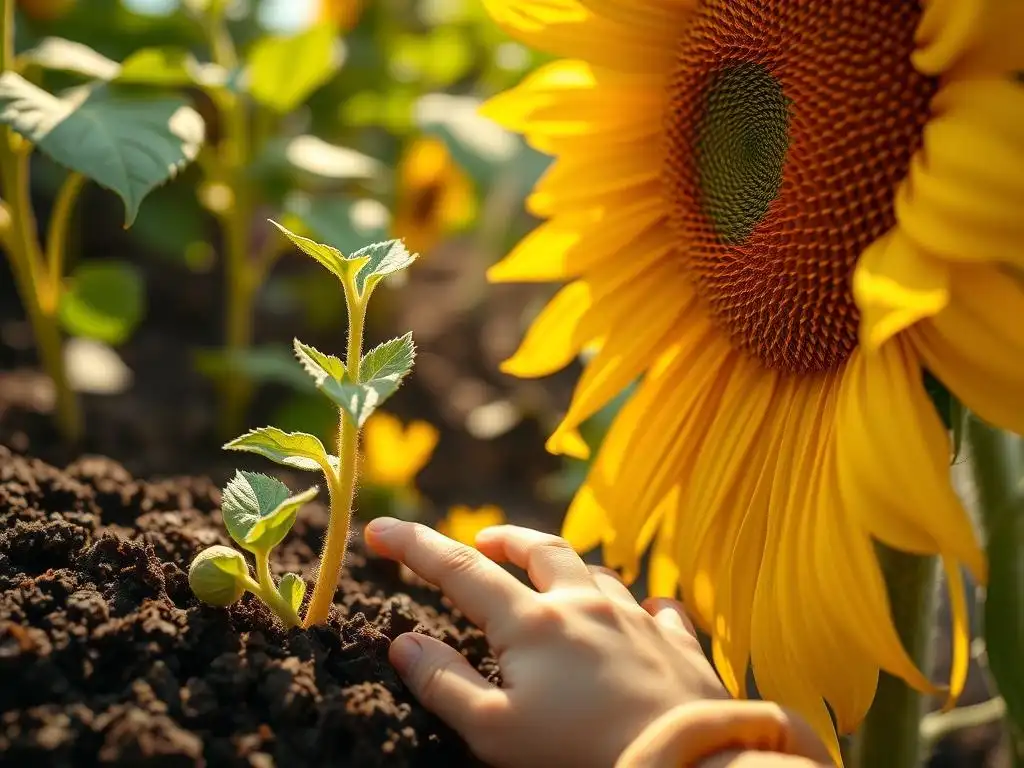
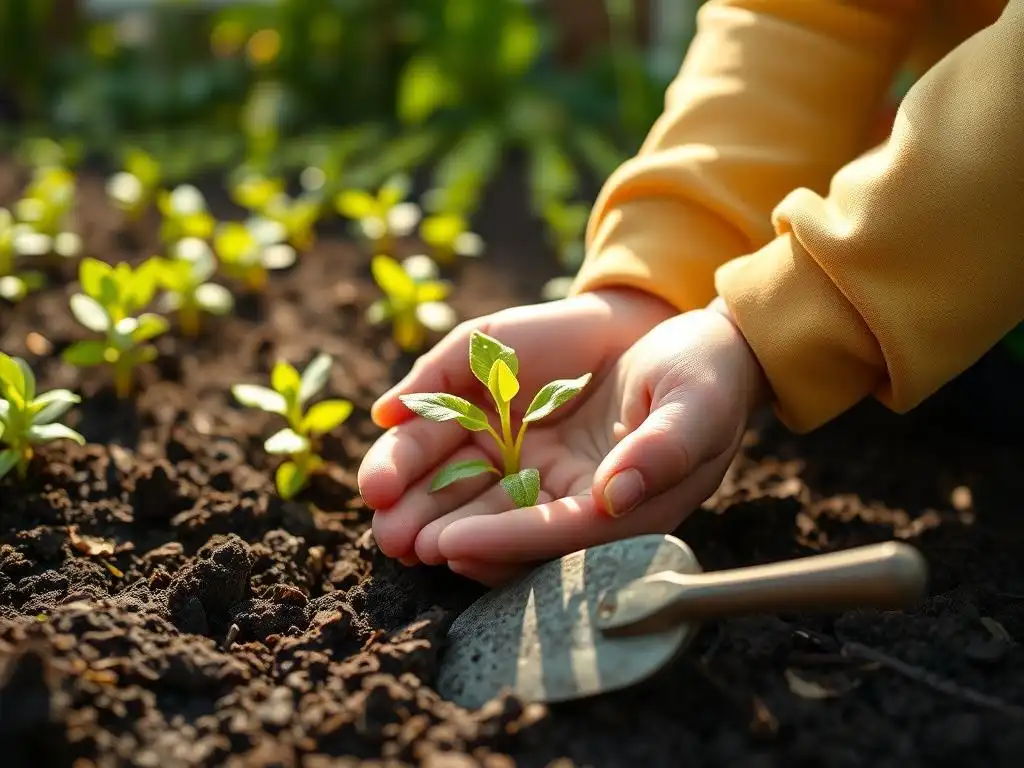
Understanding the plant life cycle is a foundational element of successful gardening, and engaging children in this process fosters a deep appreciation for nature. But the learning doesn't have to stop at the garden bed! Extending the learning beyond the basics encourages a more holistic understanding of plant growth and its interconnectedness with the wider environment. This section explores ways to deepen children's comprehension and cultivate a lifelong love for gardening.
Connecting with Nature: Exploring Local Ecosystems
Observing plants in their natural habitats provides invaluable context for understanding the plant life cycle. A trip to a local park, nature reserve, or even a nearby wooded area can transform abstract concepts into tangible experiences. Children can witness plants in various stages of growth, from tiny seedlings pushing through the soil to mature plants bearing fruit or seeds. This hands-on exploration allows them to observe the diverse ways plants adapt to their environment, fostering an understanding that goes beyond the controlled environment of a home garden.
For example, comparing the growth of a sunflower in a garden plot to wildflowers growing along a trail highlights the differences in sunlight exposure, soil conditions, and competition for resources. This observation can spark conversations about biodiversity and the importance of different habitats. Documenting these observations through sketches, photographs, or even a nature journal adds another layer of engagement and reinforces learning.
The process of identifying different plants and learning about their individual life cycles turns a simple nature walk into a valuable learning experience. Consider incorporating a scavenger hunt focusing on identifying different plant parts at various stages of growth to make the experience more interactive and fun for younger children. Remember to emphasize responsible behavior in natural environments, teaching children to observe without disturbing the plants or their habitats.
Creative Projects: Art, Crafts, and Storytelling Inspired by Plants
Integrating art and creativity into the learning process enhances children's understanding and retention. Numerous creative projects can be designed around the plant life cycle, turning learning into a fun and engaging experience. These activities cater to diverse learning styles, ensuring that all children can connect with the material.
- Plant Life Cycle Timeline: Children can create a visual timeline depicting the stages of a plant's life. This can be done using drawings, photographs, or even collected natural materials like leaves and seeds. Each stage can include a short description written by the child, further reinforcing their understanding. This project encourages observation skills and reinforces the sequential nature of plant growth.
- Seed Art: Using seeds of various shapes, sizes, and colors, children can create unique artwork representing different aspects of the plant life cycle. This project introduces concepts of seed dispersal and the diversity of plant life.
- Storytelling: Encourage children to create their own stories about a plant's journey from seed to maturity. This fosters creativity and allows them to express their understanding of the plant life cycle in a unique and engaging way. They can even act out their stories, further enhancing their comprehension.
- Nature Collages: Creating collages using natural materials like leaves, twigs, flowers, and seeds is another effective way to engage children creatively. These collages can represent different stages of the plant life cycle or highlight specific aspects of plant growth.
By incorporating these creative projects, the learning experience extends beyond rote memorization, transforming it into a memorable and enjoyable process. The hands-on nature of these activities encourages active participation, making the concepts of the plant life cycle more accessible and engaging for children of all ages. The resulting artwork can also serve as a visual reminder of the learning process, reinforcing the knowledge gained. Remember to celebrate the children's creations and encourage their individual expression.
Resources for Teaching Children About Plant Life Cycles
This section provides valuable resources to help you effectively teach children about the fascinating plant life cycle. We'll explore engaging books, websites, and hands-on activities designed to spark curiosity and foster a lifelong appreciation for nature. Remember, making learning fun is key to captivating young minds! The goal is to make "Kids' gardening plant cycle" a fun and educational experience.
Recommended Books and Websites for Kids
Finding age-appropriate resources is crucial for successful learning. Here are some examples of excellent books and websites that cater to different age groups and learning styles:
For younger children (ages 3-6), picture books with vibrant illustrations and simple text are ideal. Look for books that focus on the basic stages of the plant life cycle – seed, sprout, plant, flower, and fruit – using clear, concise language. Interactive elements, like lift-the-flaps or touch-and-feel textures, can significantly enhance engagement. One example might feature a playful story about a tiny seed's journey to becoming a beautiful sunflower 🌻.
Older children (ages 7-12) can benefit from books with more detailed information and engaging narratives. These books can delve deeper into the processes of photosynthesis, pollination, and seed dispersal. Consider books that incorporate real-life examples and scientific facts, presented in an accessible manner. A book focusing on the diverse life cycles of various plants, from fast-growing lettuce to slow-growing trees, could be particularly enriching.
Interactive websites are also excellent learning tools. Many websites offer engaging games, videos, and virtual activities that allow children to explore the plant life cycle in an interactive and fun way. Look for websites that use animation, 3D models, and other multimedia elements to bring the plant life cycle to life. The best resources will provide opportunities for kids to test their knowledge with quizzes and puzzles, reinforcing what they’ve learned. For example, a virtual garden simulator where children can plant seeds, water, and care for their virtual plants, observing the growth process firsthand, would be highly effective.
Remember to consider the child's interests when selecting resources. If a child loves animals, a book or website that connects plant life cycles to the animals that depend on them (like bees for pollination or birds for seed dispersal) could be especially engaging. The key is to make the learning process enjoyable and relevant to their lives. This approach transforms "Kids' gardening plant cycle" from a lesson into an adventure.
Hands-on Activities to Reinforce Learning
Beyond books and websites, hands-on activities are invaluable for reinforcing learning and fostering a deeper understanding of the plant life cycle. These activities allow children to actively participate in the process, making the learning experience more memorable and meaningful.
- Planting Seeds: This classic activity allows children to witness the entire process firsthand. Start with easy-to-grow seeds like sunflowers or beans. Guide them through each step, from planting the seeds to watering and caring for the plants. Encourage them to keep a journal documenting their observations, noting changes in size, shape, and color. This direct experience makes the concept of the "Kids' gardening plant cycle" tangible.
- Creating a Terrarium: A terrarium provides a miniature ecosystem for children to observe plant growth. This activity teaches them about the interdependence of plants and other living organisms. They can observe the growth of small plants, the water cycle, and potentially even introduce small insects to further explore the ecosystem.
- Building a Compost Bin: This activity introduces children to the concept of decomposition and its importance in the plant life cycle. By composting food scraps and yard waste, they can create nutrient-rich soil for their plants, understanding the cyclical nature of life and resources. This practical application deepens their understanding of the "Kids' gardening plant cycle" in a sustainable context.
Remember, the goal is to nurture a love for nature and a deep appreciation for the wonder of plant life. By combining engaging resources with hands-on activities, you can inspire the next generation of gardeners and environmental stewards. The more interactive and fun the "Kids' gardening plant cycle" learning experience, the more likely children are to retain the information and develop a lifelong passion for plants.
Frequently Asked Questions
How can I explain the plant life cycle to young children?
Use simple terms and visual aids. Start with a seed, then sprout, plant, flower, fruit (or seed pod), and back to seed. Relate it to things they already know, like the life cycle of a butterfly.
What are some fun activities to teach kids about the plant life cycle?
Plant easy-to-grow seeds like sunflowers or beans. Create a journal to track growth, draw pictures, and take photos. Make a time-lapse video to show the changes over time.
What are the best plants for kids to grow to learn about the plant cycle?
Fast-growing plants like sunflowers, beans, or radishes are ideal. These show visible changes quickly, keeping children engaged. Consider herbs like basil for a quicker cycle and culinary experience.
How can I make learning about the plant cycle engaging for children?
Connect the learning to real-world experiences. Let them help with planting, watering, and harvesting. Involve them in the composting process. Make it a fun family activity!
What are some resources to help me teach my kids about the plant cycle?
Check out books, videos, and online resources from reputable sources like CultivateYourFood.com. Many free printable worksheets and activities are available online, too.
Final Reflection: Cultivating a Greener Future, One Seed at a Time
Understanding the plant life cycle isn't just about memorizing stages; it's about fostering a deep connection with the natural world that will shape our future. The knowledge gained from observing a seed sprout, grow, blossom, and eventually produce new seeds is a powerful tool, equipping children with a profound appreciation for the intricate processes that sustain life on Earth. This understanding is more vital now than ever, in a world facing environmental challenges that demand our collective attention and action.
Witnessing the wonder in a child's eyes as they nurture a tiny seedling into a vibrant plant is truly inspiring. It's a testament to the power of nature to connect us to something larger than ourselves. This simple act of planting and caring for a living thing instills responsibility, patience, and a deep respect for the delicate balance of ecosystems. As the renowned naturalist John Muir once said, When we try to pick out anything by itself, we find it hitched to everything else in the Universe.
This interconnectedness, so beautifully illustrated by the plant life cycle, is a lesson that resonates far beyond the garden.
Now, consider your own relationship with the natural world. What small step can you take today to cultivate a deeper appreciation for plants and the environment? Perhaps it's planting a seed, volunteering at a community garden, or simply taking a moment to observe the beauty of a flower. Let the simple yet profound lessons of the plant life cycle inspire you to nurture not only plants, but also a love for nature within yourself and within the hearts of future generations. Let's work together to cultivate a greener, more vibrant future, one seed at a time.
Unleash Your Child's Green Thumb!
Thanks for exploring the wonderful world of plant life cycles with us! We hope you've gained valuable insights into nurturing a love for nature in your children. Now, let's put that knowledge into action:
- Start a mini-garden together: Choose a few easy-to-grow plants like sunflowers or beans, and watch them grow as a family. This hands-on experience will solidify their understanding and create lasting memories.
- Create a nature journal: Encourage your child to document their observations of plant growth, sketching, writing, or even pressing leaves from their garden or local plants.
- Share your gardening journey! Tell us about your mini-garden adventure – what are you growing? What's been the most exciting part so far?
Ready to cultivate a lifelong appreciation for nature in your child? What's the first step you'll take to bring the wonder of plant life cycles to life for them?