
The Power of Touch: Exploring Textures in a Sensory Garden for Kids

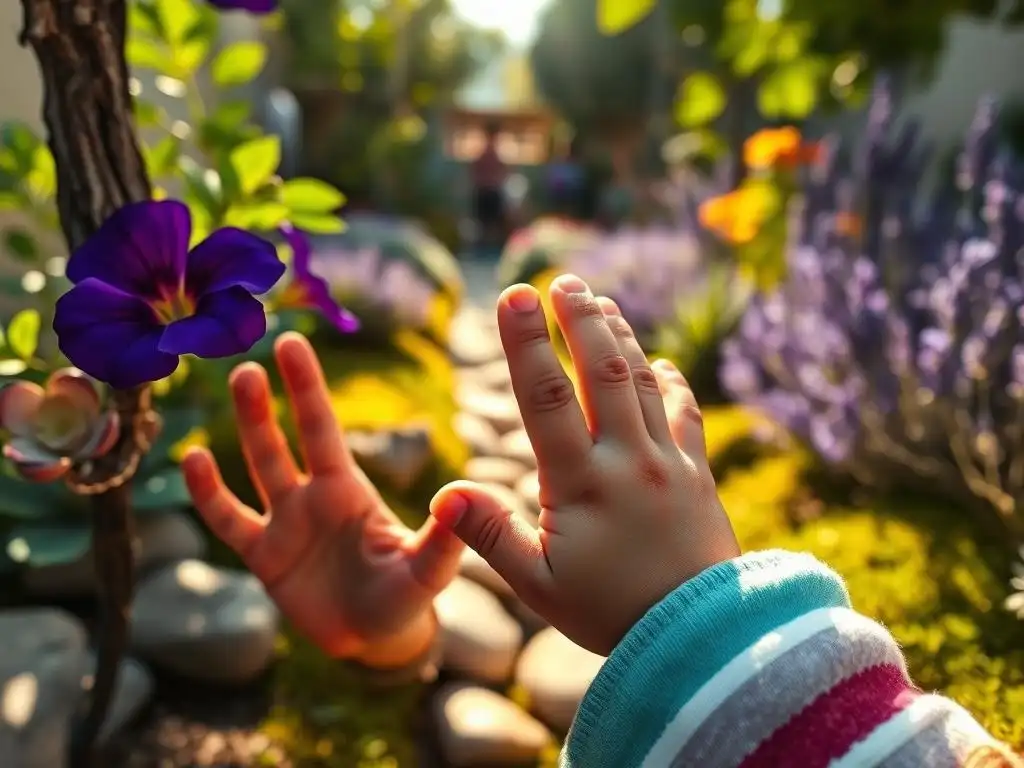
Welcome to CultivateYourFood, your guide to nurturing a thriving garden using sustainable, organic methods! Ready to transform your backyard into a vibrant oasis? We believe everyone can connect with the earth, and that starts with the youngest among us. Discover the magic of a sensory garden and unlock a world of wonder through our exploration of engaging Sensory Garden Kids Activities. Dive in and learn how to create a space where learning and growing happen side-by-side!
- Designing a Sensory Garden for Kids: Tactile Exploration
- Sensory Garden Activities for Kids: Tactile Games and Exercises
- Enhancing the Sensory Garden Experience with Additional Tactile Elements
- Sensory Garden Kids Activities: Safety Considerations and Best Practices
- Maintaining a Thriving and Engaging Sensory Garden for Kids
- Expanding the Sensory Garden: Adding More Tactile Elements Over Time
- Frequently Asked Questions
- Final Reflection: Cultivating Connection Through Sensory Exploration
- Unleash Your Child's Inner Gardener: Grow Sensory Experiences Today!
Designing a Sensory Garden for Kids: Tactile Exploration
Creating a sensory garden for children is a fantastic way to engage their senses and foster a love for nature. This article focuses on the power of touch within a child's sensory garden, exploring how different textures can stimulate learning, creativity, and a deeper connection with the natural world. We'll delve into the selection of plants with varying textures, offering practical advice on incorporating rough, smooth, soft, and fuzzy elements to create a truly enriching and tactile experience.
This is more than just planting pretty flowers; it's about designing an interactive and educational space where children can learn through exploration, touching, feeling, and understanding the diverse textures of the plant world. This hands-on approach helps children develop their tactile senses, improves fine motor skills, and encourages curiosity about the environment.
Learning about plants through touch is a powerful way to spark a lifelong appreciation for gardening and sustainability. Let's discover how to cultivate a sensory garden that truly captivates children's imaginations and enhances their understanding of the natural world!
Choosing Plants with Diverse Textures for Children's Sensory Garden
Selecting plants with a variety of textures is crucial for creating a stimulating sensory garden. Children respond positively to contrasting sensations, allowing them to learn about different plant characteristics through touch. Consider including plants with:
- Prickly textures: Think thistles (carefully chosen for safety! ), prickly pear cacti (again, safety is paramount – perhaps place these in a less accessible area), or even rosemary with its needle-like leaves. These offer a fascinating contrast to softer textures. Remember to emphasize safety and supervision when introducing prickly plants.
- Smooth textures: Smooth, polished leaves like those found on certain hostas or the smooth stems of some herbs offer a calming tactile experience. These can be contrasted with rougher textures to create a broader range of sensations.
- Rough textures: Plants with textured leaves like lambs ear (which is also soft! ), or the rough bark of a young tree trunk (ensure it's safe for little hands to touch) offer a different sensory input. Children can explore the differences between smooth and rough surfaces, developing their understanding of tactile variations.
- Silky textures: Certain plants have leaves that feel silky or velvety. These can provide a luxurious tactile experience. Examples include some varieties of petunias or certain ferns.
The key is to offer a balanced selection, ensuring safety and providing a wide range of textures for children to explore. Remember to always supervise young children while they are exploring the garden.
Incorporating Rough and Smooth Textures in Your Sensory Garden for Kids
The juxtaposition of rough and smooth textures creates a fascinating exploration opportunity for young children. This contrast helps them better understand and appreciate the diversity of the plant world.
Consider these pairings:
| Rough Texture Plant | Smooth Texture Plant | Sensory Learning Outcome | Safety Considerations |
|---|---|---|---|
| Lamb's Ear | Hosta | Comparing soft, fuzzy vs. smooth, cool leaf surfaces | Ensure no thorns or poisonous plants are nearby |
| Tree bark (young, safe tree) | Polished river stones | Exploring the difference between organic and inorganic | Supervise children to prevent accidental injuries |
| Rosemary (needle-like leaves) | Smooth-leaved herbs (e.g., mint) | Distinguishing between various levels of texture | Ensure children understand not to put plants in their mouths |
By carefully selecting and arranging these plants, you can encourage children to actively compare and contrast different textures, enhancing their sensory awareness. Remember to label the plants clearly, teaching children their names and properties.
Soft and Fuzzy Plants for a Tactile Sensory Experience
Soft and fuzzy plants provide a unique tactile experience, often evoking feelings of comfort and calmness. These plants are particularly appealing to young children and can be a great addition to a sensory garden.
Consider adding:
- Lamb's ear: Its velvety soft leaves are incredibly inviting to the touch, offering a pleasant sensory experience.
- Certain ferns: Some fern varieties have soft, delicate fronds that provide a gentle tactile stimulation.
- Mullein: The soft, fuzzy leaves of mullein offer a unique texture to explore.
- Dusty miller: The silvery-grey foliage of dusty miller is soft and pleasing to touch.
These plants not only provide a tactile experience but can also add visual interest to the garden. Remember that soft plants can be more delicate and may require some extra care and protection. Regularly check for pests and diseases and provide appropriate watering and sunlight. The soft, fuzzy textures create a soothing atmosphere, encouraging gentle exploration and calming sensory engagement.
Prickly and Spiky Plants: A Cautious Approach to Sensory Exploration
Introducing prickly and spiky plants into a sensory garden for kids requires careful consideration. While the textures offer a unique sensory experience, safety must be the top priority. We're not suggesting you avoid these plants entirely; rather, we advocate for a controlled and supervised introduction. The goal is to allow children to experience the intriguing textures of plants like cacti, pincushion proteas, or even certain types of thistles, but in a way that minimizes the risk of injury.
One effective strategy is to create a designated "prickly patch." This could be a small, clearly defined area within the garden, perhaps enclosed by a low fence or bordered by smooth stones. Within this area, you can plant a variety of prickly plants, ensuring they are spaced appropriately to prevent accidental contact between plants and children. Clearly labeling each plant with its name and a brief description of its texture is crucial for both education and safety. This allows children to learn about the plants while understanding the need for caution.
Another important aspect is adult supervision. Constant, watchful guidance is essential, especially with younger children. Encourage children to observe the plants from a safe distance before gently touching them under adult supervision. Explain the importance of using appropriate caution and demonstrating how to touch the plants gently to avoid pricks. Even with older children, it's wise to have an adult present to ensure they are handling the plants responsibly.
Remember, even seemingly harmless plants can cause irritation or minor injuries to sensitive skin. Always have a first-aid kit readily available in case of accidents. After handling prickly plants, encourage children to wash their hands thoroughly. This simple step helps prevent any potential irritation or infection.
By combining careful planning, clear instructions, and consistent supervision, you can safely incorporate the fascinating world of prickly plants into your child's sensory garden experience, fostering a love for nature while prioritizing safety. This thoughtful approach ensures that the sensory exploration is both engaging and safe, maximizing the learning experience for your child. The thrill of discovering a unique texture like that of a cactus spine can be a memorable and educational experience when managed appropriately.
Sensory Garden Activities for Kids: Tactile Games and Exercises
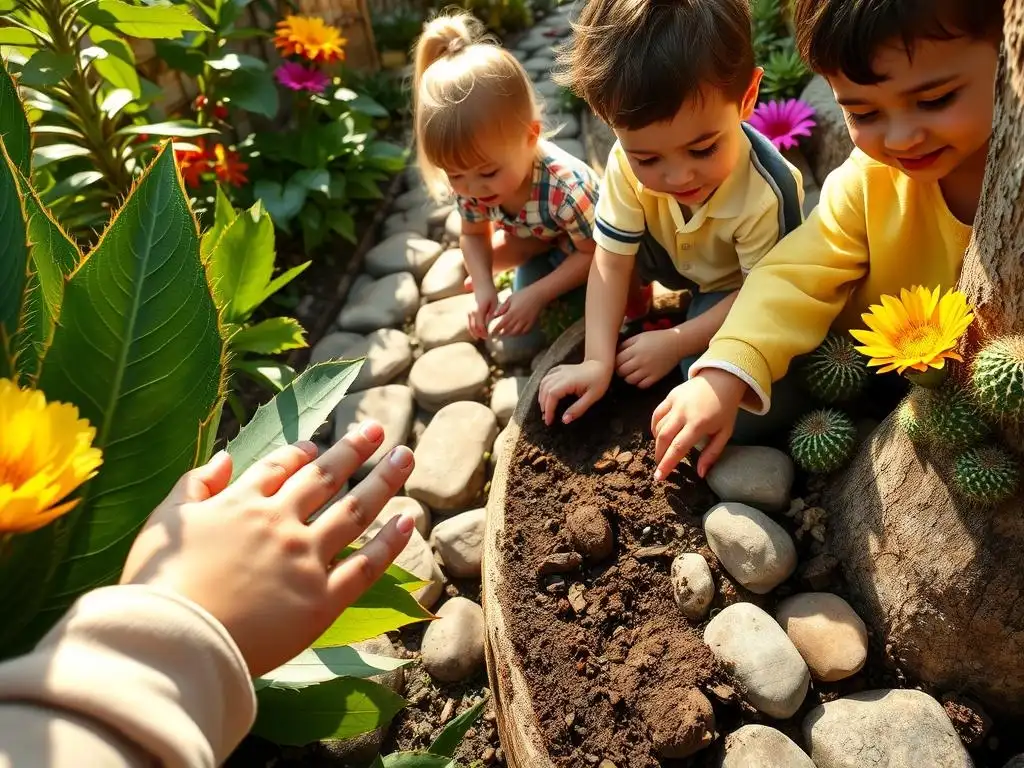
This section focuses on engaging sensory garden activities for kids, specifically those that emphasize tactile exploration and learning. We'll delve into games and exercises designed to enhance a child's understanding and appreciation of different textures found within a vibrant, organic garden environment. These activities are perfect for boosting fine motor skills, cognitive development, and overall sensory awareness. Remember, safety is paramount; always supervise children closely during these activities.
Blindfold Texture Guessing Game: A Fun Sensory Activity for Kids
This classic game provides a fantastic way to heighten children's tactile perception. Gather a variety of garden elements with diverse textures: smooth river stones, rough bark from a tree branch, soft moss, prickly leaves (like holly or thistle – use caution! ), velvety flower petals, and bumpy seed pods. Blindfold the child and have them feel each item, guessing what it is based solely on its texture.
To enhance the learning experience, encourage descriptive language. Instead of simply saying "rough," guide them to say "This feels rough, like sandpaper!" or "This is smooth, like polished glass!". This improves vocabulary and observational skills. You can even create a simple scorecard to track their guesses, adding a competitive element for older children. Consider introducing different textures each time you play to maintain engagement and expand their sensory experience. This game is adaptable for various age groups; younger children can focus on identifying basic textures (soft/hard, smooth/rough), while older children can handle more nuanced descriptions.
Texture Rubbings: Art and Sensory Exploration Combined
Combine artistic expression with sensory exploration using texture rubbings. This activity allows children to creatively document the textures they discover in the garden. You'll need paper, crayons (or pastels), and a variety of textured surfaces from the garden.
Here's how it works:
- Place a sheet of paper over a textured surface (e.g., a leaf, bark, a piece of rough stone).
- Hold a crayon sideways, and gently rub the side of the crayon over the paper. The texture of the surface underneath will be transferred onto the paper, creating a unique rubbing.
- Encourage kids to experiment with different crayons and pressures to achieve varied effects.
- Label each rubbing with the name of the plant or object used. This reinforces vocabulary and helps children connect the visual representation with the actual texture.
This activity fosters creativity, fine motor skills, and observation skills. It's also a fantastic way to create lasting memories and artwork reflecting the sensory richness of the garden. Consider creating a "texture rubbing book" to showcase their creations and build a lasting record of their garden explorations.
Creating Texture Collages with Natural Materials from the Garden
This activity encourages children to actively engage with the garden's textures in a creative and constructive way. Collect a variety of natural materials exhibiting different textures: leaves, flowers, twigs, small stones, seed pods, pine cones, and even pieces of moss. Provide a large sheet of paper or cardboard as a base for the collage.
Before starting, discuss the different textures they've collected. Guide them to use descriptive words to describe each item's feel. This will reinforce their understanding of tactile sensations. Then, let their creativity flow! They can arrange the natural materials on the paper to create a unique texture collage. Encourage them to think about color, shape, and texture combinations to make their collage visually appealing and texturally interesting.
Consider adding glue or other adhesives to permanently fix the items to the paper. This adds another layer of sensory input and develops fine motor skills. Once completed, the collages can be displayed proudly, serving as a beautiful and tactile reminder of their sensory garden experience. This activity is particularly effective in promoting collaborative learning if done in a group setting.
Building a Miniature Sensory Garden with Different Textures
Building a miniature sensory garden is a fantastic activity that allows children to engage with various textures in a controlled and manageable space. This activity not only stimulates their tactile senses but also teaches them about plant diversity and the importance of different soil types. Start by obtaining a small container, such as a plastic tub or even a repurposed terracotta pot. The size should be appropriate for the age and attention span of the child; a smaller container might be better suited for younger children.
Next, gather a variety of materials to create diverse textures within the miniature garden. This could include smooth river stones, rough bark chips, soft moss, prickly pine cones, fluffy cotton balls (representing clouds or fluffy plants), and even small pieces of burlap or felt for textural contrast. Consider incorporating different soil types as well – sandy soil, clay soil, and potting mix offer distinct tactile experiences. Remember to prioritize safety; avoid using anything sharp or potentially toxic.
The process of assembling the miniature garden is a collaborative one. Let the children decide how they want to arrange the materials, encouraging creativity and exploration. They can create pathways using smooth stones, build miniature hills with soil, and arrange the other textural elements to their liking.
This participatory approach enhances the learning experience and fosters a sense of ownership over their creation. Once complete, encourage the children to explore the miniature garden with their hands, describing the textures they feel and comparing the differences between the materials. This simple activity can lead to rich conversations about sensory perception and the natural world.
You can even plant small, fast-growing herbs or flowers in certain sections to add an element of growth and change over time, further enhancing the sensory experience. The miniature garden can serve as a springboard for discussing plant care and the natural environment, transforming a simple tactile exercise into a comprehensive learning opportunity. Remember to document the process with photos or drawings to help solidify the experience for the children and provide a lasting keepsake.
Enhancing the Sensory Garden Experience with Additional Tactile Elements
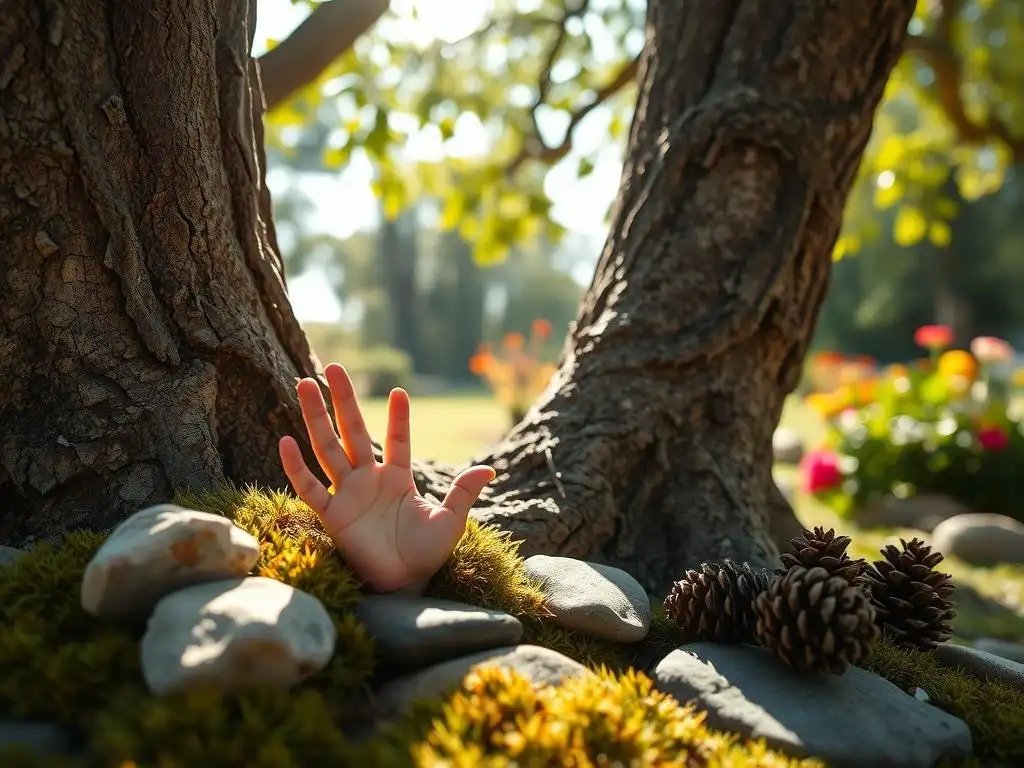
This section focuses on expanding the tactile experiences within your sensory garden designed for children. We'll explore the diverse textures achievable through a thoughtful selection of both natural and man-made materials, ensuring a rich and engaging sensory journey for young gardeners. Remember, the goal is to stimulate their sense of touch, promoting exploration and learning through play. The right tactile elements can significantly enhance the overall "Sensory garden kids activities" you offer.
Adding Natural Materials: Stones, Bark, and Wood for Tactile Stimulation
Natural materials offer a wealth of textural variety for your sensory garden. Consider incorporating elements like:
- Smooth river stones: These offer a cool, polished surface, ideal for contrasting with rougher textures. Children can enjoy collecting them, arranging them, or simply running their hands across their smooth surfaces. The gentle coolness is also a pleasant sensory input on a warm day.
- Rough tree bark: Sections of bark from different trees provide dramatically different textures. Some are deeply furrowed and rugged, while others are relatively smooth. This variation allows for comparison and exploration of diverse tactile sensations. Ensure the bark is sourced sustainably and is free from harmful insects or diseases.
- Untreated wood: Pieces of untreated wood, like smooth, sanded wood or rough, splintery pieces (under careful supervision), offer contrasting textures. Consider adding small logs for sitting or stepping on, introducing a different kind of tactile experience. Remember to regularly check the wood for splinters or deterioration to ensure safety.
- Pine cones: These readily available natural elements provide a unique tactile experience, with their prickly scales and varying sizes. Children can explore their shapes and textures, creating patterns or using them in imaginative play.
- Seed pods: Dried seed pods from various plants offer a variety of textures, from the smooth and hard to the bumpy and fragile. This diversity provides opportunities for children to compare and contrast different tactile sensations.
The careful integration of these natural materials creates a dynamic and engaging environment, fostering a deeper connection with nature and encouraging tactile exploration. Remember to consider the safety and age appropriateness of the materials you choose.
Incorporating Man-Made Materials: Smooth Stones, Rough Pebbles, and More
Beyond natural elements, strategically placed man-made materials can significantly enhance the tactile diversity of your sensory garden. Always prioritize safety and choose materials that are non-toxic and durable. Here are some ideas:
- Smooth, polished stones: These offer a stark contrast to rougher textures, providing a cool, slippery sensation. Their uniformity can be calming, while their smooth surface invites touch and exploration.
- Rough, textured pebbles: These offer a completely different tactile experience than smooth stones. Their uneven surfaces provide a more stimulating tactile sensation, encouraging children to explore their varied shapes and textures.
- Different fabrics: Consider incorporating swatches of different fabrics – think soft fleece, rough burlap, silky satin, or even textured denim – sewn into small, easily handled squares or pouches. This introduces a whole new dimension of tactile exploration.
- Textured paving stones: If budget allows, consider using paving stones with varying textures in the pathways. This subtle addition can provide a surprising amount of sensory stimulation.
Remember to regularly inspect man-made materials for wear and tear, ensuring they remain safe for children to handle. The careful selection and placement of these materials can enrich the tactile experience, adding another layer to your sensory garden's appeal.
Creating Pathways with Varying Textures for Enhanced Sensory Exploration
Pathways are an integral part of a sensory garden, offering a unique opportunity to incorporate a range of tactile experiences. By using different materials for the pathway surfaces, you can create a stimulating sensory journey for children:
- Grass pathway: A simple grassy pathway provides a soft, yielding surface underfoot. The feeling of grass between the toes is a classic sensory experience.
- Gravel pathway: A gravel pathway offers a contrasting experience with its rough, crunchy texture. Children can explore the different sizes and shapes of the gravel.
- Stepping stones: Arranging stepping stones of different materials (wood, stone, etc.) creates a fun and engaging pathway, encouraging children to hop and skip. This adds an element of playful challenge to the sensory exploration.
- Wood chip pathway: A pathway made of wood chips provides a soft, springy surface, ideal for barefoot walking. The varied sizes and shapes of the wood chips offer a unique tactile experience.
The variety of textures in the pathways will encourage children to walk, run, and explore the garden using their feet, adding a unique dimension to their sensory exploration. This also helps to develop their gross motor skills and coordination, making it a fun and educational activity. Remember to regularly maintain the pathways to ensure they are safe and free from hazards. This careful planning of pathways ensures a stimulating and engaging experience for children exploring the garden's tactile wonders, strengthening your garden's position as a hub for effective "Sensory garden kids activities".
Sensory Garden Kids Activities: Safety Considerations and Best Practices
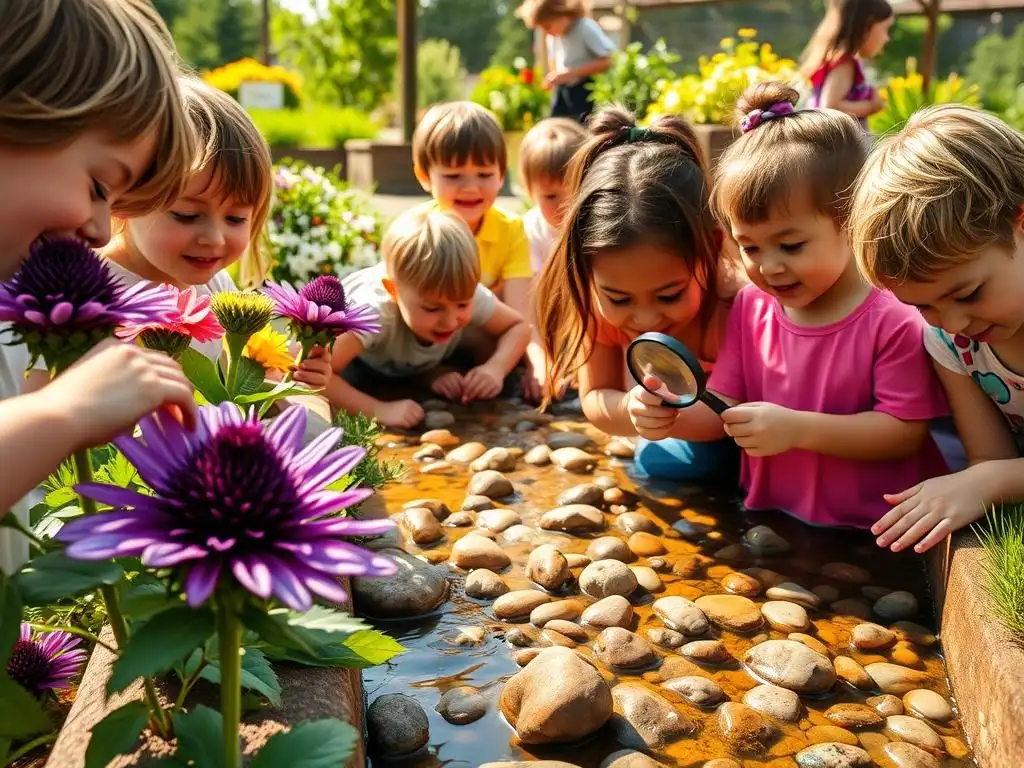
Creating a sensory garden for kids is a fantastic way to engage their senses and foster a love for nature. However, safety should always be the top priority. This section details crucial safety measures and best practices to ensure a fun and secure experience for young gardeners. Remember, even seemingly harmless plants can pose risks to children if not handled correctly. Careful planning and constant supervision are key components of successful and safe sensory garden kids activities.
Selecting Safe Plants for Children's Sensory Gardens
Choosing non-toxic plants is paramount when designing a sensory garden for kids. Avoid plants known to be poisonous or irritating to the skin. Many common garden plants, while beautiful, contain compounds that can be harmful if ingested. Instead, opt for plants with soft, interesting textures and vibrant scents that are safe for little hands and mouths to explore.
Here's a list of plant types generally considered safe for sensory gardens, categorized for easy selection:
- Soft & Fuzzy: Lamb's ear ( Stachys byzantina), Dusty Miller ( Jacobaea maritima), and certain varieties of ornamental grasses offer delightful textures for tactile exploration. Always check for any potential allergies before introducing these plants.
- Fragrant & Safe: Lavender ( Lavandula), Chamomile ( Matricaria chamomilla), and Rosemary ( Salvia rosmarinus) provide wonderful aromas without posing a risk. Their strong scents can be particularly engaging for children.
- Visually Appealing & Safe: Sunflowers ( Helianthus annuus), Zinnias ( Zinnia elegans), and Nasturtiums ( Tropaeolum majus) boast beautiful colors and interesting shapes, providing visual stimulation without the risk of toxicity. Nasturtium leaves and flowers are even edible!
Important Considerations:
- Allergic Reactions: Even safe plants can trigger allergic reactions in some children. Introduce new plants gradually and monitor children closely for any signs of irritation or discomfort. 1
- Thorns and Spines: Avoid plants with thorns or spines, such as roses or cacti, to prevent injuries.
- Potential Irritants: Some plants, while not toxic, can cause skin irritation. Always wash hands thoroughly after handling any plants.
Supervising Children During Sensory Exploration in the Garden
Constant supervision is crucial, regardless of the plants chosen. Young children are naturally curious and may put things in their mouths. Never leave children unsupervised in the garden, even for short periods. Active supervision allows you to intervene if a child attempts to touch or ingest a potentially harmful substance.
Here are some practical tips for supervising children in a sensory garden:
- Designated Play Areas: Create clearly defined areas within the garden for different activities. This helps to manage the children's exploration within a safe space.
- Regular Check-Ins: Regularly check on the children to ensure they are engaging safely with the plants and not putting anything in their mouths.
- Age-Appropriate Activities: Choose activities appropriate for the children's age and developmental stage. Younger children may need more hands-on supervision.
- Establish Clear Rules: Set clear rules and expectations before entering the garden, emphasizing the importance of safe exploration.
Educating Children About Plant Safety and Respect for Nature
Teaching children about plant safety and the importance of respecting nature is an integral part of creating a positive and educational gardening experience. This goes beyond simply identifying poisonous plants; it involves fostering a sense of responsibility and appreciation for the environment.
Here are some ways to educate children about plant safety:
- Interactive Lessons: Use interactive methods like storytelling, games, and hands-on activities to teach children about plant safety and responsible gardening practices.
- Plant Identification: Help children learn to identify different plants in the garden, highlighting the safe and unsafe ones.
- Respect for Nature: Emphasize the importance of respecting plants and avoiding unnecessary damage. Teach them to gently touch plants and avoid pulling them up.
- Hands-on Learning: Engage children in simple gardening tasks such as watering, weeding, and harvesting, allowing them to develop a deeper understanding and appreciation for the plants.
By incorporating these safety measures and educational practices, you can create a sensory garden that is both enriching and safe for children, providing a valuable learning experience while nurturing their connection with the natural world. Remember, careful planning and consistent supervision are key to ensuring a positive and memorable experience for everyone.
1 Always consult with a pediatrician or allergist if you have concerns about potential allergic reactions to specific plants.
Maintaining a Thriving and Engaging Sensory Garden for Kids
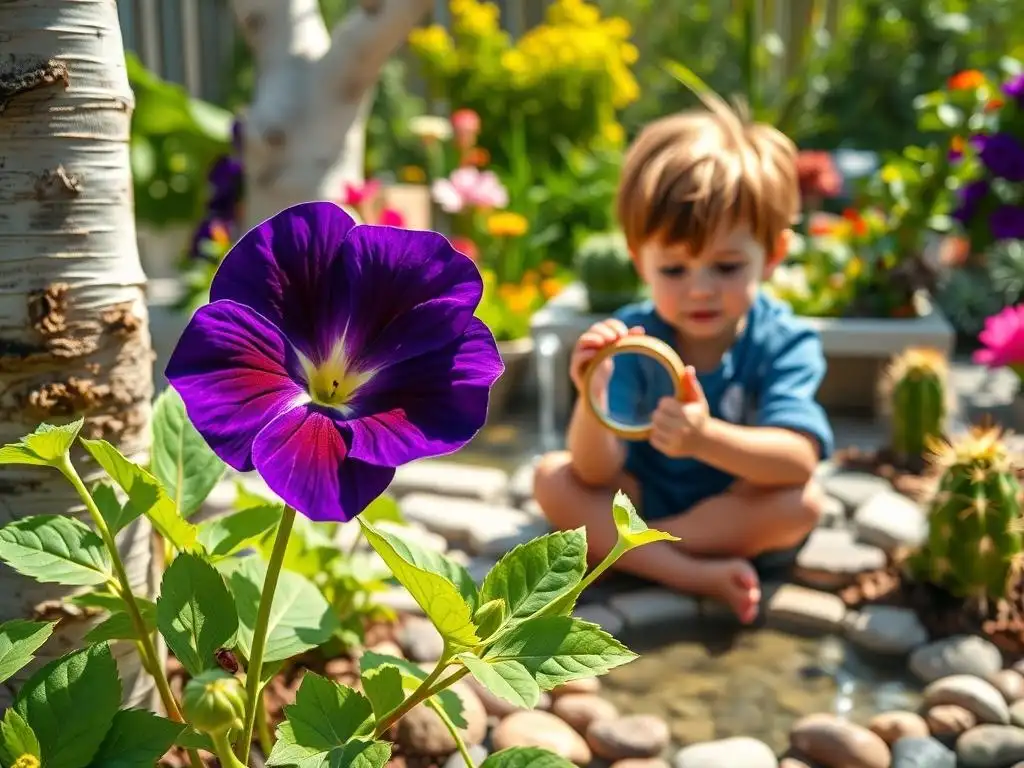
Creating a sensory garden for kids is a rewarding experience, but maintaining its vibrancy and appeal requires consistent effort. A well-maintained garden not only provides a rich sensory experience but also teaches children about the responsibilities of nurturing plants. This section focuses on practical steps to keep your sensory garden flourishing, maximizing its educational and playful potential for your little ones. Remember, a healthy garden is a happy garden! This is key for successful sensory garden kids activities.
Regular Maintenance and Weeding for Optimal Sensory Experience
Regular weeding is crucial for maintaining the health and beauty of your sensory garden. Weeds compete with your plants for nutrients and water, hindering their growth and potentially affecting the textures children interact with. For example, a patch of soft lamb's ear can be quickly overtaken by prickly weeds, compromising the intended sensory experience. Aim to weed regularly, ideally once a week, especially during the growing season. Consider making weeding a fun activity for kids!
They can help pull out smaller weeds, learning about plant identification and the importance of keeping the garden tidy. Introduce them to the different textures of weeds – some are soft and fuzzy, others are coarse and prickly – adding another layer to their sensory exploration. Using small, child-friendly tools can make the task more engaging and less daunting. Remember to always supervise young children during weeding activities.
The frequency of weeding also depends on the type of plants you have chosen. Fast-growing plants might require more frequent weeding than slower-growing ones. Regular monitoring will allow you to identify and address any weed problems early on, preventing them from overwhelming your carefully cultivated sensory plants. You might even create a "weed chart" with pictures and descriptions to help children learn to identify common garden weeds. This adds an educational element to the sensory garden kids activities.
Watering and Soil Care for Healthy Plant Growth and Texture
Proper watering and soil care are fundamental to ensuring your plants thrive and maintain their desirable textures. Overwatering can lead to root rot and soggy soil, making the experience unpleasant for children. Underwatering, on the other hand, can result in dry, brittle leaves and stems, reducing the sensory appeal. The ideal watering schedule depends on factors such as climate, soil type, and plant species. Observe your plants carefully; the soil should feel moist but not waterlogged. Consider using a moisture meter to help you determine when your plants need watering.
Maintaining healthy soil is equally important. Healthy soil provides essential nutrients and promotes optimal plant growth. Regularly adding compost or other organic matter will improve soil structure, drainage, and fertility. Children can participate in this process by helping turn compost or adding mulch around the plants.
This adds a tactile element to the sensory garden kids activities, allowing them to experience the different textures of compost and mulch. Explain the benefits of healthy soil and how it contributes to the growth of plants with appealing textures. For example, you could show them how fluffy compost improves drainage and prevents the soil from becoming too compact.
Seasonal Changes and Adaptations in the Sensory Garden for Kids
A successful sensory garden requires adapting to the changing seasons. As seasons shift, so do the needs of your plants and the sensory experiences they offer. In spring, you might focus on planting fast-growing plants with soft textures, like lettuce or spinach. Summer might bring in herbs with strong aromas and varied textures, like rosemary or lavender. Autumn offers opportunities to explore the textures of fallen leaves and harvest vegetables with diverse textures, such as pumpkins or gourds. Winter might involve adding interesting elements like pinecones or winter berries, providing tactile stimulation even when many plants are dormant.
Seasonal changes also affect watering and maintenance needs. Summer requires more frequent watering, while winter may necessitate protection from frost. Adjust your weeding schedule accordingly; weeds tend to grow faster in warmer months. Plan ahead for each season, selecting plants that thrive during that time and offer a variety of textures for children to explore.
Consider creating a seasonal plan for your sensory garden, outlining the types of plants to grow, maintenance tasks, and sensory activities for each season. This will ensure your sensory garden remains engaging and educational throughout the year, providing ongoing sensory garden kids activities. Remember to document your seasonal changes and share the experience with your children – it's a valuable learning opportunity!
Expanding the Sensory Garden: Adding More Tactile Elements Over Time
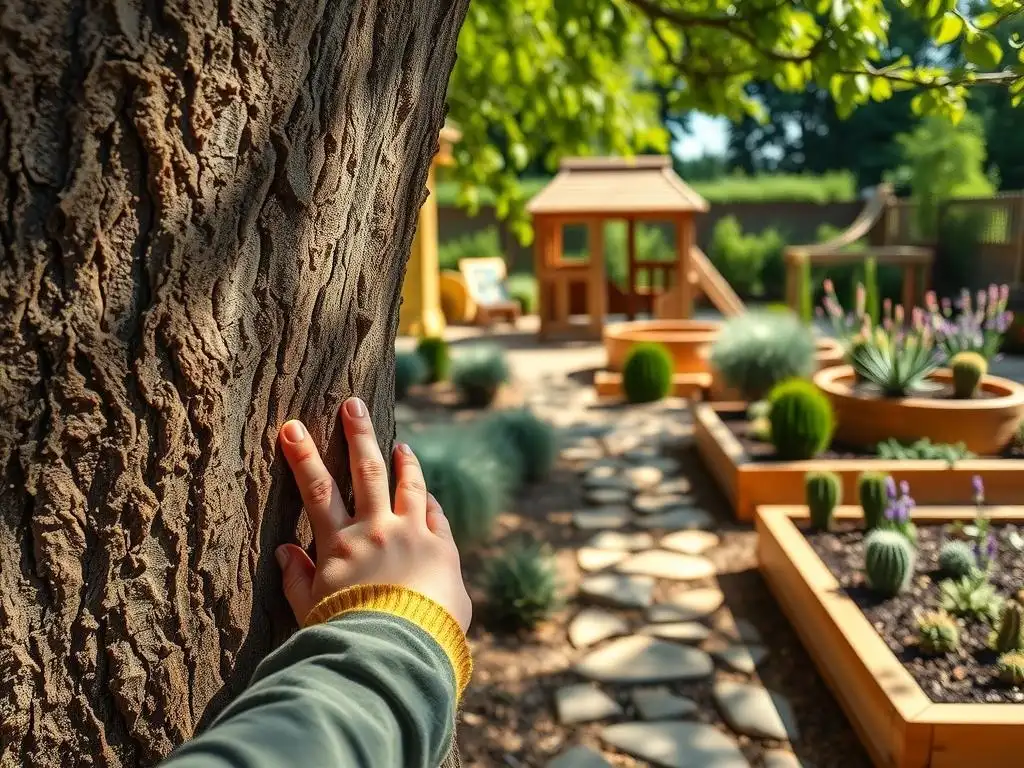
Building a sensory garden for kids is an ongoing process. The initial planting is just the beginning of a journey of discovery and growth, both for the plants and the children. To keep the sensory experience fresh and engaging, it's crucial to plan for expansion and the introduction of new tactile elements over time. This ensures sustained interest and continued learning. Children's sensory development is dynamic, and your garden should evolve to meet their changing needs and capabilities. Remember, the goal is to foster a love of nature and gardening through exciting, hands-on experiences.
Introducing New Plants with Unique Textures for Continued Sensory Exploration
Initially, you might focus on plants with easily identifiable textures – soft lamb's ear, prickly cacti (safely placed! ), and smooth, cool jade plants. However, the possibilities are vast! Consider introducing plants with varying textures throughout the growing seasons. This provides a constantly evolving sensory landscape.
Think about adding:
- Fuzzy Plants: Consider adding plants like dusty miller ( Senecio cineraria), with its silvery, fuzzy leaves, or even certain varieties of ornamental grasses with soft, feathery blades. These offer a delightful contrast to smoother textures.
- Rough Plants: Introduce plants with coarser textures like succulents with knobby surfaces or plants with slightly prickly leaves (ensure these are child-safe and appropriately placed). This helps children understand the diversity of plant life.
- Silky Plants: Plants like certain ferns or begonias offer a unique silky or velvety texture that children will find fascinating. The variation in touch sensations will enrich their sensory experience.
- Spiky Plants: While caution is needed, carefully chosen spiky plants like certain types of thistles (in contained areas) can introduce children to a wider range of textures and promote careful observation. Remember to emphasize safety and responsible handling.
This phased approach allows for a gradual introduction of new sensory experiences, preventing sensory overload and encouraging careful exploration. Remember to label each plant clearly with its name and a brief description of its texture, fostering vocabulary development alongside sensory exploration. This expands the learning experience beyond just touch.
Incorporating Raised Garden Beds for Accessible Tactile Exploration
Raised garden beds offer significant advantages in a sensory garden designed for children. They provide easier access for children of all ages and abilities, allowing them to directly interact with plants at their own level. This is crucial for children with mobility challenges or those who prefer to sit or kneel while exploring.
The materials used for the raised beds also contribute to the tactile experience. Consider using:
- Untreated Wood: Provides a natural, rough texture that contrasts with the plants' textures.
- Smooth Stones: Create a visually and tactilely appealing border, offering a cool, smooth surface for children to touch.
- Recycled Materials: Using repurposed materials like pallets (properly treated) adds a unique dimension to the garden and sparks conversations about sustainability.
The height of the raised beds should be adjusted to suit the children's height, ensuring comfortable and safe access. This inclusive design ensures that all children can participate fully in the sensory exploration. Think about different heights of raised beds to accommodate children of varying ages and sizes. The design should be child-centered and encourage independent exploration.
Creating a Sensory Path with Different Textures for Enhanced Engagement
A sensory path is a fantastic addition to any sensory garden, offering a unique tactile experience that complements the plants. This path can wind through the garden, connecting different areas and adding an extra layer of engagement for children.
Consider using a variety of materials to create a diverse tactile experience:
| Material | Texture Description | Sensory Benefit | Safety Considerations |
|---|---|---|---|
| Smooth stones | Smooth, cool, hard | Calming, grounding | Ensure stones are securely fixed |
| Wood chips | Rough, slightly yielding | Stimulating, grounding | Check for splinters and sharp edges |
| Pebbles | Varied sizes, rough | Textural exploration, stimulating | Ensure pebbles are not too sharp |
| Soft sand | Fine, yielding | Soothing, calming | Consider adding a border to contain sand |
| Cork pieces | Soft, yielding, slightly bouncy | Interesting tactile experience | Ensure pieces are large enough to avoid choking hazards |
Remember to consider the safety of each material and ensure that the path is well-maintained to prevent accidents. The path should be designed to be both engaging and safe for children to explore independently and with supervision. The combination of textures along the path creates a dynamic sensory experience that encourages exploration and discovery. This element of the garden will be particularly engaging for children, stimulating their tactile senses and promoting a deeper connection with nature. 🌱
Frequently Asked Questions
What is a sensory garden?
A sensory garden is a garden designed to stimulate the five senses: sight, smell, touch, taste, and hearing. It uses a variety of plants with different textures, colors, scents, and sounds to create a rich sensory experience, especially beneficial for children.
Why are sensory gardens good for kids?
Sensory gardens offer developmental benefits for children, improving their understanding of the natural world and enhancing cognitive, social, and emotional skills through interactive exploration. They are also incredibly fun!
What types of plants are best for a kid's sensory garden?
Choose plants with a variety of textures, like fuzzy lamb's ear, smooth-leaved succulents, and rough-barked trees. Include fragrant herbs like lavender and mint, and colorful flowers with interesting shapes. Consider plants with varied sounds from rustling leaves to buzzing bees.
How can I make a sensory garden safe for kids?
Prioritize non-toxic plants and avoid anything poisonous or thorny. Ensure the area is well-maintained and free of hazards, such as sharp objects or slippery surfaces. Supervise children closely while they explore the garden.
What are some fun activities for kids in a sensory garden?
Encourage kids to touch different textures, smell the flowers, listen to the sounds of nature, and even gently taste some edible plants (with supervision!). You can also create nature collages using materials from the garden or play "I Spy" using sensory descriptions.
Final Reflection: Cultivating Connection Through Sensory Exploration
The power of touch, often overlooked in our increasingly digital world, remains a fundamental pathway to learning and joy, especially for children. A sensory garden, thoughtfully designed, becomes a vibrant classroom where tactile exploration fosters cognitive development, emotional regulation, and a deeper connection with the natural world. This is not merely a playful activity; it's a crucial element in nurturing well-rounded, resilient young minds.
The impact of sensory experiences, particularly tactile ones, on childhood development is profound and far-reaching. It shapes not only a child's understanding of their environment but also their self-awareness and ability to interact meaningfully with others. As the renowned educator Maria Montessori once said, Play is the work of the child.
In a sensory garden, play becomes a powerful tool for learning, fostering creativity, problem-solving skills, and a sense of wonder that can last a lifetime. The simple act of feeling the rough bark of a tree, the smooth petals of a flower, or the cool dampness of the soil connects children to the earth in a way that transcends mere observation.
Consider the possibilities. Imagine the joy on a child's face as they discover the velvety texture of a lamb's ear plant, or the thrill of burying their hands in cool, soft sand. This isn't just about creating a pretty space; it's about building a foundation for lifelong learning and appreciation for the natural world.
You, too, can cultivate this connection. Create your own sensory garden, however small, and watch as the transformative power of touch unfolds before your eyes. Encourage the children in your life to explore, to touch, to feel, and to discover the magic hidden within the textures of the natural world.
Unleash Your Child's Inner Gardener: Grow Sensory Experiences Today!
Thank you for exploring the wonderful world of sensory gardening with us! We hope you've discovered new ways to engage your children with nature and nurture their development. Now it's time to put these ideas into action!
- Design your own mini-sensory garden: Start small! Even a single pot with a variety of textured plants, such as fuzzy lamb's ear, smooth jade plant, and spiky succulents, can be a fantastic beginning. Consider incorporating a range of textures to stimulate your child's senses.
- Share your sensory garden creations! Show us your budding masterpieces (and any budding gardeners!) on social media using #CultivateSensoryFun.
- Challenge a friend or family member to create their own sensory garden. Spread the joy of tactile exploration and the wonder of nature!
Ready to transform your child's playtime and spark their curiosity about the natural world? What exciting texture will you introduce to your little gardener today?