
The Story of Food: Engaging Kids with the Journey from Garden to Plate

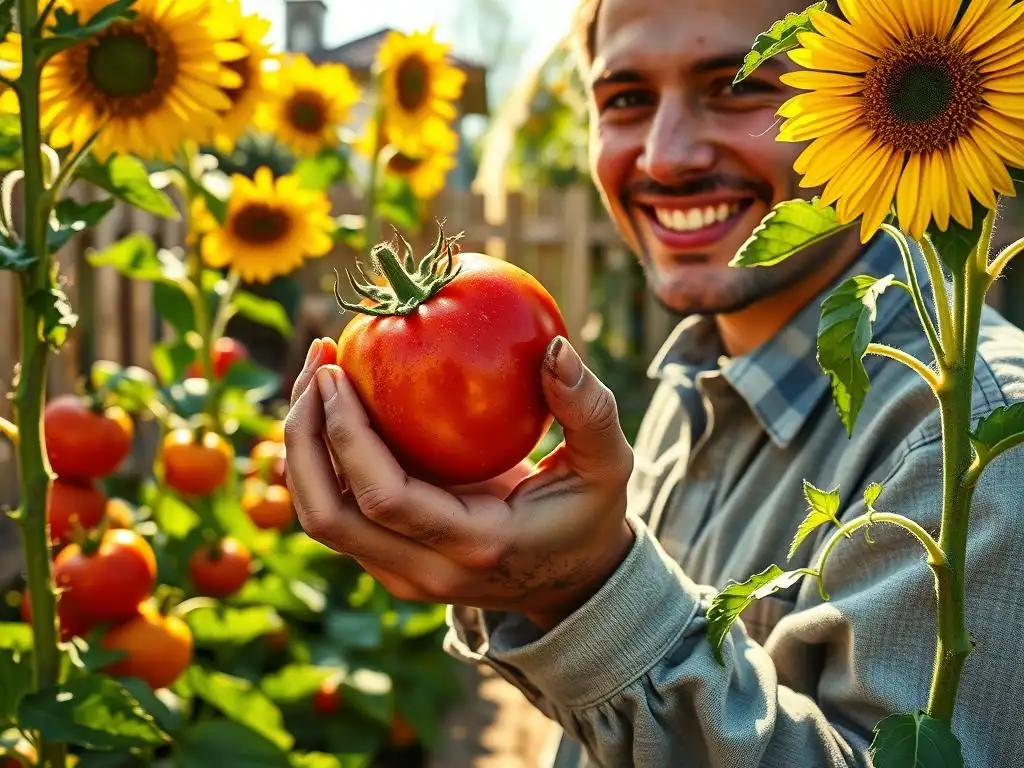
Welcome to CultivateYourFood, where we empower you to grow your own delicious and healthy produce! Are you ready to transform your backyard into a vibrant oasis and share the wonder of nature with your children? Our focus on sustainable and organic practices makes gardening accessible to everyone. Discover how to cultivate a thriving garden and embark on an exciting journey with our article on Kids gardening: garden to plate, a hands-on guide that will inspire the next generation of home growers. Let's get started—your family's culinary adventure awaits!
- Kids Gardening: Garden to Plate - A Fun and Educational Adventure
- Harvesting the Rewards: A Kid-Friendly Guide to Picking Produce
- Kids Gardening: Garden to Plate - Cooking and Creating Together
- Extending the Learning: Connecting Kids to Food Systems
- Resources for Engaging Kids in Gardening and Cooking
- Frequently Asked Questions
- Final Reflection: Cultivating a Deeper Connection with Food
- Unleash Your Little Gardener's Potential!
Kids Gardening: Garden to Plate - A Fun and Educational Adventure
Connecting children with the origins of their food fosters a deeper appreciation for nature, healthy eating, and sustainable practices. This article explores how to engage kids in the entire journey, from planting seeds in the garden to savoring the fruits (and vegetables!) of their labor on their plates. We’ll delve into age-appropriate activities that transform gardening from a chore into an exciting adventure, building valuable life skills and creating lasting memories.
By actively participating in the process, children develop a stronger understanding of where their food comes from, promoting healthier eating habits and a greater respect for the environment. This "garden to plate" experience is not just about growing food; it's about nurturing a lifelong love for nature and healthy living. Let's embark on this enriching journey together!
Planting Seeds of Curiosity: Introducing Children to the Growing Process
Starting a garden with kids requires careful planning and age-appropriate tasks. Begin by selecting easy-to-grow plants like sunflowers, radishes, or beans. These fast-growing varieties provide quick gratification, keeping young gardeners engaged. Involve them in every step, from choosing seeds to preparing the soil.
Explain the importance of sunlight, water, and nutrients for plant growth. Use simple analogies they can understand. For example, explain that water is like a drink for plants, helping them grow tall and strong. Consider creating a visual aid, such as a chart showing the growth stages of the chosen plants. This helps them track progress and understand the time involved in the process.
Don't forget the fun! Make planting a playful experience. Let them decorate their small pots with paint or markers. You can even have a "seed planting ceremony" – a special moment to celebrate the beginning of their gardening adventure. Remember to emphasize patience and observation as crucial elements of the process.
From Seed to Sprout: Observing Plant Growth and Development
Once the seeds are planted, the real adventure begins! Regular observation is key to maintaining engagement and fostering a sense of responsibility. Encourage children to check on their plants daily, noting any changes in size, color, or leaf development. Keep a detailed journal or create a growth chart to document the progress visually. This hands-on approach transforms learning into an exciting game.
Consider incorporating simple experiments to enhance their understanding of plant needs. For instance, compare the growth of two identical plants – one watered regularly and the other left relatively dry. This demonstrates the crucial role of water in plant growth. Similarly, you can compare plants grown in sunlight versus shade to highlight the importance of light. Remember to document the results and discuss the observations with your young gardener. This interactive learning method strengthens their understanding of plant biology in a fun and engaging way.
Nurturing Nature: Hands-on Activities for Young Gardeners
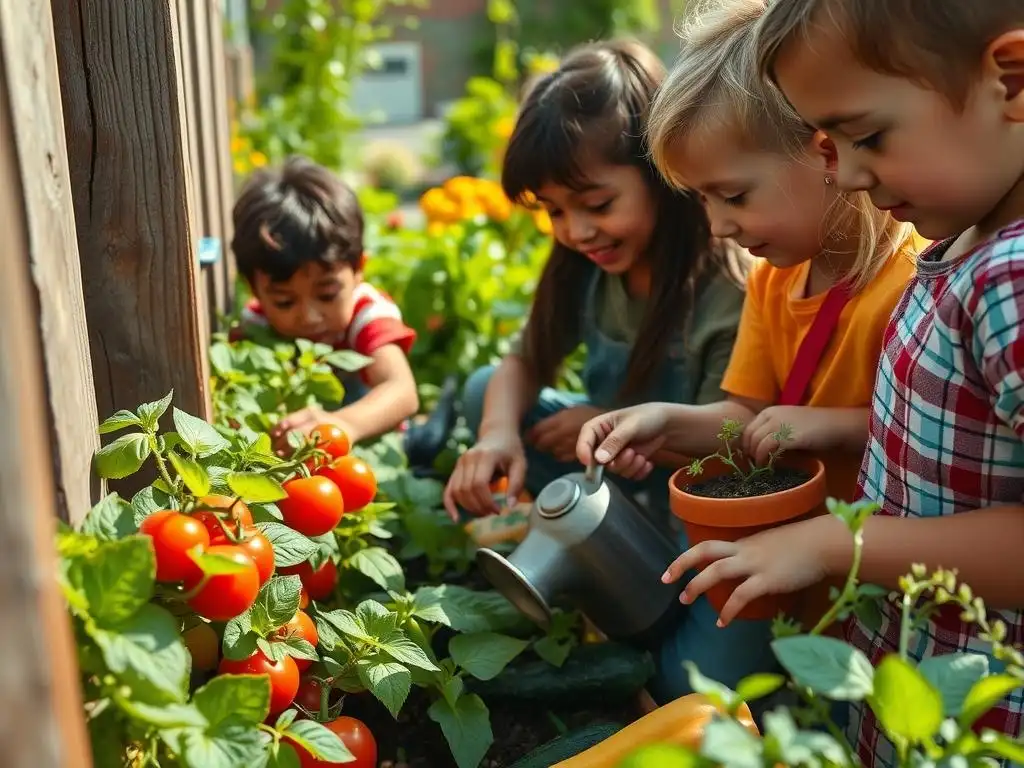
Gardening with kids isn’t just about planting and watching; it’s about actively participating in the plant’s care. Assign age-appropriate tasks like watering (using a small watering can), weeding (carefully removing unwanted plants), and gently loosening the soil. These tasks teach responsibility and the importance of nurturing living things.
Incorporate other nature-based activities alongside gardening. For example, create a bug hotel to attract beneficial insects, or build a small bird feeder to observe local wildlife. These activities broaden their understanding of the ecosystem and how all living things are interconnected. You can also make compost from kitchen scraps, demonstrating the circularity of nature and reducing waste.
This hands-on experience teaches valuable lessons about sustainability and environmental responsibility. Remember to celebrate their successes along the way! 🎉 The journey from garden to plate is filled with small triumphs, and acknowledging these achievements boosts their confidence and reinforces their connection with nature.
Harvesting the Rewards: A Kid-Friendly Guide to Picking Produce
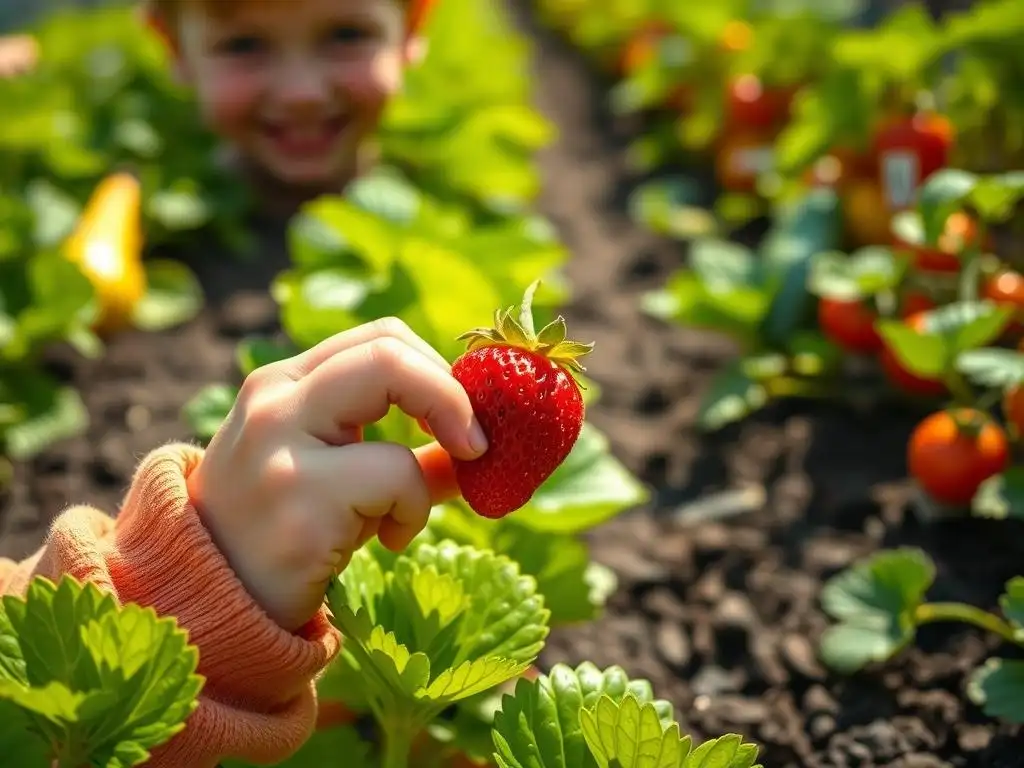
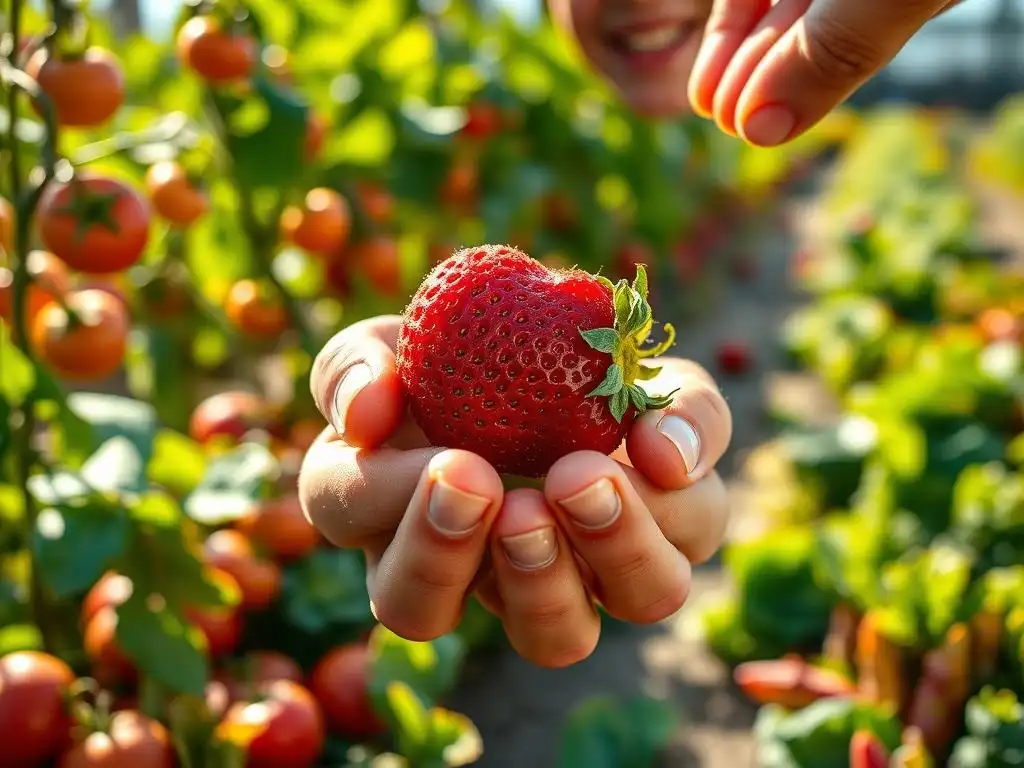
This section focuses on transforming your little ones from enthusiastic planters into proud harvesters. Learning to harvest is a crucial step in the "Kids gardening: garden to plate" journey, teaching responsibility and appreciation for the food cycle. It's more than just picking; it's about understanding the delicate balance of the garden ecosystem and ensuring future harvests.
Gentle Harvesting Techniques: Protecting Plants and Ensuring a Good Yield
Harvesting isn't just about grabbing the biggest, ripest fruits and vegetables. It's about doing it gently to avoid damaging the plant and ensuring future growth. Think of it as a respectful interaction, like borrowing something precious. With younger children, emphasize the importance of using both hands to support the plant while picking.
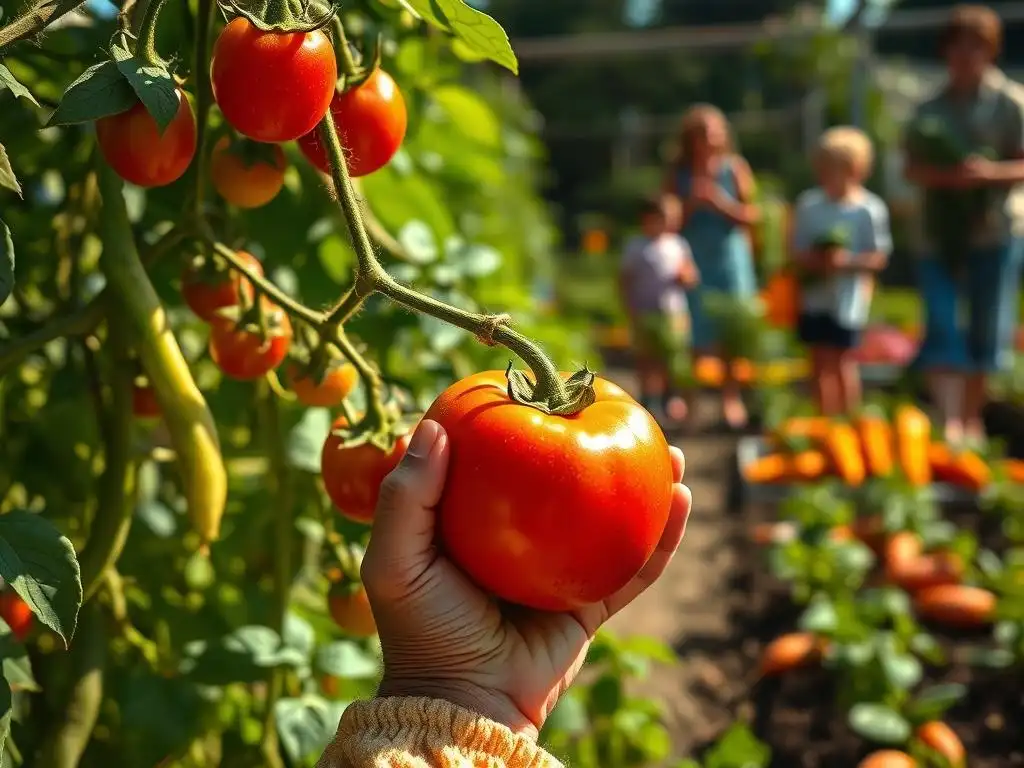
For example, when harvesting tomatoes, instead of yanking them off the vine, show them how to gently twist the tomato at the stem, leaving the stem attached to the plant. This prevents damage and reduces the chance of disease. Similarly, when harvesting leafy greens like lettuce, teach them to cut the leaves with clean scissors close to the base of the plant, leaving the root system intact.
This promotes regrowth, extending the harvest period. This gentle approach is key to maintaining a thriving garden and fostering a sense of responsibility in your young gardeners. Remember to demonstrate the proper techniques before letting them try it themselves, ensuring they understand the importance of this process in sustainable gardening.
Identifying Ripe Fruits and Vegetables: Color, Texture, and Smell Clues
Knowing when a fruit or vegetable is ready for harvest is a vital skill. It's not always about size; color, texture, and even smell play important roles. This is a great opportunity to engage kids' senses and turn harvesting into a fun sensory experience. For example, a ripe tomato will often exhibit a deep red color and a slight give when gently squeezed.
Similarly, a ripe watermelon will sound hollow when thumped. Encourage your children to use their sense of smell as well. Many fruits and vegetables release fragrant aromas as they ripen, signaling their readiness for picking.
Create a chart with images and descriptions of various fruits and vegetables at different stages of ripeness: a vibrant green pepper versus a deep red one, a hard, unripe peach versus a soft, juicy one. This visual aid will help children understand the subtle differences and become more confident in their harvesting abilities. This hands-on learning experience connects them directly with the produce and fosters a deeper understanding of the "Kids gardening: garden to plate" process.
Washing and Preparing Harvested Produce: Safe Food Handling Practices for Kids
Once the harvest is complete, the next step is cleaning and preparing the produce. This is a crucial aspect of the "Kids gardening: garden to plate" experience, emphasizing food safety. Before starting, ensure everyone washes their hands thoroughly. Next, gently wash the harvested fruits and vegetables under cool running water, removing any dirt or debris.
A soft brush can be helpful for cleaning more delicate items. For leafy greens, consider using a salad spinner to remove excess water. Teach children the importance of handling food hygienically. Explain why washing is necessary to remove potentially harmful bacteria and pesticides.
This is a perfect opportunity to discuss safe food handling practices, emphasizing the importance of clean hands and surfaces. You can even create a fun checklist together to ensure every step is followed correctly. This reinforces the importance of hygiene and sets a good foundation for future cooking endeavors. Turning this into a fun, interactive activity will make learning about food safety both enjoyable and memorable for your young gardeners.
Kids Gardening: Garden to Plate - Cooking and Creating Together
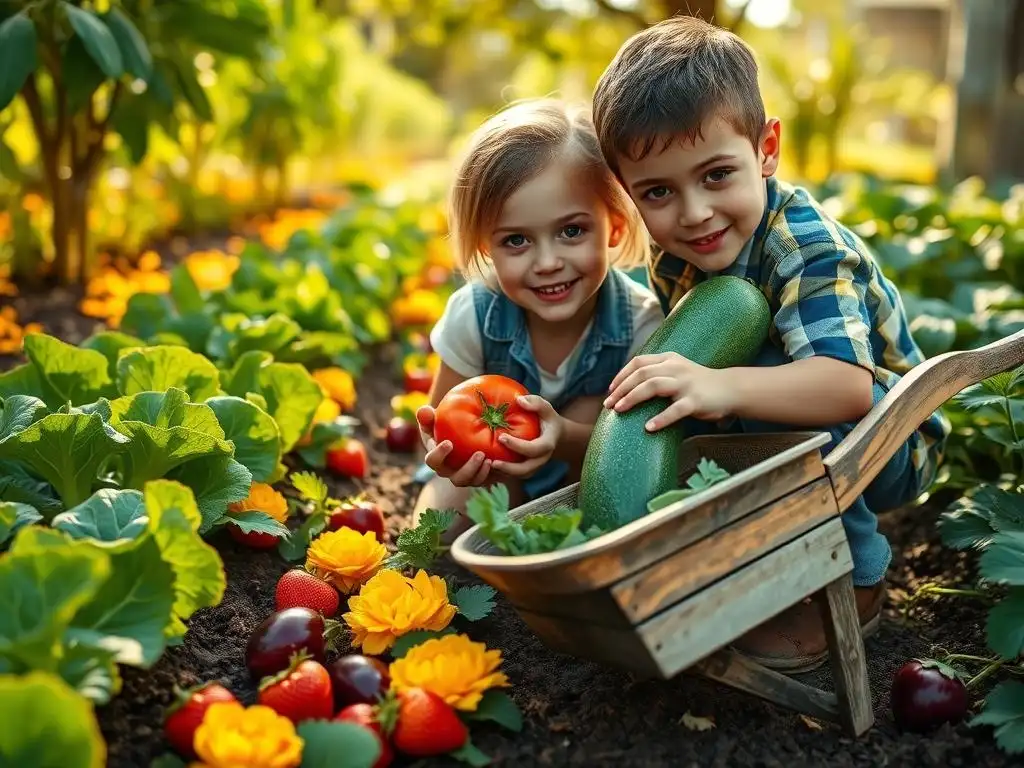
This section focuses on bridging the gap between the garden and the kitchen, transforming the fruits (and vegetables!) of your children's labor into delicious and memorable meals. We'll explore age-appropriate recipes, creative culinary experiences, and the importance of celebrating the harvest together as a family. Engaging kids in the entire process, from planting seeds to savoring the final dish, fosters a deeper appreciation for food and its origins, promoting healthy eating habits and a connection to nature.
This "garden to plate" journey is not just about cooking; it's about building lasting memories and strengthening family bonds. The key is to make it fun and accessible for all ages. Let's get started!
Simple Recipes for Young Chefs: Age-Appropriate Dishes Using Garden Bounty
Even the youngest gardeners can participate in simple cooking tasks. Start with recipes that require minimal chopping and cooking time, focusing on techniques that are easy for small hands to manage. Here are a few ideas:
- Fruit Salad Fiesta: Washing and chopping soft fruits like strawberries, blueberries, and bananas is a great starting point. Let kids choose their favorite combinations and arrange them artfully on a platter. Add a dollop of yogurt or a sprinkle of granola for extra nutrition and appeal. This is a fantastic way to introduce the concept of healthy snacking.
- Caprese Skewers: For slightly older children, assembling Caprese skewers is a fun and engaging activity. Simply thread cherry tomatoes, mozzarella balls (bocconcini), and fresh basil leaves onto skewers. A drizzle of balsamic glaze adds a touch of sophistication. This recipe introduces different textures and flavors, promoting adventurous eating.
- Simple Veggie Dip: Kids can help prepare a healthy veggie dip by mashing avocado or blending hummus. Serve with an array of colorful raw vegetables like carrot sticks, cucumber slices, and bell pepper strips. This recipe encourages healthy snacking and teaches about food pairings.
Remember to always supervise young children in the kitchen and emphasize food safety practices. Let them choose their own ingredients, encouraging creativity and ownership of their culinary creations. The goal is to make cooking a positive and enjoyable experience, not a chore. Consider using kid-friendly measuring cups and spoons to make the process even more engaging. 🎉
Creative Culinary Experiences: Involving Kids in Meal Preparation
Beyond simple recipes, there are numerous ways to involve children in the culinary process. Think beyond just following a recipe; consider these creative approaches:
- Herb Identification and Use: Teach children to identify different herbs from your garden (e.g., basil, parsley, mint). Let them smell and taste the herbs, discussing their distinct flavors and aromas. Incorporate them into various dishes to enhance the taste and nutritional value.
- Homemade Pizza Night: Making pizza from scratch is a fantastic family activity. Kids can help prepare the dough (with adult supervision, of course! ), spread the sauce, and add their favorite toppings from the garden. This hands-on experience allows them to customize their pizza and appreciate the effort that goes into preparing a meal.
- Garden-to-Table Journaling: Encourage kids to document their culinary journey. Have them create a journal where they can record the steps involved in growing, harvesting, and cooking their garden produce. They can include drawings, photos, and tasting notes. This activity enhances their observation skills and encourages reflection on the entire process.
The key is to make it a fun, collaborative effort. Let children take the lead in certain aspects of meal preparation, fostering a sense of accomplishment and pride in their contributions. Even seemingly small tasks, like washing vegetables or setting the table, contribute to a sense of shared responsibility and family teamwork. 👨👩👧👦
Enjoying the Fruits of Labor: A Family Meal Celebration
The final stage of the "garden to plate" journey is the most rewarding: sharing a meal together as a family. This is an opportunity to celebrate the hard work and dedication that went into growing and preparing the food.
- Themed Meal: Consider creating a themed meal based on the garden harvest. For example, a "Tomato Fiesta" might include a tomato salad, tomato soup, and tomato bruschetta. This adds a sense of occasion and makes the meal even more special.
- Gratitude and Appreciation: Take a moment before the meal to express gratitude for the food and the effort that went into producing it. This teaches children the importance of appreciating food and respecting the natural resources involved in its creation.
- Storytelling and Sharing: Encourage family members to share stories and memories related to the gardening and cooking process. This strengthens family bonds and creates lasting memories.
The family meal should be more than just sustenance; it should be a time for connection, conversation, and celebration. By transforming the garden harvest into a shared culinary experience, you not only teach children about food but also cultivate a deeper appreciation for family, nature, and the simple joys of life. This is the essence of "Kids gardening: garden to plate"—a journey of growth, both in the garden and within the family.
Extending the Learning: Connecting Kids to Food Systems
This section focuses on extending the "garden-to-plate" experience beyond a single activity, fostering a deeper understanding of food systems and sustainable practices in young minds. We'll explore how to engage children in learning about where their food comes from and the importance of environmentally conscious choices. This deeper engagement is crucial for promoting healthy eating habits and responsible environmental stewardship.
The goal is to instill a lifelong appreciation for the connection between their actions and the food they consume. Effective strategies involve making learning fun, interactive, and relevant to their daily lives. This is key for successful "Kids gardening: garden to plate" initiatives.
Understanding Food Miles: Where Does Our Food Come From?
Understanding "food miles" – the distance food travels from farm to table – is a crucial step in connecting kids to the broader food system. Many children are unaware of the journey their food takes before reaching their plate. A simple activity involves mapping the origin of various foods.
For example, you can create a chart listing common fruits and vegetables, and have children guess their origins. Then, research the actual origins together, highlighting the distance traveled. This exercise can be visually engaging using colorful markers and a world map.
Consider focusing on locally sourced foods to emphasize the benefits of reduced food miles: lower carbon emissions, fresher produce, and support for local farmers. You can even take a field trip to a local farm to see firsthand where some of their food comes from, making the learning experience more tangible and memorable. This hands-on approach significantly improves the impact of the "Kids gardening: garden to plate" lesson.
The Importance of Sustainable Practices: Protecting Our Planet
Engaging children in sustainable practices is vital for creating environmentally conscious future generations. The connection between gardening and environmental responsibility is significant. Explain to children how composting reduces waste and enriches the soil, benefiting the plants and reducing landfill waste. Discuss water conservation techniques, like using watering cans instead of hoses, and the importance of choosing organic methods to avoid harmful pesticides. You can visually represent the impact of different practices using charts comparing the environmental footprints of organic versus conventional farming. For example, a table comparing water usage or pesticide use could make a significant impact.
| Practice | Water Usage (Liters/kg) | Pesticide Use (kg/hectare) | Environmental Impact |
|---|---|---|---|
| Organic Farming | 1000 | 0 | Low |
| Conventional Farming | 1500 | 5 | High |
| Data is illustrative and may vary based on crop and location. |
Furthermore, discuss the impact of food waste, highlighting how much food is wasted globally and suggesting ways to minimize it at home. This might involve creative repurposing of leftover vegetables or composting food scraps. By actively participating in these sustainable practices, children develop a deeper sense of responsibility towards the environment, complementing the "Kids gardening: garden to plate" experience and fostering a lasting connection with nature.
This holistic approach ensures that the “Kids gardening: garden to plate” initiative isn’t just about growing food, but about understanding the wider implications of our food choices. It’s about fostering responsible citizens of tomorrow, who understand and care about the planet.
Resources for Engaging Kids in Gardening and Cooking
This section provides valuable resources to help parents and educators engage children in the exciting journey from garden to plate. We'll explore age-appropriate books and activities, as well as online resources designed to foster a love for gardening and cooking in young minds. Remember, making the experience fun and educational is key to cultivating a lifelong appreciation for healthy, homegrown food. This aligns perfectly with our "Kids gardening: garden to plate" keyword strategy, highlighting the complete process for children.
Age-Appropriate Gardening Books and Activities
Engaging children in gardening requires selecting resources tailored to their developmental stage. Younger children (ages 3-5) respond well to vibrant illustrations and simple narratives. Older children (ages 6-10) can handle more complex concepts and longer texts. Here's a breakdown of suitable resources:
For Younger Children (3-5):
- Picture Books: Look for books with large, colorful pictures depicting the growth cycle of plants. Books focusing on specific vegetables or fruits, like "The Very Hungry Caterpillar" (though not strictly gardening-focused, it illustrates the lifecycle beautifully), can be highly effective.
- Sensory Activities: Engage their senses! Let them feel the soil, smell the herbs, and touch the leaves. Planting large seeds like beans or sunflowers is a great start. Simple crafts using natural materials from the garden can enhance the experience.
- Hands-on Activities: Keep it simple! Focus on tasks like watering plants with a small watering can or helping to weed (under close supervision). Make it a game – who can find the most weeds?
For Older Children (6-10):
- Educational Books: Introduce children to more complex concepts like composting, pest control (using safe, kid-friendly methods), and different planting techniques. Books with step-by-step instructions for simple recipes using garden produce are ideal.
- Gardening Journals: Encourage them to document their gardening journey! They can draw pictures, write observations, and record the growth of their plants. This fosters a sense of responsibility and ownership.
- More Complex Projects: Older children can handle more involved tasks like transplanting seedlings, building a small raised bed, or even starting seeds indoors. Involving them in planning the garden layout will increase their engagement.
Example Activities:
| Age Group | Activity | Description | Benefits |
|---|---|---|---|
| 3-5 | Planting Bean Seeds | Planting large bean seeds in individual pots, observing growth and watering regularly. | Develops responsibility, observation skills, and understanding of plant growth. |
| 6-10 | Building a Mini-Greenhouse | Constructing a small greenhouse using recycled materials to start seeds indoors. | Encourages creativity, problem-solving, and understanding of environmental factors. |
| 3-10 | Sensory Garden Exploration | Exploring the garden using all five senses; touching leaves, smelling flowers, feeling the soil, etc. | Enhances sensory awareness and appreciation for nature. |
Remember to always supervise young children closely while gardening and cooking. Safety should be the top priority! 🧑🌾
Educational Websites and Online Resources
The internet offers a wealth of resources for kids gardening, extending learning beyond books. Many websites provide age-appropriate information, interactive games, and videos to engage children in the process:
- Interactive Games: Numerous websites offer online games focusing on plant growth, healthy eating, and the importance of gardening. These games can be highly effective in reinforcing concepts learned in the garden.
- Virtual Gardens: Some websites allow children to create and manage virtual gardens, providing a safe and engaging space to experiment with different plants and techniques without the mess of a real garden.
- Educational Videos: Videos showcasing the entire process, from planting to harvesting and cooking, can be incredibly engaging for children. Look for videos with clear instructions and engaging visuals.
This combination of physical activities and online resources provides a well-rounded approach to "Kids gardening: garden to plate," ensuring a fun and educational experience for children of all ages. The key is to make it an enjoyable journey, fostering a lifelong love for gardening and healthy eating. Remember to adapt activities and resources to the child's specific interests and abilities for optimal engagement. 🌱
Frequently Asked Questions
How can I get my kids involved in the garden-to-plate process?
Start small! Assign age-appropriate tasks like planting seeds, watering, or harvesting small crops. Make it fun by letting them choose their favorite vegetables to grow.
What are some fun activities to connect kids to their food?
Try cooking together using freshly harvested ingredients. Create a garden journal to track plant growth or have a tasting party to celebrate the harvest.
What are the benefits of a garden-to-plate project for kids?
It teaches valuable life skills, fosters a healthy relationship with food, and increases appreciation for where food comes from. It also promotes healthy eating habits.
How do I handle picky eaters in a garden-to-plate project?
Let kids choose what they want to grow. Involve them in the entire process, from planting to cooking. Positive reinforcement and making it fun are key.
What if we don't have a large garden space?
Even a small balcony or window box can support a garden-to-plate project. Choose compact plants like herbs or dwarf vegetables. Focus on a few key items.
Final Reflection: Cultivating a Deeper Connection with Food
The journey from garden to plate is more than just a process; it's a transformative experience that fosters appreciation for nature, nutrition, and the interconnectedness of our food systems. This understanding is crucial in a world grappling with food insecurity and a growing disconnect between consumers and their food sources. We need to nurture a generation that understands where their food comes from and the effort involved in bringing it to their table.
Witnessing the wonder on a child's face as they harvest a tomato they planted themselves, or the pride they feel sharing their homegrown vegetables with family, is truly inspiring. These moments underscore the profound impact of hands-on gardening experiences. We don't inherit the earth from our ancestors, we borrow it from our children.
This quote highlights the responsibility we have to instill in young minds a respect for the environment and the resources it provides. The act of gardening teaches valuable lessons about patience, responsibility, and the cyclical nature of life, all while fostering a healthy relationship with food.
Now, consider your own relationship with food. Where does your food come from? Do you know the farmers who grow it? Take a moment to reflect on this. Perhaps you can start a small herb garden on your windowsill, or volunteer at a community garden. Even small actions can make a difference in fostering a deeper connection with the food we consume and the world around us. Let's empower the next generation to become conscious, engaged eaters, cultivating a future where food is celebrated, cherished, and sustainably sourced.
Unleash Your Little Gardener's Potential!
Thanks for joining us on this delicious journey from garden to plate! We hope you've discovered fun and engaging ways to connect your kids with the wonder of food. Now, let's put that knowledge into action and nurture those budding green thumbs.
- Start a mini-garden: Even a small herb pot on a windowsill can spark a child's curiosity about where food comes from. Planting fast-growing herbs like basil or chives provides quick gratification and encourages further exploration!
- Create a "Food Journey" scrapbook: Document your family's food adventures – from planting seeds to preparing and enjoying meals together. Include photos, drawings, and even your favorite recipes!
- Share your experience: Inspire other families to connect with food! Share your mini-garden successes or family food adventures in the comments below.
What simple step will you take today to make food more engaging for your child?