
Veggie Faces: Planting and Decorating Seedlings with Kids

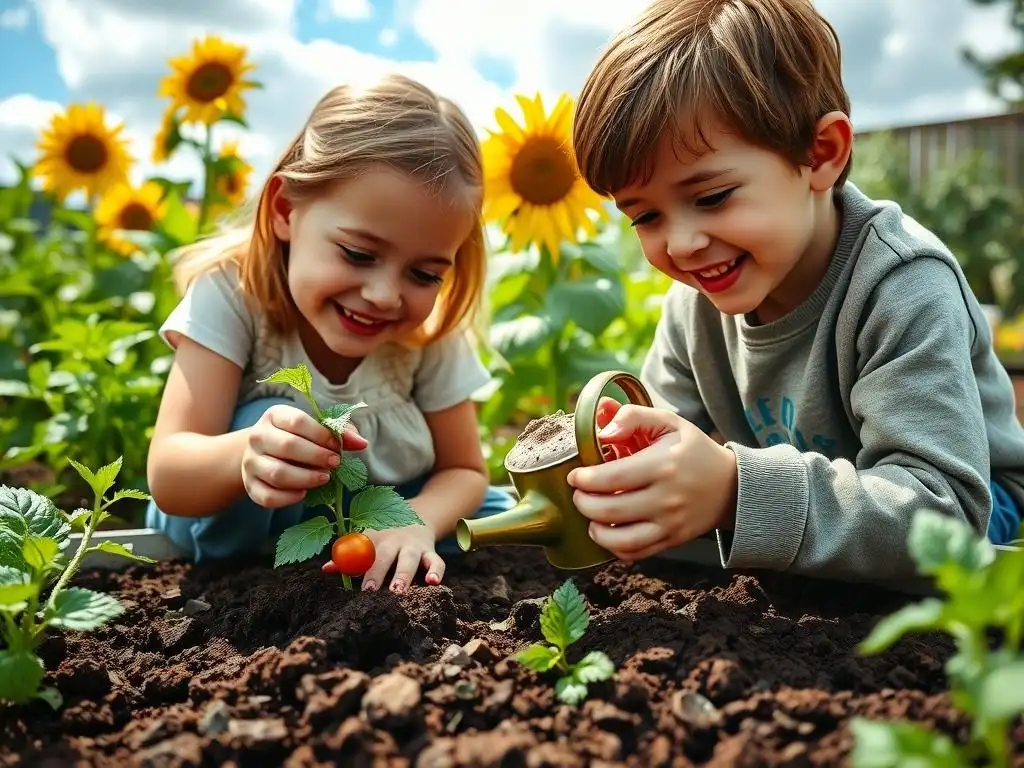
Ready to transform your backyard into a vibrant, edible landscape? CultivateYourFood is your guide to growing your own fruits, vegetables, and herbs organically. But what if we told you that cultivating your garden could also cultivate precious family memories? Discover the joy and wonder of planting veggies with kids in our latest article, "Veggie Faces: Planting and Decorating Seedlings with Kids," and unlock a world of sustainable gardening fun for the whole family. Let's get growing!
- Fun Gardening Activities: Planting Veggies with Kids
- Planting Your Veggie Faces: A Step-by-Step Guide
- Creative Decoration Ideas for Your Veggie Faces
- Encouraging Children's Participation in the Garden
- Harvesting and Enjoying Your Veggie Faces
- Extending the Fun: More Veggie Gardening Projects for Kids
- Frequently Asked Questions
- Final Reflection: The Enduring Power of Tiny Sprouts
- Unleash Your Inner Gardener: Grow and Decorate!
Fun Gardening Activities: Planting Veggies with Kids
Planting vegetables with children isn't just about growing food; it's about fostering a love for nature, teaching responsibility, and creating lasting memories. This article explores a fun and engaging project: creating "Veggie Faces" – planting seedlings and decorating them with child-friendly techniques. This activity transforms the often-daunting task of seed starting into a playful and educational experience, making gardening accessible and enjoyable for kids of all ages.
We'll guide you through choosing the right seeds, gathering necessary supplies, and preparing seed starting trays, ensuring a successful and delightful gardening adventure for you and your little ones. Get ready to get your hands dirty and watch those little sprouts grow into something truly special!
This project is perfect for building foundational gardening skills while having a blast, helping children understand the lifecycle of plants and the importance of sustainable practices from a young age. Let's cultivate a love for growing things, one veggie face at a time!
Choosing the Right Seeds for Veggie Faces
Selecting the right seeds is crucial for a successful Veggie Faces project. Consider seeds that germinate quickly and produce easily recognizable shapes for creating facial features. Here are some excellent options:
- Radishes: Their rapid growth and round shape make them perfect for creating "cheeks" or "noses."
- Sunflowers: These tall and stately plants can serve as the perfect "hair" for your veggie faces. Choose smaller varieties for easier management.
- Beans: Bush beans, with their varied colors, can be used to create “eyes” or other facial elements.
- Lettuce: Loose-leaf lettuces offer a vibrant green backdrop and can be used to fill in any gaps.
Remember to choose organic seeds whenever possible, aligning with the sustainable practices promoted on CultivateYourFood. Consider the overall size of the plants at maturity to ensure they'll fit comfortably in your chosen containers. Think about color variations, too! A mix of red, green, and yellow seeds can lead to more creative and colorful veggie faces.
Gathering Supplies for Planting and Decorating
Before you begin, gather all necessary supplies to ensure a smooth and enjoyable planting experience. Here's a checklist:
- Seed Starting Trays: Choose trays with individual cells to prevent overcrowding.
- Seed Starting Mix: A high-quality seed starting mix provides optimal conditions for germination. Avoid using garden soil directly, as it can be too dense for delicate seedlings.
- Watering Can with a gentle rose: This will prevent damage to the delicate seedlings.
- Small gardening tools: A small trowel or spoon for planting will be useful for little hands.
- Decorative elements: This is where the fun begins! Consider using:
- Googly eyes: These are a classic and fun addition.
- Pipe cleaners: These can be shaped into hair or other facial features.
- Small stones or pebbles: Perfect for creating mouths or other details.
- Natural materials: Collect small twigs, leaves, or flowers from your garden for added creativity.
Preparing Seed Starting Trays and Soil for Young Gardeners
This step is best done with the children's help, making them active participants in the process. Here's how to prepare:
- Fill the Seed Starting Trays: Gently fill each cell of the seed starting tray with the seed starting mix, leaving a little space at the top. Make sure to level the soil in each cell.
- Planting the Seeds: Show children how to gently place the seeds in the soil according to the seed packet instructions. Usually, a depth of about twice the seed's diameter is sufficient.
- Watering Gently: Use the watering can with a rose to gently water the soil, ensuring it's moist but not soggy. Avoid overwatering, which can lead to damping off.
- Labeling the Trays: Help children label each cell with the type of seed planted and the planting date. This encourages observation and record-keeping.
- Providing Sunlight: Place the trays in a sunny location, ensuring they receive adequate sunlight for germination. A south-facing window is ideal.
Remember to involve the children in every step, explaining the process as you go. This hands-on experience will make them excited to watch their veggie faces grow! Soon, you'll have a garden bursting with personality and delicious, homegrown vegetables! 🎉
Planting Your Veggie Faces: A Step-by-Step Guide
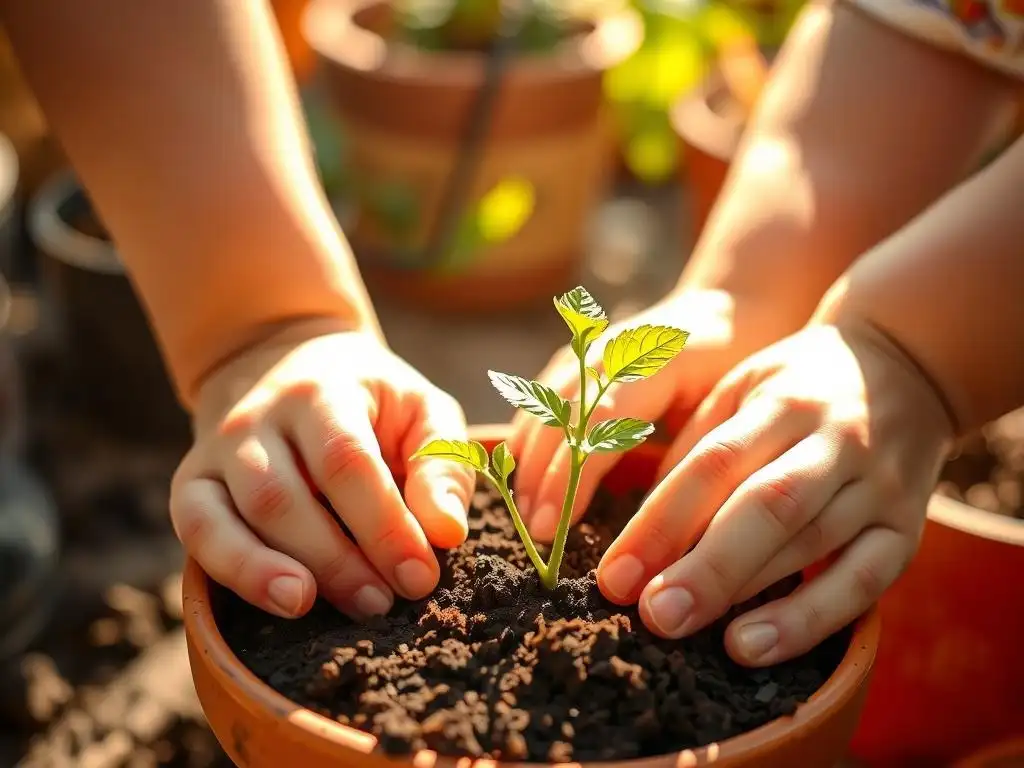
This section provides a detailed, step-by-step guide on planting vegetables with children, focusing on creating fun "veggie faces." We'll cover seed selection, planting techniques, seedling care, and creative decoration ideas to transform your seedlings into adorable characters. Remember, the goal is to make planting veggies with kids an enjoyable and educational experience. This project fosters a love for gardening from a young age and teaches valuable lessons about plant care and sustainability.
Step 1: Planting the Seeds for Your Vegetable Faces
Choosing the right seeds is crucial for a successful "veggie face" project. Consider fast-growing vegetables with large, easily identifiable leaves for the "face" base. Radishes, lettuce (e.g., butterhead or loose-leaf varieties), and even certain herbs like cilantro or dill work well. Their rapid growth allows children to see quick results, boosting their enthusiasm.
For the "facial features," select small, contrasting plants. For example:
- Eyes: Small, colorful flowers like nasturtiums (edible!) or even tiny, brightly colored pepper seedlings could be used.
- Nose: A small sprig of rosemary or thyme could form a cute nose.
- Mouth: A trailing plant like a small strawberry seedling or a creeping herb could be used to create a smiling mouth.
Before planting, prepare the soil. Children can help mix the soil with compost, learning about soil composition and its importance. Use seed starting mix or a well-draining potting soil amended with organic compost. Ensure the soil is moist but not soggy.
Next, have your children gently plant the seeds for the main "face" (radish, lettuce, etc.) in small individual pots or sections of a larger container. Follow the seed packet instructions for planting depth and spacing. Gently water the seeds after planting. Remember to label each pot with the vegetable's name—a great opportunity to practice writing skills! This is a great way to get kids involved in the entire process of planting veggies with kids.
Step 2: Caring for Seedlings and Ensuring Healthy Growth
Once planted, consistent care is key to healthy growth. Children can take on age-appropriate responsibilities, learning about plant needs while having fun.
- Watering: Teach children to water gently, avoiding overwatering which can lead to root rot. Regular, consistent watering is more effective than infrequent, heavy watering. Encourage them to check the soil moisture by sticking a finger into the soil; if it feels dry an inch below the surface, it's time to water. 💦
- Sunlight: Ensure the seedlings receive adequate sunlight. Most vegetables need at least 6 hours of sunlight daily. Rotate the pots regularly to ensure even growth. ☀️
- Weeding: If planting in a larger container, help children identify and remove weeds, explaining how weeds compete with the seedlings for nutrients and water. 🌱
- Pest Control: Regularly inspect seedlings for pests. Introduce children to organic pest control methods, such as handpicking pests or using insecticidal soap. 🐞
Regular observation is key. Encourage children to document the seedlings' growth using a journal or drawing, fostering observation skills and recording data related to planting veggies with kids. This process transforms a simple gardening activity into a science project.
Step 3: Adding the "Facial Features" – Creative Decoration Ideas
Once the main "face" seedlings have developed a few true leaves (usually after a few weeks), it's time for the creative part! This is where the "facial features" come in.
Carefully transplant the smaller seedlings (eyes, nose, mouth) into the soil around the main "face" seedling, creating a whimsical face. Ensure there's enough space between the plants for growth.
Here are some fun decoration ideas:
- Using natural materials: Small pebbles or twigs can add extra details to the face.
- Edible markers: Use food-safe markers to add extra details such as eyelashes or eyebrows. This is a fun way to add a bit more personality.
- Recycled materials: Use small, clean bottle caps or other recycled materials to create unique features.
Remember to continue caring for the entire "veggie face" as you would for individual plants. This activity is a wonderful way to introduce children to the world of gardening, teaching them about plant care, creativity, and sustainability while making planting veggies with kids a memorable experience. The final result is a unique and rewarding gardening project that combines fun and learning.
Creative Decoration Ideas for Your Veggie Faces
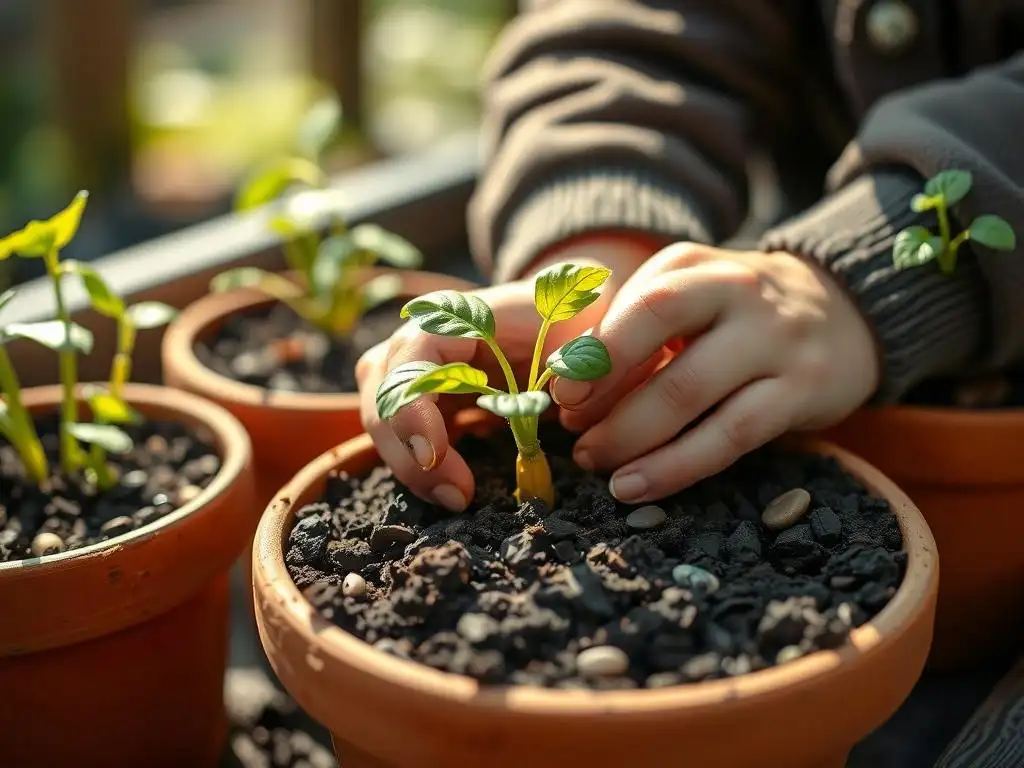
Planting veggies with kids is not just about getting your hands dirty; it's about fostering a love for nature and creating lasting memories. Transforming your seedlings into adorable "Veggie Faces" adds a playful twist to the gardening experience, making it even more engaging for young ones. This section explores fun and creative ways to decorate your burgeoning plants, encouraging creativity and resourcefulness. Remember, the goal is to create fun and whimsical faces, not to overwhelm the delicate seedlings. Always prioritize the health and wellbeing of the plants.
Using Natural Materials for Veggie Face Decorations
Nature provides a treasure trove of materials perfect for decorating your veggie faces. Think beyond the usual craft store supplies and embrace the beauty of the natural world. For example, small pebbles can become charming eyes, while twigs can be fashioned into quirky smiles or antennae for your plant creations. Here are some inspiring ideas:
- Eyes: Use small, smooth pebbles, colorful seeds (like beans or corn), or even carefully cut slices of dried fruit. Consider the size and weight to avoid damaging the seedling.
- Noses: Small pinecones, acorns, or even rolled-up bits of bark can create wonderfully unique noses. Secure them gently with biodegradable twine or small, plant-safe clips.
- Mouths: A simple smile can be crafted from a small, thin twig or a piece of brightly colored leaf. For a more elaborate mouth, consider using carefully arranged seeds or small flower petals.
- Hair: Use dried grasses, soft moss (ensure it's not treated with chemicals), or even thin strips of colorful fabric scraps (ensure they are biodegradable or compostable) to create fun hairstyles for your veggie faces.
Remember to always check the materials for any potential harm to your plants before using them. Avoid anything that could leach harmful chemicals into the soil. Consider the size and weight of the decorations to prevent damage to the delicate seedlings. A light touch is key! This hands-on activity teaches children about resourcefulness and appreciating the natural world while strengthening their fine motor skills.
Making Veggie Face Accessories from Recycled Materials
Recycling isn't just good for the environment; it's also a fantastic way to create unique and fun decorations for your veggie faces. Repurposing everyday items adds a sustainable dimension to your gardening project, teaching kids about responsible waste management and creative reuse. Here are a few ideas:
- Eyes: Use bottle caps (cleaned thoroughly! ), small pieces of colorful plastic (ensure they are non-toxic), or even painted craft sticks. Always ensure that any recycled material is thoroughly cleaned and free from harmful substances.
- Noses: Small pieces of felt, cork, or even plastic straws can be used to create whimsical noses. Remember to secure them gently and safely.
- Mouths: Cut small shapes from cardboard or plastic packaging (again, ensuring they are non-toxic and cleaned thoroughly) to create expressive mouths. You can also use colorful yarn or string.
- Hats: Small yogurt lids or bottle tops can be turned into adorable hats for your veggie faces. Get creative with paint or markers to add extra flair.
This approach encourages creativity and resourcefulness while subtly educating children about environmental responsibility. It's crucial to emphasize the importance of selecting safe and non-toxic materials to avoid harming the plants or the children involved. The process of transforming discarded items into charming accessories is a rewarding experience that fosters a sense of accomplishment and environmental awareness. Always supervise children during this activity to ensure safe handling of materials. Remember to prioritize the health and well-being of your seedlings above all else.
Encouraging Children's Participation in the Garden
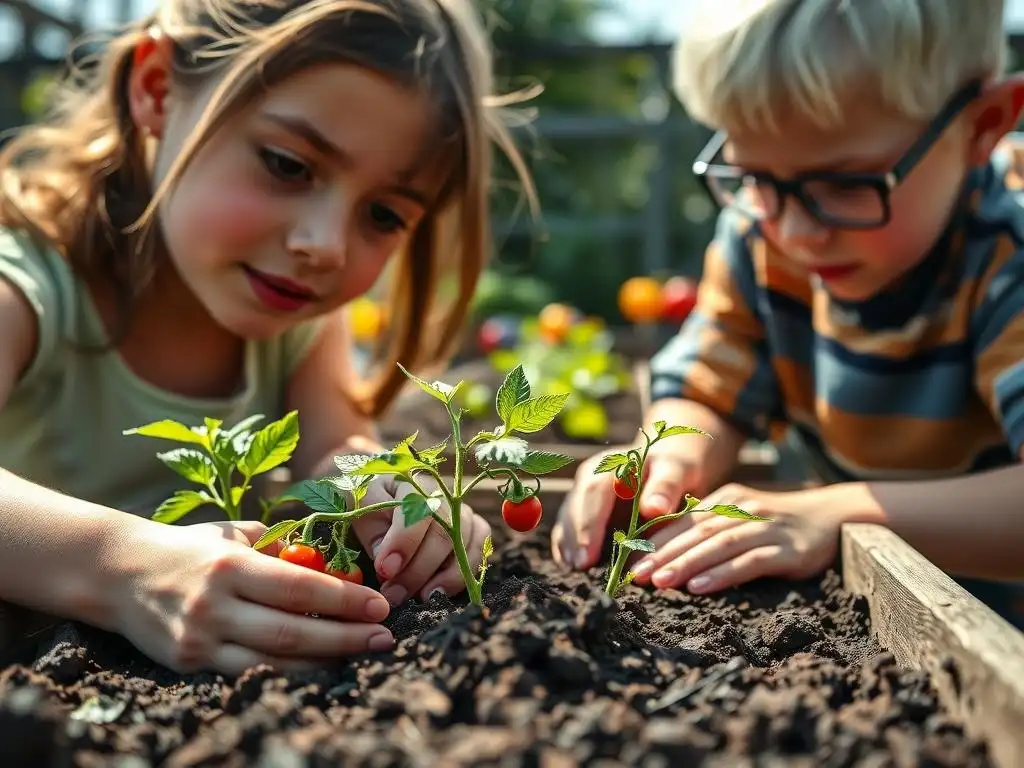
Planting veggies with kids can be a rewarding experience, fostering a love for nature and healthy eating habits from a young age. However, getting children engaged and keeping them interested requires a thoughtful approach. It's not just about planting seeds; it's about creating a positive and exciting experience. Here’s how to cultivate their enthusiasm:
Teaching Children about Plant Growth and Development
Understanding the process of plant growth is crucial for a child to appreciate the effort involved in gardening. Start with the basics: seeds, soil, water, and sunlight. Use simple analogies they can grasp. For example, explain that a seed is like a baby plant sleeping, needing warmth and water to wake up and grow. Show them how roots absorb water and nutrients from the soil, and how sunlight helps the plant make food through photosynthesis.
You can enhance their understanding with hands-on activities. Plant fast-growing seeds like radish or lettuce in clear containers so they can observe the roots developing. Measure the plant's height regularly and chart its progress. This visual representation helps them see the growth process in action. Consider creating a simple diagram illustrating the stages of plant growth, from seed germination to flowering and fruiting. This helps them visualize the entire lifecycle and understand the time and care involved in growing their own food.
The use of visual aids like colorful charts and illustrations can significantly improve their understanding and retention. Simple experiments, like comparing the growth of plants under different light conditions (sun vs. shade), can also be engaging and educational. Remember, the goal is not just to teach them facts but to ignite their curiosity and foster a sense of wonder about the natural world.
Making Gardening a Fun Family Activity
Transforming gardening into a fun family activity is key to keeping children engaged. Instead of assigning chores, frame gardening as a shared adventure. Involve them in every step, from choosing seeds to harvesting the vegetables. Make it a playful experience by incorporating games and creative activities. For instance, you could organize a "seed planting race," where each child plants their own row of seeds and sees whose plants grow the fastest.
Consider creating themed garden areas. A "fairy garden" with miniature plants and whimsical decorations can spark their imagination. They can help design and decorate the garden space, choosing colorful pots, creating plant markers with their names, or painting rocks to add to the garden. Involving them in the aesthetic aspects of gardening adds another layer of engagement.
Remember to celebrate their successes! Harvesting their own vegetables is a particularly rewarding experience. Prepare a special meal featuring the vegetables they grew, emphasizing their contribution to the process. This positive reinforcement strengthens their connection to the garden and encourages continued participation. By making gardening a fun and collaborative family activity, you're not just planting vegetables; you're planting the seeds of a lifelong appreciation for nature and healthy living. This approach transforms "planting veggies with kids" into a cherished family tradition.
Harvesting and Enjoying Your Veggie Faces

Tips for Harvesting Veggie Faces at the Right Time
Harvesting your veggie faces is a rewarding experience, especially for children who've nurtured their creations from seed to sprout. Timing is key to ensuring you get the best results and the most delicious produce. Different vegetables mature at different rates, so understanding the individual needs of your chosen vegetables is crucial. For example, radishes are typically ready for harvest in as little as 3-4 weeks from planting, while carrots might take 70-80 days. Careful observation is your best tool.
Look for signs of ripeness specific to each vegetable. For leafy greens like lettuce used for hair, check for vibrant color and a crisp texture. Avoid harvesting when the leaves are wilted or showing signs of bolting (going to seed). For root vegetables like carrots used for noses, the roots should feel firm and fully developed. Avoid harvesting too early, as this will result in small, underdeveloped vegetables. Too late, and they may become woody or tough.
Here's a helpful table summarizing approximate harvest times for common veggie face components:
| Vegetable | Approximate Harvest Time (days from planting) | Signs of Ripeness |
|---|---|---|
| Radishes | 21-28 | Firm, round, and brightly colored |
| Carrots | 70-80 | Firm, fully developed roots, orange in color |
| Lettuce | 40-60 | Vibrant green leaves, crisp texture |
| Cherry Tomatoes | 60-75 | Fully colored, slightly soft to the touch |
| Cucumber | 50-70 | Firm, fully developed, appropriate size for eyes |
Remember to harvest gently, avoiding damage to the plants or the vegetables themselves. Use a small trowel or your fingers to carefully lift root vegetables from the soil. For leafy greens, cut the leaves cleanly with scissors or a knife. Involving children in this process helps them understand the entire gardening cycle, from planting to harvest. This hands-on experience fosters a deeper appreciation for where their food comes from. The excitement of pulling a perfectly formed carrot or snipping vibrant lettuce leaves is a powerful motivator for future gardening adventures!
Creative Ways to Use Your Harvested Veggie Faces
Once you've harvested your amazing veggie faces, the fun doesn't stop! There are countless creative ways to use your bounty, ensuring minimal waste and maximizing the enjoyment. Don't just admire your creations; eat them!
One idea is to create a fun and healthy veggie face snack platter. Arrange the harvested vegetables on a plate, adding dips like hummus or ranch dressing for extra flavor. This is a great way to encourage children to try new vegetables in a fun and engaging way. You can even make it a party game, with prizes for the most creative veggie face design!
Another option is to incorporate the vegetables into a meal. Imagine a colorful salad featuring the lettuce hair and cherry tomato eyes from your veggie faces, or a soup with finely chopped carrots. The possibilities are endless. You could even involve the children in preparing the meal, further connecting them to the food they've grown.
Consider taking photos of your veggie faces before eating them. These photos can serve as a reminder of the fun planting process and the delicious results. They can also be used to decorate a gardening journal or scrapbook, documenting your family's gardening journey. This is a wonderful way to preserve memories and inspire future gardening projects. Remember to document the whole experience – planting, watering, weeding, and harvesting – to create a lasting keepsake. The smiles on your children's faces as they harvest and enjoy their veggie faces are priceless! 🥕🍅🥬
Extending the Fun: More Veggie Gardening Projects for Kids
This section explores additional gardening projects to engage children beyond simply planting seedlings. We'll delve into fun vegetable choices and creative garden design ideas perfect for little hands and big imaginations. Remember, the goal is to foster a love for gardening and healthy eating habits! Planting veggies with kids is more than just a task; it's a journey of discovery and shared experience.
Growing Other Fun Vegetables with Kids
Beyond the typical tomatoes and lettuce, many vegetables offer unique appeal to children. Their unusual shapes, colors, and tastes can spark curiosity and excitement. Consider these options for your next planting project:
- Radishes: These quick-growing root vegetables are incredibly satisfying for kids to harvest. The vibrant red color and crisp texture are appealing, and seeing the results of their labor so quickly is highly rewarding. Planting radishes is a great way to introduce the concept of crop rotation and the importance of loose soil. You can even try different varieties, like French Breakfast radishes, for added fun!
- Carrots: The classic carrot offers a wonderful opportunity to teach children about patience. While they take longer to mature than radishes, the anticipation of pulling out a bright orange carrot is a delightful experience. Consider planting colourful carrot varieties like purple or yellow carrots to make the experience even more engaging. Explain the importance of loose soil for proper root development.
- Cherry Tomatoes: These bite-sized tomatoes are perfect for little hands and mouths. Their abundance and ease of growth make them ideal for beginner gardeners. Children can easily pick them and enjoy the sweet, juicy taste right from the vine. Encourage them to observe the different stages of growth, from tiny blossoms to ripe red fruits.
- Zucchini: This prolific vegetable is another favorite among children, not only for its taste but also its surprising size. Witnessing a small zucchini blossom transform into a large, impressive vegetable is a fascinating experience for young gardeners. The abundance of zucchini also provides opportunities for creative cooking and sharing.
- Peas: Growing peas is a rewarding experience, especially when children can watch the vines climb and the pods develop. The process of shelling the peas adds another layer of engagement to the gardening project. Encourage them to count the peas in each pod and compare the sizes of different pods.
Creating a Kid-Friendly Vegetable Garden Design
Designing a vegetable garden specifically with children in mind is key to maximizing their enjoyment and participation. Think beyond the typical rows and consider these ideas:
- Raised Beds: Raised beds are easier for small children to access and maintain. They provide better drainage and warmer soil, which can accelerate growth. Kids can help fill the beds, plant seeds, and water the plants. The contained nature of raised beds can also make it easier to control weeds and pests.
- Thematic Garden: Create a themed garden based on children's favorite characters or animals. For example, a "fairy garden" with small vegetables and flowers, or a "dinosaur garden" with large, leafy greens. This approach adds a playful element to the gardening experience, making it more exciting for kids.
- Creative Pathways: Instead of straight paths, create winding paths using stones, wood chips, or even colorful mulch. This adds visual interest and makes navigating the garden more enjoyable. Children can help design and create the pathways, adding a personal touch to the garden.
- Vertical Gardening: Utilize vertical space with trellises or hanging planters to maximize the garden's potential and provide a visual display. Growing climbing plants like peas or beans vertically is both space-saving and exciting for children to watch.
- Interactive Elements: Incorporate interactive elements like a small bird bath, a bug hotel, or a scarecrow. These additions enrich the garden's ecosystem and provide opportunities for observation and learning. Children can participate in the creation of these elements and monitor the wildlife that visits the garden.
Remember to involve children in every step of the process, from planning and designing to planting and harvesting. Planting veggies with kids is about creating memories and fostering a lifelong love for gardening and healthy eating. 🌱
Frequently Asked Questions
What are the benefits of planting vegetables with kids?
Planting with kids fosters early interest in gardening, teaches responsibility and patience, and provides a fun, educational experience. It connects them with nature and healthy eating.
What are some easy-to-grow vegetables suitable for kids?
Radishes, sunflowers, and beans are excellent choices for beginners. They grow quickly, are visually appealing, and offer a sense of accomplishment.
How can I make planting vegetables fun for children?
Incorporate creative activities, like decorating pots or creating "veggie faces" on seedlings. Let them choose their favorite seeds and be actively involved in the process.
What are some essential tools for planting vegetables with kids?
Child-safe tools are crucial. Consider small trowels, watering cans, and gloves. Make sure tools are age-appropriate and easy to handle.
How can I ensure the success of our vegetable garden with kids?
Start with simple, easy-to-care-for plants. Choose a sunny spot and involve kids in regular watering and weeding, teaching them basic gardening practices. Celebrate successes together!
Final Reflection: The Enduring Power of Tiny Sprouts
Planting veggies with kids isn't just about growing food; it's about cultivating wonder, connection, and a lifelong appreciation for the natural world. The simple act of planting a seed, nurturing its growth, and eventually harvesting the fruits (or vegetables!) of your labor offers a profound lesson in patience, responsibility, and the interconnectedness of life. This experience transcends the garden itself, impacting the way we view our food, our environment, and our place within it.
The joy of watching a tiny seedling emerge from the earth, its delicate leaves unfurling towards the sun, is a powerful reminder of the beauty inherent in the simplest things. This shared experience, passed down through generations, fosters a deeper understanding of where our food comes from and the effort involved in its production. It's a connection often lost in our modern, fast-paced world. The glory of gardening: hands in the dirt, head in the sun, heart with nature. To nurture a garden is to feed not just the body, but the soul.
This quote perfectly captures the essence of what we've explored in this article, highlighting the profound emotional and spiritual benefits of gardening with children.
Now, consider your own backyard, balcony, or even a window box. What small seed of change can you plant today? Will you share the magic of growing food with a child? Will you encourage them to explore the wonders of nature, fostering a love for the earth that will last a lifetime? The power to cultivate a greener, more connected future begins with a single seed, and with the shared experience of planting it with the next generation. Let's get our hands dirty and nurture a brighter tomorrow, one tiny sprout at a time.
Unleash Your Inner Gardener: Grow and Decorate!
Thank you for joining us on this fun journey into the world of creating vegetable faces! We hope you've gained creative inspiration and practical tips for gardening with children. Now it's time to put those ideas into action!
- Plant your own vegetable face garden: Gather your seeds and start growing! Remember the tips from the article and let your creativity flourish. It's a fantastic way to engage children and encourage healthy eating habits.
- Share your creations: Take a photo of your growing vegetable faces and share them on social media using #VeggieFacesCultivate. We'd love to see your masterpieces!
- Experiment with different vegetables and create new shapes and designs. The possibilities for funny faces are endless!
What surprising vegetable will you transform into a smiling face next?