
The Benefits of Root Cellaring: Beyond Food Storage

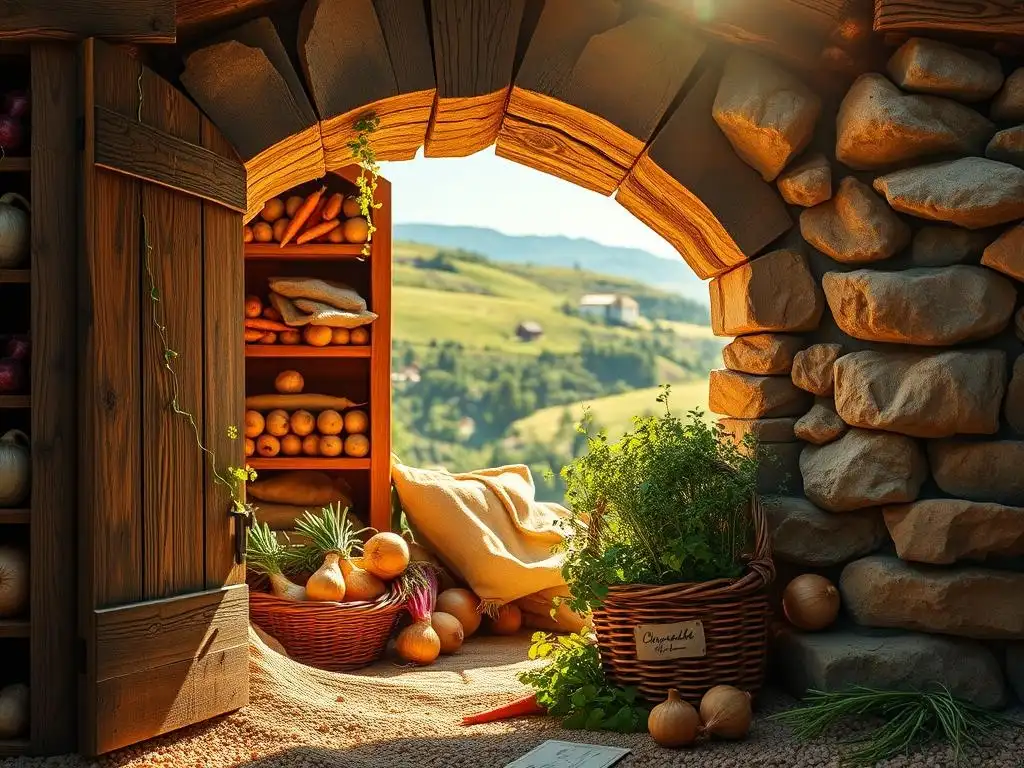
Ready to revolutionize how you think about food? At CultivateYourFood, we believe everyone can enjoy the bounty of homegrown produce. Discover the secrets to thriving harvests, from seed to table, using sustainable and organic methods. But did you know that extending the life of your harvest is just as crucial as growing it? This is where our exploration into Root Cellaring: sustainable food storage begins. Uncover the surprising benefits that go beyond simple preservation—and embark on a journey toward true food independence.
- Root Cellaring Sustainable Food Storage: An Introduction
- Extending the Harvest Season with Root Cellaring Techniques
- Optimal Root Cellar Conditions for Long-Term Vegetable Storage
- Beyond Food Preservation: The Environmental Benefits of Root Cellaring
- Building Your Own Root Cellar: A Step-by-Step Guide
- Maintaining Your Root Cellar for Optimal Performance
- Root Cellaring: A Sustainable Approach to Food Security
- Expanding Your Root Cellaring Capabilities
- Frequently Asked Questions
- Final Reflection: Harvesting Abundance: A Legacy of Sustainable Living
- Unlock Your Root Cellar's Potential: Grow, Preserve, & Thrive
Root Cellaring Sustainable Food Storage: An Introduction
Root cellaring, a time-honored practice, offers a remarkably sustainable approach to food preservation. Far from being a mere storage method, it's a holistic system that minimizes waste, reduces reliance on energy-intensive technologies, and extends the availability of fresh, homegrown produce well beyond the harvest season.
This article delves into the multifaceted benefits of root cellaring, exploring its principles, comparing it to other preservation techniques, and highlighting its crucial role in creating a more resilient and environmentally conscious food system. By understanding the advantages of root cellaring, you can significantly enhance the sustainability of your homegrown food supply and contribute to a more environmentally friendly lifestyle.
The practice aligns perfectly with the growing interest in sustainable living and the desire for greater self-sufficiency in food production. This guide will equip you with the knowledge to assess whether root cellaring is a viable and beneficial option for your own home food preservation needs.
Understanding the Principles of Root Cellaring
Root cellaring leverages the natural principles of temperature and humidity control to preserve harvested produce. The core idea is to create a cool, dark, and consistently humid environment that mimics the conditions ideal for extending the shelf life of root vegetables, tubers, and certain fruits. This is achieved through the careful construction or selection of a suitable space, often a naturally cool basement, cellar, or a purpose-built root cellar.
The ideal temperature range typically falls between 32°F (0°C) and 40°F (4°C), while humidity levels should remain consistently high, ideally around 90%. Proper ventilation is crucial to prevent the buildup of excess moisture or gases that could lead to spoilage. Understanding these principles is fundamental to successfully implementing a root cellaring system and maximizing its benefits.
Effective root cellaring requires careful attention to detail, from selecting the right location and constructing appropriate shelving to understanding the specific storage requirements of different produce. Failure to maintain the appropriate temperature and humidity can result in spoilage and reduce the effectiveness of this preservation method.
Careful selection of produce is also a key component. Only healthy, undamaged produce should be stored. Proper cleaning and preparation before storage are essential to prevent the spread of rot and disease. Regular inspection of stored produce is also necessary, removing any spoiled items promptly to prevent contamination of the rest. Careful attention to these details will ensure the long-term success of your root cellar and maximize the benefits of this sustainable food storage method.
Root Cellaring vs. Other Preservation Methods: A Comparison
Root cellaring offers several advantages over other common food preservation methods. Unlike canning or freezing, which often require significant energy input and specialized equipment, root cellaring relies primarily on natural processes. This makes it a far more energy-efficient and environmentally friendly option.
| Preservation Method | Energy Consumption | Equipment Needs | Shelf Life | Suitability for Root Vegetables | Environmental Impact |
|---|---|---|---|---|---|
| Root Cellaring | Low 1 | Minimal | Several months | Excellent | Low |
| Canning | High | Significant | 1-2 years | Good | Moderate |
| Freezing | High | Significant | Several months | Good | Moderate |
| Dehydration | Moderate | Moderate | Several months | Fair | Moderate |
1 Primarily relies on passive temperature regulation.
Compared to canning, which involves high temperatures and potentially hazardous procedures, root cellaring is safer and simpler. Freezing, while effective, can alter the texture and flavor of some produce, whereas root cellaring helps maintain the freshness and quality of the stored items. Dehydration, while energy-efficient, doesn't offer the same level of long-term storage as root cellaring for root vegetables.
The extended shelf life of produce stored in a root cellar significantly reduces food waste, a key factor in promoting sustainable food practices. The table above clearly demonstrates the comparative advantages of root cellaring in terms of energy efficiency, equipment needs, and environmental impact, making it a highly attractive option for those seeking sustainable food storage solutions.
Extending the Harvest Season with Root Cellaring Techniques
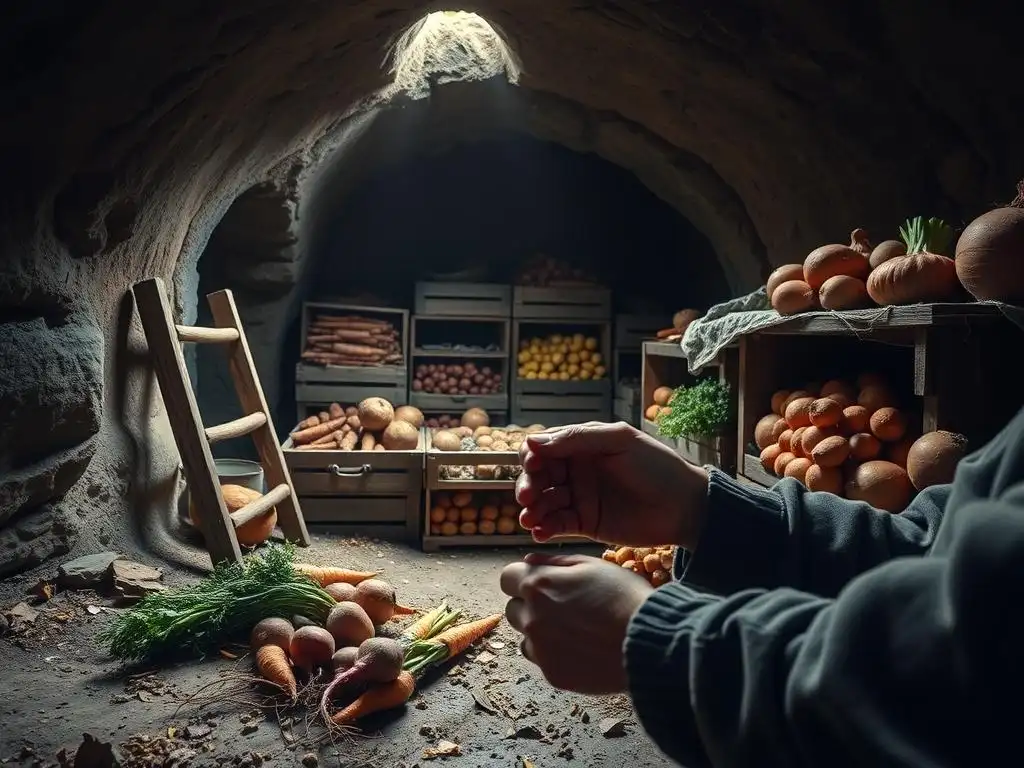
Root cellaring offers a compelling alternative to traditional food preservation methods, extending the availability of homegrown produce far beyond the typical harvest season. By mimicking the natural conditions of a cool, dark, and humid environment, root cellars allow for the long-term storage of a wide variety of root vegetables, tubers, and even some fruits. This sustainable food storage method significantly reduces food waste and enhances food security, aligning perfectly with the principles of organic and sustainable living.
The extended harvest season translates to fresher, more flavorful meals throughout the year, minimizing reliance on commercially grown produce that may have traveled long distances and endured various treatments. This is particularly valuable for those committed to "root cellaring sustainable food storage" practices. The process also allows for a deeper connection with the food cycle, fostering a greater appreciation for the effort involved in cultivating and preserving one's own food.
Preserving Freshness and Flavor Through Root Cellaring
Proper root cellaring techniques are crucial for maintaining the quality and longevity of stored produce. The goal is to slow down the respiration rate of the vegetables, preventing spoilage and preserving their optimal flavor and texture. This is achieved primarily through temperature and humidity control. Maintaining a consistent temperature between 32°F and 40°F (0°C and 4°C) is ideal for many root vegetables. Fluctuations in temperature can accelerate spoilage, so consistent monitoring is key.
Humidity levels should ideally be between 80% and 90%. Too little humidity will cause vegetables to shrivel, while too much can lead to rot. Proper airflow is also essential to prevent the buildup of moisture and the spread of mold. Ventilation should be carefully managed to avoid excessive drying or dampness. Proper spacing between stored items is crucial for adequate airflow and to prevent bruising or damage.
Careful selection and preparation of produce before storage is equally important. Only harvest vegetables when they are at their peak ripeness and free from disease or damage. Gently clean the produce before storing, removing any excess soil or debris. Avoid washing them thoroughly, as excess moisture can promote rot.
Proper curing—a period of drying after harvest—is beneficial for some vegetables, such as squash, to allow them to develop a protective layer that helps prevent spoilage. This process can significantly extend shelf life and improve flavor. Regular inspections throughout the storage period are necessary to identify and remove any spoiled items, preventing the spread of decay to other vegetables. This commitment to careful handling and regular monitoring ensures that the produce remains fresh and flavorful throughout the storage period, maximizing the benefits of root cellaring sustainable food storage.
Optimal Root Cellar Conditions for Long-Term Vegetable Storage
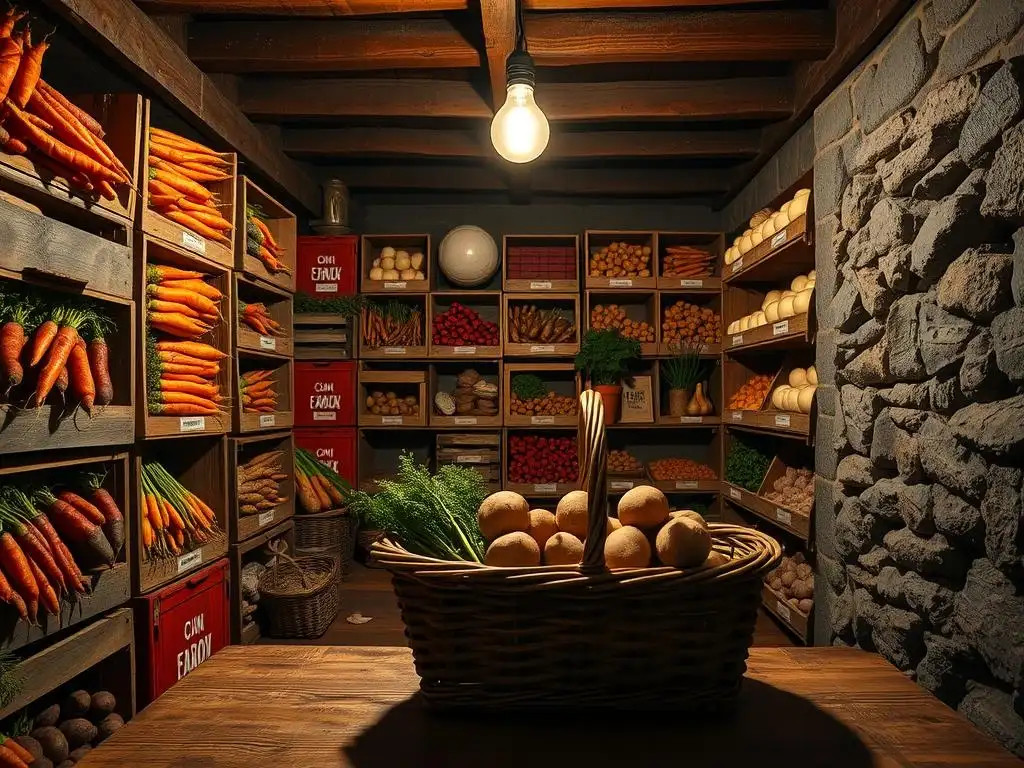
The success of root cellaring hinges on maintaining the optimal environmental conditions within the cellar. These conditions are crucial for preserving the quality and extending the shelf life of stored vegetables. A well-designed and properly managed root cellar provides a stable environment that mimics the natural conditions where these vegetables thrive during dormancy. This minimizes the metabolic activity of the vegetables, reducing the rate of spoilage and preserving their nutritional value.
Optimal Root Cellar Conditions for Long-Term Vegetable Storage
The following table summarizes the ideal conditions for long-term vegetable storage in a root cellar:
| Vegetable Type | Ideal Temperature (°F) | Ideal Humidity (%) | Notes |
|---|---|---|---|
| Potatoes | 38-40 | 85-90 | Avoid bruising; store in dark, dry area |
| Carrots | 32-36 | 90-95 | Store in sand or slightly moist peat moss |
| Beets | 32-36 | 90-95 | Store in sand or slightly moist peat moss |
| Onions | 32-40 | 65-75 | Good air circulation is crucial |
| Garlic | 32-40 | 65-75 | Good air circulation is crucial |
| Winter Squash | 50-55 | 60-70 | Cure thoroughly before storing |
| Sweet Potatoes | 55-60 | 85-90 | Requires higher temperature and humidity |
Maintaining these conditions requires careful monitoring and adjustments throughout the storage period. Regular checks using a thermometer and hygrometer are essential. Proper ventilation is crucial for regulating both temperature and humidity. Insulation is also key to maintaining a stable temperature, minimizing the impact of external temperature fluctuations. A well-insulated root cellar reduces energy consumption and ensures consistent conditions for optimal vegetable storage. The commitment to these specific environmental controls directly impacts the success of "root cellaring sustainable food storage" initiatives, ensuring the preservation of homegrown produce for extended periods. 🥕🧅🥔
Beyond Food Preservation: The Environmental Benefits of Root Cellaring
Root cellaring, while primarily known for its ability to extend the shelf life of harvested produce, offers significant advantages beyond simple food storage. It represents a powerful tool in achieving sustainable food systems and minimizing our environmental impact. By understanding and embracing these broader benefits, we can move beyond viewing root cellaring as merely a preservation technique and recognize its role in a larger, eco-conscious approach to food cultivation. This section delves into the environmental advantages, highlighting how this traditional method contributes to a more sustainable future.
Reducing Food Waste Through Sustainable Storage Practices
Food waste is a significant global problem, contributing substantially to greenhouse gas emissions and resource depletion. Root cellaring directly addresses this issue by providing a low-energy, long-term storage solution for root vegetables, winter squash, and other produce that would otherwise spoil quickly. The extended shelf life achieved through root cellaring drastically reduces the amount of food discarded, thereby minimizing waste at the household level. This translates to fewer resources expended on growing, transporting, and ultimately discarding food that never reaches the table.
Consider this: a typical household might discard 25% of its purchased produce due to spoilage. With proper root cellaring techniques, this percentage could be significantly reduced, potentially saving a considerable amount of food annually. This reduction in waste isn't just about saving money; it's about conserving the energy, water, and land used in food production.
The environmental impact of reducing food waste through root cellaring is substantial and far-reaching. The practice actively promotes a circular economy model where resources are used efficiently and waste is minimized. Furthermore, the reduced need for frequent grocery shopping, with its associated transportation emissions, further contributes to the environmental benefits.
Minimizing Your Carbon Footprint with Root Cellaring
Root cellaring offers a remarkably low-carbon footprint compared to other food preservation methods. Unlike refrigeration, which relies on energy-intensive cooling systems, root cellaring leverages natural temperature fluctuations and the earth's insulating properties. This passive approach eliminates the need for electricity, thus significantly reducing your household's carbon emissions.
The environmental benefits extend beyond energy consumption. The reduction in food waste, as discussed above, directly translates to a lower carbon footprint associated with food production and transportation. Less food produced means less land used for cultivation, less water consumed for irrigation, and fewer emissions from farming equipment and transportation vehicles. Moreover, the use of locally sourced produce for root cellaring further minimizes the carbon footprint associated with long-distance transportation.
By embracing root cellaring, you actively contribute to a more sustainable food system characterized by lower greenhouse gas emissions and reduced environmental impact. It's a simple yet effective way to make a positive contribution to the planet, one root vegetable at a time. The long-term benefits of adopting this practice for root cellaring sustainable food storage are substantial and deserve wider adoption.
Building Your Own Root Cellar: A Step-by-Step Guide
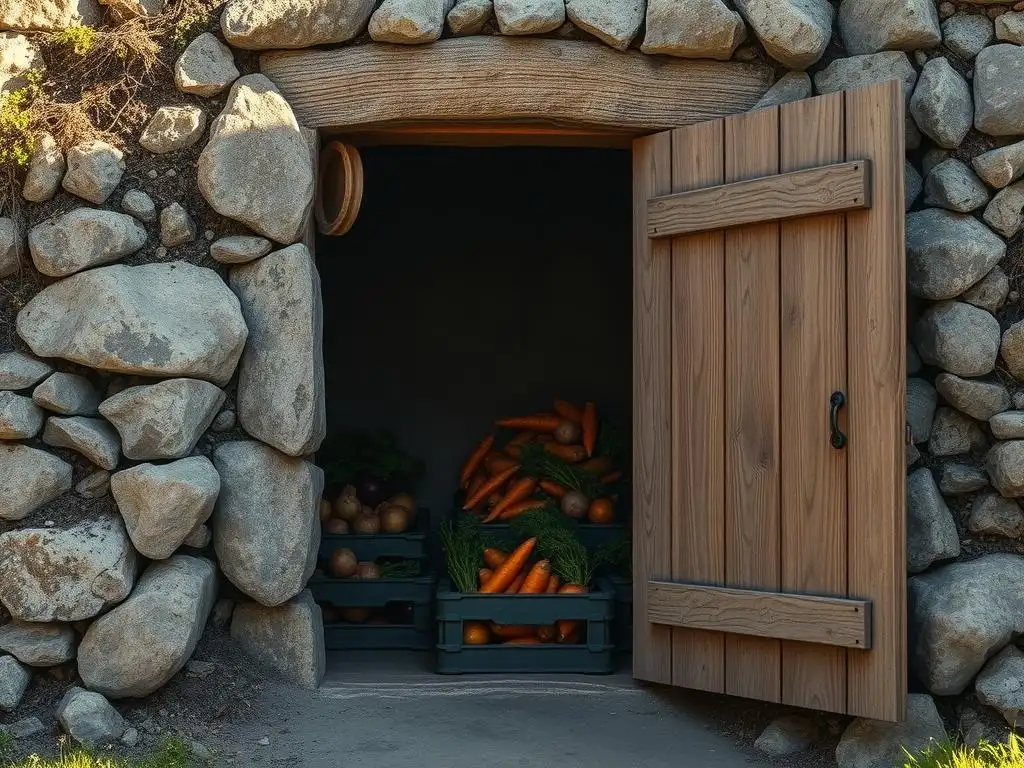
Root cellaring offers a sustainable and eco-friendly approach to long-term food storage, extending the life of your harvest significantly. Building your own root cellar, however, requires careful planning and execution. This section will guide you through the process, ensuring you create a space that effectively preserves your fruits, vegetables, and herbs while minimizing environmental impact. The key to successful root cellaring is understanding the principles of temperature and humidity regulation. This will ensure the preservation of your produce and minimize spoilage, aligning perfectly with sustainable food storage practices. Let's delve into the details.
Selecting the Ideal Location for Your Root Cellar
Choosing the right location is paramount for a successful root cellar. The ideal spot offers consistent cool temperatures, good drainage, and protection from frost and excessive moisture. Several factors should be considered:
- Ground Temperature: The earth's temperature below the frost line remains remarkably stable year-round. This consistent coolness is crucial for preventing spoilage. Aim for a location where the ground temperature stays between 33°F and 40°F (0.5°C and 4.4°C). You can often find this information through local weather data or by consulting with experienced gardeners in your area. Remember, accurate temperature monitoring is critical for root cellaring sustainable food storage.
- Drainage: Excellent drainage is essential to prevent water accumulation, which can lead to rot and mold. Avoid areas prone to flooding or with high water tables. Consider conducting a soil percolation test to assess drainage capacity.
- Protection from Frost: Frost can severely damage your stored produce. The location should be well-insulated and protected from freezing temperatures. North-facing slopes often provide natural insulation.
- Accessibility: Choose a location that is easily accessible for loading and unloading your harvest. Consider the proximity to your garden or storage area to minimize transport time and effort.
Designing and Constructing a Functional Root Cellar
Designing your root cellar involves careful consideration of size, ventilation, and insulation. The size should reflect your storage needs – a small family might only need a few square meters, while a larger household or farm may require a more extensive structure.
- Size and Dimensions: The dimensions should be carefully planned based on your anticipated storage needs. Consider the volume of produce you intend to store and allow for sufficient spacing between crates or shelves to ensure proper air circulation.
- Ventilation: Proper ventilation is crucial for regulating humidity and preventing mold growth. This typically involves strategically placed vents or openings that allow for air exchange without introducing extreme temperature fluctuations. Passive ventilation systems are often sufficient, but active ventilation systems (using fans) may be necessary in certain climates.
- Insulation: Effective insulation is vital to maintain a stable temperature within the root cellar. This can be achieved using various materials, such as concrete, earth berms, or specialized insulation panels. The insulation should be sufficient to prevent temperature swings, especially during extreme weather conditions. Proper insulation is a cornerstone of root cellaring sustainable food storage.
- Construction Materials: Common materials include concrete blocks, bricks, or even repurposed materials like shipping containers (with proper insulation and modification). Consider the local climate and soil conditions when selecting materials.
Essential Equipment and Materials for Root Cellaring Success
Beyond the structural aspects, certain equipment and materials are vital for successful root cellaring.
- Temperature and Humidity Monitoring: Accurate monitoring is crucial. Invest in a reliable thermometer and hygrometer to track conditions within the root cellar. Regular monitoring allows for timely adjustments to ventilation or insulation as needed.
- Storage Containers: Choose breathable containers to prevent moisture buildup and promote proper air circulation. Wooden crates or mesh bags are ideal choices. Avoid airtight containers, as they can trap moisture and lead to spoilage.
- Shelving and Racks: These are essential for organizing your produce and maximizing storage space. Consider adjustable shelving to accommodate different sizes of containers.
- Ventilation System (if needed): As mentioned earlier, a ventilation system may be necessary depending on your climate and the design of your root cellar. This could range from simple passive vents to more complex active systems with fans and dampers.
- Pest Control Measures: While a well-maintained root cellar minimizes pest problems, it's wise to take preventative measures. This might involve using natural pest deterrents, such as diatomaceous earth or cedar chips. Regular cleaning and inspection are also essential.
This detailed guide provides a solid foundation for building your own root cellar. Remember, the success of your root cellar hinges on careful planning, proper construction, and diligent monitoring. By implementing these steps, you can efficiently and sustainably preserve your harvest, contributing to a more resilient and environmentally conscious food system. 🥕🍎🥔
Maintaining Your Root Cellar for Optimal Performance
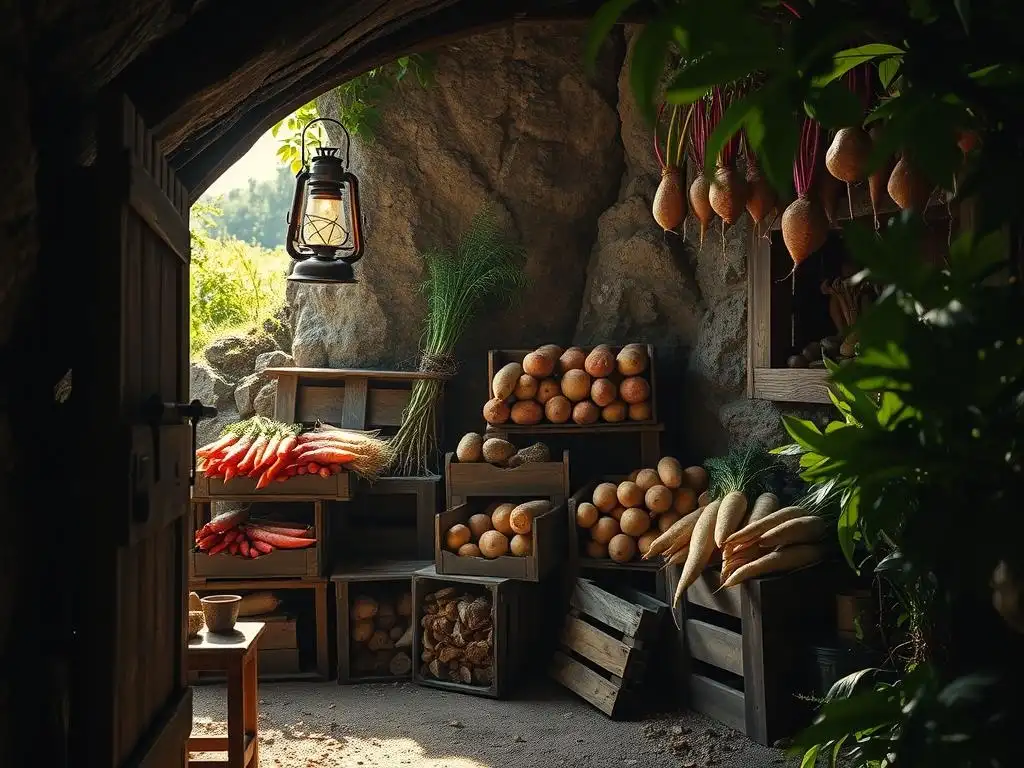
Root cellaring, a sustainable food storage method, offers significant advantages beyond simply preserving your harvest. However, maintaining the ideal environment within your root cellar is crucial for the long-term preservation of your fruits, vegetables, and herbs. Neglecting proper maintenance can lead to spoilage, pest infestations, and ultimately, the loss of your hard-earned produce.
This section focuses on key aspects of maintaining your root cellar for optimal performance, ensuring your root cellaring sustainable food storage efforts are successful. We'll delve into temperature and humidity control, ventilation strategies, and pest and disease management, providing you with the knowledge to safeguard your valuable stores.
Temperature and Humidity Control in Root Cellaring
Maintaining the correct temperature and humidity is paramount for successful root cellaring. The ideal temperature range generally sits between 33°F and 40°F (0.5°C and 4.4°C). Fluctuations outside this range can significantly impact the shelf life of your stored produce. High temperatures accelerate ripening and decay, while excessively low temperatures can freeze your food, rendering it inedible. Humidity should be kept relatively high, around 80-90%, to prevent produce from shriveling. However, excessively high humidity can promote mold growth.
Achieving and maintaining these conditions may require various techniques. For example, proper insulation is crucial. Consider using materials like straw bales or rigid foam insulation to maintain a consistent temperature inside the cellar. A thermometer and hygrometer are essential tools for monitoring temperature and humidity levels.
Regularly checking these instruments allows for timely adjustments to maintain the optimal environment. You might need to adjust ventilation (discussed in the following section) or use a dehumidifier or humidifier as needed to fine-tune the conditions within your root cellar. Consistent monitoring and proactive adjustments are key to preventing spoilage and maximizing the lifespan of your stored produce, contributing to your sustainable food storage practices.
Ventilation Strategies for Long-Term Food Preservation
Adequate ventilation is critical for preventing mold and rot in your root cellar. Poor ventilation can lead to a buildup of moisture and ethylene gas, both of which accelerate spoilage. Ethylene gas, produced by ripening fruits and vegetables, can trigger premature ripening and decay in other stored produce. Therefore, a well-ventilated root cellar is essential for extending the storage life of your food.
Effective ventilation strategies involve creating a gentle airflow within the cellar. This can be achieved through a combination of vents strategically placed at both the top and bottom of the cellar. The lower vents allow for the intake of fresh air, while the upper vents facilitate the expulsion of stale, moist air and ethylene gas. The size and placement of these vents will depend on the size and design of your root cellar.
You might also consider using passive ventilation techniques, such as strategically placed windows or chimneys, to harness natural airflow. In some cases, you may need to supplement passive ventilation with a small fan to ensure adequate airflow, especially in humid climates. Remember, the goal is gentle, consistent airflow, not a strong draft that could excessively dry out your stored produce. Proper ventilation is a cornerstone of root cellaring sustainable food storage.
Pest and Disease Management in Root Cellaring
Preventing pest and disease infestations is crucial for the success of your root cellaring efforts. Rodents, insects, and various fungi can quickly decimate your stored harvest. Proactive measures are essential to minimize the risk of infestation and maintain the quality of your stored food.
Before storing your produce, ensure it's thoroughly cleaned and inspected for any signs of disease or pest damage. Discard any damaged or diseased items to prevent the spread of infestation. Maintaining a clean and dry root cellar is also vital. Regularly sweep and clean the cellar to remove debris and potential breeding grounds for pests. Consider using natural pest control methods, such as diatomaceous earth, to deter insects.
Properly sealing cracks and crevices in the cellar's structure will prevent rodents from entering. Monitoring your stored produce regularly for any signs of pests or diseases is crucial for early detection and intervention. Early detection allows you to address issues promptly, preventing widespread damage and preserving the majority of your harvest. Implementing these preventative measures significantly contributes to the long-term success of your root cellaring sustainable food storage system. 🥕🍎🧅
Root Cellaring: A Sustainable Approach to Food Security
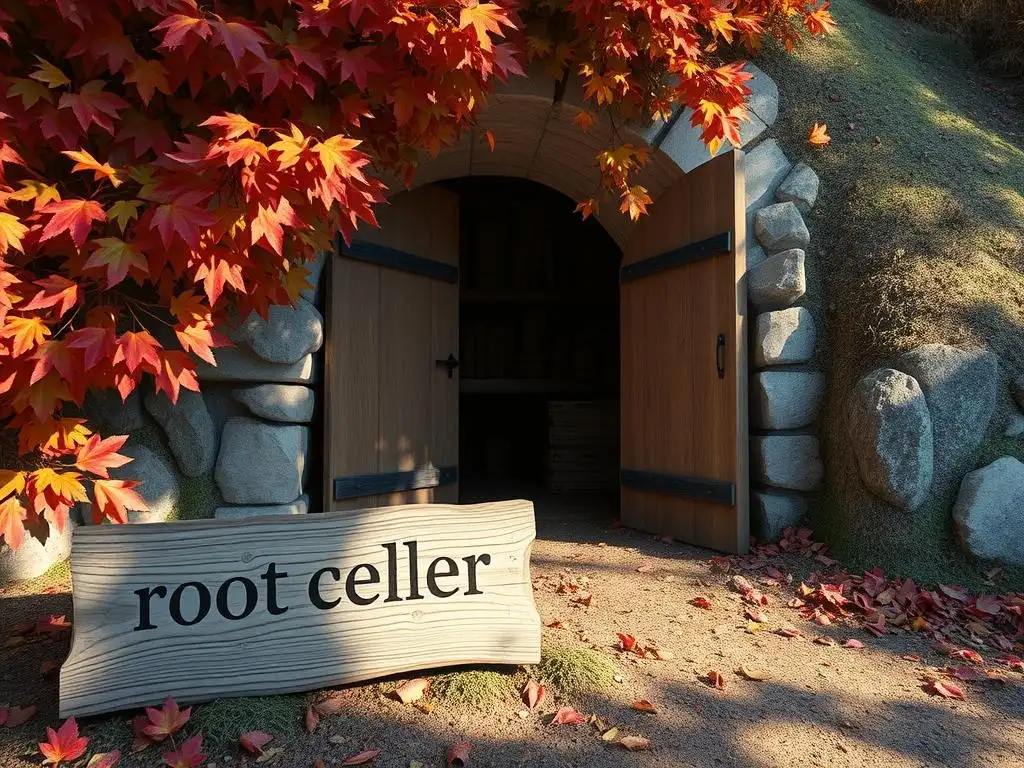
Root cellaring offers a compelling alternative to modern food preservation methods, aligning perfectly with the principles of sustainable living and bolstering food security. This traditional technique, practiced for centuries, minimizes reliance on energy-intensive refrigeration and reduces food waste, contributing to a smaller carbon footprint. By extending the shelf life of harvested produce, root cellaring helps maintain a consistent supply of fresh, nutritious food throughout the year, reducing the need for frequent grocery shopping and minimizing exposure to potentially less sustainable food transportation and distribution systems.
This approach is particularly relevant in light of increasing concerns about climate change and the potential disruptions to global food systems. The practice fosters a deeper connection to the food cycle, promoting self-sufficiency and resilience in the face of unpredictable events. Furthermore, the act of preserving food through root cellaring intrinsically connects us to our food's origin, fostering appreciation for seasonal harvests and the hard work involved in food production.
This deeper connection often leads to a greater respect for food and a decrease in wasteful consumption patterns. The inherent sustainability of root cellaring makes it a valuable tool for creating a more resilient and environmentally responsible food system.
Long-Term Food Storage for Emergency Preparedness
Root cellaring provides a robust and sustainable solution for long-term food storage, especially crucial during emergencies or unexpected disruptions to the food supply chain. Unlike relying solely on canned goods or commercially frozen foods, root cellaring offers a diverse range of fresh produce, maintaining nutritional value and taste far superior to processed alternatives. Imagine having access to your own supply of potatoes, carrots, beets, and other root vegetables even during a power outage or natural disaster.
This self-reliance significantly enhances household food security, reducing dependence on external sources and minimizing vulnerability to supply chain disruptions. Properly stored root vegetables can last for months, even up to a year in ideal conditions, providing a dependable food source during challenging times. The ability to preserve a substantial portion of your harvest through root cellaring is a significant advantage, offering peace of mind and bolstering preparedness for unexpected events.
This translates into tangible benefits for both individual households and communities striving to increase their resilience in the face of uncertainty. A well-stocked root cellar can be a critical asset in emergency preparedness planning.
The Economic Advantages of Root Cellaring
While the initial investment in building or adapting a root cellar might seem significant, the long-term economic benefits are substantial. By extending the shelf life of your harvest, you significantly reduce the need to purchase fresh produce throughout the year. This translates directly into considerable savings on your grocery bill. Consider the cost of purchasing fresh vegetables consistently throughout the winter months – root cellaring can dramatically offset these expenses.
Furthermore, reducing food waste, a common problem in modern households, contributes to further cost savings. By properly storing your produce, you minimize spoilage, ensuring that a larger portion of your harvest is actually consumed. The economic advantages are amplified when considering the escalating costs of food, particularly fresh produce, in many regions.
Root cellaring, therefore, becomes a financially sound investment, offering a tangible return in the form of reduced grocery expenses and minimized food waste. This sustainable approach not only fosters food security but also offers significant economic benefits, contributing to a more financially resilient household. The long-term cost savings, when compared to the initial investment, make root cellaring a financially smart and environmentally conscious choice for the home gardener.
Expanding Your Root Cellaring Capabilities
Root cellaring offers a sustainable and efficient method for preserving the harvest, extending the availability of fresh produce far beyond the growing season. But its benefits extend beyond simply storing potatoes and carrots. With careful planning and execution, you can significantly expand the range of foods preserved in your root cellar, maximizing your self-sufficiency and reducing reliance on commercially produced food.
This section explores ways to optimize your root cellar's potential, transforming it from a simple storage space into a dynamic component of your sustainable food system. This approach to root cellaring sustainable food storage offers considerable advantages, both environmentally and economically.
Preserving a Wider Variety of Foods in Your Root Cellar
Beyond the typical root vegetables, many other foods thrive in the cool, humid environment of a properly constructed root cellar. The key lies in understanding the specific needs of each food item. For example, while root vegetables like beets, turnips, and parsnips are ideal candidates, you can also successfully store:
- Winter Squash: Butternut, acorn, and kabocha squash store exceptionally well, often lasting for several months. Proper curing before storage is crucial to prevent rot.
- Apples and Pears: Certain varieties of apples and pears can remain fresh for extended periods with proper humidity and temperature control. Avoid bruising during harvesting and handling.
- Onions and Garlic: These pungent bulbs benefit from the cool, dry conditions of a root cellar, enhancing their longevity and flavor. Good air circulation is essential.
- Herbs: Many herbs, like rosemary and thyme, can be bundled and hung to dry in a cool, dark area of the root cellar. This preserves their flavor and aroma for later use.
- Cured Meats: A root cellar can provide a stable environment for curing meats, requiring careful monitoring of temperature and humidity levels to prevent spoilage.
The following table summarizes ideal storage conditions for several produce types, highlighting the importance of tailoring your approach to each food's specific requirements for successful root cellaring sustainable food storage:
| Food Item | Ideal Temperature (°F) | Ideal Humidity (%) | Storage Duration (approx.) |
|---|---|---|---|
| Potatoes | 38-40 | 85-90 | 6-8 months |
| Carrots | 32-35 | 90-95 | 4-6 months |
| Beets | 32-35 | 90-95 | 4-6 months |
| Winter Squash | 50-55 | 60-70 | 4-6 months |
| Apples (certain var.) | 32-36 | 85-90 | 2-4 months |
| Onions | 32-40 | 60-70 | 6-8 months |
Remember, careful monitoring and regular inspections are crucial for successful long-term storage. Early detection of spoilage can prevent widespread loss. Proper ventilation and humidity control are paramount to preventing mold and rot.
Advanced Root Cellaring Techniques for Maximum Yield
Optimizing your root cellar's performance requires attention to detail beyond simply storing your produce. Several advanced techniques can significantly extend storage life and minimize waste.
- Pre-Harvest Preparation: Proper harvesting and handling are essential. Avoid bruising and damage during the harvest process. Allow root vegetables to cure before storage to promote healing and reduce the risk of spoilage. This crucial step in root cellaring sustainable food storage is often overlooked.
- Temperature and Humidity Control: Invest in accurate monitoring tools like thermometers and hygrometers to maintain ideal conditions. Consider using a dehumidifier or humidifier to adjust humidity levels as needed. Consistent conditions are key.
- Air Circulation: Good air circulation prevents the build-up of moisture and mold. Ensure your root cellar has adequate ventilation, perhaps using fans to gently circulate the air. This is vital for preventing spoilage.
- Quarantine New Produce: To prevent the spread of disease, quarantine newly harvested produce for a week or two before placing it with your existing storage. This helps to identify any problems early.
- Regular Inspection and Sorting: Regularly inspect your stored produce for signs of spoilage. Remove any damaged or rotting items immediately to prevent contamination of the rest. This proactive approach is vital for long-term success in root cellaring sustainable food storage. Think of it as a form of preventative maintenance.
By implementing these advanced techniques, you can significantly enhance the effectiveness of your root cellar, extending the shelf life of your harvest and maximizing its benefits. This approach to sustainable food storage not only reduces food waste but also provides a sense of satisfaction and self-reliance. The investment in time and effort is well repaid by the abundance of fresh, homegrown food available throughout the year. This is a true testament to the power of root cellaring sustainable food storage.
Frequently Asked Questions
What exactly is root cellaring?
Root cellaring is a sustainable food storage method involving storing harvested produce in a cool, consistently humid, and dark environment, typically a cellar or specially built structure. This extends the shelf life of many root vegetables and other crops significantly.
How is root cellaring different from regular refrigeration?
Root cellaring offers a gentler storage environment than refrigeration, preserving the quality and nutritional value of produce better. Refrigeration can sometimes damage delicate produce. Root cellaring also reduces reliance on energy-intensive refrigeration.
What types of produce are best suited for root cellaring?
Root vegetables like potatoes, carrots, beets, and turnips are ideal. Other suitable items include onions, garlic, squash (certain varieties), and apples. Always check individual produce requirements before storing.
Is root cellaring truly sustainable?
Yes, root cellaring is highly sustainable. It significantly reduces food waste by extending storage life, minimizes the need for energy-intensive refrigeration, and promotes local food systems by enabling longer-term preservation of homegrown produce.
How can I build a simple root cellar?
While a dedicated root cellar is ideal, a modified section of a basement or even an insulated outdoor storage bin can work. Key elements are consistent cool temperature, good ventilation (to prevent rot), and humidity control. Numerous online resources offer detailed instructions.
Final Reflection: Harvesting Abundance: A Legacy of Sustainable Living
The practice of root cellaring, while seemingly a relic of the past, offers a potent solution to the pressing challenges of modern food systems. Its ability to extend the harvest season, reduce food waste, and reconnect us with the rhythms of nature is more relevant today than ever before, in a world grappling with climate change and food insecurity. The simple act of preserving food naturally speaks volumes about our relationship with the environment and our commitment to a more sustainable future.
Root cellaring is not merely about storing food; it's about cultivating a deeper understanding of our food's journey, from seed to table. It's about embracing a slower pace, appreciating the bounty of the earth, and fostering a connection with the seasons that has been largely lost in our fast-paced, industrialized world. The earth laughs in flowers.
This simple quote encapsulates the joy and abundance that root cellaring can bring, a joy that extends beyond the practical benefits of food preservation to encompass a deeper appreciation for the natural world and its cyclical rhythms. The knowledge passed down through generations, the tangible connection to the land, and the satisfaction of preserving your own harvest are invaluable aspects of this practice.
Consider, then, the potential within your own reach. You don't need acres of land or specialized equipment to begin this journey. Even a small, cool space can be adapted for root cellaring. Start small, experiment with a few varieties of vegetables, and experience the satisfaction of retrieving crisp, flavorful produce months after harvest. Embrace the opportunity to reconnect with the earth, reduce your environmental impact, and savor the fruits (and vegetables!) of your labor. The legacy of sustainable living begins with a single step, a single seed, and a commitment to a more mindful way of life.
Unlock Your Root Cellar's Potential: Grow, Preserve, & Thrive
Thanks for exploring the world of root cellaring with us! We hope you've discovered its many benefits beyond simple food preservation. Now it's time to put that knowledge into action.
Here's how to take the next steps towards a more sustainable and fulfilling harvest:
- Focus on one improvement: Instead of tackling everything at once, concentrate on a single aspect of your root cellar this season. For example, you could focus on improving temperature control, better managing humidity, or selecting the most suitable crops for your space. This targeted approach will yield the best results.
- Share your root cellaring journey! Tell us about your successes (and challenges!) in the comments below. Let's build a strong community of root cellar enthusiasts.
- Expand your preservation techniques: Consider supplementing root cellaring with other preservation methods like canning, fermenting, or drying to further maximize your harvest and reduce food waste.
What's one small change you can implement in your root cellaring practice this week to maximize its benefits?