
Best Practices for Drying in Dry Climates: Optimizing Drying Conditions

Welcome to CultivateYourFood, your guide to nurturing a thriving garden using sustainable and organic methods! Are you ready to unlock the secrets of preserving your harvest, even in challenging conditions? Learn how to successfully dry herbs in a hot climate, optimizing your yield and preserving the vibrant flavors you've worked so hard to cultivate. Discover the essential techniques in our in-depth article, "Dry Herbs Drying Hot Climate," and transform your bounty into delicious, long-lasting treats. Let's get growing!
- Understanding the Challenges of Drying in Hot, Dry Climates
- Choosing the Right Drying Method for Your Dry Climate
- Optimizing Your Drying Environment for Best Results
- Essential Tips for Successful Herb and Vegetable Drying in Dry Climates
- Specific Considerations for Different Herbs and Vegetables in Dry Climates
- Harvesting for Drying: Timing and Techniques for Optimal Results
- Troubleshooting Common Drying Problems in Dry Climates
-
Frequently Asked Questions
- What are the best methods for drying herbs in a hot, dry climate?
- How can I prevent my herbs from spoiling during drying in a hot climate?
- What are the signs that my herbs are properly dried?
- Can I use a dehydrator in a hot climate, and if so, what are the advantages?
- How do I store dried herbs effectively after drying in a hot climate?
- Final Reflection: Harvesting the Sun: A Legacy of Drying in Arid Lands
- Unlock Your Harvest's Potential: Dry Smarter, Not Harder!
Understanding the Challenges of Drying in Hot, Dry Climates
Drying herbs and vegetables in hot, dry climates presents unique challenges that require careful planning and execution to achieve optimal results. The intense heat and low humidity typical of these environments can significantly impact the drying process, potentially leading to rapid evaporation, sunscalding, and reduced quality if not managed properly. This article will explore the specific difficulties posed by hot, dry climates and offer practical, sustainable solutions for optimizing your drying methods, ensuring you preserve the flavor, aroma, and nutritional value of your homegrown produce.
We will focus on best practices for drying herbs, a particularly sensitive crop in these conditions, while also addressing the needs of other vegetables and fruits. Successfully navigating these challenges will allow you to enjoy the fruits (and herbs!)
of your labor year-round, even in the harshest climates. This guide is specifically designed to help you master the art of drying herbs in a hot climate, addressing the keyword "Dry herbs drying hot climate" directly and comprehensively.
High Temperatures and Rapid Evaporation: Managing the Drying Process
High temperatures in dry climates accelerate the evaporation rate, potentially leading to uneven drying and reduced quality. Rapid drying can cause the outer layers of herbs and vegetables to dry out before the inside, resulting in a brittle, less flavorful product. To mitigate this, several strategies are crucial:
- Shade Drying: Utilize shaded areas to reduce direct sun exposure. This helps to slow down the drying process and promotes more even moisture removal. A well-ventilated shaded area is ideal.
- Air Circulation: Ensure adequate airflow around your drying herbs and vegetables. This can be achieved through the use of fans, or by carefully spacing out your produce on drying racks. Good air circulation prevents the buildup of moisture and promotes even drying.
- Reduced Drying Time: While you want even drying, you may need to accept slightly shorter drying times in extremely hot conditions. This may require more frequent monitoring and potentially adjusting your drying method to prevent over-drying.
- Pre-treatment: Consider blanching certain vegetables before drying to inactivate enzymes that can degrade quality during storage. This is less critical for herbs.
Low Humidity and its Impact on Herb and Vegetable Drying
Low humidity exacerbates the challenges of rapid evaporation. The dry air readily absorbs moisture, making it even more critical to control the drying environment. This low humidity can also lead to increased susceptibility to spoilage if not handled correctly. To address this:
- Controlled Environment: If possible, consider using a dehydrator with humidity control, especially during the hottest parts of the day. This allows for a more precise and controlled drying process.
- Multiple Layers: Avoid stacking herbs and vegetables too thickly. This can create pockets of high humidity, slowing down the drying process and increasing the risk of mold growth.
- Regular Monitoring: Closely monitor your drying produce for signs of spoilage, such as mold or discoloration. Discard any affected items immediately to prevent contamination. Regular checks are vital in low humidity conditions.
Preventing Sun Scalding and Maintaining Herb and Vegetable Quality
Direct sunlight can cause sunscalding, leading to discoloration, reduced nutritional value, and an unpleasant taste. Protecting your herbs and vegetables from intense UV radiation is essential for maintaining quality.
- Shade Cloth: Using shade cloth offers a simple, effective way to filter out some of the sun’s intense rays while still allowing for good air circulation.
- Indirect Sunlight: If shade is unavailable, utilize indirect sunlight, such as early morning or late afternoon sun. This reduces the intensity of the UV radiation while still allowing for sufficient drying.
- Proper Harvesting: Harvest herbs and vegetables at the optimal time for drying. Avoid harvesting when they are wet or overly ripe, as this increases the likelihood of spoilage and reduces drying efficiency. This is crucial for maintaining the best possible quality.
By understanding and addressing these specific challenges, you can successfully dry herbs and vegetables even in the most demanding hot, dry climates, preserving the bounty of your garden for year-round enjoyment. 🌿
Choosing the Right Drying Method for Your Dry Climate
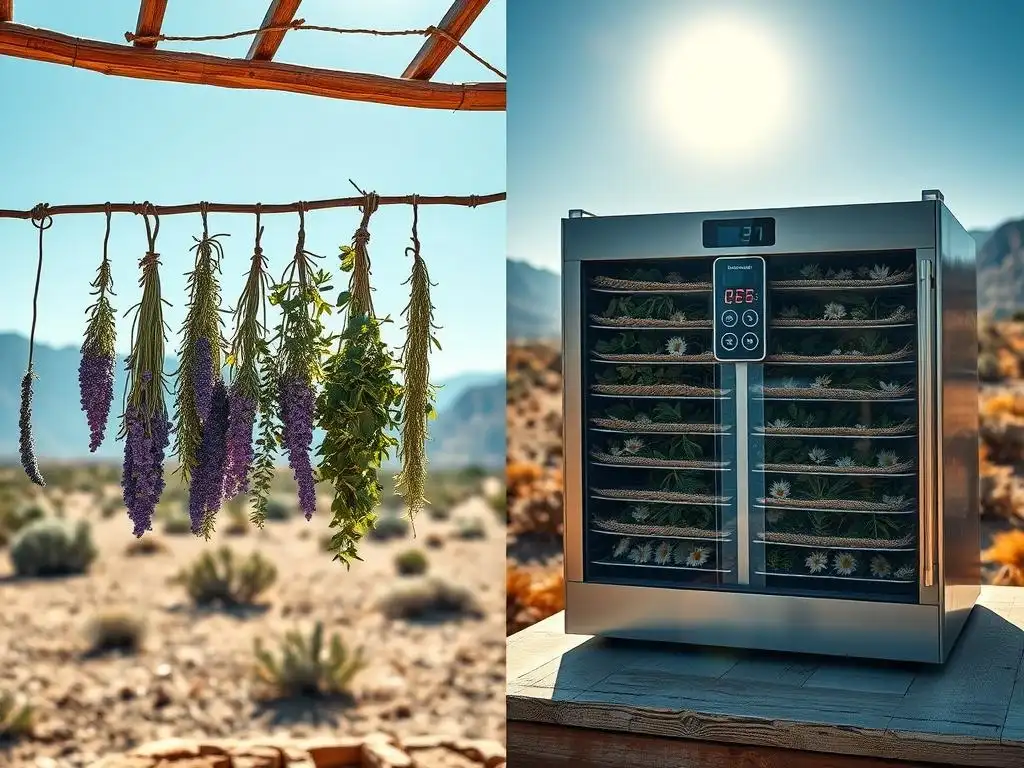
Drying herbs and produce in a dry climate presents unique challenges and opportunities. The low humidity accelerates the drying process, but also increases the risk of scorching if not managed carefully. Selecting the appropriate drying method is crucial for preserving the quality, flavor, and nutritional value of your harvest. The best approach depends on factors like the quantity of produce you're drying, the available space, and your personal preferences.
While air drying is a traditional and economical method, it requires careful monitoring, especially in intense heat. Dehydrators offer more control over the drying process, preventing scorching and ensuring consistent results, but they represent a higher initial investment. Let's delve into the specifics of each method, focusing on their suitability for hot, dry climates. Effective drying minimizes nutrient loss and maximizes shelf life, key considerations for anyone aiming for sustainable food preservation.
Air Drying Herbs in a Dry Climate: Techniques and Considerations
Air drying, a time-honored method, is particularly well-suited to smaller batches of herbs in arid environments. However, the intense sun and heat necessitate strategic adjustments. Direct sunlight should be avoided to prevent bleaching and rapid deterioration of essential oils, impacting both the aroma and flavor of your dried herbs. The key is to find a well-ventilated, shaded area with good airflow. Consider these techniques:
- Bundling: Tie small bunches of herbs together and hang them upside down in a cool, dark, and airy space. A shaded porch or a well-ventilated attic can work well. Ensure good air circulation to prevent mold and mildew.
- Layering: For larger quantities or more delicate herbs, spread them thinly on clean screens or trays. These should be positioned in a shaded, airy location. Regular turning is crucial to ensure even drying.
- Monitoring: Frequent checks are essential. In dry climates, herbs can dry surprisingly quickly. Over-drying leads to brittle, flavorless herbs. The ideal dryness is achieved when the leaves crumble easily between your fingers.
The speed of air drying in a hot, dry climate is a double-edged sword. While it's faster, it also demands vigilance to prevent scorching. Remember that consistent airflow is paramount; consider using fans to gently circulate air around your drying herbs. Proper air circulation is crucial for preventing mold and mildew, ensuring the quality of your dried herbs. This meticulous approach will reward you with flavorful, high-quality dried herbs perfectly suited for culinary uses.
Dehydrator Use for Optimal Drying in Hot and Dry Conditions
Dehydrators provide superior control over the drying process, making them ideal for hot, dry climates. Their controlled temperature and airflow minimize the risk of scorching, ensuring even drying and preserving the vibrant color and flavor of your produce. This is especially beneficial for delicate herbs and fruits that might be damaged by the intense heat of direct sunlight. Dehydrators allow you to precisely regulate the temperature and airflow, optimizing the drying process for different types of herbs and vegetables.
Using a dehydrator in a dry climate offers several advantages:
- Consistent Drying: The controlled environment ensures even drying, preventing some parts from drying faster than others.
- Reduced Drying Time: While still slower than direct sun drying, the controlled heat often results in shorter drying times compared to air drying in a hot climate.
- Protection from Pests: The enclosed environment of a dehydrator keeps your produce safe from insects and other pests that might be more prevalent in dry, warm areas.
- Improved Quality: The consistent temperature and airflow help retain the color, aroma, and nutritional value of your herbs and vegetables.
To optimize dehydrator use in a dry climate, ensure proper ventilation and regularly check the moisture content of your produce. Remember to follow the manufacturer's instructions for your specific model. Choosing a dehydrator with adjustable temperature settings allows you to tailor the drying process to different types of produce, ensuring optimal results.
Utilizing Shade and Ventilation for Effective Air Drying
Even in a dry climate, strategic use of shade and ventilation can significantly enhance air drying. Direct sunlight, while seemingly beneficial for quick drying, can actually damage herbs and vegetables, leading to bleaching, loss of essential oils, and a reduction in overall quality. Instead, focus on creating a shaded, well-ventilated environment.
Here's how to effectively leverage shade and ventilation:
- Strategic Shading: Use screens, netting, or even temporary structures to create shaded areas for your drying racks or hanging bundles. This prevents direct sun exposure while still allowing for good airflow.
- Air Circulation: Place your drying racks or hanging bundles in locations with natural airflow, such as near open windows or doorways. Consider using fans to gently circulate the air, particularly on calm days. This prevents stagnant air, which can lead to mold and mildew.
- Elevated Placement: Raising your drying racks or hanging bundles off the ground improves airflow and minimizes contact with moisture from the ground.
- Regular Monitoring: Even with shade and ventilation, regular monitoring is crucial. Check your produce frequently to ensure even drying and prevent spoilage. The speed of drying will still be affected by the ambient temperature and humidity, even in the shade.
By carefully controlling the environment and employing these techniques, you can successfully air dry your herbs and vegetables even in the challenging conditions of a hot, dry climate, ensuring high-quality, flavorful results. Remember that achieving optimal drying conditions involves a combination of factors, and careful attention to detail is key to success.
Optimizing Your Drying Environment for Best Results
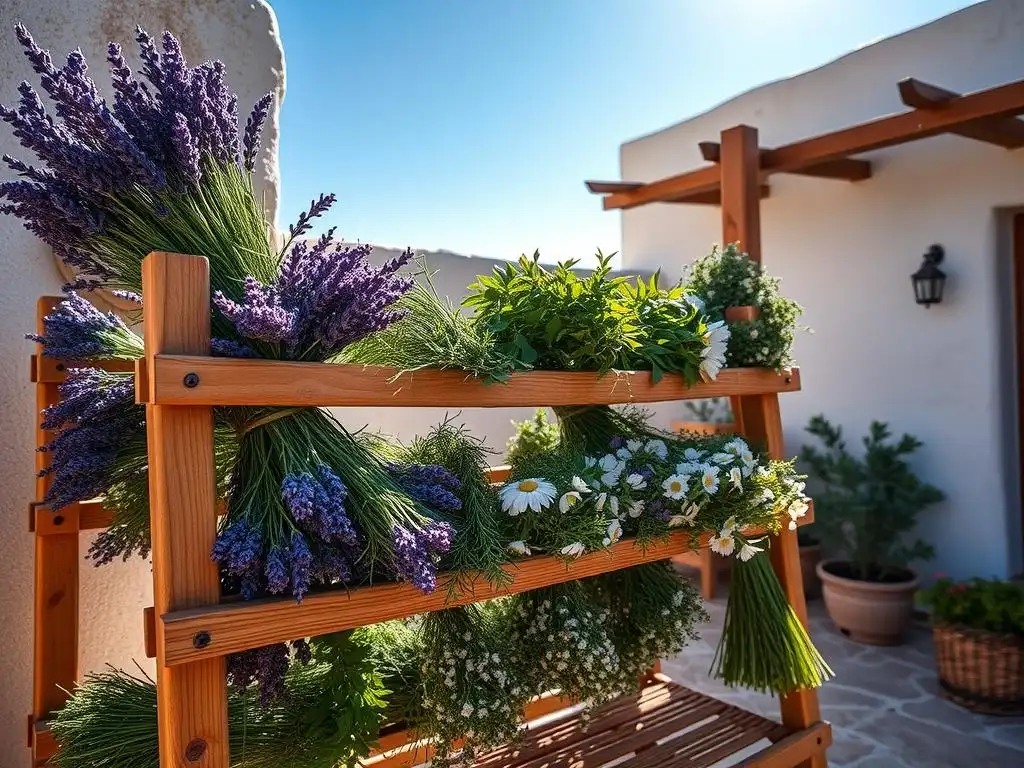
Drying herbs and vegetables successfully in hot, dry climates requires careful consideration of environmental factors. The intense heat and low humidity can be advantageous, speeding up the drying process, but also pose challenges if not managed correctly. This section details strategies to optimize your drying environment for superior results, minimizing the risk of spoilage and maximizing the retention of flavor and nutrients in your dried produce. Understanding these techniques is crucial for achieving optimal results when pursuing "dry herbs drying hot climate" strategies.
Selecting the Ideal Location for Air Drying Herbs and Vegetables
Choosing the right location is paramount for efficient air drying. In hot climates, direct sunlight can lead to scorching and uneven drying, compromising the quality of your harvest. The ideal spot offers a balance of sunlight and shade, alongside good airflow.
Consider these factors when selecting your drying location:
- Partial Shade: Aim for a location that receives morning sun, providing warmth to initiate the drying process, but avoids harsh afternoon sun which can cause overheating. A covered patio, porch, or a shaded area under a tree are excellent options. Remember, the goal is to harness the sun's energy without risking sun damage.
- Good Air Circulation: Adequate airflow is essential for consistent drying and preventing mold growth. Avoid enclosed spaces with stagnant air. Open, well-ventilated areas are ideal. A gentle breeze will improve the drying process significantly.
- Protection from Pests: Keep your drying area clean and free of debris to deter insects and other pests. Consider using fine mesh netting to protect your produce, particularly if you are drying delicate herbs. This is especially crucial in hot climates where pests are more active.
- Accessibility: Choose a location that is easily accessible for regular monitoring and harvesting. You'll need to check on your drying produce frequently to ensure it's drying evenly and to remove any spoiled items promptly.
Creating Shade and Ventilation for Efficient Drying
In regions experiencing intensely hot weather, creating artificial shade becomes crucial. This prevents the direct sun from overheating your herbs and vegetables, leading to uneven drying and potential spoilage. Simultaneously, maintaining good ventilation is vital to ensure consistent airflow around the drying produce.
Here are some effective methods to achieve this balance:
- Using Shade Cloth: Shade cloth provides a simple and effective way to regulate the amount of sunlight reaching your drying area. Different densities of shade cloth are available, allowing you to adjust the level of shade based on the intensity of the sun.
- Constructing a Simple Shade Structure: For larger quantities of produce, consider building a simple shade structure using readily available materials. A basic framework of wood or bamboo covered with shade cloth or even a lightweight tarp can provide adequate protection from the sun.
- Strategic Placement of Fans: Using low-speed fans can significantly improve airflow, particularly in enclosed or less windy areas. Position fans strategically to create a gentle breeze across your drying racks, ensuring consistent air circulation and efficient drying.
- Natural Ventilation: Maximize natural ventilation by opening windows and doors in your drying area. This can be particularly effective in the early morning or late evening when temperatures are cooler.
Maintaining Airflow for Consistent Drying
Consistent airflow is the key to successful drying in hot climates. Stagnant air can lead to uneven drying, mold growth, and spoilage. Therefore, maintaining a steady flow of air around your drying produce is crucial.
Here are some practical strategies to ensure optimal airflow:
- Spacing Your Produce: Avoid overcrowding your drying racks. Ensure there is adequate space between individual pieces of produce to allow for proper air circulation. Proper spacing is crucial for even drying and prevents the formation of mold or mildew.
- Rotating Your Produce: Regularly rotate your drying racks to ensure even exposure to air. This helps to prevent uneven drying and ensures that all sides of the produce dry consistently. This is particularly important in areas with variable wind patterns.
- Monitoring Humidity Levels: High humidity can hinder the drying process and increase the risk of spoilage. Consider using a hygrometer to monitor humidity levels in your drying area. A lower humidity level is ideal for efficient drying.
- Air Circulation Strategies: Experiment with different air circulation strategies to optimize your drying process. For instance, placing fans at strategic positions or using natural breezes can greatly improve drying efficiency, especially when dealing with "dry herbs drying hot climate" situations. The goal is to create a continuous flow of dry air over your herbs and vegetables.
Essential Tips for Successful Herb and Vegetable Drying in Dry Climates
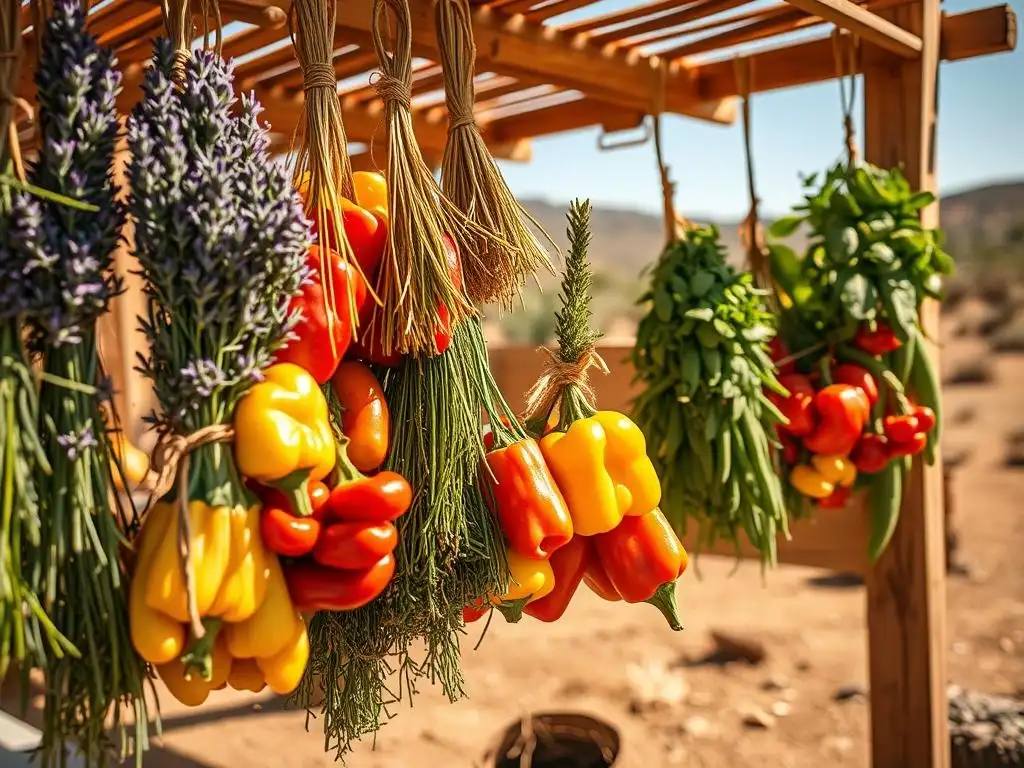
This section focuses on optimizing the drying process for herbs and vegetables in arid and semi-arid climates, where high temperatures and low humidity present unique challenges and opportunities. We'll explore strategies to mitigate potential problems and maximize the quality and longevity of your dried produce. Mastering these techniques is crucial for preserving the flavor and nutritional value of your harvest, especially when dealing with the "dry herbs drying hot climate" conditions.
Monitoring Moisture Levels: Determining When Drying is Complete
Precisely determining the dryness of herbs and vegetables is paramount to preventing spoilage. Over-drying leads to brittle, flavorless results, while under-drying encourages mold and bacterial growth. Several methods can be employed to ensure your produce reaches optimal dryness.
The simplest method involves the feel test. Dried herbs should crumble easily when rubbed between your fingers, exhibiting no noticeable flexibility or dampness. For vegetables, they should feel dry and leathery, not pliable or sticky.
A more precise method uses a moisture meter. These inexpensive tools measure the moisture content percentage, providing a quantifiable indicator of dryness. Target moisture levels vary depending on the plant material; research specific recommendations for your herbs and vegetables. For example, herbs typically reach ideal dryness at around 10-12% moisture content. Vegetables, depending on the type, might require slightly lower moisture content.
Another useful technique is the "snap" test. This is especially helpful for vegetables like peppers or tomatoes. A completely dried piece should snap cleanly when bent, indicating a lack of internal moisture. However, this method doesn't work well with more delicate herbs.
Finally, visual cues can offer clues. Color changes often accompany the drying process. For instance, vibrant green herbs may darken slightly as they dry. However, significant discoloration could indicate over-drying or other problems. Always combine visual inspection with the other methods for accurate assessment.
Preventing Pests and Mold During the Drying Process
High temperatures in dry climates can accelerate the drying process, but also increase the risk of pest infestation and mold development if proper precautions aren't taken. Proactive measures are essential for preserving the quality of your harvest.
- Cleanliness is key: Begin with clean, healthy produce. Remove any damaged or diseased parts before drying. Thoroughly clean drying surfaces and equipment to prevent contamination.
- Air circulation is crucial: Ensure adequate airflow around the herbs and vegetables during drying. This helps to reduce humidity and prevent mold growth. Use screens, racks, or hanging methods to maximize air circulation.
- Protect from insects: Insects are attracted to drying produce. Consider using fine-mesh screens or bags to deter them. Regularly inspect your drying produce for any signs of infestation.
- Proper storage post-drying: Once dried, immediately transfer your herbs and vegetables to airtight containers to protect them from moisture, pests, and environmental factors.
Proper Storage of Dried Herbs and Vegetables to Maintain Quality
Even after careful drying, improper storage can quickly degrade the quality of your dried produce. Maintaining optimal storage conditions is vital for preserving flavor, aroma, and nutritional value.
- Airtight containers: Store dried herbs and vegetables in airtight containers made of glass or food-grade plastic. These containers prevent moisture absorption and protect against pests.
- Cool, dark, and dry location: Select a cool, dark, and dry place for storage. Avoid areas with fluctuating temperatures or high humidity, as these conditions can accelerate degradation.
- Labeling: Clearly label your containers with the type of herb or vegetable and the drying date. This helps you to track the age and freshness of your produce.
- Regular inspection: Periodically inspect your stored produce for any signs of spoilage, such as mold growth or insect infestation. Discard any affected items immediately.
By diligently following these storage guidelines, you can significantly extend the shelf life of your dried herbs and vegetables, ensuring you can enjoy the fruits (and vegetables!) of your labor for months to come. Remember, even in a "dry herbs drying hot climate," careful attention to detail can yield exceptional results.
Specific Considerations for Different Herbs and Vegetables in Dry Climates
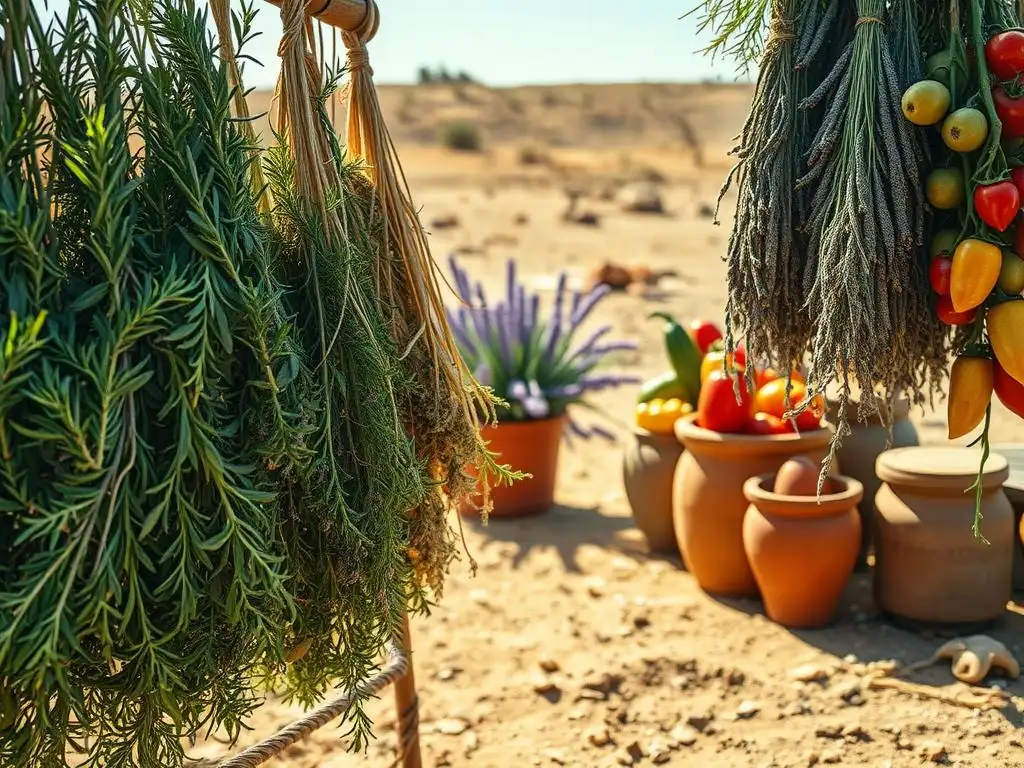
Dry herb drying in a hot climate presents unique challenges and opportunities. Successfully preserving the flavor and quality of your harvest requires understanding the specific needs of different plants and adapting your drying techniques accordingly. The intense heat and low humidity can accelerate the drying process, but also increase the risk of scorching or degrading the delicate aromatic compounds responsible for the herbs' and vegetables' unique flavors.
This section will explore best practices for optimizing drying conditions for various produce in hot, arid environments, ensuring a high-quality final product. Understanding the nuances of drying different produce is crucial for achieving the best results with your "dry herbs drying hot climate" strategy.
Drying Delicate Herbs in Hot, Dry Weather
Delicate herbs like basil, cilantro, and mint are particularly susceptible to damage from intense heat. Their essential oils, which contribute significantly to their flavor and aroma, are volatile and can evaporate quickly in hot, dry conditions. To prevent scorching and preserve their vibrant color and flavor, consider these techniques:
- Shade Drying: Instead of direct sunlight, opt for shade drying. This involves bunching the herbs and hanging them upside down in a well-ventilated, shaded area. A screen porch or a covered patio works well. The slower drying process preserves more of the delicate oils.
- Air Circulation: Even in shade, adequate air circulation is crucial. Ensure sufficient space between herb bunches to allow for even air flow. A gentle breeze can significantly improve drying efficiency.
- Reduced Drying Time: Monitor the herbs regularly. Due to the rapid drying in hot climates, they might dry faster than in milder conditions. Harvesting in the early morning or late evening, when temperatures are cooler, can also help.
- Faster Drying Methods: If you're aiming for a faster process, consider using a dehydrator set to a low temperature. This offers more control over the drying environment and minimizes the risk of scorching.
Drying Hearty Vegetables: Managing Drying Time and Conditions
Hearty vegetables like tomatoes, peppers, and onions are more resilient to the harsh conditions of a hot, dry climate. However, even these robust plants benefit from careful consideration of drying time and conditions to maximize quality and prevent spoilage.
- Pre-treatment: Blanching (briefly boiling) some vegetables before drying can help inactivate enzymes that cause discoloration and loss of nutrients. This step is particularly useful for tomatoes and peppers.
- Slicing and Preparation: Cut the vegetables into thin, even slices or pieces to ensure even drying. Thicker pieces will take longer to dry and may become moldy before the center is fully dehydrated.
- Drying Methods: Sun drying is a viable option for heartier vegetables, but monitor carefully to prevent over-drying and scorching. Consider using a combination of sun drying during the cooler parts of the day and shade drying during the hottest periods.
- Monitoring Moisture Content: Regularly check the moisture content of the vegetables during drying. They are considered dry when they are brittle and easily crumble. This often takes significantly less time in a hot climate than in a more temperate environment. Improper drying can lead to spoilage, so careful attention is key.
Adapting Drying Methods Based on Climate Variations
The intensity of the hot, dry climate can vary significantly throughout the day and even across different seasons. Adapting your drying methods based on these variations is crucial for optimal results:
| Climate Variation | Drying Method Adaptation | Considerations |
|---|---|---|
| Extremely Hot Days | Shade drying, dehydrator at low temperature, evening drying | Prioritize preventing scorching and preserving delicate aromas and nutrients. |
| Moderately Hot Days | Sun drying during cooler parts of the day, shade drying | Balance drying speed with preservation of quality. |
| High Humidity (unexpected) | Reduce drying time, increase air circulation | Monitor carefully for mold growth, especially with delicate herbs. |
| Windy Conditions | Secure drying racks to prevent herbs and vegetables from blowing away | Consider added protection from strong winds. |
Successfully drying herbs and vegetables in a hot, dry climate requires careful planning and adaptation. By understanding the unique needs of different plants and adjusting your techniques accordingly, you can consistently achieve high-quality, flavorful dried produce, maximizing the yield from your garden and extending the enjoyment of your harvest. Remember that consistent monitoring is key to preventing spoilage and achieving optimal results in your "dry herbs drying hot climate" efforts.
Harvesting for Drying: Timing and Techniques for Optimal Results
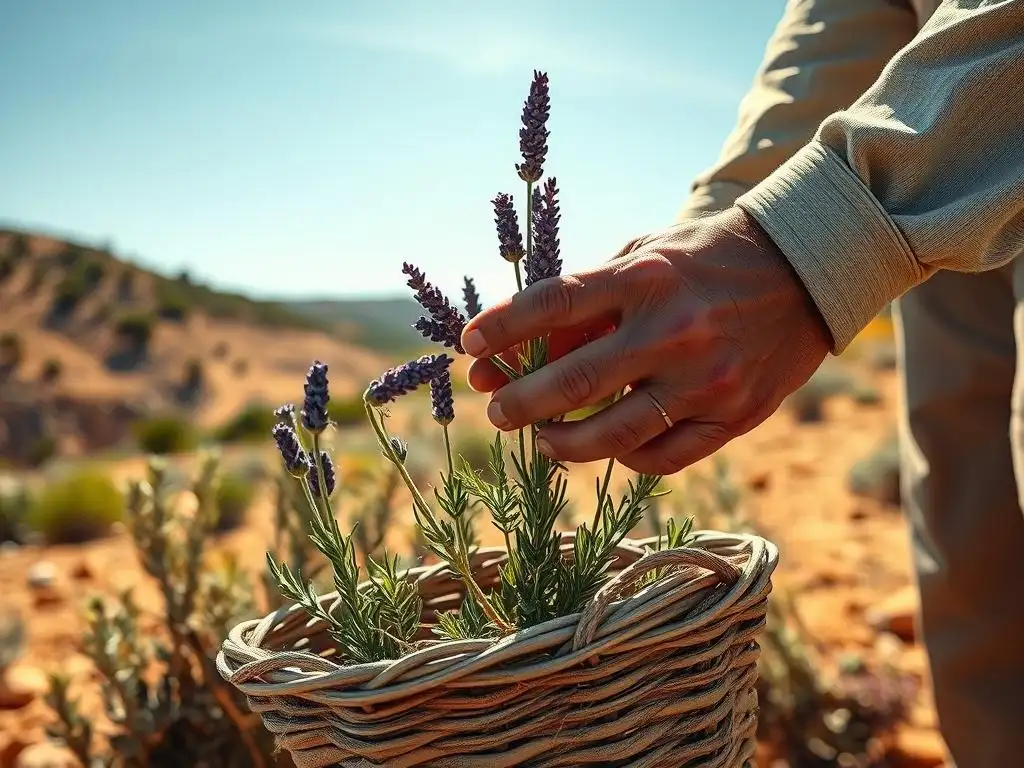
This section focuses on the crucial first step in preserving your harvest: harvesting for drying. The timing and technique you employ directly impact the quality, flavor, and longevity of your dried produce. Successfully drying herbs and vegetables in a hot climate requires careful attention to detail, particularly regarding the optimal harvest time. This is especially important for maximizing the retention of essential oils and nutrients, critical for the quality of your finished product.
Harvesting Herbs and Vegetables at the Peak of Flavor and Condition
Harvesting at the perfect moment is paramount for achieving the best results when drying herbs and vegetables, especially in dry, hot climates. For herbs, the ideal time is typically just before the plant flowers, when the essential oil content is at its highest. This translates to a more potent and flavorful dried product. For example, basil should be harvested in the morning after the dew has dried, when the essential oils are most concentrated. Similarly, rosemary and thyme, known for their robust flavors, should be harvested when they are young and tender, avoiding woody stems.
Consider these factors when harvesting:
- Time of day: The best time to harvest is usually in the morning after the dew has evaporated but before the heat of the day causes wilting. This minimizes moisture content and helps prevent spoilage.
- Weather conditions: Avoid harvesting during rain or high humidity. Dry conditions are essential for efficient and effective drying. In hot climates, this is even more crucial to avoid mold growth.
- Plant maturity: The specific optimal maturity stage varies depending on the plant. Observe your plants carefully to determine when they are at their peak. Look for signs of full development, vibrant color, and a strong aroma.
Preparing Herbs and Vegetables for the Drying Process: Cleaning and Trimming
Once harvested, proper preparation is key to preventing spoilage and ensuring a high-quality dried product. This involves careful cleaning and trimming to remove any unwanted material. Thorough preparation is especially critical in hot climates where bacteria and mold can proliferate rapidly. This stage also significantly impacts the drying time and efficiency.
The cleaning and trimming process typically involves:
- Washing: Gently wash your herbs and vegetables under cool, running water to remove dirt, insects, and other debris. Avoid soaking, as excessive moisture can hinder the drying process and increase the risk of mold growth.
- Trimming: Remove any damaged, diseased, or wilted leaves or stems. For herbs, trim them into smaller, more manageable bunches or individual leaves, facilitating even drying. For vegetables, cut them into slices or pieces of uniform size for consistent drying.
- Inspection: Carefully inspect each piece before drying to ensure that no unwanted material remains. Remove any that show signs of damage or disease.
Failing to properly clean and trim your produce before drying can lead to spoilage, mold growth, and a less flavorful end product. In hot, dry climates, where spoilage is a greater concern, this stage of preparation is particularly important. This meticulous approach ensures that only the highest-quality ingredients are used, resulting in superior dried herbs and vegetables. Remember that a little extra time spent on preparation will significantly improve the overall quality and shelf life of your dried harvest.
Troubleshooting Common Drying Problems in Dry Climates
Dry climates, while ideal for drying herbs and vegetables due to low humidity and ample sunshine, present unique challenges. Understanding these challenges and implementing proactive solutions is crucial for successful preservation. This section focuses on troubleshooting common problems encountered when drying in hot, arid environments, ensuring you achieve optimal results with your "dry herbs drying hot climate" strategy.
Addressing Issues with Rapid Drying and Over-Drying
Rapid drying in hot, dry climates can lead to over-drying, resulting in brittle, flavorless, and less nutritious produce. This is particularly problematic for delicate herbs and leafy vegetables. The key is to slow down the drying process while still leveraging the natural advantages of the climate.
Several techniques can help mitigate rapid drying:
- Shading: Utilize shade cloth or simply position your drying racks in partial shade during the hottest parts of the day. This reduces direct sun exposure, slowing down the drying rate. Experiment to find the optimal balance between sun exposure and drying time. Remember, even in a dry climate, some sunlight is needed for effective drying.
- Increased Airflow (with Caution): While good airflow is essential, excessive airflow in a very dry climate can exacerbate over-drying. Instead of using high-powered fans, consider gentler airflow methods, like placing your drying racks in a well-ventilated area with a light breeze.
- Pre-treatment: Pre-treating your herbs and vegetables can also impact drying speed. Blanching delicate items briefly before drying can help reduce enzymatic activity and prevent browning, which can lead to faster drying. However, be mindful that blanching adds moisture, potentially lengthening drying time.
- Monitoring and Adjustment: Regularly monitor the moisture content of your produce throughout the drying process. This is crucial for preventing over-drying. Touch the produce; it should be brittle but not powdery. Adjust shading or airflow as needed based on your observations. Consider using a moisture meter for more precise measurements. Over-drying is a common problem in "dry herbs drying hot climate" scenarios.
Preventing Insect Infestation During the Drying Process
Insect infestation is a significant concern, especially in dry climates where insects are actively seeking moisture. Preventing infestation requires a multi-pronged approach:
- Cleanliness: Start with clean, healthy produce free from any insect damage. Thoroughly wash and inspect everything before drying.
- Proper Spacing: Ensure adequate spacing between the herbs and vegetables on your drying racks to promote airflow and reduce the risk of mold and insect buildup. Crowding creates humid microclimates, attractive to insects.
- Insect Repellents: Consider using natural insect repellents, such as dried bay leaves or cedar chips, placed strategically among your drying produce. These act as deterrents, but don't eliminate the need for close monitoring.
- Storage: Once dried, store your herbs and vegetables in airtight containers in a cool, dark, and dry place. This prevents insect infestation and maintains quality. Using sealed containers is a must in hot, dry environments for successful "dry herbs drying hot climate" practices. Regular inspection is still advisable.
Dealing with Sun-Scalded or Discolored Herbs and Vegetables
Sun-scalding and discoloration are common issues when drying outdoors in intense sunlight, especially with delicate produce. These problems impact both the appearance and the quality of the dried product.
- Protection from Direct Sunlight: The simplest solution is to provide shade, either using shade cloth or by drying in a sheltered area. This minimizes direct sun exposure and prevents sun-scalding.
- Pre-treatment Options: Blanching or dipping certain herbs and vegetables in a solution of ascorbic acid (vitamin C) can help prevent enzymatic browning and discoloration. However, always test a small batch first to ensure the treatment doesn't negatively affect the flavor or texture.
- Harvesting at the Right Time: Harvesting at the optimal time, when the produce is at its peak ripeness but not overripe, can also minimize the risk of sun-scalding and discoloration. Overripe produce is more susceptible to damage.
- Air Circulation: Maintaining good air circulation is vital, even when providing shade. This prevents the buildup of moisture, which can exacerbate discoloration and promote mold growth. Proper airflow is crucial for effective “dry herbs drying hot climate” techniques.
By addressing these common problems proactively, you can significantly improve the success rate of your drying efforts, even in challenging dry climates. Remember, consistent monitoring and adaptation are key to achieving high-quality dried herbs and vegetables.
Frequently Asked Questions
What are the best methods for drying herbs in a hot, dry climate?
The best methods for drying herbs in hot, dry climates are air drying in a shaded, well-ventilated area and using a dehydrator. Both minimize sun exposure, preventing bleaching and preserving color and essential oils.
How can I prevent my herbs from spoiling during drying in a hot climate?
To prevent spoilage, ensure good air circulation to reduce humidity. Harvest herbs in the morning after the dew has dried, and promptly start the drying process. Choose a dry, shaded location away from direct sunlight.
What are the signs that my herbs are properly dried?
Properly dried herbs will be brittle and crumble easily when rubbed between your fingers. The leaves should be dry to the touch and have lost most of their moisture.
Can I use a dehydrator in a hot climate, and if so, what are the advantages?
Yes, a dehydrator is highly effective in hot climates. It provides controlled temperature and airflow, ensuring even drying and preventing spoilage, leading to higher quality dried herbs compared to air drying.
How do I store dried herbs effectively after drying in a hot climate?
Store dried herbs in airtight containers in a cool, dark, and dry place. This will help maintain their flavor, aroma, and potency for a longer period.
Final Reflection: Harvesting the Sun: A Legacy of Drying in Arid Lands
The art of drying herbs, particularly in hot, dry climates, is not merely a practical skill; it's a vital connection to our agricultural heritage and a sustainable practice for the future. The techniques explored in this article—from understanding optimal sun exposure to mastering air circulation—are more relevant than ever in a world grappling with resource scarcity and the increasing demand for natural remedies. Efficient drying methods are crucial for preserving the potency and quality of herbs, minimizing waste, and ensuring access to these valuable resources.
The impact of climate on drying practices is profound, shaping not only the methods employed but also the cultural traditions surrounding herb cultivation and use. For generations, communities in arid regions have honed their drying techniques, passing down knowledge through oral traditions and practical experience. This intimate relationship between environment and practice underscores the importance of preserving these traditional methods while embracing innovative approaches. The earth provides enough to satisfy every man's needs but not every man's greed.
- Mahatma Gandhi. This quote highlights the importance of sustainable practices, especially in resource-constrained environments like dry climates. We must strive to balance our needs with the earth's capacity to provide.
Consider the herbs you use, the origins of their cultivation, and the journey they take from plant to product. Reflect on the impact of your choices, from the herbs you select to the methods you use to dry them.
By understanding the best practices outlined in this article, you can not only improve the quality of your dried herbs but also contribute to a more sustainable and respectful relationship with the environment. Embrace the sun's power, learn from the wisdom of past generations, and cultivate a deeper connection with the natural world through the simple, yet profound, act of drying herbs.
Unlock Your Harvest's Potential: Dry Smarter, Not Harder!
Congratulations on taking the first step toward mastering dry-climate drying! You now possess the knowledge to optimize your harvest and significantly reduce waste. Ready to put this knowledge into action?
- Prioritize Airflow: Carefully evaluate your drying setup to ensure optimal airflow around your produce. Even small improvements can dramatically increase efficiency.
- Share Your Experiences: We encourage you to share your unique drying methods and what has worked best for you in the comments below. Let's learn from one another's successes and challenges!
- Embrace New Techniques: Try a new drying technique from this article this week and observe the results. What improvements will you see?
What innovative drying method will you implement to enhance your harvest this season?