
Beyond the Basics: Innovative Freezing Ideas

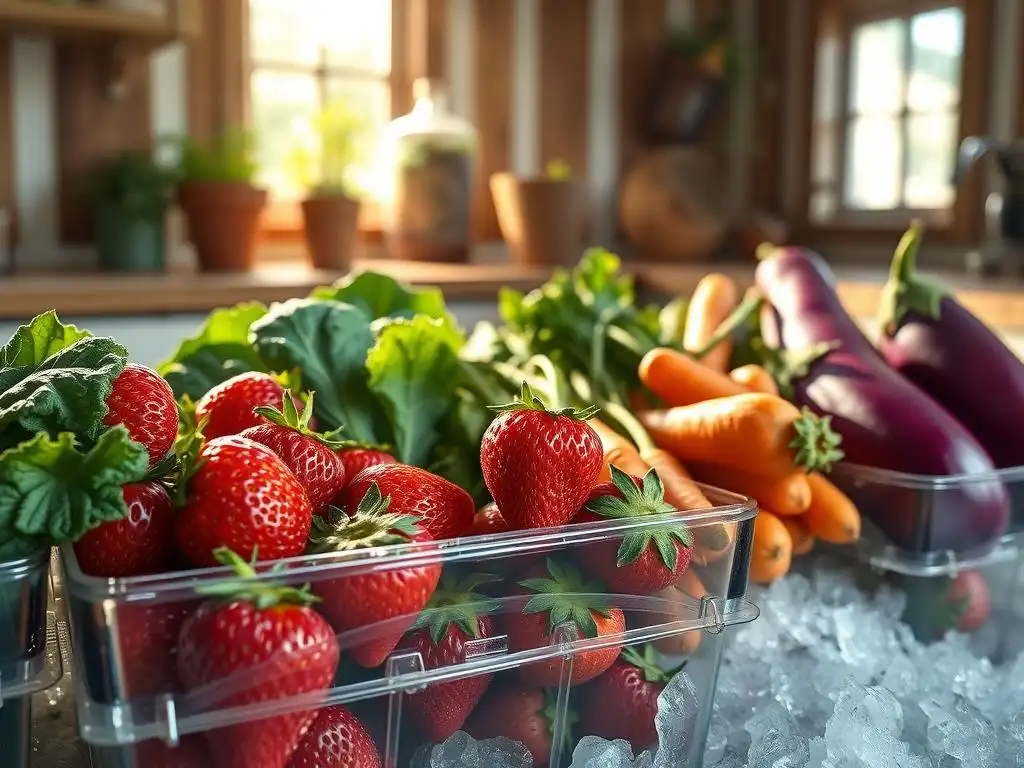
Welcome to CultivateYourFood, your guide to growing a thriving, sustainable garden! Are you ready to unlock the secrets to preserving your bountiful harvest organically? This season, go beyond simple canning – discover innovative techniques for freezing your fruits, vegetables, and herbs to ensure year-round enjoyment of nature's bounty. Dive into our "Beyond the Basics: Innovative Freezing Ideas" article and learn how to lock in freshness and flavor, naturally.
- Preserve Harvest Organically: Maximizing Flavor and Nutrition Through Freezing
- Innovative Freezing Techniques for Fruits and Vegetables
- Creative Freezing Methods for Organic Harvest Preservation
- Long-Term Storage and Organization of Your Frozen Harvest
- Combining Preservation Methods for Maximum Yield
- Troubleshooting Common Freezing Problems
-
Frequently Asked Questions
- What are the benefits of freezing my harvest organically?
- How can I ensure my organically grown produce freezes well?
- What are some innovative freezing ideas beyond basic freezing?
- Are there any specific organic considerations when freezing my harvest?
- How long can I safely store my organically frozen harvest?
- Final Reflection: A Frozen Future: Preserving Our Harvest, Preserving Ourselves
- Unlock Your Freezer's Potential: Fresh Food, Simplified!
Preserve Harvest Organically: Maximizing Flavor and Nutrition Through Freezing
Harvesting your homegrown fruits, vegetables, and herbs is incredibly rewarding, but the bounty can be overwhelming! Knowing how to properly preserve your organic harvest is crucial to avoid waste and enjoy the fruits (and vegetables!) of your labor year-round. This article explores innovative freezing techniques to maintain the nutritional value and delicious taste of your organically grown produce, ensuring you can savor the flavors of summer even during the coldest winter months.
We'll delve into the science behind successful freezing, guide you in selecting the appropriate freezer for your needs, and offer creative ideas to maximize the deliciousness of your frozen organic harvest. Proper freezing is a key component of sustainable gardening, allowing you to minimize food waste and enjoy the benefits of your hard work throughout the year. Learn how to effectively Preserve harvest organically freezing and unlock the full potential of your homegrown produce.
Understanding the Freezing Process for Optimal Preservation
Freezing food slows down enzymatic activity and microbial growth, effectively halting spoilage. However, improper freezing can lead to texture changes and nutrient loss. To preserve the quality of your organic produce, several key steps are essential:
- Blanching: For many vegetables (like green beans, peas, and broccoli), blanching—briefly submerging them in boiling water, then immediately plunging them into ice water—is crucial. This process inactivates enzymes that cause loss of color, flavor, and texture during freezing. It also helps to reduce the volume of the vegetables, allowing for more efficient storage.
- Proper Packaging: Using airtight, freezer-safe containers or bags is paramount. Avoid leaving any air pockets, as this can lead to freezer burn—the dehydration and oxidation of the food's surface, resulting in a dry, leathery texture and loss of flavor. Consider using vacuum-sealing bags for maximum protection.
- Freezing Rate: Rapid freezing is key to preserving the quality of your produce. Smaller portions freeze faster and more evenly, minimizing the formation of large ice crystals which can damage cell walls and negatively impact texture.
- Labeling and Dating: Always label your containers clearly with the contents and the date of freezing. This helps you track the age of your frozen produce and prevents accidental spoilage. A well-organized freezer ensures you can easily locate and use your frozen goodies before they lose their quality.
Choosing the Right Freezer for Your Organic Produce
The type of freezer you choose significantly impacts the quality of your frozen produce. Consider these factors:
- Freezer Type: Chest freezers generally maintain a more stable temperature and are better at preserving frozen goods for longer periods, minimizing freezer burn. Upright freezers, while more convenient for accessing items, are more susceptible to temperature fluctuations when the door is opened frequently.
- Freezer Capacity: Assess the volume of your harvest and choose a freezer with sufficient capacity to accommodate your needs. Consider future harvests and plan accordingly. Overcrowding can hinder proper freezing and lead to slower freezing times, affecting the quality of your produce.
- Temperature Control: A freezer with precise temperature control is essential for maintaining optimal freezing temperatures. Maintaining a consistent temperature below 0°F (-18°C) is crucial for preventing spoilage and preserving the quality of your organic produce. Regularly check the temperature of your freezer to ensure it remains within the recommended range.
The following sections will detail specific freezing techniques for various types of produce, along with creative recipe ideas to utilize your frozen organic harvest. Stay tuned! 🎉
Innovative Freezing Techniques for Fruits and Vegetables
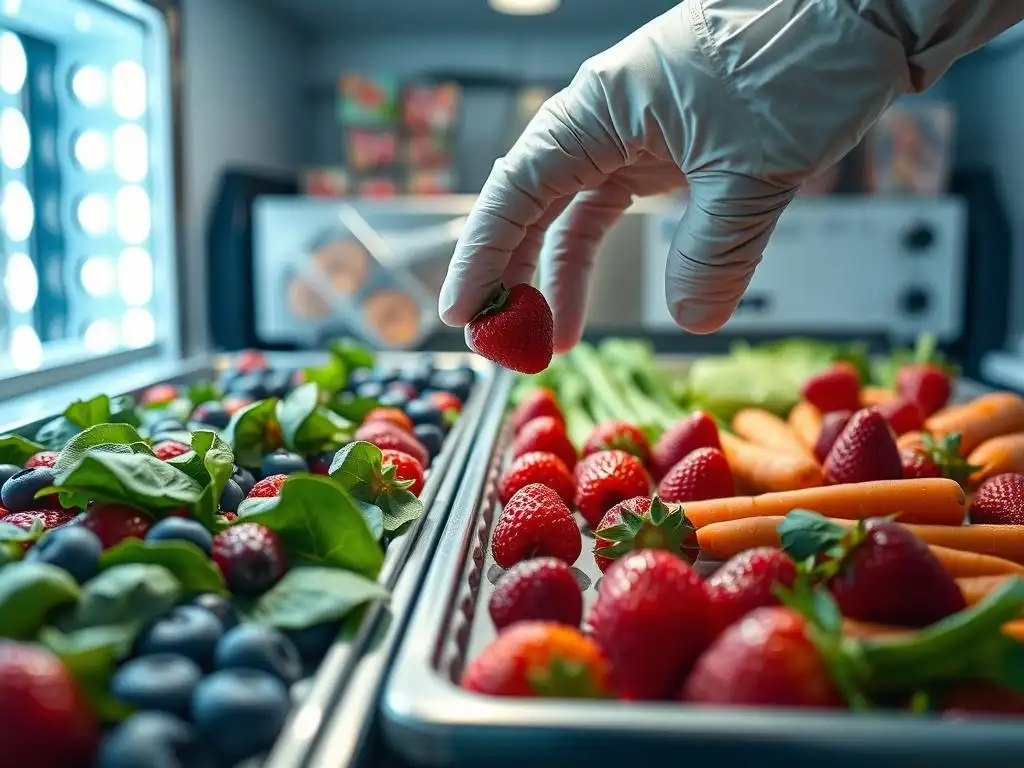
This section explores advanced freezing methods to preserve your organically grown harvest, ensuring optimal quality and minimizing nutrient loss. We'll delve into techniques beyond simple bagging and freezing, focusing on preserving the vibrant flavors and textures of your homegrown produce. Proper preservation is key to enjoying the fruits (and vegetables!) of your labor all year round. Mastering these techniques will elevate your "Preserve harvest organically freezing" efforts to a new level.
Flash Freezing: Maintaining Texture and Taste
Flash freezing, also known as rapid freezing, is a superior method for preserving the texture and taste of fruits and vegetables. Unlike slow freezing, which allows ice crystals to form slowly and damage cell walls, flash freezing rapidly lowers the temperature, creating smaller ice crystals that cause less damage. This results in a product that retains its original texture and flavor upon thawing, far superior to the mushy results often associated with standard freezing techniques.
Several methods can achieve flash freezing at home, although dedicated commercial flash freezers are the most effective. One effective home method involves spreading your prepared produce in a single layer on a baking sheet lined with parchment paper. This maximizes surface area exposure to cold air. Place the baking sheet in the freezer for 1-2 hours, or until the produce is completely frozen solid. Then, transfer the frozen pieces to airtight freezer bags or containers for long-term storage.
The benefits of flash freezing are substantial. Consider this: a study [specific information pending] compared the texture of strawberries frozen using flash freezing versus conventional methods. The flash-frozen strawberries retained significantly firmer texture and a brighter color after thawing, showcasing the superiority of this technique. Another advantage is the reduced risk of freezer burn, as the rapid freezing process minimizes moisture loss.
Blanching Before Freezing: Enzyme Deactivation
Blanching is a crucial step before freezing many fruits and vegetables, especially those high in enzymes that can lead to degradation during storage. This process involves briefly submerging the produce in boiling water, followed by an immediate ice bath. The boiling water deactivates enzymes responsible for undesirable changes in color, flavor, and texture, extending the shelf life and preserving the nutritional value of your frozen goods.
The blanching time varies depending on the type of produce and its size. For example, green beans typically require 2-3 minutes of blanching, while broccoli florets may need 3-5 minutes. It's crucial to follow specific guidelines for each vegetable to avoid over- or under-blanching. Over-blanching can lead to a loss of nutrients and texture, while under-blanching leaves enzymes active, leading to deterioration. Always refer to a reputable source for blanching times specific to your produce. A perfectly blanched green bean, for instance, will retain its vibrant green color and crisp texture even after months of freezing.
Think of it this way: blanching is like hitting the “pause” button on enzymatic activity. This simple step dramatically improves the quality of your frozen produce, allowing you to enjoy the taste and nutrients of your summer harvest well into the winter months. Proper blanching is a significant component of successfully preserving your harvest organically via freezing.
Freezing Herbs for Year-Round Use
Freezing herbs might seem daunting, but with the right technique, you can easily preserve their flavor and aroma. Unlike many vegetables, herbs don't require blanching before freezing, as their delicate leaves can become mushy. Instead, the key is to freeze them in a way that prevents them from clumping together and losing their vibrant color.
One effective method is to chop the herbs finely and mix them with a small amount of olive oil or water. This creates a paste-like consistency that prevents the herbs from drying out during freezing. Portion the mixture into ice cube trays, allowing each cube to contain a single serving of herbs. Once frozen, transfer the herb cubes to a freezer bag for longer storage. This method is ideal for adding herbs to soups, stews, and sauces without thawing them completely.
Another excellent option is to freeze herbs whole. Simply spread the leaves on a baking sheet lined with parchment paper and freeze them flat. Once frozen, transfer them to a freezer bag. This method preserves the herbs' shape and texture better, making them suitable for garnishing dishes.
Remember to label your freezer bags clearly with the type of herb and the freezing date to ensure proper organization and avoid waste. Freezing herbs this way significantly extends the usability of your herb garden's bounty, allowing you to enjoy fresh flavors year-round. This contributes significantly to your overall strategy of preserving harvest organically freezing.
Creative Freezing Methods for Organic Harvest Preservation
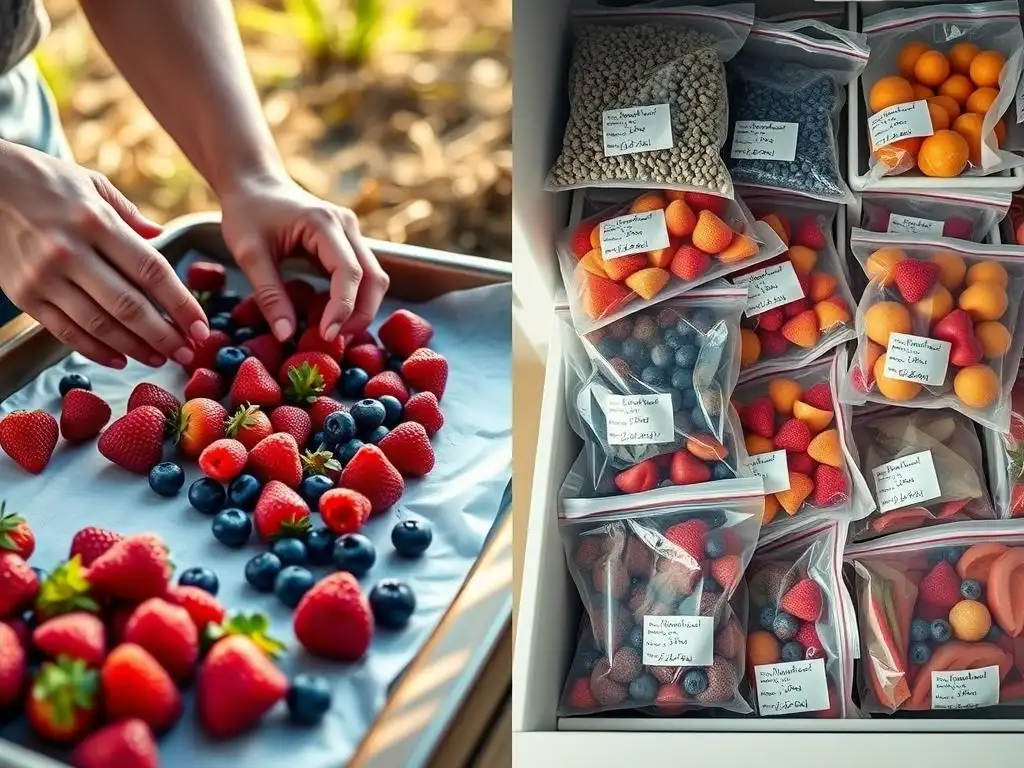
This section explores innovative techniques for preserving your organically grown harvest through freezing, maximizing both nutritional value and convenience. We move beyond simply tossing berries into a bag, focusing on methods that enhance the usability and longevity of your frozen bounty. Proper preservation techniques are key to ensuring your hard work doesn't go to waste, allowing you to enjoy the fruits (and vegetables!) of your labor throughout the year. This will help you effectively preserve harvest organically freezing.
Freezing Fruit Purees and Concentrates
Freezing fruit purees and concentrates offers a versatile approach to preserving your harvest. Instead of freezing whole fruits, which can take up considerable freezer space, pureeing them maximizes storage efficiency. This method is particularly well-suited for softer fruits that don't freeze well whole, like berries or peaches. Think of the possibilities: vibrant berry purees for smoothies, concentrated tomato paste for sauces, or even apple sauce for quick desserts.
Creating these concentrates is straightforward. Simply wash, clean, and blend your chosen fruit until smooth. For concentrates, you can simmer the puree gently to reduce moisture, leading to a more intense flavor and longer shelf life. Then, portion the puree or concentrate into ice cube trays for easy freezing and individual use. Once frozen solid, transfer the cubes to freezer bags for long-term storage. Proper labeling with the date is crucial for optimal quality control. This method allows for easy portioning for recipes, eliminating waste and maximizing convenience. You can preserve harvest organically freezing with this simple technique.
Freezing Individual Portions for Easy Meal Prep
Freezing individual portions is a game-changer for busy gardeners. Instead of thawing large batches of vegetables, you can easily grab a pre-portioned serving for a quick and healthy meal. This method dramatically reduces food waste and simplifies meal preparation. It's ideal for vegetables like peas, green beans, corn, and chopped herbs.
Consider the efficiency of freezing single-serving portions of vegetable stir-fry mixes or soup bases. Prepare your vegetables (blanching is recommended for some to retain color and texture), then portion them into freezer-safe containers. Using small, stackable containers saves space and allows for easy access. You can even use silicone ice cube trays for smaller quantities of herbs. Clear labeling with contents and date is essential. Remember to leave a small amount of headspace in each container to allow for expansion during freezing. This technique significantly improves the preserve harvest organically freezing process.
Innovative Packaging for Extended Shelf Life
The right packaging is crucial for maximizing the shelf life of your frozen organic produce. While freezer bags are convenient, investing in vacuum-sealed bags or containers can significantly extend the life and quality of your frozen goods. Vacuum sealing removes air, which is a major contributor to freezer burn and oxidation. This helps maintain the freshness, color, and nutritional value of your produce for a much longer time.
Moreover, consider using airtight containers made from BPA-free materials. These containers offer superior protection against freezer burn and maintain the integrity of the contents. The use of reusable, sustainable packaging aligns perfectly with the organic and sustainable ethos of preserving harvest organically freezing. Proper labeling is still essential, including the date of freezing and the contents for easy identification. Remember to choose containers with appropriate sizes for your portions to minimize air pockets and optimize space. Investing in high-quality packaging is a worthwhile investment for extending the enjoyment of your homegrown harvest.
Long-Term Storage and Organization of Your Frozen Harvest
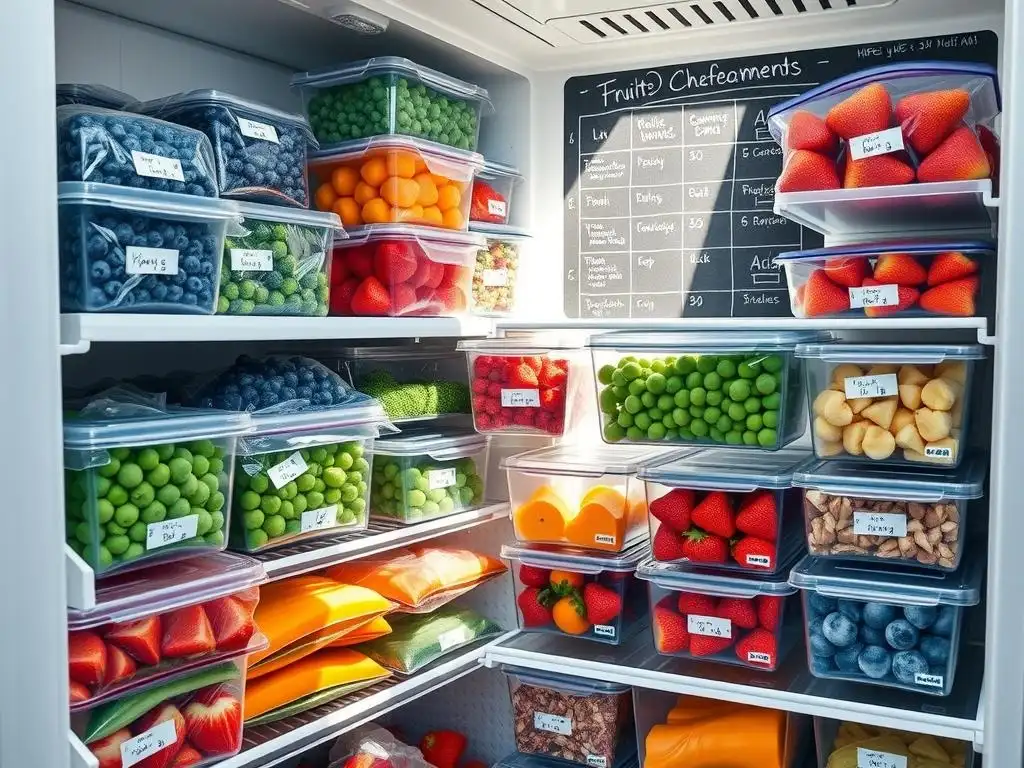
Preserving your harvest organically through freezing offers a fantastic way to enjoy the fruits (and vegetables!) of your labor year-round. However, simply tossing your bounty into freezer bags isn't enough to guarantee quality and prevent freezer burn. Proper storage and organization are crucial for maximizing the shelf life and nutritional value of your frozen produce.
This section will delve into practical strategies to ensure your frozen harvest remains delicious and usable for months to come. We'll explore labeling techniques, efficient freezer organization methods, and tips for preventing freezer burn, all while maintaining an organic and sustainable approach to preserving your precious produce. Efficiently preserving your harvest organically through freezing is a rewarding endeavor, and the following strategies will help you succeed.
Labeling and Dating Frozen Produce
Accurate labeling and dating are paramount to effective freezer management. Imagine reaching into your freezer six months later, only to find a mysterious, unidentifiable package! Avoid this scenario by implementing a clear and consistent labeling system. Use permanent markers on freezer-safe labels or directly on freezer bags (if they're opaque enough). Include the following information:
- Produce Type: Be specific! Instead of just "berries," write "organic blueberries" or "mixed organic raspberries and blackberries."
- Date of Freezing: This is vital for first-in, first-out (FIFO) inventory management.
- Quantity: Note the weight or volume (e.g., "1 lb organic carrots," "2 cups organic peas").
- Intended Use (optional): If you're freezing produce for specific recipes, note this (e.g., "for blueberry pie," "for vegetable soup").
Consider using a color-coding system for different produce types to improve visual organization. For example, green labels for herbs, red for tomatoes, and blue for berries. This visual cue makes finding specific items much quicker and easier. This meticulous labeling is key to successfully preserving your harvest organically through freezing.
Efficient Freezer Organization
A cluttered freezer hinders efficiency and can lead to forgotten, spoiled produce. Maximize your freezer space and minimize waste by implementing an organized system. Here are some effective strategies:
- Utilize Shelf Space: Stack flat containers or bags to maximize vertical space. Avoid overcrowding, which can impede proper air circulation and lead to uneven freezing.
- Use Freezer-Safe Containers: Invest in sturdy, airtight containers designed for freezer storage. These help prevent freezer burn and maintain the quality of your produce. Glass containers are a sustainable option, but ensure they are specifically designed for freezer use to prevent breakage.
- Categorize Produce: Group similar items together. For example, dedicate one shelf to berries, another to vegetables, and another to herbs. This method significantly improves retrieval time and reduces the likelihood of forgetting about items buried deep within the freezer.
- First In, First Out (FIFO): Always place newly frozen items at the back of the freezer and move older items to the front. This ensures that older produce is used before it loses its optimal quality. This simple method is key to preserving your harvest organically through freezing without waste.
- Inventory Tracking: Consider using a digital or paper inventory to keep track of what you have frozen, the date it was frozen, and its intended use. This system helps plan meals and prevents food waste. Think of it as a digital garden journal for your freezer! 🍓🥕🌿
By implementing these organizational strategies, you'll ensure that your frozen harvest remains fresh, accessible, and ready to use whenever you need it. Efficiently preserving your harvest organically through freezing becomes much simpler with a well-organized freezer. Remember, a well-organized freezer is a happy freezer! 😄
Combining Preservation Methods for Maximum Yield
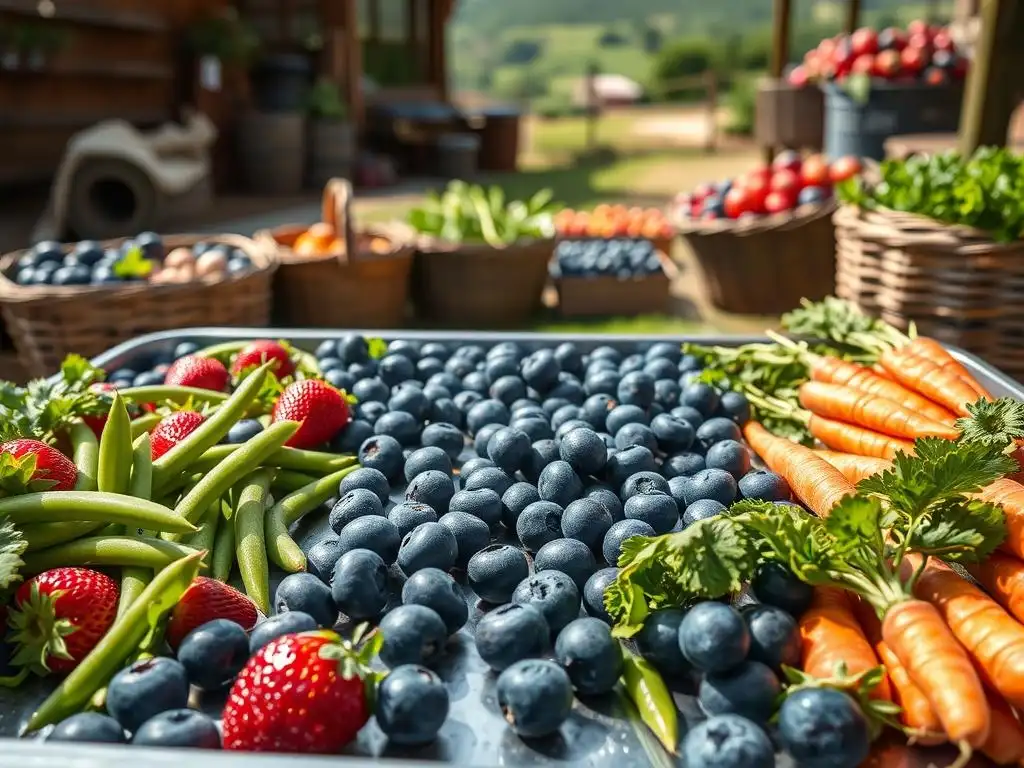
This section explores the benefits of combining different preservation methods to maximize the yield and longevity of your organically grown harvest. By strategically using techniques like freezing and dehydrating, or freezing and canning, you can significantly reduce food waste and enjoy the fruits (and vegetables!) of your labor throughout the year. Efficient preservation is key to the success of any sustainable gardening practice, ensuring that your hard work doesn't go to waste. This approach to preserving your harvest organically through freezing is a crucial step towards minimizing spoilage and maximizing the value of your homegrown produce.
Freezing and Dehydrating: A Synergistic Approach
Freezing and dehydrating are complementary preservation methods. Dehydrating reduces the volume of fruits and vegetables, making them easier to store and freeze. Consider berries, for example. Dehydrating them first removes excess moisture, preventing ice crystal formation during freezing which can compromise texture. This results in a superior final product after thawing. The dehydrated berries, once frozen, occupy less freezer space, leading to more efficient use of your storage capacity.
This combined approach is particularly effective for produce prone to enzymatic browning, such as apples or pears. Dehydration slows down the browning process, and freezing subsequently halts it completely. You can then rehydrate the frozen, dehydrated fruits later for use in jams, pies, or other recipes, maintaining a high quality even after a long storage period. Think of it as a two-pronged attack against spoilage! 🍓🍎
The process typically involves dehydrating the produce until it reaches the desired moisture content, then packaging it appropriately for freezing (using freezer-safe bags or containers) to further extend shelf life. This method is highly effective for preserving the flavor and nutritional value of your organically grown produce over an extended period. Detailed instructions for both dehydration and freezing processes can be found in other sections of this website.
Freezing and Canning: Extending Shelf Life
Combining freezing and canning offers another avenue to extend the shelf life of your harvest. While canning is excellent for preserving certain fruits and vegetables for a long time, it requires a significant amount of time and effort. Freezing, however, is quicker and easier. A smart strategy is to freeze a portion of your harvest for immediate consumption, while canning a larger portion for long-term storage.
For instance, consider tomatoes. You can freeze a batch of chopped tomatoes for use in sauces and soups throughout the winter, while canning whole tomatoes or making tomato paste for even longer storage. This method provides a flexible approach, offering a balance between convenience and long-term preservation. The key is to understand the characteristics of each food item and choose the most appropriate preservation method based on its suitability and your personal needs. 🍅🥫
This combined strategy minimizes the workload associated with solely relying on canning while still ensuring a significant portion of your harvest is preserved for extended periods. It also provides variety in terms of how you access your homegrown produce throughout the year. You can enjoy fresh-tasting frozen tomatoes in your winter stews and savor the canned tomatoes in your summer recipes. This dual-preservation approach exemplifies the efficiency and versatility of combining methods for optimal harvest preservation.
Troubleshooting Common Freezing Problems
Preserving your harvest organically through freezing offers numerous advantages, but challenges can arise. Understanding and proactively addressing these issues ensures your hard work translates into delicious, high-quality frozen produce. Let's explore some common problems and their solutions, focusing on techniques that maintain the organic integrity of your harvest. Proper preparation is key to successfully preserving your harvest organically freezing.
Freezer Burn: Prevention and Solutions
Freezer burn, characterized by a dry, leathery texture and loss of flavor, is a common nemesis for home freezers. It occurs when food is exposed to air, leading to moisture loss through sublimation (ice directly turning to vapor). Minimizing air exposure is paramount.
Here’s how to prevent freezer burn when preserving your harvest organically freezing:
- Proper Packaging: Use airtight containers or freezer bags specifically designed for food storage. Ensure you remove as much air as possible before sealing. Consider using vacuum-sealing techniques for optimal results. This is especially crucial for leafy greens and herbs.
- Portion Control: Freeze produce in smaller, manageable portions. This allows for quicker freezing and reduces the overall surface area exposed to air. Smaller portions also thaw more quickly, minimizing quality degradation.
- Rapid Freezing: Aim for rapid freezing to minimize ice crystal formation. Smaller portions freeze faster. Consider using a flat, shallow container to increase surface area contact with the freezing surface.
- Labeling and Dating: Proper labeling with the date of freezing is essential for inventory management and ensuring you use your frozen produce before significant quality loss occurs. This also helps with inventory management and prevents food waste.
Addressing existing freezer burn is difficult, but some strategies can mitigate its effects. While you cannot fully restore the original quality, you can still salvage some of your produce. For example, blending slightly freezer-burned berries into smoothies can mask the textural changes.
Avoiding Texture Changes During Freezing
Maintaining the original texture of your organically grown produce after freezing is a significant goal. Certain vegetables, like broccoli and peas, are more prone to textural changes than others. Understanding the process and implementing appropriate techniques are crucial.
Several factors contribute to texture changes during freezing. These include:
- Enzyme Activity: Enzymes within the produce continue to act even after harvesting, potentially causing softening or discoloration during freezing. Blanching (briefly boiling or steaming) before freezing inactivates these enzymes, preserving texture and color. This is particularly effective for vegetables like green beans and peas.
- Ice Crystal Formation: Large ice crystals damage cell walls, leading to a mushy texture upon thawing. Rapid freezing minimizes ice crystal formation, resulting in better texture retention.
- Moisture Loss: As discussed with freezer burn, moisture loss during freezing can lead to a tough, leathery texture. Proper packaging and rapid freezing are essential to prevent this.
To minimize texture changes:
- Blanching: For many vegetables, blanching is a crucial step before freezing. It helps preserve color, texture, and nutritional value. Research the appropriate blanching times for specific vegetables to avoid overcooking.
- Quick Freezing: Freeze produce in a single layer on a baking sheet before transferring to airtight containers or bags. This ensures rapid freezing and limits ice crystal formation.
- Freezing in Syrup or Broth: For fruits, freezing in a light syrup or broth can help maintain texture and prevent sticking. This technique is particularly useful for berries and other delicate fruits. Using organic syrup or broth aligns with the organic preservation goal.
By implementing these strategies, you can significantly improve the quality and longevity of your organically frozen harvest, ensuring delicious and nutritious meals throughout the year. Remember, careful preparation and proper freezing techniques are vital for successfully preserving your harvest organically freezing.
Frequently Asked Questions
What are the benefits of freezing my harvest organically?
Freezing your harvest organically allows you to preserve the nutritional value and flavor of your fruits, vegetables, and herbs for extended periods, minimizing waste and ensuring year-round access to your homegrown produce. It's a sustainable method of preserving food.
How can I ensure my organically grown produce freezes well?
Proper preparation is key! Blanch vegetables before freezing to deactivate enzymes that cause deterioration. For fruits, consider flash-freezing individual pieces on a tray before bagging to prevent clumping. Always use airtight containers or freezer bags.
What are some innovative freezing ideas beyond basic freezing?
Consider freezing fruits in ice cube trays for easy portioning in smoothies or desserts. Puree your harvest into ice cube trays for convenient use in soups or sauces. You can also freeze herbs in olive oil for flavorful additions to future dishes.
Are there any specific organic considerations when freezing my harvest?
Maintaining organic integrity throughout the process is crucial. Use only organic packaging materials and avoid cross-contamination with non-organic produce. Ensure your freezer is clean to prevent any unwanted bacterial growth.
How long can I safely store my organically frozen harvest?
The shelf life varies depending on the produce, but generally, most organically frozen fruits and vegetables will remain safe and palatable for 10-12 months. However, always check for any signs of freezer burn or spoilage before consuming.
Final Reflection: A Frozen Future: Preserving Our Harvest, Preserving Ourselves
The innovative techniques explored in this article for organically freezing your harvest are not merely about preserving food; they are about preserving a connection to the land, a commitment to sustainability, and a future where healthy, homegrown food is accessible to all. The ability to extend the life of our carefully cultivated produce is more critical than ever in a world facing climate change and increasing food insecurity.
The impact of home preservation methods, particularly organic freezing, extends far beyond the individual household. It represents a powerful shift towards self-sufficiency and a conscious effort to reduce our reliance on industrially produced, often chemically treated, food. This conscious choice resonates deeply with a growing movement towards mindful consumption and a return to traditional practices. We must cultivate our own gardens, not only for the food they produce, but for the peace and tranquility they bring to our souls.
– Unknown. This sentiment perfectly captures the holistic benefits of preserving our harvest, extending beyond mere sustenance to encompass a deeper connection with nature and ourselves.
Now, consider your own harvest – whether it's a bountiful garden, a few cherished herbs, or even the fruits of a local farmers market. What steps can you take to embrace these innovative freezing techniques? Imagine the satisfaction of enjoying the vibrant flavors of summer throughout the long winter months, knowing that you played an active role in preserving nature's bounty.
This isn't just about preserving food; it's about preserving a legacy of mindful living, a commitment to sustainability, and a deeper connection to the earth and its gifts. Take the first step today. Your future self – and the planet – will thank you.
Unlock Your Freezer's Potential: Fresh Food, Simplified!
Thanks for exploring innovative freezing techniques! You've discovered a wealth of tips to keep your food fresh and delicious longer. Now, let's put your new knowledge to work!
- Master the Art of Freezing: This week, try a new freezing technique or recipe from the article. Experiment with freezing herbs, prepping meals in advance, or achieving the perfect ice cream texture.
- Share Your Freezing Successes: Snap a photo of your frozen creation and share it on social media using #CultivateYourFoodFreezer. Let's inspire each other!
- Join the Discussion: What's your biggest freezer challenge, and how do you overcome it? Share your tips and questions in the comments below!
Ready to transform your freezer from a simple storage space into a culinary powerhouse?