
Canning with Alternative Sweeteners: Exploring Options for Reduced Sugar Preserves

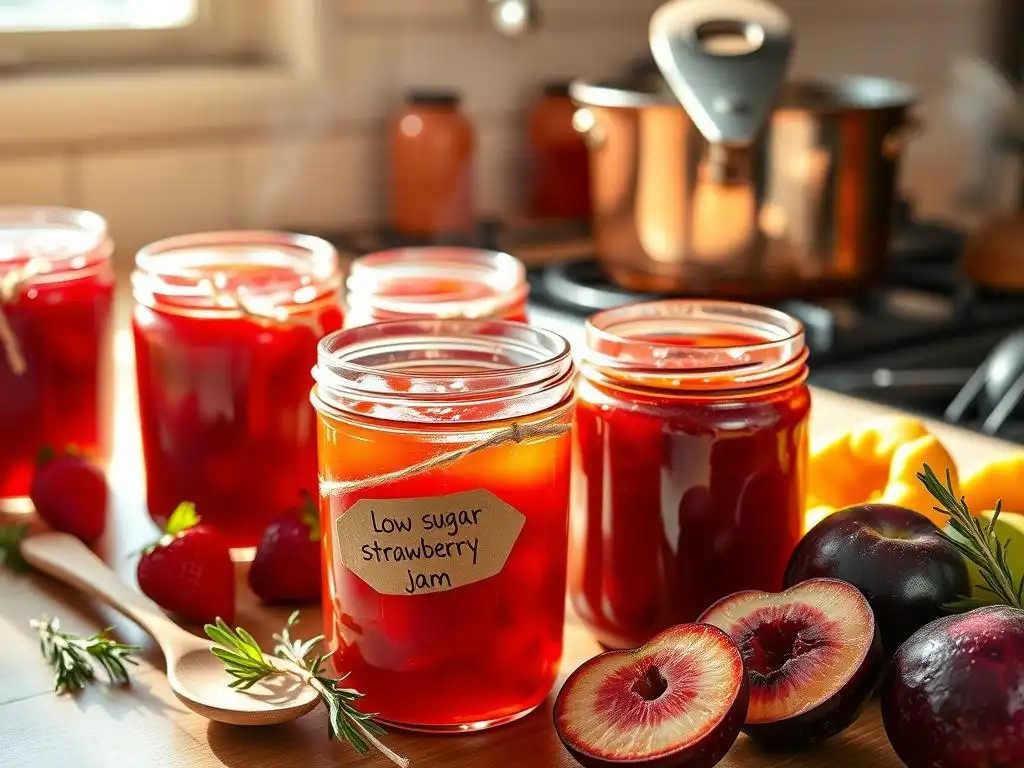
Welcome to CultivateYourFood, your guide to a greener, more flavorful life! Are you ready to transform your harvest into delicious, healthy preserves without the sugar overload? Discover the secrets to low sugar canning recipes and unlock a world of vibrant, naturally sweet jams, jellies, and more. Dive into our Harvesting and Preserving section and learn how to create delectable treats while embracing sustainable, organic practices. Let's cultivate a healthier future, one jar at a time!
Understanding the Benefits of Low Sugar Canning Recipes
Canning your homegrown fruits and vegetables is a rewarding way to preserve the bounty of your harvest and enjoy delicious flavors year-round. However, traditional canning recipes often rely heavily on sugar, not only for sweetness but also as a preservative. This article explores the growing trend of low-sugar canning, examining alternative sweeteners and techniques to create delicious and healthy preserves while minimizing added sugar.
We'll delve into the health benefits of reducing sugar intake, explore various low-sugar canning recipes, and offer practical tips for successful preservation using alternative sweeteners. This guide is perfect for those seeking healthier options while still enjoying the satisfaction of home-canned goodness, aligning perfectly with the sustainable and organic principles of CultivateYourFood. Learning to can with less sugar opens up a world of possibilities for creating delicious and nutritious preserves that fit modern health-conscious lifestyles.
Health Benefits of Reducing Sugar in Preserves
Reducing sugar in your canned goods offers numerous health advantages. High sugar intake is linked to various health problems, including weight gain, type 2 diabetes, heart disease, and tooth decay. By opting for low-sugar canning recipes, you actively control the amount of added sugar in your diet, promoting better overall health and well-being. This is particularly important for individuals with diabetes or those looking to manage their weight. The benefits extend beyond individual health; reducing sugar consumption also contributes to a more sustainable food system by decreasing reliance on high-sugar processed ingredients.
Exploring Alternative Sweeteners for Canning
Several alternative sweeteners can successfully replace refined sugar in canning recipes, each with its unique characteristics and suitability for different applications. Some popular options include:
- Honey: A natural sweetener with a distinct flavor profile, honey adds a complex sweetness and can be used in many fruit preserves. However, its higher water content might require slight adjustments to processing times.
- Maple Syrup: Offering a rich, robust flavor, maple syrup works well in jams and jellies, particularly those with autumnal fruits like apples or cranberries. Again, adjustments to processing times may be necessary due to its water content.
- Agave Nectar: A highly processed sweetener with a mild flavor, agave nectar offers a high level of sweetness. However, it's important to note that while lower on the glycemic index than refined sugar, it's still high in fructose and should be used sparingly.
- Stevia: A natural, zero-calorie sweetener, stevia is incredibly sweet and requires careful measurement to avoid overly sweet results. Its intense sweetness means a little goes a long way.
- Monk Fruit: Another natural, zero-calorie sweetener, monk fruit offers a clean sweetness without aftertaste. It blends well with other sweeteners for a balanced flavor profile.
Adapting Traditional Canning Recipes for Low Sugar Content
Successfully adapting traditional canning recipes for low-sugar content requires careful consideration. Simply reducing the amount of sugar may not suffice; the texture and preservation of the fruit might be affected. Often, increasing the amount of acid (like lemon juice) is necessary to maintain the pH level and prevent spoilage.
Experimentation and careful research are key to finding the right balance of sweetness, acidity, and pectin to achieve the desired consistency and shelf-life. Many resources offer tested low-sugar canning recipes, providing a starting point for your culinary adventures. Remember to always follow safe canning practices and consult reliable sources for accurate information.
Tips for Successful Low-Sugar Canning
Successfully canning with alternative sweeteners requires attention to detail. Here are some key tips for success:
- Accurate Measurements: Precise measurements of both the sweetener and the acid are crucial for optimal results.
- Proper pH Levels: Maintain the correct pH level to ensure safety and prevent spoilage. Use a pH meter for accurate readings.
- Testing for Set: Use a reliable method to test for the proper set of your preserves.
- Safe Canning Practices: Always adhere to safe canning procedures to prevent bacterial contamination.
This section provides a solid foundation for understanding the benefits and techniques of low-sugar canning. The following sections will delve deeper into specific recipes and advanced techniques.
Frequently Asked Questions
What are some alternative sweeteners I can use for low-sugar canning?
You can explore options like stevia, erythritol, monk fruit, and xylitol. Remember to always follow tested recipes specifically designed for these sweeteners, as they may impact the canning process differently than sugar.
How do alternative sweeteners affect the texture of canned goods?
The texture can vary depending on the sweetener used. Some, like erythritol, may result in a slightly different mouthfeel compared to traditional sugar. Testing small batches is recommended before canning large quantities.
Are low-sugar canning recipes safe?
Yes, but proper canning techniques are crucial. Following established, tested recipes that account for the different properties of alternative sweeteners is essential to prevent spoilage and ensure safety.
Can I reduce the sugar in existing recipes without compromising safety?
Reducing sugar significantly in established recipes can compromise safety and may lead to spoilage. Always use a tested recipe specifically designed for low-sugar canning.
Where can I find reliable low-sugar canning recipes?
Resources like the National Center for Home Food Preservation website and reputable canning books offer tested and safe recipes using alternative sweeteners. Always prioritize trusted sources.
Final Reflection: A Sweeter Future, Naturally
The pursuit of healthier, lower-sugar lifestyles is no longer a niche trend; it's a fundamental shift in how we approach our diets. The increasing awareness of the impact of added sugars on our health necessitates innovative approaches to food preservation, and home canning is no exception. This exploration of alternative sweeteners in canning offers a tangible path towards enjoying the deliciousness of homemade preserves without the hefty sugar load.
The journey of discovering and experimenting with alternative sweeteners in canning has been a fascinating one, highlighting the rich tapestry of flavors and textures available beyond traditional granulated sugar. The subtle nuances introduced by maple syrup, honey, or even fruit purees add depth and complexity to the canning process, challenging the notion that low-sugar equates to bland. The best things in life are worth fighting for, and a healthier, more flavorful approach to canning is certainly one of them.
This sentiment encapsulates the spirit of innovation and experimentation that drives the pursuit of healthier food choices.
You, the home canner, now hold the power to redefine your relationship with sweetness. Consider the possibilities: experimenting with different sweetener ratios, exploring new fruit combinations, and sharing your creations with loved ones. Don't be afraid to embrace the challenge of finding the perfect balance of flavor and health. The journey of low-sugar canning is not just about reducing sugar; it's about reclaiming control over your food, embracing creativity in the kitchen, and savoring the fruits (and vegetables!) of your labor. Let's build a future where delicious and healthy coexist seamlessly in our jars.
Unlock the Sweetness: Craft Healthier Preserves Today!
Thank you for exploring the world of reduced-sugar canning with us! You've discovered how to create delicious preserves while prioritizing your well-being. Ready to put your new knowledge into action?
- Start your next canning project: Choose your favorite recipe and experiment with a healthier sweetener like maple syrup or honey—you'll be amazed at the results! A small batch is a great way to perfect your technique.
- Share your creations: Tag us on social media with photos of your canning adventures and inspire others to join the healthy preserving movement. Let's build a community of mindful food creators!
- Explore alternative sweeteners: Research different types of sweeteners, such as stevia, agave, or monk fruit, and learn how their unique properties influence the flavor and texture of your preserves.
What delicious, healthier preserve will you make next? Let's hear your ideas in the comments below!