
Creative Ways to Use Your Frozen Garden Harvest

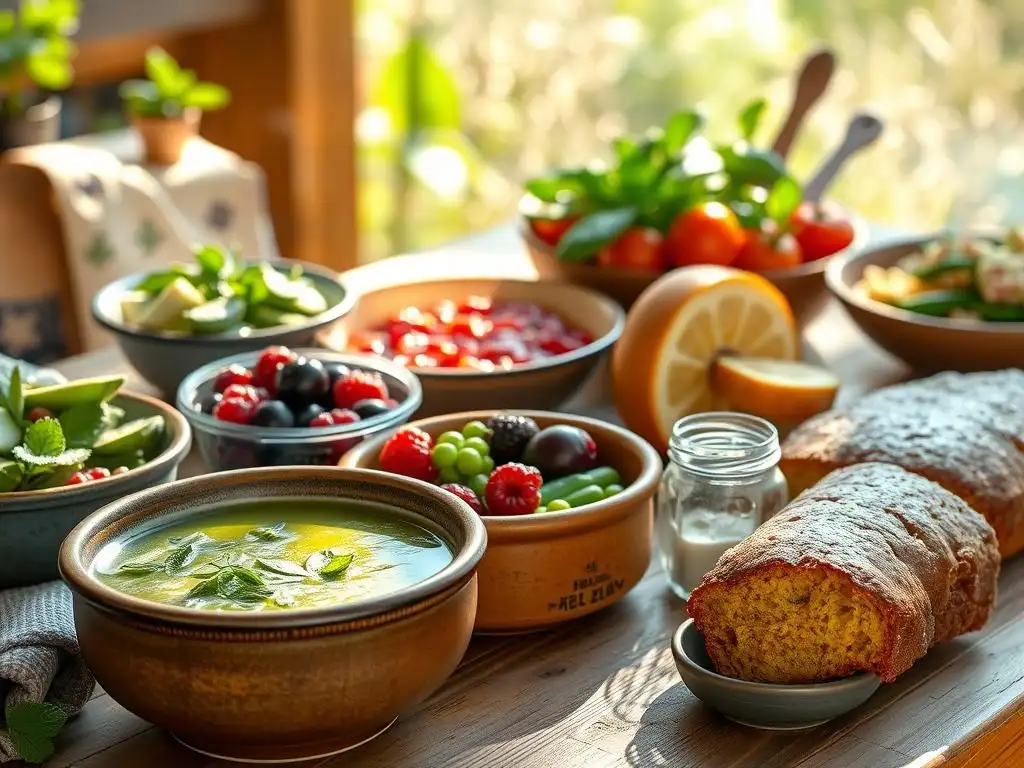
Welcome to CultivateYourFood, your guide to nurturing a thriving, sustainable garden! Are you ready to unlock the secrets to maximizing your harvest, even after the growing season ends? This season's bounty doesn't have to disappear with the first frost. Discover creative and delicious ways to use your frozen garden harvest – from vibrant soups to surprising desserts – and learn how to transform your frozen fruits, vegetables, and herbs into culinary masterpieces. Let's explore the possibilities together!
- Maximizing the Flavor of Your Frozen Garden Bounty
- Beyond the Basics: Unexpected Uses for Frozen Produce
- Tips for Using Frozen Garden Produce Effectively
- Recipes Featuring Frozen Garden Harvest
- Planning Your Frozen Garden Harvest for Year-Round Enjoyment
- Frequently Asked Questions
- Final Reflection: Unlocking the Bounty: A Year-Round Feast from Your Frozen Garden
- Unlock Your Freezer's Culinary Potential!
Maximizing the Flavor of Your Frozen Garden Bounty
Freezing your garden harvest is a fantastic way to preserve the fruits, vegetables, and herbs of your labor, extending their deliciousness far beyond the growing season. But what to do with all those frozen treasures? This article explores creative and delicious ways to use your frozen garden harvest, transforming simple frozen ingredients into culinary masterpieces. We'll delve into techniques that not only preserve the nutritional value of your produce but also enhance its flavor, offering a range of recipes and ideas to inspire your cooking throughout the year.
From vibrant pesto to creamy soups, we'll unlock the full potential of your frozen bounty, proving that frozen produce is far from flavorless. This guide will help you efficiently use "Use frozen garden harvest creatively" and will show you how to make the most of your hard work, minimizing waste and maximizing flavor. Let's dive into some exciting possibilities!
Unlocking the Potential of Frozen Berries: Smoothies & Sorbets
Frozen berries are a smoothie-maker's dream! Their icy texture creates a naturally thick and refreshing blend without the need for extra ice. Simply combine your frozen berries (mix and match your favorites!) with your choice of liquid (milk, yogurt, juice) and a touch of sweetener if desired.
Adding a handful of spinach or kale boosts the nutritional value without compromising the delicious berry flavor. Beyond smoothies, frozen berries are perfect for creating vibrant and refreshing sorbets. The frozen fruit's natural sweetness reduces the need for added sugar, resulting in a healthier and lighter dessert. A simple blender and a little patience are all you need to transform your frozen berries into a delightful treat.
Consider experimenting with different berry combinations – a mix of raspberries, blueberries, and strawberries creates a truly stunning and flavorful sorbet. Remember to let your sorbet sit in the freezer for a few hours to allow it to firm up completely before serving. 🍓🫐
Creative Frozen Vegetable Applications: Creamy Tomato Soup & Vibrant Pesto
Don't let those frozen vegetables languish in your freezer! Frozen vegetables retain much of their nutritional value and can be used in countless recipes. For instance, frozen tomatoes are perfect for creating a rich and creamy tomato soup. Simply sauté some onions and garlic, then add your frozen tomatoes and simmer until softened. Blend the mixture until smooth, adding a touch of cream or coconut milk for extra richness. The result is a flavorful and hearty soup that's perfect for a chilly evening. 🍅
Frozen vegetables also work wonders in pesto! While fresh basil is traditionally used, frozen basil provides a surprisingly good alternative, especially during the off-season. Combine your frozen basil with pine nuts, garlic, Parmesan cheese, and olive oil in a food processor. The frozen basil helps create a wonderfully smooth and vibrant pesto that's perfect for pasta, sandwiches, or as a topping for grilled chicken or fish. The slightly milder flavor of frozen basil may even be preferred by some! Experiment with different frozen greens, such as spinach or kale, for unique pesto variations. 🌿
Infusing Frozen Basil into Everyday Dishes: Pesto & Basil-Infused Olive Oil
Frozen basil isn't just for pesto! Its flavor can easily be infused into olive oil, creating a fragrant and flavorful oil perfect for drizzling over salads, pasta, or grilled vegetables. Simply heat a small amount of olive oil in a saucepan, add your frozen basil, and simmer gently for about 10 minutes, or until the basil has released its flavor. Strain the oil through a fine-mesh sieve and store it in an airtight container.
This basil-infused olive oil adds a burst of fresh flavor to any dish and is a fantastic way to use up any leftover frozen basil. You can also experiment with infusing other herbs and spices into your olive oil using this method! This method is a testament to the versatility of frozen herbs and allows for easy incorporation into various dishes throughout the year. 🍃
Beyond the Basics: Unexpected Uses for Frozen Produce
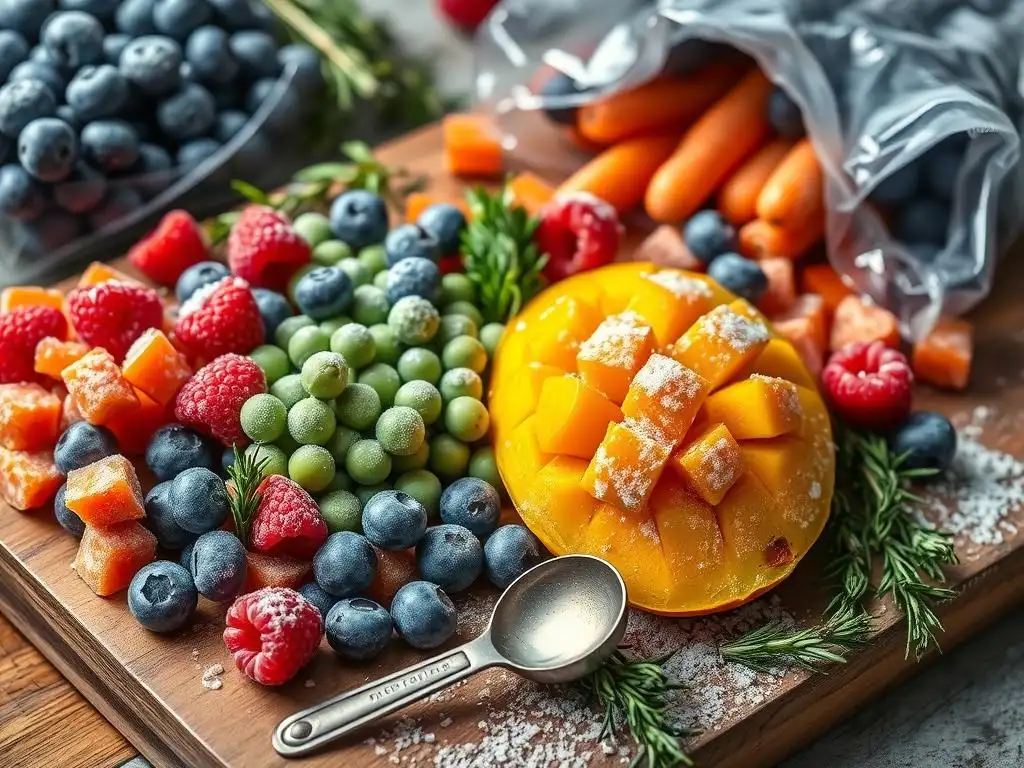
This section explores creative applications for your frozen garden bounty, moving beyond the typical smoothies and soups. We'll delve into unexpected ways to use frozen fruits, vegetables, and herbs, maximizing the value of your hard work and minimizing food waste. Learning to creatively use frozen garden harvest expands your culinary horizons and allows you to enjoy the fruits (and vegetables!) of your labor year-round.
Frozen Fruit in Baked Goods: Blueberry Muffins, Zucchini Bread, and Strawberry Cake
Frozen fruit is a baker's best friend! Its convenience and consistent moisture content make it ideal for incorporating into a variety of baked goods. Forget the hassle of thawing – simply add frozen fruit directly to your recipes. The slight increase in moisture can even enhance the texture of certain baked goods.
For instance, frozen blueberries add bursts of juicy sweetness to muffins without the need for extra liquid. The cold fruit helps maintain the muffin's structure, preventing overly soggy results. Similarly, grated frozen zucchini, subtly incorporated into zucchini bread, provides moisture and a healthy boost without compromising the bread's delightful texture. And who can resist the moist and flavorful delight of a strawberry cake made with frozen strawberries? The intense flavor of the frozen fruit shines through, creating a truly unforgettable dessert.
Here's a quick comparison of using fresh vs. frozen fruit in baking:
| Feature | Fresh Fruit | Frozen Fruit |
|---|---|---|
| Convenience | Requires washing, prepping, etc. | Ready to use directly from freezer |
| Moisture Content | Can vary greatly | Consistent moisture |
| Flavor Intensity | Can diminish over time | Often more intense |
| Cost | Can be more expensive seasonally | Often more cost-effective |
The key to success is to understand that frozen fruits might release more liquid than fresh ones. You may need to slightly adjust your recipe's liquid content to compensate, preventing a soggy end product. Experimentation is key! Don't be afraid to try different combinations and adjust your recipes to find your perfect balance.
Adding Frozen Peas and Corn to Savory Dishes: Spinach and Artichoke Quiche & Vegetable Frittata
Frozen peas and corn are not just for side dishes! Their vibrant color and sweet flavor add a delicious dimension to savory meals, particularly quiches and frittatas. The frozen vegetables retain their texture remarkably well when added to these dishes, contributing both flavor and visual appeal.
A spinach and artichoke quiche, for example, benefits greatly from the addition of frozen peas. The peas provide a pleasant textural contrast to the creamy spinach and artichoke filling, adding a touch of sweetness and freshness. Similarly, incorporating frozen corn into a vegetable frittata adds a burst of sweetness and a vibrant yellow hue. The frozen corn kernels hold their shape well during baking, providing a delightful textural element. This makes for a quick and easy meal that's both nutritious and delicious. Using frozen vegetables drastically reduces prep time, making these dishes even more appealing for busy weeknights.
The secret to using frozen vegetables in these dishes lies in not overcooking them. Add them towards the end of the cooking process to prevent them from becoming mushy. The residual heat will be sufficient to cook them through while maintaining their desirable texture. Think of them as a quick and convenient way to add extra nutrients and flavor to your meals. This approach aligns perfectly with sustainable and efficient cooking practices.
Frozen Herb Infusions: Beyond Pesto: Herb-Infused Vinegars
Expand your culinary creativity by infusing vinegars with your frozen herbs! This simple process unlocks a world of flavor possibilities, transforming ordinary vinegar into a gourmet ingredient. Instead of letting your precious herbs go to waste, freeze them and use them to create flavorful infusions.
The process is straightforward: simply combine your favorite frozen herbs (such as basil, parsley, or thyme) with vinegar in a jar. Allow the mixture to steep for several weeks, shaking occasionally. The result is a fragrant and flavorful vinegar that adds depth and complexity to your dishes. This technique is particularly useful for preserving herbs that are abundant during specific seasons, allowing you to enjoy their flavor year-round.
You can experiment with different types of vinegar, such as white wine vinegar, apple cider vinegar, or balsamic vinegar, to create a variety of unique flavor profiles. This method allows you to use frozen garden harvest in a truly unique and delicious way, adding a sophisticated touch to your cooking. Consider creating a rosemary-infused vinegar for roasted meats, a basil-infused vinegar for salads, or a thyme-infused vinegar for soups and stews. The possibilities are endless!
Tips for Using Frozen Garden Produce Effectively
This section focuses on maximizing the culinary potential of your frozen garden bounty. Using frozen produce effectively involves understanding its unique properties and adapting your cooking methods accordingly. Remember, while freezing preserves much of the nutritional value and extends shelf life, it does alter the texture slightly. This is easily addressed with smart cooking techniques. Let's explore some creative ideas and practical tips to help you "Use frozen garden harvest creatively."
Thawing Techniques for Optimal Flavor and Texture
Thawing frozen produce improperly can lead to mushy textures and nutrient loss. The best approach depends on the type of produce and your recipe. For instance, berries intended for smoothies or jams require no thawing; simply add them frozen. However, vegetables used in stir-fries or soups benefit from a controlled thaw.
Here's a breakdown of effective thawing techniques:
- Refrigerator Thawing: This is the gentlest method, preserving both texture and nutrients. Place your frozen produce in a sealed container in the refrigerator overnight or for several hours, allowing it to thaw slowly and evenly. This method is ideal for most vegetables and larger fruits.
- Cold Water Thawing: For quicker thawing, submerge the sealed package of produce in a bowl of cold water. Change the water every 30 minutes to maintain a consistently cold temperature, preventing bacterial growth. This method works well for smaller portions or when you need the produce sooner.
- Microwave Thawing (Use Cautiously): Microwaves can be convenient but can sometimes overcook the produce unevenly. If using this method, use the defrost setting and check frequently to prevent overcooking. This method is best for small quantities and quick recipes where slight textural changes are less noticeable.
Remember to always thaw produce completely before cooking, unless a recipe specifically calls for frozen ingredients. Partial thawing can lead to uneven cooking and a less appealing final product.
Maintaining Nutritional Value in Frozen Produce
Freezing preserves a significant portion of the vitamins and minerals in your garden harvest, but certain practices can help maximize nutrient retention. Blanching vegetables before freezing, for example, inactivates enzymes that can cause nutrient degradation during storage. This process involves briefly submerging vegetables in boiling water, then immediately plunging them into ice water to stop the cooking process.
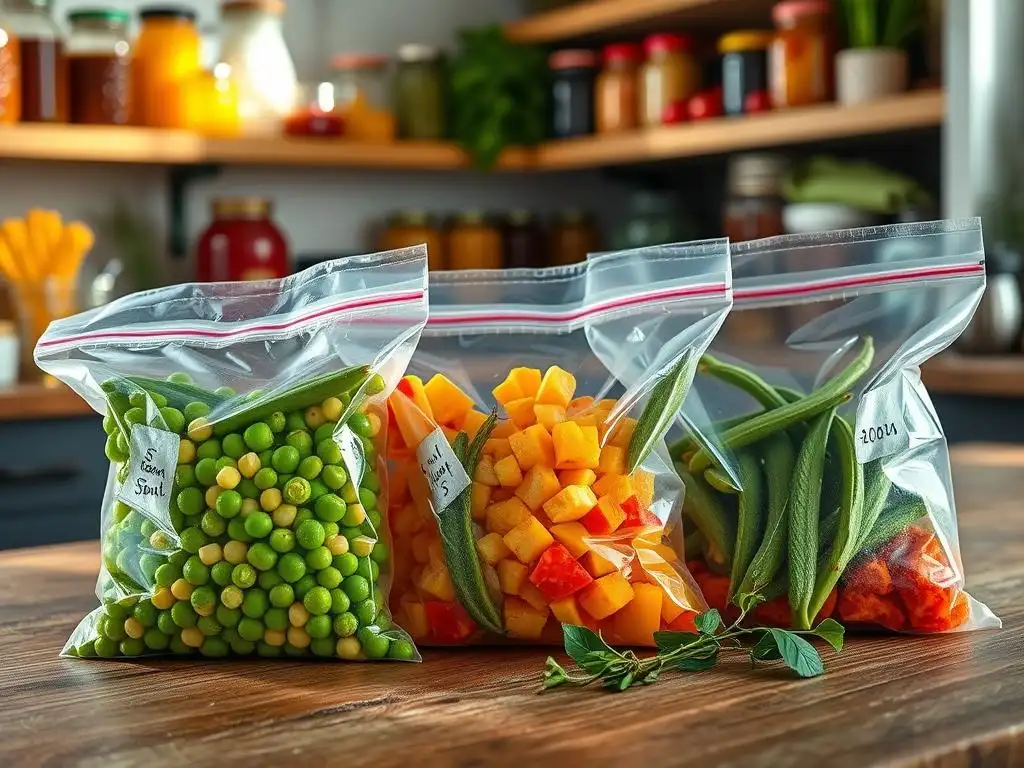
Additionally, proper packaging plays a crucial role. Using airtight containers or freezer bags minimizes exposure to air, which can cause oxidation and nutrient loss. Label your containers with the contents and date of freezing for easy identification and inventory management.
Consider these points for optimal nutrient retention:
- Blanching: Essential for vegetables like green beans, peas, and broccoli. Research recommended blanching times for specific vegetables to achieve optimal results.
- Airtight Packaging: Reduces oxidation and freezer burn, preserving both quality and nutrients.
- Quick Freezing: Freezing produce rapidly helps to prevent the formation of large ice crystals that can damage cell walls and reduce nutritional value.
- Avoid Repeated Freezing and Thawing: This cycle accelerates nutrient loss and compromises texture.
Storage Tips for Maximizing Shelf Life of Frozen Produce
Proper storage is key to ensuring your frozen garden harvest remains safe and delicious for as long as possible. Understanding the optimal storage conditions will help you "Use frozen garden harvest creatively" for months to come. Here are some crucial tips:
| Storage Tip | Description | Impact on Shelf Life |
|---|---|---|
| Airtight Containers | Prevents freezer burn and maintains freshness. | Significantly Increased |
| Proper Labeling | Includes contents and freezing date for easy identification and inventory. | Improved Organization |
| Consistent Temperature | Maintain a consistently low temperature in your freezer (0°F or -18°C). | Maximizes Shelf Life |
| First In, First Out (FIFO) | Use older frozen produce before newer items to minimize waste. | Reduces Spoilage |
| Avoid Overcrowding | Allows for better air circulation and prevents uneven freezing. | Prevents Freezer Burn |
By following these simple yet effective storage practices, you can significantly extend the shelf life of your frozen garden produce, ensuring you have a ready supply of fresh-tasting ingredients throughout the year. This allows for year-round enjoyment of your hard work and creative culinary adventures.
Recipes Featuring Frozen Garden Harvest
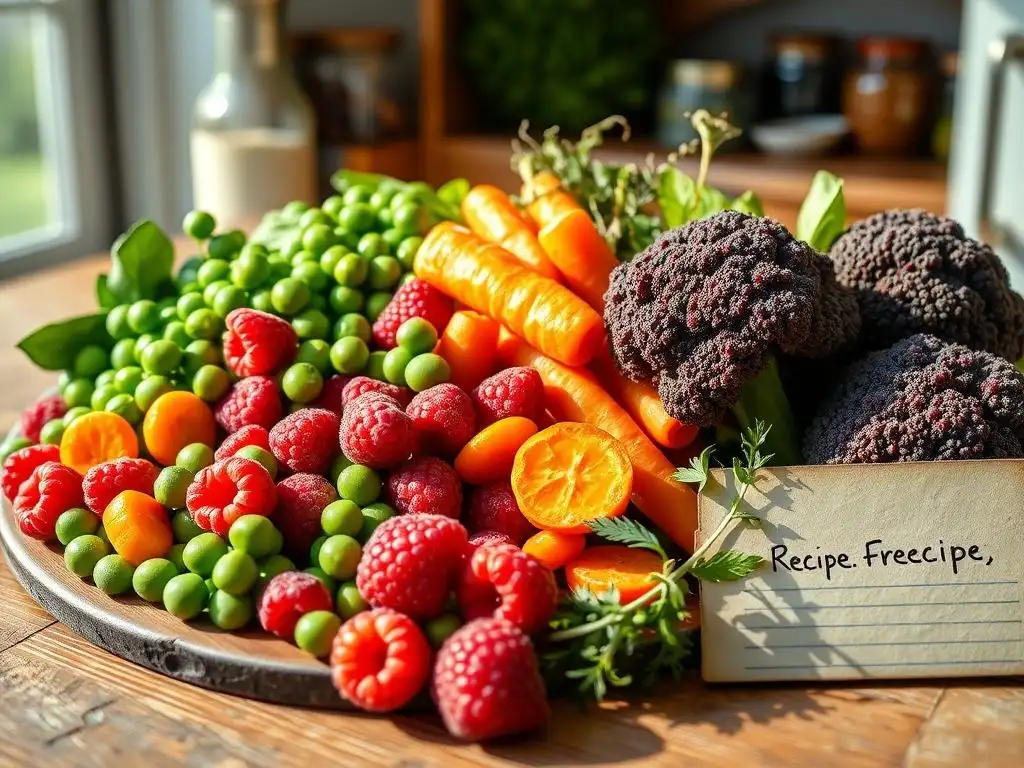
This section explores delicious and creative ways to utilize your frozen garden bounty, transforming winter's chill into vibrant, flavorful meals. We'll move beyond simple reheating and delve into recipes that highlight the unique qualities of frozen fruits and vegetables, showcasing their versatility in both sweet and savory dishes. Remember, properly frozen produce retains most of its nutritional value and flavor, making it a perfect ingredient for year-round culinary adventures. Let's explore some exciting possibilities for using your frozen garden harvest creatively!
Frozen Strawberry Banana Smoothie Bowl
This vibrant and refreshing smoothie bowl is perfect for a quick breakfast or a healthy snack. The frozen fruit provides a naturally sweet and creamy texture, eliminating the need for added sugars. The beauty of using frozen fruit is that you achieve the perfect consistency without needing ice – simply blend and enjoy!
Frozen strawberries and bananas are the stars of this show, but feel free to experiment with other frozen fruits like blueberries, raspberries, or mangoes. To enhance the nutritional value and add complexity, consider including a handful of spinach or kale. A drizzle of honey or maple syrup can be added for extra sweetness, depending on your preference, though it's often unnecessary with ripe frozen fruit.
Here's a suggested recipe:
- 1 cup frozen strawberries
- 1 frozen banana
- ½ cup milk (dairy or non-dairy)
- 1 tablespoon yogurt (Greek or plain)
- Optional: 1 cup spinach or kale, 1 teaspoon chia seeds, a drizzle of honey or maple syrup
Blend all ingredients until smooth and creamy. Pour into a bowl and top with your favorite additions: granola, nuts, seeds, coconut flakes, fresh fruit. This recipe is easily customizable to your taste and the fruits you have available. Enjoy the burst of fresh flavor, even in the dead of winter!
Creamy Roasted Butternut Squash Soup
Transform your frozen butternut squash into a luxuriously creamy soup, perfect for a cozy evening meal. Roasting the frozen squash before blending brings out a deeper, richer flavor than simply blending raw, frozen pieces. This technique utilizes the natural sugars within the squash, resulting in a naturally sweet and savory soup.
This recipe is a testament to the versatility of frozen vegetables. While fresh butternut squash is ideal, frozen offers a convenient and equally delicious alternative for year-round enjoyment. The key is to properly thaw and roast the squash before pureeing it into a smooth, velvety soup.
Here's how to prepare it:
- Thaw: Allow the frozen butternut squash to thaw completely. You can do this overnight in the refrigerator or by microwaving in short bursts.
- Roast: Toss the thawed squash with olive oil, salt, pepper, and any other desired spices (e.g., sage, rosemary). Roast at 400°F (200°C) for approximately 20-25 minutes, or until tender.
- Blend: Once roasted, blend the squash with vegetable broth until smooth and creamy. Add a touch of cream or coconut milk for extra richness, if desired.
- Season: Season to taste with salt, pepper, and any other spices. Garnish with a swirl of cream, toasted pumpkin seeds, or a sprinkle of fresh herbs.
Savory Frozen Spinach and Feta Quiche
This savory quiche is a delightful way to use up frozen spinach, transforming a simple green into a sophisticated and flavorful dish. The frozen spinach retains its color and flavor remarkably well, making it a perfect addition to this classic recipe. This recipe can be easily adapted to include other frozen vegetables like peas or corn, adding another layer of complexity and flavor. The salty feta cheese complements the spinach beautifully, offering a delightful contrast in textures and tastes.
The key to success with this recipe lies in properly thawing and squeezing out excess moisture from the frozen spinach before incorporating it into the quiche filling. This prevents a watery quiche and ensures a firm, satisfying texture.
Here's what you'll need:
- 1 package (10 oz) frozen chopped spinach, thawed and squeezed dry
- 4 large eggs
- 1 cup heavy cream
- ½ cup crumbled feta cheese
- ¼ cup grated Parmesan cheese
- 1 tablespoon chopped fresh chives
- Salt and pepper to taste
- 1 pre-made pie crust (9-inch)
Preheat your oven to 375°F (190°C). In a large bowl, whisk together the eggs, heavy cream, feta cheese, Parmesan cheese, and chives. Season with salt and pepper. Gently fold in the squeezed spinach. Pour the mixture into the pie crust and bake for 35-40 minutes, or until the quiche is set and golden brown. Let cool slightly before slicing and serving. This quiche is equally delicious served warm or at room temperature, making it a perfect option for meal prepping or entertaining.
Planning Your Frozen Garden Harvest for Year-Round Enjoyment
This section focuses on optimizing your frozen garden harvest for maximum enjoyment throughout the year. Proper planning ensures you don't end up with a freezer full of unidentified mush! Strategic freezing techniques, careful labeling, and thoughtful menu planning are key to maximizing the benefits of your hard work. Learning to "Use frozen garden harvest creatively" is all about proactive preparation.
Strategic Freezing: Maximizing Space and Preventing Freezer Burn
Efficient freezing techniques are crucial for preserving both the quality and quantity of your harvest. Space is often at a premium in home freezers, so maximizing storage is paramount. Preventing freezer burn, that dreaded icy crust that diminishes flavor and texture, is equally important.
Here's how to optimize your freezing process:
- Blanching: For many vegetables (peas, green beans, broccoli), blanching – briefly submerging them in boiling water, then immediately plunging them into ice water – is essential. This process inactivates enzymes that cause deterioration during freezing, preserving vibrant color, texture, and nutrients. For example, blanching green beans for 2-3 minutes before freezing dramatically improves their quality after thawing.
- Portioning: Freeze your produce in manageable portions. Instead of one giant bag of peas, consider using ice cube trays or freezer-safe bags in smaller quantities, perfect for single servings or recipe additions. This makes it easier to use just what you need, preventing waste.
- Rapid Freezing: Aim for rapid freezing to minimize the formation of large ice crystals that damage cell walls. Spread your produce in a single layer on a baking sheet before transferring to freezer bags. This technique is particularly effective for berries and herbs.
- Airtight Packaging: Use airtight freezer bags or containers to prevent freezer burn. Remove as much air as possible before sealing. Proper packaging is fundamental to keeping your frozen produce at its best for extended periods. Consider vacuum sealing for ultimate protection against freezer burn.
Labeling and Organization: A Guide to Efficient Frozen Food Storage
Clear labeling is the cornerstone of a well-organized freezer. Imagine rummaging through a freezer full of unmarked containers – a recipe for disaster! Proper labeling ensures you know exactly what you have, when it was frozen, and how to best use it.
Here's a labeling system that simplifies your life:
| Label Element | Description | Example |
|---|---|---|
| Item Name | The specific type of produce. | "Sweet Peas" |
| Date Frozen | The date the item was frozen. This helps you prioritize older items. | "08/15/2024" |
| Quantity/Serving Size | The amount frozen (e.g., cups, number of servings). | "2 Cups" or "4 Servings" |
| Intended Use (Optional) | Suggested uses (e.g., for soup, smoothies, stir-fry). | "For Soups and Stews" |
Remember to use permanent markers on freezer-safe labels or directly on freezer bags. Consider also categorizing your frozen goods (e.g., vegetables, fruits, herbs) using shelf dividers or containers to make finding items quick and easy. This simple organizational strategy significantly improves the usability of your frozen garden harvest. This ensures you can easily "Use frozen garden harvest creatively" without wasting time searching.
With a well-organized freezer stocked with your meticulously frozen garden harvest, you can create delicious and nutritious meals all year round. Think beyond simple reheating; get creative!
Here are some ideas to inspire your year-round menu planning:
- Soups and Stews: Frozen vegetables are perfect for hearty soups and stews. A simple vegetable soup made with frozen peas, carrots, and corn is both easy and delicious.
- Smoothies: Blend frozen fruits and vegetables into refreshing smoothies. Frozen berries add a delightful texture and sweetness.
- Sauces and Pestos: Frozen herbs can be easily incorporated into sauces and pestos. A vibrant basil pesto made with frozen basil is a fantastic addition to pasta or grilled chicken.
- Baked Goods: Incorporate frozen fruits into muffins, quick breads, and even pies. Frozen berries add moistness and flavor to baked goods.
- Stir-fries: Quickly add frozen vegetables to stir-fries for a healthy and convenient meal.
By planning your menu around your frozen garden harvest, you can enjoy the flavors of summer throughout the year. This approach not only reduces food waste but also allows you to "Use frozen garden harvest creatively" in a wide array of dishes, ensuring you get the most out of your homegrown bounty. 🍅🥕🌶️
Frequently Asked Questions
What are some creative ways to use frozen herbs?
Frozen herbs can be easily incorporated into savory dishes like soups, stews, and sauces. You can also blend them into pesto or add them to omelets and frittatas for a burst of flavor. Don't forget to thaw them slightly before using them in sauces to prevent them from becoming watery.
Can I use frozen vegetables in baking?
Absolutely! Frozen vegetables, particularly pureed, work wonderfully in breads, muffins, and even cakes. They add moisture and nutrients, and their flavor is often subtle enough not to overpower the other ingredients. Remember to squeeze out excess moisture before adding them to your batter.
How do I prevent freezer burn on my frozen garden harvest?
Proper packaging is key to preventing freezer burn. Use airtight containers or freezer bags, removing as much air as possible before sealing. You can also consider using vacuum sealing for optimal results and extended shelf life.
What's the best way to freeze berries for later use?
Spread berries in a single layer on a baking sheet before freezing. Once frozen solid, transfer them to a freezer bag or airtight container. This method prevents them from clumping together and makes them easier to use later in smoothies, jams, or baked goods.
How long can I keep my frozen garden harvest?
The shelf life of your frozen harvest depends on the specific item. Generally, most fruits and vegetables can last for 8-12 months in the freezer if properly stored. However, it's always best to use them within a year for optimal quality and flavor.
Final Reflection: Unlocking the Bounty: A Year-Round Feast from Your Frozen Garden
The ability to creatively utilize your frozen garden harvest isn't just about saving money; it's about extending the vibrant flavors of summer far beyond the growing season. This simple act of preserving nature's bounty transforms the ordinary into the extraordinary, offering a sustainable and delicious way to connect with the food we eat.
The impact of home preservation extends far beyond the individual kitchen. It fosters a deeper appreciation for seasonal eating, reduces food waste, and strengthens our connection to the land. The best things in life are the simplest,
a sentiment that rings especially true when savoring a winter stew brimming with the sun-ripened tomatoes you froze last summer. This practice, once a necessity for survival, has become a mindful act of celebrating the cyclical nature of life and the abundance of the earth. It's a legacy worth preserving and passing on.
Now, consider your own frozen treasures. What culinary adventures await? Don't let those frozen fruits and vegetables languish in the freezer; let them inspire you. Experiment with new recipes, share your creations with loved ones, and discover the joy of transforming simple, frozen ingredients into meals that nourish both body and soul. Embrace the creativity, embrace the seasonality, and embrace the delicious possibilities that lie within your freezer.
Unlock Your Freezer's Culinary Potential!
Thank you for exploring creative ways to use your frozen fruits, vegetables, and other ingredients! We hope you've found inspiration to transform those frozen treasures into delicious meals. Now it's time to put your newfound knowledge into action.
- Try a new recipe this week: Choose a recipe from the article that appeals to you and give it a try! Even a small change can significantly improve your cooking routine.
- Share your cooking successes: Tell us (or your friends!) about your culinary creations! What worked particularly well? What surprised you? We love hearing from our community.
- Take inventory of your freezer: Review the contents of your freezer and brainstorm new ways to use those ingredients – you might even discover a new favorite recipe!
Ready to transform your frozen garden harvest into delightful culinary adventures? What recipe will you try first?