
Freezing Broccoli and Cauliflower: Maintain Texture and Taste

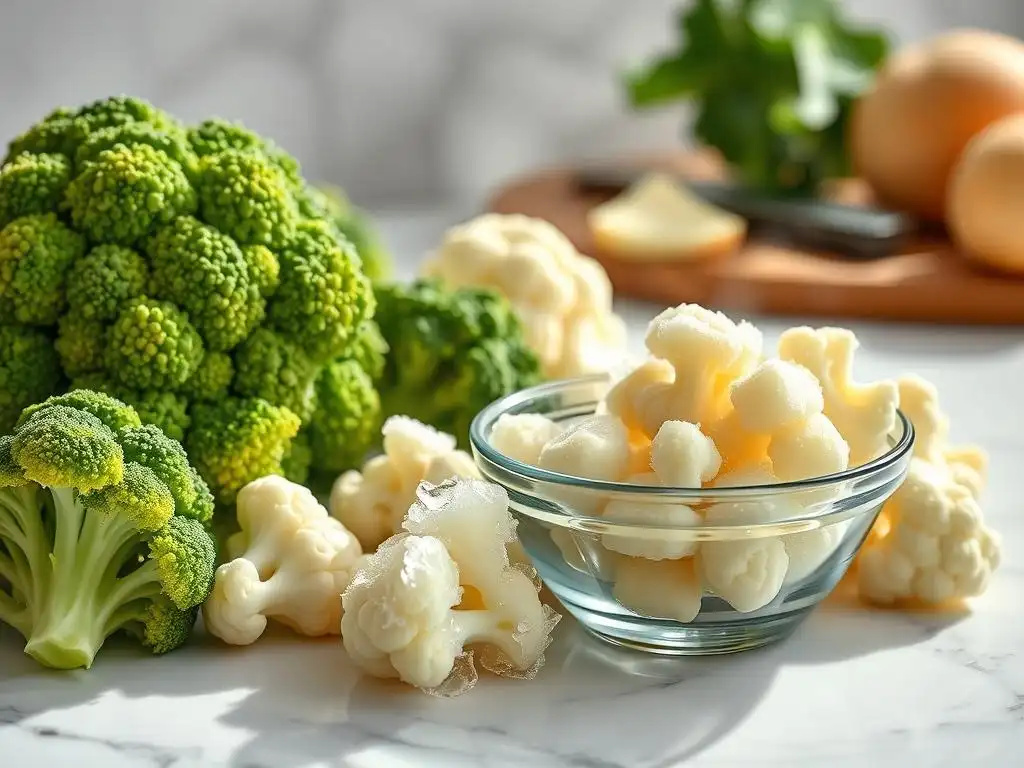
Ready to unlock the secrets to a bountiful harvest, even after the growing season ends? At CultivateYourFood, we empower you to grow your own fruits, vegetables, and herbs using sustainable methods. Learn the best method for preserving your precious homegrown produce, starting with our in-depth guide on freezing broccoli and cauliflower and ensuring optimal texture and taste. Discover how to maximize your harvest and enjoy the flavors of summer all year round—let's get started!
- The Best Method to Freeze Broccoli and Cauliflower
- Preparing Broccoli and Cauliflower for Freezing: A Step-by-Step Guide
- Freezing Techniques for Maintaining Texture and Taste
- How to Thaw and Use Frozen Broccoli and Cauliflower
- Troubleshooting Common Freezing Problems
- Frequently Asked Questions
- Final Reflection: The Enduring Crispness of Frozen Vegetables
- Unlock the Secrets to Perfectly Frozen Vegetables!
The Best Method to Freeze Broccoli and Cauliflower
Freezing broccoli and cauliflower is a fantastic way to preserve your bountiful harvest and enjoy the delicious flavors of your homegrown vegetables year-round. This guide will walk you through the optimal method for freezing these nutritious cruciferous vegetables, ensuring they retain their texture and taste, even after months in the freezer. We'll cover everything from selecting the perfect heads to the proper blanching techniques, guaranteeing you a freezer full of delicious, ready-to-use broccoli and cauliflower whenever you need it. Mastering this simple process will significantly reduce food waste and allow you to enjoy the fruits (or rather, vegetables!)
of your labor long after the growing season ends. This method is perfect for maximizing the shelf life of your homegrown produce and minimizing waste, aligning perfectly with our website's commitment to sustainable and organic gardening practices. Let's dive in and learn how to freeze broccoli and cauliflower like a pro!
Why Freeze Broccoli and Cauliflower? Preserving Your Harvest
Freezing is an excellent preservation method for broccoli and cauliflower because it helps retain much of their nutritional value and flavor. Unlike canning, which requires high heat that can degrade nutrients and alter taste, freezing preserves the vegetables' natural texture and taste profile more effectively. This is particularly beneficial for home gardeners who often harvest a large quantity of produce in a short period. Freezing allows you to extend the enjoyment of your hard work, providing fresh-tasting vegetables even during the off-season. Think of it as extending your harvest season! 🥕🥦
Imagine having a ready supply of perfectly frozen broccoli florets for a quick stir-fry on a busy weeknight, or creamy cauliflower for a comforting soup during a cold winter evening. The convenience alone makes freezing a worthwhile endeavor. Plus, you'll be reducing food waste by utilizing your entire harvest efficiently. By freezing your excess produce, you avoid the disappointment of seeing your hard work go to waste due to spoilage. This is a key aspect of sustainable gardening practices, minimizing waste and maximizing resource utilization.
Benefits of Freezing vs. Other Preservation Methods
Freezing offers several advantages over other preservation methods like canning or drying when it comes to broccoli and cauliflower. Let's compare:
| Preservation Method | Texture Retention | Flavor Retention | Nutrient Retention | Convenience | Time Commitment |
|---|---|---|---|---|---|
| Freezing | Excellent | Excellent | Good | High | Moderate |
| Canning | Fair to Good | Good | Moderate | Moderate | High |
| Drying | Poor | Fair | Moderate | Low | Low |
As you can see from the table above, freezing provides the best balance of texture, flavor, nutrient retention, and convenience. While canning can preserve broccoli and cauliflower, the high heat involved can negatively impact the texture and overall flavor. Drying, while a viable option for long-term storage, significantly alters the texture and often results in a less appealing final product. Freezing, therefore, emerges as the superior method for preserving the quality and taste of your homegrown broccoli and cauliflower. It's the perfect blend of efficiency, preservation quality, and ease of use.
Preparing Broccoli and Cauliflower for Freezing: A Step-by-Step Guide
This section details the crucial initial steps in freezing broccoli and cauliflower to ensure optimal texture and flavor retention, maximizing the shelf life of your homegrown harvest. Following these steps carefully will help you achieve the best results when preserving your "freeze broccoli cauliflower best method" efforts.
Selecting the Freshest Broccoli and Cauliflower
Choosing the right broccoli and cauliflower heads is paramount for successful freezing. Opt for firm, compact heads with vibrant green florets (broccoli) and creamy white florets (cauliflower). Avoid heads showing any signs of yellowing, browning, or wilting – these indicate that the vegetables are past their prime and may not freeze well. The fresher the produce, the better the final frozen product will taste.
Consider harvesting your broccoli and cauliflower in the cool morning hours to minimize moisture loss and maintain freshness. Aim for heads that are free from blemishes, insect damage, and significant bruising. Remember, you're aiming for a high-quality frozen product that retains both its nutritional value and delicious taste. A good rule of thumb is to process your harvest within a few hours of picking for the best results.
Cleaning and Prepping Your Vegetables: Removing Debris and Insects
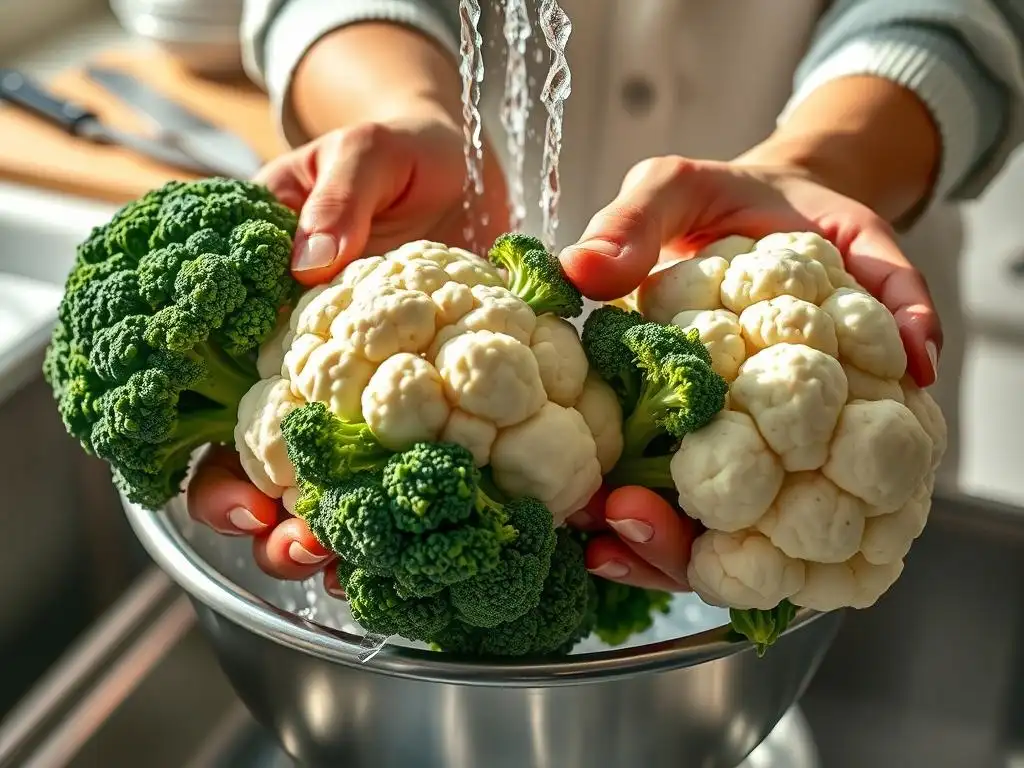
Before freezing, thorough cleaning is essential to remove any dirt, debris, or insects that may be lurking amongst the florets. Start by rinsing the entire head under cold, running water. Gently separate the broccoli or cauliflower into individual florets, ensuring you remove any tough stems or discolored portions. Inspect each floret carefully, removing any insects or damaged areas.
A small, soft-bristled brush can be helpful for dislodging stubborn dirt from the crevices of the florets. Remember, thorough cleaning is crucial for maintaining the quality and safety of your frozen vegetables; this step directly impacts the final product's preservation and taste. Pay particular attention to the smaller florets, as they can often hide small insects or dirt particles.
Blanching Broccoli and Cauliflower for Optimal Quality
Blanching is a crucial step in the freezing process, significantly improving the texture and color retention of your broccoli and cauliflower. It involves briefly submerging the vegetables in boiling water, then immediately plunging them into ice water. This process helps to inactivate enzymes that cause the vegetables to lose their vibrant color, texture, and flavor during freezing. Without blanching, your frozen broccoli and cauliflower might become mushy and lose its appealing qualities.
Understanding the Blanching Process: Why It's Crucial
The enzymes mentioned above are naturally occurring in vegetables. When frozen, these enzymes continue to work, degrading the cell walls and causing the vegetables to lose their crispness and vibrant color. Blanching essentially “shocks” the vegetables, stopping enzyme activity and preserving the quality for a longer period.
This is particularly important for vegetables like broccoli and cauliflower, which are susceptible to enzymatic degradation during freezing. The process also helps to reduce the risk of bacterial growth, ensuring the safety of your frozen vegetables. This simple step significantly improves the quality of your frozen harvest, resulting in a more appealing and flavorful product.
How to Blanch Broccoli and Cauliflower: The Perfect Timing
The blanching time is crucial and depends on the size of the florets. For broccoli and cauliflower florets, aim for a blanching time of approximately 2-3 minutes in boiling water. Over-blanching can result in mushy vegetables, while under-blanching will not effectively inactivate the enzymes. After blanching, immediately transfer the florets into a bowl of ice water to stop the cooking process. This rapid cooling is essential to preserve the vibrant color and texture.
Once completely cooled, drain the florets thoroughly before proceeding with the freezing process. Consistent blanching ensures even cooking, resulting in a uniform frozen product with optimal texture and flavor. Remember to use a large pot of boiling water to ensure all the florets are submerged and cook evenly. Using a timer will help you maintain the precise blanching time.
Freezing Techniques for Maintaining Texture and Taste
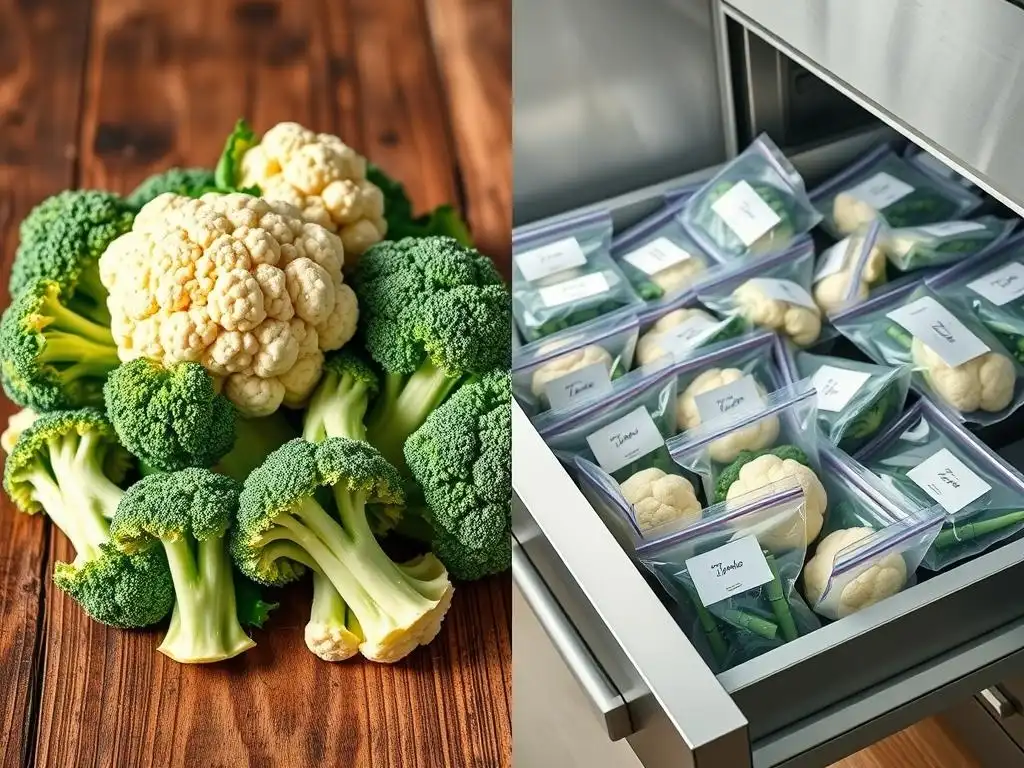
This section details the best methods for freezing broccoli and cauliflower to preserve their texture and taste, crucial steps for maximizing the benefits of your homegrown harvest. We'll explore two primary techniques: freezing in bags and freezing in containers, each with its own set of advantages and considerations. Mastering these techniques will ensure you enjoy your delicious, homegrown vegetables throughout the year. Remember, the key to successful freezing is speed—the quicker you get your vegetables from the garden to the freezer, the better the quality will be. This contributes significantly to achieving the best freeze broccoli cauliflower method.
Freezing in Bags: A Simple and Efficient Method
Freezing broccoli and cauliflower in bags is a popular choice due to its simplicity and efficiency. It's a great method for preserving smaller batches or when you want a quick and easy way to store your harvest. However, careful attention to bag selection and sealing is essential to avoid freezer burn and maintain optimal quality. The best freeze broccoli cauliflower method often involves this simple approach.
Choosing the Right Freezer Bags: Material and Size Considerations
Selecting the right freezer bags is paramount. Avoid flimsy, thin bags that might tear easily. Opt for heavy-duty freezer bags made from a material specifically designed for freezing food. Look for bags labeled as "freezer-safe" and consider their thickness. Thicker bags offer better protection against freezer burn and punctures. The size of the bag should be appropriate for the amount of broccoli and cauliflower you plan to freeze; avoid overfilling. Overfilling increases the risk of damage during freezing and reduces the efficiency of the freezing process. Smaller bags are generally preferable for better portion control and easier thawing.
Properly Sealing Freezer Bags to Prevent Freezer Burn
Proper sealing is crucial for preventing freezer burn, which can significantly affect the taste and texture of your vegetables. Before sealing, ensure all excess air is removed from the bag. This can be done by squeezing the bag gently to remove air pockets, then completely sealing the bag using the zip-lock mechanism or by using a vacuum sealer for optimal results.
A properly sealed bag minimizes exposure to air, reducing the risk of ice crystal formation and oxidation, which can lead to freezer burn. Always check the seal for any weaknesses or leaks before placing the bag in the freezer. This step is vital for a successful implementation of the best freeze broccoli cauliflower method.
Freezing in Containers: An Alternative Approach
Freezing in containers offers an alternative approach, particularly suitable for larger quantities or when you need more robust protection against freezer burn. Rigid containers provide better protection than bags against damage and crushing. However, ensure that the chosen containers are specifically designed for freezer use.
Selecting Appropriate Freezer-Safe Containers
The selection of freezer-safe containers is critical. Avoid using containers made from materials that are not freezer-safe, as they might crack or warp under freezing temperatures. Look for containers that are clearly labeled as freezer-safe, usually made from high-density polyethylene (HDPE) or polypropylene (PP). Ensure the containers are airtight to prevent freezer burn and maintain freshness. Glass containers are also an option, but they are more susceptible to breakage and are generally heavier than plastic options.
Labeling and Dating Your Frozen Vegetables
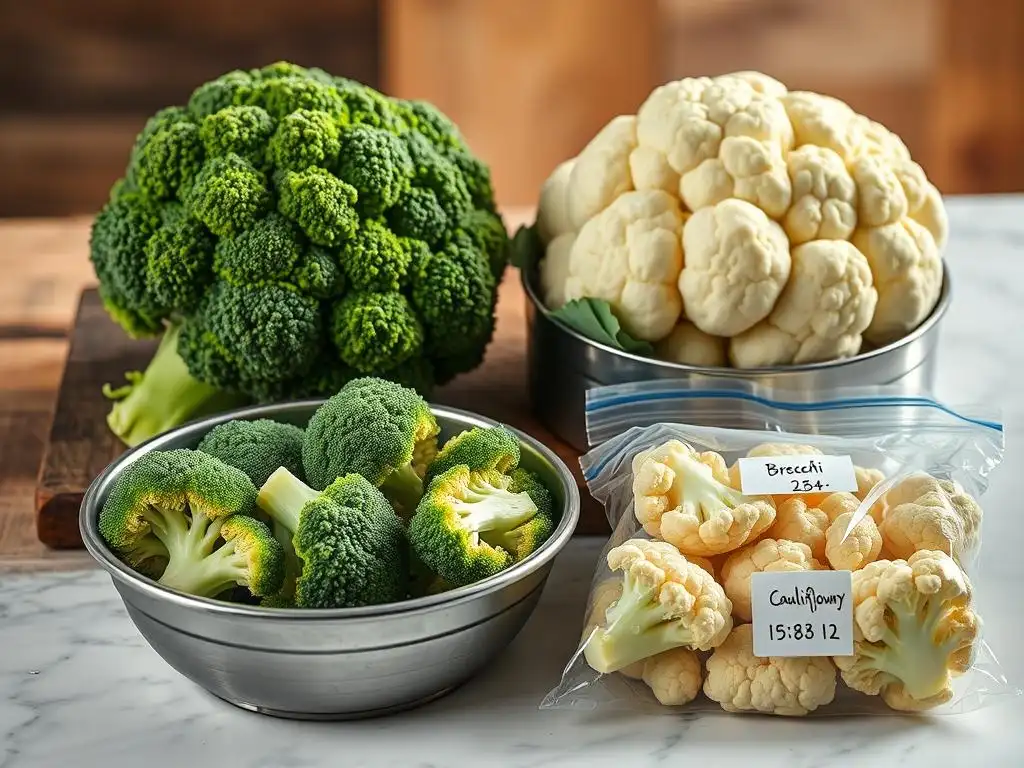
Regardless of whether you use bags or containers, proper labeling and dating are essential for efficient inventory management and to ensure that you use your frozen vegetables before they lose their quality. Clearly label each container or bag with the contents (e.g., "Broccoli Florets," "Cauliflower Pieces") and the freezing date. This simple step helps prevent confusion and ensures that you use your frozen vegetables within the recommended timeframe (ideally within 12 months for optimal quality).
A permanent marker is ideal for labeling freezer-safe containers and bags. This practice is crucial for optimizing the best freeze broccoli cauliflower method, ensuring easy identification and utilization of your frozen harvest.
How to Thaw and Use Frozen Broccoli and Cauliflower
Freezing broccoli and cauliflower is a fantastic way to preserve your harvest and enjoy these nutritious vegetables year-round. But knowing how to thaw and use them effectively is key to maintaining their texture and flavor. Improper thawing can lead to mushy vegetables, which is certainly something we want to avoid! This section will guide you through the best thawing methods and suggest delicious ways to incorporate your frozen bounty into your meals.
Thawing Methods: Microwave, Refrigerator, and Directly from Frozen
There are several ways to thaw frozen broccoli and cauliflower, each with its own advantages and disadvantages. The best method depends on your time constraints and the recipe you're using.
- Microwave Thawing: This is the fastest method, perfect for a quick side dish. Place the frozen florets in a microwave-safe dish, cover loosely, and microwave on defrost or a low power setting, stirring every minute or so to ensure even thawing. Be careful not to overcook the vegetables, as this will result in a mushy texture. Microwave thawing is best for recipes where the vegetables will be cooked further, such as stir-fries or soups.
- Refrigerator Thawing: This is the gentlest method, preserving the texture and flavor best. Simply transfer the frozen broccoli and cauliflower from the freezer to the refrigerator overnight, or for at least 6-8 hours. This slow thaw minimizes the risk of ice crystal formation, which can negatively impact the texture. Refrigerator thawing is ideal for recipes where you want to maintain the crispness of the vegetables, such as salads or roasted vegetable dishes. Remember to thoroughly drain any excess liquid that might have accumulated before using.
- Directly from Frozen: For some recipes, thawing isn't necessary at all! You can add frozen broccoli and cauliflower directly to soups, stews, stir-fries, or casseroles. The vegetables will thaw and cook as the dish simmers. This method is convenient and time-saving, but it might slightly alter the texture compared to thawed vegetables. Keep in mind that you might need to adjust cooking times accordingly.
Incorporating Frozen Broccoli and Cauliflower into Recipes
Frozen broccoli and cauliflower are incredibly versatile and can be used in a wide range of dishes. Their slightly softer texture after freezing can even be an advantage in certain recipes, making them easier to blend into soups or sauces. Remember to always drain excess moisture before adding them to your dishes to avoid watery results. This simple step significantly improves the final product.
The key to success is to remember that frozen vegetables have already undergone a cooking process during freezing. Therefore, they require shorter cooking times compared to fresh ones. Overcooking is the most common mistake, leading to mushy results. Always start with shorter cooking times and add more as needed, checking frequently for doneness. Consider adding them towards the end of the cooking process to retain their vibrant color and optimal texture.
Delicious Recipes Using Frozen Broccoli and Cauliflower
Delicious Recipes Using Frozen Broccoli and Cauliflower
Here are a few ideas to get you started:
- Creamy Broccoli and Cauliflower Soup: A classic comfort food, easily made with frozen vegetables. The slightly softer texture blends beautifully into a smooth and creamy soup. Consider adding some roasted garlic for extra flavor 🧄.
- Broccoli and Cauliflower Cheese: A simple yet satisfying side dish. The frozen florets cook quickly and evenly, making this a perfect weeknight meal. Experiment with different cheeses to find your favorite combination🧀.
- Stir-fried Broccoli and Cauliflower with Tofu: A healthy and flavorful vegetarian option. The frozen vegetables add a satisfying crunch to this quick and easy stir-fry. Add your favorite sauce and spices for a personalized touch 🌶️.
- Broccoli and Cauliflower Rice: A low-carb alternative to traditional rice. Simply pulse frozen florets in a food processor until they resemble rice. This versatile base can be used in various dishes, from bowls to fritters.
- Pasta with Broccoli and Cauliflower: A simple and nutritious pasta dish. Add the frozen vegetables during the last few minutes of cooking the pasta. A sprinkle of parmesan cheese adds a delicious finishing touch 🍝.
Remember, freezing your own broccoli and cauliflower allows you to enjoy the freshest flavors and textures even during the off-season. Mastering the thawing and cooking techniques ensures that your frozen vegetables remain a delicious and healthy part of your diet. Happy cooking! 🎉
Troubleshooting Common Freezing Problems
Freezing broccoli and cauliflower, while a great way to preserve your harvest, can sometimes lead to less-than-ideal results. Understanding common issues and implementing preventative measures is key to achieving optimal texture and taste when you thaw your frozen vegetables. This section will delve into two frequent challenges: freezer burn and discoloration, providing practical solutions to ensure your frozen broccoli and cauliflower remain vibrant and delicious. Mastering these techniques will elevate your "freeze broccoli cauliflower best method" game significantly.
Preventing Freezer Burn: Tips and Tricks
Freezer burn, characterized by white, dry patches on the surface of frozen food, is a common problem. It occurs when frozen food is exposed to air, leading to dehydration and a loss of flavor and texture. To prevent freezer burn when freezing broccoli and cauliflower, follow these crucial steps:
- Blanch Properly: Blanching (briefly boiling or steaming) before freezing is essential. This inactivates enzymes that cause deterioration, and it also helps to remove excess moisture, minimizing freezer burn. Ensure your blanching time is precise; over-blanching can lead to mushy vegetables. For broccoli florets, aim for 2-3 minutes; for cauliflower florets, 1-2 minutes is usually sufficient. Immediately plunge into an ice bath to stop the cooking process.
- Proper Packaging: Airtight packaging is critical. Use freezer-safe bags designed for food storage, removing as much air as possible before sealing. Alternatively, consider using rigid freezer-safe containers with tight-fitting lids. Ensure the packaging material is sturdy enough to prevent punctures or tears during freezing and storage. Label your packages clearly with the date for optimal freshness tracking.
- Portioning for Convenience: Freeze broccoli and cauliflower in portions appropriate for your usual cooking needs. This prevents thawing the entire batch just to use a small amount, minimizing exposure to air and reducing the risk of freezer burn. Smaller portions also ensure quicker and more even freezing.
- Freezing Temperature: Maintain a consistent freezing temperature of 0°F (-18°C) or lower. A fluctuating freezer temperature can accelerate freezer burn. Regularly check your freezer's temperature and consider investing in a thermometer to ensure optimal conditions.
- Don't Overcrowd: Overcrowding your freezer restricts airflow and can lead to slower freezing times, increasing the risk of freezer burn. Leave sufficient space between packages to ensure even freezing and adequate air circulation.
Dealing with Discoloration: Maintaining Vibrant Green Color
Broccoli and cauliflower are susceptible to discoloration during freezing, often turning a dull yellowish-green or even brownish. This is primarily due to the breakdown of chlorophyll, the pigment responsible for their green color. To maintain their vibrant green hue:
- Rapid Freezing: Rapid freezing is crucial for preserving color. Spread blanched florets in a single layer on a baking sheet lined with parchment paper before transferring them to freezer bags or containers. This ensures that the individual florets freeze quickly, preventing enzymatic reactions that lead to discoloration.
- Avoid Metal Containers: Avoid using metal containers for freezing broccoli and cauliflower, as they can accelerate oxidation and discoloration. Stick to freezer-safe plastic bags or containers.
- Control Blanching Time: Over-blanching leads to discoloration and a loss of nutrients. Adhere to the recommended blanching times mentioned earlier, ensuring that you don't overcook the vegetables.
- Vitamin C Addition (Optional): Some sources suggest adding a small amount of ascorbic acid (Vitamin C) to the blanching water to help preserve the green color. While not always necessary with proper blanching and rapid freezing, this can serve as an extra layer of protection against discoloration. [Specific concentration of Vitamin C pending].
By following these guidelines, you can significantly improve the quality and longevity of your frozen broccoli and cauliflower, ensuring that they retain their vibrant color, texture, and flavor long after harvesting. Remember, consistent application of these "freeze broccoli cauliflower best method" techniques will yield superior results.
Frequently Asked Questions
How do I prepare broccoli and cauliflower for freezing?
To prepare your broccoli and cauliflower for freezing, first wash and cut them into florets. Then, blanch them in boiling water for a few minutes before immediately ice-bathing to stop the cooking process. This helps maintain texture and color.
What's the best way to freeze broccoli and cauliflower to maintain quality?
The best method is to use freezer bags or airtight containers. Ensure you remove as much air as possible before sealing. Freezing in single layers on a baking sheet before bagging helps prevent clumping.
How long can I store frozen broccoli and cauliflower?
Frozen broccoli and cauliflower can be stored for up to 12 months in the freezer. However, for optimal quality, it's best to use it within 6-8 months. After this, the flavor and texture might start to degrade.
Can I freeze broccoli and cauliflower together?
Yes, you can absolutely freeze broccoli and cauliflower together. This is a convenient way to store a mix of vegetables for later use in stews, soups, or stir-fries. Just ensure both are properly blanched before freezing.
What are the benefits of freezing broccoli and cauliflower?
Freezing is a great way to preserve your harvest and extend its shelf life. This helps reduce food waste and ensures you have access to fresh-tasting vegetables year-round, even after harvest season is over.
Final Reflection: The Enduring Crispness of Frozen Vegetables
The art of freezing broccoli and cauliflower isn't just about preserving food; it's about preserving the vibrant flavors and textures that make these vegetables so beloved. In a world increasingly focused on sustainable food practices and reducing food waste, mastering the techniques outlined in this article becomes not just a culinary skill, but a vital contribution to a more responsible approach to eating.
The impact of readily available frozen vegetables on our daily lives is profound. It allows for year-round access to nutritious produce, regardless of season or location, democratizing access to healthy eating. Food is symbolic of love when words are inadequate.
- Alan D. Wolfelt. This quote resonates deeply because the ability to preserve the goodness of these vegetables, to share them easily and affordably, is a powerful act of care, both for ourselves and our communities.
Consider the simple act of adding a handful of perfectly frozen florets to your stir-fry, soup, or even a simple side dish. You are not just adding nutrients; you are adding a piece of mindful preparation, a commitment to reducing waste, and a touch of culinary ingenuity. Take the time to experiment with the methods discussed, to find the perfect balance of blanching time and freezing technique that works best for you. The reward? A freezer full of vibrant, flavorful vegetables, ready to elevate your meals and nourish your body throughout the year.
Unlock the Secrets to Perfectly Frozen Vegetables!
Thank you for learning how to freeze broccoli and cauliflower while preserving their delicious flavor! You'll now be able to avoid the mushy, flavorless disappointment many experience. Ready to put your knowledge into practice?
- Freeze a batch of your favorite vegetables today: Grab some fresh broccoli and cauliflower and follow the simple steps in this article. You'll be amazed at the results!
- Share your frozen vegetable success (or any freezing tips!) with the CultivateYourFood community in the comments below. Let's build a valuable resource together!
- Challenge yourself to incorporate frozen broccoli and cauliflower into a new recipe this week. What culinary creation will you make?
What delicious dish featuring frozen vegetables will you make first?