
Freezing Tomatoes: The Best Way to Preserve Summer's Taste

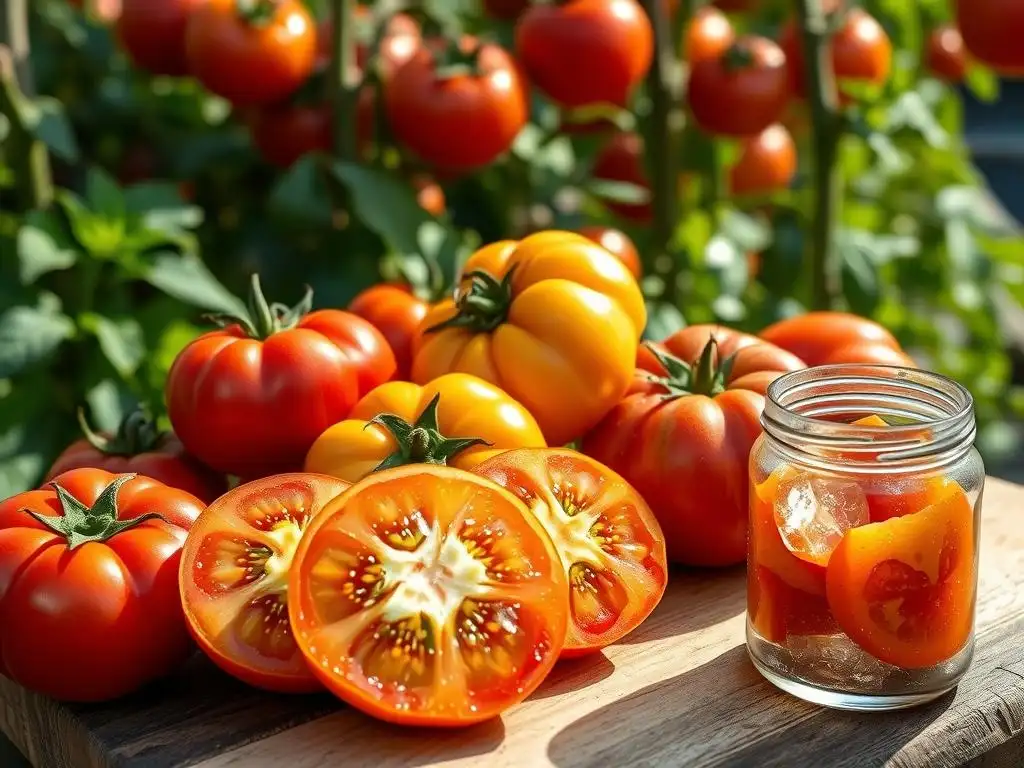
Welcome to CultivateYourFood, your guide to nurturing a thriving home garden! Ready to unlock the secrets to growing your own delicious fruits, vegetables, and herbs organically? Learn the best organic methods for preserving your harvest, starting with our in-depth article on "Freezing Tomatoes: The Best Way to Preserve Summer's Taste." Discover how to capture the vibrant flavors of summer, even long after the last frost. Let's cultivate a healthier, more sustainable future, one harvest at a time.
- Why Freeze Tomatoes? Preserving the Bounty of Your Garden
- Choosing the Right Tomatoes for Freezing: A Guide to Selection
- Preparing Tomatoes for Freezing: A Step-by-Step Guide
- Best Methods for Freezing Tomatoes: Efficient Techniques
- Storing Frozen Tomatoes: Tips for Maintaining Quality
- Using Frozen Tomatoes: Recipes and Culinary Applications
- Troubleshooting Common Freezing Issues: Avoiding Mistakes
- The Ultimate Guide to Freezing Tomatoes: A Sustainable Approach to Food Preservation
- Frequently Asked Questions
- Final Reflection: A Taste of Summer, Preserved for Winter
- Unlock a Year-Round Tomato Harvest!
Why Freeze Tomatoes? Preserving the Bounty of Your Garden
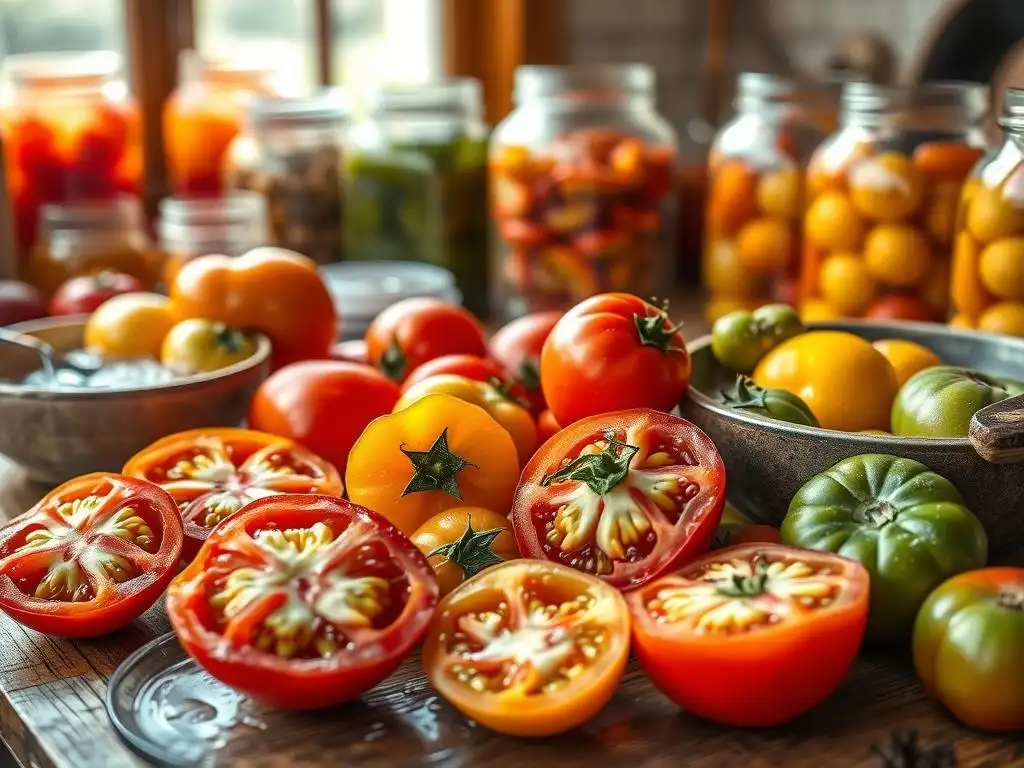
Freezing tomatoes is a fantastic way to extend the enjoyment of your summer harvest well into the colder months. This comprehensive guide will walk you through the best organic methods for freezing tomatoes, ensuring you retain their vibrant flavor and nutritional value. We'll explore why freezing is superior to other preservation techniques and provide a step-by-step process to help you maximize your yield and minimize waste.
Learning how to effectively freeze tomatoes allows you to savor the taste of homegrown, organic tomatoes year-round, reducing reliance on commercially grown produce and contributing to a more sustainable lifestyle. This method is especially beneficial for those with abundant tomato harvests, allowing them to fully utilize their bounty and avoid letting perfectly good produce go to waste. Following these organic freezing techniques ensures you’re preserving not only the taste but also the integrity of your carefully cultivated tomatoes.
Extending the Tomato Season
The most obvious benefit of freezing tomatoes is the ability to extend their season. Imagine enjoying the rich taste of your homegrown heirloom tomatoes in the middle of winter! Freezing allows you to capture the peak flavor of your tomatoes at their ripest point and savor that taste long after the growing season has ended.
This is particularly valuable for varieties with short harvest windows or those grown in climates with shorter growing seasons. By freezing your tomatoes, you effectively create a personal "tomato bank," ensuring a continuous supply of this versatile ingredient for your culinary creations throughout the year. The process preserves the essential nutrients and antioxidants found in fresh tomatoes, ensuring you continue to reap the health benefits even months after harvest.
Reducing Food Waste
Many home gardeners face the challenge of an overabundance of tomatoes during peak season. This surplus can quickly lead to spoilage and significant food waste. Freezing provides a practical solution to this common problem. By freezing your excess tomatoes, you prevent them from rotting and ensure that none of your hard work goes to waste.
This sustainable practice aligns perfectly with the principles of organic gardening, minimizing environmental impact and maximizing resource utilization. Consider the environmental cost of producing tomatoes; freezing your own harvest significantly reduces your carbon footprint compared to purchasing commercially grown tomatoes year-round. This is a win-win situation for both your wallet and the planet!
Benefits of Freezing Over Other Methods
While canning and dehydrating are other popular methods of preserving tomatoes, freezing offers distinct advantages, especially when aiming for an organic and flavorful result. Canning, while effective, can alter the texture of tomatoes, making them less appealing in certain recipes. Dehydration, while preserving the flavor to some degree, significantly reduces the overall volume of tomatoes. Freezing, on the other hand, retains the original texture and flavor profile much more effectively than other preservation methods.
Moreover, the freezing process is relatively quick and simple, requiring less specialized equipment and expertise than canning or dehydration. This makes freezing the ideal method for the home gardener looking for a convenient and high-quality way to preserve their organic tomato harvest. The convenience and superior flavor retention make freezing the best organic method for preserving summer's taste.
Choosing the Right Tomatoes for Freezing: A Guide to Selection
Freezing tomatoes effectively hinges on selecting the right specimens from your garden or farmer's market. The quality of your frozen tomatoes directly impacts the taste and texture of your future sauces, soups, and other culinary creations. This section will guide you through choosing tomatoes primed for freezing, ensuring you preserve the best possible flavor and quality using the best organic method.
Selecting Ripe, Firm Tomatoes
The ideal tomato for freezing is ripe but firm. Avoid tomatoes that are overly soft or squishy. A slightly underripe tomato can also work, but it won't have the same depth of flavor as a fully ripe one. Look for tomatoes with vibrant color, consistent firmness throughout, and a smooth skin. Gently squeeze the tomato; it should yield slightly to pressure but not feel mushy.
Think of it like selecting a perfectly ripe avocado – just firm enough to hold its shape, but yielding to gentle pressure. This is key to preserving texture and preventing mushiness after freezing. Using only the best quality tomatoes from the start is crucial for the best organic method of freezing. Remember, you're aiming for a balance of ripeness and firmness.
Avoiding Overripe or Damaged Tomatoes
Overripe tomatoes are a definite no-go for freezing. Their soft texture and potential for bruising lead to a poor frozen product. Overripe tomatoes often have a watery consistency, which will translate to a watery, less flavorful sauce or soup post-thaw. Similarly, damaged tomatoes – those with cracks, bruises, or blemishes – should also be avoided.
These imperfections can become breeding grounds for bacteria, compromising the quality and safety of your frozen tomatoes. Always inspect each tomato carefully before selecting it for freezing; even small blemishes can affect the final result. Prioritizing quality ensures the success of your best organic method for preserving your harvest. Discard any tomatoes exhibiting signs of rot or decay.
Tomato Varieties Best Suited for Freezing
While almost any tomato variety can be frozen, some perform better than others. Roma tomatoes, with their low water content and meaty texture, are frequently cited as a top choice for freezing. Their firm flesh holds up well during the freezing process, resulting in less mushiness upon thawing. Other varieties known for their lower water content and robust structure also make excellent candidates. However, heirloom varieties, while delicious fresh, may not freeze as well due to their sometimes higher water content and thinner skin.
Experiment to find your favorites! Consider keeping a record of which varieties freeze best from your garden for future reference. This attention to detail is part of perfecting your best organic method. Remember, consistency in your selection process will yield the best results. The chart below summarizes some ideal varieties:
| Tomato Variety | Suitability for Freezing | Reasons |
|---|---|---|
| Roma | Excellent | Low water content, firm flesh |
| San Marzano | Excellent | Similar to Roma, ideal for sauces |
| Amish Paste | Good | Good texture, relatively low water content |
| Cherry (in clusters) | Good | Convenient for freezing in clusters, tasty |
| Heirloom (some) | Fair | Can be watery, results may vary |
This careful selection process, combined with proper freezing techniques, guarantees the best organic method for preserving your homegrown tomatoes, allowing you to enjoy the taste of summer all year round. 🍅
Preparing Tomatoes for Freezing: A Step-by-Step Guide
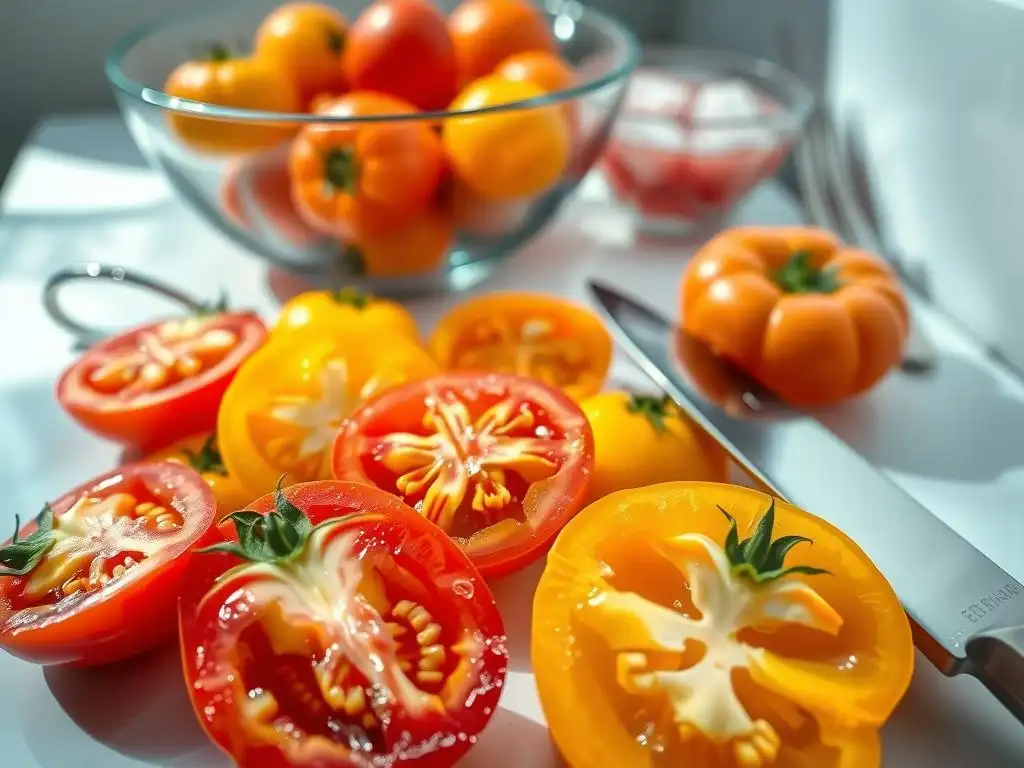
This section details the crucial pre-freezing steps for achieving the best quality frozen tomatoes, especially important when using your own organically grown produce. Following these steps ensures your frozen tomatoes retain their flavor, texture, and vibrant color, maximizing the benefits of your summer harvest. Remember, proper preparation is key to achieving the best results when freezing tomatoes using the best organic method.
Washing and Cleaning Tomatoes
Before you even think about freezing, meticulous cleaning is paramount. Dirt, debris, and pesticide residues (even from organically grown tomatoes) can affect the taste and safety of your frozen product. Begin by gently rinsing your tomatoes under cool, running water. A soft-bristled vegetable brush can help remove any stubborn dirt clinging to the skin. Pay close attention to the stems and crevices.
Next, carefully inspect each tomato for any blemishes, bruises, or signs of rot. Discard any tomatoes showing damage; even small imperfections can lead to spoilage during freezing. This step is particularly important when preserving your own organically grown tomatoes, as you want to ensure only the highest quality product makes it into your freezer. Using only perfect specimens helps maintain the integrity of your harvest and results in a superior final product. Think of it as quality control for your homegrown, organic bounty!
Blanching Tomatoes (Optional)
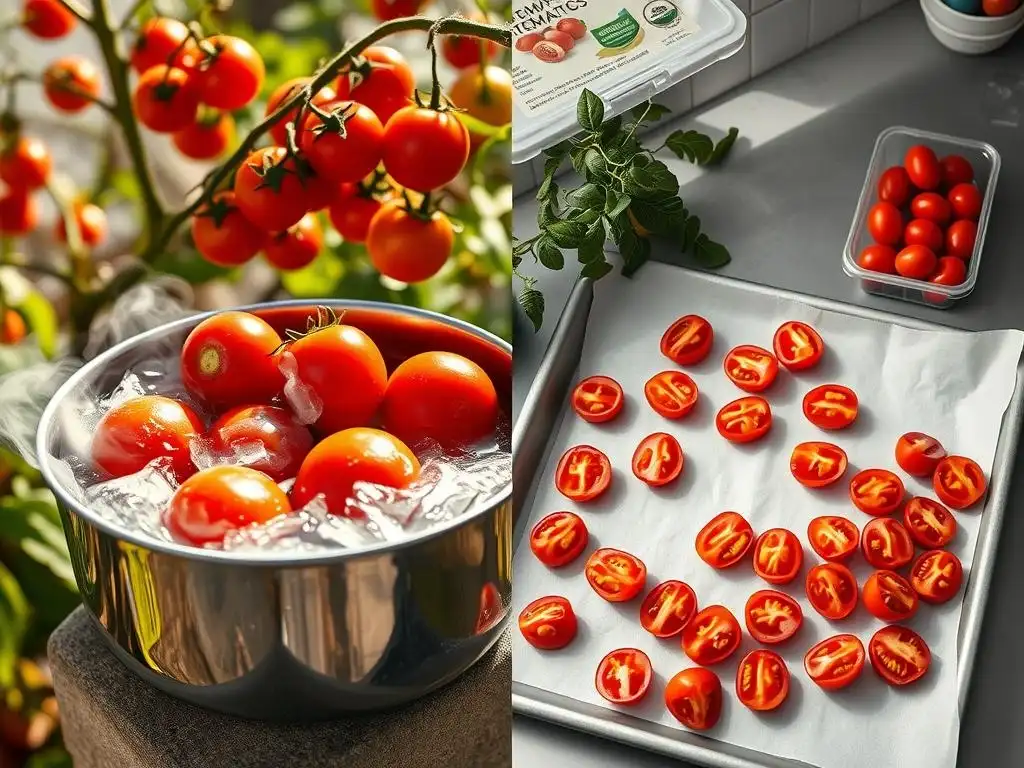
Blanching tomatoes is an optional but highly recommended step, especially for larger tomatoes. Blanching briefly immerses the tomatoes in boiling water, then immediately plunging them into ice water. This process helps to deactivate enzymes that can cause softening and loss of color during freezing. It also makes peeling easier, if you choose to peel your tomatoes before freezing.
For blanching, bring a large pot of water to a rolling boil. Carefully add your tomatoes and blanch for 30-60 seconds, depending on size. Smaller tomatoes require less time. Immediately transfer the blanched tomatoes to a bowl filled with ice water to stop the cooking process. After a few minutes, remove the tomatoes and gently pat them dry with a clean kitchen towel. Remember, this step significantly improves the texture and color retention of your frozen tomatoes, enhancing the overall quality, especially when striving for the best organic method of freezing.
Removing Cores and Seeds (Optional)
Removing cores and seeds is another optional step, but it's highly recommended for certain tomato varieties or specific applications. Some people prefer to remove the cores and seeds to reduce moisture content and prevent a watery consistency in the frozen tomatoes. This is especially useful if you plan to use the frozen tomatoes in sauces or purees where excess liquid might be undesirable. This is also useful if you are using larger tomatoes that may have a more pronounced core.
To remove the cores and seeds, slice the tomatoes in half lengthwise and use a small spoon or knife to gently scoop out the seeds and core. It's important to do this carefully to avoid damaging the tomato flesh. Discard the seeds and cores. This step, while adding time to the preparation, significantly enhances the final product, particularly when aiming for the best organic method of freezing tomatoes intended for specific recipes. The resulting frozen tomatoes will be more concentrated in flavor and less watery.
Best Methods for Freezing Tomatoes: Efficient Techniques
This section details the optimal techniques for freezing tomatoes, ensuring you retain their flavor and quality for later use. We'll explore different methods, focusing on organic and sustainable practices to maintain the integrity of your homegrown harvest. Remember, proper preparation is key to achieving the best results when freezing tomatoes using the best organic method.
Freezing Whole Tomatoes
Freezing whole tomatoes is ideal for preserving smaller, cherry or grape tomatoes. Their smaller size allows for quicker freezing and prevents large ice crystal formation, which can compromise texture. However, this method isn't suitable for larger tomatoes due to the extended freezing time.
This method prioritizes simplicity and speed. First, ensure your tomatoes are ripe but firm, free from blemishes and damage. Gently wash them and pat them dry. Avoid washing them immediately before freezing, as excess moisture can lead to freezer burn.
Next, arrange the whole tomatoes on a baking sheet lined with parchment paper, ensuring they aren't touching. This prevents them from sticking together once frozen. Place the baking sheet in the freezer for at least 2-3 hours, or until the tomatoes are solid. Once frozen, transfer the individual tomatoes to a freezer bag, removing as much air as possible to minimize freezer burn. Label the bag with the date for easy tracking.
This method is excellent for recipes where whole tomatoes are needed, such as soups or sauces where the whole tomatoes are added during the cooking process. It’s a simple, efficient, and effective way to preserve the best organic method.
Freezing Peeled and Chopped Tomatoes
This method is best for larger tomatoes, allowing for easier use in various recipes. Peeling the tomatoes before freezing removes the skin, which can become tough and unpleasant after freezing. Chopping them into smaller pieces also ensures faster freezing and better integration into various dishes.
Begin by blanching the tomatoes. Bring a pot of water to a boil. Score an "X" on the bottom of each tomato with a sharp knife. Gently place the tomatoes in the boiling water for about 30-60 seconds, or until the skins begin to split. Immediately transfer them to an ice bath to stop the cooking process. Once cooled, easily peel off the skins.
After peeling, chop the tomatoes into your desired size – roughly 1/2 inch to 1 inch pieces are generally ideal. Similar to freezing whole tomatoes, spread the chopped tomatoes in a single layer on a baking sheet lined with parchment paper. Freeze for 2-3 hours, or until solid. Then, transfer them to freezer bags, removing as much air as possible. Label with the date for easy identification. This method is versatile and perfect for adding to sauces, stews, and other cooked dishes. It represents a superior approach within the best organic method.
Freezing Tomato Puree or Paste
Freezing tomato puree or paste is a fantastic way to preserve a large quantity of tomatoes and create a convenient base for future recipes. This method requires a bit more preparation but yields a highly concentrated and flavorful product.
First, prepare your tomatoes as you would for the chopped method: wash, blanch, peel, and chop them. Then, blend the tomatoes using a food processor or blender until you achieve your desired consistency – smooth puree or thicker paste.
For the puree, simply transfer the blended mixture to freezer-safe containers, leaving about ½ inch of headspace for expansion. For the paste, simmer the puree in a saucepan over low heat for about 30-60 minutes, stirring occasionally, until it thickens to your desired consistency. Then, transfer to freezer-safe containers. Label the containers with the date and contents. This method is perfect for sauces, soups, and other recipes where a concentrated tomato flavor is desired. It’s a highly efficient method within the best organic method, ideal for large harvests.
Remember to always prioritize food safety when freezing your harvest. Use appropriate containers, remove excess air, and label everything clearly with the date. Enjoy the fruits (or rather, vegetables!) of your labor all year round! 🍅
Freezing Roasted Tomatoes
Roasting tomatoes before freezing intensifies their flavor and creates a wonderfully concentrated taste perfect for sauces, soups, and stews. This method is ideal for those seeking a richer, deeper tomato flavor in their winter dishes. The roasting process reduces the water content, minimizing ice crystal formation during freezing and resulting in a smoother texture upon thawing. This is particularly beneficial when using the frozen tomatoes in recipes where texture is crucial, such as sauces where you want to avoid a watery consistency.
To achieve the best results, select ripe, but firm tomatoes. Avoid overripe or damaged specimens, as these can negatively impact the final flavor and texture. Smaller tomatoes, like cherry or grape tomatoes, roast beautifully and are ideal for this method. Larger tomatoes can be halved or quartered before roasting to ensure even cooking.
The roasting process itself is relatively straightforward. Preheat your oven to 400°F (200°C). Toss the tomatoes with a small amount of olive oil, salt, and pepper. Consider adding other herbs like oregano or basil for an even more complex flavor profile. Spread the tomatoes in a single layer on a baking sheet and roast for 20-30 minutes, or until they are softened and slightly caramelized. The exact roasting time will depend on the size and type of tomatoes used. Keep a close eye on them to prevent burning.
Once the tomatoes are roasted, allow them to cool completely before freezing. This prevents condensation and subsequent ice crystal formation, which can compromise the texture and flavor. Once cool, you can package them in freezer-safe bags or containers, removing as much air as possible. Properly labeled containers with the date will ensure efficient inventory management. Remember to use airtight containers to prevent freezer burn and maintain optimal flavor and quality.
Properly roasted and frozen tomatoes will retain their vibrant flavor for several months, offering a delicious taste of summer throughout the year. This method allows for a versatile use, ideal for adding to pasta sauces, soups, stews, or even as a topping for pizzas or other dishes. Experiment with different herbs and spices during the roasting process to create a variety of flavor profiles to suit your culinary preferences. The rich, sweet flavor of roasted tomatoes adds a depth and complexity that elevates any dish.
Storing Frozen Tomatoes: Tips for Maintaining Quality
Preserving the vibrant flavor and nutritional value of your homegrown tomatoes through freezing requires careful attention to detail, even after the initial blanching and freezing process. Improper storage can lead to freezer burn, compromising the texture and taste of your precious harvest. This section focuses on the best practices for long-term storage of your frozen organic tomatoes, ensuring they remain delicious and ready to use for months to come.
We'll explore optimal containers, labeling techniques, and ideal freezer storage conditions to maximize the shelf life and quality of your frozen tomatoes. This is key to reaping the rewards of your hard work throughout the year, extending the season of fresh, organic tomatoes well beyond the summer months.
Proper Freezing Containers
Choosing the right container is crucial for preventing freezer burn and maintaining the quality of your frozen tomatoes. Avoid using flimsy plastic bags, which can easily tear and allow air to reach the tomatoes, leading to rapid degradation. Instead, opt for sturdy, airtight containers designed for freezer use. Here's a breakdown of suitable options:
- Rigid Plastic Containers: These are excellent choices, offering good protection and preventing freezer burn. Look for containers with secure lids to ensure an airtight seal. Consider using smaller containers to allow for easier portioning and quicker thawing when needed. This also helps to prevent large temperature fluctuations within the freezer.
- Freezer-Safe Bags: While bags might seem convenient, choose only those specifically labeled as freezer-safe and thick enough to withstand freezer temperatures without tearing. Ensure you remove as much air as possible before sealing them to minimize freezer burn. Consider using a vacuum sealer for the best results.
- Glass Jars: While glass jars are aesthetically pleasing and offer excellent protection, they are heavier and more prone to breakage than plastic. If you choose this method, ensure the jars are specifically designed for freezer use and that the lids form an airtight seal.
Remember to always leave a little headspace in any container to allow for expansion during freezing. Overfilling containers can lead to spills and damage to other frozen items. The goal is to freeze your tomatoes in a way that preserves their quality and minimizes any potential damage.
Labeling and Dating Frozen Tomatoes
Proper labeling is essential for efficient freezer organization and preventing food waste. Clearly labeling each container with the contents and date of freezing helps you identify and use your tomatoes before they lose their quality. Think of it as an investment in your time and harvest!
Consider using a permanent marker to write directly on the container or attaching a label with waterproof adhesive. Include the following information:
- Contents: "Organic Roma Tomatoes," "Organic Cherry Tomatoes," etc. Be specific!
- Date: Write the month and year (e.g., "Oct 2024").
- Intended Use (Optional): You could add notes like "For sauce," "For stews," etc., to further organize your frozen inventory.
This simple step will save you time and frustration in the long run, ensuring you always know what you have and when it was frozen. Remember, even with the best freezing techniques, the quality of frozen tomatoes degrades over time. Proper labeling helps you prioritize using older tomatoes first.
Freezer Storage
The location of your frozen tomatoes within your freezer significantly impacts their quality. Avoid placing them near the freezer door, where temperature fluctuations are most frequent. These fluctuations can contribute to freezer burn and ice crystal formation, affecting the texture and taste of your tomatoes.
Instead, store your frozen tomatoes in the coldest part of your freezer, typically towards the back or on the lower shelves. This maintains a consistent temperature, helping to preserve their quality for a longer period. Keeping your freezer at a consistent temperature of 0°F (-18°C) or lower is also crucial. Regularly check your freezer temperature and ensure it's functioning optimally. This will contribute to the longevity and quality of your frozen organic tomatoes. Remember, consistent, cold temperatures are your ally in this preservation process!
Using Frozen Tomatoes: Recipes and Culinary Applications
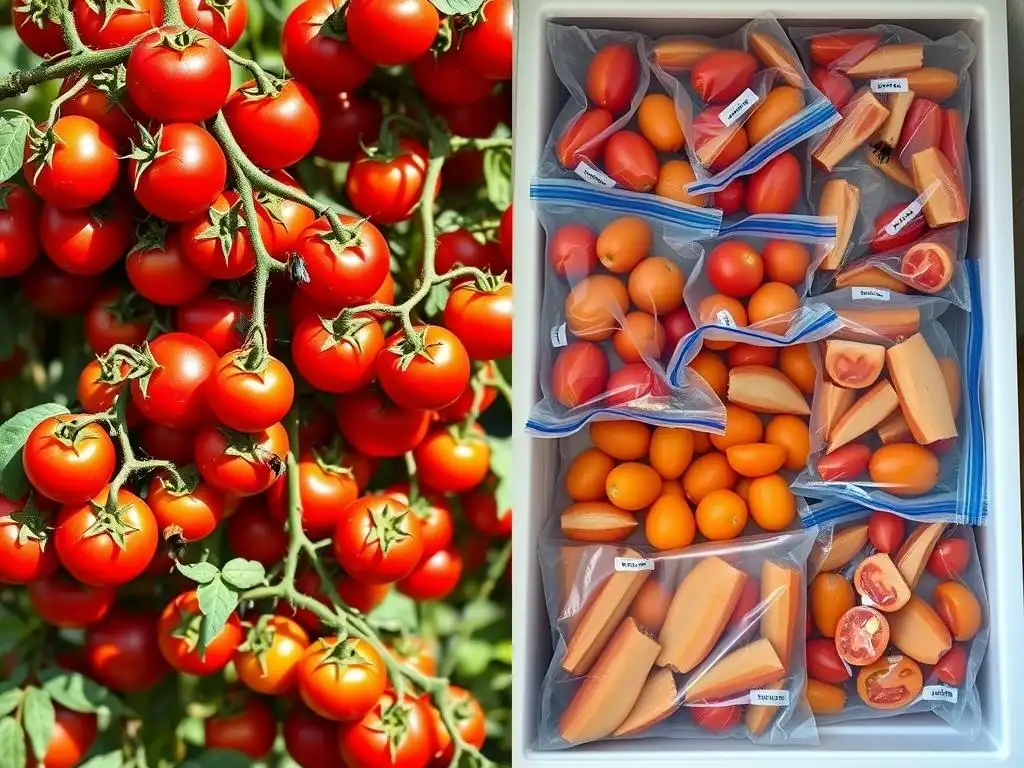
Freezing tomatoes is a fantastic way to preserve their vibrant flavor and nutritional value, extending the enjoyment of your summer harvest well into the colder months. But what can you actually do with frozen tomatoes? More than you might think! They are surprisingly versatile and can be used in a wide array of culinary applications, offering a convenient and flavorful addition to many dishes.
This section explores the delightful possibilities of using frozen tomatoes in your kitchen. We'll explore recipes and techniques, helping you unlock the full potential of your homegrown, organically frozen bounty. This section focuses on the best organic method for utilizing frozen tomatoes, ensuring your dishes retain their wholesome goodness.
Delicious Recipes Using Frozen Tomatoes
Frozen tomatoes, while not ideal for fresh-eating, are perfect for cooked dishes. Their slightly softened texture lends itself beautifully to sauces, soups, and stews. Here are a few ideas to inspire your culinary creativity:
- Tomato Soup: A classic and simple recipe. Simply sauté some onions and garlic, add your frozen tomatoes, vegetable broth, and simmer until thickened. Blend for a smooth, flavorful soup. Consider adding herbs like basil or oregano for extra depth. This recipe is a perfect example of how to use the "freeze tomatoes best organic method" to create a delicious, wholesome meal.
- Pasta Sauce: Frozen tomatoes form the base of a fantastic pasta sauce. Sauté some aromatics (onions, garlic, carrots), add the frozen tomatoes, and simmer with your favorite herbs and spices (Italian seasoning, red pepper flakes). The result is a rich and flavorful sauce, perfect for your favorite pasta. Remember to use high-quality organic tomatoes for the best taste and nutritional benefits, aligning with the "freeze tomatoes best organic method" principle.
- Chili: Add a hearty dose of frozen tomatoes to your chili recipe for a burst of freshness and acidity. The tomatoes will melt seamlessly into the chili, adding depth of flavor without compromising the texture. This is a great way to utilize larger quantities of frozen tomatoes.
Incorporating Frozen Frozen Tomatoes into Dishes
The key to successfully using frozen tomatoes lies in understanding their properties. Because they've been frozen, their texture will be softer than fresh tomatoes. This means they are best suited for cooked dishes where their texture won't be a primary concern. Avoid using them in dishes where a firm, fresh tomato is essential, such as salads or salsas.
Think of frozen tomatoes as a convenient, pre-chopped ingredient, ready to be incorporated into your favorite recipes. They eliminate the need for chopping and prepping fresh tomatoes, saving you valuable time in the kitchen. This is particularly beneficial when you're short on time or dealing with large quantities of tomatoes. The "freeze tomatoes best organic method" simplifies the cooking process while maintaining the quality of your organic produce.
Consider these points when incorporating frozen tomatoes:
- Don't thaw completely: Adding them directly from frozen to your recipe often works best, as thawing can lead to excess water release.
- Adjust for liquid: Frozen tomatoes will release some liquid during cooking. You may need to adjust the amount of liquid in your recipe accordingly to prevent it from becoming too watery.
- Seasoning is key: Enhance the flavor of your dishes with herbs, spices, and other ingredients to compensate for any subtle changes in taste that may occur during the freezing process.
Thawing Frozen Tomatoes
While it's generally recommended to use frozen tomatoes directly in cooked dishes, there are situations where thawing might be necessary. For instance, if you need to purée them for a specific recipe. However, keep in mind that thawing can lead to a loss of texture and a release of excess water.
If thawing is required, the best method is to transfer the frozen tomatoes from the freezer to the refrigerator overnight. This slow thaw minimizes water loss and preserves the texture as much as possible. Avoid thawing at room temperature, as this can lead to bacterial growth and undesirable changes in flavor and texture. Remember, even with careful thawing, the texture will be different from fresh tomatoes. The "freeze tomatoes best organic method" prioritizes using frozen tomatoes directly in cooked dishes to maximize flavor and minimize texture alteration.
Troubleshooting Common Freezing Issues: Avoiding Mistakes
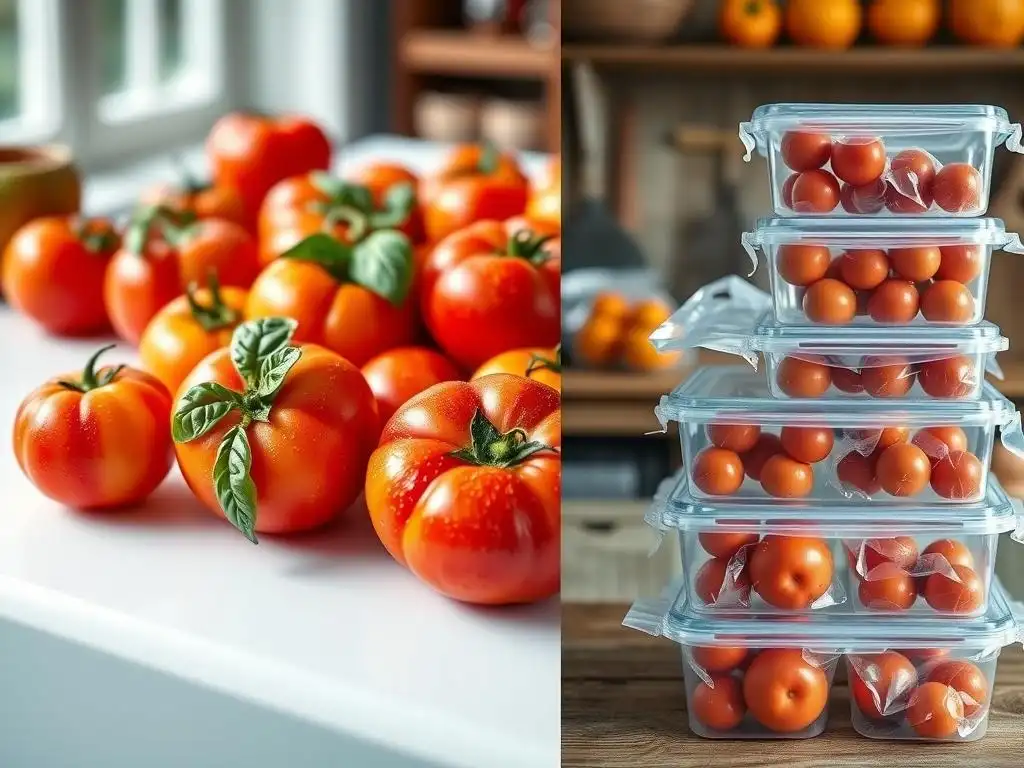
Freezing tomatoes successfully hinges on meticulous preparation and proper technique. Ignoring key steps can lead to disappointing results, from freezer burn to mushy textures. This section addresses common pitfalls and offers solutions to ensure your frozen tomatoes retain their vibrant flavor and appealing texture. Mastering these techniques will elevate your organic tomato preservation game, allowing you to enjoy the taste of summer all year round. The best organic method for freezing tomatoes minimizes waste and maximizes flavor retention.
Preventing Freezer Burn
Freezer burn, that dreaded enemy of frozen foods, is characterized by discoloration, dryness, and a loss of flavor. It occurs when frozen food is exposed to air, causing moisture to evaporate. With tomatoes, this translates to leathery, unappetizing results. The key to preventing freezer burn is airtight packaging. Avoid leaving any air pockets within the bag or container.
Several effective techniques minimize the risk:
- Blanching (Optional but Recommended): Briefly blanching tomatoes in boiling water (for about 30 seconds, followed by an ice bath) helps inactivate enzymes that contribute to texture degradation during freezing. This step significantly enhances the quality of your frozen tomatoes, especially when freezing whole or halved tomatoes. For the best organic method, ensure you use filtered or spring water for blanching.
- Proper Packaging: Use freezer-safe bags designed for food storage. These bags are thicker and more resistant to tears than standard plastic bags. Alternatively, use rigid, airtight containers. Completely remove as much air as possible before sealing. Consider using a vacuum sealer for optimal results; this removes almost all air, drastically reducing the chance of freezer burn.
- Portioning: Freeze tomatoes in manageable portions. Smaller portions thaw faster and are easier to use in recipes, minimizing waste. Consider freezing tomatoes in single-serving quantities or in amounts suitable for your typical recipes.
- Labeling and Dating: Clearly label each package with the date of freezing. This helps you track the freshness of your frozen tomatoes and ensures you use the oldest ones first, implementing a first-in, first-out (FIFO) system in your freezer. Use a permanent marker to write directly on the bag or attach a freezer-safe label.
Dealing with Texture Changes
Even with careful preparation, some textural changes are inevitable when freezing tomatoes. However, understanding the factors that contribute to these changes allows you to minimize their impact. The goal is to maintain a firm, not mushy, texture.
Factors influencing texture:
- Tomato Variety: Different tomato varieties respond differently to freezing. Some varieties hold their shape better than others. Experiment with different types to find those that best suit your needs. Consider using heirloom varieties known for their firmness.
- Freezing Method: Freezing whole tomatoes tends to result in more texture change than freezing pureed or diced tomatoes. The best organic method often involves freezing tomatoes in a way that best suits their intended use. For example, whole tomatoes might be better suited for sauces, while diced tomatoes might be better for stews.
- Thawing Method: Rapid thawing can lead to mushy tomatoes. The best approach is to thaw tomatoes gradually in the refrigerator overnight. This allows for a more controlled thaw, preserving the texture better. Avoid thawing at room temperature, as this can promote bacterial growth.
Solving Common Problems
Despite taking precautions, problems might still arise. Here's how to address them:
| Problem | Solution |
|---|---|
| Mushy Tomatoes | Thaw slowly in the refrigerator; consider using a firmer tomato variety. |
| Freezer Burn | Use airtight packaging; remove as much air as possible before sealing. |
| Bitter Taste | Ensure tomatoes are ripe but not overripe before freezing. |
| Off-Flavors | Check for proper storage conditions; ensure your freezer is consistently cold. |
Remember, consistency is key. By carefully following these guidelines and adapting them to your specific needs, you can significantly improve the quality of your frozen tomatoes and enjoy the best organic method for preserving summer's bounty. The goal is to retain the rich flavor and vibrant color of fresh tomatoes, even after months of freezing. 🍅
The Ultimate Guide to Freezing Tomatoes: A Sustainable Approach to Food Preservation
This section delves into the specifics of freezing tomatoes, focusing on maximizing flavor and minimizing waste, aligning with the sustainable ethos of CultivateYourFood. We'll explore techniques that ensure your homegrown bounty retains its vibrant taste and nutritional value long after the summer harvest. This guide prioritizes organic methods and efficient storage, helping you to make the most of your hard work. The goal is to provide you with the best organic method for freezing tomatoes, ensuring a delicious and convenient supply throughout the year.
Sustainable Practices in Tomato Freezing
Freezing tomatoes organically requires mindful choices throughout the process. First, selection is key. Choose ripe, but firm tomatoes – avoid overripe or damaged ones. Washing them gently with cool water is crucial to remove any dirt or pesticide residue (even if organically grown, a light wash is recommended). This step is vital for maintaining the quality and safety of your frozen tomatoes.
Next, consider the blanching process. While not strictly necessary for all tomato varieties, blanching (briefly submerging in boiling water followed by an ice bath) helps to deactivate enzymes that can affect texture and color during freezing. For cherry or grape tomatoes, blanching is generally unnecessary. However, for larger tomatoes, blanching can improve their texture after thawing. This helps preserve their integrity and prevents mushiness.
Finally, packaging significantly impacts the preservation of your tomatoes. Avoid using plastic wrap directly on the tomatoes, as this can lead to freezer burn. Instead, opt for freezer-safe containers or bags, ensuring a good seal to prevent ice crystal formation and maintain freshness. Using reusable containers aligns perfectly with sustainable practices, minimizing single-use plastic waste. Consider using glass jars, which are both reusable and ideal for long-term storage if properly sealed.
Long-Term Storage Solutions
Proper storage is paramount for maximizing the shelf life of your frozen tomatoes. Once packaged, label each container clearly with the date. This simple step enables you to prioritize older batches and avoid food waste. Aim to use your frozen tomatoes within 12 months for optimal quality, though they may remain safe for consumption beyond that timeframe.
Freezing tomatoes in smaller portions is also a smart strategy. This allows for easier thawing and portioning, reducing waste by only thawing what you need. Consider freezing individual tomatoes or small clusters depending on your needs and cooking habits. A practical method is to freeze them on a baking sheet before transferring them to a freezer bag to prevent them from sticking together, making them easier to portion out later.
The temperature of your freezer is another critical factor. Maintaining a consistent temperature of 0°F (-18°C) or lower is essential for preventing freezer burn and preserving the quality of your frozen tomatoes. Regularly check your freezer temperature to ensure it's functioning correctly.
| Storage Method | Advantages | Disadvantages | Shelf Life (Months) |
|---|---|---|---|
| Freezer Bags | Cost-effective, space-saving | Potential for freezer burn if not sealed properly | 12 |
| Freezer Containers | Reusable, prevents freezer burn | More expensive, takes up more space | 12 |
| Glass Jars | Reusable, aesthetically pleasing, best for purée | Requires careful sealing to prevent leakage | 12 |
Conclusion
Freezing tomatoes using sustainable and organic practices allows you to enjoy the taste of summer throughout the year. By carefully selecting ripe tomatoes, employing appropriate blanching techniques where necessary, and using eco-friendly packaging and storage methods, you can preserve both the flavor and nutritional value of your harvest. Remember, proper labeling and portioning will help minimize waste and maximize the benefits of your homegrown bounty. This comprehensive approach ensures that you have access to delicious, high-quality tomatoes even during the colder months, representing the best organic method for preserving your garden's yield. Enjoy your frozen tomatoes! 🍅
Frequently Asked Questions
What is the best way to freeze tomatoes for optimal flavor and quality?
The best method involves blanching the tomatoes briefly in boiling water, then immediately plunging them into ice water to stop the cooking process. This helps to retain their texture and vibrant color. After drying, freeze them whole, halved, or pureed.
Can I freeze tomatoes without blanching them?
Yes, you can, but blanching is recommended. Blanching helps to inactivate enzymes that can degrade the flavor and texture over time during freezing. Unblanched tomatoes might become softer and less flavorful after thawing.
How long can I store frozen tomatoes?
Properly frozen tomatoes can be stored for up to 12 months in a freezer maintaining a temperature of 0°F (-18°C) or lower. However, for the best quality, it's recommended to use them within 6-8 months.
What are the best types of tomatoes to freeze?
Roma or paste tomatoes are ideal for freezing because of their low water content and thick flesh. However, most varieties can be frozen successfully. Avoid freezing tomatoes that are already overripe or damaged.
Are there any special organic considerations when freezing tomatoes?
When using organic tomatoes, ensure you follow the same freezing method as with conventionally grown tomatoes. Prioritize using organic methods for pest control in your garden to ensure the quality and safety of your produce before freezing.
Final Reflection: A Taste of Summer, Preserved for Winter
Freezing tomatoes isn't just about preserving a harvest; it's about preserving a connection to the earth and the fleeting beauty of summer's bounty. The simple act of freezing ripe, organic tomatoes ensures that the vibrant flavors and nutritional benefits of the season extend far beyond its natural limits, offering a taste of sunshine even on the coldest winter days. This is a practice that transcends mere preservation; it's a celebration of resourcefulness and a testament to the enduring power of nature.
The impact of preserving food, particularly in a world increasingly focused on sustainability and reducing food waste, cannot be overstated. It's a practice that connects us to generations past, reminding us of a time when resourcefulness was essential for survival. This simple act of freezing tomatoes speaks volumes about our relationship with food, our environment, and our commitment to mindful living. We must learn to live with the earth, not on it.
This quote, though not directly about food preservation, perfectly encapsulates the spirit of respecting and utilizing nature's gifts wisely.
Consider the possibilities: Imagine the rich, sun-ripened taste of a summer tomato gracing your winter pasta sauce, or the vibrant color adding a burst of freshness to a chilly winter stew. This is more than just a culinary technique; it's a mindful practice that allows you to savor the best of nature year-round. Take the time this summer to freeze your organic tomatoes – not just for the convenience, but for the joy of extending the season's bounty and deepening your connection to the natural world.
Unlock a Year-Round Tomato Harvest!
Thank you for learning how to freeze your summer tomatoes! You now have the skills to preserve that delicious flavor for months. Ready to try it out?
- First: Gather your ripe tomatoes immediately and freeze them using the methods described in this article. Don't let a single perfect tomato go to waste!
- Share your frozen tomato successes (or any freezing tips!) with other gardening enthusiasts on our CultivateYourFood community forum.
- Experiment with a new recipe using your frozen tomatoes—perhaps a hearty winter pasta sauce or a refreshing gazpacho. Let us know how it turns out!
What's your favorite way to enjoy homegrown tomatoes, whether fresh from the vine or enjoyed months later?