
Maximize Your Yield: Knowing When to Harvest for the Best Results

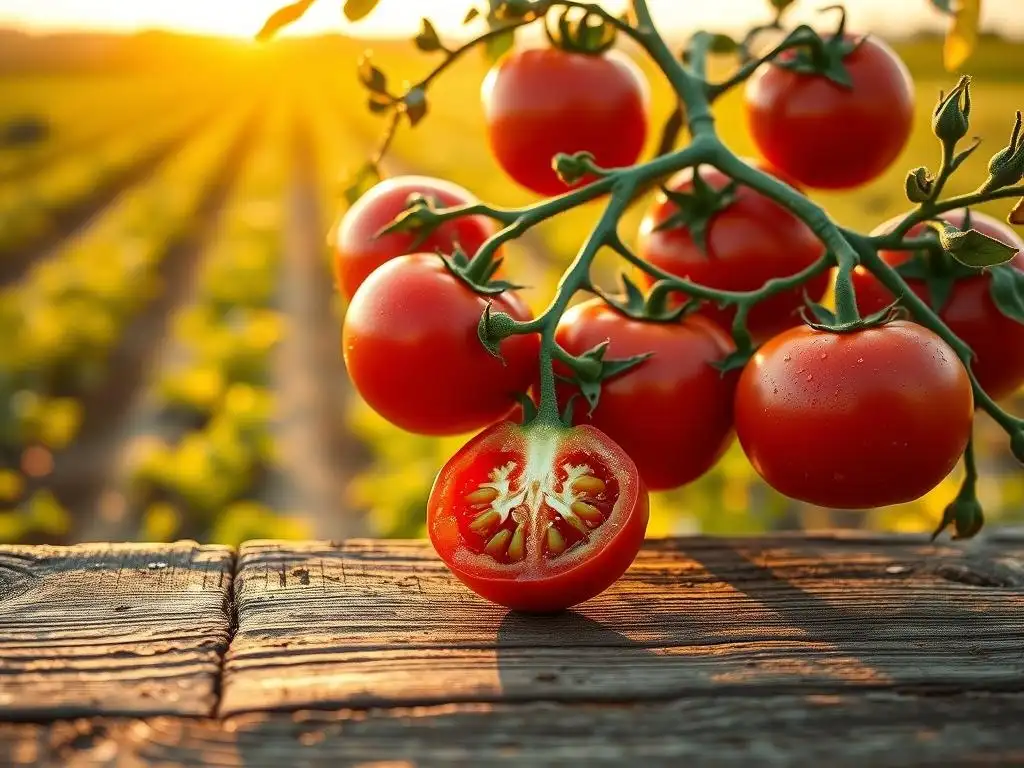
Ready to unlock the secrets to a bountiful harvest? At CultivateYourFood, we empower you to grow your own delicious and nutritious fruits, vegetables, and herbs using sustainable methods. But timing is everything! Our comprehensive Best harvest timing guide within the Harvesting and Preserving section will transform your gardening game, revealing the precise moment to pick each plant for peak flavor and maximum yield. Discover the art of harvesting and unlock the potential of your homegrown paradise – let's get started!
- The Importance of Optimal Harvest Timing for Vegetable Gardening
- Best Harvest Timing Guide: A Vegetable-Specific Approach
- Tools and Techniques for Harvesting Vegetables
- Understanding Vegetable Growth Cycles and Their Impact on Harvest Time
- Planning Your Harvest Schedule Based on Planting Time and Variety
- Adjusting Harvest Timing Based on Weather Conditions
- Troubleshooting Common Harvesting Issues
- Beyond the Harvest: Preserving Your Bounty
- Frequently Asked Questions
- Final Reflection: Reaping the Rewards of Strategic Timing
- Unlock Your Harvest's Potential: Take Action Now!
The Importance of Optimal Harvest Timing for Vegetable Gardening
Harvesting your homegrown vegetables at the perfect moment is crucial for maximizing both yield and quality. A well-timed harvest isn't just about getting the biggest vegetables; it's about unlocking their peak flavor, nutritional content, and ensuring a healthy garden for future harvests. This comprehensive guide, your ultimate Best harvest timing guide, will equip you with the knowledge to determine the optimal time to harvest various vegetables, leading to bountiful and delicious results. We'll explore the science behind ideal harvest windows, examining how precise timing impacts flavor, nutrient density, and the overall health of your plants.
By following these guidelines, you'll significantly reduce waste, improve your garden's productivity, and enjoy the most flavorful vegetables possible. Let's delve into the details to ensure you're harvesting at the perfect moment every time! 🥕
Maximizing Flavor and Nutritional Value with Precise Harvesting
The flavor and nutritional content of your vegetables are directly tied to their stage of maturity at harvest. Harvesting too early can result in bland, underdeveloped produce, while harvesting too late can lead to tough, fibrous, or bitter vegetables. Consider the following:
- Peak Flavor: Most vegetables reach their peak flavor at a specific stage of maturity, often just before they become fully ripe. This is when the sugars and other flavor compounds are at their highest concentration. For example, tomatoes are often sweetest when they are slightly soft to the touch and their characteristic color is fully developed. Similarly, sweet peppers will have the most intense flavor when fully colored and slightly firm.
- Nutrient Density: The concentration of essential vitamins and minerals also fluctuates throughout a vegetable's growth cycle. While some nutrients may increase as the vegetable matures, others may decline. Optimal harvest timing aims to capture the point where the concentration of beneficial nutrients is highest. For example, many leafy greens are most nutritious when harvested young and tender.
- Texture: The texture of your vegetables is also affected by harvest timing. Overripe vegetables can become mushy or tough, while underripe vegetables may be too hard or stringy. Proper timing ensures the optimal texture, enhancing the overall eating experience.
Preventing Overripe Vegetables and Reducing Waste
Overripe vegetables not only taste less appealing but also contribute significantly to food waste. Knowing the signs of ripeness and overripeness is essential for minimizing waste and maximizing the value of your harvest. Here's what to look for:
- Visual Cues: Changes in color, size, and shape are often indicators of ripeness. For instance, the change of color in tomatoes from green to red, or the softening of the skin on a peach, are clear signs. However, some vegetables, such as zucchini, may not show obvious color changes as they become overripe.
- Physical Characteristics: Feel the vegetable. Overripe vegetables often feel soft or mushy to the touch. Check for blemishes, bruises, or signs of decay. Discard any damaged vegetables immediately to prevent the spread of rot.
- Harvesting Strategies: Regular harvesting, even if it means picking some vegetables slightly before their absolute peak, can prevent overripening and encourage continuous production. This is especially important for vegetables like beans and zucchini, which can quickly become overgrown.
The Relationship Between Harvest Timing and Plant Health
Harvesting techniques can impact the overall health and productivity of your plants. Careful consideration of how and when you harvest can promote a healthier and more abundant harvest in the future:
- Proper Harvesting Methods: Avoid damaging the plant during harvesting. Use sharp tools to cleanly cut or snap off vegetables, preventing injury to the stem or roots. This minimizes the risk of disease and ensures the plant can continue to produce.
- Succession Planting: For many vegetables, succession planting (planting new crops at intervals) is a useful strategy to extend the harvest season and prevent overproduction. This ensures a consistent supply of fresh produce throughout the growing season.
- Plant Health Indicators: Pay attention to the overall health of your plants. If you notice signs of disease or pest infestation, it's important to harvest affected vegetables promptly to prevent the spread of problems to the rest of your garden. Proper harvesting, along with good garden hygiene, promotes overall plant health and supports future yields.
Best Harvest Timing Guide: A Vegetable-Specific Approach
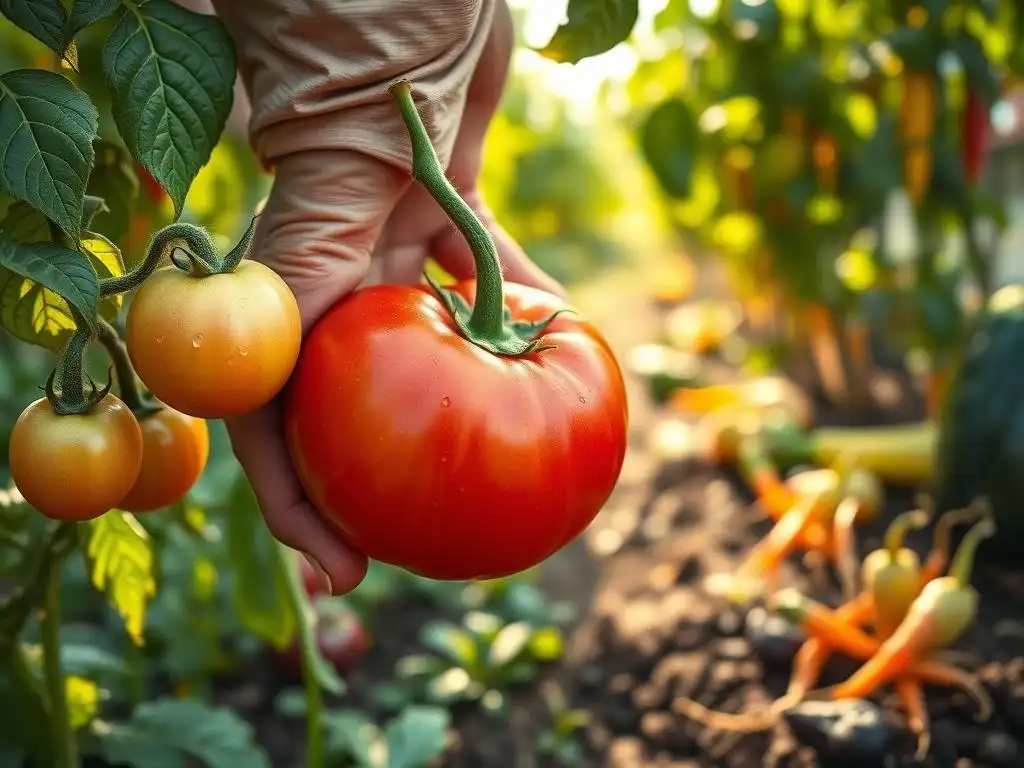
This section provides a detailed guide to harvesting vegetables at their peak, ensuring optimal flavor, texture, and nutritional value. Understanding the ideal harvest timing for each vegetable is crucial for maximizing your yield and enjoying the fruits (and vegetables!) of your labor. This guide focuses on specific vegetables, offering practical advice and observations to help you become a master home gardener. We'll explore the nuances of harvesting different varieties and identifying ripeness cues, ensuring you get the best harvest possible.
Harvesting Tomatoes for Peak Flavor and Ripeness
Tomatoes are a summer staple, and knowing when to pick them is key to enjoying their intense flavor. Harvesting at the right time ensures maximum sweetness and minimizes the risk of damage from pests or disease. The timing is dependent on the variety and your desired level of ripeness.
Identifying the Ideal Stage for Harvesting Tomatoes
The ideal stage for harvesting tomatoes is when they've reached their full color and are slightly soft to the touch. Avoid harvesting tomatoes that are still green, as they will lack flavor and sweetness. A fully ripe tomato will give slightly when gently squeezed. Look for deep, rich color characteristic of the specific variety.
For instance, a Roma tomato should be a deep red, while a yellow pear tomato will be a vibrant yellow. Avoid picking tomatoes that are overly soft or showing signs of splitting or damage. This careful selection process will ensure the quality of your harvest. 🍅
Here's a simple checklist to help you determine tomato ripeness:
- [x] Rich color characteristic of the variety
- [x] Slightly soft to the touch
- [x] Pleasant aroma
- [ ] No signs of damage or disease
Different Tomato Varieties and Their Harvesting Times
Different tomato varieties have slightly different ripening times. Some, like cherry tomatoes, may ripen faster than larger heirloom varieties. Consider these variations when planning your harvest schedule. For example:
| Tomato Variety | Typical Ripening Time (days after flowering) | Harvest Characteristics |
|---|---|---|
| Cherry Tomatoes | 55-70 | Small, readily visible color change, easy to pick |
| Beefsteak Tomatoes | 70-80 | Large, slow ripening, may require more gentle handling |
| Roma Tomatoes | 65-75 | Oblong shape, deep red color when ripe |
Remember that weather conditions can also affect ripening times. Hot, sunny days will speed up the process, while cooler temperatures may slow it down.
The Perfect Time to Pick Peppers: From Sweet to Spicy
Peppers, from sweet bell peppers to fiery jalapeños, require careful attention to harvesting to achieve their full flavor potential. Knowing the signs of ripeness is crucial for optimal taste and texture.
Recognizing Signs of Pepper Ripeness
The ripeness of peppers is indicated by their color and firmness. Sweet bell peppers, for instance, will change color as they ripen, transitioning from green to red, yellow, or orange, depending on the variety. Hot peppers often exhibit similar color changes, though the specific hues vary greatly depending on the type. A fully mature pepper will be firm but not hard. Avoid harvesting peppers that are wrinkled or shriveled.
Here are some visual cues to look for:
- Sweet Bell Peppers: The color should be fully developed (red, yellow, orange, etc. ), and the pepper should feel firm to the touch.
- Hot Peppers: The color should be vibrant and fully developed, specific to the variety. Firmness is key, avoid peppers that are soft or wrinkled.
Harvesting Peppers for Optimal Flavor and Texture
Harvesting peppers at the right time is crucial for both flavor and texture. Immature peppers will be less flavorful and may have a bitter taste. Overripe peppers, on the other hand, can become soft and less flavorful. The best time to harvest is when the peppers have reached their full color and are firm to the touch.
Use sharp scissors or a knife to cut the peppers from the plant, leaving a short stem attached. This prevents damage to the plant and ensures that the peppers stay fresh longer. Proper harvesting techniques will contribute to a bountiful and flavorful pepper harvest. 🌶️
Harvesting Leafy Greens at Their Prime
Leafy greens like spinach, kale, lettuce, and arugula are best harvested when young and tender. Waiting too long results in tough, bitter leaves that are less palatable. The ideal time to harvest depends on the specific variety and growing conditions, but generally, you should aim for harvesting before the plants bolt (flower). Bolting triggers a shift in the plant's energy to seed production, making the leaves less desirable. This often happens when the plants experience stress, such as extreme heat or drought.
Regular watering and providing adequate shade during hot periods can help prevent bolting and maintain the quality of the leaves. Careful observation is key; look for vibrant, deep green color and a tender texture. Avoid harvesting after a frost, as this will damage the leaves and make them less flavorful. Remember, successive harvesting is key to maximizing your yield and keeping the plants producing fresh leaves consistently.
Identifying the Optimal Growth Stage for Harvesting Leafy Greens
The optimal growth stage for harvesting leafy greens is usually reached when the leaves are fully developed but still tender. For most varieties, this is typically 4-6 weeks after planting, but this can vary. Check the seed packet or plant tag for specific guidelines related to your chosen variety. The leaves should be a vibrant, deep green color and feel smooth and tender, not coarse or tough. Avoid harvesting leaves that show signs of damage, disease, or pests.
You can often harvest outer leaves selectively, leaving the inner leaves to continue growing. This method allows for multiple harvests from a single plant, extending the growing season and your yield. A good rule of thumb is to harvest when the leaves are about 1/3 to 1/2 of their mature size. This ensures you get the most tender and flavorful leaves while allowing the plant to continue growing.
Maintaining Continuous Growth of Leafy Greens Through Successive Harvesting
Successive harvesting is a crucial technique for maximizing your yield of leafy greens. Instead of waiting for the entire plant to mature before harvesting, you can pick outer leaves regularly, leaving the inner leaves to continue growing. This encourages new leaf growth and extends the harvest period significantly.
The frequency of harvesting depends on the growth rate of your specific variety and the environmental conditions. However, a general guideline is to harvest every 1-2 weeks, removing about 1/3 to 1/2 of the outer leaves each time. This prevents the plant from bolting and keeps it producing fresh, tender leaves for a longer period.
Remember to use sharp scissors or a knife to cleanly cut the leaves, avoiding damage to the plant's crown. Regular watering and fertilization also play a crucial role in promoting continuous growth after each harvest. By following these practices, you can enjoy a continuous supply of fresh, homegrown leafy greens throughout the growing season.
Harvesting Root Vegetables at the Right Time
Harvesting root vegetables at the optimal time is essential for maximizing their flavor, texture, and storage potential. Unlike leafy greens, root vegetables need to reach a certain size and maturity before harvest. Premature harvesting results in small, underdeveloped roots, while harvesting too late can lead to tough, woody roots that are less palatable and more prone to spoilage.
The ideal harvest time depends on the specific type of root vegetable and the variety, with some varieties maturing faster than others. Always check seed packets or plant tags for specific guidelines regarding harvest time for your chosen variety. Pay attention to the size and appearance of the roots; they should be firm, smooth, and free from blemishes.
Determining the Maturity of Root Vegetables
Determining the maturity of root vegetables often involves checking their size and appearance. Most root vegetables will reach maturity in 60-100 days, but this varies depending on the variety and growing conditions. For instance, carrots should be harvested when they reach the desired length and diameter, typically 6-8 inches for most varieties. Beets should be harvested when they reach about 2-3 inches in diameter. Potatoes are ready for harvest when their leaves begin to yellow and die back.
The size of the root vegetables is a good indicator of maturity, but it is not the only factor to consider. Feel the root vegetables; they should be firm and solid, not soft or spongy. Avoid harvesting root vegetables that show signs of damage, disease, or pest infestations. Consider using a garden fork or trowel to carefully lift the roots from the soil, minimizing damage to the delicate root structures.
Harvesting Root Vegetables for Optimal Storage
Proper harvesting techniques are crucial for extending the shelf life of root vegetables. When harvesting, use a garden fork or trowel to gently lift the roots from the soil, minimizing damage to their delicate surfaces. Avoid pulling or yanking, as this can damage the roots and make them more susceptible to spoilage.
After harvesting, carefully clean the roots, removing any excess soil and debris. Avoid washing the roots until just before use, as washing can accelerate spoilage. Proper storage is essential for preserving the quality of harvested root vegetables.
Store them in a cool, dark, and dry place, ideally in a root cellar or a refrigerator. Some root vegetables, such as potatoes, should be stored in a dark, cool, and well-ventilated area, while others, such as carrots and beets, can be stored in the refrigerator in airtight containers or plastic bags. Following these guidelines will help extend the shelf life of your harvest and allow you to enjoy your homegrown root vegetables for a longer period.
Best Practices for Harvesting Beans and Peas
Harvesting beans and peas at the optimal time is crucial for maximizing flavor and yield. This involves understanding the different types of beans and peas, as well as recognizing the signs of ripeness. For snap beans (green beans), the best time to harvest is when the pods are plump, firm, and bright green, but before they become overly large or start to turn yellow.
Delaying harvest will result in tough, fibrous pods and a less desirable taste. On the other hand, harvesting too early will yield smaller, less flavorful beans. A good rule of thumb is to harvest snap beans every 2 to 3 days during peak production to encourage continuous growth.
Bush beans are generally ready for harvest around 50-60 days after planting, while pole beans may take a bit longer, depending on the variety and growing conditions. For dry beans, you'll need to wait until the pods are completely dry and brown, and the seeds inside rattle when shaken. This usually takes several weeks after the pods have stopped growing. Similar considerations apply to peas. Sugar snap peas are harvested when the pods are plump and tender, but before the peas inside become too large.
Snow peas are harvested when the pods are young and tender, before the peas develop fully. Dry peas, like dry beans, are harvested when the pods are completely dry and brown. Remember to check the seed packet or plant tags for specific variety information, as harvest times can vary. Regular harvesting, even if it's just a small amount, helps to stimulate further production.
Identifying the Right Stage for Harvesting Beans and Peas
Knowing when to harvest beans and peas is crucial for optimal flavor and yield. For snap beans, look for pods that are plump, firm, and bright green. Avoid pods that are yellowing, overly large, or have started to dry out. These will be tough and stringy. The best way to check is to gently snap a pod; it should break cleanly with a satisfying snap. Overripe snap beans will be difficult to break and have a less appealing flavor.
For dry beans, the pods should be completely dry and brown, and the seeds inside should rattle when shaken. This usually takes several weeks after the pods stop growing. Don't harvest too early, as the beans will not be fully developed and may not store well. Similarly, for peas, sugar snap peas should be harvested when the pods are plump and tender, but before the peas inside become too large.
Snow peas are harvested when the pods are young and tender, before the peas develop fully. Dry peas should be harvested when the pods are completely dry and brown, just like dry beans. Careful observation and a gentle touch are key to determining the perfect harvest time. Using a sharp knife or shears can help make the harvesting process easier and cleaner, preventing damage to the plants.
Preserving the Quality of Harvested Beans and Peas
Proper post-harvest handling is essential to maintain the quality of your beans and peas. After harvesting, immediately place the beans and peas in a cool, shaded area to prevent wilting. For snap beans and snow peas, rapid cooling is crucial to maintain their freshness and crispness. Consider placing them in a container of ice water for a short time before storing them in the refrigerator. This quick chilling helps to slow down enzymatic activity, which can cause deterioration. Snap beans and snow peas are best consumed fresh, within a few days of harvesting.
Dry beans and peas, on the other hand, require different handling. They need to be thoroughly dried before storage to prevent mold and spoilage. Spread them out in a single layer on a screen or tray in a well-ventilated area, away from direct sunlight. Proper drying is essential for long-term storage.
Once completely dry, store them in airtight containers in a cool, dry, and dark place. With proper harvesting and storage techniques, you can enjoy the fruits – or rather, the vegetables – of your labor for weeks or even months to come. Proper preservation ensures that your harvest remains flavorful and nutritious, maximizing the value of your gardening efforts. 🌱
Tools and Techniques for Harvesting Vegetables
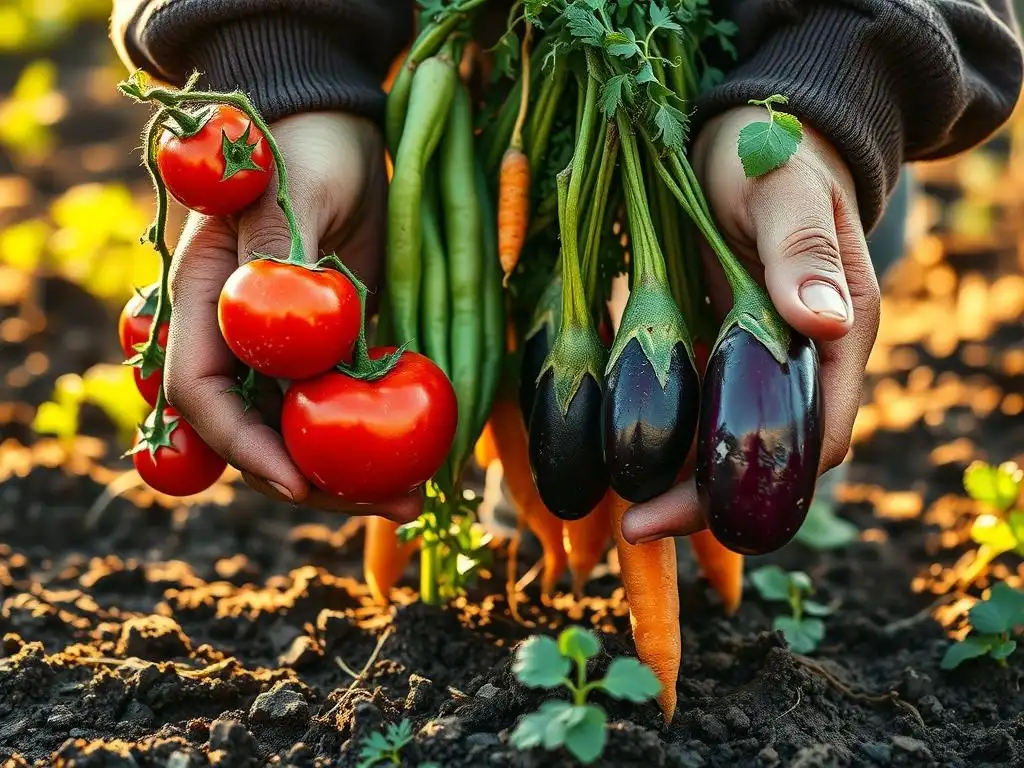
This section delves into the practical aspects of harvesting your homegrown vegetables, focusing on the tools and techniques that will maximize your yield and ensure the best quality produce. A well-timed and carefully executed harvest is crucial for optimizing flavor, texture, and nutritional value. This "best harvest timing guide" section will equip you with the knowledge to achieve just that.
Essential Harvesting Tools for Every Gardener
Investing in a few key tools can make a significant difference in the efficiency and care with which you harvest your vegetables. These tools aren't expensive, but they'll greatly improve your harvest experience. Here's a list of essentials:
- Sharp knife or shears: A sharp knife is crucial for clean cuts, minimizing damage to the plant. Pruning shears are also excellent for harvesting larger vegetables like tomatoes and peppers. Keep your blades sharp for the cleanest cuts.
- Harvesting basket or container: A lightweight, breathable container is ideal for collecting your harvest. Avoid crushing your delicate vegetables by using a container that allows for airflow.
- Gloves (optional, but recommended): Gloves protect your hands from thorns, splinters, and potential irritants. Consider nitrile gloves for durability and easy cleaning.
- Small trowel or hand fork: For harvesting root vegetables, a small trowel or hand fork is invaluable for gently lifting them from the soil without damaging the roots or surrounding plants.
Gentle Harvesting Techniques to Protect Plants
Harvesting isn't just about picking the vegetables; it's about ensuring the health and longevity of your plants. Gentle techniques encourage continued growth and a bountiful yield throughout the season.
- Harvest in the morning: Harvesting in the cool morning hours, after the dew has dried, helps prevent damage to the plants and reduces the risk of disease transmission. The vegetables will also be more hydrated, leading to better quality.
- Use clean tools: Clean tools prevent the spread of diseases and pests. Wipe down your knife or shears with a disinfectant solution between harvests.
- Proper cutting techniques: For fruits like tomatoes and peppers, cut the stem rather than pulling it off. This prevents damage to the plant and reduces the risk of disease. For leafy greens, use sharp shears to cut the leaves cleanly at the base.
- Avoid over-harvesting: Don't strip your plants bare. Leave enough foliage to allow the plant to continue photosynthesizing and producing more vegetables. Follow recommended harvesting intervals for each vegetable type to ensure continuous production.
Handling and Storage Tips for Preserving Harvest Quality
Proper handling and storage are critical for maximizing the shelf life and quality of your harvest. Following these steps will help you enjoy your homegrown vegetables for longer.
- Careful handling: Handle your harvested vegetables gently to avoid bruising or damage. Avoid dropping or throwing them into containers.
- Cleaning: Wash your vegetables only immediately before use. Washing them too early can lead to spoilage.
- Storage conditions: Store vegetables in a cool, dark, and well-ventilated area. Different vegetables have different storage requirements; some prefer refrigeration, while others do better at room temperature. Research the specific needs of each vegetable to optimize storage.
- Refrigeration: Most leafy greens, root vegetables, and certain fruits benefit from refrigeration. Properly store them in airtight containers or plastic bags to maintain freshness and prevent wilting.
- Preservation methods: Consider preserving your excess harvest through canning, freezing, or pickling. These methods extend the shelf life of your vegetables and allow you to enjoy them throughout the year. This is a great way to avoid waste and fully utilize your abundant harvest.
This detailed guide provides a comprehensive approach to harvesting vegetables, ensuring a successful and bountiful harvest. Remember, patience and care are key to achieving the best results. Happy harvesting!
Understanding Vegetable Growth Cycles and Their Impact on Harvest Time
Understanding the growth cycle of your vegetables is paramount to achieving the best harvest timing. Each plant species, and even specific cultivars within a species, has its own unique timeline from seed germination to mature harvest. This timeline is influenced by a complex interplay of factors, and mastering these factors is key to becoming a successful home gardener.
Ignoring these cycles can lead to under-ripe, over-ripe, or even spoiled produce, significantly impacting your yield and the overall quality of your harvest. This section dives deep into understanding these cycles and how they directly impact when you should pick your vegetables. A well-timed harvest is the cornerstone of a bountiful and delicious homegrown harvest.
Factors Affecting Vegetable Growth Cycles
Several environmental and horticultural factors influence the growth cycle and, consequently, the optimal harvest time for your vegetables. These factors need careful consideration for every planting. Let's examine some key influences:
- Sunlight: The amount of sunlight a plant receives directly impacts its growth rate. Sun-loving vegetables like tomatoes and peppers require at least six hours of direct sunlight daily to reach maturity quickly, while shade-tolerant crops like lettuce can thrive with less. Insufficient sunlight can significantly delay maturity, pushing back your harvest window.
- Temperature: Temperature plays a crucial role. Many vegetables, like zucchini and squash, flourish in warm temperatures, while others, such as spinach and kale, prefer cooler conditions. Extreme heat or cold can stress plants, slowing their growth and potentially damaging the harvest. Monitoring daily temperature fluctuations is important for optimal growth.
- Soil Conditions: Well-drained, nutrient-rich soil is essential. Poor soil quality, such as compacted soil or nutrient deficiencies, can stunt growth and negatively affect harvest timing. Soil testing and amending with compost or other organic matter can greatly improve soil conditions.
- Watering: Consistent and adequate watering is crucial. Underwatering can stress plants, while overwatering can lead to root rot and other diseases. The ideal watering schedule varies depending on the plant, soil type, and weather conditions.
- Variety: Different varieties within a vegetable species have varying maturity times. For example, some tomato varieties are early-season producers, while others are late-season. Choosing the right variety for your climate and planting schedule is critical for timely harvests.
Planning Your Harvest Schedule Based on Planting Time and Variety
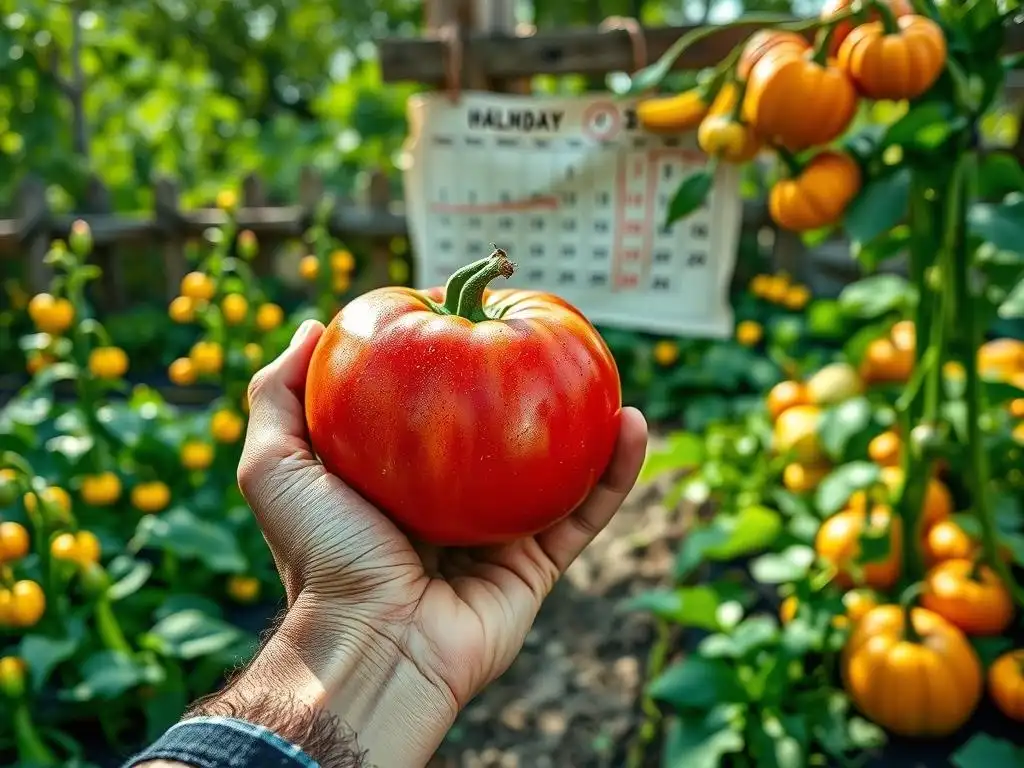
Effective harvest planning hinges on understanding the specific needs of each vegetable variety. This involves consulting seed packets or plant tags for information on days to maturity (DTM). DTM represents the average number of days from planting to harvest under ideal conditions. However, remember that DTM is just an estimate; actual harvest time can vary based on the factors discussed earlier.
To create a successful harvest schedule, consider the following:
- Planting Dates: Determine your ideal planting dates based on your local climate and the last frost date. Early planting can expose seedlings to frost damage, while late planting might shorten the growing season, reducing yields.
- Days to Maturity (DTM): Utilize the DTM information provided for each variety to estimate your harvest window. For example, a fast-maturing lettuce variety with a 45-day DTM planted in early spring might be ready for harvest within 45 days, while a later-maturing variety might take 70 days.
- Succession Planting: To ensure a continuous supply of fresh produce, consider succession planting. This involves planting new seeds or seedlings at regular intervals throughout the growing season, extending your harvest period.
- Harvest Calendar: Create a detailed harvest calendar that tracks planting dates, estimated harvest dates, and specific tasks for each vegetable. This calendar acts as a valuable guide throughout the growing season.
Adjusting Harvest Timing Based on Weather Conditions
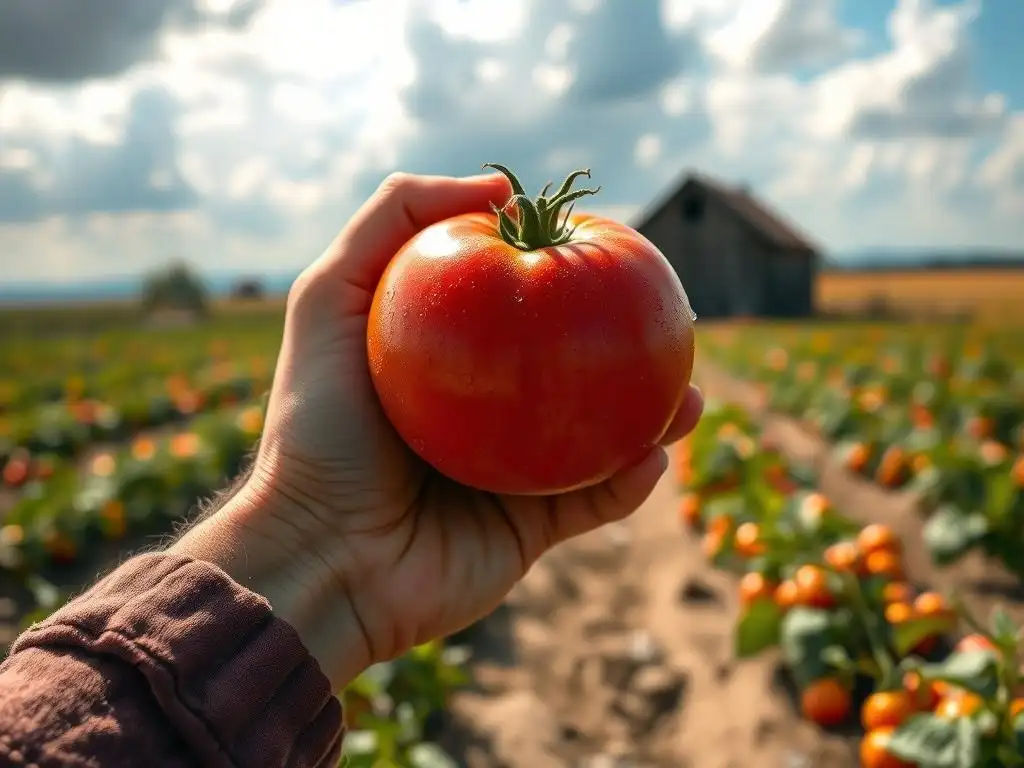
Weather conditions can significantly impact the growth cycle and optimal harvest timing. Unexpected heat waves, prolonged periods of rain, or early frosts can all affect your vegetables. Therefore, closely monitoring the weather forecast is crucial.
- Heat Stress: High temperatures can accelerate the ripening process in some vegetables, while stunting the growth of others. You may need to harvest heat-sensitive vegetables earlier than expected to avoid sunscald or other damage.
- Excessive Rain: Prolonged periods of rain can lead to fungal diseases and root rot. In such cases, you might need to harvest earlier to prevent significant losses.
- Early Frost: An unexpected frost can severely damage many vegetables, especially those that are not frost-tolerant. Protecting vulnerable plants with row covers or harvesting them before the frost is crucial.
- Flexibility: Be prepared to adapt your harvest schedule based on prevailing weather conditions. Regularly inspecting your plants for signs of maturity or stress is essential for making timely adjustments. Remember, flexibility is key to maximizing your yield, even with unexpected weather challenges. Careful observation and proactive adjustments ensure the best possible harvest, no matter the weather.
Troubleshooting Common Harvesting Issues
This section delves into practical solutions for common problems encountered during the harvesting process, ensuring you maximize your yield and enjoy the best quality produce. A successful harvest isn't just about knowing when to pick, but also about addressing potential issues proactively. This "best harvest timing guide" extends beyond the calendar, encompassing preventative measures and responsive strategies.
Dealing with Premature or Overripe Vegetables
Premature harvesting often results in small, underdeveloped vegetables lacking flavor. Conversely, overripe vegetables can be mushy, tasteless, and prone to rapid spoilage, significantly reducing your yield's shelf life. Careful observation is key. For instance, tomatoes should be picked when they've reached their characteristic color and give slightly to gentle pressure. However, don't wait until they're falling off the vine! Similarly, cucumbers should be harvested when they're firm and reach their desired size, as indicated in your seed packet or gardening guide. Overripe cucumbers will be yellowed and seedy.
Here's a table summarizing ideal harvesting indicators for some common vegetables:
| Vegetable | Sign of Readiness | Sign of Overripeness |
|---|---|---|
| Tomatoes | Deep red color, slight give to gentle pressure | Soft, mushy texture, splitting skin |
| Cucumbers | Firm, desired size, vibrant green color | Yellowing, soft texture, large seeds |
| Peppers (Bell) | Firm, vibrant color (depending on variety) | Soft, wrinkled skin, dull color |
| Green Beans | Bright green, crisp, easily snaps when bent | Yellowing, tough, fibrous texture |
| Zucchini/Squash | Firm, desired size, vibrant color | Soft, dull color, large seeds, yellowing skin |
To minimize premature or overripe harvests, consider these strategies:
- Regular monitoring: Check your plants daily, especially during the peak growing season.
- Staggered planting: Planting vegetables at different times ensures a continuous harvest, preventing a glut of overripe produce at once.
- Proper plant spacing: Adequate spacing allows for optimal sunlight and air circulation, promoting even ripening.
- Mulching: Mulching helps regulate soil moisture and temperature, promoting consistent growth.
Addressing Pests and Diseases Before Harvest
Pest and disease infestations can significantly reduce your harvest yield and quality. Proactive measures are crucial. Regularly inspect your plants for signs of pests (e.g., aphids, spider mites) and diseases (e.g., powdery mildew, blight). Early detection allows for timely intervention, minimizing damage.
Effective pest and disease management strategies include:
- Natural pest control: Utilizing beneficial insects (ladybugs, lacewings) or companion planting can help control pests organically.
- Organic pesticides: Employing organic pesticides only when necessary, following label instructions carefully.
- Disease-resistant varieties: Choosing disease-resistant varieties can significantly reduce the risk of infections.
- Good sanitation: Removing infected plants promptly and practicing crop rotation helps prevent the spread of diseases.
Implementing these strategies minimizes the impact of pests and diseases on your harvest, ensuring a healthier and more abundant yield. Remember that prevention is far more effective than cure.
Preventing Harvest Losses Due to Improper Handling
Careful handling during and after harvest is vital to minimize losses and maintain the quality of your produce. Rough handling can bruise fruits and vegetables, leading to spoilage and reduced shelf life.
Here's a checklist for proper harvest handling:
- [ ] Use appropriate harvesting tools (e.g., sharp knives, pruning shears).
- [ ] Handle produce gently, avoiding bruising or crushing.
- [ ] Store harvested produce in appropriate containers, keeping them cool and away from direct sunlight.
- [ ] Sort and clean produce immediately after harvest, removing any damaged or diseased items.
- [ ] Process or preserve produce promptly to extend its shelf life – this is especially important for highly perishable items.
Following these guidelines significantly reduces post-harvest losses, ensuring you enjoy the fruits (and vegetables!) of your labor for as long as possible. This contributes to a more sustainable and efficient gardening practice, maximizing your yield and minimizing waste. A well-executed harvest is as much about post-harvest care as it is about the timing of picking itself.
Beyond the Harvest: Preserving Your Bounty
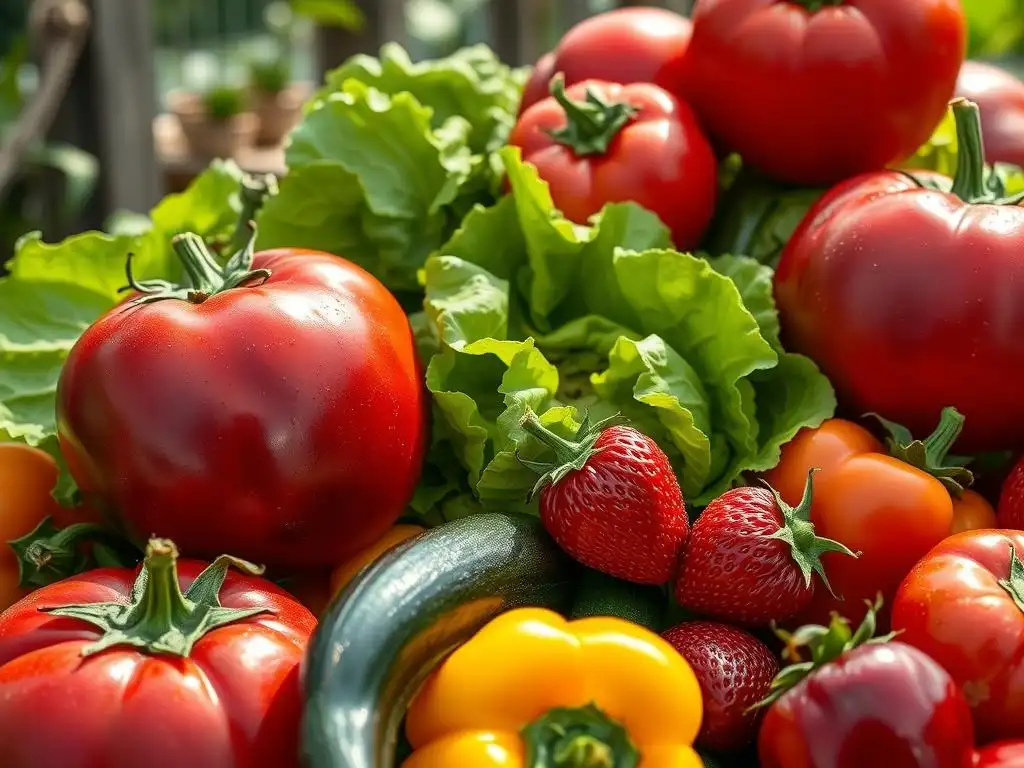
This section focuses on extending the enjoyment of your hard-earned vegetable harvest. Knowing when to harvest is only half the battle; preserving your bounty ensures you can savor the fruits (and vegetables!) of your labor long after the growing season ends. A well-timed harvest, coupled with effective preservation techniques, maximizes the value of your homegrown produce, reducing food waste and providing delicious, nutritious meals throughout the year. This is a crucial aspect of any comprehensive best harvest timing guide.
Simple Techniques for Preserving Harvested Vegetables
Several straightforward methods effectively preserve the freshness and flavor of your harvested vegetables. These techniques require minimal equipment and can be easily adapted to different types of vegetables.
- Freezing: Freezing is a simple and effective method for preserving many vegetables, including peas, beans, corn, and spinach. Blanching vegetables (briefly boiling them in hot water) before freezing helps to retain their color, texture, and nutritional value. Remember to freeze vegetables in airtight containers or freezer bags to prevent freezer burn. Proper labeling with the date is key to maximizing freshness.
- Canning: Canning, while requiring slightly more preparation, allows for long-term storage of vegetables. This method involves processing vegetables in jars at a high temperature to eliminate harmful bacteria. There are two main types: water bath canning (suitable for high-acid foods like tomatoes) and pressure canning (necessary for low-acid foods like green beans). Always follow tested recipes and safety guidelines to ensure safe and effective preservation. This is a critical step for a reliable best harvest timing guide.
- Drying: Drying is a traditional method ideal for herbs, beans, and some vegetables like tomatoes and peppers. Air drying, using a dehydrator, or even a low oven can effectively remove moisture, preventing spoilage. Properly dried vegetables retain their flavor and nutrients for extended periods. Remember to store dried vegetables in airtight containers in a cool, dark, and dry place to maintain quality.
Extending the Shelf Life of Your Vegetables
Even without extensive preservation techniques, you can significantly extend the shelf life of your freshly harvested vegetables using a few simple strategies.
Proper storage is paramount. Different vegetables have different storage requirements. For instance, leafy greens like lettuce and spinach fare best stored in a perforated plastic bag in the refrigerator crisper drawer. Root vegetables, such as carrots and potatoes, prefer a cool, dark, and dry place. Avoid storing them in direct sunlight or humid environments.
Inspect your vegetables regularly for signs of spoilage. Remove any damaged or decaying produce immediately to prevent it from affecting the rest. This diligent approach minimizes waste and maximizes the enjoyment of your homegrown vegetables. This information is vital to any best harvest timing guide.
Making the Most of Your Harvest: Recipes and Ideas
Preserving your harvest isn't just about storage; it's about maximizing its culinary potential. Consider these ideas to transform your preserved vegetables into delicious meals:
- Frozen Vegetables in Soups and Stews: Frozen vegetables are perfect for adding to soups and stews, offering a convenient and nutritious boost of flavor and nutrients.
- Canning for Quick Meals: Canned tomatoes form the basis of countless pasta sauces, while canned beans are ready to add to salads or chili.
- Dried Herbs for Flavor Enhancement: Dried herbs add depth and complexity to any dish. Experiment with different combinations to create unique flavor profiles.
A well-planned harvest, combined with effective preservation strategies and creative recipe ideas, ensures that your homegrown vegetables provide delicious and nutritious meals throughout the year. This is the ultimate goal of any best harvest timing guide. Enjoy the fruits (and vegetables!) of your labor!
Frequently Asked Questions
What is the best time of day to harvest?
Generally, the best time to harvest is in the morning after the dew has dried but before the heat of the day. This allows for easier handling and minimizes wilting.
How do I know when my fruits and vegetables are ready for harvest?
This depends on the specific plant. Look for size and color indicators mentioned in your seed packet or on reliable gardening resources like CultivateYourFood. Feel the produce; it should be firm, unless it's meant to be soft, like a ripe tomato.
What should I do with my harvest after picking?
Handle your harvest gently to avoid bruising. Clean and sort your produce immediately, then store appropriately based on the type of fruit or vegetable – some need refrigeration, others do better at room temperature.
Can I harvest too early or too late?
Yes, harvesting too early results in smaller, less flavorful produce. Harvesting too late can lead to overripe, damaged, or less nutritious fruits and vegetables, attracting pests.
Where can I find more detailed information on harvest timing for specific crops?
CultivateYourFood provides in-depth guides and resources on harvest timing for various fruits, vegetables, and herbs. Check our website for detailed information specific to your crops and maximize your yield.
Final Reflection: Reaping the Rewards of Strategic Timing
The art of knowing when to harvest isn't just about maximizing yield in a garden; it's a metaphor for success in every aspect of life. From recognizing opportune moments in business to understanding the perfect time to pursue personal goals, the principles of strategic timing are universally applicable and profoundly impactful. The ability to discern the optimal moment for action, and equally importantly, for inaction, is a skill that can dramatically shape our outcomes.
The impact of understanding harvest timing extends far beyond the immediate gratification of a bountiful crop. It influences our approach to risk, our understanding of growth cycles, and our overall sense of timing in the world. The best time to plant a tree was 20 years ago. The second best time is today.
This proverb perfectly captures the essence of strategic timing – while there's always a "best" time, there's also always a time, and seizing the moment is crucial. This applies not only to tangible projects but also to relationships, learning, and personal growth.
Now, consider your own "harvest." What projects, relationships, or personal goals are you tending to? Are you patiently nurturing them, waiting for the optimal moment to reap the rewards? Take a moment to reflect on your own timing. Are you harvesting too early, potentially losing out on full potential? Or are you holding on too long, risking spoilage and missed opportunities? The knowledge gained from understanding the principles of optimal harvest timing can empower you to make more informed decisions, leading to a more fulfilling and abundant life.
Unlock Your Harvest's Potential: Take Action Now!
Thank you for exploring optimal harvest timing! We hope you gained valuable insights into maximizing your yield. Now it's time to put that knowledge into practice.
Here's how you can proceed:
- Assess your crops immediately: Check your plants today, using the guidelines we discussed, to identify which are ready for harvest and which need more time. This proactive approach will ensure you don't miss the peak ripeness.
- Share your results: Connect with our community on social media using #CultivateYourHarvest and share photos of your harvest. Let's inspire each other! We'd love to hear about your successes—and any challenges you faced.
- Consider trying a new companion planting method next season. Experimentation is key to becoming a truly successful gardener!
What innovative harvesting techniques will you use to improve your yields next season?