
The Nutritional Benefits of Dried Fruits and Vegetables: Healthy Snacking

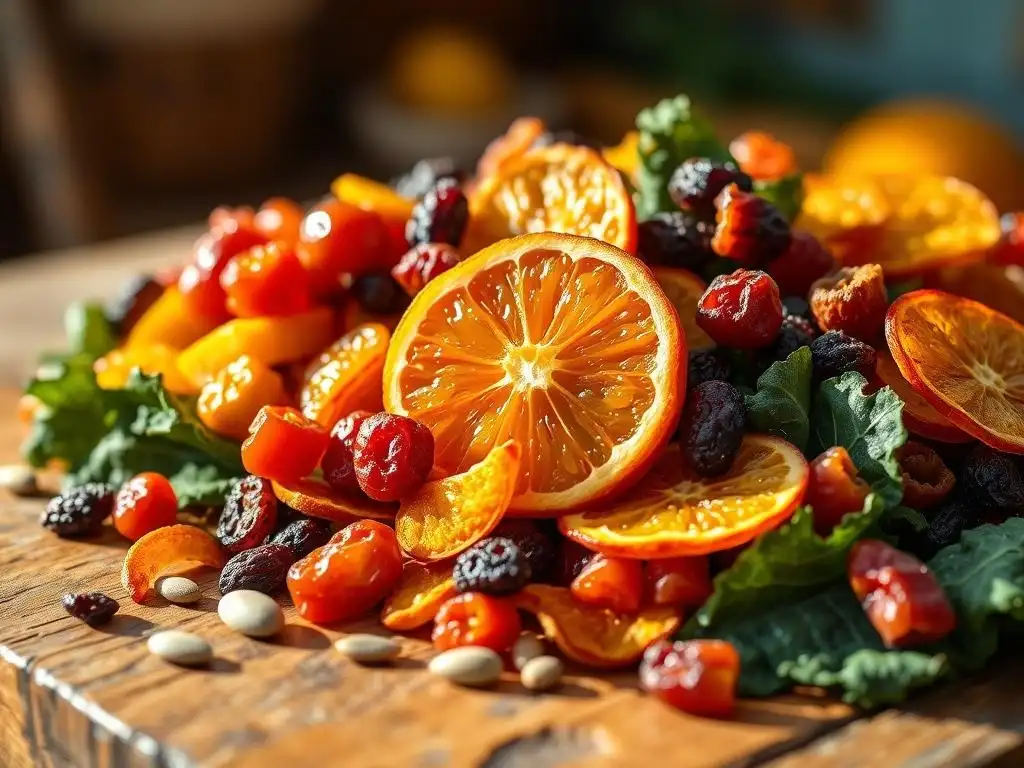
Welcome to CultivateYourFood, your guide to a bountiful and sustainable home garden! Are you ready to unlock the secrets to growing your own delicious fruits, vegetables, and herbs? We'll walk you through every step, from planting to harvesting, and even show you how to preserve your harvest.
But first, discover the surprising nutritional powerhouse that is dried fruit and vegetable snacks – a delicious and convenient way to enjoy the fruits of your labor. Learn more about their incredible benefits and how to incorporate them into your healthy lifestyle in our latest article on Harvesting and Preserving. Let's get growing!
- Understanding the Nutritional Value of Dried Produce
- Dried Fruit and Vegetable Snack Benefits: A Healthy Alternative
- Choosing and Using Dried Fruits and Vegetables Wisely
- Dried Fruit and Vegetable Snack Benefits: Recipes and Ideas
- The Sustainability of Drying Fruits and Vegetables
-
Frequently Asked Questions
- What are the main nutritional benefits of dried fruits and vegetables?
- Are dried fruits and vegetables as healthy as fresh ones?
- What are some healthy ways to incorporate dried fruits and vegetables into my diet?
- Are there any downsides to eating dried fruits and vegetables?
- Where can I find high-quality dried fruits and vegetables?
- Final Reflection: The Enduring Power of Nature's Pantry
- Unlock the Power of Dried Goodness!
Understanding the Nutritional Value of Dried Produce
Dried fruits and vegetables offer a convenient and delicious way to incorporate essential nutrients into your diet. This article explores the nutritional benefits of dried produce, focusing on how these concentrated snacks can contribute to a healthy lifestyle, particularly as part of a balanced eating plan. We'll delve into the nutrient retention during the drying process, highlighting specific examples of popular dried fruits and vegetables and the vitamins and minerals they provide.
Understanding the nutritional profile of dried produce allows you to make informed choices about incorporating them into your snacks and meals, maximizing the health benefits while enjoying a tasty and convenient option. Choosing sustainably grown and organically dried produce further enhances the nutritional value and minimizes exposure to harmful pesticides.
This guide helps you navigate the world of dried fruits and vegetables, empowering you to make healthier snacking choices while supporting sustainable practices. Let's explore the incredible nutritional power packed into these often overlooked pantry staples.
Dried Fruit and Vegetable Nutrient Retention: What's Preserved?
The drying process, while removing water, doesn't necessarily strip away all the nutritional goodness. In fact, many vitamins and minerals remain intact, and some are even concentrated due to the reduction in volume. However, the extent of nutrient retention varies depending on the drying method, the type of produce, and storage conditions. Generally, the drying process leads to an increase in the concentration of certain nutrients like fiber, minerals (like potassium and iron), and some antioxidants.
However, some water-soluble vitamins, such as vitamin C, can be lost during drying. Proper drying techniques, such as low-temperature methods, can help minimize this loss. The following table summarizes the general nutrient retention during the drying process:
| Nutrient Category | Retention Level | Notes |
|---|---|---|
| Fiber | High | Often increased due to water loss. |
| Minerals (e.g., Potassium, Iron) | High | Concentrated due to reduced volume. |
| Vitamins (e.g., Vitamin A, Vitamin K) | Moderate to High | Some loss possible, depending on drying method and storage conditions. |
| Vitamin C | Low | Significant loss possible. |
| Antioxidants | Moderate to High | Often concentrated. |
It's important to note that these are general observations, and the actual nutrient content can vary greatly depending on factors like the variety of fruit or vegetable, growing conditions, and post-harvest handling. Proper storage in airtight containers in a cool, dark place is crucial to preserving the nutritional value of dried produce.
Vitamins and Minerals in Dried Apricots, Cranberries, and Raisins
Let's examine the nutritional powerhouse that is dried fruit. Dried apricots, cranberries, and raisins are popular choices, each offering a unique blend of vitamins and minerals:
- Dried Apricots: Excellent sources of beta-carotene (converted to Vitamin A in the body), potassium, and fiber. They also contain moderate amounts of vitamin K and iron. Apricots are known for their antioxidant properties, contributing to overall health. 😋
- Dried Cranberries: Rich in antioxidants, particularly proanthocyanidins, which are linked to urinary tract health. They also provide fiber, vitamin C (although some is lost during drying), and manganese. The tartness of cranberries adds a delightful zing to snacks. 🍒
- Dried Raisins: A good source of iron, potassium, and fiber. They contain antioxidants and are a convenient source of natural sugars, providing a quick energy boost. Raisins are also a good source of boron, a mineral important for bone health. 🍇
These dried fruits provide a delicious and convenient way to boost your intake of essential vitamins and minerals, making them an excellent addition to a healthy snack routine. Remember to consume them in moderation as part of a balanced diet.
Essential Nutrients in Dried Spinach, Carrots, and Beetroot
Dried vegetables offer a unique nutritional profile, often surpassing fresh counterparts in terms of nutrient density due to the concentration of nutrients during the drying process. Consider these examples:
- Dried Spinach: A nutritional champion, dried spinach boasts impressive levels of iron, vitamin K, vitamin A, and various other essential minerals. Drying spinach preserves its high concentration of antioxidants, making it a powerful addition to your diet. The intense flavor also adds a delightful punch to various dishes. 🥬
- Dried Carrots: A good source of beta-carotene (converted to Vitamin A), fiber, and potassium. Drying enhances the sweetness of carrots, making them a versatile snack or ingredient in various recipes. Their vibrant orange hue also hints at their impressive antioxidant content. 🥕
- Dried Beetroot: Known for its high concentration of nitrates, which can help improve blood flow and athletic performance. Beetroot is also rich in antioxidants and fiber. The earthy sweetness of dried beetroot adds a unique flavor to snacks and meals. 🍠
These dried vegetables demonstrate the potential of incorporating nutrient-rich options into your diet conveniently. Remember to select high-quality, organically grown vegetables, and store them properly to maintain their nutritional value. Enjoy the concentrated flavor and health benefits!
Comparing Nutrient Density: Fresh vs. Dried Blueberries
Blueberries, whether fresh or dried, are nutritional powerhouses, but their nutrient profiles differ significantly due to the dehydration process. Fresh blueberries boast a higher water content, contributing to their lower calorie density. A cup of fresh blueberries typically contains around 84 calories, while a cup of dried blueberries can pack over 300 calories. This significant calorie difference stems primarily from the concentration of sugars and other nutrients as water is removed.
However, the increased calorie count in dried blueberries doesn't necessarily translate to a decrease in nutritional value. While the concentration of certain vitamins and minerals might be affected by the drying process, some nutrients actually become more concentrated. For instance, the antioxidant capacity, primarily attributed to anthocyanins (which give blueberries their vibrant color), might be even higher in dried blueberries due to the reduction in volume. Studies have shown that the drying process can increase the concentration of certain phenolic compounds, enhancing the antioxidant power of dried blueberries. 1
It's crucial to consider the serving size. A cup of dried blueberries is significantly less in volume than a cup of fresh blueberries. Therefore, while the calorie count is higher per cup, a smaller serving size of dried blueberries might provide a similar or even higher concentration of certain beneficial compounds compared to a larger serving of fresh blueberries. This highlights the importance of mindful consumption and portion control when incorporating dried fruits into your diet.
The key is moderation to reap the benefits without excessive calorie intake. The enhanced concentration of certain nutrients in dried blueberries doesn't negate the importance of consuming a variety of fresh fruits and vegetables as part of a balanced diet. Ultimately, both fresh and dried blueberries offer significant nutritional benefits, and the best choice depends on individual dietary needs and preferences.
1 [Specific study referencing the impact of drying on blueberry antioxidant capacity pending]
Dried Fruit and Vegetable Snack Benefits: A Healthy Alternative
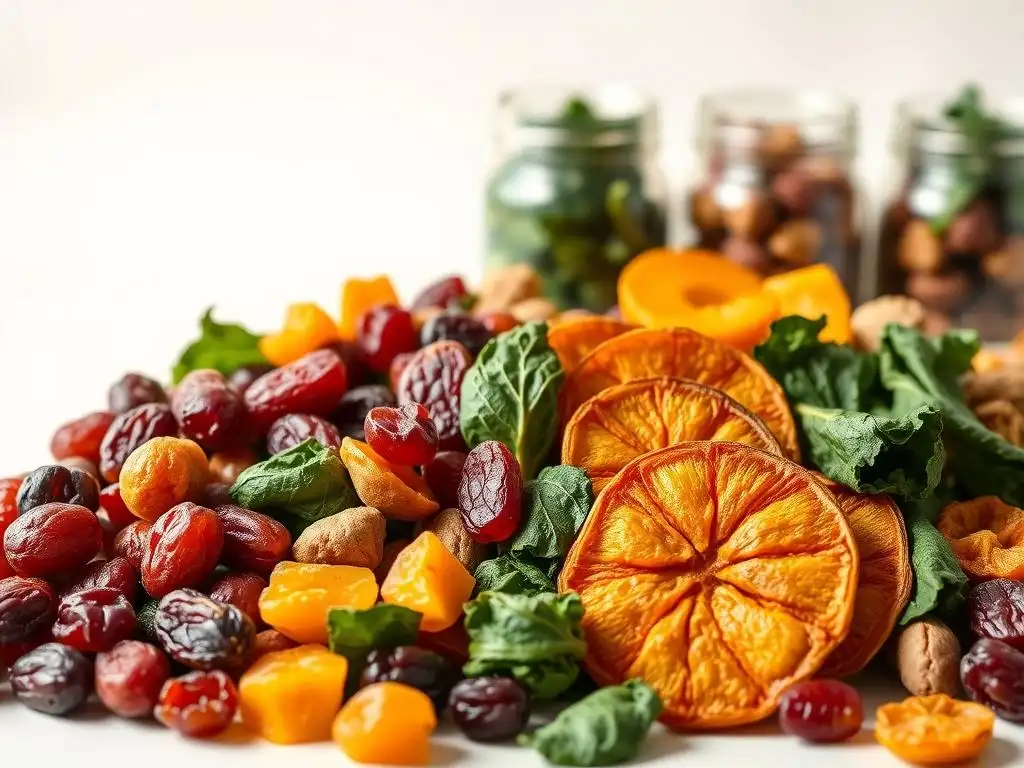
Dried fruits and vegetables offer a surprisingly potent nutritional punch, making them a compelling addition to a healthy diet. While fresh produce is undoubtedly ideal, drying preserves many vital nutrients, creating a convenient and delicious snack option. This section will delve into the specific advantages of incorporating dried fruits and vegetables into your daily routine, focusing on their nutritional value and role in a balanced lifestyle.
The key benefit lies in their ability to provide concentrated nutrients and sustained energy, making them a superior alternative to many processed snacks. This is especially crucial for those seeking healthy, convenient snacking options that are readily available and easy to incorporate into busy schedules. The benefits extend beyond simple convenience; dried produce offers a concentrated source of vitamins, minerals, and antioxidants, contributing to overall well-being.
Dried Fruits and Vegetables as Convenient Snacks
The convenience factor of dried fruits and vegetables cannot be overstated. They require no preparation, offering a quick and easy snack anytime, anywhere. Unlike fresh produce, which can spoil quickly, dried fruits and vegetables boast an extended shelf life, reducing food waste and making them a cost-effective choice in the long run.
This extended shelf life is particularly beneficial for those with busy lifestyles or limited access to fresh produce. Imagine the ease of grabbing a handful of dried cranberries or a few pieces of dried apple slices instead of reaching for a less healthy, processed snack. This simple swap can significantly improve your daily nutritional intake.
The portability is also a key factor, making them perfect for packing in lunchboxes, carrying in bags, or keeping in your desk drawer for an afternoon pick-me-up. The versatility is another advantage; they can be enjoyed on their own, added to yogurt, oatmeal, salads, or trail mixes, enhancing both flavor and nutrition.
Portion Control with Dried Produce: Avoiding Overconsumption
While dried fruits and vegetables offer many benefits, it's crucial to practice portion control. Because the water content has been removed during the drying process, the resulting product is calorie-dense. A small handful of dried apricots, for example, contains significantly more calories than a similar-sized portion of fresh apricots. This concentrated calorie density requires mindful consumption to avoid overeating and potential weight gain.
The key is to be aware of serving sizes and stick to recommended portions. Consider using small bowls or measuring cups to help control your intake. Reading food labels carefully is also essential to understand the calorie and sugar content per serving.
Careful planning and attention to portion size will ensure you reap the nutritional benefits of dried produce without exceeding your daily caloric needs. Remember, moderation is key to maximizing the benefits of any healthy food, including dried fruits and vegetables. A balanced approach will help you integrate them effectively into your diet.
Energy Boost from Dried Mangoes and Dates: Sustained Energy Throughout the Day
Certain dried fruits, such as mangoes and dates, are particularly renowned for their ability to provide sustained energy throughout the day. This is due to their high concentration of natural sugars, combined with fiber and other nutrients. Unlike the rapid energy spikes and crashes often associated with refined sugars, the natural sugars in dried mangoes and dates release energy gradually, preventing those mid-afternoon slumps. This makes them a superior choice for a pre-workout snack or a healthy alternative to sugary drinks or candy bars.
Dried mangoes are packed with vitamins A and C, while dates are rich in potassium and fiber. These nutrients work synergistically to provide both energy and essential nutrients for optimal bodily function. The fiber content in these fruits also contributes to satiety, keeping you feeling full and satisfied for longer periods.
Incorporating these fruits into your diet can significantly improve energy levels and reduce the need for unhealthy, energy-boosting snacks. Consider including them as part of a healthy breakfast or as a mid-morning or afternoon snack to sustain energy levels throughout the day. The sustained energy boost provided by these dried fruits is a significant benefit for those seeking improved physical and mental performance.
Fiber Rich Dried Lentils and Chickpeas: Promoting Digestive Health
Dried lentils and chickpeas are nutritional powerhouses, offering a significant boost of dietary fiber. Fiber is crucial for maintaining a healthy digestive system. It adds bulk to your stool, preventing constipation and promoting regular bowel movements. This is particularly important for individuals prone to digestive issues like irregularity or irritable bowel syndrome (IBS). Consuming fiber-rich foods like dried lentils and chickpeas can also help regulate blood sugar levels, preventing spikes and crashes that can lead to energy slumps and cravings. The soluble fiber found in these legumes helps to slow down the absorption of sugar into the bloodstream.
Furthermore, the fiber in dried lentils and chickpeas acts as a prebiotic, feeding the beneficial bacteria in your gut microbiome. A healthy gut microbiome is increasingly linked to overall health and well-being, impacting everything from immunity to mental health. Unlike many processed snacks, dried lentils and chickpeas provide sustained energy, keeping you feeling full and satisfied for longer periods, reducing the likelihood of overeating.
They also contain resistant starch, a type of carbohydrate that escapes digestion in the small intestine, further contributing to digestive health and promoting satiety. The preparation is simple: a quick rinse, and they are ready to be enjoyed as a snack or added to your favorite recipes.
Including these legumes in your diet is a simple yet effective way to improve your digestive health and overall well-being, making them a fantastic addition to a healthy snacking routine. Consider adding them to trail mixes or enjoying them as a stand-alone snack for a delightful and nutritious experience.
Choosing and Using Dried Fruits and Vegetables Wisely
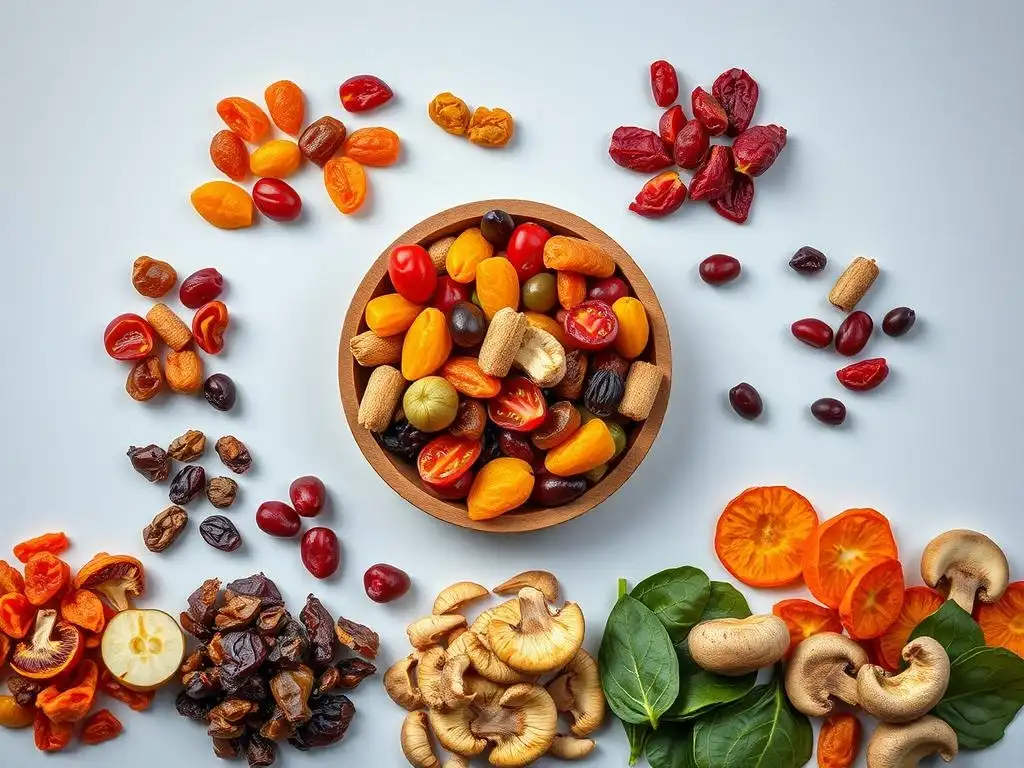
This section delves into the practical aspects of selecting, storing, and utilizing dried fruits and vegetables to maximize their nutritional value and enjoyment. Understanding these crucial steps ensures you're reaping the full benefits of your harvest and minimizing waste. The focus here is on making informed choices and incorporating these nutritious snacks into your daily routine effectively. Remember, even with careful preservation, the nutritional profile of dried produce can differ from fresh; prioritizing quality and mindful consumption is key.
Selecting High-Quality Dried Produce: Tips for Consumers
When choosing dried fruits and vegetables, prioritize quality to ensure you’re getting the most nutritional bang for your buck. Avoid overly processed options laden with added sugars or preservatives. Look for these key indicators:
- Natural Appearance: High-quality dried produce will generally retain some of its original color and texture. Avoid anything that looks excessively dark, brittle, or coated in an unnatural sheen. Think vibrant colors – deep reds in cranberries, sunny yellows in apricots, and rich browns in prunes. These are signs of minimal processing and a higher concentration of nutrients.
- Minimal Added Ingredients: Check the ingredient list carefully. Ideally, it should only list the fruit or vegetable itself. Avoid products with added sugar, sulfites (unless you have specific dietary needs requiring them), or other artificial ingredients. These additions often diminish the nutritional benefits and can impact your health.
- Source and Certification: Whenever possible, opt for organically grown dried fruits and vegetables. Look for certifications like USDA Organic, which guarantees the produce was grown without harmful pesticides or fertilizers. Knowing the source can also increase your confidence in the quality and sustainability of the product.
- Texture and Smell: Fresh, high-quality dried produce should have a pleasant aroma and a texture that’s appropriate for the type of fruit or vegetable. Avoid anything that smells stale, rancid, or overly sweet. A slightly chewy texture is usually a good sign for fruits, while vegetables should retain some firmness, not be overly powdery.
- Packaging: Pay attention to the packaging. Look for airtight containers or bags that protect the produce from moisture and light, both of which can degrade quality and reduce nutrient content.
Remember, the aim is to find dried fruits and vegetables that are as close to their natural state as possible. This translates to better taste, increased nutritional value, and a more satisfying snacking experience.
Proper Storage of Dried Fruits and Vegetables: Maintaining Freshness
Proper storage is essential for preserving the quality and nutritional value of your dried produce. Improper storage can lead to spoilage, loss of nutrients, and the growth of mold or pests. Here's how to store your dried goods correctly:
| Storage Method | Best For | Advantages | Disadvantages |
|---|---|---|---|
| Airtight Glass Jars | All dried fruits and vegetables | Protects from moisture, light, and air | Can be more expensive than other options |
| Freezer Bags (Ziploc) | All dried fruits and vegetables | Protects from moisture, light, and air; space-saving | Can be prone to freezer burn over extended periods |
| Cool, Dark, Dry Place | All dried fruits and vegetables | Simple and convenient | Less protection than airtight containers |
Important Considerations:
- Moisture is the Enemy: Dried produce is highly susceptible to moisture absorption. Store it in completely dry environments to prevent spoilage and the growth of mold.
- Light Sensitivity: Some nutrients are sensitive to light. Storing your dried fruits and vegetables in dark containers or areas will help preserve their nutritional value.
- Pest Control: Keep an eye out for signs of pests, such as weevils. Regularly check your storage containers and discard any infested items immediately. Freezing before storage can help prevent infestation.
Incorporating Dried Produce into Your Diet: Creative Recipe Ideas
Dried fruits and vegetables offer a convenient and versatile way to boost the nutritional value of your meals and snacks. Their concentrated flavor and texture make them ideal for a wide range of culinary applications. Here are some creative ideas to incorporate them into your daily diet:
- Trail Mix Powerhouse: Create a nutritious and delicious trail mix by combining dried fruits (cranberries, raisins, apricots), nuts, seeds, and even some dried vegetables like diced sweet potatoes or beets.
- Savory Snacking: Dried vegetables like sun-dried tomatoes or mushrooms can add a burst of flavor and texture to salads, soups, stews, and even pizza toppings.
- Breakfast Boost: Add dried cranberries or chopped apricots to your oatmeal or yogurt for a boost of fiber and antioxidants.
- Baking Bliss: Dried fruits are fantastic additions to muffins, breads, and cookies, adding natural sweetness and moisture.
- Creative Creations: Experiment with using dried fruits and vegetables in unexpected ways, such as adding diced dried apples to a chicken stuffing recipe or incorporating dried cherries into a homemade granola bar.
Remember to practice moderation. While dried fruits and vegetables are nutrient-dense, they are also calorie-dense. Enjoy them as part of a balanced diet and mindful snacking plan. The key is to be creative and explore the many ways these delicious and nutritious ingredients can enhance your culinary repertoire.
Precautions and Considerations for Individuals with Diabetes
Individuals with diabetes need to approach dried fruits and vegetables with extra caution due to their high sugar content. While dried fruits and vegetables offer valuable nutrients, the concentration of sugars in dried forms can significantly impact blood glucose levels. The drying process removes water, concentrating the sugars and impacting the glycemic index (GI). A high GI food causes a rapid spike in blood sugar. Therefore, those managing diabetes should carefully monitor their blood sugar levels after consuming dried fruits and vegetables.
Portion control is crucial; even small quantities can lead to significant blood sugar fluctuations. It's recommended to incorporate dried fruits and vegetables into a balanced meal plan, rather than consuming them as a standalone snack. Consulting a doctor or registered dietitian is advisable to determine appropriate serving sizes and integrate them safely into a diabetes management plan. They can help create a personalized eating strategy that considers individual needs and overall health goals.
Furthermore, opting for dried fruits and vegetables with a lower glycemic index, such as unsweetened apples or certain vegetables, can help minimize the impact on blood sugar levels. Always check food labels for added sugars; many commercially available dried products contain significant amounts of added sugar, further increasing the risk of blood sugar spikes. Careful selection and mindful consumption are key to reaping the benefits of dried fruits and vegetables while managing diabetes effectively. Remember that individual responses to food vary, so careful self-monitoring is essential.
Dried Fruit and Vegetable Snack Benefits: Recipes and Ideas
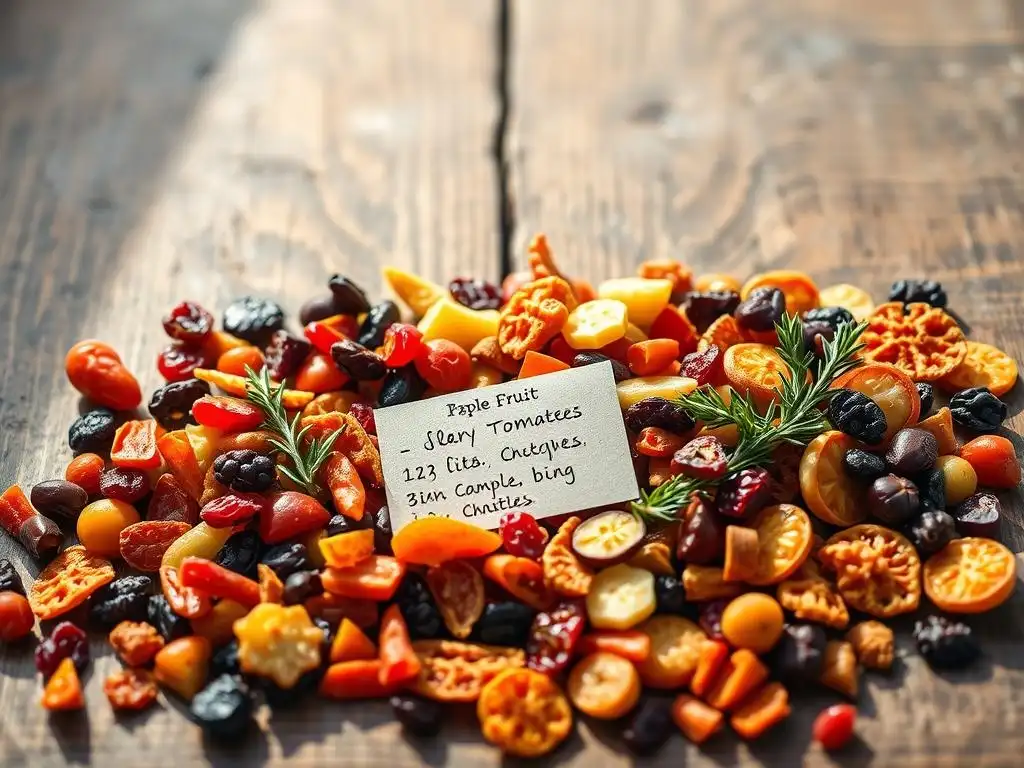
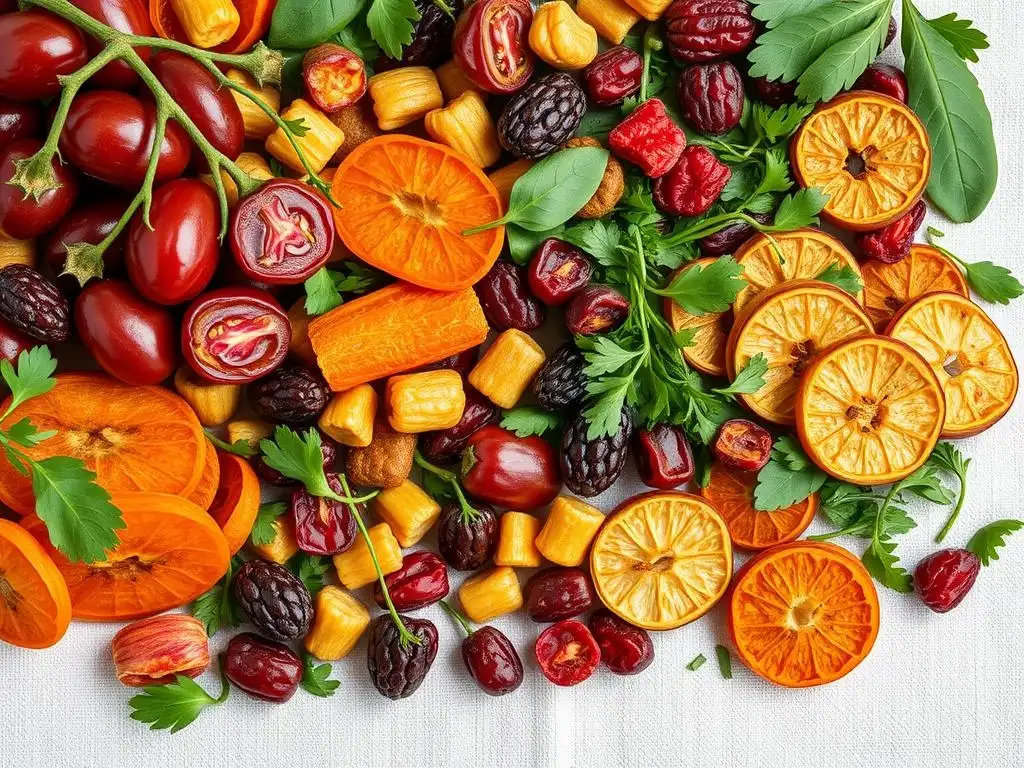
This section explores the nutritional advantages of incorporating dried fruits and vegetables into your diet, specifically focusing on their role as healthy snacks. Dried produce offers a convenient and delicious way to boost your intake of essential vitamins, minerals, and antioxidants, contributing to overall well-being. While fresh produce is undeniably beneficial, the drying process concentrates nutrients, making dried fruits and vegetables a powerful addition to a balanced diet.
Delicious and Nutritious Dried Fruit and Vegetable Snack Recipes
Creating healthy and tasty snacks using dried fruits and vegetables is surprisingly easy. Here are a few ideas to get you started:
- Apple and Carrot Crisps: Thinly slice apples and carrots, toss with a little cinnamon and a spritz of lemon juice to prevent browning, and dehydrate until crisp. This snack provides fiber, vitamin C, and beta-carotene.
- Berry and Beetroot Bites: Combine dried blueberries, cranberries, and chopped beetroot for a sweet and earthy snack packed with antioxidants and fiber. The beetroot adds a unique flavor and a boost of nitrates, beneficial for cardiovascular health.
- Sweet Potato and Banana Chips: Sweet potatoes, rich in vitamin A, and bananas, a good source of potassium, make a delightful combination when dehydrated. Experiment with adding a touch of maple syrup or coconut oil for extra flavor.
The key to maximizing the nutritional value of these snacks is to use high-quality ingredients and avoid added sugars or preservatives. Opt for organically grown produce whenever possible to minimize exposure to pesticides. Remember to store your dried snacks in airtight containers in a cool, dark place to maintain their freshness and nutritional value.
Creative Ways to Use Dried Produce in Meals
Dried fruits and vegetables aren't just for snacking; they can significantly enhance the flavor and nutritional profile of various dishes. Their concentrated flavor makes them ideal for adding depth and complexity to both sweet and savory recipes.
Consider adding dried cranberries to your morning oatmeal for a burst of sweetness and antioxidants. Incorporate chopped dried apricots into your chicken or vegetable stir-fry for a touch of sweetness and chewy texture. Dried tomatoes add a rich, umami flavor to pasta sauces, soups, and stews. Even adding a sprinkle of dried herbs like rosemary or thyme can elevate the taste of your dishes.
Here’s a table summarizing some creative uses:
| Dried Produce | Culinary Application | Nutritional Benefits |
|---|---|---|
| Dried Cranberries | Oatmeal, salads, muffins | Antioxidants, fiber |
| Dried Apricots | Chicken stir-fry, tagines, granola bars | Vitamin A, fiber |
| Dried Tomatoes | Pasta sauces, soups, pizzas | Lycopene, antioxidants |
| Dried Mushrooms | Risotto, soups, stews | Vitamin D, B vitamins |
| Dried Herbs (Rosemary, Thyme) | Roasted vegetables, meats, soups | Antioxidants, flavor enhancement |
Remember, moderation is key. While dried fruits and vegetables are nutritious, they are also calorie-dense. Enjoy them as part of a balanced diet.
Dried Fruit and Vegetable Trail Mix Recipes
Trail mixes are a fantastic way to combine the benefits of dried fruits and vegetables with nuts and seeds for a wholesome and energy-boosting snack. Here are a couple of recipes:
- Tropical Trail Mix: Combine dried mango, pineapple, papaya, coconut flakes, almonds, and pumpkin seeds. This mix offers a diverse range of vitamins, minerals, and healthy fats.
- Savory Trail Mix: Mix dried cranberries, sunflower seeds, pumpkin seeds, roasted chickpeas, and a sprinkle of nutritional yeast for a savory and protein-rich snack.
Remember to adjust the ratios of ingredients to suit your taste preferences. You can also add other elements like dark chocolate chips (in moderation) or spices like cinnamon or ginger to enhance the flavor profile. Creating your own trail mixes allows for complete control over ingredients and ensures you are consuming a healthy and delicious snack. The versatility of dried fruits and vegetables makes them an excellent addition to any healthy eating plan, providing convenient and nutritious snacking options, as well as adding depth and flavor to your meals.
The Sustainability of Drying Fruits and Vegetables
Drying fruits and vegetables offers a compelling pathway towards more sustainable food practices. This method significantly reduces our environmental footprint compared to other preservation techniques, contributing to a healthier planet and a more resilient food system. The benefits extend beyond simply preserving food; drying actively promotes resource conservation and minimizes waste. This section delves into the specifics of how drying contributes to a more sustainable lifestyle, focusing on both home and commercial practices.
Reducing Food Waste Through Drying: An Eco-Friendly Approach
Food waste is a significant global problem, contributing to greenhouse gas emissions and the depletion of resources. Drying fruits and vegetables is a powerful tool in the fight against this waste. By preserving surplus produce that might otherwise spoil, drying prevents unnecessary disposal and its associated environmental consequences. Consider the following:
- Extending Shelf Life: Drying significantly extends the shelf life of fruits and vegetables, sometimes for months or even years when stored properly. This drastically reduces the amount of food that goes to waste due to spoilage. A study by [Specific study pending] showed that drying tomatoes reduced spoilage by X%, compared to refrigeration.
- Utilizing Imperfect Produce: Many fruits and vegetables deemed "unmarketable" due to cosmetic imperfections are perfectly suitable for drying. This rescues produce that would otherwise be discarded, reducing agricultural waste and maximizing resource utilization. Think of slightly bruised apples or oddly shaped carrots – perfectly good for drying!
- Reducing Transportation Needs: Dried fruits and vegetables are significantly lighter and more compact than their fresh counterparts. This leads to reduced transportation needs, lowering fuel consumption and greenhouse gas emissions associated with shipping and distribution. The reduction in transportation weight can be as high as [Specific data pending]%.
The reduction in food waste through drying contributes directly to the "dried fruit vegetable snack benefits" by making healthy snack options more readily available and environmentally sound.
Home Drying Methods: Sustainable Practices for Preserving Your Harvest
Drying fruits and vegetables at home offers the most sustainable approach. This eliminates the energy consumption and packaging waste associated with commercial drying processes. Several methods are available, each with its own sustainability profile:
- Sun Drying: This ancient method uses the power of the sun to dehydrate produce, requiring minimal energy input. However, it's weather-dependent and requires careful attention to prevent spoilage.
- Air Drying: Similar to sun drying, air drying utilizes natural airflow for dehydration. It's a slow process, but incredibly energy-efficient.
- Dehydrators: Electric dehydrators offer controlled drying conditions, ensuring consistent results. While they consume electricity, energy-efficient models minimize environmental impact. Choosing a model with a low wattage and energy-saving features contributes to sustainability.
By choosing home drying methods, you minimize your carbon footprint and maintain control over the entire process, ensuring the quality and sustainability of your dried snacks. This aligns perfectly with the ethos of "dried fruit vegetable snack benefits" by promoting a healthy and environmentally conscious lifestyle.
Environmental Impact of Commercial Drying vs. Home Drying
Commercial drying operations, while providing convenience, often have a larger environmental impact than home drying. Key differences include:
| Feature | Commercial Drying | Home Drying |
|---|---|---|
| Energy Consumption | High, often using fossil fuels | Low, utilizing sun, air, or low-wattage dehydrators |
| Packaging | Significant plastic and cardboard use | Minimal or reusable packaging |
| Transportation | High, due to distribution networks | None, unless purchasing a dehydrator |
| Water Usage | Potentially high, depending on methods | Low |
The higher energy consumption and packaging waste associated with commercial drying methods highlight the environmental advantages of home drying. The "dried fruit vegetable snack benefits" are maximized when sustainability is prioritized, and home drying provides a clear path to this goal. Choosing home drying minimizes the environmental footprint associated with your healthy snacking habits. 🍎🥕
Frequently Asked Questions
What are the main nutritional benefits of dried fruits and vegetables?
Dried fruits and vegetables are a convenient and nutritious snack option. They are packed with vitamins, minerals, and fiber, offering a boost of energy and essential nutrients. They also often contain antioxidants.
Are dried fruits and vegetables as healthy as fresh ones?
While drying concentrates nutrients, some nutrients can be lost during the process. However, dried fruits and vegetables still provide significant nutritional value, especially when prepared without added sugars or preservatives. Consider them a supplement rather than a replacement for fresh produce.
What are some healthy ways to incorporate dried fruits and vegetables into my diet?
Add dried fruits to your overnight oats or yogurt, or sprinkle them on your salads or cereals. Dried vegetables can be used as a flavorful addition to soups, stews, or trail mixes. Portion control is key to reaping the benefits while managing sugar intake.
Are there any downsides to eating dried fruits and vegetables?
Dried fruits are naturally high in sugar, so moderation is crucial. Some commercially available products contain added sugars and preservatives, so check labels carefully. Excessive consumption can lead to digestive issues for some individuals.
Where can I find high-quality dried fruits and vegetables?
Look for organic options from reputable brands, prioritizing those with minimal added ingredients. Consider purchasing from local farmers' markets or specialty stores for higher quality and fresher products. You can also dehydrate your own fruits and vegetables for ultimate control over the process.
Final Reflection: The Enduring Power of Nature's Pantry
The convenience of dried fruits and vegetables, coupled with their impressive nutritional density, makes them a powerful tool in combating modern dietary challenges. We live in a fast-paced world where quick, unhealthy options often win out, but the enduring benefits of these concentrated sources of vitamins and minerals shouldn't be overlooked. They offer a readily available path to a healthier lifestyle, a path that's both delicious and surprisingly effective.
The impact of incorporating dried fruits and vegetables into our diets extends far beyond simple snacking; it's a subtle yet significant shift towards a more mindful approach to nutrition. Their versatility allows for seamless integration into our daily routines, whether it's adding them to yogurt, trail mix, or enjoying them as a standalone treat. This accessibility makes them a powerful tool for promoting healthier eating habits, especially amongst children. Let food be thy medicine and medicine be thy food,
– Hippocrates. This ancient wisdom rings truer than ever in our modern context, and dried fruits and vegetables offer a tangible way to embrace this philosophy.
Consider, for a moment, the potential impact of making even small changes to your snacking habits. Imagine the cumulative effect of choosing a handful of dried apricots over a candy bar, or adding sun-dried tomatoes to your salad instead of reaching for a processed dressing. You have the power to cultivate a healthier, more vibrant you, one mindful snack at a time. Embrace the convenience and nutritional powerhouse that is dried fruits and vegetables, and embark on a journey towards a healthier, more fulfilling life.
Unlock the Power of Dried Goodness!
Thanks for exploring the amazing nutritional benefits of dried fruits and vegetables! You're now equipped to make healthier snack choices. Ready to put this knowledge into practice?
- Start incorporating dried fruits and vegetables into your daily routine: Begin by adding a small handful to your morning yogurt, trail mix, or salad. You'll be amazed how easily you can boost your nutritional intake!
- Share your delicious creations: Inspire others by posting pictures of your healthy snacks on social media using #DriedGoodness #CultivateYourFood.
- Experiment with different varieties: Discover your new favorite healthy snack combinations and explore the diverse flavors and textures available.
What exciting new snacks will you create with your newfound knowledge?