
Pickled Cabbage: Transforming Your Garden Harvest into Sauerkraut or Kimchi

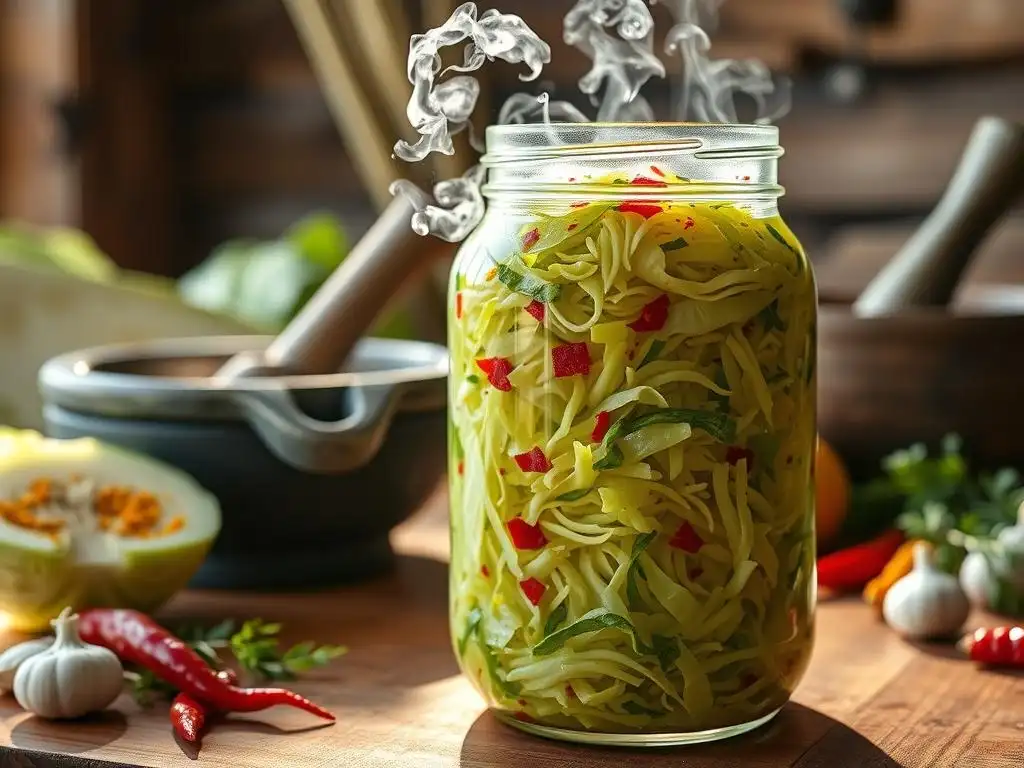
Welcome to CultivateYourFood, your guide to a greener, more flavorful life! Ready to transform your homegrown harvest into something truly extraordinary? We're diving deep into the world of fermentation with our amazing homemade fermented cabbage recipe, showing you how to easily turn your fresh vegetables into delicious sauerkraut or kimchi. Discover the secrets to preserving your bounty and unlocking a world of healthy, vibrant flavors – let's get started!
- Harvesting Your Cabbage for Fermenting
- Homemade Fermented Cabbage Recipe: Sauerkraut
- Homemade Fermented Cabbage Recipe: Kimchi
- Comparing Sauerkraut and Kimchi: Flavor Profiles and Health Benefits
- Expanding Your Fermented Cabbage Repertoire: Beyond the Basics
- Frequently Asked Questions
- Final Reflection: The Enduring Power of Fermented Foods
- Unleash the Flavor: Ferment Your Way to Deliciousness!
Harvesting Your Cabbage for Fermenting
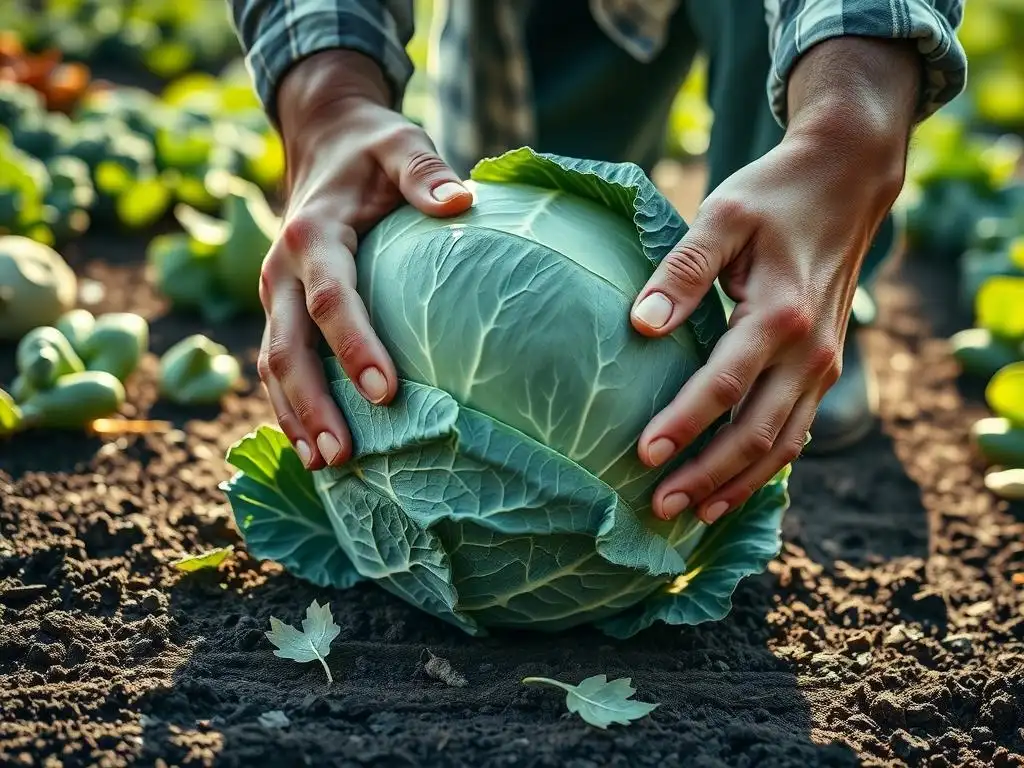
Transforming your homegrown cabbage into delicious and healthy sauerkraut or kimchi is a rewarding experience that extends the life of your harvest and provides a flavorful addition to your winter meals. This guide will walk you through the process of harvesting, preparing, and fermenting your cabbage, providing you with a reliable homemade fermented cabbage recipe and ensuring you achieve the perfect crunch and tangy flavor. From selecting the ideal cabbage heads to mastering shredding techniques, we'll cover everything you need to know to successfully ferment your garden bounty.
This detailed approach will equip you with the knowledge to create delicious fermented cabbage, a staple in many cuisines and a testament to sustainable food preservation. We'll explore the best practices for achieving optimal fermentation, ensuring your homemade fermented cabbage recipe is not only delicious but also safe for consumption.
This journey into the world of fermented foods will provide you with a valuable skill, allowing you to enjoy the fruits (or rather, vegetables!) of your labor throughout the year.
Selecting the Perfect Cabbage Heads for Sauerkraut and Kimchi
Choosing the right cabbage is crucial for successful fermentation. For both sauerkraut and kimchi, you'll want firm, dense heads of cabbage with tightly packed leaves. Avoid cabbages that show signs of damage, bruising, or insect infestation. The best varieties for fermenting typically have a dense, crisp texture and a slightly sweet flavor. Consider these factors when selecting your cabbage:
- Head Size: Medium-sized heads are ideal, as they are easier to handle and process. Very large heads can be challenging to shred uniformly.
- Color: While both green and red cabbages can be used, green cabbages are more commonly used for sauerkraut, while Napa cabbage is preferred for kimchi.
- Leaf Texture: Look for tightly packed leaves with a crisp feel. Avoid cabbages with loose or wilted leaves.
- Weight: A heavy cabbage for its size generally indicates a dense, flavorful head.
Optimal Harvesting Time for Crisp and Flavorful Cabbage
The timing of your cabbage harvest significantly impacts the final product. Harvesting too early results in smaller, less flavorful heads, while harvesting too late can lead to tough, fibrous cabbages. The optimal harvest time depends on the variety of cabbage you're growing, but generally, you should harvest your cabbage when the heads are firm and fully developed. Here are some key indicators:
- Head Size: The heads should have reached their mature size for the variety.
- Leaf Color: The leaves should be a deep, vibrant color, characteristic of the specific cabbage variety.
- Leaf Texture: The leaves should be firm and crisp to the touch.
- Weather Conditions: Harvest on a dry day to avoid introducing excess moisture to the cabbage.
To ensure optimal crispness and flavor, aim for harvesting your cabbage during cooler weather, ideally when temperatures are consistently below 75°F (24°C). Avoid harvesting during periods of hot, humid weather, as this can negatively impact the texture and flavor of the cabbage. This attention to detail in harvesting will greatly enhance the quality of your homemade fermented cabbage recipe.
Preparing the Cabbage: Cleaning and Shredding Techniques
Before you begin fermenting, it's essential to properly clean and shred your cabbage. Thorough cleaning removes any dirt, debris, or insects that could compromise the fermentation process. Uniform shredding ensures even fermentation and a consistent texture in your final product. Here's a step-by-step guide:
- Remove Outer Leaves: Carefully remove the outermost leaves of the cabbage head, discarding any that are damaged or discolored.
- Wash Thoroughly: Rinse the cabbage under cool running water to remove any dirt or debris.
- Core Removal: Cut out the hard core from the center of the cabbage.
- Shredding: Use a sharp knife or a food processor to shred the cabbage into thin, even strips. Consistency in shredding is key for even fermentation. For sauerkraut, a coarser shred is often preferred, while kimchi benefits from finer shreds.
- Final Rinse (Optional): Some recipes suggest a final rinse after shredding to remove any excess debris.
Proper preparation is crucial for creating a successful homemade fermented cabbage recipe. Paying close attention to these details will ensure your fermented cabbage is both delicious and safe to eat. Remember that sanitation is paramount throughout the entire process.
Homemade Fermented Cabbage Recipe: Sauerkraut
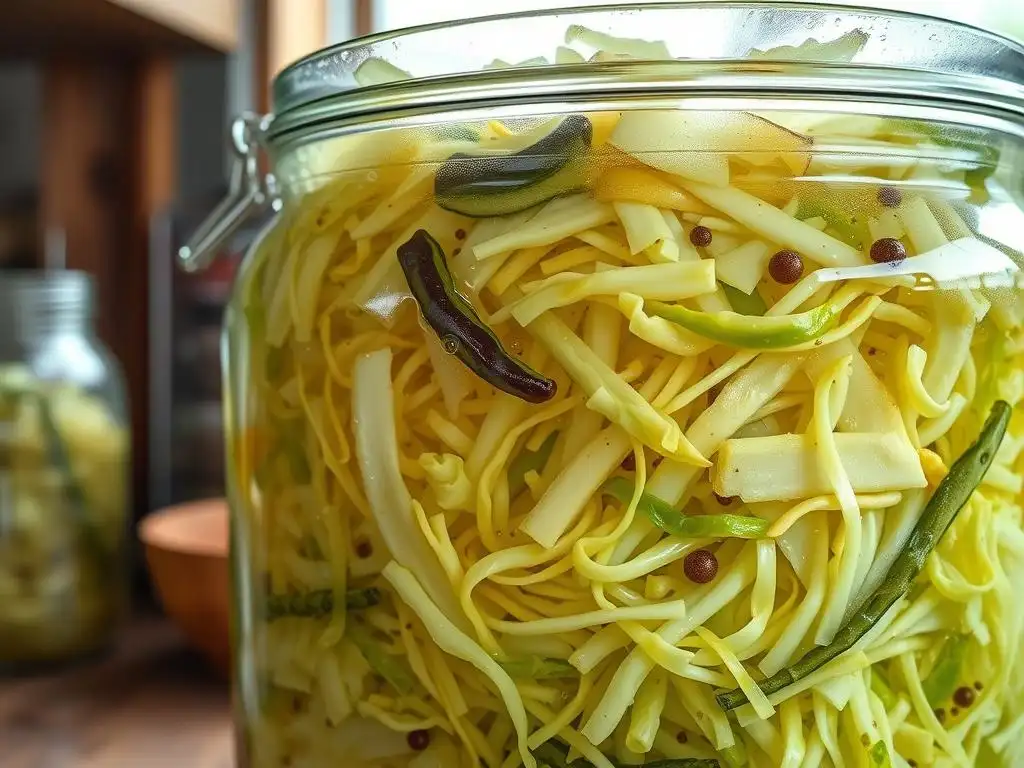
This section details a straightforward recipe for creating delicious, homemade sauerkraut, a fermented cabbage dish rich in probiotics and flavor. This recipe focuses on a classic sauerkraut preparation, perfect for beginners venturing into the world of fermentation. Mastering this recipe will equip you with the fundamental skills needed to explore more complex fermented cabbage variations. Remember, consistency and cleanliness are key to successful fermentation. The goal is to create an anaerobic environment—one lacking oxygen—which allows beneficial bacteria to thrive and produce lactic acid, preserving the cabbage and creating that tangy sauerkraut flavor we all love.
Sauerkraut Ingredients: A Simple List for Delicious Homemade Sauerkraut
Creating delicious sauerkraut starts with selecting high-quality ingredients. The fresher your cabbage, the better the end result. Avoid using cabbage that shows any signs of bruising or damage.
Here’s what you'll need for a basic batch (approximately 1-quart jar):
- 2 lbs. Green Cabbage: Choose a firm, dense head of green cabbage. Avoid using red cabbage for this specific recipe, as it will yield a different color and flavor profile.
- 2 Tablespoons Kosher Salt: Kosher salt is preferred because it's less processed and doesn't contain additives that can interfere with fermentation. Avoid using iodized salt.
- 2 Cups Filtered Water: Using filtered water helps avoid chlorine or other impurities that might inhibit the fermentation process.
- Optional additions: Caraway seeds, juniper berries, or other spices can be added for extra flavor, but are not essential.
This simple ingredient list allows the natural flavors of the cabbage to shine through, highlighting the essence of a truly homemade fermented cabbage recipe. Remember to adjust the quantities proportionally if you are making a larger or smaller batch.
Step-by-Step Sauerkraut Fermentation Guide: From Brining to Jarring
This detailed guide walks you through the process of making sauerkraut, step by step. Precise measurements and careful attention to detail are crucial for successful fermentation.
- Preparation: Wash the cabbage thoroughly and remove any outer leaves that are damaged or wilted. Shred the cabbage finely using a knife, food processor, or mandoline slicer. Consistency in shred size is important for even fermentation.
- Salting and Massaging: In a large bowl, combine the shredded cabbage and kosher salt. Using your hands, massage the salt into the cabbage for at least 5-10 minutes. This process draws out moisture from the cabbage, creating the brine necessary for fermentation. You should notice the cabbage releasing its juices.
- Packing the Jar: Pack the salted cabbage tightly into a clean, sterilized quart-sized jar, leaving about 1-2 inches of headspace at the top. Press down firmly to submerge the cabbage completely in its own juices. If necessary, add a little filtered water to ensure the cabbage stays submerged. The cabbage should be completely covered by brine.
- Weighting (Optional): Place a clean weight (like a fermentation weight or a small glass jar filled with water) on top of the cabbage to keep it submerged. This prevents mold growth.
- Fermentation: Cover the jar with a lid that allows for air release (a fermentation lid is ideal, but a cheesecloth secured with a rubber band also works). Store the jar at room temperature (ideally 65-75°F) for 3-7 days, or until the desired level of sourness is achieved. Taste test daily to monitor the progress.
- Refrigeration: Once the sauerkraut reaches your desired tanginess, transfer the jar to the refrigerator to slow down the fermentation process. It will continue to ferment slowly in the refrigerator, developing further complexity of flavor over time.
- Enjoy! Your homemade sauerkraut is ready to be enjoyed!
Ensuring Proper Fermentation: Temperature and Time Considerations for Sauerkraut
The success of your homemade fermented cabbage recipe hinges on controlling temperature and fermentation time. These factors significantly influence the taste and safety of your sauerkraut.
- Temperature: The ideal temperature range for sauerkraut fermentation is between 65-75°F (18-24°C). Temperatures below 65°F can slow down or halt fermentation, while temperatures above 75°F can lead to undesirable bacterial growth and spoilage. Consistent temperature is crucial. Avoid placing the jar in direct sunlight or near heat sources.
- Time: Fermentation time depends on your preference for sourness and the temperature. At the optimal temperature, you can expect fermentation to take 3-7 days. Taste-testing is essential to determine the optimal point. Under-fermented sauerkraut might taste bland, while over-fermented sauerkraut can be overly sour and potentially develop off-flavors.
- Monitoring for Spoilage: During fermentation, monitor the jar for any signs of mold (fuzzy growth) or off-odors. If you notice any signs of spoilage, discard the sauerkraut immediately. The brine should remain clear; cloudiness can indicate a problem. A slightly fizzy brine is normal, indicating active fermentation.
By carefully monitoring temperature and time, and by paying attention to potential spoilage indicators, you can ensure the production of safe and delicious homemade sauerkraut, a testament to your gardening and preserving skills. Happy fermenting!
Troubleshooting Common Sauerkraut Fermentation Issues
Fermenting cabbage, while generally straightforward, can sometimes present challenges. Understanding these potential problems and how to address them is key to successful sauerkraut making. A common issue is off-flavors. This can manifest as a sour, butyric (rancid butter-like), or putrid smell and taste. Several factors can contribute to this: insufficient salt, insufficient anaerobic conditions (exposure to oxygen), or contamination with undesirable bacteria or yeasts.
To prevent off-flavors, ensure you use enough salt (typically 2-3% by weight of the cabbage), pack the cabbage tightly to exclude air, and maintain a clean environment throughout the fermentation process. Using sterilized jars and utensils is crucial. If off-flavors develop, unfortunately, discarding the batch is usually the best course of action. The safety of the fermented product is paramount.
Another frequent problem is mold growth. Mold appears as fuzzy, often colorful spots on the surface of the sauerkraut. This is often a sign of insufficient salt or inadequate anaerobic conditions. Proper salting and packing are crucial preventative measures. If mold appears, carefully remove the affected areas, being sure to not contaminate the rest of the sauerkraut. However, if mold growth is extensive, it's best to discard the batch. Early detection and intervention are vital. Regularly check your ferment for any signs of mold during the fermentation process.
Sometimes, fermentation may be too slow or too fast. Slow fermentation might indicate insufficient salt, low temperature, or a lack of beneficial bacteria. Increasing salt concentration or slightly raising the temperature (ideally within a safe range) can help. Conversely, excessively fast fermentation might be due to high temperature or an overabundance of naturally occurring bacteria. Lowering the temperature and ensuring appropriate salt levels usually rectifies this. Monitoring the temperature and making adjustments accordingly is important, especially during warmer months.
Finally, soft or mushy sauerkraut can be a sign of over-fermentation or insufficient salt concentration. Over-fermentation occurs when the lactic acid bacteria produce too much acid, breaking down the cabbage structure. Using less salt or fermenting for a shorter period might help. This is a balance between taste preference and texture. Maintaining a careful balance of salt and fermentation time is key to achieving the desired texture and taste. Remember, patience and observation are crucial in the fermentation process. Each batch may have slightly different characteristics, so learning to adapt your techniques is key to success.
Homemade Fermented Cabbage Recipe: Kimchi
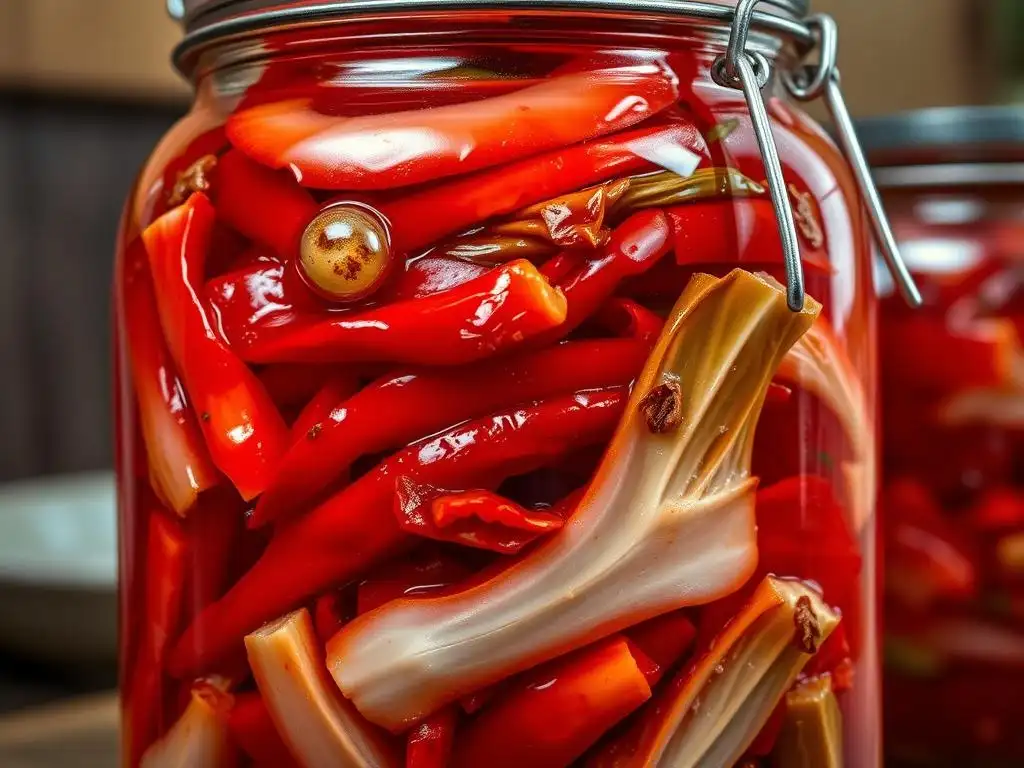
This section delves into the creation of kimchi, a vibrant Korean fermented cabbage dish, using a homemade fermented cabbage recipe. We'll explore variations beyond the typical Napa cabbage and provide a detailed guide to ensure successful fermentation. Mastering this recipe will allow you to enjoy the spicy, tangy, and incredibly healthy benefits of homemade kimchi year-round, transforming your garden harvest into a culinary delight. This recipe is a fantastic example of sustainable food preservation, minimizing waste and maximizing flavor.
Kimchi Ingredients: Beyond Napa Cabbage – Exploring Kimchi Variations
While Napa cabbage is the quintessential kimchi ingredient, the beauty of this fermentation lies in its versatility. Many variations exist, each offering unique flavor profiles. The core ingredients remain consistent: cabbage, gochugaru (Korean chili powder), garlic, ginger, jeotgal (fermented seafood – optional, but traditional), and salt. However, you can easily adapt this homemade fermented cabbage recipe to suit your taste and available ingredients.
Let's explore some exciting variations:
- Radish Kimchi (Kkakdugi): Instead of Napa cabbage, use daikon radish, cut into bite-sized cubes. This results in a crispier texture and a slightly sweeter flavor. The fermentation time might be slightly shorter.
- Cucumber Kimchi (Oi Sobagi): Use Korean cucumbers, which are smaller and less watery than typical English cucumbers. This variation is refreshing and less pungent than Napa cabbage kimchi.
- Green Onion Kimchi (Pa Kimchi): This kimchi uses green onions as the primary ingredient, offering a milder, slightly oniony flavor. It ferments quickly, requiring less time for optimal results.
- Mixed Vegetable Kimchi: Expand your homemade fermented cabbage recipe by incorporating other vegetables like carrots, turnips, or even bell peppers. This increases the nutritional value and adds textural complexity.
The key is to maintain a balance of flavors. Too much salt will inhibit fermentation, while insufficient salt can lead to undesirable mold growth. Experiment with different proportions of ingredients to find your perfect kimchi blend. Remember to always use high-quality, organically grown ingredients whenever possible, enhancing the overall flavor and nutritional benefits of your homemade kimchi.
Kimchi Preparation: A Detailed Guide to Kimchi Making
The preparation of kimchi involves several crucial steps to ensure a successful fermentation process. Precise measurements are essential for optimal results. This detailed guide will take you through each step, from prepping the cabbage to the final fermentation.
- Preparing the Cabbage: Wash the cabbage thoroughly and remove any damaged outer leaves. Cut the cabbage into bite-sized pieces, ensuring even sizes for consistent fermentation.
- Salting the Cabbage: Generously salt the cabbage, ensuring each piece is coated evenly. This draws out excess moisture, crucial for preventing mushy kimchi. Let it sit for at least 2-4 hours, or even overnight, depending on the cabbage's density. Rinse thoroughly afterward to remove excess salt.
- Preparing the Kimchi Paste: In a large bowl, combine the gochugaru, garlic, ginger, jeotgal (if using), and any other desired spices. Mix well to create a vibrant, flavorful paste.
- Combining the Cabbage and Paste: Gently mix the salted and rinsed cabbage with the kimchi paste, ensuring each piece is coated evenly. This is best done by hand, allowing for careful distribution.
- Packing the Kimchi: Pack the kimchi tightly into a clean, air-tight container, such as a glass jar or a kimchi crock. Press down firmly to remove any air pockets.
- Fermentation: Allow the kimchi to ferment at room temperature (ideally around 68-72°F) for 2-7 days, depending on your preference for sourness and the ambient temperature. Taste test regularly to monitor the fermentation progress. Once it reaches your desired level of sourness, transfer it to the refrigerator to slow down fermentation.
This detailed approach ensures a consistent result, transforming your homegrown cabbage into delicious, healthy kimchi. Remember to adjust fermentation times based on your environment and taste preferences.
The Art of Kimchi Fermentation: Achieving the Perfect Balance of Flavor and Texture
The fermentation process is the heart of kimchi making. It's a delicate balance of time, temperature, and ingredients that determines the final flavor and texture. Understanding this process is key to mastering your homemade fermented cabbage recipe.
Several factors influence kimchi fermentation:
- Temperature: Warmer temperatures accelerate fermentation, resulting in quicker souring. Colder temperatures slow down the process.
- Salt Content: Insufficient salt can lead to unwanted bacterial growth and spoilage. Excessive salt inhibits fermentation and results in a bland, unfermented taste.
- Air Exposure: While some air exposure is necessary for the initial fermentation, excessive exposure can lead to mold growth. Ensure the kimchi is packed tightly to minimize air pockets.
- Ingredient Quality: Using fresh, high-quality ingredients is crucial for optimal flavor and texture. Organic produce is recommended to enhance the overall taste and nutritional value.
Monitoring the kimchi's fermentation is crucial. Observe the color changes, taste for sourness, and check for any off-odors or mold growth. If mold appears, discard the batch immediately. The ideal kimchi possesses a pleasant sourness, a vibrant color, and a crisp texture. Through careful attention to these details, you will transform your garden harvest into a delicious and healthy fermented treat. Enjoy the rewarding experience of creating your own homemade kimchi!
Kimchi Storage and Shelf Life: Maintaining Quality and Flavor
Proper storage is crucial for maintaining the quality and flavor of your homemade kimchi. Kimchi, due to its fermentation process, will continue to develop and change in flavor over time. Understanding this evolution will help you enjoy it at its peak. The ideal temperature for kimchi storage is between 35°F and 40°F (1.5°C and 4°C).
This temperature range slows down the fermentation process, preventing it from becoming overly sour or developing undesirable off-flavors. Storing your kimchi at room temperature will accelerate fermentation, resulting in a significantly more sour and pungent flavor profile, which might be desirable for some but not for others. This accelerated fermentation can also lead to spoilage if not closely monitored.
Refrigeration is the most common and effective method for long-term kimchi storage. Ensure your kimchi is stored in an airtight container to prevent it from drying out and maintain its optimal texture. Glass jars are a popular choice due to their ability to preserve flavor and prevent unwanted chemical reactions. However, you can also use food-grade plastic containers. Avoid using metal containers, as these can react with the kimchi's acidity and impact both its flavor and safety.
The shelf life of kimchi largely depends on the fermentation process, your storage method, and initial ingredients. Generally, kimchi stored in the refrigerator will maintain its optimal flavor and quality for several weeks, often up to two months or even longer in some cases. However, you should always check for signs of spoilage before consumption.
These signs may include mold growth (typically white or greenish in color), an unpleasant odor, or a slimy texture. If you notice any of these, discard the kimchi immediately. Remember, it's always better to err on the side of caution when dealing with fermented foods.
Proper storage techniques are essential to maximize the shelf life and enjoyment of your homemade kimchi. By following these guidelines, you can ensure your delicious creation remains flavorful and safe for consumption for an extended period. Remember, even within the recommended storage timeframe, the flavor of the kimchi will continue to evolve. Many people enjoy the changing flavor profiles over time, but it's important to be aware of this and adjust your expectations accordingly. Happy fermenting!
Comparing Sauerkraut and Kimchi: Flavor Profiles and Health Benefits
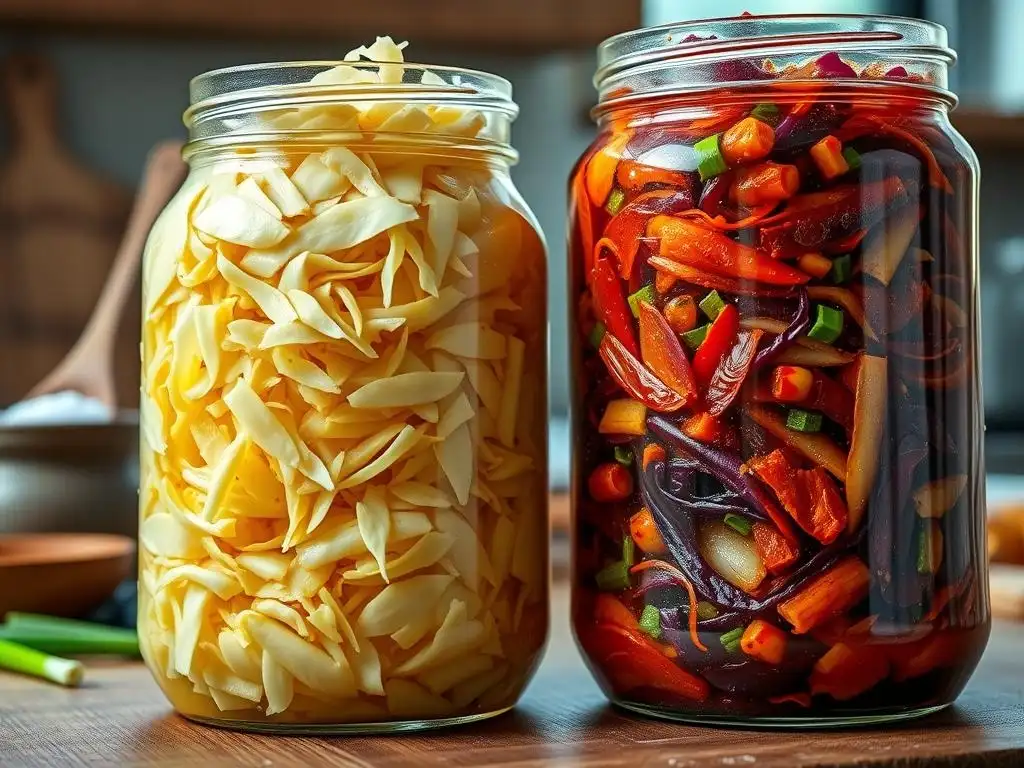
Both sauerkraut and kimchi are fermented cabbage dishes, but their distinct flavor profiles and nutritional compositions stem from differing ingredients and fermentation processes. Understanding these differences helps you choose the perfect fermented cabbage recipe for your palate and dietary needs. This section will explore the nuances of each, offering a detailed comparison to aid in your homemade fermented cabbage recipe selection.
Sauerkraut vs. Kimchi: A Taste Comparison
Sauerkraut, a staple of German cuisine, boasts a characteristically tangy and sour flavor. The fermentation process, typically using only cabbage and salt, results in a relatively simple, yet intensely flavorful, final product. The sourness is derived from lactic acid bacteria converting sugars in the cabbage to acid during fermentation. The texture is typically crisp, although this can vary depending on the fermentation time and cabbage variety. Some recipes incorporate caraway seeds or other spices for added complexity, but the core flavor remains distinctly sour.
Kimchi, originating from Korea, presents a much more complex and multilayered flavor profile. Beyond cabbage and salt, kimchi recipes often include a vibrant array of ingredients, such as gochugaru (Korean chili flakes), garlic, ginger, onions, and a variety of other vegetables and seasonings. This results in a flavor that is simultaneously spicy, sour, garlicky, and umami-rich. The texture can range from crisp to slightly softer depending on the recipe and fermentation time. The overall experience is a much more dynamic and multifaceted taste adventure than that offered by sauerkraut.
Nutritional Differences Between Sauerkraut and Kimchi
While both sauerkraut and kimchi are excellent sources of probiotics and fiber, their nutritional profiles differ slightly due to the inclusion of additional ingredients in kimchi.
| Nutrient | Sauerkraut (per 1 cup) | Kimchi (per 1 cup, approximate - varies widely by recipe) |
|---|---|---|
| Vitamin C | High | High to Moderate |
| Vitamin K | Moderate | Moderate to High |
| Fiber | High | High |
| Probiotics | High | High |
| Sodium | Moderate | Moderate to High (depending on salt content) |
| Capsaicin (Kimchi) | N/A | Present (varies depending on chili amount) |
The added spices and vegetables in kimchi contribute to a broader range of vitamins and minerals compared to sauerkraut. For example, kimchi often contains higher levels of Vitamin K and capsaicin, the active compound in chili peppers, known for its potential health benefits. However, the sodium content can be higher in kimchi depending on the recipe, so it's crucial to check the specific nutritional information of your chosen recipe or brand. Both are excellent additions to a healthy diet, offering a diverse range of nutrients.
The Probiotic Powerhouse: Exploring the Health Benefits of Fermented Cabbage
Both sauerkraut and kimchi are renowned for their high probiotic content. These beneficial bacteria aid in digestion, improve gut health, and support the immune system. The fermentation process naturally produces lactic acid bacteria, such as Lactobacillus and Leuconostoc, which are crucial for gut microbiome balance. A healthy gut microbiome is linked to a reduced risk of various health problems, including inflammatory bowel disease, obesity, and even certain types of cancer. 1
The consumption of fermented foods, like sauerkraut and kimchi, can contribute significantly to a diverse and thriving gut microbiome, leading to improved overall health and well-being.
Regular consumption of fermented cabbage can contribute to:
- Improved digestion and regularity
- Enhanced immune function
- Reduced inflammation
- Better nutrient absorption
- Potential weight management benefits
The specific health benefits may vary depending on the individual, their diet, and the specific strain of probiotics present in the fermented cabbage. However, both sauerkraut and kimchi offer a delicious and nutritious way to incorporate beneficial probiotics into your diet, making them valuable additions to a homemade fermented cabbage recipe repertoire. Remember, the key is to choose a recipe that aligns with your taste preferences and dietary needs while focusing on quality ingredients and proper fermentation techniques for optimal probiotic production and flavor.
1 Further research on the specific health benefits of sauerkraut and kimchi is ongoing and continuously evolving.
Expanding Your Fermented Cabbage Repertoire: Beyond the Basics
This section delves into the exciting world of flavor experimentation beyond the traditional sauerkraut and kimchi. While the fundamental process of fermenting cabbage remains consistent, the possibilities for unique and delicious variations are virtually limitless. Mastering the basics allows you to confidently explore a wider range of tastes and textures, transforming your homemade fermented cabbage recipe into a culinary adventure. The key is understanding the interplay of salt, time, and temperature, and then letting your creativity take over. We'll explore some exciting avenues to expand your fermented cabbage horizons, focusing on techniques to enhance and customize your fermented vegetables.
Experimenting with Spices and Flavor Combinations in Fermented Cabbage
The addition of spices and flavorings significantly impacts the final product's taste profile. Think beyond the standard caraway seeds often found in sauerkraut. Experimentation is key! Consider these possibilities:
- Spicy: Adding chili flakes, chopped fresh chilies (like serrano or jalapeño), or a dash of cayenne pepper introduces a fiery kick. Remember to adjust the quantity based on your preferred spice level. A small amount can add a pleasant warmth, while a larger quantity will create a significantly spicier ferment.
- Earthy: Ingredients like juniper berries, coriander seeds, or fennel seeds impart an earthy, complex flavor. These work well with heartier cabbage varieties. Experiment with combining different earthy spices to discover your favorite profiles. For example, a combination of coriander and fennel can create a unique and aromatic fermented cabbage.
- Citrusy: Adding thinly sliced ginger, grated fresh turmeric or a few slices of lemon or orange zest adds a bright, citrusy note. These ingredients are particularly effective in cutting through the richness of the cabbage and balancing the overall taste. Be mindful that citrus can alter the fermentation process slightly, potentially speeding it up.
- Savory: Consider adding fresh herbs like dill, thyme, or rosemary for an herbaceous, savory twist. These herbs add complexity and depth to your fermented cabbage. Experiment with different combinations to find your favorite flavor combinations. For example, a combination of dill and caraway seeds can create a classic sauerkraut with a modern twist.
Creating Unique Fermented Cabbage Recipes with Seasonal Ingredients
Seasonal ingredients provide an excellent opportunity to create unique fermented cabbage recipes. The availability of fresh produce directly influences the flavor profiles you can achieve. Consider these seasonal options:
| Season | Ingredients | Flavor Profile | Notes |
|---|---|---|---|
| Spring | Garlic scapes, radish greens, young onions | Fresh, slightly pungent | Use tender young greens for optimal texture and flavor. |
| Summer | Tomatoes, bell peppers, zucchini | Sweet, tangy, and vibrant | Add these ingredients after the initial fermentation for best results. |
| Autumn | Apples, pears, cranberries | Sweet and tart, complex flavors | The natural sugars in these fruits enhance the fermentation process. |
| Winter | Carrots, beets, parsnips | Earthy, sweet, and slightly spicy | These root vegetables add texture and visual appeal to your fermented cabbage. |
The possibilities are endless! Think about the flavor profiles you enjoy and experiment with different combinations of seasonal fruits, vegetables, and herbs. Always prioritize fresh, high-quality ingredients for the best results. Remember to adjust the salt content accordingly when incorporating additional ingredients, as their water content may vary.
Preserving Your Fermented Cabbage: Storage and Shelf Life Extension Techniques
Proper storage is crucial for extending the shelf life of your homemade fermented cabbage and maintaining its quality. Here are some key techniques:
- Temperature Control: Consistent cool temperatures (around 35-45°F or 1-7°C) are essential. A cool cellar or refrigerator is ideal. Fluctuations in temperature can negatively impact the fermentation process and potentially lead to spoilage.
- Airtight Containers: Use airtight glass jars to prevent oxygen exposure. Oxygen can encourage unwanted mold or bacterial growth. Ensure the jars are properly sealed to maintain the anaerobic environment necessary for successful fermentation. Glass jars are preferred over plastic as they are less likely to react with the fermented cabbage.
- Checking for Spoilage: Regularly inspect your fermented cabbage for signs of spoilage, such as mold growth (often white or fuzzy), off-odors, or unusual bubbling. Discard any fermented cabbage exhibiting signs of spoilage. If you notice any abnormalities, you should always err on the side of caution and discard the batch.
By following these guidelines, you can significantly extend the shelf life of your homemade fermented cabbage, ensuring you can enjoy the fruits (or rather, vegetables!) of your labor for weeks, even months. Remember, proper storage is just as important as the fermentation process itself. A well-fermented and properly stored batch of cabbage can be a delicious and healthy addition to your diet for an extended period. Enjoy your homemade fermented cabbage recipe!
Frequently Asked Questions
What is the difference between sauerkraut and kimchi?
Sauerkraut is fermented cabbage using salt and water, resulting in a tangy, sour flavor. Kimchi, on the other hand, uses a broader range of spices and ingredients, including gochugaru (Korean chili flakes), garlic, ginger, and fish sauce, creating a spicy and complex taste.
How long does it take to ferment cabbage at home?
The fermentation time depends on the temperature and your desired level of sourness. It generally takes between 3-7 days at room temperature for a mild sauerkraut, but can take longer for a more intensely fermented result.
What are the benefits of making homemade fermented cabbage?
Making your own fermented cabbage allows you to control the ingredients, ensuring they are organic and free from additives. Fermentation also boosts the probiotic content, offering gut health benefits.
Can I use any type of cabbage for this recipe?
While traditional sauerkraut uses green cabbage, you can experiment with other varieties like red cabbage or Napa cabbage for different flavor profiles. Keep in mind the texture and taste might vary.
What should I do if my fermented cabbage develops mold?
If you see any mold, discard the entire batch. Mold indicates that the fermentation process has been compromised, and consuming it can be harmful. Proper sanitation and salting are key to preventing mold growth.
Final Reflection: The Enduring Power of Fermented Foods
The art of fermenting cabbage, whether into tangy sauerkraut or spicy kimchi, is more than just a recipe; it's a connection to a rich culinary history and a pathway to a healthier, more sustainable future. In a world increasingly focused on processed foods and fast consumption, the simple act of transforming humble cabbage into vibrant, probiotic-rich delicacies offers a powerful counterpoint. It's a reminder of the transformative power we hold, not only in the kitchen, but in our relationship with food and the environment.
The enduring appeal of homemade fermented cabbage lies not just in its delicious taste, but in its ability to connect us to traditions passed down through generations. It's a process that fosters patience, observation, and a deep appreciation for the natural world. The subtle changes in flavor and texture during fermentation are a testament to the living processes at work, a reminder of the intricate balance within our ecosystem. Food is symbolic of love when words are inadequate.
– Alan D. Wolfelt. This sentiment rings true when considering the care and intentionality involved in creating fermented foods, a labor of love that nourishes both body and soul.
Now, consider your own kitchen. Imagine the satisfying crunch of homemade sauerkraut nestled beside a hearty meal, or the vibrant spice of kimchi adding a zing to your next culinary adventure. This isn't just about following a recipe; it's about embracing a process, a tradition, and a connection to something larger than yourself. Try it. Experiment. Discover the joy of transforming your garden harvest into a culinary masterpiece, one jar at a time. The rewards – both in taste and in personal satisfaction – are immeasurable.
Unleash the Flavor: Ferment Your Way to Deliciousness!
Thank you for exploring the wonderful world of fermented vegetables! You've learned to transform garden produce into vibrant sauerkraut and kimchi – now it's time to apply your new skills.
- Start your first fermentation project! Choose a recipe that excites you and begin. Don't hesitate to experiment with different spices and flavor combinations.
- Share your creations! Post a picture on social media and tag #CultivateYourFood. Let's build a community of home fermentation enthusiasts!
- Explore other fermentation possibilities. From pickles to kombucha, the options are limitless. What will you ferment next?
What exciting flavors will you discover in your next batch of fermented vegetables?