
Preventing Mushy Pickles: Tips for Maintaining Crispness in Your Garden Preserves

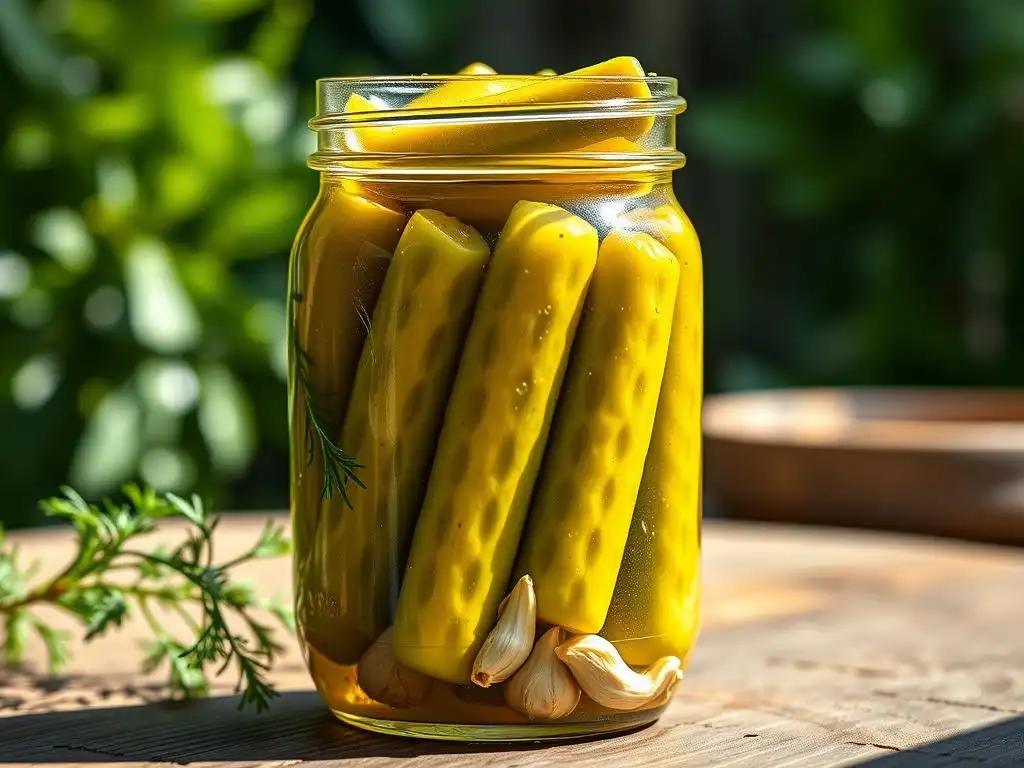
Welcome to CultivateYourFood, your guide to a thriving home garden bursting with fresh, organic produce! Are you tired of mushy pickles ruining your harvest? Then delve into our expert advice on Crispy pickle preservation methods, a crucial element of successful harvesting and preserving. Discover the secrets to maintaining the satisfying crunch in your homegrown pickles and unlock the full potential of your garden bounty. Let's get started!
- Understanding the Science Behind Crisp Pickles
- Selecting the Right Cucumbers for Crispy Pickles
- Best Practices for Crispy Pickle Preservation Methods
- Avoiding Common Mistakes that Lead to Mushy Pickles
- Advanced Techniques for Extra-Crispy Pickles
- Troubleshooting Mushy Pickles
-
Frequently Asked Questions
- What are the most common causes of mushy pickles?
- How can I ensure my pickles stay crisp during the fermentation process?
- What role does vinegar play in preserving pickle crispness?
- Are there specific types of cucumbers best suited for crisp pickles?
- Can I use alternative methods besides fermentation for crispy pickles?
- Final Reflection: The Enduring Crunch: A Legacy of Crisp Pickles
- Unlock the Secret to Perfectly Crisp Pickles!
Understanding the Science Behind Crisp Pickles
Pickling, a time-honored method of preserving vegetables, offers a delicious way to enjoy the bounty of your home garden year-round. But achieving that perfect, satisfying crunch in your pickles isn't just about luck; it's a science. This article delves into the key factors influencing pickle crispness, providing you with practical tips and techniques to ensure your homemade pickles retain their delightful texture, using sustainable and organic methods.
We'll explore the crucial role of osmosis, acid levels, and enzyme activity in maintaining the crispness of your pickles, ultimately helping you master the art of crispy pickle preservation methods. By understanding these principles, you can transform your garden's harvest into jars of perfectly crisp, flavorful pickles, enhancing your sustainable food preservation efforts. Let's dive into the science behind achieving those coveted crunchy pickles!
The Role of Osmosis in Pickle Preservation
Osmosis is the key player in determining the texture of your pickles. This process involves the movement of water across a semi-permeable membrane—in this case, the cell walls of your cucumbers. During pickling, the high concentration of salt and vinegar in the brine creates a hypertonic solution. This means the water concentration is higher inside the cucumber cells than in the surrounding brine.
To achieve equilibrium, water moves out of the cucumber cells and into the brine, causing the cucumbers to dehydrate slightly. This dehydration is crucial for achieving that desirable crispness. However, too much dehydration can lead to overly shriveled pickles. The balance is key!
Therefore, carefully controlling the brine's concentration and pickling time is essential for optimal results. Using a brine with the correct salt-to-water ratio is crucial. Too much salt can lead to excessively soft pickles, while too little salt results in insufficient dehydration and potential spoilage. Experimentation and precise measurements are vital in perfecting your crispy pickle preservation methods.
Acid Levels and Their Impact on Pickle Texture
The acidity of your pickling brine plays a critical role in preserving your pickles and maintaining their crispness. A sufficiently acidic environment (typically achieved with vinegar) inhibits the growth of harmful bacteria, ensuring the safety of your preserves. But the acidity also influences the firmness of the pickles. The precise pH level of the brine impacts the pectin in the cucumber cells.
Pectin is a naturally occurring substance that contributes to the cell walls’ structure. High acidity helps to maintain the pectin's integrity, preventing it from breaking down and causing the pickles to become mushy. Therefore, using the correct type and amount of vinegar, and ensuring your brine reaches the appropriate pH level (typically around 3.5-4.0), are essential steps in your crispy pickle preservation methods. Failure to maintain the correct acidity can lead to spoilage and soft, undesirable pickles.
Enzyme Activity and its Effect on Crispness
Enzymes naturally present in cucumbers can contribute to softening during pickling. These enzymes break down the cell walls, leading to a loss of firmness. To counteract this, you need to carefully manage enzyme activity. One effective method is using a quick-process pickling technique, such as a hot-pack method where the cucumbers are blanched before pickling.
This heat treatment helps to denature the enzymes, reducing their activity and helping to maintain the crispness of your pickles. Another approach involves adding calcium chloride to the brine; this helps to strengthen the cell walls and further resist enzyme breakdown. Careful attention to these details will greatly enhance the success of your crispy pickle preservation methods. Remember that even small variations in your procedure can drastically impact the final product.
Selecting the Right Cucumbers for Crispy Pickles
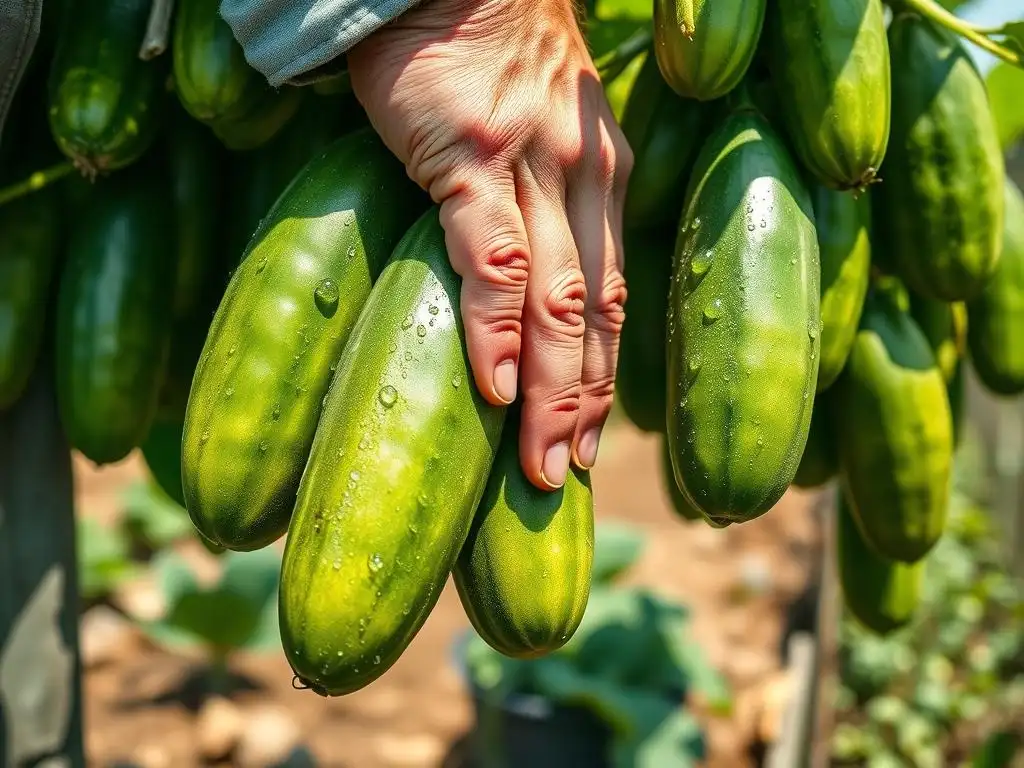
Choosing the right cucumber variety is paramount for achieving those wonderfully crisp pickles you crave. Not all cucumbers are created equal when it comes to pickling; some varieties are simply better suited for the process than others. The key lies in selecting cucumbers with firm flesh and a relatively thin skin, characteristics that contribute significantly to the final texture of your pickles. Ignoring this crucial step can lead to disappointing, mushy results, undermining your efforts in preserving your homegrown harvest.
Choosing Cucumber Varieties Ideal for Pickling
Several cucumber varieties are specifically bred for pickling, boasting superior qualities for crisp preservation. These varieties typically feature shorter, more compact fruits with a higher concentration of solids, resulting in a firmer texture after pickling. Examples include the classic Kirby cucumber, known for its small size and exceptional crispness, and the Boston Pickling cucumber, prized for its consistent size and excellent pickling qualities. Avoid long English cucumbers or slicing cucumbers; these tend to have thicker skins and less firm flesh, leading to a softer pickle.
Consider your climate and growing conditions when making your selection; certain varieties thrive better in specific environments. For example, Kirby cucumbers are adaptable, but other varieties might require specific temperature ranges or soil conditions to reach their full potential for crispness. Proper selection minimizes the risk of ending up with mushy pickles, maximizing your preservation success.
Harvesting Cucumbers at Peak Crispness
The timing of your harvest significantly impacts the final crispness of your pickles. Harvesting cucumbers at the right stage of maturity is critical for achieving optimal texture. Overripe cucumbers, while larger, tend to be softer and less crisp, while underripe cucumbers can be too bitter and lack the desirable firmness.
The best time to harvest pickling cucumbers is when they are young and firm, typically reaching a size between 2-4 inches long, depending on the variety. Regularly check your cucumber plants, harvesting frequently to maintain optimal crispness and prevent overripening. A daily check during peak growing season is recommended to ensure you're picking at the perfect moment.
The ideal cucumber for pickling will feel firm to the touch, with a smooth, unblemished skin. Avoid cucumbers that are soft, yellowing, or show signs of blemishes, as these are indicators of overripeness and will likely result in mushy pickles. Careful harvesting practices are a cornerstone of successful crispy pickle preservation methods.
Assessing Cucumber Maturity for Optimal Pickling
Determining cucumber maturity for pickling requires a keen eye and a gentle touch. Visual cues are crucial, but a tactile assessment is equally important. Look for cucumbers that are uniformly colored, typically dark green for most pickling varieties. Avoid those that are exhibiting yellowing or browning.
A firm feel is essential; gently squeeze the cucumber – it should feel crisp and resistant to pressure, not soft or spongy. The presence of small, well-defined spines on the cucumber's skin (depending on the variety) is also a good indicator of ripeness for pickling. Overripe cucumbers will feel soft and may have a dull appearance.
They might also exhibit a slightly yellowish hue or have a wrinkled skin. By carefully assessing both the visual and tactile characteristics of your cucumbers, you can significantly improve your chances of producing crispy pickles, ensuring your homegrown harvest is preserved at its peak quality. Remember, consistent monitoring and timely harvesting are essential components of successful crispy pickle preservation methods.
Best Practices for Crispy Pickle Preservation Methods
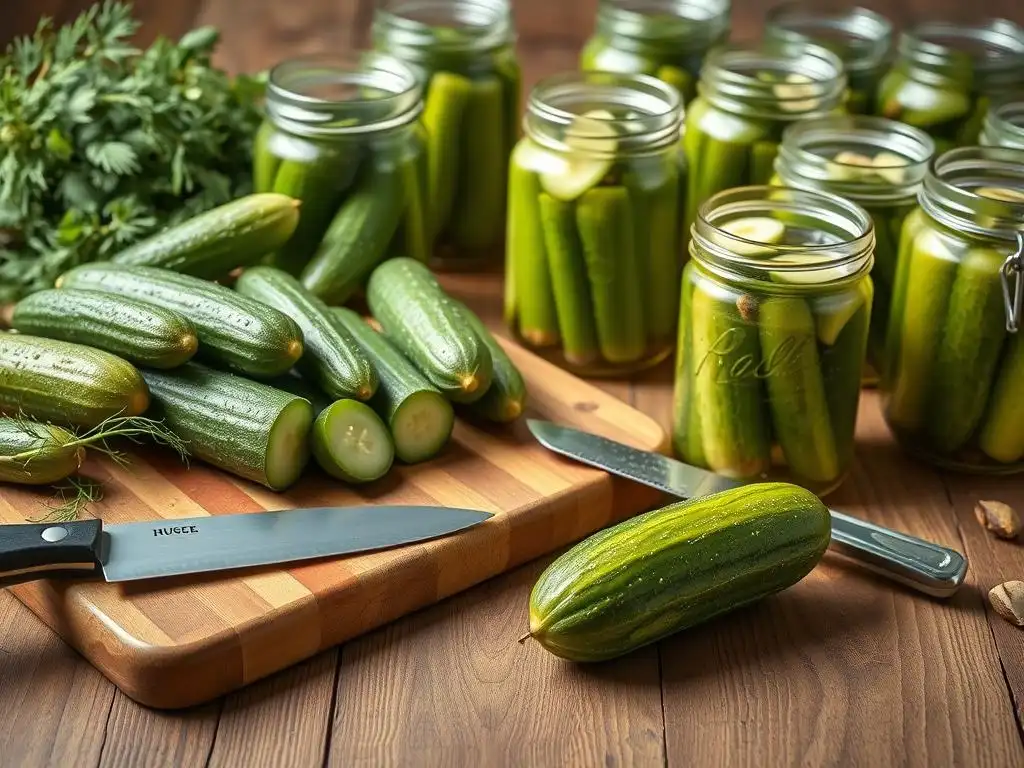
This section delves into the crucial aspects of achieving perfectly crisp pickles, focusing on techniques that ensure your homegrown cucumbers retain their desirable texture throughout the pickling process. We'll explore methods that go beyond basic pickling, emphasizing sustainable and organic practices aligned with the CultivateYourFood ethos. The goal is to provide you with the knowledge to consistently produce crunchy, delicious pickles year after year. Mastering these techniques will elevate your homegrown pickle game, transforming your garden bounty into culinary delights.
Brining Techniques for Maintaining Cucumber Firmness
Achieving crisp pickles hinges significantly on the brining process. The brine acts as a preservative and, importantly, influences the cucumbers' firmness. Improper brining can lead to mushy pickles, a common disappointment for home picklers. Several techniques contribute to maintaining cucumber firmness:
- Cold Brining: This method involves submerging the cucumbers in a cold brine solution. The cold temperature slows down enzymatic activity within the cucumbers, preventing softening. This is often considered the most effective method for maintaining crispness. Remember to use purified or filtered water to avoid introducing unwanted microorganisms.
- Rapid Brining: For those with less time, a rapid brining technique involves using a higher salt concentration in the brine. This draws out moisture from the cucumbers more quickly, inhibiting microbial growth and maintaining texture. However, careful monitoring is essential to prevent over-salting.
- Vacuum Sealing: For an additional layer of preservation and crispness, consider vacuum sealing your jars after filling them with brined cucumbers. This removes excess air, limiting the potential for enzymatic activity and microbial growth that can lead to softening. This method is particularly beneficial for long-term storage.
The key to both cold and rapid brining is ensuring the cucumbers are completely submerged in the brine. Any exposed parts are more susceptible to spoilage and softening. Weighting down the cucumbers with a clean, food-safe weight (e.g., a small plate or a specifically designed pickle weight) ensures complete submersion.
The Importance of Proper Salt Concentration in Brine Solutions
The concentration of salt in your brine is paramount for crisp pickle preservation methods. Salt acts as a natural preservative, drawing out moisture from the cucumbers through osmosis. This process creates a hypertonic environment, inhibiting the growth of microorganisms that cause spoilage and softening. However, the balance is crucial:
- Too little salt: Results in insufficient preservation, leading to spoilage and mushy pickles. Bacteria can thrive in a low-salt environment, accelerating the decomposition process.
- Too much salt: Can lead to overly salty pickles and potentially damage the cucumber tissue, compromising their texture. Finding the optimal balance is key.
A typical brine solution uses a ratio of approximately 2-4 tablespoons of salt per quart of water. This range can be adjusted based on personal preference and the desired level of saltiness. Using kosher salt or pickling salt is recommended, as they dissolve more readily than table salt, which contains anti-caking agents that can cloud the brine. Precise measurements are vital for consistent results. Experimenting with slightly different ratios, while carefully recording your results, can help you fine-tune the ideal salt concentration for your preferences and specific cucumbers.
Utilizing Vinegar and its Role in Crisp Pickle Preservation
Vinegar, typically white distilled or apple cider, plays a dual role in pickling: preservation and flavor enhancement. The acidity of vinegar inhibits bacterial growth, contributing significantly to the shelf-life and safety of your pickles. Beyond its preservation properties, vinegar contributes to the overall flavor profile of your pickles.
The concentration of vinegar in your brine solution also impacts the crispness of the final product. A higher concentration of vinegar can contribute to a crisper texture, but it can also lead to a more acidic taste. Experimentation is key to determining the optimal balance between crispness and flavor for your preference. Consider factors such as the type of vinegar used, the variety of cucumbers, and the overall desired taste profile when determining the appropriate vinegar-to-water ratio.
Remember to always use high-quality vinegar for optimal results and to ensure the safety of your pickles. Using a food-safe thermometer can be helpful in monitoring the temperature of the brine during the pickling process. Proper temperature control further supports the preservation and crispness of your cucumbers.
Spices and Additives that Enhance Crispness and Flavor
The key to achieving exceptionally crisp pickles lies not only in proper pickling techniques but also in the strategic use of spices and additives. Certain ingredients contribute significantly to maintaining the firmness of your vegetables while adding layers of delicious complexity to the final product. The right blend can transform your pickles from merely preserved vegetables into culinary masterpieces.
For instance, mustard seeds, beyond their pungent flavor, contribute to the overall crispness. Their natural compounds help to maintain the cell structure of the cucumbers, preventing them from becoming soft and mushy. Similarly, coriander seeds add a subtle citrusy note and also aid in preserving the crunch. Their slightly bitter character balances the sweetness and acidity of the brine, creating a well-rounded flavor profile.
Beyond seeds, garlic not only imparts a savory edge but also possesses natural antimicrobial properties, which can contribute indirectly to preserving the pickle's texture by inhibiting microbial growth that could lead to softening. The addition of horseradish, while pungent, also contributes to crispness and offers a unique, spicy kick. Remember that the amount you use will greatly impact the final taste, so start with a smaller quantity and adjust to your preference.
Furthermore, consider adding calcium chloride. This often-overlooked ingredient plays a crucial role in maintaining the firmness of the pickles. Calcium chloride works by strengthening the cell walls of the vegetables, making them more resistant to softening during the fermentation or pickling process. However, use it sparingly, as too much can lead to an unpleasant chalky texture.
Always follow the recommended dosage on the product label. Experimenting with different ratios and combinations of spices and additives is a crucial aspect of achieving your desired level of crispness and flavor. Keeping detailed notes on your experiments will help you refine your process and achieve consistent results. This careful attention to detail will elevate your homemade pickles from good to exceptional.
Avoiding Common Mistakes that Lead to Mushy Pickles
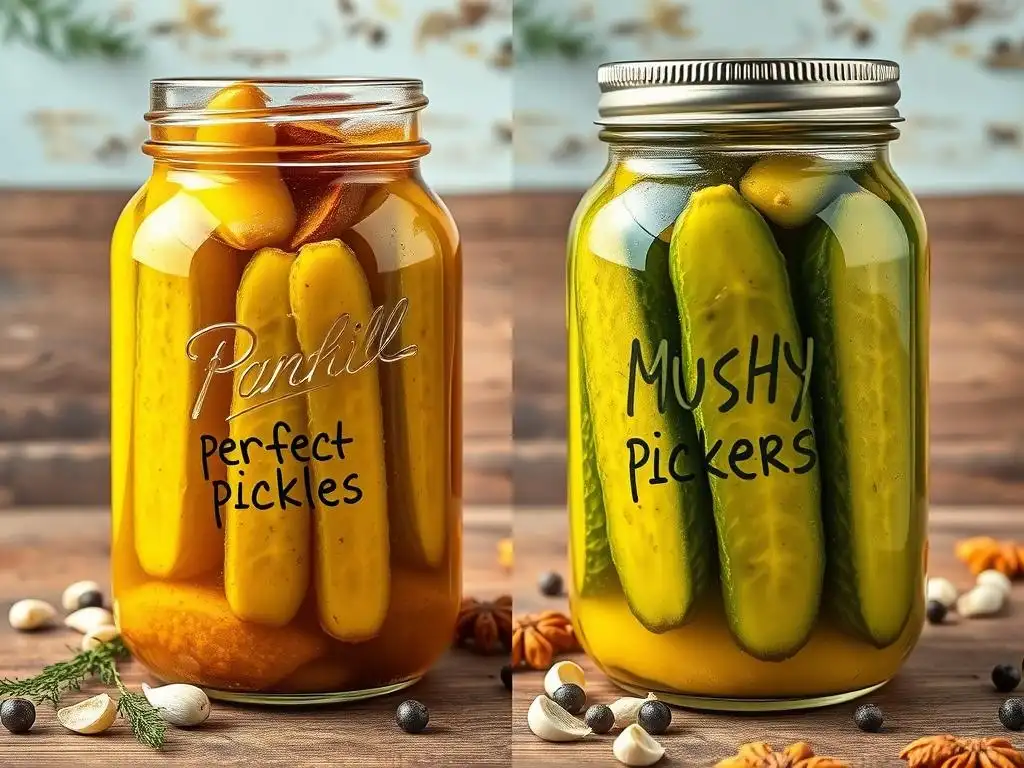
Achieving perfectly crisp pickles requires attention to detail throughout the entire pickling process. Even the most meticulously grown cucumbers can end up mushy if certain crucial steps are overlooked. This section focuses on common errors that compromise the texture of your homemade pickles, offering practical solutions for "crispy pickle preservation methods." Let's delve into the critical factors that ensure your preserves remain delightfully crunchy.
Overcrowding Jars and its Impact on Pickle Texture
Overcrowding jars is a frequent culprit behind mushy pickles. When cucumbers and other vegetables are packed too tightly, they lack proper circulation of the brine. This restricted movement prevents the brine from adequately penetrating the vegetables, leading to uneven pickling and bacterial growth.
Uneven brining results in some areas remaining soft and susceptible to spoilage, while other areas may pickle correctly. The lack of proper brine contact also inhibits the natural lactic acid fermentation process, which plays a vital role in maintaining pickle crispness. Properly packed jars allow for even brine penetration, promoting consistent pickling and a crunchy end product.
Here's a simple guide to avoid overcrowding:
- Leave headspace: Always leave at least ½ inch of headspace at the top of the jar to allow for expansion during fermentation.
- Gentle packing: Pack the vegetables gently, ensuring that they are not crushed or compressed.
- Use appropriate sized jars: Choose jars that are the correct size for the amount of vegetables you are pickling. Don't try to cram more vegetables into a smaller jar.
Insufficient Brine Coverage and its Consequences
Insufficient brine coverage is another common mistake that can lead to mushy pickles. The brine acts as a preservative, preventing the growth of undesirable microorganisms and maintaining the vegetables' crispness. If the vegetables are not fully submerged in the brine, they are exposed to air, which promotes spoilage and enzymatic activity that softens the texture. The exposed parts of the pickles will likely ferment unevenly, becoming soft and potentially developing undesirable flavors.
To ensure adequate brine coverage:
- Check brine level: After packing the vegetables, make sure that the brine completely covers them, leaving no exposed areas.
- Add more brine if needed: If the brine level is too low, carefully add more brine until all the vegetables are completely submerged.
- Use a weight: Using a weight, like a clean glass jar filled with water, helps keep the pickles submerged during fermentation. This ensures consistent brine contact across the entire batch.
Temperature Fluctuations During Fermentation and Storage
Maintaining a consistent temperature during fermentation and storage is crucial for crisp pickle preservation. Temperature fluctuations can disrupt the fermentation process, leading to uneven pickling and a loss of crispness. Extreme temperature changes can stress the pickles and cause them to soften prematurely. Optimal fermentation temperatures generally range between 65-75°F (18-24°C). Higher temperatures can lead to rapid fermentation, potentially resulting in soft pickles and off-flavors. Conversely, colder temperatures slow down fermentation, potentially leading to uneven pickling and increased risk of spoilage.
For optimal temperature control:
- Ferment in a consistent environment: Choose a location with a stable temperature for fermentation, away from direct sunlight or drafts. A cool, dark pantry or basement is ideal.
- Monitor temperature: Use a thermometer to monitor the temperature during fermentation.
- Store in a cool, dark place: Once fermentation is complete, store the pickles in a cool, dark place to prevent temperature fluctuations. This will help maintain the crispness and prolong their shelf life. Consistent temperature control is a key component of successful "crispy pickle preservation methods."
Advanced Techniques for Extra-Crispy Pickles
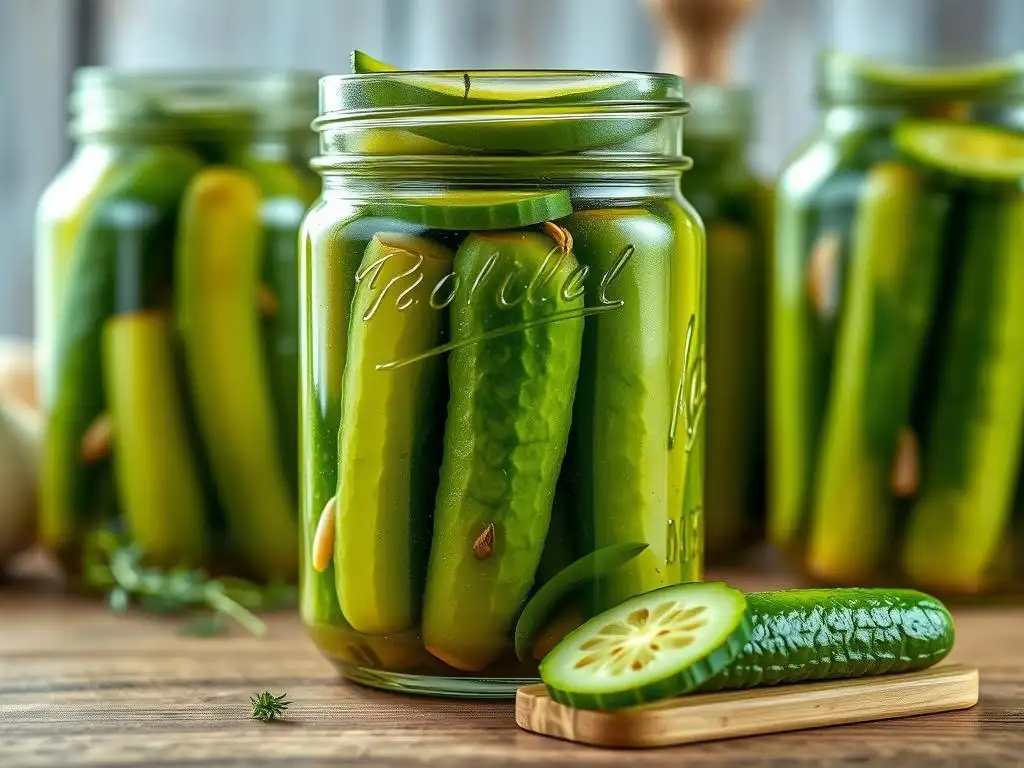
This section delves into more advanced methods for achieving exceptionally crispy pickles, going beyond basic pickling techniques. These methods focus on minimizing enzymatic activity and ensuring optimal brine penetration for prolonged crispness. Remember, even with these advanced techniques, the freshness and quality of your homegrown vegetables significantly impact the final result. Using only the freshest, firmest produce is key to achieving that perfect crunch.
Using Additives Like Calcium Chloride for Enhanced Firmness
Calcium chloride is a food-grade additive that helps maintain the firmness of pickles by strengthening the cell walls of the vegetables. It works by interacting with the pectin in the plant cells, creating a more rigid structure that resists softening. While not strictly necessary, adding calcium chloride can significantly improve the crispness of your pickles, particularly with softer vegetables like cucumbers.
The typical dosage is around 1/2 teaspoon per quart of brine, but always follow the instructions on your specific calcium chloride product. Using too much can lead to a slightly chalky texture, so start with a smaller amount and adjust as needed. Remember to dissolve the calcium chloride completely in a small amount of warm water before adding it to the brine to avoid clumping.
Properly dissolved calcium chloride is essential for even distribution throughout the jar. This ensures that all the vegetables benefit from its firming properties. Improperly dissolved calcium chloride can lead to uneven texture in the finished product.
Many experienced pickle makers swear by this method. They report a noticeable difference in the texture and crunch of their pickles, especially when working with cucumbers that might be slightly less firm than ideal. Some home gardeners even prefer to pre-treat their cucumbers by soaking them in a calcium chloride solution before adding them to the brine. This pre-treatment is especially beneficial for cucumbers harvested during periods of hotter weather.
Utilizing Weighted Jars to Ensure Proper Submersion in Brine
Proper submersion in brine is crucial for preventing spoilage and maintaining crispness. Air pockets exposed to the vegetables can lead to softening and the growth of undesirable bacteria. Weighted jars ensure that all the vegetables remain fully submerged throughout the fermentation and preservation process.
Several methods exist for weighting jars. One common technique involves using clean, glass weights specifically designed for pickling. These weights are available from many home canning supply stores. Alternatively, you can use clean, sterilized glass marbles or even small, clean rocks. Ensure that whatever you use is food-safe and thoroughly cleaned before use. The weight should be sufficient to keep all the vegetables completely submerged, even if some shift during the fermentation process. This is particularly important for larger vegetables or those with irregular shapes.
Remember, you want to avoid using metal weights, as these can react with the brine and potentially affect the flavor or safety of your pickles. The weight should also be heavy enough to counteract any buoyancy the pickles might have, especially during the initial fermentation stages. Regularly checking the jars and readjusting the weights if necessary is a good practice to ensure consistent submersion. This vigilance contributes to the overall success of the pickling process.
Extending the Shelf Life of Your Crispy Pickles
Even with careful preparation and preservation, pickles will eventually lose their crispness and flavor over time. However, several steps can significantly extend their shelf life and maintain their quality for longer. Proper storage is paramount for maintaining the texture and preventing spoilage.
Storing your pickles in a cool, dark, and consistently cold environment is essential. A refrigerator is ideal, maintaining a temperature between 35-40°F (2-4°C). Fluctuations in temperature can negatively impact the pickles' texture and lead to premature spoilage. Avoid storing them near strong-smelling foods that could affect the flavor. The refrigerator's consistent temperature and humidity provide an optimal environment for long-term storage.
Before storing, ensure the jars are completely sealed to prevent air from entering. Examine the seals carefully and replace any jars with compromised seals. Properly sealed jars are crucial for preventing contamination and maintaining the quality of your pickles. Regularly inspect your stored pickles for any signs of spoilage, such as mold growth or unusual odors. Discard any jars showing signs of spoilage to avoid illness. Following these practices will help preserve your crispy pickles for as long as possible, allowing you to enjoy the fruits of your labor for months to come.
Troubleshooting Mushy Pickles
Nobody wants mushy pickles! That satisfying crunch is half the joy of a homemade pickle. This section focuses on diagnosing and fixing this common pickling problem, ensuring your future batches achieve optimal crispness. We'll explore the root causes of mushy pickles, methods for salvaging slightly soft pickles, and preventative measures for consistently crispy results. Mastering these techniques is key to perfecting your crispy pickle preservation methods.
Identifying the Causes of Mushy Pickles
Mushy pickles are almost always the result of enzymatic activity and bacterial growth. These processes break down the cell walls of the cucumbers, leading to that undesirable soft texture. Several factors contribute to this:
- Improper Brining: Insufficient salt concentration in the brine is a major culprit. Salt acts as a preservative, inhibiting bacterial growth and drawing out moisture from the cucumbers, crucial for maintaining crispness. Using too little salt allows bacteria to flourish, leading to fermentation that softens the pickles. A good rule of thumb is to use a brine with a salt concentration of at least 4-5% by weight.
- Insufficient Acidity: The pH level of the brine is critical. A lower pH (more acidic) environment inhibits bacterial growth. Vinegar is crucial in pickling recipes for this reason. Insufficient vinegar or using a vinegar with a low acidity level can lead to mushy pickles. Always check the acidity level of your vinegar before using it.
- Improper Canning Techniques: Incorrectly processed canned pickles are susceptible to spoilage. Improper sealing, insufficient processing time, or inadequate heat can allow bacteria to thrive, leading to spoilage and mushiness. Following canning instructions meticulously is vital for safety and quality.
- Cucumber Variety: Certain cucumber varieties are naturally more prone to softening during pickling than others. Some heirloom varieties, for example, may not hold their crispness as well as modern pickling cucumbers bred for their firmness. Choosing the right cucumber is an important, often overlooked, aspect of crispy pickle preservation methods.
- Temperature Fluctuations: Large temperature swings during fermentation can negatively affect the texture of the pickles. Consistent temperature during the fermentation process helps ensure even fermentation and prevents unexpected softening.
Recovering Slightly Mushy Pickles
While completely mushy pickles are usually beyond saving, slightly soft pickles might be salvaged. The key is to act quickly. Here's how:
- Adjust the Brine: If the pickles are only slightly soft, try adjusting the brine by adding more salt and/or vinegar. This can help to draw out excess moisture and inhibit further softening. Allow the pickles to sit in the adjusted brine for a few days, monitoring their texture.
- Use in Recipes: If the texture is compromised, don't despair! Slightly soft pickles can still be delicious in recipes where texture is less critical. Consider using them in relish, chutneys, or sauces where the softness won't be as noticeable. This is a great way to avoid waste and still enjoy the fruits (or rather, vegetables!) of your labor.
- Quick Pickling Method: If the pickles are not yet overly soft, you might consider a quick pickling method using a more acidic brine. This can help to arrest the softening process and add some flavor.
Preventing Future Mushiness in Your Pickle Making Process
Preventing mushy pickles begins with careful planning and execution. Here are some key strategies for ensuring consistently crisp results with your crispy pickle preservation methods:
- Choose the Right Cucumbers: Select firm, young cucumbers specifically bred for pickling. Avoid cucumbers that are overripe, bruised, or showing signs of decay.
- Use a Precise Recipe: Follow a reliable pickling recipe meticulously, paying close attention to the quantities of salt, vinegar, and other ingredients. Don't deviate from the recipe unless you have considerable pickling experience.
- Maintain Proper Sanitation: Cleanliness is paramount in pickling. Sterilize all jars and equipment before use to prevent bacterial contamination.
- Monitor Fermentation: Regularly check the brine and pickles during fermentation. Note any changes in texture or appearance and adjust accordingly. This proactive approach is crucial for successful crispy pickle preservation methods.
- Proper Storage: Once processed, store your pickles in a cool, dark, and dry place. Fluctuations in temperature can affect the texture and shelf life of the pickles.
By following these guidelines and understanding the science behind pickle preservation, you can consistently achieve perfectly crisp and delicious pickles, year after year. Enjoy the satisfying crunch! 🎉
Frequently Asked Questions
What are the most common causes of mushy pickles?
Mushy pickles are often caused by inadequate brining or improper fermentation. Insufficient salt and incorrect temperature control during fermentation can also lead to undesirable softness.
How can I ensure my pickles stay crisp during the fermentation process?
Using firm, young vegetables is crucial. Proper brining with sufficient salt concentration and maintaining the correct temperature (ideally around 70°F) are key to preventing mushiness. Using weights to keep the pickles submerged in the brine is also important.
What role does vinegar play in preserving pickle crispness?
Vinegar plays a significant role in acidifying the environment, inhibiting microbial growth that can cause softening. It also contributes to the overall flavor of the pickles.
Are there specific types of cucumbers best suited for crisp pickles?
Yes, pickling cucumbers are specifically bred for their firm texture and high salt tolerance, making them ideal for crisp pickles. Avoid using slicing cucumbers, as they tend to become mushy.
Can I use alternative methods besides fermentation for crispy pickles?
Yes, quick pickling methods using a vinegar-based brine can also produce crisp pickles. This method involves boiling the brine and then packing the pickles in sterilized jars. This process is faster than fermentation, but may not result in the same tangy flavor.
Final Reflection: The Enduring Crunch: A Legacy of Crisp Pickles
The quest for the perfect, crisp pickle transcends mere culinary preference; it's a testament to our enduring desire to preserve the bounty of nature in its most vibrant form. The methods detailed in this article – from careful selection of cucumbers to precise brine management – represent not just recipes, but a connection to generations past who valued the art of preservation. This isn't just about crunchy pickles; it's about savoring the fruits (or vegetables!) of our labor and connecting with a timeless tradition.
The satisfying crunch of a perfectly preserved pickle is more than a textural delight; it's a symbol of resourcefulness, patience, and the enduring human desire to connect with the land and its gifts. The best things in life are simple, but not always easy.
This quote perfectly encapsulates the journey of pickle preservation – a seemingly simple process that requires attention to detail and a deep appreciation for the natural world. The subtle nuances of each step, from the careful selection of cucumbers to the precise timing of fermentation, contribute to the final, rewarding crunch.
Now, consider your own approach to preservation, whether it's pickles, jams, or other cherished family recipes. What traditions do you hold dear? What methods have you perfected, and what lessons have you learned along the way? I encourage you to embrace the challenge of creating your own crisp, vibrant pickles, not just for the delicious result, but for the journey of connection, patience, and mindful preservation it represents. Let the satisfying crunch be a reminder of the rewards that come from honoring tradition and embracing the simple pleasures of life.
Unlock the Secret to Perfectly Crisp Pickles!
Thanks for learning how to avoid mushy pickles! You now have the knowledge to create consistently crunchy, delicious pickles. Ready to try out your new skills?
- Make your crispiest pickles yet! Put your knowledge to the test by trying one of the recipes in this article, adjusting the spice level to your preference.
- Share your pickle-making experience! Tell us about your successes (and any funny mishaps!) in the comments below. We love hearing from our community.
- Explore our other preserving guides to expand your culinary skills and experiment with new recipes.
What unique ingredient will you add to your next batch of pickles to enhance the flavor?