
The Raised Bed Gardener's Guide: Harvesting Vegetables in Raised Beds

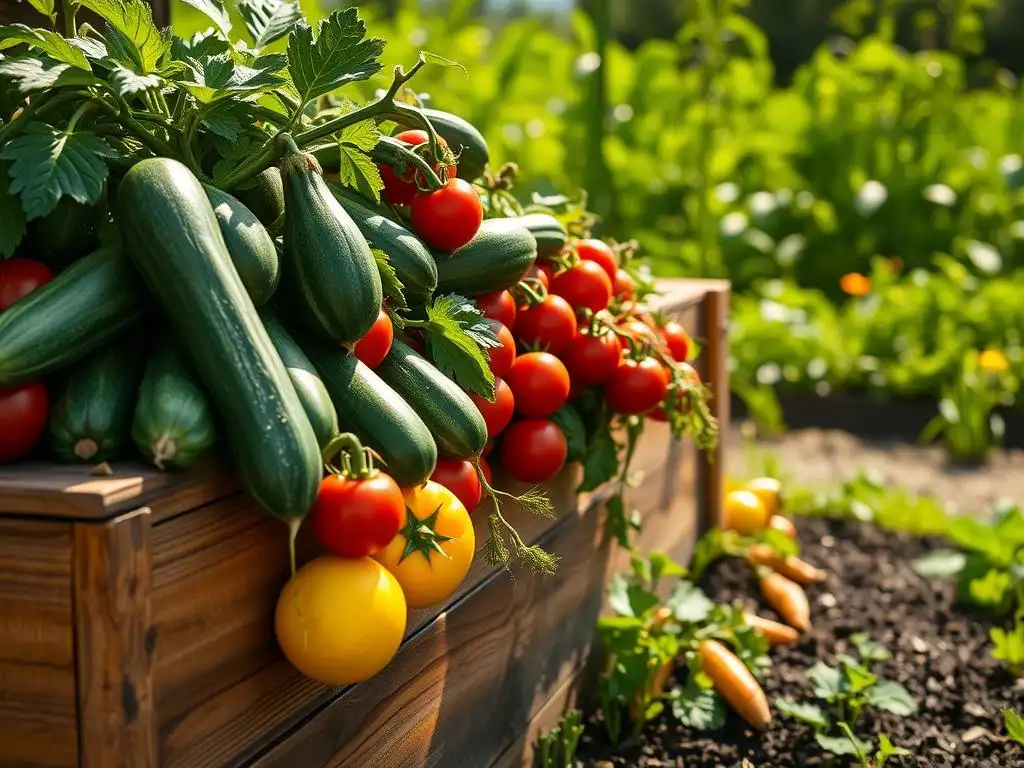
Ready to unlock the secrets of a bountiful harvest? At CultivateYourFood, we empower you to grow your own delicious fruits, vegetables, and herbs using sustainable methods. This guide dives deep into the art of harvesting vegetables raised beds, offering expert tips and techniques to maximize your yield and enjoy the freshest produce imaginable. Discover the perfect timing, optimal harvesting methods, and post-harvest care—all to ensure your hard work results in a truly rewarding experience. Let's get started!
- Understanding the Optimal Harvest Time for Raised Bed Vegetables
- Harvesting Techniques for Raised Bed Vegetables
- Common Raised Bed Vegetables and Their Harvest Times
- Harvesting Tomatoes in Raised Beds: A Step-by-Step Guide
- Harvesting Leafy Greens from Raised Beds: Tips and Tricks
- Harvesting Root Vegetables from Raised Beds: Avoiding Damage
- Post-Harvest Care for Raised Bed Vegetables
- Troubleshooting Common Harvesting Challenges in Raised Beds
- Planning Your Next Raised Bed Vegetable Harvest
- Frequently Asked Questions
- Final Reflection: Reaping the Rewards of Raised Bed Gardening
- Unleash Your Inner Harvest Master!
Understanding the Optimal Harvest Time for Raised Bed Vegetables
Harvesting vegetables at their peak ripeness is crucial for maximizing flavor, nutritional value, and overall gardening success. This guide focuses specifically on harvesting vegetables grown in raised beds, a popular gardening method offering numerous advantages, including improved soil drainage and easier access for planting and harvesting.
We'll explore how to identify the optimal harvest time for various vegetables, considering the unique characteristics of raised bed gardening. Knowing when to harvest is not just about getting the biggest yield; it's about ensuring your vegetables are at their tastiest and most nutritious, rewarding your efforts with a bountiful harvest that truly delights.
This guide will equip you with the knowledge and skills to time your harvests perfectly, ensuring you reap the rewards of your hard work in the raised bed garden. Let's delve into the specifics of recognizing maturity signs, optimizing harvest timing for peak quality, and understanding how raised bed gardening itself impacts the harvest schedule.
Recognizing Maturity Signs in Different Vegetables
Identifying the optimal harvest time varies significantly depending on the vegetable type. Some vegetables are ready for harvest when they reach a specific size, while others exhibit color changes or other visual cues. Here's a breakdown of maturity signs for some common raised bed vegetables:
- Leafy Greens (Lettuce, Spinach, Kale): Harvest these when the leaves are fully developed but still tender. Avoid waiting until the leaves become tough or bitter. You can harvest individual leaves as needed or cut the entire plant at ground level for a single harvest. 🥬
- Root Vegetables (Carrots, Beets, Radishes): These are typically ready when they reach the desired size, which varies depending on the variety. Gently pull or dig up a few to check their size and maturity. 🥕
- Tomatoes: The color is a key indicator. Harvest tomatoes when they are fully colored and slightly soft to the touch. 🍅 Avoid harvesting green tomatoes unless you plan on allowing them to ripen indoors.
- Cucumbers: Cucumbers are ready for harvest when they are firm and have reached the desired size and shape for their variety. Check for a deep green color and a smooth skin. 🥒
- Peppers: Peppers are ready when they have reached their mature color, which varies depending on the type. Bell peppers will typically change from green to red, yellow, or orange. 🌶️
- Squash (Summer & Winter): Summer squash is harvested when young and tender, while winter squash is harvested after the skin has hardened and the color is fully developed. The best indicator for winter squash is a hard rind. 🎃
Understanding these specific cues is essential for harvesting vegetables at their peak, ensuring the best possible taste and nutritional content from your raised bed garden. Regular monitoring and gentle handling are key to a successful harvest.
Timing Your Harvest for Maximum Flavor and Nutrition
The timing of your harvest significantly impacts the flavor and nutritional content of your vegetables. Harvesting too early can result in bland or underdeveloped vegetables, while harvesting too late can lead to tough, fibrous, or bitter produce. Optimal harvest timing maximizes nutrient density and sweetness. Consider these factors:
- Sunlight: Sufficient sunlight is crucial for optimal flavor and nutrient development. Raised beds, with their improved drainage and sunlight exposure, often yield vegetables with enhanced flavor compared to in-ground gardening.
- Soil Conditions: Well-drained soil in raised beds promotes healthy root development, contributing to better flavor and nutrient uptake. Regular soil testing and amending can further enhance the quality of your harvest.
- Watering: Consistent watering is vital, but avoid overwatering, which can dilute the flavor and nutrients. Proper watering practices contribute significantly to the overall quality of your harvest.
- Variety Selection: Choosing varieties suitable for your climate and growing conditions is key. Select varieties known for their excellent taste and nutritional value.
The Impact of Raised Bed Gardening on Harvest Timing
Raised bed gardening can subtly influence the timing of your harvest. The improved drainage and soil warming effect of raised beds often leads to slightly earlier harvests for some vegetables. However, the impact varies depending on several factors:
- Bed Material: The material used to construct the raised bed (wood, stone, etc.) can affect soil temperature and moisture retention, influencing harvest timing.
- Soil Composition: The type of soil used in the raised bed directly influences plant growth and maturity.
- Climate: Your local climate significantly affects plant growth rates, regardless of the gardening method.
- Sunlight Exposure: The amount of sunlight the raised bed receives directly impacts the growth rate and the timing of harvest.
While raised beds might accelerate the harvest for some vegetables, careful monitoring and understanding of the specific maturity signs remain crucial for achieving the best possible harvest. Remember to always check for maturity indicators regardless of the gardening method.
Harvesting Techniques for Raised Bed Vegetables
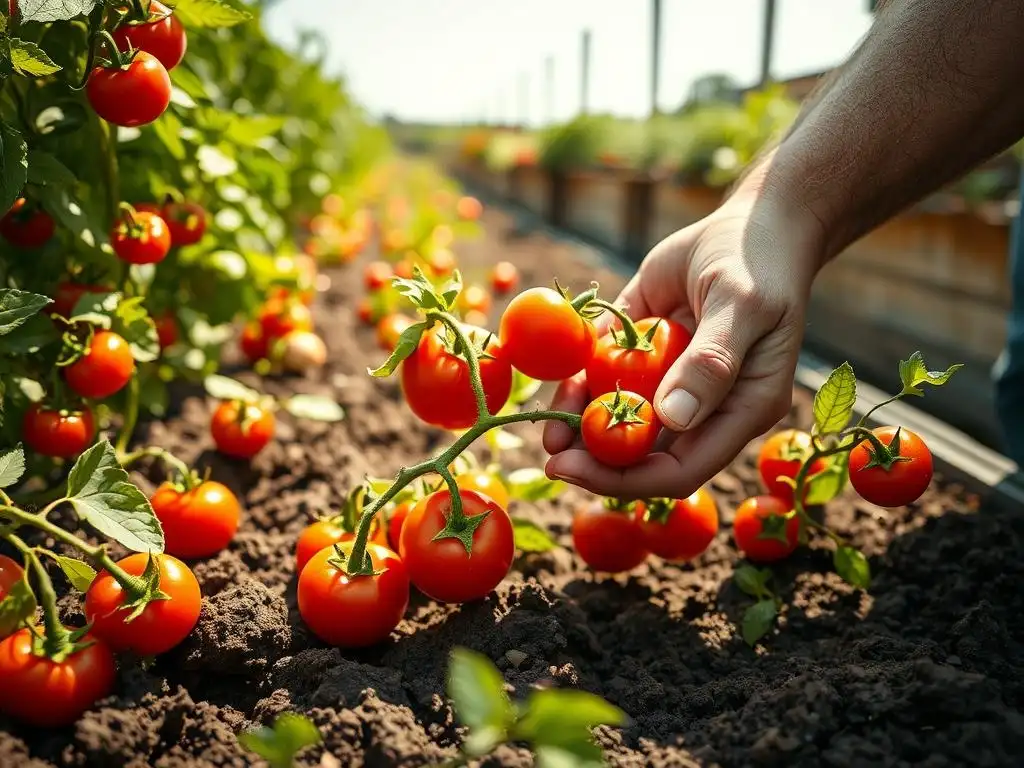
This section delves into the best practices for harvesting vegetables from your raised beds, ensuring maximum yield and minimal plant damage. Remember, gentle harvesting is key to prolonging the productive life of your plants and encouraging future growth. Mastering these techniques will significantly impact the overall success of your raised bed gardening endeavors. Proper harvesting is crucial for maximizing your yield of delicious and nutritious homegrown vegetables.
Gentle Harvesting Methods to Protect Your Plants
Harvesting vegetables from raised beds requires a delicate touch. Rough handling can damage plants, reducing future yields and potentially introducing diseases. Here's a breakdown of gentle harvesting techniques:
- Use sharp tools: A sharp knife or pruners make clean cuts, preventing tearing and bruising. Dull tools crush plant tissue, opening pathways for pathogens.
- Harvest in the morning: Morning harvesting, after the dew has dried, allows plants to recover more quickly from the stress of harvesting. The cooler temperatures also reduce wilting.
- Support the plant: When harvesting larger vegetables like tomatoes or squash, support the plant with one hand to avoid pulling or damaging the stem or roots.
- Avoid over-harvesting: Don't strip the plant bare. Leave enough leaves and foliage for continued photosynthesis and growth. This ensures a longer harvest period.
- Cut, don't pull: Whenever possible, use a sharp knife or pruners to cut vegetables at their base. This minimizes stress on the plant and reduces the risk of disease. Pulling can damage the root system.
- Handle with care: Gently place harvested vegetables into containers to avoid bruising or damage. Avoid piling vegetables on top of each other.
Tools and Equipment for Harvesting Raised Bed Vegetables
The right tools can make harvesting easier and more efficient while minimizing damage to your plants. Here are some essential tools for harvesting vegetables from raised beds:
| Tool | Description | Use Cases |
|---|---|---|
| Sharp knife or pruners | Essential for clean cuts, preventing damage and disease. | Tomatoes, peppers, herbs, beans, zucchini, squash |
| Garden trowel | Useful for harvesting root vegetables and delicate plants. | Carrots, radishes, beets, small herbs |
| Harvesting shears | Designed for cutting stems and branches, ideal for larger plants. | Tomatoes, cucumbers, melons |
| Small hand basket or bucket | Provides a gentle way to collect harvested vegetables, minimizing bruising. | All vegetables |
| Gloves | Protect your hands from thorns, dirt, and potential irritants. | Handling thorny plants like raspberries or working in potentially dirty soil |
Harvesting Vegetables at Different Growth Stages
The optimal time for harvesting varies greatly depending on the vegetable. Knowing the ideal stage is crucial for flavor, texture, and nutritional value. Here's a look at a few examples:
- Leafy Greens (Lettuce, Spinach): Harvest when leaves are fully developed but before they become tough or bitter. You can harvest individual leaves or cut the entire plant at the base. Successive harvesting encourages new growth. 🥬
- Root Vegetables (Carrots, Beets): Harvest when roots reach their mature size. Generally, this is indicated by the tops wilting slightly. Use a garden trowel to carefully lift the roots from the soil, minimizing damage. 🥕
- Vining Vegetables (Cucumbers, Squash): Harvest when fruits are young and tender. Overripe fruits can be tough and lack flavor. Regular harvesting encourages the plant to produce more fruit. 🥒
- Tomatoes: Harvest tomatoes when they are fully colored and slightly soft to the touch. Avoid harvesting green tomatoes unless you plan to ripen them indoors. 🍅
- Peppers: Harvest peppers when they reach their mature color. The color will vary depending on the pepper variety. Use sharp pruners for a clean cut, avoiding damaging the plant. 🫑
Remember that careful observation and attention to detail are key to successful harvesting. By following these techniques, you'll maximize your yield and enjoy the fruits (and vegetables!) of your labor!
Common Raised Bed Vegetables and Their Harvest Times
Understanding the optimal harvest time for your vegetables is crucial for maximizing flavor and yield. Different vegetables have different maturity periods, and raised bed gardening, while offering many advantages, requires careful attention to these timelines. This section provides a general guideline for several popular raised bed vegetables. Remember that specific harvest times can vary slightly depending on factors like variety, climate, and soil conditions. Always refer to the seed packet or plant tag for specific recommendations.
| Vegetable | Approximate Harvest Time (from planting) | Harvesting Notes |
|---|---|---|
| Tomatoes | 60-80 days | Harvest when fully colored and slightly soft to the touch. |
| Lettuce | 40-60 days | Harvest outer leaves as needed, or cut the entire head at maturity. |
| Spinach | 40-50 days | Harvest when leaves are fully developed but before they become too large or bitter. |
| Carrots | 70-80 days | Harvest when the roots are fully developed and the tops are still green. |
| Zucchini/Summer Squash | 50-60 days | Harvest when fruits are young and tender, usually 6-8 inches long. |
| Peppers | 70-90 days | Harvest when peppers have reached their characteristic color and are firm. |
| Beans (Bush) | 50-60 days | Harvest when pods are plump and firm, before they become dry and hard. |
| Cucumbers | 55-70 days | Harvest when cucumbers are firm and have reached the desired size. |
This table provides a general overview; however, meticulous observation of your plants is key to successful harvesting. Factors like weather patterns can significantly influence the harvest time. For instance, an unusually hot summer might accelerate the ripening process, while a cooler season might delay it. Regular monitoring of your raised beds, paying close attention to plant growth and development, is crucial for optimal harvesting. 🌱
Harvesting Tomatoes in Raised Beds: A Step-by-Step Guide
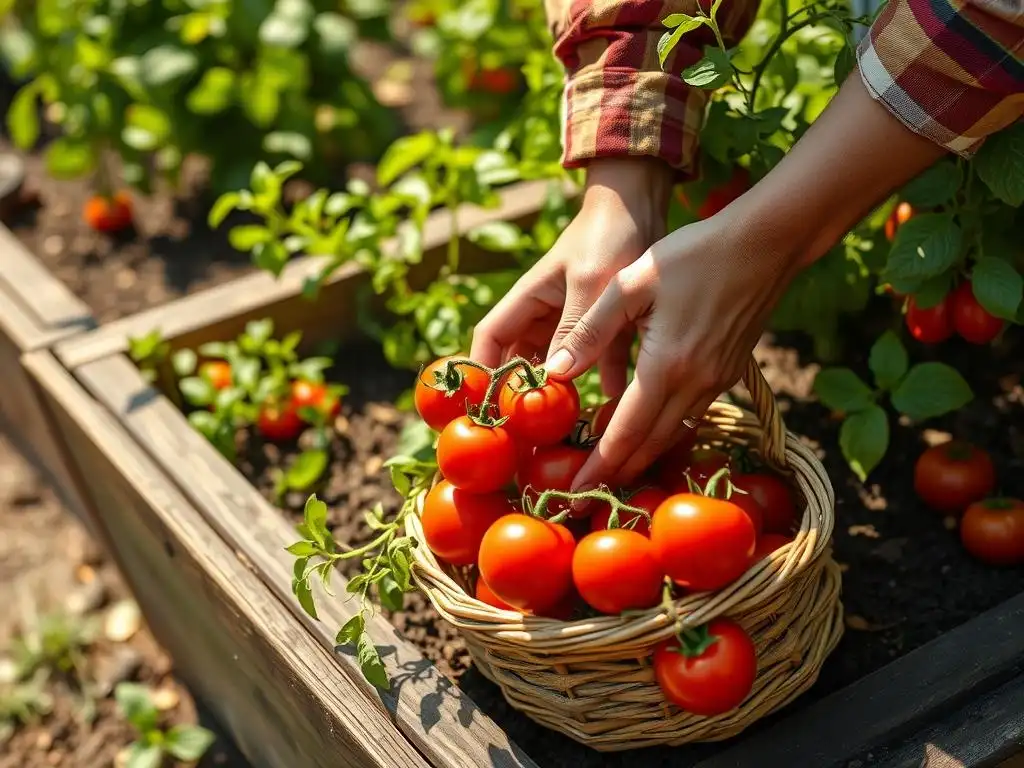
Tomatoes are a rewarding crop for raised bed gardeners, offering a delicious harvest with proper care. Knowing when and how to harvest tomatoes ensures you get the best flavor and quality.
Assessing Tomato Ripeness
The key to harvesting tomatoes is assessing their ripeness. Under-ripe tomatoes lack flavor and sweetness, while over-ripe tomatoes can be mushy and prone to splitting. Look for these signs of ripeness:
- Color: The color should be deep red (for red varieties), or the characteristic color for other varieties (yellow, orange, etc.). A slight blush of color is a good indicator that the tomato is approaching ripeness.
- Firmness: Gently squeeze the tomato. It should yield slightly to gentle pressure but not be soft or mushy.
- Aroma: Ripe tomatoes have a sweet, slightly tangy aroma.
Harvesting Techniques
- Gentle Handling: Always handle tomatoes gently to avoid bruising. Use pruning shears or a sharp knife to cut the tomato from the vine, leaving a small stem attached. Pulling tomatoes off the vine can damage the plant and increase the risk of disease.
- Regular Harvesting: Harvest tomatoes regularly, ideally every 2-3 days, to allow the plant to continue producing fruit. This prevents over-ripening and ensures a continuous supply of ripe tomatoes.
- Sorting and Storage: After harvesting, gently sort the tomatoes according to ripeness. Store ripe tomatoes at room temperature for a few days, or refrigerate them to prolong their shelf life. Under-ripe tomatoes can be stored at room temperature to ripen further.
Harvesting Leafy Greens from Raised Beds: Tips and Tricks
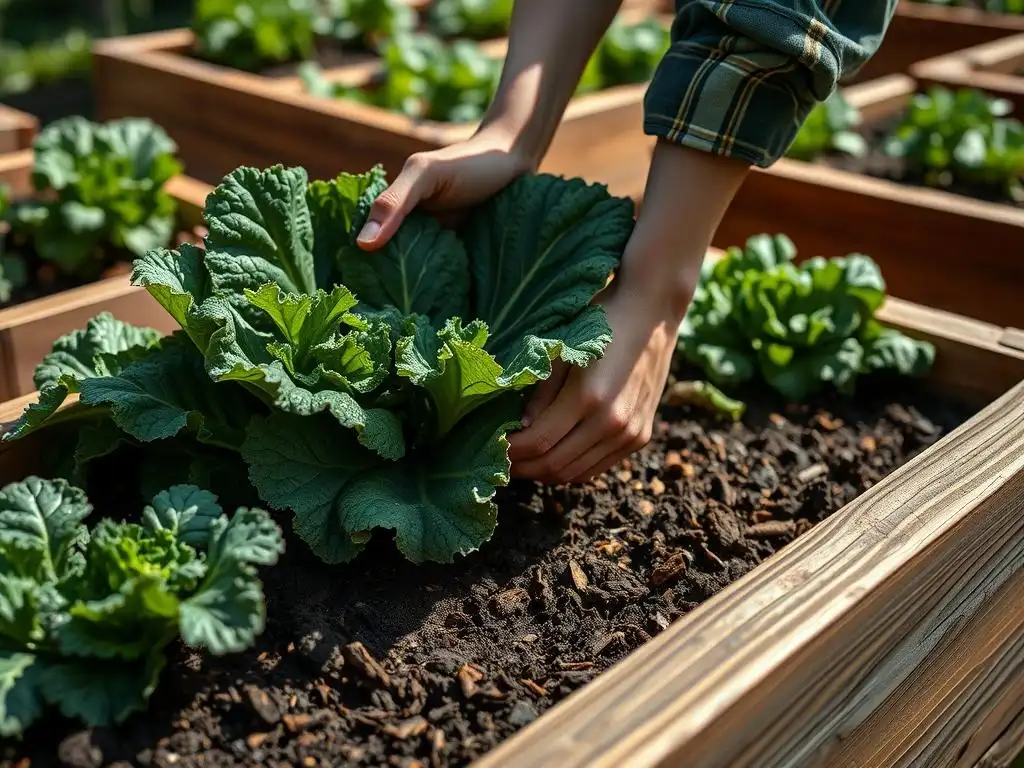
Leafy greens like lettuce, spinach, and kale offer a continuous harvest in raised beds. The key is to harvest selectively and avoid damaging the plants.
Harvesting Methods for Leafy Greens
- Successive Harvesting: For crops like lettuce and spinach, you can harvest outer leaves as they mature. This allows the plant to continue growing and producing new leaves. Simply cut or snap off the outer leaves, leaving the inner leaves to continue growing. This method extends the harvest period significantly.
- Whole Head Harvesting: Once the entire head of lettuce or other leafy green is mature, you can harvest the whole head by cutting it at the base with a sharp knife. Ensure to leave some roots for the next generation of plants.
- Cut-and-Come-Again Method: Some leafy greens, like kale and chard, can be harvested using the "cut-and-come-again" method. This involves cutting the leaves back to the crown of the plant. The plant will then regrow new leaves, providing a second, or even third, harvest.
Maintaining Plant Health After Harvesting
After harvesting, remove any damaged or diseased leaves. Water the plants thoroughly, and fertilize as needed to encourage new growth. Mulching around the plants helps retain moisture and suppress weeds. Proper care after harvesting is crucial for maximizing the yields of your leafy greens. Remember that consistent harvesting promotes vigorous growth and prevents the plants from bolting (going to seed).
Harvesting Root Vegetables from Raised Beds: Avoiding Damage
Harvesting root vegetables like carrots, beets, and radishes requires a gentle touch to avoid damaging the delicate roots.
Timing is Key: Knowing When to Harvest
The ideal time to harvest root vegetables is when they have reached their mature size and shape, but before they become woody or tough. Check the seed packet or plant tag for specific maturity times. Generally, you can gently tug on the tops of the plants—if they come out easily, the roots are likely ready for harvest.
Techniques for Harvesting Root Vegetables
- Using a Garden Fork: A garden fork is ideal for harvesting root vegetables. Insert the tines carefully into the soil around the plant, gently loosening the soil and lifting the root out. Avoid piercing the root itself.
- Careful Excavation: For larger root vegetables, you may need to carefully excavate the soil around the plant with your hands. Work gently to avoid breaking the roots.
- Post-Harvest Handling: Once harvested, gently brush off any excess soil. Store root vegetables in a cool, dark, and well-ventilated area. Avoid storing them in plastic bags, as this can lead to rot.
Preventing Root Damage During Harvesting
To minimize damage, use a garden fork instead of a shovel. The tines of a garden fork allow you to loosen the soil more gently than a shovel, which can easily crush the roots. Harvest on a day when the soil is moist but not waterlogged. Moist soil is easier to work with and reduces the risk of breakage. Harvesting on a dry day is far less ideal. Always handle the vegetables carefully to avoid bruising or damaging the roots. Proper handling ensures a longer shelf life for your root vegetables.
Harvesting Peppers and Other Warm-Season Crops from Raised Beds
Peppers, a staple of many raised bed gardens, require careful attention to harvesting for optimal flavor and yield. Knowing when to pick your peppers depends largely on the variety and your desired level of ripeness. Generally, bell peppers are ready for harvest when they've reached their full size and exhibit their characteristic vibrant color – green for green bell peppers, red for red bell peppers, and so on. However, you can harvest them earlier if you prefer a milder flavor; they'll simply be less sweet.
Sweet peppers harvested at the green stage are often used for pickling. Hot peppers, on the other hand, tend to develop their full heat as they ripen, so waiting for full color is generally recommended for maximum pungency. Always wear gloves when handling hot peppers, as the capsaicin oils can irritate your skin.
Beyond peppers, many warm-season crops thrive in raised beds and demand careful timing for harvesting. Eggplants, for instance, are ready to harvest when they’ve reached their mature size and have developed a glossy, deep purple skin (or whatever color is characteristic of your variety). Avoid harvesting them too early, as immature eggplants will be bitter and lack flavor. Similarly, tomatoes, another popular raised bed vegetable, should be harvested when they are fully colored and slightly soft to the touch.
The ideal time to harvest tomatoes is often early in the morning before the heat of the day, minimizing the risk of damage. Different tomato varieties will have different ripening times, some much quicker than others. Keep a close eye on your plants to gauge their readiness.
Squash, including zucchini and summer squash, is usually harvested young and tender. These are typically ready when they reach a size of around 6-8 inches in length, depending on the variety. Larger squash will often be tougher and less flavorful. However, the optimal size and harvest time can also depend on the specific variety; some heirloom varieties might reach a much larger size before harvest. Always check the seed packet or plant tag for specific recommendations.
Remember that consistent watering and fertilization are key to maximizing the yield and quality of your warm-season crops. Regular monitoring for pests and diseases is also crucial. By following these simple guidelines and paying attention to the specific needs of each plant, you can ensure a bountiful and flavorful harvest from your raised bed garden. Happy harvesting! 🫑🍅🌶️🍆
Post-Harvest Care for Raised Bed Vegetables
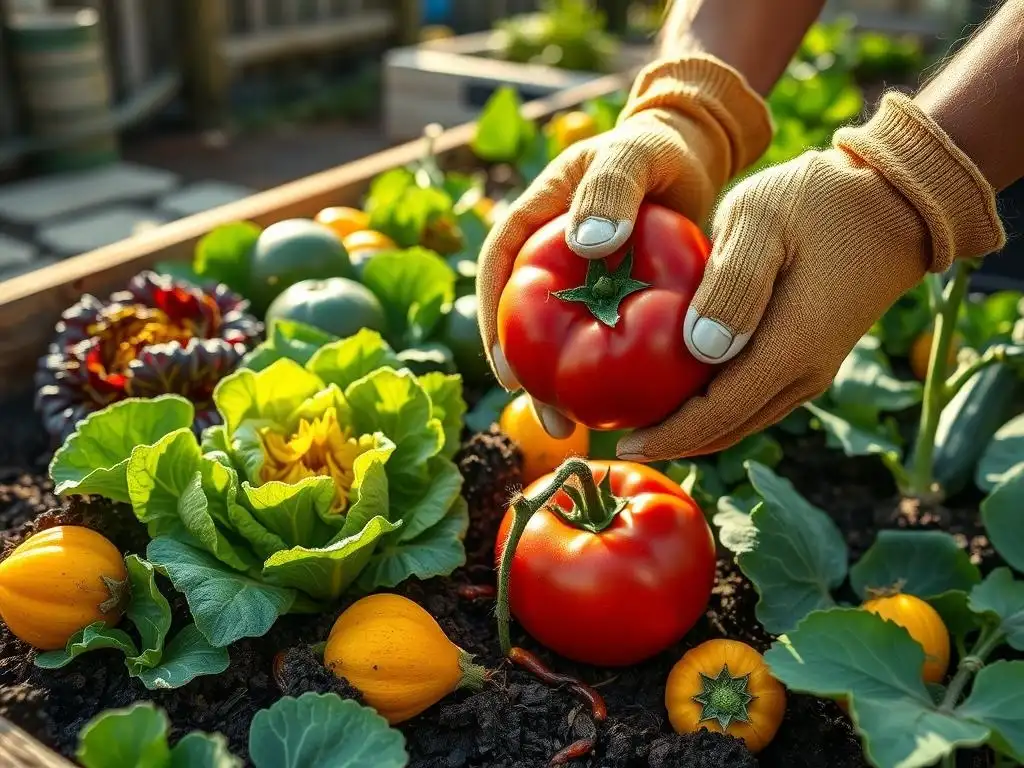
Harvesting vegetables from your raised beds is only half the battle. Proper post-harvest care significantly impacts the quality and longevity of your hard-earned produce. Neglecting this crucial step can lead to rapid spoilage and wasted effort. This section focuses on best practices to ensure your harvested vegetables remain fresh and flavorful for as long as possible. We'll cover cleaning, storage, and techniques to extend their shelf life, maximizing the rewards of your sustainable gardening efforts.
Proper Cleaning and Storage of Harvested Vegetables
Cleaning your harvested vegetables immediately after picking is paramount. Dirt, insects, and other debris can harbor bacteria and accelerate decay. Gentle rinsing under cool running water is usually sufficient. For delicate greens like lettuce or spinach, a quick dip in a bowl of cool water may be preferable to prevent damage. Thoroughly inspect each vegetable for any signs of pest damage or disease before cleaning. Discard any visibly affected produce.
After cleaning, proper storage is essential. Avoid storing vegetables in plastic bags, as this can trap moisture and promote rot. Instead, opt for breathable containers like mesh bags, or open baskets lined with paper towels. Store vegetables in a cool, dark, and well-ventilated area. Temperature control is critical; most vegetables thrive in temperatures between 34-40°F (1-4°C). A refrigerator's crisper drawer is ideal for many vegetables, although some, like tomatoes, are better stored at room temperature.
Here's a table summarizing optimal storage conditions for some common raised bed vegetables:
| Vegetable | Storage Temperature (°C) | Storage Method | Shelf Life (approx.) |
|---|---|---|---|
| Lettuce | 0-4 | Loosely wrapped in paper towels | 3-5 days |
| Tomatoes | 10-15 | Room temperature, away from sunlight | 3-7 days |
| Carrots | 0-4 | Plastic bag with holes, or in a container with damp paper towels | 2-3 weeks |
| Green Beans | 0-4 | In a container with damp paper towels | 3-5 days |
| Zucchini | 0-4 | In a container with damp paper towels | 3-5 days |
Remember, proper cleaning and storage are key to maximizing the shelf life and minimizing food waste from your raised bed garden. Regularly check your stored vegetables for any signs of spoilage and discard any damaged items promptly to prevent the spread of rot to other produce. This meticulous approach ensures you enjoy the freshest, most delicious harvest possible.
Extending the Shelf Life of Your Raised Bed Vegetables
While proper cleaning and storage significantly impact shelf life, additional techniques can further extend the freshness of your raised bed vegetables. These methods focus on slowing down the natural processes that lead to spoilage, such as enzymatic activity and microbial growth.
One effective method is blanching. This involves briefly boiling vegetables in hot water, then immediately plunging them into an ice bath. Blanching deactivates enzymes that contribute to spoilage, extending the shelf life of vegetables like green beans and peas considerably. Remember to follow specific blanching times for different vegetables to avoid overcooking.
Another valuable technique is proper drying. For leafy greens, gently pat them dry with paper towels before storage to remove excess moisture. Similarly, root vegetables benefit from thorough drying before storage to prevent rot.
Freezing is a fantastic option for preserving a surplus harvest. Blanching before freezing is highly recommended to maintain color, texture, and nutritional value. Properly packaged and frozen vegetables can last for several months, providing a delicious supply even outside of the growing season. Remember to label and date your frozen vegetables for easy identification and optimal freshness.
Finally, consider preserving your harvest through methods like canning or pickling. These techniques extend the shelf life significantly, allowing you to enjoy your homegrown vegetables year-round. However, it's crucial to follow proper food safety guidelines when canning or pickling to prevent botulism and other foodborne illnesses. These methods are a great way to add variety and flavor to your culinary experiences, all while minimizing food waste.
The abundance from your raised beds can be enjoyed long after the harvest season ends. This comprehensive approach to post-harvest care ensures that the fruits (and vegetables!) of your labor are enjoyed to the fullest.
Troubleshooting Common Harvesting Challenges in Raised Beds
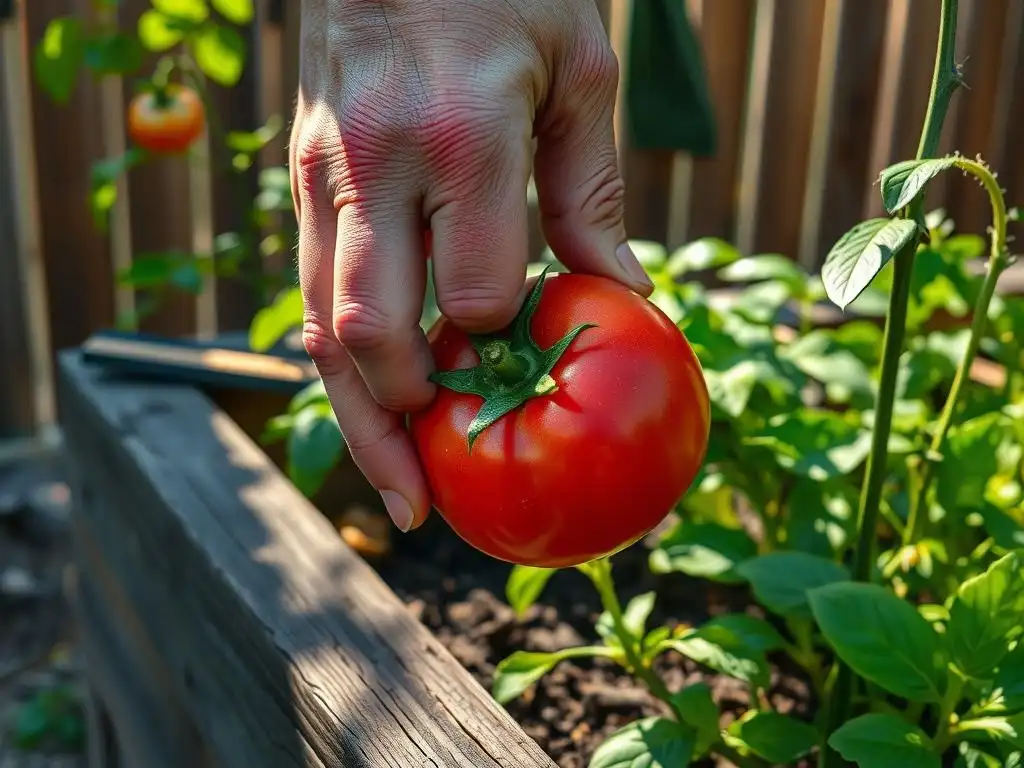
Harvesting vegetables from raised beds offers numerous advantages, but it also presents unique challenges. Successfully harvesting your bounty requires vigilance and proactive measures to address potential problems. This section focuses on common issues and provides practical solutions to ensure a bountiful and healthy harvest. Optimizing your harvesting techniques for "harvesting vegetables raised beds" will improve your yields and the overall quality of your produce.
Dealing with Pests and Diseases During Harvest
Pests and diseases can significantly impact the quality and quantity of your harvest. Regular monitoring is crucial for early detection and intervention. Signs of infestation or disease can include wilting leaves, discoloration, holes in leaves or fruits, and the presence of insects or fungal growth.
Effective pest and disease management starts long before harvest. Implementing preventative measures such as companion planting (e.g., planting marigolds to repel nematodes), crop rotation, and maintaining good garden hygiene are essential. However, even with these precautions, some pests and diseases may still appear.
Here's a breakdown of common issues and solutions:
- Aphids: These tiny insects suck sap from plants, causing stunted growth and leaf curling. Control them using insecticidal soap or by introducing beneficial insects like ladybugs. Regularly inspect plants, especially young seedlings, for aphid infestations.
- Fungal Diseases (e.g., powdery mildew, blight): These diseases thrive in humid conditions. Ensure adequate spacing between plants to promote good air circulation. Remove infected leaves promptly and consider using organic fungicides like neem oil. Proper watering techniques, avoiding overhead watering, are also key to preventing fungal growth.
- Caterpillars and other chewing insects: These pests can cause significant damage to leaves and fruits. Handpicking is an effective method for small infestations. For larger infestations, consider using Bacillus thuringiensis (Bt), a naturally occurring bacterium that is toxic to caterpillars. Row covers can protect vulnerable plants.
Remember to always identify the specific pest or disease before applying any treatment. Using the wrong method can harm beneficial insects or even your plants themselves. Organic methods are preferred for maintaining the health of your soil and protecting pollinators. Careful observation and timely intervention are key to minimizing the impact of pests and diseases on your harvest.
Preventing Damage During Harvesting
Careful harvesting techniques are essential to prevent damage to both the harvested vegetables and the remaining plants. Rough handling can bruise fruits and vegetables, reducing their shelf life and market value. Furthermore, improper harvesting can stress the plant, impacting future yields.
Here are some tips for minimizing damage during harvesting:
- Use sharp tools: A sharp knife or harvesting shears make clean cuts, minimizing damage to the plant. Avoid pulling or yanking vegetables from the ground.
- Harvest at the right time: Harvest vegetables at their peak ripeness to ensure optimal flavor and quality. Check your vegetable's specific harvesting guidelines for optimal timing. Overripe vegetables are more susceptible to damage and decay.
- Handle gently: Once harvested, handle vegetables gently to avoid bruising. Use appropriate containers to transport them to prevent damage during movement.
- Support mature plants: As plants mature, they may become heavy and prone to damage. Provide support using stakes or cages to prevent breakage during harvesting. This is particularly important for vining plants like cucumbers and tomatoes.
- Avoid harvesting in wet conditions: Wet plants are more fragile and susceptible to damage. Harvest in dry conditions to minimize bruising and disease spread.
Addressing Uneven Growth in Raised Bed Vegetables
Uneven growth in raised beds can stem from various factors, including inconsistent watering, nutrient deficiencies, pest infestations, or poor soil conditions. Addressing these issues is crucial for maximizing yields and ensuring a consistent harvest.
Several strategies can promote even growth:
- Consistent watering: Maintain consistent soil moisture by implementing a regular watering schedule tailored to your specific climate and plant needs. Avoid both overwatering and underwatering, which can both lead to uneven growth. Drip irrigation or soaker hoses are ideal for even moisture distribution.
- Soil testing and fertilization: Regular soil testing helps identify nutrient deficiencies that may be hindering growth. Amend the soil with appropriate organic fertilizers or compost to correct imbalances and promote even growth. Consider using a balanced fertilizer to provide all essential nutrients.
- Sunlight exposure: Ensure all plants receive adequate sunlight. Rotate plants regularly to ensure fair access to sunlight. Taller plants may shade smaller ones, leading to uneven growth.
- Pest and disease management: Address any pest or disease issues promptly to prevent them from impacting plant growth and yield. Early intervention is crucial to prevent significant damage.
- Spacing: Ensure adequate spacing between plants to allow for proper air circulation and prevent overcrowding. Overcrowding can lead to competition for resources, resulting in uneven growth.
By carefully addressing these common challenges, you can significantly improve the success of your raised bed vegetable gardening endeavors and enjoy a consistently abundant and healthy harvest. Remember that consistent observation and proactive management are key to maximizing your yields and achieving your "harvesting vegetables raised beds" goals.
Planning Your Next Raised Bed Vegetable Harvest
Harvesting vegetables from raised beds offers numerous advantages, including improved soil drainage, easier access for weeding and harvesting, and enhanced control over soil composition. Successfully planning your next harvest hinges on understanding the specific needs of your crops and meticulous record-keeping. This section focuses on strategies to maximize yield and efficiency in your raised bed garden.
Rotating Crops for Optimal Harvest Yields
Crop rotation is a cornerstone of sustainable gardening, crucial for maximizing yields in raised beds and minimizing pest and disease pressure. By strategically rotating different plant families, you disrupt the lifecycle of soilborne pathogens and pests that may target specific vegetables. For example, tomatoes (nightshades) are susceptible to certain fungal diseases. Planting a non-nightshade family, like legumes (beans, peas), in the same bed the following season helps break the disease cycle.
This table illustrates a simple three-year crop rotation plan for a raised bed:
| Year | Bed 1 | Bed 2 | Bed 3 |
|---|---|---|---|
| 1 | Tomatoes | Legumes | Leafy Greens |
| 2 | Leafy Greens | Tomatoes | Legumes |
| 3 | Legumes | Leafy Greens | Tomatoes |
Remember to consider the nutrient needs of each plant family. Legumes, for instance, are nitrogen-fixing, enriching the soil for subsequent crops. Heavy feeders, like tomatoes, benefit from the improved soil conditions left by legumes. Careful planning ensures a healthy and productive garden year after year. Ignoring crop rotation can lead to decreased yields and increased pest problems, ultimately impacting the overall success of your "harvesting vegetables raised beds" efforts.
Preparing Your Raised Beds for the Next Planting Season
Once the harvest is complete, preparing your raised beds for the next planting season is critical for continued success. This involves several key steps to ensure optimal soil conditions and maximize yields for your next round of vegetable cultivation. Neglecting this crucial step can lead to reduced yields and increased pest and disease problems in subsequent seasons.
The process begins with thorough cleaning. Remove all remaining plant debris, including stems, leaves, and roots. This prevents the build-up of diseases and pests that could overwinter in the soil. Then, enrich the soil with compost or other organic matter. Compost adds essential nutrients, improves soil structure, and enhances water retention. The amount of compost needed depends on your soil's existing condition; a soil test can help determine the appropriate amount.
Next, consider adding other soil amendments. Depending on your soil's pH level and nutrient deficiencies, you may need to incorporate materials such as lime (to raise pH) or fertilizer (to supplement nutrients). This step is crucial for ensuring your raised beds have the optimal conditions for the next planting season. Proper soil preparation is a key component of successful "harvesting vegetables raised beds," leading to healthier plants and larger yields. Don't forget to loosen the soil to improve aeration and drainage before replanting.
A well-prepared bed is the foundation for a bountiful harvest. Careful planning and attention to detail in this phase will significantly impact the success of your future harvests. Remember to document your activities for future reference, noting the types of plants you grew, the amendments you used, and the yield you obtained. This detailed approach is essential for continuous improvement in your gardening practices.
Frequently Asked Questions
When is the best time to harvest vegetables from raised beds?
The optimal harvesting time depends on the specific vegetable. Check the seed packet or a reliable gardening resource for variety-specific information. Generally, harvest when vegetables reach their mature size and color.
How do I harvest vegetables without damaging the plants?
Use sharp, clean tools like knives or scissors for a clean cut. Avoid pulling or yanking, which can damage the roots and surrounding plants. Harvest in the morning after the dew has dried for the best quality.
What are the benefits of harvesting vegetables from raised beds?
Raised beds offer easier access for harvesting, reducing bending and strain. They also provide better drainage, leading to healthier plants and a reduced risk of rot, improving harvest quality. You also have greater control over soil conditions.
How do I know when my vegetables are ready for harvesting?
Look for signs of maturity specific to each vegetable type. This might include size, color changes, or firmness. For example, tomatoes are ready when they are fully colored and slightly soft.
What should I do with my harvested vegetables?
Immediately clean and sort your harvest, removing any damaged or diseased parts. Then, store appropriately based on the vegetable type—some are best refrigerated, others kept at room temperature. Consider preserving your harvest through canning, freezing, or pickling.
Final Reflection: Reaping the Rewards of Raised Bed Gardening
The art of harvesting from raised beds isn't merely about pulling vegetables from the soil; it's about cultivating a deeper connection with nature and reaping the rewards of mindful cultivation. The techniques detailed in this guide, from understanding optimal harvest times to employing proper harvesting methods, are crucial not only for maximizing yield but also for ensuring the long-term health and productivity of your raised beds. This isn't just about growing food; it's about building a sustainable and rewarding relationship with the land.
The impact of raised bed gardening extends far beyond the bountiful harvest itself. It fosters a sense of self-sufficiency and a deeper appreciation for the food we consume. It connects us to a simpler way of life, reminding us of the effort and care that goes into producing nourishing food. The glory of gardening: hands in the dirt, head in the sun, heart with nature. To nurture a garden is to feed not just the body, but the soul.
This quote perfectly encapsulates the profound and lasting influence of this practice on our lives, fostering a connection to the earth and a sense of accomplishment that extends beyond the simple act of harvesting.
Now, consider your own garden, or the potential for one. What seeds of knowledge have you sown today? What steps will you take to cultivate your own raised bed garden, to nurture not just plants, but also your own connection to the earth and the satisfaction of harvesting your own homegrown vegetables? Embrace the journey, learn from each harvest, and savor the fruits (and vegetables!) of your labor. The rewards are far greater than you might imagine.
Unleash Your Inner Harvest Master!
Thank you for joining us on this journey into the world of raised bed gardening! We hope you've gained valuable insights and feel inspired to cultivate your own abundant harvest. Now it's time to put that knowledge into practice.
- Start planning your next raised bed planting! Consider which varieties thrived this season and which you'd like to try next. Sketch out a plan, noting sunlight exposure and soil conditions. This is your chance to design your dream garden!
- Share your harvest photos with us on social media! Use #CultivateYourFood and tag us – we'd love to see your amazing vegetables. Let's celebrate our gardening successes together.
- Experiment with companion planting to improve yields and deter pests next growing season. This is a great way to enhance your gardening skills and increase your harvest!
What exciting new gardening project will you undertake next?