
Root Cellaring: A CostEffective Way to Preserve Your Harvest

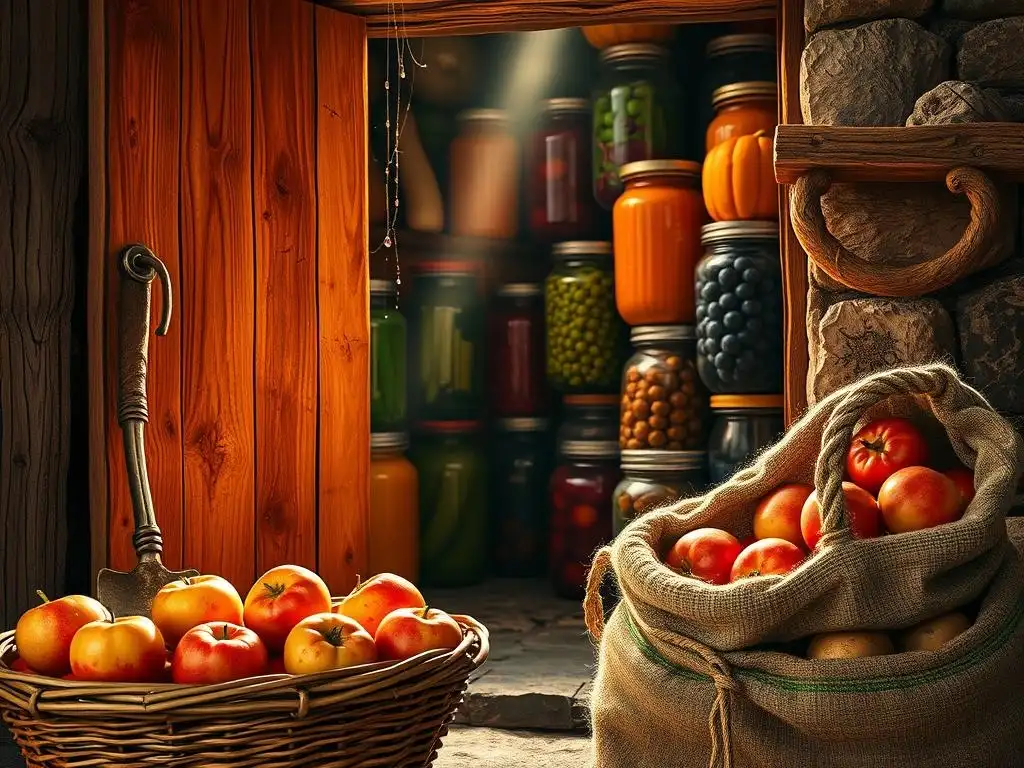
Ready to unlock the secrets to extending your harvest and saving money all year round? CultivateYourFood is your guide to sustainable home gardening, and we're excited to share our expertise. Learn how to transform your bountiful harvest into a year's worth of fresh produce with our in-depth guide on cheap root cellar storage. Discover the surprisingly simple and affordable techniques that will keep your fruits, vegetables, and herbs fresh and flavorful long after the growing season ends. Dive in and explore the possibilities!
- Understanding Cheap Root Cellar Storage: Benefits and Considerations
- Building Your Own Cheap Root Cellar: A Step-by-Step Guide
- Storing Your Harvest in Your Root Cellar: Best Practices for Potatoes, Carrots, and Apples
- Advanced Techniques for Cheap Root Cellar Storage Optimization
- Root Cellaring: A Sustainable Approach to Food Preservation
- Frequently Asked Questions
- Final Reflection: Harvesting Abundance, Preserving the Future
- Unlock Your Harvest's Potential: Start Root Cellaring Today!
Understanding Cheap Root Cellar Storage: Benefits and Considerations
Root cellaring offers a surprisingly cost-effective and sustainable method for preserving your homegrown fruits, vegetables, and herbs throughout the colder months. Unlike many modern preservation techniques that require significant upfront investment in equipment and ongoing energy consumption, a root cellar leverages the natural cooling and insulating properties of the earth to provide long-term storage at minimal expense. This article delves into the advantages of root cellaring, comparing its cost-effectiveness to other preservation methods, and guiding you through the crucial considerations when selecting a suitable location for your own cheap root cellar storage solution.
Building a root cellar, or adapting existing space, represents a significant long-term investment in food security and reduced reliance on commercially preserved produce, potentially saving you money year after year. Let's explore how you can achieve this sustainable and economical approach to food preservation.
The Advantages of Root Cellaring for Long-Term Food Preservation
Root cellaring offers a multitude of benefits beyond its affordability. The cool, consistently humid environment naturally inhibits the growth of mold and bacteria, extending the shelf life of your harvest significantly. This slow ripening process preserves not only the longevity of your produce but also its nutritional value and flavor profile.
Many root vegetables, such as potatoes, carrots, beets, and onions, can easily last for several months, sometimes even up to a year, with proper root cellar storage techniques. Furthermore, the process is environmentally friendly, reducing your carbon footprint compared to energy-intensive methods like freezing or canning. The benefits extend to reduced food waste, a crucial aspect of sustainable living, and the satisfaction of enjoying your homegrown produce long after the harvest season ends.
The ability to maintain a consistent, cool temperature and humidity level in the root cellar is key to preserving the quality of your food. This is far more efficient than refrigerated storage, which can be expensive to run, and far more sustainable than simply letting produce spoil.
Cost Savings Compared to Other Preservation Methods
Let's compare the costs associated with root cellaring against other popular preservation methods. Freezing requires a freezer with ongoing electricity costs, and the initial purchase price can be substantial. Canning involves the purchase of jars, lids, and processing equipment, plus the cost of fuel for the canning process itself.
Dehydrating also demands specialized equipment. In contrast, building a basic root cellar, especially if utilizing existing space in your home or a repurposed structure, can be significantly cheaper. The ongoing operational costs are minimal, primarily consisting of occasional maintenance and the cost of insulation if necessary.
The long-term savings are substantial, especially for those who harvest a large amount of produce annually. A detailed cost comparison (information pending) would further solidify the financial advantages of root cellaring, highlighting the significant return on investment over time. This cost-effectiveness is one of the main reasons root cellaring is gaining popularity as a cheap root cellar storage solution among home gardeners and homesteaders.
Choosing the Right Location for Your Root Cellar: Factors to Consider
Selecting the appropriate location is paramount to the success of your root cellar. Several factors must be considered to ensure a consistently cool, humid, and well-ventilated environment. The ideal location will naturally maintain a temperature between 32°F and 40°F (0°C and 4°C) throughout the year. This often involves utilizing a north-facing slope, or an underground area, to take advantage of the earth’s insulating properties.
Good drainage is crucial to prevent water accumulation, which can lead to rot and spoilage. The area should also be protected from extreme weather conditions and pests. Accessibility is another critical factor; you'll need easy access to retrieve your stored produce throughout the winter. Consider factors such as proximity to your home and the ease of loading and unloading.
Careful planning in the selection of the location will significantly improve the longevity and effectiveness of your cheap root cellar storage system. Proper ventilation is also essential to regulate humidity and prevent the build-up of gases that can damage your stored produce. Remember, a well-chosen location is the foundation for successful and cost-effective root cellaring.
Essential Requirements for a Successful Root Cellar
Building a cheap root cellar doesn't mean sacrificing functionality. Several key elements contribute to a successful, long-lasting root cellar that effectively preserves your harvest. These elements are crucial for maintaining the correct temperature and humidity levels, preventing spoilage, and ensuring the longevity of your stored produce. Neglecting these requirements can lead to significant losses and render your efforts ineffective.
One of the most critical aspects is consistent temperature. Ideally, a root cellar should maintain a temperature between 33°F and 40°F (0.5°C and 4.4°C). Fluctuations outside this range can cause produce to spoil or sprout prematurely. Achieving this temperature range might involve strategic insulation, particularly in areas with extreme temperature swings. This might include the use of inexpensive materials like straw bales, recycled rigid foam insulation, or even layers of earth itself. Remember, consistent temperature is far more important than achieving a specific temperature.
Equally important is humidity control. Root vegetables require a relatively high humidity level, typically around 80-90%, to prevent them from shriveling. Proper ventilation is key to managing humidity. Too much moisture can lead to mold and rot, while too little moisture will cause dehydration. Simple, cost-effective ventilation strategies can include strategically placed vents or even the use of humidity monitoring devices to help you adjust ventilation as needed. Understanding the local climate and its effects on humidity is paramount to designing an effective system.
Another often overlooked factor is proper ventilation. This isn't simply about managing humidity; adequate airflow prevents the buildup of gases like ethylene, which can accelerate ripening and spoilage. Poor ventilation can create a stagnant environment conducive to the growth of harmful bacteria and fungi. Simple passive ventilation systems, such as strategically placed vents and chimneys, can be sufficient for many root cellars, particularly those built in cooler climates. Again, the specifics will depend on the local climate and the design of your root cellar.
Finally, pest control is vital. Rodents, insects, and other pests can significantly damage your stored produce. A well-constructed root cellar, with tightly sealed walls and floors, is the first line of defense. However, supplemental measures, such as using natural deterrents like peppermint oil or diatomaceous earth, can provide additional protection without resorting to expensive pesticides. Regular inspection and prompt action are essential to prevent infestations from gaining a foothold. The cost-effectiveness of your root cellar hinges on minimizing post-harvest losses.
Building Your Own Cheap Root Cellar: A Step-by-Step Guide
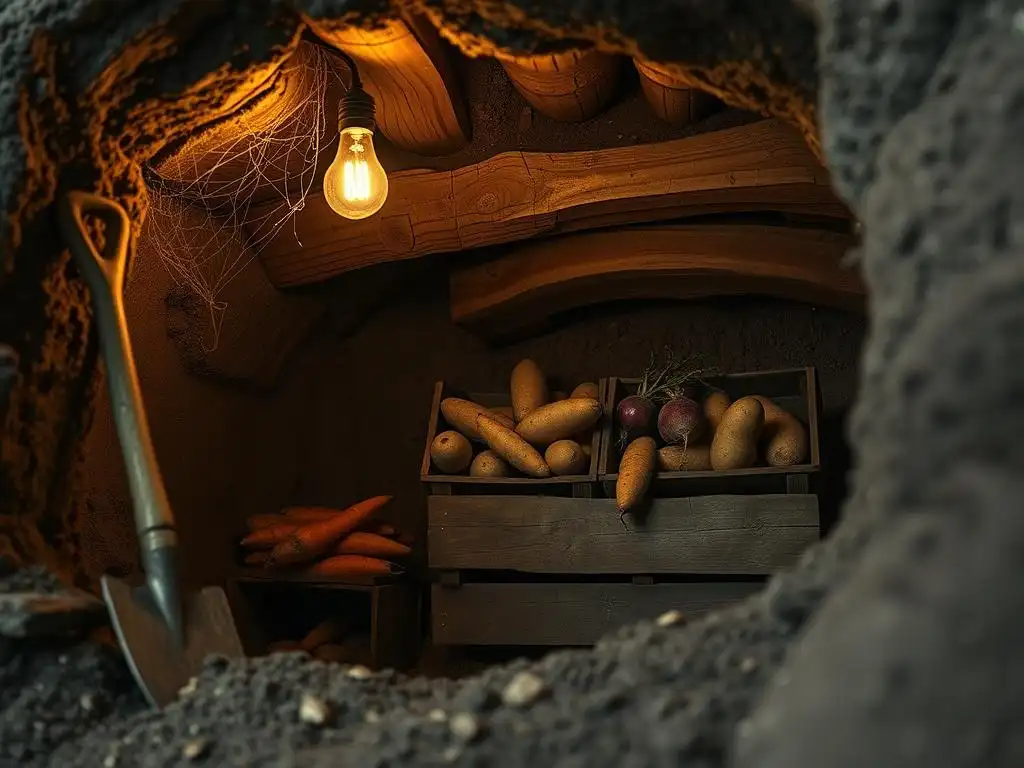
This section details how to construct a cost-effective root cellar for preserving your harvest, focusing on practical, budget-friendly solutions for "cheap root cellar storage." We'll explore planning, construction, and crucial environmental controls to ensure optimal storage conditions for your fruits, vegetables, and herbs.
Planning and Design: Size, Location, and Materials
Before breaking ground (or, more likely, repurposing existing space! ), careful planning is key to a successful and cheap root cellar. The size of your root cellar should directly reflect your harvest yield. A small family garden might only need a 4ft x 6ft space, while a larger operation might require something significantly bigger. Consider the volume of produce you anticipate storing throughout the winter months. Remember to account for adequate spacing between bins and crates to allow for good airflow.
Location is paramount. You need consistently cool temperatures, ideally between 33°F and 40°F (0.5°C and 4.5°C). Avoid areas prone to flooding or extreme temperature fluctuations. North-facing slopes are often ideal, benefiting from natural shade and cooler temperatures. Existing structures like basements or unused sheds can provide a good foundation, significantly reducing construction costs and making this a truly "cheap root cellar storage" solution.
Material selection is where significant cost savings can be achieved. Instead of expensive concrete, consider readily available and affordable materials. Recycled materials are excellent options, promoting sustainability while keeping costs low. Examples include repurposed pallets for framing, reclaimed bricks for walls, and even used insulation. Prioritize materials with good insulating properties to minimize energy consumption and maintain a stable temperature. A thorough cost analysis comparing different materials is vital before beginning construction.
Construction Techniques for a Budget-Friendly Root Cellar
Building a cheap root cellar involves clever construction techniques. For a simple earth-sheltered cellar, excavation is necessary, but the depth can be minimized to reduce labor costs. A shallow pit covered with a sturdy frame and insulated roof will suffice in many climates. If utilizing an existing structure, focus on sealing any gaps and cracks to prevent drafts and moisture intrusion. This can be done effectively and inexpensively using caulk, expanding foam, and weather stripping.
Consider using readily available and affordable materials for construction. For example, instead of purchasing expensive lumber, repurposed pallets can be disassembled and used for framing. These can be further strengthened and insulated using straw bales or other readily available materials. The walls can be insulated with a combination of straw bales, recycled newspaper, or even layers of plastic sheeting. A simple, inexpensive roof can be created using tarps, corrugated metal, or even a layer of soil and sod. Remember that the goal is functionality, not aesthetic perfection, in achieving "cheap root cellar storage".
Insulation and Ventilation: Maintaining the Ideal Temperature and Humidity
Maintaining the correct temperature and humidity is crucial for long-term produce preservation. Effective insulation is paramount in achieving this without relying on energy-intensive climate control systems. Multiple layers of insulation are more effective than a single thick layer. This is where inexpensive materials shine: Consider using readily available options such as straw bales, recycled denim, or even layers of plastic sheeting to create a thermal barrier. Proper insulation significantly reduces the temperature fluctuations within the cellar, making it a more efficient and "cheap root cellar storage" solution.
Ventilation is equally important. Good airflow prevents moisture buildup, which can lead to mold and rot. A simple system of vents, perhaps using PVC pipes, can be installed to allow for passive air circulation. These vents should be strategically placed to maximize airflow while minimizing drafts.
Consider adding a simple chimney effect by placing the intake vent lower than the exhaust vent. Careful monitoring of temperature and humidity levels, perhaps using a simple thermometer and hygrometer, is vital for adjusting ventilation as needed. Regular checks will ensure optimal conditions for your preserved harvest, maximizing the longevity of your "cheap root cellar storage" system. Remember, a well-insulated and properly ventilated root cellar is crucial for preserving the quality and extending the shelf life of your produce.
Creating Proper Drainage to Prevent Rot and Spoilage
Proper drainage is paramount in root cellar construction; without it, your carefully preserved harvest will quickly succumb to rot and spoilage. Moisture is the enemy of long-term food storage, creating the perfect environment for mold and bacteria to thrive. A damp root cellar, even slightly, significantly increases the risk of losing your precious fruits and vegetables. Therefore, establishing a robust drainage system is not merely a suggestion, but a necessity for successful, cheap root cellar storage.
Several methods exist to achieve effective drainage. One common and cost-effective approach involves using gravel. Before laying the cellar's floor, excavate a layer of several inches – at least 6, ideally 12 – and fill it with a layer of coarse gravel. This gravel acts as a reservoir for excess water, allowing it to drain away from the stored produce. Ensure the gravel layer is sloped gently towards a designated drainage point, such as a perforated pipe leading to an exterior drain or a sump pump.
Alternatively, you could incorporate a French drain. This involves digging a trench around the perimeter of your cellar, filling it with gravel, and covering it with a perforated pipe. This system efficiently collects and redirects water away from the cellar's walls, preventing moisture from seeping in. While slightly more involved than the simple gravel layer, a French drain provides superior protection against water ingress, especially in areas with high water tables. Remember, the key is to ensure water flows away from the cellar, not towards it.
Regular inspection is crucial. Even with a well-designed drainage system, unforeseen circumstances can arise. Check your drainage system regularly for blockages, especially after heavy rainfall or snowmelt. Address any issues promptly to prevent water buildup and subsequent spoilage. A small investment in time and effort in maintaining your drainage can save you a significant loss of your hard-earned harvest. The cost of replacing spoiled produce far outweighs the cost of maintaining a functional drainage system. This is a key element of successful and truly cheap root cellar storage. Don't underestimate its importance!
Storing Your Harvest in Your Root Cellar: Best Practices for Potatoes, Carrots, and Apples
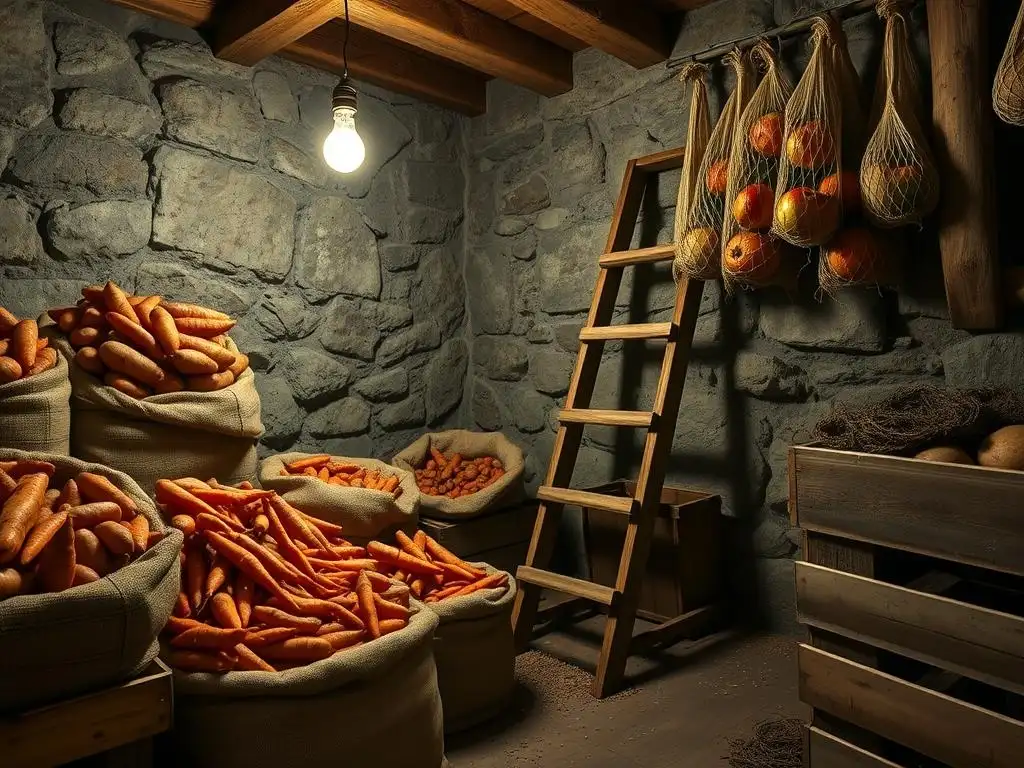
This section details optimal root cellar storage techniques for common fall harvest staples: potatoes, carrots, and apples. Proper storage significantly extends shelf life and minimizes waste, making your root cellar a truly cost-effective solution for preserving your hard work. Remember, even with a cheap root cellar storage setup, success hinges on meticulous preparation and ongoing monitoring.
Preparing Produce for Long-Term Storage: Cleaning and Curing
Before entering your root cellar, your produce needs careful preparation. This crucial step significantly impacts its longevity. For example, potatoes should be gently brushed clean of soil, but avoid washing them thoroughly as this can promote rot. Any damaged or bruised potatoes should be immediately separated and used promptly; they won't last long in storage.
Carrots, on the other hand, benefit from a thorough cleaning. Remove any excess soil and trim the leafy tops, leaving about an inch of stem. Allow them to air dry completely before storage to prevent moisture build-up.
Apples require a slightly different approach. Gently wipe them clean, but avoid harsh scrubbing. A curing period of a few weeks at room temperature (around 55-65°F) is beneficial for apples. This allows them to heal minor bruises and develop their natural protective layers, increasing their storage lifespan. Inspect apples regularly during this curing period, removing any showing signs of rot.
The table below summarizes the preparation steps for each type of produce:
| Produce | Cleaning Method | Curing Period | Other Considerations |
|---|---|---|---|
| Potatoes | Gently brush, avoid washing | None | Remove damaged tubers immediately. |
| Carrots | Thoroughly clean, trim tops | Air dry completely | Ensure no soil remains. |
| Apples | Gently wipe clean | 2-4 weeks at 55-65°F | Remove any bruised or damaged apples immediately. |
Organizing Your Root Cellar for Efficient Storage and Accessibility
Efficient organization is key to maximizing your cheap root cellar storage space and ensuring easy access to your produce throughout the winter. Shelving is your best friend! Utilize different shelf heights to accommodate various produce sizes. Consider using breathable containers, such as wooden crates or mesh bags, rather than airtight plastic containers, to allow for proper air circulation.
For potatoes, consider storing them in bulk in a single, large container on the floor, as they are less prone to bruising than other root vegetables. Carrots and apples, however, should be stored in smaller, more manageable quantities to facilitate easier access and inspection.
Labeling your containers with the type of produce and storage date is highly recommended. This simple step prevents confusion and ensures you use older produce first, minimizing spoilage. Regularly rotate your stock, using older items first to prevent waste and maximize the lifespan of your stored harvest. This "first in, first out" (FIFO) method is crucial for cheap root cellar storage success.
Maintaining Ideal Conditions: Temperature, Humidity, and Air Circulation Monitoring
Maintaining the correct temperature, humidity, and air circulation within your root cellar is critical for preserving the quality of your stored produce. Ideally, your root cellar should maintain a temperature between 32°F and 40°F (0°C and 4°C) with a humidity level of around 90%. Poor air circulation can lead to condensation, mold growth, and spoilage, ultimately negating the benefits of your cheap root cellar storage solution.
Regular monitoring is essential. Use a reliable thermometer and hygrometer to track temperature and humidity levels. Consider installing a small fan to improve air circulation if necessary. Proper ventilation is crucial to prevent the build-up of ethylene gas, a natural plant hormone that accelerates ripening and can lead to spoilage. Addressing these factors proactively will ensure you maximize the shelf life of your precious harvest, making your cheap root cellar storage investment truly worthwhile. 🍎🥕🥔
Common Root Cellar Pests and How to Prevent Them
Root cellars, while offering a fantastic solution for cheap root cellar storage, can unfortunately attract various pests eager to feast on your hard-earned harvest. Understanding these pests and implementing preventative measures is crucial for preserving your produce. Neglecting pest control can lead to significant losses, undermining the cost-effectiveness of root cellaring.
One of the most common culprits is the common house mouse. These tiny invaders can easily infiltrate even well-sealed root cellars, attracted by the scent of stored produce. Their droppings contaminate food, and their gnawing can damage stored items. Preventing mouse infestations requires a multi-pronged approach. This includes sealing any cracks or gaps in the cellar's walls and foundation using caulk or steel wool.
Regular cleaning to eliminate food scraps is essential. Traps, both snap and live traps, can be strategically placed to catch any intruders. Consider using natural deterrents like peppermint oil, which mice dislike, strategically placed around the cellar. Remember to always check and maintain traps regularly.
Another frequent visitor is the potato moth. These pests lay eggs on potatoes, and their larvae bore into the tubers, rendering them inedible. The best defense against potato moths is careful inspection of potatoes before storage. Discard any potatoes showing signs of infestation. Maintaining a cool, dry environment within the root cellar discourages their growth. Thorough cleaning after harvest is also crucial to remove any lingering eggs or larvae. In severe cases, consider using pheromone traps to monitor moth populations and limit their spread.
Rodents, including rats and mice, are a significant threat, not just for consuming produce but also for contaminating the entire storage area with their droppings and urine. Their gnawing can damage wooden structures and create access points for other pests. Implementing strong preventative measures is key: Use metal mesh to screen any ventilation openings, ensure the root cellar door is secure and well-fitted, and eliminate any food sources that might attract them beyond the intended produce. Regular inspections and the use of appropriate traps (both physical and potentially chemical, depending on regulations and personal preference) are crucial for control.
Finally, insects such as weevils and beetles can infest stored grains, beans, and other dry goods kept in the root cellar. These insects can quickly multiply and contaminate large amounts of food. To prevent insect infestations, ensure all stored items are thoroughly dried before storage. Regular inspection is crucial; any signs of infestation require immediate action, such as discarding infested items and cleaning the affected area.
Air circulation is essential to keep humidity levels low, which discourages insect growth. Storing food in airtight containers further minimizes the risk of infestation. Properly sealing stored items in glass jars or other airtight containers significantly reduces the risk of infestations. This creates an environment that is less hospitable to these pests.
Advanced Techniques for Cheap Root Cellar Storage Optimization
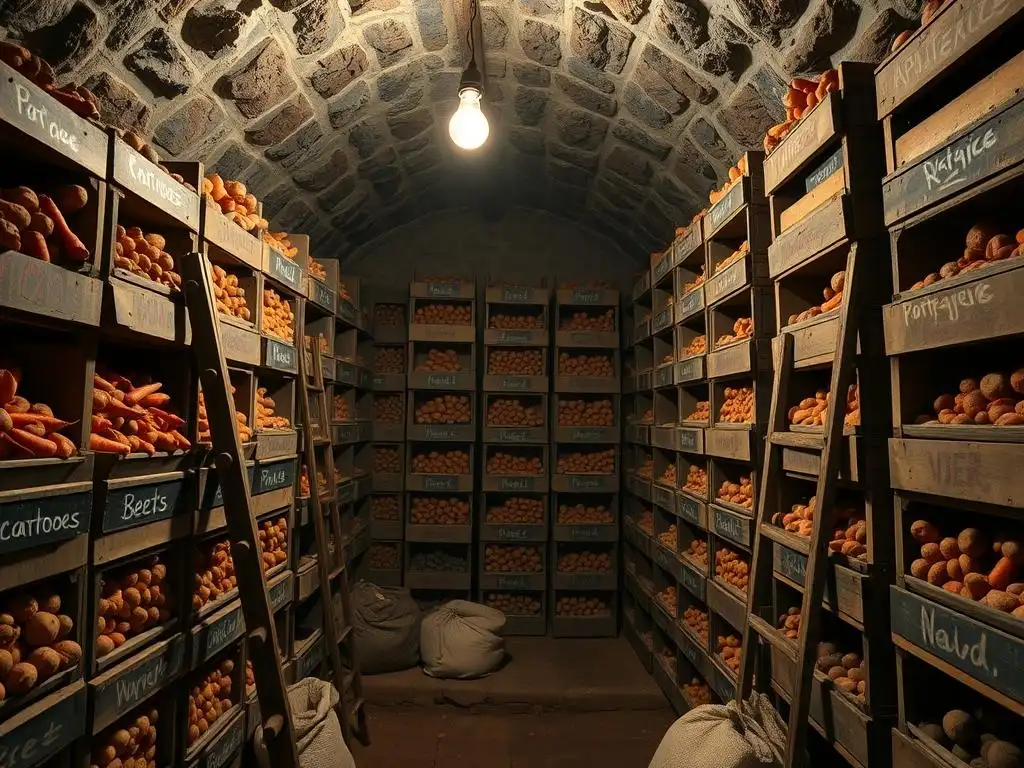
This section delves into advanced strategies to maximize the efficiency and longevity of your root cellar, focusing on cost-effective solutions for preserving your harvest. Remember, even a simple, cheaply constructed root cellar can be highly effective with careful management. The key is understanding and controlling the environment within.
Improving Humidity Control in Your Root Cellar
Maintaining optimal humidity is crucial for preventing spoilage and shriveling in your stored produce. Fluctuations in humidity can lead to rapid decay, significantly reducing the shelf life of your carefully harvested fruits and vegetables. Here's how to achieve consistent, ideal humidity levels in your cheap root cellar storage solution without breaking the bank:
Maintaining the right humidity levels in your root cellar is paramount. Too dry, and your produce will shrivel; too humid, and mold and rot will set in. A simple, cost-effective method involves monitoring humidity with a hygrometer. Aim for a relative humidity between 90-95%.
- Monitoring: Regularly check the humidity using a reliable hygrometer. These are inexpensive and readily available. Consistent monitoring allows you to make timely adjustments.
- Natural Humidity Control: A strategically placed bucket of water can help increase humidity levels, especially during drier periods. The water will slowly evaporate, adding moisture to the air. The size of the bucket will depend on the size of your root cellar and the dryness of the air. You might need to experiment to find the optimal size.
- Ventilation: Proper ventilation is essential for balancing humidity. Too little ventilation can lead to excessive humidity, while too much can cause dryness. Consider adjustable vents to fine-tune airflow. You might need to adjust these vents seasonally.
- Insulation: Proper insulation plays a vital role in maintaining stable humidity levels. Even in a cheap root cellar, a well-insulated space will experience fewer fluctuations. Consider adding extra insulation if necessary, focusing on areas prone to temperature changes. This will also help to maintain a stable temperature.
- Earth Sheltering: The earth itself acts as a natural humidity regulator. If building a new root cellar, leveraging the earth's natural properties will significantly reduce the need for active humidity control.
Extending the Shelf Life of Your Produce through Proper Spacing and Binning
Proper spacing and binning are often overlooked aspects of cheap root cellar storage, yet they significantly impact the longevity of your produce. Crowding leads to increased humidity, reduced airflow, and quicker spoilage.
- Spacing: Ensure adequate spacing between bins and individual produce items. This allows for proper air circulation, preventing the buildup of moisture and reducing the risk of rot. A good rule of thumb is to leave enough space between items to allow for airflow.
- Binning: Using appropriate bins and containers is essential. Wooden bins are a popular and cost-effective choice. Avoid plastic containers unless they are specifically designed for root cellar storage, as they can trap moisture. Choose breathable materials to allow for air circulation.
- Layering: For some produce, layering with materials such as straw or wood shavings can improve air circulation and absorb excess moisture. This is particularly useful for root vegetables like carrots and potatoes.
- Organization: A well-organized root cellar makes it easier to monitor the condition of your produce and identify any potential problems early on. Label bins clearly to keep track of what you've stored and when.
Troubleshooting Common Root Cellar Problems
Even with careful planning, problems can arise in your cheap root cellar storage. Being prepared to address these issues promptly is key to preserving your harvest.
- Mold: Mold is a common issue in humid environments. Address mold promptly by removing affected produce and cleaning the area thoroughly. Improving ventilation and reducing humidity can prevent further mold growth. A small amount of mold can usually be cleaned away with a solution of vinegar and water.
- Rotting: Rotting is often a sign of excessive humidity or poor air circulation. Remove rotting produce immediately to prevent it from spreading. Check for damaged produce upon storage to prevent early decay.
- Freezing: While a root cellar's goal is to maintain cool temperatures, freezing can occur in exceptionally cold climates. Consider adding extra insulation or a heat source (such as a low-wattage lightbulb) to prevent freezing. A thermometer is essential for monitoring temperatures.
- Pests: Rodents and insects can be a significant problem. Ensure your root cellar is properly sealed and consider using natural pest deterrents such as cedar chips or diatomaceous earth. Regular inspection is crucial for early pest detection.
By implementing these advanced techniques, you can significantly extend the shelf life of your harvest and maximize the benefits of your cost-effective root cellar storage solution. Remember, consistent monitoring and proactive maintenance are crucial for long-term success. 🥕🍎🧅
Root Cellaring: A Sustainable Approach to Food Preservation
This section delves into the inherent sustainability of root cellaring as a food preservation method, highlighting its environmental advantages and long-term economic benefits. Root cellaring offers a compelling alternative to energy-intensive preservation techniques, minimizing your carbon footprint while maximizing the lifespan of your homegrown produce. By understanding the ecological and financial advantages, you can make informed decisions about preserving your harvest in the most responsible and cost-effective manner. This approach to preserving your harvest can be a truly cheap root cellar storage solution.
Reducing Food Waste Through Efficient Storage
Root cellaring significantly reduces food waste, a major concern in modern agriculture. Traditional methods like refrigeration and freezing, while convenient, contribute to energy consumption and sometimes compromise the quality and nutritional value of produce over time. A well-maintained root cellar, however, provides a cool, dark, and humid environment ideal for extending the shelf life of many fruits and vegetables. This translates directly into less food spoilage and, consequently, less waste.
Consider this: a typical household might lose 20-40% of its produce to spoilage annually. By utilizing a root cellar, you can realistically reduce this figure by 50% or more, depending on the produce stored and the cellar's maintenance. This means saving money on groceries, reducing your environmental impact, and enjoying fresh, homegrown food for a longer period. This is a key aspect of achieving cheap root cellar storage, as you're not simply storing food; you're saving it.
Here's a table illustrating the potential shelf life extension of common root cellar staples:
| Produce | Typical Shelf Life (Refrigerator) | Potential Shelf Life (Root Cellar) |
|---|---|---|
| Potatoes | 2-3 weeks | 6-8 months |
| Carrots | 2-3 weeks | 4-6 months |
| Beets | 1-2 weeks | 4-6 months |
| Onions | 2-3 months | 6-8 months |
| Apples (certain varieties) | 2-4 weeks | 3-6 months |
This extended shelf life significantly contributes to the overall cost-effectiveness and sustainable nature of root cellaring.
Environmental Benefits of Root Cellaring Compared to Other Methods
Root cellaring offers significant environmental advantages over other food preservation methods. Unlike refrigeration, which relies on electricity and contributes to greenhouse gas emissions, root cellaring utilizes natural processes to maintain a stable temperature and humidity. This drastically reduces your energy consumption and carbon footprint.
Freezing, while offering a long shelf life, also requires significant energy for initial freezing and ongoing storage. Furthermore, freezing can alter the texture and flavor of some produce. Canning and pickling, although traditional methods, often involve significant energy for processing and sterilization. They also require considerable packaging materials, often contributing to waste.
Root cellaring, on the other hand, offers a low-energy, low-waste solution. It minimizes the need for packaging, reduces energy consumption, and preserves the natural flavor and texture of your produce. This makes it a truly eco-friendly and, ultimately, a cheap root cellar storage option, considering its low operational costs and minimal environmental impact. The initial investment in building or adapting a root cellar might seem significant, but the long-term savings in energy and reduced waste far outweigh the initial costs.
The Long-Term Value of Homegrown, Preserved Food
The long-term value of root cellaring extends beyond the immediate cost savings and environmental benefits. Having access to homegrown, preserved food provides a sense of security and self-sufficiency, particularly valuable in times of economic uncertainty or supply chain disruptions. Knowing you have a store of nutritious food readily available offers peace of mind and reduces reliance on commercial food systems.
Moreover, the quality of homegrown, root-cellar-stored produce is often superior to commercially grown and processed food. This is because you control the growing process, avoiding pesticides and other potentially harmful chemicals. The preservation method itself also helps retain more nutrients compared to some other preservation techniques.
This translates to healthier eating and long-term health benefits, adding considerable value to your root cellaring efforts. Over time, the investment in a root cellar pays for itself not only in financial savings but also in improved health and increased food security. Therefore, a root cellar is a significant step towards achieving truly cheap root cellar storage and healthy, sustainable living.
Frequently Asked Questions
What is root cellaring, and why is it considered a cheap storage method?
Root cellaring is a traditional method of preserving harvested fruits and vegetables in a cool, naturally humid environment like a basement or cellar. It's cheap because it utilizes existing space and requires minimal equipment, unlike refrigeration or freezing. Low energy costs are a significant advantage.
How can I build a cheap root cellar?
You can create a low-cost root cellar by adapting existing spaces in your home, such as an unfinished basement or a section of a cool, dry crawlspace. Improving insulation and ventilation are key aspects. Repurposed materials can significantly reduce costs.
What fruits and vegetables are best suited for root cellaring?
Root vegetables like potatoes, carrots, and beets store well, as do some fruits like apples and pears. Many winter squash varieties are also excellent candidates. Check individual vegetable needs for optimal storage.
What are the essential factors for successful root cellaring?
Maintaining a consistent temperature between 32-40°F (0-4°C) and high humidity (around 80-90%) is crucial. Good air circulation is also necessary to prevent mold and rot. Proper preparation of your produce before storage is vital.
What are some common mistakes to avoid when root cellaring?
Avoid storing produce that's damaged or bruised. Insufficient ventilation can lead to rot and spoilage. Don't overcrowd your storage space, ensuring proper airflow around each item. Monitoring temperature and humidity regularly is vital.
Final Reflection: Harvesting Abundance, Preserving the Future
The rising cost of food and the growing awareness of sustainable living practices make root cellaring more relevant than ever before. It's not just about saving money; it's about reclaiming a connection to the land and ensuring food security in a world facing increasing uncertainty. This simple, time-tested method offers a powerful antidote to the complexities of modern food systems.
The practice of root cellaring resonates deeply with me, reminding me of simpler times and the importance of resourcefulness. It’s a tangible link to generations past who understood the value of preserving their harvests, not just for sustenance, but for a deeper sense of connection to the earth and its bounty. The earth provides enough to satisfy every man's needs but not every man's greed.
- Mahatma Gandhi. This quote perfectly encapsulates the spirit of root cellaring – a mindful approach to consumption and a celebration of nature's abundance.
Consider the impact you could make by incorporating root cellaring into your own life. Imagine the satisfaction of retrieving crisp, homegrown carrots in the dead of winter, knowing you played a direct role in their journey from seed to table. This isn't just about saving money on groceries; it's about investing in a more sustainable, resilient, and ultimately more fulfilling way of life. Start small, explore the possibilities, and discover the profound rewards of preserving your harvest through the ancient and effective method of root cellaring.
Unlock Your Harvest's Potential: Start Root Cellaring Today!
Thanks for exploring the world of root cellaring with us! We hope you've discovered a new way to preserve your hard work and enjoy fresh produce year-round. Now it's time to put your knowledge into practice.
- Begin planning your root cellar: Even a small space can make a big difference! Consider repurposing existing storage areas or making minor modifications. This is the first step towards enjoying fresh, homegrown produce all winter long.
- Share your harvest-saving knowledge: Tell your friends and family about the joys (and savings!) of root cellaring! Inspire others to grow and preserve their own food.
- Join our Cultivate Your Food community: Connect with fellow root cellar enthusiasts on our forum. Share your experiences, ask questions, and learn from others.
Ready to transform your harvest into a bountiful winter supply? What's the first step you'll take to create your own root cellar?