
Texture Tells All: Using Touch to Determine Vegetable Harvest Time

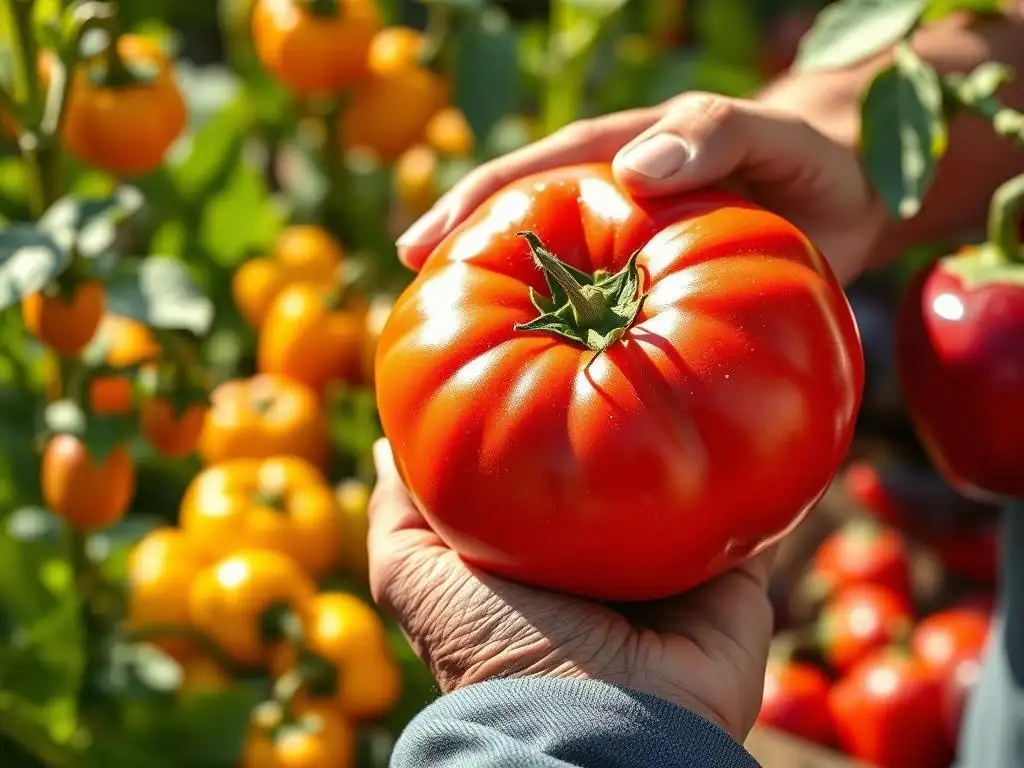
Ready to unlock the secrets of a bountiful harvest? At CultivateYourFood, we believe everyone can grow their own delicious, organic produce. Forget guesswork – learn the surprisingly simple technique of harvesting vegetables by touch, a skill that will transform your gardening experience. Discover how the subtle textures of your plants reveal the perfect moment to pick, ensuring peak flavor and maximum yield. Dive in and explore the world of sustainable home gardening!
- Understanding Vegetable Ripeness: Beyond the Calendar
-
Harvesting Vegetables by Touch: A Guide to Texture
- How to Assess Vegetable Texture for Optimal Harvest: A Step-by-Step Guide
- Assessing the Texture of Tomatoes for Harvesting
- Determining the Right Time to Harvest Peppers Using Touch
- Harvesting Cucumbers Based on Texture: A Detailed Look
- Using Touch to Determine the Best Time to Harvest Beans and Other Legumes
- The Art of Harvesting Root Vegetables by Feel
- Optimizing Harvest Time for Maximum Flavor and Quality
- Beyond Texture: Other Indicators of Harvest Readiness
- Using a Calendar as a Supplementary Guide to Harvesting Vegetables by Touch
- Troubleshooting Common Harvesting Challenges Using Texture as a Guide
-
Frequently Asked Questions
- How can I tell when a vegetable is ready to harvest by touch?
- What are some vegetables that are easily harvested by touch?
- Are there any vegetables that are not easily harvested by touch?
- How does the texture change as a vegetable ripens?
- What should I do if I'm unsure if a vegetable is ready to harvest?
- Final Reflection: The Unsung Language of Harvest
- Unlock Your Garden's Secrets: Harvest Like a Pro
Understanding Vegetable Ripeness: Beyond the Calendar
Harvesting your homegrown vegetables at the optimal time is crucial for maximizing flavor, nutritional value, and overall yield. While calendar dates provide a general guideline, relying solely on them can lead to underripe or overripe produce. Successfully harvesting vegetables requires a multi-sensory approach, combining visual observations with the often-overlooked sense of touch.
This article will delve into the art of using touch – specifically, texture – to accurately determine when your vegetables are ready for picking, helping you cultivate the tastiest and most nutritious harvest possible. We'll explore how texture, alongside color and size, acts as a reliable indicator of ripeness, ensuring you get the most out of your gardening efforts and enjoy the fruits (and vegetables!) of your labor.
This guide focuses on the practical application of touch for various vegetable types, empowering you to confidently harvest your bounty at its peak. Mastering this skill will transform your gardening experience, leading to consistently delicious and satisfying harvests. Let's begin by understanding the other visual cues.
Visual Cues for Harvest Readiness: Color and Size
Before diving into the tactile assessment of vegetable ripeness, it's important to acknowledge the role of visual cues. Color and size are often the first indicators we consider. For example, a tomato's transition from green to a deep red is a clear sign of maturity. Similarly, the size of a zucchini, compared to its expected mature size, can indicate readiness. However, relying solely on color and size can be misleading.
Some vegetables might reach their target color or size prematurely, while others may lag behind. This is where the sense of touch becomes invaluable. Visual cues provide a starting point, but texture offers a more precise and reliable confirmation of ripeness. Consider these examples:
- Tomatoes: While color is a primary indicator (red for most varieties), a slightly yielding texture suggests ripeness. A hard, unyielding tomato is likely underripe.
- Cucumbers: Size is a good guide, but a cucumber that feels firm and slightly springy indicates optimal harvest time. A soft or mushy cucumber is likely overripe.
- Peppers: Color changes are important (from green to red, yellow, or orange, depending on the variety), but a firm, but slightly yielding texture indicates ripeness. A hard, unyielding pepper is underripe, while a very soft pepper is overripe.
Understanding these visual cues in conjunction with texture will allow for a more precise harvest. However, as we'll see next, texture often provides the most reliable confirmation of ripeness.
The Importance of Texture in Determining Harvest Time for Vegetables
The texture of a vegetable is a direct reflection of its internal development and maturity. A gentle squeeze or press can reveal a wealth of information about its ripeness. Different vegetables exhibit different ideal textures at harvest time. For instance:
- Squash: Summer squash should feel tender and slightly soft when gently pressed. Winter squash, on the other hand, should feel hard and firm.
- Beans: Snap beans should snap cleanly when bent. String beans should be tender and easily bent.
- Carrots: Carrots are ready for harvest when they feel firm and smooth.
- Lettuce: Lettuce should feel crisp and slightly firm. Wilting or soft leaves indicate over-ripeness.
By carefully feeling the texture of your vegetables, you can avoid harvesting them too early or too late. This subtle tactile assessment adds an extra layer of precision to your harvesting technique. Remember, practice makes perfect.
The more you handle and harvest your vegetables, the better you'll become at discerning the optimal texture for each variety. Pay close attention to the subtle differences in texture, and soon you'll be harvesting your vegetables at the peak of their flavor and nutritional value. Using your sense of touch in conjunction with visual cues provides the most reliable method to determine the optimal harvest time for your homegrown vegetables.
Harvesting Vegetables by Touch: A Guide to Texture
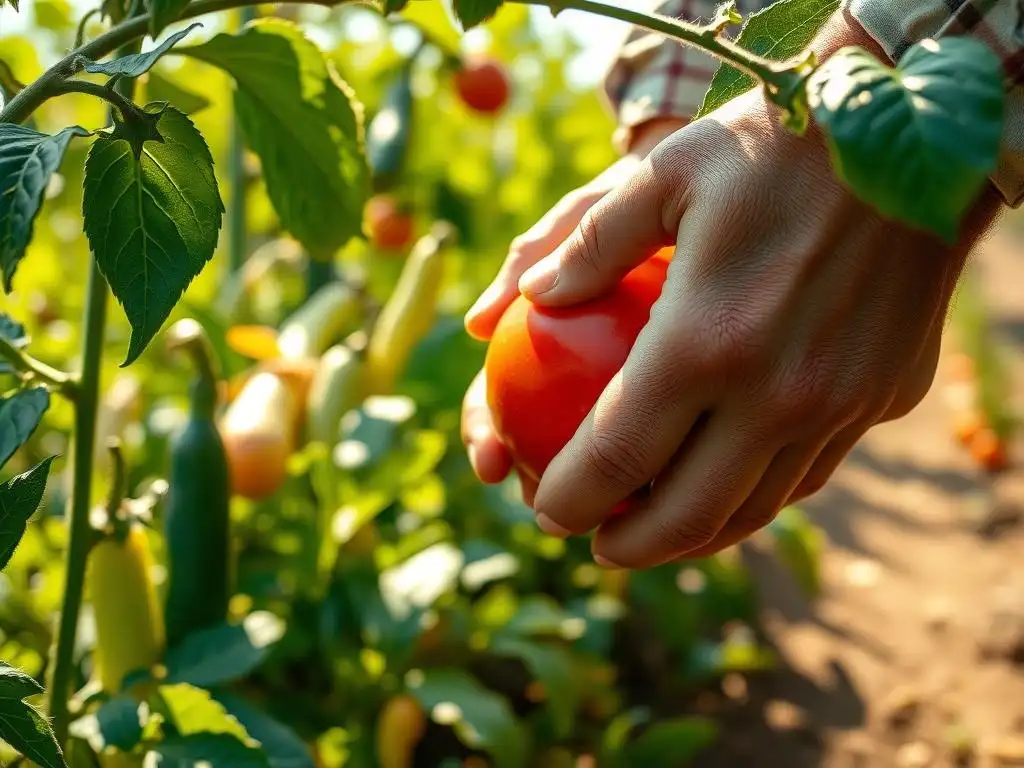
This section delves into the art of harvesting vegetables by touch, a skill that allows for optimal flavor and quality. Learning to assess the texture of your produce is crucial for maximizing yield and minimizing waste. This method, often overlooked, provides a surprisingly accurate way to determine ripeness, surpassing visual cues alone.
By focusing on the "feel" of the vegetable, you can pinpoint the perfect harvest moment, ensuring you get the most delicious and nutritious bounty from your garden. Mastering this technique will elevate your homegrown harvest experience significantly. This technique is particularly useful for those who "harvest vegetables by touch" as a primary method.
How to Assess Vegetable Texture for Optimal Harvest: A Step-by-Step Guide
Before you begin, remember to wash your hands thoroughly. Gentle handling is key to avoid bruising your precious produce. The following steps provide a general framework; specific techniques will vary depending on the type of vegetable.
- Visual Inspection: Begin with a visual assessment. While touch is the primary focus, a quick visual check helps identify any obvious signs of damage or disease. Look for vibrant color and overall health.
- Gentle Squeeze: Use your fingertips to gently squeeze the vegetable. Avoid applying excessive pressure, as this can damage the produce. The firmness or softness will provide important clues.
- Yield Test: Gently press on the vegetable. Note the amount of "give" or resistance you encounter. A ripe vegetable will often yield slightly to gentle pressure, but it shouldn't feel mushy or overly soft.
- Texture Variation: Be aware that different parts of the same vegetable might have slightly different textures. For example, the stem of a tomato might be firmer than the body.
- Experience is Key: The more you practice, the more adept you will become at judging ripeness through touch alone. Keep detailed notes on your harvests, noting the texture at various stages of growth.
Assessing the Texture of Tomatoes for Harvesting
Tomatoes are excellent candidates for harvest-by-touch. A ripe tomato will yield slightly to gentle pressure, feeling firm but not hard. An unripe tomato will feel hard and resistant, while an overripe tomato will feel soft and possibly slightly mushy. The color is also a factor, but sometimes a slightly green tomato can still be perfectly ripe to the touch. Remember to harvest tomatoes carefully, avoiding bruising. A slightly firm tomato is ideal for salads, while a slightly softer one is perfect for sauces and cooking.
Determining the Right Time to Harvest Peppers Using Touch
Peppers, unlike tomatoes, should feel firm to the touch when ripe. Avoid peppers that feel soft or mushy, as these are likely overripe. The color is a good indicator, but the firmness is essential. Different pepper varieties have different textures, so experience is vital. Some peppers, like jalapeños, might feel relatively firm even when fully ripe, while others might have a slightly softer texture.
Harvesting Cucumbers Based on Texture: A Detailed Look
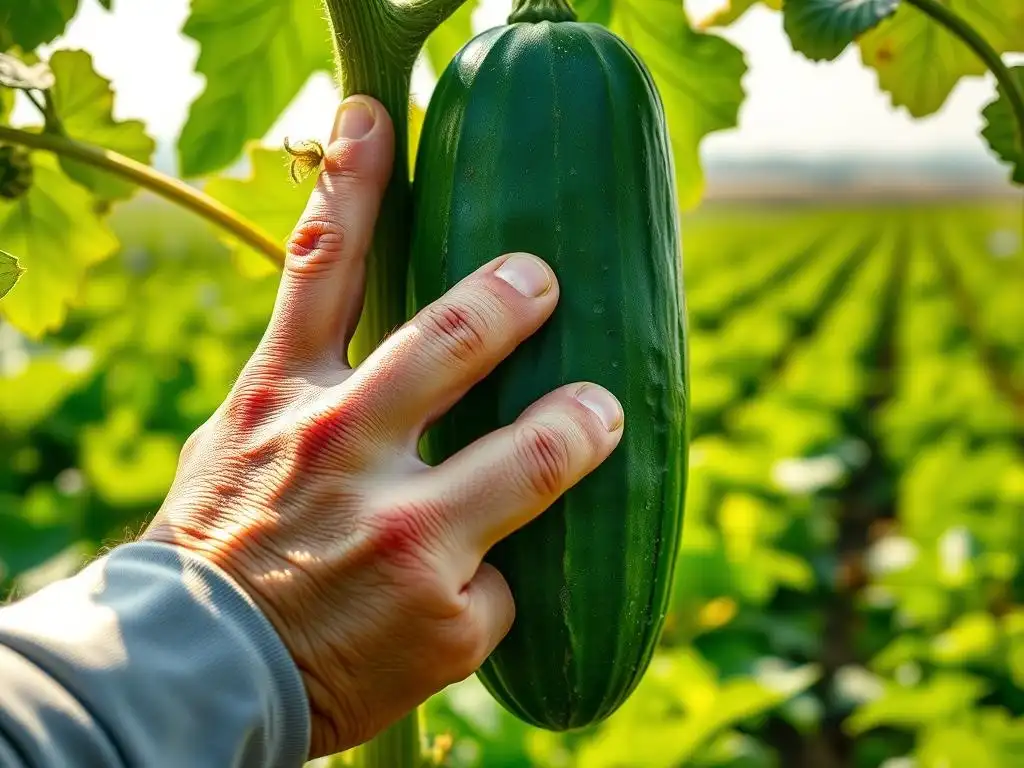
Cucumbers should feel firm and smooth when ready for harvest. Avoid cucumbers that feel soft, bumpy, or have yellowing spots. A ripe cucumber will have a glossy skin and will yield slightly to gentle pressure, but it shouldn't feel mushy. Overripe cucumbers will have dull skin and will feel soft and spongy to the touch. Harvest cucumbers regularly to encourage continued production.
Using Touch to Determine the Best Time to Harvest Beans and Other Legumes
The texture of beans and legumes changes significantly as they mature. Snap beans should feel crisp and tender when snapped. Shell beans should feel full and firm within their pods. Dry beans should feel hard and dry within their pods. Overripe beans will feel tough and stringy. Pay attention to the firmness and crispness of the pods to determine optimal harvest time.
The Art of Harvesting Root Vegetables by Feel
Root vegetables like carrots, potatoes, and beets offer a unique tactile experience. The firmness and size are key indicators of ripeness. Gently squeeze the root; it should feel firm and heavy for its size. Avoid root vegetables that feel soft, spongy, or have unusual lumps. The soil condition also plays a role in the texture, so pay attention to the feel of the soil and the root itself. A well-grown root vegetable will feel firm and substantial in your hand.
This detailed guide on "harvest vegetables by touch" equips you with the knowledge and techniques to accurately determine the optimal harvest time for various vegetables using your sense of touch. Remember, practice and patience are key to mastering this valuable skill. Happy harvesting!
Optimizing Harvest Time for Maximum Flavor and Quality
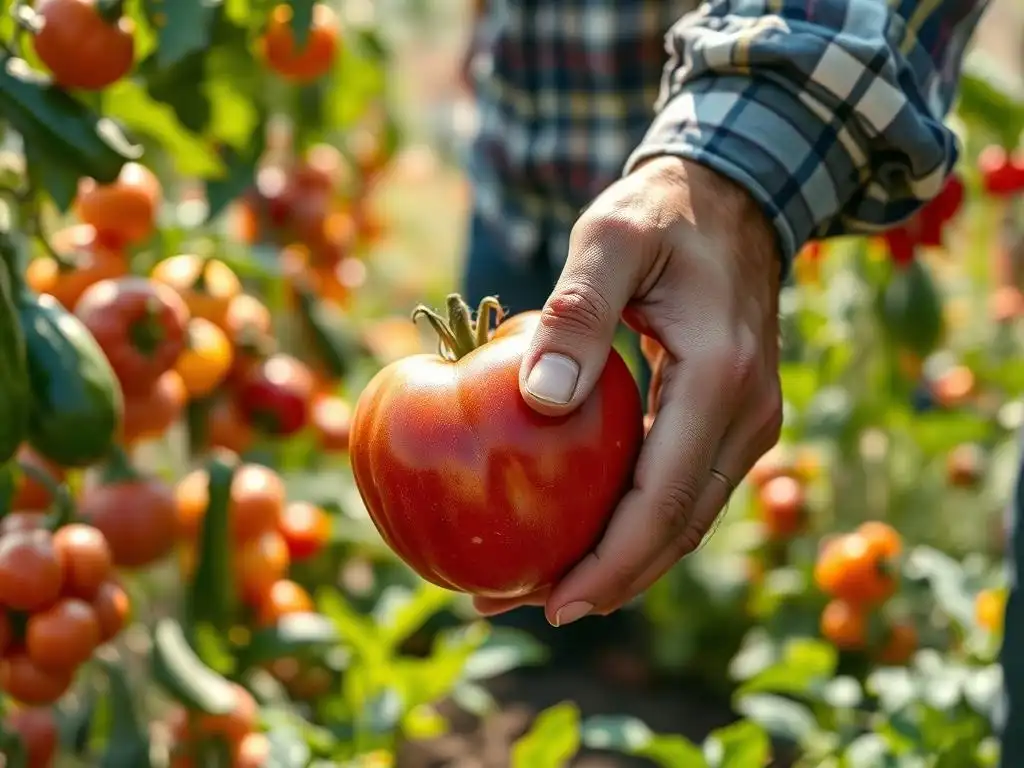
Harvesting vegetables at the optimal time is crucial for maximizing flavor and nutritional value. While visual cues like color and size are helpful, relying solely on these can be misleading. The most reliable indicator of ripeness, often overlooked, is the texture of the vegetable. Learning to assess ripeness through touch allows for a more precise harvest, leading to superior taste and quality.
This method is particularly useful for home gardeners who want to ensure their produce is picked at its peak. "Harvest vegetables by touch" is a skill that can significantly enhance your gardening experience. This tactile approach, combined with visual observation, provides a comprehensive assessment of ripeness, ensuring that you are harvesting at the precise moment for the best quality.
The Relationship Between Texture and Flavor in Harvested Vegetables
The relationship between a vegetable's texture and its flavor is complex, but generally, a firm, yet slightly yielding texture often indicates optimal ripeness. Overripe vegetables, on the other hand, often exhibit a soft, mushy, or even decaying texture. This textural change is often accompanied by a decline in flavor intensity and a potential increase in unpleasant tastes. For instance, a perfectly ripe tomato will yield slightly to gentle pressure, exhibiting a firm but not hard texture.
Its flavor will be rich and sweet. Conversely, an overripe tomato will feel soft and possibly slightly spongy, with a less intense and possibly slightly acidic or fermented flavor. Similarly, a crisp cucumber, ready for harvest, should offer slight resistance, while a soft, limp cucumber signals over-ripeness and a less desirable taste. The same principle applies to peppers, beans, and other vegetables.
The key is to learn the subtle nuances of texture for each type of vegetable you grow. This allows you to precisely determine the optimal harvest time for the best culinary experience. Careful attention to the "harvest vegetables by touch" method will result in superior taste and quality.
Preventing Overripe Vegetables: A Touch-Based Approach
Preventing overripe vegetables is essential for minimizing waste and maximizing the enjoyment of your homegrown produce. Regular monitoring, coupled with a keen sense of touch, is key. By regularly checking your vegetables for changes in texture, you can identify those nearing their prime and harvest them accordingly. This proactive approach is much more effective than waiting for obvious signs of over-ripeness, such as discoloration or decay.
For example, regularly checking your zucchini plants for firmness will allow you to harvest them before they become too large and seedy, affecting both their texture and flavor. Similarly, a gentle squeeze on your beans can tell you if they are still young and tender, or if they've become tough and stringy. Consistent use of the "harvest vegetables by touch" technique will help you prevent over-ripening and ensure you get the best yield from your garden. The following table summarizes this:
| Vegetable | Optimal Texture | Overripe Texture |
|---|---|---|
| Tomato | Firm, yields slightly | Soft, mushy |
| Cucumber | Crisp, slight resistance | Soft, limp |
| Zucchini | Firm, no soft spots | Soft, large, seedy |
| Green Beans | Firm, snaps easily | Tough, stringy |
| Bell Peppers | Firm, slight give | Soft, wrinkled |
Remember, practice makes perfect! With experience, you'll develop a refined sense of touch, enabling you to accurately determine the optimal harvest time for a wide variety of vegetables. This tactile approach, combined with your visual observations, will empower you to consistently harvest vegetables at their peak flavor and quality. 🍅 This ensures you get the most out of your harvest, minimizing waste and maximizing enjoyment.
Beyond Texture: Other Indicators of Harvest Readiness
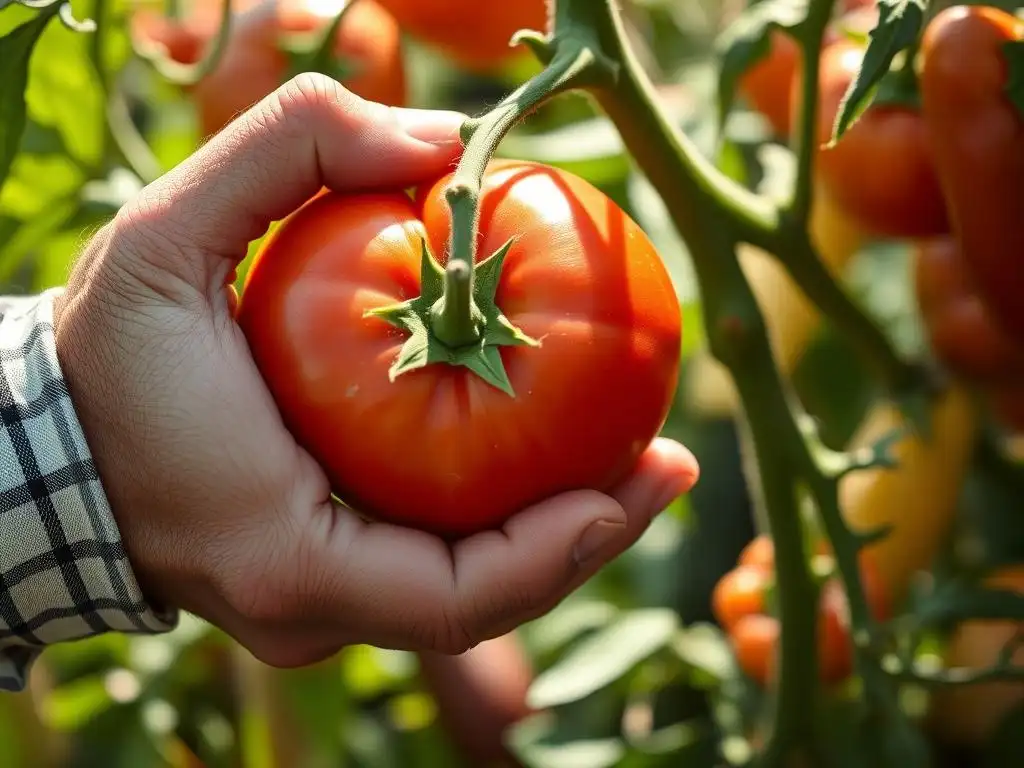
Knowing when to harvest vegetables is crucial for optimal flavor and nutritional value. While touch provides invaluable insights into ripeness, relying solely on texture can be insufficient. A holistic approach, combining tactile assessment with visual and other sensory cues, ensures a superior harvest. Mastering the art of "harvest vegetables by touch" involves a multi-sensory experience.
Combining Touch with Visual and Other Sensory Cues for Optimal Harvest
Visual cues often work in tandem with tactile assessments. For instance, a tomato's color change from green to a deep red is a strong indicator of ripeness, complementing the soft yield to gentle pressure. Similarly, the vibrant green of a bell pepper should deepen to a rich hue, depending on the variety, alongside its firm-but-yielding texture. Don't solely rely on a single characteristic; instead, integrate several observations.
Consider the following examples:
- Tomatoes: A slightly soft feel indicates ripeness, but a deep red color confirms it. Avoid harvesting unripe tomatoes; they will likely remain hard and lack flavor.
- Cucumbers: While a firm feel is generally desired, a slightly yielding texture combined with a deep green color signals optimal harvest time. Overripe cucumbers will often become yellow and soft.
- Squash: Many squash varieties develop a hard rind when ripe. This hardness, combined with a deep color characteristic of the specific type, confirms readiness for harvest. However, some squash varieties remain somewhat soft even when ripe.
- Beans: Snap beans should snap cleanly when bent. This clean break, coupled with a vibrant color, indicates optimal ripeness. Overripe beans will become tough and stringy.
Beyond sight and touch, other senses can guide your harvest. The aroma of a ripe melon, for example, is a powerful indicator of ripeness. The scent will be sweet and fragrant, a cue to compliment the soft, yielding texture. Likewise, the aroma of herbs can indicate readiness, providing a sensory layer beyond what a simple touch can reveal.
This integrated approach reduces the risk of premature or overripe harvests. Remember, "harvest vegetables by touch" is not about relying solely on one sense, but about combining several to achieve the best results. Practice makes perfect; the more you harvest, the better you'll become at discerning ripeness through a combination of senses.
Using a Calendar as a Supplementary Guide to Harvesting Vegetables by Touch
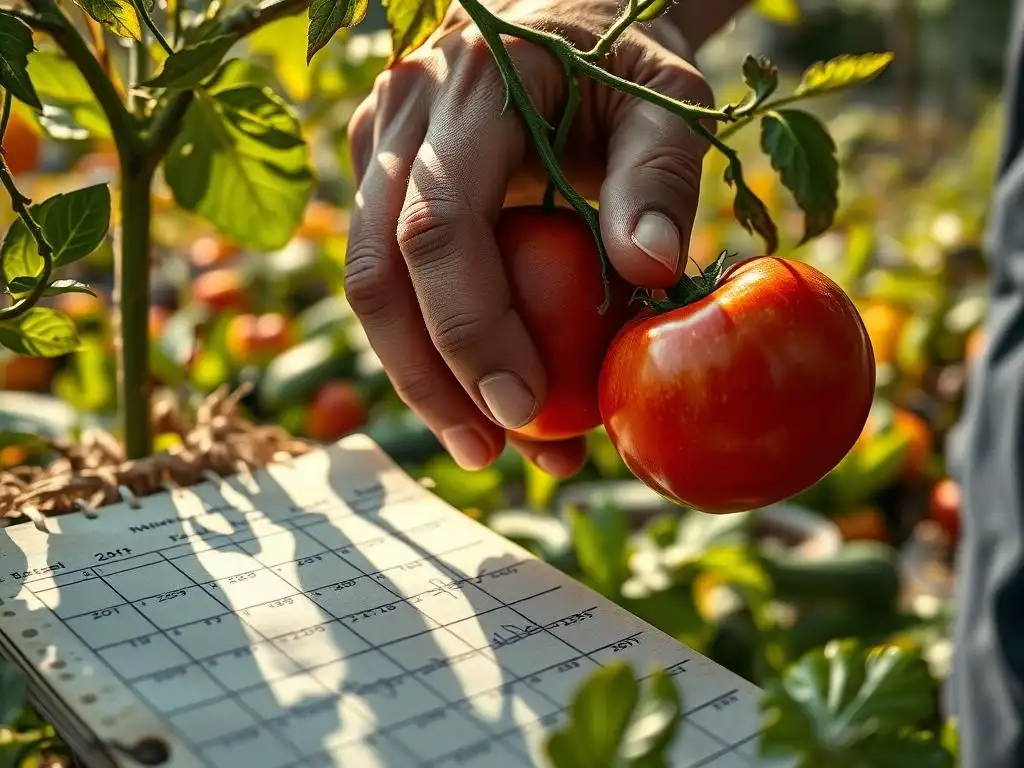
While tactile assessment is paramount, using a planting calendar as a supplementary guide can refine your harvesting technique. A planting calendar provides an estimated timeframe for harvest, offering a baseline for your touch-based assessment. This calendar acts as a helpful tool, particularly for novice gardeners.
Using a Calendar as a Supplementary Guide to Harvesting Vegetables by Touch
A planting calendar doesn't replace the tactile examination; it complements it. For instance, if your calendar indicates that your zucchini should be ready for harvest around 50 days after planting, you can use this information to anticipate the correct texture. Around day 50, begin checking your zucchini regularly for the slight give associated with ripeness. You'll be able to better judge the optimal harvest time by knowing when to begin your tactile assessment.
The calendar provides a timeframe; your touch refines it. This combination ensures a more accurate and timely harvest. For example, some varieties of lettuce might reach maturity earlier or later than expected, due to weather conditions. While the calendar provides a general guideline, your touch will help you determine the precise moment of harvest.
However, remember that various factors like weather conditions, soil quality, and plant variety can influence the actual harvest time. Therefore, the calendar should be used as a guide, not a rigid rule. Always prioritize your tactile assessment over the calendar's prediction. The calendar helps you when to begin checking for ripeness; your touch determines if the vegetable is ready. This combined approach enhances the effectiveness of your harvesting process, leading to more flavorful and nutritious vegetables. Ultimately, mastering "harvest vegetables by touch" requires experience and a balanced approach, integrating various methods for optimal results. 🥕
Troubleshooting Common Harvesting Challenges Using Texture as a Guide
This section delves into practical applications of texture assessment in overcoming common harvesting hurdles. Mastering the art of "harvest vegetables by touch" extends beyond simply knowing the ideal texture; it involves using touch to identify and address problems before they escalate. We'll explore how subtle textural cues can signal issues, allowing for timely intervention and minimizing losses.
Addressing Problems with Overripe or Underripe Vegetables through Texture Assessment
Determining optimal harvest time for vegetables often involves a delicate balance. Picking too early results in poor flavor and reduced yield, while harvesting too late leads to overripe, mushy produce susceptible to spoilage. Texture is your key indicator.
Underripe vegetables often feel firm to the touch, sometimes even hard. For example, a tomato picked too early will be hard and lack the characteristic give associated with ripeness. Similarly, peppers will feel stiff and unyielding. Conversely, overripe vegetables exhibit a soft, sometimes mushy texture. An overripe tomato will yield easily to gentle pressure, feeling soft and possibly even slightly bruised. Cucumbers will become spongy and lose their crispness.
| Vegetable | Underripe Texture | Optimal Harvest Texture | Overripe Texture |
|---|---|---|---|
| Tomatoes | Hard, firm | Slightly soft, yields gently | Mushy, soft, easily bruised |
| Peppers | Hard, stiff | Firm, slightly yielding | Soft, wrinkled |
| Cucumbers | Firm, crisp | Firm, slightly yielding | Spongy, soft |
| Zucchini | Hard, firm | Firm, slightly yielding | Soft, mushy |
| Green Beans | Firm, stringy | Firm, slightly tender | Limp, overly soft |
Using these textural cues allows you to fine-tune your harvesting schedule. Regularly checking your vegetables for changes in firmness helps prevent significant losses due to premature or delayed harvest. Remember, the goal is to harvest when the vegetable exhibits its peak texture – a balance between firmness and a gentle yield to pressure. This ensures optimal flavor and shelf life.
Harvesting Vegetables Damaged by Pests or Diseases: A Texture-Based Approach
Pests and diseases can significantly impact the quality and yield of your homegrown vegetables. Early detection is crucial to minimize damage. Often, the first indication of pest or disease damage is a change in the vegetable's texture.
For example, insect infestations might cause blemishes or holes, resulting in a noticeably softer or uneven texture in the affected area. A squash vine borer infestation might leave the squash feeling oddly spongy or abnormally soft in specific spots. Similarly, fungal diseases can cause softening and discoloration, altering the usual firmness of the vegetable. A tomato affected by blossom-end rot will often exhibit a soft, leathery patch at the blossom end.
Careful tactile examination can reveal these subtle changes. By regularly feeling your vegetables, you can identify affected areas early, allowing for prompt action. This could involve removing the damaged parts, treating the plant with appropriate organic pest control methods, or isolating infected plants to prevent further spread. Early detection, guided by textural cues, helps minimize losses and maintain the health of your garden. Remember, a proactive approach using "harvest vegetables by touch" is key to successful organic gardening. Early identification can make a world of difference in the health and yield of your crop.
Frequently Asked Questions
How can I tell when a vegetable is ready to harvest by touch?
Different vegetables have different textural cues. For example, ripe tomatoes will give slightly to gentle pressure, while firm peppers should feel plump and heavy. Check individual vegetable descriptions for specific guidelines.
What are some vegetables that are easily harvested by touch?
Tomatoes, peppers, squash, and melons are all relatively easy to judge by feel. Their texture and firmness change significantly as they ripen. Root vegetables, however, require other methods.
Are there any vegetables that are not easily harvested by touch?
Root vegetables like carrots and potatoes, and leafy greens like lettuce, are best harvested visually or by measuring size and maturity rather than relying solely on touch.
How does the texture change as a vegetable ripens?
As vegetables ripen, they often become softer and less firm. This is especially true for fruits like tomatoes and squash. Conversely, some vegetables, like some peppers, may become firmer as they ripen.
What should I do if I'm unsure if a vegetable is ready to harvest?
It's always better to err on the side of caution. If you're unsure, it's best to leave the vegetable on the plant a little longer. You can also consult reliable resources like the CultivateYourFood website for specific guidance on various vegetables.
Final Reflection: The Unsung Language of Harvest
The subtle art of harvesting vegetables by touch is far more than a rustic technique; it's a vital connection to the land and a pathway to optimal flavor and nutrition. In a world increasingly reliant on technology and standardized practices, rediscovering this sensory approach offers a powerful counterpoint, reminding us of the inherent wisdom embedded within the natural world. This simple act of feeling a tomato's ripeness or the firmness of a squash connects us directly to the life cycle of our food, fostering a deeper appreciation for the bounty we receive.
The impact of this tactile knowledge extends beyond the individual garden. By understanding the nuances of texture as an indicator of harvest readiness, we can move towards more sustainable agricultural practices. We can reduce food waste by harvesting at peak ripeness, minimizing the need for chemical interventions that extend shelf life artificially. The earth provides enough to satisfy every man's needs but not every man's greed.
– Mahatma Gandhi. This quote highlights the importance of mindful consumption and harvesting, a practice directly linked to the sensory awareness discussed throughout this article.
Now, consider your own relationship with food. Take a moment to truly feel the next vegetable you prepare. Notice its texture, its firmness, its subtle give. This simple act of mindful engagement will deepen your connection to the food you eat, enriching your culinary experience and fostering a greater respect for the natural world that sustains us. Let the texture tell you when it's time to harvest, and discover the profound satisfaction of a truly ripe, perfectly harvested vegetable.
Unlock Your Garden's Secrets: Harvest Like a Pro
Thanks for exploring the fascinating world of vegetable texture and harvest timing! You've learned how to use touch to determine your plants' readiness. Let's put that knowledge into practice.
- Prioritize tactile harvesting: This week, experiment with the "squeeze test" on several vegetables in your garden. Note the variations in firmness and how they relate to taste and texture. For example, a ripe tomato will yield to gentle pressure, while a firm zucchini will feel solid.
- Share your discoveries! Tell us about your experiences using the squeeze test on our CultivateYourFood community forums – we'd love to hear what you've learned!
- Expand your knowledge: Consider other sensory cues for optimal harvest timing, such as visual and olfactory indicators. Observe the color changes in ripening fruits and vegetables, and notice the subtle aromas that signal peak ripeness.
Ready to revolutionize your harvest routine, one gentle squeeze at a time?