
Air Drying Lavender: StepbyStep Instructions for Potpourri

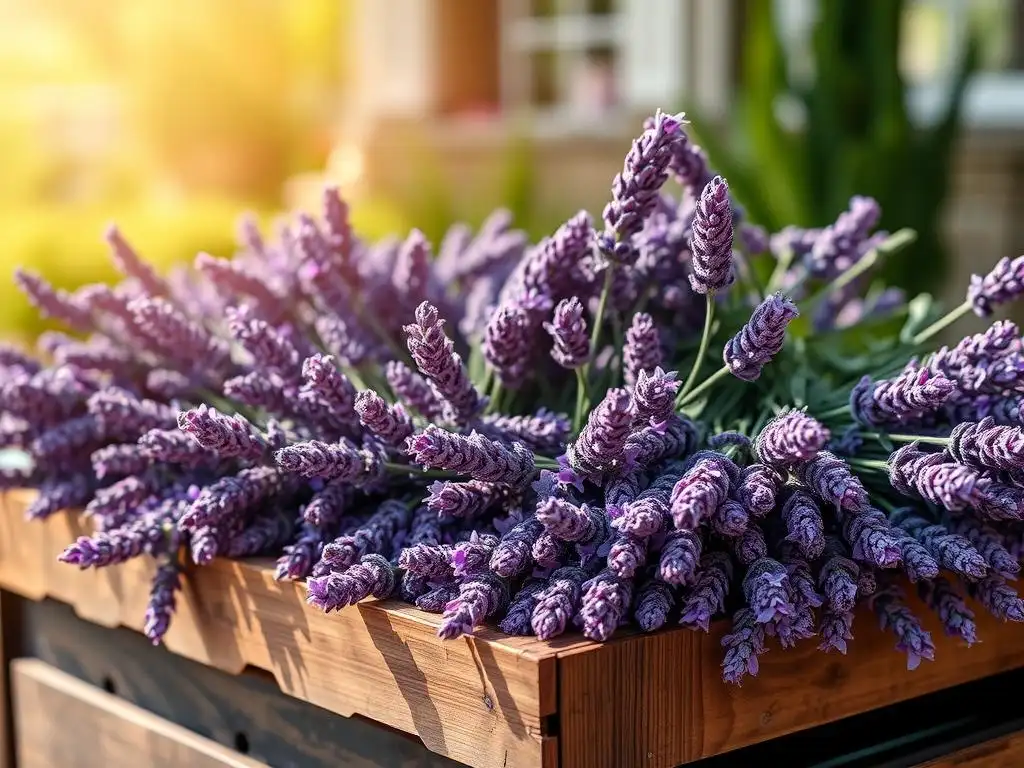
Ready to transform your garden into a fragrant haven? CultivateYourFood welcomes you to a world of sustainable home gardening. Learn the secrets to nurturing thriving plants, from seed to harvest, using organic methods. Intrigued by the art of preserving nature's bounty? Discover our comprehensive guide on how to air dry lavender for potpourri, the perfect introduction to the rewarding world of herb gardening. Let's begin your journey towards a more flavorful and fragrant life!
- Harvesting Lavender for Optimal Drying
- Methods for Air Drying Lavender for Potpourri
- Ensuring Proper Drying and Preventing Mold
- Creating Lavender Potpourri from Dried Lavender
- Frequently Asked Questions
- Final Reflection: The Enduring Fragrance of Patience
- Unlock the Fragrance: Your Lavender Potpourri Journey Begins Now!
Harvesting Lavender for Optimal Drying
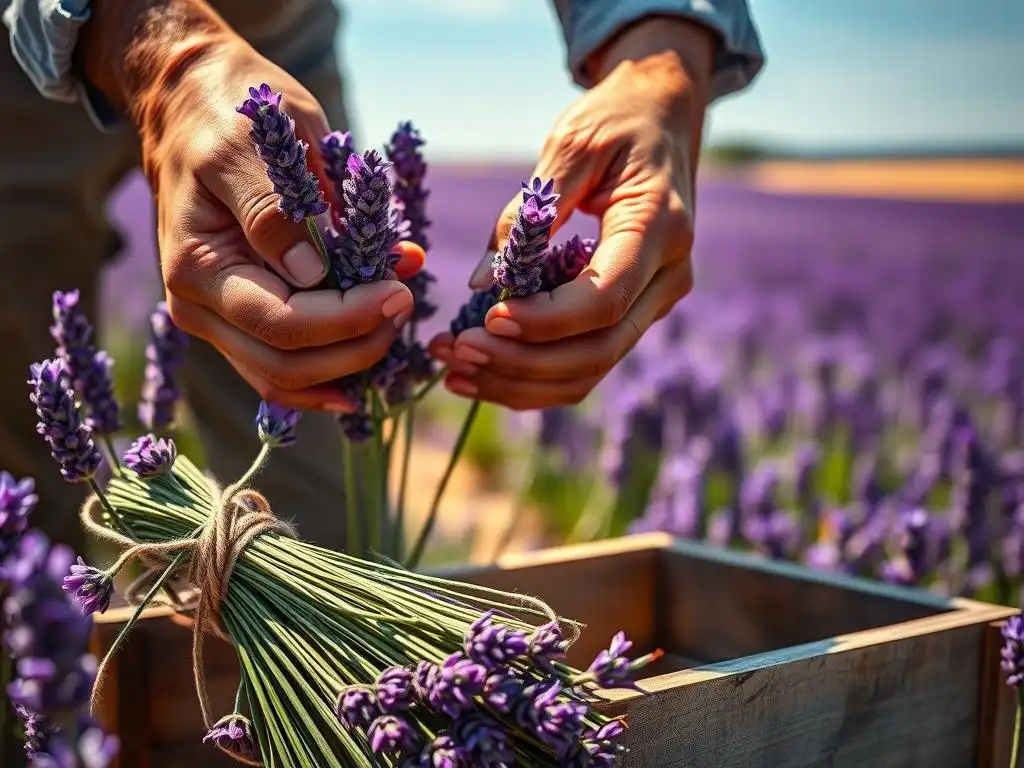
Lavender, with its delicate fragrance and beautiful purple hues, is a popular choice for creating fragrant potpourri. Air drying lavender is a gentle method that preserves its color and scent better than other techniques. This guide provides a comprehensive, step-by-step approach to air drying lavender for potpourri, ensuring you achieve the best possible results using sustainable and organic practices.
We'll cover everything from selecting the perfect lavender stems to the final stages of preparation, helping you create a delightful and naturally aromatic potpourri to enjoy for months to come. This detailed process will ensure your lavender retains its vibrant color and exquisite scent, resulting in a superior potpourri that truly captures the essence of your homegrown lavender. We'll also cover crucial aspects like choosing the right time to harvest and preparing your lavender for optimal drying, maximizing the quality of your final product.
Choosing the Right Time to Harvest Lavender for Potpourri
The timing of your lavender harvest significantly impacts the quality of your dried product. Harvesting too early results in a weak scent and less vibrant color, while harvesting too late leads to brittle stems and a less potent aroma. The ideal time is when the lavender is in full bloom, typically in mid-summer. Look for flower buds that are fully open but still tightly clustered on the stem.
The best time of day to harvest is in the late morning after the dew has dried, as this allows the plant to be at its most fragrant and the stems to be less likely to be damaged. Avoid harvesting on rainy or overly humid days, as this can lead to mold growth during the drying process. Remember to always use clean, sharp tools to prevent damaging the plant and ensure a clean harvest.
A good rule of thumb is to check your lavender plants regularly during the bloom period, and harvest when approximately 60-70% of the flowers are fully open. This balance ensures optimal oil content and a beautiful, full bloom for drying. This careful selection will ultimately contribute to a higher-quality potpourri.
Selecting Lavender Stems for Air Drying
Once you've determined the optimal harvest time, carefully select the stems for air drying. Choose healthy stems with plenty of fully opened flowers and minimal signs of disease or pest damage. Avoid stems that are wilting, yellowing, or have noticeable blemishes. The best stems are those that are strong and relatively straight, making them easier to bundle and hang for drying. Aim for stems that are approximately 8-12 inches long.
You can adjust this length depending on your preference and the size of your lavender plants. Remember that longer stems will take longer to dry completely. This meticulous selection process ensures a uniform drying process and a high-quality final product. For best results, try to harvest a range of stems with varying degrees of bloom for a visually appealing and fragrant potpourri.
Preparing Lavender for the Drying Process: A Clean Harvest
Before you begin the air drying process, it's crucial to prepare your harvested lavender for optimal results. Gently remove any leaves or debris from the stems. This prevents the accumulation of unwanted matter during drying and ensures a cleaner, more fragrant end product. Inspect the stems carefully, removing any damaged or diseased parts. A clean harvest minimizes the risk of mold or pest infestations during the drying process.
Handling the lavender gently is key to maintaining its delicate flowers and aroma. Using clean hands or gloves is also recommended to prevent the transfer of any oils or residues to the plant. This thorough preparation ensures a high-quality final product free from unwanted elements. The extra time spent on this cleaning stage will significantly contribute to the longevity and fragrance of your lavender potpourri.
Methods for Air Drying Lavender for Potpourri
This section details the most effective methods for air drying lavender, specifically for creating fragrant and long-lasting potpourri. Proper air drying is crucial for preserving the vibrant color and delightful aroma of your lavender harvest. We'll explore two primary techniques: air drying in bundles and air drying on a flat surface. Both methods offer unique advantages, allowing you to choose the best approach based on your space and preference. Remember, patience is key; the air drying process takes time to yield optimal results for your homemade potpourri.
Air Drying Lavender Bundles: A Traditional Method
This classic method is both visually appealing and highly effective for preserving lavender's natural oils, resulting in a potent and aromatic potpourri. The key is to create well-ventilated bundles that allow for even air circulation around each stem.
Creating Lavender Bundles for Air Drying
Begin by selecting stems with well-formed flower buds and minimal foliage damage. Aim for bundles of roughly 10-15 stems, depending on their size and thickness. Using a rubber band or natural twine (avoid synthetic materials that might leach chemicals), securely tie the stems together just below the flower heads. Leave a few inches of stem below the bundle for hanging. Ensure the stems are tightly bound to maintain their shape and prevent individual stems from falling apart during the drying process. A slightly loose bundle will allow for better air circulation, speeding up the drying time.
Hanging Lavender Bundles for Drying: Ideal Locations and Considerations
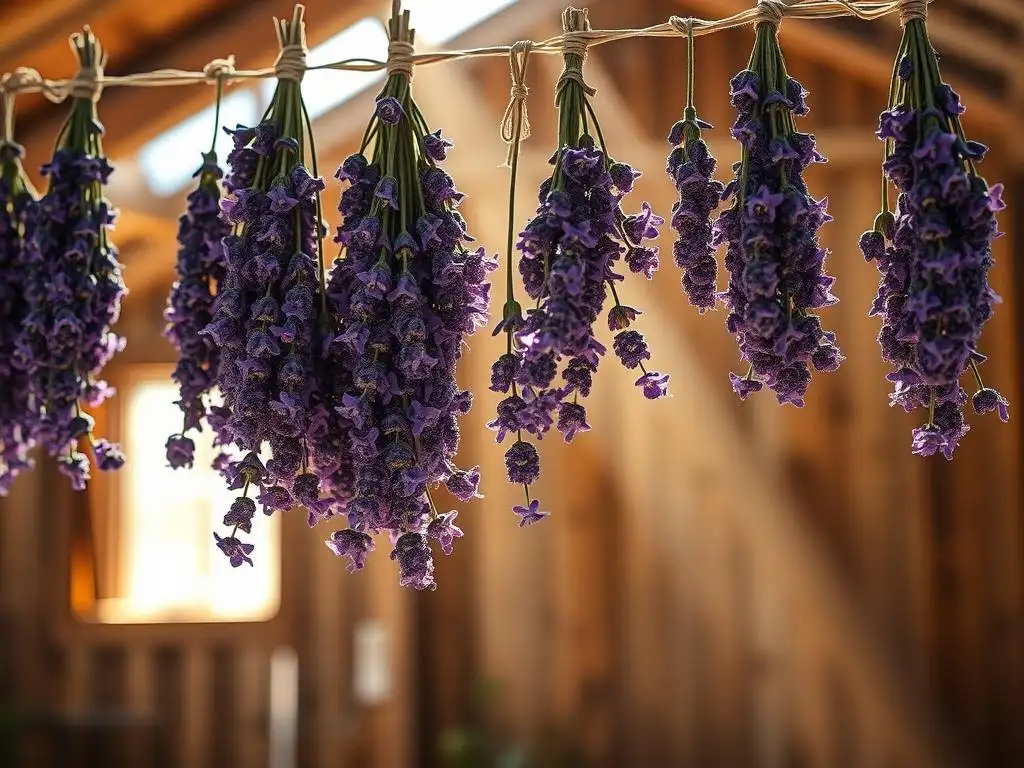
Proper placement is critical for successful air drying. Choose a location that's dark, well-ventilated, and has low humidity. Direct sunlight will fade the lavender's color, and high humidity can encourage mold growth. Ideal places include a cool, dark pantry, a well-ventilated attic (avoiding direct contact with the roof), or a shaded area within a garage or shed.
Hang the bundles upside down, ensuring that the flower heads are free to hang downward. This promotes even drying and prevents the accumulation of moisture at the base of the flowers. Maintain adequate spacing between bundles to ensure proper airflow. Overcrowding will slow down the drying process and increase the risk of mold.
Monitoring the Drying Process of Lavender Bundles
The drying time for lavender bundles can vary, depending on factors such as humidity, temperature, and bundle size. Generally, it takes 2-4 weeks for the lavender to fully dry. Check the bundles regularly for dryness. They are ready when the stems are brittle and the flowers crumble easily. If you notice any signs of mold or discoloration, immediately remove the affected bundles and discard them to prevent contamination. Proper monitoring is crucial to achieving high-quality, mold-free lavender for your potpourri.
Air Drying Lavender on a Flat Surface: An Alternative Approach
This method is particularly useful if you have limited space for hanging bundles or prefer a more controlled drying environment. While it might take slightly longer than the bundle method, it ensures even drying and easy access for monitoring.
Preparing a Flat Surface for Lavender Drying
Choose a clean, dry, and well-ventilated surface. A screen, mesh tray, or even a clean piece of cardboard works well. Avoid surfaces that might absorb moisture or retain odors. Line the surface with parchment paper or a clean cloth to prevent the lavender from sticking and to facilitate easier removal once dried. This preparation ensures optimal airflow around the lavender stems, preventing moisture buildup and promoting even drying.
Arranging Lavender Stems for Even Drying
Lay the lavender stems on the prepared surface, ensuring that the flower heads are not overlapping. This arrangement is crucial for even drying and prevents the accumulation of moisture between the flower heads. Space the stems evenly to allow for maximum air circulation. Avoid overcrowding, as this can lead to slower drying times and increased risk of mold or mildew. A single layer arrangement is ideal for ensuring all stems dry efficiently.
Monitoring the Drying Process on a Flat Surface
Similar to the bundle method, the drying time for lavender on a flat surface depends on several factors. Expect the process to take approximately 2-4 weeks. Regularly check the stems for dryness. They are ready when the stems are brittle and the flowers crumble easily. Turn the stems occasionally to ensure even drying from all sides. Promptly discard any stems that show signs of mold or discoloration to prevent the spread of contamination. Thorough monitoring ensures you obtain high-quality lavender, perfect for creating your homemade potpourri.
Ensuring Proper Drying and Preventing Mold
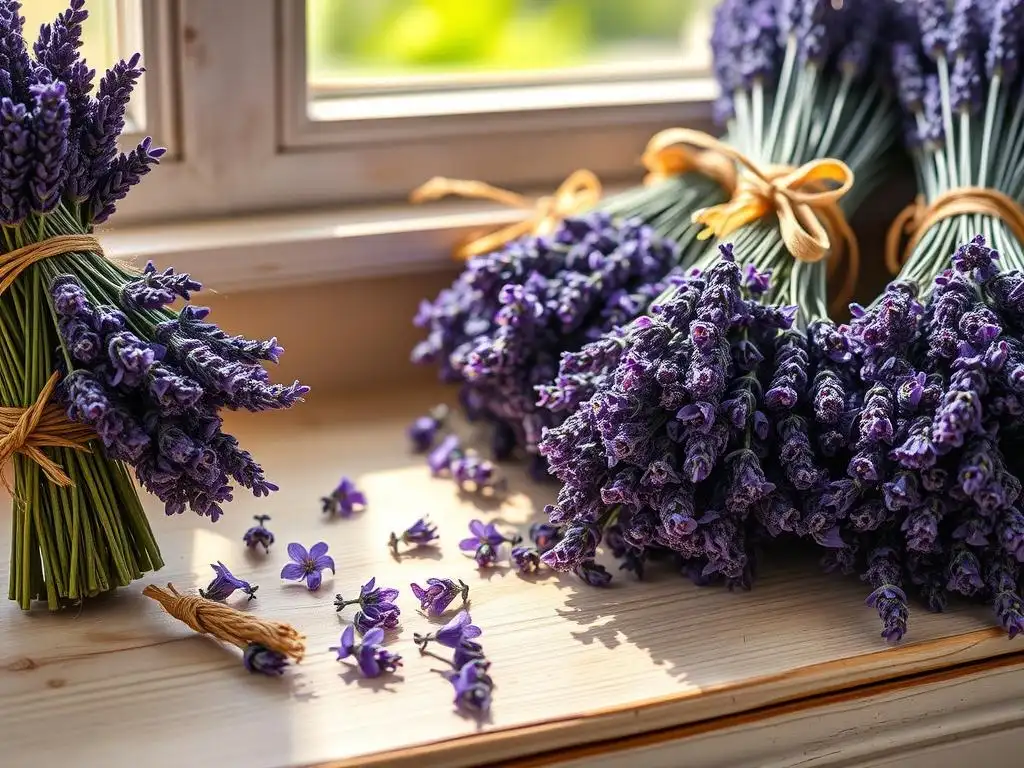
Air drying lavender for potpourri requires careful attention to detail to prevent mold growth and maintain the vibrant color and fragrance of your harvest. The key is good airflow and a low-humidity environment. Mold thrives in damp, dark places, so proper ventilation is paramount. This means selecting the right location and employing the correct drying techniques.
Identifying When Lavender is Completely Dry
Knowing when your lavender is fully dry is crucial for preserving its quality. Under-dried lavender is susceptible to mold, while over-dried lavender becomes brittle and loses its fragrance. Several indicators signal dryness:
- The stems are brittle: Gently bend a stem. If it snaps easily, it's likely dry.
- The flowers crumble easily: Lightly rub the flower buds between your fingers. If they crumble easily, they are adequately dry.
- The color is retained: While some slight fading is normal, significantly dulled or discolored lavender suggests over-drying or potential mold issues. The color should remain relatively consistent with the freshly harvested lavender, albeit slightly lighter.
- The aroma is strong: The scent should be potent and consistent. If the aroma is weak or musty, it may indicate either over-drying or the presence of mold. A musty smell is a strong indicator of mold and the lavender should be discarded.
Using a combination of these checks ensures accuracy. Don't rely on just one indicator; instead, consider them all to confirm complete dryness. Remember, patience is key. Rushing the drying process can lead to problems.
Storing Dried Lavender for Potpourri: Maintaining Quality and Aroma
Proper storage is just as important as the drying process itself. Improper storage can lead to moisture absorption, mold growth, and a significant loss of fragrance.
To maintain the quality and aroma of your dried lavender, store it in an airtight container in a cool, dark, and dry place. A glass jar with a tight-fitting lid is ideal. Avoid using plastic containers, as they can trap moisture and promote mold growth. Consider adding a desiccant packet, often included in shoe boxes and electronic packaging, to absorb any residual moisture.
Here’s a table summarizing optimal storage conditions:
| Factor | Optimal Condition | Rationale |
|---|---|---|
| Container | Airtight glass jar | Prevents moisture absorption and pest intrusion |
| Location | Cool, dark, and dry place | Minimizes exposure to light and humidity |
| Additional Tip | Desiccant packet (optional) | Absorbs excess moisture |
Remember to check your stored lavender periodically for any signs of mold or pests. Discard any lavender showing signs of deterioration to prevent contamination of the remaining potpourri. With proper storage, your dried lavender should retain its fragrance and color for several months, even up to a year under ideal conditions.
Troubleshooting Common Issues During Air Drying
Despite careful planning, problems can arise during the air-drying process. Here are some common issues and their solutions:
- Mold Growth: This is the most serious problem. It's usually caused by insufficient airflow or high humidity. Discard any affected lavender immediately and ensure better ventilation for future batches.
- Uneven Drying: This often happens with densely packed bunches. Ensure proper spacing between stems for even airflow.
- Fading Color: Over-drying or exposure to direct sunlight can cause color fading. Ensure proper shade and monitor the drying process closely.
- Weak Fragrance: Insufficient drying or improper storage can lead to fragrance loss. Ensure complete drying and use airtight storage containers.
Addressing these issues promptly can help maintain the quality of your lavender and ensure a successful potpourri-making experience. Remember, careful attention to detail throughout the entire process—from harvesting to storage—is key to creating high-quality, fragrant lavender potpourri.
Creating Lavender Potpourri from Dried Lavender
This section details the process of transforming your air-dried lavender into a fragrant potpourri. Air drying lavender for potpourri retains its beautiful color and scent better than other drying methods, resulting in a superior final product. Remember, the success of your potpourri hinges on the quality of your starting material – carefully dried lavender blossoms.
Preparing Dried Lavender for Potpourri
Once your lavender has thoroughly air dried (typically 2-3 weeks, depending on humidity and airflow), it's time to prepare it for potpourri creation. This involves carefully removing the dried lavender flowers from their stems. Gently rub the flower heads between your fingers to separate the individual blossoms. Discard any stems or leaves that are brittle or damaged. You want only the most vibrant and fragrant flowers for your potpourri.
The goal is to have a uniform mixture of dried lavender blossoms. Some may be slightly larger or smaller than others, but aim for consistency in terms of dryness and color. Examine the blossoms closely; if any are still slightly damp, allow for additional drying time to prevent mold or mildew growth. A slightly damp feel can also lead to clumping and uneven fragrance distribution within the final potpourri.
Remember to work in a clean, dry environment to avoid introducing dust or other contaminants to your precious lavender. A clean surface, such as a large table or clean countertop, is ideal for this task. You might find wearing gloves helpful to keep your hands clean and prevent staining. A small bowl or container can be used to collect the separated lavender blossoms.
Combining Dried Lavender with Other Ingredients for Potpourri (Optional)
While lavender potpourri alone is wonderfully fragrant, consider enhancing its appeal and aroma profile with complementary ingredients. This is entirely optional, but adding other elements can create a more complex and interesting sensory experience. Some popular additions include:
- Dried rose petals: Adds a beautiful visual contrast and a softer, sweeter fragrance.
- Dried chamomile flowers: Contributes a calming and slightly fruity aroma.
- Dried orange or lemon peels: Provides a citrusy burst of freshness to balance the lavender's floral notes.
- Whole cloves or star anise: Adds a warm, spicy undertone.
- Orris root: A classic potpourri ingredient known for its long-lasting fragrance.
When adding other ingredients, ensure they are also thoroughly dried to prevent mold growth. The ratio of lavender to other ingredients is a matter of personal preference. Begin with a small quantity of additional ingredients and adjust according to your taste. Remember to handle all ingredients carefully and gently to avoid crushing or damaging the delicate petals and blossoms. Experiment with different combinations to create your unique signature blend!
Storing Your Homemade Lavender Potpourri
Proper storage is crucial for preserving the fragrance and beauty of your lavender potpourri. Airtight containers are essential to prevent moisture absorption and the loss of essential oils, which are responsible for the aroma. Glass jars with airtight lids or ceramic containers are excellent choices. Avoid using plastic containers, as they can sometimes retain odors.
Store your potpourri in a cool, dark, and dry place. Avoid storing it in direct sunlight or in areas with high humidity, as these conditions can degrade the quality of the dried flowers and diminish their fragrance. A cool, dark cupboard or drawer is ideal. Proper storage can extend the life of your potpourri for several months, sometimes even up to a year, allowing you to enjoy its delightful scent for an extended period.
Regularly inspect your potpourri for any signs of mold or mildew. If you notice any issues, discard the affected portion immediately. Remember, using properly dried lavender from the beginning is key to preventing these problems.
Frequently Asked Questions
How long does it take to air dry lavender for potpourri?
Air drying lavender for potpourri typically takes 1 to 2 weeks, depending on the humidity and airflow. Ensure the bundles are hung in a well-ventilated, dark, and dry area.
What is the best way to hang lavender for drying?
The best method is to create small bunches and tie them securely with twine or rubber bands. Hang them upside down in a dark, dry, and well-ventilated space to allow for even drying.
Can I air dry lavender in direct sunlight?
No, direct sunlight will fade the color of your lavender and diminish its fragrance. It's crucial to dry it in a shaded, airy location.
How do I know when my lavender is completely dry?
The lavender is fully dry when the stems are brittle and the flowers crumble easily when rubbed between your fingers. The leaves should feel dry and crisp.
What should I do with my dried lavender after air drying?
Once dry, carefully remove the flowers from the stems and store them in an airtight container in a cool, dark, and dry place to preserve their fragrance and color for use in your potpourri.
Final Reflection: The Enduring Fragrance of Patience
The art of air-drying lavender for potpourri isn't just a craft; it's a mindful practice that connects us to nature's rhythm and the enduring power of simple pleasures. In a world obsessed with instant gratification, taking the time to nurture lavender blossoms into fragrant treasures offers a welcome respite, a tangible reminder of the beauty found in patience and deliberate action.
The subtle shift in perspective that comes with air-drying lavender—from vibrant blooms to delicately dried petals—mirrors the transformative power of time and care. It's a process that invites contemplation, a quiet meditation on the passage of seasons and the cyclical nature of life itself. The fragrance of lavender is a whisper of tranquility, a reminder that even in the midst of chaos, peace can be found.
This simple act of preserving nature's bounty becomes a metaphor for nurturing our own inner peace and appreciating the slow unfolding of life's gifts.
Now, consider your own life. What aspects require the same gentle nurturing and patient attention that lavender demands? Where can you slow down, embrace the process, and find beauty in the unfolding journey? Take a moment to reflect on this, and perhaps, begin your own journey of creating something beautiful and fragrant, one carefully dried lavender bloom at a time. Let the scent of your creation be a constant reminder of the rewards of patience and mindful creation.
Unlock the Fragrance: Your Lavender Potpourri Journey Begins Now!
Thank you for learning about the art of air-drying lavender for potpourri! You now have the knowledge to create beautiful, fragrant home décor. Let's put that knowledge to use.
- Craft your own lavender potpourri: Use this guide to harvest and dry your lavender, filling your home with a naturally calming scent. Experiment with different drying methods and arrangements for unique results!
- Share your fragrant creations: Gift your homemade potpourri to friends and family – their delighted smiles will be a wonderful reward!
- Explore the diverse world of lavender: Discover new scents and colors for future projects, making your potpourri a unique reflection of your personal style.
Ready to transform those lavender blooms into a beautiful, fragrant addition to your home? How will you creatively display your homemade potpourri?