
Air Drying Rosemary: Preserving the Aroma and Flavor


Welcome to CultivateYourFood, your guide to a thriving, sustainable garden! Ready to unlock the secrets to homegrown goodness? Learn the best methods for preserving your harvest, starting with our in-depth guide on air drying rosemary. Discover how to capture the vibrant aroma and flavor of this versatile herb, and embark on a journey towards a more fulfilling and flavorful life, one plant at a time. Let's get growing!
- The Best Method for Air Drying Rosemary: A Step-by-Step Guide
- Maintaining Rosemary's Aroma and Flavor During Air Drying
- Storing Dried Rosemary: Tips for Long-Term Preservation
- Air Drying Rosemary vs. Other Drying Methods: A Comparison
- Recipes and Uses for Air-Dried Rosemary: Culinary Inspiration
- Frequently Asked Questions
- Final Reflection: The Enduring Fragrance of Rosemary and the Art of Patience
- Unlock the Aromatic Secrets of Dried Rosemary!
The Best Method for Air Drying Rosemary: A Step-by-Step Guide
Air drying rosemary is a fantastic way to preserve its intense aroma and flavor for use throughout the year. This method, unlike others, allows the rosemary to retain its essential oils more effectively, resulting in a superior culinary and even medicinal product. This comprehensive guide will walk you through the best practices for air drying rosemary, ensuring you achieve optimal results and enjoy the fragrant bounty of your herb garden for months to come.
We'll cover everything from the ideal time to harvest your rosemary to the proper techniques for storage, making this the ultimate resource for anyone seeking to master the art of air drying this versatile herb. This guide focuses on the "air dry rosemary best method," offering a sustainable and organic approach perfect for the home gardener. By following these steps, you can confidently preserve the vibrant flavor and therapeutic properties of your homegrown rosemary.
Harvesting Rosemary for Optimal Drying
The timing of your rosemary harvest significantly impacts the quality of your dried product. Harvesting at the right time maximizes the concentration of essential oils, resulting in a more flavorful and aromatic dried herb. The best time to harvest rosemary for air drying is during the peak of its growing season, typically late summer or early autumn. 1 Look for sprigs that are robust, healthy, and free from disease or pests. Avoid harvesting after a rain shower, as wet rosemary is more prone to mold during the drying process.
The optimal time of day to harvest is in the late morning after the dew has dried, but before the intense heat of the midday sun. This allows the essential oils in the rosemary leaves to be at their most concentrated. Here's a breakdown of the process:
- Selection: Choose healthy, mature sprigs with fully developed leaves. Avoid harvesting young, tender sprigs, which are less flavorful and prone to wilting.
- Cutting: Use sharp pruning shears or scissors to make clean cuts, avoiding damaging the plant. Cut the sprigs to a length of approximately 6-8 inches. Longer sprigs may take longer to dry evenly.
- Quantity: Harvest only the amount of rosemary you intend to dry at once to prevent spoilage.
| Harvesting Tip | Description |
|---|---|
| Timing | Late summer/early autumn, late morning after dew has dried |
| Shears/Scissors | Use sharp tools for clean cuts |
| Sprig Length | 6-8 inches for even drying |
| Quantity Control | Harvest only what you can dry immediately |
| Post-Harvest Care | Avoid washing the rosemary before drying; this can lead to mold and spoilage. |
Preparing Rosemary Sprigs for Air Drying
Once you've harvested your rosemary, it's crucial to prepare the sprigs for the drying process. Proper preparation ensures that the rosemary dries evenly and retains its maximum flavor and aroma. This step is crucial for achieving the "air dry rosemary best method."
- Cleaning: Gently remove any dirt or debris from the rosemary sprigs. Avoid washing them, as excess moisture can promote mold growth during drying. A soft brush can be helpful for removing stubborn dirt.
- Bundling (Optional): You can either hang the rosemary sprigs individually or bundle them together. For bundling, use twine or rubber bands to tie several sprigs together, keeping the bundles relatively small (around 10-15 sprigs) for even drying.
- Placement: Choose a well-ventilated, cool, dark, and dry location. Direct sunlight can bleach the color and diminish the aroma of the rosemary. A pantry, cupboard, or a well-shaded area outdoors can work well. Avoid areas with high humidity.
- Hanging: If hanging the rosemary, use string or twine to suspend the sprigs upside down. Ensure proper spacing between the bundles to allow for adequate airflow.
Remember to check your rosemary regularly for signs of mold or spoilage. Proper preparation and careful monitoring are key to successfully air drying your rosemary and achieving the best possible results! 💐
1 The exact timing may vary depending on your climate and specific rosemary variety.
Choosing the Ideal Location for Air Drying Rosemary
Selecting the right location is paramount for successfully air drying rosemary and preserving its vibrant aroma and flavor. The ideal spot should be dark, well-ventilated, and dry to prevent mold and mildew growth. Direct sunlight should be avoided, as it can bleach the rosemary and diminish its essential oils, impacting both its color and flavor. A cool, dark pantry, a shaded attic, or even a well-ventilated closet can work wonders.
Remember, consistent airflow is key; stuffy areas are a recipe for spoilage. Consider the humidity levels in your chosen location; high humidity can significantly slow the drying process and increase the risk of fungal growth. A consistently dry environment is crucial for achieving optimal results.
You should also consider the temperature; excessively high temperatures can also negatively impact the quality of the dried rosemary. A moderate temperature is best. Before you begin, thoroughly clean the chosen area to eliminate any potential contaminants that could affect your herbs.
The Air Drying Process: A Detailed Explanation
Air drying rosemary is a simple yet effective method that requires patience and attention to detail. First, harvest your rosemary sprigs on a dry day, preferably in the morning after the dew has evaporated. Trim the stems to a uniform length, about 6-8 inches, for consistent drying. Then, create small bundles of about 10-15 stems, securing them loosely with rubber bands or twine. Avoid tying them too tightly, as this can restrict airflow and lead to uneven drying or mold growth.
It's crucial to ensure that the bundles are not overcrowded; proper spacing is vital for air circulation. Once your bundles are prepared, hang them upside down in your chosen location. The upside-down orientation allows gravity to assist in the drying process, ensuring even moisture loss from the leaves. The entire process, from start to finish, can take anywhere from 2 to 4 weeks depending on environmental conditions.
Ensuring Proper Air Circulation for Even Drying
Even drying is crucial for preserving the quality of your rosemary. Poor air circulation can lead to uneven drying, resulting in some stems drying faster than others, and potentially causing mold or mildew in the slower-drying areas. To ensure optimal airflow, avoid overcrowding the drying area. Leave ample space between the bundles of rosemary to allow for free air circulation around each sprig.
You can also consider using hooks or clips to hang the bundles further apart. Regularly check the bundles and gently rearrange them if necessary to maintain even spacing and airflow. This simple step can significantly improve the quality and consistency of your dried rosemary. In cases of particularly humid environments, you may consider using fans to gently circulate the air, accelerating the drying process and mitigating the risk of mold.
Monitoring the Drying Process: Identifying Signs of Completion
Knowing when your rosemary is fully dried is critical for preserving its flavor and aroma. Over-drying can lead to brittle, easily crumbled sprigs, while under-drying can result in mold or mildew. Several key indicators signal that your rosemary is ready. The leaves should be brittle and easily crumble when gently rubbed between your fingers. The stems should feel dry and crisp to the touch, with no visible signs of moisture.
The color should be a slightly darker shade of its original green; a significant color change indicates possible over-drying. The aroma should be strong and concentrated, indicating the retention of essential oils. If you notice any signs of dampness, mold, or mildew, discard the affected bundles immediately to prevent contamination. Regularly inspect your rosemary throughout the drying process to ensure optimal results and to quickly address any issues that might arise.
Recognizing Properly Dried Rosemary
Properly dried rosemary should exhibit several distinct characteristics. The leaves will be brittle and crumble easily when crushed, indicating complete dehydration. The stems will be dry and crisp, devoid of any visible moisture or flexibility. The overall color will be a darker shade of green than the fresh herb, but it shouldn't be significantly faded or bleached.
The aroma will be intense and concentrated, a testament to the preservation of the essential oils responsible for rosemary's distinctive fragrance. If the rosemary is still pliable or exhibits any signs of dampness, it requires further drying. Conversely, if the leaves are excessively brittle and powdery, the rosemary has likely been over-dried.
Properly dried rosemary should maintain its aroma and flavor for extended periods when stored correctly in an airtight container in a cool, dark, and dry place. This ensures that you can enjoy the rich taste and fragrance of your homegrown rosemary for months to come. Remember, patience and attention to detail are key to achieving perfectly dried rosemary.
Maintaining Rosemary's Aroma and Flavor During Air Drying

The success of air drying rosemary hinges on preserving its potent aroma and distinctive flavor. Several factors influence the outcome, and careful attention to detail is crucial for optimal results. The key is to minimize exposure to conditions that can degrade the essential oils responsible for rosemary's characteristic scent and taste. This means preventing excessive sunlight, high temperatures, and humidity, all of which can lead to significant quality loss.
Preventing Mold and Mildew During the Air Drying Process
Mold and mildew are the biggest enemies of air-dried rosemary. These fungi thrive in damp, dark environments, readily colonizing the plant material and producing unpleasant odors that completely obliterate the herb's desirable fragrance. To prevent this, proper airflow is paramount. The air drying process should be conducted in a well-ventilated area, ideally with a gentle breeze. Direct sunlight should be avoided, as it can raise the temperature and increase the risk of moisture loss, potentially leading to cracking and a diminished aroma.
Consider the humidity levels in your drying location. High humidity is a breeding ground for mold. Using a dehumidifier in particularly humid environments can significantly reduce the risk of fungal growth. Furthermore, ensure the rosemary sprigs are not overcrowded during drying. Proper spacing allows for adequate air circulation, preventing the build-up of moisture and reducing the chance of mold development. A good rule of thumb is to leave at least an inch of space between each sprig.
Protecting Rosemary from Pests and Insects During Air Drying
While less common than mold, pests and insects can also compromise the quality of air-dried rosemary. Small insects, such as mites or weevils, can infest the dried herb, feeding on the leaves and potentially contaminating it with their droppings. To minimize pest infestation, begin with clean, healthy rosemary. Inspect the harvested sprigs carefully before drying, discarding any that show signs of insect damage or infestation.
Furthermore, the drying environment itself should be clean and free from existing pests. Consider using a fine mesh bag or screen to enclose the rosemary during drying. This physical barrier can prevent larger insects from accessing the herb. Regular inspection during the drying process is also crucial.
Any signs of insect activity should be addressed immediately. Discard any affected sprigs and consider adjusting the drying conditions to create a less hospitable environment for pests. A consistently dry and well-ventilated space is your best defense. This proactive approach ensures that your air-dried rosemary retains its quality and is free from unwanted guests.
Storing Dried Rosemary: Tips for Long-Term Preservation

Proper storage is crucial for maintaining the quality and aroma of your air-dried rosemary. Improper storage can lead to the loss of its vibrant fragrance and flavor, rendering it less appealing for culinary use. Following these guidelines will help you preserve your hard work and enjoy the delicious taste of your homegrown rosemary for months to come. The best method for air drying rosemary also includes a smart storage strategy.
Optimal Storage Conditions for Dried Rosemary
The key to preserving air-dried rosemary lies in maintaining a cool, dark, and dry environment. Think of it like this: you're trying to replicate the conditions rosemary thrives in naturally, but in a state of suspended animation.
- Airtight Containers: Use airtight glass jars or containers. This prevents moisture from seeping in, a major culprit in spoiling herbs. Avoid plastic containers, as they can sometimes retain odors and may not provide a completely airtight seal. Mason jars are an excellent, readily available option.
- Darkness is Key: Light degrades the essential oils in rosemary, diminishing its aroma and flavor. Store your rosemary in a dark cupboard or pantry away from direct sunlight. The darker the better! ☀️➡️🌑
- Cool and Dry Environment: A cool, dry environment is essential. Avoid storing it in humid areas, such as near a sink or in a basement prone to moisture. Ideal temperatures range between 50-60°F (10-15°C). Think of it as a mini-refrigerator for your rosemary, but without the refrigeration.
- Labeling and Dating: Always label your jars with the date of harvesting and drying. This helps you track the freshness of your rosemary and ensures you use the oldest batches first, maximizing freshness across all your stored rosemary.
Utilizing Properly Stored Rosemary in Your Recipes
Once you've mastered the art of air drying and storing rosemary, the real fun begins: using it in your culinary creations! Properly stored rosemary retains its intense flavor and aroma for several months.
Remember that dried rosemary is significantly more potent than fresh rosemary. Start with a smaller amount than you would with fresh rosemary and adjust to your taste. A little goes a long way!
Here are some ideas to inspire you:
- Roasted Vegetables: Toss your favorite vegetables (potatoes, carrots, broccoli) with olive oil, salt, pepper, and a generous sprinkle of dried rosemary before roasting for a burst of Mediterranean flavor.
- Soups and Stews: Adding dried rosemary to soups and stews adds depth and complexity to the flavor profile. It pairs particularly well with hearty winter vegetables and legumes.
- Bread and Baked Goods: Incorporate dried rosemary into bread dough, focaccia, or biscuits for an aromatic and savory treat. It complements the earthy flavors of whole wheat flour beautifully.
- Meat Dishes: Rosemary is a classic pairing with lamb, chicken, and pork. Rub it into the meat before roasting or grilling for a flavorful crust.
By following these guidelines for storing and using your air-dried rosemary, you can extend its shelf life and enjoy the benefits of your homegrown herbs throughout the year. The best method for air drying rosemary coupled with proper storage ensures you always have this flavorful herb on hand to elevate your cooking.
Air Drying Rosemary vs. Other Drying Methods: A Comparison
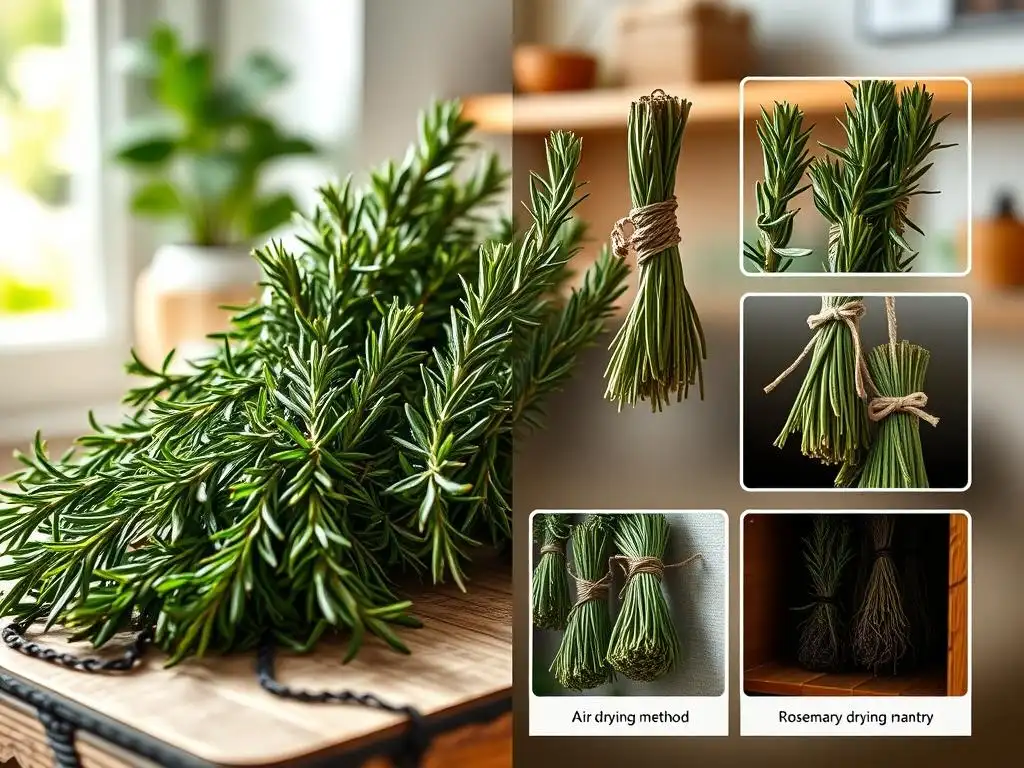
This section delves into the specifics of air drying rosemary, comparing it to other popular methods to help you determine the best approach for preserving your harvest. The "air dry rosemary best method" often depends on your resources, time constraints, and desired outcome.
Air Drying Rosemary: Advantages and Disadvantages
Air drying rosemary, a time-honored technique, offers several benefits. It's arguably the simplest method, requiring minimal equipment and energy. The slow, gentle drying process helps retain the herb's essential oils, resulting in a more intense aroma and flavor compared to faster methods. This makes it a preferred choice for many home gardeners focused on quality. Furthermore, air drying is a sustainable and eco-friendly option, aligning perfectly with the principles of organic gardening.
However, air drying also presents some drawbacks. It's the slowest method, taking anywhere from one to three weeks, depending on humidity and air circulation. This extended drying time increases the risk of mold or mildew growth if not carefully monitored and managed. Proper storage is crucial after air drying to maintain the quality and prevent spoilage. Finally, air drying necessitates a suitable space with good airflow and low humidity, which might not be readily available for all gardeners.
Consider this table summarizing the pros and cons:
| Feature | Advantage | Disadvantage |
|---|---|---|
| Time | Simple and requires minimal active time. | Slowest method (1-3 weeks) |
| Equipment | Minimal equipment needed. | Requires space with good air circulation. |
| Flavor/Aroma | Retains more essential oils, richer flavor. | Increased risk of spoilage if not properly monitored |
| Sustainability | Eco-friendly and energy-efficient. | More susceptible to mold or mildew if humidity is high |
| Cost | Very low cost. | Requires patience and careful monitoring |
Comparing Air Drying with Other Methods (Oven Drying, Dehydrator)
Let's compare air drying with oven drying and dehydrator drying, two alternative methods for preserving rosemary.
Oven drying is a faster method, typically taking a few hours. However, the high heat can degrade some of the essential oils, potentially impacting the aroma and flavor. It also requires constant monitoring to prevent burning.
Dehydrators offer a controlled environment with precise temperature settings. This results in consistent drying and minimizes the risk of spoilage. However, dehydrators represent a significant upfront investment, and their energy consumption is higher than air drying.
Here's a quick comparison table:
| Method | Drying Time | Flavor/Aroma Retention | Energy Consumption | Equipment Cost | Risk of Spoilage |
|---|---|---|---|---|---|
| Air Drying | 1-3 weeks | High | Low | Low | Moderate |
| Oven Drying | 2-4 hours | Moderate | Moderate | Low | High |
| Dehydrator Drying | 4-8 hours | High | Moderate to High | High | Low |
Choosing the "air dry rosemary best method" depends entirely on your priorities. If preserving the most intense flavor and aroma is paramount and you have the patience, air drying is ideal. If speed is more important, then oven drying or a dehydrator might be preferable, despite the potential trade-off in flavor. Careful consideration of these factors will help you make an informed decision for your rosemary harvest. Remember that consistent monitoring and proper storage are crucial regardless of the chosen method to ensure the longevity and quality of your dried rosemary.
Recipes and Uses for Air-Dried Rosemary: Culinary Inspiration
Air drying rosemary, as we've explored, is a fantastic way to preserve its potent aroma and flavor for months. But what can you do with all that wonderfully dried rosemary? The possibilities are surprisingly vast, extending far beyond a simple sprinkle on roasted potatoes. This section will delve into the culinary versatility of air-dried rosemary, offering inspiration for incorporating this fragrant herb into your everyday cooking. The key is to remember that the flavor of air-dried rosemary is more concentrated than fresh, so start with a smaller amount and adjust to your taste.
Incorporating Air-Dried Rosemary into Everyday Dishes
Air-dried rosemary seamlessly integrates into countless dishes. Its robust, slightly piney flavor pairs beautifully with meats, vegetables, and even desserts. Think of it as a secret weapon to elevate your cooking from simple to sublime. Here are some basic ways to incorporate it:
- Roasted Vegetables: Toss your favorite vegetables (potatoes, carrots, Brussels sprouts) with olive oil, salt, pepper, and a generous sprinkle of air-dried rosemary before roasting. The heat intensifies the rosemary's flavor, creating a delightful aroma throughout your kitchen. Experiment with different vegetable combinations for unique flavor profiles. For instance, roasted root vegetables with air-dried rosemary and a touch of thyme create a wonderfully autumnal dish.
- Soups and Stews: Add a sprig or two of air-dried rosemary to simmering soups and stews during the last 15-20 minutes of cooking. This infuses the broth with a deep, earthy flavor without overpowering other ingredients. A hearty beef stew or a simple lentil soup will benefit greatly from the addition of air-dried rosemary.
- Bread and Baked Goods: Rosemary's herbaceous notes complement the richness of bread beautifully. Incorporate finely chopped air-dried rosemary into your favorite bread dough for a fragrant and flavorful loaf. Rosemary focaccia or rosemary-garlic bread are excellent examples. Even a simple addition to biscuits elevates them.
- Marinades and Rubs: Create flavorful marinades and rubs for meats by combining air-dried rosemary with other herbs and spices. A simple marinade of olive oil, lemon juice, garlic, and air-dried rosemary is perfect for chicken, lamb, or fish. For a more robust flavor, consider adding smoked paprika or black pepper.
Culinary Uses for Air-Dried Rosemary: Specific Recipe Examples
Let's move beyond general suggestions and explore specific recipe examples showcasing the unique qualities of air-dried rosemary. Remember to adjust the amount of rosemary based on your preference and the intensity of the flavor you desire. Air-dried rosemary is potent!
- Roasted Chicken with Air-Dried Rosemary and Lemon: This classic dish is elevated by the intense aroma of air-dried rosemary. Simply rub the chicken with olive oil, salt, pepper, and generously sprinkle with finely chopped air-dried rosemary. Stuff the cavity with lemon halves and roast until cooked through. The resulting dish is both flavorful and aromatic.
- Rosemary-Infused Olive Oil: Infuse your own olive oil with air-dried rosemary for a flavorful addition to salads, dips, or as a finishing oil for roasted vegetables. Simply add a generous amount of air-dried rosemary to a bottle of high-quality olive oil and let it steep for several weeks in a cool, dark place. The oil will absorb the rosemary's aroma and flavor, resulting in a unique and delicious culinary ingredient. Consider adding a few cloves of garlic for an even more complex flavor profile.
- Rosemary Shortbread Cookies: Surprisingly, air-dried rosemary works beautifully in sweet applications. Finely chop the rosemary and incorporate it into your favorite shortbread recipe. The slight piney note complements the buttery sweetness of the cookies, creating an unexpected yet delightful treat. A sprinkle of sea salt enhances the savory-sweet balance.
Remember to always store your air-dried rosemary in an airtight container in a cool, dark, and dry place to maintain its freshness and flavor for as long as possible. Happy cooking! 🌿
Frequently Asked Questions
What is the best method for air drying rosemary?
The best method is to bundle sprigs together with twine and hang them upside down in a dark, well-ventilated area for 2-3 weeks, or until the needles crumble easily.
How long does it take to air dry rosemary?
Air drying rosemary typically takes 2-3 weeks, depending on the humidity and temperature of your environment. Check regularly; it's ready when the needles are brittle.
How do I store air-dried rosemary?
Once dried, store your rosemary in an airtight container in a cool, dark, and dry place to preserve its flavor and aroma for up to a year.
Can I air dry rosemary outdoors?
Yes, but ensure it's in a shaded, well-ventilated area protected from direct rain to prevent mold and mildew. Consider using a covered area for best results.
What are the signs that my rosemary is properly dried?
Properly dried rosemary will have brittle needles that crumble easily when rubbed between your fingers. The leaves should also be a deeper, darker color than when fresh.
Final Reflection: The Enduring Fragrance of Rosemary and the Art of Patience
The simple act of air drying rosemary, a seemingly mundane task, reveals a profound connection to nature's rhythms and the enduring power of mindful preservation. In a world obsessed with instant gratification, taking the time to carefully dry this fragrant herb offers a powerful counterpoint, reminding us of the rewards of patience and the beauty of natural processes.
The influence of traditional food preservation methods, like air drying rosemary, extends far beyond the kitchen. It speaks to a deeper cultural appreciation for resourcefulness and sustainability, a connection to our culinary heritage that is often overlooked in our fast-paced modern lives. The best things in life are not things, but experiences.
This quote resonates deeply with the process of air drying rosemary; the experience itself, from harvesting to enjoying the dried herb, is as valuable as the final product.
Now, consider your own approach to preserving the things you value—be it a cherished memory, a meaningful relationship, or a skill you wish to master. Just as air drying rosemary requires careful attention and a willingness to wait, so too do these other aspects of life. Embrace the process, find joy in the journey, and discover the enduring fragrance of patience and mindful preservation in your own life.
Unlock the Aromatic Secrets of Dried Rosemary!
Thank you for exploring the world of air-dried rosemary! We hope you're now confident in preserving this fragrant herb's delicious flavor. Ready to put your knowledge into practice?
- Craft your own rosemary-infused olive oil: This is the perfect way to showcase your perfectly dried rosemary, adding a unique and delicious touch to your cooking. Imagine the aroma!
- Share your drying tips and techniques: Let's build a community of rosemary enthusiasts! Share your successes and experiences in the comments below. We all learn from each other, even from the occasional mishap!
- Experiment with different drying methods: Try bundling your rosemary sprigs for a rustic look, or explore other creative ways to store and use your dried harvest. The possibilities are endless!
Ready to transform your culinary creations with the rich aroma of homegrown rosemary?