
Creating Custom Herbal Tea Blends for Specific Needs

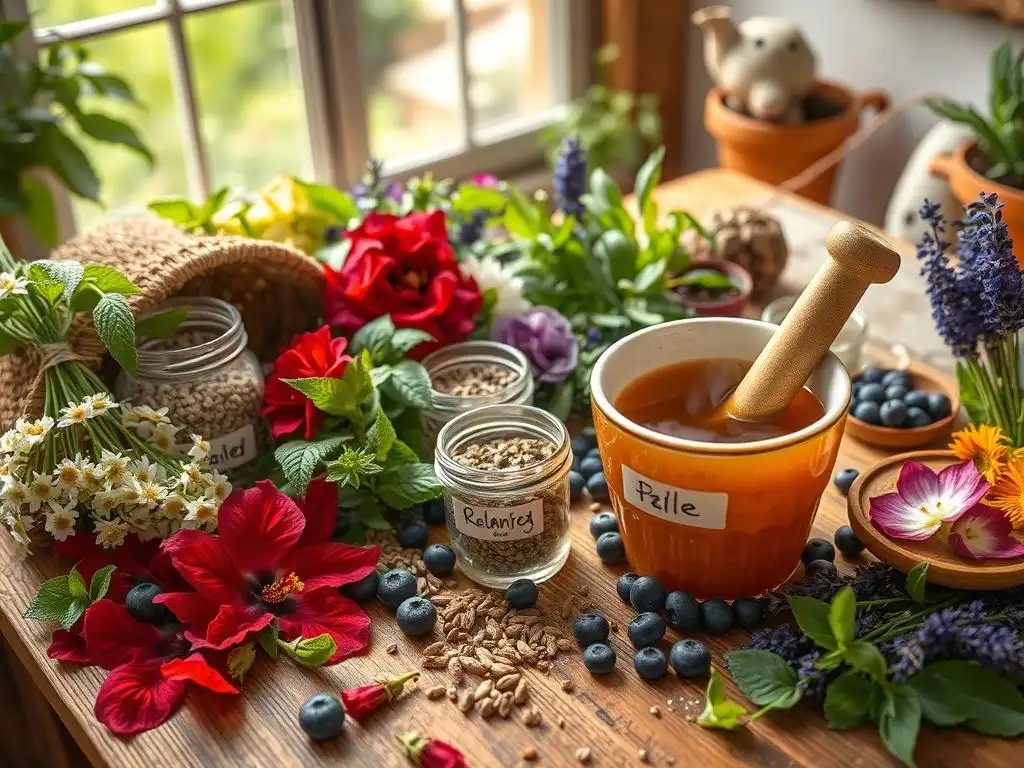
Welcome to CultivateYourFood, your guide to a greener, more flavorful life! Ready to transform your backyard into a thriving oasis of fruits, vegetables, and herbs? We believe everyone can cultivate their own food, sustainably and organically. Discover the secrets to bountiful harvests, from planting to pest control, and unlock the power of nature with our expert advice. Intrigued by the art of creating personalized herbal remedies? Dive into our article on DIY herbal tea blend recipes and learn how to craft custom blends tailored to your specific needs—it’s easier than you think!
- Understanding the Basics of DIY Herbal Tea Blend Recipes
-
Crafting Your Own DIY Herbal Tea Blend Recipes: A Step-by-Step Guide
- Step 1: Choosing Your Herbal Tea Blend Recipe Base
- Step 2: Selecting Complementary Herbs for Enhanced Flavor and Benefits
- Step 3: Measuring and Combining Herbs for Balanced Blends
- Step 4: Testing and Refining Your Custom Herbal Tea Blend Recipes
- Step 5: Storing Your Homemade Herbal Tea Blends for Optimal Freshness
-
DIY Herbal Tea Blend Recipes for Specific Health Goals
- Herbal Tea Blend Recipes for Stress Relief and Relaxation: Calming Herbal Combinations
- Herbal Tea Blends for Immunity Boosting: Strengthening Your Defenses Naturally
- Herbal Tea Blends for Digestion Support: Soothing and Gentle Herbal Remedies
- Herbal Tea Blends for Better Sleep: Promoting Restful Nights Naturally
- Herbal Tea Blends for Energy and Focus: Herbal Combinations for Enhanced Alertness
- Tips for Creating Delicious and Effective Herbal Tea Blends
- Beyond the Basics: Advanced Techniques for Herbal Tea Blending
- Resources for Further Learning about DIY Herbal Tea Blend Recipes
-
Frequently Asked Questions
- What are the benefits of making my own herbal tea blends?
- Where can I find high-quality herbs for my DIY tea blends?
- How do I store my homemade herbal tea blends to maintain freshness?
- What are some popular herbs for creating calming or energizing tea blends?
- Are there any precautions I should take when making and consuming herbal teas?
- Final Reflection: Brewing a Healthier Future, One Cup at a Time
- Unleash Your Inner Herbalist: Craft Your Perfect Tea Blend!
Understanding the Basics of DIY Herbal Tea Blend Recipes
Creating your own herbal tea blends is a rewarding and surprisingly simple process. This guide will walk you through the steps of crafting customized herbal tea blends tailored to your specific health and wellness goals, empowering you to take control of your beverage choices and harness the power of nature's pharmacy. From soothing chamomile blends for relaxation to invigorating peppermint mixes for digestion, the possibilities are as diverse as the herbs themselves.
We'll explore selecting the right herbs based on their properties, sourcing high-quality ingredients, and mastering the art of blending for optimal flavor and benefit. This journey into the world of DIY herbal tea blend recipes will equip you with the knowledge and confidence to create delicious and therapeutic beverages using sustainably-sourced, organic ingredients.
This article focuses on providing you with the necessary information to confidently develop your own DIY herbal tea blend recipes, catering to your unique preferences and needs. Let's dive in!
Selecting the Right Herbs for Your Needs: A Guide to Herbal Properties
Choosing the right herbs is the cornerstone of creating effective and delicious herbal tea blends. Understanding the diverse properties of different herbs is crucial for achieving your desired outcome. For example, chamomile is widely known for its calming and sleep-promoting effects, while peppermint is renowned for its digestive benefits and refreshing taste. Lavender offers a relaxing aroma and can help with anxiety, while ginger provides a warming sensation and aids in digestion.
Consider these common herbal properties and their associated benefits when selecting herbs for your blends:
- Calming & Relaxing: Chamomile, Lavender, Lemon Balm
- Digestive Aid: Peppermint, Ginger, Fennel
- Immune Support: Echinacea, Elderflower, Thyme
- Energy Boost: Ginseng, Matcha, Guarana (Use cautiously, some may be stimulating)
- Antioxidant Rich: Rooibos, Hibiscus, Rosehips
It's important to research the specific properties of each herb you consider using and to be mindful of potential interactions with medications or pre-existing health conditions. Always consult a healthcare professional if you have concerns about incorporating herbs into your diet, especially if you are pregnant, breastfeeding, or have underlying health issues. Remember to start with small quantities of new herbs to assess your personal tolerance and response. The world of herbalism is vast and exciting; exploring different herb combinations can lead to unique and personalized tea blends.
Sourcing High-Quality Herbs: Organic vs. Conventional
The quality of your herbs significantly impacts the taste and effectiveness of your tea blends. Opting for high-quality, preferably organic, herbs is essential. Organic herbs are cultivated without the use of harmful pesticides and herbicides, ensuring a cleaner, healthier end product free from potentially harmful chemical residues. This is particularly important when consuming the herbs directly as an infusion.
Here's a comparison of organic and conventional herbs:
| Feature | Organic Herbs | Conventional Herbs |
|---|---|---|
| Pesticide Use | No synthetic pesticides or herbicides | May contain synthetic pesticides and herbicides |
| Soil Health | Often grown in healthier, more sustainable soil | Soil health may be compromised by chemical use |
| Flavor & Aroma | Generally richer, more nuanced flavor and aroma | Flavor and aroma may be less pronounced |
| Cost | Typically more expensive | Generally less expensive |
| Environmental Impact | Lower environmental impact | Higher environmental impact |
While the cost of organic herbs might be higher, the benefits to your health and the environment make it a worthwhile investment. Look for reputable suppliers who clearly label their products and provide information about their sourcing and cultivation practices. Consider buying herbs in bulk to save money and reduce packaging waste.
Essential Tools and Equipment for Herbal Tea Blending
While creating herbal tea blends doesn't require extensive equipment, having the right tools can make the process smoother and more enjoyable. Here's a list of essential tools:
- Measuring Cups and Spoons: Accurate measurements are crucial for consistent results.
- Herb Grinder or Mortar and Pestle: To grind dried herbs for better flavor extraction, especially for tougher herbs.
- Airtight Containers: For storing your blended teas and preserving their freshness and aroma. Glass jars are ideal.
- Small Bowls or Mixing Dishes: For combining your herbs.
- Fine-Mesh Sieve or Strainer: For straining the herbs from the infused water.
- Tea Infuser (optional): A convenient tool for steeping loose-leaf herbs directly in your mug.
Having these tools at your disposal will ensure a more efficient and enjoyable blending process. Remember, careful preparation and attention to detail contribute significantly to the overall quality and enjoyment of your custom herbal tea blends. With practice and experimentation, you’ll soon be crafting delightful and beneficial teas tailored precisely to your needs and preferences. 🎉
Crafting Your Own DIY Herbal Tea Blend Recipes: A Step-by-Step Guide
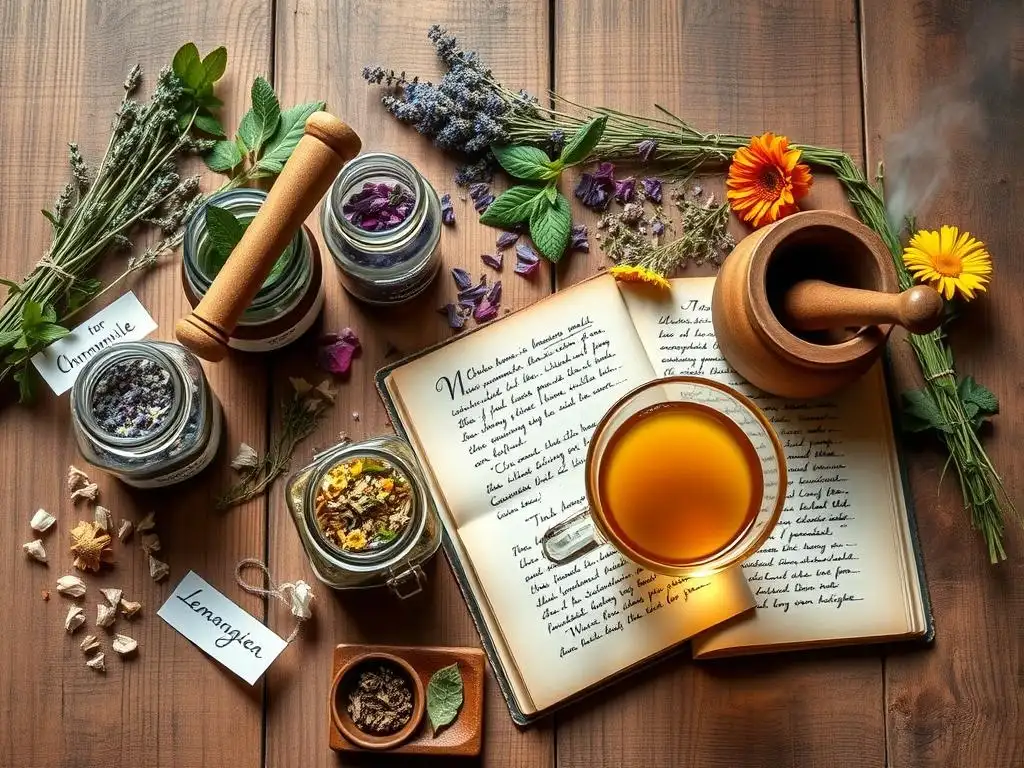
This section provides a detailed, step-by-step guide to creating your own customized herbal tea blends. We'll explore how to select base herbs, incorporate complementary ingredients, and achieve the perfect balance for your desired flavor profile and health benefits. Learning to create your own DIY herbal tea blend recipes opens up a world of possibilities, allowing you to tailor your teas to your specific needs and preferences.
Step 1: Choosing Your Herbal Tea Blend Recipe Base
The foundation of any successful herbal tea blend is a strong, flavorful base herb. This herb will form the dominant taste and aroma of your tea. Consider the desired effect and flavor profile when selecting your base. For instance:
- For a calming and relaxing tea: Chamomile is an excellent choice. Its gentle floral notes and soothing properties make it a perfect base for evening teas. You might also consider lavender, known for its calming scent and ability to promote relaxation and sleep.
- For an energizing and uplifting tea: Rooibos or peppermint could serve as robust bases. Rooibos offers a naturally sweet and slightly nutty flavor, while peppermint provides a refreshing, invigorating kick. Consider adding lemongrass for an extra zing.
- For a digestive aid: Ginger is a powerful base herb known for its anti-inflammatory properties and ability to soothe the stomach. Fennel, with its slightly licorice-like flavor, also aids digestion.
Choosing the right base is crucial for a well-balanced DIY herbal tea blend recipe. Think about the overall feeling you want your tea to evoke and select a base herb that aligns with that intention. Experimentation is key!
Step 2: Selecting Complementary Herbs for Enhanced Flavor and Benefits
Once you've selected your base herb, it's time to add complementary herbs to enhance the flavor and therapeutic properties of your blend. Consider the following:
- Flavor Enhancement: Use herbs to add sweetness, tartness, or spice. For instance, hibiscus adds a tartness that complements many base herbs. Licorice root provides sweetness, while a pinch of cinnamon or cloves adds warmth and spice.
- Synergy of Benefits: Some herbs work synergistically, meaning their combined effects are greater than the sum of their individual parts. For example, combining chamomile with lemon balm can amplify their calming and sleep-promoting effects.
- Balancing Flavors: If your base herb has a strong flavor, you may want to add milder herbs to balance it. If it's a milder base, you might add bolder herbs for a more complex taste.
Here's a table illustrating some complementary herb combinations:
| Base Herb | Complementary Herbs | Desired Effect |
|---|---|---|
| Chamomile | Lavender, Lemon Balm, Catnip | Relaxation, Sleep |
| Peppermint | Ginger, Spearmint, Lemon Verbena | Digestive Aid, Energy Boost |
| Rooibos | Hibiscus, Cinnamon, Vanilla | Sweetness, Antioxidant Properties |
| Ginger | Turmeric, Lemon, Honey | Anti-inflammatory, Digestive Support |
Remember to consider the ratios carefully. A small amount of a strong herb can significantly impact the overall flavor and potency of the blend.
Step 3: Measuring and Combining Herbs for Balanced Blends
Accurate measurement is essential for creating consistent and well-balanced DIY herbal tea blend recipes. Start by using a small scale to weigh your herbs. This ensures accuracy, especially when working with multiple herbs. You can also use measuring spoons for smaller quantities.
A good starting point is to use a ratio of 2:1 or 3:1, where the base herb constitutes the larger portion. For example, a blend might consist of 3 parts chamomile and 1 part lavender. Experiment with different ratios to find what you like best.
Once you've measured your herbs, gently combine them in a clean, airtight container. Label the container with the name of your blend and the date it was created. Proper storage is important to maintain the freshness and potency of your herbs. Store your blends in a cool, dark, and dry place. Enjoy your custom-crafted herbal tea! ☕
Step 4: Testing and Refining Your Custom Herbal Tea Blend Recipes
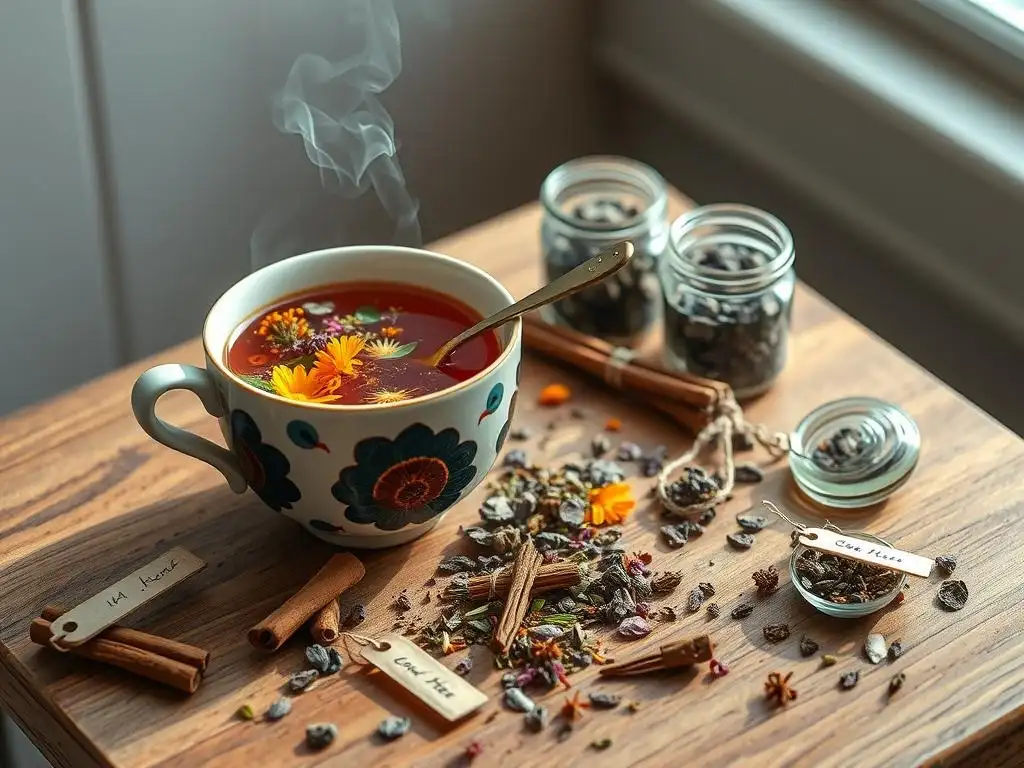
Once you've assembled your initial DIY herbal tea blend recipe, it's crucial to test and refine it to achieve your desired taste and effects. This iterative process is key to creating a truly personalized and effective blend. Begin by brewing a small batch, following your chosen method (steeping time, water temperature, etc., as detailed in previous steps). Pay close attention to the aroma—does it evoke the intended feeling or purpose? Taste the tea carefully. Is the flavor balanced? Are any herbs overpowering others? Is the strength to your liking?
Many factors influence the final taste. The age of the herbs plays a significant role; older herbs may have a less intense flavor. Similarly, the type of water used can affect the overall taste profile. Experiment with different water sources (filtered, spring, etc.) and note the subtle variations.
Also, consider the ratio of herbs. If a particular herb is too dominant, try reducing its quantity in the next batch. If a flavor is too subtle, increase its proportion. Keep detailed notes of each experiment, including the specific ratios of herbs used, the brewing method, the resulting taste and aroma, and your overall impression.
This detailed record will be invaluable as you fine-tune your recipe. For example, if you're aiming for a calming blend but find it too stimulating, you might reduce the amount of peppermint and increase the chamomile. This meticulous approach ensures you create a blend that perfectly suits your preferences and intended use. Remember, the goal is to create a harmonious blend, not just a random collection of herbs.
Step 5: Storing Your Homemade Herbal Tea Blends for Optimal Freshness
Proper storage is vital for preserving the flavor, aroma, and medicinal properties of your carefully crafted DIY herbal tea blend recipes. Improper storage can lead to the loss of potency and the development of unpleasant tastes. To maintain the quality of your blends, store them in airtight containers, away from direct sunlight, heat, and moisture. Glass jars with tight-fitting lids are ideal, offering excellent protection against air and moisture.
Avoid storing your blends in plastic containers, as they can absorb odors and potentially leach chemicals into your herbs. Keep the containers in a cool, dark, and dry place—a pantry or cupboard is usually perfect. Properly stored, your blends can retain their quality for several months, although the flavor might subtly change over time.
For optimal freshness, it's best to use your blends within three to six months of preparation. Always label your containers clearly, indicating the contents, date of preparation, and any specific instructions for use. This practice will prevent confusion and ensure you always know what you have on hand.
Consider adding a small desiccant packet to the container to further absorb moisture and help prolong the shelf life of your precious herbal creations. This simple step can significantly extend the usability of your carefully crafted DIY herbal tea blend recipes. Proper storage is a crucial element in preserving the quality and effectiveness of your homemade blends.
DIY Herbal Tea Blend Recipes for Specific Health Goals
This section explores the creation of customized herbal tea blends targeting specific health needs, offering a deeper dive into the world of DIY herbal tea blend recipes. We'll explore blends designed to promote relaxation, boost immunity, and aid digestion, all using readily available herbs you can grow in your own garden. Remember to always consult with a healthcare professional before using herbal remedies, especially if you have pre-existing conditions or are taking medication.
Herbal Tea Blend Recipes for Stress Relief and Relaxation: Calming Herbal Combinations
Stress is a pervasive issue in modern life. Fortunately, nature provides a soothing antidote in the form of calming herbs. Creating a personalized blend allows for precise control over the intensity and effects of the tea. Here are some key herbs and a sample recipe:
- Chamomile: Known for its gentle sedative properties, chamomile promotes relaxation and improves sleep quality. Its delicate floral aroma adds to its calming effect.
- Lavender: Lavender's soothing fragrance and relaxing properties are well-documented. It can help reduce anxiety and promote a sense of tranquility.
- Lemon Balm: This herb possesses calming and mood-boosting properties, making it a valuable addition to stress-relief blends. It also has a pleasant, lemony aroma.
- Catnip: While often associated with cats, catnip offers mild sedative effects for humans, promoting relaxation and reducing anxiety.
Sample Blend: "Evening Calm" Tea
This recipe provides a balanced blend to promote relaxation before bedtime:
- 1 tbsp dried chamomile flowers
- 1 tbsp dried lavender flowers
- ½ tbsp dried lemon balm
- ¼ tbsp dried catnip
Instructions: Steep 1 teaspoon of the blend in 8 ounces of hot (not boiling) water for 10-15 minutes. Enjoy before bed for a restful night's sleep. Adjust the quantities to your preference. Remember to store your dried herbs in an airtight container in a cool, dark place to maintain their potency.
Herbal Tea Blends for Immunity Boosting: Strengthening Your Defenses Naturally
Supporting your immune system naturally is crucial for maintaining overall well-being. Several herbs are known for their immune-boosting properties. Carefully crafted blends can help strengthen your defenses:
- Elderberry: Elderberry is a powerhouse of antioxidants and vitamins, providing significant support to the immune system. It's often used to alleviate cold and flu symptoms.
- Echinacea: This herb has a long history of use in traditional medicine to stimulate the immune system and fight infections.
- Ginger: Known for its anti-inflammatory and antioxidant properties, ginger can help reduce inflammation and support immune function.
- Licorice Root: While often used for its sweetening properties, licorice root also possesses antiviral and anti-inflammatory effects. Use it sparingly, as excessive consumption may have side effects.
Sample Blend: "Immune Shield" Tea
This blend combines several potent immune-boosting herbs:
| Herb | Amount (dried) | Benefits |
|---|---|---|
| Elderberry | 1 tbsp | Rich in antioxidants, supports immune function |
| Echinacea | ½ tbsp | Stimulates immune system, fights infections |
| Ginger (ground) | ¼ tsp | Anti-inflammatory, supports immune function |
| Licorice Root | Pinch | Antiviral, anti-inflammatory |
Instructions: Steep 1 teaspoon of this blend in 8 ounces of hot water for 10-15 minutes. Drink 1-2 cups daily, especially during cold and flu season. Note: This blend is for short-term use only.
Herbal Tea Blends for Digestion Support: Soothing and Gentle Herbal Remedies
Digestive issues are common, but herbal teas can offer gentle relief. Certain herbs can soothe the digestive tract, reduce inflammation, and promote healthy bowel movements. Here are some examples:
- Peppermint: Peppermint's calming effect on the digestive system is well-known. It can help relieve symptoms of indigestion, bloating, and nausea.
- Chamomile: In addition to its calming properties, chamomile can also soothe the digestive tract and reduce inflammation.
- Ginger: Ginger's anti-inflammatory properties can help alleviate digestive discomfort and reduce nausea.
- Fennel: Fennel seeds are excellent for digestion, relieving gas and bloating. They also have a pleasant, slightly licorice-like flavor.
Sample Blend: "Gentle Digest" Tea
This blend is formulated to support healthy digestion:
- 1 tbsp dried peppermint leaves
- ½ tbsp dried chamomile flowers
- ½ tbsp fennel seeds
- ¼ tsp ground ginger
Instructions: Steep 1 teaspoon of the blend in 8 ounces of hot water for 5-7 minutes. Sip slowly after meals to aid digestion. This blend is generally safe for regular use, but always listen to your body and stop if you experience any adverse effects. Remember to adjust the quantities according to your taste and tolerance. Enjoy the benefits of your homemade herbal infusions!
Herbal Tea Blends for Better Sleep: Promoting Restful Nights Naturally
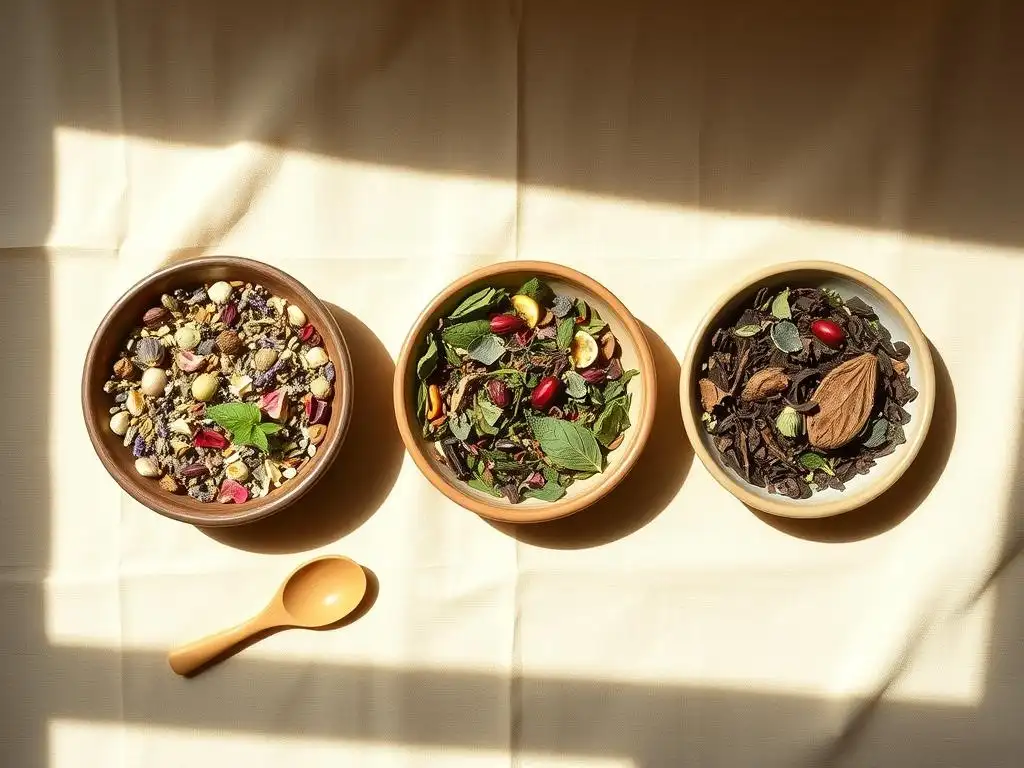
Creating a calming herbal tea blend for better sleep involves selecting herbs known for their relaxing properties. Chamomile is a classic choice, renowned for its gentle sedative effects and ability to ease anxiety. Its delicate floral aroma contributes to a soothing bedtime ritual. Adding lavender, another well-established sleep aid, amplifies the calming effect. Lavender's fragrance is often associated with relaxation and improved sleep quality. Many studies support its efficacy in promoting restful sleep. 1 For a more robust blend, consider incorporating lemon balm, known for its ability to reduce stress and anxiety, thereby indirectly improving sleep. A small amount of valerian root can also be included, but use it cautiously, as it can be potent. Start with a small quantity and observe its effect on your sleep. A typical blend might consist of 1 tablespoon chamomile, ½ tablespoon lavender, ¼ tablespoon lemon balm, and a pinch of valerian root per cup of hot water. Remember to steep the blend for at least 10-15 minutes to fully extract the beneficial compounds. Avoid consuming this tea too close to bedtime, as the diuretic effect of some herbs could disrupt your sleep.
It's crucial to remember that while these herbs are generally safe, individual reactions can vary. Always start with a small amount of any new herb to gauge your body's response. If you experience any adverse effects, discontinue use and consult a healthcare professional. Moreover, these herbal teas are not a replacement for medical treatment.
If you suffer from chronic sleep disorders, it's important to seek professional medical advice. Experimentation is key to finding the perfect blend that suits your individual needs and preferences. Some people find that adding a touch of honey or a slice of orange adds to the overall experience and taste of their sleep-promoting tea.
Herbal Tea Blends for Energy and Focus: Herbal Combinations for Enhanced Alertness
Unlike sleep-promoting blends, energizing herbal teas utilize herbs with stimulating properties. Rooibos tea, naturally caffeine-free, provides a gentle boost of energy without the jitters often associated with coffee. Its rich, slightly sweet flavor makes it a pleasant alternative to other stimulating beverages. Adding ginseng, known for its adaptogenic properties, can further enhance energy levels and improve mental clarity. Ginseng helps the body cope with stress and fatigue, resulting in increased focus and alertness. 2 Another excellent addition is peppermint, which can improve digestion and mental sharpness. Its refreshing taste also adds a pleasant element to the blend. A combination of 1 tablespoon Rooibos, ½ tablespoon ginseng (powdered), and ¼ tablespoon peppermint leaves per cup of hot water provides a balanced and energizing blend. Steep for 5-7 minutes to avoid over-extraction, which can result in a bitter taste.
However, it’s vital to be mindful of the potential for interactions with medications. Ginseng, for example, can interact with certain medications. Consult your physician or pharmacist if you are taking any medications before incorporating ginseng into your diet. Furthermore, the stimulating effects of these herbs can vary depending on individual sensitivity and tolerance. Start with a smaller amount and gradually increase the quantity as needed.
While these herbal teas can provide a natural energy boost, they shouldn't be seen as a replacement for proper sleep, a balanced diet, or regular exercise. A healthy lifestyle is fundamental to maintaining sustained energy levels and optimal cognitive function. Experimenting with different ratios of herbs will allow you to personalize your energy-boosting tea to perfectly suit your taste and energy needs. Consider adding a squeeze of lemon for an extra zing!
1 [Citation needed for Lavender's effect on sleep quality] 2 [Citation needed for Ginseng's adaptogenic properties and effect on focus]
Tips for Creating Delicious and Effective Herbal Tea Blends
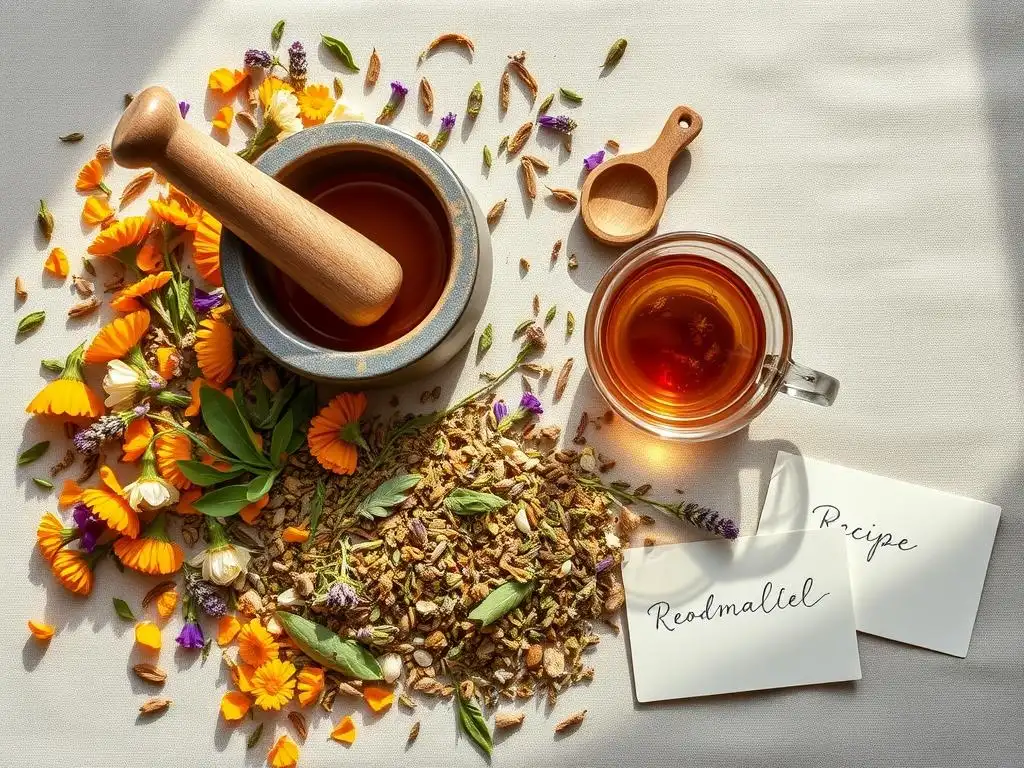
This section provides practical advice for crafting your own unique and beneficial herbal tea blends. Successfully creating a delicious and effective herbal tea involves understanding flavor profiles, balancing ingredients, and experimenting with different combinations. Remember, the beauty of DIY herbal tea blend recipes lies in the personalization – tailoring your blends to suit your specific tastes and needs. Let's explore some key techniques to elevate your herbal tea crafting.
Mastering the Art of Herbal Tea Flavor Balancing
Balancing flavors is crucial in creating a harmonious and enjoyable herbal tea blend. Think of it like composing a symphony – each herb plays a unique role, contributing to the overall composition. Some herbs are known for their strong, assertive flavors, while others are more subtle and nuanced. Understanding these nuances allows you to create blends that are both complex and pleasing to the palate.
For instance, a blend featuring strong, earthy notes from rosemary might be balanced with the sweetness of chamomile and the slight citrusy tang of lemon balm. Conversely, a delicate blend using lavender and rose petals might be overpowered by adding a robust herb like peppermint.
Consider the following flavor categories when designing your blends:
- Sweet: Chamomile, rose, hibiscus
- Spicy: Ginger, cinnamon, cloves
- Earthy: Rosemary, thyme, sage
- Floral: Lavender, rose, calendula
- Minty: Peppermint, spearmint, apple mint
- Citrusy: Lemon balm, lemongrass
A good starting point is to begin with a base herb that provides a foundation for your blend. Then, gradually add other herbs, tasting as you go, until you achieve the desired flavor profile. Don't be afraid to experiment! Record your recipes meticulously so you can replicate your successful blends. This process allows you to fine-tune the ratios and create unique flavor combinations tailored to your preferences. Remember, there are no hard and fast rules – the key is to find what works best for you.
Experimenting with Different Herbal Combinations and Ratios
The possibilities for creating unique herbal tea blends are virtually endless. Experimenting with different herbs and ratios is essential to discovering your signature recipes. Start by selecting 2-3 herbs with complementary flavor profiles. Begin with equal parts of each herb and then adjust the ratios based on your taste preferences. For example, if you find one herb is overpowering, reduce its quantity and increase the amount of a milder herb.
Here's a simple table illustrating different combinations and potential flavor profiles:
| Herb Combination | Flavor Profile | Potential Benefits |
|---|---|---|
| Chamomile & Lavender | Relaxing, floral, calming | Stress relief, sleep improvement |
| Peppermint & Ginger | Refreshing, spicy, invigorating | Digestive aid, energy boost |
| Lemon Balm & Rose | Uplifting, sweet, subtly floral | Mood elevation, mild sedative effects |
| Rosemary & Thyme | Earthy, slightly pungent, aromatic | Focus enhancement, respiratory support |
| Hibiscus & Cinnamon | Tart, sweet, warm spicy | Immune support, antioxidant properties |
Remember to always start with small quantities when experimenting with new herbs. This allows you to taste-test your blend and adjust the ratios before committing to a larger batch. This iterative process is key to mastering the art of DIY herbal tea blend recipes. The more you experiment, the more confident you will become in creating your own personalized blends.
Enhancing Your Herbal Tea Blends with Spices and Other Flavor Enhancers
Adding spices and other flavor enhancers can significantly elevate your herbal tea blends, adding depth and complexity. A pinch of cinnamon can add warmth and sweetness, while a few cardamom pods can introduce a subtle spice and aroma. Other options include star anise, cloves, or even a touch of vanilla bean.
Beyond spices, consider incorporating other natural flavor enhancers such as:
- Citrus Zest: Lemon, orange, or grapefruit zest adds a bright, refreshing note.
- Dried Fruit: A few pieces of dried apple, cranberries, or apricots can add sweetness and texture.
- Honey or Maple Syrup: A touch of natural sweetener can balance tartness or bitterness. (Use sparingly to avoid overpowering the herbal flavors.)
Remember that the goal is to complement, not overpower, the herbal flavors. Start by adding small amounts of each enhancer and taste-test frequently to ensure the blend remains balanced and harmonious. The addition of these flavor enhancers can transform a simple herbal tea into a truly sophisticated and delightful beverage, further expanding the possibilities of your DIY herbal tea blend recipes. 🍹
Creating visually appealing herbal tea blends
Creating a visually appealing herbal tea blend can significantly enhance the overall experience. The color, shape, and size of the herbs used can dramatically impact the aesthetic appeal of your creation. Consider using a variety of herbs with contrasting colors for a more vibrant and eye-catching blend. For example, the deep green of chamomile flowers can be beautifully complemented by the bright purple of lavender buds and the reddish-brown of hibiscus blossoms. This creates a visually stunning blend that is as pleasing to the eye as it is to the palate.
Beyond the color, the texture and size of the herbs also contribute to the visual appeal. A blend that incorporates a mix of whole flowers, finely chopped leaves, and perhaps even some berries or seeds will have a much more interesting visual texture than a blend consisting solely of finely powdered herbs. This layered appearance adds depth and complexity to the overall look, making it more inviting.
Furthermore, the way you present your blend can also enhance its visual appeal. Consider using attractive glass jars or tins for storage and presentation. You could even add a decorative label with the blend’s name and a description of its benefits. This not only makes the tea blend look more professional but also adds a personal touch, making it a thoughtful gift or a delightful addition to your own kitchen.
Think about packaging your DIY herbal tea blend recipes in small muslin bags for a rustic and charming presentation, especially if you're giving them as gifts. The possibilities for enhancing the visual appeal of your creations are truly endless! Experiment with different combinations of herbs and presentation styles to find what works best for you and your blends. Remember, the eye often eats first, so making your blends visually appealing is a crucial part of the overall enjoyment.
Beyond the Basics: Advanced Techniques for Herbal Tea Blending
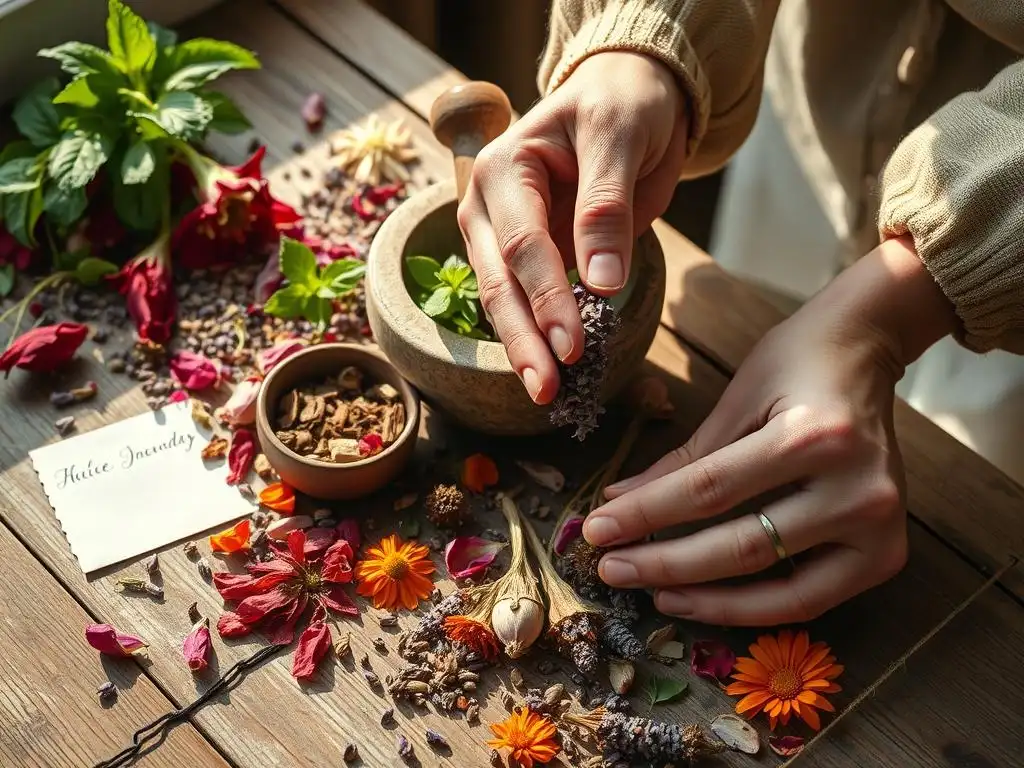
This section delves into more advanced techniques for crafting your own unique and effective DIY herbal tea blend recipes, moving beyond simple combinations to explore nuanced flavor profiles and extended shelf life. We'll explore ways to elevate your herbal tea creations to a new level of sophistication and enjoyment.
Infusing Herbal Tea Blends with Essential Oils (with safety precautions)
Adding essential oils can dramatically enhance the aroma and therapeutic properties of your herbal tea blends. However, it's crucial to proceed with caution. Essential oils are highly concentrated and should never be ingested directly. Only use high-quality, food-grade essential oils specifically designed for culinary use. Even then, use them sparingly – a few drops per ounce of dried herbs is usually sufficient.
Remember to always perform a patch test before adding essential oils to a blend you intend to drink. Apply a tiny amount of the diluted essential oil to your inner wrist and wait 24 hours to check for any allergic reactions like redness, itching, or rash. If you experience any adverse reaction, discontinue use immediately.
Here's a simple example: A calming blend might include chamomile and lavender flowers, infused with a single drop of food-grade lavender essential oil per cup of dried herbs. This enhances the calming properties and adds a more intense aroma. However, remember that even food-grade essential oils shouldn't be consumed in large quantities. Always follow recommended usage guidelines.
A crucial safety note: Certain essential oils are contraindicated for pregnant or breastfeeding women, individuals with certain medical conditions, or children. Always consult with a qualified healthcare professional or aromatherapist before using essential oils, especially if you have any pre-existing health concerns. Thorough research on the properties and safe usage of each essential oil is paramount.
Creating Herbal Tea Sachets and Gift Sets
Elevate your DIY herbal tea blend recipes by packaging them attractively into sachets. This not only preserves freshness but also makes them ideal gifts. Use muslin bags, cheesecloth, or even small, heat-resistant fabric bags. Fill each sachet with your custom blend, tie it with ribbon or twine, and add a personalized label detailing the blend's ingredients and suggested brewing instructions.
Consider creating themed gift sets. For instance, a "Relaxation Set" might include a chamomile-lavender blend sachet, a small candle, and a calming bath salt recipe. A "Digestive Aid Set" could contain a peppermint-ginger blend, a recipe for digestive cookies, and a small jar of honey. The possibilities are endless! Think about packaging; a beautifully presented gift adds value and makes it more memorable.
Preserving and Extending the Shelf Life of Your Herbal Tea Blends
Proper storage is key to maintaining the quality and potency of your DIY herbal tea blend recipes. Air, moisture, and light are the biggest enemies of dried herbs. Store your blends in airtight containers, preferably in a cool, dark, and dry place. Glass jars with airtight lids are ideal.
To further enhance shelf life, you can consider using desiccant packs (small packets containing silica gel) inside the storage container to absorb excess moisture. These are commonly found in shoe boxes or other packaged goods. Properly stored, your blends can retain their flavor and aroma for several months, sometimes even longer, depending on the herbs used. Always check for any signs of mold or discoloration before brewing. Discard any blend showing signs of spoilage. Using proper storage techniques not only extends the usability of your blends but also reduces waste – a key principle of sustainable gardening.
Remember to label your containers clearly with the blend name, date of creation, and ingredients list. This helps you keep track of your creations and ensures you know exactly what you're brewing. Careful planning and execution are crucial for creating high-quality and long-lasting DIY herbal tea blend recipes.
Resources for Further Learning about DIY Herbal Tea Blend Recipes
This section provides valuable resources to deepen your understanding of creating your own herbal tea blends and expands on the "DIY herbal tea blend recipes" keyword. We'll explore both traditional and modern avenues for learning, emphasizing reliable sources that prioritize safety and efficacy in herbalism.
Recommended Books and Websites for Herbal Tea Enthusiasts
Embarking on the journey of crafting personalized herbal tea blends requires a solid foundation in herbal knowledge. Fortunately, numerous resources exist to guide you. Here are some examples of reputable sources offering detailed information on herbal properties, safe preparation methods, and creative blend ideas:
- Books: Look for books focusing on medicinal herbs and their uses, emphasizing those with detailed monographs (descriptions of individual herbs) and safe usage guidelines. Many excellent titles detail the history of herbalism and the traditional use of specific plants in tea blends. Pay attention to the author's credentials – a background in herbalism or related fields is a strong indicator of reliability. Avoid books that promote unsubstantiated health claims or unsafe practices.
- Websites: Reputable websites dedicated to herbalism often offer detailed information on individual herbs, including their properties, potential interactions with medications, and safe usage guidelines. Look for websites maintained by qualified herbalists or organizations with a strong track record of providing accurate and evidence-based information. Be wary of websites that promote products or services without disclosing potential conflicts of interest. Always cross-reference information from multiple sources to ensure accuracy. Search for resources focused on sustainable and ethical sourcing of herbs, aligning with the CultivateYourFood ethos.
A well-rounded approach involves combining knowledge from both books and reputable websites, enabling you to critically evaluate information and make informed decisions about the herbs you include in your DIY herbal tea blend recipes. Remember to always prioritize safety and consult a healthcare professional if you have any concerns or pre-existing health conditions.
Online Communities and Forums for Sharing Herbal Tea Blend Recipes
The online world offers vibrant communities where you can connect with other herbal tea enthusiasts, share your creations, and learn from experienced herbalists. These platforms provide opportunities for collaboration, feedback, and expanding your knowledge of DIY herbal tea blend recipes.
- Dedicated Herbalism Forums: Many online forums specifically cater to herbalists and tea enthusiasts. These platforms often have dedicated sections for sharing recipes, discussing herb properties, and seeking advice from experienced members. Active participation can lead to valuable insights and connections with a supportive community. Look for forums that encourage respectful discussions and the sharing of reliable information.
- Social Media Groups: Social media platforms, such as Facebook and Instagram, host numerous groups dedicated to herbalism and tea making. These groups can be excellent resources for finding inspiration, discovering new herbs, and sharing your own DIY herbal tea blend recipes. Remember to be discerning about the information you find online and prioritize sources from credible individuals and organizations.
- Recipe-Sharing Websites: Some websites specialize in collecting and sharing recipes, including herbal tea blends. These platforms often allow users to rate and review recipes, offering a valuable source of feedback and community input. Always check the credibility of the website and the source of the recipes before trying them.
Participating in these online communities can significantly enhance your understanding of DIY herbal tea blend recipes, fostering a sense of shared learning and creativity within the herbal tea community. Remember to contribute responsibly, sharing your knowledge and respecting the expertise of others. The exchange of ideas and experiences is key to continuous growth in the art of herbal tea blending.
Frequently Asked Questions
What are the benefits of making my own herbal tea blends?
Making your own blends allows for complete control over ingredients and their quality. You can customize the blend to target specific health needs and preferences, avoiding unwanted additives found in commercial teas. It's also a fun and creative process!
Where can I find high-quality herbs for my DIY tea blends?
You can grow your own herbs organically, purchase from local farmers markets, or source herbs from reputable online retailers specializing in organic and sustainably grown products. Always check for certifications and reviews.
How do I store my homemade herbal tea blends to maintain freshness?
Store your blends in airtight containers in a cool, dark, and dry place. This helps to preserve the aroma and potency of the herbs. Proper storage significantly extends their shelf life.
What are some popular herbs for creating calming or energizing tea blends?
For calming blends, consider chamomile, lavender, and lemon balm. For energizing blends, try peppermint, ginger, and lemongrass. Experiment and find your favorite combinations!
Are there any precautions I should take when making and consuming herbal teas?
Always research the potential interactions of herbs with medications you might be taking. Start with small amounts to check for any adverse reactions. If you have any health concerns, consult a healthcare professional before making significant dietary changes.
Final Reflection: Brewing a Healthier Future, One Cup at a Time
The art of crafting custom herbal tea blends is more than just a hobby; it's a powerful act of self-care and a pathway to a healthier, more mindful life. In a world increasingly dominated by processed foods and fast-paced living, reclaiming control over our well-being through simple, natural remedies like herbal teas feels more vital than ever. The ability to tailor a blend to address specific needs—whether it's boosting immunity, calming anxiety, or improving sleep—offers a tangible connection to our own bodies and a sense of agency over our health.
The journey of discovering the therapeutic properties of herbs and the joy of creating personalized blends has profoundly impacted my own approach to wellness. It's a journey of continuous learning, experimentation, and self-discovery. The process itself is meditative, a quiet ritual that allows for introspection and connection with nature. As Hippocrates wisely stated, Let food be thy medicine and medicine be thy food.
This philosophy underpins the entire practice of creating custom herbal tea blends, emphasizing the inherent healing power found within the plant kingdom.
Now, it's your turn. Consider the unique needs of your body and mind. Experiment with different herbs, explore their properties, and create your own signature blends. Don't be afraid to fail; each attempt is a step toward a deeper understanding of yourself and the potent healing power of nature. Embrace the process, savor the aroma, and enjoy the journey of brewing a healthier, more vibrant future, one delicious cup at a time.
Unleash Your Inner Herbalist: Craft Your Perfect Tea Blend!
Thanks for exploring the world of custom herbal tea blends with us! We hope you feel empowered to create delicious and beneficial beverages tailored to your individual needs. Ready to elevate your tea experience?
- Experiment with your own unique blend: Gather your favorite herbs and spices and begin experimenting! Combine different flavors and aromas to discover your signature blend. Don't be afraid to get creative—this is where the true artistry lies!
- Share your creations: Post a picture of your unique blend on social media and tag us! We'd love to see your creations, and you might inspire fellow tea enthusiasts.
- Research the properties of different herbs: Delve deeper into the world of herbalism and learn about the specific health benefits of various herbs and how they can improve your well-being.
What specific health benefits are you hoping to achieve with your next custom tea blend?