
Creating Herbal Poultices: Using Herbs for Topical Relief

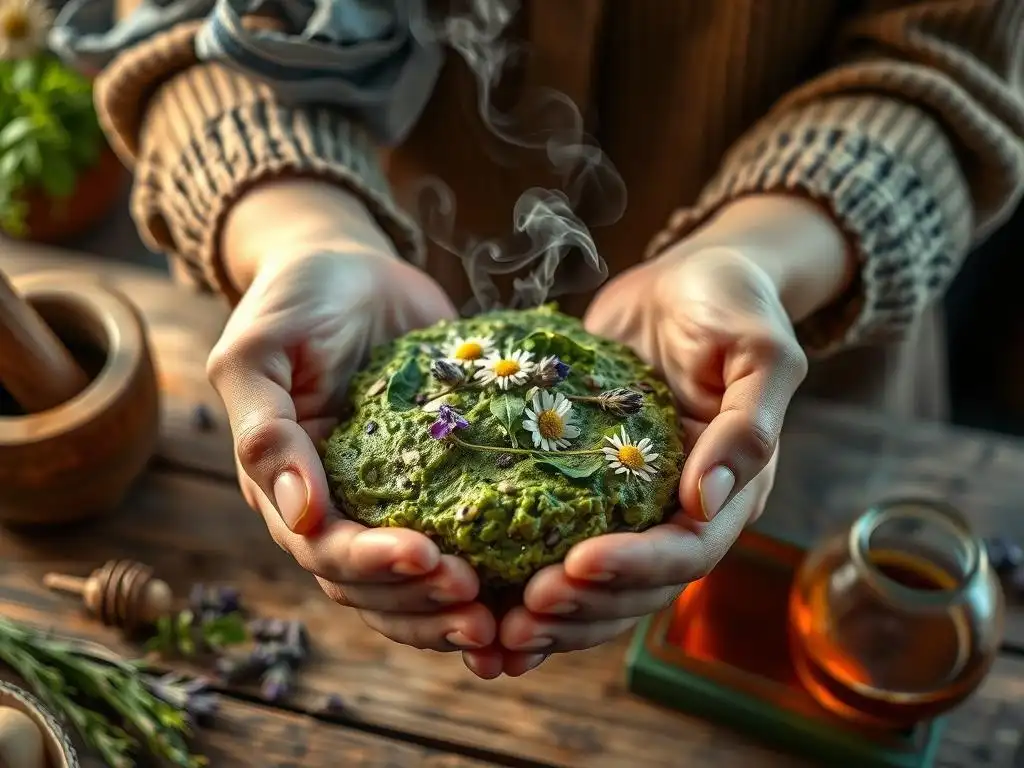
Ready to unlock the healing power of your garden? At CultivateYourFood, we empower you to grow your own fruits, vegetables, and herbs using sustainable methods. But did you know that many of those herbs can also provide incredible topical relief? Discover the secrets to creating effective herbal poultices for soothing aches and pains – learn how to harness nature's pharmacy right in your backyard. Dive into our guide on "Make Herbal Poultice Topical Relief" and begin your journey towards natural healing!
- Understanding Herbal Poultices for Topical Relief
- Selecting and Preparing Your Herbs for Poultice Making
- Step-by-Step Guide: Making an Herbal Poultice
- Using Herbal Poultices for Specific Ailments
- Precautions and Considerations When Using Herbal Poultices
- Storing and Preserving Your Herbal Poultices
- Frequently Asked Questions
- Final Reflection: The Enduring Power of Herbal Poultices
- Unleash the Healing Power of Herbs: Craft Your Own Poultice Today!
Understanding Herbal Poultices for Topical Relief
Herbal poultices, a time-honored remedy, offer a natural and effective approach to topical relief for various ailments. This ancient practice involves applying a warm, moist mixture of crushed herbs directly to the skin to soothe inflammation, reduce pain, and promote healing. From easing muscle aches to treating minor skin irritations, herbal poultices harness the therapeutic power of plants for localized treatment.
This guide will explore the creation and application of herbal poultices, empowering you to harness the healing properties of your herb garden for natural topical relief. We'll delve into the benefits, guide you through herb selection, and provide a step-by-step process to make your own effective and safe herbal poultices. Learning to make herbal poultices is a valuable skill for anyone seeking sustainable and organic ways to address minor health concerns, aligning perfectly with the CultivateYourFood ethos of homegrown wellness.
What are Herbal Poultices?
Herbal poultices are essentially a soft, moist mass of crushed herbs applied directly to the skin. Think of it as a natural, herbal compress. The herbs are usually finely chopped or ground to release their active compounds, which then penetrate the skin.
The warmth and moisture from the poultice help to improve circulation to the affected area, while the herbs themselves provide various therapeutic benefits, depending on the plants used. Traditional methods often involved binding the poultice with a cloth, securing it to the skin, and leaving it in place for a specific duration. The process is remarkably simple, yet it taps into the rich history of herbal medicine for topical relief.
Different cultures have used poultices for centuries, showcasing the enduring value of this therapeutic method. The effectiveness of a poultice hinges on choosing the right herbs for the specific ailment and preparing it correctly to maximize the release of beneficial compounds. 🌿
Benefits of Herbal Poultices for Skin Conditions
Herbal poultices offer a multitude of benefits for various skin conditions. Their anti-inflammatory properties can help reduce swelling and redness associated with injuries, insect bites, or minor burns. Some herbs possess antiseptic qualities, aiding in wound healing and preventing infection.
The warmth of the poultice promotes blood flow, accelerating the healing process and relieving pain. For example, a poultice made with chamomile can soothe irritated skin and reduce inflammation, while a plantain poultice can help draw out impurities and promote faster healing of minor wounds. The application of a poultice is a gentle yet effective way to address skin irritations, providing comfort and promoting natural healing.
Furthermore, the use of poultices avoids the potential harshness of some commercially available topical treatments, making them a gentler alternative for sensitive skin. The specific benefits will vary depending on the herbal ingredients chosen. Remember to always perform a patch test before applying a poultice to a large area of skin to check for any allergic reactions.
Choosing the Right Herbs for Your Poultice: A Guide to Medicinal Herbs
Selecting the appropriate herbs is crucial for creating an effective poultice. The choice depends on the specific condition you aim to treat. Here's a guide to some commonly used medicinal herbs and their properties:
| Herb | Common Uses | Properties |
|---|---|---|
| Calendula | Soothes skin irritations, promotes healing | Anti-inflammatory, antiseptic |
| Chamomile | Reduces inflammation, soothes irritated skin | Anti-inflammatory, anti-irritant |
| Comfrey | Promotes healing of wounds, reduces inflammation | Anti-inflammatory, vulnerary |
| Plantain | Draws out impurities, promotes wound healing | Antiseptic, vulnerary |
| Yarrow | Stops bleeding, reduces inflammation | Anti-inflammatory, astringent, styptic |
Remember to always identify herbs correctly before use and to source them from reputable suppliers. If you are unsure about which herbs to use, consult a qualified herbalist or healthcare professional. Proper identification and sourcing are crucial for the safety and effectiveness of your herbal poultice. Improperly identified or contaminated herbs can lead to adverse reactions. Always prioritize safety and accuracy when working with medicinal plants. 🌱
Selecting and Preparing Your Herbs for Poultice Making
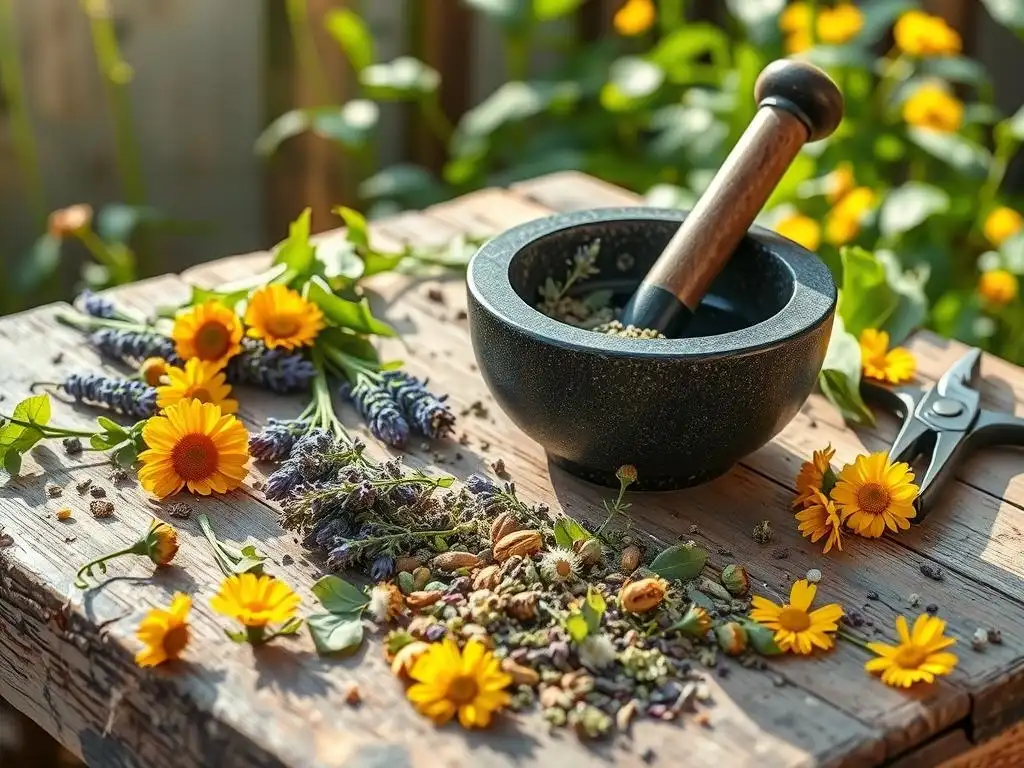
This section focuses on the crucial first steps in creating effective and safe herbal poultices for topical relief. Choosing the right herbs and preparing them correctly is paramount to maximizing their therapeutic benefits. Remember, the efficacy of your poultice directly correlates with the quality of the herbs you use. Let's delve into the specifics of selecting and preparing your herbs for poultice making. Proper selection and preparation are key to making herbal poultice for topical relief.
Harvesting Herbs for Optimal Poultice Efficacy
The timing of your herb harvest significantly impacts the potency of your poultice. Harvesting at the peak of the plant's maturity ensures the highest concentration of beneficial compounds. For most herbs used in poultices, this is typically during the flowering stage, or just before, when the essential oils and active components are at their most abundant. Consider these guidelines:
- Timing: Harvest herbs in the morning after the dew has dried, avoiding the hottest part of the day. This helps preserve the essential oils and prevents wilting.
- Method: Use clean shears or scissors to make clean cuts, avoiding tearing or bruising the plant material. Bruising can reduce the potency and invite microbial growth.
- Specific Herbs: Different herbs have different optimal harvest times. For example, Lavender is best harvested when the buds are fully formed but before they open completely, while chamomile flowers are ready when fully open and showing their yellow centers. Research the specific requirements for each herb you intend to use.
- Quantity: Harvest only what you need to avoid waste. Proper storage is crucial to maintain the quality of your harvested herbs.
Cleaning and Drying Herbs for Poultice Creation
Once harvested, promptly clean your herbs to remove any dirt, insects, or debris. Gentle rinsing with cool, clean water is usually sufficient. Avoid harsh scrubbing, which can damage the delicate plant material and reduce its effectiveness. Thorough cleaning is essential for making safe herbal poultice for topical relief.
After cleaning, the herbs must be dried properly. Air drying is generally preferred, as it preserves the plant's beneficial components better than other methods. Here's how to effectively air dry your herbs:
- Method: Spread the cleaned herbs in a single layer on a clean, breathable surface, like a screen or a clean cloth, in a well-ventilated, shaded area. Avoid direct sunlight, as it can degrade the essential oils.
- Drying Time: Drying time varies depending on the herb and the humidity. It can take several days to a couple of weeks for complete drying. The herbs are ready when they crumble easily between your fingers.
- Storage: Once dried, store your herbs in airtight containers in a cool, dark, and dry place. Proper storage is crucial to prevent mold growth and maintain the quality and potency of your herbs. This is a key step for creating potent herbal poultice for topical relief.
Herbal Properties and Poultice Applications
Different herbs offer various therapeutic properties, making them suitable for treating a wide range of topical ailments. Choosing the right combination of herbs depends on the specific condition you're addressing. Here are a few examples:
| Herb | Properties | Typical Poultice Applications |
|---|---|---|
| Chamomile | Anti-inflammatory, soothing, anti-irritant | Minor burns, skin irritations, rashes, eczema |
| Lavender | Anti-inflammatory, antiseptic, analgesic | Cuts, bruises, insect bites, burns, headaches 1 |
| Calendula | Anti-inflammatory, wound healing, antiseptic | Minor wounds, sores, burns, skin irritations |
| Comfrey | Anti-inflammatory, analgesic, promotes healing | Sprains, strains, bruises |
| Plantain | Anti-inflammatory, antimicrobial, wound healing | Insect bites, minor wounds, skin irritations |
1 Lavender poultices applied to the forehead can provide relief from headaches. Always perform a patch test before applying any herbal poultice to sensitive skin. Remember to consult with a healthcare professional before using herbal remedies, especially if you have pre-existing conditions or are taking other medications. The information provided here is for educational purposes only and should not be considered medical advice. Making herbal poultice for topical relief requires careful consideration of these factors.
Step-by-Step Guide: Making an Herbal Poultice
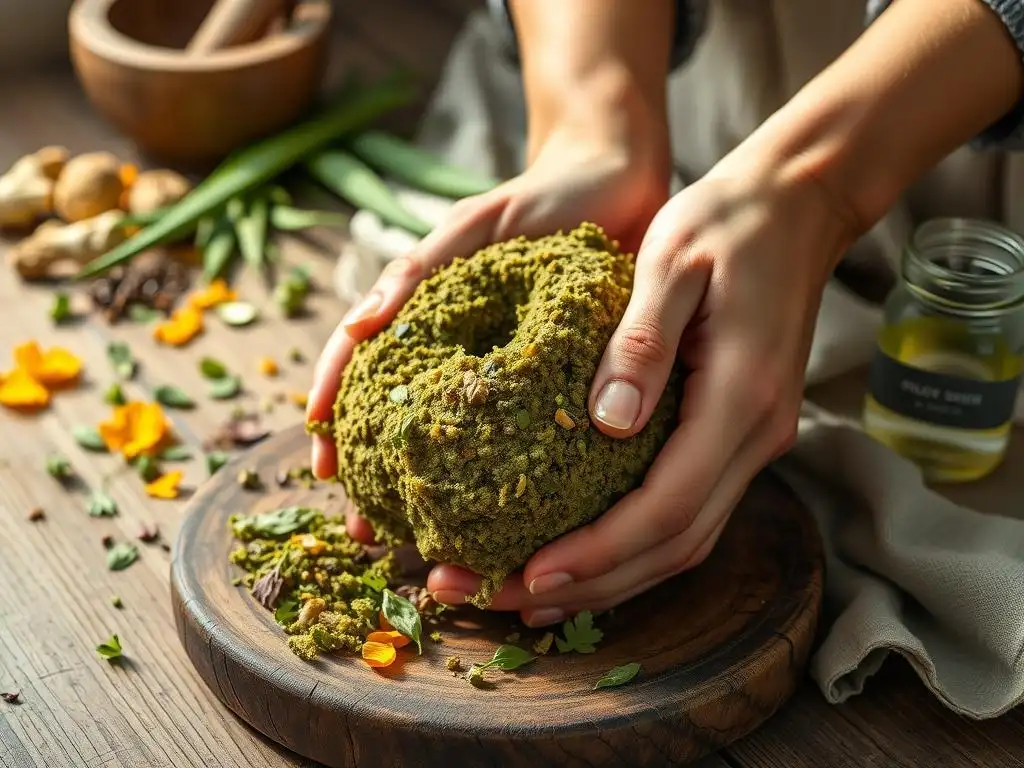
This section provides a comprehensive guide on how to make herbal poultices for topical relief, a traditional method of using herbs to soothe various skin ailments and minor injuries. We'll cover the process from gathering your supplies to achieving the perfect consistency for effective application. Remember to always consult a healthcare professional before using herbal remedies, especially if you have pre-existing conditions or allergies.
Gathering Your Supplies: Essential Tools and Ingredients
Before you begin crafting your herbal poultice, ensure you have all the necessary tools and ingredients. The specific herbs will depend on your desired therapeutic effect; however, some common choices include chamomile for inflammation, plantain for wounds, and comfrey for bruises. Remember to source your herbs from reputable organic suppliers to minimize pesticide exposure and maximize their medicinal benefits.
To make your poultice, you will need:
- Fresh or dried herbs: Approximately 1/2 cup, depending on the desired poultice size and the herb's density. Fresh herbs generally offer a higher concentration of active compounds.
- Mortar and pestle: This is ideal for grinding the herbs into a fine consistency, ensuring even distribution of therapeutic compounds. A food processor can be used as an alternative, but be careful not to over-process and create a paste-like texture.
- Clean bowl: To hold the ground herbs and the liquid you'll add later.
- Clean cloth or cheesecloth: This will be used to wrap the poultice. Choose a breathable fabric that won't irritate the skin. Linen or cotton work well.
- Liquid: Water, herbal tea, or even apple cider vinegar can be used depending on the desired effect and the type of herb. Water is a safe starting point for most poultices.
- Optional additions: You might consider adding a carrier oil like olive oil or coconut oil for added moisture and skin conditioning, especially for dry or sensitive skin.
Remember to thoroughly wash your hands before starting this process to maintain hygiene and prevent contamination. The cleanliness of your materials is crucial when making a poultice for topical application.
Preparing the Herb Mixture: Grinding and Combining
Once you've gathered your supplies, the next step involves preparing the herb mixture. The effectiveness of your poultice depends heavily on the thoroughness of this step. Properly grinding the herbs maximizes the release of active compounds, allowing for better absorption into the skin.
Begin by carefully inspecting your herbs, removing any stems, twigs, or other debris. Then, using your mortar and pestle, gently grind the herbs. Avoid crushing them into a powder; instead, aim for a coarse consistency. If you are using dried herbs, they will require more grinding than fresh herbs. The goal is to break down the plant material enough to release the beneficial compounds without creating a paste. Over-processing can lead to a less effective poultice.
After grinding, transfer the herb mixture to your clean bowl. At this stage, the mixture should look like coarsely chopped herbs, not a fine powder or a paste. This is crucial for proper application and effectiveness.
Adding Liquid to Achieve the Right Consistency
The final step in preparing your herbal poultice involves adding liquid to achieve the correct consistency. The ideal consistency should resemble a thick paste, similar to wet clay. It should be moist enough to hold its shape when wrapped in the cloth but not so wet that it drips or runs.
Begin by adding small amounts of your chosen liquid (water, tea, or vinegar) to the herb mixture. Slowly incorporate the liquid, mixing gently with a clean spoon or your fingers until you reach the desired consistency. Avoid over-mixing, as this can damage the delicate plant compounds and reduce the poultice's effectiveness.
Once you've achieved the right consistency, carefully transfer the herb mixture to your clean cloth or cheesecloth. Gently wrap the mixture to form your poultice. Ensure the poultice is securely wrapped to prevent leakage during application. It's ready to be applied to the affected area. Remember to test a small area of skin for any allergic reaction before applying the poultice to a larger surface. Proper preparation and application are key to achieving effective topical relief using this age-old method.
Applying the Poultice: Techniques and Tips for Effective Application
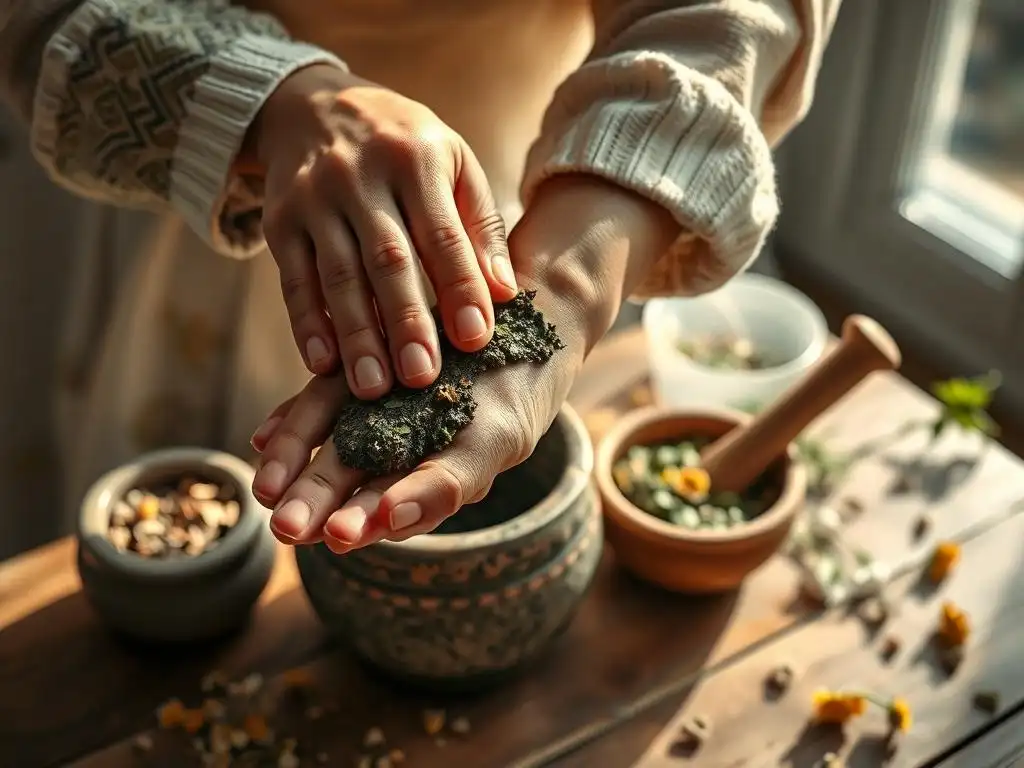
Applying the herbal poultice correctly is crucial for maximizing its therapeutic benefits. The skin should be clean and dry before application to ensure optimal absorption and prevent infection. Gently apply the poultice to the affected area, ensuring even coverage. Avoid rubbing the poultice aggressively, as this could irritate the skin further. The poultice should be applied in a relatively thin layer to allow for proper heat and moisture exchange. A thicker layer might trap too much moisture, potentially leading to skin maceration. For larger areas, you might need to prepare multiple poultices.
Different poultices require slightly different application techniques. For example, a poultice made with slippery elm bark, known for its soothing properties, can be applied more thickly than a poultice containing potent herbs like comfrey, which might cause irritation if applied too liberally. Always test a small area of skin for any allergic reactions before applying the poultice to a larger surface.
Observe the area for any signs of redness, itching, or swelling for at least 15-20 minutes after the initial application. If any adverse reactions occur, remove the poultice immediately and wash the area thoroughly with cool water. Remember to always consult a healthcare professional if you have concerns about using herbal poultices, especially if you have pre-existing skin conditions or are taking other medications.
Proper application is key to achieving the desired therapeutic effects and minimizing the risk of unwanted side effects. Pay close attention to the specific needs of your skin and the herbs you're using.
Securing the Poultice: Methods and Considerations
Once the poultice is applied, securing it in place is essential, especially for areas that are prone to movement or where the poultice could easily fall off. Several methods can be used depending on the size and location of the affected area and the type of fabric used in the poultice. A simple and effective method is to use a clean bandage or gauze to hold the poultice in place. Ensure the bandage is not too tight, as this could restrict blood flow and cause discomfort. For smaller areas, a piece of medical tape might suffice.
For larger areas or areas with significant movement, consider using a more robust securing method. A clean, cotton cloth secured with a wrap or bandage can provide a more secure hold. Alternatively, you can use a reusable cloth wrap specifically designed for poultices. These often come in different sizes and are typically made from breathable materials to prevent overheating. The choice of securing method will also depend on the consistency of the poultice itself. A thicker, more solid poultice might require less securement than a thinner, more runny one. Regardless of the method used, ensure the poultice remains comfortable and doesn't cause undue pressure or restriction. Regularly check the poultice and its securement to ensure it remains in place and isn't causing any discomfort or irritation. Remember, comfort and proper application are key to successful poultice therapy. Always prioritize safety and hygiene when securing the poultice to the affected area.
Using Herbal Poultices for Specific Ailments
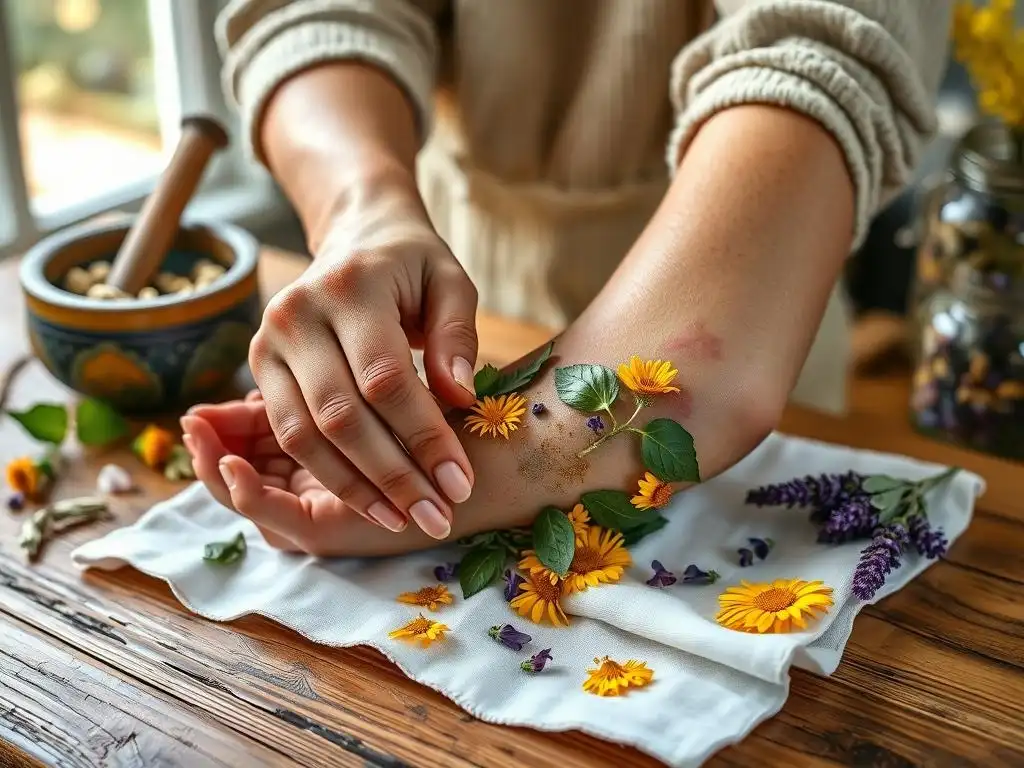
Herbal poultices offer a gentle yet effective way to address various ailments using the healing power of nature. Their topical application allows for direct treatment of affected areas, minimizing systemic side effects often associated with oral medications. This section delves into the specific applications of herbal poultices for common conditions, highlighting the herbs most effective for each. Remember to always conduct a patch test before applying any poultice to a large area of skin, and discontinue use if irritation occurs. Always consult a healthcare professional for serious conditions or before making significant changes to your healthcare plan.
Herbal Poultices for Muscle Pain and Inflammation
Muscle pain and inflammation, whether from injury, overuse, or arthritis, can be significantly alleviated with the right herbal poultice. The anti-inflammatory and analgesic properties of certain herbs make them ideal for this purpose.
Several herbs excel at reducing muscle pain and inflammation. For example, Arnica is renowned for its anti-inflammatory and analgesic effects. It's often used to treat bruises, sprains, and muscle soreness. A poultice made from crushed arnica flowers (ensure you use the flower, not the root) mixed with a carrier like clay or warm water can provide soothing relief. Always use arnica topically and avoid ingesting it.
Another excellent choice is Turmeric. Curcumin, the active compound in turmeric, possesses potent anti-inflammatory properties. A turmeric poultice, combined with a carrier oil like coconut oil for better application, can help reduce inflammation and pain. The warmth of the poultice can also improve blood circulation to the affected area, promoting healing.
Finally, Ginger offers a powerful anti-inflammatory punch. Its warming properties can ease muscle stiffness and pain. A poultice of grated fresh ginger, combined with a carrier such as honey or aloe vera gel, can provide both pain relief and soothing hydration.
Herbal Poultices for Wound Healing and Skin Infections
Herbal poultices have been traditionally used for centuries to promote wound healing and combat skin infections. Their ability to draw out impurities, reduce inflammation, and stimulate tissue regeneration makes them valuable tools in natural skincare.
For wound healing, Calendula is a star performer. Its antiseptic and anti-inflammatory properties help prevent infection and promote faster healing. A calendula poultice, made from crushed calendula flowers and a suitable carrier, can be applied directly to minor wounds, cuts, and scrapes to accelerate healing and reduce scarring.
Plantain, often overlooked, is another powerful wound healer. Its antiseptic and astringent properties help cleanse wounds and stop bleeding. A poultice made from crushed plantain leaves can be applied to minor wounds to promote healing and prevent infection. Plantain is also effective in reducing inflammation and itching associated with insect bites.
Addressing skin infections requires careful consideration. While herbal poultices can be beneficial in supporting the healing process, they should not replace professional medical advice for serious infections. Herbs like Comfrey (use cautiously and only externally; internal use can be toxic) and Yarrow possess wound-healing properties, but their use in treating infections should be complemented by appropriate medical care.
Herbal Poultices for Bruises and Swelling
Bruises and swelling are common injuries that can benefit greatly from the application of herbal poultices. Their ability to reduce inflammation, promote blood circulation, and soothe the affected area offers significant relief.
Arnica, as mentioned earlier, is exceptionally effective for bruises. Its anti-inflammatory and analgesic properties help reduce pain and swelling. Applying an arnica poultice as soon as possible after an injury can minimize bruising and promote faster healing.
Witch hazel, known for its astringent properties, can help reduce swelling and inflammation. Its ability to constrict blood vessels can lessen the appearance of bruises and minimize swelling. A witch hazel poultice, prepared with a carrier like aloe vera gel, can provide soothing relief and promote healing.
For larger areas of swelling, consider a poultice incorporating Epsom salts. Epsom salts possess anti-inflammatory properties and can help draw out excess fluid from the affected area, reducing swelling. Combining Epsom salts with a clay base can create a poultice that effectively addresses both pain and swelling. Remember to always test a small area first for any allergic reactions.
Remember: The information provided here is for educational purposes only and should not be considered medical advice. Always consult a healthcare professional before using herbal remedies, especially if you have pre-existing conditions or are taking other medications. The effectiveness of herbal poultices can vary depending on individual factors and the severity of the condition.
Specific Poultice Recipes for Targeted Relief
Creating effective herbal poultices requires careful selection of herbs based on their therapeutic properties. The following recipes offer targeted relief for common ailments, but remember to always perform a patch test before applying a poultice to a large area of skin to check for allergic reactions. Individual sensitivities vary, so proceed with caution.
Important Note: These recipes are for informational purposes only and do not constitute medical advice. Consult a healthcare professional before using herbal remedies, especially if you have pre-existing health conditions or are taking medications. Always use fresh, organically grown herbs whenever possible to minimize the risk of pesticide exposure.
Poultice for Muscle Aches and Sprains:
This poultice utilizes herbs known for their anti-inflammatory and analgesic properties. A common recipe combines equal parts of comfrey leaf (known for its soothing properties and potential to promote tissue regeneration, but use with caution due to potential liver toxicity 1 ), yarrow flower (a natural astringent and anti-inflammatory), and plantain leaf (rich in allantoin, which promotes healing). Finely chop the herbs, mix them with enough water to form a paste, and apply it directly to the affected area. Cover with a clean cloth and leave it on for 30-60 minutes. Repeat as needed, up to three times daily. Remember to always prioritize rest and proper support for the injured area.
Poultice for Minor Burns and Sunburns:
For soothing minor burns and sunburns, a poultice of aloe vera gel combined with finely chopped calendula petals is highly effective. Aloe vera's cooling and anti-inflammatory properties are well-documented 2 , while calendula accelerates wound healing and reduces inflammation. Simply mix the aloe vera gel with the calendula petals to create a smooth paste. Apply a thin layer directly to the affected area and let it air dry. Reapply as needed, several times a day. Avoid applying to broken skin.
Poultice for Insect Bites and Stings:
To reduce swelling and itching from insect bites and stings, a poultice of crushed plantain leaves is often recommended. Plantain's anti-inflammatory and antiseptic properties help to alleviate discomfort and promote healing. Simply crush fresh plantain leaves and apply the resulting pulp directly to the bite or sting. Secure with a bandage and leave on for several hours. You can also combine plantain with lavender, known for its calming and antiseptic properties 3 , for enhanced relief.
Poultice for Minor Cuts and Abrasions:
For minor cuts and abrasions, a poultice of finely chopped comfrey leaf (again, use with caution 1 ) and chamomile flowers can be beneficial. Comfrey's potential to promote tissue regeneration and chamomile's soothing and anti-inflammatory properties contribute to faster healing. Mix the herbs into a paste and apply to the clean wound. Cover with a sterile bandage and change the poultice twice a day. Ensure the wound is kept clean to prevent infection.
1 While comfrey has traditionally been used for its wound-healing properties, some studies suggest potential liver toxicity. Use with caution and consult a healthcare professional before using it internally or on large areas of skin.
2 Numerous studies support aloe vera's efficacy in treating minor burns and sunburns.
3 Lavender's antiseptic and calming properties are well-established in aromatherapy and traditional medicine.
Precautions and Considerations When Using Herbal Poultices
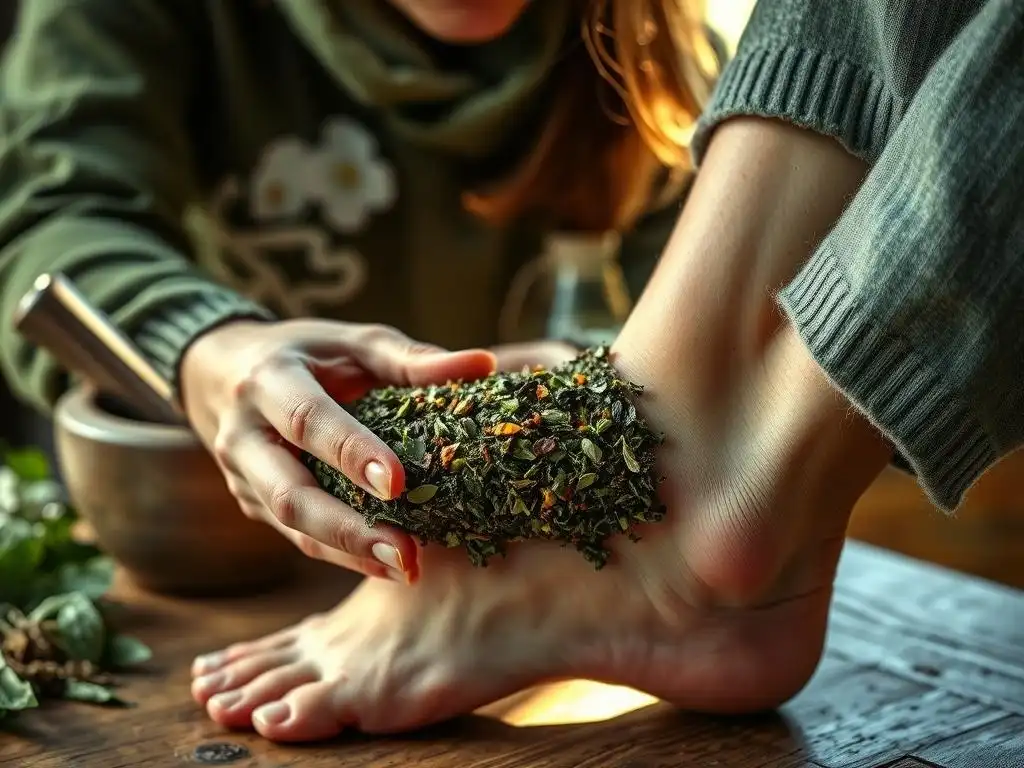
Creating herbal poultices for topical relief offers a natural and effective way to soothe various ailments. However, it's crucial to proceed with caution and awareness of potential risks. Understanding the precautions and considerations detailed below will help ensure a safe and beneficial experience. Remember, while many herbs boast therapeutic properties, individual reactions can vary significantly. Always prioritize safety when using herbal remedies. The responsible application of poultices is key to maximizing their benefits while minimizing potential harm. This section focuses on addressing potential issues and empowering you to make informed decisions about using herbal poultices for topical relief.
Potential Allergic Reactions and Skin Sensitivities
Before applying any herbal poultice, perform a patch test. This simple yet vital step helps identify potential allergic reactions or skin sensitivities. Apply a small amount of the poultice to a discreet area of skin, such as the inner forearm, and wait for 24-48 hours. Monitor the area for any signs of redness, itching, swelling, or rash. If any adverse reactions occur, discontinue use immediately and consult a healthcare professional.
Even herbs generally considered safe can trigger allergic responses in susceptible individuals. Common culprits include chamomile, calendula, and plantain, although reactions can occur with almost any herb. Documenting your reactions to specific herbs is highly recommended for future reference. Keeping a detailed record of your experience allows you to build a personalized profile of safe and effective herbal remedies tailored to your body's specific needs.
Remember, a positive patch test doesn't guarantee complete absence of reaction, but it significantly reduces the risk of a major allergic response. For individuals with known skin sensitivities or allergies, extra vigilance is warranted. If you have a history of eczema, psoriasis, or other dermatological conditions, consulting a healthcare professional or qualified herbalist before using herbal poultices is strongly advised. This proactive approach minimizes the risk of exacerbating existing skin conditions. Always prioritize your health and safety.
Contraindications and Interactions with Medications
Certain herbs may interact negatively with medications or have contraindications for specific health conditions. For example, some herbs can thin the blood, potentially causing complications for individuals taking anticoagulants. Others may interact with medications used to treat diabetes or hypertension. It's crucial to thoroughly research the specific herbs in your poultice and their potential interactions with any medications you are currently taking.
Never assume that "natural" means "safe". Herbal remedies, while often beneficial, can be powerful and should be treated with respect. A comprehensive understanding of potential interactions is paramount for safe and effective use. If you are unsure about potential interactions, consult a doctor or pharmacist before using herbal poultices, especially if you are taking prescription medications.
This cautious approach is particularly important for pregnant or breastfeeding individuals. Many herbs are not recommended during pregnancy or lactation due to potential effects on the developing fetus or infant. Always prioritize the well-being of your child. Similarly, individuals with pre-existing health conditions should exercise caution and seek professional guidance before using herbal poultices. This proactive approach ensures responsible and safe use of herbal remedies. Knowing the potential risks and limitations empowers you to make informed decisions, leading to a safer and more effective experience.
When to Consult a Healthcare Professional
While herbal poultices can offer significant topical relief, they should not replace professional medical care. If your condition worsens or fails to improve after a reasonable period of using a poultice (typically 7-10 days), consult a healthcare professional immediately. This is especially crucial if you experience any severe symptoms, such as:
- Severe pain
- Extensive swelling
- Fever
- Pus or other signs of infection
- Widespread rash or allergic reaction
Consulting a professional is also recommended if you are unsure about which herbs to use or how to prepare a poultice safely and effectively. A qualified herbalist or healthcare provider can offer personalized guidance based on your specific needs and health history. Remember, seeking professional advice doesn't diminish your ability to use natural remedies; instead, it enhances your safety and the effectiveness of your treatment. Prioritizing your health and seeking professional guidance when necessary ensures the responsible and beneficial use of herbal poultices for topical relief. Your well-being is paramount.
Storing and Preserving Your Herbal Poultices
Creating effective herbal poultices is only half the battle; proper storage and preservation are crucial for maintaining their therapeutic properties and preventing spoilage. Improper storage can lead to mold growth, bacterial contamination, and a significant reduction in the active compounds of your carefully prepared remedies. This section details essential techniques to maximize the shelf life and efficacy of your herbal poultices, ensuring you can benefit from their healing properties for as long as possible. Understanding how to properly store your poultices is key to making herbal poultice topical relief a sustainable and effective practice.
Proper Storage Techniques to Maintain Efficacy
The key to successful storage lies in controlling moisture, temperature, and exposure to air. Here's a breakdown of best practices:
- Airtight Containers: Use airtight glass jars or containers. These prevent moisture loss and oxidation, which degrade the active compounds in your herbs. Avoid using plastic containers, as they can leach chemicals into your poultice and may not provide an adequate seal.
- Cool, Dark, and Dry Location: Store your poultices in a cool, dark, and dry environment. Avoid direct sunlight, which can degrade the herbs' essential oils and reduce their potency. A pantry or cupboard is ideal. Temperatures above 70°F (21°C) can accelerate spoilage.
- Freezing for Extended Storage: For longer-term storage, consider freezing your poultices. Portion them into freezer-safe bags or containers before freezing. Freezing effectively halts microbial growth and preserves the herbal ingredients' potency. Thaw completely before use.
- Labeling: Always label your containers clearly with the date of preparation and the ingredients used. This ensures you're aware of the poultice's age and composition. This is especially important if you're making several different types of poultices.
- Regular Inspection: Regularly inspect your stored poultices for signs of spoilage, such as mold growth (fuzzy patches), unusual odors, or discoloration. Discard any poultices showing signs of deterioration. Remember, safety is paramount when using herbal remedies for topical relief.
Extending the Shelf Life of Your Herbal Poultices
While proper storage significantly extends the shelf life, certain techniques can further enhance the longevity of your herbal poultices:
- Proper Drying: Ensure your herbs are thoroughly dried before incorporating them into your poultice. Excess moisture is a breeding ground for mold and bacteria. Properly dried herbs will maintain their potency for a longer duration.
- Using Preservatives (with caution): Some natural preservatives, such as Vitamin E oil or a small amount of alcohol (e.g., vodka or witch hazel), can be incorporated into your poultice to help inhibit microbial growth. However, use these with extreme caution and only if you have a thorough understanding of their potential interactions with your chosen herbs and skin. Always test a small area of skin first for any allergic reactions.
- Smaller Batches: Consider making smaller batches of poultice more frequently. This reduces the risk of spoilage and ensures you're using fresh, potent remedies. Making smaller batches also allows for greater flexibility in adjusting your herbal combinations based on your needs.
- Avoid Over-Handling: Minimize handling the poultice once it's prepared. This reduces the introduction of contaminants and preserves the potency of the herbs. Use clean utensils and maintain hygienic practices throughout the preparation and storage process.
By meticulously following these storage and preservation guidelines, you can significantly extend the shelf life of your herbal poultices and ensure you are consistently benefiting from their therapeutic properties for making herbal poultice topical relief. Remember, prioritizing hygiene and careful observation are crucial steps in making safe and effective herbal remedies.
Frequently Asked Questions
What is an herbal poultice?
An herbal poultice is a soft mass of crushed herbs, often mixed with a liquid like water or oil, applied topically to the skin for therapeutic purposes. It's a traditional remedy used for soothing inflammation and pain.
What herbs are best for making a poultice for topical relief?
Many herbs offer topical relief! Calendula, comfrey, and plantain are popular choices known for their anti-inflammatory and wound-healing properties. Always research the specific properties of the herbs you choose.
How do I apply an herbal poultice?
Apply the poultice directly to the affected area, covering it completely. Secure it with a clean bandage or cloth. Leave it on for 30-60 minutes, or as directed by a herbalist. Remove and gently clean the area afterward.
Are there any precautions I should take when using herbal poultices?
Perform a patch test on a small area of skin before applying a poultice to a larger area to check for allergic reactions. Avoid using poultices on open wounds without consulting a healthcare professional. Always use fresh, clean herbs.
Where can I learn more about making and using herbal poultices safely and effectively?
Consult reputable sources like herbalist books, websites (like CultivateYourFood), or experienced herbalists for reliable information on creating and using poultices. Remember that this is not a replacement for medical advice.
Final Reflection: The Enduring Power of Herbal Poultices
The ancient art of creating herbal poultices remains remarkably relevant today, offering a potent and accessible path towards natural topical relief. In a world increasingly reliant on synthetic pharmaceuticals, rediscovering the therapeutic potential of plants offers a powerful alternative, a return to the wisdom of our ancestors combined with modern understanding of herbal properties. This simple yet effective method connects us to the earth and empowers us to take control of our well-being.
The impact of herbal remedies on our cultural landscape is profound and enduring. From traditional medicine systems across the globe to the burgeoning interest in natural healing practices in the modern West, the use of plants for therapeutic purposes speaks to a deep-seated human need for connection with nature and a holistic approach to health. The earth provides all we need; we only need to learn how to receive it.
This quote perfectly encapsulates the philosophy behind herbal poultice making – a mindful process that fosters a deeper appreciation for the healing power of the natural world.
Now, consider the herbs growing around you, the potential remedies within reach. You have the power to harness this ancient knowledge. Experiment with different plant combinations, learn to identify their properties, and discover the soothing relief a carefully crafted poultice can provide. Don't just read about it – make a poultice. Feel the connection to the earth, the tangible result of your efforts, and experience the healing power of nature firsthand. The journey of discovery awaits.
Unleash the Healing Power of Herbs: Craft Your Own Poultice Today!
Thank you for exploring the world of herbal poultices with us! We hope you feel empowered to harness the natural healing properties of plants for topical relief. Ready to try making your own?
- Craft your first poultice: Choose your favorite herb, or a combination of herbs, from the article and follow the instructions to make a poultice. Share your experience with us—we'd love to see your results!
- Share your knowledge: Spread the word about the therapeutic benefits of herbal poultices with friends and family. Let's encourage everyone to explore natural remedies!
- Experiment with different herbs and applications: Try applying your poultice to different areas affected by soreness or inflammation, noting which combinations provide the most effective relief.
What herb or blend are you most excited to try next? Let us know in the comments below!