
Creative Ways to Use Your Parsley and Cilantro Harvest

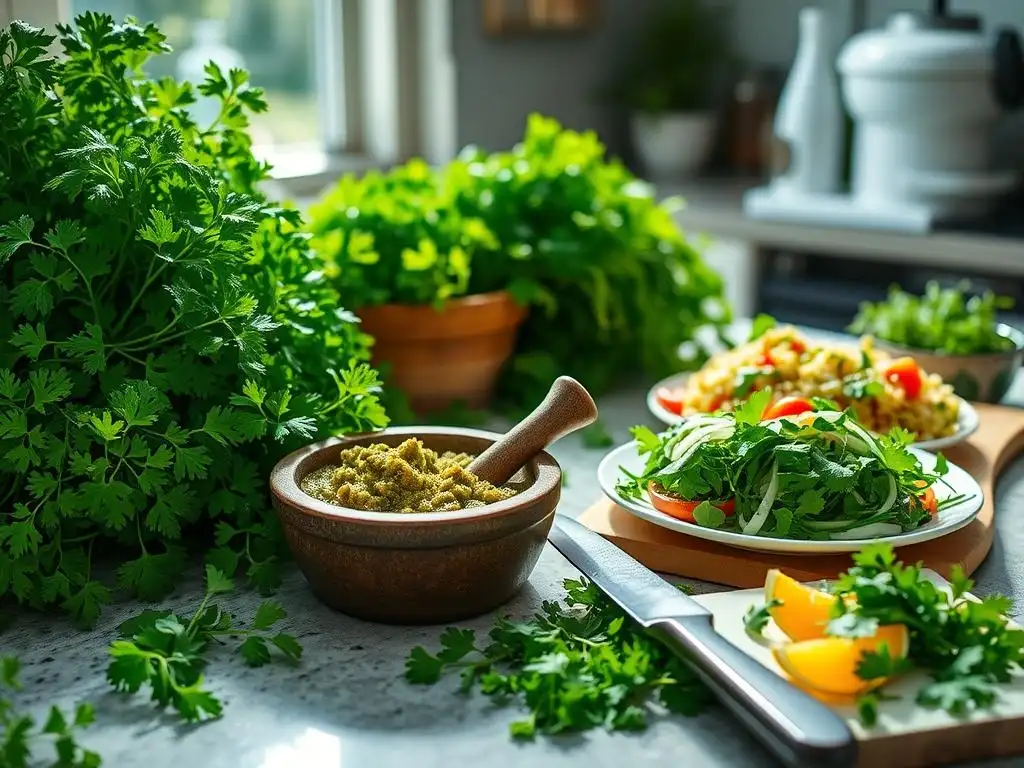
Ready to transform your home garden into a vibrant culinary paradise? CultivateYourFood is your guide to growing delicious and healthy fruits, vegetables, and herbs organically. But first, let's unlock the surprising potential of those bountiful parsley and cilantro harvests! Discover creative parsley cilantro uses that will elevate your dishes from ordinary to extraordinary. Dive in and explore the endless possibilities—your taste buds will thank you.
- Beyond the Garnish: Unexpected Uses for Parsley and Cilantro
- Preserving Your Parsley and Cilantro Bounty: Methods for Long-Term Storage
- Creative Parsley and Cilantro Recipes: Elevate Your Dishes
- Parsley and Cilantro in Beauty and Wellness: Unexpected Applications
- Tips for Growing Abundant Parsley and Cilantro: Maximize Your Harvest
- Composting Parsley and Cilantro Scraps: Sustainable Practices
-
Frequently Asked Questions
- What are some creative uses for parsley beyond traditional garnish?
- How can I use cilantro in dishes other than Mexican food?
- Can I freeze parsley and cilantro to preserve my harvest?
- How do I store fresh parsley and cilantro to maximize their lifespan?
- Are there any health benefits associated with consuming parsley and cilantro?
- Final Reflection: Beyond the Garnish: Unleashing the Culinary Potential of Parsley and Cilantro
- Unleash Your Inner Chef: Creative Culinary Adventures Await!
Beyond the Garnish: Unexpected Uses for Parsley and Cilantro
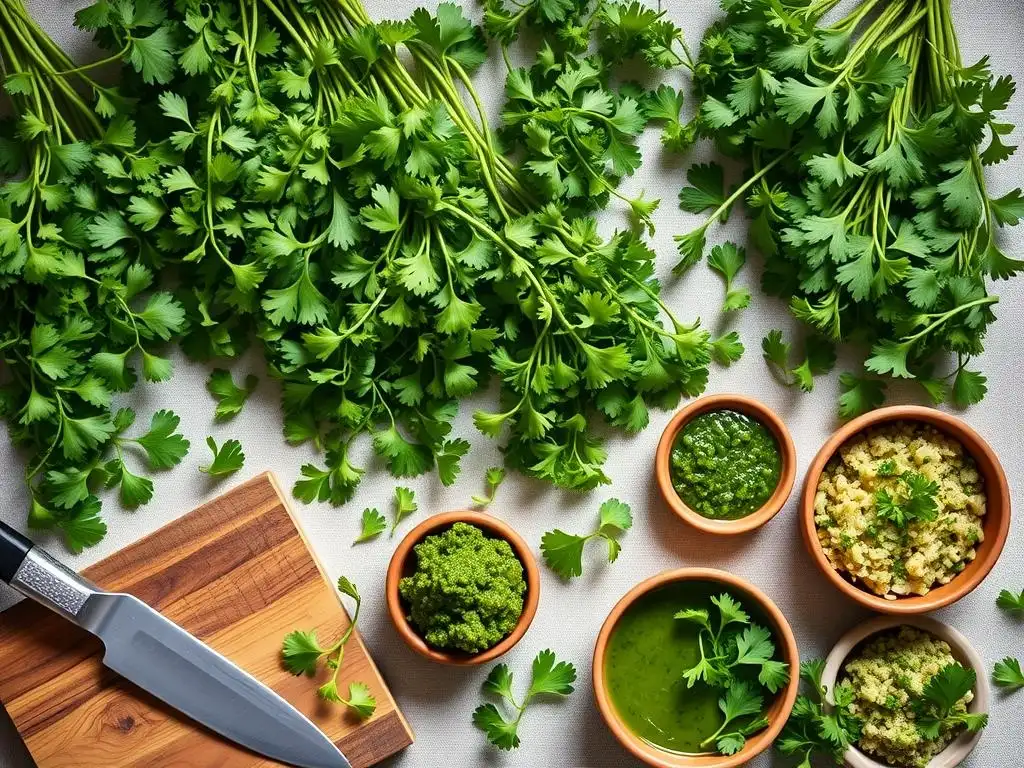
Parsley and cilantro—two ubiquitous herbs often relegated to the role of simple garnish. But these vibrant greens, bursting with flavor and nutrients, deserve far more than a fleeting appearance on a plate. This article delves into the surprisingly versatile world of parsley and cilantro, exploring creative culinary applications and unexpected uses that will transform your herb garden harvest from a simple side to a culinary star. We'll uncover innovative ways to incorporate these powerhouse herbs into your everyday cooking, preserving their freshness for longer periods, and even exploring their surprising non-culinary applications. Whether you're a seasoned gardener or just starting your herb journey, discovering the diverse potential of parsley and cilantro will elevate your cooking and reduce food waste, aligning perfectly with our commitment to sustainable and organic practices at CultivateYourFood. Get ready to unlock the full potential of these often-underutilized herbs and experience the joy of creative cooking! 🎉
Transforming Parsley: From Simple Garnish to Culinary Star
Parsley, often viewed as a mere garnish, offers a surprising depth of flavor and versatility. Its bright, fresh taste complements a wide range of dishes, moving far beyond its typical role as a simple green sprinkle.
Let's explore some exciting ways to elevate your parsley game:
- Infused Oils and Vinegars: Create flavorful infused oils and vinegars by steeping fresh parsley with your choice of oil (olive, avocado) or vinegar (white wine, apple cider). This process infuses the oil or vinegar with the parsley's unique aroma and subtle peppery notes, adding a delightful complexity to your dressings, marinades, and dips. The process is simple: just combine the herbs with the oil or vinegar, let it steep for a couple of weeks, and strain. You'll be amazed at the results! 🌿
- Pestos and Sauces: Move beyond traditional basil pesto and experiment with parsley-based variations. Parsley pesto, with its slightly peppery and herbaceous notes, pairs beautifully with pasta, grilled meats, and vegetables. You can also incorporate parsley into other sauces, adding a fresh, vibrant touch to your culinary creations. For example, a parsley and garlic sauce is delicious with roasted chicken.
- Tabbouleh Twist: While tabbouleh traditionally uses parsley, experimenting with different parsley varieties can significantly enhance the flavor profile. Consider using a mix of curly and flat-leaf parsley for added texture and depth of flavor.
- Smoothies and Juices: Add a handful of parsley to your morning smoothies or green juices for a boost of vitamins and minerals. Its subtle flavor blends seamlessly with other fruits and vegetables, making it a healthy and refreshing addition. The peppery notes add a delightful zing! 🍹
Cilantro Creations: Moving Beyond Tacos and Guacamole
Cilantro, with its distinctive citrusy and slightly pungent flavor, is a staple in many cuisines, but its uses extend far beyond tacos and guacamole. Its unique taste profile lends itself to a surprising variety of culinary applications.
Let's explore some unconventional ways to utilize this vibrant herb:
- Cilantro-Lime Dressing: Create a vibrant and refreshing cilantro-lime dressing that's perfect for salads, tacos, and grilled fish. The combination of cilantro's citrusy notes and lime's tartness creates a zesty and flavorful dressing that will elevate any dish.
- Chutneys and Relishes: Cilantro's fresh, bright flavor makes it an excellent addition to chutneys and relishes. Consider combining it with other ingredients like mangoes, peppers, or onions for a complex and flavorful condiment.
- Cilantro Rice: Infuse your rice with the vibrant flavor of cilantro by adding chopped cilantro to the cooking water or incorporating it into the rice after it's cooked. This simple addition adds a fresh and herbaceous note to your rice dishes.
- Spice Blends: Cilantro's unique flavor profile makes it a fantastic addition to spice blends. Experiment with combining it with other spices like cumin, coriander, and chili powder to create custom spice blends for your favorite dishes. This is an excellent way to add a unique flavor profile to your cooking.
Remember to always harvest your parsley and cilantro at their peak freshness for the best flavor and nutritional value. Happy cooking! 🧑🍳
Preserving Your Parsley and Cilantro Bounty: Methods for Long-Term Storage
Harvesting a bumper crop of parsley and cilantro is incredibly rewarding, but what do you do with an abundance of fresh herbs? Wasting this precious bounty is unthinkable for the dedicated home gardener! Fortunately, several effective methods exist to preserve your parsley and cilantro harvest, ensuring you can enjoy their vibrant flavors throughout the year. This section will explore three primary techniques: freezing, drying, and pesto making.
Each method offers unique advantages and allows you to maximize the use of your herbs, minimizing food waste and maximizing culinary creativity. Let's delve into the specifics of each preservation method, focusing on preserving the herbs' fresh flavor and vibrant green color as much as possible. Optimizing your storage techniques is key to extending the life of your "creative parsley cilantro uses".
Freezing Parsley and Cilantro for Year-Round Use
Freezing is a simple and effective way to preserve the fresh flavor and vibrant color of parsley and cilantro. However, improper freezing can lead to undesirable texture changes. To ensure optimal results, follow these steps:
- Preparation is Key: Thoroughly wash your parsley and cilantro under cold running water. Remove any damaged or wilted leaves. Shake off excess water and pat dry gently with a clean kitchen towel. This step is crucial to preventing freezer burn and maintaining quality.
- Blanching (Optional but Recommended): Blanching, a quick dip in boiling water followed by an ice bath, helps to inactivate enzymes that can cause discoloration and loss of flavor during freezing. For parsley and cilantro, blanch for only 30 seconds to avoid overcooking.
- Portioning for Convenience: Once dried, chop your herbs coarsely or finely, depending on your preferred use. Portion the chopped herbs into freezer-safe bags or containers, using amounts suitable for your typical recipes. Smaller portions are easier to thaw and use as needed. Label each bag with the date for easy tracking.
- Freezing: Lay the bags flat in the freezer to allow for quick freezing. Once frozen solid, you can stack them for efficient storage. Proper freezing prevents clumping and ensures easy access to individual portions.
- Thawing: When ready to use, simply remove the desired amount from the freezer and let it thaw at room temperature or in the refrigerator. Avoid thawing in the microwave, as this can affect the texture and flavor.
Drying Parsley and Cilantro for Herbs and Infusions
Drying is another excellent method for preserving parsley and cilantro, particularly if you want to use them in dried form for soups, stews, or infusions. Air drying and dehydrator drying are two common techniques.
- Air Drying: This method is the simplest, requiring only a well-ventilated area and some string or paper bags. Bundle small bunches of parsley and cilantro together and hang them upside down in a dark, dry, and airy place for about 1-2 weeks, or until the leaves are brittle.
- Dehydrator Drying: Using a food dehydrator significantly speeds up the drying process, typically taking 4-8 hours. Arrange the herbs in a single layer on the dehydrator trays and follow the manufacturer's instructions.
Once dried, store your herbs in airtight containers in a cool, dark, and dry place. Dried herbs retain their flavor for several months, allowing you to enjoy the taste of your summer harvest throughout the colder months. Remember to crush the dried leaves gently before using them in your recipes, as this will release their flavor more effectively. Consider labeling your containers with the date and type of herb for easy identification.
Making Parsley and Cilantro Pesto: A Classic Preservation Technique
Pesto is a delicious and versatile way to preserve the flavors of parsley and cilantro. This method offers a unique flavor profile compared to frozen or dried herbs. The addition of nuts, cheese, and garlic creates a rich and complex sauce perfect for pasta, sandwiches, or as a spread.
Here's a basic parsley and cilantro pesto recipe:
| Ingredient | Quantity | Notes |
|---|---|---|
| Fresh Parsley | 2 cups, packed | Use flat-leaf parsley for best results |
| Fresh Cilantro | 1 cup, packed | Adjust the ratio to your preference |
| Garlic Cloves | 2-3 | More or less, to taste |
| Pine Nuts (or Walnuts) | 1/2 cup | Toasted for enhanced flavor |
| Parmesan Cheese | 1/2 cup, grated | Pecorino Romano is also a great option |
| Olive Oil | 1/2 cup + more as needed | Blend until desired consistency is reached |
| Salt and Pepper | To taste | Adjust to your preference |
Combine all ingredients in a food processor and blend until smooth. Add more olive oil if needed to reach your desired consistency. Store your pesto in an airtight container in the refrigerator for up to a week, or freeze it for longer storage. Freezing pesto in ice cube trays is a great way to portion it for individual uses. Remember to label your containers clearly! This method allows you to enjoy the vibrant flavors of your parsley and cilantro in a completely new and exciting way, further expanding your "creative parsley cilantro uses". 🌿
Creative Parsley and Cilantro Recipes: Elevate Your Dishes
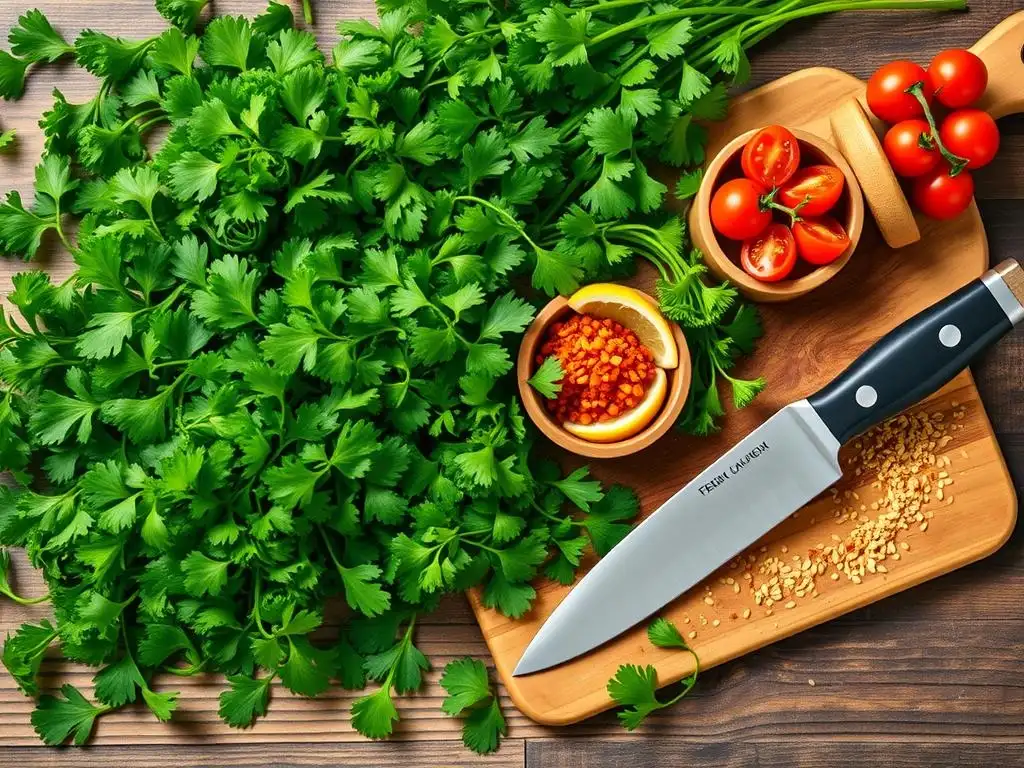
This section explores exciting culinary applications for your bountiful parsley and cilantro harvest, showcasing their versatility beyond simple garnishes. We'll move beyond the basic sprinkle and delve into recipes that highlight the unique flavors and nutritional benefits of these readily available herbs. Remember, the key to maximizing flavor is using fresh, vibrant herbs harvested at their peak. Using these herbs creatively adds depth and complexity to your dishes, offering a delicious and healthy boost to your meals. Let's explore some creative parsley cilantro uses!
Parsley and Cilantro in Soups and Stews: Adding Flavor and Nutrition
Parsley and cilantro are fantastic additions to soups and stews, enhancing both flavor and nutritional value. Their bright, fresh notes cut through the richness of hearty broths, creating a balanced and refreshing taste. For instance, a simple minestrone soup benefits greatly from a generous handful of chopped parsley added during the last few minutes of cooking.
The parsley's delicate flavor complements the other vegetables without overpowering them. Similarly, cilantro adds a zesty, slightly citrusy element to a chicken tortilla soup or a hearty lentil stew. Adding the herbs at the end preserves their vibrant green color and maximizes their freshness.
Consider these variations:
- Mediterranean Minestrone: Incorporate finely chopped parsley and a small amount of cilantro for a fragrant, herbaceous twist. The cilantro adds a unique dimension to the traditional Italian flavors.
- Spicy Chicken and Black Bean Stew: A generous addition of cilantro elevates this hearty dish, offering a refreshing contrast to the spiciness.
- Creamy Tomato Soup: A sprinkle of parsley, added just before serving, adds a touch of freshness and vibrancy.
Remember to experiment with the quantities of each herb to find your perfect balance. The nutritional benefits are significant too; both parsley and cilantro are excellent sources of vitamins A, C, and K, contributing to a healthier and more flavorful meal. The vibrant green color also adds visual appeal to your culinary creations.
Cilantro-Lime Chicken: A Vibrant and Flavorful Recipe
This recipe showcases cilantro's unique citrusy and slightly pungent flavor profile. The combination of cilantro, lime, and chicken creates a vibrant and flavorful dish perfect for a quick weeknight meal or a more elaborate gathering. The recipe is surprisingly simple, yet the result is a dish that is both impressive and delicious.
Ingredients:
- 1.5 lbs boneless, skinless chicken breasts, cut into 1-inch pieces
- 1/2 cup chopped fresh cilantro
- 1/4 cup lime juice (about 2 limes)
- 2 tablespoons olive oil
- 1 teaspoon chili powder
- 1/2 teaspoon cumin
- 1/4 teaspoon salt
- 1/4 teaspoon black pepper
Instructions:
- In a bowl, whisk together lime juice, olive oil, chili powder, cumin, salt, and pepper.
- Add chicken and cilantro to the bowl, ensuring the chicken is thoroughly coated in the marinade.
- Marinate for at least 30 minutes, or up to 2 hours in the refrigerator.
- Grill, bake, or pan-fry the chicken until cooked through. Grilling imparts a smoky flavor that complements the cilantro and lime.
This recipe is easily adaptable. You can add other vegetables, such as bell peppers or onions, to the marinade or serve the chicken with rice and beans for a complete meal. The vibrant green color of the cilantro makes this dish visually appealing, making it perfect for entertaining.
Parsley Salad with Lemon Vinaigrette: A Light and Refreshing Dish
This simple yet elegant salad highlights parsley's fresh, slightly peppery flavor. The lemon vinaigrette complements the parsley perfectly, creating a light and refreshing dish ideal as a side or starter. The parsley's delicate flavor pairs beautifully with other salad ingredients, such as cucumbers, tomatoes, and feta cheese. The combination of textures and flavors results in a satisfying and healthy meal.
This recipe showcases a simple yet effective way to utilize a large quantity of parsley, transforming a common herb into a star ingredient. The lightness of this salad makes it a perfect option for warmer weather, offering a refreshing contrast to heavier meals. The vibrant green color of the parsley adds a visual appeal, making it a beautiful and healthy addition to any meal. Consider adding other fresh herbs, such as mint or dill, to further enhance the flavor profile. The possibilities are endless!
Infusing Oils and Vinegars with Parsley and Cilantro: Homemade Flavor Enhancers
Infusing oils and vinegars with parsley and cilantro is a fantastic way to elevate your cooking while minimizing waste from your abundant harvest. This process is surprisingly simple and yields incredibly flavorful results, perfect for adding a fresh, herbaceous touch to various dishes. The infused oils and vinegars can be stored for several weeks, making them a convenient addition to your pantry.
One of the simplest methods involves using fresh, high-quality extra virgin olive oil. For a vibrant green parsley oil, gently wash and dry about a cup of tightly packed flat-leaf parsley leaves. Finely chop the leaves, ensuring that they are small enough to release their flavor effectively.
Place the chopped parsley into a clean, airtight glass bottle – a dark glass bottle is preferable to prevent light degradation. Pour in enough olive oil to completely submerge the parsley. Seal the bottle tightly and store it in a cool, dark place for at least two weeks, shaking gently every day.
After two weeks, strain the oil through a fine-mesh sieve or cheesecloth, discarding the parsley solids. The resulting oil will have a deep, herbaceous flavor, perfect for drizzling over salads, roasted vegetables, or grilled fish. You can easily adapt this method for cilantro, creating a vibrant cilantro-infused oil with a distinctly citrusy and bright flavor profile.
Similarly, you can infuse vinegars, such as white wine vinegar or apple cider vinegar, with parsley and cilantro. The process is almost identical to oil infusion: finely chop your herbs, place them in a clean glass bottle, and cover them completely with your chosen vinegar. Again, a dark glass bottle is recommended. Allow the mixture to infuse for at least two weeks, shaking occasionally.
After two weeks, strain the vinegar as you did with the oil, and store it in a cool, dark place. This infused vinegar adds a zesty, herbaceous kick to salad dressings, marinades, and sauces. Experiment with different vinegar types to find your preferred flavor combinations. For example, a cilantro-infused apple cider vinegar pairs wonderfully with lighter dishes, while a parsley-infused white wine vinegar might complement richer flavors.
Remember to always use clean, dry bottles and utensils to prevent spoilage. Proper storage is crucial for maintaining the quality and freshness of your infused oils and vinegars. With a little patience and attention to detail, you can create flavorful and aromatic homemade condiments that will enhance your culinary creations for weeks to come. The unique flavors of your homegrown parsley and cilantro will truly shine through in these versatile additions to your kitchen. This process also significantly reduces food waste, aligning perfectly with the sustainable principles of CultivateYourFood.
Parsley and Cilantro in Beauty and Wellness: Unexpected Applications
Parsley and cilantro, typically relegated to the culinary world, offer surprising benefits extending far beyond the dinner plate. Their potent properties make them valuable assets in beauty and wellness routines, providing natural and effective solutions for various concerns. This section explores some unexpected applications of these readily available herbs, showcasing their versatility and promoting a holistic approach to self-care. The abundance from your homegrown harvest can be put to excellent use in these creative and effective ways. Let's delve into the specific benefits each herb offers.
Parsley Face Mask for Radiant Skin: A Natural Beauty Treatment
Parsley's high vitamin C content acts as a potent antioxidant, combating free radicals that contribute to premature aging and dull skin. Its chlorophyll content helps to purify the skin, reducing inflammation and blemishes. A simple parsley face mask can be easily prepared using fresh parsley leaves. Simply blend a handful of fresh parsley with a little water or yogurt to create a paste.
Apply the paste evenly to your face, avoiding the eye area, and leave it on for 15-20 minutes. Rinse thoroughly with lukewarm water. You'll notice a visible improvement in skin tone and radiance after just a few applications. For sensitive skin, adding a calming ingredient like aloe vera gel can further enhance the soothing effect.
Regular use can significantly improve skin texture and reduce the appearance of pores. This natural beauty treatment provides a cost-effective and eco-friendly alternative to commercial face masks, leveraging the power of your homegrown parsley. Remember to perform a patch test before applying to your entire face to check for any allergic reactions.
Cilantro Detoxifying Properties: Supporting Overall Wellness
Cilantro, known for its distinctive flavor, also plays a significant role in detoxification. It's rich in antioxidants and contains compounds that help to bind to heavy metals in the body, aiding in their elimination. While not a standalone cure, incorporating cilantro into your diet or using it topically (in carefully researched and properly prepared applications) can support overall wellness and detoxification efforts.
Many people find that incorporating cilantro into their diet, perhaps in a vibrant salsa or a flavorful soup, contributes to a feeling of improved well-being. Remember to always consult with a healthcare professional before making significant dietary changes or using herbal remedies to address specific health concerns. The use of cilantro for detoxification is a subject of ongoing research, with some studies suggesting potential benefits.
Further research is needed to fully understand the extent of these benefits and to establish definitive guidelines for its use. However, the inclusion of cilantro in a balanced diet is undoubtedly a positive addition to a healthy lifestyle. This natural approach emphasizes the importance of sustainable practices and the utilization of homegrown produce for improved health and well-being.
Tips for Growing Abundant Parsley and Cilantro: Maximize Your Harvest
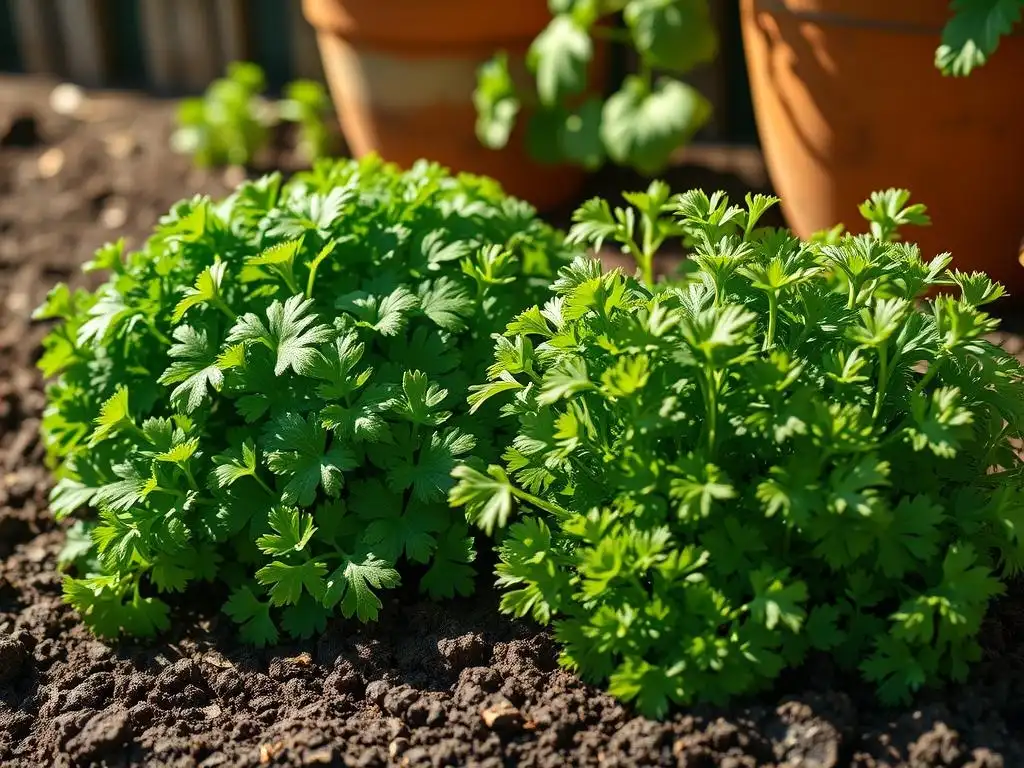
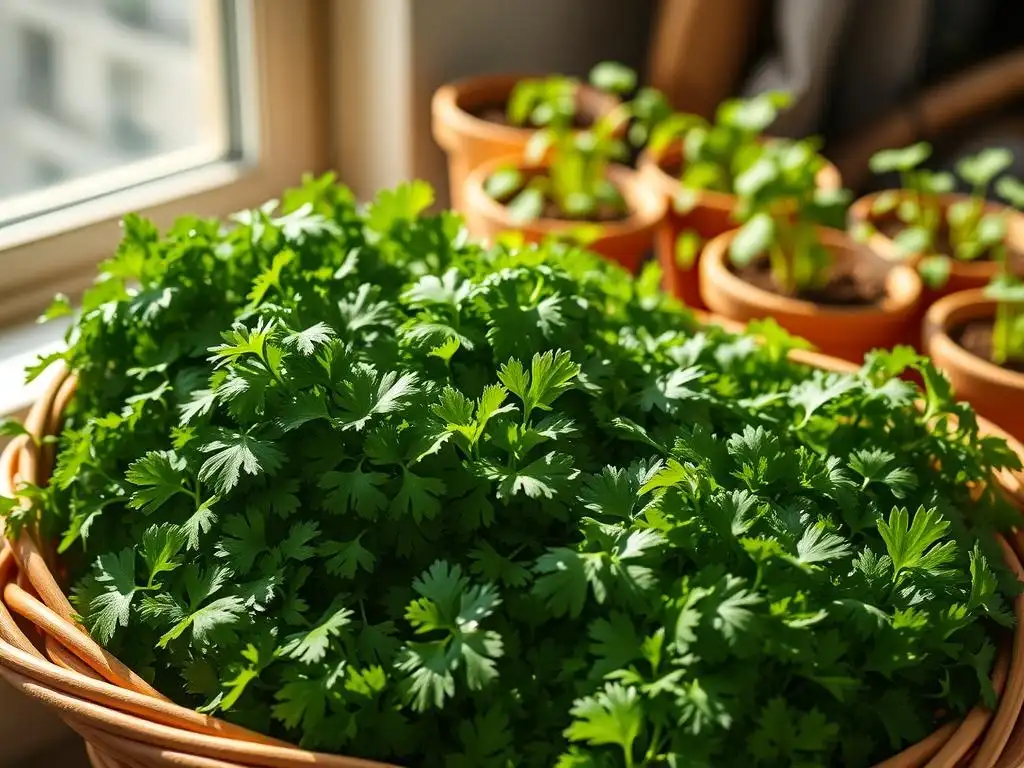
This section focuses on practical techniques to boost your parsley and cilantro yields, ensuring you have plenty to use in your creative culinary adventures. Remember, abundant harvests are the foundation of exploring diverse "Creative parsley cilantro uses".
Optimizing Growing Conditions for Maximum Yield
Optimal growing conditions are paramount for maximizing your parsley and cilantro harvest. Both herbs thrive in slightly acidic soil with a pH between 6.0 and 6.8. Before planting, conduct a soil test to determine your current pH and amend accordingly using lime to raise the pH or sulfur to lower it. Regular soil testing throughout the growing season allows for adjustments as needed.
Parsley and cilantro are cool-season crops, preferring temperatures between 60°F and 75°F (15°C and 24°C). In hotter climates, providing afternoon shade is crucial to prevent wilting and bolting (premature flowering). This can significantly reduce the plant's leaf production. Consider using shade cloth or strategically placing your plants under taller, more established plants.
Consistent watering is key. Aim for consistently moist but not waterlogged soil. Allow the top inch of soil to dry slightly between waterings. Mulching around the base of the plants helps retain soil moisture and suppress weeds, minimizing competition for resources. A 2-3 inch layer of organic mulch, like straw or shredded leaves, is ideal.
Pest and Disease Control for Healthy Parsley and Cilantro Plants
Maintaining healthy parsley and cilantro plants is essential for a bountiful harvest. Regular inspection for pests and diseases is crucial for early intervention. Common pests include aphids, spider mites, and leaf miners. These tiny creatures can quickly decimate your harvest if left unchecked.
- Aphids: These small, soft-bodied insects suck the sap from plants, causing stunted growth and leaf curling. Control methods include insecticidal soap sprays or introducing beneficial insects like ladybugs.
- Spider Mites: These microscopic pests create fine webbing on the undersides of leaves. Regular misting can help control them, or consider using neem oil.
- Leaf Miners: These larvae tunnel within the leaves, creating unsightly trails. Handpicking affected leaves is often sufficient for small infestations.
Disease is less common but can still impact your harvest. Fungal diseases like leaf spot can cause brown spots on leaves. Ensure good air circulation by spacing plants appropriately and avoiding overhead watering. Rotate your crops annually to prevent disease buildup in the soil. Using disease-resistant varieties can also significantly reduce the risk of infection. Remember, healthy plants are more resilient and produce a more abundant harvest, leading to more opportunities for exploring "Creative parsley cilantro uses".
Harvesting Techniques for Optimal Flavor and Longevity
Harvesting techniques significantly impact both the flavor and longevity of your parsley and cilantro. For the best flavor, harvest in the morning after the dew has dried. This allows the essential oils to be at their peak concentration.
For parsley, you can harvest individual leaves as needed, or cut stems back to encourage bushier growth. Avoid harvesting more than one-third of the plant at a time to prevent stressing the plant and compromising its ability to regrow.
Cilantro, on the other hand, is best harvested by cutting entire stems back to the base when the plants are young and tender. This encourages new growth and prevents bolting. If the plant starts to bolt (flower), the leaves will become bitter. Regular harvesting helps to delay bolting. Careful harvesting maximizes the yield and allows you to explore a wide range of "Creative parsley cilantro uses".
Remember, consistent care and attention to detail throughout the growing season are key to maximizing your parsley and cilantro harvest, providing ample ingredients for your culinary creations. Happy harvesting! 🌿
Composting Parsley and Cilantro Scraps: Sustainable Practices
This section explores the benefits of composting your parsley and cilantro scraps, aligning with the sustainable and organic practices promoted on CultivateYourFood. Composting kitchen scraps, including herb trimmings, reduces landfill waste and creates nutrient-rich soil amendments for your garden. This closed-loop system minimizes environmental impact and enhances the overall health of your plants. Let's delve into the specifics of adding parsley and cilantro to your compost pile.
Adding Parsley and Cilantro to Your Compost Pile
Adding parsley and cilantro to your compost is straightforward. Chop the stems and leaves into smaller pieces to accelerate decomposition. Smaller pieces provide a larger surface area for beneficial microorganisms to work on, speeding up the composting process. Avoid adding large quantities at once; instead, incorporate them gradually into your compost pile to maintain a balanced carbon-to-nitrogen ratio. A balanced ratio ensures efficient decomposition and prevents unpleasant odors. Too much nitrogen (from green materials like parsley and cilantro) can lead to anaerobic decomposition, resulting in a foul-smelling pile.
Tip: Consider mixing your parsley and cilantro scraps with brown materials like dried leaves, shredded paper, or cardboard to balance the nitrogen content.
The composting process is aided by regular turning of the pile, which introduces oxygen and facilitates aerobic decomposition. This process, unlike anaerobic decomposition, produces less odor and generates heat, speeding up the breakdown of organic matter. Monitor the moisture level of your compost; it should be consistently damp, like a wrung-out sponge. Too much moisture can lead to anaerobic conditions, while too little can slow down decomposition.
| Material | Carbon-to-Nitrogen Ratio | Contribution to Compost |
|---|---|---|
| Parsley & Cilantro | Relatively High Nitrogen | Provides essential nutrients for plant growth |
| Dried Leaves | High Carbon | Balances nitrogen, helps with aeration and structure |
| Shredded Paper | High Carbon | Adds carbon and improves aeration |
| Grass Clippings | Relatively High Nitrogen | Adds nitrogen but should be used in moderation |
The decomposition time for parsley and cilantro scraps, along with other green materials, can vary depending on factors like temperature, moisture, and the overall composition of your compost pile. Generally, you can expect the process to take several weeks to months before the material is fully composted. The end product, a dark, crumbly humus, is rich in nutrients, making it ideal for enriching your garden soil. Using this compost on your next parsley and cilantro planting will complete the cycle, ensuring the continuous improvement of your garden's soil health.
This sustainable practice minimizes waste and maximizes the benefits of your herb gardening efforts. It's a perfect example of how to cultivate your food in an environmentally responsible manner, aligning with the core principles of CultivateYourFood. 🌱
Frequently Asked Questions
What are some creative uses for parsley beyond traditional garnish?
Parsley's robust flavor shines in pestos, salsas, and tabbouleh. You can also finely chop it into soups, stews, or even blend it into smoothies for a nutritional boost. Experiment with it!
How can I use cilantro in dishes other than Mexican food?
Cilantro's bright, citrusy notes complement many cuisines. Try it in Asian-inspired dishes, vibrant salads, or as a garnish for grilled meats and fish. Its unique flavor adds a surprising twist.
Can I freeze parsley and cilantro to preserve my harvest?
Yes! Finely chop your herbs, then freeze them in ice cube trays with a little water or oil. Once frozen, transfer the cubes to a freezer bag for long-term storage.
How do I store fresh parsley and cilantro to maximize their lifespan?
Wrap your herbs loosely in a damp paper towel and store them in a plastic bag in the refrigerator. This helps maintain moisture and freshness. Avoid washing them until ready to use.
Are there any health benefits associated with consuming parsley and cilantro?
Both herbs are packed with vitamins and antioxidants. Parsley is a good source of vitamin K and vitamin C, while cilantro offers anti-inflammatory properties. Enjoy them regularly for a healthy boost.
Final Reflection: Beyond the Garnish: Unleashing the Culinary Potential of Parsley and Cilantro
The abundance of parsley and cilantro in our gardens and grocery stores often leads to culinary underutilization, a missed opportunity to elevate our dishes and reduce food waste. This seemingly simple truth holds a powerful message about mindful consumption and creative cooking. We've explored numerous ways to transform these often-overlooked herbs from simple garnishes into vibrant stars of our culinary creations, from vibrant pestos and refreshing salsas to flavorful infusions and unique spice blends.
The impact of these seemingly small changes extends beyond the individual plate. They represent a shift in our relationship with food, encouraging us to appreciate the versatility and potential within readily available ingredients. Waste not, want not,
an old adage, rings truer than ever in a world grappling with food security and sustainability. This exploration of parsley and cilantro's potential speaks to a larger movement towards mindful cooking and reducing our environmental footprint, one herb at a time. The simple act of transforming excess herbs into delicious meals fosters a deeper connection to the food we consume and the resources it takes to produce it.
Now, consider your own kitchen. What herbs are you overlooking? What creative culinary adventures await you? I encourage you to take the lessons from this article and apply them to your own cooking. Experiment with new flavor combinations, embrace the unexpected, and discover the joy of transforming simple ingredients into extraordinary meals. Let's move beyond the garnish and unlock the full potential of the herbs in our lives, one delicious recipe at a time.
Unleash Your Inner Chef: Creative Culinary Adventures Await!
Thank you for exploring new ways to use your abundant parsley and cilantro harvest! We hope you're feeling inspired to enhance your everyday meals. Ready to put your knowledge into practice?
- Craft a vibrant cilantro-lime dressing: This simple yet flavorful dressing will transform your salads and grilled dishes. Its versatility extends far beyond tacos!
- Experiment with parsley pesto: Move beyond the classic basil pesto and discover unique flavor combinations using your parsley. Toasted nuts or sun-dried tomatoes add delightful complexity!
- Share your culinary creations: Snap a photo of your parsley or cilantro dish and share it on social media using #CultivateYourFood. Let's inspire each other!
What delicious recipe will you create with your fresh herbs this week?