
Culinary Alchemy: Transforming Everyday Meals with Fresh Herbs

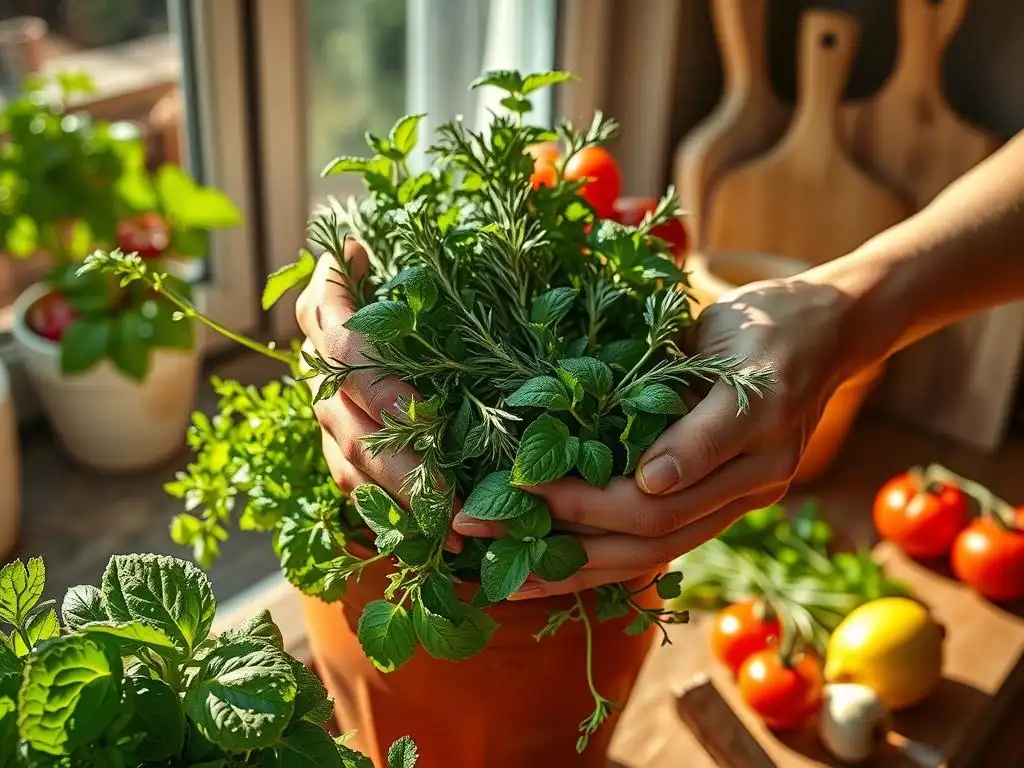
Welcome to CultivateYourFood, your guide to a greener, more flavorful life! Are you ready to transform your everyday meals with the vibrant tastes of homegrown herbs? We'll show you how simple and rewarding it is to grow herbs for home cooking, unlocking a world of culinary possibilities. Discover sustainable and organic techniques to cultivate your own fragrant bounty – from planting to harvesting and beyond. Dive in and uncover the secrets to a thriving herb garden!
- Grow Herbs Home Cooking: A Beginner's Guide to Harvesting and Using Fresh Herbs
- Enhancing Your Dishes with Freshly Grown Herbs: Flavor Profiles and Culinary Applications
- Grow Herbs Home Cooking: Creative Recipes Featuring Homegrown Herbs
- Frequently Asked Questions
- Final Reflection: Savor the Harvest: The Enduring Power of Homegrown Herbs
- Unlock Your Inner Herb Alchemist!
Grow Herbs Home Cooking: A Beginner's Guide to Harvesting and Using Fresh Herbs
Transforming your culinary creations from ordinary to extraordinary is easier than you think! This guide delves into the rewarding world of growing herbs at home, specifically focusing on how to cultivate and utilize fresh herbs to elevate your everyday cooking. We'll explore selecting the right herbs for your space and culinary preferences, mastering the art of planting and growing them successfully, and finally, harvesting them at their peak flavor to maximize their deliciousness and aromatic qualities.
From the satisfying act of nurturing your own herb garden to the joy of incorporating these fragrant additions into your meals, this journey promises a delightful blend of gardening satisfaction and culinary enhancement. Get ready to experience the magic of "grow herbs home cooking" and unlock a new level of flavor in your dishes! 🌿
Selecting the Right Herbs for Your Home Garden and Kitchen
Choosing the right herbs is crucial for a successful and enjoyable experience. Consider both your culinary preferences and the growing conditions in your home. Some herbs thrive indoors, while others prefer outdoor environments. Begin by assessing the amount of sunlight your space receives and the overall climate.
Here's a helpful table to guide your selection:
| Herb | Sunlight Needs | Difficulty Level | Culinary Uses |
|---|---|---|---|
| Basil | Full sun | Easy | Italian dishes, pesto, salads |
| Cilantro | Full sun | Easy | Mexican dishes, salsas, curries |
| Parsley | Full sun | Easy | Garnishes, soups, stews |
| Mint | Partial shade | Easy | Teas, cocktails, desserts, lamb dishes |
| Rosemary | Full sun | Easy | Roasted meats, potatoes, bread |
| Thyme | Full sun | Easy | Soups, stews, roasted vegetables |
| Chives | Full sun | Easy | Salads, soups, dips, eggs |
| Oregano | Full sun | Easy | Italian and Mediterranean dishes, pizzas |
Remember to consider the space you have available. Some herbs, like mint, are vigorous growers and may require containers to prevent them from spreading uncontrollably. Start small, choosing 2-3 herbs to begin with, and gradually expand your collection as you gain experience.
Planting and Growing Herbs Successfully: A Step-by-Step Guide for Beginners
Successfully growing herbs at home involves understanding their basic needs: sunlight, water, and soil. Let's break down a simple step-by-step process for beginners:
- Choose your containers: Select pots with drainage holes to prevent root rot. The size of the pot will depend on the type of herb and its mature size.
- Select high-quality potting mix: Use a well-draining potting mix specifically designed for herbs. Avoid using garden soil, as it can compact and retain too much water.
- Plant your herbs: Gently remove the herbs from their containers and plant them at the same depth they were growing in their original containers. Space them appropriately based on the mature size of the plant.
- Water regularly: Keep the soil consistently moist but not soggy. Overwatering can be detrimental to herbs. Allow the top inch of soil to dry out before watering again.
- Provide adequate sunlight: Most herbs require at least 6 hours of sunlight per day. Place your containers in a sunny location, either indoors near a window or outdoors in a sunny spot.
- Fertilize occasionally: Use a balanced liquid fertilizer diluted to half strength every 2-4 weeks during the growing season. Over-fertilizing can negatively impact flavor.
- Pest and disease control: Regularly inspect your herbs for pests and diseases. Take prompt action if any issues arise, using organic pest control methods whenever possible.
Following these simple steps will significantly increase your chances of success in growing healthy and flavorful herbs. Remember that patience and observation are key!
Harvesting Herbs at Their Peak Flavor: Tips and Techniques for Optimal Taste
Harvesting herbs at the right time is crucial for maximizing their flavor and aroma. The best time to harvest most herbs is in the morning after the dew has dried, as this is when their essential oils are most concentrated.
Here are some tips and techniques:
- Pinch back: Regularly pinch back the growing tips of your herbs to encourage bushier growth and prevent them from becoming leggy. This also stimulates new growth.
- Cut with sharp scissors or shears: Use clean, sharp scissors or shears to make clean cuts, avoiding bruising the stems.
- Harvest selectively: Don't harvest more than one-third of the plant at a time to allow for continued growth.
- Air dry or freeze: Air drying is a great method for preserving the flavor and aroma of many herbs. Freezing is also an option, but it can sometimes affect the texture.
By following these guidelines, you'll be able to enjoy the freshest, most flavorful herbs in your culinary creations all year round. Happy harvesting! 🧑🌾
Enhancing Your Dishes with Freshly Grown Herbs: Flavor Profiles and Culinary Applications
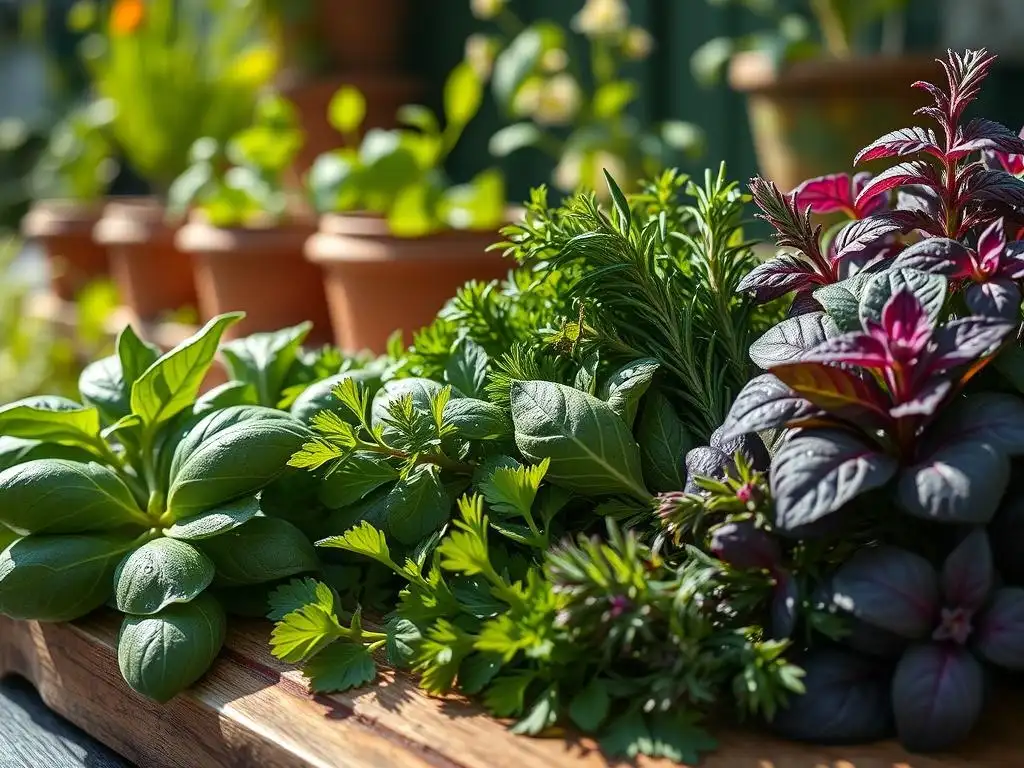
This section delves into the unique flavor profiles and culinary applications of herbs you can easily grow at home, transforming your everyday meals into culinary masterpieces. Growing your own herbs significantly enhances the flavor and freshness of your dishes, offering a superior taste compared to store-bought options. This section focuses on three popular and versatile herbs: basil, parsley, and mint. Let's explore their individual characteristics and how best to utilize them in your cooking.
Basil: Versatile Uses in Italian and Mediterranean Cuisine
Basil, with its sweet, slightly peppery aroma and flavor, is a cornerstone of Italian and Mediterranean cuisine. Its versatility extends beyond the classic pesto. The most common variety, Ocimum basilicum, boasts numerous cultivars, each offering subtle variations in flavor and leaf shape. For example, Genovese basil, with its large, tender leaves, is ideal for pesto, while lemon basil adds a bright citrusy note to salads and seafood dishes. Thai basil, on the other hand, possesses a spicier, anise-like flavor, perfect for stir-fries and curries.
The delicate nature of basil requires careful handling. Avoid washing it until immediately before use to prevent wilting. Adding basil at the end of cooking preserves its vibrant flavor and aroma. Consider these applications:
- Pesto: The quintessential basil dish, easily adaptable with pine nuts, walnuts, or even sunflower seeds for a nut-free alternative.
- Caprese Salad: A simple yet elegant combination of fresh mozzarella, tomatoes, and basil, drizzled with olive oil and balsamic glaze.
- Pasta Sauces: Adding fresh basil to tomato-based sauces elevates their flavor profile significantly.
- Pizza Topping: Sprinkle fresh basil on your homemade pizza just before serving for a burst of freshness.
- Infused Oils: Infuse olive oil with basil leaves for a fragrant and flavorful addition to salads and dips.
Parsley: Adding Freshness to Salads and Main Courses
Parsley, a ubiquitous herb often overlooked, offers a surprisingly diverse range of culinary applications. While its flavor is milder than basil or mint, its bright, fresh taste adds a subtle yet essential element to many dishes. There are two main types: flat-leaf (Italian) parsley and curly parsley. Flat-leaf parsley boasts a more intense flavor and is generally preferred for cooking, while curly parsley is primarily used as a garnish.
Parsley's versatility shines through in its ability to complement both salads and main courses. Its peppery notes cut through richness, while its vibrant green color adds visual appeal. Consider these uses:
- Salads: Parsley is a classic addition to green salads, providing a refreshing counterpoint to heavier ingredients.
- Tabbouleh: This Middle Eastern salad features parsley as its star ingredient, combined with bulgur, tomatoes, and mint.
- Soups and Stews: Adding parsley at the end of cooking adds a fresh, herbaceous note to soups and stews.
- Garnishes: Curly parsley's decorative qualities make it an ideal garnish for various dishes.
- Herb Butters: Incorporate parsley into compound butters for an elegant touch to grilled meats or vegetables.
Mint: Infusing Drinks and Desserts with Refreshing Flavor
Mint, with its invigorating aroma and cool, slightly sweet flavor, is a versatile herb that shines in both savory and sweet applications. The most common culinary mint is Mentha spicata (spearmint), known for its milder, sweeter flavor, while Mentha × piperita (peppermint) possesses a more intense, slightly pungent taste.
While often associated with desserts and beverages, mint also adds a unique touch to savory dishes. Its refreshing quality balances richness and cuts through fattiness. Here are some ideas:
- Mojitos: A classic cocktail featuring muddled mint leaves, rum, lime juice, and sugar.
- Mint Juleps: Another refreshing mint-based cocktail, perfect for warm weather.
- Mint Tea: A simple yet soothing beverage, perfect for any time of day.
- Lamb Dishes: Mint's refreshing quality complements the richness of lamb, often used in sauces or as a garnish.
- Fruit Salads and Desserts: Mint adds a refreshing twist to fruit salads and desserts, complementing berries, melons, and chocolate. Consider adding it to chocolate chip cookies for an unexpected flavor combination!
Growing your own herbs at home allows you to easily incorporate these flavorful additions into your cooking, enhancing your "Grow herbs home cooking" experience and creating delicious, healthy meals. 🌿
Cilantro: Brightening Mexican and Asian-Inspired Dishes
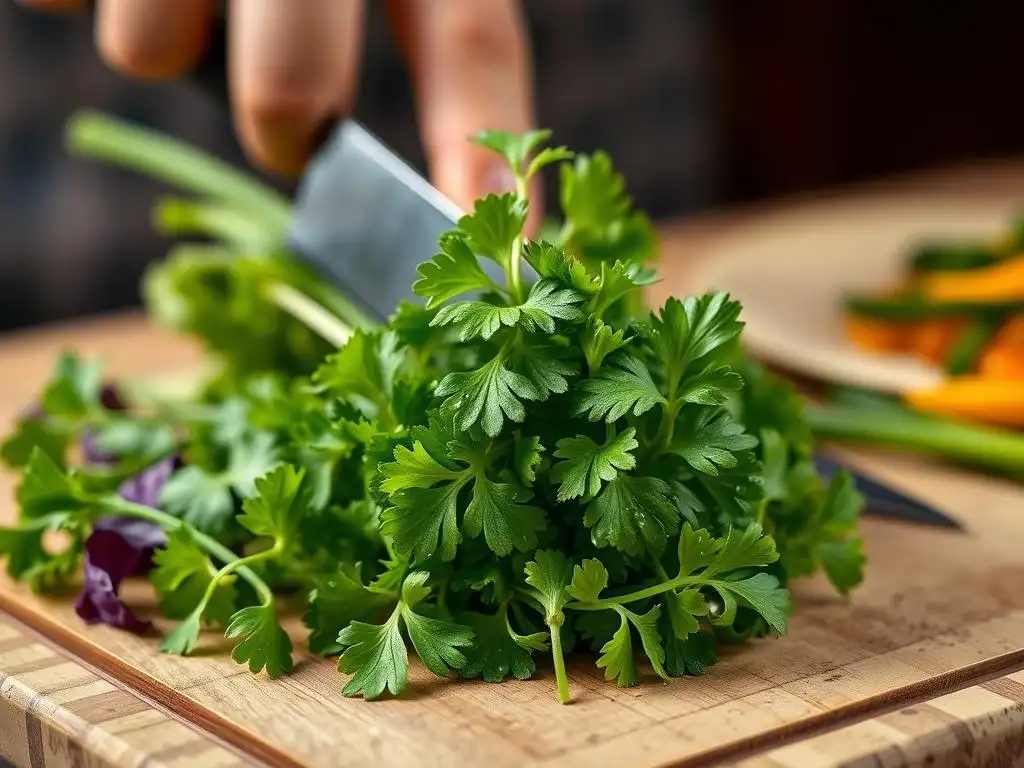
Cilantro, with its bright, citrusy flavor, is a culinary chameleon, seamlessly transitioning between Mexican and Asian cuisines. Its pungent, slightly soapy notes are a hallmark of many dishes, adding a refreshing complexity that elevates simple meals. In Mexican cooking, cilantro is indispensable.
Think of its vibrant presence in salsas, guacamole, and countless other dishes, where its fresh, herbaceousness cuts through the richness of other ingredients. The herbaceous quality pairs beautifully with the heavier textures and flavors of dishes like tacos al pastor or pozole. The leaves' delicate texture also means that they don't overpower the other flavors in the dish, instead acting as a subtle but essential counterpoint.
Beyond Mexico, cilantro's versatility shines in Asian cuisine. In Vietnamese pho, the bright, citrusy notes of cilantro complement the savory broth and tender noodles. Its use in Thai green curry adds a layer of freshness that balances the richness of coconut milk and the heat of chilies. The herb's adaptability extends to Indian cooking as well, where it frequently features in chutneys and raitas, providing a cooling counterpoint to spicier elements.
The subtle bitterness of cilantro can also be a surprising and welcome addition to stir-fries, adding a distinct character that elevates the overall experience. Growing your own cilantro ensures access to this incredibly versatile herb at its peak freshness, maximizing its flavor impact in your culinary creations. Proper care, including consistent watering and adequate sunlight, is crucial for maximizing the flavor and yield of your homegrown cilantro.
Rosemary and Thyme: Elevating Roasted Meats and Vegetables
Rosemary and thyme, aromatic powerhouses, are the cornerstones of Mediterranean and European cooking. Their robust, earthy flavors lend themselves beautifully to roasting, infusing meats and vegetables with deep, savory notes. Rosemary, with its piney, slightly camphoraceous aroma, pairs exceptionally well with lamb, pork, and chicken.
Its strong fragrance permeates the meat during the roasting process, creating a wonderfully flavorful crust and tender interior. The woody stems of rosemary can even be used as skewers for grilling smaller cuts of meat, adding another layer of flavor as the meat cooks. A simple spatchcock chicken roasted with sprigs of rosemary and a drizzle of olive oil is a testament to the herb's transformative power.
Thyme, with its subtly sweet, earthy notes, offers a more delicate yet equally impactful contribution. Its versatility extends to a wider range of dishes, complementing everything from roasted root vegetables to hearty stews. Its subtle, earthy notes blend well with the sweetness of carrots, parsnips, and potatoes, adding a complexity that elevates the simple flavors of roasted vegetables.
The combination of rosemary and thyme in a single dish, such as a roast leg of lamb with root vegetables, creates a harmonious blend of flavors that is both comforting and sophisticated. Growing these herbs at home provides an opportunity to explore their subtle nuances and experiment with different flavor combinations, transforming simple home-cooked meals into culinary masterpieces. The ease of growing these hardy herbs makes them an excellent addition to any home garden dedicated to "grow herbs home cooking."
Grow Herbs Home Cooking: Creative Recipes Featuring Homegrown Herbs
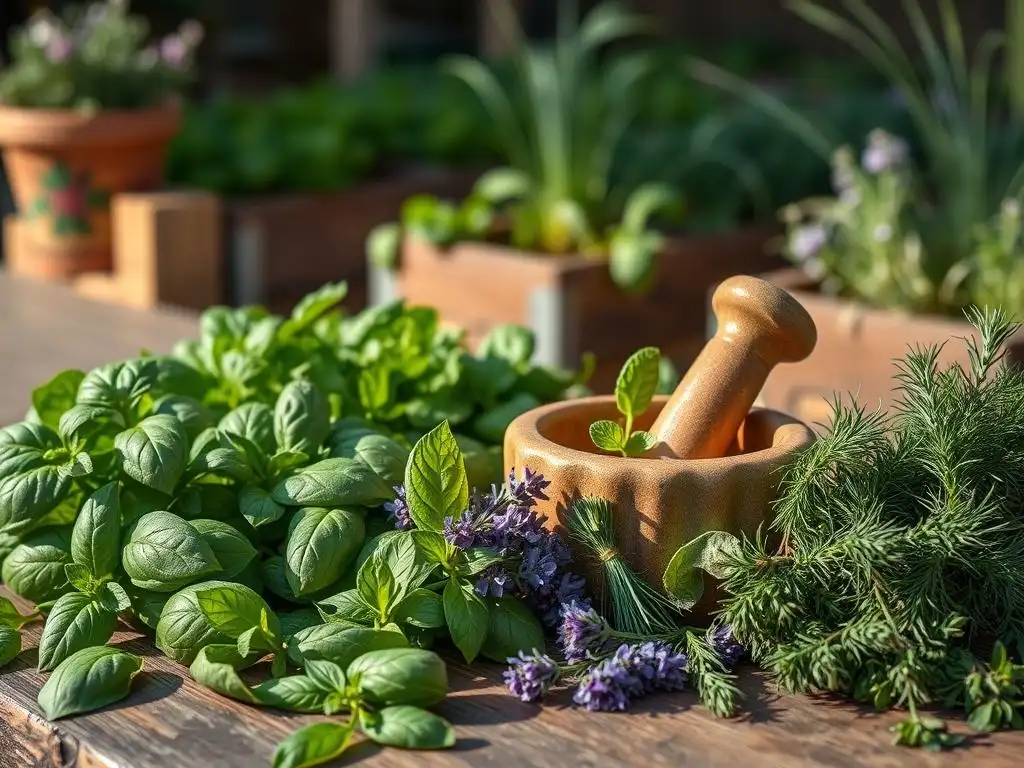
This section explores the culinary magic you can create using herbs grown right in your own backyard. The intense flavor and unparalleled freshness of homegrown herbs elevate even the simplest dishes to new heights. Learning to grow herbs for home cooking unlocks a world of culinary possibilities, transforming your meals from ordinary to extraordinary. Let's delve into some exciting recipes that showcase the versatility and deliciousness of homegrown herbs. The satisfaction of using your own produce is unmatched, and the environmental benefits of growing your own food are significant.
Simple Pesto Recipe with Homegrown Basil
The vibrant, peppery flavor of homegrown basil is unparalleled. This simple pesto recipe requires minimal ingredients, allowing the basil's natural deliciousness to shine. The key is to use fresh, fragrant basil leaves harvested at their peak.
Ingredients:
- 2 cups fresh basil leaves (packed)
- 1/2 cup grated Parmesan cheese
- 1/4 cup pine nuts (or walnuts)
- 2 cloves garlic
- 1/2 cup extra virgin olive oil
- Salt and freshly ground black pepper to taste
Instructions:
- Combine basil leaves, Parmesan cheese, pine nuts, and garlic in a food processor.
- Pulse until finely chopped.
- With the food processor running, slowly drizzle in the olive oil until a smooth paste forms.
- Season with salt and pepper to taste.
- Serve immediately or store in an airtight container in the refrigerator for up to a week. Adding a tablespoon of lemon juice can extend its shelf life.
This pesto is incredibly versatile. Use it as a pasta sauce, a pizza topping, a sandwich spread, or even a marinade for grilled chicken or fish. The freshness of your homegrown basil will make this pesto taste far superior to anything you can buy in the store. Enjoy the delicious results of your gardening efforts!
Herb-Infused Olive Oil: A Flavorful Addition to Any Dish
Infusing olive oil with your homegrown herbs creates a flavorful and aromatic condiment that adds depth and complexity to countless dishes. This method is simple and allows you to customize the flavor profile to your liking. Experiment with different herb combinations to discover your favorites!
Ingredients:
- 1 cup extra virgin olive oil
- 1/2 cup mixed fresh herbs (such as rosemary, thyme, oregano, or a combination) – roughly chopped
- 1 clove garlic (optional, smashed)
Instructions:
- Place the herbs and garlic (if using) in a clean, dry jar.
- Pour the olive oil over the herbs, ensuring they are completely submerged.
- Seal the jar tightly and store it in a cool, dark place for at least 2 weeks, shaking it gently every few days. The longer it infuses, the more intense the flavor will become. Up to 6 weeks is generally ideal.
- After 2 weeks (or longer), strain the oil through a fine-mesh sieve or cheesecloth, discarding the herbs.
- Store the infused oil in a clean, airtight bottle in a cool, dark place.
This herb-infused olive oil is perfect for drizzling over salads, roasted vegetables, grilled meats, or even using as a finishing oil for soups and stews. The subtle yet impactful flavor will elevate your dishes to the next level. It also makes a wonderful and unique gift!
Roasted Chicken with Rosemary and Thyme: A Classic Elevated
This classic roast chicken recipe is elevated by the fragrant aroma and intense flavor of homegrown rosemary and thyme. The combination of these herbs creates a rich, savory flavor that perfectly complements the chicken.
Ingredients:
- 1 whole chicken (about 3-4 pounds)
- 2 sprigs fresh rosemary
- 2 sprigs fresh thyme
- 2 tablespoons olive oil
- 1 teaspoon salt
- 1/2 teaspoon black pepper
- 1 lemon, quartered
Instructions:
- Preheat oven to 400°F (200°C).
- Rinse the chicken and pat it dry.
- Place the rosemary and thyme sprigs inside the chicken cavity along with the lemon quarters.
- Rub the chicken with olive oil, salt, and pepper.
- Place the chicken in a roasting pan and roast for 1 hour and 15 minutes, or until the internal temperature reaches 165°F (74°C).
- Let the chicken rest for 10 minutes before carving and serving.
This simple yet elegant dish is a testament to the power of fresh, homegrown herbs. The aroma alone will fill your kitchen with a comforting and inviting scent. The flavor is deeply satisfying, showcasing the unique qualities of your homegrown rosemary and thyme. Serve with roasted vegetables for a complete and healthy meal. 🌿🐔
Fresh Herb Salad with Lemon Vinaigrette: A Light and Healthy Option
This vibrant salad showcases the bright, fresh flavors of homegrown herbs, offering a light and healthy addition to any meal. The key is to use a variety of herbs for a complex and interesting flavor profile. Instead of relying solely on common herbs like parsley and chives, experiment with more unique options like lemon verbena, sorrel, or even shiso, depending on what thrives in your garden. The lemon vinaigrette perfectly complements the herbs, providing a zesty tang that balances the delicate flavors.
To prepare this salad, start by gathering a mix of your freshest herbs. Aim for a combination of textures and flavors. For example, you might use the delicate leaves of dill and parsley alongside the more robust leaves of mint and oregano. Roughly chop the herbs, ensuring that you don't over-process them, as this can bruise the leaves and diminish their flavor. A good rule of thumb is to chop them into pieces no smaller than ½ inch.
Next, prepare the lemon vinaigrette. This simple dressing relies on the quality of the ingredients, so use fresh lemon juice and good quality olive oil. A typical ratio is 3 parts olive oil to 1 part lemon juice. Whisk these together vigorously, adding a pinch of salt, freshly ground black pepper, and a tiny bit of Dijon mustard for extra complexity. Taste and adjust the seasoning as needed. Some people prefer a touch of honey or maple syrup for sweetness.
Combine the chopped herbs with your favorite salad greens. You can use a mix of lettuces, spinach, or even arugula, depending on your preference. Gently toss the greens and herbs together, then drizzle the lemon vinaigrette over the salad. Toss again to ensure that all the leaves are coated evenly. Serve immediately to enjoy the herbs at their peak freshness.
This salad is a fantastic accompaniment to grilled fish, chicken, or even as a standalone light lunch. The possibilities are endless! Remember to adjust the quantities of herbs and greens based on the number of servings you need. Enjoy the burst of flavor from your homegrown herb garden!
Frequently Asked Questions
How can I successfully grow herbs at home for cooking?
Start with easy-to-grow herbs like basil and mint. Ensure they receive adequate sunlight and consistent watering. A sunny windowsill or a small herb garden works well.
What are the best herbs for beginners to grow indoors?
Basil, mint, chives, and parsley are excellent choices for beginners. They are relatively low-maintenance and thrive in indoor environments with proper light and care.
What is the best way to ensure my homegrown herbs are fresh and flavorful?
Harvest herbs regularly to encourage new growth. Use sharp scissors to cut stems, avoiding pulling them from the root. Store herbs properly in the refrigerator or freeze them for later use.
How can I deal with common herb pests and diseases?
Regularly inspect your plants for pests. Use natural pest control methods such as neem oil or insecticidal soap. Ensure proper air circulation to prevent fungal diseases.
Can I grow herbs year-round indoors?
Yes, with supplemental lighting during the shorter days of winter, you can grow many herbs year-round indoors. Consider using grow lights to supplement natural sunlight, particularly during winter months.
Final Reflection: Savor the Harvest: The Enduring Power of Homegrown Herbs
The vibrant, aromatic world of fresh herbs is not merely a culinary trend; it's a powerful connection to nature that enhances our meals and enriches our lives. From the simple act of planting a seed to the moment you snip a fragrant sprig for your dinner, the journey of growing your own herbs offers a profound and rewarding experience that transcends the plate.
The impact of homegrown herbs extends far beyond the kitchen table. It fosters a deeper appreciation for the origins of our food, encouraging mindful consumption and a reduced reliance on industrially produced ingredients. The best things in life are simple,
a sentiment perfectly encapsulates the joy and satisfaction derived from nurturing a small herb garden and using its bounty to elevate everyday meals. This simple act connects us to a timeless tradition, reminding us of the profound connection between nature, food, and well-being.
Now, consider your own kitchen. Imagine the possibilities: the subtle perfume of basil infusing your pasta sauce, the bright, citrusy zest of rosemary enhancing your roasted vegetables, the calming scent of mint in your evening tea. Take the first step. Plant a seed, nurture a sprig, and discover the transformative power of culinary alchemy in your own home. The journey begins with a single seed, but the rewards are boundless.
Unlock Your Inner Herb Alchemist!
Thanks for exploring the world of fresh herbs with us! We hope you've discovered new ways to elevate your everyday meals and add a touch of magic to your cooking. Ready to take your culinary skills to the next level? Here are a few ideas to get you started:
- Experiment with a new herb this week: Choose an herb you haven't tried before—perhaps fragrant shiso or earthy epazote—and find a recipe that showcases its unique flavor. This is your chance to become a true herb explorer!
- Share your herb-infused creations on social media using #CultivateYourFood – let's inspire each other!
- Leave a comment below sharing your favorite herb and a quick tip for using it – your wisdom could help a fellow foodie!
What unexpected flavor combinations are you excited to try now that you've expanded your herb knowledge?