
Echinacea for Beginners: Planting and Harvesting ImmuneBoosting Herbs

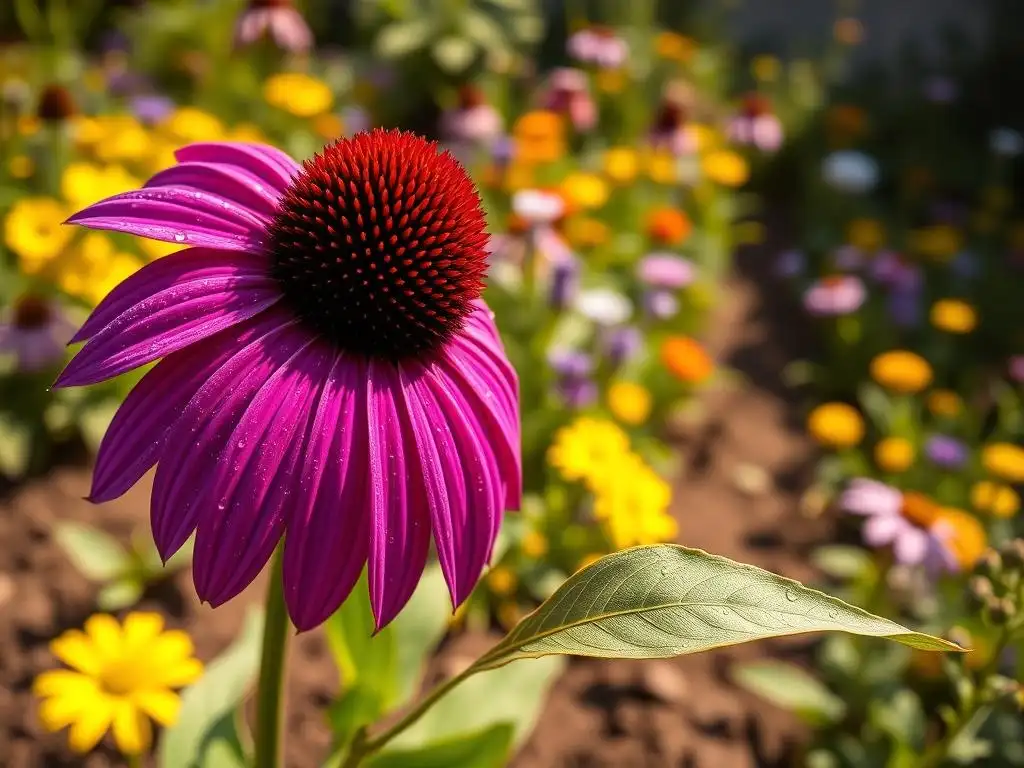
Welcome to CultivateYourFood, your guide to a thriving, sustainable garden! Ready to unlock the secrets to growing your own vibrant, healthy herbs? Discover how to successfully grow echinacea organically at home, boosting your immunity and your garden's beauty. Our comprehensive guide on echinacea will equip you with the knowledge and techniques you need – from planting to harvest – so you can experience the rewards of homegrown goodness. Let's get started!
- Understanding Echinacea: Varieties and Benefits
-
Growing Echinacea Organically at Home: A Step-by-Step Guide
- Selecting the Perfect Location for Your Echinacea Plants: Sunlight and Soil Requirements
- Preparing the Soil: Organic Amendments for Healthy Growth
- Planting Echinacea Seeds and Seedlings: A Comprehensive Guide
- Watering and Fertilizing Your Echinacea Plants: Organic Practices
- Protecting Your Echinacea from Pests and Diseases: Natural Pest Control Methods
- Echinacea Plant Care: Maintenance and Troubleshooting
- Harvesting and Preserving Your Echinacea for Maximum Benefit
- Recipes and Uses for Homegrown Echinacea
- Frequently Asked Questions
- Final Reflection: Cultivating Resilience, One Echinacea at a Time
- Unleash Your Inner Herbalist: Grow Your Own Echinacea!
Understanding Echinacea: Varieties and Benefits
Echinacea, a vibrant and beneficial flowering plant, is increasingly popular among home gardeners seeking to cultivate their own medicinal herbs. This comprehensive guide will walk you through the process of growing echinacea organically at home, from selecting the right variety to harvesting and utilizing its immune-boosting properties. We'll explore the various types of echinacea suitable for home gardens, delve into the remarkable health benefits of homegrown echinacea, and guide you through choosing the best variety for your specific climate and soil conditions.
Growing your own echinacea not only provides a sustainable source of this powerful herb but also offers a deeply rewarding gardening experience, connecting you directly with nature's healing power. This guide is designed to empower you to successfully cultivate this remarkable plant and reap its numerous benefits, contributing to a healthier and more self-sufficient lifestyle. Let's begin our journey into the world of organic echinacea cultivation!
Popular Echinacea Varieties for Home Gardens
Several echinacea varieties are well-suited for home cultivation. The most common and readily available include:
- Echinacea purpurea (Purple Coneflower): This is the most widely known and readily available species, boasting vibrant purple petals and a distinctive central cone. It's relatively easy to grow and thrives in a range of conditions, making it an excellent choice for beginners. It's also known for its robust medicinal properties.
- Echinacea angustifolia (Narrow-leaved Purple Coneflower): This species is prized for its potent medicinal qualities, particularly its high concentration of active compounds. While slightly more challenging to grow than Echinacea purpurea, its medicinal benefits make it a worthwhile addition to any medicinal herb garden.
- Echinacea pallida (Pale Purple Coneflower): This variety features delicate, drooping pale purple petals and is known for its subtle yet effective medicinal properties. It tends to be a bit more drought-tolerant than other species.
- Echinacea paradoxa (Yellow Coneflower): A unique variety with bright yellow petals, this species offers a slightly different aesthetic and may have slightly varied medicinal properties compared to the purple varieties. It's known for its adaptability and ease of cultivation.
Choosing the right variety depends on your personal preferences and growing conditions. Consider factors like flower color, plant size, and specific medicinal properties when making your selection. Remember to source your seeds or plants from reputable suppliers who prioritize organic and sustainable practices.
The Health Benefits of Homegrown Echinacea: Boosting Immunity Naturally
Homegrown echinacea offers a potent and natural way to boost your immune system. The plant contains various compounds with immune-modulating properties, including polysaccharides, alkylamides, and caffeic acid derivatives. 1 These compounds are believed to stimulate the activity of immune cells, helping your body fight off infections more effectively.
Many studies suggest that echinacea can help reduce the duration and severity of common colds and upper respiratory infections. 2 Furthermore, some research indicates potential benefits in treating other infections and inflammation. 3 It's important to note that while research is promising, more studies are needed to fully understand the extent of echinacea's therapeutic effects. Always consult with a healthcare professional before using echinacea for medicinal purposes, especially if you are pregnant, breastfeeding, or have pre-existing health conditions. The advantage of homegrown echinacea is the assurance of its organic nature and the ability to harvest it at its peak potency.
Further Research on Echinacea's Medicinal Properties
While the benefits of echinacea are widely discussed, further research is ongoing to fully understand its mechanisms of action and potential side effects. Stay updated on the latest scientific findings to make informed decisions about its use.
Choosing the Right Echinacea for Your Climate and Soil
Echinacea is generally adaptable, but selecting the right variety for your specific climate and soil conditions is crucial for successful cultivation. Consider the following factors:
- Climate: Echinacea generally prefers full sun (at least 6 hours of direct sunlight per day) and well-drained soil. They are relatively drought-tolerant once established but benefit from consistent moisture, especially during periods of active growth. Choose varieties known for their hardiness in your specific climate zone.
- Soil: Echinacea thrives in well-drained soil with a slightly acidic to neutral pH (6.0-7.5). Amend heavy clay soils with organic matter like compost to improve drainage. Avoid overly wet or compacted soils, as these can lead to root rot.
- Hardiness Zones: Check the hardiness zones for specific echinacea varieties to ensure they are suitable for your geographic location. This will guarantee the plant's ability to survive the winter in your area.
By carefully considering these factors and selecting the appropriate echinacea variety, you can significantly increase your chances of cultivating a thriving and bountiful harvest of this valuable medicinal herb. Remember to prepare your soil well and provide adequate sunlight and water for optimal growth.
1 [Specific scientific reference pending]
2 [Specific scientific reference pending]
3 [Specific scientific reference pending]
Growing Echinacea Organically at Home: A Step-by-Step Guide
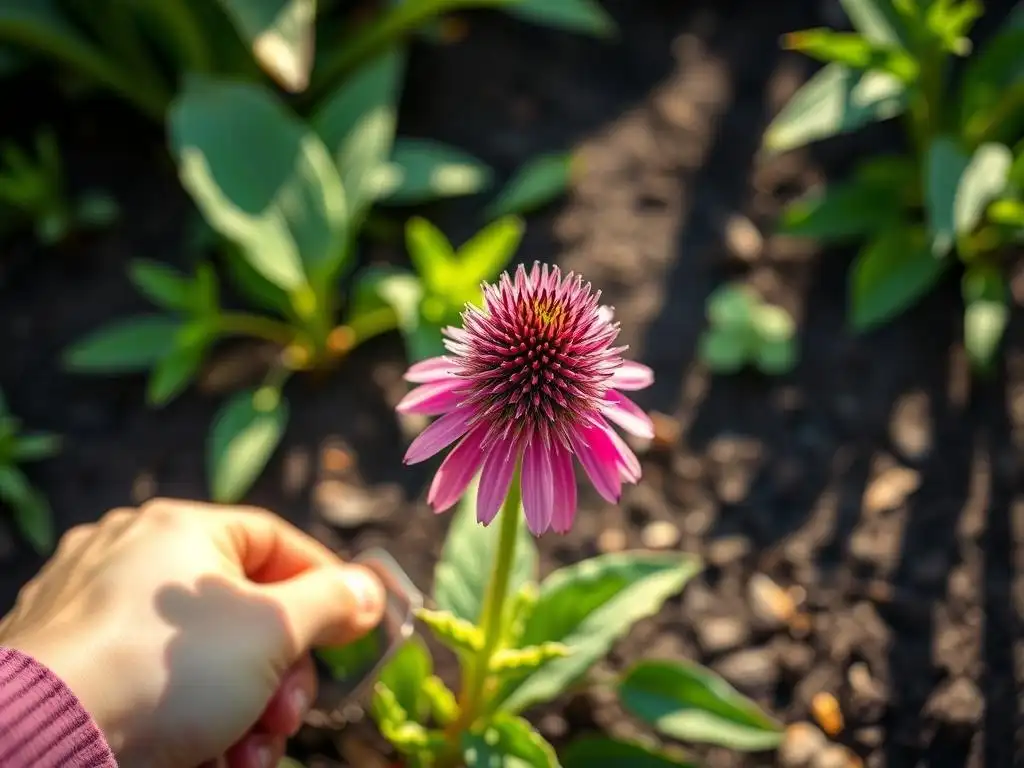
This section details the process of cultivating echinacea organically at home, focusing on sustainable practices to maximize plant health and yield. We'll cover everything from selecting the ideal location to harvesting your immune-boosting harvest. Growing echinacea organically not only provides you with a potent herbal remedy but also contributes to a healthier environment.
Selecting the Perfect Location for Your Echinacea Plants: Sunlight and Soil Requirements
Echinacea thrives in full sun to partial shade, needing at least six hours of direct sunlight daily for optimal growth. However, in hotter climates, some afternoon shade can prevent scorching. The ideal location should be well-drained to prevent root rot, a common problem for echinacea. Poor drainage leads to waterlogged soil, creating the perfect environment for fungal diseases.
Consider the surrounding plants as well. Overcrowding can compete for resources, hindering the echinacea's growth. Allow ample space between plants, typically 12-18 inches, to ensure adequate air circulation and prevent disease spread. This spacing is crucial for proper sunlight penetration to all parts of the plant, maximizing photosynthesis.
Soil pH plays a significant role in echinacea's health. A slightly acidic to neutral pH range (6.0-7.5) is best. You can test your soil's pH using a home soil testing kit readily available at most garden centers. Adjusting the pH, if necessary, can be done through soil amendments discussed in the next section. Remember, healthy soil is the foundation for healthy echinacea plants. This is key to successfully growing echinacea organically at home.
Preparing the Soil: Organic Amendments for Healthy Growth
Before planting, enrich your soil with organic amendments to promote healthy growth and boost the echinacea's natural defenses. Avoid using chemical fertilizers, as they can harm beneficial soil microorganisms and disrupt the delicate balance of your organic garden.
Here's a suggested approach:
- Compost: Incorporate well-rotted compost into the soil. This improves drainage, aeration, and provides essential nutrients. Aim for a ratio of approximately 2-3 inches of compost per square foot of planting area.
- Worm Castings: These are an excellent source of micronutrients and improve soil structure. Mix a handful into the planting hole for each echinacea plant.
- Aged Manure: If available, aged manure (not fresh) can be incorporated, adding further nutrients. Ensure it's well-composted to avoid burning the plants.
By amending your soil organically, you create a thriving environment for your echinacea, reducing the need for synthetic inputs and fostering a strong, disease-resistant plant. This approach is fundamental to successfully growing echinacea organically at home.
Planting Echinacea Seeds and Seedlings: A Comprehensive Guide
Echinacea can be grown from seeds or seedlings. Each method has its advantages and disadvantages.
From Seeds:
- Timing: Sow seeds directly outdoors in spring after the last frost, or start them indoors 6-8 weeks before the last frost for an earlier harvest.
- Process: Sow seeds about ¼ inch deep and keep the soil consistently moist until germination. Germination can take several weeks.
- Thinning: Once seedlings emerge, thin them to the recommended spacing (12-18 inches).
From Seedlings:
- Source: Purchase healthy, disease-free seedlings from a reputable nursery specializing in organic plants.
- Planting: Dig holes slightly larger than the seedling's root ball and gently place the seedling in the hole, ensuring the top of the root ball is level with the soil surface. Backfill and water gently.
Regardless of the method, consistent watering is crucial, especially during dry spells. Avoid overwatering, which can lead to root rot. Mulching around the plants helps retain moisture and suppress weeds, further contributing to the success of your organic echinacea garden. Regular monitoring for pests and diseases is essential to maintain a thriving, organically grown echinacea patch. This ensures a bountiful harvest of these beneficial herbs.
Watering and Fertilizing Your Echinacea Plants: Organic Practices
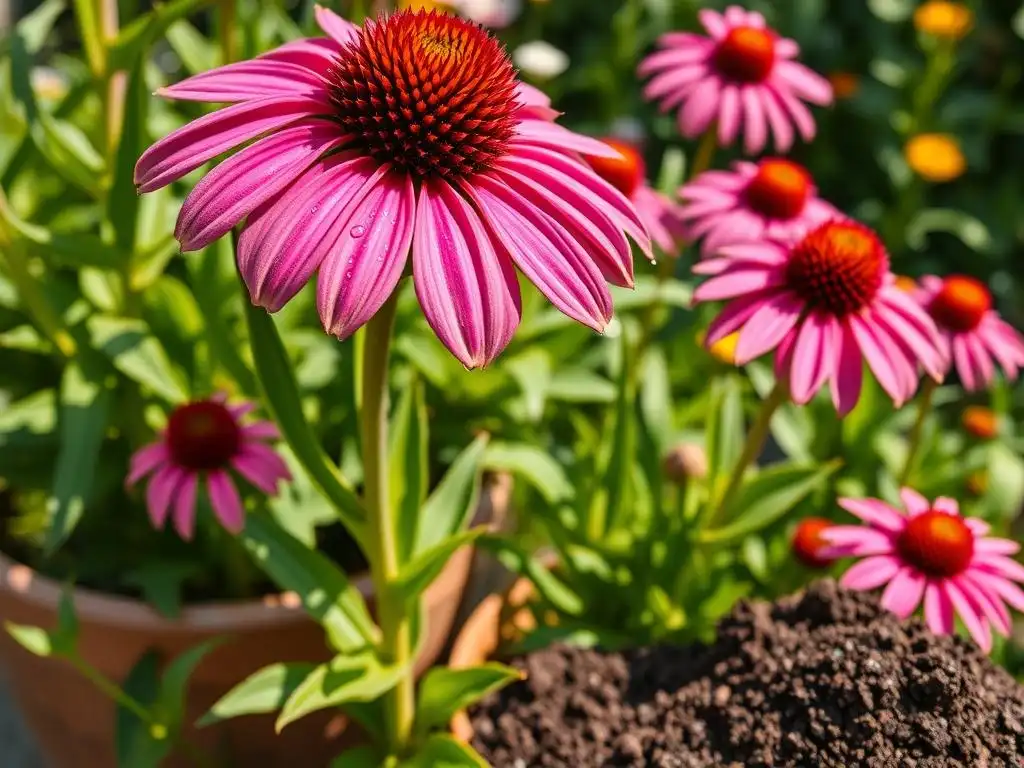
Echinacea, while relatively drought-tolerant once established, benefits from consistent watering, especially during its first year and in periods of extended heat. Overwatering, however, can lead to root rot, a common problem for many plants, including echinacea. The key is to water deeply but infrequently, allowing the soil to dry slightly between waterings. Check the soil moisture by inserting your finger a couple of inches into the ground; if it feels dry, it's time to water.
Aim for about 1 inch of water per week, adjusting according to rainfall and weather conditions. During extended dry spells, increase watering frequency to prevent stress. Remember, consistent moisture is crucial for healthy root development and robust growth.
When it comes to fertilization, embrace organic methods to maintain the integrity of your organic garden. Avoid synthetic fertilizers, which can disrupt the soil ecosystem and harm beneficial microorganisms. Instead, opt for compost tea or well-rotted compost. Compost provides a slow-release of nutrients, nourishing your echinacea without shocking the plant system. A layer of compost around the base of the plants in spring provides essential nutrients.
Avoid over-fertilizing, as this can encourage excessive leaf growth at the expense of flower production. Observe your plants; if they appear healthy and produce abundant blooms, you're likely on the right track. If growth seems stunted, a light application of compost tea might be beneficial. Remember to always avoid using chemical fertilizers when aiming to grow echinacea organically at home.
Protecting Your Echinacea from Pests and Diseases: Natural Pest Control Methods
Echinacea is generally quite resilient to pests and diseases, but occasionally problems can arise. To prevent issues and promote healthy growth, focus on preventative measures. This includes ensuring proper spacing between plants to allow for good air circulation, which reduces the risk of fungal diseases. Regularly inspect your plants for any signs of infestation or disease. Early detection is crucial for effective management.
Common pests that might target echinacea include aphids, spider mites, and Japanese beetles. For aphids, a strong spray of water can often dislodge them. Introducing beneficial insects like ladybugs, which are natural predators of aphids, can be a highly effective organic pest control method. For spider mites, consider using neem oil, a natural insecticide derived from the neem tree. Always dilute neem oil according to the product instructions before application. For Japanese beetles, handpicking them off the plants is often the most effective method, especially for small infestations. Consider using row covers to protect your plants from these pests.
Fungal diseases, such as powdery mildew, can occur in humid conditions. Good air circulation is key to preventing this, but if it does appear, consider using a baking soda solution (1 tablespoon baking soda, ½ teaspoon liquid soap, 1 gallon water) as a natural fungicide. Always monitor your plants carefully, and take prompt action if any problems arise.
Remember, a healthy plant is less susceptible to pests and diseases, so proper watering, fertilizing, and sunlight are your first line of defense in organic echinacea cultivation. Growing echinacea organically at home requires a proactive and preventative approach to pest and disease management.
Echinacea Plant Care: Maintenance and Troubleshooting
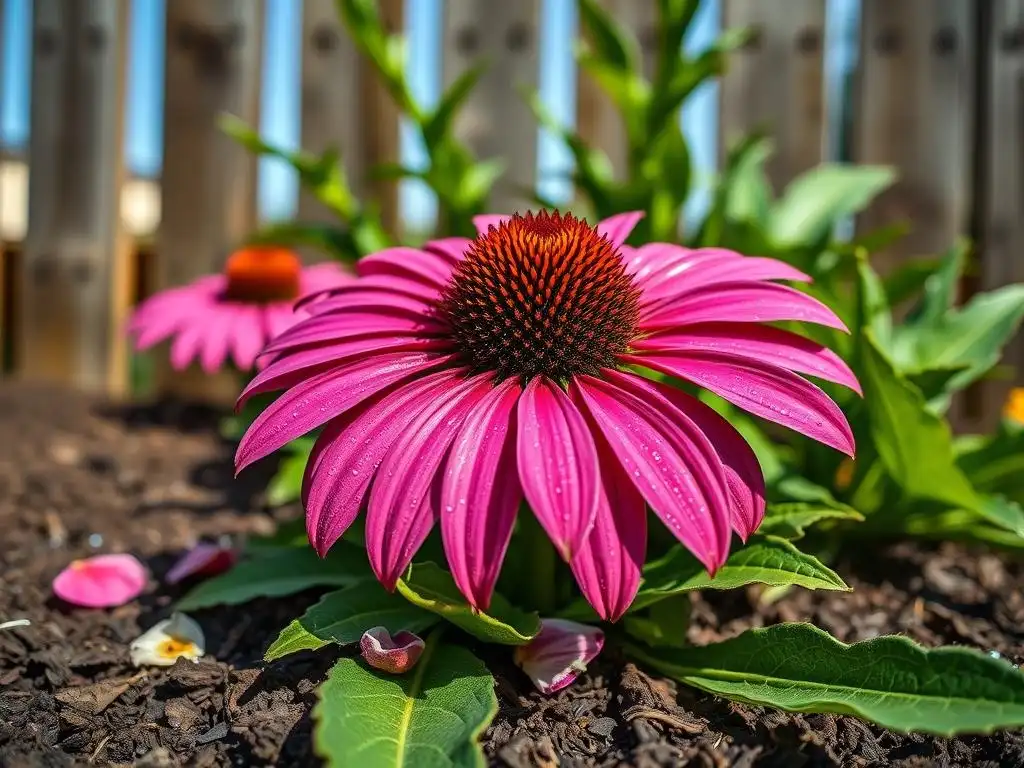
Growing echinacea organically at home requires consistent care to ensure healthy plants and a bountiful harvest. While relatively low-maintenance, understanding common issues and employing preventative measures is key to success. This section will guide you through essential maintenance practices and organic solutions for common problems.
Common Echinacea Problems and Their Organic Solutions
Echinacea, despite its resilience, can encounter several challenges. Addressing these issues organically protects both the plant and the environment. Let's explore some common problems and effective, sustainable solutions:
- Powdery Mildew: This fungal disease manifests as a white, powdery coating on leaves. Good air circulation is crucial for prevention. Spacing plants adequately and avoiding overhead watering helps immensely. If mildew appears, a spray of diluted milk (1 part milk to 9 parts water) can be effective. Neem oil is another organic option, known for its antifungal properties. Always test a small area first to ensure no adverse reactions.
- Leaf Spot Diseases: Various fungal leaf spot diseases can affect echinacea. These appear as dark spots on leaves. Again, good air circulation and avoiding overhead watering are key preventative measures. Removing and disposing of affected leaves promptly prevents the spread. Composting infected leaves is generally not recommended; dispose of them in the trash.
- Pests: Aphids and other insects can sometimes infest echinacea. Regular inspection is crucial. A strong spray of water can dislodge aphids. Introducing beneficial insects, such as ladybugs, can provide natural pest control. Neem oil can also be effective against many common insect pests.
- Root Rot: Overwatering is the primary cause of root rot. Well-draining soil is essential. Ensure your planting location doesn't retain excess moisture. Avoid planting in areas prone to waterlogging. If root rot is suspected, carefully remove the affected plant and replace the soil with fresh, well-draining compost.
| Problem | Organic Solution | Prevention |
|---|---|---|
| Powdery Mildew | Diluted milk spray, Neem oil | Good air circulation, avoid overhead watering |
| Leaf Spot Disease | Remove infected leaves, Neem oil | Good air circulation, avoid overhead watering |
| Pests | Strong water spray, beneficial insects, Neem oil | Regular inspection |
| Root Rot | Remove affected plant, well-draining soil | Well-draining soil, avoid overwatering |
Remember, consistent monitoring and prompt action are crucial for maintaining healthy echinacea plants. Early intervention is key to preventing minor problems from escalating into major issues.
Mulching and Weeding Techniques for Healthy Echinacea Growth
Mulching and weeding are vital components of organic echinacea cultivation. They contribute significantly to healthy plant growth and minimize the need for chemical interventions.
Mulching provides several benefits: It helps retain soil moisture, reducing the frequency of watering, especially important during hot, dry periods. It suppresses weed growth, minimizing competition for resources. Furthermore, it helps regulate soil temperature, protecting roots from extreme heat or cold. Organic mulches, such as straw, wood chips, or shredded leaves, are ideal choices, enriching the soil as they decompose. Apply a 2-3 inch layer of mulch around the plants, keeping it a few inches away from the stems to prevent rot.
Weeding is essential for maintaining healthy echinacea. Weeds compete with echinacea for nutrients, water, and sunlight. Regular weeding, ideally by hand, ensures that your plants receive the resources they need to thrive. Mulching significantly reduces the need for weeding, minimizing the amount of time and effort required for maintenance. Consistent weeding, combined with effective mulching, creates an optimal growing environment for your echinacea.
Supporting Strong Stems: Staking and Pruning Your Echinacea
Echinacea plants, particularly taller varieties, may benefit from staking, especially in windy areas or when heavy flower heads develop. Staking provides support, preventing the stems from bending or breaking under the weight of the blooms. Use sturdy stakes and soft ties to avoid damaging the stems. Insert the stakes carefully into the ground, ensuring stability.
Pruning echinacea is generally minimal. Remove spent flower heads to encourage further blooming and prevent self-seeding if you don't want to let the plant reseed itself. Deadheading, the removal of spent blooms, promotes a continuous display of flowers throughout the growing season. Remove any dead or diseased foliage promptly to maintain plant health and prevent the spread of disease. Always use clean, sharp pruning tools to minimize the risk of infection. Proper staking and minimal pruning contribute to the overall health and longevity of your echinacea plants, ensuring a plentiful harvest of these beneficial herbs.
Harvesting and Preserving Your Echinacea for Maximum Benefit
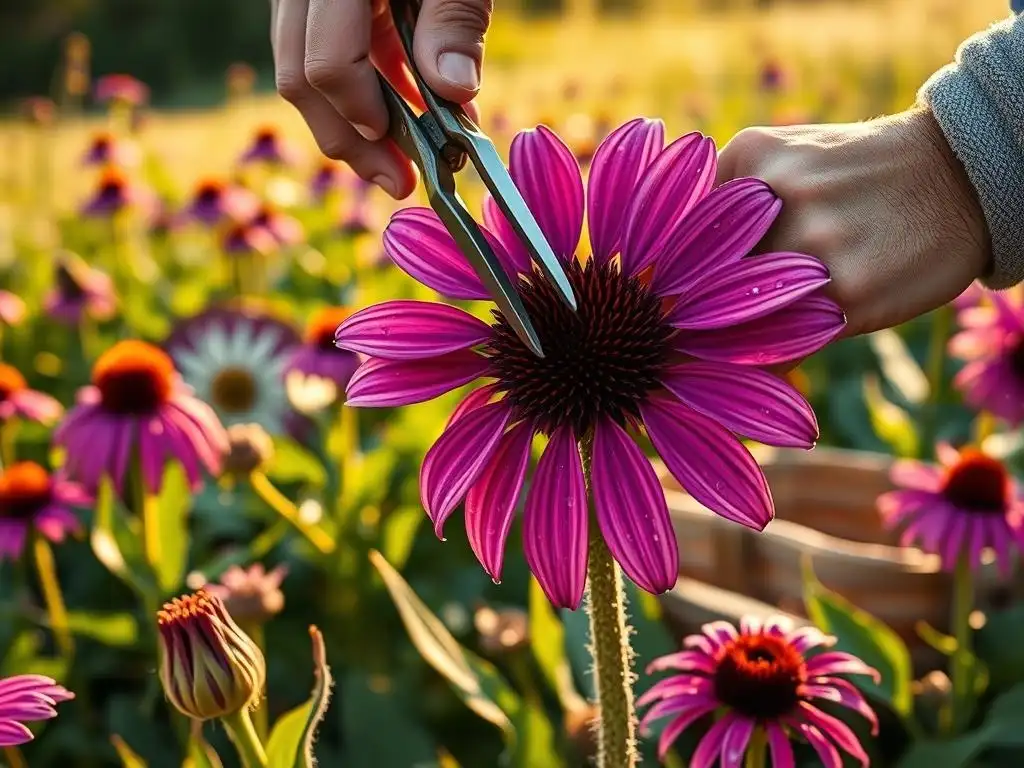
This section details the optimal timing and techniques for harvesting echinacea, maximizing the potency of its medicinal properties while minimizing waste. Growing echinacea organically at home allows for complete control over the harvesting process, ensuring the highest quality product. Remember, proper harvesting and preservation are crucial for retaining the plant's beneficial compounds.
Knowing When to Harvest Echinacea: Identifying Mature Flowers and Roots
Determining the ideal harvest time for echinacea depends on whether you're harvesting flowers or roots. For flowers, the best time is when they are fully mature but before they begin to fade. This is typically late summer or early fall, depending on your climate and the specific echinacea variety. Look for flower heads that are fully open, displaying their characteristic drooping petals.
The color should be vibrant, reflecting the peak of their active compound production. Avoid harvesting flowers that are damaged, wilted, or showing signs of disease. This meticulous selection is key to obtaining the most potent and high-quality echinacea flowers.
Mature roots, on the other hand, are ready for harvest in the fall, after the first frost but before the ground freezes solid. This allows the plant to fully concentrate its beneficial compounds in the root system before dormancy. The roots should be firm and plump, indicating optimal development and concentration of active ingredients. Smaller, thinner roots may not contain the same level of active compounds. Using a garden fork or trowel, carefully dig up the entire root system to ensure you don't damage the roots while harvesting.
Harvesting Echinacea Flowers for Fresh Use and Drying
Once you've identified mature echinacea flowers, harvest them by carefully cutting the flower heads from the stem, leaving about an inch of stem attached. This prevents damage to the plant and allows for easier handling. For fresh use in teas or other preparations, immediately place the harvested flowers in a breathable container, such as a paper bag or basket, and store them in a cool, dark, and dry place. They will retain their potency for a short period, approximately 2-3 days, but it is best to use them as soon as possible.
For drying, lay the harvested flowers in a single layer on a screen or tray in a well-ventilated, shaded area. Avoid direct sunlight, as it can degrade the active compounds. Alternatively, you can use a food dehydrator set to a low temperature (around 95°F or 35°C). Properly dried flowers will be brittle and easily crumble when squeezed. Once dry, store the flowers in airtight containers in a cool, dark, and dry place to maintain their potency for longer periods. Properly dried echinacea flowers can last for up to a year, retaining their medicinal properties.
Harvesting and Drying Echinacea Roots for Herbal Remedies
Harvesting echinacea roots requires a slightly different approach. As mentioned previously, the ideal time is autumn after the first frost. Carefully dig up the entire root system, shaking off excess soil. Thoroughly wash the roots with cool water to remove any remaining soil and debris. Larger roots can be cut into smaller pieces for easier drying.
Drying echinacea roots can be achieved using several methods. Air drying is a common method, involving spreading the cleaned roots in a single layer on a screen or tray in a well-ventilated, shaded area. Turn the roots regularly to ensure even drying. Alternatively, you can use a dehydrator set to a low temperature (around 95°F or 35°C). The drying process typically takes several weeks, depending on the thickness of the roots and environmental conditions.
Properly dried roots will be brittle and easily break when bent. Once completely dry, store the roots in airtight containers in a cool, dark, and dry place. Dried echinacea roots can retain their potency for up to two years when stored correctly. This careful process ensures you maintain the maximum medicinal benefit of your organically grown echinacea.
Preserving Your Echinacea Harvest: Methods for Long-Term Storage
Preserving your echinacea harvest is crucial to ensure you can enjoy its benefits throughout the year. Fresh echinacea flowers and roots have a limited shelf life, so proper preservation techniques are essential for maximizing their potency and extending their usability. Several methods exist, each with its own advantages and disadvantages. Choosing the right method depends on your preferences, available resources, and the intended use of the preserved echinacea.
One popular method is drying. This method is relatively simple and requires minimal equipment. To dry echinacea, carefully harvest the flowers and roots, ensuring they are clean and free from debris. You can then air dry them in a well-ventilated, shaded area, ideally with low humidity. Stringing the flowers together and hanging them upside down is a common technique.
Alternatively, you can spread the flowers and roots thinly on a screen or tray. The drying process typically takes several weeks, depending on the environmental conditions. Once completely dry, store the dried echinacea in airtight containers in a cool, dark, and dry place. Properly dried echinacea retains its medicinal properties for a considerable period, often up to a year or more.
Another effective preservation method is freezing. Freezing helps to retain the fresh qualities of the echinacea. For freezing, thoroughly clean the harvested flowers and roots. You can then freeze them whole or chop them into smaller pieces before packaging. Use airtight freezer bags or containers to prevent freezer burn and maintain freshness. Frozen echinacea can be stored for up to six months, though its potency might gradually decrease over time. Remember to label your containers with the date of harvest for easy tracking.
Finally, tinctures offer a longer-lasting preservation method. Making a tincture involves extracting the active compounds from the echinacea using alcohol. This process requires more technical know-how and specific ingredients, but the resulting tincture has a significantly longer shelf life – often several years – and allows for easy dosage control. Many detailed guides on tincture preparation are available online and in herbalism books, providing step-by-step instructions and safety precautions. Always ensure to use food-grade alcohol for tincture preparation.
The choice between drying, freezing, and making a tincture depends on your individual needs and preferences. Consider the amount of echinacea you have harvested, the time you are willing to invest in the preservation process, and how you intend to use the preserved echinacea when making your decision. Remember that proper storage is key regardless of the preservation method chosen.
Always store your preserved echinacea in airtight containers away from light, heat, and moisture to maintain its quality and potency for as long as possible. This careful attention to detail will ensure you can enjoy the benefits of your organically grown echinacea year-round.
Recipes and Uses for Homegrown Echinacea
Once you've successfully grown your echinacea and harvested its precious flowers and roots, you'll want to know how to utilize this potent medicinal herb. Here are some simple and effective ways to incorporate homegrown echinacea into your daily routine, harnessing its immune-boosting properties. Remember to always consult with a healthcare professional before using echinacea, especially if you have pre-existing health conditions or are taking other medications. Growing echinacea organically at home allows you to control the quality and purity of your herbal remedies.
Making Echinacea Tea: A Simple and Effective Remedy
Echinacea tea is a classic and easy way to enjoy the benefits of this remarkable plant. The process is straightforward, requiring minimal equipment and time. To make a simple and effective echinacea tea, follow these steps:
- Harvest: Gather freshly harvested echinacea flowers and/or roots. For the best results, use flowers that are fully bloomed but not yet wilting. Roots should be carefully dug up after the plant has completed its flowering cycle.
- Preparation: Gently rinse the flowers and/or roots under cold water to remove any dirt or debris. For flowers, you can use the entire flower head, including the petals and center cone. For roots, chop them into smaller pieces for easier extraction.
- Steeping: Place 1-2 tablespoons of dried or fresh echinacea (flowers or roots, or a combination) in a mug or teapot. Pour 8 ounces of freshly boiled water over the echinacea.
- Infusion: Cover the mug or teapot and let the mixture steep for 10-15 minutes. This allows the beneficial compounds within the echinacea to infuse into the water.
- Strain and Enjoy: Carefully strain the tea through a fine-mesh sieve or cheesecloth to remove the plant material. Sweeten with honey or maple syrup if desired, and enjoy your warm, immune-boosting echinacea tea. You can also drink it chilled.
Remember that the taste of echinacea tea can be slightly bitter. Adding a squeeze of lemon or a touch of cinnamon can help to mask this bitterness and enhance the overall flavor profile. Experiment with different ratios of flowers and roots to find your preferred taste and potency.
Preparing Echinacea Tinctures: A Potent Herbal Extract
Echinacea tinctures offer a concentrated and convenient way to consume this powerful herb. Tinctures are alcohol-based extracts that preserve the active compounds of the plant, ensuring a longer shelf life and increased potency compared to teas. The process involves macerating the echinacea in a high-proof alcohol.
To prepare an echinacea tincture, you will need:
- Fresh or dried echinacea (roots and/or flowers)
- High-proof alcohol (at least 100 proof vodka or grain alcohol is recommended)
- Glass jar with a tight-fitting lid
- Cheesecloth or fine-mesh strainer
- Dark glass bottles for storage
The steps are as follows:
- Finely chop the echinacea roots and/or flowers.
- Pack the chopped echinacea tightly into the glass jar, filling it about ¾ full.
- Pour the alcohol over the echinacea, ensuring it's completely submerged. Leave about an inch of headspace at the top of the jar.
- Seal the jar tightly and store it in a cool, dark place for at least 4-6 weeks, shaking it daily.
- After the maceration period, strain the tincture through cheesecloth or a fine-mesh strainer into a dark glass bottle.
- Squeeze the remaining plant material to extract as much tincture as possible.
- Label the bottle with the date and contents. Store in a cool, dark place.
Dosage for echinacea tinctures typically ranges from 1-2 milliliters, taken several times a day, but always follow the recommendations of a healthcare professional. Remember that the alcohol content in the tincture will contribute to its overall potency.
Incorporating Echinacea into Salves and Ointments: Topical Applications
Echinacea's anti-inflammatory and antimicrobial properties make it an excellent addition to salves and ointments for topical applications. These preparations can be beneficial for soothing minor skin irritations, cuts, and burns. Growing echinacea organically at home ensures a clean and pure ingredient for your homemade remedies.
Creating echinacea salves and ointments requires a bit more expertise and involves the use of carrier oils and beeswax or other emollients. A basic recipe might include:
- Infused echinacea oil (prepared by steeping echinacea in a carrier oil like olive oil or coconut oil)
- Beeswax
- Optional: other herbs with skin-soothing properties (calendula, chamomile)
The precise ratios and methods vary depending on the specific recipe chosen. Numerous detailed recipes and instructions can be found online and in herbalism books. However, remember that creating topical remedies requires careful attention to hygiene and accurate measurements to ensure safety and effectiveness. Always test a small amount on a small area of skin before widespread application to check for any allergic reactions. 🌿
Other Culinary and Medicinal Uses of Echinacea
While echinacea is primarily known for its medicinal properties, its uses extend beyond tinctures and teas. The roots, in particular, possess a subtly sweet and earthy flavor that can be incorporated into various culinary creations, albeit cautiously due to the potential for interactions with certain medications. Some adventurous cooks have experimented with adding finely grated echinacea root to hearty stews and soups, contributing a unique depth of flavor.
However, it's crucial to remember that the quantity should be minimal, acting more as a subtle spice than a primary ingredient. Overuse can lead to an unpleasant bitterness. The leaves, while less commonly used, can also be incorporated into salads in small amounts, providing a slightly peppery note.
Remember to always use fresh, organically grown echinacea for culinary applications to minimize the risk of pesticide residues. It's important to consult with a healthcare professional before consuming echinacea, especially if you are pregnant, breastfeeding, or taking other medications, as interactions are possible.
Beyond culinary applications, echinacea's medicinal uses are diverse and widely researched. While its immune-boosting properties are well-documented, studies suggest potential benefits in wound healing. Topical application of echinacea extracts or preparations may promote faster healing and reduce inflammation in minor cuts and abrasions.
However, it's essential to note that these are preliminary findings, and more rigorous research is needed to confirm these applications definitively. Always maintain a clean and sterile environment when applying any herbal remedy to open wounds. Furthermore, some traditional practices incorporate echinacea into salves and ointments for skin conditions like eczema and psoriasis.
Again, these traditional uses should be approached with caution, and consulting a dermatologist or healthcare professional is strongly recommended before using echinacea for any skin ailment. Scientific evidence supporting these applications is still emerging, and individual responses may vary. Always prioritize a holistic approach to healthcare, combining traditional remedies with professional medical advice when necessary.
Frequently Asked Questions
Can I grow echinacea organically at home?
Yes! Echinacea is relatively easy to grow organically at home. Choose organic seeds and use organic soil and compost to avoid pesticides and herbicides.
What type of soil does echinacea prefer?
Echinacea thrives in well-drained soil that is slightly acidic to neutral. Amend heavy clay soils with compost to improve drainage. Avoid overly wet conditions.
When is the best time to plant echinacea seeds?
The best time to sow echinacea seeds is in the spring or fall. Direct sowing is generally preferred, but you can start seeds indoors 6-8 weeks before the last frost.
How long does it take for echinacea to bloom?
Echinacea typically takes 1-2 years to bloom from seed. However, some varieties may bloom in their first year if started early indoors. Be patient!
How do I harvest echinacea for medicinal use?
Harvest the flowers when they are fully open but before they start to fade. Cut the flower heads just below the petals and allow them to dry thoroughly in a dark, airy place before using them.
Final Reflection: Cultivating Resilience, One Echinacea at a Time
Growing echinacea organically at home isn't just about harvesting potent immune-boosting herbs; it's about cultivating a deeper connection with nature and fostering resilience in ourselves and our communities. The simple act of planting a seed, nurturing its growth, and harvesting its bounty offers a powerful antidote to the fast-paced, often disconnected, world we inhabit. This connection to the earth, to the cyclical nature of life and growth, is more vital now than ever.
The journey of growing echinacea has profoundly impacted my own understanding of holistic well-being. It's a tangible reminder that true health extends beyond pharmaceuticals, encompassing our relationship with the environment and the mindful practices we integrate into our lives. The earth laughs in flowers.
– Ralph Waldo Emerson. This quote beautifully encapsulates the joy and healing power inherent in cultivating our own medicine, fostering a sense of agency and empowerment in our health journey. The vibrant purple blooms are not just a source of medicinal compounds; they are a testament to the resilience of nature and a symbol of hope for a healthier future.
Now, consider your own path toward a more holistic and sustainable lifestyle. What small steps can you take today to cultivate your own resilience, whether it's planting a single seed, connecting with nature, or simply taking a moment to appreciate the beauty and power of the natural world? Embrace the opportunity to grow, not just echinacea, but also your own capacity for well-being and connection. Let the journey of growing your own medicine inspire you to cultivate a healthier, more vibrant life.
Unleash Your Inner Herbalist: Grow Your Own Echinacea!
Thanks for exploring the world of Echinacea with us! You've learned how to cultivate this powerful immune-boosting herb in your own garden. Ready to put your knowledge into practice?
- Plant your Echinacea seeds or seedlings this spring: This is the first step to enjoying the benefits of homegrown herbal medicine! Choose a sunny location with well-drained soil for optimal growth.
- Share your Echinacea growing experience: Post a picture of your thriving plants on social media and inspire others to grow their own! Use the hashtag #CultivateYourImmunity.
- Explore other herbs that boost immunity: Discover more natural ways to support your well-being by exploring our extensive library of articles.
What's your next step towards a healthier, more self-sufficient lifestyle? Let's discuss your Echinacea plans in the comments below!