
Feeding Rosemary and Thyme: Organic Fertilizers for Lush Growth

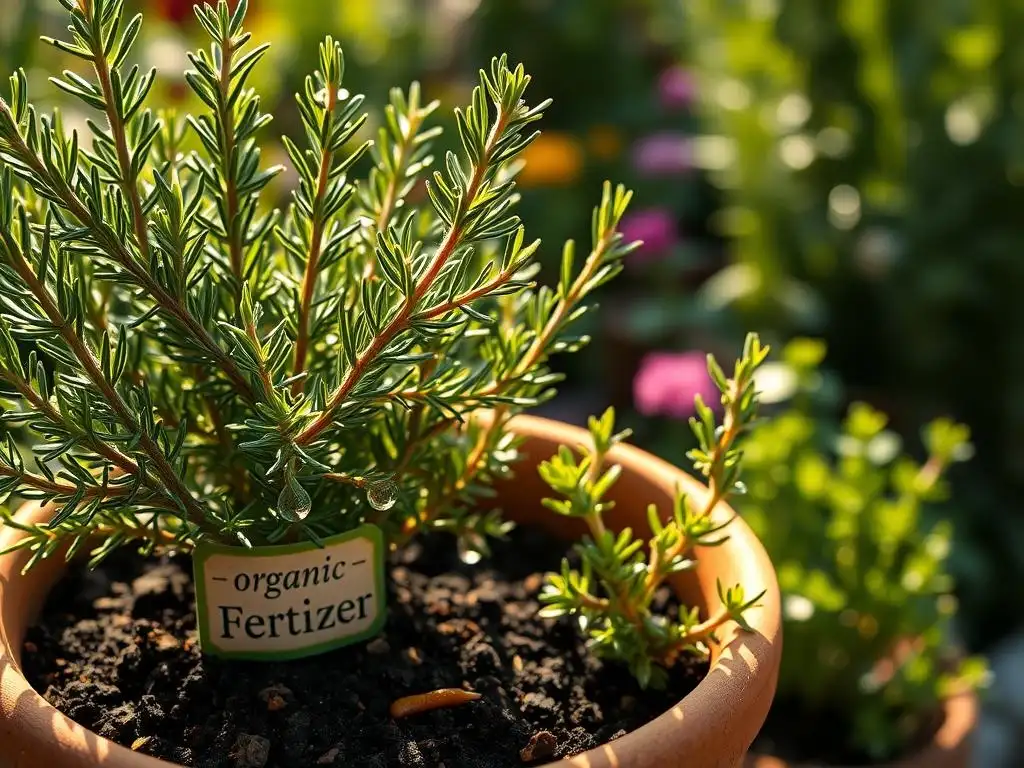
Welcome to CultivateYourFood, your guide to a thriving home garden! Are you ready to unlock the secrets to cultivating vibrant herbs like rosemary and thyme? Discover the power of organic fertilizers in nurturing these aromatic plants and achieve lush, healthy growth. Learn how simple, sustainable practices can transform your garden, from planting to harvest. Let's explore the world of organic fertilizer for rosemary and thyme together—and unlock the bounty of your own backyard.
- Understanding Rosemary and Thyme's Nutritional Needs
- Organic Fertilizer Options for Rosemary and Thyme
- Optimizing Organic Fertilizer Application for Rosemary and Thyme
- Maintaining Soil Health for Optimal Growth
- Monitoring Growth and Adjusting Fertilizer Application
-
Frequently Asked Questions
- What is the best organic fertilizer for rosemary and thyme?
- How often should I fertilize my rosemary and thyme?
- Can I use coffee grounds as fertilizer for rosemary and thyme?
- What are the signs of nutrient deficiency in rosemary and thyme?
- Are there any organic pest control methods for rosemary and thyme?
- Final Reflection: Cultivating a Greener Future, One Herb at a Time
- Unleash Your Garden's Potential: Grow Lusher Herbs Naturally!
Understanding Rosemary and Thyme's Nutritional Needs
Rosemary and thyme, aromatic herbs prized for their culinary and medicinal uses, thrive when provided with the right nutrients. This article delves into the specific organic fertilizer needs of these Mediterranean natives, guiding you towards lush, healthy growth using sustainable practices. We'll explore the essential nutrients each herb requires, how to identify nutrient deficiencies, and how to effectively utilize organic fertilizers to achieve optimal results in your home garden.
Understanding these nutritional needs is crucial for cultivating robust rosemary and thyme plants, ensuring a bountiful harvest of fragrant leaves year after year. Successfully growing these herbs organically not only benefits your plants but also contributes to a healthier environment, free from harmful chemicals. Let's explore the best organic methods to nurture these beloved herbs.
Essential Nutrients for Robust Rosemary Growth
Rosemary ( Salvia rosmarinus) is a relatively low-maintenance herb, but providing it with the right nutrients will significantly impact its growth and yield. Rosemary benefits greatly from well-draining soil rich in organic matter. Key nutrients for robust rosemary growth include:
- Nitrogen (N): Essential for leafy growth. Too much nitrogen can lead to leggy growth with fewer flowers. A balanced approach is key.
- Phosphorus (P): Crucial for root development, flowering, and overall plant vigor. Phosphorus deficiency can result in stunted growth and poor flowering.
- Potassium (K): Supports overall plant health, disease resistance, and drought tolerance. Potassium deficiency can manifest as weak stems and yellowing leaves.
- Magnesium (Mg): Important for chlorophyll production and photosynthesis. Magnesium deficiency can lead to chlorosis (yellowing) between the leaf veins.
- Calcium (Ca): Contributes to cell wall strength and overall plant structure. Calcium deficiency can cause blossom-end rot in some plants.
Organic fertilizers, such as composted manure or worm castings, provide a slow-release source of these essential nutrients, minimizing the risk of over-fertilization. Avoid using synthetic fertilizers, as they can damage the delicate root systems of rosemary and disrupt the soil's natural microbial balance. Remember that less is often more; over-fertilizing can be detrimental.
Key Nutrients for Thriving Thyme Plants
Thyme ( Thymus vulgaris), another hardy Mediterranean herb, also has specific nutrient requirements for optimal growth. Similar to rosemary, thyme benefits from well-drained soil with good organic matter content. The key nutrients for thriving thyme plants include:
- Nitrogen (N): While essential, too much nitrogen can lead to excessive leafy growth at the expense of flowering and essential oil production. A moderate amount is crucial.
- Phosphorus (P): Supports healthy root development and flowering, contributing to a more robust and productive thyme plant.
- Potassium (K): Essential for disease resistance and overall plant health, ensuring your thyme plants can withstand environmental stresses.
- Iron (Fe): Plays a vital role in chlorophyll production. Iron deficiency can lead to chlorosis (yellowing) of the leaves. This is particularly important in alkaline soils.
Like rosemary, thyme benefits from the slow-release nutrients found in organic fertilizers such as aged compost or bone meal. These fertilizers improve soil structure and provide a gradual supply of nutrients, preventing nutrient burn and promoting healthy growth.
Identifying Nutrient Deficiencies in Rosemary and Thyme
Recognizing nutrient deficiencies early is crucial for taking corrective action. Symptoms can vary depending on the nutrient lacking, but some common signs include:
- Yellowing leaves (Chlorosis): This can indicate a deficiency in nitrogen, magnesium, iron, or other micronutrients. The pattern of yellowing can help pinpoint the specific nutrient. For example, magnesium deficiency often presents as yellowing between leaf veins.
- Stunted growth: This can be a sign of phosphorus or potassium deficiency. The plant may appear small and weak, with limited growth despite adequate watering and sunlight.
- Weak stems and poor flowering: This can be a symptom of several nutrient deficiencies, including potassium.
- Leaf curling or discoloration: This could indicate several deficiencies, making it crucial to analyze your soil and observe the specific pattern of discoloration.
Regular soil testing can help identify potential nutrient deficiencies before they become severe. Amend the soil with appropriate organic fertilizers based on the test results to ensure optimal growth and health of your rosemary and thyme plants. Remember that healthy soil is the foundation for healthy plants! 🌱
Organic Fertilizer Options for Rosemary and Thyme
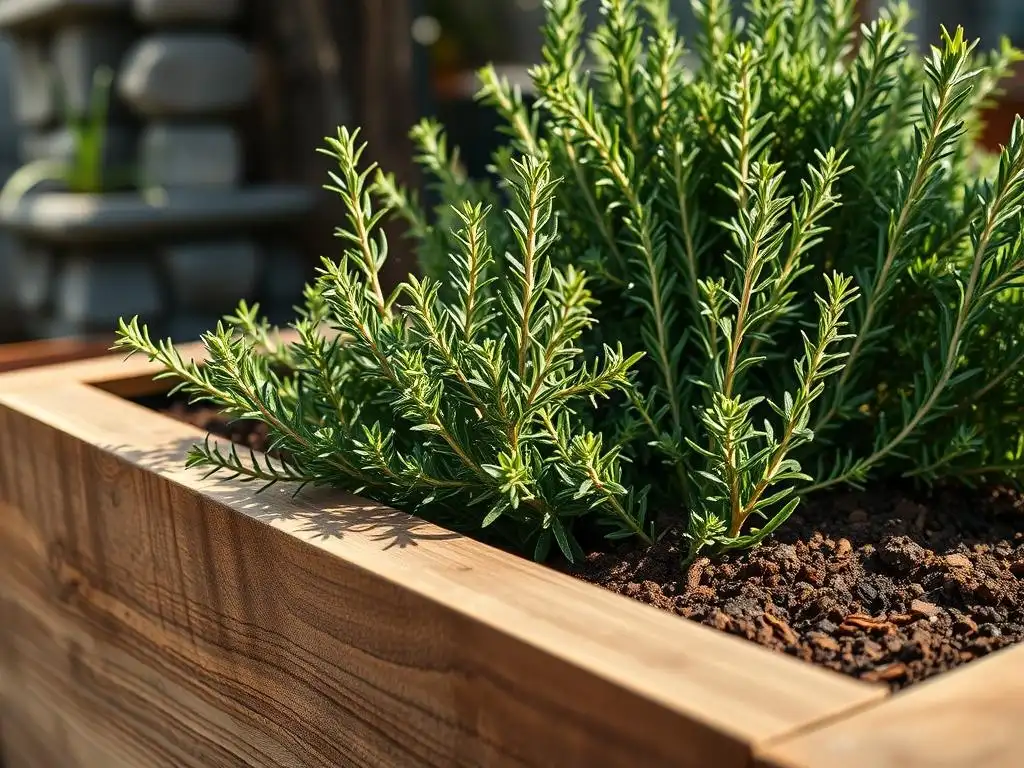
Rosemary and thyme, prized for their culinary and medicinal uses, thrive with the right nutrition. Choosing organic fertilizers ensures healthy growth while respecting the environment. This section explores effective organic options specifically tailored to the needs of these hardy herbs, focusing on maximizing their essential oil production and overall vigor. Avoiding synthetic fertilizers protects beneficial soil microbes crucial for nutrient uptake and disease resistance. Remember, the key to successful organic herb gardening lies in understanding the specific nutritional requirements of your plants and providing them with a balanced diet.
Composting for Rosemary and Thyme: A Step-by-Step Guide
Composting kitchen and garden waste provides a rich, nutrient-dense organic fertilizer ideal for rosemary and thyme. This method reduces waste, enriches the soil, and promotes sustainable gardening practices. The key is creating a balanced compost pile with the right ratio of "green" (nitrogen-rich) and "brown" (carbon-rich) materials.
Creating a Compost Pile for Herb Gardening
To begin, designate a composting area. A simple bin or designated corner of your garden will work. Layer your materials: Start with a layer of coarse brown materials like shredded cardboard or dried leaves. This forms the base. Next, add a layer of green materials, such as vegetable scraps (avoiding diseased plants), coffee grounds, and grass clippings. Continue layering brown and green materials, ensuring the pile is well-aerated.
Regularly moisten the pile, aiming for the consistency of a damp sponge. Turn the pile every few weeks to promote aeration and decomposition. The process can take several months, depending on conditions. A successful compost pile will have a dark brown, earthy smell, indicating decomposition. Avoid adding meat, dairy, or oily foods, as these can attract pests and slow decomposition.
Utilizing Finished Compost for Rosemary and Thyme
Once your compost is finished (dark brown and crumbly), it's ready to nourish your rosemary and thyme. Incorporate it into the soil before planting or as a top dressing around established plants. A generous layer of 2-3 inches is sufficient for most applications.
The compost will improve soil structure, increase water retention, and provide essential nutrients for healthy growth. Regular application of compost will enhance the overall health and resilience of your rosemary and thyme plants, leading to more abundant harvests. Remember to monitor the soil's moisture levels, as compost can improve water retention, reducing the need for frequent watering.
Homemade Herbal Tea Fertilizer for Enhanced Growth
Herbal tea fertilizer is a simple and effective way to provide your rosemary and thyme with a natural boost. This method uses the nutrient-rich components of various plant materials to create a liquid fertilizer that's gentle on the soil and beneficial to the plants. This is especially helpful in boosting micro-nutrient levels.
Brewing an Effective Rosemary and Thyme Tea Fertilizer
To make the fertilizer, gather plant materials rich in nutrients, such as comfrey, nettle, or even your own healthy rosemary and thyme clippings (from pruning). Place the materials in a bucket, cover them with water, and let them steep for several weeks. Stir occasionally to promote decomposition. After several weeks, strain the liquid, and dilute it with water at a ratio of 1:10 before applying it to your plants. This diluted solution is gentle enough to avoid burning the plant roots. Avoid using diseased or pest-infested plant materials to prevent spreading issues.
Application Techniques for Herbal Tea Fertilizer
Apply the diluted herbal tea fertilizer directly to the soil around your rosemary and thyme plants, avoiding contact with the leaves. It is best to water the plants first, before applying the fertilizer. This ensures proper absorption and prevents burning. Apply the fertilizer every 2-3 weeks during the growing season.
Observe your plants closely for any signs of over-fertilization, such as leaf burn or excessive growth. Adjust application frequency as needed, based on your plants' response. Remember, a little goes a long way with homemade fertilizers. Consistent application of this organic fertilizer will result in healthier, more vigorous rosemary and thyme plants.
Using Worm Castings as a Natural Fertilizer
Worm castings, also known as vermicompost, are a fantastic organic fertilizer option for rosemary and thyme. These are the excrement of earthworms that have processed organic matter, creating a nutrient-rich, readily available food source for plants. Unlike some fertilizers that can burn plant roots if applied improperly, worm castings are incredibly gentle and can be used throughout the growing season.
Their slow-release nature ensures a consistent supply of nutrients, preventing sudden surges that could stress your herbs. This gentle approach is particularly beneficial for delicate herbs like rosemary and thyme, promoting healthy, vigorous growth without the risk of nutrient shock.
The rich humus content in worm castings also improves soil structure, enhancing drainage and aeration – crucial for preventing root rot, a common problem for herbs planted in poorly draining soil. The improved soil structure also helps retain moisture, reducing the frequency of watering, a significant advantage, especially during dry spells.
Benefits of Worm Castings for Rosemary and Thyme
Worm castings offer a multitude of benefits specifically tailored to the needs of rosemary and thyme. Their high nitrogen content supports lush foliage growth, resulting in bushier, more vibrant plants. The readily available phosphorus promotes strong root development, crucial for establishing healthy, drought-tolerant herbs. Potassium, another essential nutrient found in abundance in worm castings, enhances the overall health and resilience of the plants, making them more resistant to pests and diseases.
Furthermore, the beneficial microorganisms present in worm castings contribute to improved soil health, fostering a thriving environment for beneficial soil bacteria and fungi. These microbes help break down organic matter further, making nutrients even more accessible to your rosemary and thyme plants, creating a positive feedback loop of improved soil health and plant growth. Finally, the use of worm castings aligns perfectly with sustainable and organic gardening practices, reducing the reliance on synthetic fertilizers and promoting environmental stewardship.
Applying Worm Castings Effectively
Applying worm castings is straightforward and requires minimal effort. You can incorporate them directly into the soil during planting, mixing them with the existing soil to create a nutrient-rich planting bed. For established plants, you can top-dress the soil around the base of the plants with a layer of worm castings, about an inch thick.
Gently work the castings into the top layer of soil. Avoid piling the castings directly against the stems, which could cause moisture retention and potentially lead to rot. Remember to water the plants thoroughly after applying the worm castings to help them settle into the soil and allow the nutrients to dissolve and become readily available to the roots.
You can repeat this top-dressing every few months, or as needed, depending on the growth rate of your herbs and the overall health of the soil. Regular application of worm castings ensures a continuous supply of nutrients, promoting consistent, healthy growth of your rosemary and thyme throughout the growing season. Using worm castings is a simple yet highly effective method to provide your herbs with the nourishment they need to thrive.
Optimizing Organic Fertilizer Application for Rosemary and Thyme
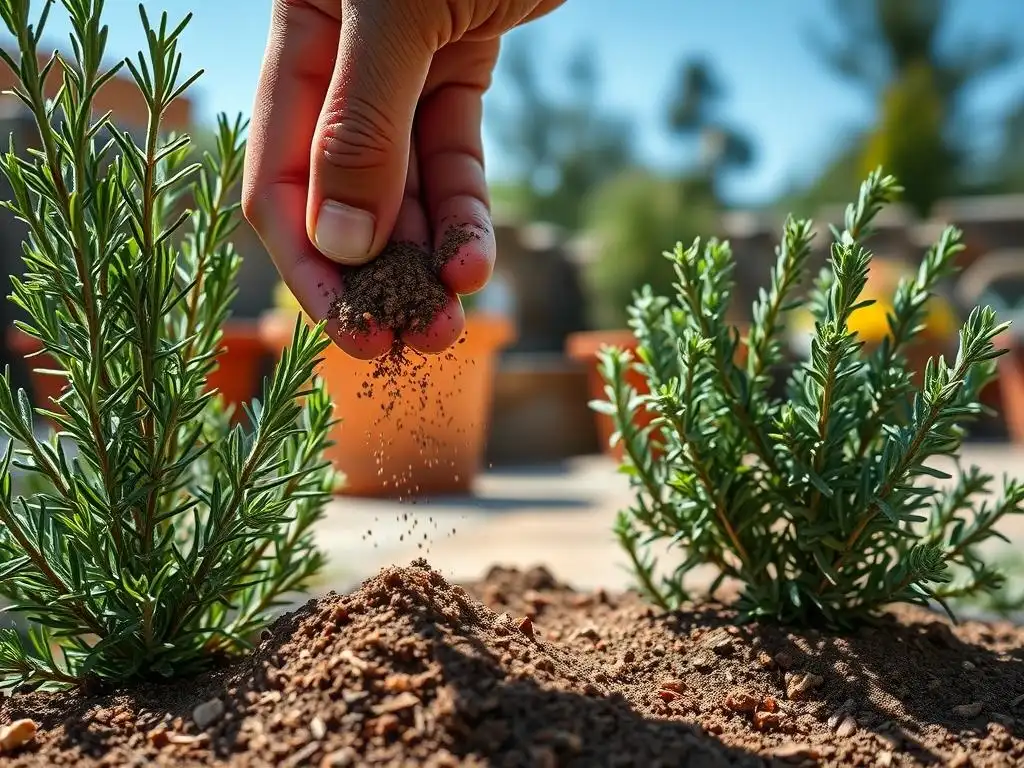
Rosemary and thyme, prized for their aromatic qualities and culinary uses, thrive when provided with the right nutrients. Understanding how to apply organic fertilizers effectively is key to cultivating lush, healthy plants. This section details optimal techniques for feeding these herbs organically, maximizing growth and essential oil production. We'll explore the ideal timing, appropriate amounts, and the crucial aspect of avoiding over-fertilization. Remember, the goal is to provide a balanced nutrient supply that encourages robust growth without harming the plants. The right organic fertilizer application can significantly impact the overall health and yield of your rosemary and thyme.
Timing Fertilizer Application for Best Results
The timing of organic fertilizer application significantly influences its effectiveness. For both rosemary and thyme, spring and early summer are ideal periods. This coincides with their active growth phase. Applying fertilizer during these months ensures the plants have readily available nutrients to support new growth and blossoming.
Applying fertilizer too early, during dormant periods (winter), can be wasteful as the plants won't readily absorb the nutrients. Conversely, applying it too late in the season can lead to excessive vegetative growth that may not fully mature before winter, making the plants more vulnerable to frost damage.
Think of it like this: Spring and early summer are like a growth spurt for these herbs. Providing them with a boost of organic fertilizer during this crucial time allows them to reach their full potential. A well-timed application translates directly into healthier, more productive plants. Consider a slow-release organic fertilizer for sustained nourishment throughout the growing season.
Determining the Right Amount of Organic Fertilizer
Over-fertilizing, as we will discuss later, can be detrimental. However, under-fertilizing can also hinder growth. Finding the right balance is essential. The amount of organic fertilizer needed depends on several factors:
- Soil type: Sandy soils require more frequent fertilization than clay soils, as nutrients leach out more quickly from sandy soils.
- Plant age: Young plants require less fertilizer than established ones.
- Type of fertilizer: The concentration of nutrients varies between different organic fertilizers. Always follow the instructions on the product label.
As a general guideline, start with a smaller amount than recommended on the package, especially for young plants. Observe the plants' growth over the following weeks. If growth appears stunted, you may need to increase the amount slightly in subsequent applications. Remember, it's always easier to add more fertilizer than to remove excess nutrients from the soil. Regular monitoring and observation are key to ensuring you're providing the optimal amount.
Avoiding Over-fertilization of Rosemary and Thyme
Over-fertilization, especially with nitrogen-rich fertilizers, can lead to several problems for rosemary and thyme:
- Excessive vegetative growth: The plants will produce lots of leaves but may not flower or produce as many essential oils. This weaker growth can also increase susceptibility to diseases and pests.
- Nutrient burn: High salt concentrations in the fertilizer can damage the roots, leading to wilting and even plant death. The leaves might show signs of browning or yellowing at the tips.
- Reduced essential oil production: Over-fertilization can dilute the concentration of essential oils, diminishing the aromatic qualities that are highly valued in rosemary and thyme.
To avoid these issues, always follow the instructions on the fertilizer packaging. Opt for slow-release organic fertilizers, as these release nutrients gradually, minimizing the risk of nutrient burn. Observe your plants carefully. If you see signs of over-fertilization, immediately water the soil thoroughly to leach out excess salts. Prevention is key; careful application and monitoring are paramount for healthy and flavorful rosemary and thyme. Remember, less is often more when it comes to organic fertilizer application. Prioritizing soil health and balanced nutrition will yield the best results in the long run.
Combining Organic Fertilizers for Maximum Benefits
Rosemary and thyme, while relatively low-maintenance herbs, benefit significantly from a balanced nutrient profile. Simply relying on one type of organic fertilizer might lead to deficiencies. Combining different organic fertilizers allows you to create a customized nutrient blend tailored to the specific needs of these plants.
For example, combining composted manure, rich in nitrogen, with bone meal, a good source of phosphorus, provides a complete fertilizer for healthy growth and robust flowering. The nitrogen from the manure supports lush foliage, while the phosphorus contributes to strong root development and abundant blooms. This combination is particularly beneficial during the active growing season (spring and summer).
Another effective combination involves using worm castings, known for their high concentration of micronutrients, alongside a kelp meal, which provides a boost of potassium and other essential minerals. Worm castings improve soil structure and aeration, enhancing nutrient uptake, while kelp meal helps promote resilience to stress and disease. This blend is ideal for maintaining healthy plants throughout the year, especially during periods of stress like drought or extreme temperatures.
The key to successful fertilizer combination lies in understanding the nutrient content of each ingredient. Avoid over-fertilizing, as this can lead to nutrient burn and negatively affect the plants' health. Start with smaller amounts and gradually increase the application rate based on the plants’ response. Observe your rosemary and thyme carefully for signs of nutrient deficiency (e.g., yellowing leaves, stunted growth) or excess (e.g., leaf burn, wilting).
Adjust the fertilizer blend accordingly to maintain optimal plant health and maximize yields of fragrant herbs. Remember to always choose high-quality, certified organic fertilizers to avoid introducing harmful chemicals into your garden. Regular soil testing can also provide valuable insights into your soil's nutrient levels, guiding you in selecting the most appropriate fertilizer combination for your rosemary and thyme. This data-driven approach ensures that your plants receive precisely the nutrients they need for optimal growth and production.
Maintaining Soil Health for Optimal Growth
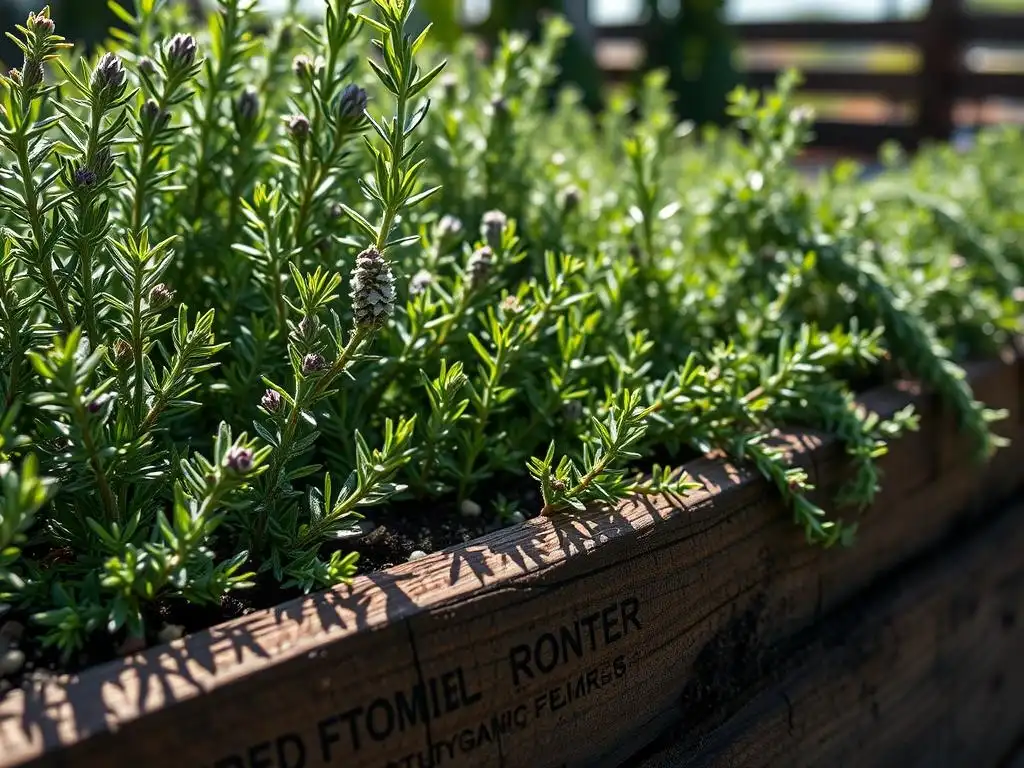
Rosemary and thyme, prized for their aromatic qualities and culinary uses, thrive in well-draining, nutrient-rich soil. Maintaining soil health is paramount for achieving lush growth and maximizing the yield of these hardy herbs. Ignoring soil health can lead to stunted growth, susceptibility to diseases, and a reduction in the essential oils that give these herbs their distinctive flavors.
This section will delve into specific practices to ensure your rosemary and thyme receive the optimal soil conditions for flourishing. Using organic fertilizers, like composted manure or worm castings, is crucial for providing the necessary nutrients without harming beneficial soil organisms. Remember, healthy soil equals healthy herbs!
Importance of Soil Structure for Rosemary and Thyme
The structure of your soil significantly impacts the health of your rosemary and thyme plants. A well-structured soil boasts a balanced mix of sand, silt, and clay, allowing for proper aeration, water retention, and nutrient availability. Rosemary and thyme, while relatively drought-tolerant, benefit from soil that retains some moisture without becoming waterlogged. Poor soil structure, characterized by compaction or excessive clay content, restricts root development, leading to poor nutrient uptake and increased susceptibility to fungal diseases.
To assess your soil structure, you can perform a simple "squeeze test." Take a handful of moist soil and squeeze it gently. If it forms a tight ball that doesn't crumble easily, your soil is likely too heavy and compacted. If it crumbles immediately, it might be too sandy and lack water retention.
The ideal soil should hold its shape briefly before crumbling when gently squeezed, indicating a good balance of texture. Improving soil structure often involves adding organic matter such as compost, aged manure, or leaf mold. These materials improve aeration, drainage, and water retention, creating a more hospitable environment for root growth. Regular tilling (avoiding over-tilling) can also help break up compacted soil.
Improving Soil Drainage for Healthy Herbs
Rosemary and thyme are susceptible to root rot if their roots sit in consistently wet soil. Excellent drainage is crucial to prevent this. Before planting, amend heavy clay soils with organic matter like compost or perlite to improve drainage. Raised beds or containers are also excellent options, providing better control over soil drainage. If you're planting directly in the ground, ensure the area has a slight slope to facilitate water runoff.
Consider the following indicators of poor drainage: puddles forming after watering, consistently soggy soil, yellowing leaves, and stunted growth. If you observe these signs, take immediate action to improve drainage. This might involve adding more organic matter, creating drainage channels, or even replanting in a more suitable location. Remember, preventing waterlogging is key to preventing root rot and ensuring the long-term health of your rosemary and thyme.
Mulching Techniques to Enhance Soil Health
Mulching is a valuable technique for maintaining soil health and promoting the growth of rosemary and thyme. A layer of mulch helps retain soil moisture, suppress weeds, regulate soil temperature, and gradually improve soil structure over time. Organic mulches, such as straw, wood chips, or shredded leaves, are particularly beneficial, as they decompose slowly, adding organic matter to the soil.
When applying mulch, avoid piling it directly against the stems of your plants, as this can lead to moisture buildup and potential rot. Maintain a small gap between the mulch and the plant base. The optimal depth of mulch is typically 2-3 inches.
Regularly replenish the mulch layer as it decomposes, ensuring continuous benefits for your herbs. The use of organic mulch is a sustainable practice that enhances soil health and reduces the need for chemical fertilizers, aligning perfectly with the principles of organic gardening for rosemary and thyme. This contributes to long-term soil fertility and healthier, more vibrant herb plants.
Preventing Soil Erosion to Protect Your Herbs
Soil erosion is a significant threat to the health and vitality of rosemary and thyme plants. These herbs, often grown in well-drained, slightly alkaline soils, are particularly vulnerable to the loss of topsoil, which contains essential nutrients and beneficial microorganisms crucial for their growth. Preventing erosion is therefore a critical aspect of organic fertilizer practices for these aromatic plants. The delicate root systems of rosemary and thyme can be easily exposed and damaged by strong winds and heavy rainfall, leading to stunted growth and even plant death.
One effective strategy is to use mulch. Organic mulches, such as shredded leaves, straw, or composted wood chips, act as a protective barrier against wind and rain, preventing the topsoil from being washed or blown away. This layer also helps retain soil moisture, reducing the frequency of watering and minimizing the risk of soil compaction. Furthermore, as the mulch decomposes, it adds valuable organic matter to the soil, improving its structure and fertility—a key component of successful organic fertilizer strategies. Applying a layer of 2-4 inches of mulch around your rosemary and thyme plants is generally recommended.
Another crucial aspect of erosion control is proper planting techniques. Avoid planting your herbs on slopes without appropriate terracing or other erosion-control measures. Terracing creates level platforms on slopes, preventing water runoff and reducing erosion. Similarly, creating raised beds can improve drainage and protect the soil from wind and rain. Choosing the right planting location is also important; avoid areas prone to strong winds or heavy rainfall.
Beyond mulching and proper planting, consider the use of cover crops. Cover crops, such as clover or vetch, are planted to protect the soil during periods when your rosemary and thyme might be dormant or less actively growing. These plants help prevent erosion by anchoring the soil and adding organic matter as they decompose. Furthermore, they can improve soil fertility and suppress weeds, reducing the need for chemical herbicides, thus maintaining the integrity of your organic gardening efforts.
Remember to incorporate the cover crop into the soil before planting your herbs, adding valuable nutrients to the soil. The careful management of soil erosion is an essential step in ensuring the long-term health and productivity of your rosemary and thyme plants. This proactive approach ensures sustainable growth and helps maximize the benefits of your organic fertilizer strategies.
Monitoring Growth and Adjusting Fertilizer Application
Rosemary and thyme, while relatively low-maintenance herbs, still benefit from careful observation and adjusted feeding schedules to ensure optimal growth and yield. Understanding the signs of nutrient deficiency and adapting your organic fertilizer application is crucial for cultivating lush, healthy plants. This section will guide you through monitoring your rosemary and thyme plants and adjusting your organic fertilizer application accordingly, maximizing your harvest and promoting long-term plant health. Effective monitoring helps optimize your use of organic fertilizer for rosemary and thyme, leading to significant improvements in plant vigor.
Observing Rosemary and Thyme for Signs of Nutrient Deficiency
Nutrient deficiencies in rosemary and thyme manifest in various ways. Careful observation is key to identifying these issues early. Look for the following symptoms:
- Yellowing leaves (Chlorosis): This often indicates a nitrogen deficiency. The yellowing may start at the older leaves and gradually spread. A severe nitrogen deficiency can lead to stunted growth and pale, weak stems.
- Stunted growth: This can result from a deficiency in several nutrients, including phosphorus, potassium, and magnesium. Your plants might remain small and fail to reach their full potential.
- Purple or reddish discoloration: This can indicate a phosphorus deficiency, especially noticeable in the older leaves.
- Brown leaf tips or margins: This often suggests a potassium deficiency or, in some cases, a lack of magnesium. The browning can progress inward, affecting larger portions of the leaf.
- Wilting: While often associated with watering issues, persistent wilting can also point to a nutrient deficiency, particularly if the soil moisture is adequate.
Remember to compare your plants to healthy specimens to better identify any deviations. Keep a journal documenting your observations, including dates, symptoms observed, and any actions taken. This detailed record is invaluable for future reference and helps fine-tune your organic fertilizer application strategies for future growing seasons. Using a combination of visual inspection and regular soil testing can provide a comprehensive picture of your plants' nutritional needs.
Adjusting Fertilizer Schedules Based on Plant Growth
Once you've identified a nutrient deficiency, adjusting your organic fertilizer application schedule is crucial. The frequency and type of fertilizer needed will depend on the specific deficiency and the plant's growth stage.
For instance, if you observe chlorosis (yellowing leaves) indicating a nitrogen deficiency, you might consider applying a nitrogen-rich organic fertilizer, such as compost tea enriched with nitrogen-fixing cover crops. Alternatively, adding aged manure or blood meal (a natural source of nitrogen) can help supplement the soil's nitrogen levels. However, avoid over-fertilizing, as this can lead to other problems.
If stunted growth suggests a more general nutrient deficiency, a balanced organic fertilizer, like worm castings or kelp meal, can provide a broad spectrum of essential nutrients. These products gradually release nutrients, minimizing the risk of burning the roots. Remember to always follow the product instructions for application rates.
Regular soil testing helps determine the precise nutrient levels and guide your adjustments. Adjusting your schedule might involve increasing the frequency of application, switching to a fertilizer with a higher concentration of the deficient nutrient, or increasing the amount applied per application (while still staying within safe limits to avoid burning the plants).
Maintaining a Consistent Organic Feeding Schedule
Even without visible signs of deficiency, a consistent organic feeding schedule is vital for maintaining healthy rosemary and thyme plants. A regular application of a balanced organic fertilizer provides the essential nutrients needed for robust growth and abundant harvests. This proactive approach ensures your plants receive a continuous supply of nutrients, promoting vigorous growth and resilience against pests and diseases.
A good strategy involves applying a balanced organic fertilizer every 4-6 weeks during the growing season (spring and summer). You can use a variety of organic options, including compost, worm castings, seaweed extract, or a commercially available organic fertilizer specifically formulated for herbs. Always follow the product instructions carefully to avoid over-fertilizing. Remember to water your plants thoroughly after applying any fertilizer to help the nutrients reach the roots effectively.
Regular soil testing remains a valuable tool to ensure optimal nutrient levels and adjust your schedule accordingly. A consistent and well-planned organic feeding regimen contributes significantly to the overall health and productivity of your rosemary and thyme plants. This commitment translates into healthier plants, bountiful harvests, and a rewarding gardening experience.
Frequently Asked Questions
What is the best organic fertilizer for rosemary and thyme?
Many options exist! Compost is excellent, providing slow-release nutrients. You can also use well-rotted manure or a commercially available organic fertilizer specifically formulated for herbs.
How often should I fertilize my rosemary and thyme?
Generally, once or twice a year is sufficient. Over-fertilizing can harm these plants. Spring and early fall are ideal times.
Can I use coffee grounds as fertilizer for rosemary and thyme?
Yes, coffee grounds can be a beneficial amendment to your soil, adding nitrogen and improving drainage. However, use them sparingly as they can be acidic.
What are the signs of nutrient deficiency in rosemary and thyme?
Look for pale or yellow leaves, stunted growth, or poor flowering. These could indicate a need for fertilization, but also check for other issues like pests or diseases.
Are there any organic pest control methods for rosemary and thyme?
Yes! Neem oil is an effective organic insecticide. Diatomaceous earth can also help control pests. Maintaining healthy plants through proper fertilization helps them resist pests.
Final Reflection: Cultivating a Greener Future, One Herb at a Time
The resurgence of interest in organic gardening isn't just a trend; it's a vital shift towards a more sustainable and healthier future. Utilizing readily available resources like rosemary and thyme as fertilizers highlights the power of simple, accessible solutions to complex environmental challenges. We've explored how these aromatic herbs, often overlooked for their fertilizing potential, can significantly enrich our soil and promote vibrant plant growth, offering a compelling alternative to chemically-laden products.
The impact of organic practices extends far beyond the individual garden; it touches upon our collective responsibility towards the environment. The knowledge passed down through generations, of utilizing natural resources for optimal growth, is a testament to the wisdom embedded in sustainable living. The earth laughs in flowers.
– Ralph Waldo Emerson. This simple quote encapsulates the joy and profound connection we can foster with nature by embracing organic methods, creating a cycle of nourishment and renewal that benefits both our plants and the planet.
Now, consider your own garden, balcony, or even a single potted plant. What small changes can you implement to embrace more sustainable practices? Will you experiment with rosemary and thyme tea as a fertilizer? The journey towards a greener future begins with individual actions, and the knowledge gained from exploring organic methods like these empowers you to cultivate not only lush plants, but also a deeper appreciation for the interconnectedness of life. Let's nurture a world where organic practices flourish, one herb at a time.
Unleash Your Garden's Potential: Grow Lusher Herbs Naturally!
Thank you for exploring the world of organic herb fertilization! You've discovered how easy and effective it is to promote healthy, vibrant growth using rosemary and thyme. Ready to put your knowledge into practice?
- Create your own rosemary and thyme fertilizer: Follow the recipe in this article to see the difference firsthand.
- Share your results (and any challenges!) with other gardeners: Join the CultivateYourFood community and inspire others. Let us know how it went and if you made any adjustments to the recipe.
- Experiment with other organic materials to create custom fertilizers: Expand your knowledge by experimenting with readily available plant matter, such as banana peels or eggshells.
What unique organic fertilizer will you create to nurture your garden's growth?