
Fragrant Herb Garden in Raised Beds: Creating Accessible and Aromatic Gardens

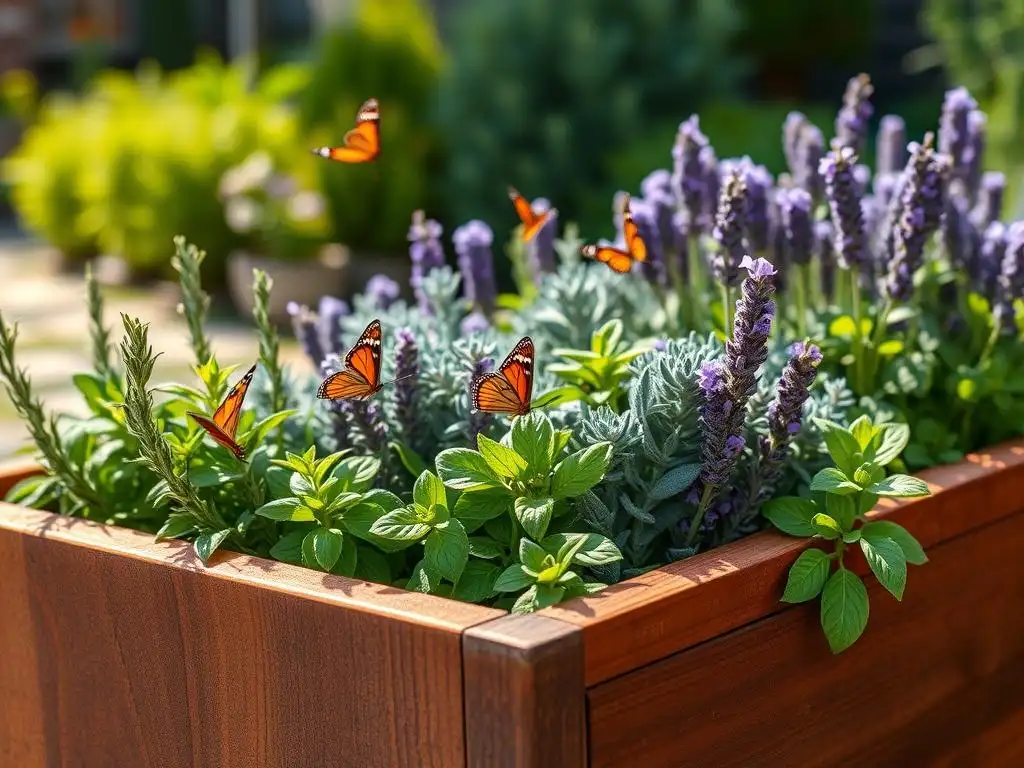
Welcome to CultivateYourFood, your guide to nurturing a thriving, sustainable garden! Are you dreaming of fresh, fragrant herbs right at your fingertips? Then our comprehensive Raised Bed Herb Garden Guide is your perfect starting point. Discover how to create an accessible and aromatic herb garden using organic practices, from planting to harvest. Uncover the secrets to success and embark on a journey to cultivate your own edible paradise – let's get growing!
- Planning Your Raised Bed Herb Garden: Site Selection and Design
- Building Your Raised Bed Herb Garden: A Step-by-Step Guide
- Selecting Fragrant Herbs for Your Raised Bed Garden
- Planting and Maintaining Your Raised Bed Herb Garden
- Harvesting and Using Your Fragrant Herbs
- Extending the Season: Protecting Your Raised Bed Herb Garden
- Frequently Asked Questions
- Final Reflection: Cultivating Connection Through Aromatic Abundance
- Unleash Your Inner Gardener: Grow Your Own Aromatic Haven!
Planning Your Raised Bed Herb Garden: Site Selection and Design
Cultivating a fragrant herb garden in raised beds offers numerous advantages: improved drainage, enhanced soil control, easier accessibility, and a visually appealing addition to your outdoor space. This guide provides a comprehensive approach to designing and building your own thriving, aromatic herb garden using raised beds, perfect for beginners and experienced gardeners alike.
We'll cover everything from choosing the ideal location to selecting the right materials and tools, ensuring you have all the information needed to create a productive and beautiful raised bed herb garden. This guide is your ultimate resource for mastering the art of growing herbs in raised beds, helping you achieve a bountiful and fragrant harvest.
We'll focus on sustainable and organic practices to help you cultivate your herbs in an environmentally friendly way, ensuring a healthy and flavorful yield. This detailed approach to building your raised bed herb garden will transform your outdoor space into a haven of aromatic delights.
Choosing the Perfect Location for Sunlight and Accessibility
The success of your herb garden hinges significantly on choosing the right location. Herbs, generally, thrive in ample sunlight. Most culinary herbs need at least 6-8 hours of direct sunlight daily. Consider the orientation of your yard; south-facing locations (in the Northern Hemisphere) typically receive the most sun. However, the intensity of sunlight can vary depending on your geographical location and surrounding structures. Observe your yard throughout the day to identify areas that receive the optimal amount of sunlight for your chosen herbs.
Beyond sunlight, accessibility is crucial. You'll be tending to your herbs regularly – watering, weeding, harvesting – so choose a location that’s convenient and easy to reach. Avoid placing your raised beds in areas that are difficult to navigate or require extensive walking. Proximity to a water source will also simplify watering tasks, saving you time and effort. Consider the proximity to your kitchen as well; easier access means fresher herbs for your cooking!
Designing Your Raised Beds: Size, Shape, and Material Selection for Herb Gardens
The size and shape of your raised beds will depend on the space available and the number of herbs you plan to grow. A good starting point is a bed that's approximately 4 feet wide to allow for easy access from both sides. The length can be adjusted to fit your space. Remember, deeper beds (at least 12 inches deep) are preferable for better root development and moisture retention.
Several materials are suitable for building raised beds, each with its pros and cons:
| Material | Pros | Cons |
|---|---|---|
| Untreated Lumber | Readily available, relatively inexpensive | Requires regular maintenance, can rot over time |
| Reclaimed Wood | Environmentally friendly, rustic look | Can be more expensive, may require treatment |
| Stone | Durable, long-lasting | Expensive, labor-intensive to construct |
| Concrete Blocks | Durable, easy to assemble | Can be less aesthetically pleasing |
| Metal | Durable, long-lasting | Can get very hot in the sun, may require paint |
When choosing your material, consider factors like durability, cost, aesthetic appeal, and ease of construction. For a beginner, readily available untreated lumber might be the easiest option, but remember to research the proper treatment to extend its lifespan.
Essential Tools and Materials for Building Your Raised Bed Herb Garden
Before you begin construction, gather the necessary tools and materials. This will ensure a smooth and efficient building process. Here’s a checklist to get you started:
- [Specific measurements for lumber pending] of untreated lumber (or your chosen material)
- [Specific quantities pending] of screws or other fasteners
- Post-hole digger or shovel
- Measuring tape
- Level
- Saw
- Drill
- Safety glasses
- Gloves
- Soil (consider a mix suitable for herbs)
- Weed barrier fabric (optional, but recommended)
Remember to always prioritize safety. Wear appropriate safety gear, such as gloves and safety glasses, throughout the construction process. A well-planned and executed raised bed herb garden will not only enhance your culinary experience but will also be a beautiful and rewarding addition to your outdoor space. Enjoy the process of creating your aromatic haven! 🌿
Building Your Raised Bed Herb Garden: A Step-by-Step Guide
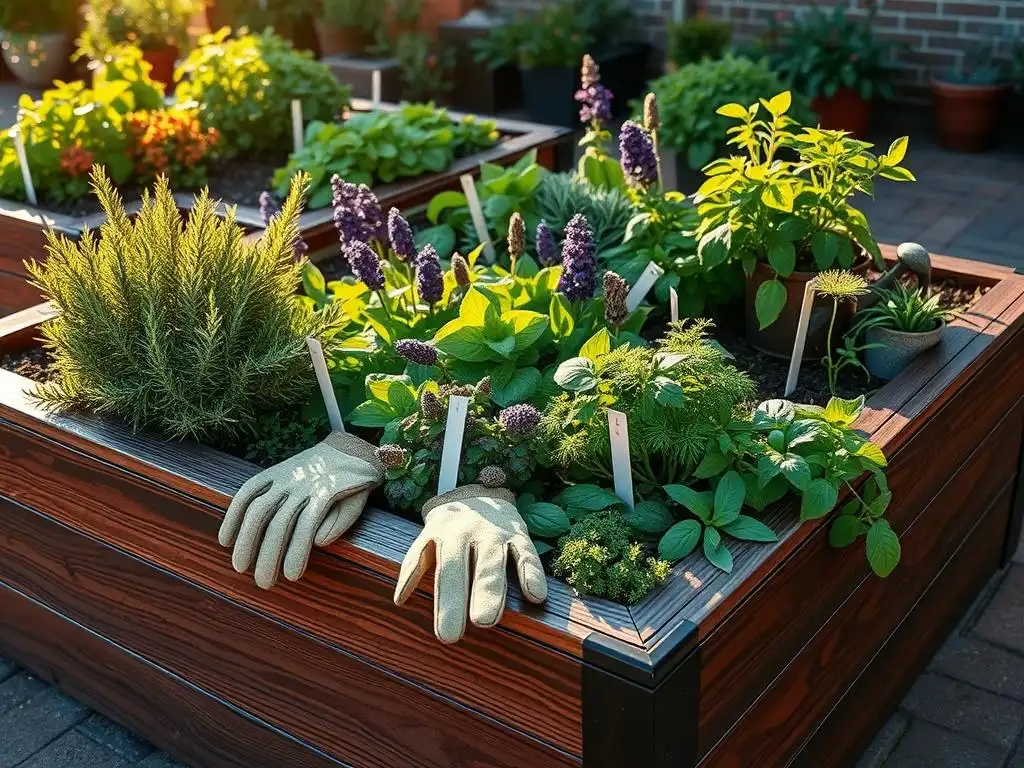
This section provides a detailed, practical guide to constructing and preparing your raised bed herb garden, focusing on maximizing yield and ease of access. We'll cover everything from choosing the right materials for your frame to creating the perfect soil mix for thriving herbs. This comprehensive approach will help you build a productive and fragrant raised bed herb garden, making you well on your way to mastering your "raised bed herb garden guide".
Constructing the Raised Bed Frame: Wood, Metal, or Other Materials
Choosing the right material for your raised bed frame is crucial for its longevity and aesthetic appeal. Several options exist, each with its own set of advantages and disadvantages.
- Untreated Wood: Cedar, redwood, and pressure-treated lumber (ensure it's food-safe!) are popular choices. Wood offers a natural, rustic look and is relatively easy to work with. However, it requires regular maintenance to prevent rot and insect infestation. Expect a lifespan of 5-10 years, depending on the wood type and climate.
- Metal: Galvanized steel or aluminum are durable and long-lasting options, often lasting 15-20 years or more with minimal maintenance. However, they can be more expensive and more challenging to work with than wood, requiring specific tools and potentially welding skills. Furthermore, extreme temperatures can impact metal beds, potentially causing expansion and contraction.
- Other Materials: Recycled plastic lumber, concrete blocks, and even repurposed materials like bricks can be used. Plastic lumber offers durability and low maintenance, while concrete blocks are sturdy but can be heavy and require careful planning. Repurposed materials offer a unique aesthetic but may require more creativity and problem-solving.
Consider these factors when selecting your materials:
| Material | Pros | Cons | Estimated Lifespan | Cost |
|---|---|---|---|---|
| Untreated Wood | Natural, easy to work with, relatively cheap | Requires maintenance, susceptible to rot | 5-10 years | Low to Medium |
| Metal | Durable, long-lasting, low maintenance | Expensive, can be difficult to work with | 15-20+ years | Medium to High |
| Recycled Plastic | Durable, low maintenance | Can be expensive, limited aesthetic options | 15-20+ years | Medium to High |
| Concrete Blocks | Sturdy, readily available | Heavy, requires careful planning | 20+ years | Medium |
Remember to plan the dimensions of your raised bed based on your available space and the types of herbs you intend to grow. Proper sizing ensures easy access for planting, weeding, and harvesting.
Preparing the Soil Mix for Optimal Herb Growth in Raised Beds
The success of your herb garden heavily depends on the quality of your soil. Raised beds offer the advantage of creating a custom soil mix perfectly suited to your herbs' needs. Avoid using garden soil directly from your yard, as it may contain compacted clay, weed seeds, and harmful pests.
Instead, create a well-draining, nutrient-rich blend. A good starting point is a combination of:
- ⅓ Compost: Provides essential nutrients and improves soil structure. Ensure your compost is well-rotted and free of weed seeds.
- ⅓ Peat Moss or Coco Coir: Improves drainage and aeration, crucial for healthy root development. Peat moss is readily available but consider the environmental impact; coco coir is a more sustainable alternative.
- ⅓ Perlite or Vermiculite: Improves drainage and aeration further, preventing waterlogging.
The key to a thriving herb garden is a well-balanced soil mix. Don't skimp on the organic matter!
Before filling your raised bed, consider adding a layer of coarse gravel or broken pottery at the bottom for enhanced drainage. This prevents waterlogging, a common problem in raised beds, especially during periods of heavy rainfall. This is especially important for herbs that dislike consistently wet soil.
Adding Drainage and Support: Ensuring Healthy Roots and Abundant Herbs
Proper drainage and support are critical for healthy herb growth. As mentioned earlier, a layer of gravel at the base of your raised bed significantly improves drainage. To further enhance drainage, consider incorporating drainage holes in the bottom of your raised bed frame, particularly if it's made of wood. This allows excess water to escape, preventing root rot and other water-related issues.
Support structures, while not always necessary, can be beneficial for vining or sprawling herbs. Simple trellises or stakes can prevent overcrowding and ensure adequate sunlight reaches all parts of the plant. This is particularly helpful for herbs like basil, oregano, and rosemary, which can become quite bushy. Proper spacing between plants also promotes air circulation, reducing the risk of fungal diseases. Careful planning and attention to these details will significantly contribute to the success of your fragrant herb garden.
Selecting Fragrant Herbs for Your Raised Bed Garden
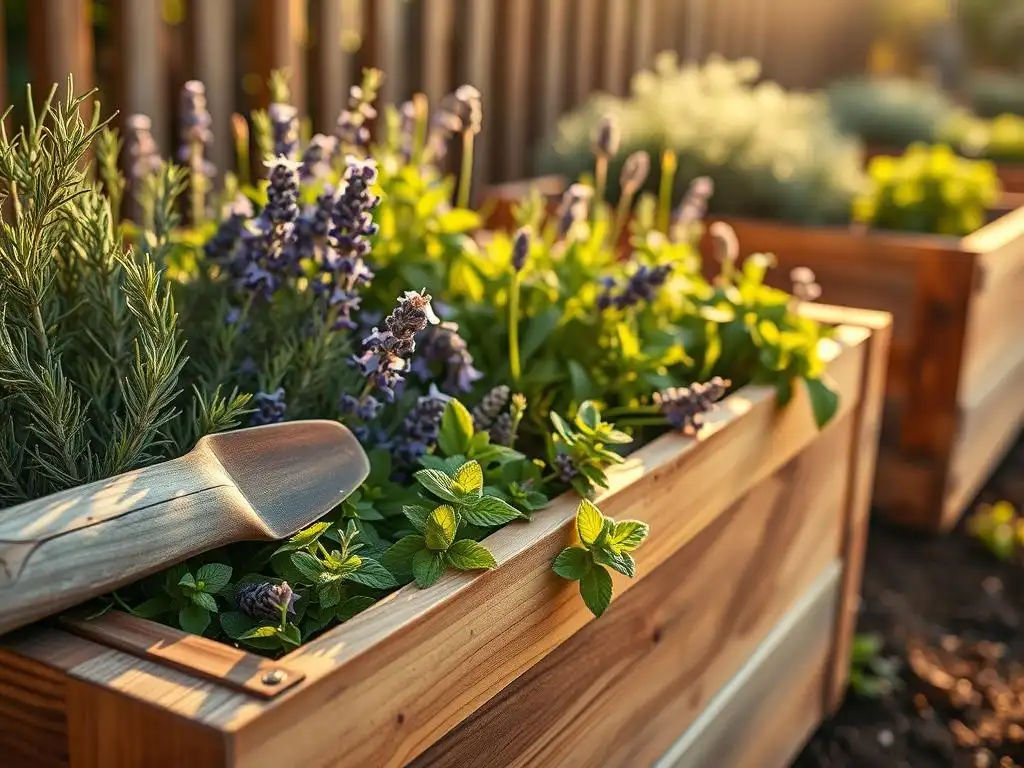
This section focuses on choosing the right fragrant herbs for your raised bed garden, maximizing yield and aroma. Successful herb gardening hinges on careful selection, considering factors beyond just scent. A well-planned herb garden thrives on a combination of sun exposure, soil type, and the herbs' individual needs. This "Raised bed herb garden guide" will help you make informed decisions.
Choosing Herbs Based on Sunlight Requirements and Soil Conditions
Sunlight and soil are fundamental to herb growth. Different herbs have varying sunlight needs – some thrive in full sun (6-8 hours daily), while others prefer partial shade (4-6 hours). Similarly, soil pH and drainage significantly impact growth. Understanding these needs is crucial for a flourishing raised bed herb garden.
For instance, Rosemary and Thyme, known for their intense fragrance, flourish in full sun and well-drained soil. They tolerate poor soil conditions relatively well. Conversely, Mint prefers partial shade and moist, well-drained soil. Planting mint in full sun can lead to wilting and reduced fragrance. Basil, another popular fragrant herb, thrives in full sun and rich, well-drained soil. Neglecting these requirements can result in stunted growth and weak aroma.
Here's a table summarizing the sunlight and soil preferences of some popular fragrant herbs:
| Herb | Sunlight Requirement | Soil Preference |
|---|---|---|
| Rosemary | Full Sun | Well-drained, slightly alkaline |
| Thyme | Full Sun | Well-drained, sandy loam |
| Mint | Partial Shade | Moist, well-drained |
| Basil | Full Sun | Rich, well-drained |
| Lavender | Full Sun | Well-drained, sandy loam |
| Chives | Full Sun to Partial Shade | Well-drained, fertile |
Remember to amend your soil as needed to achieve optimal conditions. Adding compost improves soil structure and drainage, enriching the soil with essential nutrients. A soil test can identify any deficiencies and guide appropriate amendments. This careful attention to detail will contribute to a vibrant and aromatic raised bed herb garden.
Incorporating a Variety of Fragrant Herbs for Year-Round Interest
Creating a continuously fragrant herb garden requires strategic planning. Consider herbs with different growing seasons and flowering times to ensure a consistent aroma throughout the year. This approach maximizes the sensory experience and provides a constant supply of fresh herbs for culinary use.
For example, incorporating herbs with different bloom times ensures a succession of fragrance. Early bloomers like Chives provide early season interest, followed by the summer blooms of Lavender and Rosemary. Some herbs, like Thyme, offer a prolonged fragrance due to their persistent foliage. Others, like Mint, can continue to thrive even into cooler months in milder climates.
Planning for year-round interest also involves considering the herbs' life cycles. Annual herbs, like Basil, need to be replanted every year, while perennials, like Rosemary and Lavender, return year after year. This knowledge allows you to create a balanced planting scheme that provides consistent fragrance and culinary herbs. A well-planned combination of annuals and perennials ensures a vibrant and aromatic garden throughout the year. Don't forget to consider the height and spread of each plant to ensure adequate spacing within your raised beds. Overcrowding can lead to competition for resources and reduced fragrance.
Companion Planting for Enhanced Growth and Pest Control in Raised Beds
Companion planting is a valuable technique in raised bed gardening. Certain herb combinations can enhance growth and deter pests, benefiting both the plants and the gardener. This natural pest control minimizes the need for chemical interventions, aligning with sustainable and organic gardening principles.
For example, planting Rosemary near Cabbage can deter cabbage moths. Similarly, Basil is known to repel aphids and tomato hornworms, making it an excellent companion for tomatoes and other susceptible plants. Mint's strong aroma can deter some pests, but its aggressive growth may require careful spacing to prevent it from overwhelming neighboring plants. Careful consideration of spacing and plant compatibility is crucial for successful companion planting.
Here are some examples of beneficial companion plant pairings for your raised bed herb garden:
- Basil and Tomatoes: Basil repels tomato pests.
- Rosemary and Cabbage: Rosemary deters cabbage moths.
- Marigolds and many herbs: Marigolds repel nematodes and other pests. (Note: While not a herb, marigolds are excellent companion plants.)
- Thyme and Carrots: Thyme attracts beneficial insects that help control carrot pests.
Remember that companion planting is an art as much as a science. Experimentation and observation are key to determining what works best in your specific garden environment. Keep detailed records of your plantings and their success to refine your approach over time. This iterative process will lead to a thriving and fragrant raised bed herb garden.
Planting and Maintaining Your Raised Bed Herb Garden
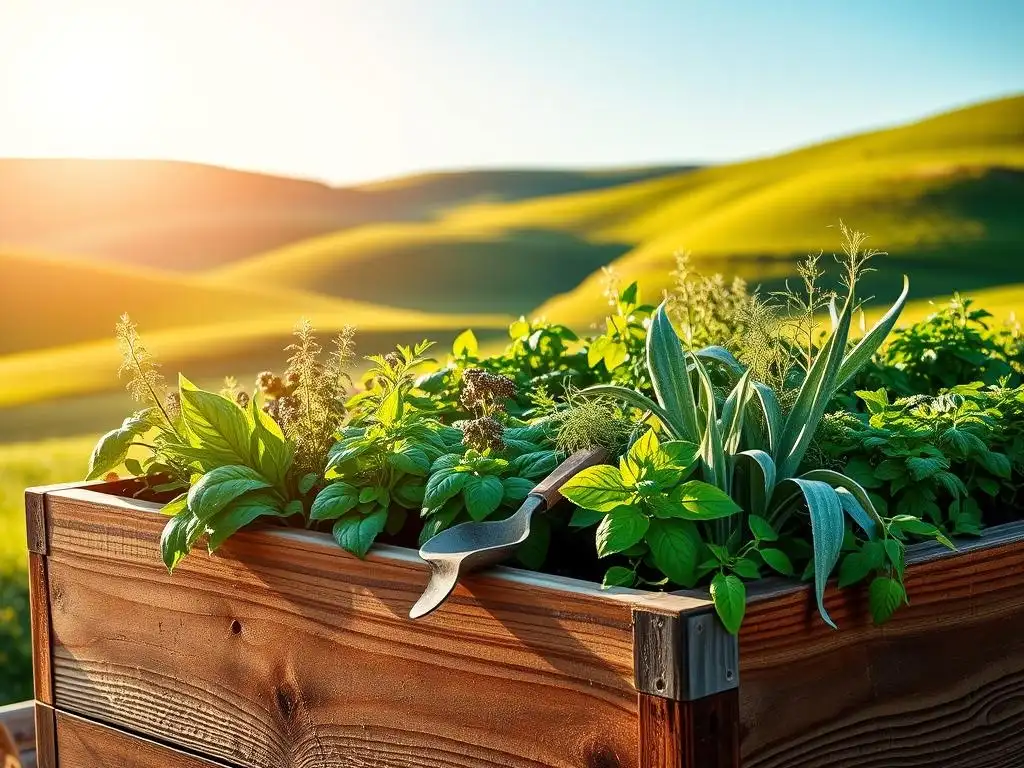
This section delves into the practical aspects of establishing and nurturing a thriving herb garden within raised beds. We'll explore optimal planting techniques, ensuring your herbs have the space and conditions they need to flourish. This guide focuses on maximizing yield and minimizing common challenges, providing a comprehensive approach to cultivating a fragrant and productive herb garden using a raised bed system. Remember, a well-planned raised bed herb garden is key to a successful harvest.
Planting Your Herbs: Spacing and Depth for Optimal Growth
Successful herb gardening in raised beds hinges on proper planting. Spacing and depth are crucial for healthy growth and maximizing yield. Overcrowding leads to competition for resources, resulting in weaker plants susceptible to diseases. Conversely, insufficient spacing can hinder air circulation, increasing the risk of fungal infections.
The ideal spacing varies greatly depending on the herb. Fast-growing herbs like basil require more space than slower-growing varieties like thyme. Here's a general guide:
| Herb Type | Spacing (inches) | Planting Depth (inches) | Notes |
|---|---|---|---|
| Basil | 12-18 | 1/2 - 1 | Needs ample space for bushy growth. |
| Chives | 6-8 | 1/2 - 1 | Can be divided and transplanted easily. |
| Dill | 12-18 | 1/2 - 1 | Self-seeds readily; monitor growth. |
| Mint | 12-18 | 1/2 - 1 | Highly invasive; consider containers within the bed. |
| Oregano | 12-18 | 1/2 - 1 | Drought-tolerant; well-drained soil essential. |
| Parsley | 6-8 | 1/2 - 1 | Slow-growing; requires consistent moisture. |
| Rosemary | 18-24 | 1/2 - 1 | Needs well-drained soil and full sun. |
| Sage | 12-18 | 1/2 - 1 | Drought-tolerant; prefers well-drained soil. |
| Thyme | 6-8 | 1/2 - 1 | Low-growing; excellent ground cover. |
Planting depth is equally important. Planting too shallow can leave roots exposed, while planting too deep can suffocate them. The general guideline is to plant seeds at a depth roughly twice their diameter. For seedlings, plant them at the same depth they were growing in their containers. Ensure that the soil is moist before and after planting to promote root establishment. Remember to gently firm the soil around the base of each plant after planting.
Watering and Fertilizing Your Raised Bed Herb Garden: Organic Practices
Consistent watering is essential for a thriving herb garden, but overwatering can be detrimental. The best approach is to water deeply and less frequently, allowing the soil to dry slightly between waterings. This encourages deeper root growth, making your herbs more drought-tolerant. The frequency will depend on weather conditions, soil type, and the specific herbs. Observe your plants closely; wilting indicates a need for watering.
The key is to water deeply, less often, promoting strong root systems and drought tolerance in your herbs.
Organic fertilizers are ideal for maintaining healthy soil and providing nutrients for your herbs without harmful chemicals. Compost tea, made by steeping compost in water, is an excellent organic fertilizer rich in beneficial microbes. Other options include worm castings, aged manure, and bone meal. Avoid over-fertilizing, as this can burn plants. A balanced approach ensures healthy growth without compromising the flavour of your herbs. Apply fertilizer according to package instructions, and consider soil testing to determine nutrient deficiencies. Regular mulching helps retain moisture and suppress weeds, further reducing the need for frequent watering and fertilization.
Pest and Disease Control in Raised Beds: Natural and Sustainable Methods
A healthy raised bed herb garden is less susceptible to pests and diseases. However, some issues may arise. Prioritizing preventative measures is crucial. This includes selecting disease-resistant varieties, ensuring proper spacing for good air circulation, and maintaining a healthy soil ecosystem.
Natural pest control methods are preferred over harsh chemicals. Beneficial insects like ladybugs and lacewings prey on common herb pests such as aphids. Introducing these beneficial insects into your garden can significantly reduce pest populations. Diatomaceous earth, a natural powder made from fossilized algae, can also effectively control many pests. Neem oil is another organic option that disrupts the life cycle of many insects.
For fungal diseases, ensure good air circulation and avoid overhead watering. Consider using a copper-based fungicide as a last resort, always following label instructions carefully. Regular monitoring of your plants for signs of pests or diseases allows for early intervention and prevents widespread problems. A healthy ecosystem, built on strong soil and biodiversity, is your best defense against pests and diseases. 🌱
Harvesting and Using Your Fragrant Herbs
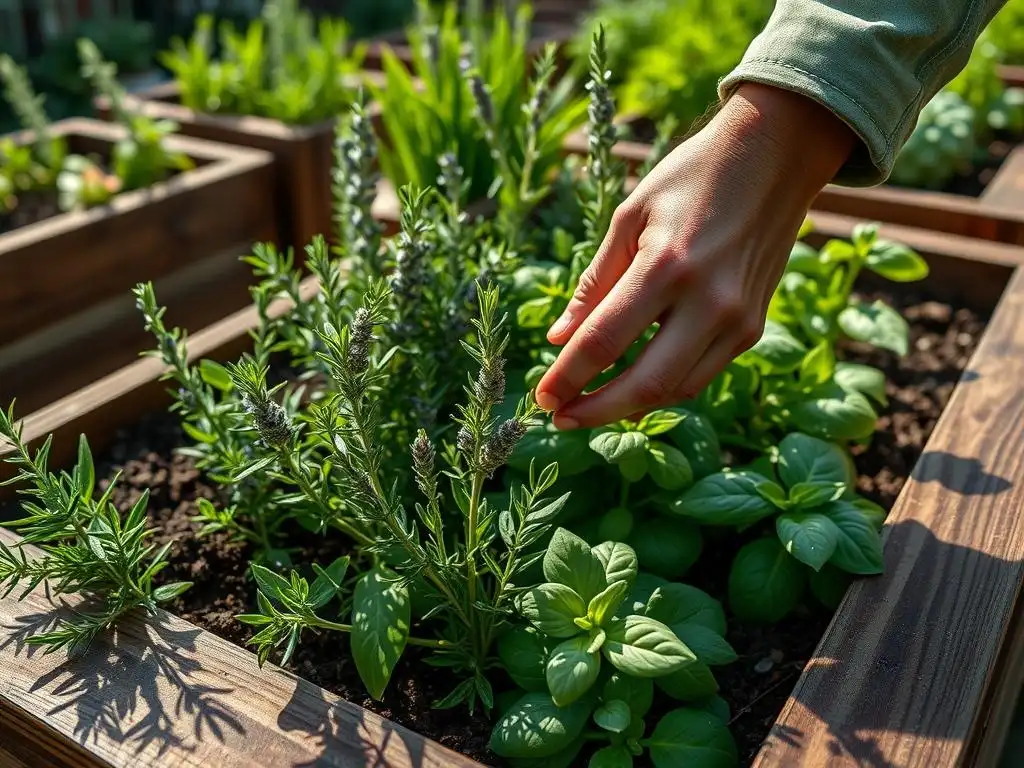
This section delves into the optimal harvesting techniques for your raised bed herb garden, focusing on maximizing flavor and aroma, and then explores various preservation methods to enjoy your harvest throughout the year. We'll also uncover the diverse culinary and medicinal uses of your homegrown herbs, transforming your garden into a source of both delicious meals and natural remedies. This guide will help you get the most out of your raised bed herb garden, making it a truly rewarding experience.
Harvesting Techniques for Maximizing Flavor and Aroma
The timing of your herb harvest significantly impacts its flavor and aroma. Generally, harvesting herbs in the morning, after the dew has dried but before the midday sun intensifies, is ideal. This is because the essential oils, responsible for the herbs' characteristic fragrance and taste, are most concentrated at this time. Different herbs have slightly different optimal harvest times:
- Basil: Harvest regularly, pinching off the top sets of leaves to encourage bushier growth and prevent flowering. Harvesting before flowering ensures the most intense flavor.
- Rosemary: Harvest sprigs as needed, cutting just above a node to promote new growth. You can also prune larger rosemary plants more heavily in late winter or early spring.
- Thyme: Harvest by snipping off the flowering tops, encouraging more growth and preventing the plant from becoming woody.
- Mint: Mint is a vigorous grower. Harvest frequently to prevent it from becoming overwhelming in your raised bed. You can cut stems back to about 2 inches above the ground.
- Chives: Harvest by snipping off the leaves from the outside of the clump, leaving the center intact to encourage continued growth.
Remember to use clean, sharp shears or scissors to avoid bruising the plants. Bruising can reduce the quality and shelf life of your herbs. Consider using a dedicated pair of scissors for your herb garden to prevent cross-contamination with other plants. Careful harvesting techniques are crucial for a thriving and productive raised bed herb garden, ensuring a continuous supply of flavorful herbs. This attention to detail makes all the difference in achieving a truly fragrant and abundant harvest.
Preserving Your Herbs: Drying, Freezing, and Infusing
Once harvested, preserving your herbs is key to extending their usability. Several methods allow you to enjoy the fruits (or rather, leaves!) of your labor throughout the year. Each method has its own advantages and disadvantages:
Drying: Air drying is a simple and effective method. Bundle small bunches of herbs together and hang them upside down in a cool, dark, and well-ventilated area. Alternatively, you can lay them on screens or trays in a single layer. Proper drying preserves the herbs' flavor and aroma, making them ideal for use in culinary preparations and crafting herbal teas. Drying reduces the herbs’ moisture content, inhibiting microbial growth and extending their shelf life.
Freezing: Freezing is another excellent option for preserving herbs. Finely chop your herbs before freezing to make them easier to use later. You can freeze them in ice cube trays with a little water or oil, or store them in freezer bags. Freezing helps retain the herbs’ color and flavor better than drying, but it can slightly alter the texture.
Infusing: Infusing herbs in oil or vinegar is a fantastic way to capture their flavor and create flavorful additions to your cooking. Simply combine your herbs with oil or vinegar, let them steep for a few weeks, and strain before use. This method is particularly useful for creating flavorful dressings, marinades, and sauces. Infused oils and vinegars also make wonderful gifts!
Choosing the right preservation method depends on your preferences and the intended use of your herbs. Experiment with different techniques to find what works best for your raised bed herb garden and your cooking style. A well-preserved herb harvest guarantees a year-round supply of fresh flavors and aromas.
Culinary and Medicinal Uses for Your Homegrown Herbs
Your homegrown herbs offer a wealth of culinary and medicinal benefits. Their aromatic compounds not only enhance the flavors of your dishes but also possess various health-promoting properties.
Culinary Uses: The possibilities are endless! Basil adds a fresh, peppery flavor to pasta sauces and salads. Rosemary complements roasted meats and vegetables beautifully. Thyme lends its earthy notes to soups and stews. Chives provide a delicate onion flavor as a garnish. Mint infuses refreshing drinks and desserts with its cool, invigorating aroma. Experiment with different combinations to create your signature dishes. Fresh herbs from your raised bed herb garden elevate even the simplest meals to a gourmet experience.
Medicinal Uses: Many herbs possess traditional medicinal properties. For example, chamomile tea is known for its calming effects. Peppermint can aid digestion. Lavender has relaxing properties and can be used in aromatherapy. However, it's crucial to remember that these are traditional uses and should not replace professional medical advice.
Always consult with a healthcare professional before using herbs for medicinal purposes. Further research into the specific properties of the herbs you grow is highly recommended. Remember that while your homegrown herbs offer potential health benefits, they should be used responsibly and with caution. This guide provides a starting point for exploring the culinary and medicinal potential of your raised bed herb garden, but always prioritize safety and informed decision-making.
Extending the Season: Protecting Your Raised Bed Herb Garden
This section focuses on extending the harvest season of your raised bed herb garden, maximizing your yield and enjoyment of fresh herbs throughout the year. A key aspect of successful herb gardening, especially in areas with distinct seasons, is understanding how to protect your plants from extreme temperatures. This is crucial for a thriving raised bed herb garden guide.
Winterizing Your Raised Bed Herb Garden: Protecting Against Frost and Cold
Protecting your herbs from frost and cold temperatures is paramount to ensuring their survival through winter. Several strategies can be employed, depending on your climate and the specific herbs you're growing. For example, hardy herbs like rosemary and thyme often tolerate light frosts, but more delicate herbs like basil and cilantro will need more protection.
One effective method is mulching. A thick layer (at least 4-6 inches) of organic mulch, such as straw, shredded leaves, or pine needles, will insulate the soil and protect the roots from freezing temperatures. This helps maintain a more stable soil temperature, preventing drastic fluctuations that can damage the plants. Applying the mulch after the first frost is advisable.
Another technique is cold-framing. A simple cold frame, constructed from readily available materials like wood and plastic sheeting, can create a microclimate within the raised bed, offering protection from wind and frost. This is particularly useful for more vulnerable herbs. Remember to ventilate the cold frame on warmer days to prevent overheating and condensation.
For particularly harsh winters, consider moving your most delicate herbs indoors. Potting them up before the first frost allows you to bring them inside to a sunlit location. This ensures their survival and allows you to continue harvesting fresh herbs throughout the winter months. Remember to adjust watering frequency to account for the change in environment.
Extending the Growing Season with Cold Frames and Row Covers
Cold frames and row covers are invaluable tools for extending the growing season in a raised bed herb garden. They provide a degree of insulation and protection, allowing you to plant earlier in the spring and harvest later in the fall. This is especially beneficial for herbs with longer growing seasons or those that are sensitive to frost.
Row covers, lightweight fabrics that drape over your plants, provide protection from light frosts and harsh winds. They allow sunlight and water to penetrate, while providing a barrier against cold temperatures. These are particularly useful for protecting newly planted seedlings or extending the life of herbs that are beginning to bolt.
Cold frames, as mentioned previously, offer a more significant level of protection. They create a miniature greenhouse environment, trapping heat and moisture and shielding plants from extreme weather conditions. By carefully managing ventilation, you can maintain optimal temperatures for herb growth, even during colder months. Regular monitoring is key to preventing overheating or excessive moisture buildup.
Planning for Successive Planting of Fragrant Herbs in Raised Beds
Successive planting is a key strategy for maximizing your herb harvest throughout the growing season. By staggering planting times, you can ensure a continuous supply of fresh herbs. This requires careful planning and an understanding of the individual growth cycles of different herbs.
Consider the following aspects when planning a successive planting schedule:
| Herb | Planting Time (Approximate) | Harvest Time (Approximate) | Notes |
|---|---|---|---|
| Basil | Spring/Summer | Summer/Fall | Requires warm temperatures; sow frequently |
| Cilantro | Spring/Fall | Summer/Fall | Bolts quickly in hot weather |
| Parsley | Spring/Fall | Summer/Fall | Slow-growing, but hardy |
| Thyme | Spring/Fall | Summer/Fall | Drought-tolerant |
| Rosemary | Spring | Summer/Fall | Very hardy, tolerates frost |
This table provides a general guideline. Planting times will vary depending on your specific climate and growing zone. Always refer to seed packets or plant tags for specific instructions. Remember to consider the spacing requirements for each herb to ensure adequate growth and air circulation within the raised bed. Proper spacing also contributes to pest control and disease prevention. Careful planning and consistent attention to detail are crucial for a successful and fragrant raised bed herb garden. 🌱
Frequently Asked Questions
What are the benefits of using raised beds for an herb garden?
Raised beds offer improved drainage, better soil control, and easier access for planting, weeding, and harvesting, making them ideal for herb gardens. They also warm up faster in spring, allowing for earlier planting.
What are the best herbs to grow in a raised bed herb garden?
Popular choices include basil, oregano, thyme, rosemary, and mint. Consider your culinary needs and the amount of sunlight your garden receives when selecting herbs.
What type of soil is best for a raised bed herb garden?
Use a well-draining potting mix rather than garden soil. A blend of compost, peat moss, and perlite provides excellent aeration and nutrient retention for healthy herb growth.
How much sunlight do herbs need in a raised bed?
Most herbs thrive in at least six hours of direct sunlight per day. Choose a location in your garden that receives ample sunlight, or supplement with grow lights if needed.
How do I prevent pests and diseases in my raised bed herb garden?
Practice good sanitation, regularly inspect plants, and use organic pest control methods such as companion planting or insecticidal soaps to keep your herbs healthy and pest-free.
Final Reflection: Cultivating Connection Through Aromatic Abundance
The accessibility and joy of a raised bed herb garden extend far beyond the simple act of planting; they represent a powerful connection to nature, a pathway to healthier living, and a celebration of sensory delight. In a world increasingly disconnected from its natural roots, the ability to cultivate your own herbs, easily and effectively, offers a tangible antidote to the stresses of modern life. This simple act becomes a powerful statement of self-sufficiency and mindful engagement with the world around us.
The fragrant bounty of a home herb garden transcends mere culinary use; it weaves itself into the very fabric of our lives. The calming scent of lavender, the invigorating aroma of rosemary, the vibrant freshness of basil – these are not just ingredients, but experiences that enrich our daily routines. They connect us to a history of herbal remedies and culinary traditions, reminding us of the profound relationship between humans and the natural world. A garden is a friend you can always visit.
This simple truth resonates deeply as we consider the lasting impact of nurturing a space dedicated to growth, both literally and metaphorically.
Now, consider your own space, your own potential. Imagine the fragrant possibilities waiting to be unlocked. Will you embrace the challenge of creating your own raised bed herb garden? Will you experience the simple pleasure of tending to your own herbs, harvesting their bounty, and sharing their aromatic gifts with loved ones? The journey begins with a single seed, a single step towards a more connected, more fragrant, and ultimately, more fulfilling life.
Unleash Your Inner Gardener: Grow Your Own Aromatic Haven!
Thank you for exploring the world of fragrant herb gardens! We hope you're inspired to create your own accessible and aromatic oasis. Ready to begin?
- Design your dream herb garden: Sketch your ideal herb garden using pen and paper or a digital design tool. Consider sunlight, water access, and your favorite herbs. Let your creativity flourish!
- Share your garden plans: Post a picture of your design or a list of your chosen herbs on our CultivateYourFood community forum—let's inspire each other!
- Start planting: Order seeds or seedlings online, or visit your local nursery. Even a single pot of basil can bring joy and delicious aromas to your home.
Ready to transform your space into a fragrant paradise? What herb will you plant first?