
Fragrant Herbs for Shady Gardens: Bringing Scent to LowLight Areas

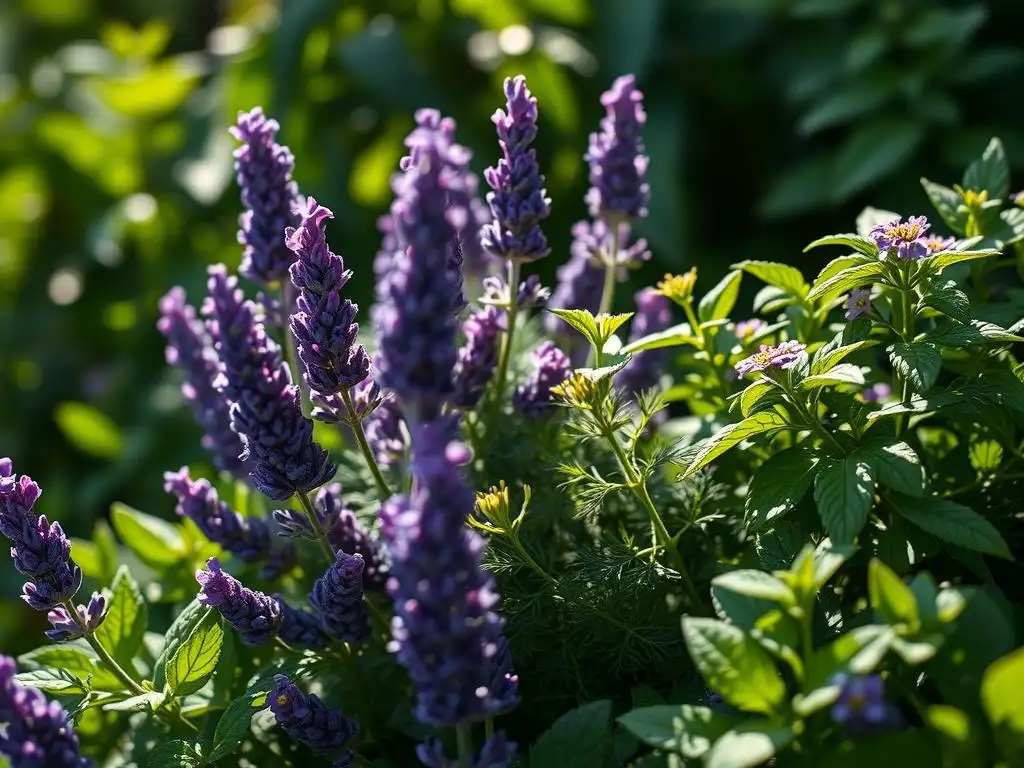
Welcome to CultivateYourFood, your guide to a thriving, sustainable garden! Are you dreaming of fresh, fragrant herbs but lack a sunny spot? Discover how you can successfully grow herbs in low light shade, transforming even the shadiest corners of your garden into a fragrant oasis. Learn the secrets to cultivating a bountiful herb garden, regardless of sunlight, and unlock the joy of homegrown flavor. Let's get started!
- Selecting the Right Fragrant Herbs for Shade: A Guide to Low-Light Gardening
- Optimizing Your Shady Herb Garden for Success
- Harvesting and Utilizing Your Shade-Grown Herbs
- Troubleshooting Common Problems in Shady Herb Gardens
- Creating a Thriving Fragrant Herb Garden in Shade: A Step-by-Step Guide
- Expanding Your Shady Herb Garden: Additional Low-Light Options
- Frequently Asked Questions
- Final Reflection: Unveiling the Aromatic Potential of Shade
- Unleash the Fragrance: Grow Your Own Shady Garden Oasis
Selecting the Right Fragrant Herbs for Shade: A Guide to Low-Light Gardening
Growing a fragrant herb garden can transform your outdoor space, filling it with delightful aromas and providing fresh ingredients for cooking. However, many assume that herbs require abundant sunlight to thrive. This article dispels that myth, focusing on how to successfully grow herbs low light shade, specifically exploring fragrant varieties that flourish even in low-light and shady areas. We'll delve into the specific light requirements of various herbs, offering practical advice and specific examples to help you cultivate a vibrant and aromatic herb garden, even if your space is predominantly shaded. This guide is perfect for those with north-facing gardens, courtyards, or areas under large trees where sunlight is limited. We’ll explore how to choose the right herbs, understand their needs, and ultimately, enjoy the delightful scent of your thriving herb garden, no matter the light conditions. Let's discover the fragrant wonders that can thrive even in the shade! 🌿
Understanding Light Requirements for Herb Growth
Many herbs prefer at least six hours of direct sunlight daily for optimal growth. However, some herbs are more tolerant of shade and can still produce a bountiful harvest in low-light conditions. Understanding the difference between full sun, partial shade, and full shade is crucial for selecting the right herbs for your garden.
- Full Sun: At least 6-8 hours of direct sunlight per day.
- Partial Shade: 4-6 hours of direct sunlight, with some filtered shade during the hottest part of the day.
- Full Shade: Less than 4 hours of direct sunlight, often dappled light or shade throughout the day.
The key to successful herb gardening in low-light conditions is to choose herbs specifically adapted to these conditions and to provide optimal soil and watering practices to compensate for the lack of direct sunlight. Remember, even shade-tolerant herbs benefit from at least a few hours of morning sun.
Top Fragrant Herbs Thriving in Low Light Conditions
Several fragrant herbs are perfectly suited for shady gardens, offering a delightful alternative to sun-loving varieties. These herbs not only tolerate low light but also add a unique aromatic dimension to your outdoor space. Below, we'll explore some of the best options for grow herbs low light shade.
Sweet Woodruff (Galium odoratum): Cultivating a Sweet Scent in Shade
Sweet Woodruff thrives in shady, woodland-type settings. Its delicate white flowers and intensely sweet, coumarin-scented foliage make it a delightful addition to any shady garden. It prefers consistently moist, well-drained soil and can spread readily, forming a lovely groundcover. Sweet Woodruff is perfect for edging pathways or creating a fragrant understory beneath trees. It's also used in potpourri and teas. Remember to harvest the leaves before flowering for the strongest scent.
Lemon Balm (Melissa officinalis): A Refreshing Herb for Shady Spots
Lemon Balm is a remarkably versatile and fragrant herb that tolerates partial shade quite well. Its lemony scent is refreshing and uplifting, making it a popular choice for teas, salads, and potpourri. It prefers moist, well-drained soil and benefits from regular watering, especially during dry periods. While it does prefer some sun, it can still thrive in areas with dappled shade or morning sun.
Chamomile (Matricaria chamomilla): Soothing Scents in Low-Light Gardens
Chamomile, known for its calming properties, also adapts well to partial shade. Its delicate white flowers possess a distinctly apple-like fragrance. It prefers well-drained soil and consistent moisture. Chamomile is perfect for creating a soothing and aromatic atmosphere in a shady corner of your garden. The flowers can be harvested and dried to make soothing teas.
Lovage (Levisticum officinale): A Robust, Aromatic Herb for Partial Shade
Lovage is a robust herb with a strong, celery-like aroma. It prefers partial shade and moist, well-drained soil. Its large leaves are often used in soups and stews, adding a unique and complex flavor profile. Lovage is a hardy plant that can tolerate some neglect and is a great addition to a larger shady herb garden.
Mint (Mentha spp. ): A Versatile Option for Shady Areas (Consider specific mint varieties tolerant of low light)
Mint is known for its adaptability, with some varieties thriving in shadier conditions. However, it’s crucial to choose a variety specifically known for its tolerance of low light. Certain mint varieties, like chocolate mint or apple mint, are more shade-tolerant than others. Mint is a vigorous grower and requires careful management to prevent it from becoming invasive. Planting it in containers is often a good solution for controlling its spread, even in shady areas. Remember to research specific mint varieties to ensure they suit your low-light conditions.
Optimizing Your Shady Herb Garden for Success
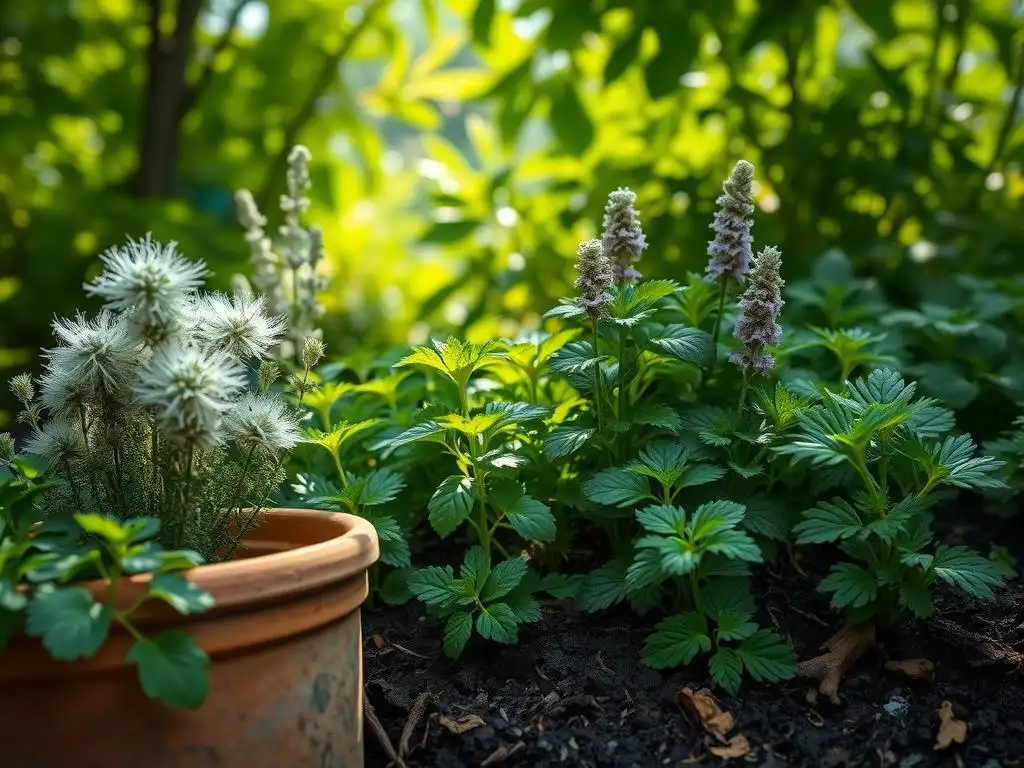
Growing herbs in low-light shade presents unique challenges, but with careful planning and execution, you can cultivate a thriving and fragrant herb garden even in less-than-ideal conditions. This section focuses on optimizing your shady herb garden for success, focusing specifically on soil preparation, watering strategies, and effective mulching techniques. Mastering these aspects is key to achieving a bountiful harvest of delicious and aromatic herbs, even under the dappled shade of trees or in a north-facing location. Remember, the key to successfully growing herbs in low light shade is to mimic their natural environment as closely as possible.
Soil Preparation for Low-Light Herb Cultivation
The foundation of a successful herb garden, regardless of light conditions, is healthy soil. In shady areas, soil can often be compacted and poorly drained, leading to root rot and nutrient deficiencies. Therefore, preparing the soil is crucial for grow herbs low light shade success. Before planting, amend your soil generously with organic matter. This improves drainage, aeration, and water retention – all essential for herbs thriving in the shade.
Consider adding a generous layer (at least 4-6 inches) of compost, well-rotted manure, or leaf mold. These materials not only enhance soil structure but also provide a slow-release source of nutrients. For particularly heavy clay soils, incorporating perlite or vermiculite can further improve drainage and prevent waterlogging. Regular soil testing can help determine if additional nutrients are needed, especially nitrogen, which is crucial for leafy growth.
A soil test will also help you determine the pH, ensuring it's within the optimal range for your chosen herbs. Remember, healthy soil is the cornerstone of a productive and fragrant herb garden, even in low-light conditions. Don't underestimate the importance of this initial step in your grow herbs low light shade journey.
Watering Strategies for Shade-Grown Herbs
Watering strategies in shady areas differ significantly from those in full sun. Because shade limits evaporation, the soil remains moist for longer periods. Overwatering is a common problem in shady herb gardens, leading to root rot and fungal diseases. Therefore, a mindful approach to watering is crucial for successful grow herbs low light shade.
Instead of following a rigid watering schedule, monitor the soil moisture regularly. Stick your finger a couple of inches into the soil; if it feels dry, it's time to water. Water deeply and less frequently, encouraging deep root growth. Shallow, frequent watering can lead to shallow roots, making the plants more susceptible to drought stress and less able to access nutrients.
Consider using a soaker hose or drip irrigation system for efficient watering, minimizing water waste and preventing foliage from getting wet, which can encourage fungal growth. Observe your plants closely; wilting leaves are a clear indication of underwatering, while yellowing or decaying leaves can signal overwatering. Adjust your watering strategy according to the specific needs of your herbs and the prevailing weather conditions. A consistent, well-balanced approach to watering is key to nurturing your fragrant herbs in low-light environments.
Mulching Techniques to Retain Moisture and Suppress Weeds
Mulching is a vital practice in any garden, but it's especially beneficial in shady herb gardens. A layer of mulch helps retain soil moisture, suppressing weed growth and regulating soil temperature. This is particularly important in shady areas, where the soil can remain cool and moist for extended periods, creating ideal conditions for weed proliferation and fungal diseases. Selecting the right mulch for your grow herbs low light shade project is crucial.
Organic mulches, such as shredded bark, straw, or composted leaves, are excellent choices. They decompose over time, gradually enriching the soil with organic matter. Avoid using plastic mulch in shady areas as it can trap excess moisture, promoting fungal diseases. Apply a 2-4 inch layer of mulch around your herbs, taking care not to pile it directly against the stems, which can encourage rot.
Regularly replenish the mulch layer as it decomposes to maintain its effectiveness. Mulching not only conserves water and suppresses weeds, but it also helps to regulate soil temperature, creating a more stable and consistent environment for your herbs to thrive. By employing effective mulching techniques, you can significantly enhance the success of your low-light herb garden, ensuring a healthy and productive harvest.
Remember, consistent monitoring and adaptation are key to successful gardening, no matter the conditions. Enjoy the process of nurturing your fragrant herb garden! 🪴
Dealing with Potential Pests and Diseases in Shady Herb Gardens
Shady herb gardens, while offering a unique microclimate for certain herbs, can also present challenges regarding pest and disease management. The damp, less-ventilated conditions often found in shady areas can encourage fungal growth and attract certain insects. Understanding these potential problems is crucial for maintaining a healthy and thriving herb garden.
One common issue in shady herb gardens is fungal diseases like powdery mildew. Powdery mildew thrives in humid environments with limited sunlight, often coating leaves with a white, powdery substance. This can stunt plant growth and reduce the quality of your herbs. Prevention is key; ensuring good air circulation by avoiding overcrowding and choosing disease-resistant herb varieties is paramount.
Regularly inspecting your plants for early signs of powdery mildew is also essential. If detected early, you can often control it by removing infected leaves and improving air circulation. In more severe cases, a natural fungicide, such as a diluted solution of baking soda and water, might be necessary. Always follow the instructions carefully when using any fungicide.
Another concern is slugs and snails, which are particularly attracted to the moist, shaded conditions. These mollusks can quickly decimate young seedlings and mature plants alike. Several organic methods can help control their population. Handpicking them in the early morning or evening is an effective, albeit time-consuming, method. Creating barriers around your plants using copper tape or diatomaceous earth can also deter them. Beer traps, while effective, can also attract other beneficial insects, so consider this carefully. Remember, consistent monitoring and proactive measures are far more effective than reactive treatments.
Specific pests will vary depending on your geographic location and the types of herbs you grow. For example, aphids might infest certain herbs, while others may be susceptible to spider mites. Regularly inspecting your plants for signs of insect infestation – such as discoloration, wilting, or the presence of insects themselves – is crucial for early intervention. Natural pest control methods, such as introducing beneficial insects like ladybugs, or using insecticidal soaps, are often effective and environmentally friendly options.
Always identify the pest before applying any control method to ensure you're using the most appropriate and effective solution. Remember to always thoroughly research any pest control method before implementing it in your garden to avoid harming beneficial insects or your herbs themselves. Choosing robust and disease-resistant herb varieties from the start is a crucial preventative measure that can significantly reduce the need for pest and disease control later.
Harvesting and Utilizing Your Shade-Grown Herbs
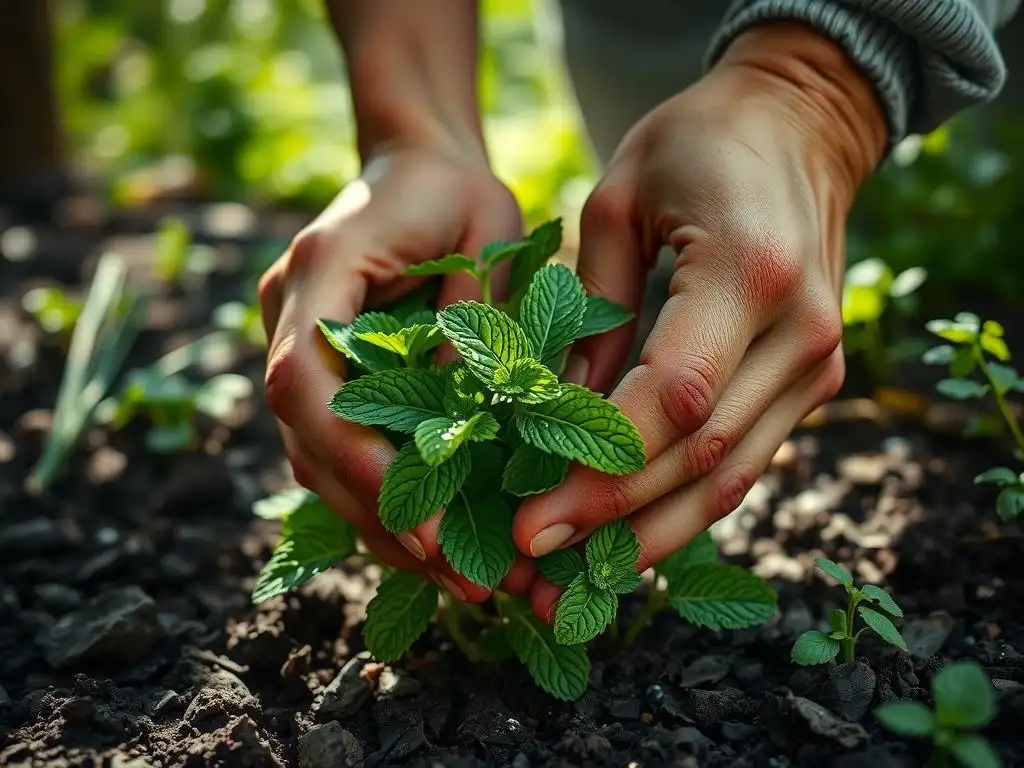
This section focuses on maximizing the yield and quality of your shade-grown herbs, ensuring you get the most out of your fragrant harvest. Proper harvesting is crucial for maintaining plant health and optimizing the flavor and aroma of your herbs. Remember, the goal is to grow herbs low light shade successfully and enjoy the fruits (or rather, leaves!) of your labor.
Harvesting Techniques for Maximum Flavor and Aroma
The best time to harvest most herbs is in the morning after the dew has dried. This allows the essential oils, responsible for the herb's aroma and flavor, to be at their most concentrated. Avoid harvesting during the hottest part of the day, as this can stress the plants and reduce the quality of the harvest.
Here's a breakdown of effective harvesting techniques, tailored to different herbs:
- Leaves: For herbs like mint, basil (some varieties tolerate shade better than others), and parsley, pinch or cut individual leaves, stems, or sprigs. Harvesting selectively promotes bushier growth. Avoid taking more than one-third of the plant's foliage at any one time. This allows the plant to recover and continue producing. 🌿
- Flowers: Some herbs, like lavender and chamomile, are harvested for their flowers. Cut the flower stems just below the flower heads, when the blooms are fully open but before they start to wilt. 🌸
- Stems: Herbs like rosemary and thyme can be harvested by cutting back stems. This pruning encourages new growth and helps maintain a compact shape. ✂️
Remember to use sharp, clean shears or scissors to prevent damaging the plant. Dirty tools can introduce diseases. Always harvest selectively, focusing on mature leaves and stems, leaving younger growth to continue developing.
Preserving and Storing Your Fragrant Herb Harvest
Proper preservation is key to extending the lifespan of your shade-grown herb harvest. Several methods ensure you can enjoy the flavors and aromas throughout the year.
| Preservation Method | Description | Suitable Herbs | Shelf Life |
|---|---|---|---|
| Freezing | Wash, dry, and chop herbs before freezing in ice cube trays or freezer bags. | Most herbs | Several months |
| Drying | Hang bunches upside down in a dark, dry, and well-ventilated area. | Lavender, rosemary, thyme, oregano | Several months (airtight container) |
| Infused Oils and Vinegars | Steep fresh herbs in oil or vinegar for several weeks. | Rosemary, thyme, basil, oregano | Several months (refrigerated) |
| Salting | Mix fresh herbs with salt and store in an airtight container. | Rosemary, thyme, oregano | Several months |
Consider the individual herb's characteristics when choosing a preservation method. Some herbs, like basil, lose their flavor more quickly when dried than others.
Culinary and Medicinal Uses of Shade-Tolerant Herbs
Shade-tolerant herbs offer a wide array of culinary and medicinal applications. Their unique flavors and aromas add depth and complexity to dishes, while some possess traditional medicinal properties.
- Culinary Uses: Many shade-loving herbs are ideal for adding fresh flavor to soups, salads, sauces, and other dishes. Experiment with different combinations to discover your favorites. For example, mint pairs well with lamb, while parsley adds a bright, fresh note to almost any dish.
- Medicinal Uses: Certain shade-tolerant herbs have been traditionally used for their medicinal properties. For instance, chamomile is known for its calming effects, while peppermint is often used to soothe digestive upset. However, it's important to note that these are traditional uses and should not be considered medical advice. Always consult with a healthcare professional before using herbs for medicinal purposes. Consult a professional for accurate information and dosage.
Remember, consistent care and proper harvesting techniques are vital for successfully growing herbs low light shade. With a little attention, you can enjoy a bountiful harvest of fragrant, flavorful herbs all year round.
Troubleshooting Common Problems in Shady Herb Gardens
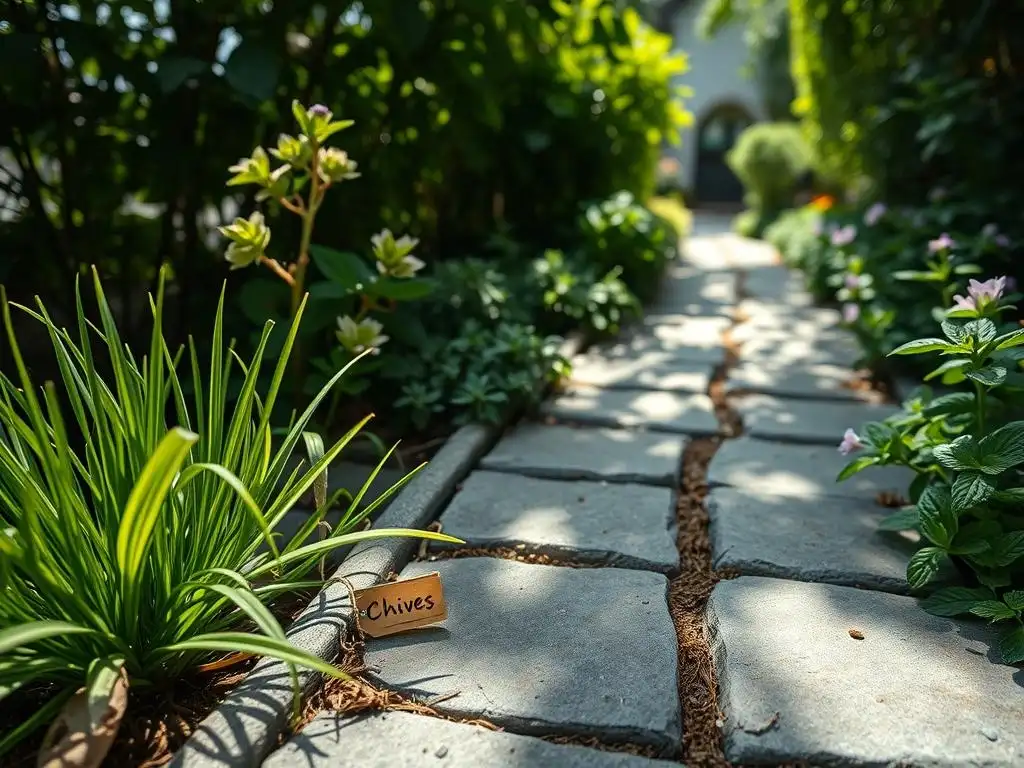
Growing herbs in low-light shade presents unique challenges. While many herbs tolerate some shade, thriving in consistently low-light conditions requires careful attention to detail and proactive problem-solving. This section addresses common issues encountered when cultivating herbs in shady areas, offering practical solutions to help you achieve a flourishing, fragrant herb garden, even with limited sunlight. Understanding these potential problems is key to successfully growing herbs in low light shade.
Addressing Yellowing Leaves and Other Signs of Stress
Yellowing leaves are a common indicator of stress in herbs, particularly those grown in shady conditions. Several factors can contribute to this:
- Nutrient deficiencies: Shady areas often have less active soil microbial life, impacting nutrient availability. A soil test can reveal deficiencies in nitrogen, iron, or other essential nutrients. Amend your soil with compost and consider using a slow-release, organic fertilizer specifically formulated for herbs. Regular feeding with a liquid fertilizer diluted to half strength can also help.
- Overwatering: Poor drainage in shady areas can lead to root rot, manifesting as yellowing leaves and wilting. Improve drainage by adding organic matter like compost to loosen compacted soil. Water less frequently, allowing the soil to dry slightly between waterings. Consider using raised beds or containers with drainage holes to further enhance drainage.
- Underwatering: Ironically, underwatering can also cause yellowing leaves. Shady areas can retain moisture longer, but consistent dryness can still stress your herbs. Check soil moisture regularly, especially during dry periods. Mulching can help retain moisture and regulate soil temperature.
- Pests and diseases: While less common in shade, pests and diseases can weaken plants, leading to yellowing leaves. Regularly inspect your herbs for signs of infestation or disease and take appropriate action. Organic pest control methods are ideal for a sustainable herb garden.
Remember, addressing yellowing leaves requires a holistic approach. It's often a combination of factors, rather than a single cause. Careful observation and soil testing are crucial for diagnosis and effective treatment. The goal is to create an environment that promotes healthy root growth and nutrient uptake, even in low light conditions.
Managing Overwatering and Poor Drainage in Shady Areas
Overwatering is a significant problem in shady herb gardens due to slower evaporation rates. The combination of low light and poor drainage creates ideal conditions for root rot, a devastating fungal disease that can quickly kill your herbs. Effective management involves a multi-pronged approach:
- Soil improvement: Improving soil drainage is paramount. Adding organic matter like compost, coco coir, or perlite improves soil structure, allowing for better water penetration and aeration. This is particularly important for clay soils which tend to retain water.
- Container gardening: For particularly poorly-drained areas, consider container gardening. Containers allow for precise control over watering and drainage. Choose containers with adequate drainage holes to prevent waterlogging.
- Watering techniques: Water deeply but less frequently. Allow the top inch or two of soil to dry out before watering again. Avoid overhead watering, which can lead to fungal diseases. Instead, water at the base of the plants.
- Mulching: Applying a layer of organic mulch, such as wood chips or straw, helps to retain moisture while improving drainage. The mulch moderates soil temperature and reduces evaporation. However, avoid piling mulch directly against the stems of the plants.
Careful monitoring of soil moisture is crucial. Avoid the temptation to overwater. A well-drained soil, combined with mindful watering practices, will help prevent overwatering and its devastating consequences. Growing herbs in raised beds is also a good solution for improving drainage.
Dealing with Insufficient Sunlight in Your Herb Garden
While some herbs tolerate shade, most require at least several hours of direct sunlight daily for optimal growth. In low-light shady areas, you'll need to adapt your gardening strategies:
- Herb selection: Choose herbs known for their tolerance of shade. Examples include mint, chives, parsley, and lemon balm. These herbs are more likely to thrive in lower light conditions. Research the specific light requirements of the herbs you choose.
- Light supplementation: Consider supplementing natural light with artificial grow lights, particularly during the winter months or in exceptionally shady areas. LED grow lights are energy-efficient and provide the full spectrum of light needed for healthy herb growth.
- Pruning and thinning: Regular pruning and thinning improves air circulation and allows more light to reach the lower leaves. This prevents the plants from becoming leggy and promotes bushier growth.
- Location optimization: Even in a shady garden, you can strategically place your herbs to maximize limited sunlight. Choose the areas that receive the most direct sunlight, even if it's just for a few hours each day.
Remember, even shade-tolerant herbs benefit from some sunlight. By carefully selecting appropriate herbs, supplementing light when necessary, and employing proper gardening techniques, you can successfully cultivate a fragrant and productive herb garden, even in low-light shade. Patience and observation are key to success.
Creating a Thriving Fragrant Herb Garden in Shade: A Step-by-Step Guide
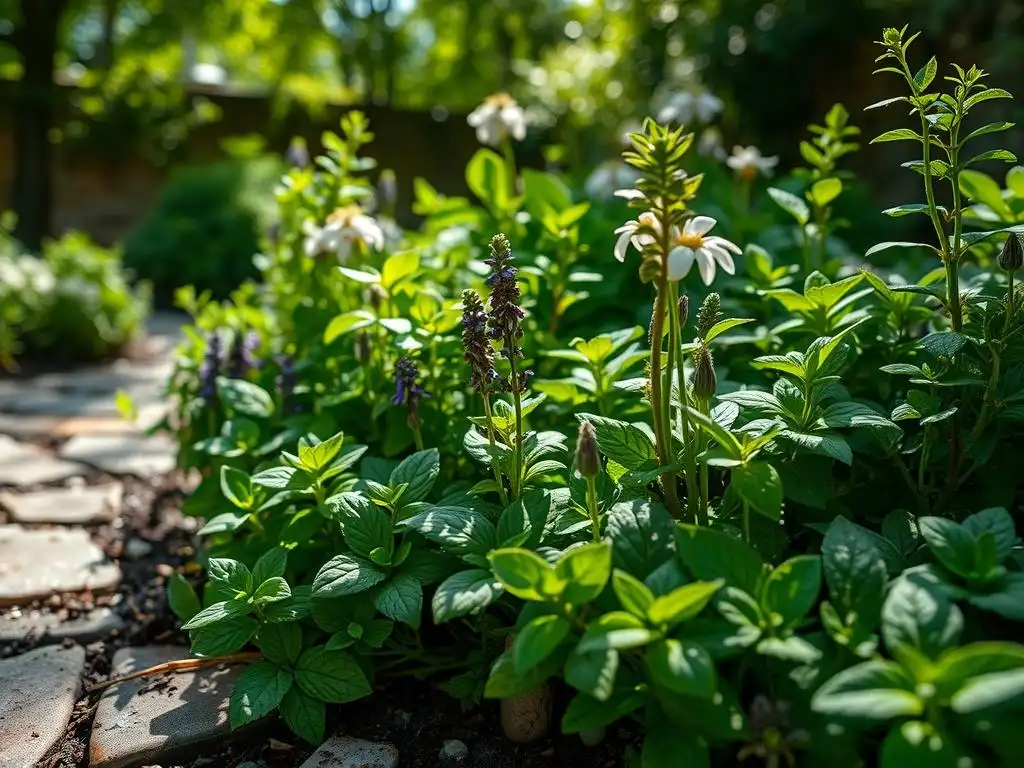
This section provides a practical guide to successfully cultivating fragrant herbs even in low-light, shady areas. Many assume that herbs require abundant sunlight, but several varieties thrive in dappled shade or even partial shade, offering a delightful aromatic addition to your garden, no matter the light conditions. We'll explore the best practices for selecting the right location, planting techniques, and ongoing care to ensure a flourishing and fragrant herb garden, even if you're working with limited sunlight. Mastering the art of growing herbs in low light shade opens up a world of possibilities for your garden's scent and aesthetics.
Choosing the Right Location for Your Shady Herb Garden
Selecting the appropriate spot within your shady garden is crucial for the success of your fragrant herb garden. While full sun isn't necessary, avoid extremely dark, dense shade where almost no sunlight penetrates. Aim for areas that receive at least 4-6 hours of indirect sunlight per day, ideally in the morning. Morning sun provides the gentler warmth that many shade-tolerant herbs prefer. Consider these factors when choosing your location:
- Moisture levels: Well-drained soil is essential. Avoid areas that tend to become waterlogged, as this can lead to root rot, especially for herbs. Amend heavy clay soils with compost to improve drainage.
- Protection from wind: Strong winds can damage delicate herb plants. Choose a location sheltered from prevailing winds, perhaps near a wall or fence.
- Proximity to your kitchen: Consider the convenience factor. A location close to your kitchen makes harvesting and using your fresh herbs much easier.
- Soil type: Most herbs prefer slightly acidic to neutral soil (pH 6.0-7.0). A soil test can help determine your soil's pH and guide any necessary amendments.
Planting Your Herbs: A Detailed Guide for Low-Light Conditions
Planting your herbs correctly is key to their success in low-light conditions. Remember, even shade-tolerant herbs need proper planting techniques to thrive. Here's a step-by-step guide:
- Soil Preparation: Prepare your planting area by removing weeds and loosening the soil to a depth of about 12 inches. Incorporate plenty of compost or other organic matter to enrich the soil and improve drainage. This step is vital for good root development, especially in potentially compact shade garden soil.
- Spacing: Space your herbs according to their mature size. Overcrowding can lead to competition for resources and reduced growth. Check the plant tags for recommended spacing. Proper spacing ensures adequate airflow, reducing the risk of fungal diseases.
- Planting Depth: Plant your herbs at the same depth they were growing in their containers. Planting too deeply can suffocate the roots, while planting too shallowly can leave them exposed and vulnerable.
- Watering: Water deeply after planting, ensuring the soil is evenly moist. Consistent watering is crucial, especially during dry periods, but avoid overwatering, which can lead to root rot. Water at the base of the plants to avoid wetting the foliage, which can encourage fungal diseases.
- Herb Selection: Choose herbs known for their tolerance of low-light conditions. Examples include mint ( Mentha spp. ), chives ( Allium schoenoprasum), lemon balm ( Melissa officinalis), and parsley ( Petroselinum crispum). Researching specific varieties will ensure you select herbs best suited for your conditions. Consider the scent profiles you enjoy when making your selection.
Ongoing Care and Maintenance of Your Fragrant Herb Garden
Maintaining your shady herb garden requires consistent attention, but the rewards of fresh, fragrant herbs are well worth the effort. Here are some key aspects of ongoing care:
- Watering: Regular watering is crucial, especially during dry spells. Aim for consistent moisture but avoid waterlogging. Mulching around the plants helps retain moisture and suppress weeds.
- Fertilizing: Shade-tolerant herbs generally require less fertilizer than sun-loving herbs. A light application of compost or a balanced organic fertilizer in spring can provide sufficient nutrients. Avoid over-fertilizing, which can lead to leggy growth and reduced fragrance.
- Pest and Disease Control: Monitor your herbs regularly for signs of pests or diseases. Many pest problems can be solved with simple solutions like manual removal of pests or introducing beneficial insects. Good air circulation, achieved through proper spacing, reduces the risk of fungal diseases.
- Pruning and Harvesting: Regular pruning encourages bushier growth and prevents the plants from becoming leggy. Harvest herbs frequently to stimulate new growth and maintain a vibrant, fragrant garden. Harvesting regularly also helps to prevent the plants from bolting (going to seed), which can reduce their flavor and aroma.
This comprehensive guide will help you cultivate a thriving and fragrant herb garden, even in low-light conditions. Remember that patience and consistent care are key to success in growing herbs in low light shade. Enjoy the delightful scents and flavors your garden will provide!
Expanding Your Shady Herb Garden: Additional Low-Light Options
This section delves into expanding your fragrant herb garden beyond the common choices, focusing on herbs that thrive even in low-light, shady conditions. Successfully growing herbs in low light shade requires careful plant selection and attention to soil conditions. Remember that even shade-tolerant herbs need some sunlight, ideally dappled shade rather than complete darkness.
Exploring Other Fragrant Plants Suitable for Shade
While many herbs prefer full sun, several varieties tolerate low-light conditions surprisingly well. Let's explore some options that add fragrance and visual interest to your shady herb garden:
Many gardeners overlook the potential of mint family members in shady areas. While peppermint and spearmint prefer more sun, chocolate mint and apple mint often flourish in partially shaded spots, offering delicious aromas. Their vigorous growth can be managed by planting them in containers to prevent them from taking over your garden. Consider placing them near pathways to enjoy their fragrance as you walk by.
Another excellent choice for shade is sweet woodruff ( Galium odoratum). This charming groundcover boasts a delightful, sweet-hay-like fragrance, especially when dried. It's perfect for adding a delicate scent to a shady corner and self-seeds readily, creating a natural carpet of fragrant foliage. However, it can be invasive, so consider containing it within a border or raised bed.
Don't forget about lemon balm (Melissa officinalis). Known for its lemony scent, this herb is quite adaptable and can tolerate some shade, particularly in cooler climates. It thrives in moist, well-drained soil and can be easily propagated through cuttings. The leaves are excellent for teas and culinary uses.
Finally, consider Lovage (Levisticum officinale). This robust herb, while preferring some sunlight, can tolerate partial shade, especially in the afternoon. Its strong celery-like aroma adds a unique dimension to a shady herb garden. Its tall stature can create a vertical element, adding visual interest.
Creating a Multi-Layered Shady Herb Garden Design
Designing a successful multi-layered shady herb garden requires thoughtful planning. Consider the mature height and spread of each herb to avoid overcrowding and ensure adequate sunlight penetration to lower layers. Here's a suggested layered approach to maximize space and fragrance:
| Layer | Herb Suggestions | Height (approx.) | Light Requirements | Notes |
|---|---|---|---|---|
| Groundcover | Sweet Woodruff ( Galium odoratum) | 6-12 inches | Part Shade | Self-seeding, can be invasive |
| Mid-level | Lemon Balm ( Melissa officinalis), Chocolate Mint | 12-24 inches | Part Shade | Easy to propagate, attracts pollinators |
| Tall/Vertical | Lovage ( Levisticum officinale) | 2-4 feet | Part Shade/ Dappled Sun | Strong scent, provides visual height |
Remember to amend your soil with plenty of organic matter to improve drainage and fertility. Shaded areas often suffer from poor drainage, so ensuring good soil structure is crucial for healthy herb growth. Regular watering is also important, especially during dry spells. By carefully selecting herbs and designing a multi-layered garden, you can create a fragrant haven even in the shadiest parts of your yard, successfully cultivating your "grow herbs low light shade" dream. 🌿
Frequently Asked Questions
Can I really grow herbs in low light or shade?
Yes! While many herbs prefer full sun, several thrive in partial shade or low-light conditions. Consider herbs like mint, chives, and parsley for shadier spots.
Which herbs are best suited for low-light indoor growing?
For indoor growing in low light, mint, oregano, and thyme are good choices. Ensure they receive some indirect light for optimal growth.
How much sunlight do shade-tolerant herbs need?
Shade-tolerant herbs still need some light; aim for at least 2-4 hours of indirect sunlight per day. Avoid completely dark areas.
What should I do if my shade herbs aren't growing well?
Check for adequate watering and soil drainage. Poor drainage can hinder growth even in shade-loving plants. Consider supplementing with a balanced liquid fertilizer.
What are some pest control methods for herbs growing in shady areas?
Regular inspection is key. Use natural pest control methods, such as insecticidal soap or neem oil, to avoid harming beneficial insects. Good air circulation also helps prevent pest problems.
Final Reflection: Unveiling the Aromatic Potential of Shade
The quest to cultivate fragrant herbs in low-light conditions is not merely a horticultural pursuit; it's a testament to our enduring desire to connect with nature, even in the most challenging spaces. The surprising resilience and adaptability of certain herb varieties, highlighted throughout this article, offers a powerful reminder that beauty and fragrance can thrive even where sunlight is scarce.
The impact of incorporating fragrant herbs into shady gardens extends far beyond the aesthetic. It's about creating sensory havens, enriching our daily lives with the subtle yet potent power of scent. These aromatic plants offer a quiet solace, a moment of peace amidst the bustle of modern life. The scent of herbs is the soul of the garden.
This simple statement encapsulates the profound connection we forge with nature through the cultivation of these fragrant companions. The ability to grow these plants, even in less-than-ideal conditions, democratizes this experience, making it accessible to a wider range of gardeners.
Now, consider your own space. Do you have a shady corner, a neglected patch of earth yearning for life? I invite you to explore the possibilities presented in this article. Choose a fragrant herb suited to your environment, nurture it with care, and experience the transformative power of bringing scent and life to even the most shadowed areas of your garden. Let the fragrant herbs become a symbol of resilience, a testament to the beauty that can flourish even in unexpected places.
Unleash the Fragrance: Grow Your Own Shady Garden Oasis
Thanks for exploring the world of fragrant herbs perfect for low-light areas! You've discovered a delightful way to add captivating scents to even the shadiest corners of your garden. Ready to transform your space?
- Start small! Begin with one or two fragrant herb varieties that appeal to you, and watch your shady garden come alive with fragrance.
- Share your success! Tell us about your favorite herb and how you're using it in your garden design in the comments below.
- Enhance your garden's beauty and aroma. Try planting your herbs alongside shade-loving flowers to create a stunning and fragrant display.
What fragrant herb are you most excited to grow in your shady garden?