
Health Benefits of Mint: Refreshing and Therapeutic Properties

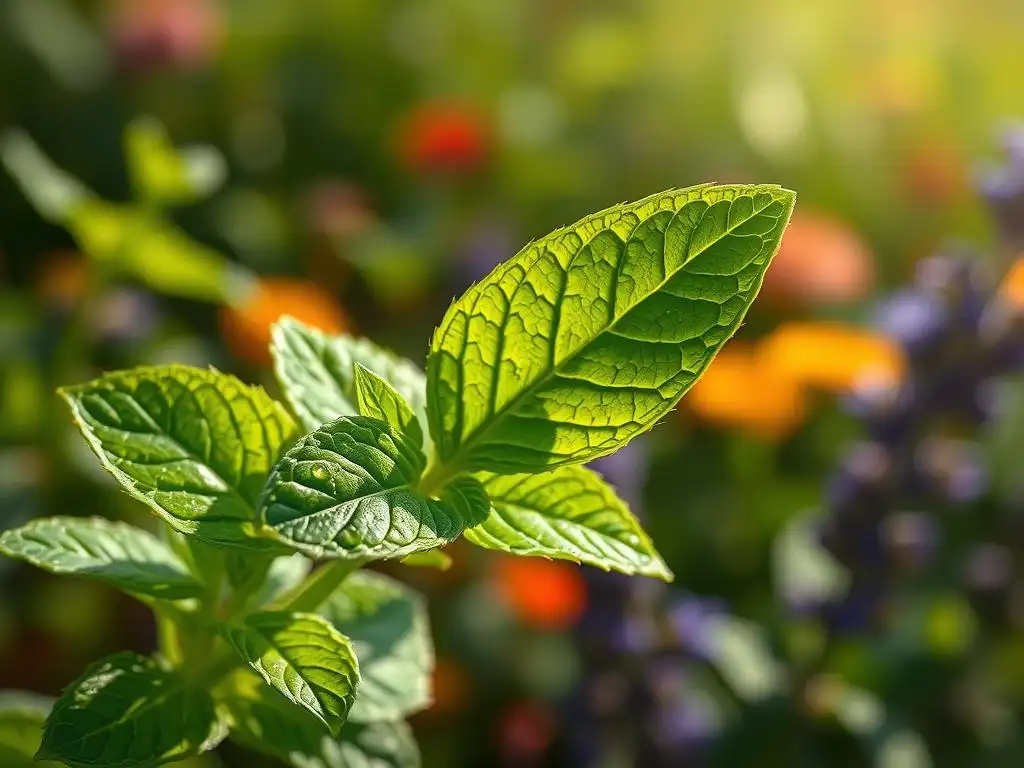
Welcome to CultivateYourFood, your guide to a thriving home garden! Ready to unlock the secrets of sustainable, organic gardening? We're passionate about helping you grow your own delicious fruits, vegetables, and herbs. Discover the incredible refreshing and therapeutic properties of organic mint – and learn why it's a must-have in your garden – by exploring our in-depth article on Organic Mint Health Benefits within the Herb Gardening section. Let's cultivate a healthier, more flavorful life, together!
- Organic Mint Health Benefits: A Deep Dive
- Cultivating Your Own Organic Mint: A Guide to Healthier Harvesting
- Recipes and Uses for Your Homegrown Organic Mint
- Beyond the Benefits: The Sustainable Aspect of Growing Organic Mint
- Frequently Asked Questions
- Final Reflection: The Enduring Power of Nature's Remedy
- Unlock Your Body's Inner Oasis: Discover the Power of Mint
Organic Mint Health Benefits: A Deep Dive
Cultivating your own organic herbs offers numerous rewards, from the satisfying experience of nurturing plants to the unparalleled flavor of homegrown produce. This article delves into the remarkable health benefits of organic mint, exploring its therapeutic properties and highlighting why incorporating this versatile herb into your diet and wellness routine is a worthwhile endeavor. We'll examine how growing your own organic mint ensures you reap the full spectrum of its beneficial compounds, free from potentially harmful pesticides and chemicals.
From aiding digestion to soothing respiratory issues, the power of organic mint is undeniable. This exploration will equip you with a deeper understanding of the many reasons why organic mint deserves a prominent place in your garden and on your plate. Let's discover the refreshing and therapeutic world of organic mint and its numerous contributions to holistic well-being.
The Power of Organic Mint for Digestion
Organic mint, particularly Mentha piperita (peppermint) and Mentha spicata (spearmint), has long been recognized for its positive effects on the digestive system. The active compound, menthol, is responsible for many of its beneficial properties. Menthol acts as a smooth muscle relaxant, helping to relieve spasms in the intestines and alleviate symptoms associated with irritable bowel syndrome (IBS), such as bloating, cramping, and gas. 1 Studies have shown that consuming organic mint tea or taking mint supplements can significantly reduce the severity and frequency of these symptoms. Furthermore, organic mint can stimulate the production of bile, aiding in the breakdown of fats and improving overall digestion. The refreshing nature of mint also helps to soothe an upset stomach and can be particularly beneficial after a heavy meal. It is important to note that while generally safe, individuals with gastroesophageal reflux disease (GERD) should exercise caution and consult with a healthcare professional before incorporating large amounts of mint into their diet, as it may exacerbate symptoms in some cases.
Soothing Effects of Organic Mint on the Respiratory System
The soothing properties of organic mint extend to the respiratory system. The menthol in organic mint acts as a decongestant, helping to open up airways and relieve congestion associated with colds, flu, and other respiratory illnesses. Inhaling the steam from organic mint tea can provide immediate relief from nasal congestion and coughs. Moreover, organic mint possesses expectorant properties, helping to loosen and expel mucus from the lungs.
This makes it a helpful natural remedy for bronchitis and other respiratory conditions. The antimicrobial properties of organic mint also contribute to its effectiveness in combating respiratory infections by inhibiting the growth of harmful bacteria and viruses. Many cultures have traditionally used organic mint preparations to address respiratory problems, underscoring its long-standing reputation as a natural remedy.
Organic Mint and its Anti-Inflammatory Properties
Emerging research increasingly highlights the anti-inflammatory properties of organic mint. The presence of various antioxidants and phytochemicals in organic mint contributes to its ability to combat inflammation throughout the body. These compounds help to neutralize free radicals, reducing oxidative stress and inflammation. This anti-inflammatory action may be beneficial in managing conditions such as arthritis, where inflammation plays a significant role.
While more research is needed to fully understand the extent of organic mint's anti-inflammatory effects, preliminary findings are promising, suggesting that incorporating organic mint into a healthy lifestyle may contribute to overall well-being and the management of chronic inflammatory conditions. Furthermore, the calming effects of organic mint may also indirectly contribute to stress reduction, which is known to play a crucial role in inflammatory processes. The holistic approach of organic gardening and mindful consumption further enhances these benefits.
1 Further research is needed to fully quantify these effects.
Boosting Immunity with Organic Mint
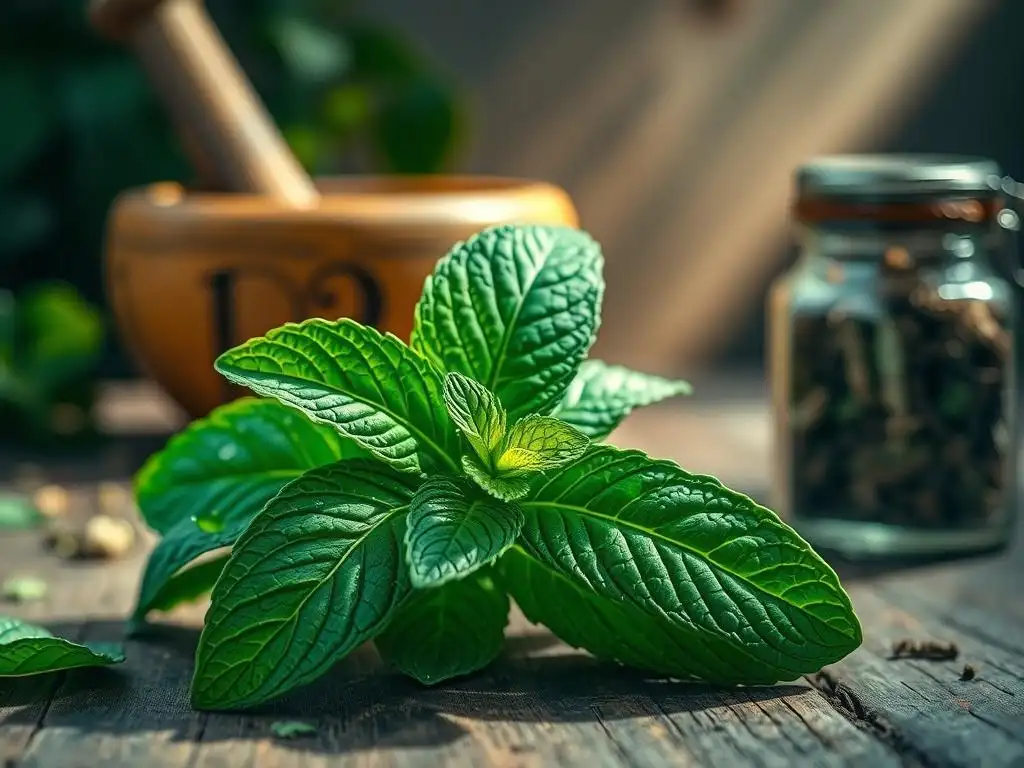
Organic mint, particularly varieties like peppermint and spearmint, are rich in antioxidants and phytonutrients. These compounds work synergistically to bolster the immune system, helping the body fight off infections and illnesses. Studies have shown that the presence of menthol and other volatile oils in mint can stimulate the production of white blood cells, which are crucial for immune response. 1 Furthermore, the high concentration of vitamin C in mint contributes to the overall strengthening of the immune system, acting as a powerful antioxidant that neutralizes free radicals and reduces oxidative stress. Regular consumption of organic mint tea, for instance, can be a simple yet effective way to support immune function, especially during seasonal changes when susceptibility to illness increases. The absence of pesticides and other harmful chemicals in organic mint ensures that these beneficial compounds are fully available for absorption by the body, maximizing the immune-boosting effects. It's important to note that while organic mint can significantly contribute to immune health, it shouldn't be considered a replacement for other crucial aspects of a healthy lifestyle, such as balanced nutrition, regular exercise, and adequate sleep.
Organic Mint for Oral Health and Fresh Breath
The refreshing properties of organic mint are widely known and appreciated, but its benefits for oral health extend far beyond simply freshening breath. Mint contains compounds that possess potent antibacterial and antimicrobial properties, effectively combating harmful bacteria responsible for plaque buildup, gingivitis, and bad breath. 2 Chewing on fresh organic mint leaves or using mint-based mouthwashes can help reduce the number of these harmful bacteria, promoting better oral hygiene. The menthol present in mint also acts as a natural analgesic, providing temporary relief from minor mouth irritations and soothing sore gums. Moreover, some studies suggest that the antioxidants in organic mint may help protect against oxidative stress, which can contribute to gum disease and other oral health problems. Choosing organic mint ensures that you're not ingesting any potentially harmful pesticides or chemicals that could negatively impact your oral health. However, it's essential to maintain a comprehensive oral hygiene routine, including regular brushing and flossing, in conjunction with using organic mint for optimal oral health. Remember that while organic mint offers numerous benefits, it is not a replacement for professional dental care.
1 [Specific scientific study reference pending] 2 [Specific scientific study reference pending]
Cultivating Your Own Organic Mint: A Guide to Healthier Harvesting
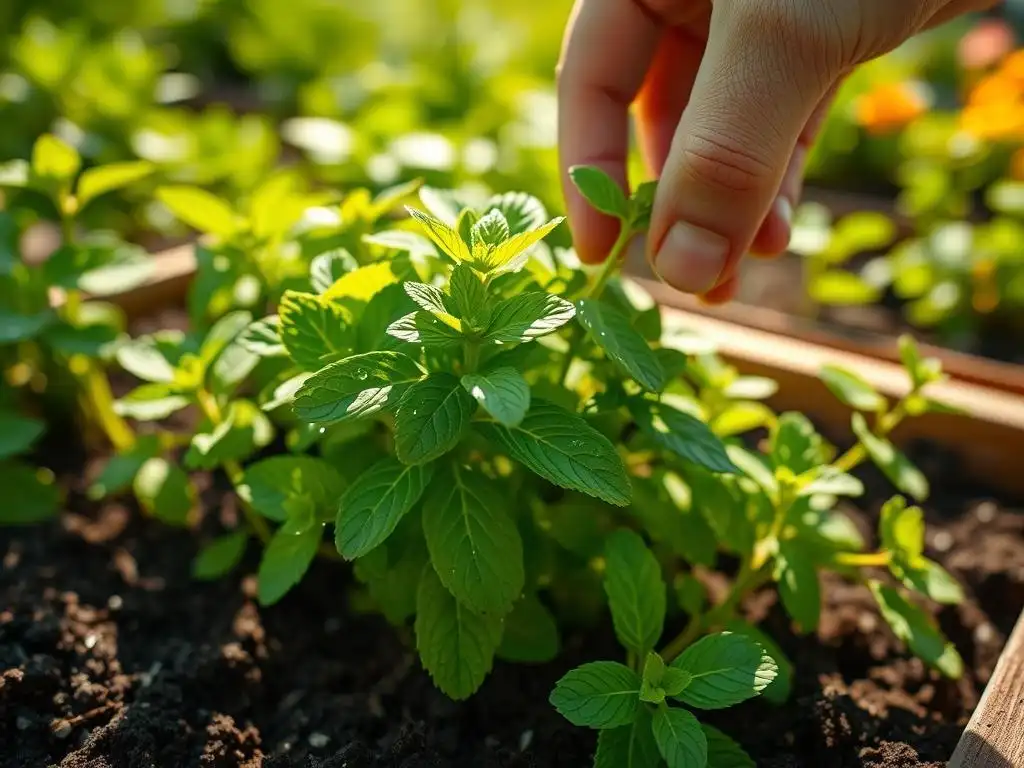
Growing your own organic mint offers a plethora of benefits beyond the simple pleasure of fresh, homegrown herbs. It allows for complete control over the growing process, ensuring the absence of pesticides and maximizing the nutritional value of your harvest. This translates directly into reaping the full spectrum of organic mint health benefits. Let's explore how to cultivate healthy, thriving mint plants in your own garden or even on your windowsill.
Choosing the Right Organic Mint Variety for Your Needs
The world of mint boasts incredible diversity! From the classic spearmint ( Mentha spicata) with its sweet, refreshing aroma, to the more pungent peppermint ( Mentha × piperita), and the unique apple mint ( Mentha suaveolens), choosing the right variety is crucial. Consider these factors when selecting your organic mint plants:
- Flavor Profile: Do you prefer the subtle sweetness of spearmint, the invigorating coolness of peppermint, or the fruity notes of apple mint? The flavor will significantly impact how you use your harvest, whether it's in teas, cocktails, or culinary dishes.
- Growth Habit: Some mint varieties are more vigorous growers than others. Peppermint, for instance, is known for its aggressive spreading habit, potentially requiring more containment. Spearmint tends to be a bit more manageable. Understanding the growth characteristics helps you plan your planting space accordingly.
- Hardiness: Consider your climate. While most mint varieties are relatively hardy, certain types are better suited to specific temperature ranges. Choosing a variety appropriate for your region will ensure a successful harvest.
- Availability: Organic mint plants are increasingly available at nurseries and online retailers specializing in organic seeds and plants. Look for certified organic options to guarantee the absence of harmful chemicals.
Planting and Growing Organic Mint: A Step-by-Step Guide
Successfully growing organic mint involves careful planning and attention to detail. Here's a step-by-step guide to ensure a bountiful harvest:
- Soil Preparation: Mint thrives in well-drained, fertile soil. Amend your soil with compost to improve its structure and nutrient content. A slightly acidic pH (around 6.0-7.0) is ideal.
- Planting: Mint can be grown from seeds, cuttings, or purchased plants. If starting from seeds, sow them indoors 6-8 weeks before the last expected frost. Cuttings are a simple and effective method—simply take stem cuttings and root them in water or directly in the soil. Spacing depends on the variety; allow ample room for growth, particularly for vigorous varieties.
- Watering: Consistent moisture is key. Water regularly, keeping the soil evenly moist but not waterlogged. Overwatering can lead to root rot.
- Sunlight: Most mint varieties prefer at least six hours of sunlight per day. However, some varieties, such as apple mint, tolerate partial shade.
- Fertilizing: While mint is not a heavy feeder, occasional fertilization with an organic compost tea or diluted liquid fertilizer can promote healthy growth. Avoid using synthetic fertilizers to maintain the organic integrity of your harvest.
Organic Pest Control for Your Mint Plants
Maintaining a healthy, thriving mint patch requires vigilance against pests. Here are some organic methods for pest control:
- Handpicking: Regularly inspect your plants for pests like aphids, spider mites, and whiteflies. Handpick any visible pests and dispose of them.
- Insecticidal Soap: This is a safe and effective organic solution for controlling many common mint pests. Apply according to the product instructions.
- Neem Oil: Derived from the neem tree, neem oil is a natural insecticide that disrupts the life cycle of many pests. Use it as a preventative measure or to treat existing infestations.
- Companion Planting: Planting marigolds or other companion plants near your mint can help deter some pests.
- Diatomaceous Earth: This natural powder is effective against a variety of insects. Apply it lightly to the soil around the base of your plants.
By following these guidelines, you can cultivate robust, healthy mint plants, ensuring you harvest the maximum organic mint health benefits and enjoy the refreshing taste and therapeutic properties of your homegrown herbs. Remember, consistent care and attention to detail are crucial for a successful harvest.
Harvesting and Preserving Your Organic Mint Crop
Harvesting your organic mint at the right time maximizes its flavor and nutritional value. The best time to harvest is in the morning after the dew has dried, when the essential oil content is highest. This ensures a more potent and flavorful yield. For continuous harvesting, snip off the top few inches of the stems, leaving several sets of leaves behind.
This encourages bushier growth and prevents the plant from becoming leggy. Avoid harvesting more than one-third of the plant at any one time to allow for healthy regrowth. Regular harvesting also helps to prevent the plant from flowering prematurely, which can reduce its essential oil concentration and overall flavor.
Several methods exist for preserving your bountiful organic mint harvest. Air drying is a simple and effective technique. Gently rinse the mint sprigs and pat them dry with a clean cloth. Then, tie small bunches together and hang them upside down in a cool, dark, and well-ventilated area for about one to two weeks, or until the leaves are completely brittle. Once dried, store the leaves in airtight containers away from light and moisture to retain their flavor and aroma for several months.
Alternatively, freezing is another excellent way to preserve the fresh taste and nutrients of your organic mint. Blanch the leaves briefly in boiling water before plunging them into ice water to stop the cooking process. This helps to preserve the vibrant green color. After drying, you can either freeze the leaves whole or chop them before storing them in freezer-safe bags. Freezing preserves the mint's freshness for up to a year.
Finally, consider making mint-infused oils or vinegars. These preservation methods not only extend the shelf life of your harvest but also create flavorful additions to your culinary creations, enhancing the taste of your dishes with the wholesome benefits of organic mint. Remember to label and date your containers for easy identification and to track their freshness. Proper preservation ensures you can enjoy the health benefits of your homegrown organic mint throughout the year.
Recipes and Uses for Your Homegrown Organic Mint
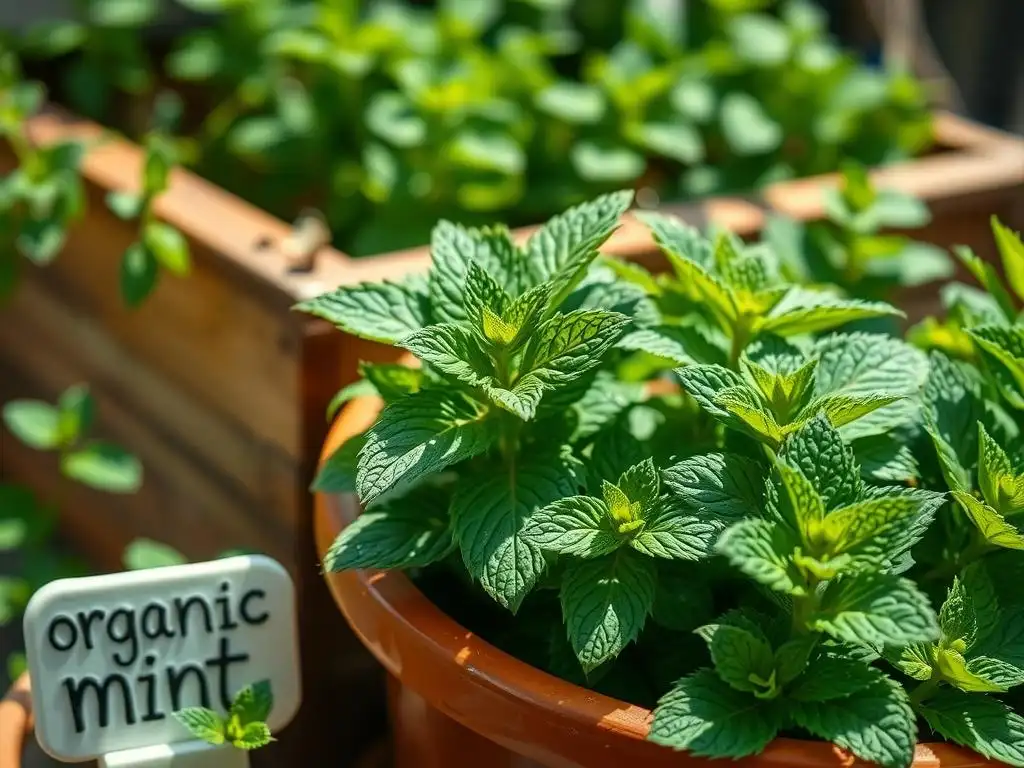
This section explores the delightful versatility of your homegrown organic mint, showcasing its culinary and cosmetic applications. From refreshing beverages to flavorful dishes and homemade beauty products, discover how to maximize the benefits of this aromatic herb. The unique flavor profile of organic mint, cultivated without harmful pesticides, offers a superior taste and enhanced health benefits compared to commercially grown varieties. Let's delve into some exciting ways to utilize your bountiful harvest.
Refreshing Mint Tea Recipes using Organic Mint
Organic mint tea is a simple yet incredibly effective way to harness the herb's therapeutic properties. The gentle brewing process preserves the delicate essential oils responsible for its soothing and digestive benefits. Here are a couple of variations:
Classic Mint Tea:
- 1 cup boiling water
- 1-2 sprigs fresh organic mint leaves
- Honey or lemon (optional)
- Pour boiling water over the mint leaves in a mug.
- Steep for 5-7 minutes.
- Remove the mint sprigs and add honey or lemon to taste, if desired.
Mojito-Inspired Mint Tea:
- 1 cup boiling water
- 1-2 sprigs fresh organic mint leaves
- 1/2 lime, juiced
- 1 teaspoon raw sugar or honey
- Ice cubes
- Muddle the mint leaves and lime juice together in a mug.
- Pour boiling water over the mixture.
- Steep for 5-7 minutes.
- Strain the tea into a glass filled with ice.
- Stir in the sugar or honey.
These recipes are easily adaptable; experiment with different amounts of mint to adjust the strength and intensity of the flavor. Remember, the fresher the mint, the more pronounced its aroma and taste will be! Enjoy the invigorating experience of sipping on a homemade organic mint tea, knowing you've cultivated its goodness from your own garden.
Incorporating Organic Mint into Culinary Dishes
Beyond tea, organic mint's refreshing flavor profile adds a unique touch to a wide array of culinary creations. Its versatility allows for both sweet and savory applications, enhancing the taste and adding a touch of elegance to your dishes.
Here are a few ideas to inspire your culinary adventures with organic mint:
- Salads: Add finely chopped organic mint to fruit salads (watermelon, berries), green salads, or potato salads for a burst of freshness.
- Sauces: Incorporate finely chopped organic mint into pesto, chimichurri, or yogurt-based sauces for a unique flavor twist. The subtle minty notes perfectly complement grilled meats and vegetables.
- Desserts: Infuse organic mint into chocolate desserts, ice creams, or fruit cobblers. The combination of mint's coolness and chocolate's richness is simply divine.
- Drinks: Beyond tea, muddle organic mint leaves into lemonade, cocktails (like mojitos! ), or even iced tea for a refreshing twist.
The possibilities are truly endless! Experiment with different combinations and discover your own favorite ways to use organic mint in your culinary creations. The use of organic mint ensures that you're not only enjoying delicious food but also avoiding potentially harmful pesticides.
Organic Mint in DIY Beauty Products
The benefits of organic mint extend beyond culinary uses; its antiseptic and anti-inflammatory properties make it an excellent ingredient for homemade beauty products. The essential oils found in organic mint can contribute to healthier and more radiant skin and hair.
Here are some simple DIY recipes:
- Facial Toner: Combine 1/4 cup distilled water with 2 tablespoons of fresh organic mint juice. Apply to the face with a cotton ball after cleansing. This toner helps to refresh and revitalize the skin.
- Hair Rinse: Steep a handful of fresh organic mint leaves in boiling water. Allow to cool, then use as a final rinse after shampooing. This helps to soothe the scalp and add shine to the hair. This is particularly effective for those with oily hair or scalp irritation.
- Body Scrub: Mix finely chopped organic mint leaves with coconut oil or olive oil to create a refreshing body scrub. This helps to exfoliate and rejuvenate the skin.
Remember to always perform a patch test before applying any new DIY product to your face or body to check for any allergic reactions. Using organic mint ensures that your beauty routine is both effective and free from harsh chemicals. The natural properties of organically grown mint offer a gentle yet powerful approach to skincare and haircare.
Beyond the Benefits: The Sustainable Aspect of Growing Organic Mint
Growing your own organic mint offers a wealth of advantages beyond the refreshing taste and therapeutic properties. It's a powerful step towards a more sustainable lifestyle, reducing your environmental impact and contributing to a healthier planet. This section explores the environmental benefits of cultivating organic mint at home, focusing on the positive effects on your carbon footprint, the avoidance of harmful chemicals, and the support of local ecosystems.
Understanding these aspects elevates organic mint cultivation from a simple hobby to an act of conscious environmental stewardship. The benefits extend far beyond the cup of tea – it's about building a healthier world, one mint sprig at a time.
Reducing Your Carbon Footprint with Homegrown Herbs
Transporting goods, especially fresh produce, generates significant carbon emissions. By growing your own organic mint, you drastically reduce the carbon footprint associated with its consumption. Consider the journey a commercially grown mint plant takes: from the farm to the processing facility, then to the distributor, and finally to your local grocery store. Each step involves transportation, adding up to a considerable amount of greenhouse gases.
Growing your own mint eliminates these emissions entirely. Furthermore, you reduce the need for packaging materials, another significant source of waste and pollution. Choosing organic practices further minimizes environmental impact by avoiding the energy-intensive processes often used in conventional agriculture. This makes homegrown organic mint a truly eco-conscious choice.
The reduction in transportation and packaging alone offers a significant decrease in your overall carbon footprint. Quantifying this precisely requires detailed lifecycle assessments, but the qualitative benefit is undeniable. Even a small patch of mint in your garden makes a noticeable contribution to a greener lifestyle.
Avoiding Pesticides and Chemicals: The Organic Way
Conventional mint cultivation often relies heavily on pesticides and chemical fertilizers. These substances can contaminate soil and water, harming beneficial insects, wildlife, and ultimately, human health. Organic mint cultivation, on the other hand, prioritizes natural methods for pest control and soil enrichment. This means healthier soil, healthier plants, and a healthier environment.
By choosing organic, you're actively avoiding the exposure to these potentially harmful chemicals present in conventionally grown mint. You're protecting yourself, your family, and the environment from the negative consequences associated with pesticide use. Organic practices often involve companion planting, beneficial insect attraction, and natural pest deterrents.
These methods foster biodiversity and create a robust, resilient ecosystem in your garden, unlike the monoculture often found in large-scale commercial farming. The absence of chemical residues in your homegrown organic mint ensures a purer, healthier product. This healthier approach ensures that your “organic mint health benefits” extend beyond just the medicinal properties to include environmental well-being.
Supporting Local Ecosystems through Organic Gardening
Organic gardening practices, including growing organic mint, actively support local ecosystems. By avoiding chemical fertilizers and pesticides, you maintain the health of the soil and promote biodiversity. A healthy soil structure improves water retention, reduces erosion, and provides a habitat for beneficial microorganisms and insects.
These organisms play crucial roles in pollination, nutrient cycling, and pest control. Organic mint cultivation attracts pollinators like bees and butterflies, contributing to the overall health of your garden and the surrounding environment. The absence of harmful chemicals ensures that these beneficial creatures are not harmed, thereby sustaining the delicate balance of the local ecosystem.
In contrast, conventional farming often disrupts this balance, leading to a loss of biodiversity and a decline in soil health. By choosing organic mint, you're making a conscious decision to support the health and vitality of your local ecosystem, contributing to a richer and more biodiverse environment. This mindful approach to gardening significantly enhances the positive impact of your "organic mint health benefits" by extending it to the wider environment.
Frequently Asked Questions
What are the main health benefits of organic mint?
Organic mint offers numerous health benefits. It's known to aid digestion, soothe upset stomachs, and possesses antioxidant and anti-inflammatory properties. It can also help relieve headaches and respiratory issues.
Are there differences between organic and non-organic mint in terms of health benefits?
While both offer benefits, organic mint avoids exposure to pesticides and herbicides, potentially leading to a purer product with greater health benefits and fewer harmful chemical residues.
How can I incorporate organic mint into my daily diet?
You can easily add fresh organic mint to teas, smoothies, cocktails, and various dishes. Consider using it as a garnish or adding it to salads and salsas for a refreshing flavor boost.
What are the best ways to grow organic mint at home?
Growing organic mint requires well-draining soil, ample sunlight, and regular watering. Using organic compost and avoiding chemical pesticides are key to maintaining its organic integrity.
Does organic mint have any potential side effects?
While generally safe, some individuals may experience allergic reactions or digestive upset if consuming large quantities. Consult a doctor if you have any concerns, especially if you are pregnant or breastfeeding.
Final Reflection: The Enduring Power of Nature's Remedy
The revitalizing properties of organic mint, explored throughout this article, are not merely historical curiosities; they represent a potent and readily accessible path towards holistic well-being in our increasingly fast-paced world. The simple act of incorporating mint into our daily lives—whether through a soothing tea, a refreshing culinary addition, or even aromatherapy—offers a tangible connection to nature's restorative power, a power we often overlook in our pursuit of synthetic solutions.
The enduring appeal of mint, spanning cultures and centuries, speaks volumes about its profound impact on our physical and emotional landscapes. Its versatility, from easing digestive discomfort to sharpening mental focus, underscores its multifaceted benefits. Nature's medicine is the best medicine.
This timeless adage rings especially true when considering the gentle yet effective healing properties of organic mint, a testament to the wisdom of traditional remedies. Its continued presence in modern medicine and wellness practices highlights its enduring relevance and the importance of exploring natural alternatives.
Consider, for a moment, how you might integrate the refreshing and therapeutic properties of organic mint into your own life. Perhaps a daily cup of mint tea will become your new ritual for relaxation, or maybe you'll experiment with incorporating fresh mint into your meals for a burst of flavor and digestive aid. Embrace the simplicity and power of nature's gifts; let the revitalizing essence of organic mint enhance your journey towards a healthier, more balanced you.
Unlock Your Body's Inner Oasis: Discover the Power of Mint
Thank you for exploring the refreshing world of mint and its incredible health benefits! We hope you've discovered new ways to incorporate this versatile herb into your life. Now it's time to put that knowledge into action.
- Cultivate your own mint: Even a small pot on a sunny windowsill can provide fresh, flavorful leaves for teas, recipes, and natural remedies. Imagine the satisfaction of harvesting your own!
- Share your mint experiences: Let's build a vibrant community around the joys of mint. Share your favorite recipes, uses, and tips on social media using #MintMagic.
- Experiment with a new mint creation: Try a refreshing mint-infused water, a revitalizing mojito, or even a homemade mint face mask. Let your creativity flourish!
How will you incorporate mint into your daily routine?