
Herbal Teas and Tisanes: Brewing Wellness from Your Garden

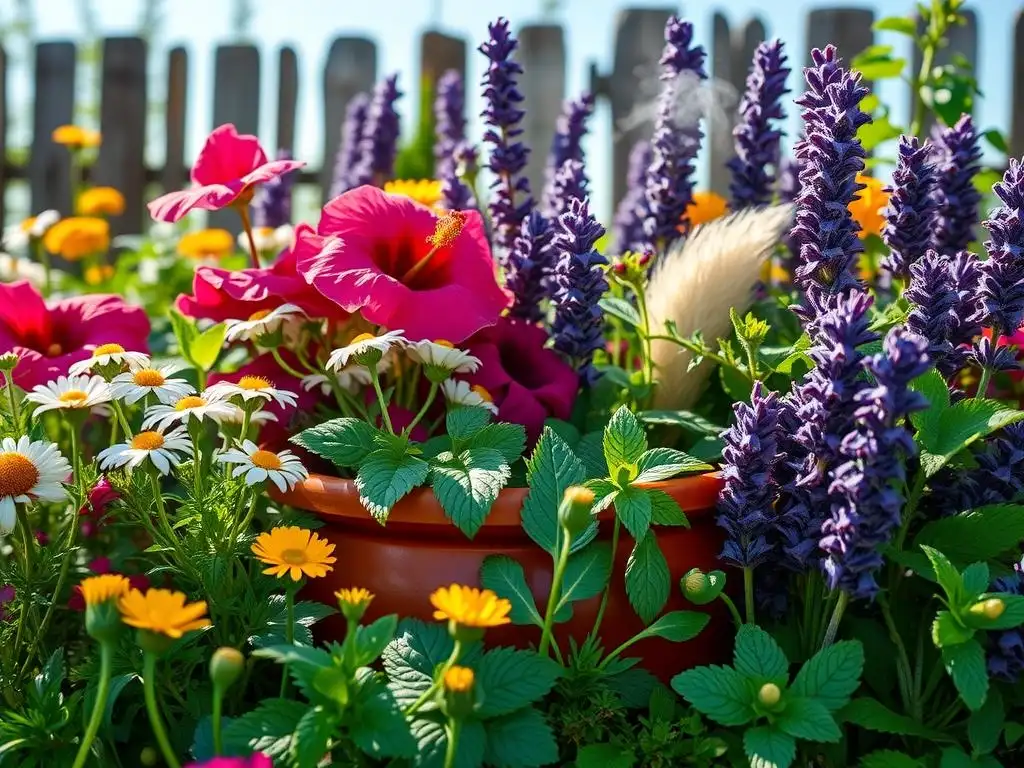
Welcome to CultivateYourFood, your guide to a thriving, sustainable garden! Are you dreaming of fragrant herbs and the refreshing taste of homegrown herbal tea? Then you've come to the right place. Discover the secrets to growing organic herbal tea plants and brewing your own wellness infusions. Learn how to cultivate a vibrant garden bursting with flavour and benefit, from planting to harvest and beyond. Let's explore the world of organic gardening together!
-
Grow Organic Herbal Tea Plants: A Beginner's Guide
- Selecting the Right Herbs for Your Tea Garden
- Soil Preparation and Planting Techniques for Organic Herbal Teas
- Essential Nutrients and Organic Fertilizers for Optimal Growth
- Watering and Maintaining Your Herbal Tea Plants
- Pest and Disease Control in Organic Herbal Tea Gardens
- Harvesting and Drying Your Homegrown Herbal Teas
- Brewing the Perfect Cup: From Garden to Mug
- The Health Benefits of Homegrown Herbal Teas
- Recipes and Ideas: Infusing Your Culinary Creations with Herbal Teas
- Beyond the Brew: Other Uses for Your Herbal Tea Plants
- Frequently Asked Questions
- Final Reflection: Sowing the Seeds of Wellness
- Unlock Your Garden's Healing Power!
Grow Organic Herbal Tea Plants: A Beginner's Guide
Cultivating your own organic herbal tea garden is a rewarding journey, offering a direct connection to nature and the delightful experience of brewing fresh, healthy teas. This comprehensive guide will walk you through the process of growing organic herbal tea plants, from selecting the perfect herbs to harvesting and enjoying your homegrown brews. We'll explore sustainable and organic practices, ensuring a thriving garden that yields an abundance of aromatic and beneficial herbs for your wellness teas and tisanes.
This guide focuses on providing you with the knowledge and techniques to successfully grow organic herbs specifically for tea production, emphasizing environmentally friendly methods that benefit both your garden and the planet. Learning to grow your own organic herbal tea is not only fulfilling but also allows you to control the quality and purity of your ingredients, ensuring a superior cup of tea each time.
Selecting the Right Herbs for Your Tea Garden
Choosing the right herbs is the cornerstone of a successful herbal tea garden. Consider your climate, soil conditions, and personal preferences when making your selections. Some popular and easy-to-grow organic herbal tea plants include:
- Chamomile: Known for its calming properties, chamomile thrives in sunny locations and well-drained soil. It's relatively low-maintenance and a great choice for beginners.
- Lemon Balm: This fragrant herb boasts a refreshing lemony flavor and is prized for its uplifting qualities. It prefers partial shade and moist soil.
- Mint: Various mint varieties, such as peppermint and spearmint, are vigorous growers that prefer moist soil and partial shade. Note that mint can be invasive, so consider planting it in containers to control its spread.
- Lavender: This aromatic herb produces beautiful purple flowers and is known for its relaxing properties. Lavender prefers well-drained soil and full sun.
- Lemon Verbena: With its zesty citrus aroma, lemon verbena is a delightful addition to any tea garden. It thrives in sunny locations and well-drained soil.
When planning your garden, consider the mature size of each plant and space them accordingly to allow for proper air circulation and sunlight penetration. Remember to choose organically certified seeds or plants to ensure the purity of your tea.
Soil Preparation and Planting Techniques for Organic Herbal Teas
The success of your organic herbal tea garden hinges on proper soil preparation. Herbal teas require nutrient-rich, well-drained soil with a slightly acidic to neutral pH (6.0-7.0). Before planting, amend your soil with organic matter such as compost or aged manure to improve its structure, drainage, and fertility. This will provide essential nutrients for healthy growth.
Planting techniques vary depending on the herb, but generally involve:
- Digging holes slightly larger than the root ball of your seedlings or planting depth indicated on seed packets.
- Gently placing the plants in the holes, ensuring the root ball is completely covered with soil.
- Firmly pressing the soil around the base of each plant.
- Watering thoroughly after planting to help settle the soil and promote root establishment.
For direct sowing of seeds, follow the instructions on the seed packet regarding planting depth and spacing. Keep the soil consistently moist but not waterlogged, especially during germination and early growth stages.
Essential Nutrients and Organic Fertilizers for Optimal Growth
To maintain optimal growth and yield in your organic herbal tea garden, regular fertilization is crucial. Avoid using synthetic fertilizers, opting instead for organic options like:
- Compost Tea: A liquid fertilizer made from brewed compost, providing a wide range of essential nutrients.
- Worm Castings: Rich in nutrients and beneficial microorganisms, worm castings improve soil structure and fertility.
- Seaweed Extract: A natural plant growth stimulant that provides essential minerals and trace elements.
Apply organic fertilizers according to package instructions, avoiding over-fertilization, which can harm your plants. Regular soil testing can help determine the nutrient levels in your soil and guide your fertilization strategy. Remember that healthy soil is the foundation of healthy plants, resulting in high-quality, flavorful herbal teas. Consistent organic practices will lead to a flourishing garden and a delightful harvest of organic herbal tea plants. 🌿
Watering and Maintaining Your Herbal Tea Plants
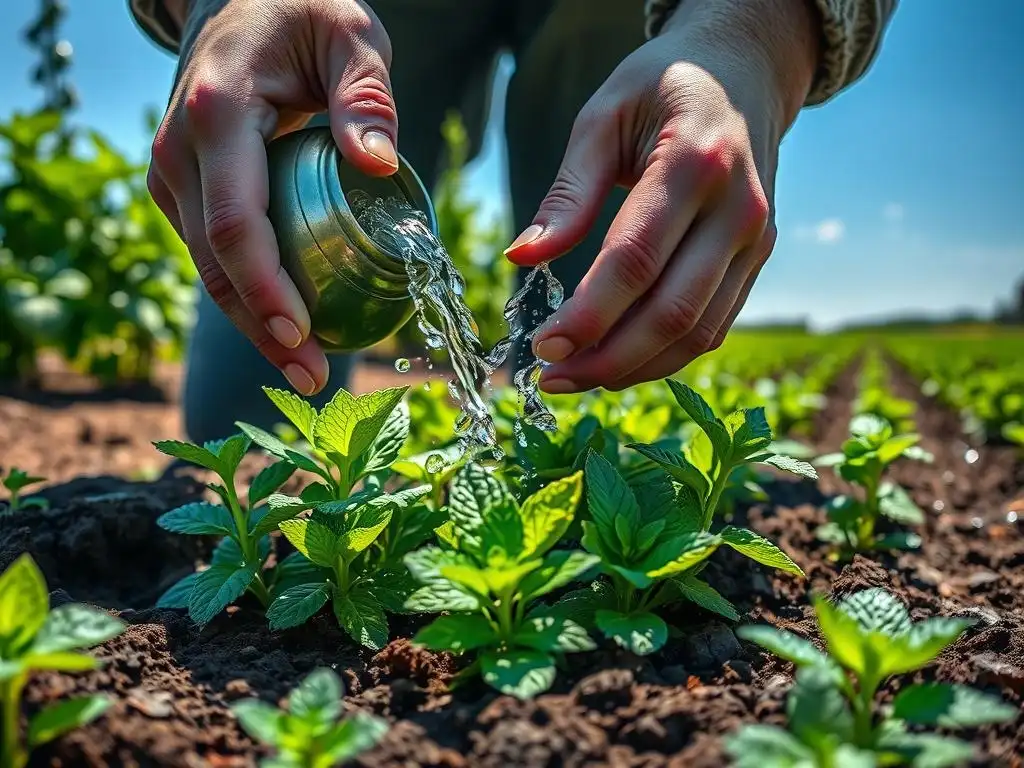
Maintaining the right moisture level is crucial for thriving herbal tea plants. Overwatering can lead to root rot, a common problem that can quickly kill your plants. Underwatering, on the other hand, results in wilting and stunted growth, impacting the quality of your tea. The ideal watering schedule depends on several factors, including the type of plant, the climate, and the soil type. Clay soils retain more moisture than sandy soils, requiring less frequent watering.
A good rule of thumb is to water deeply but infrequently, allowing the soil to dry slightly between waterings. Check the soil moisture by sticking your finger a couple of inches into the soil; if it feels dry, it's time to water. For container-grown plants, ensure adequate drainage to prevent waterlogging. Consider using a moisture meter to monitor soil moisture levels precisely, especially for beginners.
Mulching around your plants can also help retain moisture and suppress weeds, reducing the frequency of watering. Remember that different herbs have different water requirements; research the specific needs of your chosen herbs for optimal results. Consistent monitoring and adjustment are key to success in growing healthy, robust herbal tea plants. Regularly inspect your plants for signs of stress, such as drooping leaves or yellowing, which can indicate watering issues or other problems.
Pest and Disease Control in Organic Herbal Tea Gardens
Organic pest and disease control relies on preventative measures and natural remedies rather than harsh chemicals. A healthy, vigorous plant is less susceptible to pests and diseases. This means providing optimal growing conditions, including proper sunlight, watering, and soil fertility. Rotating your crops yearly helps prevent the buildup of pests and diseases in the soil. Companion planting can be a powerful tool; certain plants repel pests while attracting beneficial insects. For example, planting marigolds alongside your herbs can deter many common garden pests.
Regularly inspect your plants for signs of infestation or disease. Early detection is crucial for effective organic control. Handpicking pests, such as aphids or caterpillars, is an effective method for small infestations. Introduce beneficial insects like ladybugs, which prey on aphids and other pests. Natural pesticides, such as neem oil or insecticidal soap, can be used as a last resort, always following label instructions carefully.
For fungal diseases, ensuring good air circulation around your plants by spacing them appropriately and avoiding overhead watering can help prevent outbreaks. Consider using compost tea as a foliar spray to boost plant health and resilience. Proper sanitation is essential; remove and dispose of infected plant material promptly to prevent the spread of disease. Remember that prevention is always better than cure when it comes to organic pest and disease management. By implementing these strategies, you can maintain a healthy and productive organic herbal tea garden.
Harvesting and Drying Your Homegrown Herbal Teas
Harvesting your herbs at the peak of their flavor and potency is essential for producing high-quality tea. The optimal time for harvesting varies depending on the herb. Generally, it's best to harvest herbs in the morning after the dew has dried, when their essential oil content is highest. Use clean, sharp scissors or pruning shears to avoid damaging the plants. For leafy herbs, harvest the leaves just before flowering, while for flowering herbs, harvest when the flowers are fully open. After harvesting, gently rinse your herbs if necessary, and then spread them thinly on a clean, dry surface, such as a screen or tray, in a well-ventilated area.
Alternatively, you can use a food dehydrator to speed up the drying process. Avoid direct sunlight, as it can diminish the color and aroma of your herbs. The drying time depends on the herb and the environment, but it typically takes several days to a couple of weeks for the herbs to dry completely. The herbs are ready when they crumble easily between your fingers. Once dry, store your herbs in airtight containers in a cool, dark, and dry place to preserve their flavor and aroma.
Properly dried herbs can maintain their quality for several months, allowing you to enjoy your homegrown herbal teas throughout the year. Label your containers clearly with the name of the herb and the date of harvesting for easy identification. Enjoy the fruits (or rather, leaves and flowers!) of your labor by brewing delicious and healthy herbal teas from your own organic garden. Growing organic herbal tea plants offers a rewarding experience, connecting you to nature and providing you with a supply of healthy, flavorful teas.
Brewing the Perfect Cup: From Garden to Mug
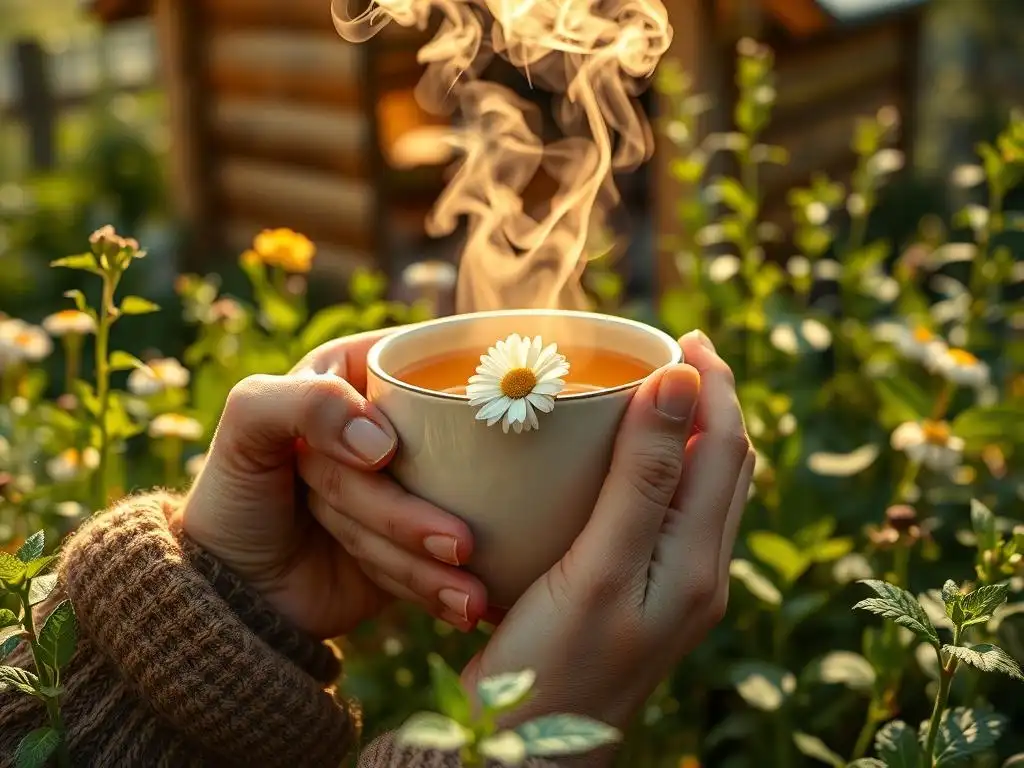
This section delves into the art of brewing herbal teas and tisanes, transforming your homegrown bounty into soothing and flavorful beverages. The quality of your final cup depends not only on the quality of your organically grown herbs but also on the brewing method you employ. Mastering these techniques will elevate your herbal tea experience from pleasant to truly exceptional.
Understanding Different Brewing Methods for Herbal Teas
The method you choose to brew your herbal tea significantly impacts the final taste and aroma. Different herbs release their beneficial compounds and flavors at different temperatures and steeping times. Let's explore some common methods:
- Infusion: This is the most common method, involving steeping dried or fresh herbs in hot water. For most herbs, water around 212°F (100°C) is ideal. However, delicate herbs like chamomile might benefit from slightly cooler water (around 175-190°F or 80-88°C) to prevent bitterness. Steeping times vary greatly depending on the herb; generally, 5-10 minutes is a good starting point, but experimentation is key. Over-steeping can lead to a bitter taste.
- Decoction: This method involves simmering the herbs in water for a longer period (typically 15-30 minutes). It's particularly suitable for tougher herbs and roots like ginger or dandelion root, which release their beneficial compounds more effectively through prolonged simmering. This technique extracts a more potent brew.
- Cold Brew: This method involves steeping herbs in cold or room-temperature water for an extended period (typically 4-12 hours or overnight). It produces a smoother, less bitter tea with a more subtle flavor profile. This is a great method for herbs that might become bitter when steeped in hot water.
| Brewing Method | Temperature (°F) | Temperature (°C) | Steeping Time | Herb Types | Flavor Profile |
|---|---|---|---|---|---|
| Infusion | 212 (most herbs) | 100 (most herbs) | 5-10 minutes | Chamomile, Peppermint, Lemon Balm | Bright, Aromatic |
| Infusion | 175-190 | 80-88 | 5-7 minutes | Lavender, Rose | Delicate, Floral |
| Decoction | 212 | 100 | 15-30 minutes | Ginger, Dandelion Root | Bold, Earthy |
| Cold Brew | Room Temperature | Room Temperature | 4-12 hours | Hibiscus, Rooibos | Smooth, Subtle |
Remember to always use filtered water for the best results. The purity of your water directly impacts the taste of your tea. Experiment with different steeping times and water temperatures to find your perfect brew for each herb. Growing organic herbal tea plants ensures a high-quality, flavorful starting point.
Exploring Flavor Combinations and Herbal Tea Blends
The beauty of herbal teas lies in their versatility. Experimenting with different herbs opens up a world of flavor possibilities. Blending herbs allows you to create unique and complex flavor profiles tailored to your preferences. Consider these examples:
- Relaxing Blend: Combine chamomile, lavender, and lemon balm for a calming and soothing tea.
- Uplifting Blend: Blend peppermint, spearmint, and a touch of ginger for an invigorating and refreshing drink.
- Digestive Blend: Mix peppermint, ginger, and fennel for a tea that aids digestion.
Remember that the ratios of herbs in your blend will significantly affect the final taste. Start with small amounts of each herb and adjust according to your preferences. Don't be afraid to experiment! Growing organic herbal tea plants allows you to freely explore different combinations without worrying about pesticides or harmful chemicals. The possibilities are endless!
Storing and Preserving Your Homegrown Herbal Teas for Maximum Flavor
Proper storage is crucial for preserving the flavor and aroma of your homegrown herbal teas. Once harvested and dried, store your herbs in airtight containers in a cool, dark, and dry place. Avoid exposure to moisture, light, and air, as these factors can degrade the quality of your herbs over time. Consider using glass jars with airtight lids or resealable bags.
Freezing your herbs is another excellent preservation method. Freezing helps to lock in the flavors and aromas, preventing degradation. You can freeze whole herbs or pre-portion them into ice cube trays for convenient use later.
Properly stored, your organically grown herbal tea plants can retain their flavor and aroma for several months, allowing you to enjoy the fruits (or rather, herbs!) of your labor throughout the year. This careful storage is a crucial step in ensuring you get the most out of your harvest and fully appreciate the benefits of growing your own organic herbal tea plants.
The Health Benefits of Homegrown Herbal Teas
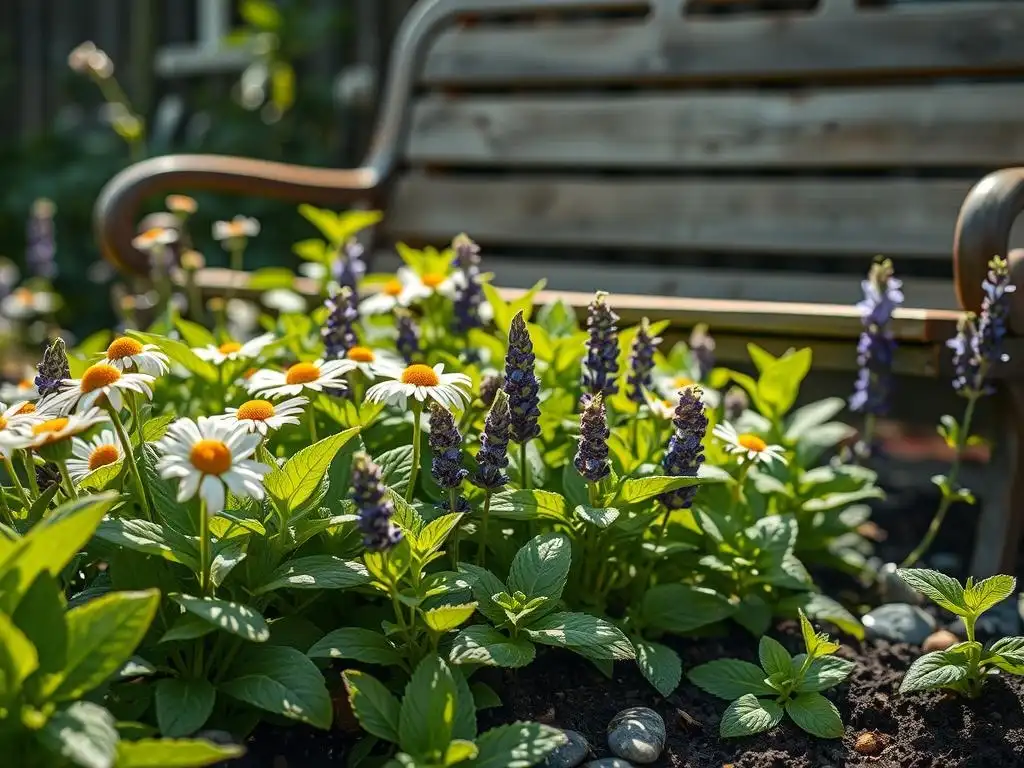
Growing your own organic herbal tea plants offers numerous advantages, from knowing exactly what goes into your cup to enjoying the freshest, most flavorful brew. This section explores the specific health benefits of three popular herbal teas easily cultivated in your home garden: chamomile, mint, and lemon balm. By growing these organically, you avoid pesticides and herbicides, ensuring a truly pure and healthy beverage. This aligns perfectly with the principles of sustainable living and allows you to savor the fruits – or rather, the leaves – of your labor.
Chamomile Tea: Soothing and Relaxing Properties
Chamomile ( Matricaria chamomilla), known for its delicate daisy-like flowers, is a widely celebrated herbal remedy. Its calming properties are largely attributed to apigenin, a flavonoid that binds to specific receptors in the brain, promoting relaxation and reducing anxiety. Studies have shown that chamomile tea can significantly improve sleep quality 1 , reducing insomnia and promoting restful sleep. Beyond its relaxing effects, chamomile also possesses anti-inflammatory properties, potentially beneficial for individuals suffering from digestive issues like irritable bowel syndrome (IBS). Growing chamomile organically ensures you're harvesting a potent and pure source of these beneficial compounds, free from harmful chemicals. Consider planting chamomile in a sunny spot with well-drained soil for optimal growth. Remember to harvest the flowers just before they fully open for the most potent flavor and medicinal properties.
The gentle, floral aroma of chamomile tea is almost as therapeutic as its effects.
Mint Tea: Digestive Aid and Refreshing Beverage
Mint, particularly peppermint ( Mentha × piperita) and spearmint ( Mentha spicata), are incredibly versatile herbs with a refreshing taste and potent digestive benefits. The menthol in mint stimulates the digestive tract, relieving symptoms of indigestion, bloating, and nausea. Many find mint tea a soothing remedy after a heavy meal. Furthermore, the refreshing nature of mint tea makes it an excellent choice for hydration, particularly during warmer months.
Growing mint organically is relatively easy; it thrives in moist, well-drained soil and partial shade. However, be mindful of its vigorous growth – mint can spread quickly, so consider planting it in a container to prevent it from overtaking your garden. Harvesting mint leaves regularly encourages bushier growth and a continuous supply of fresh leaves for your tea. You can even dry the leaves for use throughout the year.
| Mint Type | Primary Benefits | Growing Conditions | Harvesting Tips |
|---|---|---|---|
| Peppermint | Digestive aid, nausea relief | Moist, partial shade | Harvest leaves regularly for bushier growth |
| Spearmint | Refreshing, mild digestive support | Moist, partial shade | Harvest leaves as needed |
Lemon Balm Tea: Stress Relief and Cognitive Enhancement
Lemon balm ( Melissa officinalis) is a fragrant herb with a lemony scent and a range of potential health benefits. Its calming properties are similar to chamomile, but it may also offer cognitive benefits. Some studies suggest that lemon balm can improve mood, memory, and cognitive function, potentially beneficial for individuals experiencing mild cognitive impairment 2 . It also possesses antiviral properties and may help alleviate cold sores. Growing lemon balm organically requires a sunny location with well-drained soil. It prefers a slightly acidic soil pH. Harvesting involves collecting the leaves, which can be used fresh or dried. Like mint, regular harvesting encourages bushier growth. The slightly lemony flavor makes it a delicious and healthful addition to your herbal tea collection.
1 [Specific study reference pending] 2 [Specific study reference pending]
Other Beneficial Herbal Teas and Their Health Applications
Beyond chamomile and peppermint, a world of flavorful and healthful herbal teas awaits the home grower. Many offer a diverse range of potential health benefits, contributing to overall well-being. Cultivating these plants organically ensures you're reaping the rewards of nature's bounty without the potential harmful effects of pesticides.
Growing your own organic herbal tea plants allows for greater control over the quality and freshness of your ingredients. This is particularly important when considering the potency and efficacy of the herbal remedies you create. For instance, the active compounds in many herbs can degrade with time and improper storage, impacting their therapeutic value. Harvesting your herbs at their peak and drying them correctly maximizes their beneficial properties.
Consider the versatility of lemon balm, known for its calming properties and potential to reduce stress and anxiety. Its lemony scent and taste make it a refreshing addition to any tea blend. Similarly, lavender, another easily grown herb, offers a soothing aroma and is often used to promote relaxation and sleep. The beautiful purple flowers also add an aesthetic appeal to your garden. Many find it helpful in managing mild anxiety and insomnia.
Rosehips, packed with Vitamin C, provide a powerful immune-boosting effect. These are excellent for boosting immunity and combating seasonal ailments. The vibrant red fruits are not only visually appealing but also add a tart and slightly sweet flavor to your tea. Remember to harvest rosehips carefully, as they can be easily damaged.
The earthy and slightly bitter notes of rooibos tea, originating from South Africa, offer numerous health benefits, including antioxidant properties and potential support for digestive health. While not technically an herb, it's often included in herbal tea blends and is relatively easy to grow in suitable climates. Rooibos is caffeine-free, making it a perfect choice for those seeking a relaxing evening beverage.
Finally, don't forget the powerful ginger. While it might seem more like a spice, ginger root is widely used in teas for its anti-inflammatory and digestive properties. It can be a helpful remedy for nausea and upset stomachs. Growing ginger requires a warmer climate and consistent moisture, but the rewards are well worth the effort. The pungent aroma and flavor add a unique and invigorating element to your homemade teas. Remember to properly prepare ginger before brewing to maximize its active compounds. A simple peel and slice will do the trick.
Growing these organic herbal tea plants provides a connection to nature and the satisfaction of creating your own potent and flavorful beverages. The health benefits are numerous, ranging from stress relief to improved digestion and immune function. The process of cultivating your own herbal teas is not only rewarding but also a sustainable and healthy way to enjoy the fruits – or rather, leaves – of your labor.
Recipes and Ideas: Infusing Your Culinary Creations with Herbal Teas
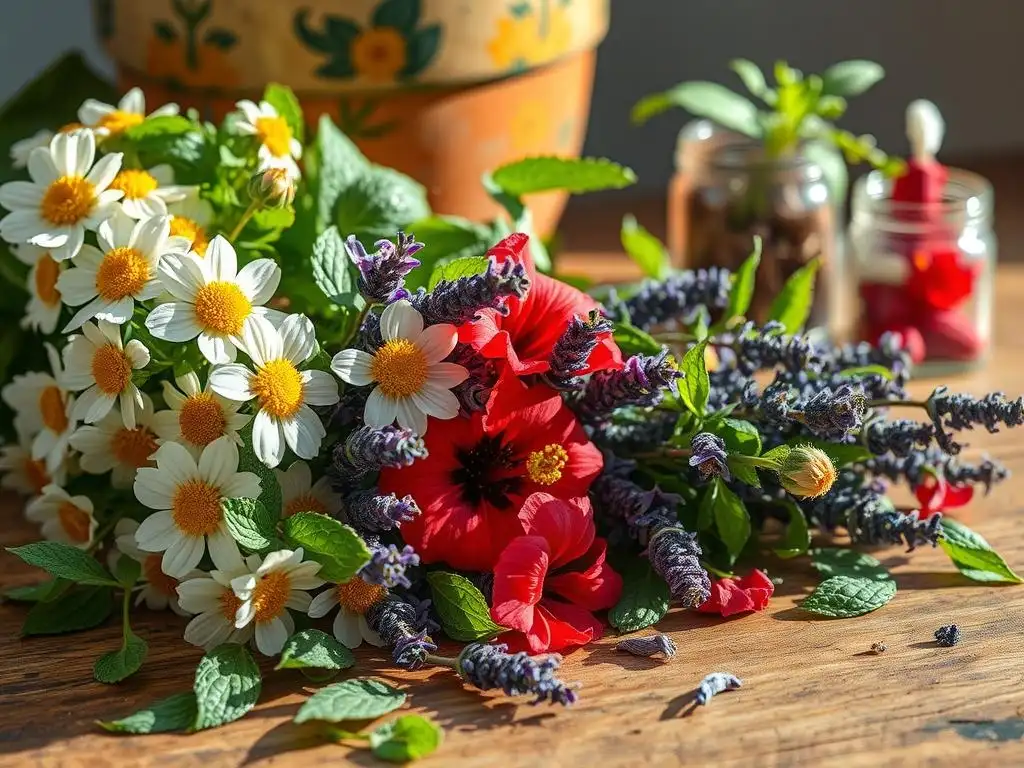
This section explores exciting ways to incorporate the delicious and aromatic herbal teas you've grown organically into your cooking and mixology. From sweet treats to savory dishes and refreshing beverages, the possibilities are endless! Remember, the intensity of the flavor will depend on the type of tea and the steeping time. Experiment to find your perfect blend! Growing organic herbal tea plants opens a world of culinary creativity.
Herbal Tea Infused Desserts and Sweet Treats
Imagine the delightful aroma of chamomile filling your kitchen as you bake a cake! Herbal teas add a unique depth and complexity to desserts. For instance, a lemon balm tea infusion can create a surprisingly refreshing lemon curd for tarts or cupcakes. The subtle minty notes of lemon balm beautifully complement the sweetness. Similarly, a strong brew of peppermint tea can be used to create a vibrant green frosting, or even infused into a chocolate cake for a surprising twist.
Here's a simple recipe idea for Lavender Honey Cakes: Steep a generous amount of your homegrown lavender flowers in hot water for 15 minutes. Strain the liquid and incorporate it into your favorite honey cake recipe, replacing some of the liquid ingredients. The subtle floral notes of the lavender will beautifully complement the honey, creating a sophisticated and fragrant dessert. Remember to use organic honey to maintain the integrity of your organic herbal tea plants' flavors.
You can also use herbal tea infusions to create syrups. A rosemary and honey syrup, for example, is a fantastic topping for pancakes or waffles. The possibilities are as vast as your herb garden! Experiment with different combinations: rose tea in a jam, chamomile in ice cream, or even a hibiscus tea reduction for a unique glaze.
Savory Dishes Enhanced with Herbal Tea Infusions
Beyond desserts, herbal teas can elevate savory dishes to new heights. The earthy notes of a rooibos tea can add depth to a hearty stew, while a robust chamomile tea can create a unique base for a creamy soup. The key is to experiment and find combinations that complement each other.
Consider using a strong brew of your homegrown mint tea as a base for a marinade for grilled chicken or fish. The refreshing minty flavor will cut through the richness of the meat, creating a balanced and flavorful dish. Alternatively, a strong infusion of rosemary tea can be used to create a flavorful sauce for roasted vegetables. The woody aroma of rosemary will beautifully complement the natural sweetness of the vegetables.
Remember to consider the strength of your tea infusion. A light infusion will subtly enhance the flavors of your dish, while a stronger infusion will impart a more pronounced flavor. Always taste as you go and adjust accordingly. This is where the joy of using your own grow organic herbal tea plants truly shines! The freshness and intensity of the flavor are unmatched.
Creating Herbal Tea-Based Cocktails and Mocktails
Infusing your homegrown herbal teas into cocktails and mocktails is a fantastic way to enjoy the flavors of your garden in a refreshing and sophisticated way. A simple iced tea made with your homegrown chamomile or peppermint can be a delightful summer beverage. For a more complex drink, consider creating a herbal tea-infused syrup.
For example, a hibiscus tea syrup can be used to create a vibrant and tart cocktail. Simply steep a large amount of hibiscus flowers in hot water, add sugar, and let it cool. This syrup can be added to sparkling water for a refreshing mocktail or mixed with vodka or gin for a sophisticated cocktail. You could even experiment with adding fresh fruit slices or a sprig of mint for an extra touch.
Remember to always use quality ingredients and adjust the sweetness to your preference. The beauty of using your grow organic herbal tea plants is that you know exactly what's going into your drinks, ensuring a wholesome and delicious experience. Experiment with different combinations and create your signature herbal tea-infused cocktails and mocktails! The possibilities are endless.
Beyond the Brew: Other Uses for Your Herbal Tea Plants
Growing organic herbal tea plants offers a wealth of benefits beyond the delightful cuppa. The leaves, flowers, and even roots of many herbs used for tea possess a surprising versatility, extending their usefulness far beyond the teapot. Let's explore some fascinating alternative applications of your carefully cultivated organic herbs. This section will focus on maximizing the potential of your harvest, minimizing waste, and showcasing the incredible resourcefulness of these plants. We'll discover how to utilize every part of the plant, embracing a truly sustainable approach to herbal gardening.
Herbal Tea Plant Extracts for Skincare and Body Care
Many herbal tea plants boast potent properties beneficial for skincare and overall body wellness. Chamomile, known for its calming effects in tea, also makes a fantastic addition to soothing bath products. Its anti-inflammatory properties can help reduce redness and irritation. Similarly, calendula, a vibrant flower often used in teas, is prized for its antiseptic and wound-healing capabilities, making it ideal for lotions and creams. Extracting the active compounds from your homegrown herbs is relatively simple.
One method involves creating a simple infusion. Steep a generous amount of dried or fresh herbs in hot, but not boiling, water for at least 30 minutes. Strain the mixture and allow it to cool completely. This infusion can be added to bathwater, used as a toner, or even incorporated into homemade soaps. The concentration of the infusion can be adjusted depending on the desired effect and the sensitivity of your skin. For example, a stronger infusion might be suitable for spot treatments, while a weaker one is better for daily use.
Remember to always perform a patch test before applying any new herbal preparation to a large area of skin. This will help identify any potential allergic reactions. Furthermore, consider the specific properties of each herb. Lavender, for instance, is known for its relaxing aroma and ability to promote sleep, making it perfect for aromatherapy products or calming bath salts. Experiment with different combinations to create unique and personalized skincare solutions tailored to your specific needs. This process not only enhances the value of your herb garden but also provides a rewarding and sustainable approach to self-care.
Using Herbal Tea Plants for Natural Dyes and Colorants
The vibrant colors of many herbal tea plants can be harnessed to create beautiful and eco-friendly natural dyes for fabrics, yarns, and even paper. This is a wonderful way to extend the life cycle of your plants and add a unique, handcrafted touch to your projects. The dyeing process varies slightly depending on the plant material used and the desired shade.
For instance, marigolds produce a rich golden-yellow dye, while chamomile offers a softer, pale yellow. These colors can be intensified by using a mordant, a substance that helps the dye bind to the fabric. Common mordants include alum and iron. To extract the color, simmer the plant material in water for an extended period. The longer the simmering time, the richer and more intense the color will be.
| Herb | Color Produced | Mordant Suggestion | Notes |
|---|---|---|---|
| Marigold | Golden Yellow | Alum | Produces a vibrant, long-lasting color. |
| Chamomile | Pale Yellow | Alum | Delicate color, may require multiple dips. |
| Red Cabbage | Range of Blues & Purples | Alum/Iron | Color varies depending on pH of the dye bath. |
Remember to always wear gloves when handling dyes, as some plant materials can stain skin. Experimentation is key to mastering the art of natural dyeing. The results may vary depending on the quality of the plant material, the water used, and the type of fabric being dyed. This eco-conscious approach to dyeing adds another layer of sustainability to your organic herbal tea garden, transforming your harvest into beautiful, handcrafted creations. It's a rewarding way to connect with nature and appreciate the diverse uses of your homegrown herbs.
Frequently Asked Questions
What are the best organic herbal tea plants to grow at home?
Many herbs are suitable! Chamomile, mint (peppermint, spearmint), lemon balm, and lavender are all relatively easy to grow organically and produce delicious teas. Consider your climate and space when selecting plants.
How do I ensure my herbal tea plants are grown organically?
Avoid using chemical pesticides and fertilizers. Instead, opt for natural pest control methods like companion planting and beneficial insects. Use compost to enrich your soil naturally.
When is the best time to harvest herbs for tea?
The optimal time is generally in the morning after the dew has dried, when the essential oils are most concentrated. Harvest just before the plants flower for the best flavor and aroma in most cases.
What are the benefits of growing my own organic herbal tea plants?
You'll have fresh, high-quality herbs readily available, knowing exactly how they were grown. This ensures no harmful pesticides or additives, and it's a rewarding experience!
How do I properly dry and store my harvested herbs for tea?
Gently wash and air-dry your herbs in a cool, dark, and well-ventilated area. Once completely dry, store them in airtight containers in a cool, dark place to preserve their flavor and aroma.
Final Reflection: Sowing the Seeds of Wellness
The resurgence of interest in herbal teas and tisanes is not merely a trend; it's a powerful reclaiming of our connection to nature and a conscious choice towards holistic well-being. Growing your own organic herbal tea plants offers a tangible pathway to this wellness, providing both physical and mental benefits that extend far beyond the simple act of brewing a cup. This direct engagement with the earth fosters a deeper appreciation for the natural world and its healing properties.
The impact of this simple act—cultivating and consuming your own organic herbal teas—is profound. It's a quiet rebellion against mass-produced, often chemically-laden alternatives, a return to simpler times when herbal remedies were commonplace. The earth laughs in flowers.
This quote, often attributed to Ralph Waldo Emerson, perfectly encapsulates the joy and restorative power found in nurturing these plants and experiencing the fruits (or rather, leaves!) of your labor. The knowledge that you've grown your own medicine, free from pesticides and artificial additives, adds a layer of satisfaction and peace that transcends the simple enjoyment of a warm beverage.
Now, consider your own garden, your own potential. Imagine the fragrant blossoms, the soothing cups of tea, the quiet moments spent tending to your plants. This isn't just about growing organic herbal tea plants; it's about cultivating a deeper connection with yourself, your environment, and the profound healing power of nature. Take the first step. Plant a seed, nurture it, and discover the wellness that awaits you in your own backyard.
Unlock Your Garden's Healing Power!
Thanks for exploring the wonderful world of herbal teas and tisanes! You've learned how to harness the healing power of your own backyard. Ready to take the next step?
- Start brewing your own unique tea blends today! Experiment with different herbs and flowers to discover your perfect cup. Consider keeping a journal to record your creations and tasting notes.
- Share your favorite tea recipes and experiences with our community in the comments below! Let's inspire each other to cultivate wellness.
- Challenge yourself to grow a new herb this season specifically for tea-making. The possibilities are endless! Perhaps try lavender or chamomile?
What unique herbal blend will you create first?