
Herbs for Men's Health: Supporting Vitality

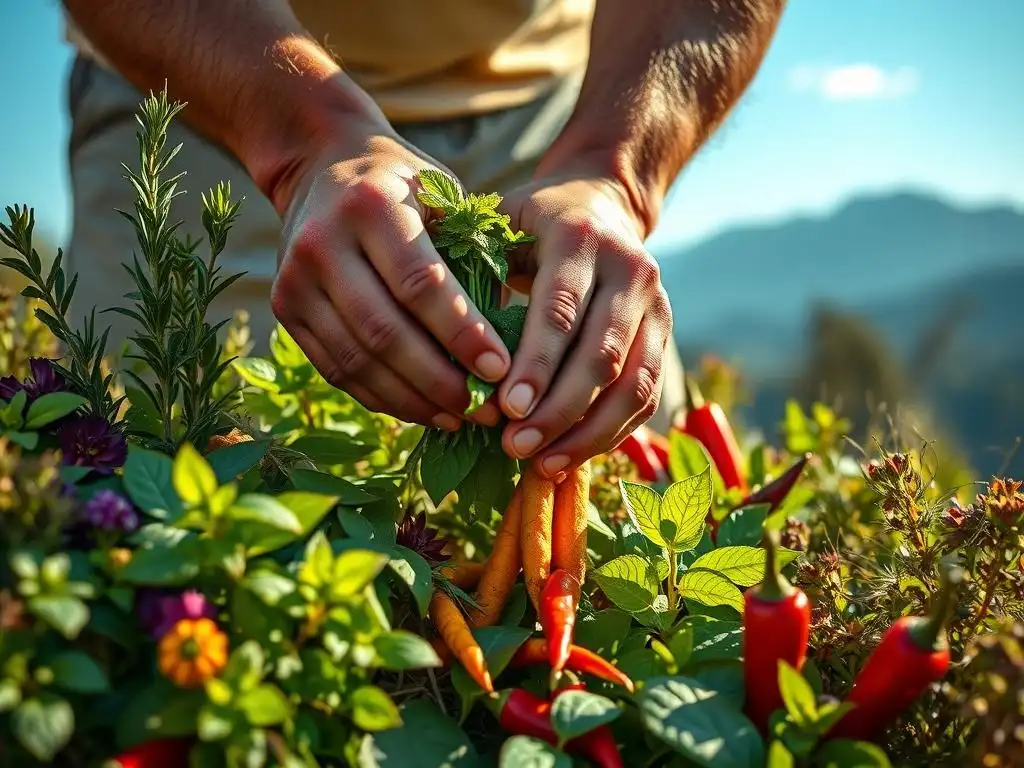
Unleash the power of your garden to boost your well-being! At CultivateYourFood, we guide you on a journey towards sustainable and organic home cultivation. Discover the amazing world of herbs, and learn how specific varieties, like those detailed in our article on Herbs for men's health vitality, can contribute to a healthier, more vibrant you. Ready to cultivate your own path to improved vitality? Explore our expert advice and begin your journey today!
-
Top Herbs for Boosting Male Vitality and Well-being
- Saw Palmetto: Benefits and Growing Guide for Prostate Health
- Nettle: A Powerful Herb for Men's Urinary and Hormonal Health
- Ashwagandha: Adaptogen for Stress Management and Male Vitality
- Ginseng: Enhancing Energy Levels and Cognitive Function in Men
- Rhodiola Rosea: Combating Fatigue and Improving Endurance
- Cultivating Your Own Medicinal Herb Garden for Men's Health
- Incorporating Herbs into Your Daily Routine for Men's Health
- Maintaining a Thriving Herb Garden Year-Round
-
Frequently Asked Questions
- What herbs are particularly beneficial for men's health?
- How do herbs support vitality in men?
- Are there any risks associated with using herbs for men's health?
- How should I incorporate herbs into my daily routine for optimal benefits?
- Where can I find reliable information on using herbs for men's health?
- Final Reflection: Cultivating Vitality Through Nature's Pharmacy
- Unlock Your Inner Vitality: Boost Your Well-being Today
Top Herbs for Boosting Male Vitality and Well-being
Cultivating your own herbs offers a rewarding path towards better health, and for men, certain herbs stand out for their potential to support vitality and overall well-being. This article explores three powerful herbs—Saw Palmetto, Nettle, and Ashwagandha—detailing their benefits for men's health and providing practical guidance on growing them organically at home.
By understanding their cultivation and incorporating these plants into your daily routine, you can take proactive steps towards a healthier and more vibrant life, embracing a sustainable and natural approach to men's health. We'll delve into the specific benefits of each herb, highlighting their unique contributions to male vitality and offering practical tips for successfully growing them in your garden, ensuring you reap the rewards of homegrown, organic wellness.
This guide will help you understand how to effectively integrate these potent herbs into your lifestyle for optimal health benefits. Let's explore the power of nature in supporting men's health.
Saw Palmetto: Benefits and Growing Guide for Prostate Health
Saw Palmetto ( Serenoa repens) is a well-known herb traditionally used to support prostate health. Many men experience prostate issues as they age, and Saw Palmetto offers a natural approach to managing these concerns. Its berries contain fatty acids and sterols believed to help reduce inflammation and improve urinary flow. Studies suggest it may help alleviate symptoms associated with benign prostatic hyperplasia (BPH), a common condition causing an enlarged prostate. 1
Growing Saw Palmetto requires a warm, sunny location with well-draining soil. It thrives in USDA Plant Hardiness Zones 7-11. Propagation is typically done through seeds, which require stratification (a cold treatment) before planting. The plant is relatively low-maintenance once established, tolerating drought conditions once its roots are well-developed. Harvesting involves collecting the ripe, dark-purple berries in the fall. Remember to always consult with a healthcare professional before using Saw Palmetto, especially if you are taking other medications.
Nettle: A Powerful Herb for Men's Urinary and Hormonal Health
Stinging Nettle ( Urtica dioica) is a nutritional powerhouse, rich in vitamins, minerals, and antioxidants. For men, it's particularly valuable for its potential to support urinary health and hormonal balance. It contains compounds that may help reduce inflammation in the urinary tract and improve overall urinary function. Additionally, Nettle may help regulate testosterone levels, contributing to better hormonal health. 2
Nettle is a hardy plant that thrives in a variety of conditions, preferring moist, fertile soil and partial shade. It can be grown from seed or by dividing established plants. Harvesting involves cutting the young shoots and leaves before they flower, being careful to wear gloves to avoid the stinging hairs. Nettle can be consumed in various forms, including teas, soups, and supplements. Always handle with care and thoroughly cook or dry the leaves before consumption to deactivate the stinging hairs.
Ashwagandha: Adaptogen for Stress Management and Male Vitality
Ashwagandha ( Withania somnifera) is an adaptogen, meaning it helps the body adapt to stress. Chronic stress can negatively impact male health, affecting hormone levels, libido, and overall well-being. Ashwagandha's adaptogenic properties may help regulate cortisol (the stress hormone) levels, promoting relaxation and improving mood. Some studies suggest it may also enhance testosterone levels and improve sexual function. 3
Growing Ashwagandha requires warm, sunny conditions and well-draining soil. It's best suited for USDA Plant Hardiness Zones 9-11, though it can be grown as an annual in cooler climates. Propagation is typically done through seeds, which should be sown directly into the ground after the last frost. The plant produces small, red berries that can be harvested once they are fully ripe. As with other herbs, consult a healthcare professional before using Ashwagandha, especially if you are on medication.
1 [Specific information pending: Cite relevant study on Saw Palmetto and BPH] 2 [Specific information pending: Cite relevant study on Nettle and men's health] 3 [Specific information pending: Cite relevant study on Ashwagandha and male vitality]
Ginseng: Enhancing Energy Levels and Cognitive Function in Men
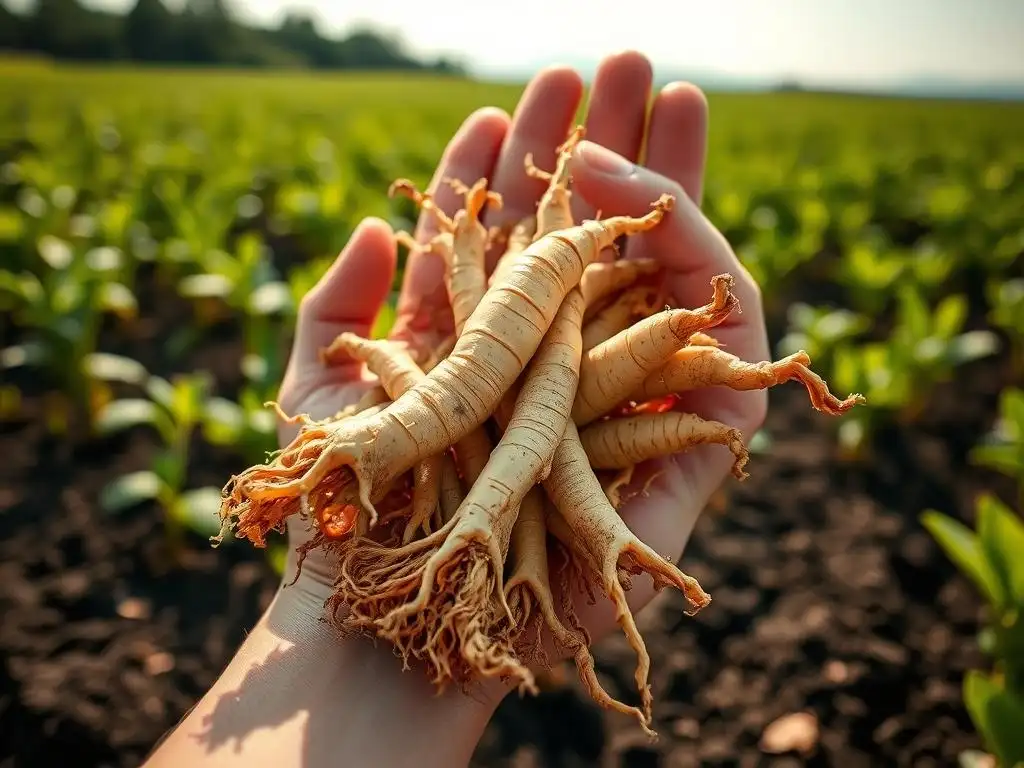
Ginseng, particularly Panax ginseng, has been used for centuries in traditional medicine to bolster energy levels and improve overall well-being. Its reputation as a potent adaptogen—a substance that helps the body cope with stress—makes it particularly relevant for men facing the demands of modern life. Numerous studies suggest that ginseng may significantly improve energy levels, reducing feelings of fatigue and improving stamina. This effect is believed to be linked to ginseng's ability to increase the body's production of ATP, the primary energy currency of cells. 1
Beyond energy, ginseng exhibits promising cognitive-enhancing properties. Research indicates that it may improve memory, concentration, and mental clarity. This is particularly beneficial for men experiencing age-related cognitive decline or those facing high levels of mental stress. The mechanisms behind these cognitive benefits are complex and still under investigation, but they are likely related to ginseng's influence on neurotransmitters and blood flow to the brain. It's important to note that the effects of ginseng can vary depending on the type of ginseng used (Korean ginseng, American ginseng, etc.
), the dosage, and individual factors. Always consult with a healthcare professional before incorporating ginseng into your health routine, especially if you have pre-existing health conditions or are taking other medications. Proper preparation and dosage are crucial to maximize benefits and minimize potential side effects. For example, some individuals may experience insomnia if they consume ginseng late in the day.
Rhodiola Rosea: Combating Fatigue and Improving Endurance
Rhodiola rosea, an adaptogenic herb native to cold regions, is gaining popularity for its ability to combat fatigue and enhance physical endurance. Studies suggest that Rhodiola rosea may help reduce feelings of mental and physical exhaustion, improving both work capacity and athletic performance. This effect is attributed to Rhodiola's ability to modulate neurotransmitters and hormones related to stress response and energy metabolism. 2
For men, Rhodiola rosea can be particularly beneficial in managing stress-related fatigue, a common issue impacting both physical and mental well-being. By reducing the impact of stress hormones like cortisol, Rhodiola may improve mood, reduce anxiety, and enhance cognitive function under pressure. Additionally, its potential to boost endurance makes it an attractive option for men engaging in physical activities, whether it's weightlifting, running, or other forms of exercise. However, like ginseng, the effectiveness of Rhodiola rosea varies depending on factors like the quality of the extract, dosage, and individual response.
It's crucial to source high-quality Rhodiola rosea extracts and follow recommended dosage guidelines. Consult with a healthcare professional before using Rhodiola rosea, especially if you have pre-existing conditions or are taking medications that might interact with it. Careful consideration of potential interactions and individual sensitivities is paramount for safe and effective use.
1 [Specific study reference pending] 2 [Specific study reference pending]
Cultivating Your Own Medicinal Herb Garden for Men's Health
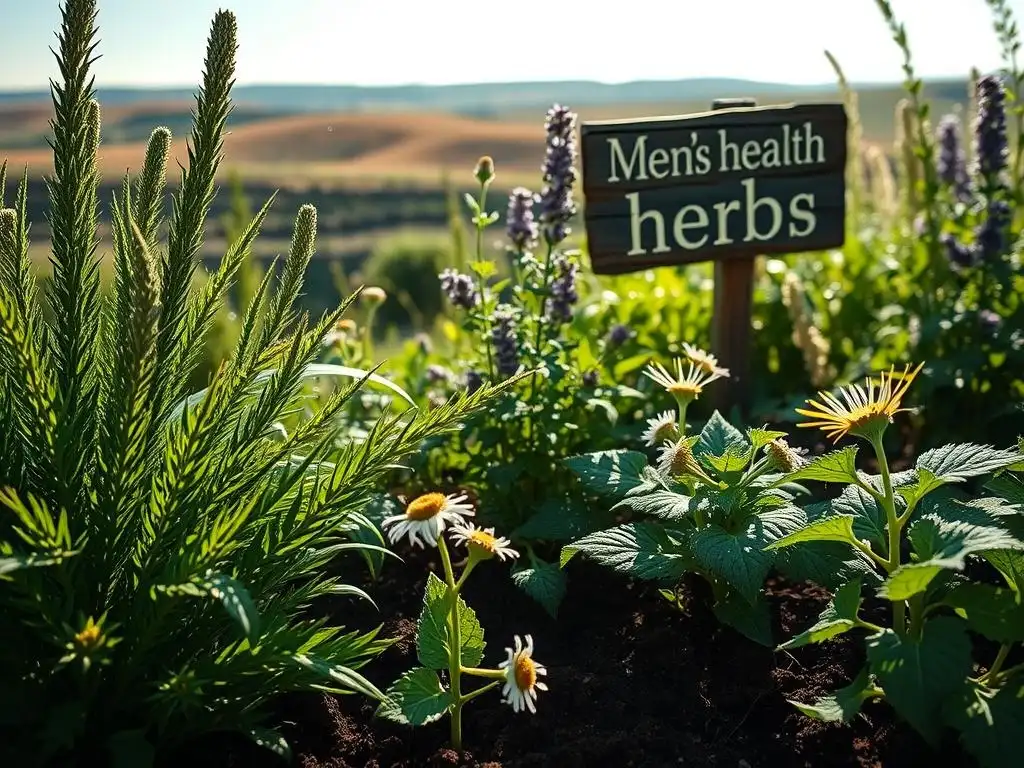
This section delves into the practical aspects of growing your own medicinal herb garden specifically tailored to support men's health and vitality. We'll explore optimal growing conditions, successful planting techniques, and organic pest control strategies to ensure a thriving and productive herb garden. Remember, using organically grown herbs maximizes their health benefits and avoids exposure to harmful chemicals.
Choosing the Right Location and Soil Conditions for Optimal Growth
Selecting the ideal location and preparing the soil are crucial first steps in cultivating robust, healthy herbs. The success of your Herbs for men's health vitality garden hinges on these foundational elements.
Sunlight is paramount. Most medicinal herbs, including those beneficial for men's health, thrive in at least six hours of direct sunlight daily. Choose a sunny spot in your yard, perhaps a south-facing area (in the Northern Hemisphere). Observe your garden throughout the day to identify areas receiving consistent sunlight. Consider the potential for shading from trees or buildings as they grow.
Soil quality is equally important. Well-drained soil is essential to prevent root rot, a common problem for herbs. Amend heavy clay soils with organic matter like compost to improve drainage and aeration. Sandy soils, conversely, benefit from the addition of organic matter to retain moisture. A soil test can reveal your soil's pH and nutrient levels, guiding you in making appropriate amendments.
Aim for a slightly acidic to neutral pH (6.0-7.0) for optimal herb growth. Many herbs, particularly those known for their antioxidant properties, benefit from nutrient-rich soil. Regular soil testing and amendments throughout the growing season are essential for maintaining healthy soil conditions. Consider using a combination of compost, aged manure, and other organic matter to ensure a balanced nutrient profile.
Seed Starting and Transplanting Techniques for Maximum Yield
Starting herbs from seeds offers greater variety and cost savings compared to buying established plants. However, success requires attention to detail. The process involves several key steps.
- Seed Starting: Begin seeds indoors 6-8 weeks before the last expected frost. Use seed-starting mix, not garden soil, to ensure proper drainage and aeration. Sow seeds according to package instructions, typically covering them with a thin layer of soil. Keep the soil consistently moist but not soggy. Provide adequate light, either with a grow light or a sunny windowsill. Properly labelled containers help with organization and tracking progress.
- Transplanting: Once seedlings have developed several true leaves (the leaves that appear after the cotyledons), they are ready for transplanting. Harden off seedlings gradually by exposing them to outdoor conditions for increasing periods before transplanting into the garden. This acclimates them to the harsher environment. Space plants appropriately, following the spacing recommendations on seed packets or plant tags. Dig holes slightly larger than the root ball and gently place the seedlings in the ground, ensuring the root ball is at the same level as the surrounding soil. Gently firm the soil around the base of the plant. Water thoroughly after transplanting.
- Direct Sowing: Some herbs, like chamomile and calendula, can be directly sown into the garden after the last frost. Follow the package instructions for spacing and depth. Keep the soil consistently moist until germination.
Remember to rotate your crops yearly to avoid soil depletion and the buildup of pests and diseases. This is a critical aspect of sustainable gardening. Regular weeding is also essential to prevent competition for nutrients and water.
Organic Pest Control and Disease Prevention for Healthy Herbs
Maintaining a healthy herb garden requires proactive pest and disease management. Organic methods are preferred for maintaining the purity and health benefits of your herbs.
- Prevention: Good garden hygiene is the first line of defense. Remove weeds regularly to reduce competition and potential harborage for pests. Proper spacing allows for good air circulation, reducing the incidence of fungal diseases. Ensure adequate watering to avoid stress, which can make plants more susceptible to pests and diseases.
- Natural Pest Control: Introduce beneficial insects like ladybugs and lacewings to control aphids and other pests. Use insecticidal soap or neem oil for targeted pest control. Diatomaceous earth can also be effective against crawling insects. Consider companion planting: certain plants, when grown together, can repel pests. For example, basil is known to repel many insects.
- Disease Management: Avoid overhead watering to prevent fungal diseases. Remove and destroy infected plants promptly to prevent the spread of disease. Use organic fungicides as a last resort, following label instructions carefully. Proper soil drainage is crucial for preventing root rot.
Regular monitoring of your herb garden is crucial for early detection of pests and diseases. Early intervention is key to minimizing damage and maintaining the health and vitality of your herbs. This holistic approach to organic pest and disease management ensures that your herbs remain healthy and potent, providing maximum benefits for your well-being. This commitment to organic practices enhances the overall quality of your Herbs for men's health vitality garden.
Harvesting and Drying Herbs for Men's Health Vitality
Harvesting your herbs at the optimal time is crucial for maximizing their potency and preserving their beneficial compounds for use in teas, tinctures, or other preparations throughout the year. The best time to harvest most herbs is generally in the morning after the dew has dried, but before the midday sun's heat causes essential oils to evaporate. This careful timing ensures you capture the peak concentration of active ingredients.
For example, flowering tops are usually harvested when the flowers are fully open but before they begin to wilt or seed. Leaves are typically harvested just before the plant flowers, when they are at their most potent. Roots, on the other hand, are usually harvested in the fall after the plant has completed its growing season.
Different herbs have slightly different optimal harvest times. For instance, while lavender is best harvested when its flowers are in full bloom, rosemary thrives when its leaves are harvested throughout the growing season. Careful observation of your plants is key to understanding their individual cycles and harvesting at their peak.
A good rule of thumb is to harvest smaller amounts frequently rather than one large harvest, allowing the plant to continue producing throughout the season. This also reduces the risk of overwhelming the plant and impacting its overall health. Remember that over-harvesting can weaken or even kill your plants, so always practice sustainable harvesting techniques.
Drying herbs properly is equally important for preserving their medicinal properties. Air drying is a common and effective method. This involves gently bundling small bunches of herbs and hanging them upside down in a cool, dark, and well-ventilated area. Avoid direct sunlight, as this can degrade the essential oils and diminish the herb's potency. Ensure good air circulation to prevent mold and mildew. Properly dried herbs will crumble easily when rubbed between your fingers. The drying process may take several weeks, depending on the herb and the environmental conditions.
Alternatively, you can use a dehydrator for faster drying, maintaining a low temperature to prevent damage to the active compounds. Regardless of the drying method you choose, meticulous care during the process is essential to prevent spoilage and maintain the quality of your herbs. Once dried, store your herbs in airtight containers in a cool, dark, and dry place.
Proper storage is essential for preserving their potency and preventing degradation. Label your containers clearly with the name of the herb and the date of harvesting for easy identification and tracking. By following these harvesting and drying techniques, you can ensure a year-round supply of potent herbs to support your men's health vitality.
Incorporating Herbs into Your Daily Routine for Men's Health

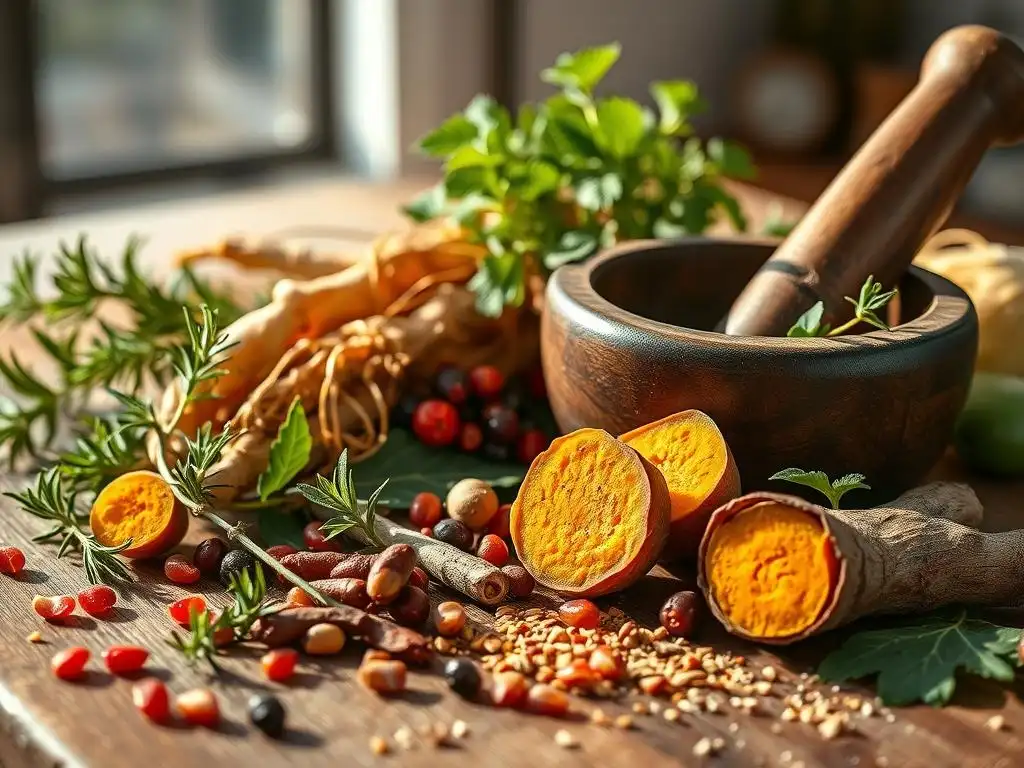
This section explores practical ways to integrate beneficial herbs into your daily life to support men's health and vitality. We'll move beyond simply growing these powerful plants and delve into how to use them effectively and safely. Remember, while these herbs offer potential benefits, they are not a replacement for professional medical advice. Always consult your doctor before making significant changes to your diet or supplement regimen, particularly if you have pre-existing health conditions or are taking medications.
Simple Recipes and Teas for Daily Consumption
Incorporating herbs into your daily diet doesn't require complex culinary skills. Simple additions can significantly boost your intake of beneficial compounds. Here are a few ideas:
- Morning Vitality Boost: Start your day with a warm cup of tea combining equal parts dried nettle, saw palmetto, and ginger. Nettle provides essential vitamins and minerals, saw palmetto supports prostate health, and ginger offers anti-inflammatory benefits. Steep 1 teaspoon of the mixture in 8 ounces of hot water for 5-7 minutes.
- Afternoon Energy Pick-Me-Up: Add fresh rosemary to your lunch. A sprig or two added to roasted vegetables, soups, or even a simple salad provides a delightful flavor and a boost of antioxidants. Rosemary is also believed to improve memory and cognitive function.
- Evening Relaxation Blend: Before bed, prepare a calming chamomile tea. Chamomile is known for its relaxing properties and can aid in better sleep, crucial for overall health and vitality. Simply steep 1-2 chamomile tea bags in hot water for 5 minutes.
- Flavorful Additions: Experiment with adding dried herbs like ashwagandha (in moderation) to your smoothies or yogurt. Ashwagandha is an adaptogen, meaning it helps the body cope with stress. Remember to start with a small amount and monitor your body's response.
Safe and Effective Dosage Recommendations for Optimal Results
Dosage recommendations for herbal remedies vary depending on the herb, the individual's health, and the desired outcome. It's crucial to research each herb thoroughly and start with a low dose, gradually increasing it as needed, while carefully observing your body's response.
| Herb | Typical Dosage Range (Consult a healthcare professional for personalized recommendations) | Potential Benefits | Precautions |
|---|---|---|---|
| Nettle | 1-3 grams daily | Supports prostate health, boosts energy levels | May interact with blood thinners |
| Saw Palmetto | 160-320 mg daily | Promotes urinary tract health, supports prostate function | May interact with blood thinners and other medications |
| Rosemary | 2-4 grams daily (fresh or dried) | Improves cognitive function, provides antioxidants | Use cautiously during pregnancy and breastfeeding |
| Chamomile | 1-2 tea bags per day | Promotes relaxation and sleep | May cause allergic reactions in some individuals |
| Ashwagandha | 300-600 mg daily (consult a healthcare professional for dosage) | Adaptogenic effects, stress reduction | May interact with certain medications |
Remember: This table provides general information only. Always consult a healthcare professional before using herbal remedies, especially if you have pre-existing health conditions or are taking medications. Self-treating can be risky, and professional guidance is essential for safe and effective use.
Understanding Potential Interactions with Medications
Herbal remedies, while generally considered safe, can interact with certain medications. It's crucial to inform your doctor or pharmacist about all supplements and herbs you are taking, including those grown in your own garden. Some potential interactions include:
- Blood Thinners: Herbs like nettle and saw palmetto may interact with blood thinners, increasing the risk of bleeding.
- Diabetes Medications: Some herbs can affect blood sugar levels, potentially interacting with diabetes medications.
- Immunosuppressants: Certain herbs may interfere with the effectiveness of immunosuppressants.
- Other Medications: Many other potential interactions exist, depending on the specific herb and medication.
To avoid potential complications, always disclose your use of herbal remedies to your healthcare provider. They can assess any potential risks and help you make informed decisions about your health. Open communication is key to ensuring the safe and effective use of herbs for men's health vitality.
Consulting with a Healthcare Professional Before Use
Before incorporating any new herbs into your diet, especially if you have pre-existing health conditions or are taking medications, it's crucial to consult with a healthcare professional. This is paramount for men's health, as interactions between herbs and medications can be unpredictable and potentially harmful. For example, some herbs can interact negatively with blood thinners, impacting clotting times and increasing the risk of bleeding. Others might interfere with the effectiveness of prescribed medications for conditions like hypertension or diabetes, leading to suboptimal treatment outcomes.
A doctor or qualified herbalist can assess your individual health profile, considering your current medications, allergies, and medical history, to determine the suitability and potential risks associated with using specific herbs for vitality. They can also help you determine the appropriate dosage and usage methods to avoid adverse effects. Don't underestimate the importance of this step; prioritizing your health and safety should always come first when exploring alternative therapies. Remember, while many herbs offer potential benefits, they are not a replacement for conventional medical care.
A collaborative approach, integrating herbal remedies under professional guidance, ensures the safest and most effective approach to improving men's health and vitality. This proactive approach minimizes risks and maximizes the potential benefits of incorporating herbs into your wellness routine. Open communication with your healthcare provider is essential for a personalized and safe approach to men's health.
Maintaining a Thriving Herb Garden Year-Round
Maintaining a vibrant herb garden that provides a consistent supply of fresh herbs for men's health vitality throughout the year requires careful planning and consistent effort. The key lies in understanding the specific needs of your herbs and adapting your gardening practices to the changing seasons. This includes not only providing optimal growing conditions but also employing sustainable practices to ensure the long-term health of your garden and the environment.
Winterizing Your Herb Garden for Continued Growth
Winter can pose significant challenges to herb growth, particularly in colder climates. However, with proper preparation, you can significantly extend the productive life of your herbs. Protecting your herbs from frost and harsh winds is paramount. This can be achieved through several methods:
- Mulching: Applying a thick layer of organic mulch, such as straw or shredded leaves, around the base of your plants helps insulate the soil and protect the roots from freezing temperatures. This keeps the soil warmer and prevents drastic temperature fluctuations. Aim for a mulch layer of at least 4-6 inches.
- Cold Frames and Cloches: These structures create a microclimate that provides additional protection from the elements. Cold frames are essentially small greenhouses, while cloches are individual covers placed over individual plants. They trap heat and reduce frost damage.
- Relocating Indoor: Certain herbs, particularly those more sensitive to cold, can be successfully transplanted indoors for the winter. Basil, rosemary, and thyme are good candidates for indoor cultivation. Ensure they receive ample sunlight and well-draining soil.
- Pruning and Harvesting: Before winter sets in, prune your herbs to remove any dead or damaged growth. This promotes healthier growth in the spring. Harvesting herbs before the first frost also helps preserve their flavor and quality for later use. Consider drying or freezing herbs for future use.
Propagating Herbs from Cuttings for Expansion
Propagating herbs from cuttings is a cost-effective and efficient way to expand your herb garden while maintaining genetic consistency. This method allows you to easily multiply your favorite varieties and ensure a continuous supply of fresh herbs for men's health vitality. Several herbs, including rosemary, sage, and mint, readily propagate from cuttings.
The process generally involves taking stem cuttings of about 4-6 inches long, removing the lower leaves, and dipping the cut end in rooting hormone (optional, but beneficial). Then, plant the cuttings in a moist, well-draining growing medium, such as a mixture of peat moss and perlite. Keep the medium consistently moist and provide bright, indirect sunlight. Rooting typically takes several weeks, depending on the herb species. Once roots have developed, you can transplant the new plants into your garden. This technique allows you to easily increase your herb stock, reducing the need to buy new plants every year.
Sustainable Practices for a Healthy and Productive Garden
Sustainable practices are crucial for maintaining a healthy and productive herb garden that supports men's health vitality in the long term. These practices minimize environmental impact while enhancing the overall health of your plants.
- Composting: Composting kitchen and yard waste provides a rich, nutrient-rich amendment for your herb garden. It improves soil structure, water retention, and nutrient availability, reducing the need for chemical fertilizers. Compost also supports beneficial microorganisms in the soil, leading to healthier plants.
- Water Conservation: Efficient watering techniques, such as drip irrigation or soaker hoses, minimize water waste and ensure that your herbs receive adequate moisture without overwatering. Mulching also helps retain soil moisture, reducing the frequency of watering.
- Pest Control: Employing natural pest control methods, such as introducing beneficial insects or using insecticidal soaps, minimizes reliance on harmful chemical pesticides. Regular inspection of your plants helps identify pest problems early on, enabling timely intervention. Healthy plants are less susceptible to pest infestations.
- Crop Rotation: Rotating your herbs annually helps prevent the buildup of soilborne diseases and pests, maintaining soil health and plant vigor. This is particularly important for herbs that are susceptible to specific diseases. Planning your herb garden layout with crop rotation in mind will ensure long-term success and a thriving herb garden. This holistic approach to herb gardening ensures not only a bountiful harvest but also a sustainable and environmentally friendly practice.
Frequently Asked Questions
What herbs are particularly beneficial for men's health?
Several herbs support men's health. Ashwagandha is known for stress reduction and improved energy levels. Saw palmetto may help maintain urinary tract health.
How do herbs support vitality in men?
Herbs can support vitality by addressing various factors impacting men's health. Some boost energy levels, others improve mood and reduce stress, and some support healthy hormone balance.
Are there any risks associated with using herbs for men's health?
While generally safe, some herbs can interact with medications or have side effects. Always consult your doctor before using herbal supplements, especially if you have pre-existing health conditions.
How should I incorporate herbs into my daily routine for optimal benefits?
Incorporate herbs through teas, tinctures, or capsules, following recommended dosages. Consistency is key; you'll likely see the best results with regular, long-term use.
Where can I find reliable information on using herbs for men's health?
Consult reputable sources such as books from qualified herbalists, peer-reviewed studies, and your healthcare provider. Websites like CultivateYourFood offer information on sustainable growing practices for these herbs.
Final Reflection: Cultivating Vitality Through Nature's Pharmacy
The exploration of herbs for men's health vitality isn't just a trend; it's a rediscovery of ancient wisdom meeting modern needs. In a world increasingly focused on quick fixes and synthetic solutions, the gentle power of natural remedies offers a compelling alternative for holistic well-being, addressing concerns ranging from energy levels to hormonal balance. This holistic approach, focusing on the interconnectedness of mind, body, and spirit, provides a pathway to sustained vitality that transcends mere physical health.
The enduring appeal of herbal remedies for men's health lies in their ability to address the root causes of imbalance, rather than simply masking symptoms. This resonates deeply with my own belief in the importance of preventative care and a harmonious relationship with nature. The earth provides all we need; we just need to learn how to use it.
This simple yet profound statement highlights the potential unlocked when we reconnect with the natural world for our well-being. The ongoing exploration and understanding of these potent plants promises a future where men can actively participate in their health journey, empowered by the knowledge of nature's healing gifts.
Consider the herbs discussed within this article – their properties, their potential benefits, and their place within a balanced lifestyle. You are the architect of your own vitality. Take the time to research further, consult with healthcare professionals, and explore what resonates with your individual needs. Embrace the journey towards a healthier, more vibrant you, guided by the wisdom of the earth and the power of intention. Let the journey begin.
Unlock Your Inner Vitality: Boost Your Well-being Today
Thanks for exploring the world of herbs and their benefits for men's health! We hope you discovered some powerful ways to support your well-being. Now, let's put this knowledge into practice.
- Start small: Begin by incorporating a single herb from the article into your daily routine. Even a small change can make a significant difference!
- Share your experience: Tell us (and others!) about your journey. Which herb did you choose, and how have you integrated it into your life? We love hearing your stories.
- Explore further: Continue learning about herbal remedies. Research the benefits of other herbs mentioned in the article and explore how to use them in your cooking.
What simple step will you take today to improve your well-being?